


Why Folding Matters
-
Prevents deep creases that are hard to remove.
-
Saves storage space and keeps your linens organized.
-
Protects delicate fabrics from wear and discoloration.
-
Makes it faster to set the table for occasions and daily meals.
How to Fold a Round Tablecloth
Before folding, decide what matters most: avoiding creases, keeping linens compact, or maximizing shelf space. Use these choices to pick the method that fits your storage and fabric type.
Preparation steps
-
Clean and dry: Always start with a clean, fully dry tablecloth. Damp fabric holds odors and develops mildew.
-
Smooth and press: Shake the cloth, then lay it flat on a clean surface and smooth with your hands. For linen or cotton, press lightly with an iron at the fabric’s recommended setting to remove major wrinkles.
-
Pick a surface: Use a large table, a bed, or the floor. The surface should be clean and flat so the cloth can be aligned precisely.
Method 1 — The gentle roll (best for avoiding creases)
The roll method minimizes sharp folds and works well for delicate fabrics, embroidered edges, or tablecloths you use often.
-
Lay flat: Spread the tablecloth flat and smooth outward from the center to remove air pockets.
-
Fold in half: Bring one edge over to meet the opposite edge, aligning the center. Smooth again.
-
Fold in half one more time if needed: For very large cloths, fold to a manageable width.
-
Roll from one short end: Starting at a short edge, roll tightly and evenly, pressing as you go to eliminate air.
-
Secure: Use a ribbon, cloth band, or a fabric tie to keep the roll in place.
Why it works: Rolling reduces sharp creases, keeps embroidered borders from bending, and stores compactly. This method is ideal for tablecloths made of linen, delicate cotton, or fabrics with decorative elements.
Method 2 — The classic fold (space-efficient)
If your priority is neat stacks and efficient shelving, the classic fold produces a flat, rectangular bundle that stacks well.
-
Center and flatten: Spread the cloth and smooth out the center.
-
Make a circle-to-rectangle fold: Fold the circle in half twice, forming a quarter circle. If the cloth is still large, fold it in half lengthwise to make a long strip.
-
Fold into thirds or fourths along the long edge: Make even folds from one end toward the center, then fold the other end over.
-
Smooth between folds: Run your hand over the cloth to remove air and help the layers lie flat.
-
Store flat: Lay the bundle in a drawer or on a shelf. Stack similar linens by size.
Why it works: The classic fold gives a tidy, low-profile shape for drawers and shelves. It’s a good match for heavier fabrics that hold a flat fold well.
Method 3 — The padded roll (protects delicate edges)
For embroidered edges or heirloom pieces, add a protective barrier before rolling.
-
Prepare a protective layer: Use acid-free tissue paper, unbleached muslin, or a lightweight cotton pillowcase.
-
Lay the tablecloth on the protective layer and smooth.
-
Fold or roll using the gentle roll method, keeping the protective material wrapped around important sections.
-
Secure gently with a fabric tie.
Why it works: The padding prevents friction, protects delicate work, and reduces discoloration from contact with other items. Museums and textile conservators recommend wrapping prized linens between uses.
Method 4 — The hanging method (best for long-term storage)
Hanging prevents creases entirely and is a good choice for large or frequently used tablecloths.
-
Use a padded hanger or a wide wooden hanger to prevent shoulder dents.
-
Fold the tablecloth once or twice lengthwise, keeping folds broad and shallow.
-
Drape the cloth over the hanger, then cover with a breathable garment bag or cotton sheet to keep dust away.
-
Store in a closet with good air circulation, away from direct sunlight.
Why it works: Hanging avoids tight folds and keeps fabric flowing naturally. This option is great for linens you want to keep press-ready.
Tips for different fabrics
-
Cotton: Can be ironed at medium-high heat. Store folded or rolled. Iron along folds if you expect a formal event.
-
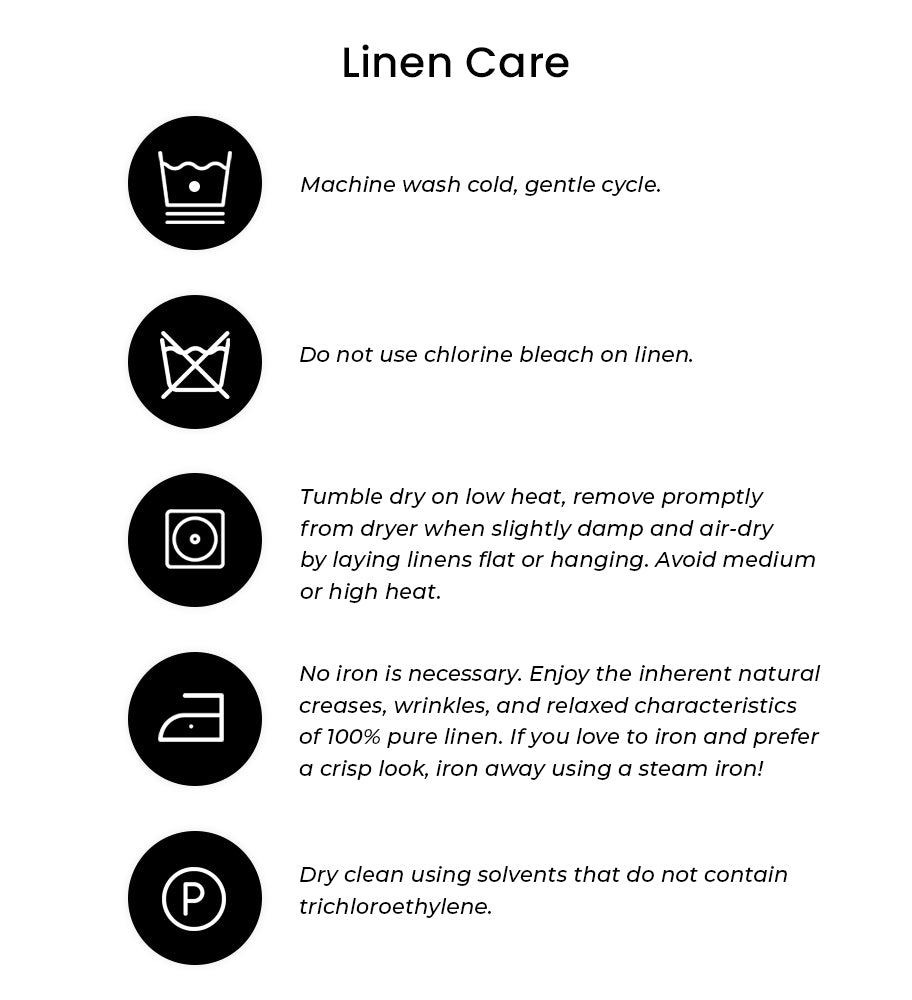
Linen: Linen benefits from steaming rather than heavy pressing; it relaxes fibers without flattening texture. Rolling often preserves the natural look.
-
Polyester and blends: These resist wrinkles well; a quick smooth and roll is usually enough.
-
Embellished or lace edges: Use padding and avoid sharp folds to protect seams and decorations.
Stain care and storage readiness
-
Treat stains promptly using a fabric-appropriate method. Avoid hot water on protein-based stains and always test cleaners on a hidden area.
-
Ensure complete dryness before storing. Any residual moisture invites mildew.
-
For long-term storage, include a packet of silica gel or a breathable cedar block to deter moisture and pests. Avoid plastic that traps humidity.
Organizing your linen collection
-
Label bundles: Use fabric tags or small cards to note size, material, and number of pieces.
-
Stack by use: Everyday linens on lower shelves; seasonal and special-occasion pieces higher or in a separate bin.
-
Rotate regularly: Use older tablecloths periodically to prevent long-term pressure marks and to check condition.
Quick fixes for wrinkles
-
Use a fabric steamer for fast, effective smoothing that won’t press down texture.
-
Hang in a steamy bathroom for 10–20 minutes to let steam relax fibers, then smooth by hand.
-
If you must iron, place a thin cotton towel between the iron and cloth to avoid shine and protect delicate fibers.
Packing for travel or events
-
Roll your tablecloth into a tight tube and place it in a protective bag. This reduces creases and fits easily in luggage.
-
For tablecloths that must remain crease-free, consider a travel garment tube or rolling in layers with tissue paper.
Common mistakes to avoid
-
Folding too sharply: This creates hard creases that hold and show.
-
Storing damp: Leads to mildew and odors.
-
Using plastic long-term: Traps moisture and can yellow some fabrics.
-
Ignoring edges: Decorative hems and lace require extra care—tuck and pad them.
A practical example: Folding a 90-inch round tablecloth
-
Clean and dry the cloth. Press lightly if needed.
-
Spread flat on a large table.
-
Fold in half, then in half again, smoothing after each fold.
-
Fold the long rectangle into thirds, smoothing between folds.
-
Place a sheet of acid-free tissue inside the final fold if edges are embroidered.
-
Store flat in a drawer or shelf labeled “90-inch tablecloth — white cotton.”
Maintenance checklist
-
Wash when necessary but not too often to preserve fabric life.
-
Air out linens periodically to keep them fresh.
-
Inspect seams and hems for loose threads; mend small issues before they grow.
-
Keep a small sewing kit near storage for quick repairs.
Closing Notes
Folding a round tablecloth well is a small household skill that pays off in appearance, preservation, and convenience. Choose a method that matches the fabric and your storage setup—rolling for delicate pieces, classic folding for shelf stacks, or hanging for crease-free readiness. Protect embroidered edges with padding, keep linens dry, and label bundles so you always find the right cloth fast.
Would you like a printable folding cheat sheet or an illustrated step-by-step guide tailored to the sizes of tablecloths you own?