



Gen Z home decor is increasingly shaped by individuality, comfort, and a preference for spaces that feel personal rather than perfectly coordinated. Instead of following one strict design style, younger homeowners and renters often combine vintage finds, contemporary pieces, natural materials, and playful accents.
Cotton and linen fit naturally into this approach. Their soft textures, breathable feel, and relaxed appearance can make a room feel comfortable without looking overly polished. Whether used for bedding, curtains, cushions, or table linens, these fabrics offer a flexible foundation for experimenting with color and personality.
Embrace Natural Textures
One of the easiest ways to bring a modern, Gen Z-inspired look into a room is to focus on texture. Smooth, perfectly finished surfaces can be balanced with materials that have visible weave and natural variation.

Linen curtains, cotton throws, woven cushions, and textured bedding introduce softness without making a space feel cluttered. These materials also work well alongside wood, ceramic, rattan, and other tactile finishes.
Rather than buying every piece from the same collection, look for items that share a general color family while varying in texture. This creates a layered appearance that feels collected over time rather than purchased all at once.
Mix Vintage Finds With Contemporary Pieces
A defining feature of many personalized interiors is the combination of old and new. A vintage bedside table can sit comfortably beside modern cotton bedding, while an antique mirror can add character to a room furnished with contemporary pieces.
This approach makes it easier to decorate without replacing everything at once. Secondhand shops, family pieces, flea-market finds, and handmade objects can all contribute to a distinctive interior. It is worth giving older pieces a quick once-over before bringing them inside, since anyone who has shopped secondhand furniture in warmer, humid climates has likely wondered, in passing, about questions like are kissing bugs in NC or whether other insects tend to travel in upholstered seams, wooden joints, or storage drawers.
When mixing different eras, use textiles to connect the pieces. A neutral linen cushion or cotton throw can soften the contrast between a traditional wooden chair and a modern sofa.
Build a Relaxed Color Palette
Neutral colors remain useful, but a Gen Z-inspired space does not have to be completely beige. Warm whites, clay, sage, faded blue, butter yellow, terracotta, and soft brown can create a comfortable foundation for stronger accents.
Cotton and linen are particularly effective in these palettes because their natural texture prevents neutral colors from appearing flat. Slight variations in the weave add depth even when several textiles share similar tones.
Try choosing one dominant neutral, one secondary color, and a small accent shade. This creates enough structure to keep the room visually balanced while still leaving room for personal expression.
Bring Practical Awareness Into Everyday Spaces
Home decor does not have to be limited to traditional decorative objects. Everyday items can contribute to the overall character of a room when they are selected thoughtfully. A short list of easy, low-effort additions includes:
- Printed cotton bedding in an unexpected color or pattern
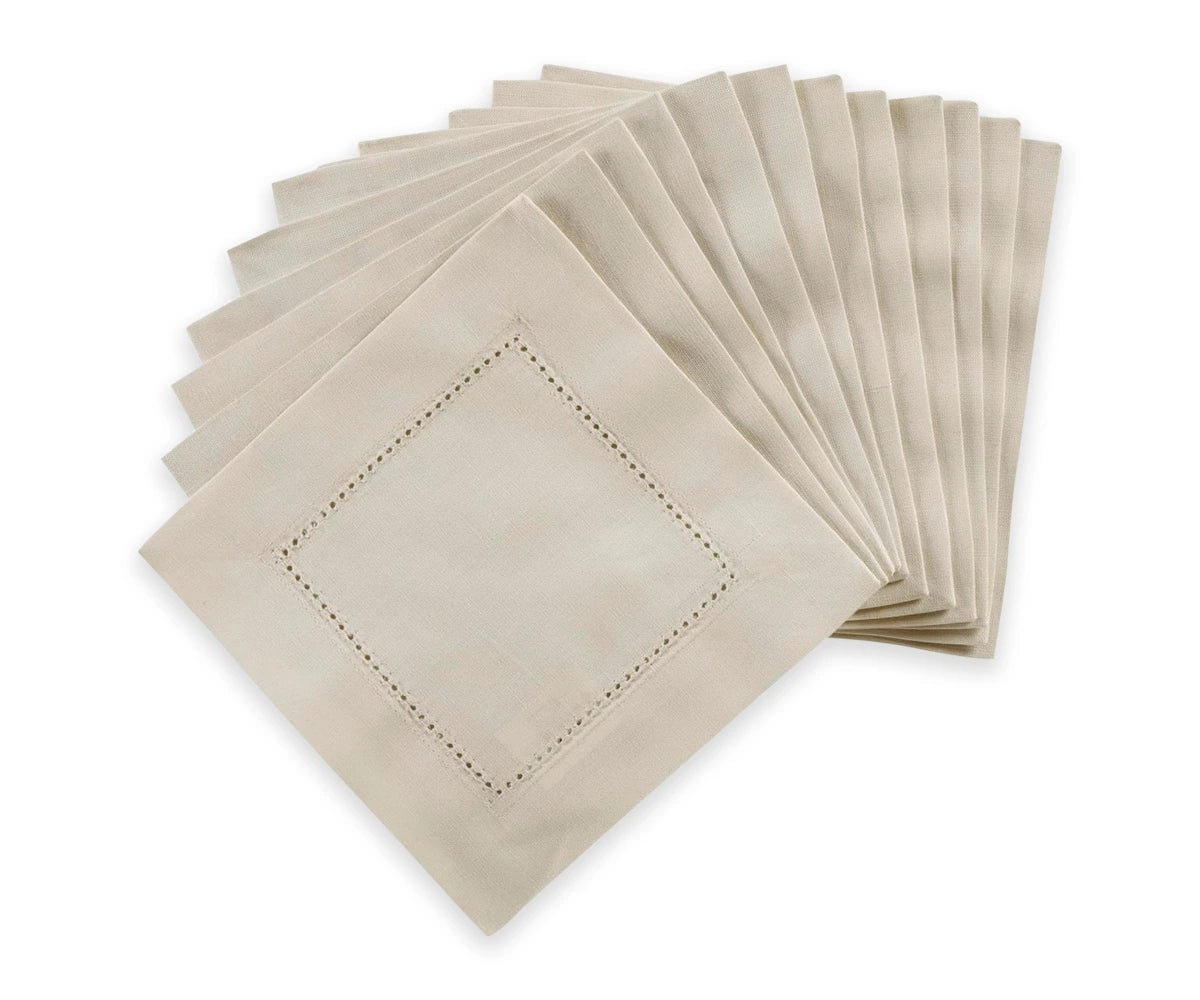
- Embroidered napkins for everyday table settings, not just special occasions
- Patterned linen curtains that soften a plain window
- An unusual fabric lampshade as a small, reversible statement piece
This is also where a bit of practical awareness fits naturally into home design. In warmer states, people furnishing sunrooms, porches, or ground-floor bedrooms sometimes search topics such as are kissing bugs in nc before deciding where to place soft furnishings, since these insects tend to favor dark, undisturbed corners. Keeping fabrics clean, maintaining window screens and entry points, and paying attention to the condition of outdoor-facing spaces are simple habits that support a comfortable, low-maintenance home.
The key is to combine function with visual appeal rather than allowing decorative choices to become difficult to maintain.
Use Cotton and Linen in Unexpected Ways
Cotton and linen are often associated with bedding and table linens, but their use can extend throughout the home.
Consider lightweight linen panels as room dividers, cotton fabric as wall art, or a linen-covered bench cushion in an entryway. Even a simple cotton throw draped over a chair can introduce color and texture without requiring a permanent change.
These fabrics can also soften spaces that contain harder materials. A room with metal shelving, glass surfaces, or polished wood often feels more welcoming when balanced with soft textiles.
Create a Comfortable Bedroom
The bedroom is one of the easiest places to experiment with cotton and linen. Layering different textile weights can create a relaxed appearance while keeping the room practical.
Start with simple cotton sheets, then add a linen duvet cover or lightweight quilt. Finish with two or three cushions in complementary textures rather than covering the entire bed with decorative pillows.
For a more expressive look, introduce one patterned textile. A floral, geometric, or abstract print can become a focal point while neutral bedding keeps the overall arrangement grounded.
Make Small Changes Instead of Redesigning Everything
One reason flexible decor trends work well is that they do not require a complete room makeover. Small changes can have a noticeable effect.
Replacing heavy curtains with linen panels, adding a cotton throw, changing cushion covers, or introducing a vintage accessory can shift the atmosphere without creating unnecessary waste.
Start with the area that feels least personal and make one change at a time. This gives you a chance to see how each addition works with what you already own before committing further.
What We've Learned
The Gen Z approach to home decor is less about following a single visual formula and more about creating a space that reflects individual taste. Cotton and linen provide an adaptable foundation because they work with vintage furniture, contemporary accessories, playful colors, and natural materials.
Rather than trying to make every element match, focus on the relationships between texture, color, and function. A few thoughtfully chosen textiles can make a room feel warmer, more personal, and easier to evolve as your style changes.