

All Cotton and Linen Online Store
All Cotton and Linen started in 2016. It began in the United States. The idea was simple. Natural fabrics should feel good. They should do good too. That small idea grew into a full brand. Today it's known for soft, clean cotton and linen products made with care.

The brand added natural clothing and home textiles for one reason. It wanted pieces that feel gentle on skin. It also wanted pieces that are kind to the planet. Its mission stays simple. Use natural fibers. Use thoughtful steps. Care for the people who make each piece.
Today, All Cotton and Linen sells home textiles for many rooms. You'll find table linens and kitchen towels. You'll find curtains, bedding, and bath towels too. Each one is made for everyday homes.
What Is the Meaning of A Home Textiles?
Home textiles are fabric goods used around the home. They add comfort. They add style. They help with daily tasks too. Common examples are tablecloths and napkins. Curtains and bedsheets count too. So do pillowcases and towels. These pieces add color to a room. They add warmth and character. Cotton and linen are top picks. They feel soft. They hold up well over time.

What Is a Home Textile Item?
A home textile item is a fabric good for your home. It can be useful. It can look nice. Often, it's both. A tablecloth guards a table. It also makes the table look nicer. A bath towel adds comfort. It soaks up water too. Bedding counts as a home textile item. So do curtains, towels, napkins, and cushion covers.
What Is A Home Textile Fabric?
Home textile fabric is the material used to make these goods. The fabric you pick shapes how soft the item feels. It shapes how well it breathes. It shapes how long it lasts.
Cotton
Cotton is a top pick for home textiles. It feels soft. It works well for daily use. You'll find cotton in bedding and kitchen towels. You'll find it in table linens and bath towels too. At All Cotton and Linen, cotton is a core fabric. It's a smart pick for daily comfort.

Linen
Linen is a natural fabric. It comes from flax plants. It breathes well and has a raw texture. Linen gives a room a calm, simple look. Try linen tablecloths and napkins. Try linen runners and curtains too. They add texture. But they keep the look simple. Linen suits a natural, plain home.

Cotton-Linen Blend
A cotton-linen blend mixes both fibers. You get the softness of cotton. You also get the texture of linen. This blend suits people who want both traits at once. You'll find it in many home textile goods.

Other Home Textile Fabrics
Cotton and linen aren't the only picks. Polyester and microfiber are common too. So are velvet, wool, silk, rayon, and acrylic. Each fabric brings something new. Polyester lasts long. It cleans with ease. Velvet adds rich texture. Wool adds warmth. Pick a fabric based on where you'll use it. Think about how often you'll wash it. Think about the look you want too.
Home Textile Product Categories
A good home textile set covers more than one room. Here are the main groups to know.
Table Linens
Table linens refresh your dining space fast. You don't need new furniture. They guard your table. They add color to every meal.
Tablecloths
A tablecloth covers your table. It guards against spills. It guards against food marks and wear too. It also sets the tone for your whole table. A cotton or linen tablecloth feels warm. Pick a plain shade for daily use. Add bold colors for holidays and events.
Table Runners
A table runner sits along the center of your table. It adds a nice base. Unlike a tablecloth, it leaves most of the table in view. Pair a runner with candles or a centerpiece. You can also layer a runner over a tablecloth. This adds more depth.
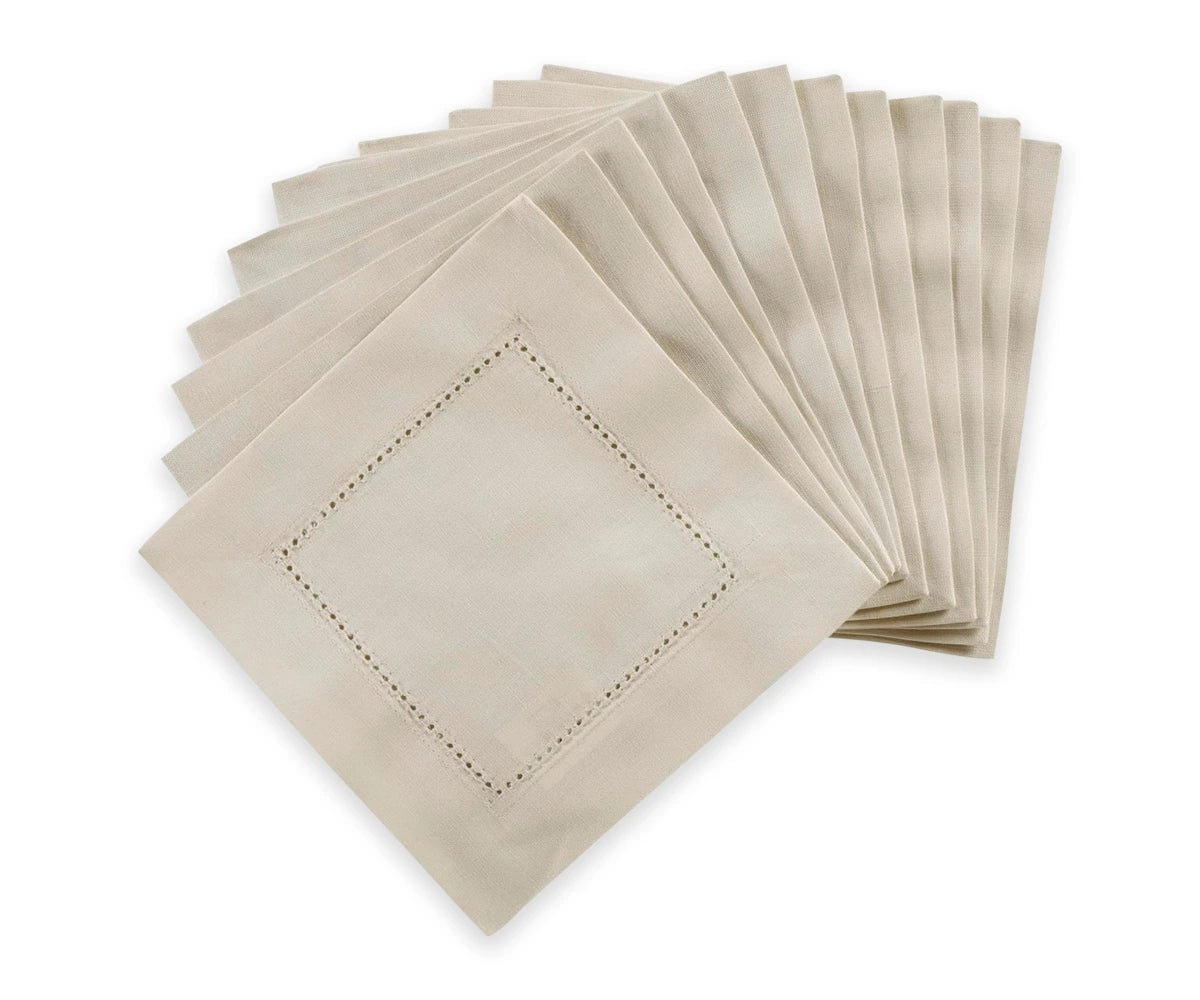
Cloth Napkins
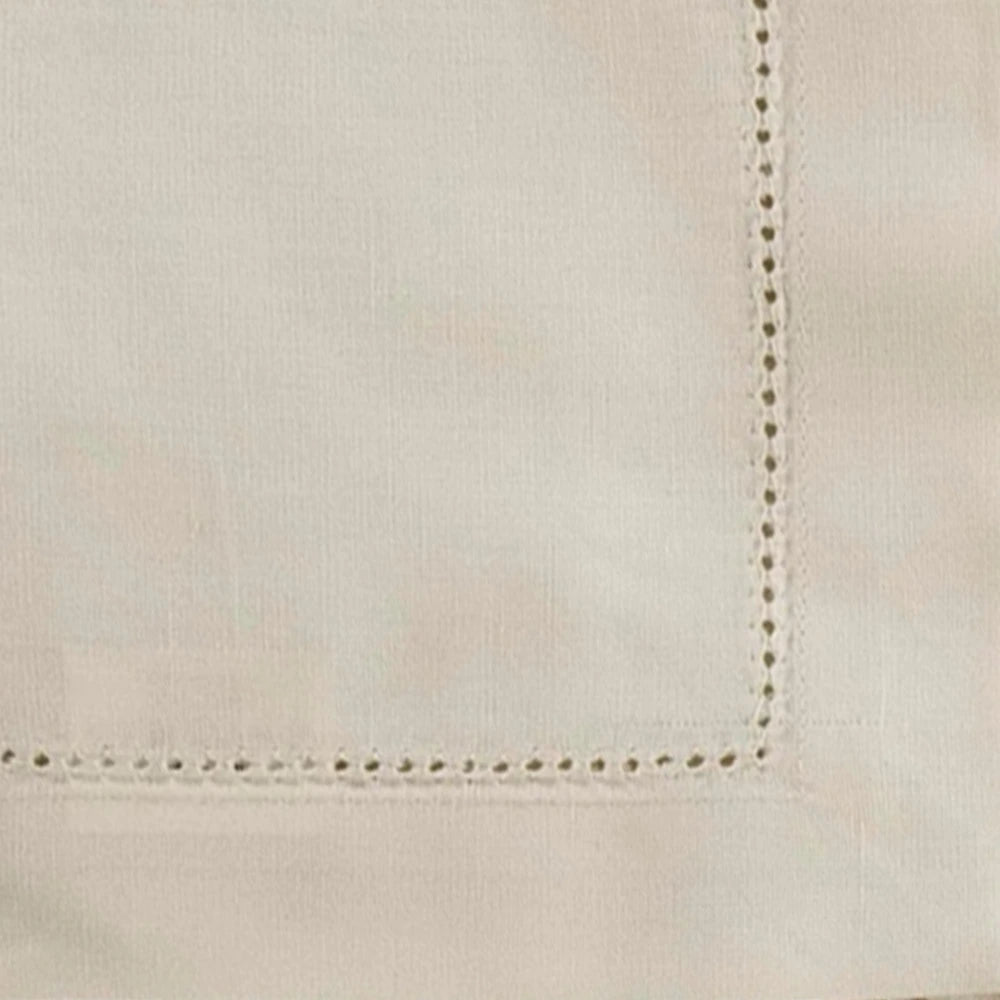
Cloth napkins finish off a table. Cotton and linen napkins feel soft. You can wash them and reuse them. That beats paper napkins. Match your napkins to your tablecloth. Or pick a bold shade to stand out. They suit family meals, dinner parties, and holidays alike.
Placemats
Placemats mark space for each plate. They guard your table from food and spills. They also add quick color to your table. Use placemats on their own. Or pair them with a tablecloth or runner. Check your table's size first. Each place setting needs enough room.
Kitchen Towels
Kitchen towels get used more than most textiles. You'll use them to dry dishes. You'll use them to wipe counters too. Cotton kitchen towels are a top pick. They feel soft. They hold up well through many washes. Keep a few on hand. Use one for dishes. Use another for cleanup.
Kitchen towels can add style too. Match their color to your curtains. This helps pull the room together.
Curtains
Curtains do more than cover a window. They add privacy. They filter light. They soften a room and add color. Natural-fabric curtains give a home a calm feel.
Living Room Curtains
Living room curtains soften the space. They add privacy too. They help control natural light as well. Cotton and linen curtains pair well with plain furniture. They pair well with wood finishes too. Pick a color that fits your walls and floors.
Bedroom Curtains
Bedroom curtains add privacy to a room. They add calm too. The fabric and color you pick shape the mood. Linen and cotton curtains suit bedrooms well. They have a natural look. Neutral shades feel calm. Deep tones add warmth.
Kitchen Curtains
Kitchen curtains finish off a window. They add privacy. They help control light too. Light fabric works best in a kitchen. Think about how close the curtain sits to your stove. A wash-friendly pick makes cleanup easy.
Bedding
Bedding covers the textiles that protect your bed. It sits close to your skin for hours. So the fabric you pick matters. Cotton bedding is a top pick for comfort. Build a full set with sheets and fitted sheets. Add crib sheets, bed skirts, and pillowcases too. Don't forget cushion covers and throws.
Sheet Sets
A sheet set helps you match your bed with ease. Many sets include sheets and pillowcases both. Cotton sheet sets work well for daily use. Pick the right size for your mattress. Choose a color that fits your room.
Fitted Sheets
Fitted sheets have stretchy edges. They grip the mattress well. They make the bed smooth and easy to set up. Check your mattress size first. Check its depth too. A shallow sheet won't stay in place.
Crib Sheets
Crib sheets fit a crib mattress. They give your baby a soft place to sleep. A good fit matters most here. Always check the sheet's size first. Match it to your crib mattress.
Bed Skirts
A bed skirt wraps around a bed's base. It hides the space under the mattress. It adds a finished look too. Pick a bed skirt that fits your sheets. Neutral colors help you update your bedding later.
Couch Covers
Couch covers guard your sofa from dust. They block spills and pet hair too. They can also refresh an old sofa fast. A wash-friendly cover works well in busy homes. Pick the right size and style for a snug fit.
Pillowcases
Pillowcases guard your pillows. They shape your bed's whole look. Cotton and linen picks suit anyone who loves natural fabrics. Keep it simple with matching pillowcases. Or mix colors for more contrast.
Cushion Covers
Cushion covers refresh a room fast. You don't need new cushions for a new look. Swap covers by season. Swap them for each event too. Natural fabrics add soft texture to plain furniture.
Throws
Throws add a cozy layer to a bed or sofa. They work on chairs too. They bring in new color fast. Keep a light throw handy in summer. Choose a heavy one for more warmth.
Bath Towels
Bath towels are a bathroom must-have. They soak up water fast. They add a soft touch to the room too. Cotton bath towels are loved for their soft feel. Keep a few sizes on hand for different needs. Fold or roll your towels with care. Store them on shelves or racks. Baskets work well too. Matching towels make a small bathroom feel neat.
How to Choose Home Textiles
Good home textiles don't need to cost the most. Look at the fabric first. Check the build and texture too. Think about the care each piece needs. Start with the room. A dining table needs a sturdy tablecloth. A bedroom needs soft sheets that breathe well. A kitchen needs towels that soak up water fast. A bathroom needs towels that feel gentle on skin.
Cotton and linen suit anyone who wants comfort. They give a natural look too. Think about how often you'll wash each piece. Color matters as well. Neutral shades work all year. They match almost anything. If your walls stay plain, add color through your linens. Try bold cushions, curtains, or throws.
Overview
A nice home isn't only about costly furniture. The textiles you use each day shape your home too. A good tablecloth transforms a table. Soft bedding makes a bedroom feel warm. A plush towel improves your morning. Cotton or linen curtains add warmth to any window.
Explore our cotton, linen, and blended picks. Choose pieces that feel good, work hard, and match your style.
You don't need a full makeover for a better home. A few good textiles can make your space feel warm and complete.