

Dish towels work harder than almost anything else in the kitchen. They dry hands, mop up spills, handle warm pots, and wipe down surfaces all day.
Because of that constant contact with moisture, food residue, and warmth, they become an ideal spot for bacteria to grow fast. The smell you're noticing isn't just unpleasant. It's a signal that bacteria have built up in the fibers, and standard washing methods often don't fully address that.
Why Do Dish Towels Smell Rancid?
The root cause of that rancid dish towel smell is bacterial activity. When a towel absorbs cooking oils, food particles, and moisture, it creates exactly the kind of warm, damp environment where bacteria thrive.
Over time, these bacteria break down the fats and proteins left in the fabric and release volatile compounds that produce that distinctive sour, musty, or rancid odor.
A study cited by the USDA found that kitchen towels carry more bacteria than almost any other surface in the home, including sink faucets and cutting boards.
The main culprits include E. coli and other foodborne pathogens that transfer from hands, raw food, and dish surfaces onto the towel.

Several common habits make the problem worse without people realizing it:
-
Washing in cold water: Cold water doesn't reach the temperature needed to kill bacteria. It cleans surface dirt but leaves odor-causing microorganisms behind.
-
Using fabric softener: Fabric softener coats the towel fibers with a waxy layer that traps bacteria and oils, reducing absorbency and locking in smell.
-
Storing towels while damp: A folded damp towel in a drawer or cupboard creates the perfect closed, moist environment for mildew and bacteria to multiply.
-
Washing too infrequently: Even towels that appear clean can carry significant bacterial loads after just one or two days of regular kitchen use.
Read More: Gifts for Mother-in-Law - 10 Easy Picks for Her
How to Wash Dish Towels So They Don't Smell Rancid: Step by Step
This method works consistently on cotton dish towels, linen dish towels, and blended kitchen towels.

Step 1: Pre-Soak in Vinegar Solution
Fill a large bowl or your sink with cold water. Add one part white vinegar for every four parts water. Submerge the towels and let them soak for at least 30 minutes, or up to an hour for towels with a strong grease smell. White vinegar is a natural antibacterial agent and breaks down the fatty acids in rancid oils without damaging the fabric fibers.
Step 2: Wash in Hot Water
Transfer the pre-soaked towels to your washing machine. Set the water temperature to at least 60°C (140°F). This is the minimum temperature required to kill the bacteria causing the odor. If your machine has a sanitize setting, use it for towels with a severe smell.
Step 3: Add Baking Soda to the Drum
Pour one-quarter cup of baking soda directly into the drum before adding the towels. Baking soda neutralizes acidic odor compounds and helps lift trapped oils from the fibers. Use it alongside your regular detergent rather than as a replacement.
Step 4: Use an Antibacterial Detergent
Choose a detergent with an enzyme-based or antibacterial formulation. Enzymes break down protein and fat residues that ordinary detergents leave behind. Use the recommended amount for the load size. Too much detergent leaves residue in the fibers that can trap bacteria on the next use.
Step 5: Add Vinegar to the Rinse Cycle
Add half a cup of white vinegar to the fabric softener compartment so it releases during the rinse cycle. This removes any remaining detergent residue, further deodorizes the fabric, and leaves the towel fibers soft without the waxy coating that fabric softener creates. Do not mix vinegar and bleach at any point, as the combination creates harmful fumes.
Step 6: Skip the Fabric Softener
Never use fabric softener on kitchen towels. The surfactants in fabric softener reduce absorbency and create a layer on the fibers that bacteria can cling to. Vinegar in the rinse cycle achieves the same softening result naturally.
Step 7: Dry Thoroughly
This is the most important step for preventing the smell from returning. Place the towels in a hot dryer cycle immediately after washing, or hang them outside in direct sunlight. Sunlight provides UV-based natural disinfection while air circulation removes residual moisture. Do not leave towels in the washing machine after the cycle ends, and never fold or bundle them until they are completely dry.
Read Related: Easter Tote Bags for Kids & Adults – Shop Now
Odor Removal Methods Compared
Different situations call for different approaches. The table below compares the most effective methods for getting the smell out of dish towels based on ease of use, effectiveness, and cost.
|
Method |
Best For |
Effectiveness |
Cos |
|
White Vinegar Soak |
All dish towel colors |
Very High |
Very Low |
|
Baking Soda Wash |
General odor removal |
High |
Very Low |
|
Chlorine Bleach |
White towels only |
Very High |
Low |
|
Oxygen Bleach |
Colored towels |
High |
Low |
|
Boiling Water Method |
Stubborn grease smell |
Very High |
Free |
|
Sunlight Drying |
Odor prevention |
High (natural UV) |
Free |
The Boiling Method for Stubborn Grease Smell
For dish towels with a deeply embedded rancid grease smell that regular washing hasn't removed, boiling is one of the most effective solutions available.
-
Fill a large pot at least halfway with water and place it on the stove.
-
Add one teaspoon of dish soap and half a cup of white vinegar to the water.
-
Bring the water to a rolling boil before adding the towels.
-
Add the dish towels and reduce the heat to a gentle simmer.
-
Let the towels simmer for 10 to 15 minutes, stirring occasionally.
-
Carefully drain the water and allow the towels to cool.
-
Transfer to the washing machine and complete a standard hot water wash cycle.
You May Also Like: Best Kitchen Towels for Drying & Cleaning
How Often Should You Wash Dish Towels?

This is one of the most searched questions about dish towel care, and the answer depends on how the towel is used.
|
Towel Type |
Recommended Wash Frequency |
Key Reason |
|
Dish Towels (daily use) |
Every 1 to 2 days |
Contact with food bacteria and grease |
|
Kitchen Hand Towels |
Every 2 to 3 days |
Frequent hand contact, moisture buildup |
|
Decorative / Display Towels |
Once a week |
Light use, less bacteria exposure |
|
Tea Towels (heavy cooking) |
Daily or after each use |
Direct contact with raw food and oils |
The general guidance from cleaning professionals is to wash dish towels used for drying dishes and wiping surfaces every one to two days.
Towels that dry hands only can go slightly longer, but bacteria accumulate faster in kitchen environments than most people expect.
Having a rotation of three to four towels in active use helps maintain freshness without requiring daily laundry loads.
When to Use Bleach on Smelly Dish Towels
Bleach is the most powerful option for killing bacteria in dish towels, but it requires careful use.
-
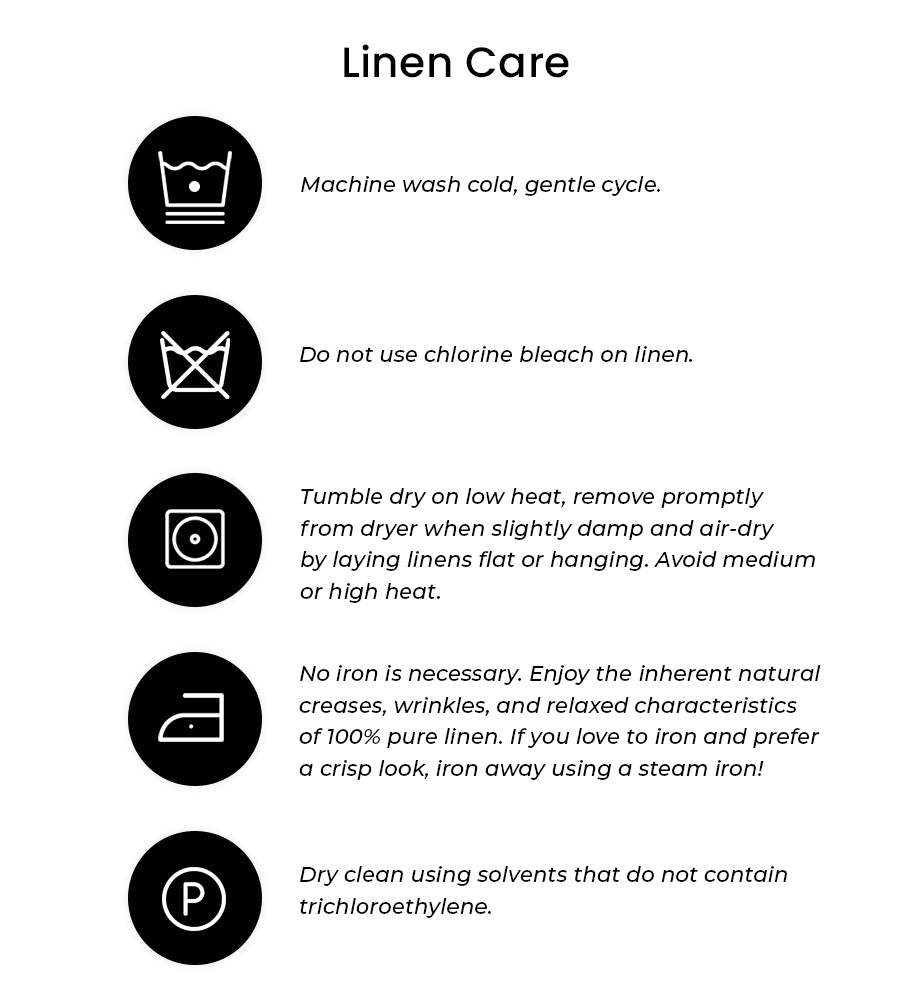
White dish towels: Add half a cup of chlorine bleach to a hot water wash cycle. This kills bacteria thoroughly and removes staining. Check the care label first to confirm bleach compatibility.
-
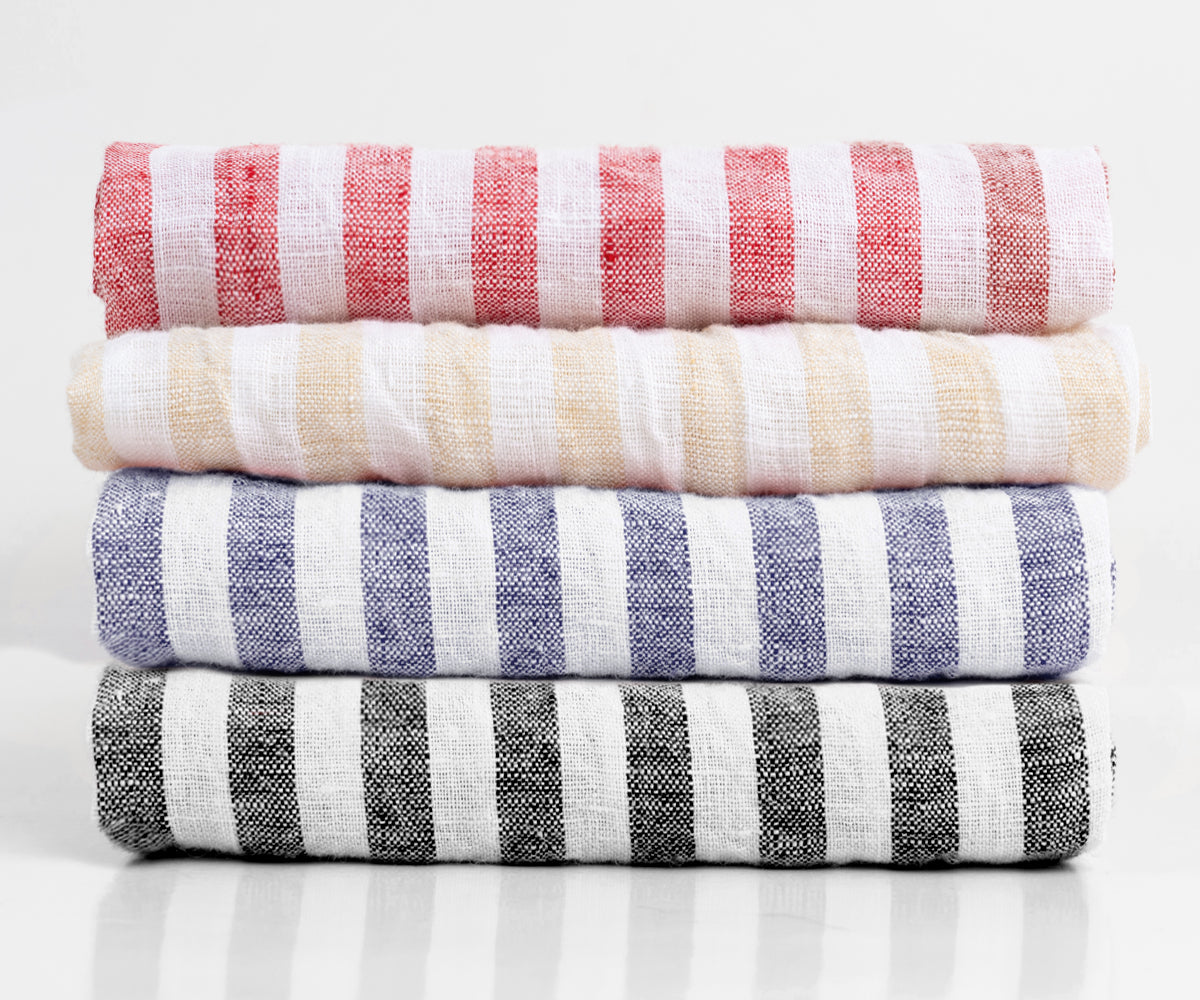
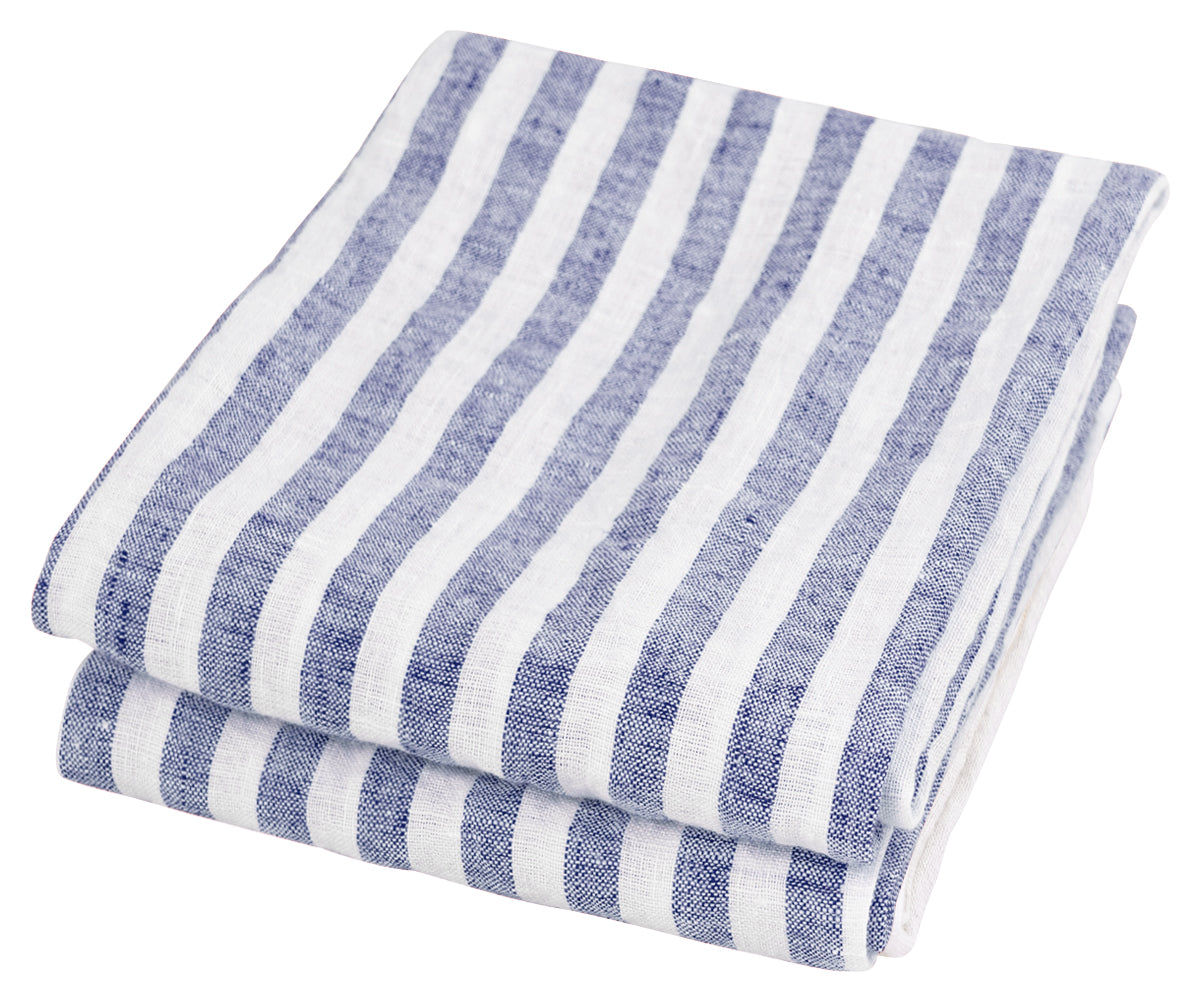
Colored dish towels: blue and white dish towels and other colored options should use oxygen-based bleach instead. Oxygen bleach is color-safe and still effective against odor-causing bacteria.
-
Never mix bleach and vinegar: The combination produces chlorine gas, which is toxic. Use one or the other, not both in the same wash.
Read More: Why Are Crop Tops So Popular Among Youths?
Drying and Storage Tips That Prevent the Smell from Coming Back
Washing the smell out of dish towels is only part of the solution. How you dry and store them determines how quickly the odor returns.
Drying Tips
-
Hang towels spread flat or on a towel rail immediately after use. Bunching or folding a damp towel traps moisture inside.
-
Dry in direct sunlight when possible. UV rays from sunlight break down bacteria and naturally disinfect fabric without any chemical additives.
-
If using a machine dryer, run a full hot cycle. A partially dried towel that goes into storage is worse than one that wasn't washed at all.
-
Avoid hanging kitchen towels directly over the sink. The steam and splashes from dishwashing keep the towel perpetually damp.
Storage Tips
-
Store dish towels only when they are completely dry. Even slight dampness in a closed drawer creates conditions for bacteria and mildew.
-
Use a well-ventilated drawer or open shelf rather than a closed cabinet.
-
Rotate your stock. Pull from the bottom of the pile and add freshly washed towels to the top so the same towel isn't used repeatedly before washing.
Keeping Dish Towels Fresh Between Washes

A few habits between wash cycles significantly reduce bacterial buildup and slow odor development.
-
Rinse dish towels with warm, soapy water after each use and wring them out thoroughly. This removes surface food residue before bacteria have time to process it.
-
Spread the towel out flat to air dry between uses rather than leaving it folded over a handle or crumpled on the counter.
-
Microwave a damp dish towel for 60 to 90 seconds to kill surface bacteria in an emergency. Ensure the towel is damp, not dry, before microwaving to prevent any fire risk.
-
Keep a dedicated towel for greasy tasks like draining fried foods, separate from the towels used for drying hands and dishes. Grease is the primary source of rancid odor and is almost impossible to remove completely once deeply embedded.
Read On: 10 Ideas for Decorating the Kitchen with Cute Kitchen Towels
When to Replace Your Dish Towels
Even with careful washing and drying, dish towels have a lifespan. Knowing when to replace them saves time spent trying to restore towels that are past recovery.
-
The towel smells rancid immediately after washing and drying, before any new use. This means bacterial colonies are embedded deep in the fibers and cannot be removed by washing.
-
The fabric feels stiff, rough, or slimy even after a full wash cycle.
-
Visible staining that does not respond to bleach or oxygen-based treatment.
-
The towel has lost significant absorbency and pushes water around rather than absorbing it.
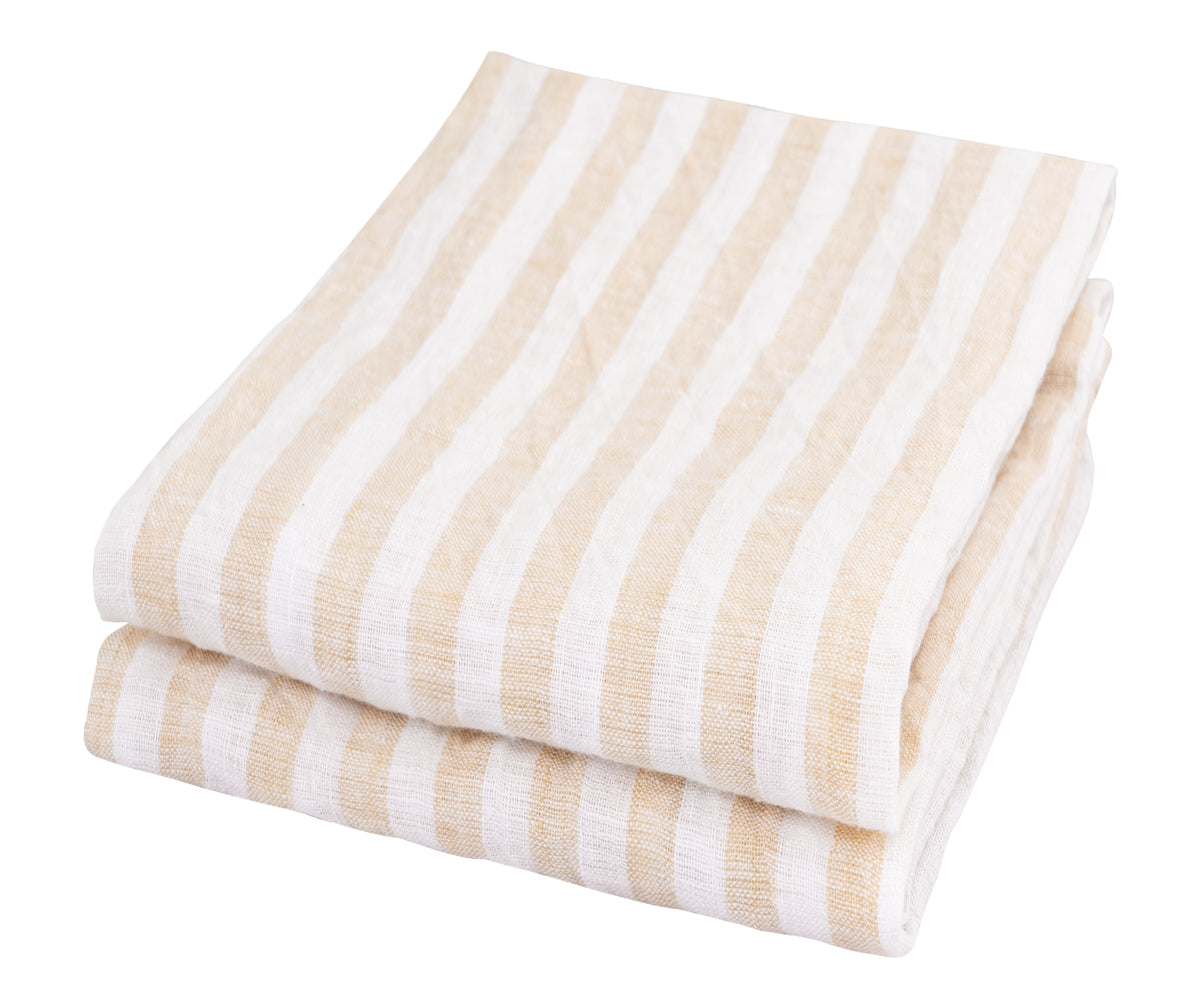
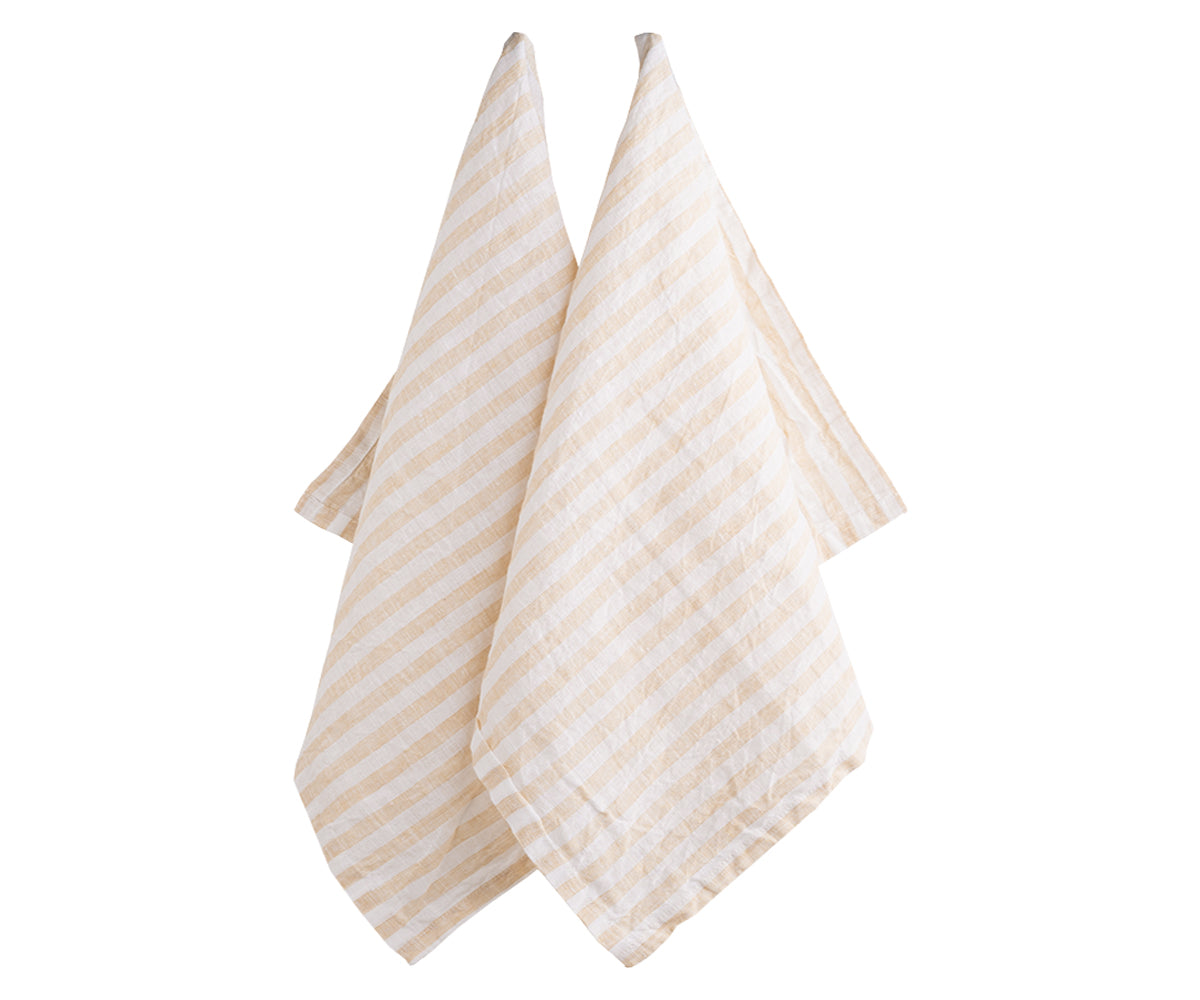
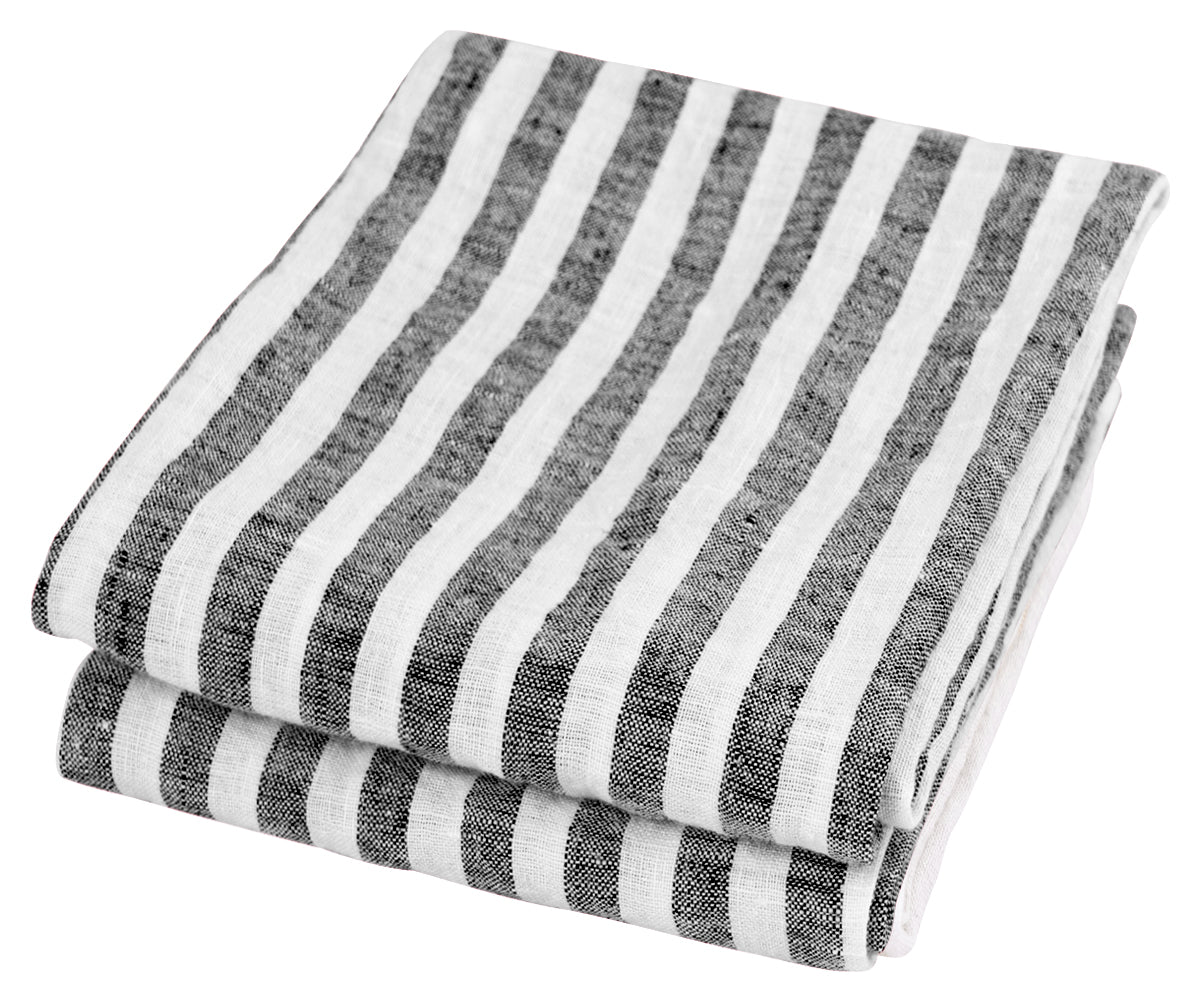
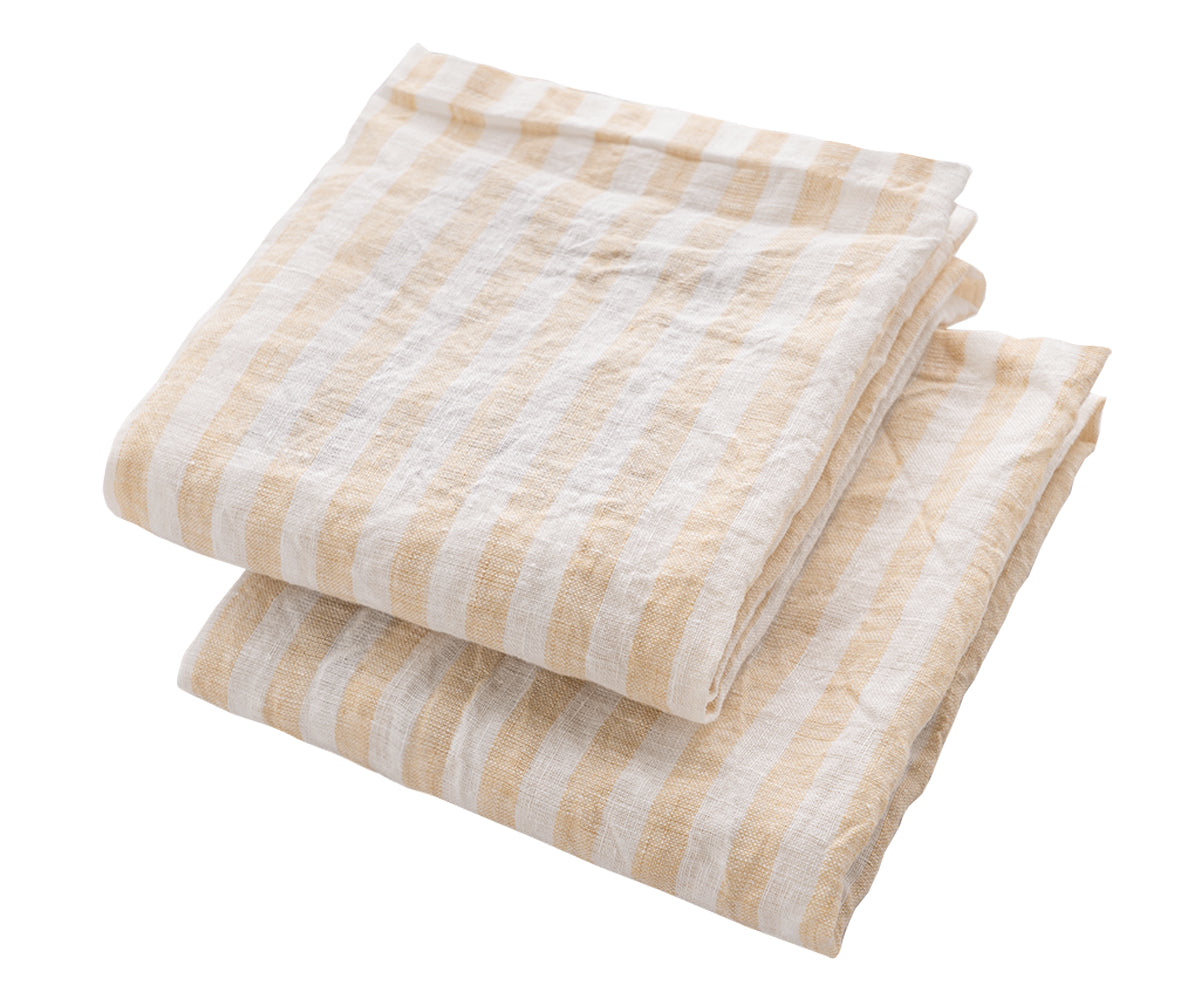
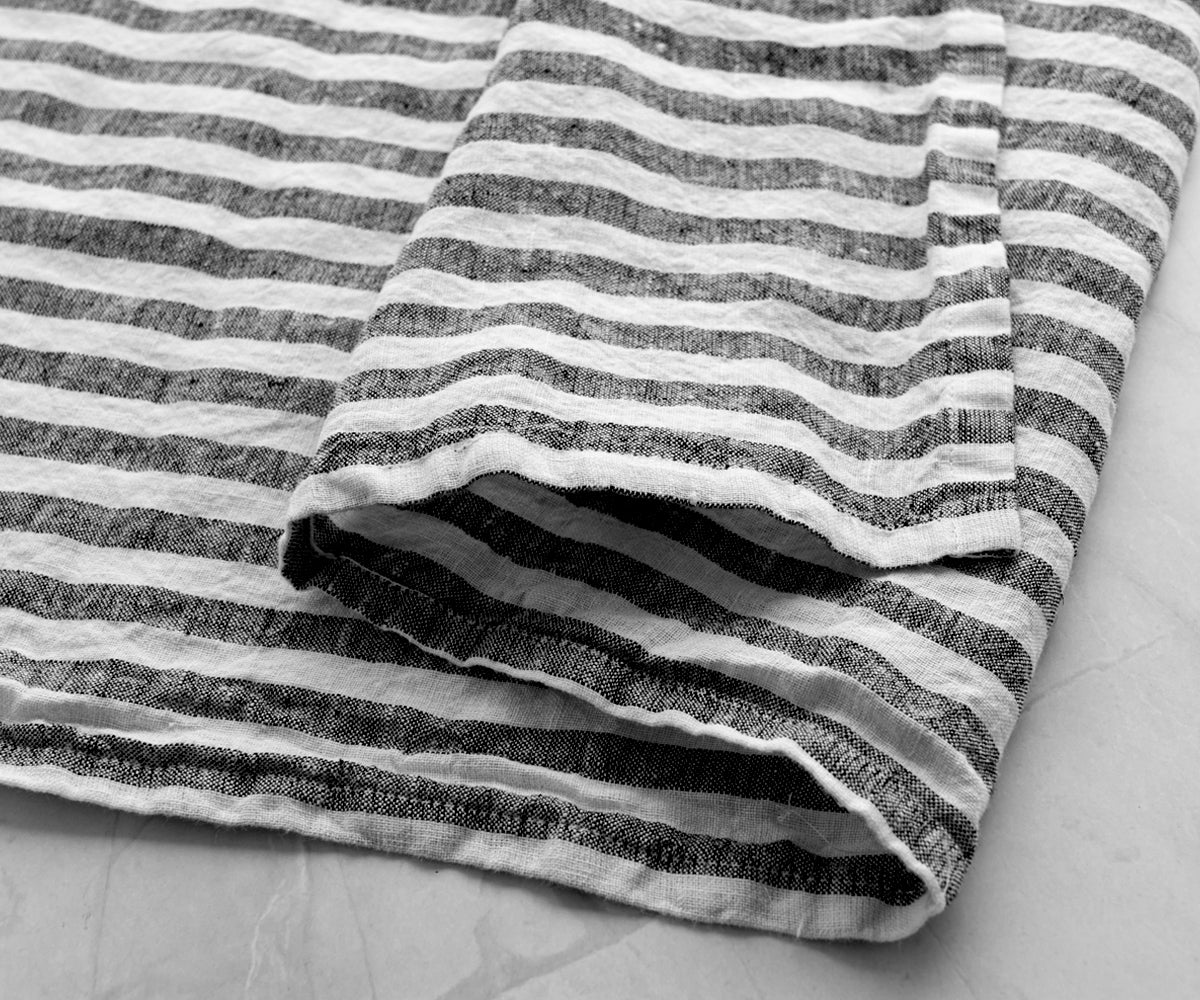
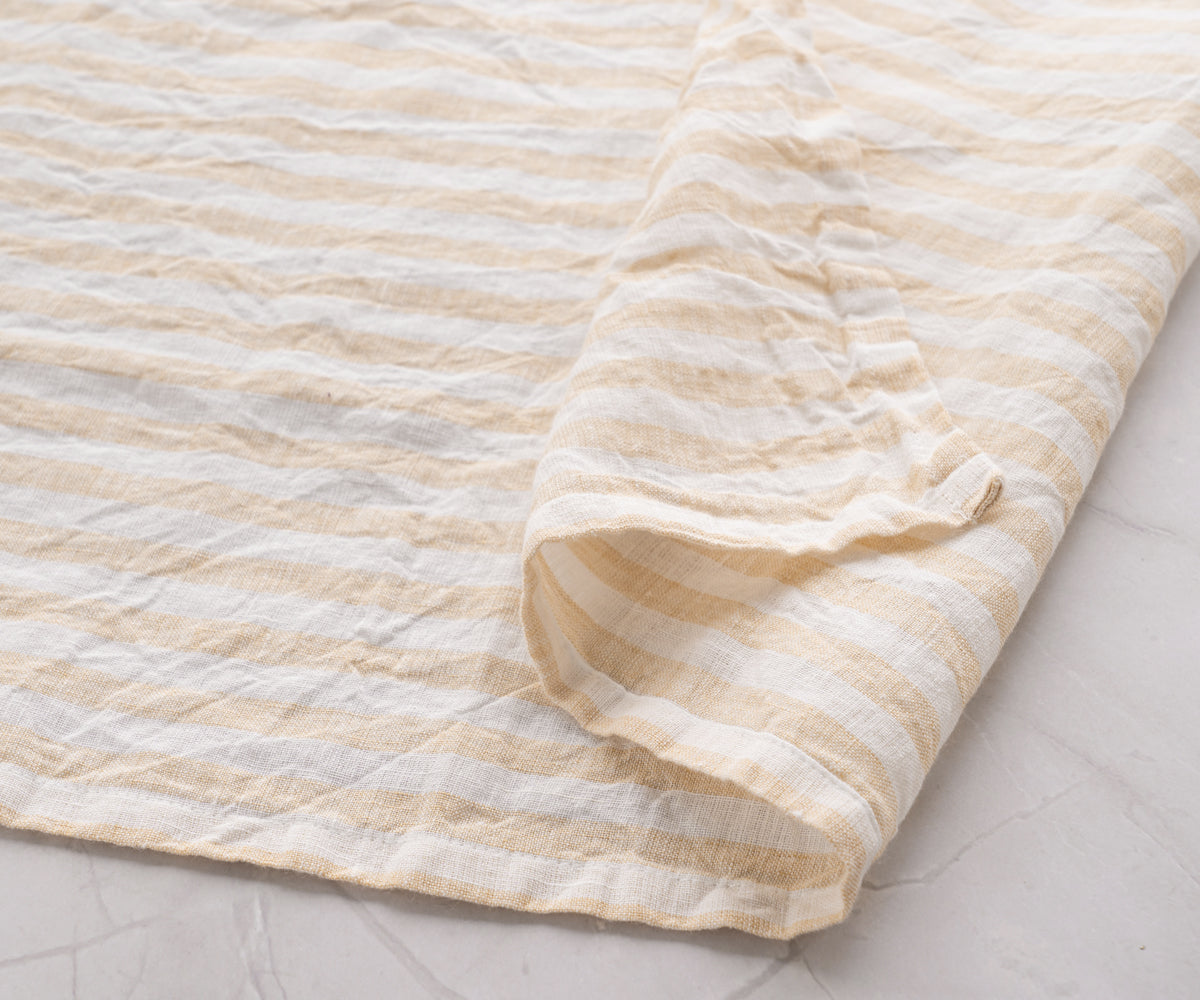
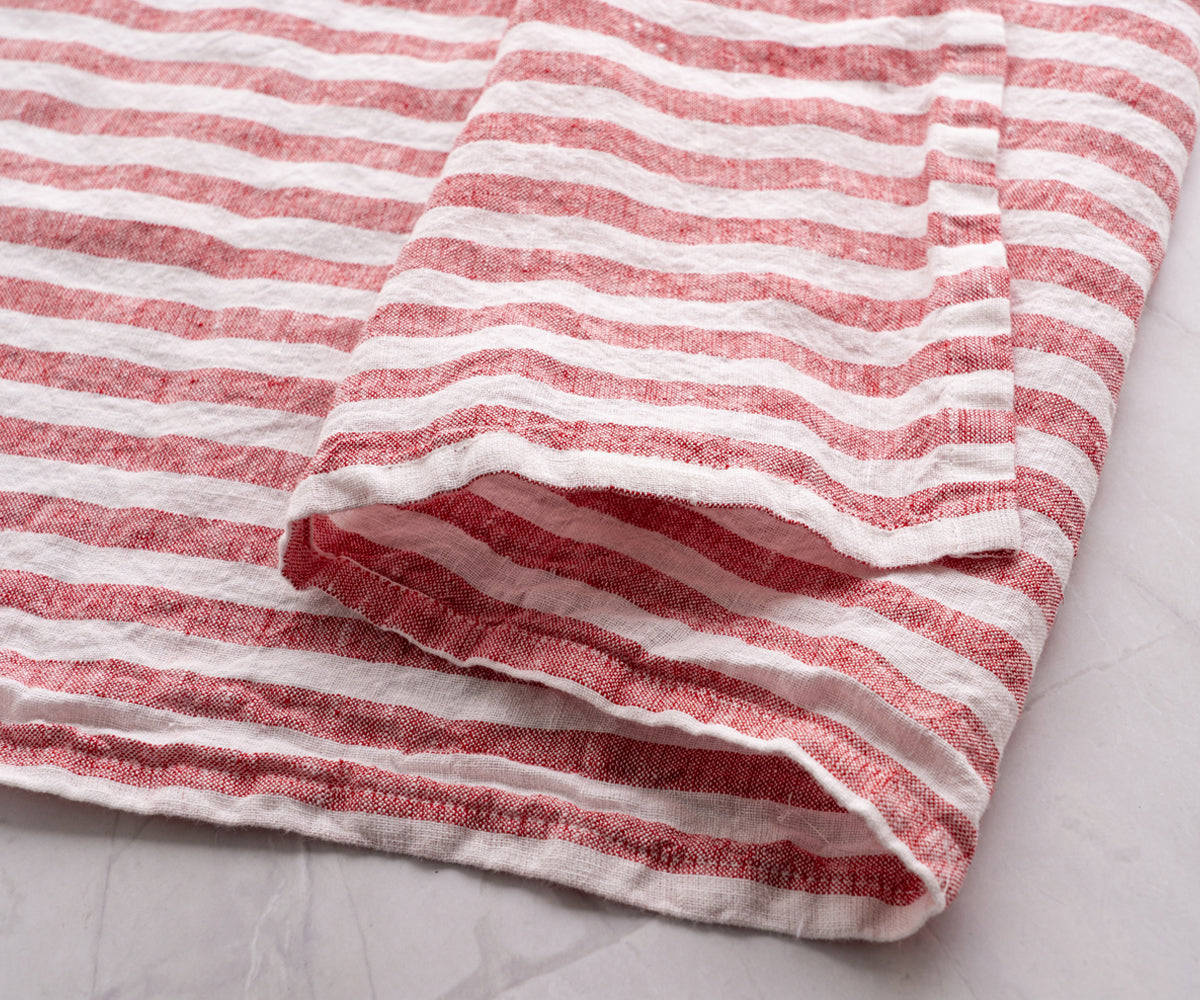
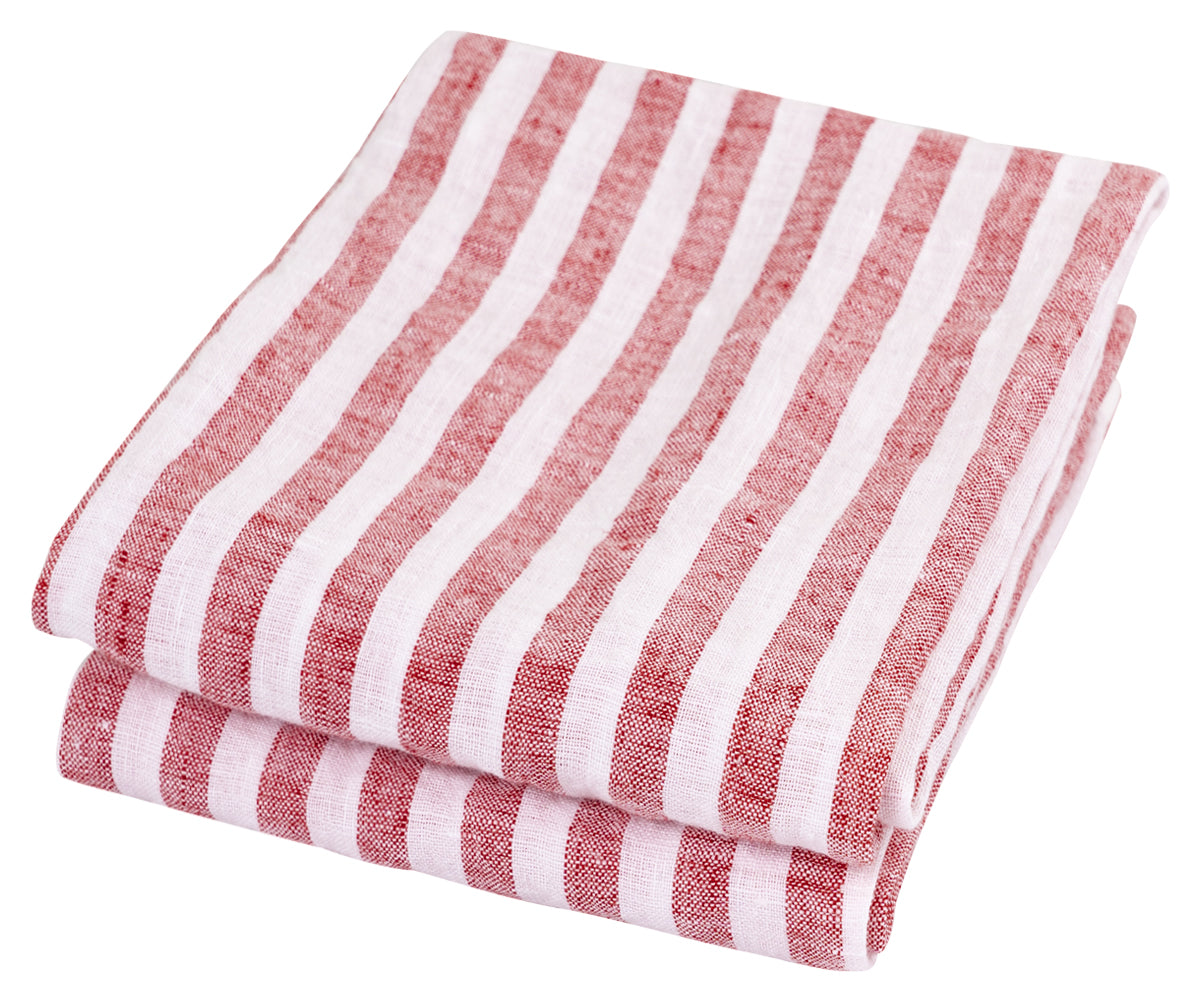
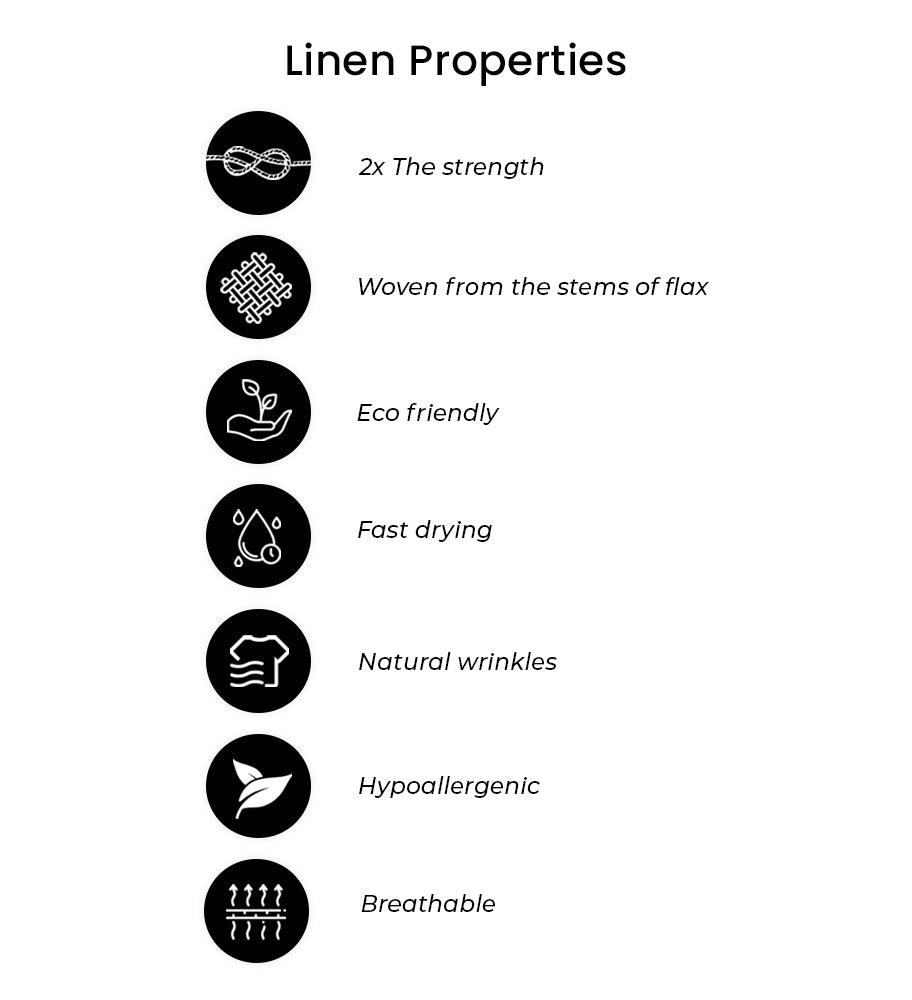
When you're ready to replace them, flour sack kitchen towels and other kitchen items made from natural cotton or linen, like striped cotton dish towels for everyday kitchen use or linen dish towels that dry quickly and resist odor buildup.
Towels designed for high absorbency and quick drying naturally stay fresher between washes and require less effort to maintain
Natural fibers breathe more effectively, which reduces the moisture retention that feeds odor-causing bacteria.
Overview
Rancid dish towels are not just an inconvenience. They indicate bacterial buildup that can affect kitchen hygiene. The fix is consistent and straightforward: hot water, vinegar or baking soda, no fabric softener, and complete drying every single time.
Pre-soaking handles the worst odors before they reach the wash cycle, and proper drying prevents them from coming back.
The most important habit change for most people is the drying step. A towel that goes into storage even slightly damp will smell bad the next time it's used, regardless of how well it was washed.
Spread it out, let it fully dry, and rotate your most absorbent dish towels through a regular wash schedule, and the rancid smell problem largely takes care of itself.