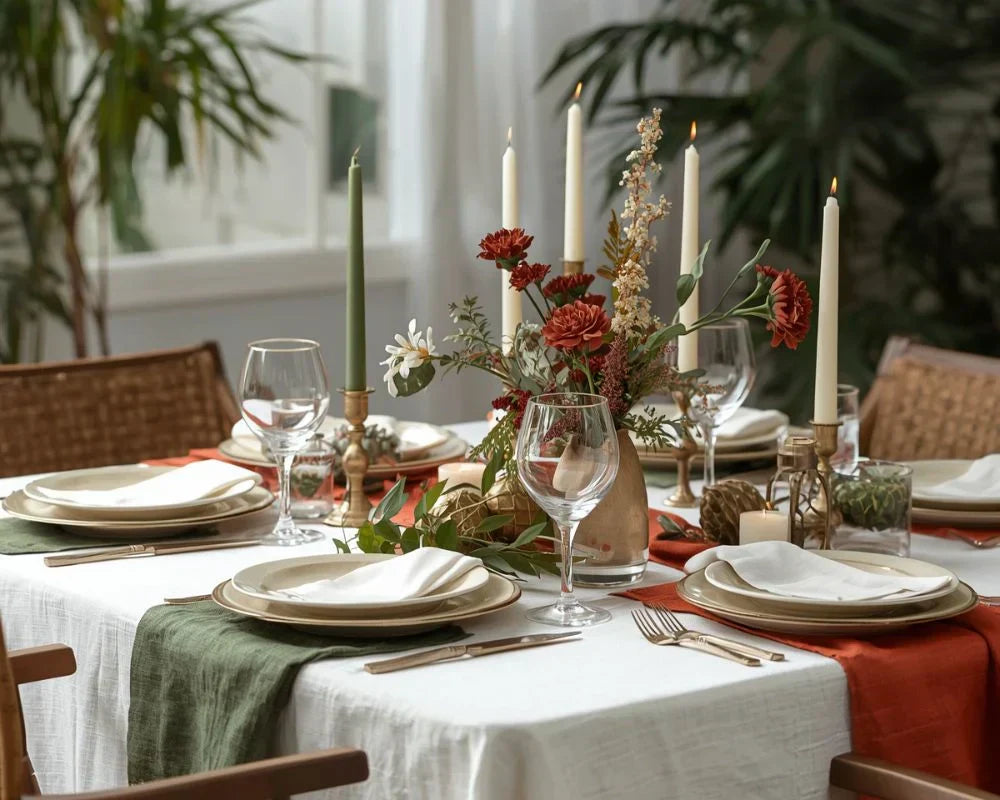


This guide covers why striped kitchen towels outperform plain ones, how to choose the right color and stripe width for your kitchen, where to place them for maximum impact, and how to care for them so they stay looking sharp.
Why Are Striped Kitchen Towels Better Than Plain Ones?
A plain kitchen towel is invisible; it blends into the kitchen without adding any visual interest. A striped kitchen towel is seen. The stripe creates a line of color that the eye picks up and registers as deliberate, and that sense of deliberateness makes the kitchen feel designed rather than assembled.
Striped kitchen towels do more than dry dishes; they add color, texture, and visual interest to almost any kitchen style. In an all-white kitchen, a navy-and-white striped towel creates contrast and helps break up the monochromatic look. In neutral spaces, stripes in warm shades such as terracotta, sage, or charcoal can add depth and personality without overwhelming the room.

They are also a practical decorating choice. Because the stripes are typically woven into the fabric rather than printed on the surface, the pattern stays vibrant through repeated washing. Quality cotton striped kitchen towels are durable, easy to care for, and designed to maintain their appearance over time. With regular use and proper care, they continue to look fresh and functional wash after wash, making them a reliable addition to both everyday kitchens and styled spaces.
What Are the Best Striped Kitchen Towel Colors for Your Kitchen?
The right stripe color depends on your kitchen's dominant tones and the mood you want to create. Here are the most effective combinations by kitchen style:
Which Striped Kitchen Towel Works for a White Kitchen?
White kitchens, the most common kitchen style, are the best backdrop for bold stripe contrasts. Any color stripe reads clearly against white, giving you maximum flexibility.

Best choices for white kitchens:
-
Navy and white stripe — the most classic combination. Clean, crisp, and versatile across farmhouse, coastal, and modern styles. A navy stripe dish towel on a white kitchen is a permanently appropriate pairing.
-
Black and white stripe — graphic and modern. Works particularly well in kitchens with black hardware or appliances.
-
Teal and white stripe — fresh and contemporary. Adds color without warmth, suited to bright, light-filled kitchens.
-
Red and white stripe — bold and cheerful. Associated with French country and farmhouse styling. A red and white striped kitchen towel on a white kitchen reads as confident and warm.
Which Striped Kitchen Towel Works for a Grey or Neutral Kitchen?
Grey and greige kitchens need warmth; cool grey cabinets benefit from warm stripe tones that counteract the inherent coolness of the palette.
Best choices for grey/neutral kitchens:
-
Terracotta and cream stripe — warm, earthy, and seasonally versatile. Terracotta against grey creates immediate warmth.
-
Sage green and natural linen stripe — nature-inspired and calming. Complements Grey's neutrality without competing.
-
Mustard or ochre and cream stripe — warm and distinctive. Brings energy to grey without aggression.
-
Warm beige and white stripe — subtle but more refined than plain. For kitchens where the textile should blend rather than contrast.
Read More: The Different Uses of a Hand Towels or a Dish Towels
Which Striped Kitchen Towel Works for a Farmhouse Kitchen?
Farmhouse kitchens suit the most traditional stripe associations, bold two-color checks, and classic narrow stripes in warm, grounded tones.

Best choices for farmhouse kitchens:
-
Burgundy and cream stripe — warm, deep, and seasonally appropriate year-round.
-
Forest green and cream stripe — classic farmhouse combination that coordinates with open shelving, wooden surfaces, and ceramic tableware.
-
Navy and cream stripe — the most versatile farmhouse kitchen towel color. Coordinates with almost every farmhouse palette.
-
Multi-stripe in earth tones — three or four warm tones in a single stripe pattern (terracotta, cream, sage, rust) reads as collected and intentional in a farmhouse kitchen.
Which Striped Kitchen Towel Works for a Modern Kitchen?
Modern kitchens with clean lines and minimal color benefit from stripes that add visual interest without disrupting the room's controlled aesthetic.

Best choices for modern kitchens:
-
Charcoal and white stripe — sophisticated and graphic. The most versatile modern kitchen towel combination.
-
Teal and white or grey stripe — contemporary color with clean visual weight.
-
Tone-on-tone stripe — a white-on-white or cream-on-cream woven stripe. Barely visible, but adds texture. The quietest possible stripe for kitchens where the textile should not lead.
-
Bold single accent stripe — a primarily white towel with one bold color stripe (red, navy, forest green) at the edges. Clean and structured.
What Stripe Width Is Best for Kitchen Towels?
Stripe width changes the character of a kitchen towel significantly. The right width depends on the kitchen's size and the level of visual interest you want.
Narrow stripes (under 1 cm): Delicate, refined, and formal. Narrow stripes read as more elegant and less casual than wider ones. Well-suited to kitchens where the textile should contribute without dominating.
Medium stripes (1–3 cm): The most versatile stripe width for kitchen towels. Clear and defined at a distance without being bold. Suits farmhouse, modern, and coastal kitchens equally.
Wide stripes (3–5 cm): Bold and graphic. Each color band is clearly visible and makes a confident visual statement. Works well in larger kitchens where the towel needs to hold visual weight across more space.
Multi-stripe patterns: Multiple stripe widths in a single towel (alternating narrow and wide bands) add visual rhythm and complexity. The most decorative stripe option is effective for kitchens where the towel is meant to be a focal point.
Where Should You Place Striped Kitchen Towels for Maximum Style Impact?
The placement of a kitchen towel is as important as the towel itself. A beautiful striped towel crumpled in a drawer contributes nothing; the same towel placed correctly makes the kitchen look considered.
On the oven handle:
The most visible kitchen towel position. The handle is at eye level when standing at the kitchen counter, making it the primary placement point for any towel that is meant to be seen. Fold the towel in thirds lengthwise and drape symmetrically over the handle so both ends hang evenly. A striped towel folded this way shows the full stripe pattern across the handle.

Folded on the counter edge:
A folded towel placed neatly on the edge of the kitchen counter, to the side of the sink, is the second most visible position. Fold in thirds and lay flat with the stripe running horizontally. This is the best placement for towels you're actively using, immediately accessible without being draped over equipment.
On a wall-mounted towel bar or hook:
A dedicated kitchen towel rail or hook mounted at a convenient height near the sink is the most intentional placement it signals that the towel has a designated home rather than being left wherever it was last used. A striped cotton towel hung on a matte black or brass bar creates a complete kitchen styling moment.
Over a Dish Drying Rack:
Drape a striped kitchen towel over the side of a dish drying rack to keep it within easy reach for drying dishes while adding a touch of pattern to the space. For a relaxed, layered look, pair two coordinating striped towels together.
Inside a Woven Basket or on an Open Shelf:
Display neatly folded striped kitchen towels on an open shelf or arrange them in a woven basket to create a warm, organized kitchen display. This simple styling idea adds character and visual interest without the need for extra decorative pieces.
Find Out: How to Set a Table for Afternoon Tea at Home Easily
How Do You Coordinate Striped Kitchen Towels with Other Kitchen Textiles?
A single striped kitchen towel is an upgrade. A coordinated set of kitchen textiles that use the same stripe logic is a transformation.
Towels and a matching apron:
A cotton apron in the same color family as the striped kitchen towels ties the kitchen together from the towel rail to the person cooking. A navy and white stripe kitchen towel with a navy apron, or a sage and cream stripe towel with a linen apron, creates a coordinated kitchen look that reads as designed.

Towels and coordinating napkins:
If your kitchen is also your dining space, or if the table is visible from the kitchen, carrying the stripe color into the cloth napkins at the dining table creates visual continuity between the two zones. A terracotta stripe kitchen towel coordinated with terracotta-toned cloth napkins on the table ties the entire space together.
Towels and a matching tea towel set:
A set of matching or closely coordinating striped kitchen towels, all in the same stripe color, or in two complementary color stripes, looks curated on a towel rail. Mix two different stripe widths in the same color for visual variation that still reads as cohesive.
Towels and the season:
Striped kitchen towels are the easiest seasonal kitchen styling tool available. Swap to warm terracotta and rust stripes in autumn, red and green stripes for Christmas, fresh blue and white stripes for spring and summer. The towels change; everything else in the kitchen stays the same. This is the lowest-effort, highest-impact seasonal kitchen update available.
Are Striped Kitchen Towels Better for Certain Kitchen Styles?
Striped kitchen towels work in every kitchen style, but they read differently depending on the context.
Farmhouse kitchens:
Stripes are at their most natural and most expected in farmhouse kitchens. Classic two-color stripes in cream and navy, cream and burgundy, or cream and forest green are the archetypal farmhouse kitchen towel. The stripe pattern echoes the visual rhythm of shiplap, open shelving, and classic ticking fabric that defines farmhouse style.
Coastal kitchens:
Blue and white stripes in varying widths are the definitive coastal kitchen towel choice. Teal and white, aqua and cream, and navy and white all suit coastal kitchen palettes. The stripe references the horizontal lines of a horizon and ocean, reinforcing the coastal theme without being literal.

Modern and minimalist kitchens:
Tone-on-tone stripes (white on white, grey on grey) and single-accent bold stripes (white with one color band at the edge) suit modern kitchens by adding texture without visual complexity. Charcoal and white is the most sophisticated modern stripe combination.
Scandinavian kitchens:
Scandinavian kitchen styling uses restraint and natural color. Simple, narrow stripes in soft grey and white, sage and cream, or natural linen tones are the most appropriate Scandinavian kitchen towel choice.
Eclectic and bohemian kitchens:
Multi-stripe towels with three or more colors, or towels combining stripe with a tassel or fringe detail, work well in eclectic kitchens where collected personality is the goal. Warm, saturated tones, deep terracotta, burnt orange, rust, mustard, and olive suit the bohemian palette.
How Do You Care for Striped Cotton Kitchen Towels?
Striped cotton kitchen towels are fully machine washable and maintain their color and pattern through repeated washing when cared for correctly.
Washing:
Machine wash on a normal or gentle cycle at 40°C (104°F). Cold washing preserves color best; 40°C handles light grease and food residue effectively. Do not use bleach; it fades woven stripe colors even on white-background towels. Avoid fabric softener, which coats cotton fibers and reduces absorbency over time.
Drying:
Tumble dry on low heat or air dry. Remove from the dryer while slightly warm and shake briskly before folding. This prevents stiffness and maintains the towel's soft texture. High heat accelerates color fading in woven stripes and breaks down cotton fiber faster than necessary.
Ironing:
Optional, but a quick press on a medium setting while slightly damp produces a visibly sharper towel. A pressed striped kitchen towel hanging on an oven handle looks significantly more intentional than an unironed one. Iron in the direction of the stripe for the cleanest result.
Frequency:
Wash kitchen towels every one to two days for hygiene. Damp towels accumulate bacteria quickly in warm kitchens. A set of four to six matching striped towels provides enough rotation that fresh towels are always available without constant laundry.
Overview
Striped kitchen towels are the most practical and visually effective small upgrade available for any kitchen. The woven stripe pattern adds color and intention to the kitchen's most visible textile position, the oven handle, without requiring any structural change to the space.
Choose the stripe color based on your kitchen's dominant palette: navy and white for white and neutral kitchens, terracotta and cream for warm and farmhouse kitchens, charcoal and white for modern kitchens, and blue and white for coastal kitchens. Place on the oven handle, counter edge, or a wall-mounted towel bar for maximum visibility. Coordinate with an apron or cloth napkins in the same color family for a complete kitchen textile look. Wash at 40°C, no bleach, no fabric softener, and replace every one to two days for hygiene.
Ready to refresh your kitchen? Explore the collection of striped kitchen towels at All Cotton and Linen. From classic navy and cream stripes to warm farmhouse-inspired designs, you will find durable cotton towels that combine everyday function with timeless style. Shop now and discover kitchen essentials designed to bring comfort, convenience, and character to your home.