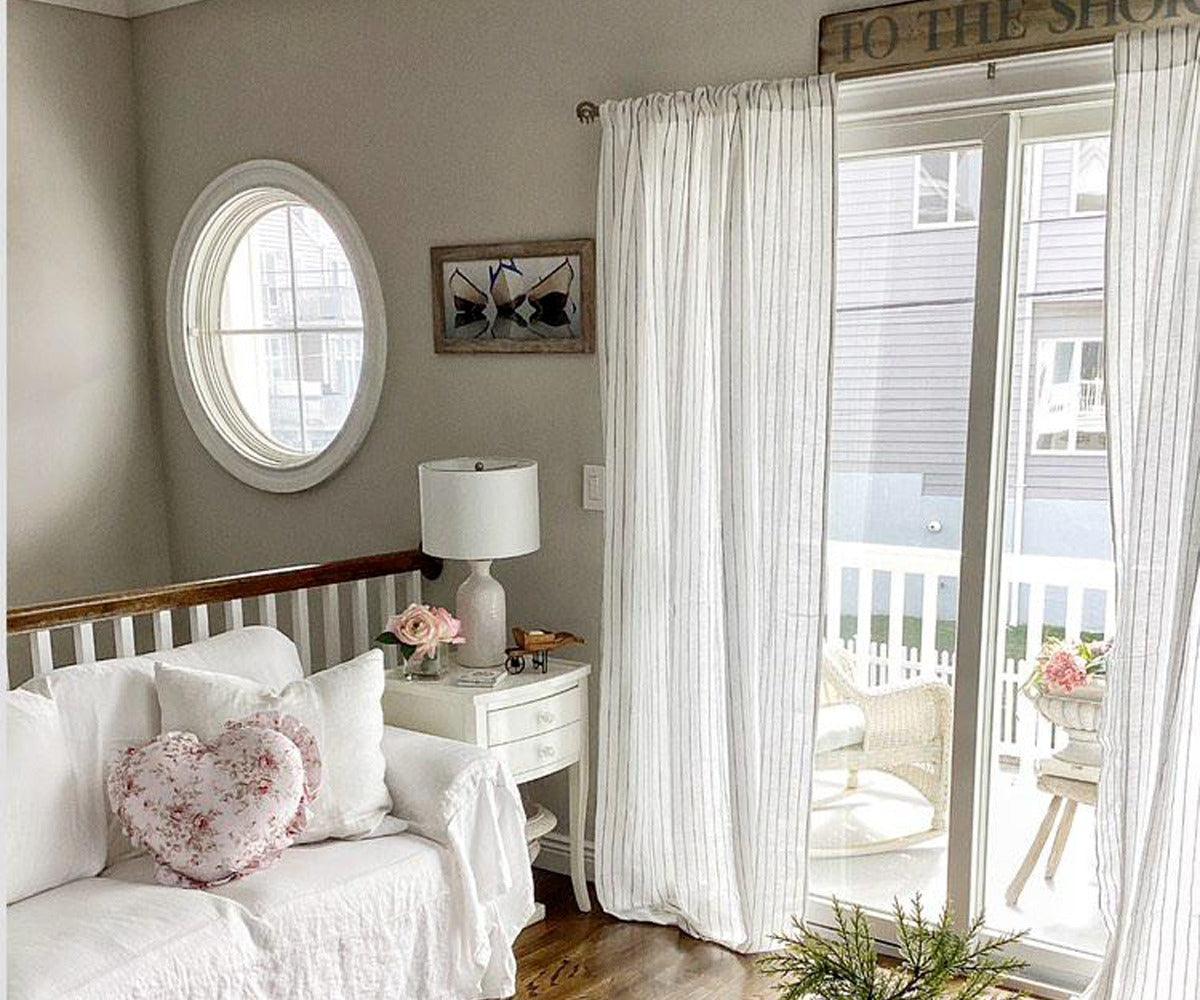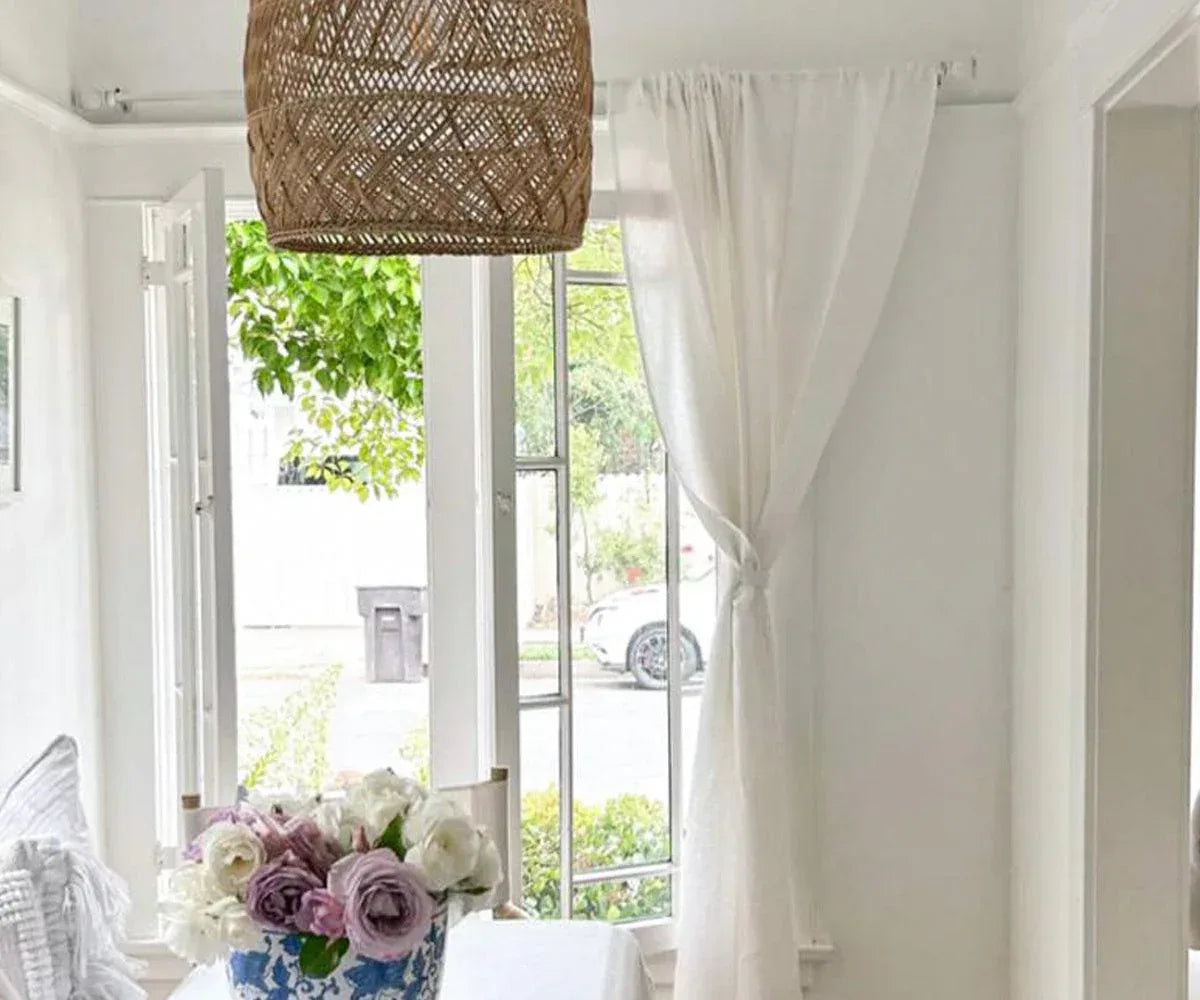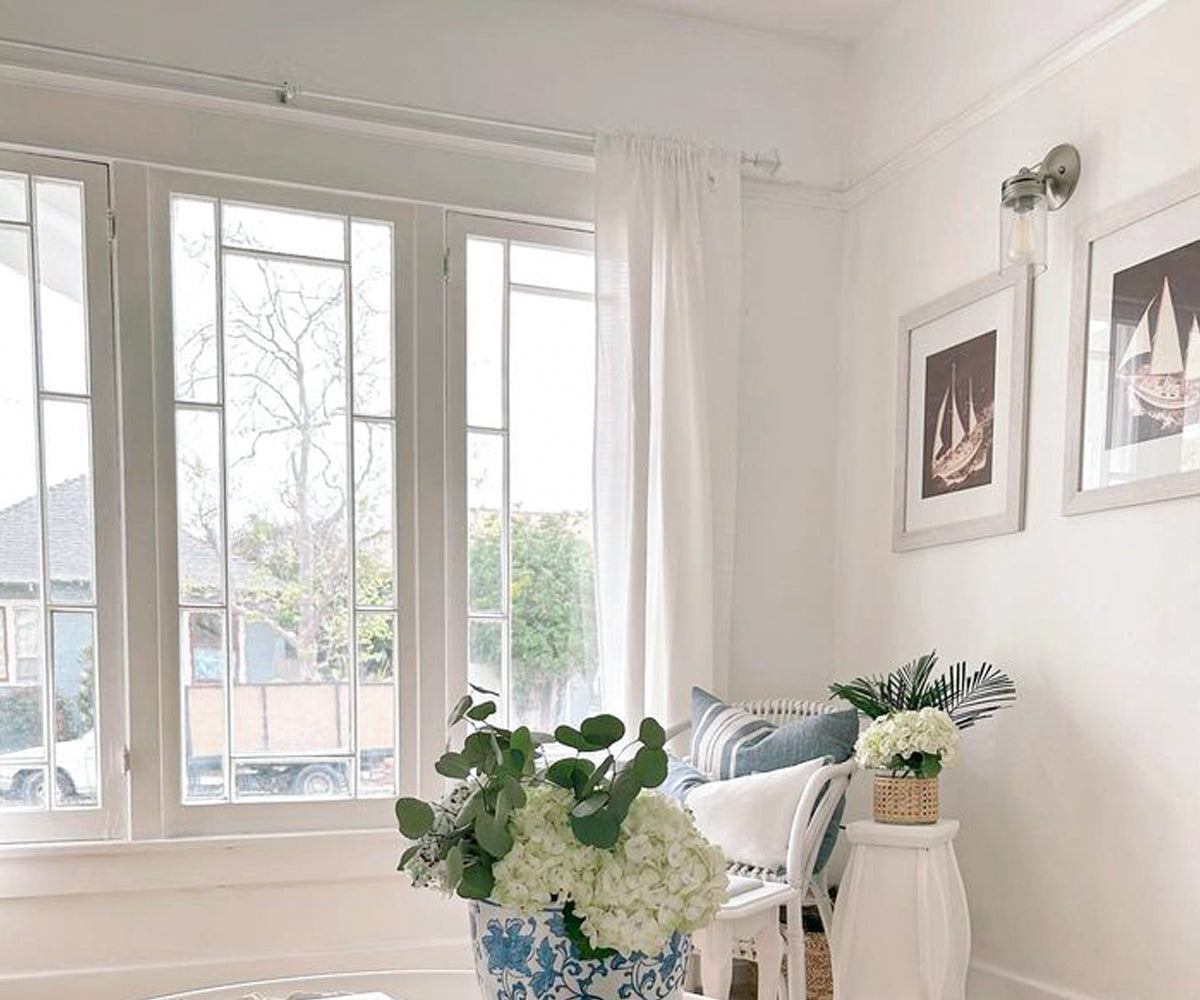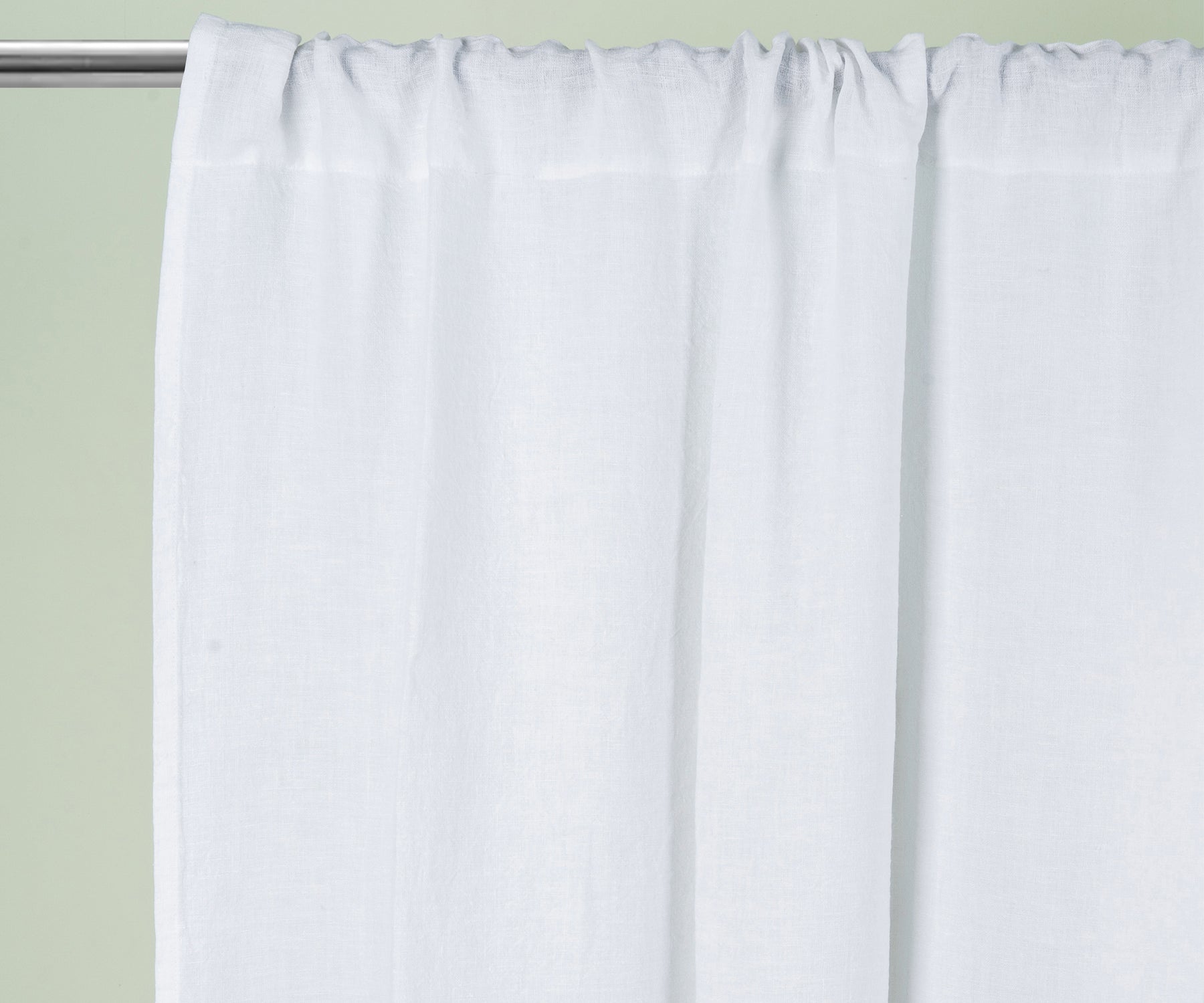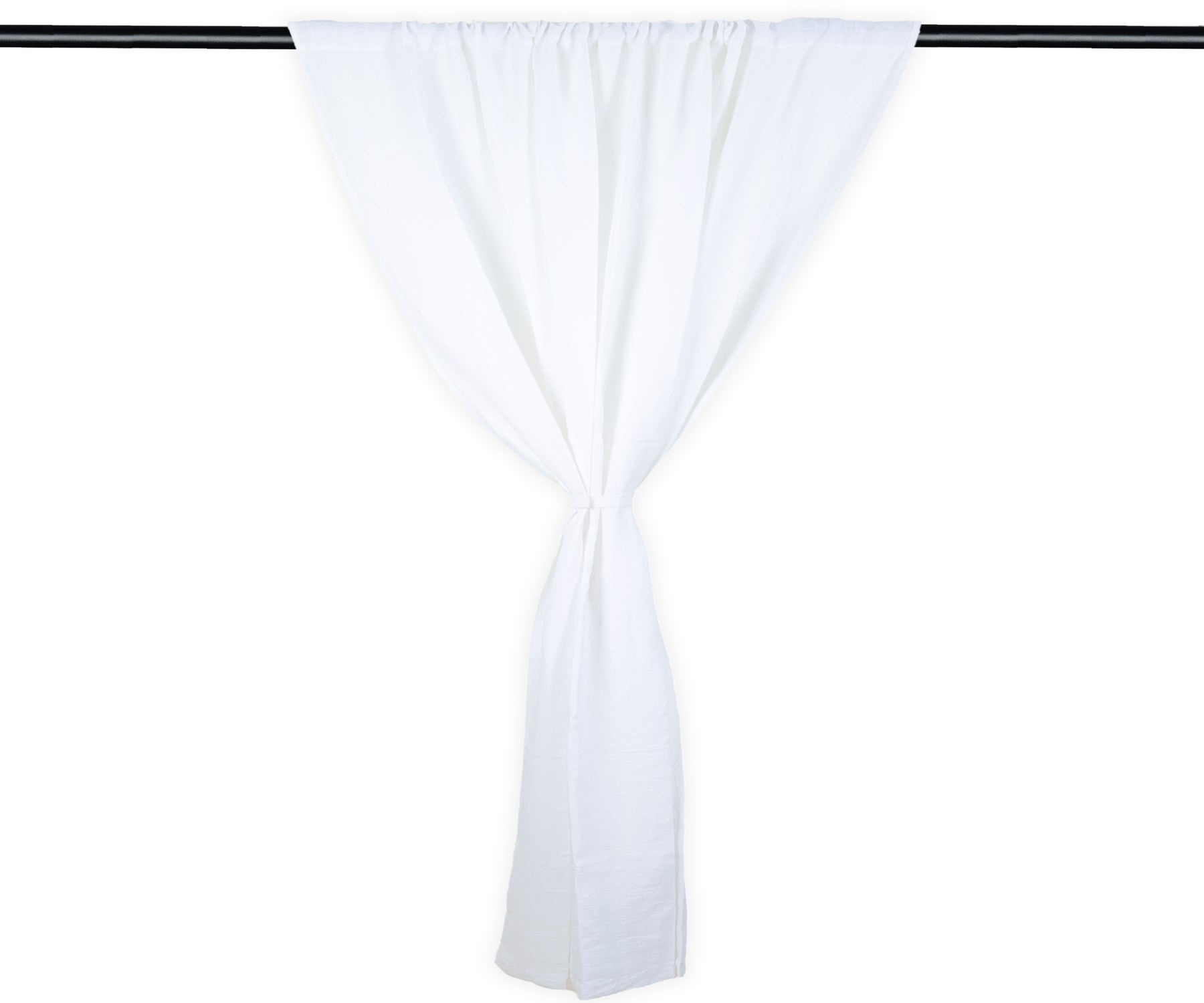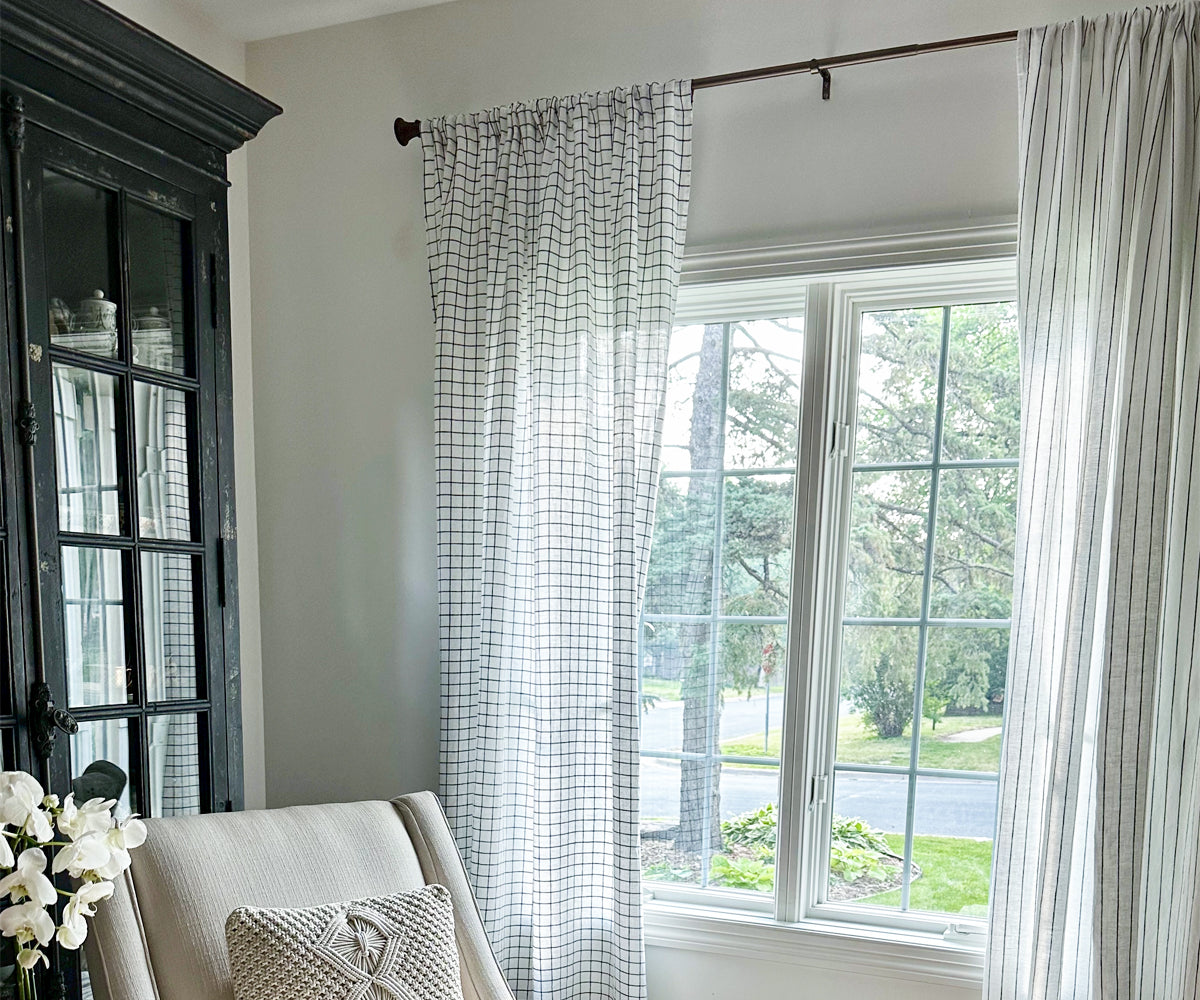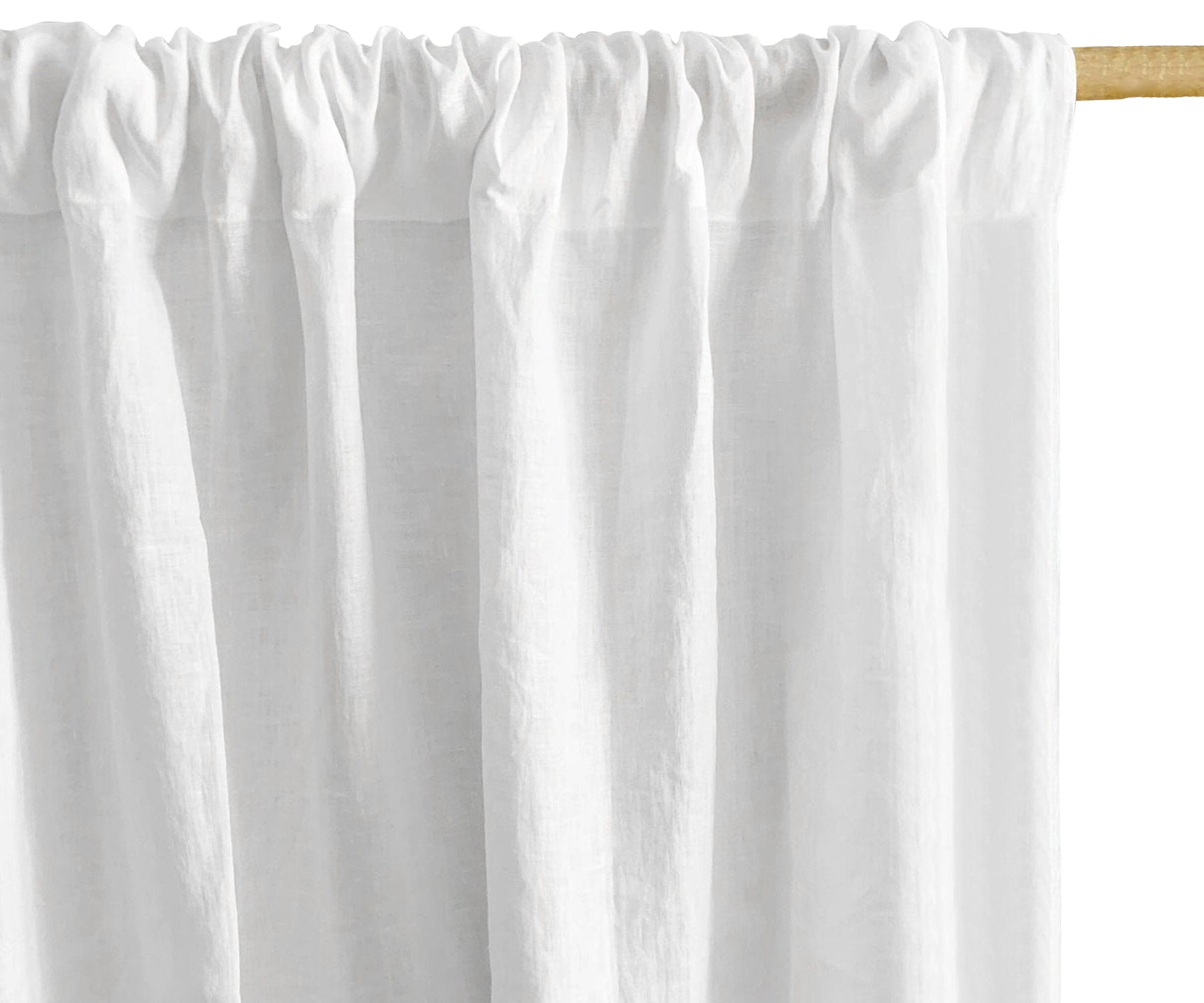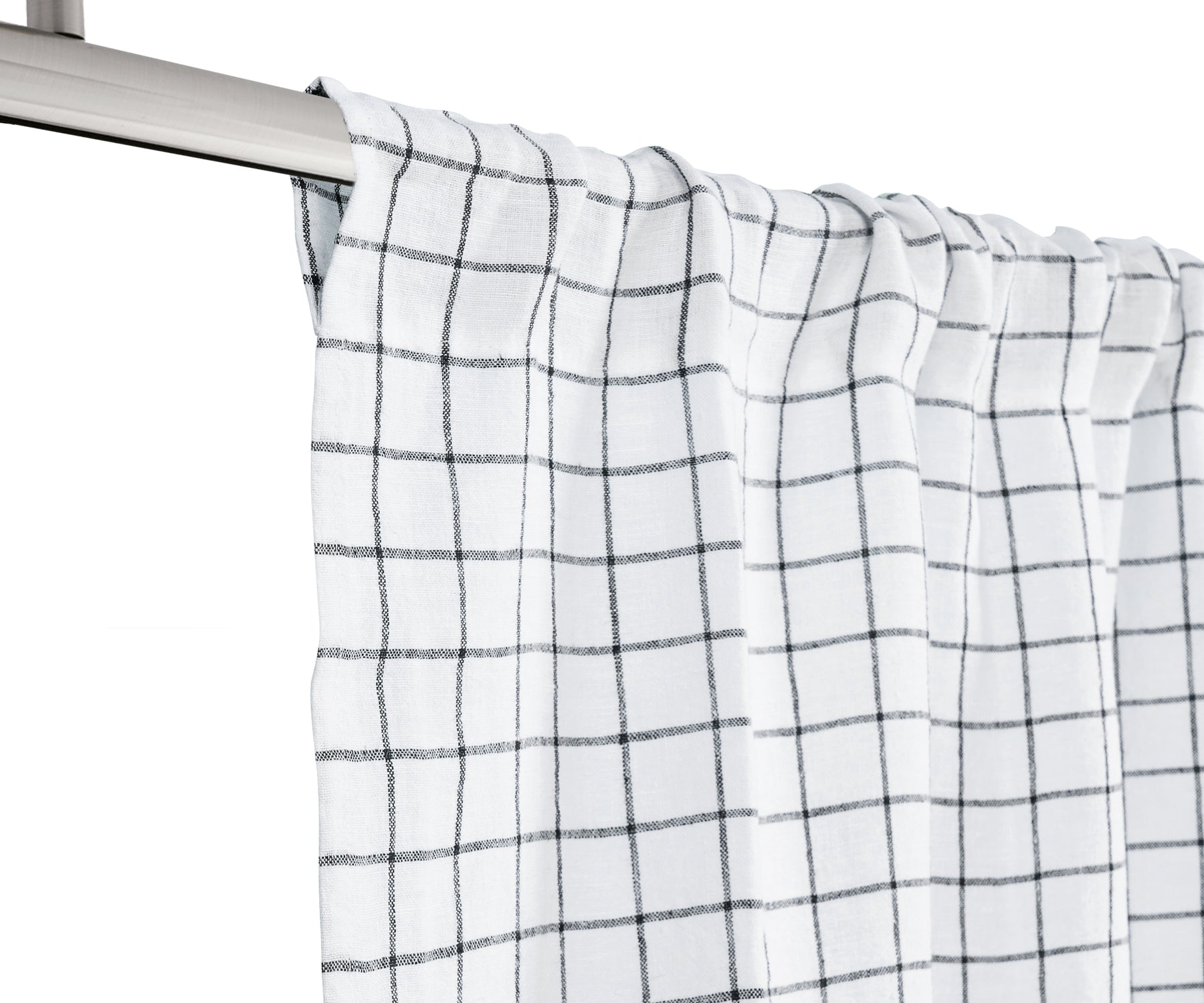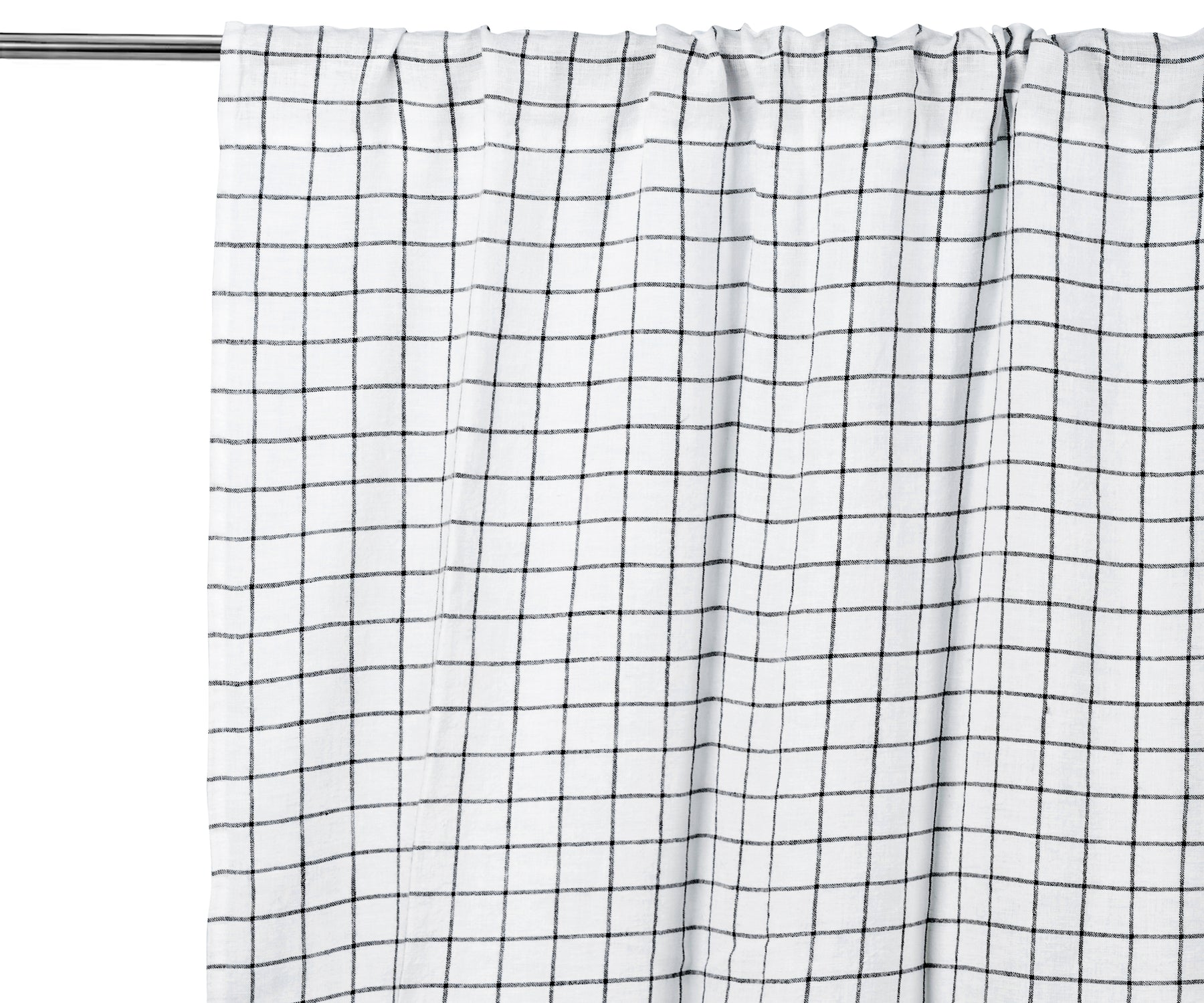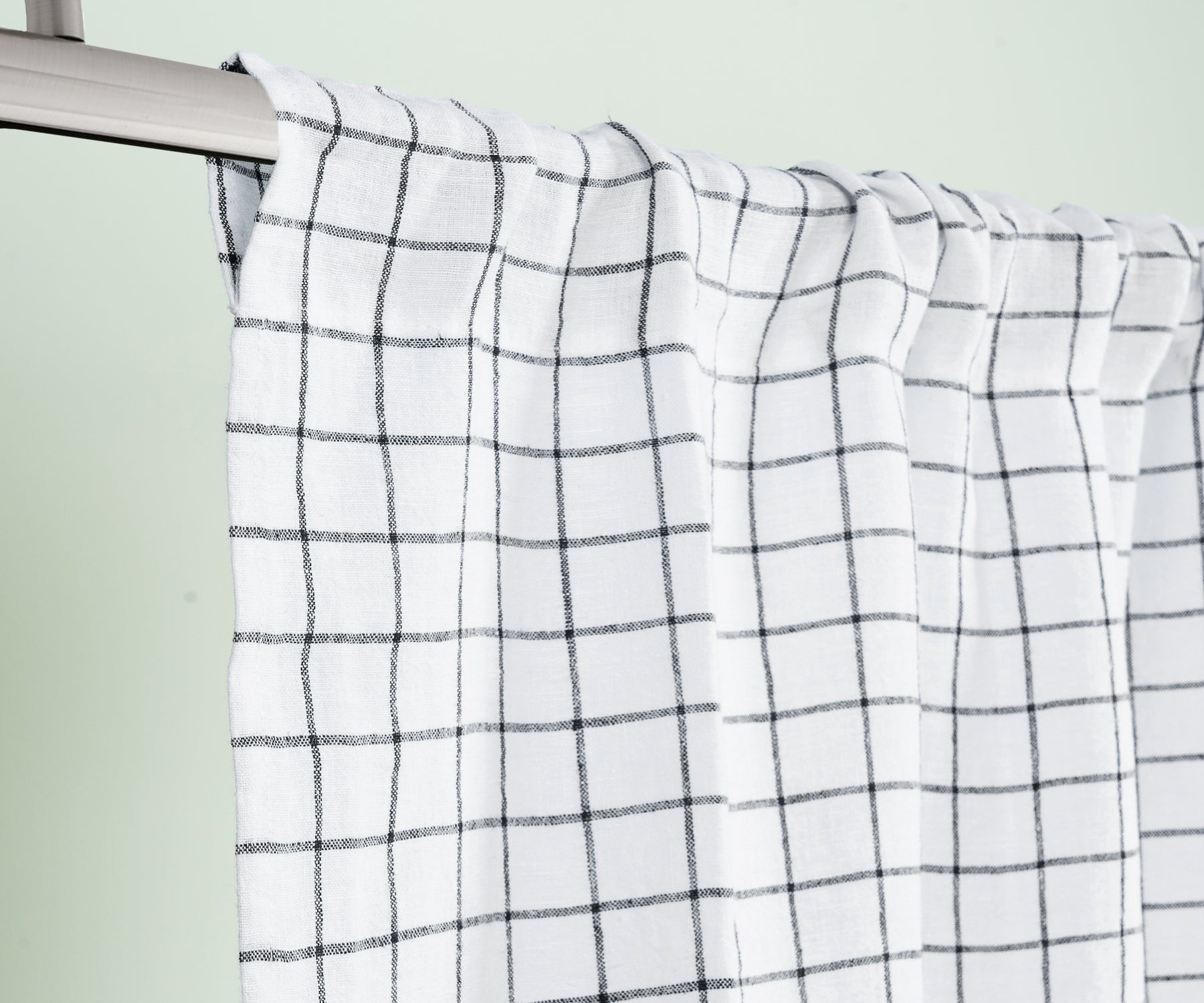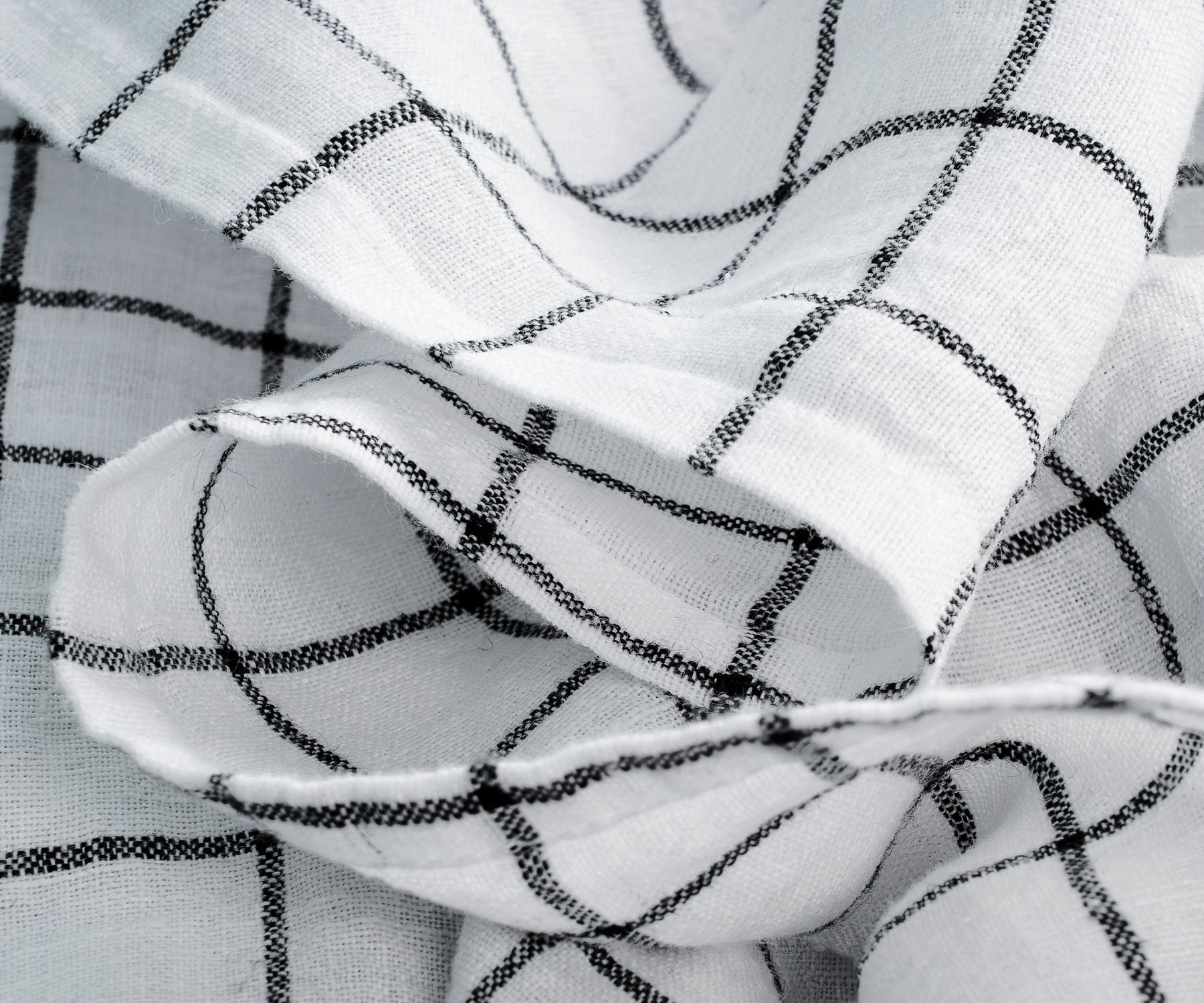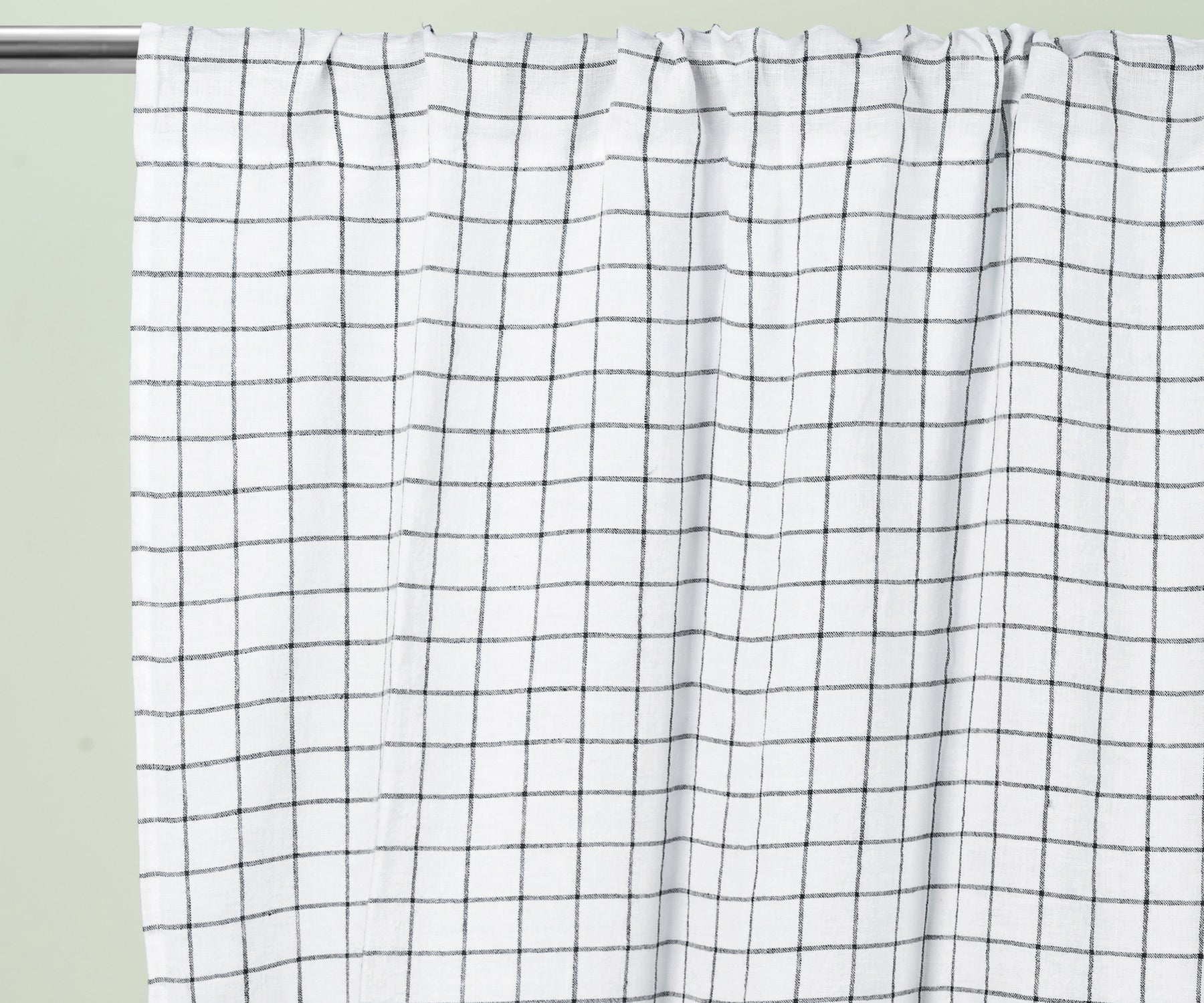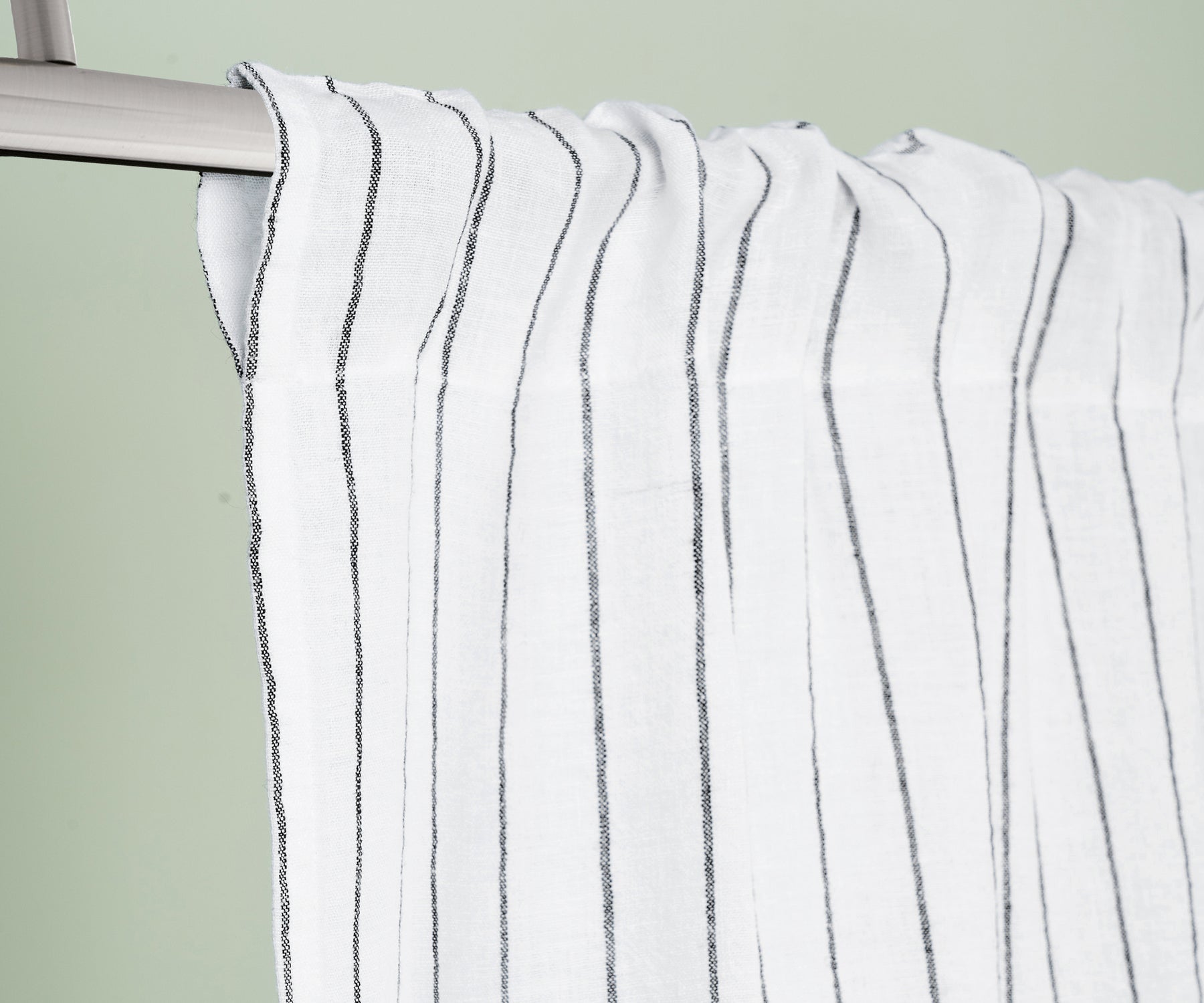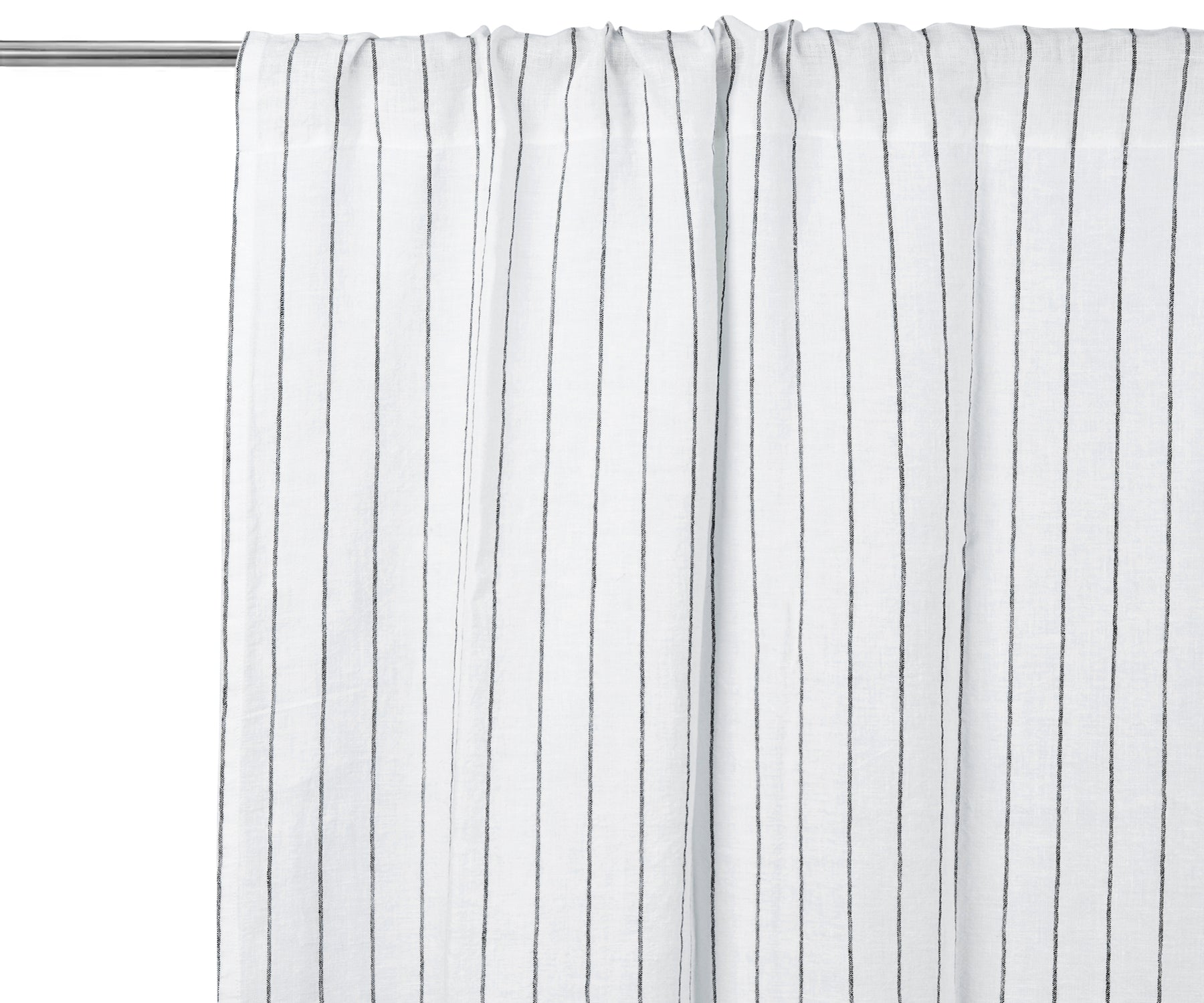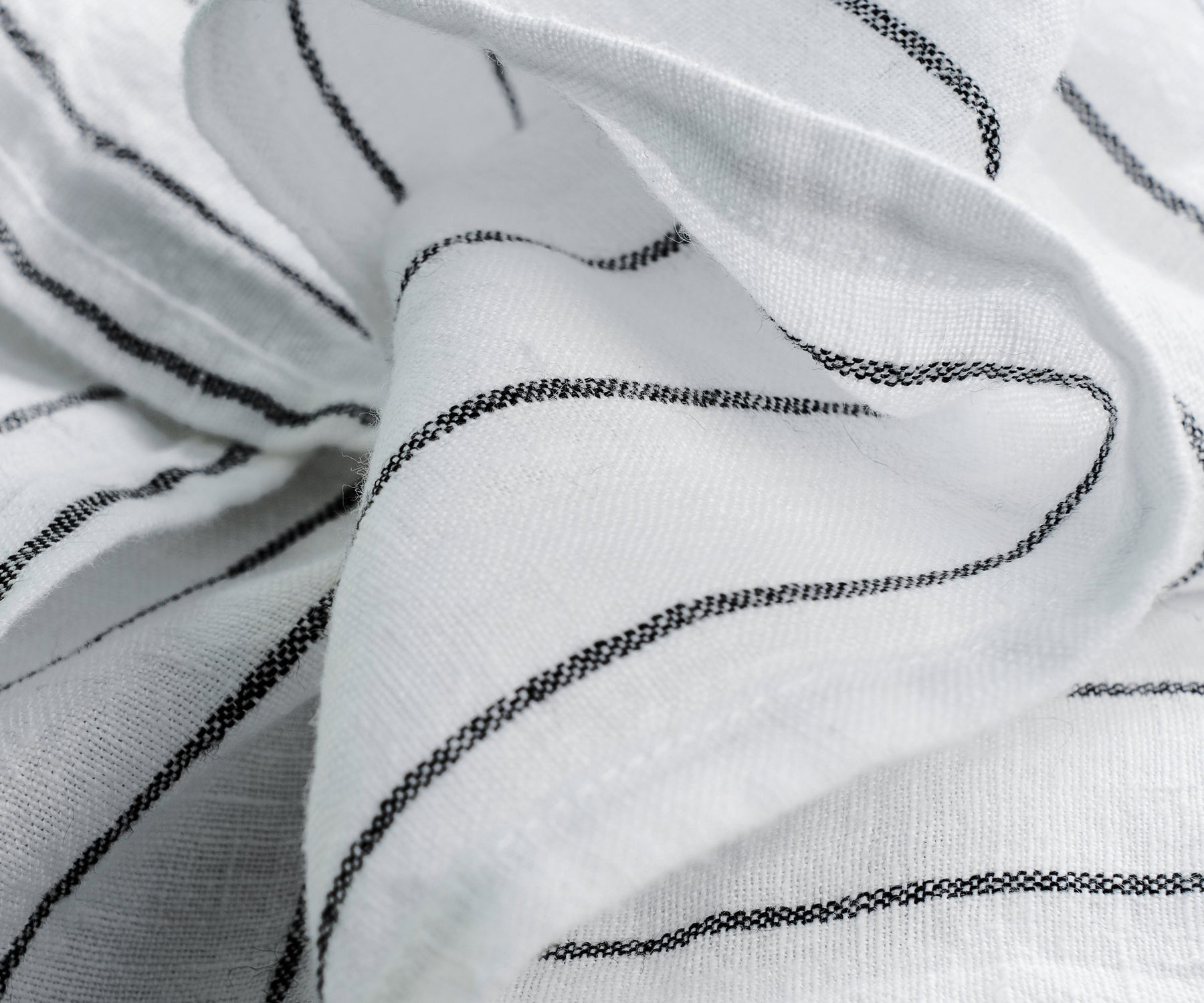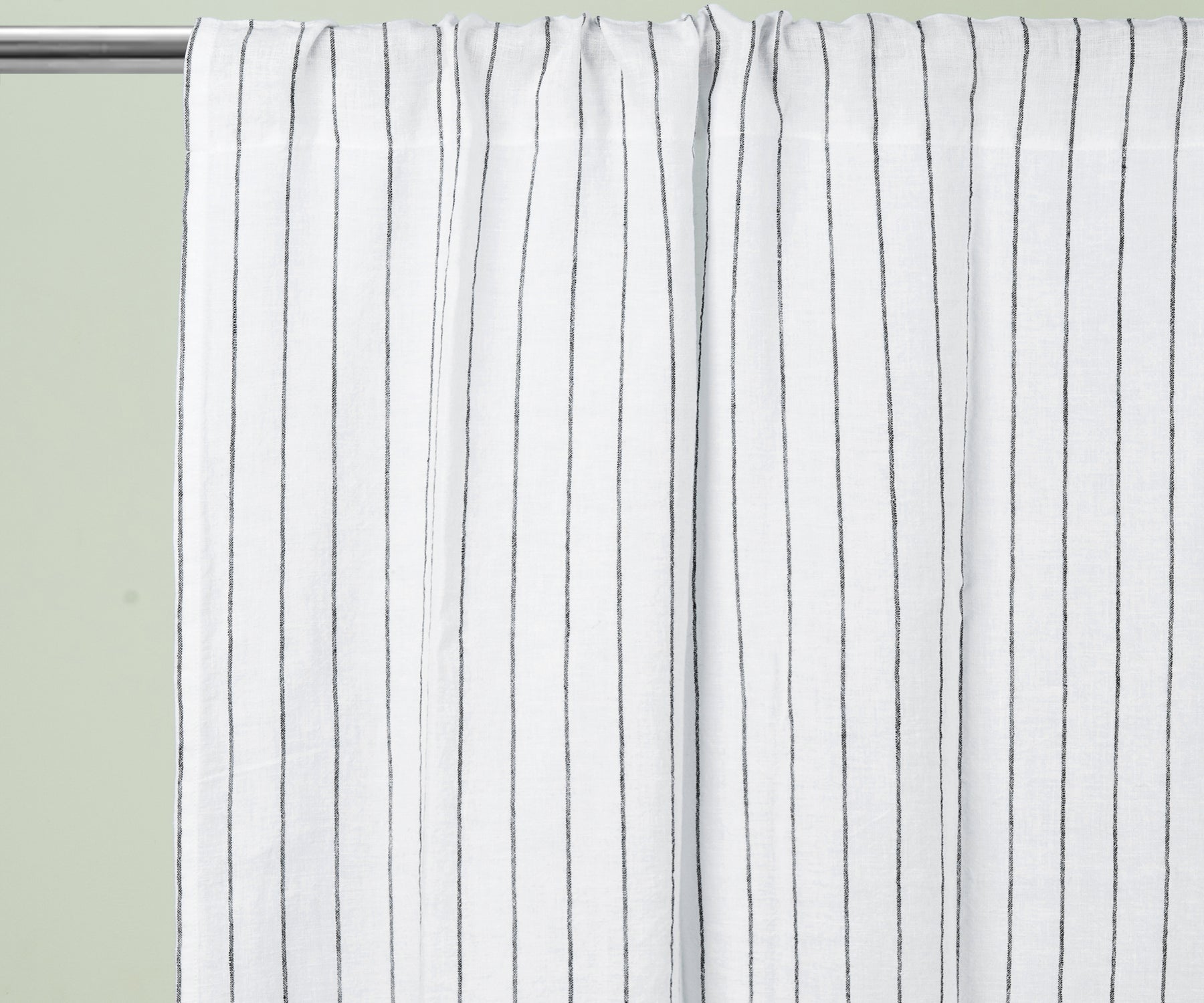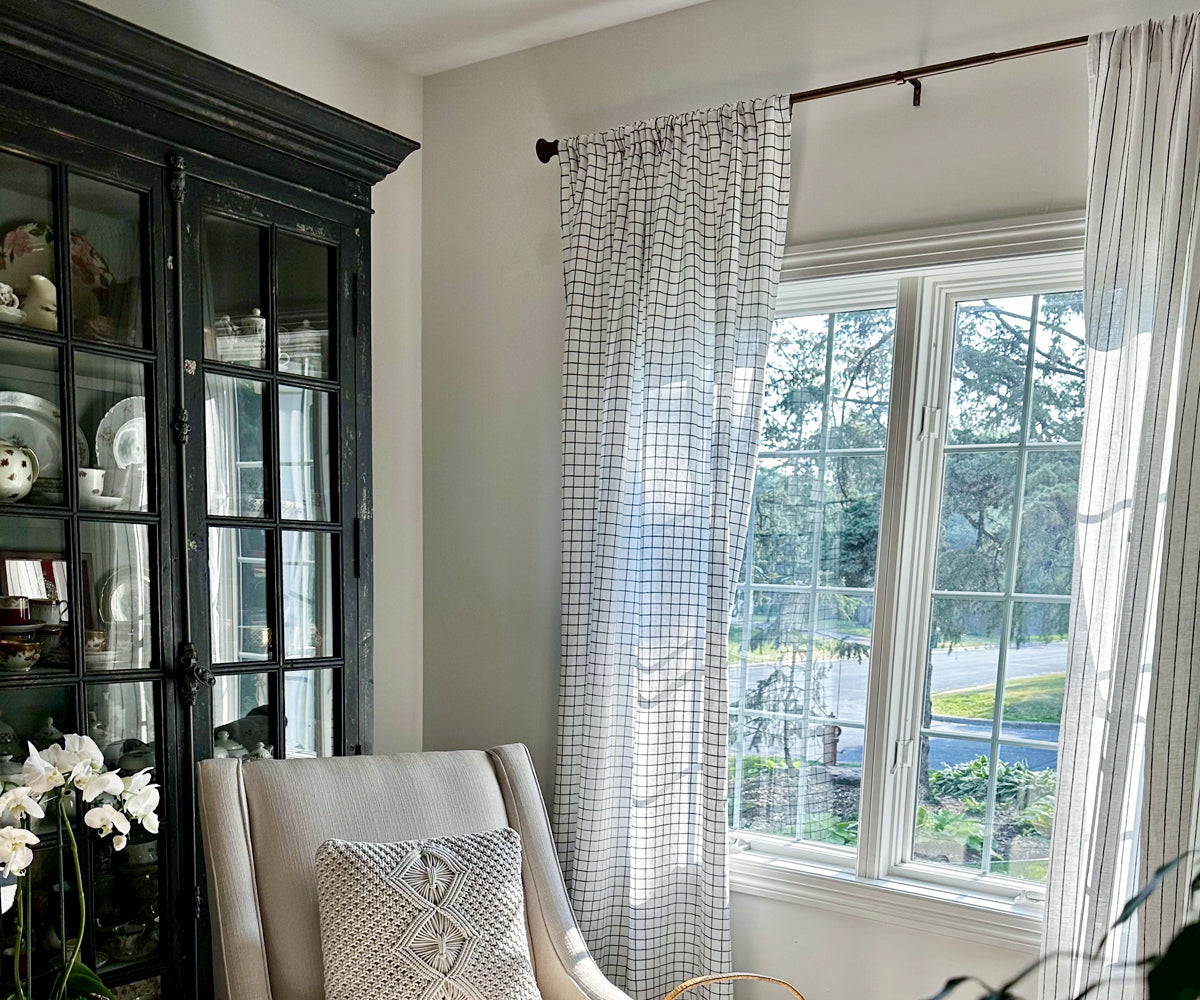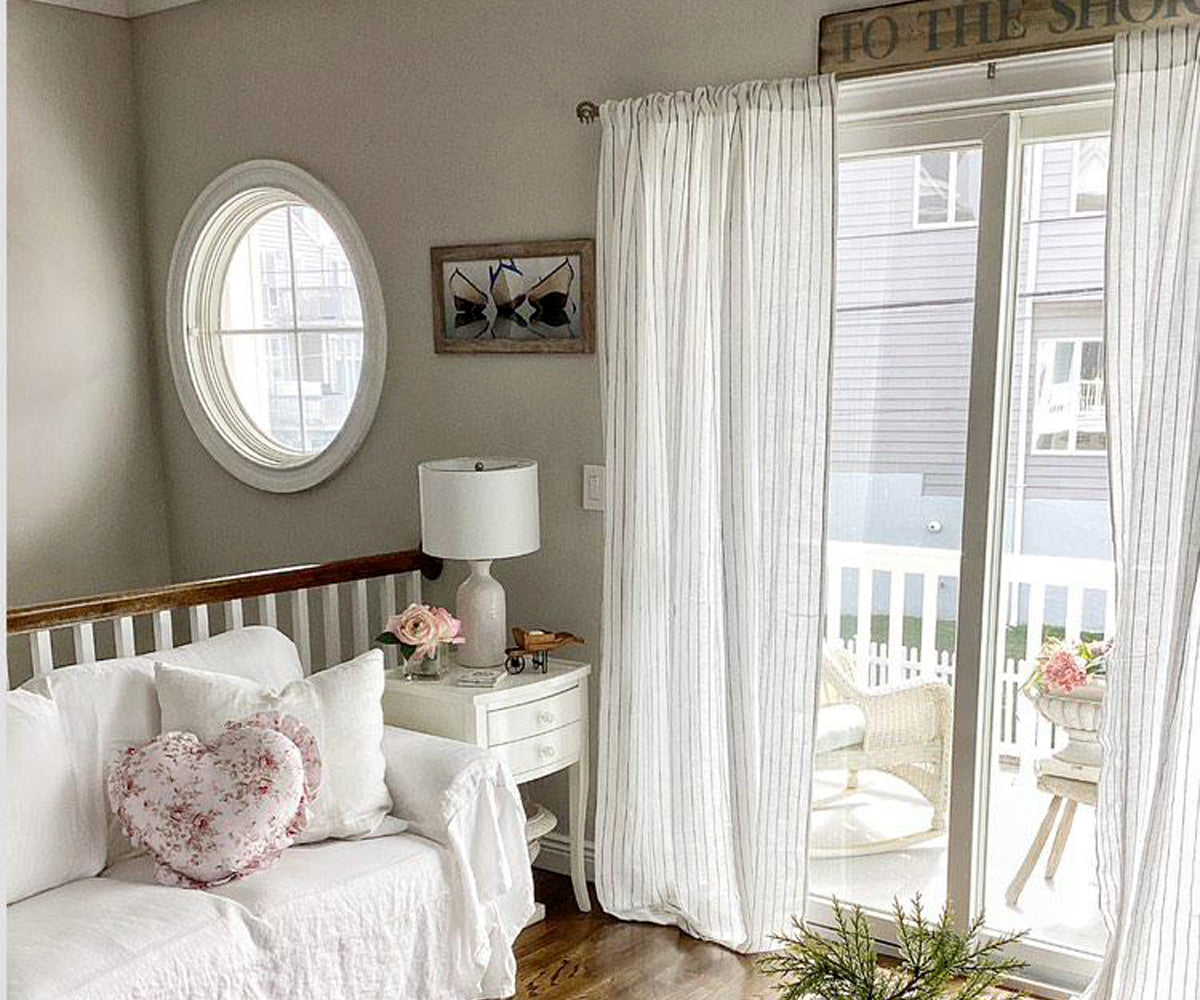


Step 1: Gather Your Tools and Hardware
Before you touch a drill, have everything ready. You'll need:
- Steel measuring tape (not fabric, it stretches and gives inaccurate readings)
- Pencil for marking the wall
- Spirit level (essential for straight results)
- Drill with appropriate wall anchors or stud finder
- Curtain rod, brackets, and finials
- Ladder or step stool
Pro tip: Invest in a quality curtain rod. Lightweight rods bow under heavier fabrics like linen, causing the curtains to sag in the middle. A sturdy rod is a one-time purchase that lasts for years.
Step 2: Measure Your Windows Correctly
This is where most people go wrong. You're not measuring the window, you're measuring where the curtain will hang.

Curtain Length (Drop)
Decide where you want the curtains to end, then measure from the rod position down to that point. Common options:
- Just above the floor (0.5–1 cm gap): Clean, modern look. Easy to keep clean.
- Grazing the floor: Slightly relaxed, elegant feel popular in living rooms.
- Puddling (5–15 cm extra): Romantic, dramatic style best for formal rooms.
Important: Measure from where the rod will sit, not from the top of the window frame. Always hang your rod first (or mark its position) before finalising your curtain length.
Curtain Width
For full, luxurious-looking curtains, your total curtain fabric should be 2 to 2.5 times the width of the window. Skimping on width is the most common curtain mistake. Thin panels look flat and uninviting.
- Measure the full width of your window (frame to frame).
- Multiply by 2 (minimum) or 2.5 for a fuller drape.
- If buying two panels, divide that number by 2 to get the width per panel.
Learn About: How to Plan a Birthday Party: Fun & Simple Ideas
Step 3: Decide How High to Hang Your Curtain Rod
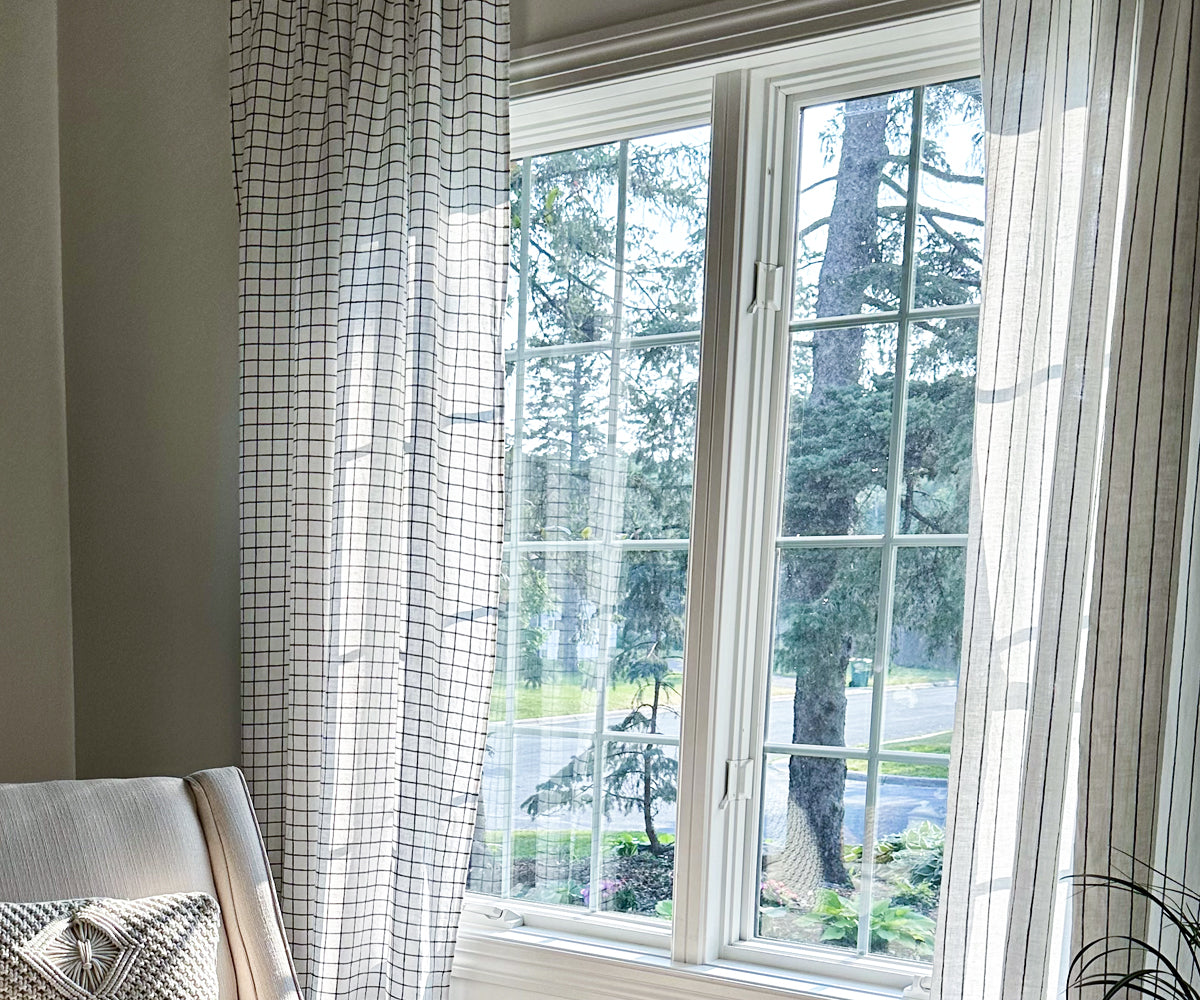
Rod height is the single biggest factor in how professional your curtains look. The golden rule: hang high, hang wide.

For most windows, position the rod 10–20 cm (4–8 inches) above the window frame. If you have the wall space, hanging even higher close to the ceiling makes the room feel taller, and the window feel larger.
- Standard ceiling height (2.4–2.7 m): Mount the rod 15–20 cm above the frame, or 5–10 cm below the ceiling.
- With crown moulding: Mount directly below the moulding to avoid an awkward gap.
- Very high or vaulted ceilings: Mount 15–20 cm above the window frame rather than near the ceiling, to keep proportions balanced.
Designer tip: Never hang your rod flush with the window frame. It makes the window and the room look shorter than it is.
Step 4: Extend the Rod Beyond the Window
Your rod should extend 10–15 cm (4–6 inches) beyond the window frame on each side. This achieves two things:
- It makes the window appear wider.
- When curtains are open, they stack neatly to the sides without blocking your view or natural light.
So if your window is 120 cm wide, your rod should be at least 140–150 cm long. Most standard rods are adjustable. Check the range before buying.
Step 5: Mark, Drill, and Install Brackets
1. Mark the bracket positions on the wall with a pencil. Use a spirit level to ensure both marks are perfectly even.
2. Check for studs. If you hit a stud, screw directly into it. If not, use wall anchors rated for the weight of your curtains.
3. Drill pilot holes at your marks. Go slowly, drilling into plaster requires patience.
4. Screw the brackets into place. Give each a gentle tug to check it's secure before loading it with a curtain weight.
5. Slot the curtain rod into the brackets and check its level with a spirit level.
To Know: How to Choose the Best Striped Napkins for Your Table (2026)
Step 6: Hang Your Curtains
How you hang curtains depends on the header style. Here's a quick guide:

Rod Pocket
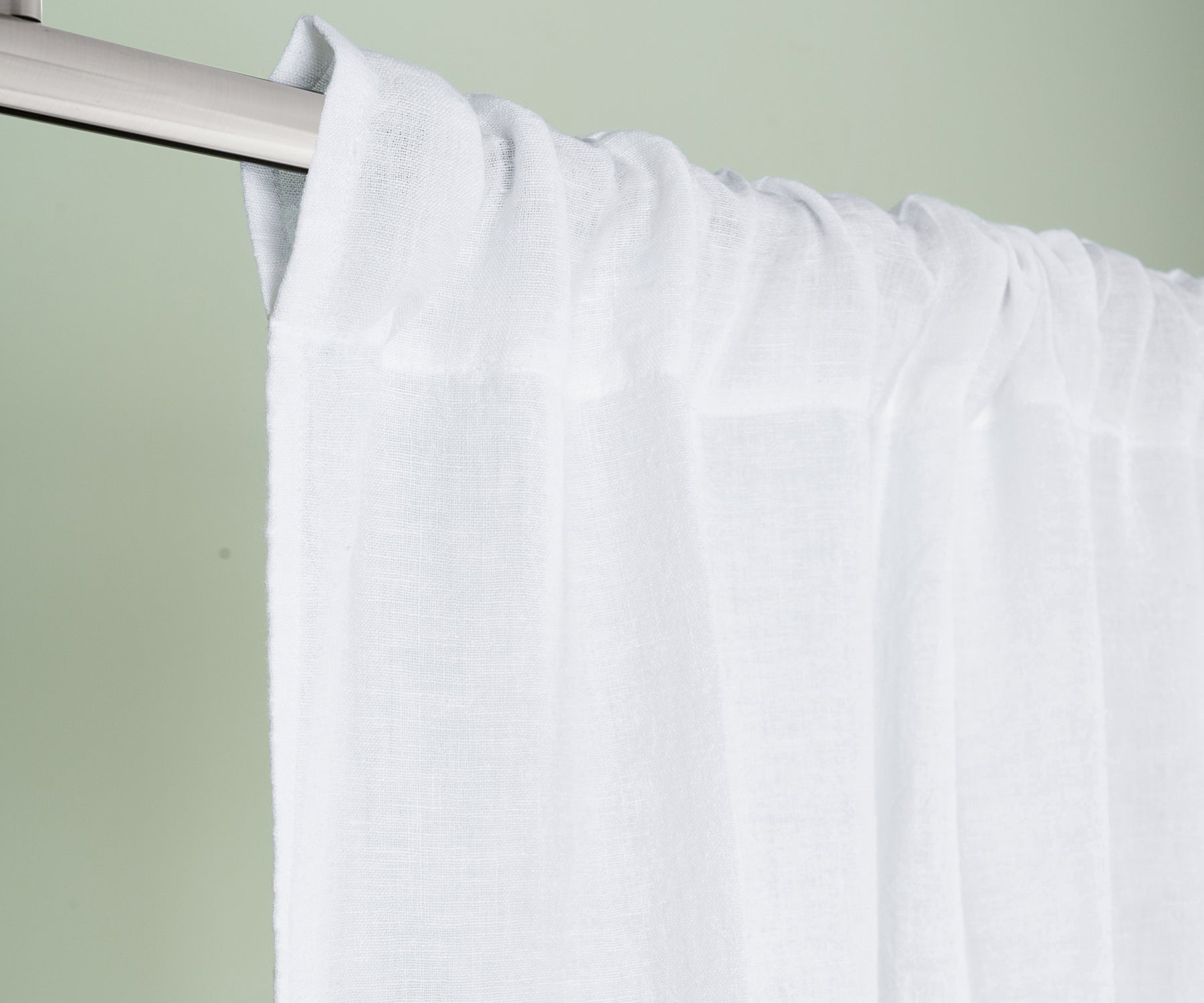
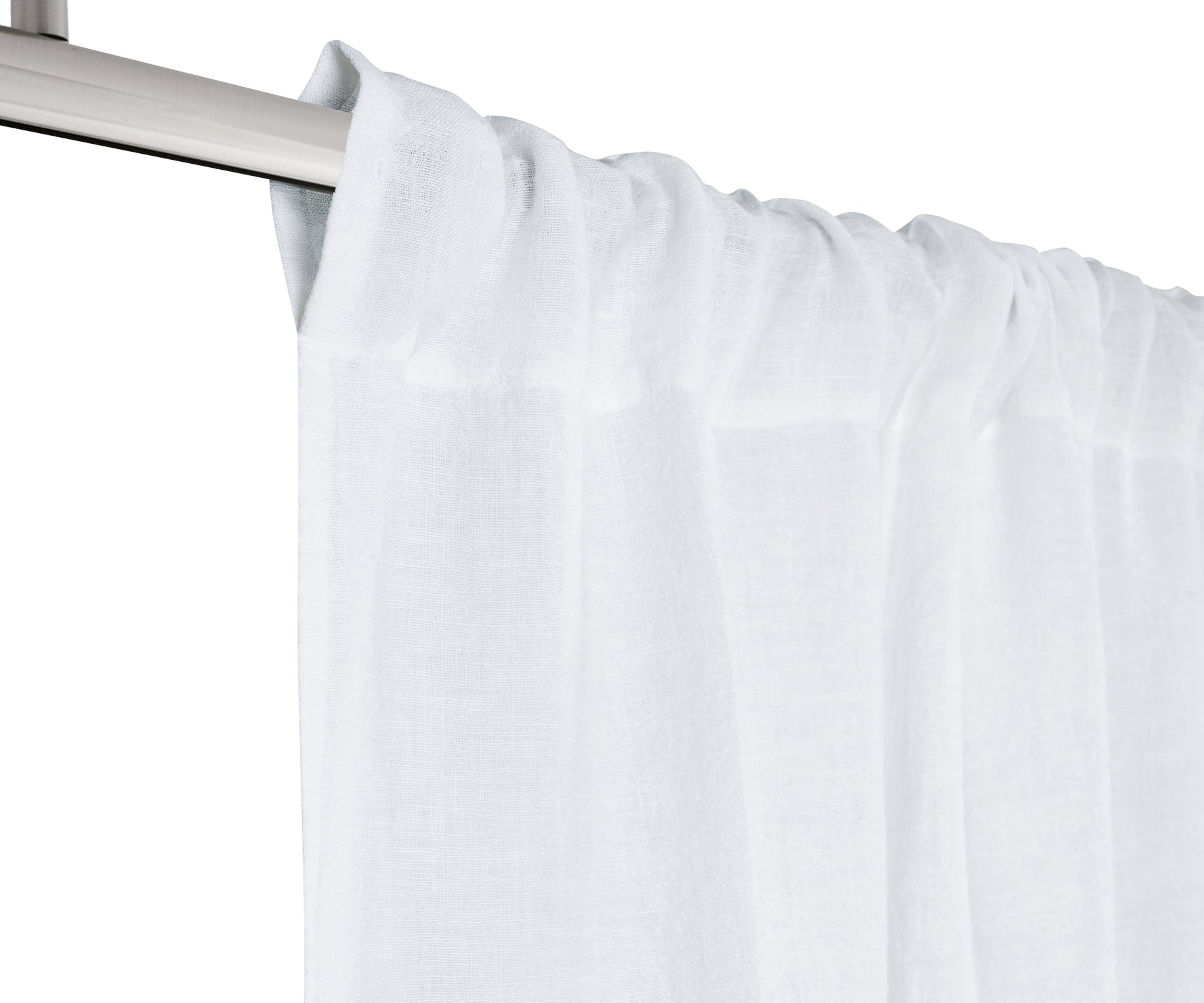
Slide the rod directly through the pocket sewn at the top of the panel. Simple, but curtains don't slide easily, best for panels you won't open often.
Eyelet / Grommet
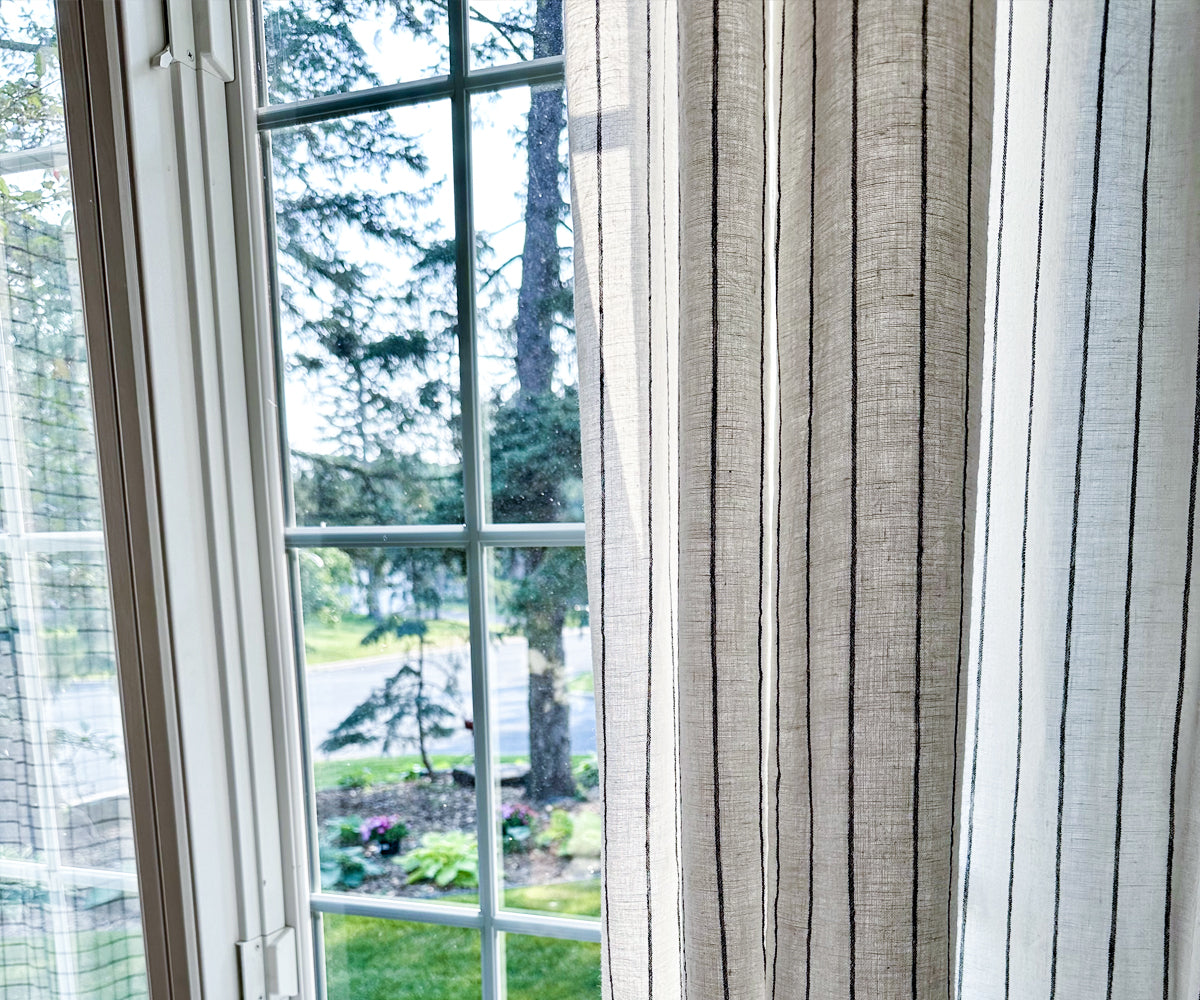
Thread the rod through the metal rings at the top of the panel. Easy to slide open and closed, and creates a clean, contemporary look, a popular choice for linen curtains.
Pinch Pleat / Pencil Pleat with Hooks
Insert hooks into the back of the pleat tape, then hang onto the things or a track. The most traditional method creates elegant, structured folds.
Tab Top
Fabric loops at the top slide directly over the rod. Casual, bohemian look works well with lightweight cotton curtains in informal rooms.
Clip Rings
Clips attach to the top edge of the fabric and hang from rings on the rod. The most flexible option works with almost any fabric and allows easy length adjustment.
Common Beginner Mistakes to Avoid
|
Common Mistake |
What to Do Instead |
|
Hanging the rod too low (on the window frame) |
Mount 10–20 cm above the frame, or near the ceiling |
|
Using curtains that are too narrow |
Total fabric should be 2–2.5x the window width |
|
Curtains that are too short |
Aim for floor-length; 84" panels are usually too short |
|
Rod too narrow for the window |
Extend 10–15 cm beyond the frame on each side |
|
Skipping the level |
Always check with a spirit level before drilling |
|
Not ironing/steaming before hanging |
Remove creases first, especially important for linen |
Caring for Cotton and Linen Curtains
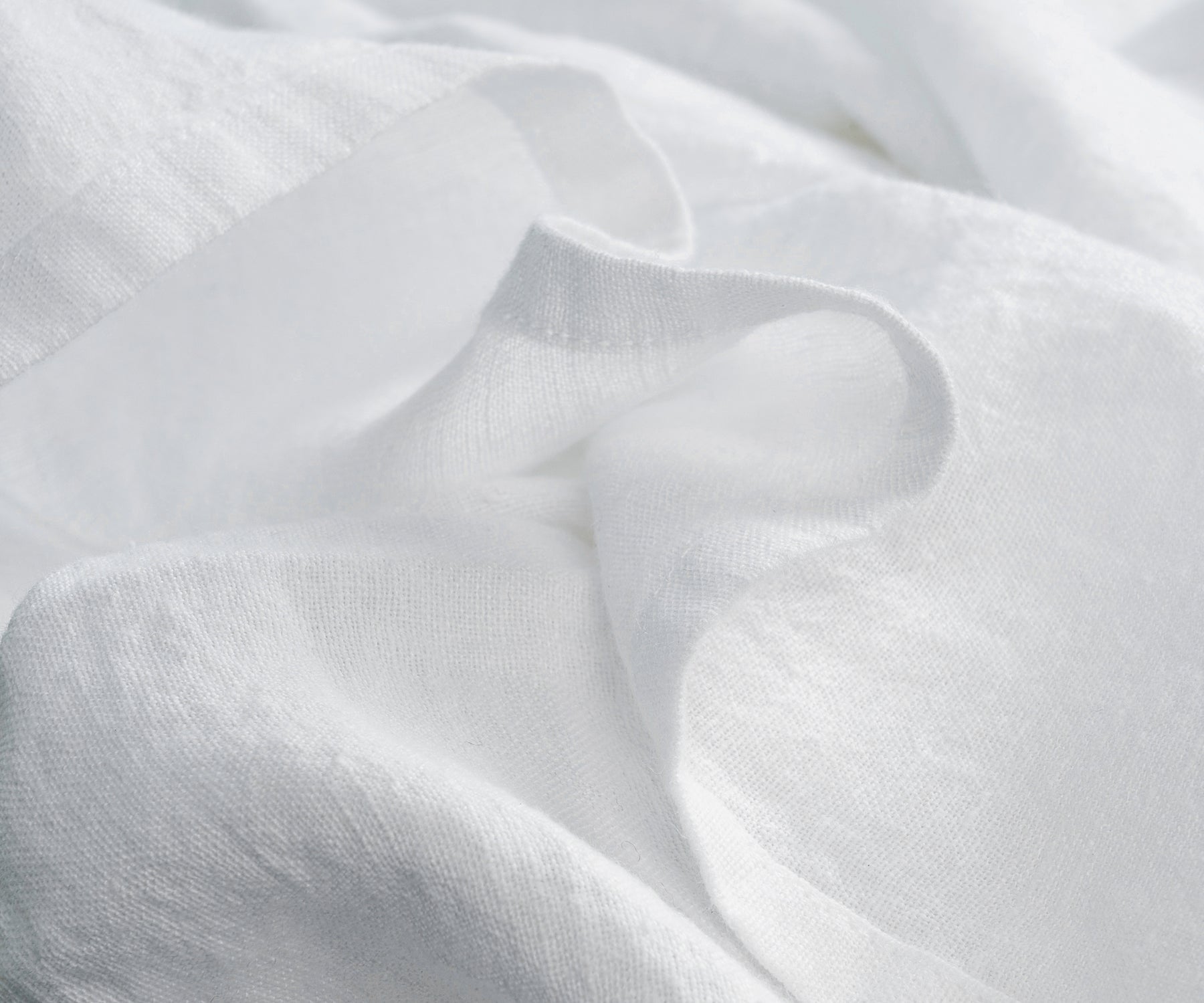
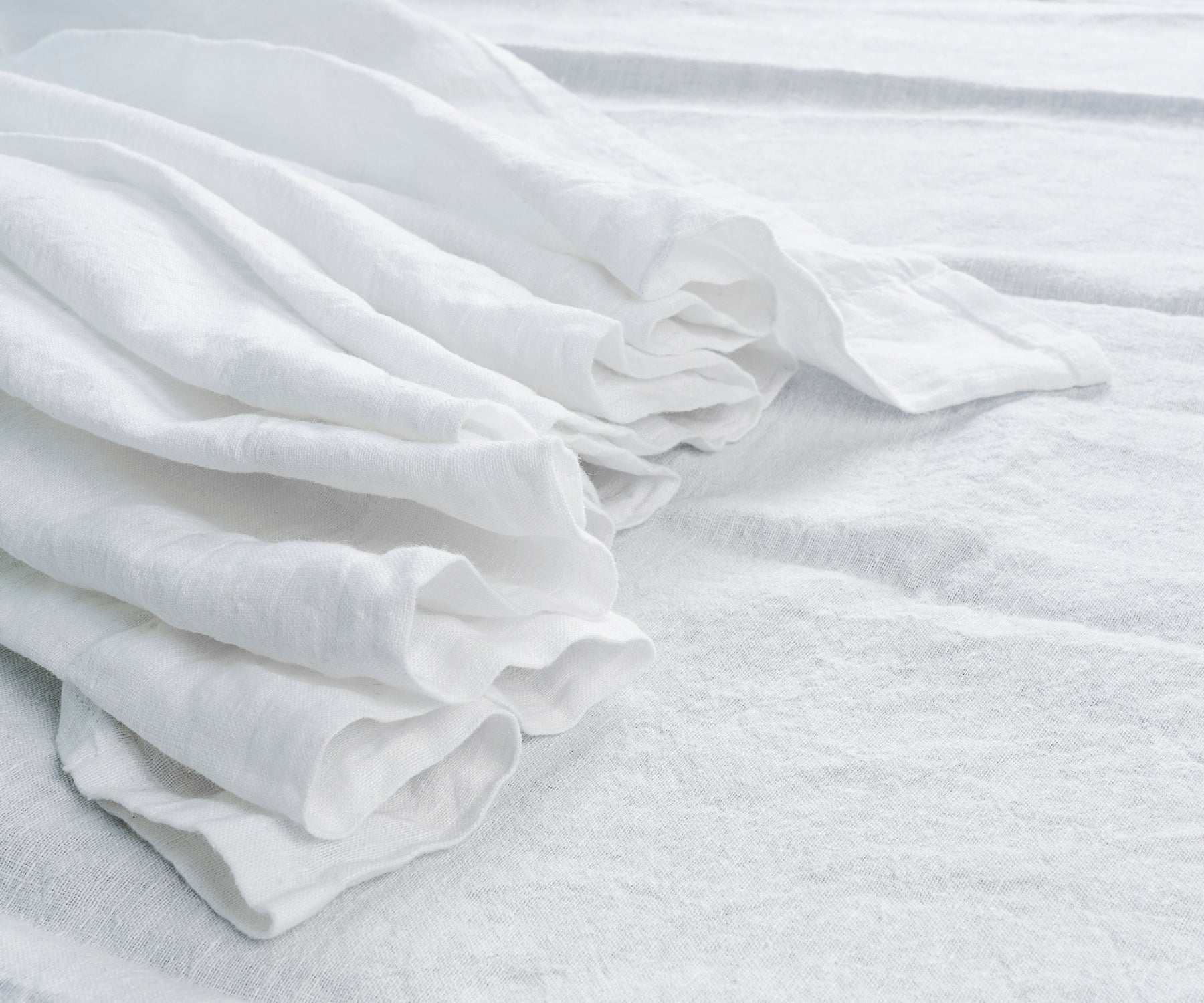
Natural fabric curtains like cotton and linen require a little extra care to keep looking their best:
- Steam before hanging — especially linen, which is prone to creasing. Hang while slightly damp and let gravity do the work.
- Vacuum regularly — use a soft brush attachment to remove dust without pulling at the weave.
- Wash gently — most cotton and linen curtains are machine washable on a cool, gentle cycle. Always check the care label.
- Avoid direct sunlight over time — natural fabrics can fade. A subtle UV-filtering sheer layer behind helps protect them.
- Re-hang while damp — after washing, hang immediately to minimise wrinkles and avoid the need for ironing.
Read Related: 10 Creative Uses for Cloth Napkins in Your Kid's Lunchbox
Hanging curtains well comes down to three things: the right measurements, the right rod placement, and choosing fabric that drapes naturally. Once you've done it once, it's simple every time.
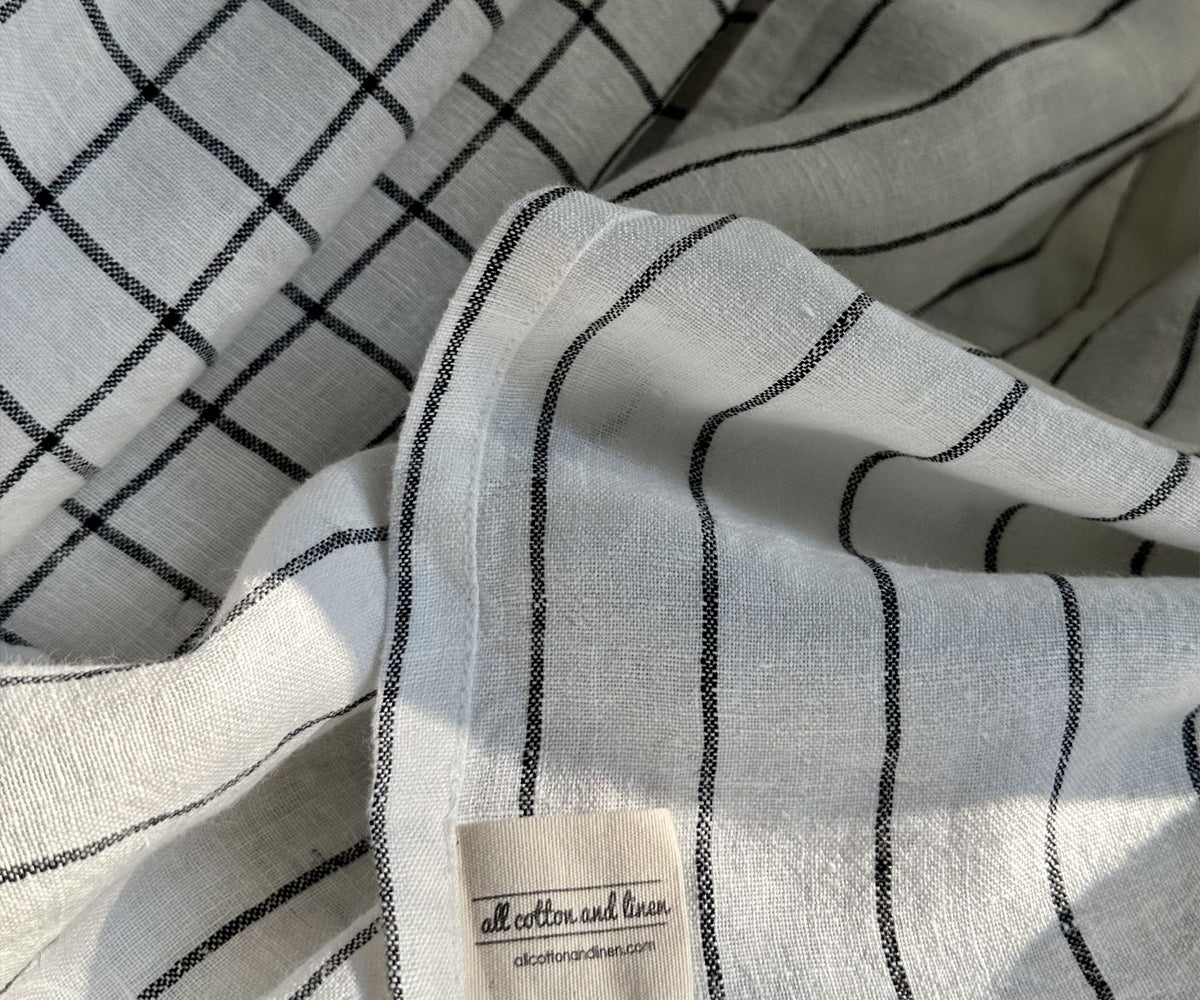
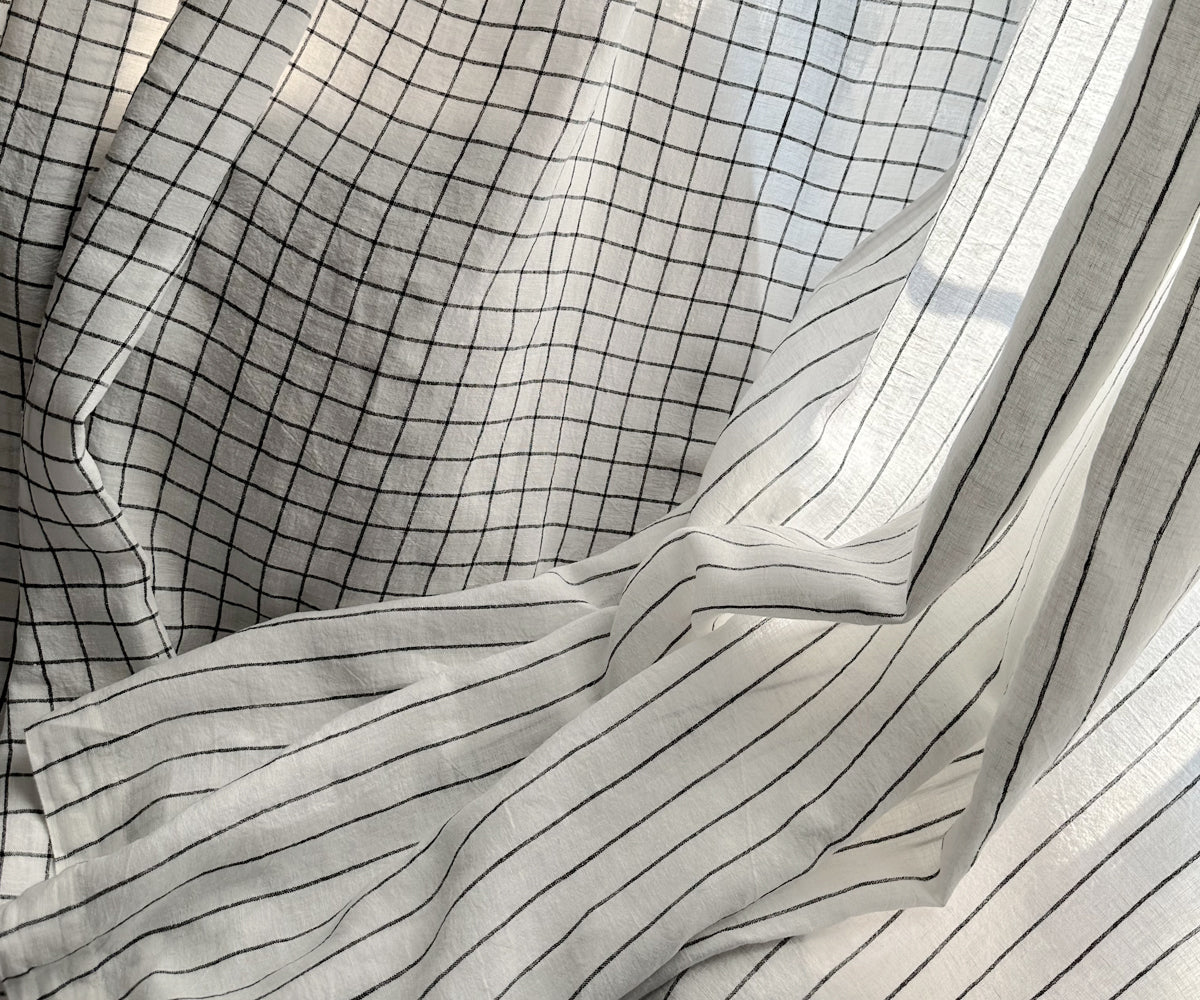
Cotton and linen curtains are particularly rewarding to hang because their natural weight and soft texture create exactly the kind of relaxed, elegant drape that makes a room feel lived-in and beautiful.