


1. Understanding the Power of Color
Colors play a crucial role in setting the tone and atmosphere of any space. Gray and coral are two colors that, when combined, offer a perfect balance of calmness and vibrancy. Gray represents neutrality, sophistication, and modernity, making it an excellent base color for a minimalist tablescape. On the other hand, coral brings a splash of energy, warmth, and subtle brightness, preventing the setup from looking too cold or sterile.
When you blend these colors, the result is a tablescape that feels both serene and lively, making it suitable for various occasions, from casual brunches to formal dinners. The key to mastering this color scheme is balance – too much gray might make the table dull, while an overdose of coral can overwhelm the minimalist vibe.
2. Choosing the Right Tableware
The choice of tableware is pivotal in creating a cohesive gray and coral table setting. Start with gray as the foundation for your plates, bowls, and serving dishes. Matte finishes work particularly well, as they enhance the minimalist look without drawing too much attention.
For accent pieces, such as salad plates or bread plates, opt for coral. The contrast between the two colors will create a visually appealing focal point. Additionally, using coral or gray napkins, or placemats can help tie the theme together without overpowering the overall simplicity.

When it comes to glassware and cutlery, keep it simple and elegant. Clear or smoke-tinted glassware pairs beautifully with gray table settings, while silver or matte black cutlery adds a touch of sophistication. Avoid ornate patterns or overly intricate designs; the beauty of a minimalist tablescape lies in its simplicity.
3. Incorporating Texture and Material
While colors are crucial, the textures and materials you use can significantly impact the overall feel of your tablescape. In minimalist design, the interplay of different materials and finishes adds depth without adding visual clutter.
Consider using a gray linen tablecloth or a runner as your base. Linen offers a soft, natural texture that complements the minimalist aesthetic. For coral accents, think about using materials that contrast with linen, such as ceramic or glass. For example, coral-colored ceramic vases or glass candle holders can add interest and variety to the table.

Wood elements, like a rustic wooden serving board or a set of wooden chargers, can also add warmth and break up the coolness of gray. Just be sure to keep the wood tones light and natural to maintain the minimalist vibe.
4. Lighting and Ambiance
Lighting is an often-overlooked element in tablescape design, but it's crucial in setting the mood. For a gray and coral-striped tablescape, soft, diffused lighting works best. Avoid harsh overhead lights that can make the table look stark and uninviting.

Candles are an excellent choice for adding warmth and ambiance. Choose simple, unscented candles in either gray or coral to complement your color scheme. If you prefer a more modern touch, consider using LED candles with a soft, flickering glow.
If your table is near a window, take advantage of natural light, which enhances the colors and textures of your setup. During the evening, you can use table lamps with dimmers to create a cozy, intimate atmosphere.
5. Adding Personal Touches
Even within the constraints of minimalist design, there’s room for personalization. Small, thoughtful touches can make your gray and coral checkered feel uniquely yours.
Consider incorporating a few well-chosen decorative elements that resonate with your style. For instance, a single coral-hued flower in a gray vase can add a subtle yet meaningful pop of color. Similarly, personalized name cards or simple, handwritten menus can add a personal touch without cluttering the table.
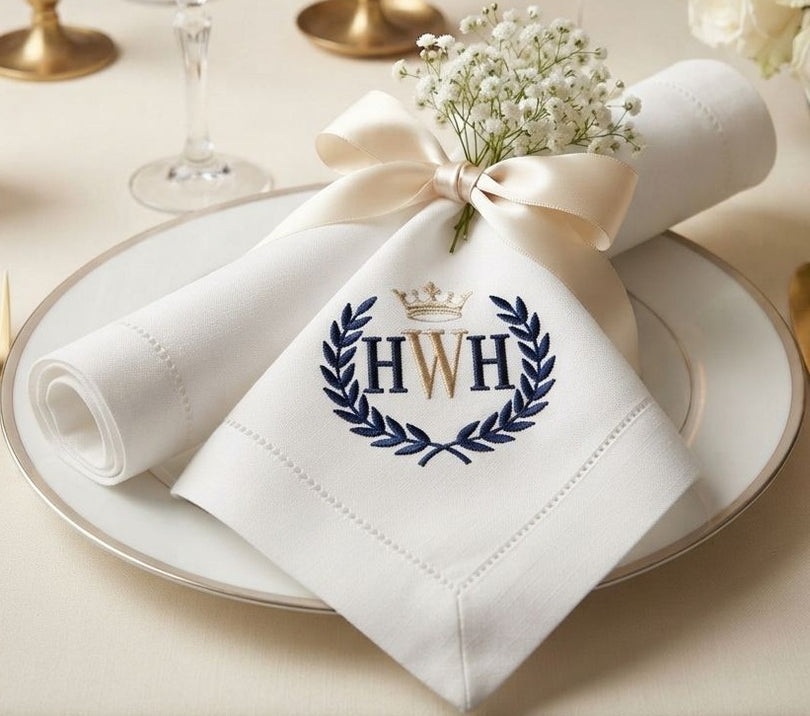
Another idea is to use gray and coral ribbon to tie around napkins or cutlery. This small detail can bring the whole look together, demonstrating that even in minimalism, details matter.
6. Keeping It Functional
While aesthetics are important, functionality should never be sacrificed in a tablescape. The minimalist approach naturally leans towards practicality, making it easier to create a setup that is as functional as it is beautiful.
Ensure that your tableware and accessories are not only stylish but also easy to use. Avoid overcrowding the table with too many decorative items; this will allow guests to interact more comfortably with the space. Additionally, leave enough room for serving dishes and drinks without disrupting the overall design.
The beauty of a gray and coral minimalist tablescape lies in its simplicity. By focusing on essential elements and eliminating unnecessary clutter, you create a space that is both elegant and user-friendly.
7. Tips for Seasonal Variations
One of the advantages of a gray and coral theme is its versatility across different seasons. With a few adjustments, this color scheme can transition seamlessly from summer to winter.
In the warmer months, emphasize the coral elements to reflect the vibrancy of the season. Incorporate fresh flowers in coral shades, or use lighter, breezier fabrics for your tablecloth and napkins.
As the weather cools, shift the focus more towards gray. Use heavier fabrics like wool or velvet for table runners, and consider adding coral touches through candles or seasonal fruits like pomegranates and oranges.
This adaptability makes a gray and coral minimalist tablescape a timeless choice that can be refreshed and reimagined throughout the year.
8. Achieving Balance and Elegance
Incorporating gray and coral minimalist tablescapes into your design doesn’t have to be a daunting task. By understanding the significance of color balance, choosing the right materials, and paying attention to lighting and personal touches, you can create a setting that is both elegant and inviting.
Minimalism is about stripping away the unnecessary and focusing on what truly matters. In the context of tablescapes, this means creating a space that is not only beautiful but also functional and reflective of your personal style.
Whether you’re hosting a formal dinner or enjoying a casual meal with loved ones, a gray and coral minimalist tablescape can elevate the experience, turning an ordinary meal into a memorable event.