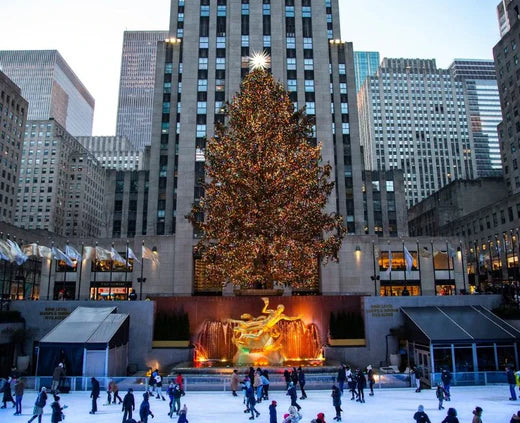


Christmas tree decorating ideas:
To put lights on a Christmas tree, start at the base of the trunk, anchor the plug end of your first strand near the bottom, and spiral the lights upward tucking some strands deeper into the inner branches and letting others rest near the outer tips. Count on roughly 100 lights per foot of tree height for a well-lit result, test every strand before you begin, and always work section by section so coverage stays even. Done right, the whole job takes about 30 minutes and the tree looks genuinely beautiful for the entire season.
The holiday season is the perfect time to gather with family, decorate your home, and spread some real cheer. Among all the festive traditions, putting lights on a Christmas tree sits at the very top. It sets the mood for everything else the ornaments, the garlands, the gifts underneath. This guide covers the best way to put lights on a Christmas tree, how many lights you actually need, what to do when they stop working, and how to make the whole display feel special rather than just functional.
When selecting your lights, ensure you choose the best Christmas tree lights for your specific needs, whether it's indoor or outdoor use.
You May Also Like: The History of Christmas: When Was the First Celebration?
What Type of Christmas Tree Lights Should You Choose?
The first decision shapes everything else. The two main options are LED Christmas lights and incandescent bulbs, and they are genuinely different in day-to-day use.
|
Feature |
LED Christmas Lights |
Incandescent Lights |
|
Energy Use |
Up to 75% less (U.S. Dept. of Energy) |
Standard consumption |
|
Heat Output |
Cool to the touch |
Noticeably warm |
|
Bulb Lifespan |
25,000 to 50,000 hours |
1,000 to 3,000 hours |
|
Color Quality |
Bright, crisp, vivid |
Soft, warm, amber |
|
Upfront Cost |
Slightly more |
Lower |
|
Seasons of Use |
Many years with proper storage |
Often one to three seasons |

LED Christmas tree lights are the practical choice for most households. They run cool, which matters for fire safety, and they last long enough that the higher purchase price works out to less money spent over time. If the warmer glow of old-style bulbs is what you are after, look for "warm white" LED options they reproduce that amber quality without the heat output.
Beyond the LED vs incandescent question, there are a few specialty types worth knowing:
Ceramic Christmas tree lights feature painted, opaque bulbs that give off a softer, diffused glow. They suit vintage-styled trees and farmhouse-themed rooms particularly well.
Solar Christmas lights work well outdoors, on porches, and along garden paths. No extension cords required they charge through the day and switch on automatically at dusk. The only condition is that they need a reasonably sunny spot to charge fully.
Outdoor Christmas tree lights are rated for rain, cold, and wind. Any strand you plan to use outside on a porch tree, a garden display, or a covered entryway needs to carry an outdoor rating. Indoor strands used outside are a safety issue.
Micro LED fairy lights have very small, densely spaced bulbs that produce a soft, scattered twinkle rather than individual points of light. They suit slim trees, pencil-style artificial trees, and any display where you want the light to feel diffused rather than bright.
How Many Lights Does a Christmas Tree Actually Need?
This is the question most people underestimate. The answer is almost always more lights than you think.

|
Tree Height |
Minimum Count |
Full, Dense Look |
|
3 feet |
300 lights |
450 lights |
|
4 feet |
400 lights |
600 lights |
|
5 feet |
500 lights |
750 lights |
|
6 feet |
600 lights |
900 lights |
|
7 feet |
700 lights |
1,050 lights |
|
8 feet |
800 lights |
1,200 lights |
A 6-foot tree with 600 lights looks adequately lit. That same tree with 900 lights looks genuinely full and glowing. If the department-store effect is what you are aiming for, always use the higher number in the table above.
One important note about pre-lit artificial trees: most come with 300 to 400 factory-installed lights, which falls well short of even the minimum figures above. Adding a second layer of your own lights on top of the existing strands makes a visible, immediate difference.
Test Every Strand Before the Tree Goes Up
Running a quick test before you start saves a serious amount of frustration. Plug every strand into an outlet and look for:
Bulbs that are dark, flickering, or noticeably dimmer than others. Replace these individually before you hang anything. A single faulty bulb in many older strands can take out an entire section.
Frayed insulation, cracked sockets, or discolored plugs. Any strand showing physical wear should be replaced entirely. These are not worth repairing.
Loose end caps or missing bulb covers. Small things that are straightforward to fix while the strand is in your hands and nearly impossible to address once it is woven through 200 branches.
If a strand that stored fine last year is now dark or partially lit, scroll down to the troubleshooting section before throwing it away. Most common failures have a two-minute fix.
Plan the Layout Before the First Strand Leaves Your Hands
Knowing how to hang Christmas tree lights well starts with a mental plan, not with action. A few minutes of thinking before you begin saves a lot of backtracking later.
Work in vertical sections. Divide the tree into thirds or quarters visually and complete one section fully before moving to the next. This prevents the situation where you run out of lights on one side while having excess on another.
Think in three layers, not one spiral. The most common mistake is running lights only around the outside surface of the tree. Push the first layer back toward the trunk, let the second sit at mid-branch depth, and run the third along the outer tips. Three distinct layers of depth make the tree appear to glow from the inside out rather than just being lit on the outside.
Set up your extension cord before you start. Decide where the power source sits and run the cord before any strands go on. Running out of cord reach after the tree is fully decorated is genuinely frustrating.
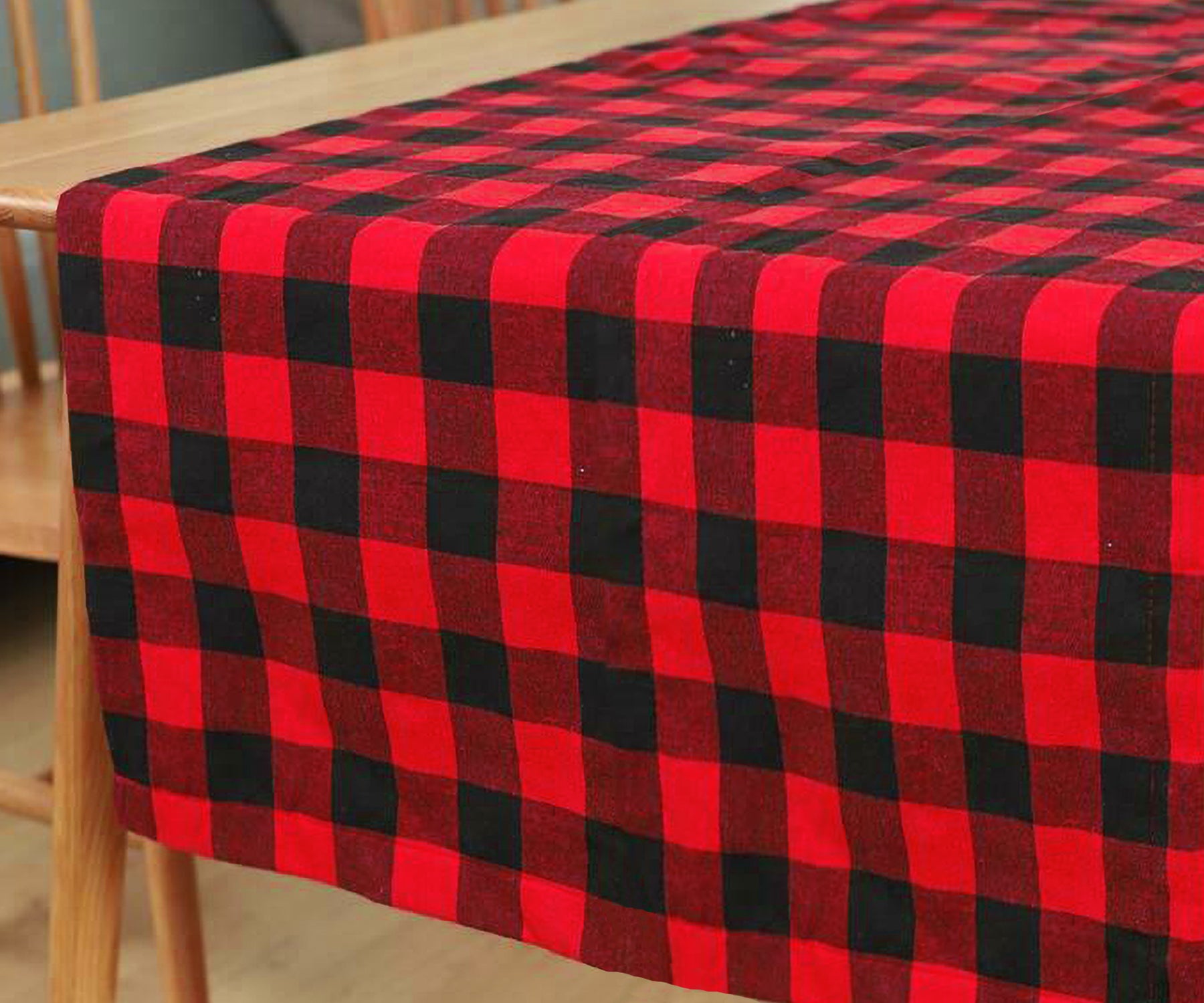
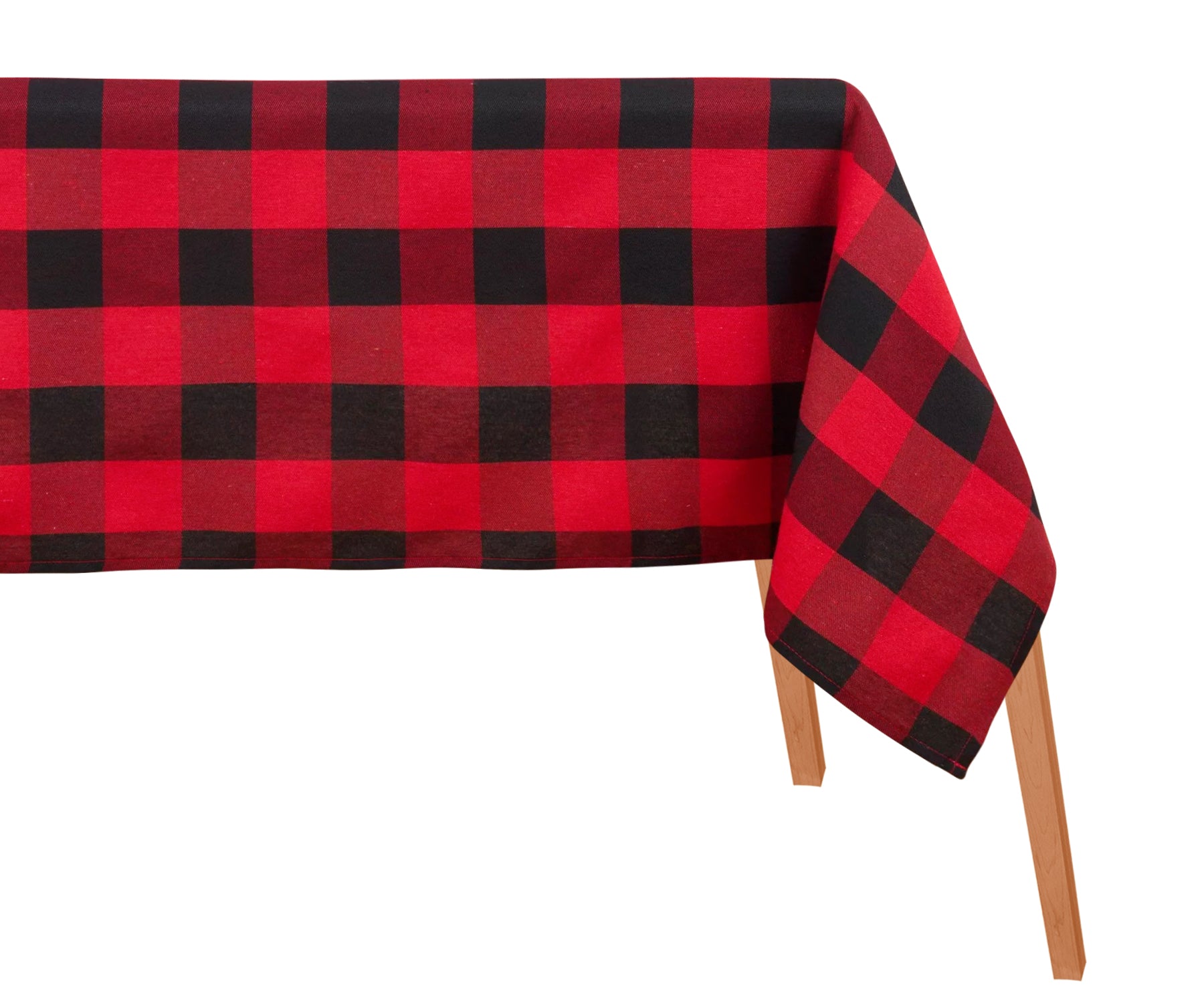
Read More: Christmas Table Setting with Red Tablecloth
How to Hang Christmas Tree Lights, Step by Step
Follow this sequence and the result will be consistently better than working without a plan.
Step 1 — Anchor the plug end at the base. The end that connects to the wall needs to sit near the bottom of the tree, close to the trunk, where you can reach it easily. Secure it to a lower branch before you go any further.
Step 2 — Unroll the strand gradually as you work. Pull off a foot or two at a time. Letting the full length drop free at once causes knots and tangles that take longer to sort out than the time you saved.
Step 3 — Move upward in a slow, deliberate spiral. Rather than a tight even coil, push each pass of lights slightly inward toward the trunk on one rotation and slightly outward toward the branch tips on the next. This layering builds itself naturally as you go.
Step 4 — Tuck the strand into branch junctions. Every time the lights cross a major branch fork, tuck a small loop into that junction. It anchors the strand and stops it from slipping downward over time.
Step 5 — Step back every two to three feet of progress. Gaps are easy to fill mid-process and genuinely difficult to fix once ornaments are on. Checking often keeps things under control.
Step 6 — Use remaining length to fill any thin areas. After reaching the top, use leftover strand to revisit any spots that looked sparse on the earlier passes.
Step 7 — Tuck the plug and any exposed cord. Work any visible cord behind lower branches so the hardware stays hidden. The tree should look like it is glowing, not wired.

How to Put Lights on an Artificial Christmas Tree
The process for how to put lights on artificial Christmas tree branches is similar to a real tree but with a few adjustments worth noting.
Start by fully fluffing every single branch before a single light goes on. Artificial trees come out of storage compressed, and the difference between a poorly fluffed and a well-fluffed tree is dramatic. Spread each branch outward and angle the individual tips upward so the tree has real volume. This single step does more for the final appearance than almost any other decision.
Once the tree is fluffed, wrap the light strand around each branch arm rather than just draping the strand over the surface. This hides the wire framework of the artificial branches and makes the tree read as full and natural when lit.
For pre-lit artificial trees, a second layer of mini LED lights woven on top of the factory strands takes the look from acceptable to noticeably impressive. Use the same color temperature as the existing lights for a seamless result — mixing warm white and cool white in the same tree tends to look inconsistent.
Christmas Tree Light Ideas That Actually Look Different
Once the basics are solid, a few deliberate choices can make the tree genuinely memorable rather than simply well-lit.
Warm white inside, cool white outside. Running warm amber strands deep in the inner branches and cool daylight strands on the outer tips creates a natural gradient darker and warmer at the center, brighter and crisper at the edges. It photographs beautifully and looks intentional.
Colored lights at the base, white at the top. This reverses the expected pattern and gives the tree a grounded, vivid base that fades to a clean bright crown. It works especially well with traditional ornament collections.
Ceramic Christmas tree lights in one section. A cluster of ceramic-bulb strands in one area of the tree, surrounded by standard LEDs, adds texture and a handmade quality. The diffused glow of ceramic bulbs next to the crisper LED light creates real visual interest.
Smart bulbs synced to music. Several LED strand brands now connect to apps and can pulse or shift color to music. Subtle in normal use, genuinely impressive during a family gathering.
Fairy lights layered over ornaments last. After all ornaments are placed, weave a thin strand of micro fairy lights loosely across the outer layer of the tree. The light bouncing off and through the ornaments creates a shimmer effect that is nearly impossible to replicate any other way.

- Unroll the Lights Gradually: This prevents tangling and allows you to adjust the placement as you go.
- Anchor the End: Secure the first end of the lights at the tree base.
- Wrap Evenly: Move in a spiral motion, wrapping lights around the tree. Ensure the spacing is even for a balanced look.
- Check Your Work: Step back periodically to ensure the lights are distributed evenly.
If you’re using LED Christmas tree lights, remember that they’re brighter than traditional options, so you may need fewer strands.
Read Related: What Stores Are Open on Christmas Day 2024?

What to Do When Christmas Tree Lights Are Not Working
Even well-stored, well-tested strands sometimes fail mid-season. Most christmas tree lights not working issues fall into one of four categories.
One section of the strand is dark. Start at one end of the dark section and press each bulb firmly into its socket as you go. A loose bulb is the most common cause. If pressing does not restore the light, replace the bulbs in the dark section one at a time until the section comes back on.
The entire strand is out. Check the plug fuse first. Almost all light strands have a small sliding compartment on the plug face holding one or two tiny glass fuses. Replacing a blown fuse takes about two minutes and costs almost nothing. If the fuse tests fine, check that the outlet itself is working by plugging in something else.
The lights flicker on and off. This usually points to a loose connection along the strand, often at the point where two sections join together. Unplug and firmly reconnect at every junction along the strand.
Lights work but look noticeably dim. This happens when too many strands are chained end-to-end. Most manufacturers specify a maximum of three strands connected in sequence. More than that causes voltage drop and the result is a dim, underwhelming output. Split the chain and plug each group into a separate outlet.
Knowing how to fix Christmas tree lights before discarding them saves real money. That said, any strand more than five to seven years old with cracked insulation or visibly damaged sockets should be replaced rather than repaired.
Christmas Tree Light Safety Tips Worth Taking Seriously
The lighting process looks right when it is also safe.
Never leave a lit tree running overnight without supervision. According to the National Fire Protection Association, Christmas trees account for roughly 160 home fires per year in the United States, and a significant share involve electrical faults in lighting.
Respect the maximum strand count. Three strands connected end-to-end is the standard safe maximum. Beyond that, the connection points generate heat that can become a fire risk.
Keep light strands away from fabric, paper, and dried natural materials. Garlands made from eucalyptus, pinecones, or paper ornaments placed directly against incandescent strands are a real concern. LED strands run cool enough to reduce this risk considerably.
Only use outdoor-rated strands for any exterior display. Indoor strands used outside are not built for moisture and can fail in ways that create a safety hazard.
Use a timer plug. A basic outlet timer turns the lights on and off automatically, reduces electricity consumption, and removes the need to remember to unplug every night. It is one of the most practical investments for the holiday season.
Inspect every strand before storage and before rehanging. Running each strand through your hands takes about two minutes and catches fraying, cracked bulbs, and discolored insulation before they become a problem the following year.
:

Extend the Festive Glow Beyond the Tree
Once the tree is done, the momentum carries.
Solar Christmas lights work exceptionally well for garden paths, porch steps, and fence lines. They need no wiring, switch on at dusk automatically, and create an outdoor display that looks considered rather than thrown together.
Light garlands around window frames and doorways pull the interior and exterior displays into conversation with each other. Keeping the light color consistent with the tree makes the whole home feel coordinated.
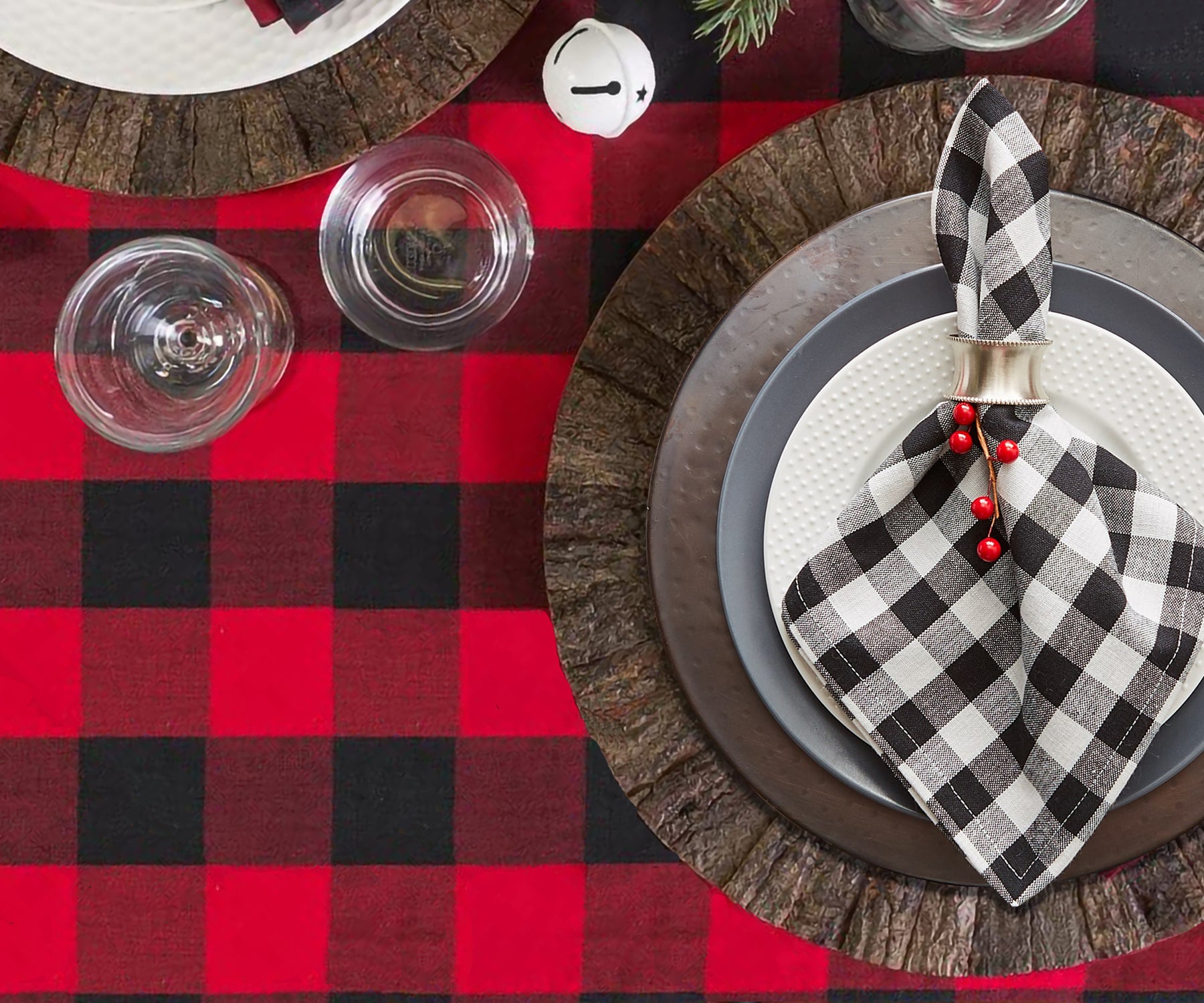
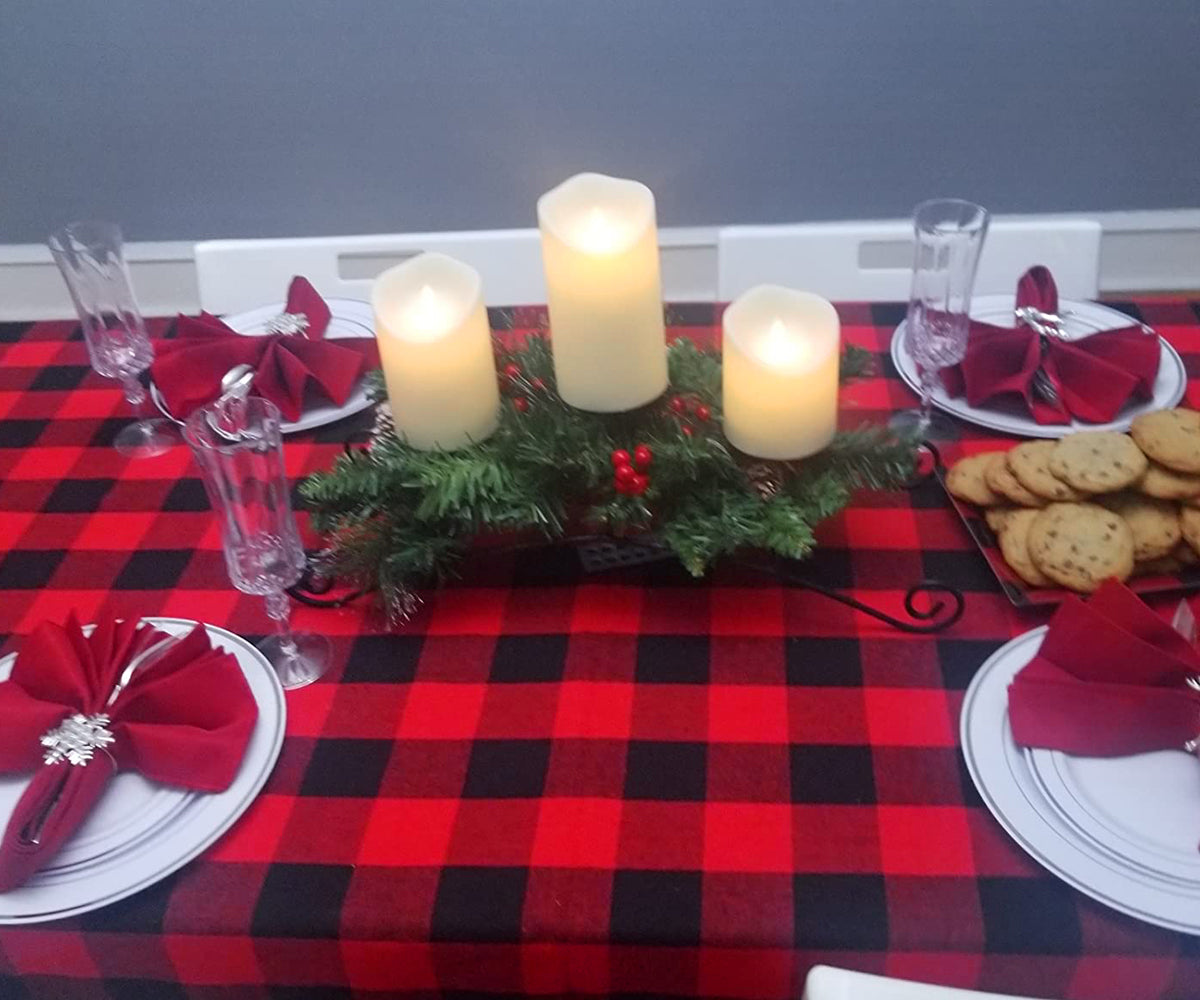
For the dining room, warm-toned light from the living tree pairs naturally with a warm, layered table setup. Take a look at our Christmas table setting guide for napkins, tablecloths, and runners that carry the same seasonal warmth through to where the family actually sits and gathers.
Bonus: Simplify Holiday Prep with Sustainable Products
While decorating your home, consider using eco-friendly items to complement your holiday style. For instance, sustainable linens can elevate your table setting. Check out All Cotton and Linen online store for stylish kitchen towels, tablecloths, cloth napkins, sustainable grocery bags, beddings, and women's clothing to create a warm and inviting holiday atmosphere.
Decorating your tree with lights doesn’t have to be daunting. By choosing the right lights, planning their placement, and following simple steps, you can create a dazzling display. Whether you prefer the eco-friendly charm of solar Christmas lights or the vibrant glow of LED Christmas lights, the key is to enjoy the process and make it a joyful tradition. Happy holidays!