

The problem with reusable shopping bags is rarely having too few of them. It is having too many scattered across too many locations, one in the car, two in the kitchen, three in the hallway, and one from that market six months ago that somehow ended up in the bathroom. And then arriving at the supermarket checkout without a single one.
A dedicated storage system for reusable bags solves this with almost no effort. Once every bag has a home, a single location they return to after every use, the chaos disappears. You always know where they are. You always have one when you need it. The collection stops spreading across the house.
This guide covers the best storage locations for every type of home, four folding methods that make compact storage genuinely easy, a guide to choosing the right type of bag for different shopping needs, and the care tips that keep cotton and natural fibre bags clean and in good condition.
Why Reusable Shopping Bags Become Difficult to Manage
Reusable shopping bags are meant to make shopping easier, but many households end up with the opposite problem. Bags collect in different rooms, pile up in cupboards, stay in the car for weeks, or get forgotten at the bottom of a drawer.

You may have several bags at home and still find yourself paying for another one at the checkout because none are where you need them.
The solution is not buying more bags. It is creating a simple storage system that keeps every bag in one place.
Once your reusable bags have a dedicated home, they become easier to find, easier to use, and much less likely to create clutter around the house.
In this guide, you will learn:
-
The best places to store reusable shopping bags
-
How to organise different types of reusable bags
-
Space-saving folding and rolling methods
-
Storage solutions for cotton totes, mesh bags, and insulated bags
-
Cleaning and care tips
-
How many reusable bags does a household actually need
Step 1: Take Inventory of Your Reusable Bags
Before setting up a storage system, gather every reusable bag from around your home.
Check common places such as:
-
Kitchen cupboards
-
Utility rooms
-
Car boots
-
Glove compartments
-
Hallway hooks
-
Pantry shelves
-
Closet floors
Place all the bags together so you can see exactly how many you own.
Find Out: Organic cotton and Linen : What's the difference?
Sort Bags Into Three Categories
Keep and Use Regularly
These are bags that are in good condition and are used often. They will become part of your main storage system.
Donate or Share
Many households have promotional or spare bags that rarely get used. Keep a reasonable number and donate extras to friends, family, schools, or local charities.
Recycle or Dispose
Remove bags that are torn, heavily stained, stretched beyond use, or damaged beyond repair. Cotton bags may be compostable, while synthetic materials should follow local recycling guidelines.
How Many Reusable Bags Do You Really Need?
Most people own far more reusable bags than they use.
As a general guide:
|
Household Size |
Recommended Number of Bags |
|
Single Person |
5–8 bags |
|
Couple |
8–12 bags |
|
Family of Four |
12–16 bags |
Keeping a manageable collection makes storage much easier and prevents clutter from building up again.
Organise Bags by Type
After reducing the collection, sort bags into categories:
-
Large cotton tote bags for weekly grocery shopping
-
Medium tote bags for quick shopping trips
-
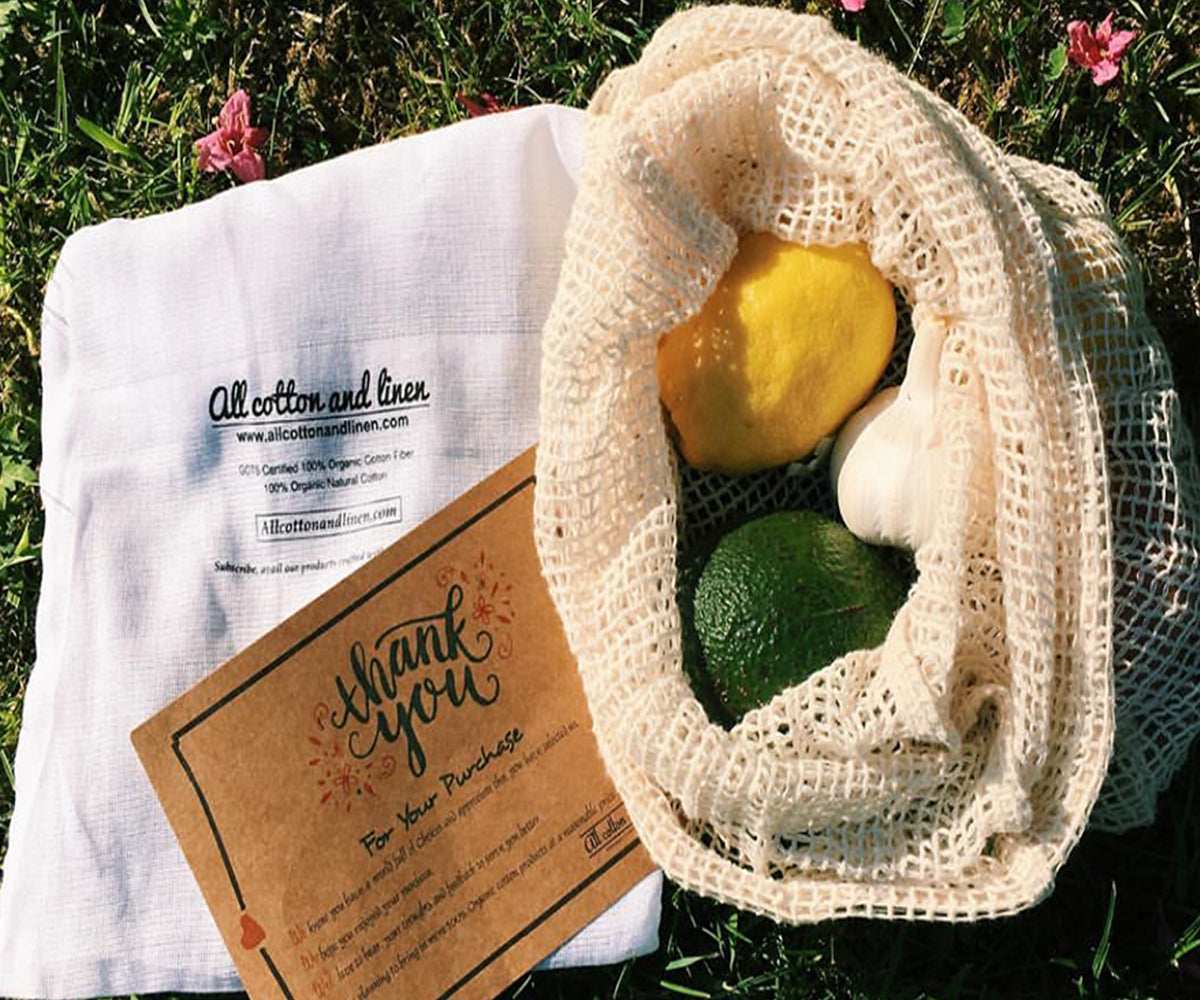
Mesh produce bags for fruits and vegetables
-
Insulated bags for chilled and frozen foods
-
Compact foldable bags for handbags and pockets
Grouping bags by purpose makes it easier to grab exactly what you need before leaving the house.
Step 2: Choose the Best Storage Location
The success of any reusable bag storage system depends as much on the location as the storage method itself. Even the most organised collection will quickly become messy if it is stored somewhere inconvenient.

The best storage locations share three qualities:
-
Easy to see
-
Easy to reach
-
Close to where you leave the house
When bags are visible and accessible, you are far more likely to remember them before heading to the shops.
Store Bags Near the Front or Back Door
For most households, this is the most practical option.
Keeping reusable shopping bags near the entrance you use most often makes them difficult to forget. A simple hook, wall basket, shelf, or storage bin can hold your collection without taking up much space.
One of the easiest systems is to hang a large tote bag from a hook and place all other folded bags inside it. The bags stay together, and the storage solution takes only a few seconds to maintain.
Store Bags in the Kitchen
Many people unpack groceries directly in the kitchen, making it a natural place to store reusable bags.
Instead of carrying bags to another room after unpacking, you can fold them and return them to storage immediately.

Popular kitchen storage ideas include:
-
A drawer dedicated to reusable bags
-
A basket on top of the refrigerator
-
A hook inside a cupboard door
-
A fabric storage bin in the pantry
-
A pull-out cabinet drawer
The simpler the return process, the more likely the system will stay organised over time.
Keep Backup Bags in the Car
One of the easiest ways to avoid forgetting reusable bags is to keep a small supply permanently in your vehicle.
Store two to four folded bags in the boot so they are always available for planned and unexpected shopping trips.
A small storage bin helps keep the bags tidy and prevents them from sliding around while driving.
Additional car storage ideas include:
-
Folded bags in the glove compartment
-
Compact bags in the door pocket
-
A hanging tote attached to a headrest
-
A small organiser under a seat
After unloading groceries, refold the bags and return them to their designated spot in the car. This simple routine keeps your backup supply ready at all times.
Step 3: Fold Your Bags for Compact Storage
Many reusable bag storage problems start with one habit: tossing bags into a drawer or basket without folding them.
Unfolded bags take up more space, become tangled together, and make finding the right bag frustrating. Folding or rolling them before storage keeps everything neat and easy to access.
Method 1: The Flat Fold
The flat fold is one of the fastest and most practical methods for everyday storage.
How to Do It
-
Lay the bag flat on a clean surface.
-
Smooth out wrinkles and creases.
-
Fold the bag in half lengthwise.
-
Fold it lengthwise once more to create a narrow strip.
-
Fold the strip into thirds from bottom to top.
-
Stack folded bags neatly inside a drawer, basket, or storage bin.
This method works particularly well for cotton tote bags and larger grocery bags.
Method 2: The Roll Method
Rolling creates an even more compact package and is ideal for travel and car storage.
How to Do It
-
Lay the bag flat.
-
Fold both sides toward the centre.
-
Starting at the bottom, roll the bag tightly upward.
-
Wrap the handles around the outside of the roll.
The finished roll fits easily into:
-
Handbags
-
Backpacks
-
Coat pockets
-
Car compartments
-
Small storage boxes
Method 3: The Self-Pouch Fold
Many lightweight reusable bags include a built-in storage pouch.
Simply fold the bag into a compact rectangle and tuck it into the attached pouch. The result is a small packet that stays folded without additional clips or straps.
This method is ideal for shoppers who regularly carry a reusable bag in a handbag or backpack.
Method 4: The Container Bag Method
If folding multiple bags feels like unnecessary work, use one large tote bag as a storage container.
How It Works
-
Flatten each reusable bag.
-
Place all bags inside a larger tote.
-
Hang the tote on a hook or store it in a basket.
This system works especially well for oversized cotton bags, market bags, and irregularly shaped shopping bags that do not fold neatly.

Storage Solutions by Bag Type
Different reusable bags benefit from different storage methods.
|
Bag Type |
Best Folding Method |
Best Storage Location |
Notes |
|
Large Cotton Tote |
Flat Fold or Roll |
Hook, Shelf, Basket |
Suitable for most storage systems |
|
Medium Tote Bag |
Flat Fold or Roll |
Drawer, Basket, Car |
Compact and versatile |
|
Mesh Produce Bag |
Loose Roll |
Small Pouch or Container |
Avoid over-compressing |
|
Insulated Shopping Bag |
Store Flat |
Shelf or Cupboard |
Helps prevent creases in the lining |
|
Fold-Up Reusable Bag |
Self-Pouch Fold |
Handbag, Pocket, Glove Box |
Designed for compact storage |
|
Jute Shopping Bag |
Flat Fold |
Shelf or Basket |
Holds shape better when stored flat |
Know About: How to Make a Backdrop with Tablecloths: A Simple DIY Guide
The One Habit That Keeps Bags Organised
Every reusable bag organisation system relies on one simple habit: putting bags away immediately after use.
Many people unpack groceries, place the bags on a chair or counter, and intend to deal with them later. Unfortunately, "later" often becomes several days.
The easiest way to maintain an organised collection is to follow a simple routine:
-
Unpack groceries.
-
Fold or roll the bags.
-
Return them to their storage location immediately.
The entire process usually takes less than a minute.
That one minute prevents clutter, saves time before shopping trips, and ensures your bags are always where you expect them to be.

How to Clean and Store Reusable Shopping Bags
A good storage system starts with clean bags. Putting away dirty or damp bags can lead to unpleasant odours, stains, and even mildew. Taking a few minutes to clean reusable bags regularly helps them last longer and keeps your storage area fresh.
Cleaning Cotton Tote Bags
Cotton tote bags are among the easiest reusable bags to maintain.
-
Machine wash in cold or warm water.
-
Use a gentle or normal cycle.
-
Wash with similar colours.
-
Air dry or tumble dry on a low setting.
-
Ensure the bag is completely dry before storing.
Cotton bags used for grocery shopping should be washed regularly, especially if they carry fresh produce, meat, or dairy products.
Cleaning Jute and Natural Fibre Bags
Jute bags require a gentler approach.
-
Wipe the surface with a damp cloth.
-
Use mild soap if needed.
-
Avoid soaking the bag in water.
-
Allow it to air dry naturally.
Excessive moisture can weaken natural fibres and cause the bag to lose its shape.
Cleaning Insulated Shopping Bags
Insulated bags help keep food at the right temperature, but they also collect spills and condensation.
To clean them:
-
Wipe the interior with a damp cloth and mild detergent.
-
Clean any visible spills immediately.
-
Leave the bag open to dry fully before storage.
-
Store flat when possible to protect the insulation layer.
Cleaning Mesh Produce Bags
Mesh bags are simple to maintain.
-
Place them in a laundry bag.
-
Wash on a gentle machine cycle.
-
Air dry completely before use or storage.
Never Store Damp Bags
Regardless of the material, bags should always be dry before being folded and stored.
Moisture trapped inside a drawer, basket, or storage bin can create mildew and unpleasant smells. If a bag becomes wet during shopping, hang it up to dry before returning it to storage.

How Many Reusable Shopping Bags Do You Really Need?
Most households own far more reusable bags than they actually use.
Free promotional bags, event giveaways, and impulse purchases can quickly create an oversized collection that becomes difficult to manage.
Keeping only the number of bags you regularly use makes organisation much easier.
Recommended Number of Bags by Household Size
|
Household Size |
Recommended Quantity |
|
Single Person |
5–8 bags |
|
Couple |
8–12 bags |
|
Family of Four |
12–16 bags |
These numbers provide enough bags for regular shopping without creating unnecessary clutter.
Suggested Bag Mix
Single-Person Household
-
2–3 large cotton totes
-
2 medium tote bags
-
1–2 compact foldable bags
Couple
-
3–4 large tote bags
-
2–3 medium tote bags
-
1 insulated bag
-
2 compact reusable bags
Family of Four
-
4–6 large cotton tote bags
-
3–4 medium tote bags
-
1–2 insulated bags
-
2–3 produce bags
-
2 compact foldable bags
If your collection has grown far beyond these numbers, consider donating unused bags and repeating a bag audit once a year.
Best Reusable Bag for Different Shopping Trips
Different shopping trips call for different types of reusable bags. Choosing the right bag makes carrying items easier and helps prevent wear and tear.
|
Shopping Need |
Recommended Bag Type |
Why It Works |
|
Weekly Grocery Shopping |
Large Cotton Tote |
Strong enough for heavier loads |
|
Quick Grocery Run |
Medium Tote Bag |
Easy to carry and store |
|
Farmers Market Visit |
Mesh Produce Bags |
Allows airflow around fresh produce |
|
Frozen Food Shopping |
Insulated Bag |
Helps maintain temperature |
|
Unexpected Purchases |
Fold-Up Compact Bag |
Fits inside a handbag or pocket |
|
Bulk Shopping |
Extra-Large Cotton Tote |
Holds larger quantities comfortably |
Why Cotton Tote Bags Are a Popular Choice
Among all reusable shopping bag options, cotton tote bags remain one of the most practical choices.

They are:
-
Strong enough for regular grocery shopping
-
Washable and easy to maintain
-
Available in a wide range of sizes
-
Easy to fold and store
-
Suitable for food shopping, errands, work, and travel
Unlike many synthetic alternatives, cotton bags can be washed repeatedly without losing their usefulness, making them a reliable option for everyday use.
Overview
Learning how to store reusable shopping bags does not require a complicated organisation system. The most effective approach is surprisingly simple: keep all bags in one designated location, fold or roll them neatly, and return them to that location after every shopping trip.
Whether you choose a basket by the front door, a kitchen drawer, or a storage bin in the car, consistency matters more than the storage method itself.
A small collection of clean, organised bags saves time, reduces clutter, and ensures you always have a reusable bag when you need one. With the right storage habits in place, reusable shopping bags become easier to manage and far more useful in everyday life.