


How to Wash Sofa Cushion Covers
Knowing how to wash sofa cushion covers properly is one of the simplest ways to protect your furniture and keep your living space genuinely fresh. The process is not difficult, but it does require a little attention to fabric type, water temperature, wash cycle, and how you dry the covers afterward. Get these right, and your cushion covers will stay clean, well-shaped, and long-lasting. Ignore them, and a single wrong wash cycle can cause shrinkage, color bleeding, or permanent fabric damage.
This guide covers every step of machine washing, hand washing, drying without shrinkage, fabric-by-fabric care, stain removal, and seasonal maintenance tips. It also includes care guidance specifically for cotton and linen sofa cushion covers, which hold their shape and color best when treated correctly.
Quick Answer
To wash sofa cushion covers, remove them carefully, check the care label, use cold water on a gentle or delicate cycle with a mild detergent, and air dry flat in the shade. Never tumble dry cotton or linen covers. Heat is the single biggest cause of shrinkage and fabric distortion.

Why Sofa Cushion Covers Need Regular Washing
Most people wash their cushion covers when something spills. That is understandable, but stains are only part of the problem.
Dust mites thrive in soft furnishings. Dead skin cells accumulate inside fabric fibres. Pets leave behind dander and odors that absorb into the weave. In humid climates and during monsoon seasons in India, moisture can also encourage bacteria and mildew to develop inside the cushion filling if covers are not washed and dried properly.
A consistent care routine does more than just keep covers looking clean. It extends the life of the fabric, reduces allergens in the room, and keeps the cushion filling protected from moisture buildup.
Recommended washing schedule:
-
Vacuum cushion covers weekly using an upholstery attachment
-
Spot clean spills as soon as they happen. This prevents staining
-
Full machine wash every two to three months under normal household use
-
Monthly washing for homes with pets, young children, or allergy sufferers
Step 1: Check the Care Label Before Anything Else
This is non-negotiable. The care label sewn into the seam of your cushion cover contains the most accurate guidance for that specific fabric. Skipping it is the fastest route to shrunken, faded, or structurally damaged covers.
Here is what the common codes mean:
Water-based cleaning is safe. Most machine-washable covers carry this code. S Solvent-based cleaning only. Do not use water. Use a dry-cleaning solvent or take it to a professional. WS Water or solvent cleaning is acceptable. Spot test before use. X: Vacuum or brush only. No water or solvent. Professional cleaning required.
If the label is missing, test a small hidden area with a damp cloth and check for color transfer before washing the full cover.
UK and EU care labels use symbol-based guidance, which differs slightly from US text codes. A tub symbol with a hand indicates hand wash. A plain tub indicates machine wash. A crossed tub means do not wash in water at all. If your covers were purchased from a UK or European brand, look up the symbol guide for your specific label before washing.
To Know: Aprons: A Complete Guide to Styles, Uses, and Care
Step 2: Prepare the Covers for Washing
Preparation takes about five minutes and prevents the most common washing mistakes.
1. Remove the covers carefully.
Unzip or unbutton slowly to avoid straining the seams. If the cover fits tightly around the cushion, pull it off gradually rather than tugging hard at one corner. Rough handling at this stage tears the stitching, which the wash cycle then makes worse.
2. Inspect for loose seams or small tears.
If you find any, repair them with a needle and thread before washing. Agitation in the machine will enlarge even a small rip significantly.
3. Shake out loose debris.
Take the cover outside or over a bin and give it a firm shake. This removes crumbs, pet hair, and surface dust before they go into the wash water and re-embed into the fibers.
4. Turn the cover inside out.
This protects the outer surface of the fabric during the wash cycle. It reduces friction on printed patterns, embroidered details, and outer weave textures, and it prevents ccolorfading on the visible side.
5. Pre-treat visible stains.
Do not put stained covers into the machine without treating the mark first. Washing over an untreated stain often sets it permanently into the fabric.
How to Pre-Treat Stains on Sofa Cushion Covers
Stain treatment works best when it is done quickly. The longer a stain sits, the deeper it penetrates the fibers.
Food and drink spills: Blot the stain immediately with a clean, dry cloth. Do not rub; rubbing pushes the liquid deeper into the weave. Then, apply a small amount of mild liquid detergent diluted in cold water. Gently dab at the stain and let it sit for five minutes before washing.
Grease stains: Sprinkle a generous amount of baking soda directly onto the stain. Let it sit for 15 minutes, and it absorbs the oil from the surface fibers. Brush it off, then treat it with a small amount of dish soap and cold water before washing.
Pet stains: Use an enzyme-based cleaner. These break down the proteins in pet urine and dander that cause persistent odors. Apply, let sit for 10 minutes, then blot before washing. Regular detergent alone will not fully remove the odor.
General rule for all stains: Always patch test any cleaning product on a hidden area of the cover first. Some stain removers can lift color from certain dyes or weave types.

Step 3: Machine-Washing Sofa Cushion Covers
Most cotton and linen sofa cushion covers are safe to machine wash if handled correctly. The key variables are water temperature, cycle type, and detergent choice.
Water temperature:
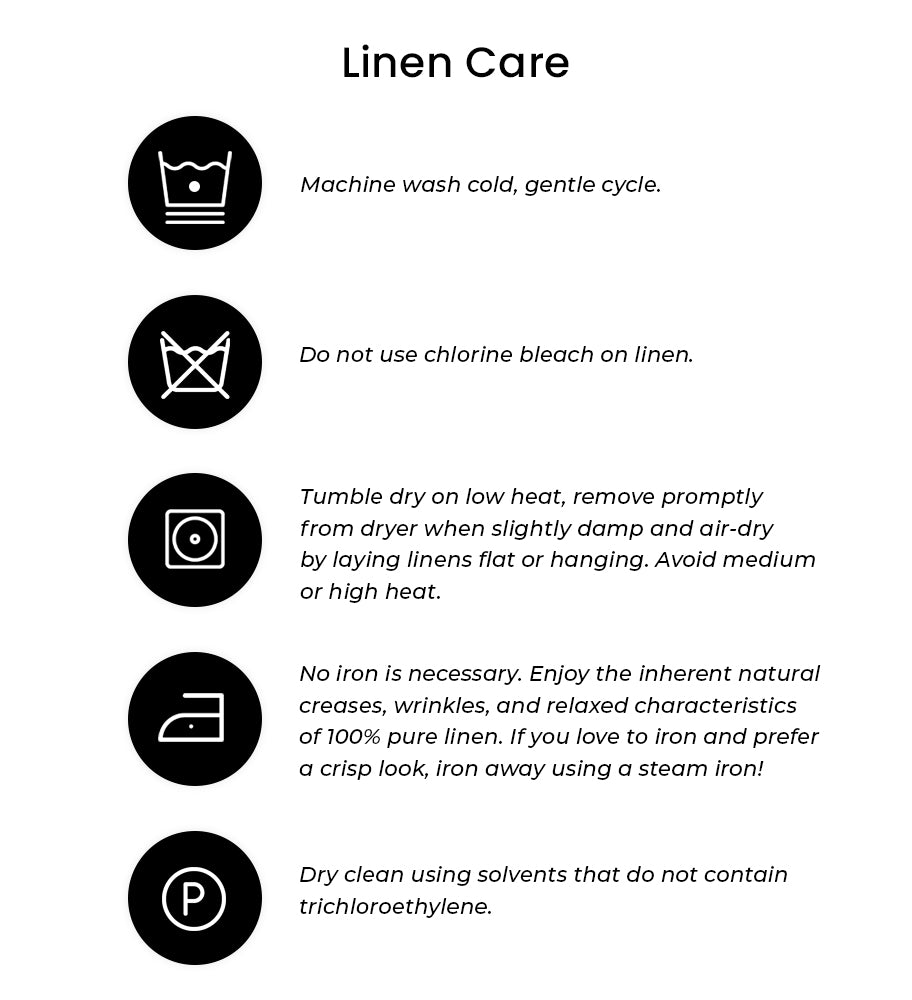
Use cold water. Cold water protects color vibrancy and prevents shrinkage. Restrict washing to 40°C maximum for cotton covers. Linen covers do better at 30°C. Hot water should never be used unless the care label explicitly permits it.
Cycle type:
Select a gentle or delicate cycle. This reduces agitation, which protects stitching and the structural integrity of the weave, especially important for textured or tightly woven fabrics.
Detergent:
Use a mild, fabric-friendly detergent. Avoid bleach completely; it weakens natural fibers, causes yellowing, and strips color. Fabric softeners are not recommended for linen covers, as they coat the fibers and reduce breathability over time.
Separate by color:
Wash light covers (white, cream, and natural linen) separately from dark covers (navy, charcoal, and deep brown). Dye from dark fabrics can transfer to lighter ones during washing, and the damage cannot be reversed.
Do not overload the machine: Covers need room to move for an even, thorough clean. Overloading causes creasing, uneven soil removal, and extra strain on the fabric.
Fabric-by-Fabric Washing Guide
|
Fabric Type |
Wash Method |
Max Temperature |
Cycle |
Drying Method |
Common Mistake |
|
Cotton |
Machine wash |
40°C |
Gentle / Delicate |
Air-dry flat in shade |
Hot water washing causes significant shrinkage. |
|
Linen |
Machine wash |
30°C |
Gentle / Delicate |
Air-dry flat; iron on reverse while damp |
Tumble drying causes shrinkage and a rough texture. |
|
Velvet |
Hand wash or gentle machine |
Cold water only |
Delicate |
Air-dry, draped over the sofa; brush the fibers gently. |
Machine agitation flattens the pile permanently. |
|
Polyester |
Machine wash |
30°C |
Normal or Gentle |
Air-dry in shade |
Avoid ironing directly—use a pressing cloth. |
|
Microfiber |
Machine wash |
30°C |
Gentle |
Air dry; do not iron. |
Fabric softener reduces the microfibers' cleaning ability |
|
Silk Blend |
Hand wash only. |
Cold water only |
N/A |
Air-dry flat in shade |
Any machine washing risks permanent damage. |
Different fabrics need different handling. Use this table as your quick reference before every wash.
Step 4: Hand-Washing Sofa Cushion Covers
Hand washing is the right method for delicate fabrics, covers with embroidery or detailed stitching, or any cover whose care label specifies it.
1. Fill a clean bathtub or large basin with cool water.
Add a small amount of mild liquid detergent and mix gently until dissolved.
2. Submerge the cover fully.
Gently move it through the water with your hands, paying extra attention to soiled areas. Do not scrub hard against the fabric; work it gently so the soapy water passes through the fibers.
3. Drain the basin.
Refill with clean, cold water and rinse the cover thoroughly. Repeat until no soap residue remains. Detergent left in the fabric can irritate skin and attract dirt more quickly between washes.
5. Do not wring the cover.
Wringing distorts the shape of the fabric and puts excessive stress on the seams. Instead, press gently against the side of the basin to release water, then roll the cover loosely in a clean, dry towel to absorb excess moisture.
Learn About: Unique Wedding Gift Ideas 2026 | Thoughtful Gifts for Every Couple
Step 5: Drying Sofa Cushion Covers Without Shrinkage
Drying is where most damage occurs. The method matters as much as the wash itself.
Air drying is the only reliably safe option for cotton and linen sofa cushion covers. Lay covers flat on a clean surface or hang them in a shaded, well-ventilated area. Direct sunlight bleaches fabric over time and degrades the fibers. Shade drying is always preferable.
Never tumble dry unless the care label specifically states it is safe. Heat is the primary cause of shrinkage, and even a short tumble on a low setting can distort the shape of a closely fitted cover.
While the cover is still damp, gently reshape it. Smooth the seams flat, pull any corners back to their original shape, and run your hands over the surface to even out any bunching. This takes about 30 seconds and makes a significant difference to how the cover fits once dry.
Ironing: Linen in particular wrinkles noticeably after washing. Iron covers while they are still slightly damp, using a medium heat setting. Always iron on the reverse side to protect the outer surface. A steam iron works well for removing deep creases without needing direct contact with the fabric face.
How Often Should You Wash Sofa Cushion Covers?
There is no single answer that works for every household. The right frequency depends on how the sofa is used and who uses it.
For a living room sofa used by adults without pets, washing every two to three months is sufficient. For families with young children or pets, monthly washing is more practical. In hot or humid climates, particularly during India's monsoon season, when moisture levels inside the home rise significantly, more frequent washing and thorough drying are important to prevent mildew from forming inside the cushion filling.
A weekly vacuum with an upholstery brush attachment is the single most effective maintenance habit between washes. It removes surface dust and pet hair before they work their way deeper into the fabric.
Common Mistakes That Damage Sofa Cushion Covers
Most fabric damage comes from the same handful of errors. Knowing what they are makes it easy to avoid them.
Using hot water.
Even one wash in water above 40°C can cause irreversible shrinkage in cotton covers.
Ignoring the care label.
The label exists for a reason. A cover marked "hand wash only" will not survive a machine cycle intact.
Overloading the washing machine.
Covers that cannot move freely in the drum come out unevenly cleaned and more creased.
Tumble drying on any heat setting.
Heat and mechanical tumbling distort fitted covers and weaken natural fibers over time.
Rubbing stains rather than blotting.
Rubbing pushes stains deeper into the weave and can spread the affected area.
Washing mixed colors together.
Color transfer in the wash is permanent. Always separate light and dark covers.
Wringing the fabric.
This distorts the shape and damages seams, particularly on linen and woven covers.
Keeping Covers Fresh Between Washes
A light maintenance routine between full washes keeps covers looking and smelling better for longer.
Vacuum weekly with an upholstery attachment, focusing on seams and edges where dust collects most. Rotate cushions regularly so they wear evenly. Use throws in high-traffic areas of the sofa; these take the daily wear, so the covers underneath stay cleaner longer.
For a quick freshen between washes, remove the covers and hang them outdoors in the shade for an hour or two. Fresh air circulates through the fibres and removes light odours without any washing at all. Avoid hanging in strong direct sunlight, which fades color gradually.
Spot clean any small marks as soon as they appear. A damp cloth with a tiny amount of mild soap handles most everyday marks. Dealing with a stain within minutes is far easier than trying to treat one that has dried and set into the fabric.
Top Wedding Decor Trends Using Linen 2026 is a useful read if you want to see how linen behaves across different uses and why its care properties make it a practical fabric choice for home textiles.
Cotton and Linen Sofa Cushion Covers: Why They Wash Best
Natural fibers like cotton and linen are genuinely easier to care for than most synthetic alternatives when you follow the right process.
Cotton is soft, breathable, and absorbent. It holds color well when washed in cold water, recovers its shape when air-dried correctly, and can be washed regularly without deteriorating quickly. Cotton sofa cushion covers from All Cotton and Linen are designed to handle repeated washing while maintaining their texture and original fit.
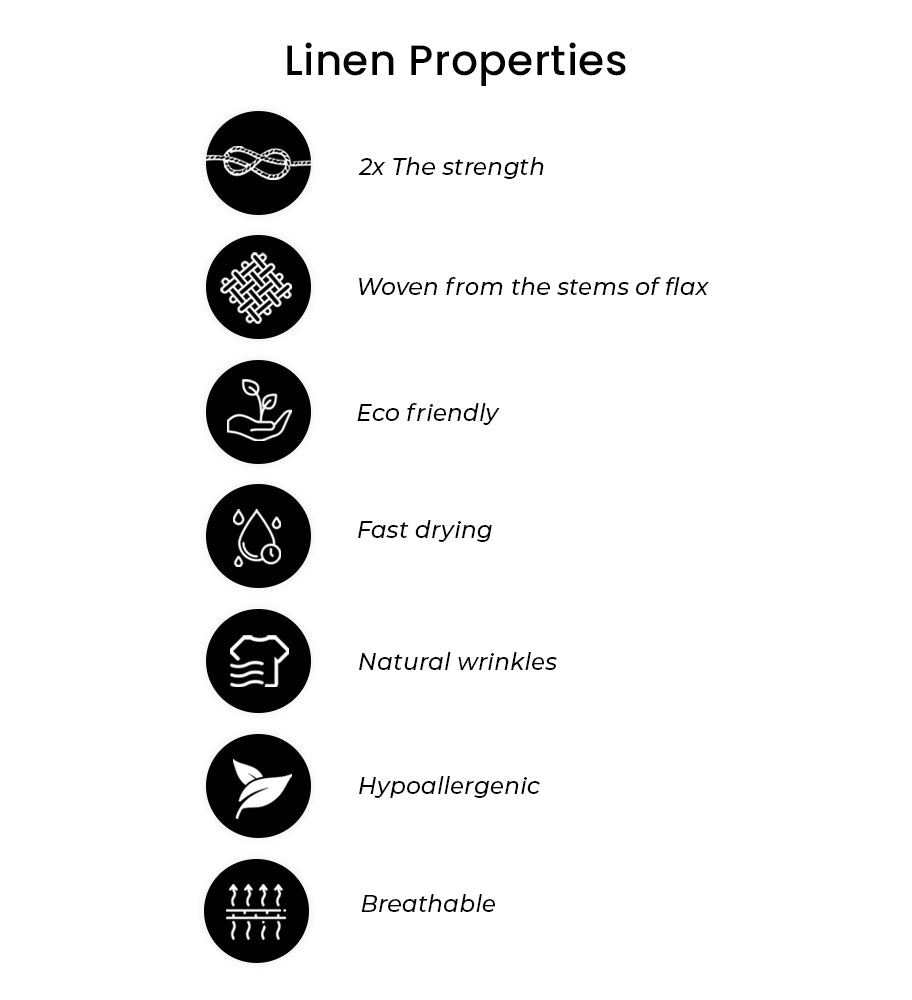
Linen is stronger than cotton by weight and develops a softer feel with each wash. It is naturally resistant to bacteria and moisture, which makes it a practical choice for living room use. Linen does wrinkle more visibly after washing, but a damp iron on the reverse side brings it back to a clean, flat finish quickly.
Both fabrics are better options than velvet, microfibre, or synthetic blends for households that need to wash covers regularly.
Washing Sofa Cushion Covers in India: Monsoon Season Tips
India's monsoon season creates specific challenges for sofa cushion care. High humidity levels between June and September mean that damp covers take much longer to dry completely, and covers that do not dry fully develop a musty smell and can encourage mold growth inside the cushion filling.
During monsoon months:
-
Wash covers on days with lower humidity when indoor air circulation is better.
-
Use a fan or dehumidifier to speed up the drying process indoors. Do not leave damp covers lying flat on surfaces without airflow underneath.
-
Dry covers away from windows that let in monsoon rain and wind-driven moisture.
-
If the covers smell musty despite being clean, hang them in a well-ventilated room with a fan running. Sunlight through a window (not direct outdoor exposure) can also help remove moisture odor.
-
Hard water in many Indian cities can leave mineral deposits in fabric fibers over time. Use a small amount of white vinegar in the rinse water occasionally to help remove mineral buildup and keep covers soft.
Overview
Washing sofa cushion covers correctly is not complicated, but the details do matter. Cold water, a gentle cycle, mild detergent, and air drying in the shade these four basics will protect your covers through hundreds of washes. Pre-treat stains before washing. Check the care label every time with a new cover. Never wring, never tumble dry, and never ignore a small tear before putting a cover through the machine.
Cotton and linen covers are among the most practical fabrics for regular washing. They hold their structure, maintain their appearance, and respond well to the care steps in this guide.
A little consistent attention keeps sofa cushion covers looking and feeling exactly as they should: fresh, clean, and well-maintained for years.