
Myths vs. Facts: Bamboo Clothing at a Glance
|
Myth |
Fact |
|
"Bamboo clothing is always 100% natural and chemical-free." |
Most bamboo clothing is bamboo viscose/rayon, made using a heavy chemical process; only bamboo lyocell and mechanically processed bamboo linen avoid this. |
|
"If it's bamboo, it's automatically eco-friendly." |
The bamboo plant is eco-friendly; the fabric depends entirely on the manufacturing method used to process it. |
|
"Bamboo fabric is toxic to wear once it's finished." |
The finished, washed garment is generally safe to wear; the main toxicity concerns are for factory workers during processing and for the environment, not the end consumer. |
|
"All bamboo fabrics are the same." |
Bamboo viscose, bamboo lyocell, and bamboo linen are produced through very different methods and have very different environmental footprints. |
|
"Bamboo clothing labeling is always accurate." |
The FTC has flagged bamboo rayon marketing for overstating eco-friendliness, so certifications like Oeko-Tex Standard 100 matter more than the word "bamboo" on a label. |
Understanding what's on the label and what's behind it is the most useful thing you can take from this guide.
What Is Bamboo Fabric?
Bamboo fabric is a textile made from bamboo plant pulp, processed into fibers and spun into yarn. While the plant itself is natural and fast-growing, the final fabric can range from semi-synthetic bamboo viscose to more eco-conscious bamboo lyocell, depending entirely on how it's produced.
Understanding the difference matters because it determines how sustainable, breathable, and skin-safe the garment actually is.

Is Bamboo Clothing Toxic? The Processing Problem
The bamboo plant is genuinely impressive. It grows fast, requires no pesticides, needs minimal water, and produces more oxygen than comparable trees. Its environmental advantages are real, but they stop at the point of harvest. Once cut, bamboo is processed in one of two ways:
Mechanical Processing
It crushes the bamboo and uses natural enzymes to break it into fibers, producing what's called bamboo linen. This method is eco-friendly, and rare, because it's expensive and labor-intensive.
Chemical Processing
It dissolves bamboo pulp using solvents including carbon disulfide, caustic soda, and sulfuric acid to produce bamboo viscose or rayon. This is the method behind nearly every bamboo garment on the market. The chemicals involved carry documented health risks for factory workers, including nerve damage and respiratory issues, and can release toxic by-products into the environment if not properly managed.
The Federal Trade Commission has cautioned consumers that bamboo viscose is often marketed as "green" or "natural" when the manufacturing process strips away bamboo's natural properties, leaving behind a semi-synthetic fabric.
So, is bamboo clothing toxic to wear? In most cases, finished garments don't retain harmful chemical residues. But the process of making them is far from clean.
Bamboo vs Cotton vs Linen: Which Is Actually Safer?
This is the question most consumers mean to ask, and the comparison matters.
Bamboo viscose goes through heavy chemical processing. Even if the final garment tests clean, the manufacturing footprint is significant.
Organic cotton is grown without synthetic pesticides and processed with minimal chemical intervention. It's one of the most trusted natural fabrics for sensitive skin and is widely certified by GOTS (Global Organic Textile Standard).
Linen, made from flax, requires almost no pesticides to grow and is processed mechanically or with biodegradable retting agents. It's naturally breathable, durable, and one of the most low-impact fabrics available.
If you want to avoid the chemical processing question entirely, linen and organic cotton are the straightforward choice. Both offer breathability, durability, and comfort, without the manufacturing concerns attached to bamboo viscose. Cotton kitchen towels, linen napkins, and linen bedding are all examples of natural-fabric alternatives that require no complex chemical conversion from plant to product.
Lyocell Bamboo: A Genuinely Safer Option
Not all bamboo fabric is made the same way. Bamboo lyocell uses a closed-loop manufacturing process that recycles the chemical solvents used, dramatically reducing environmental impact and avoiding the toxic emissions linked to standard viscose production.
If you are going to get bamboo clothes, make sure you go for the Oeko-Tex Standard 100 certification. It tests over 350 harmful substances and confirms that the final product has been tested and is free from these chemicals. A GOTS certification of bamboo lyocell is also a good sign.
Benefits of Bamboo Clothing
Despite the manufacturing concerns, bamboo fabric does offer real performance benefits worth knowing:
Softness: Bamboo viscose is exceptionally soft, often compared to silk, and gentle against the skin.
Moisture-wicking: Bamboo absorbs sweat away from the body and dries quickly, making it a popular choice for activewear.
Odor resistance: Natural antibacterial properties help reduce odor build-up during wear.
Thermoregulation: Bamboo fabric helps regulate body temperature, keeping you cooler in summer and warmer in cooler months.
Hypoallergenic: For people with sensitive skin, bamboo (particularly lyocell) tends to cause less irritation than synthetic fabrics.
Biodegradability: Bamboo fabric breaks down faster than synthetics in landfill conditions, though this depends on blending and finishing.
Women's Bamboo Clothing Options
If you want to add bamboo pieces to your wardrobe, focus on certifications over marketing language. Look for:
-
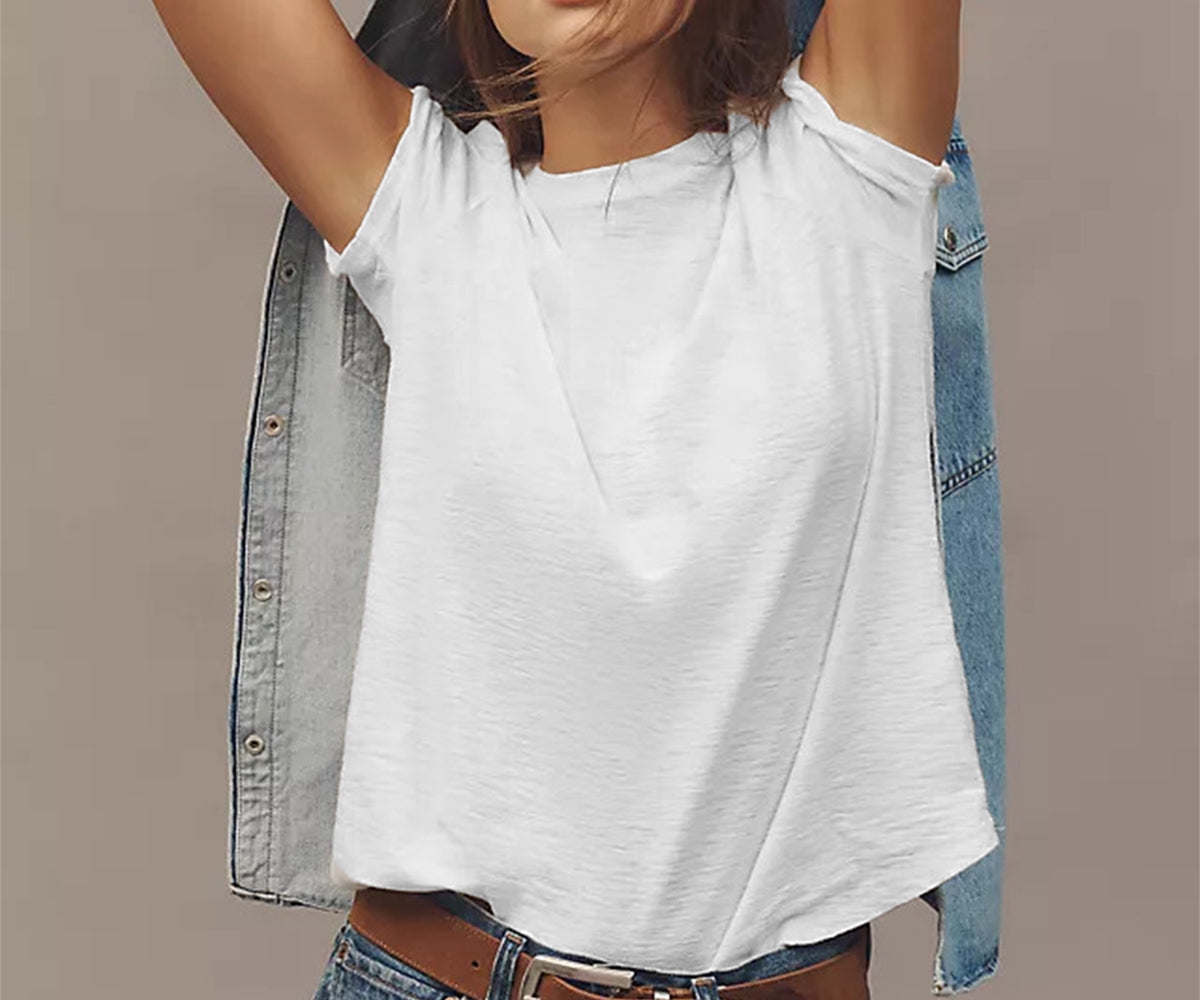
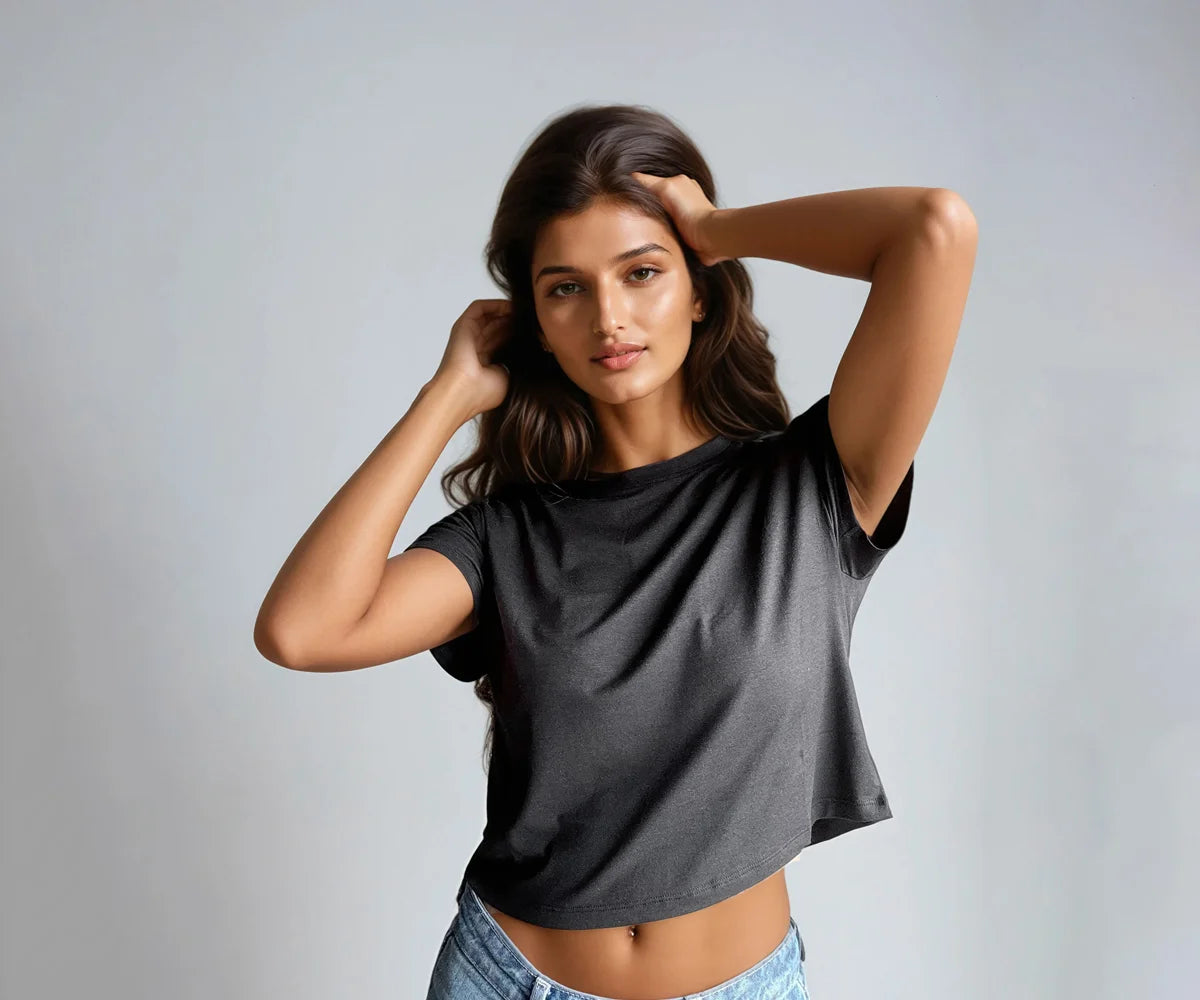
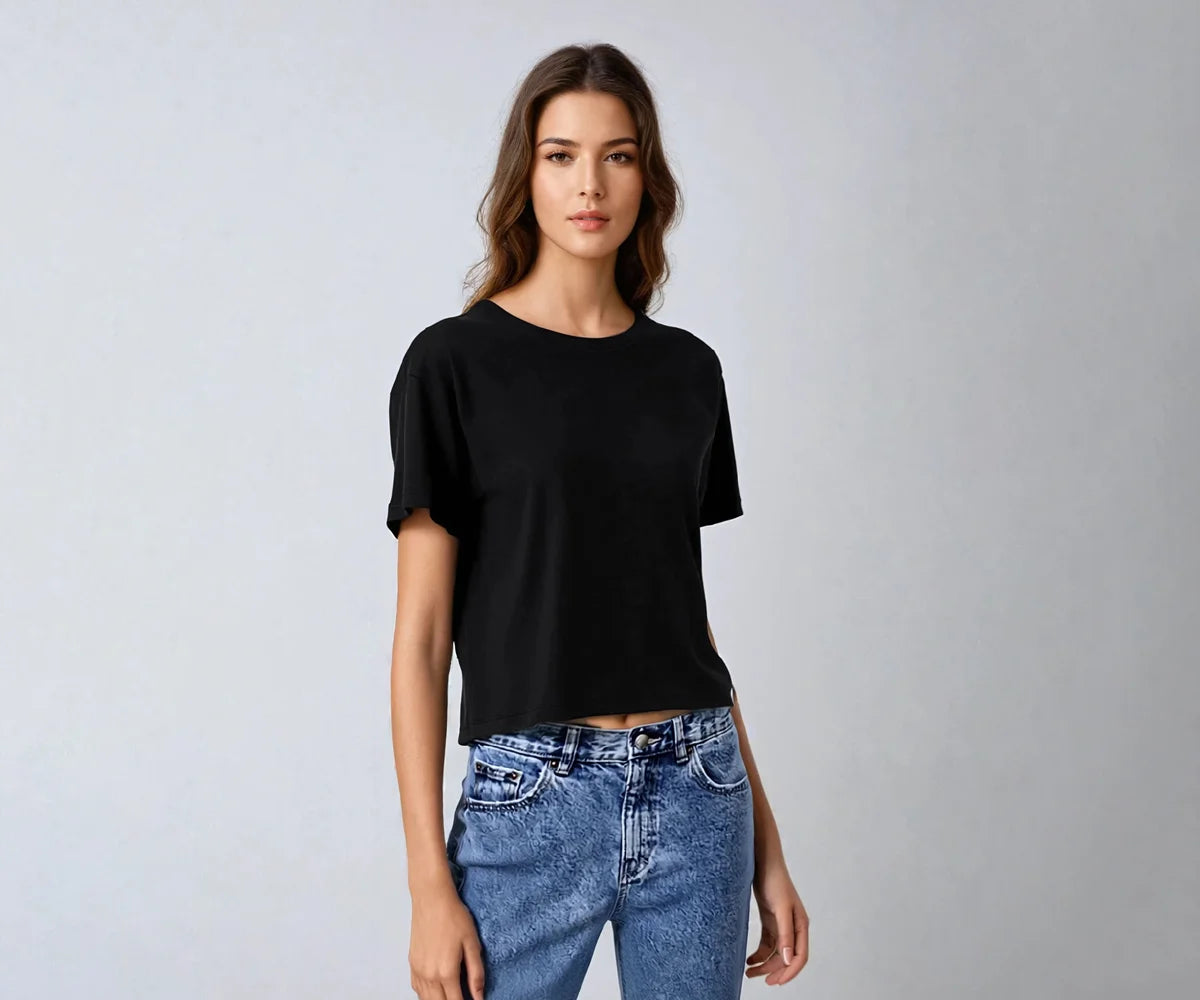
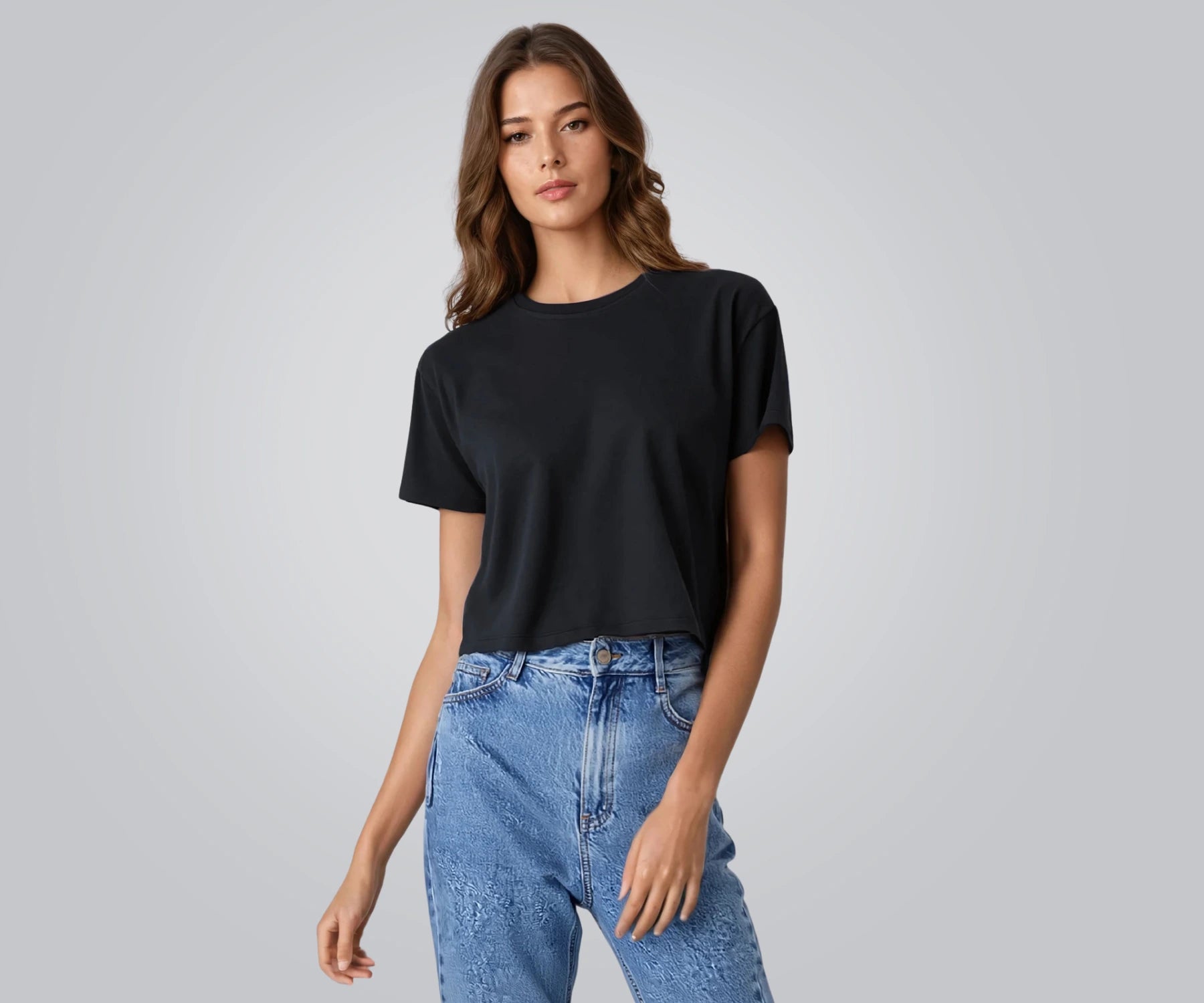
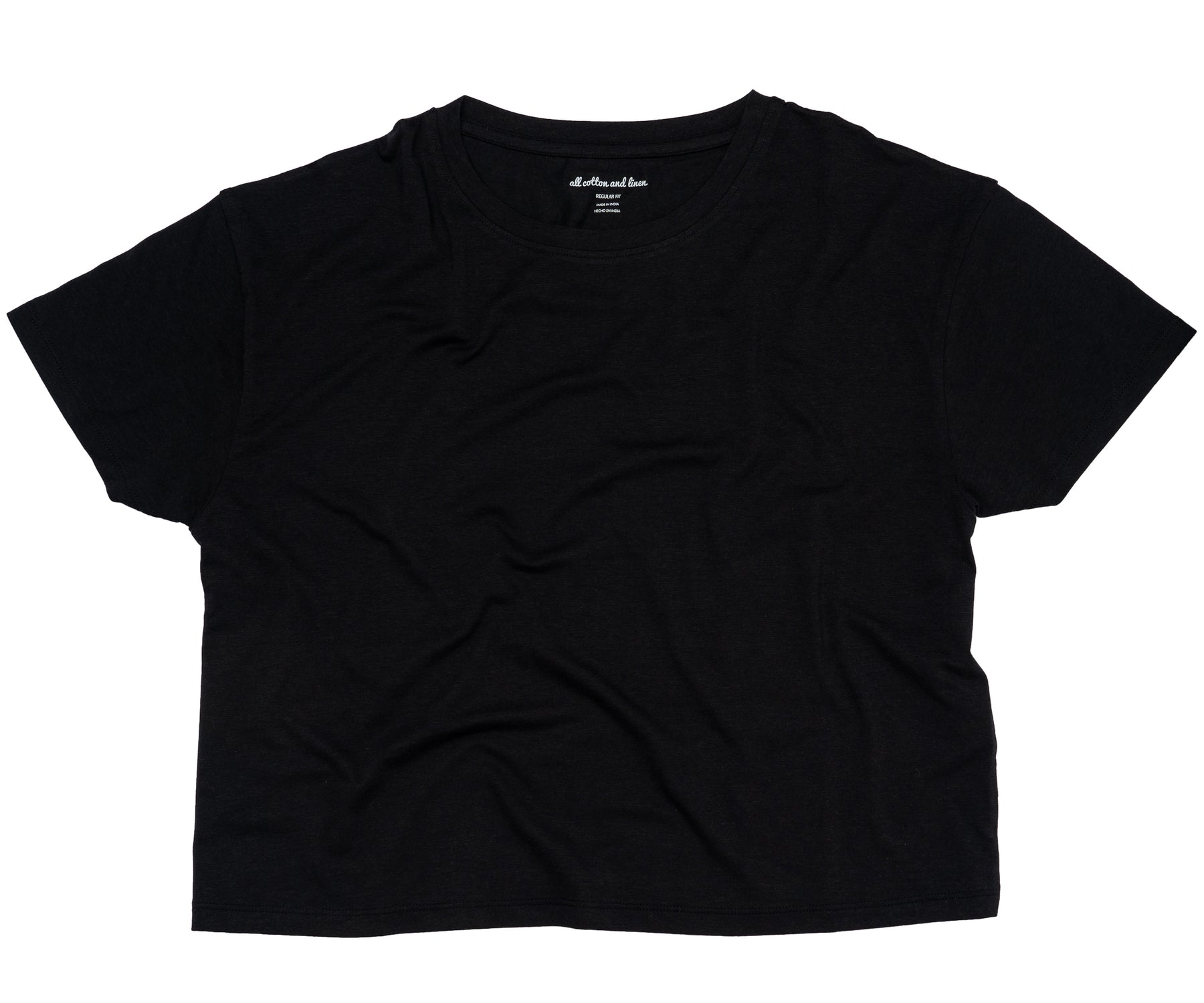
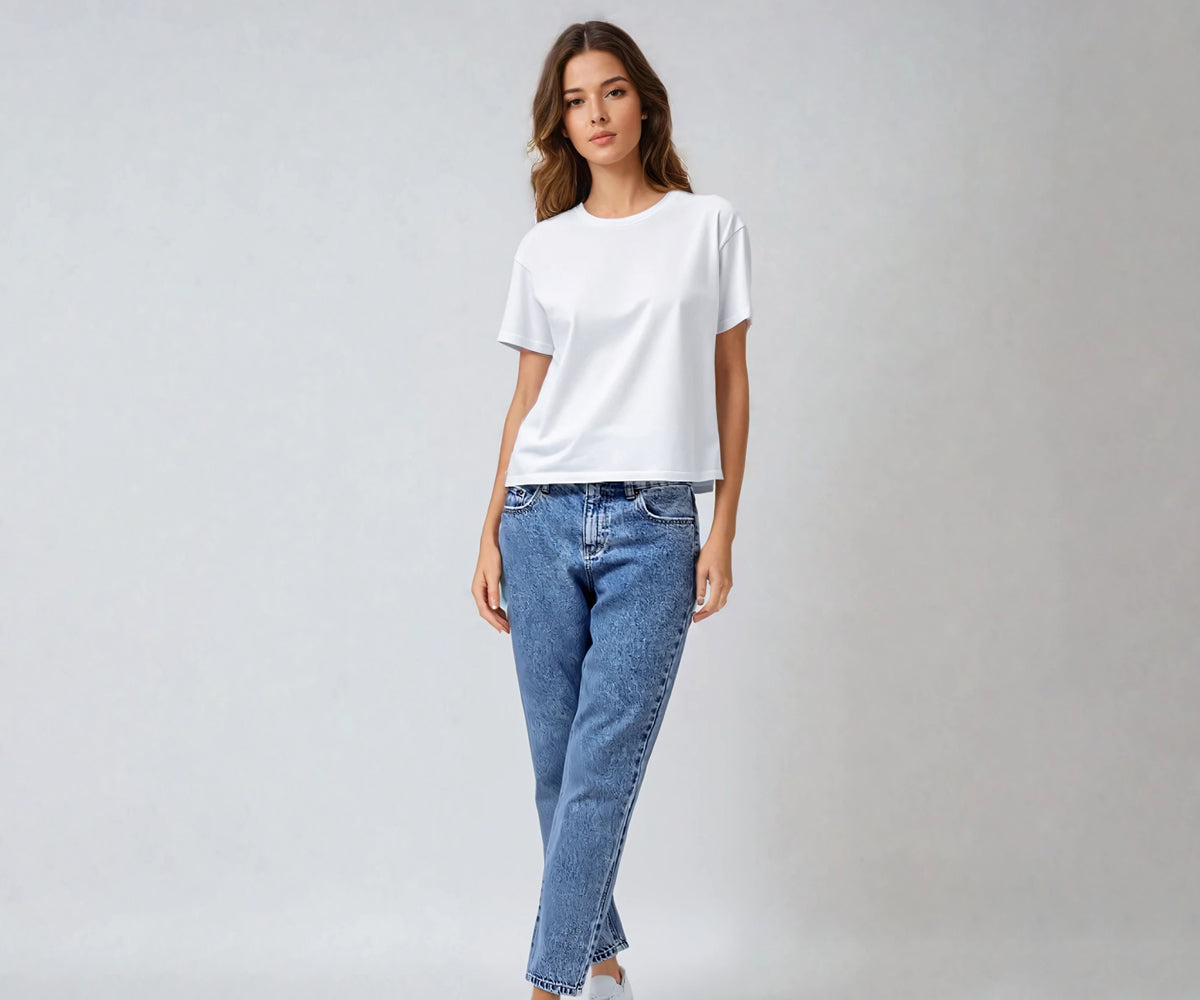
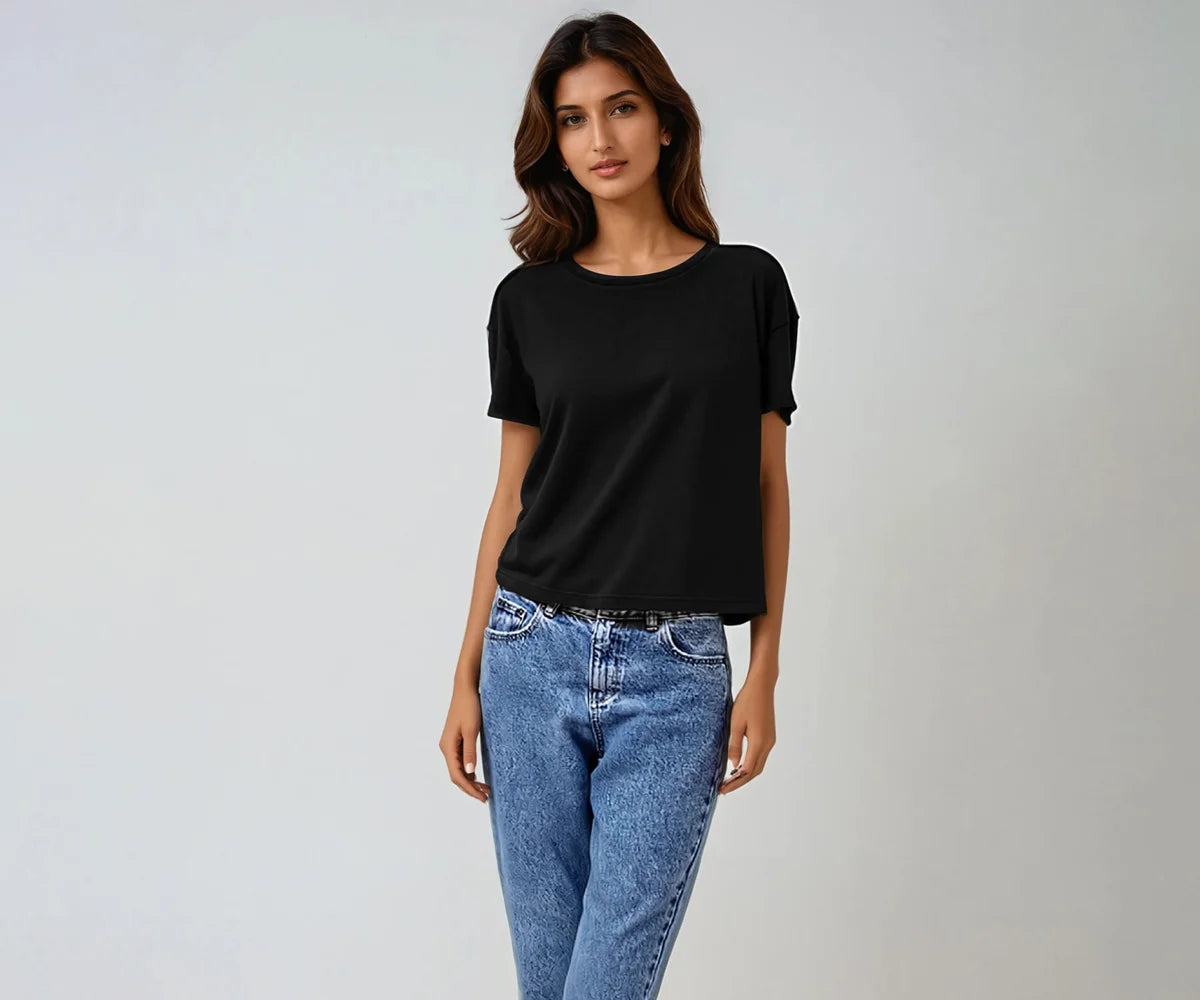
Women's Bamboo T-Shirts, soft, breathable, everyday wear
-
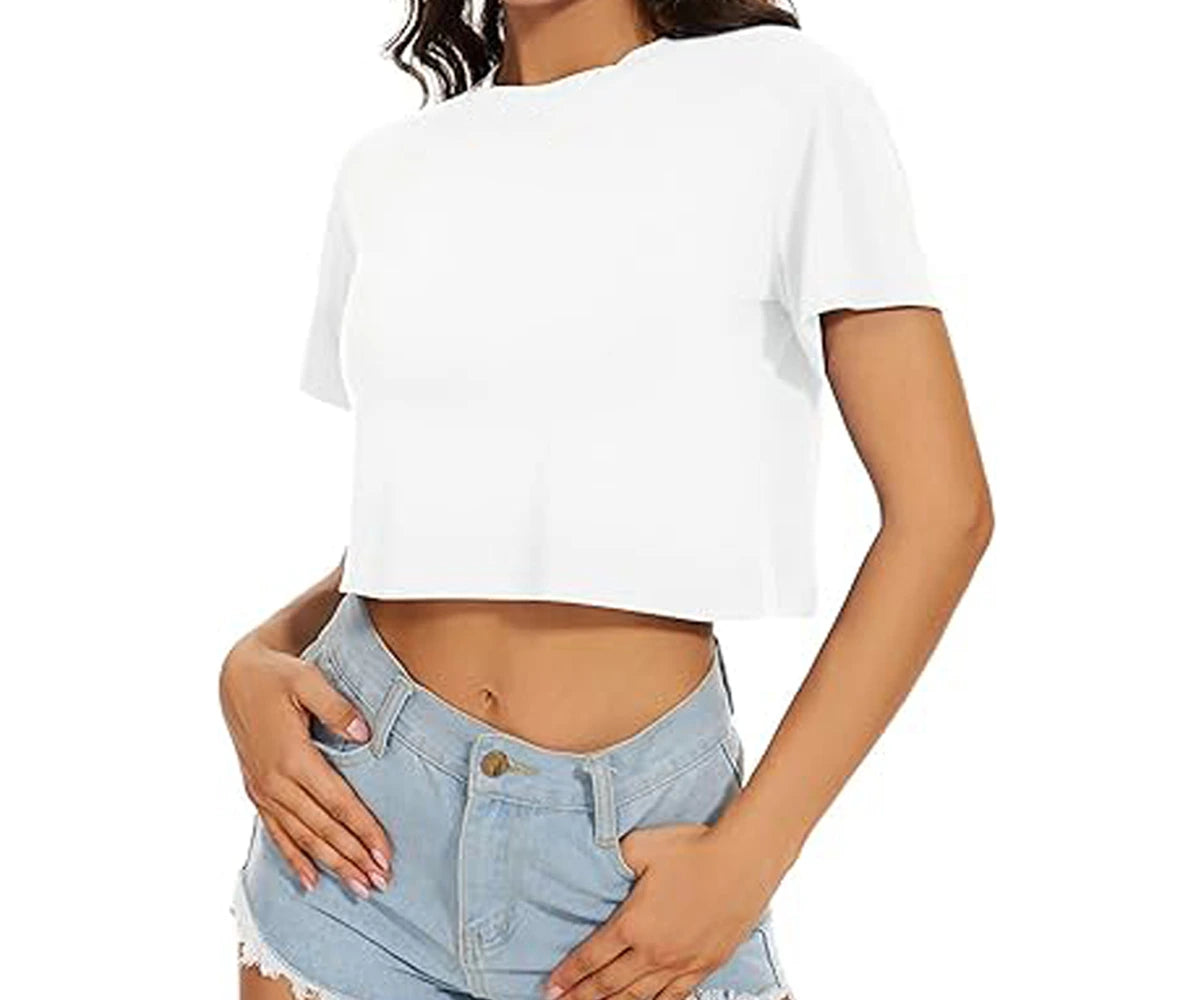
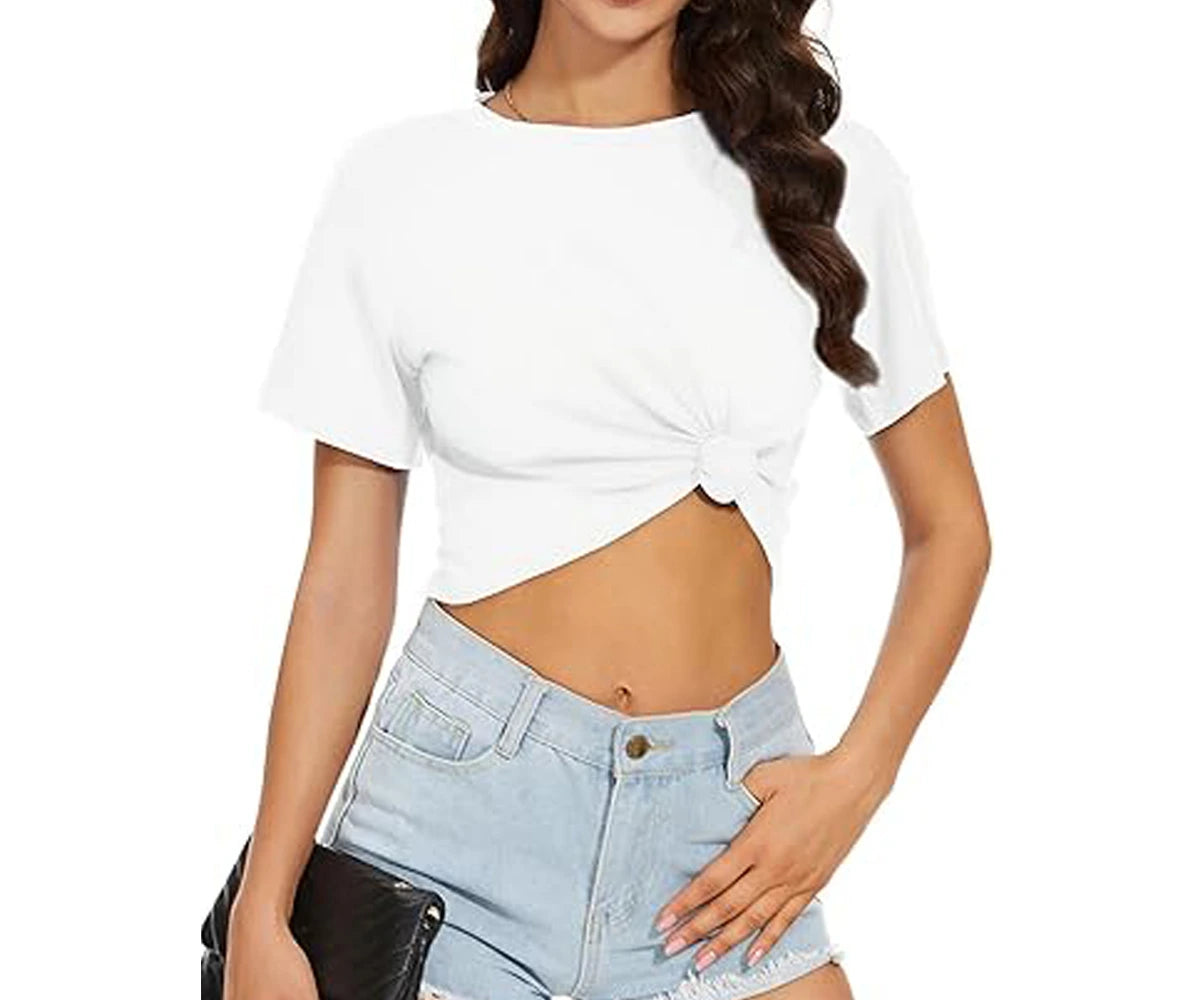
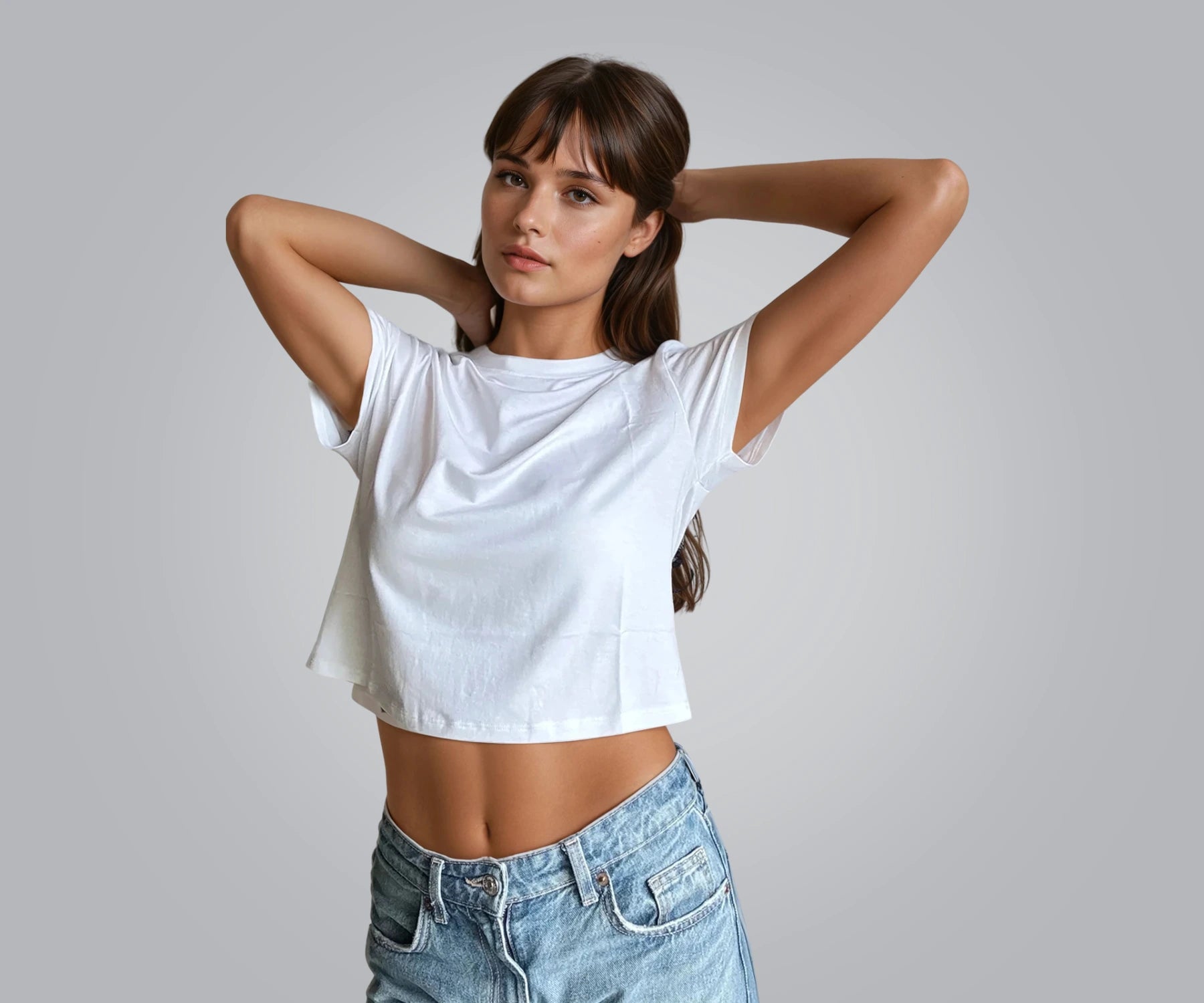
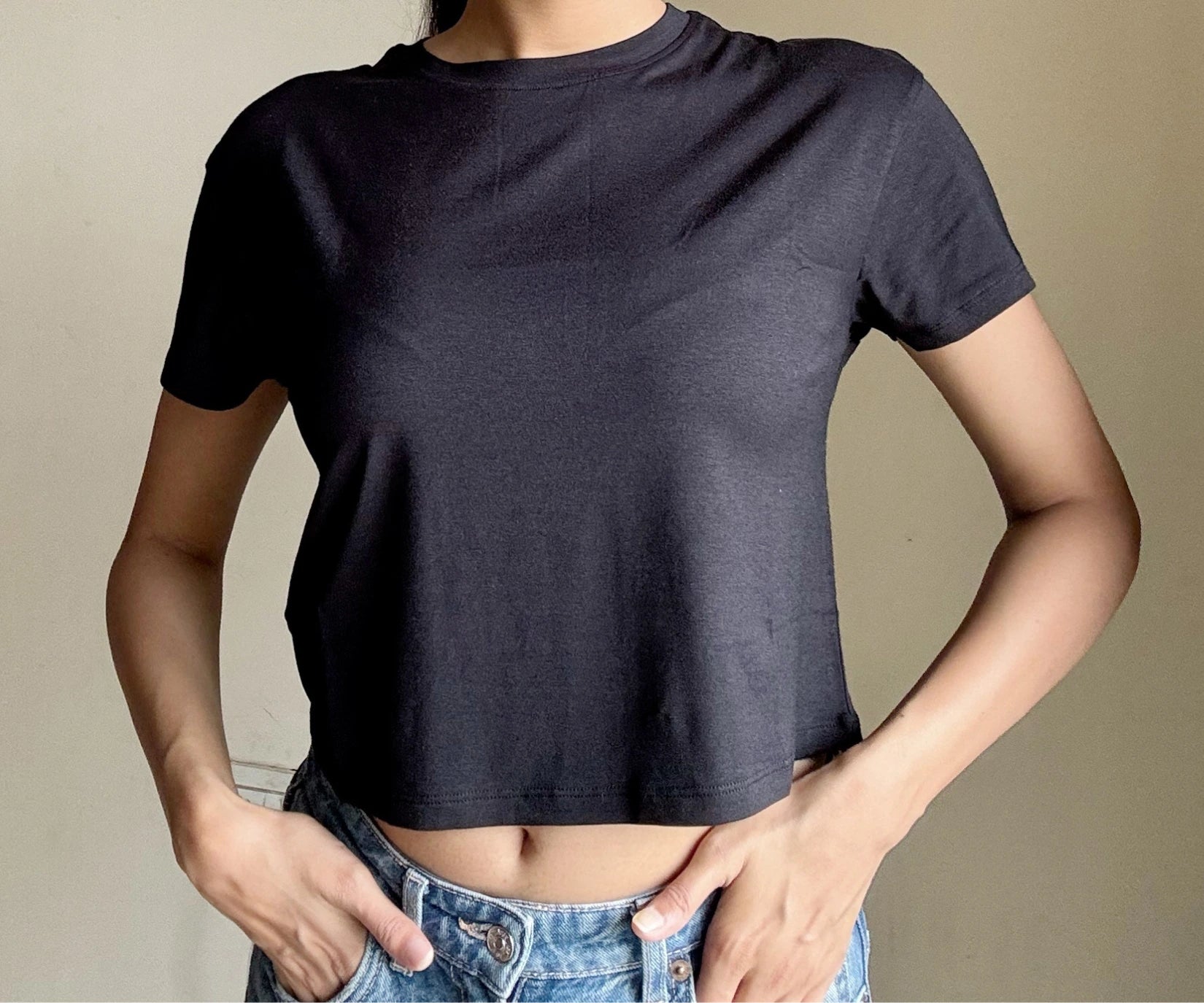
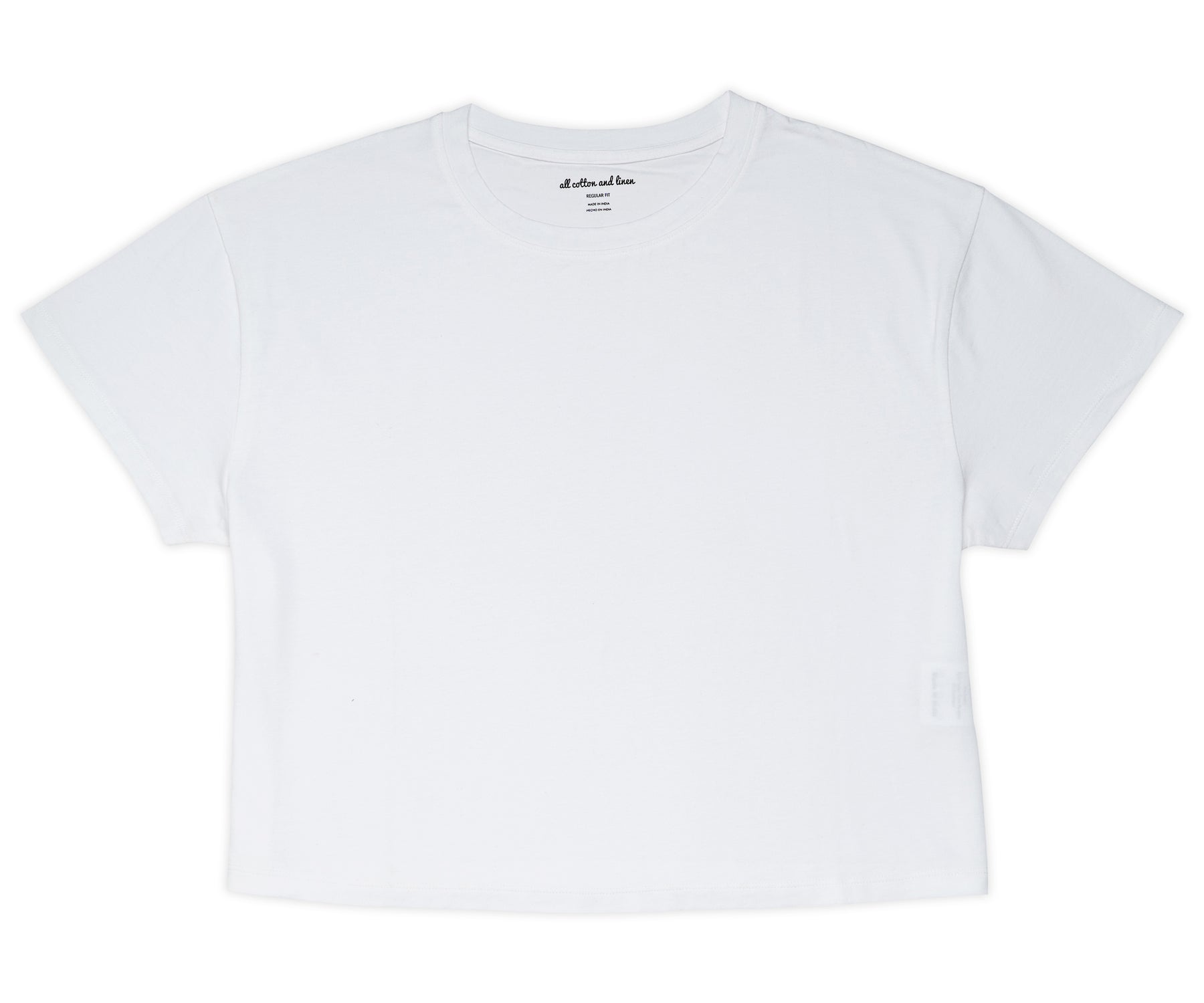
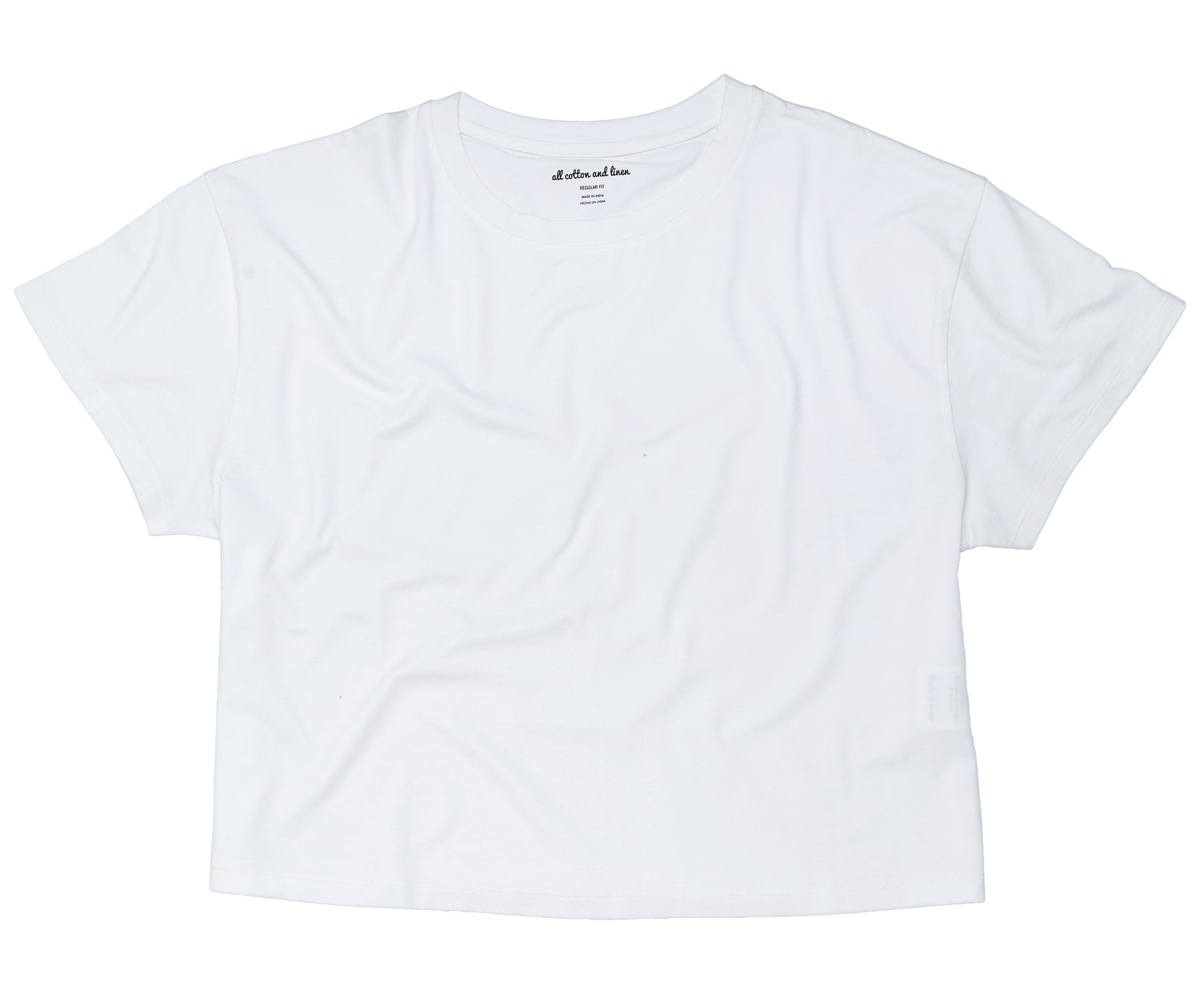
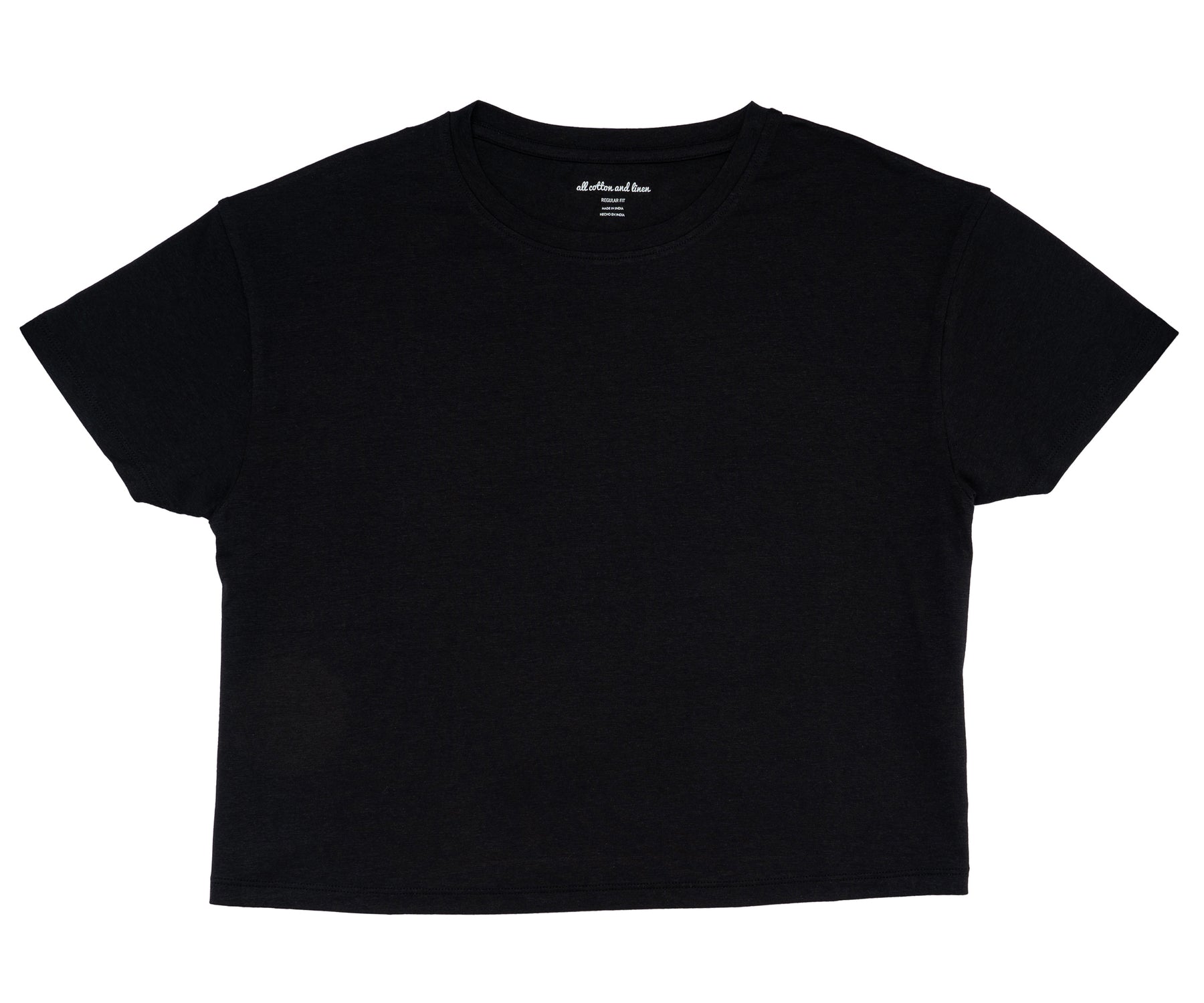
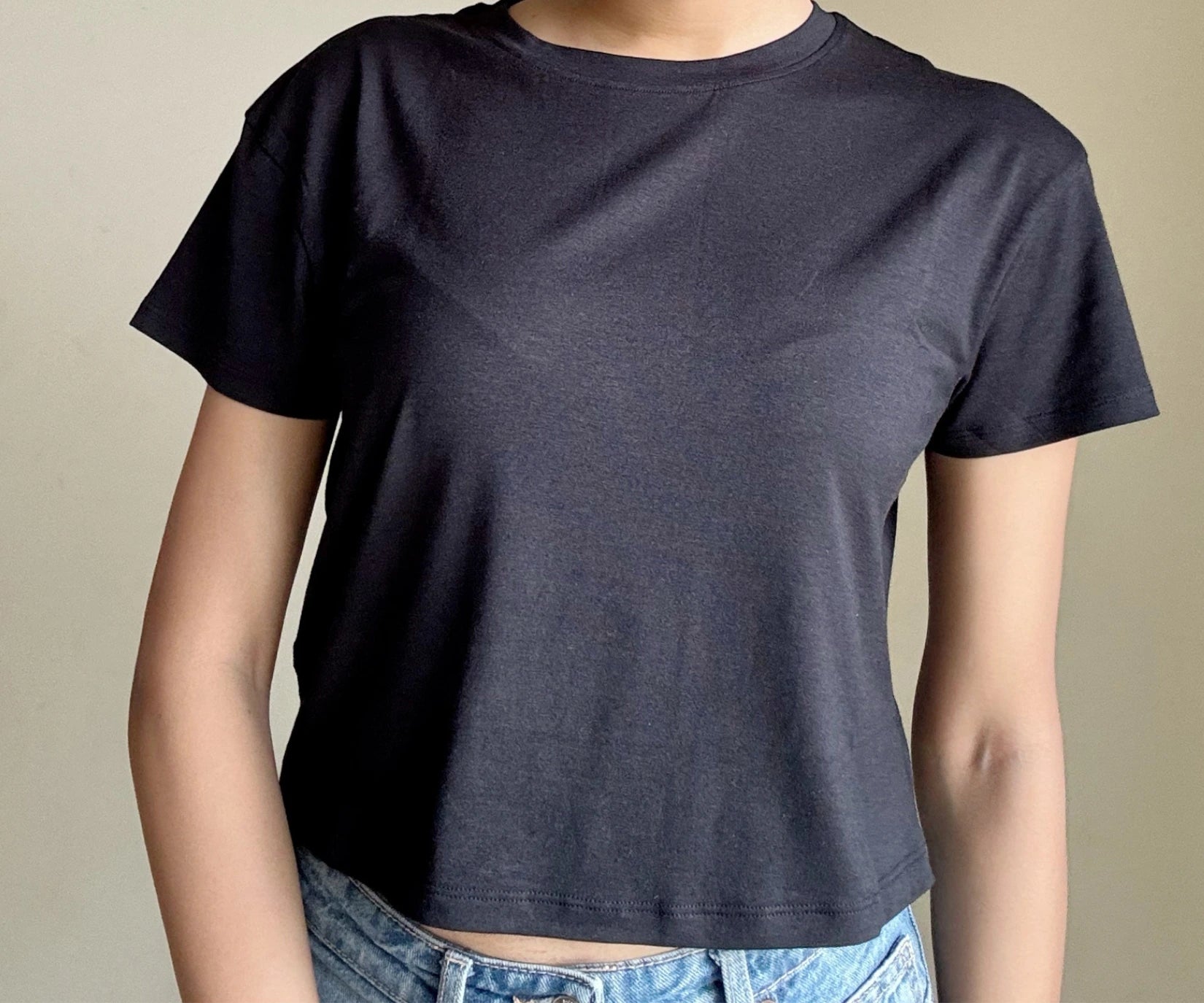
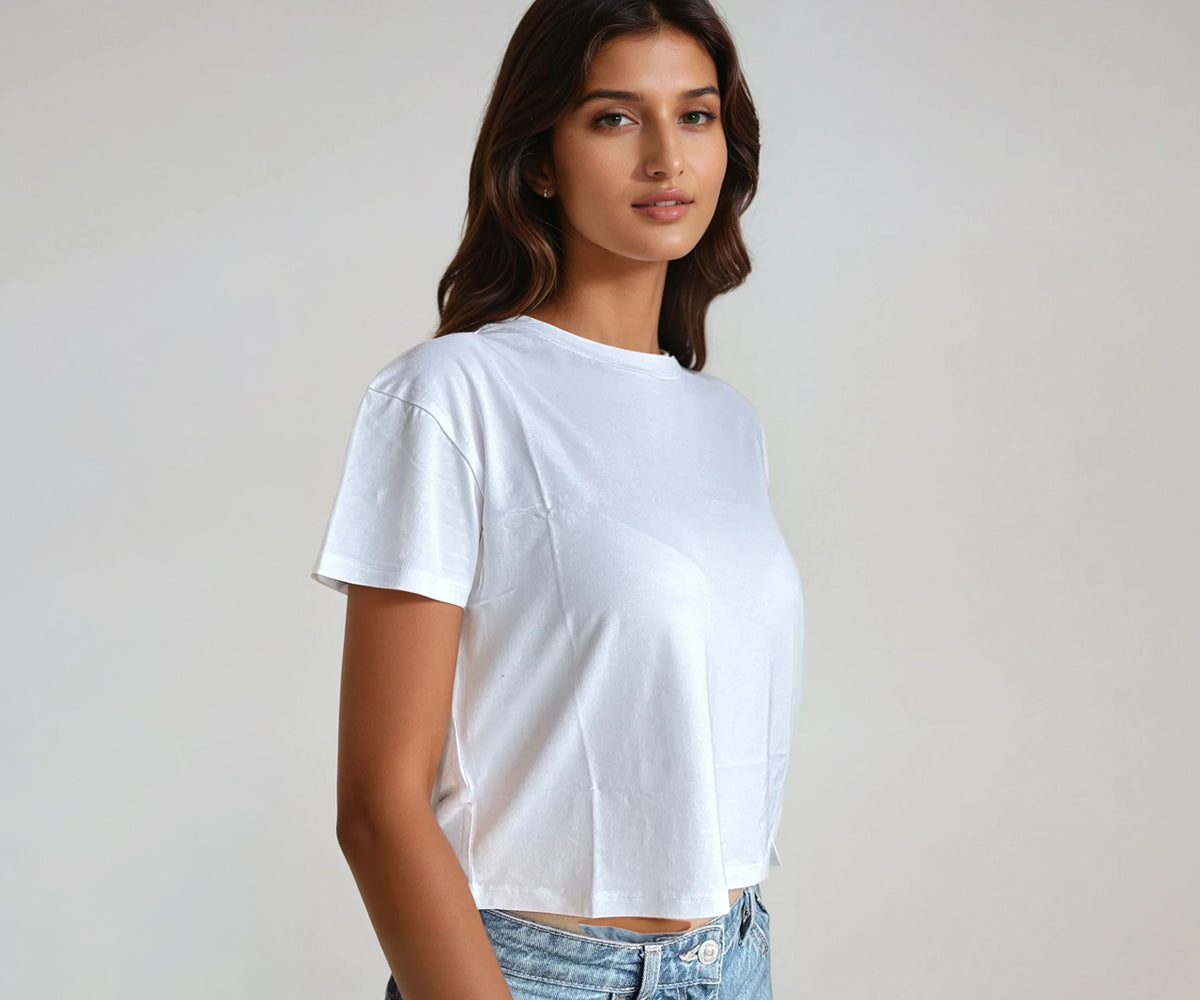
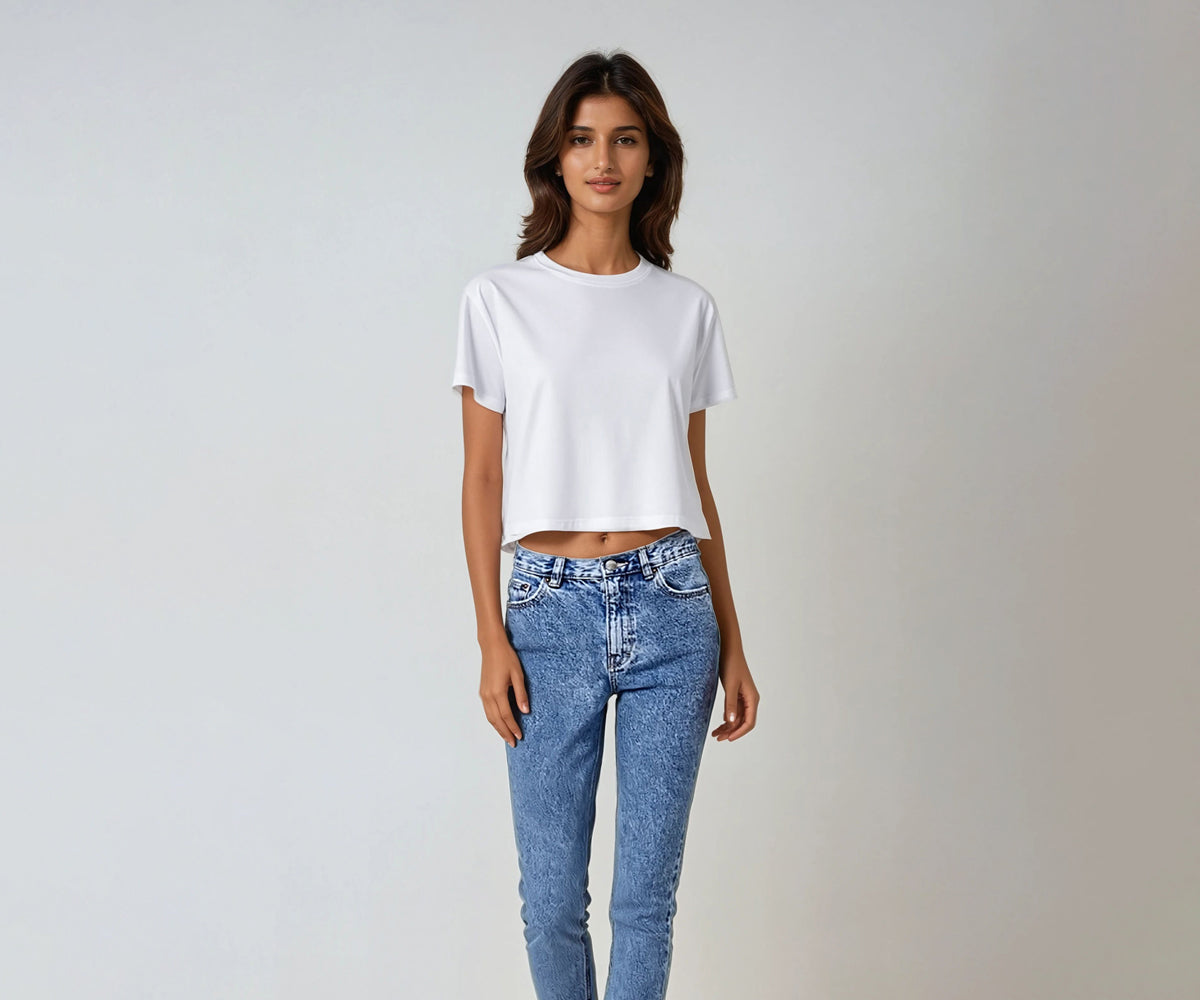
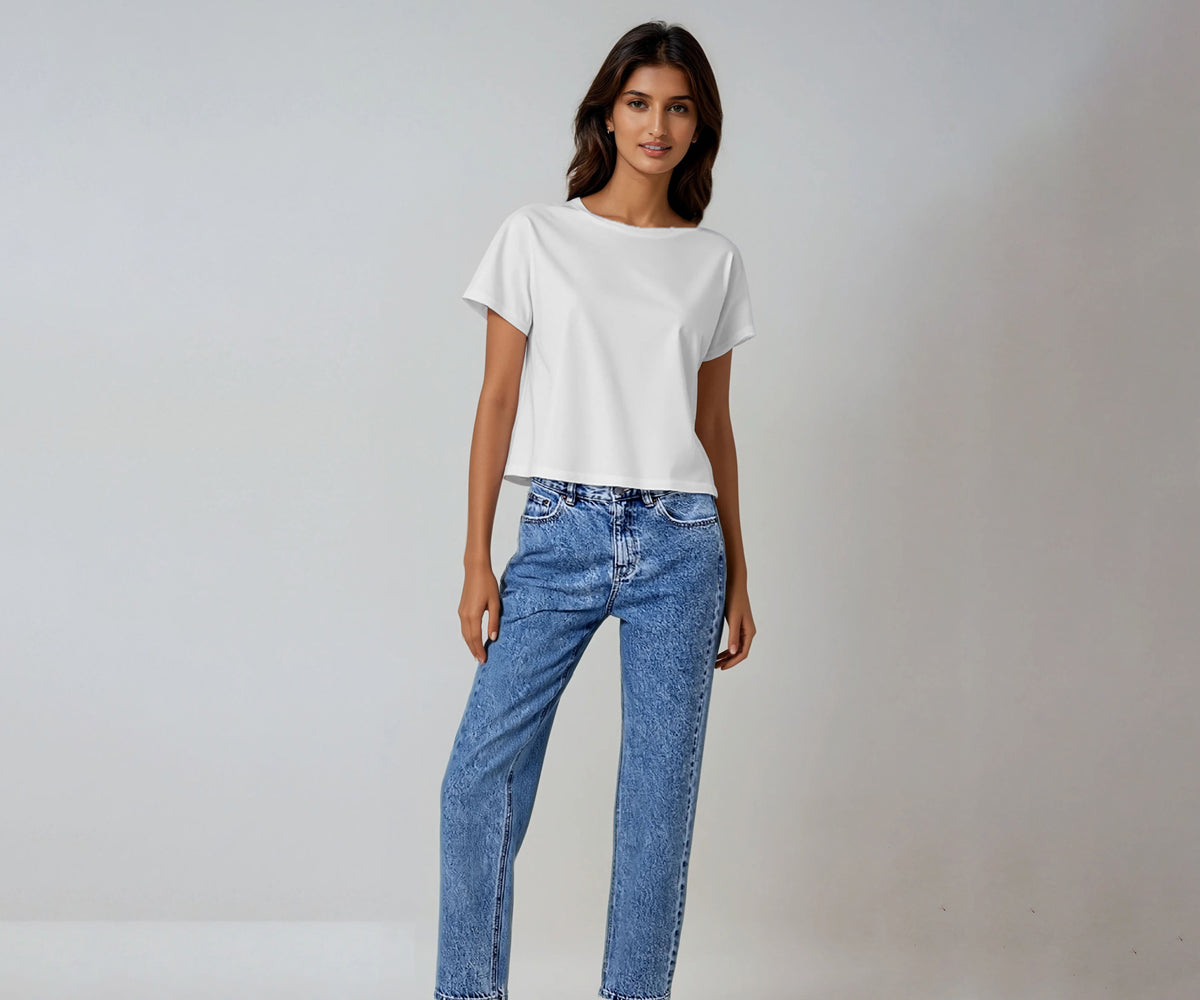
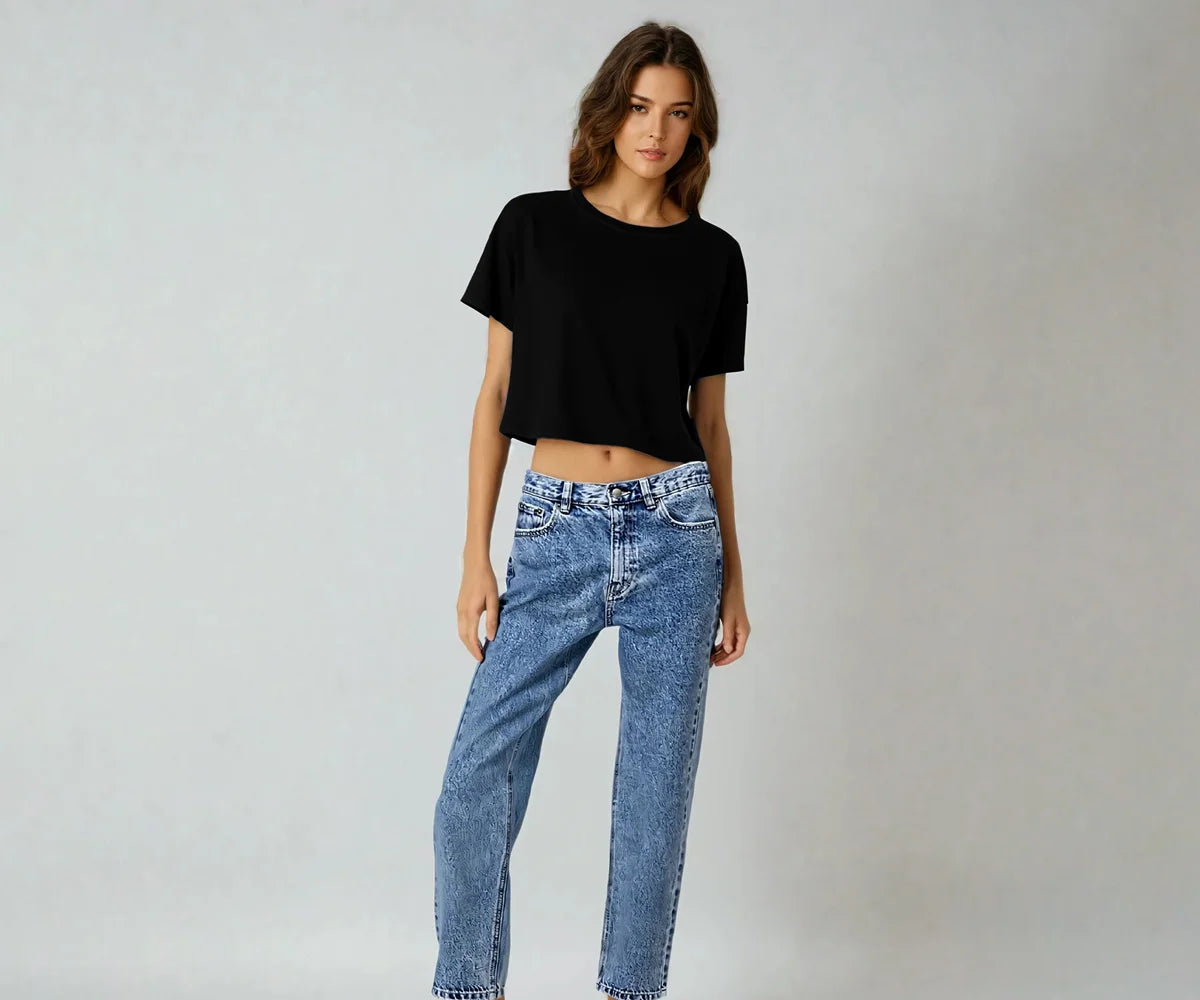
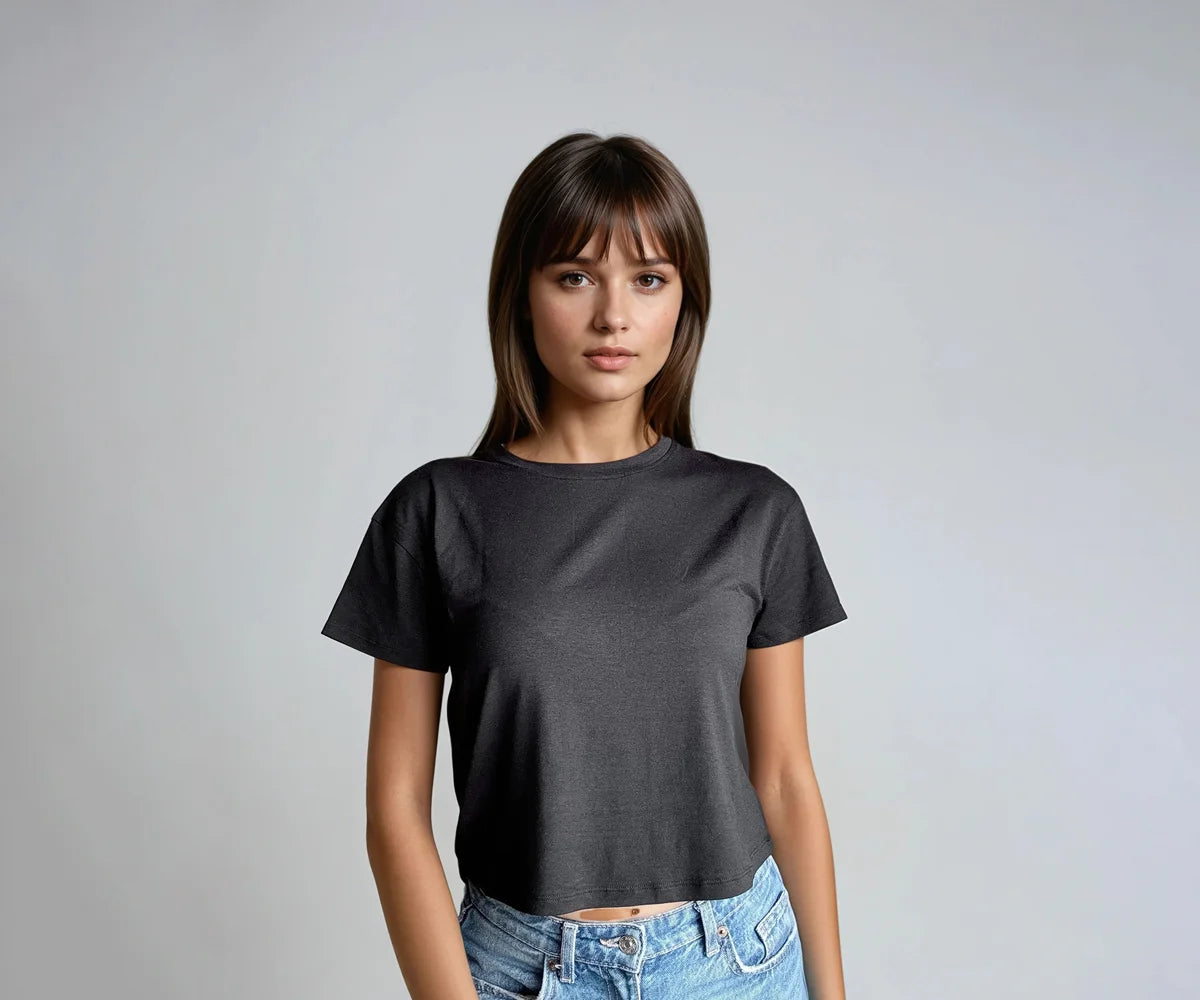
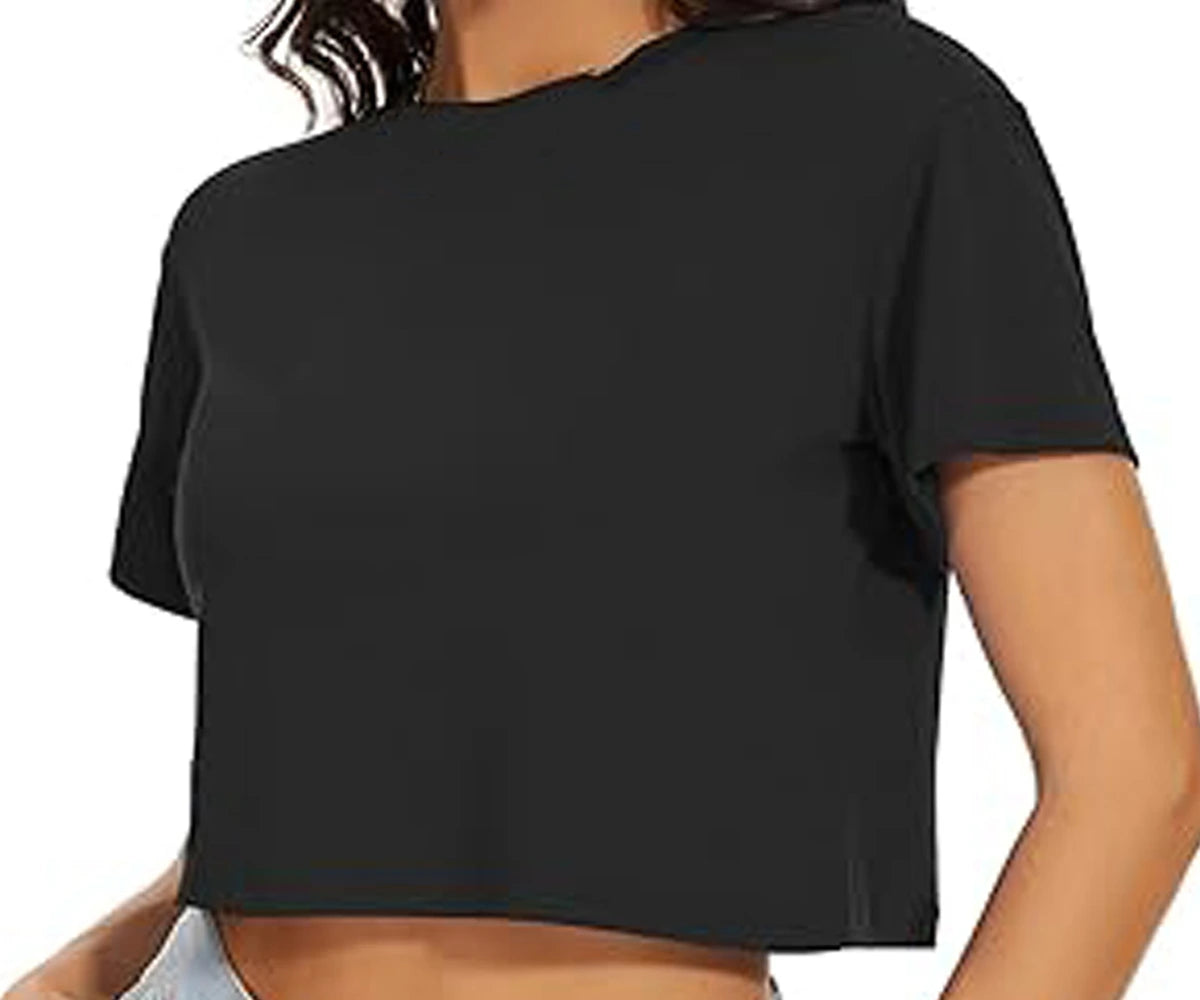
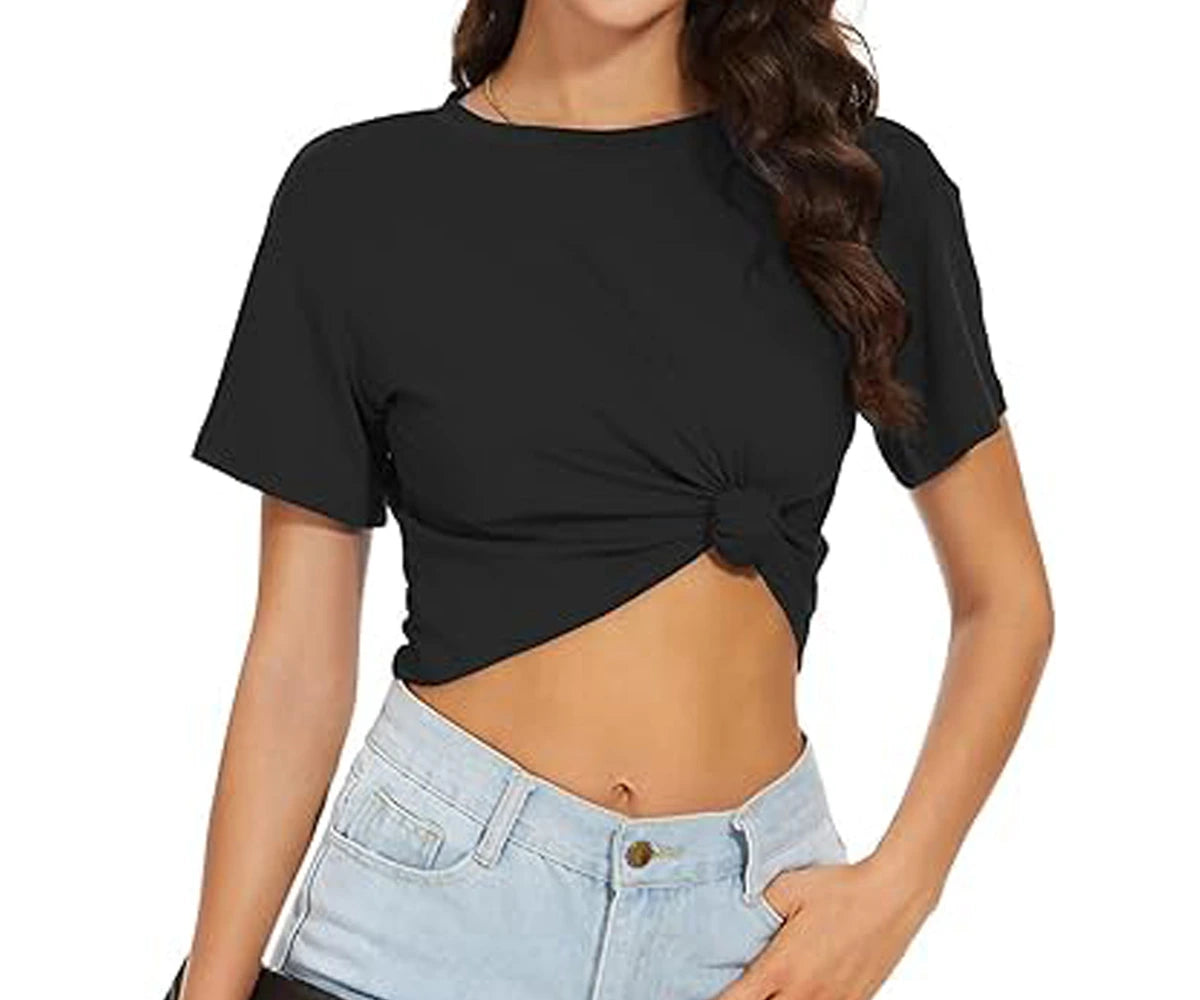
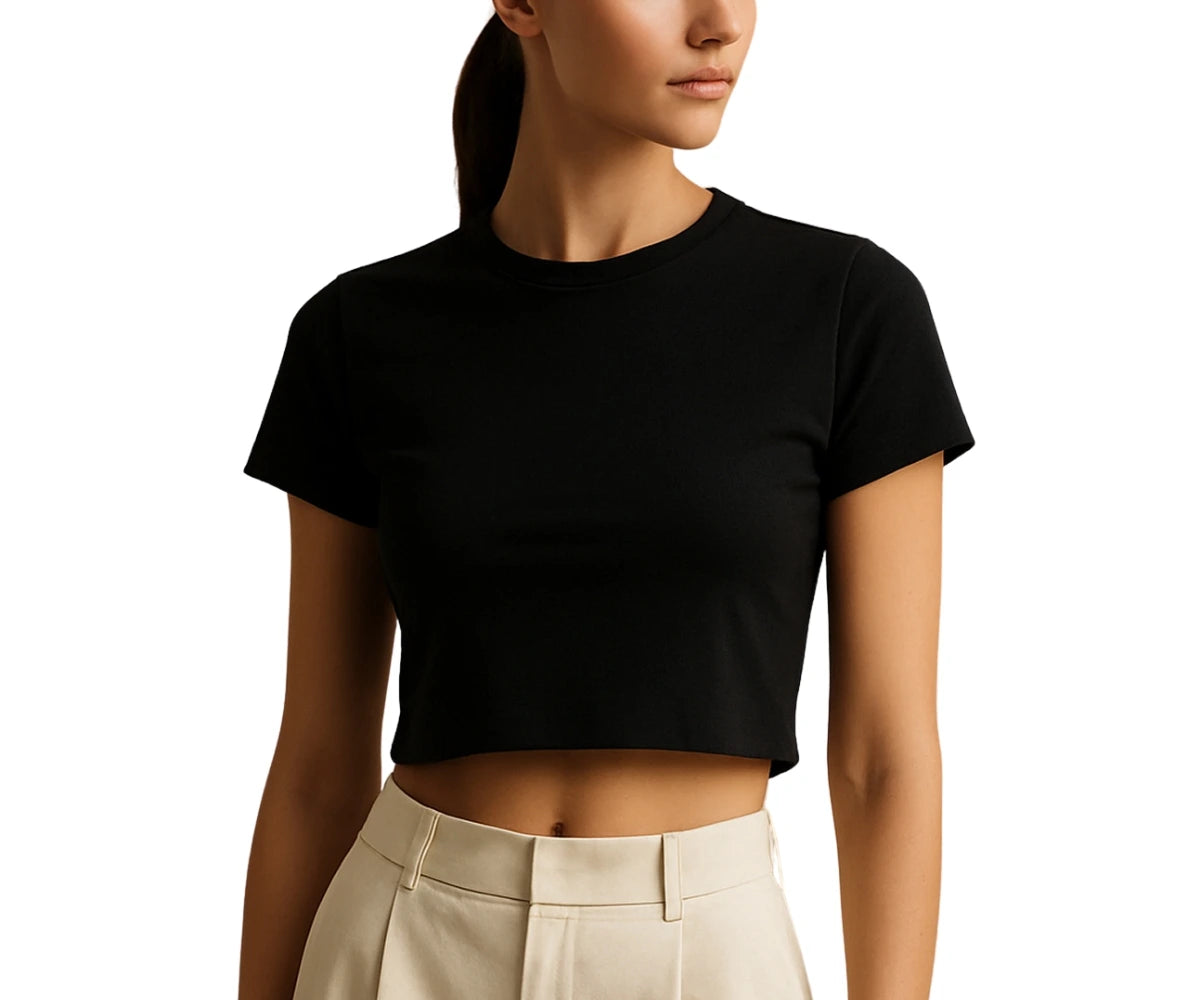
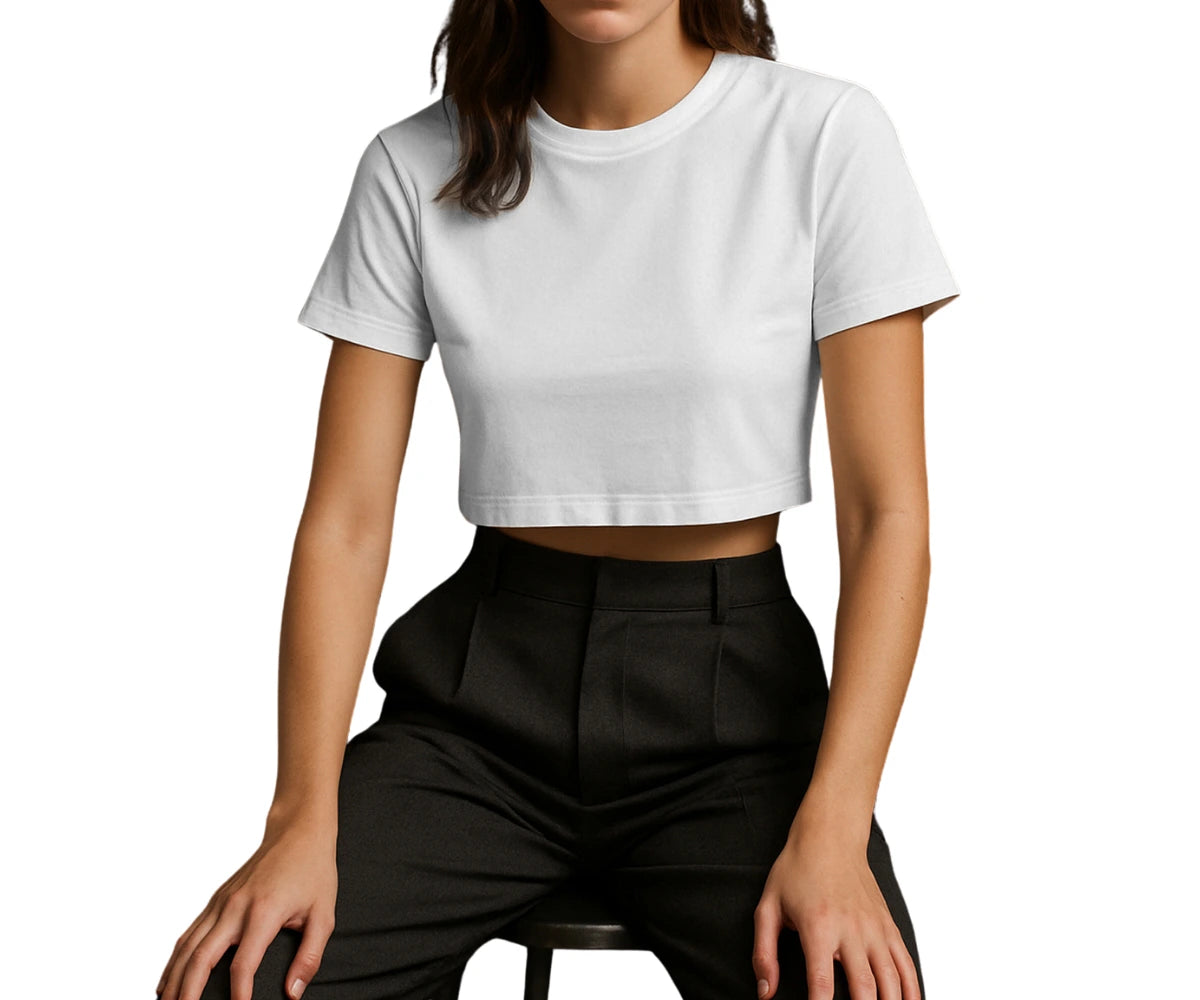
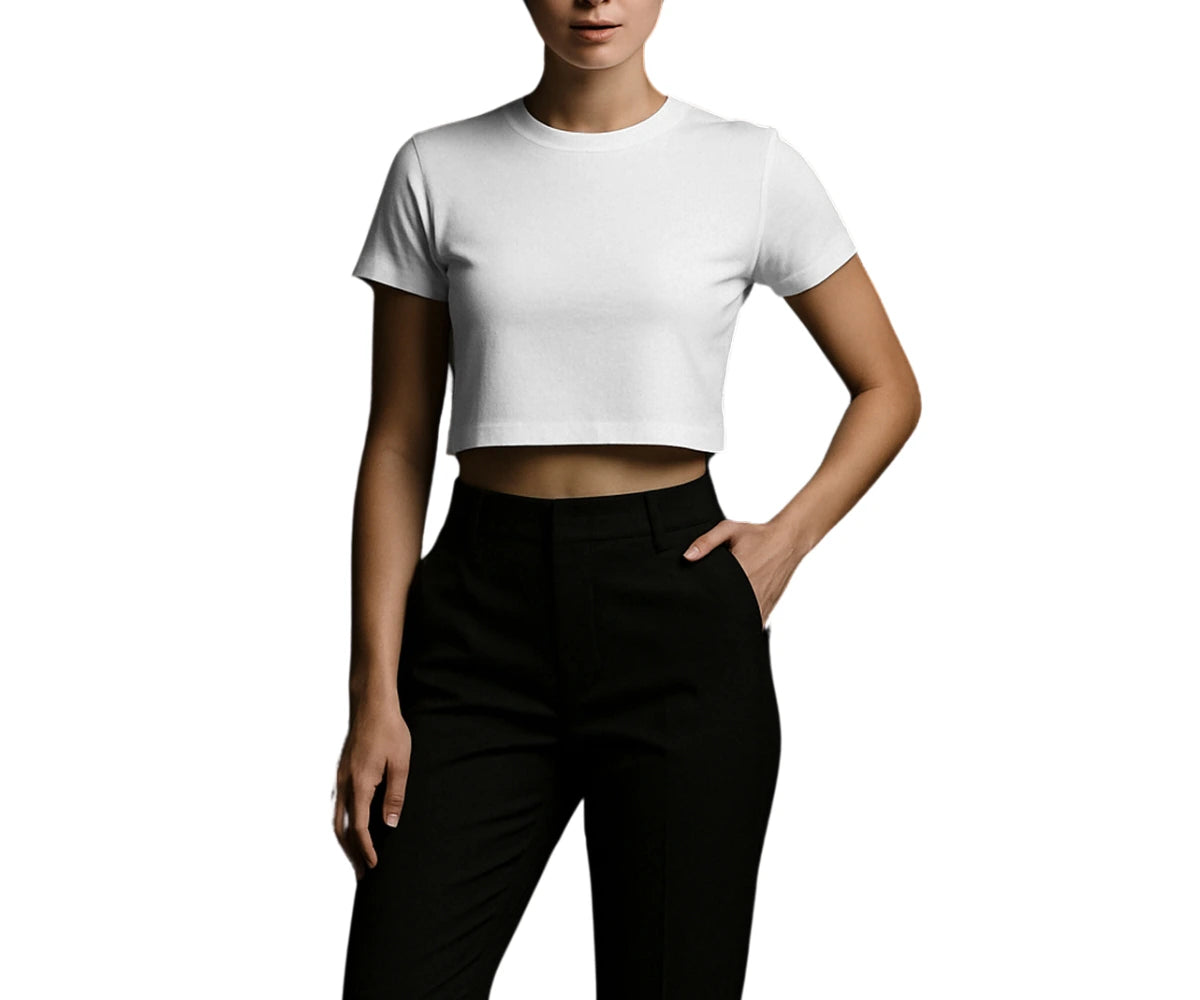
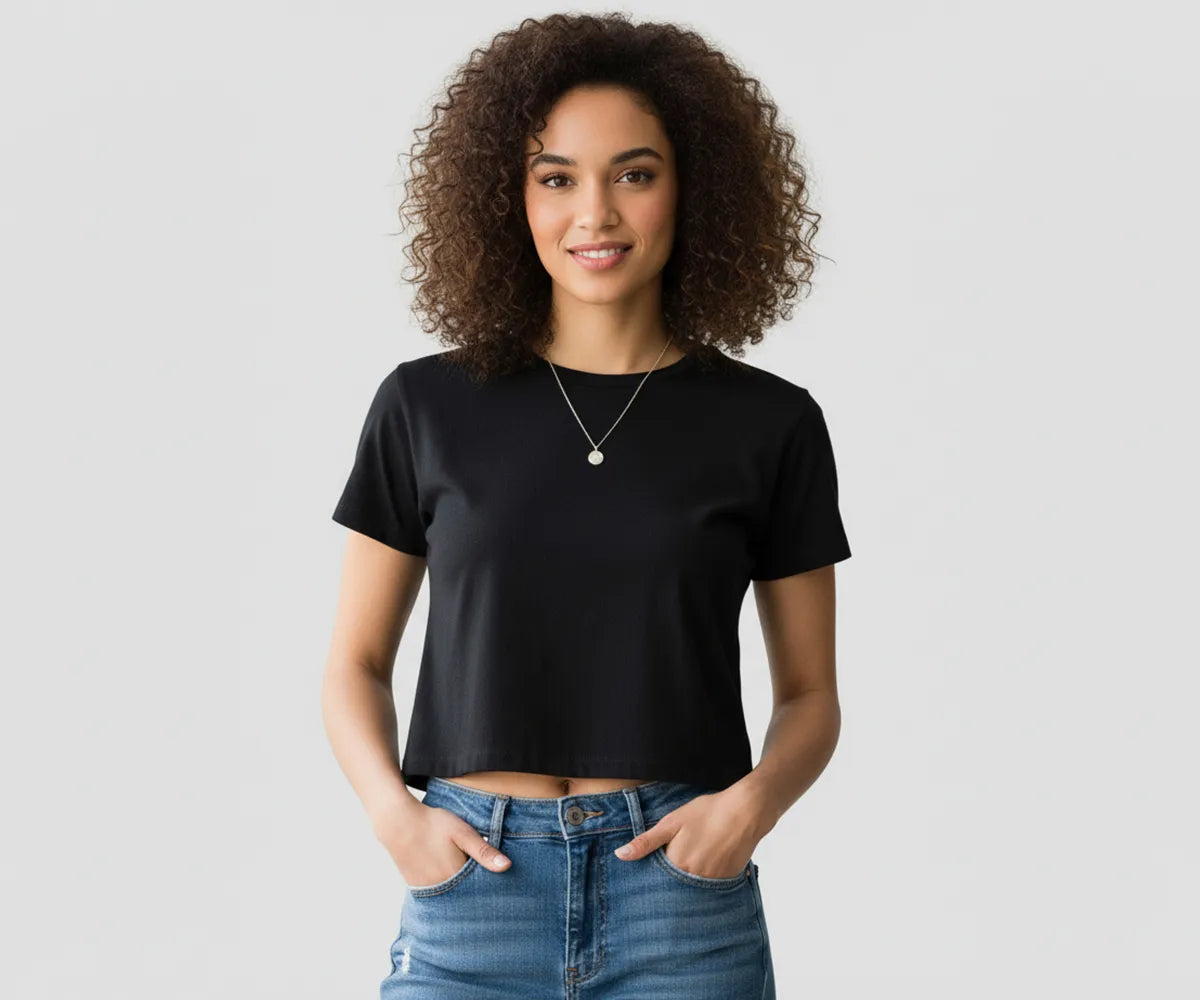
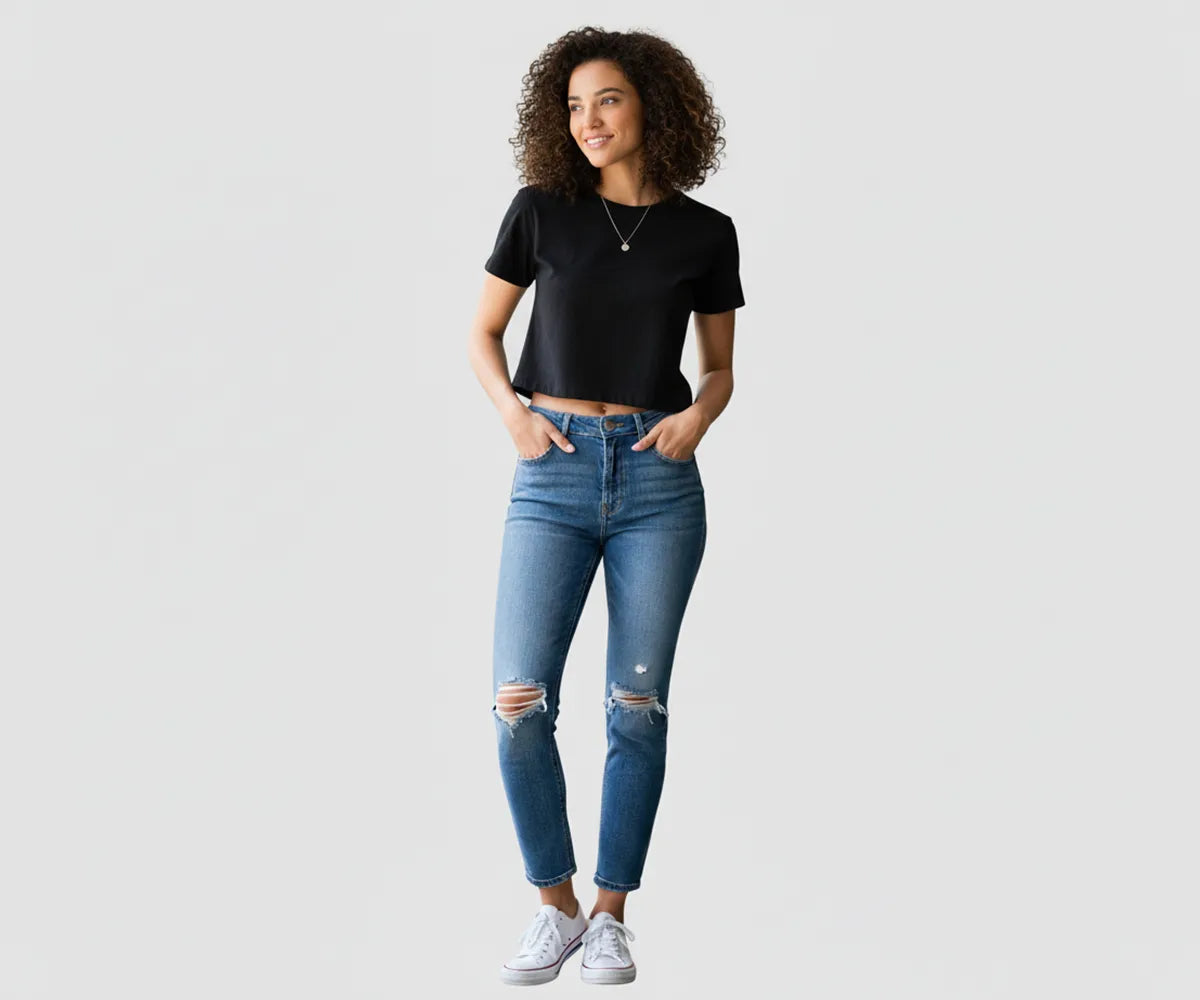
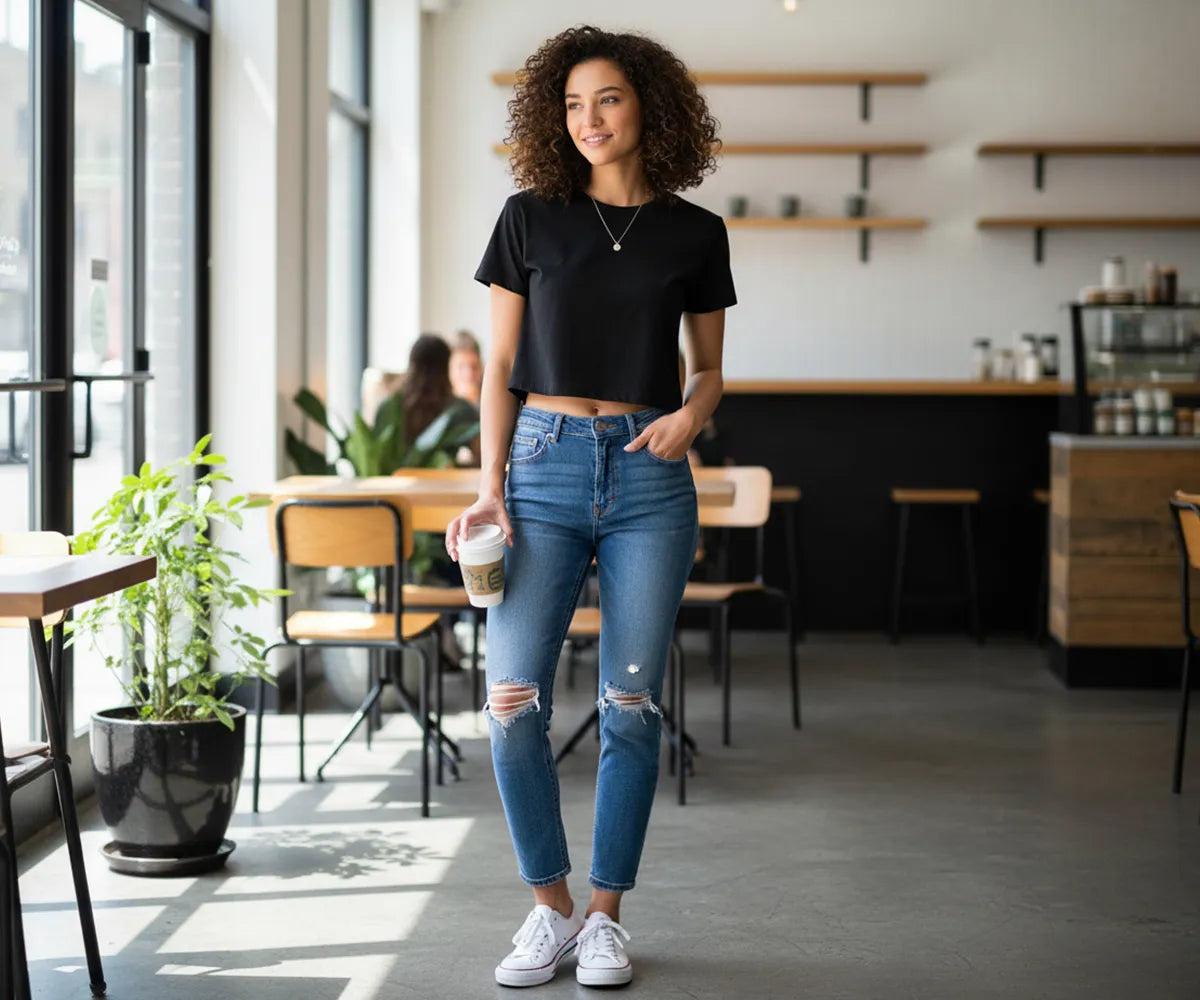
Bamboo Crop Tops, moisture-wicking, ideal for workouts or lounging
-
Bamboo Tank Tops, versatile for layering or warm-weather outfits
Women with sensitive skin often gravitate toward bamboo pieces specifically for their smooth texture. The key is checking that what you're buying is certified bamboo lyocell, not unlabeled bamboo viscose.
Why Is Bamboo Clothing So Expensive?
The cost comes down to production complexity. Eco-friendly bamboo lyocell manufacturing is more resource-intensive than standard viscose processing. Brands that invest in Oeko-Tex or Fair Trade certifications, ethical labor practices, and closed-loop chemical systems pass those costs along in the price, and that premium reflects real quality and accountability.
Is Bamboo Clothing Safe for Babies?
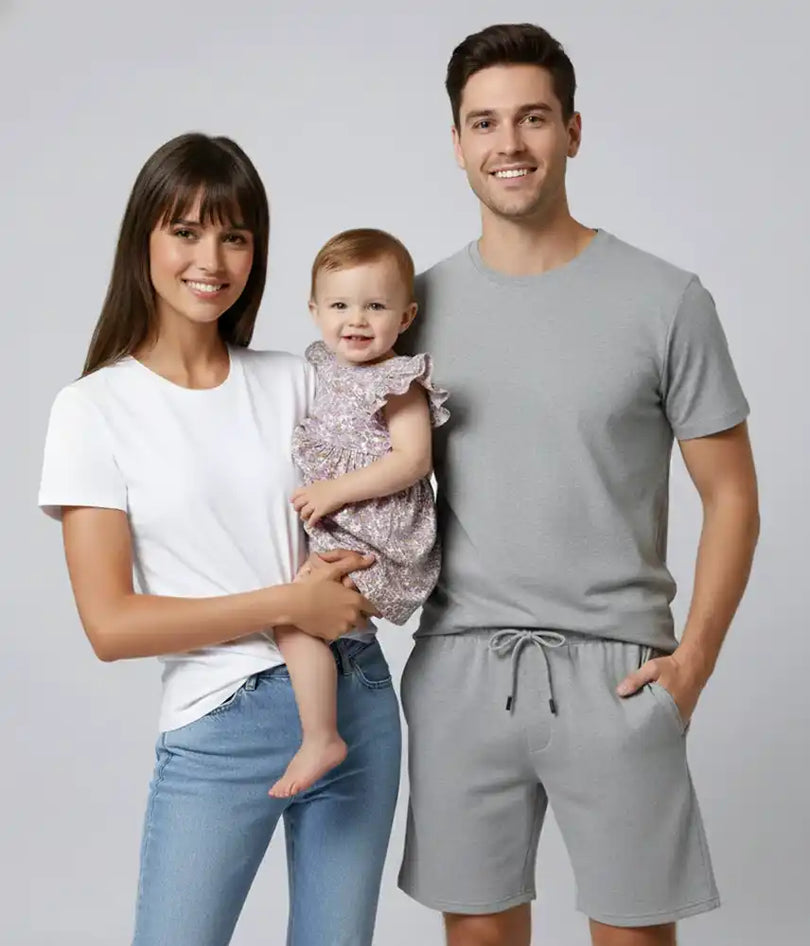
Bamboo baby clothing is widely marketed for its softness and hypoallergenic properties, and for certified bamboo lyocell, those claims hold up. The fabric is gentle on sensitive skin and helps regulate temperature.
The caution applies to uncertified bamboo viscose. For baby clothes, choose garments made with Oeko-Tex Standard 100 Class I – the highest standard – suitable for infants and babies or GOTS certified to ensure that the fabric is free from harmful residues.
How to Care for Bamboo Clothing
Bamboo garments need gentle handling to maintain their shape and softness:
-
Wash in cold water on a gentle cycle. Avoid harsh detergents.
-
Dry by air-drying where possible. If using a dryer, use the lowest heat setting.
-
Iron on low heat only if needed.
For a full care guide, see: How to Wash Bamboo Clothing: A Complete Guide

Should You Buy Bamboo Clothing?
Bamboo clothing is not a clear-cut eco win. The plant is genuinely sustainable, but the fabric often isn't. If you're making conscious fabric choices, the safest path is certified bamboo lyocell for bamboo products, or shifting to organic cotton and linen, which require no chemical conversion to become wearable fabric.
What Is Rayon from Bamboo?
Rayon from bamboo (also called bamboo viscose) is the most common form of bamboo fabric on the market, and it's worth explaining clearly since it's often confused with more sustainable bamboo textiles.
Rayon from bamboo is a semi-synthetic fiber created by dissolving bamboo cellulose in chemical solvents, then re-extruding it into fine threads that are woven into fabric.
The process looks like this, step by step:
-
Harvesting: Bamboo stalks are cut and crushed to extract the cellulose-rich pulp.
-
Chemical dissolving: The pulp is treated with carbon disulfide and sodium hydroxide to break it down into a viscous, honey-like solution.
-
Extrusion: This solution is forced through small nozzles (spinnerets) into an acid bath, which hardens it into continuous fine filaments.
-
Spinning and weaving: The filaments are spun into yarn and woven or knit into the soft fabric sold as "bamboo rayon" or "bamboo viscose."
Because this process fundamentally restructures the bamboo's cellulose using industrial chemicals, the finished rayon fabric no longer retains the bamboo plant's natural antimicrobial compounds, which is why the FTC has pushed back on brands marketing bamboo rayon as purely "natural." Rayon from bamboo is technically plant-derived, but chemically it behaves more like a manufactured fiber than a raw natural one.