
A napkin skirt is exactly what it sounds like: a handmade skirt stitched together from fabric napkins, patched into a one-of-a-kind garment with no pattern required. It's part of a wider thrift-flip movement spreading across TikTok and Pinterest, where people turn secondhand fabric napkins, scarves, and tablecloths into wearable pieces instead of buying new.
This guide covers what a napkin skirt actually is, how to make one step by step, which fabrics work best, how to style it, and how to keep vintage fabric from falling apart in the wash.
What Is a Napkin Skirt?
At its core, a napkin skirt is a patchwork garment made by sewing three to seven square napkins together, keeping their original hems for a raw, unfinished edge that's part of the look rather than a flaw. Most versions wrap or tie at the waist, and because no two napkin sets match exactly, no two skirts turn out the same.
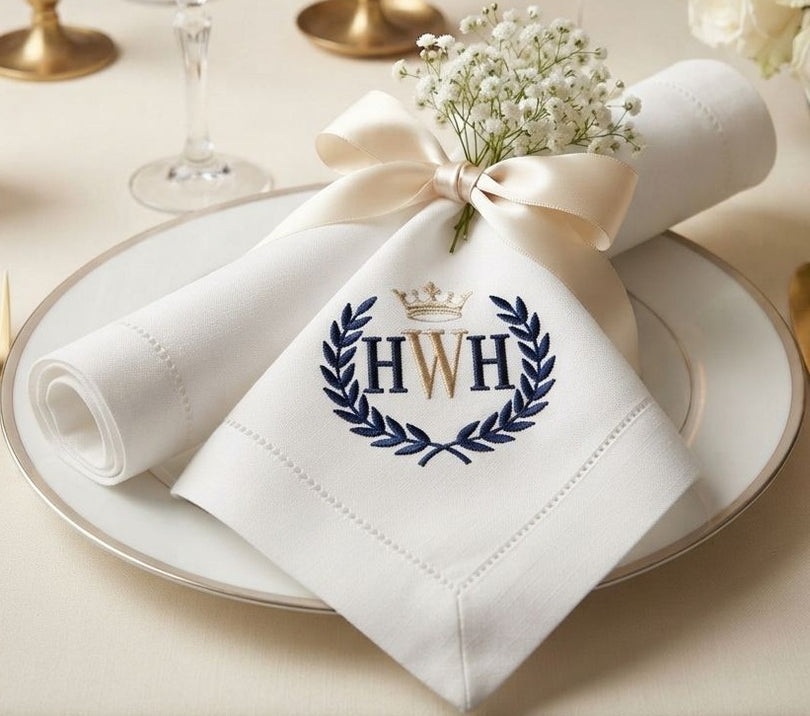
The napkins themselves usually come from thrift stores, estate sales, or a family stash of table linens: a mismatched floral set, a run of striped linen, or a handful of silk cocktail napkins. That built-in variety is a big part of the appeal: the finished skirt looks collected rather than manufactured, which is exactly the point for anyone drawn to upcycled fashion over fast fashion.

Napkin Skirt: How to Make the Viral Thrift-Flip Trend
A napkin skirt is exactly what it sounds like: a handmade skirt stitched together from fabric napkins, usually vintage or thrifted, patched into a one-of-a-kind garment with no sewing pattern required. It's part of a wider thrift-flip movement that's been spreading across TikTok and Pinterest, where people turn secondhand fabric napkins, scarves, tablecloths into wearable pieces instead of buying new.
This guide covers what a napkin skirt actually is, how to make one step by step, which fabrics work best, how to style it, and how to keep vintage fabric from falling apart in the wash.
|
Feature |
Napkin Skirt Details |
Bubble Skirt Comparison |
|
Materials |
Vintage napkins, lace, silk squares |
Structured fabric, gathered waist |
|
Style |
Asymmetrical patchwork, ties |
Voluminous bottom, fitted top |
|
Make |
Hand-stitched Thriftflip |
Factory-sewn, synthetic blends |
|
Vibe |
Boho vacation ready |
Retro party punch |
Bubble skirt lovers adapt the napkin style by puffing hems for extra volume, but napkin skirts stay true to upcycled roots.
Find out: Why Do Women Wear Revealing Clothing?.
What Fabric Works Best for a Napkin Skirt?
Not every napkin holds up the same way once it's sewn into a garment, and fabric choice is the biggest factor in how a napkin skirt looks, moves, and lasts.
Linen napkins are the most forgiving material to start with. Linen has enough body to hold structure at the waistband without stiffening the whole skirt, and it softens with every wash rather than wearing thin. The same quality that makes linen napkins a long-term kitchen staple makes them a durable base for a garment you'll actually wear repeatedly, not just for one event.
Cotton napkins are the easiest for beginners. Cotton holds a seam well, doesn't fray as aggressively as silk, and is the most common material to find secondhand in matching or near-matching sets.
Silk napkins produce the most fluid, festival-ready drape, but they fray quickly at a raw edge and are the least forgiving fabric for a first attempt. If you're using silk, plan to finish the seams with a zigzag or serged stitch rather than leaving them raw.
A mixed-fabric skirt in linen paired with a lighter cotton or silk accent panel is also a common approach among more experienced makers, since it combines linen's structure with a lighter fabric's movement.
Key Characteristics of Napkin Skirts
Walk into a Nashville thrift store, and you spot the potential: A stack of embroidered napkins begging for new life. Napkin skirts shine through these traits.
Upcycled Materials
Core to the trend, napkin skirts repurpose 3-7 vintage napkins, linen for crispness, and silk for sheen. Add thrifted lace or ribbons; no two match. A Denver DIYer mixed cotton napkins with doily scraps for her version.
Unique Aesthetic
Patchwork rules: Off-center seams create movement, like wind through prairie grass. Grommets and ties add function and adjust for hips or height. That napkin skirt viral video highlighted how imperfections make them personal.
Structure and Fit
Wrap-style napkins tie at the side; midi versions flow to calves. Pre-made hems keep edges clean, mimicking a bubble skirt's gathered look without bulk. Festival footage shows them swaying in crowds.
DIY Popularity
YouTube tutorials fuel the fire; search "napkin skirt DIY," and find hours of Thriftflip guides. Beginners start with needle and thread; pros use machines for speed.
Building the Perfect Napkin Skirts Outfit
Picture a golden-hour photoshoot in Sedona: a napkin skirt paired with a cropped tank, birthstone necklaces, and strappy sandals. Napkin skirts outfit ideas keep it simple yet striking.
Layer a fitted bodysuit over the skirt for city strolls in Chicago. Boots ground the boho for fall; barefoot vibes suit beach days in Miami. Accessorize with a denim jacket or shawl; napkin skirts play well with textures.
For evenings, cinch with a leather belt; add hoops for swing. One viral TikToker styled hers with a button-up shirt, tails out, channeling "granny couture." Bubble skirt energy amps it up, paired with heels for volume.
Real talk from a Phoenix maker: Her napkin skirt outfit included woven slides and a crossbody bag, perfect for markets.
Read Related: How to Style a Crop Top for Every Body Type
Step-by-Step: Make Your Own Napkin Skirt
Inspired by that napkin skirt viral video? Grab supplies and craft. I helped a friend in Boise turn napkins into her first.
-
Hunt 4-6 matching-ish vintage napkins (20x20 inches ideal).
-
Lay flat, overlapping edges by 1 inch.
-
Pin and sew seams, leaving the top open.
-
Add a waistband from scrap fabric or elastic.
-
Insert grommets or ties for closure.
-
Hem if needed, and reuse napkin edges.
Time: 2 hours. Cost: Under $20. Test on a mannequin; adjust for flow.
Step 1: Find the Right Napkins
Start by collecting 4 to 6 vintage or fabric napkins, ideally around 20 x 20 inches in size. They don’t have to be perfectly identical; slight variations in color or pattern can actually add character to your skirt. Look for cotton or linen napkins since they are easier to sew and drape well.
Step 2: Arrange and Overlap
Lay the napkins flat on a clean surface and arrange them in a row or slight curve, depending on how you want the skirt to flow. Overlap each edge by about 1 inch so they connect smoothly. This overlapping helps create a continuous panel and adds a layered look.
Step 3: Pin and Sew the Panels
Once you’re happy with the layout, pin the overlapping edges securely. Sew along the pinned seams using a straight stitch, connecting all the napkins into one fabric panel. Leave the top edge open since this is where the waistband will go.

Step 4: Create the Waistband
Use a piece of scrap fabric or an elastic band to make the waistband. Measure your waist and cut the fabric accordingly. Attach the waistband to the top edge of the stitched napkin panel, making sure it is evenly gathered or aligned for a comfortable fit.
Step 5: Add Closures
To secure the skirt, you can insert grommets, drawstrings, or fabric ties along the waistband. This allows you to adjust the fit easily and adds a handcrafted detail to your design.
Step 6: Finish the Hem
Most napkins already come with finished edges, so you may not need to hem the bottom. However, if the lengths are uneven, you can trim and lightly hem the edges for a cleaner look while still preserving the original napkin borders.
Time and Cost
This project typically takes about 2 hours to complete and can cost under $20, especially if you source napkins from thrift stores or use materials you already have at home.
You May Also Like: What is the Difference Between a Singlet and a Tank Top?
Why the Napkin Skirt Trend Is About More Than Style
The napkin skirt trend's popularity isn't just about the finished look; it's part of a larger shift toward upcycled, secondhand fashion that's been building across platforms like TikTok and Depop for the past few years. Turning table linens into wearable pieces sidesteps new fabric production entirely, which matters to a generation of shoppers who increasingly weigh a garment's origin alongside its price.
It also solves a real problem for anyone holding onto inherited or thrifted napkin sets that are too worn, mismatched, or delicate for regular table use but too meaningful or well-made to throw away. A napkin skirt gives that fabric a second life instead of a place in a donation bin, which is part of why so many of the pieces circulating online come with a specific story attached, whether that's a grandmother's set or a flea-market find.
Why Napkin Skirts Are Everywhere
Social scrolls tell the tale: Napkin skirt posts flood Instagram from Coachella to county fairs. Sustainability drives it; upcycle instead of buy new. Thriftflip communities share tips, boosting skills.
Summer calls for breathable linen builds; silk versions dazzle in photos. Bubble skirt twists add playfulness, but napkin skirts win for ethics.
Napkin Skirts for Every Body and Occasion
Short torsos? High-waist ties elongate. Curvy figures love the forgiving drape. Petite frames rock mini versions; tall gals go floor-length.
Vacations demand them: pack light, arrive iconic. Office? Tone down with blazers. My Atlanta neighbor wears hers to brunches, sparking, "Where'd you get that?"
The Bubble Skirt Connection
Bubble skirt fans spot kin in napkin skirts, both puff and gather, for drama. Yet napkins keep it soft, not stiff. Tutorials blend the two: Gather napkin hems for hybrid volume.
A YouTube collab video merged them, hitting replay status.
Caring for a Napkin Skirt Without Damaging the Vintage Fabric
Vintage and thrifted napkins were made for a dinner table, not a washing machine cycle built for regular clothing, so a napkin skirt needs slightly different care than the rest of your wardrobe.
-
Hand wash or use a gentle/delicate machine cycle with cold water. Vintage dye, especially on floral or printed napkins, can run or fade in hot water.
-
Skip the dryer. Air dry flat or on a hanger to protect the original hems and any lace trim, which can catch and tear in a tumble dryer.
-
Iron on a low, fabric-appropriate setting if the napkins are linen or cotton; this also helps flatten seams that bunch after washing, one of the most common napkin skirt problems.
-
Store folded, not hung, if the skirt has a heavier waistband, since hanging can stretch the seams where the napkins are joined over time.
A well-cared-for napkin skirt, like well-cared-for table linens, actually improves with age rather than wearing out; the fading and soft creasing that would be a flaw in new fabric become part of the piece's character.
Challenges and Tips for Napkin Skirt Makers
Seams bunch? Iron as you go. Fraying edges? Serge or zigzag stitch. Washing: Gentle cycle, air dry to preserve vintage dye.
Scale up with 10 napkins for max bubble skirt puff. Join Reddit Thriftflip threads for troubleshooting.
Styling a Napkin Skirt
Because the patchwork look reads as intentional rather than casual, a napkin skirt moves easily between dressed-up and dressed-down occasions; the styling around it does most of the work.
For daytime or market trips: pair it with a fitted tank or bodysuit, flat woven sandals, and a small crossbody bag. The simple top lets the skirt's texture stand out without competing for attention.
For evening: cinch the waist with a thin leather belt and add hoop earrings for a bit of movement and shine.
For cooler weather: layer a denim jacket or lightweight cardigan over it, and swap sandals for ankle boots.
For festivals or outdoor events: silk or lightweight cotton versions hold up well in heat and move easily through a crowd, paired with woven slides or barefoot sandals.
Where to Find or Sell Napkin Skirts
Handmade napkin skirts show up on resale platforms like Etsy and Depop, typically starting around $50 for a finished piece. Local thrift stores, flea markets, and estate sales remain the best sources for the napkins themselves, especially for vintage linen or silk sets with visible age and character.
If you make your own and want to sell it, photograph it in natural light, and include the story behind the fabric, where the napkins came from, which tends to matter as much to buyers as the finished design.