


1: Embrace Simplicity
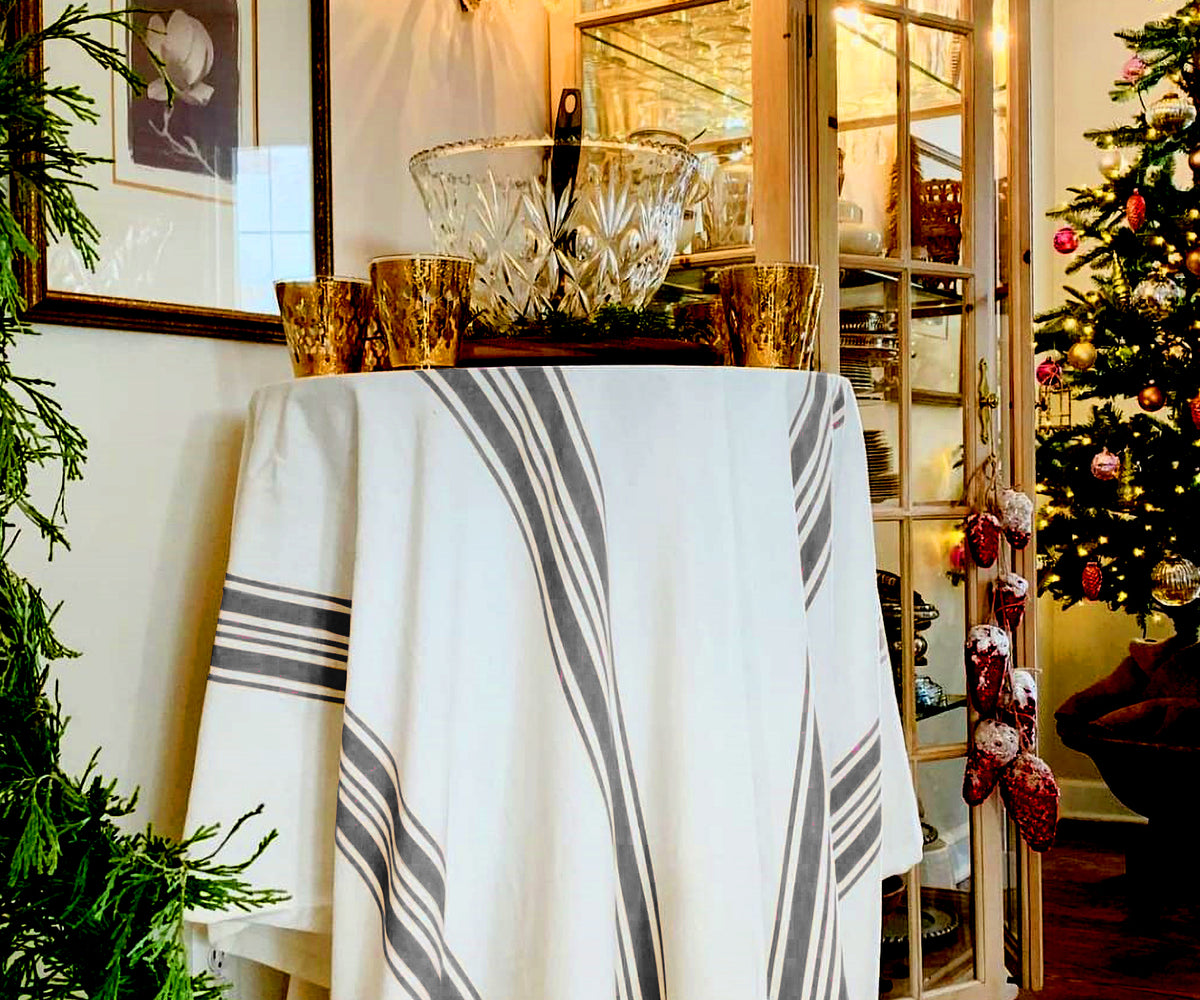
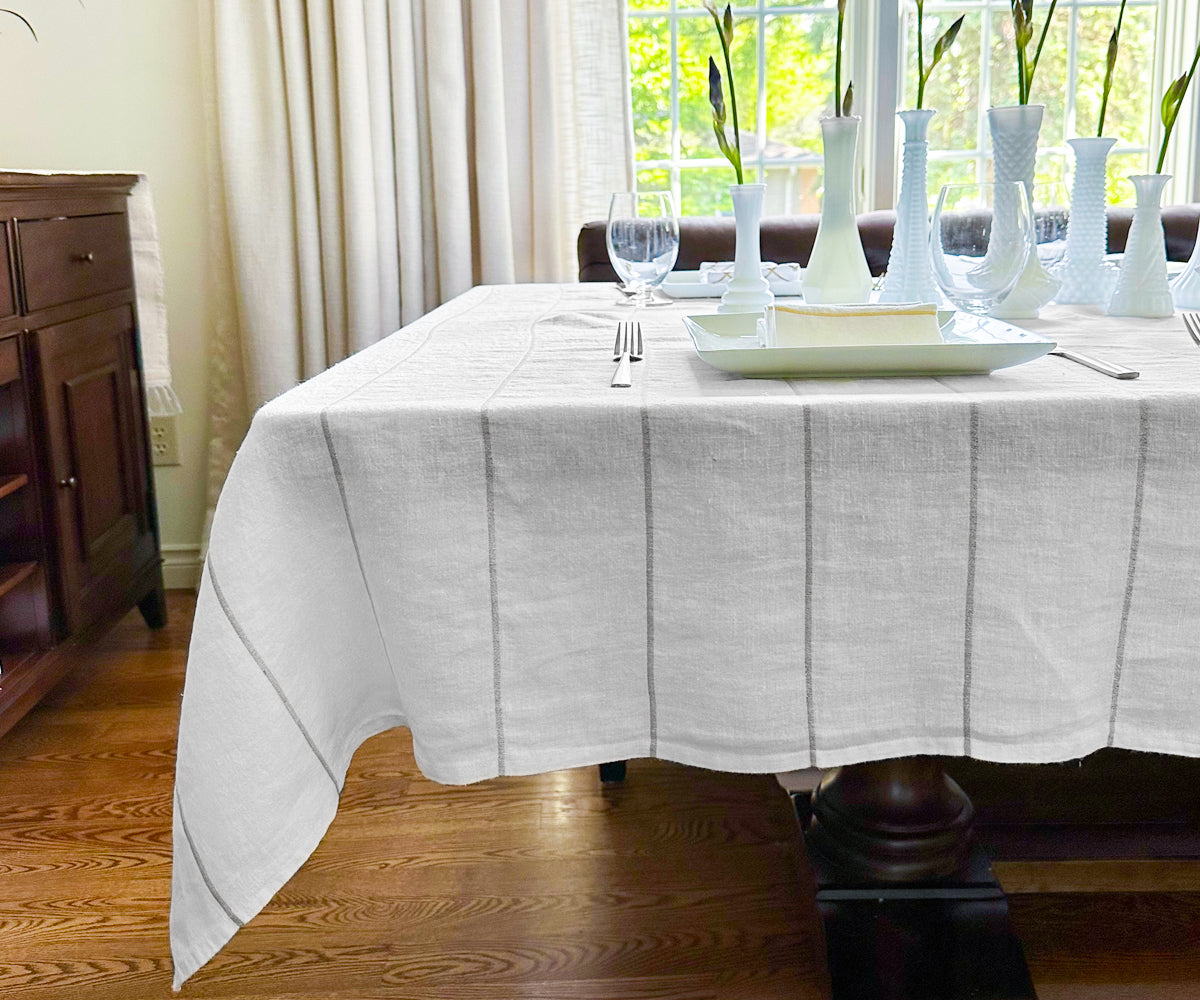
When it comes to table setting, simplicity is key. Berkus advises against over-accessorizing, which can make the space feel cluttered and overwhelming. Instead, focus on a few statement pieces that add visual interest to the table. A beautiful centerpiece, an elegant table runner, or a set of stylish glasses can make a big impact without overwhelming the senses.
The Power of Simplicity
By keeping the table setting simple, you allow the focus to be on the people around the table, rather than the decor. This creates a sense of calm and serenity, making it easier to relax and enjoy the meal. A cluttered table can be distracting and make it difficult to engage in conversation.
2: Choose a Theme That Tells a Story
A themed table setting can add an extra layer of depth and interest to the space. Berkus suggests choosing a theme that reflects the occasion or the season, and then building the table setting around it. For example, a summer theme might include bright colors, floral patterns, and light, airy fabrics. By doing so, you create a cohesive look that ties in the theme and occasion.
How to Choose a Theme
When selecting a theme, consider the occasion and the season. A holiday-themed table setting might include festive colors and decorations, while a summer table setting might feature light, airy fabrics and bright colors. You can also choose a theme that reflects your personal style or interests.

Also Read: Festive Table Decor: Decorating Your Party Table with Dishtowels
3: Select a Color Scheme That Complements the Occasion
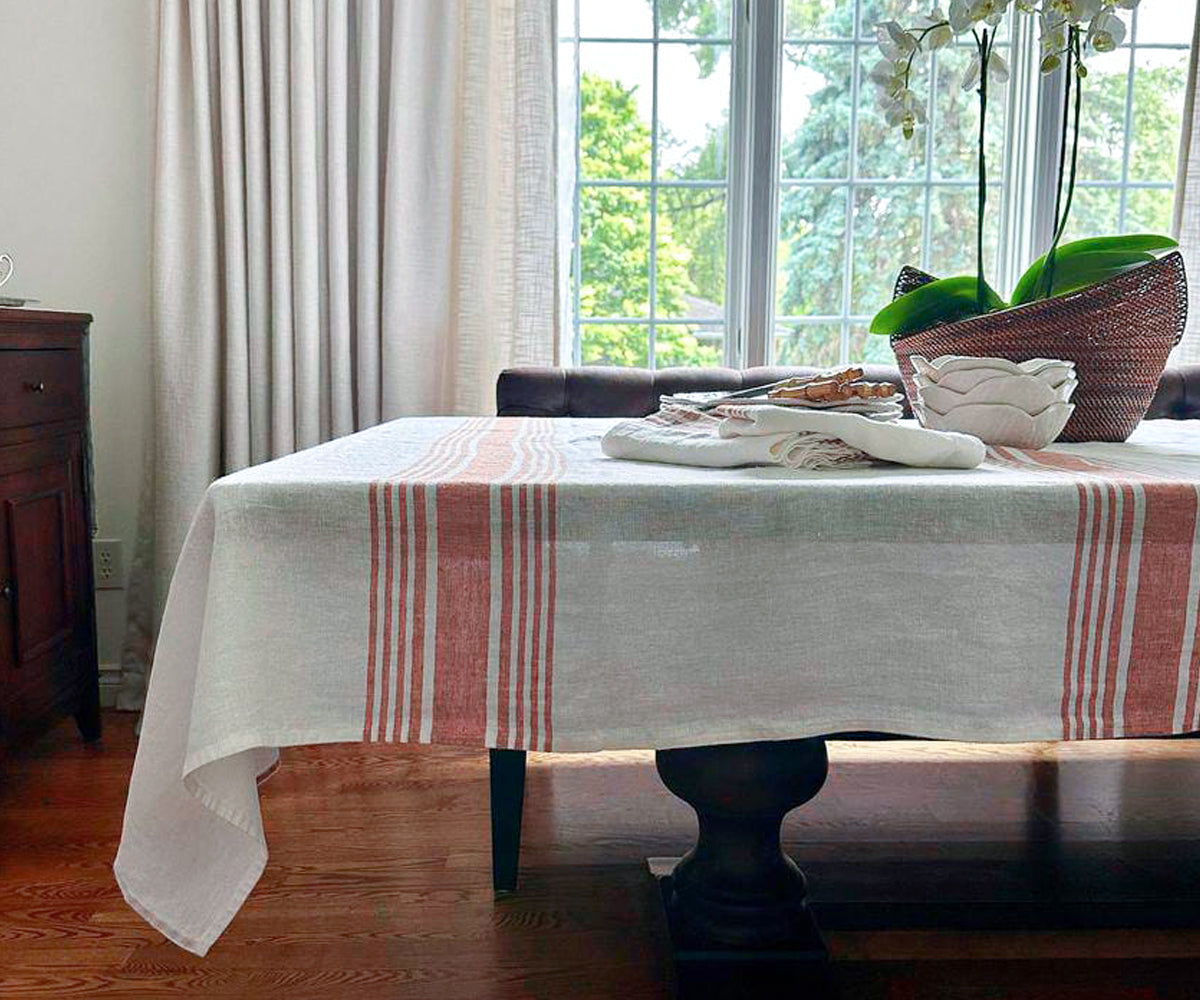
The color scheme of the table setting can greatly impact the overall aesthetic. Berkus advises choosing a palette that complements the occasion and the season. A warm and inviting color scheme might be perfect for a fall or winter table setting, while a bright and bold color scheme might be better suited for a spring or summer table setting.
The Benefits of a Consistent Color Scheme
A consistent color scheme can create a sense of cohesion and flow, making the table setting feel more polished and put-together. It can also help to tie in the theme and occasion, creating a cohesive look that reflects the style and tone of the event.
4: Add Texture and Pattern for Depth and Interest
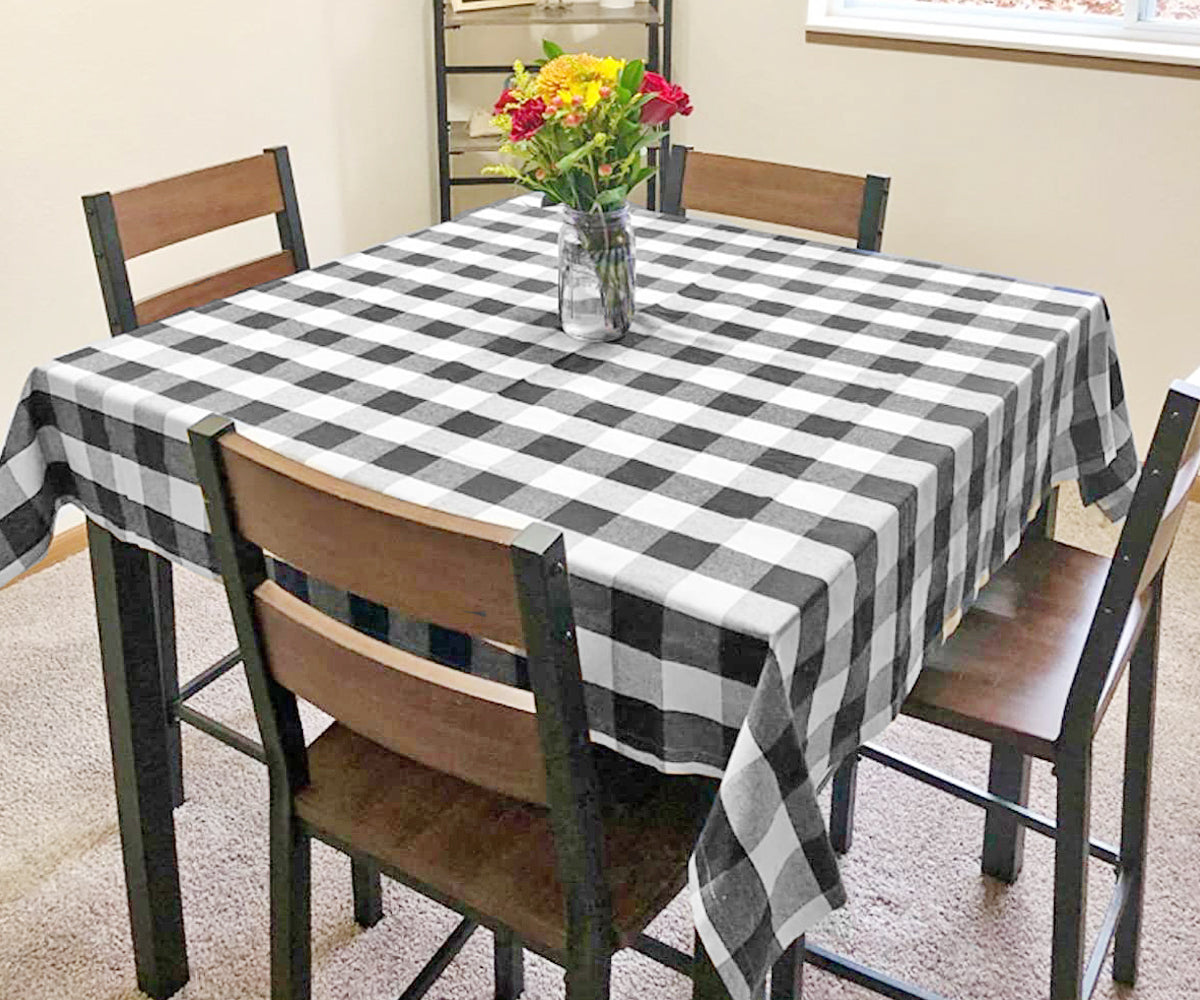
Texture and pattern can add a layer of depth and interest to the table setting. Berkus suggests incorporating a mix of textures and patterns, such as smooth glassware, rough-hewn wood, and intricate lace. This can create a visually interesting and dynamic space that draws the eye.
The Importance of Texture and Pattern
Texture and pattern can add a sense of warmth and coziness to the table setting, making it feel more inviting and welcoming. By incorporating a mix of textures and patterns, you can create a visually engaging space that draws the eye.
You May Also Like: Tips for Setting a Table for a Formal Dinner
5: Pay Attention to the Details
Finally, Berkus advises paying attention to the details, such as the placement of the glasses, the style of the silverware, and the type of linens used. These small details can make a big impact on the overall aesthetic of the table setting.

Practical Tips for Paying Attention to Details
When it comes to paying attention to details, consider the following tips:
-
Pay attention to the placement of the glasses, silverware, and linens.
-
Choose a cohesive style and theme for the table setting.
-
Use a mix of textures and patterns to add depth and interest.
-
Don't over-accessorize—keep the table setting simple and uncluttered.
By following these 5 timeless rules for setting a stylish table, you can create a warm and inviting atmosphere that sets the tone for a memorable evening. Whether you're hosting a formal dinner party or a casual gathering with friends, a well-designed table setting can make all the difference. So next time you're planning a meal, remember to embrace simplicity, choose a theme, select a color scheme, add texture and pattern, and pay attention to the details.