

The challenge for many people is choosing the right shade of green, knowing how much to use, and finding complementary colours to it. Too much of the wrong green can make a table feel dark or unbalanced, while the right combination can make the entire setting feel fresh, inviting, and full of life.
This guide covers every element: tablecloths, napkins, placemats, centrepieces, and colour combinations, so you can build a green table that looks intentional and feels welcoming.
Why Green Works So Well in Table Decor
Green has a unique ability to make a dining table feel calm, fresh, and welcoming. Inspired by nature, it brings a sense of balance that works in both casual family meals and special occasions. Unlike bold colours that can dominate a table setting, green adds character while still feeling easy on the eyes.

Another reason green is so popular is its versatility. Soft sage creates a light, airy look, olive adds warmth, and deeper shades like forest green bring richness and depth. Green also pairs beautifully with a wide range of colours and materials, including white dinnerware, natural wood, linen textiles, gold accents, and earthy ceramics.
Whether your style is modern, rustic, farmhouse, or traditional, green can adapt effortlessly, making it one of the most reliable colours for creating a dining table that feels thoughtful and inviting.
Choosing the Right Shade of Green for Your Table
Not all greens behave the same way on a table. The shade you choose determines the mood of the entire setting, so it is worth thinking through before you buy.
Sage Green
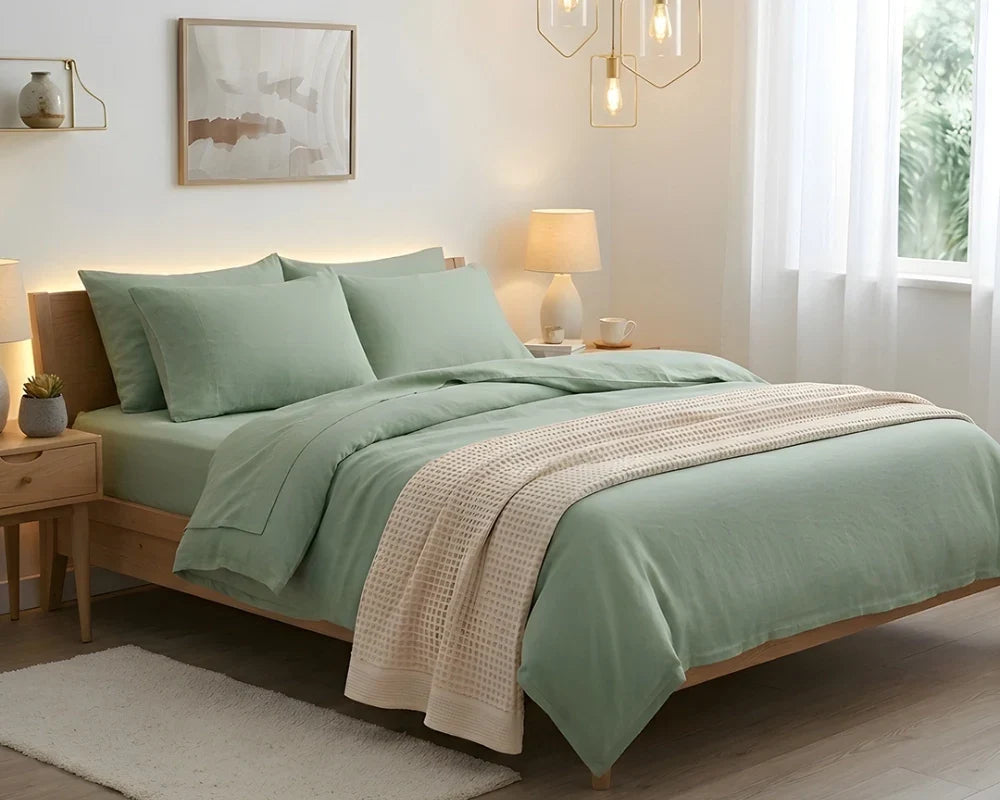
Sage is the most forgiving and versatile green for table styling right now. The color is muted and earthy, leaning more towards grey-green than a true botanical green. Sage works with almost any dinnerware colour, white, cream, terracotta, and navy, and feels equally at home on a casual weeknight table and a styled dinner party setup.

Sage green linen napkins or a sage tablecloth paired with natural linen placemats is one of the cleanest, most effortless green table combinations available.
Emerald Green
Emerald is richer, deeper, and more dramatic than sage. It makes a strong visual statement and works particularly well for evening tables, formal dinners, and festive occasions like Christmas and New Year's.
Pair emerald with gold, warm white, or deep navy for a table that feels luxurious. Against natural wood and candlelight, emerald green linen has an almost jewel-like quality that photographs beautifully.
Olive Green
Forest Green
Forest green is the darkest of the everyday greens, deep, rich, and slightly cool. It works well in winter tables alongside charcoal, burgundy, and natural linen. For summer, it is more of an accent colour than a base.
Mint and Pale Green
Lighter greens, mint, pale celadon, and soft pistachio are spring and summer colours. They feel fresh, delicate, and slightly playful. Pair them with white or blush for a soft, feminine table, or with natural linen for a cleaner, more understated look.
Also Read: Difference between table cover and tablecloth
Starting with a Green Tablecloth
The tablecloth sets the tone for every other element on the table. Getting the tablecloth right makes the rest of the styling easier because it gives you a base colour to work with rather than against.
 Cotton vs. Linen Green Tablecloths
Cotton tablecloths in green tend to feel more casual and relaxed. They are practical for everyday family dining, easy to wash, and less likely to show crease lines when taken out of storage. A cotton green tablecloth in a buffalo plaid or gingham pattern adds a farmhouse quality that works beautifully for relaxed gatherings.
Linen tablecloths in green feel more considered and elegant. The natural texture of linen gives the colour a slight depth and variation that flat cotton cannot replicate. A sage or olive green linen tablecloth draped over a wooden dining table, slightly overhanging on all sides, is one of the most effortlessly stylish table setups you can create.
How Much Overhang
For everyday dining, a 6 to 8-inch drop on each side is practical and tidy. For a formal or styled dinner, a longer drop of 10 to 12 inches gives the table a more deliberate, dressed look. Avoid going too short a tablecloth that barely covers the table surface, as it looks like it was measured incorrectly.
Patterned Green Tablecloths
If a solid green feels too bold as a starting point, a patterned tablecloth in green is a gentler way in. Buffalo plaid in green and white is a classic farmhouse option. A fine stripe in sage and natural linen reads as more contemporary. An embroidered green tablecloth adds detail and texture without the full weight of a solid deep colour.
Green Napkins: Where the Detail Lives
Napkins are where most people underestimate the impact of colour on a table. A set of green napkins can transform an otherwise neutral table without committing to a full green tablecloth.
Using Green Napkins on a Neutral Table
If your tablecloth is white, ivory, natural linen, or grey, green napkins become the colour statement of the table. Sage green linen napkins on a white tablecloth with white or cream dinnerware is a clean, contemporary combination that works year-round. Emerald napkins on a white tablecloth feel more dramatic and suit evening or occasion dining.
Mixing Green Tones
Do not be afraid to mix shades of green across your table. Sage napkins with an olive runner, or mint napkins with a forest green tablecloth, create a tonal, layered effect that looks deliberately styled rather than matched. The key is to keep the tones within the same temperature mix warm greens with warm greens, cool greens with cool greens.
Napkin Folding for a Green Table
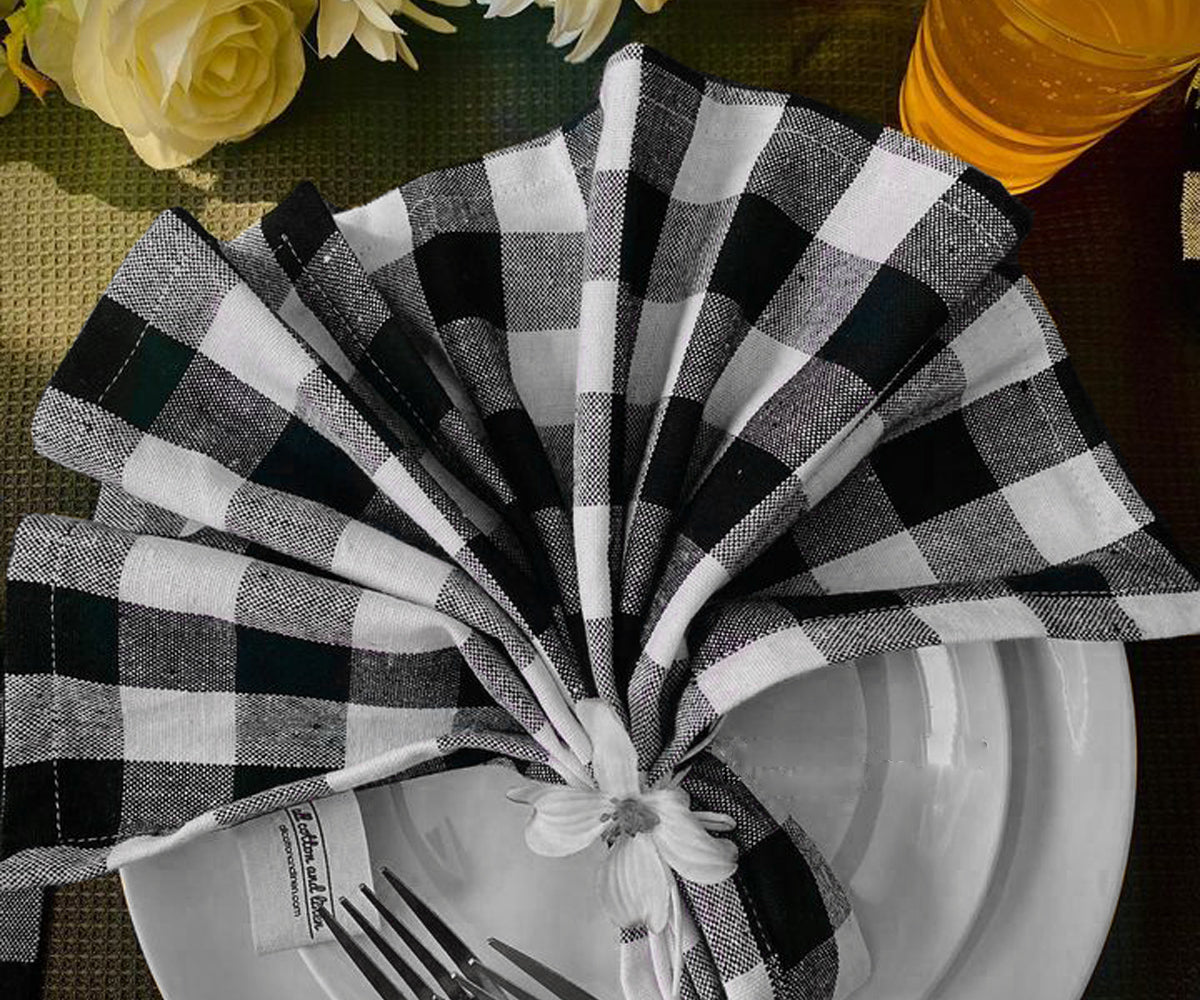
The way you fold a green napkin affects how much of the colour is visible on the table. A loose knot fold placed to the left of the plate shows the full colour of the napkin without formality. A fan fold placed in the glass emphasises the texture and colour simultaneously. A simple flat fold tucked under the plate edge keeps the green as a subtle accent rather than the main visual element.
Browse green linen napkins in sage, emerald, and olive at All Cotton and Linen.
Green Placemats: Anchoring Each Place Setting
Placemats serve two practical purposes: protecting the table surface and anchoring each place setting visually. In a green-themed table, they work as either a supporting colour element or a contrast anchor.
Green Placemats Under Neutral Dinnerware
White, cream, or terracotta plates on sage or olive green placemats create a warm, earthy combination that works particularly well in autumn and for casual entertaining. The green placemat frames the plate without competing with it.
Neutral Placemats with Green Napkins and Tablecloth
If your tablecloth and napkins are already green, neutral placemats, natural linen, jute, or cream cotton provide visual breathing room. Too much green across every element of the table can feel overwhelming. Bringing in a natural neutral at the placemat level keeps the table feeling balanced.
Woven and Textured Green Placemats
A woven jute or rattan placemat in a natural green-adjacent tone adds texture to the table without adding another layer of colour. These work particularly well on outdoor and farmhouse tables where the goal is a relaxed, organic look.
Building a Green Botanical Centrepiece
The centrepiece is the visual anchor of the table. For a green-themed dining table, a botanical centrepiece is the most natural and effective choice; it reinforces the green palette while adding life, texture, and something genuinely beautiful to look at.
Fresh Greenery Centrepieces
Fresh botanical arrangements in shades of green require no flowers to look complete. Eucalyptus stems, fern fronds, trailing ivy, and large tropical leaves like monstera all work beautifully as standalone green centrepieces. Arrange them loosely in a wide ceramic vase, a wooden box, or a simple glass vessel. The goal is an abundance of a generous, slightly overflowing arrangement rather than a sparse and formal one.
This kind of centrepiece is particularly effective because it connects the green of the table linens to actual living green, making the whole table feel cohesive and considered.
Adding Flowers to a Green Centrepiece
White flowers, garden roses, ranunculus, and gypsophila against deep green foliage is one of the most timeless table centrepiece combinations. The contrast between the white blooms and the green foliage is high-impact without being loud. For a warmer feel, add cream or blush flowers rather than pure white.

For a bolder approach, combine emerald foliage with deep burgundy or plum flowers. This works particularly well for autumn and winter tables.
Succulents and Potted Plants
For a table that needs to look good over multiple days rather than a single occasion, succulents and small potted plants make a practical and beautiful centrepiece. Arrange three to five small succulents of varying sizes down the centre of a long table, or cluster them on a wooden board or tray for a single focal point on a smaller table. These can be taken away by guests as favours at the end of a dinner party.
Candles Within the Green Centrepiece
Taper candles or pillar candles tucked into a green botanical arrangement add warmth and light to the table without competing with the greenery. Choose natural beeswax candles for the most organic look, or white taper candles for a clean contrast with the green. Gold candlestick holders against emerald green linen create an evening table that feels genuinely luxurious.
Explore More: Does Linen Shrink in the Dryer? Tips to Prevent Shrinkage
Colour Combinations That Work with Green
Green is one of the more forgiving colours on a table because it reads as natural and neutral in most lighting conditions. These are the combinations that consistently work well:
Green and White
The most classic and clean combination. White dinnerware, white glassware, and white candles against a green tablecloth or green napkins feel timeless and never overdone. It works for casual Sunday lunches and formal dinner parties equally well.
Green and Natural Linen
Sage or olive green paired with natural, undyed linen is one of the strongest everyday table combinations. The warm beige-grey undertones of linen complement the earthy quality of sage without creating a contrast that feels forced. This pairing works across every season.
Green and Terracotta
Terracotta and green is a combination that comes from nature, think Mediterranean landscapes, herb gardens, and sun-dried clay. Terracotta dinnerware or a terracotta runner with sage or olive green napkins creates a warm, earthy table that works particularly well for outdoor and summer dining.

Green and Gold
Emerald green and gold is one of the most successful formal and festive table combinations. Gold napkin rings on emerald green linen napkins, gold-rimmed glassware, and gold cutlery against a deep green tablecloth create a table that feels genuinely celebratory without being garish.
Green and Navy
Two of the most natural colours, green and navy, create a rich, slightly coastal combination that works for autumn and winter tables. Pair sage with navy for a softer, more contemporary result, or olive with navy for something warmer and more rustic.
Green and Blush
A softer, more feminine combination of blush pink dinnerware or blush napkins against a sage or mint green tablecloth creates a spring and summer table that feels warm and welcoming without being overly sweet.
Green Table Styling by Season
Spring
Spring is where lighter greens, mint, sage, and pale celadon perform best. Pair them with white, cream, and blush for a fresh, airy table. Add a centrepiece of white or blush flowers in green foliage. Keep the overall styling light and uncluttered.
Summer
Summer tables can handle a wider range of greens. Olive and sage work well for outdoor lunches. Emerald works for evening garden parties. Pair any green with terracotta, coral, or bright white for a table that feels warm and summery without being heavy.

Autumn
Autumn is the season where olive, forest green, and deep sage perform best. These warmer, earthier greens sit naturally alongside the season's palette of rust, gold, burnt orange, and deep brown. Add wooden elements, candlelight, and a botanical centrepiece with dried grasses and foliage.
Winter and Christmas
Emerald and forest green are the dominant winter greens, rich, deep, and warm against candlelight. For Christmas specifically, emerald green linen with white or gold accents is a classic that works every year. Add evergreen foliage, berries, and pine branches to the centrepiece for a table that feels genuinely festive.
Oveview
Green is one of the easiest colours to work with when styling a dining table. From soft sage and olive to rich emerald and forest green, there is a shade to suit every season, occasion, and decorating style. The key is balancing green with complementary colours, natural textures, and thoughtful details such as linens, placemats, and centrepieces.
Whether you choose green as a subtle accent through napkins and foliage or make it the foundation of your table with a green tablecloth, the result can feel fresh, welcoming, and well put together. Start with a shade you love, layer in natural materials, and let the table evolve with the seasons. A well-styled green table does not just look beautiful; it creates a warm setting where people want to gather, dine, and stay a little longer.
Shop Green Table Linens at All Cotton and Linen
All Cotton and Linen carries tablecloths and placemats in sage, olive, emerald, and more available in cotton, linen, and cotton-linen blends across a range of sizes.