


Things to Bring to a Picnic: The Complete Checklist
Before you get to food, start with the essentials that make the day comfortable and stress-free. Here's what to pack, organized by category, so nothing gets left behind.
Seating and surface:
-
A large picnic blanket, ideally waterproof or sand-resistant underneath
-
A tablecloth, if you're using a picnic table, checkered or plaid styles are a classic choice that also hides small spills
-
Portable folding chairs or cushions, if you'd rather not sit directly on the ground

Food transport and storage:
-
An insulated cooler with ice packs for anything perishable
-
A picnic basket or tote for dry goods, plates, and utensils
-
Reusable containers for serving and storing leftovers
-
Resealable bags for snacks and pre-cut produce
Tableware:
-
Plates and bowls bamboo or melamine hold up well and don't break easily
-
Cutlery—stainless steel or sturdy reusable options beat flimsy plastic
-
Cups or glasses—acrylic tumblers travel well without the breakage risk of glass
-
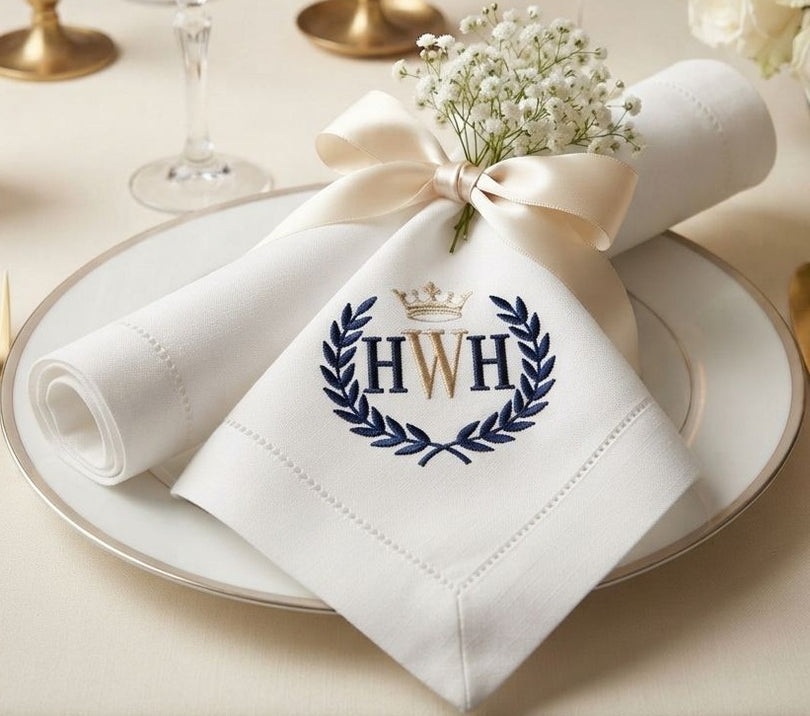
Cloth napkins—beyond looking nicer than paper towels, linen napkins double as food wraps, wipe-up cloths, or an extra layer for the blanket underneath

Comfort and cleanup:
-
Sunscreen and bug spray
-
A patio umbrella, canopy, or wide-brimmed hats for shade
-
Wet wipes and hand sanitizer
-
Trash bags to leave the space clean
-
A first-aid kit for minor scrapes or bug bites
Extras worth packing:
-
A portable speaker for music
-
Board games, cards, or a frisbee for downtime
-
A book or sketchpad if you're picnicking solo or want a quiet moment
Packing from this list means you won't be the group scrambling to find a bottle opener or wondering why nobody brought napkins.
Also Read: Restaurant Table Setting Ideas for a Perfect Dining Experience
What to Bring in a Picnic Basket: Organizing It Right
Once you know what to bring, packing it well matters almost as much. A well-organized picnic basket or tote keeps food fresh, prevents spills, and makes setup at the park quick instead of chaotic.
-
Pack the heaviest items on the bottom. Containers, bottled drinks, and jars should sit at the base so they don't crush lighter items like bread or fruit.
-
Keep hot and cold separate. Use a dedicated insulated bag or cooler for anything perishable, and pack shelf-stable snacks separately in the main basket.
-
Wrap breakables in cloth napkins. A stack of cotton napkins does double duty cushioning glass or ceramic items in transit and then serving as your actual table napkins once you arrive.
-
Pre-portion where you can. Individually wrapped snacks, pre-sliced fruit, and single-serving containers cut down on mess and the need for extra cutting boards or knives on-site.
-
Leave one pocket for trash. Designating a bag or container specifically for waste before you even start eating makes cleanup far faster at the end.
Foods to Have at a Picnic
The best picnic food travels well, doesn't need reheating, and stays appetizing even after an hour or two outdoors. Here's a well-rounded lineup to build your spread around.

Sandwiches and wraps:
The picnic is a classic for a reason: easy to make ahead, easy to eat by hand, and endlessly customizable. Try classic deli sandwiches, a caprese wrap with fresh mozzarella and basil, or a hearty veggie wrap with hummus.
Finger foods and snacks:
Skip anything that needs a fork. Think cheese and charcuterie boards, deviled eggs, cut vegetables with dip, mixed nuts, and crackers.
Salads that travel well:
Pasta salad, grain salads (like a lemon-herb couscous), or a sturdy chopped salad with a vinaigrette (rather than a creamy dressing that wilts greens in the heat) all hold up for hours outdoors.
Fresh fruit:
Grapes, sliced watermelon, berries, and apple slices are refreshing, low-mess, and don't require utensils.
Sweet treats:
Cookies, brownies, or a batch of fruit skewers round out the meal without needing refrigeration or careful transport.
Drinks:
Bottled water, iced tea, or a batch of homemade lemonade in a thermos keeps everyone hydrated. Pack a few extra bottles of water beyond what you think you'll need, especially on hot days.
A tip for the whole spread: choose foods that are just as good at room temperature as they are cold. Anything that depends on being served piping hot is fighting against the entire nature of a picnic.
Continue Reading: Modern Dining Table with Sustainability: Redefining Dining Spaces
DIY Food Stations: A Fun Twist on Picnic Food
If you're picnicking with a group, consider setting up a build-your-own station instead of pre-made plates:
-
Sandwich or wrap bar: Bread, wraps, a few proteins, and toppings laid out so everyone builds their own.
-
Taco bar: Tortillas, a protein, and toppings in separate containers are are surprisingly portable and always a hit.
-
Charcuterie build-your-own: A spread of cheeses, cured meats, crackers, and fruit that guests can assemble themselves.
DIY stations cut down on prep time for the host and give guests something to do while they eat, which works especially well for larger groups.

Setting Up the Perfect Picnic Table
The right setup turns "eating outside" into an actual picnic experience.
Choose your base.
A wood picnic table offers a sturdy, rustic option if one's available at your spot; otherwise, a thick blanket on flat, dry ground works just as well.
Layer your linens.
A soft, lightweight tablecloth protects the surface (or blanket) underneath and instantly makes the spread look more intentional. If you're using a picnic table, place drinks on coasters or a folded napkin to avoid rings on wood surfaces.
Add simple decor.
Fresh flowers in a small jar, a few battery-operated fairy lights for evening picnics, or a scattering of seasonal fruit around the spread all add charm without much effort.
Bring shade and shelter.
A patio umbrella, pop-up canopy, or simply choosing a shaded spot under trees keeps food (and people) from overheating.
For more inspiration on dressing up an outdoor table beyond the basics, see our guide on decorating an outdoor dining table.
Picnic Themes to Make It Memorable
A theme can turn a simple picnic into something guests will actually remember:
-
Vintage picnic: Wicker baskets, a checkered red and white tablecloth, and classic glass bottles for drinks.
-
Boho picnic: Layered rugs, floor cushions, macrame accents, and a neutral color palette.
-
Coastal picnic: Blues and whites, striped napkins, and a seaside-inspired spread of light bites and citrus drinks.
-
Sunset picnic: String lights, warm-toned linens, and a spread that transitions easily from afternoon snacks to an evening glass of wine.

Picnic Games and Activities
Food is the centerpiece, but a little entertainment keeps the day going:
-
Classic games: Frisbee, badminton, or a simple game of catch.
-
Tabletop options: Cards, a travel-sized board game, or dominoes for downtime between snacks.
-
Low-key activities: Sketching, reading, or simply people-watching for a slower-paced picnic.
-
Music: A small portable speaker sets the mood without overpowering conversation.
Picnic Cleanup Made Easy
Before you leave, a few habits keep the process quick:
-
Pack a dedicated trash bag from the start so waste doesn't mix with reusable items.
-
Do a final sweep of the blanket or table area for small trash (bottle caps, napkins) before folding everything up.
-
Rinse reusable containers as soon as you're home to avoid lingering food smells.
-
Give tablecloths and linens a quick wash before storing. Our guide on caring for linen fabric has tips for keeping natural fiber linens fresh between uses.
Picnics are ultimately about simplicity, good food, good company, and a setup that doesn't require much fuss to enjoy. Pack thoughtfully, choose food that travels well, and let the rest of the day take care of itself.