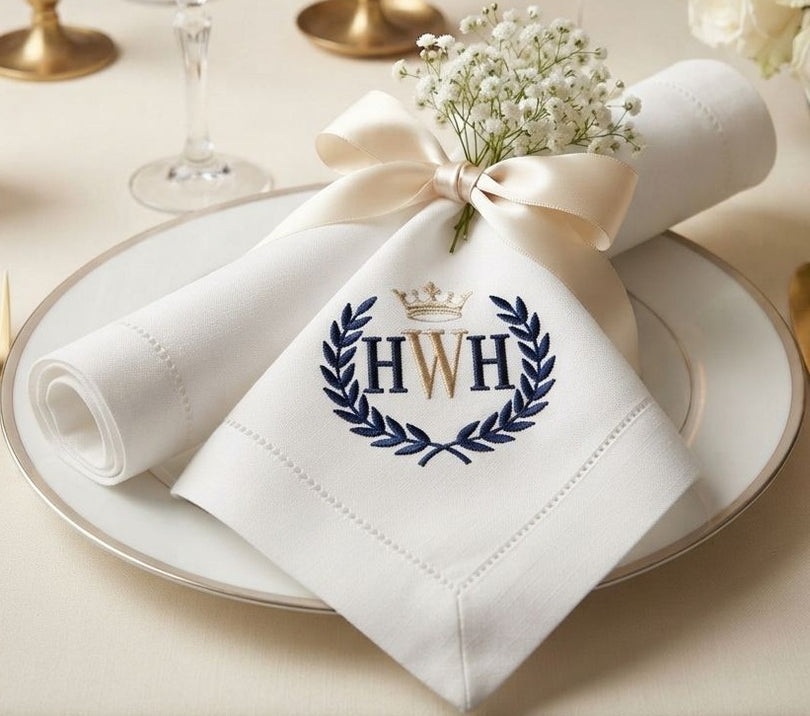

Vintage placemats can bring warmth, personality, and a sense of history to a dining table. Whether they come from a family collection, a thrifted find, or a favorite antique shop, older textiles often carry details that are difficult to replicate in newer pieces. Faded colors, woven textures, embroidered edges, and traditional patterns can make an ordinary table feel more collected and intentional.
The challenge lies in making vintage pieces feel at home in a modern setting. Too many traditional elements can make a table look dated, while pairing vintage placemats with overly sleek pieces can make them feel disconnected. The most appealing approach usually falls somewhere in the middle, letting old and new elements complement rather than compete with each other.
Start With the Character of the Vintage Placemats
Before choosing plates, glasses, or accessories, take a close look at the placemats themselves. Their color, material, pattern, shape, and condition can guide how the rest of the table comes together.

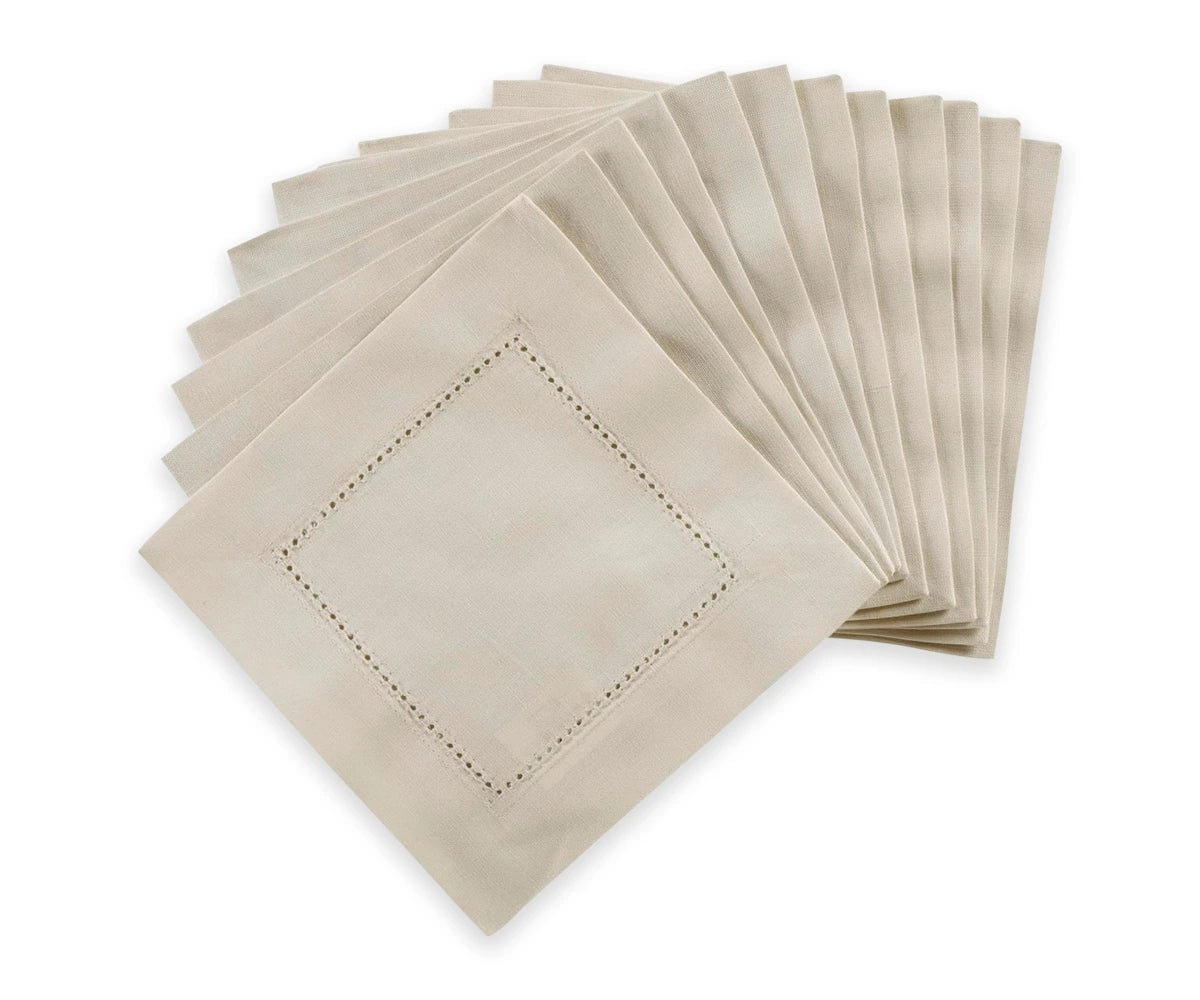
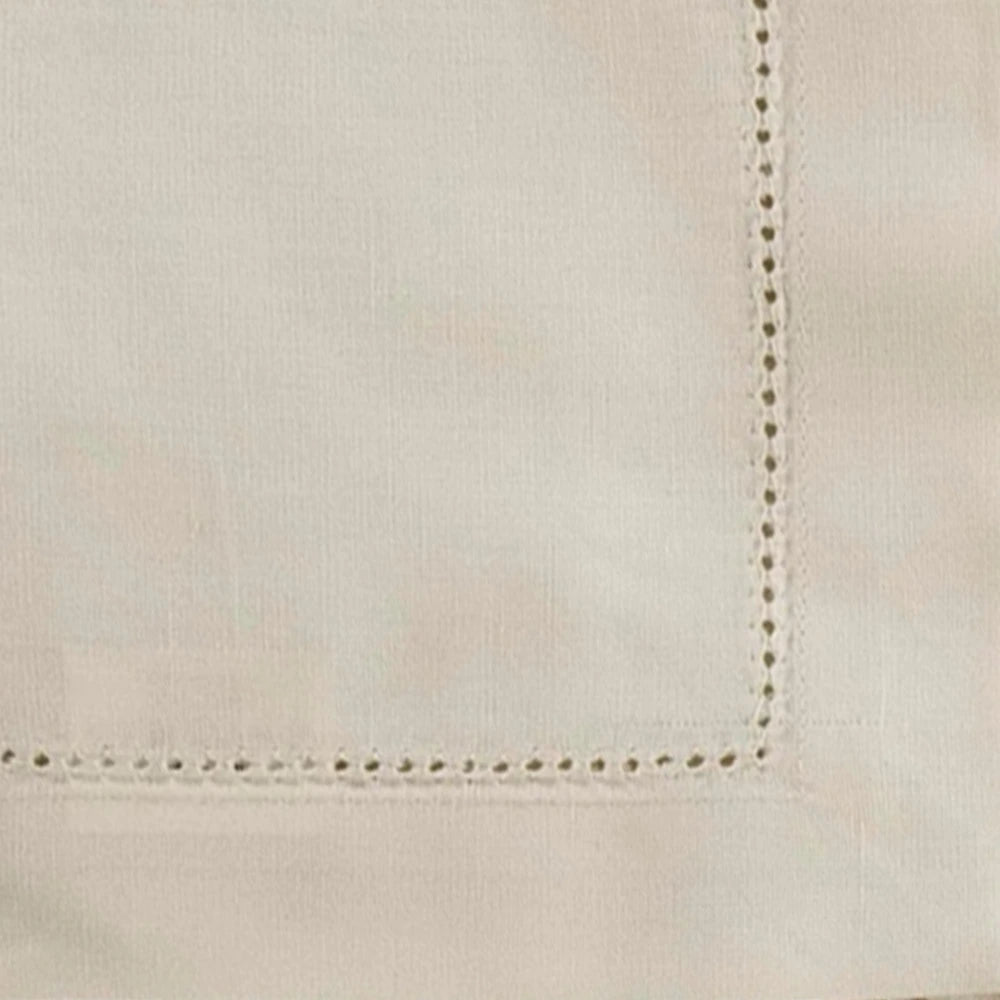
Woven placemats in muted beige or brown tones, for instance, tend to work beautifully with contemporary stoneware. Floral or embroidered designs often pair better with simple white plates that let the textile remain the focal point. Striped placemats can introduce a subtle graphic element, while delicate hemstitched placemats can bring a more traditional and refined character to the table.
The shape can influence the overall mood as well. Round placemats can soften a table setting with angular dinnerware, while rectangular placemats create a more structured and traditional arrangement. Oval placemats offer another option when you want a softer silhouette without moving completely away from a classic table layout.
Even slight imperfections, such as variations in color or texture, can add character rather than detract from the arrangement.
The goal isn't to make every piece look identical. Instead, let the vintage placemats set the visual tone of the table while newer pieces provide balance.
Pair Vintage Textiles With Modern Dinnerware
One of the easiest ways to mix old and new is to combine vintage textiles with contemporary dinnerware. Simple plates with clean shapes offer a quiet backdrop for patterned or textured placemats.
If the placemats already carry several colors, choose dinnerware in one of their quieter shades. This creates a connection without making the table look overly coordinated. For more neutral vintage pieces, a stronger accent can come from ceramic plates, colored glassware, or a modern serving bowl.
Natural-fiber options such as cotton placemats and linen placemats can work particularly well with contemporary dinnerware. Their natural texture creates a comfortable contrast against smooth ceramic plates and modern glassware.
This kind of pairing works best when the textiles themselves are well cared for. Many vintage placemats are made from natural fibers such as wool, cotton, or linen, which can be vulnerable to moths and other fabric-damaging pests, particularly during storage between uses. Anyone maintaining a small collection of older linens may find it worthwhile to pair a styling routine with basic pest-prevention habits. Guidance from services like Anaheim Pest Control, which covers how to protect natural fiber materials from insect damage, can be a useful reference for keeping heirloom textiles in usable condition year after year.
Mix Textures Instead of Matching Everything
Texture often matters more than color when combining different eras. A vintage woven placemat can look especially striking beside smooth ceramic plates, polished glassware, or contemporary metal flatware.
Try combining materials that create subtle contrast:
-
Linen to soften a table filled with hard surfaces
-
Woven fibers to add visual depth to a minimalist setting
-
Wooden serving pieces to reinforce the natural quality of vintage textiles without tipping into an overly rustic look
-
Cotton textiles to provide a softer, familiar foundation for contemporary tableware
The shape of the placemat can also contribute to the balance. Round placemats can create a relaxed appearance, while rectangular placemats tend to feel more structured. Oval placemats can provide a middle ground, adding gentle curves while maintaining enough surface area for dinnerware.
Two or three distinct materials are usually enough to make the table interesting while keeping the overall look organized. Introducing too many competing textures at once can make the arrangement feel cluttered rather than curated.
Use Color to Connect the Different Eras
Color can act as the bridge between vintage and modern pieces. Rather than trying to match the placemats exactly, look for one or two colors that can be echoed elsewhere on the table.
A faded blue pattern, for example, might reappear in a set of contemporary glasses or a small ceramic bowl. Warm rust, mustard, olive, or cream tones can similarly tie older textiles to newer tableware.
When the vintage pieces are heavily patterned, keep the surrounding colors fairly restrained. If the placemats are mostly solid or subtly textured, there's more freedom to introduce color through flowers, napkins, or serving dishes.
Striped or patterned placemats can also be used as a visual link between different pieces. A muted stripe may repeat one color found in the dinnerware without requiring an exact match.
This same attention to detail matters beyond the table itself. In homes where older furnishings, woodwork, and textiles sit alongside newer updates, protecting those original materials is part of what keeps them usable for years to come.
Add One Contemporary Focal Point
A modern centerpiece can keep a vintage-inspired table from feeling like a recreation of another era. Rather than filling the table with antique accessories, choose one contemporary element to create contrast.
A sculptural vase, simple candleholder, modern serving bowl, or understated floral arrangement can all work well. The centerpiece doesn't need to be dramatic; its purpose is simply to introduce a fresh shape or material that sets the older pieces apart from one another.
For a relaxed setting, seasonal greenery in a simple vessel is often enough. For a more formal dinner, a modern ceramic centerpiece paired with vintage placemats can create a polished, considered combination.
If the placemats feature detailed embroidery or hemstitching, keep the centerpiece relatively simple. This allows the craftsmanship of the textile to remain visible rather than competing with another highly decorative element.
Keep the Arrangement Comfortable and Practical
Style shouldn't come at the expense of everyday usability. Vintage placemats are often more delicate than modern versions, particularly when made from older linen, cotton, lace, or handwoven materials.
A few practical habits can help extend their life without sidelining them for special occasions only:
-
Place hot dishes on heat-resistant surfaces rather than directly on delicate textiles.
-
Avoid leaving food and drinks sitting on the placemats for extended periods.
-
Follow care instructions appropriate to the fabric before washing or storing.
-
Store clean textiles in a dry, well-ventilated space away from unnecessary moisture.
-
Avoid placing heavy objects on delicate vintage fabrics for extended periods.
-
Inspect older textiles occasionally for signs of wear before using them.
Linen placemats and other natural-fiber textiles may require particularly careful handling depending on their age and condition. Similarly, older round placemats can benefit from gentle cleaning and appropriate storage.
These small habits allow older textiles to remain part of everyday meals rather than being reserved exclusively for rare occasions.
Let Imperfection Become Part of the Design
Vintage pieces rarely have the uniformity of newly manufactured table linens. One placemat may be slightly different in color, another may show a small variation in stitching, and a full set may carry subtle signs of age.
Rather than hiding these differences, it helps to treat them as part of the story. A table that looks gently collected rather than perfectly coordinated tends to feel more personal and inviting.
If a complete matching set isn't available, combine pieces that share a similar color family or material. The repetition of texture is often enough to make different patterns feel intentional together.
For example, a collection might combine striped placemats with subtle floral pieces as long as both share a similar color palette. Likewise, round, oval, and rectangular shapes can sometimes be mixed when the materials and colors provide enough visual connection.
The objective is not perfect uniformity. A thoughtful combination of slightly different pieces can create a more authentic vintage-inspired table.
Choose the Right Shape for Your Table
Placemat shape is an often-overlooked part of table styling, but it can influence how the entire setting feels.
Rectangular placemats are a traditional choice and work particularly well with standard dinner plates and longer dining tables. They provide a clear area for arranging plates, cutlery, and glassware.
Round placemats create a softer appearance and can work especially well with round tables or contemporary dinnerware with curved edges. Their shape can also help break up a table filled with straight lines.
Oval placemats provide a balance between the two. Their elongated shape offers plenty of space for dinnerware while their curved edges create a gentler visual effect.
When choosing vintage pieces, don't feel restricted to one shape. The material, color, and overall condition of the placemat are often more important than having every piece follow exactly the same silhouette.
Create a Balanced Vintage and Modern Table
Once the placemats, dinnerware, and centerpiece have been selected, step back and consider the table as a whole.
If the vintage textiles are visually detailed, keep the newer elements simple. A white ceramic plate, clear glass, and understated flatware can provide enough contrast without competing with the textile.
If the placemats are neutral, you can introduce more personality through colorful glassware, contemporary ceramics, or a statement centerpiece.
The same principle applies to color. Instead of introducing several unrelated shades, choose one or two colors already present in the vintage textile and repeat them subtly throughout the table.
This creates continuity while still allowing the different eras to remain visually distinct.
Care for Vintage Placemats Between Uses
Proper storage is an important part of maintaining older textiles. Before putting placemats away, make sure they are clean and completely dry. Moisture left in folded fabric can contribute to unpleasant odors and may damage delicate fibers over time.

Store vintage placemats in a clean, dry, well-ventilated location. Avoid unnecessarily tight compression, particularly for embroidered, woven, or textured pieces.
Natural-fiber textiles can also be susceptible to fabric-damaging insects. Periodically checking stored linens can help identify problems early. If you notice unexplained damage, inspect the storage area and determine the cause before returning the textiles to the same location.
Taking these simple precautions allows vintage cotton placemats, linen designs, embroidered pieces, and other older textiles to remain usable for many years.
Make Vintage Placemats Work for Everyday Dining
Vintage placemats don't have to be reserved for formal dinners. Their character can make everyday meals feel more intentional without requiring a complete table makeover.
For casual breakfasts, pair simple vintage textiles with plain ceramic plates and minimal accessories. For dinner, add glassware, folded napkins, and a small centerpiece. For special occasions, vintage placemats can become the foundation for a more detailed tablescape.
The key is to let the textiles adapt to the occasion. A set of hemstitched placemats might feel elegant with fine dinnerware, while rustic woven or striped pieces can create a relaxed setting for everyday meals.
This flexibility is one of the advantages of mixing vintage and modern pieces. You can preserve the character of older textiles while still keeping the table practical for contemporary life.
End Note
Mixing vintage placemats with modern tableware ultimately comes down to finding a comfortable relationship between character and simplicity. Older textiles bring history and warmth, while contemporary pieces keep the setting feeling fresh and functional.
Start with the placemats, identify the colors, materials, shapes, and textures that make them distinctive, and then introduce newer elements that support rather than compete with those qualities. Cotton placemats, linen placemats, striped placemats, and hemstitched placemats can each create a different foundation, while round, rectangular, and oval placemats offer additional ways to shape the overall arrangement.
With a restrained approach, even a mismatched collection can become a thoughtfully styled dining table that feels both timeless and current. The goal isn't to make vintage and modern pieces look identical. Instead, allow each element to contribute its own character while using color, texture, shape, and proportion to create a cohesive table.