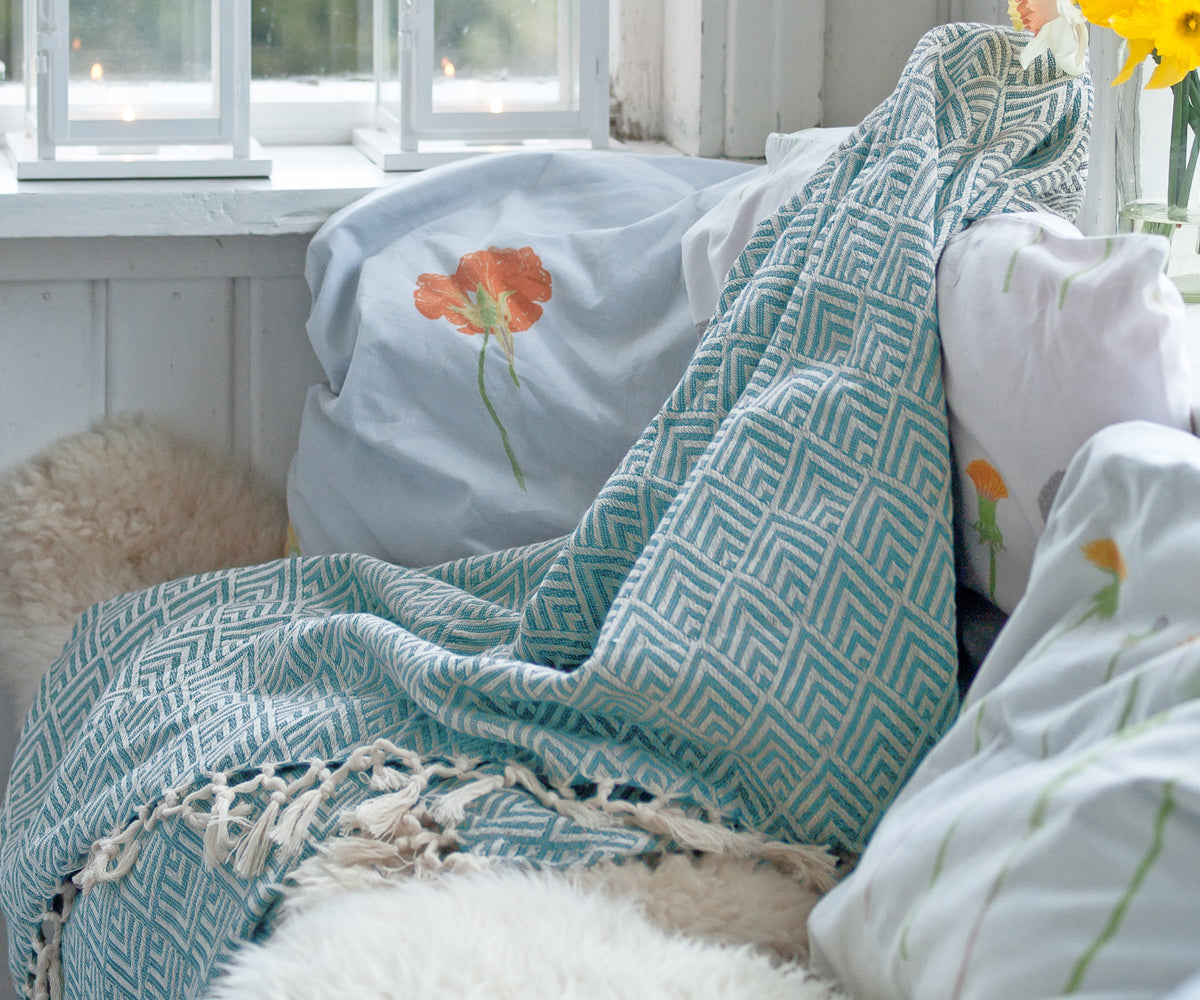


1. Cotton Kitchen Towels
Cotton is a popular choice for kitchen towels due to its natural absorbency and softness. Cotton towels can handle spills and stains with ease, making them a reliable choice for everyday use. They are also gentle on dishes and countertops, reducing the risk of scratches.

Absorbency: Cotton towels are highly absorbent, making them ideal for drying dishes, wiping spills, and handling high moisture tasks. The fibers can soak up a significant amount of liquid, ensuring that your surfaces stay dry.
Durability: While cotton is durable, it can wear out faster with frequent washing and heavy use. However, with proper care, cotton kitchen towels can last a long time. To extend their lifespan, avoid using fabric softeners, which can reduce absorbency.
Best Use: Cotton is great for everyday tasks in the kitchen, such as drying dishes and cleaning countertops. Its softness also makes it a good choice for handling delicate items.
2. Linen Kitchen Towels
Linen is another excellent option for kitchen towels. Made from flax fibers, linen is known for its strength and durability. It also has a natural ability to repel dirt and stains, making it a practical choice for busy kitchens.
Absorbency: Linen towels are slightly less absorbent than cotton but still perform well. They dry quickly, which helps prevent the growth of bacteria and mildew. This quick-drying feature makes linen kitchen towels a hygienic option.

Durability: Linen is incredibly strong and resistant to wear and tear. It can handle heavy-duty tasks without fraying or losing its shape. Linen kitchen towels tend to become softer with each wash, making them more comfortable to use over time.
Best Use: Linen is ideal for tasks that require durability and quick drying, such as drying dishes and cleaning up spills. Its resistance to stains also makes it suitable for handling greasy or messy jobs.
3. Microfiber Kitchen Towels
Microfiber is a synthetic material made from a blend of polyester and polyamide. Microfiber kitchen towels are designed to be highly absorbent and efficient at picking up dirt and grime.
Absorbency: Microfiber towels are known for their high absorbency, often outperforming cotton and linen. The fibers can hold a significant amount of liquid, making them ideal for soaking up spills and drying dishes.
Durability: Microfiber is durable and resistant to wear and tear. It can withstand frequent washing and heavy use without losing its effectiveness. However, it’s important to avoid using fabric softeners or bleach, as they can damage the fibers.
Best Use: Microfiber towels are excellent for tasks that require high absorbency and cleaning power, such as wiping down surfaces and cleaning spills. Their ability to pick up dirt and grime makes them a versatile choice for various kitchen tasks.
4. Bamboo Kitchen Towels
Bamboo kitchen towels are a more eco-friendly option, made from bamboo fibers. Bamboo is a renewable resource, and towels made from this material offer a sustainable alternative to traditional options.
Absorbency: Bamboo towels are highly absorbent and can hold more moisture than cotton. They are also naturally antibacterial, which helps reduce odors and keep your kitchen fresh.
Durability: Bamboo is strong and durable, but it can be more delicate than cotton or linen. Proper care is essential to maintain its quality. Bamboo towels should be washed in cold water and air-dried to prevent damage.
Best Use: Bamboo kitchen towels are ideal for those looking for a sustainable and high-performing option. They are great for absorbing spills and drying dishes while being environmentally friendly.
5. Terry Cloth Kitchen Towels
Terry cloth is a popular choice for kitchen towels because of its plush texture and high absorbency. Terry cloth towels are made from looped fibers that increase their ability to absorb moisture.
Absorbency: The loops in terry cloth increase the surface area available for absorbing liquids. This makes terry cloth kitchen towels highly effective at handling spills and drying dishes quickly.
Durability: Terry cloth is generally durable and can withstand frequent washing and heavy use. However, it is important to wash terry cloth towels properly to maintain their absorbency and prevent lint buildup.
Best Use: Terry cloth towels are excellent for heavy-duty tasks such as drying dishes, cleaning up spills, and handling greasy items. Their high absorbency makes them a practical choice for busy kitchens.
6. Organic Cotton Kitchen Towels
For those concerned about sustainability and environmental impact, organic cotton kitchen towels offer an eco-friendly alternative. Organic cotton is grown without the use of synthetic pesticides or fertilizers.
Absorbency: Organic cotton towels provide similar absorbency to regular cotton. They are effective at handling spills and drying dishes, with the added benefit of being produced with environmentally friendly practices.
Durability: Organic cotton is as durable as regular cotton. Proper care, such as washing in cold water and avoiding fabric softeners, can help extend the lifespan of organic cotton kitchen towels.
Best Use: Organic cotton is ideal for eco-conscious individuals who want high-performance towels without compromising on environmental values. They are perfect for everyday kitchen tasks and offer a sustainable option.
7. Hemp Kitchen Towels
Hemp is another natural material used in kitchen towels that offers durability and sustainability. Hemp fibers are known for their strength and resistance to wear.
Absorbency: Hemp towels have good absorbency, though they might not be as high-performing as microfiber. They are effective for drying dishes and wiping spills.
Durability: Hemp is a very strong and durable material. It can withstand heavy use and multiple washes, making it a long-lasting option for your kitchen.
Best Use: Hemp kitchen towels are well-suited for those seeking a durable and eco-friendly option. They are great for general kitchen tasks and provide a robust alternative to traditional materials.
Buying Options
If you’re looking to purchase high-quality kitchen towels, including options like plain kitchen towels, checkered tea towels, striped dish towels, or luxury dish towels, check out the selection at All Cotton and Linen online store. They offer a wide range of kitchen towels in various materials, styles, and colors to suit your needs.

Visit their website here to explore their collection and find the perfect towels for your kitchen.
In conclusion, the right kitchen towels can enhance your kitchen experience, whether you prioritize absorbency, durability, or style. By understanding the materials and their benefits, you can make an informed choice and enjoy the functionality and aesthetics of your kitchen linens.