


What Makes a Farmhouse Table Setting Different?
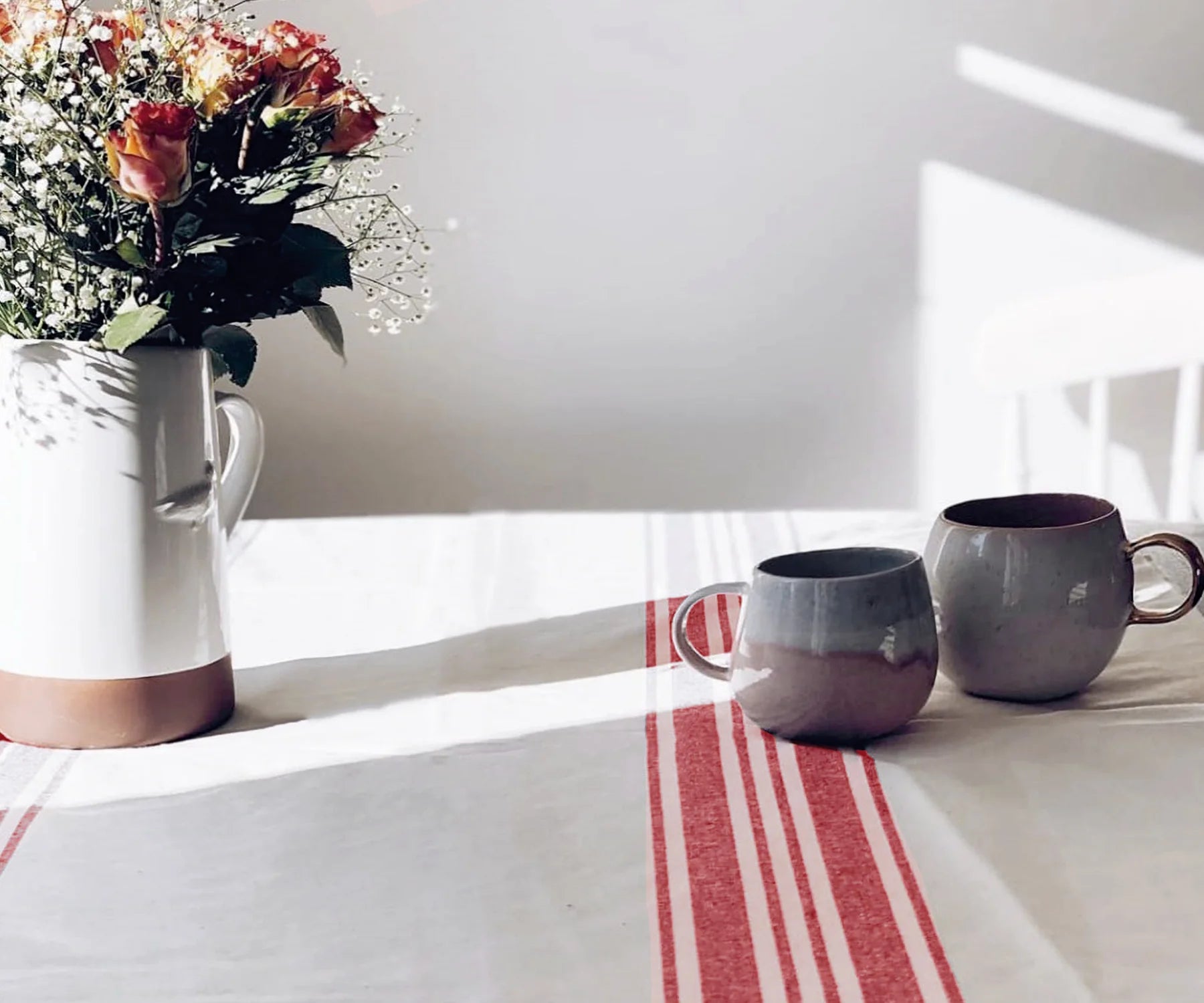
The farmhouse look is not about matching everything perfectly. It is about choosing pieces that feel natural together. Wood, linen, cotton, and woven textures sit at the core of this style. Colour stays soft: cream, white, warm grey, sage, and earthy beige. Decorative items should look like they belong rather than like they were placed there for a photo.
The difference between a farmhouse dining space and a generic table setup comes down to texture and intention. A cotton linen table setting with a burlap runner, mismatched vintage dishes, and a small jar of greenery says far more than a perfectly matched formal set ever could.

1. Start With a Solid Foundation: The Table Itself
Your dining table is the starting point. Reclaimed wood tables with a weathered or distressed finish work especially well because the natural imperfections carry genuine character. If your current table has a smooth or painted surface, you can introduce that rustic feel through layering.
A wooden table runner placed lengthwise down the centre adds the right texture without covering the surface entirely. Woven cotton or jute placemats at each setting do the same job at the individual level, giving each guest their own grounded, tactile space.
2. Choose the Right Table Runner
The table runner is often the first thing guests notice. For a simple farmhouse table setting, a burlap or linen runner laid flat down the middle creates the right tone immediately. Farmhouse table runner ideas do not need to be complicated. A single length of natural-toned fabric with soft fringing at each end is often all the setting needs.
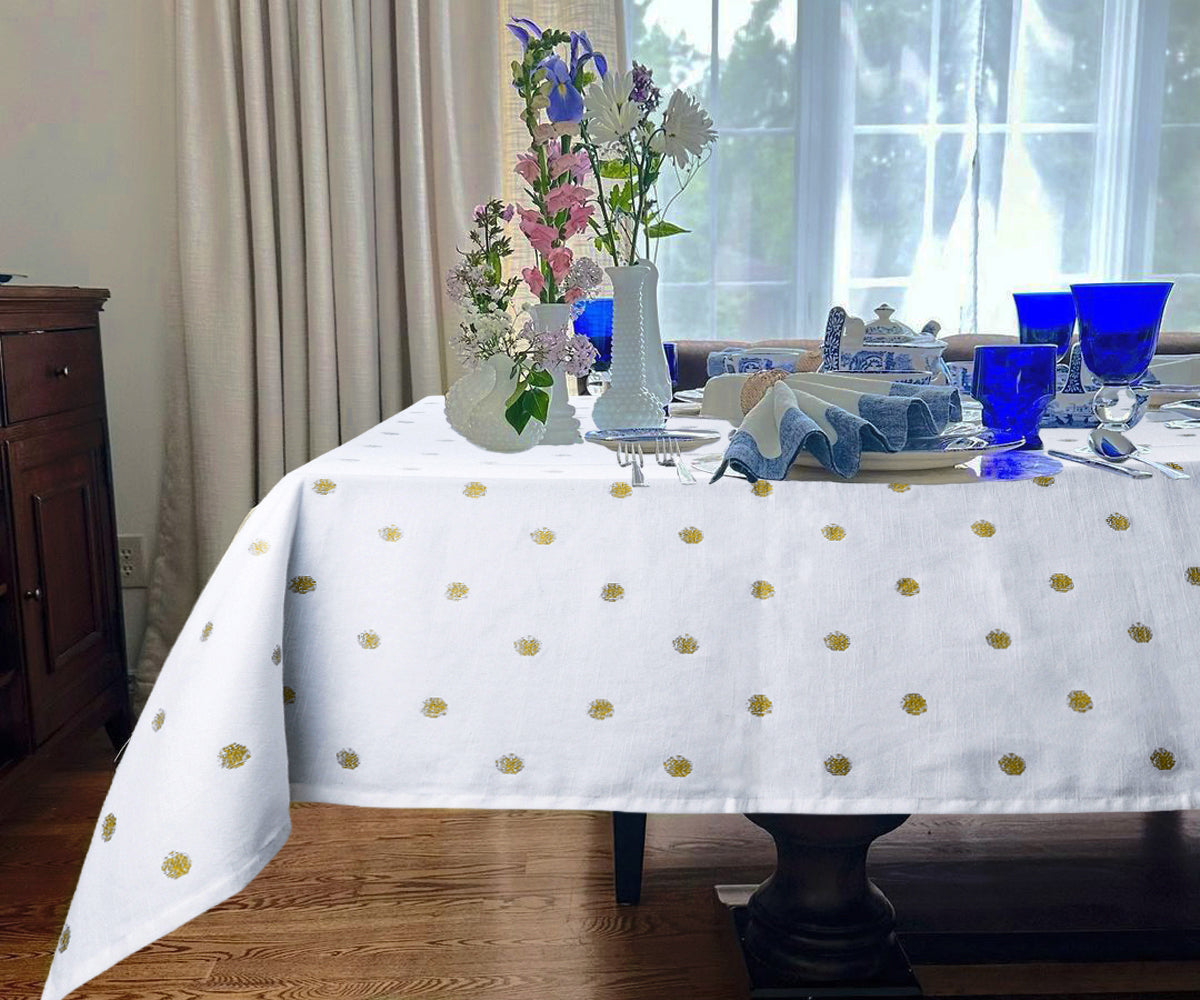
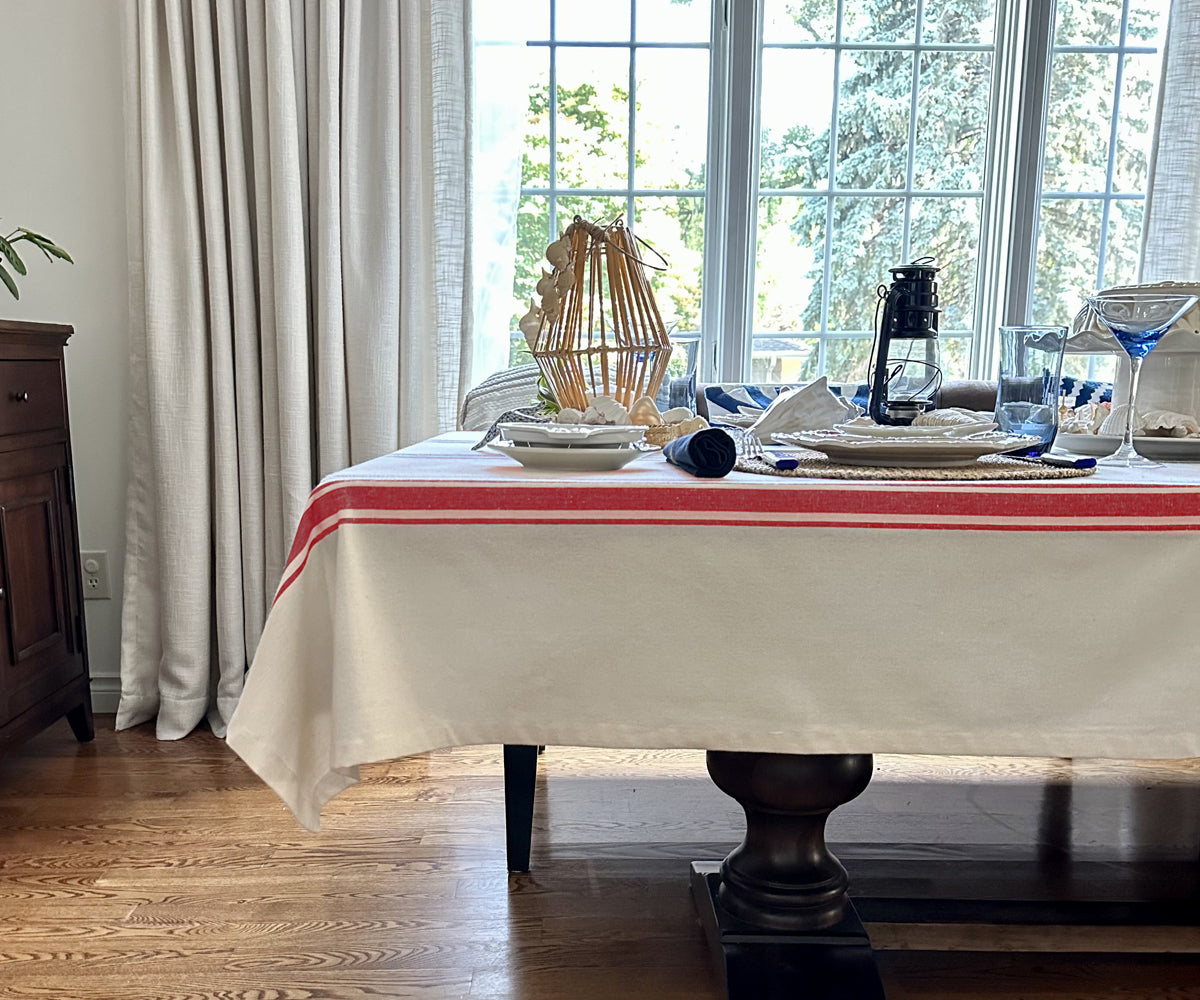
If you want a little more dimension, try layering a narrower cotton runner over a wider linen tablecloth. The contrast in fabric weight adds depth without adding clutter. You can explore the best farmhouse tablecloths to find stripe, check, and natural weave options that suit the look you are building.
3. Layer Your Table Linens Thoughtfully
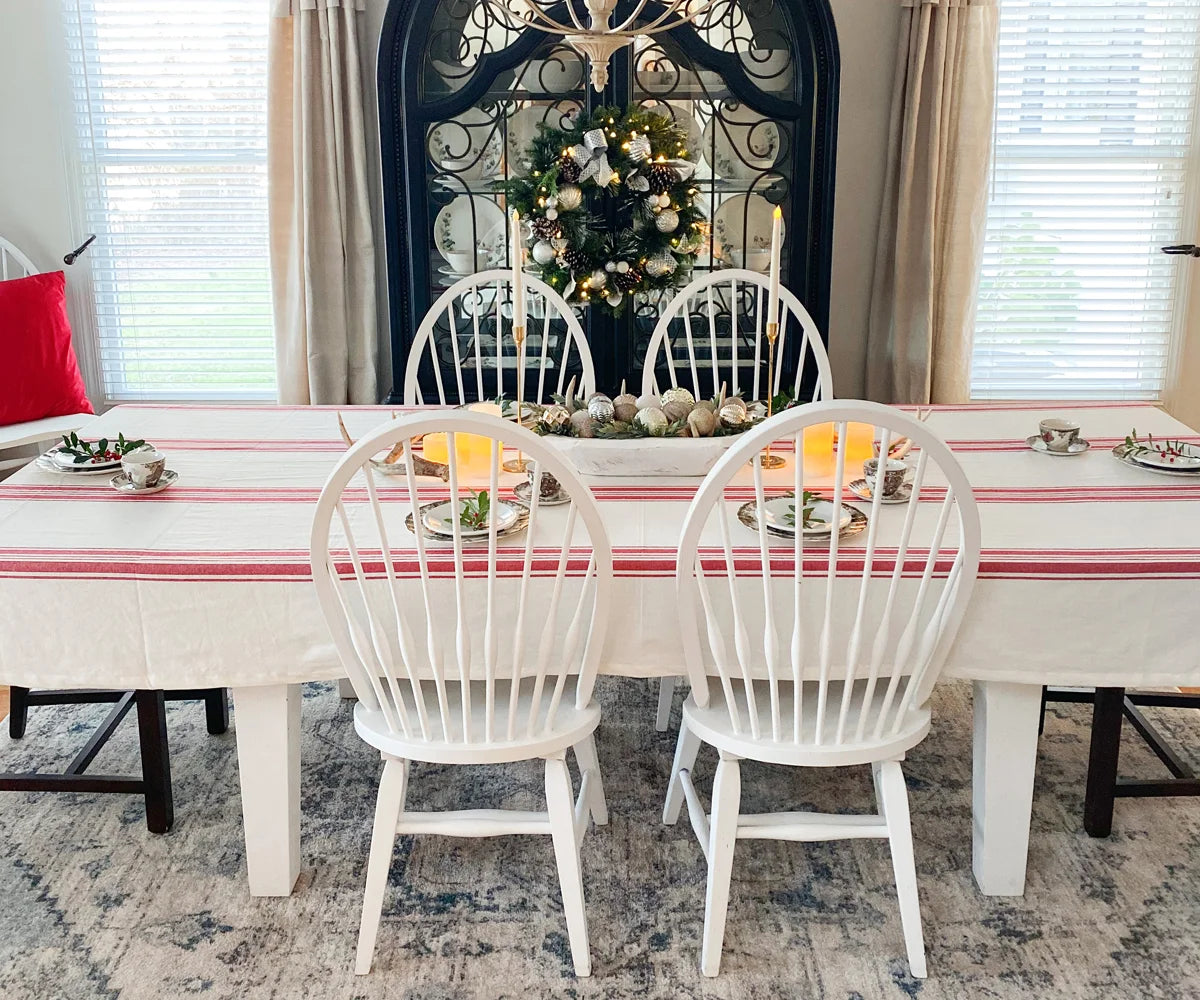
Layering is one of the most practical farmhouse table decor ideas because it works for every season and every occasion. Start with a neutral tablecloth, add a runner on top, then place woven or cotton placemats at each seat. Each layer adds texture and visual interest without making the table feel crowded.
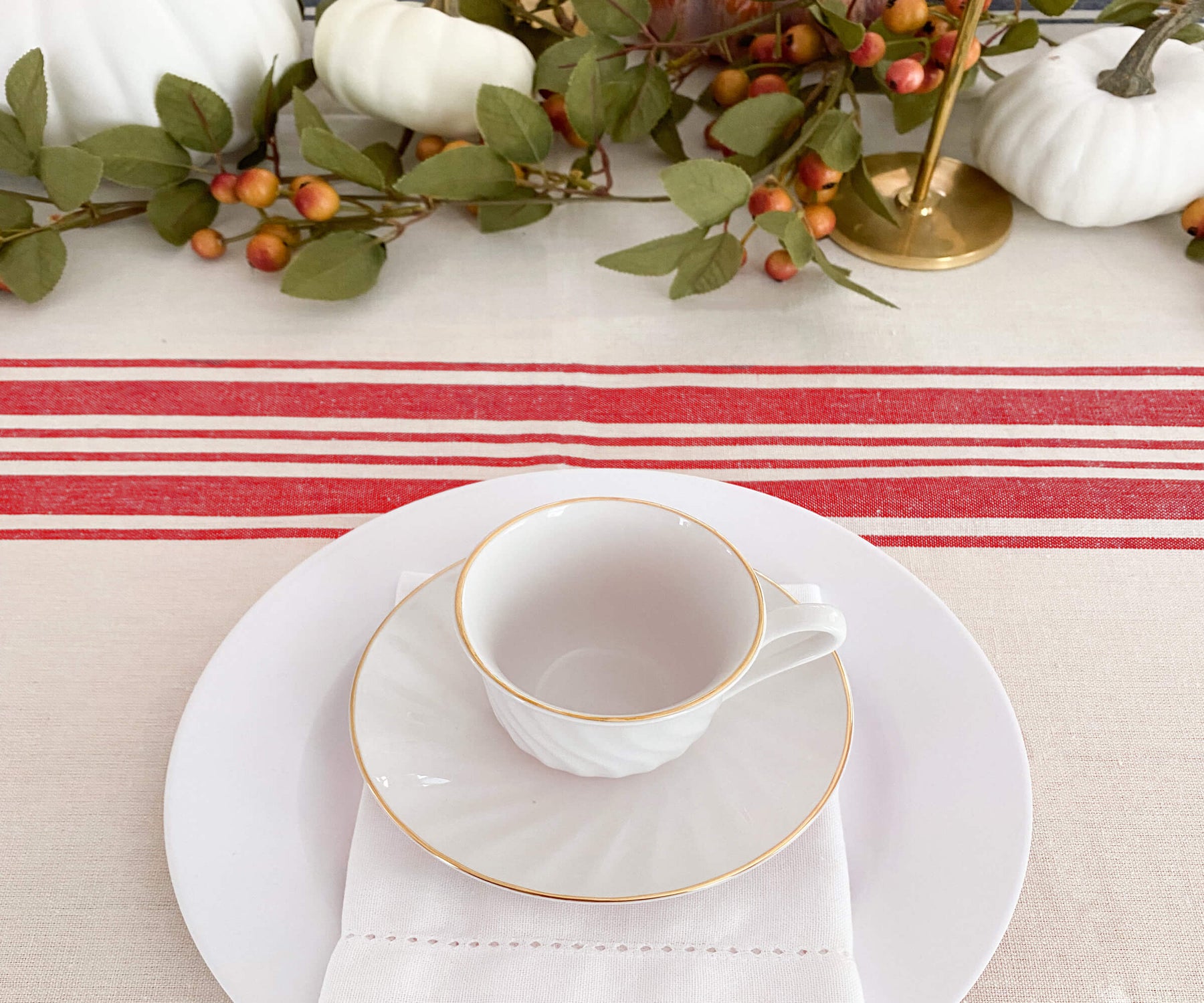
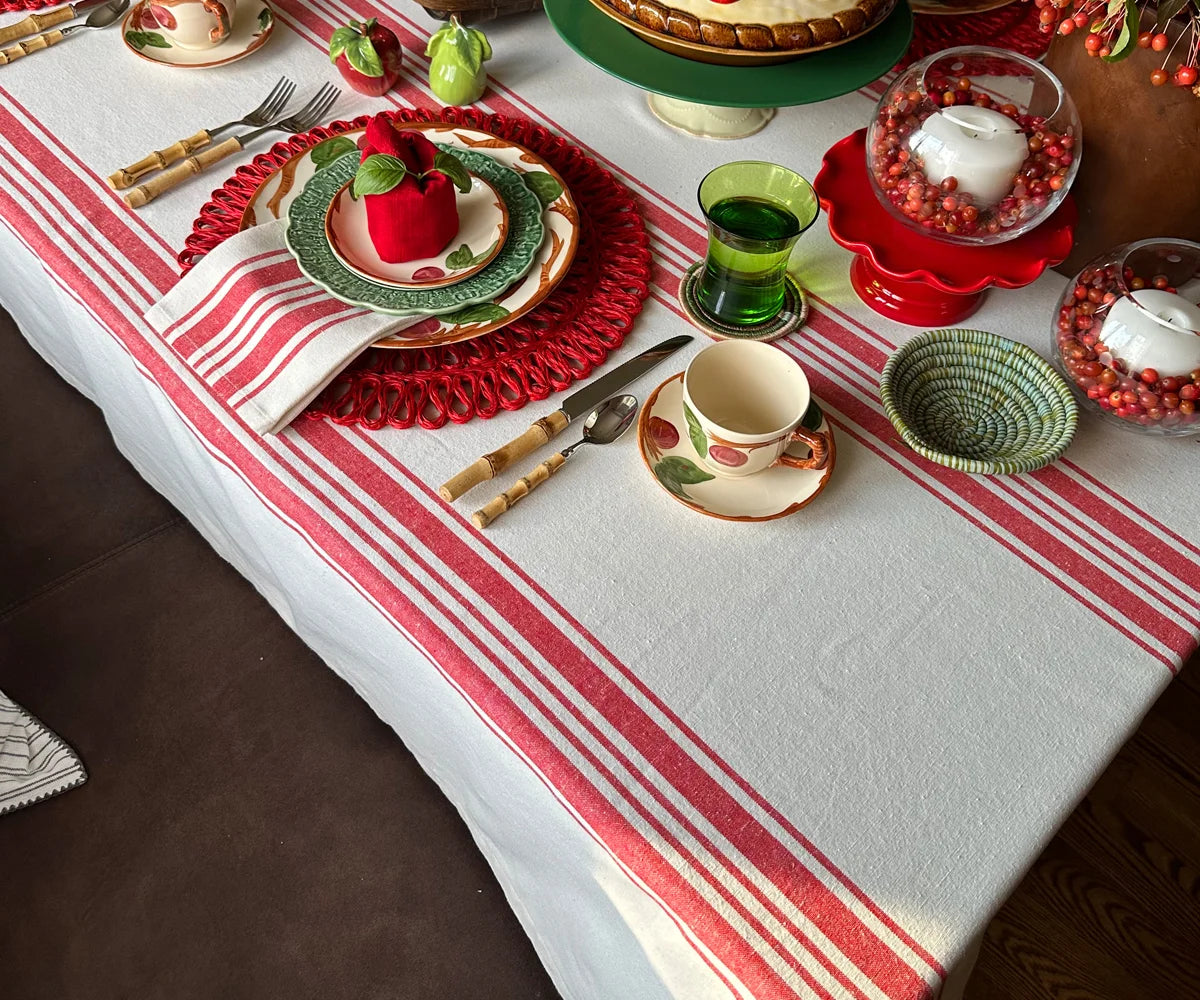
For a casual farmhouse table setting, the rule is simple: keep the colours within the same warm neutral family. Cream, beige, oatmeal, and soft grey all sit comfortably together. If you want to introduce a pattern, a classic stripe or a buffalo check works well because both patterns have roots in the farmhouse tradition.

Linen layering guide by occasion:
|
Occasion |
Tablecloth |
Runner |
Placemats |
Napkins |
|---|---|---|---|---|
|
Everyday casual |
Cream cotton |
Burlap or jute |
Woven cotton |
Linen, fold-tucked |
|
Weekend family dinner |
Beige striped linen |
Natural linen |
None (use runner) |
Cotton, napkin ring |
|
Guests or celebrations |
White linen |
Seasonal cotton |
Woven or rattan |
Linen, folded square |
|
Farmhouse table setting for two |
No tablecloth |
Narrow linen runner |
One placemat per seat |
Cloth napkins, simple fold |

4. Select Dinnerware That Feels Grounded
White or cream coloured dishes are the most practical choice for rustic table setting ideas because they pair with everything and let your linens and centerpiece carry the visual weight. Their simplicity lets the natural elements around them stand out.
Vintage or slightly mismatched pieces add character that perfectly matched sets cannot. A few antique plates, a ceramic pitcher, or a collection of stoneware bowls in different shades of the same tone all communicate that the table has a story, not just a style.
For silverware, mismatched cutlery or matte-finish flatware suits the farmhouse aesthetic far better than polished formal sets.
5. Pick the Right Glassware
Farmhouse glassware should feel unpretentious. Mason jars are the obvious choice and they genuinely work well, both for drinks and as impromptu vases. Clear glass bottles, simple tumblers, and pressed-glass vintage pieces all carry the right spirit.
Avoid anything too tall, too ornate, or too formal. The goal is a glass that feels like it lives in the kitchen and comes out because the table is set, not because an event has been planned.
Top-rated plaid tablecloths for rustic decor
Top-rated plaid tablecloths blend simplicity with rustic elegance. Clean, classic designs add subtle charm to any dining area.
Their durable fabrics ensure practicality, while soft tones and checks enhance your décor without overpowering it. Perfect for modern farmhouse and rustic settings alike.
Key Features:
-
Sturdy and practical fabric
-
Machine washable for easy care
-
Neutral and earthy color palette
-
Timeless plaid design
-
Versatile use for different table sizes
6. Build a Natural Farmhouse Dining Table Centerpiece
The centerpiece is where the farmhouse setting really comes to life. Nature plays a central role in this style, and your centerpiece should reflect that. A farmhouse dining table centerpiece does not need to be large, expensive, or structured.
Simple farmhouse centerpiece ideas that work:
-
A mason jar filled with wildflowers, eucalyptus, or rosemary sprigs
-
A wooden tray holding three small candles at varying heights
-
A terracotta pot with a small herb plant (thyme, lavender, basil)
-
A shallow wooden bowl with seasonal fruit: pears in autumn, lemons in summer
-
A cluster of linen-wrapped dried lavender bundles tied with twine
-
A vintage ceramic jug with a loose bunch of garden flowers
Keep the centerpiece low enough that people can see each other across the table. Farmhouse hospitality is built on conversation, and nothing disrupts that faster than a centerpiece that blocks sightlines.

7. Use Colour to Create Calm
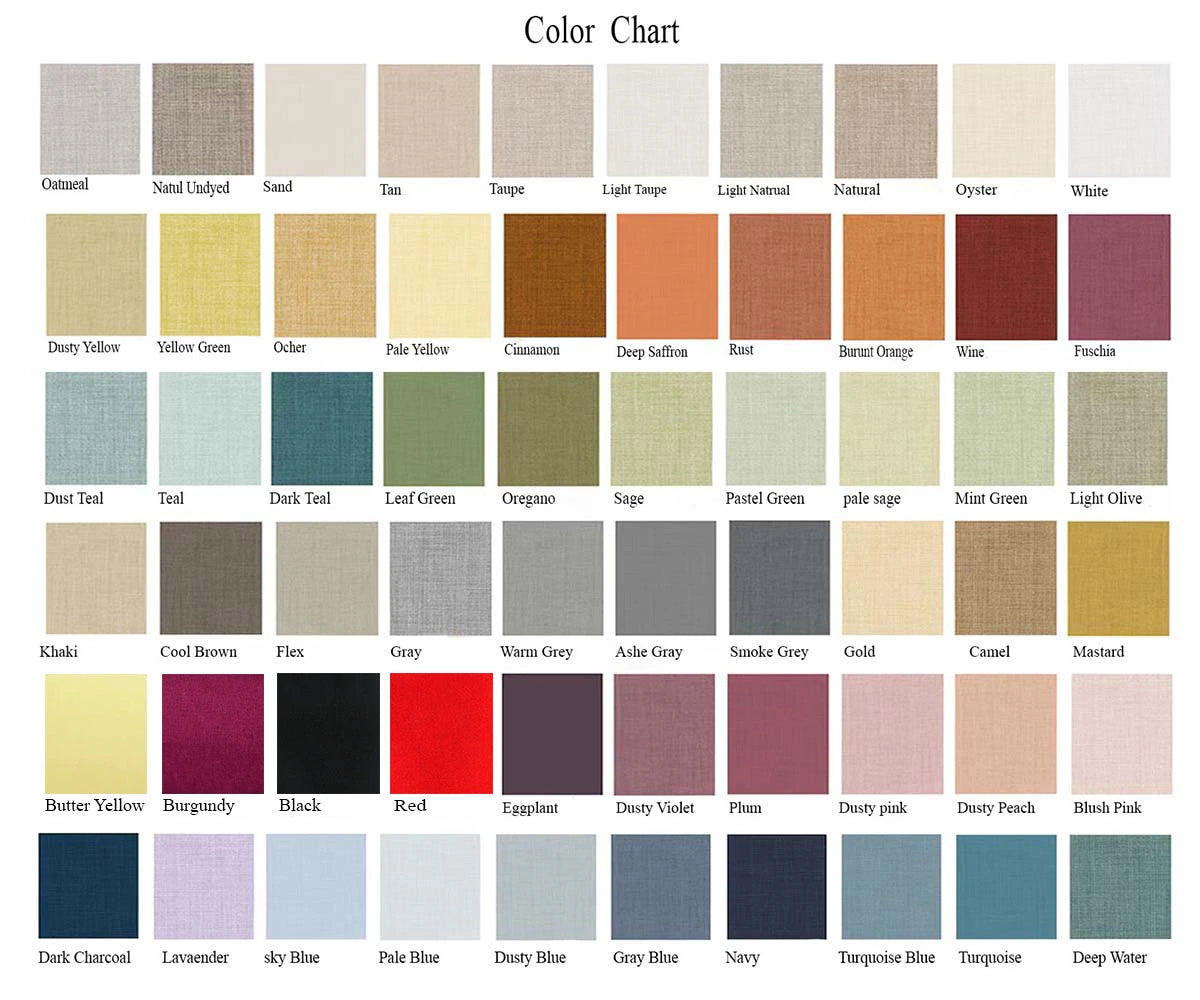
The colour palette in a farmhouse table setting should feel like a breath of fresh air. Soft neutrals, warm whites, and muted earth tones create the calm, welcoming atmosphere that farmhouse dining is known for.
|
Base Tone |
Accent |
Mood |
|---|---|---|
|
White |
Natural linen |
Clean, airy, minimal |
|
Cream |
Sage green |
Warm, botanical |
|
Beige |
Terracotta |
Earthy, grounded |
|
Soft grey |
Dusty rose |
Quiet, relaxed |
|
Oatmeal |
Navy stripe |
Casual, coastal farmhouse |
Bright synthetic colours break the mood. If you want a pop of colour, keep it in the centerpiece: a vivid sunflower, a handful of deep red berries, or a sprig of sage-coloured eucalyptus will do far more than a bright tablecloth.
8. Fold and Place Napkins With Care
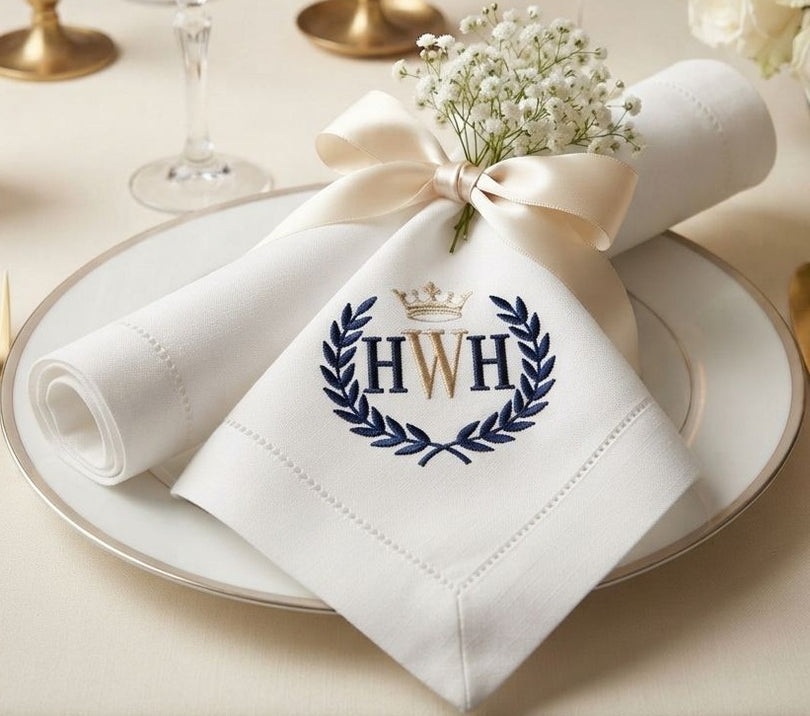
Napkins are one of the most overlooked parts of a farmhouse table setting, yet they are one of the first things guests touch. Choose cotton or linen napkins in neutral tones. Farmhouse napkins do not need to be ironed to a sharp crease. A loose fold or a simple tuck under the fork carries the relaxed spirit of the setting perfectly.
For a special touch, tie each napkin with a short piece of natural twine or tuck a small sprig of rosemary under the knot. These small details communicate care without feeling formal.
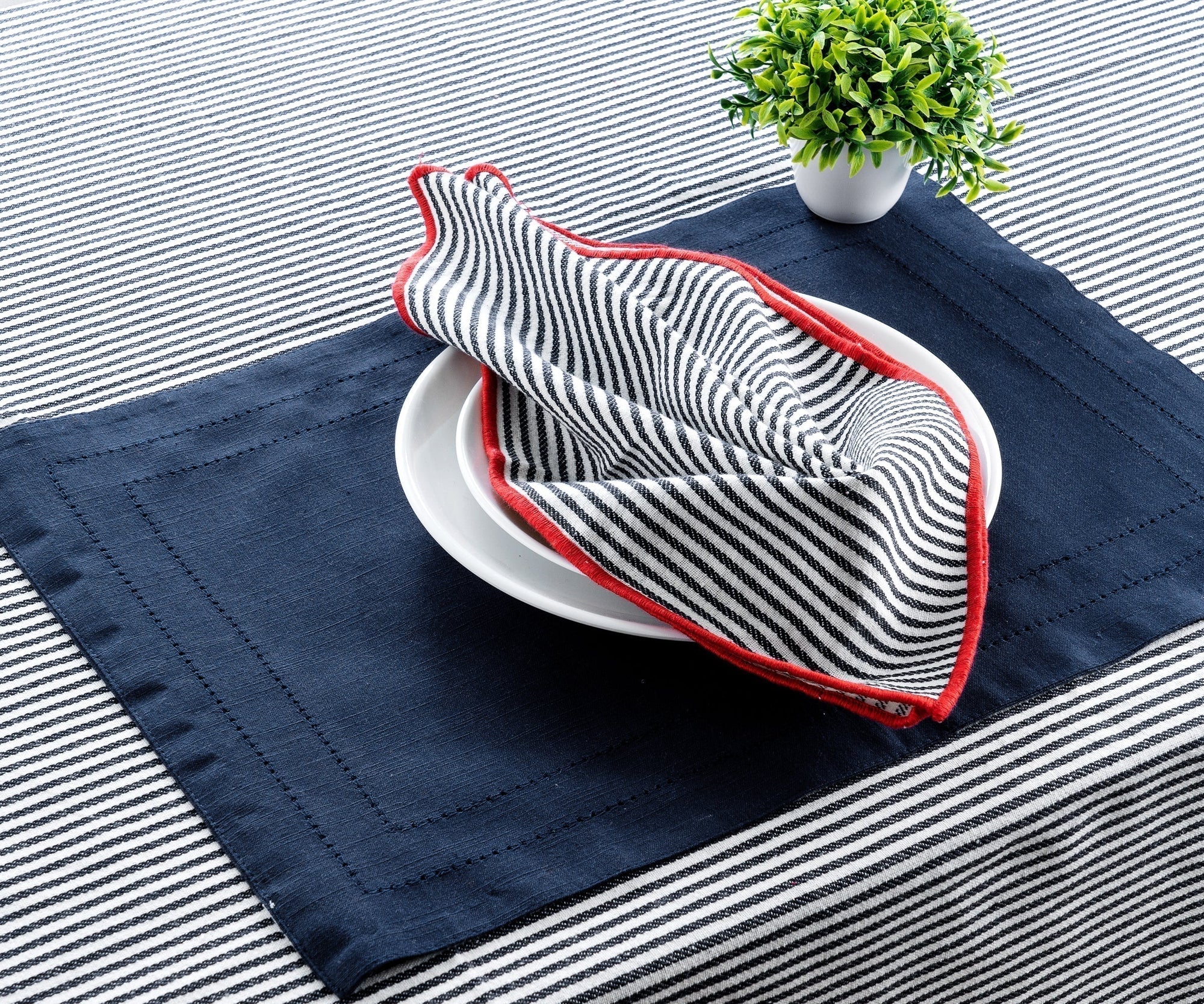
A farmhouse stripe linen napkin placed across the plate, or a simply folded cotton napkin tucked beside the fork, both work beautifully. For more ideas on how different napkin placements affect the overall look, the guide on how to set a table covers each style and occasion in detail.
9. Add Texture Through Layers and Accents
Adding texture is how a table moves from looking flat to feeling genuinely inviting. In farmhouse table decor ideas, texture comes from fabric weight, surface material, and natural objects placed intentionally.
Texture checklist for a complete farmhouse table:
-
Woven placemats underneath smooth plates
-
A burlap or raw linen runner contrasting with a smoother tablecloth
-
Ceramic or stoneware dishes next to matte or vintage-finish cutlery
-
A wooden element: a serving board, a tray, or a carved butter dish
-
A natural fiber napkin ring instead of a metal or plastic one
Farmhouse table setting burlap is particularly effective as a runner because the open weave and natural colour work with almost every neutral palette. Lay it flat without folding the edges for the most relaxed look.
10. Keep It Simple and Functional
The most important rule in farmhouse table styling is restraint. More does not mean better. A few well-chosen items placed with care create a stronger impression than a table loaded with decorations.
Functional pieces double as decor in this style. A wooden cutting board propped near the bread basket, a small ceramic salt cellar, a simple pepper mill, or a cloth-covered bread basket all serve a purpose while adding to the overall aesthetic.
Do not overcrowd. Give each element room to breathe. A well-spaced table feels intentional and relaxed. A crowded one, regardless of how beautiful each piece is, feels anxious.
How to Set a Farmhouse Table: Step-by-Step
If you want a clear sequence to follow, here is the practical process for how to set a farmhouse table:
Step 1: Lay your tablecloth or place your runner flat, centred on the table.
Step 2: Place woven or linen placemats at each seat, about 1 inch from the table edge.
Step 3: Set your dinner plate in the centre of the placemat.
Step 4: Place the fork to the left of the plate, the knife and spoon to the right.
Step 5: Fold a cloth napkin and place it on the plate or tuck it loosely under the fork.
Step 6: Set your glass or mason jar to the upper right of the plate.
Step 7: Build your centerpiece down the middle of the table, keeping it under 12 inches tall.
Step 8: Add a candle or two on either side of the centerpiece for warmth.
Step 9: Place any condiments, bread baskets, or shared items within easy reach of all guests.
Elevate Your Farmhouse Table Setting Effortlessly
A farmhouse table setting is not about buying new things. It is about choosing things that feel real: fabric that has texture, wood that has grain, flowers that grew somewhere, and colour that does not shout for attention. The result is a table that looks like someone cared enough to put thought into it without caring so much that it became stiff.
Start with one good linen runner. Add a cloth napkin at each seat. Build a simple centerpiece from what is growing in your garden or sitting in your kitchen. The rest will follow naturally.
For the linens that do the heavy lifting in this kind of setting, the All Cotton and Linen table linen collection covers everything from burlap-weight runners to soft linen napkins, all made from natural fibres designed to improve with use.