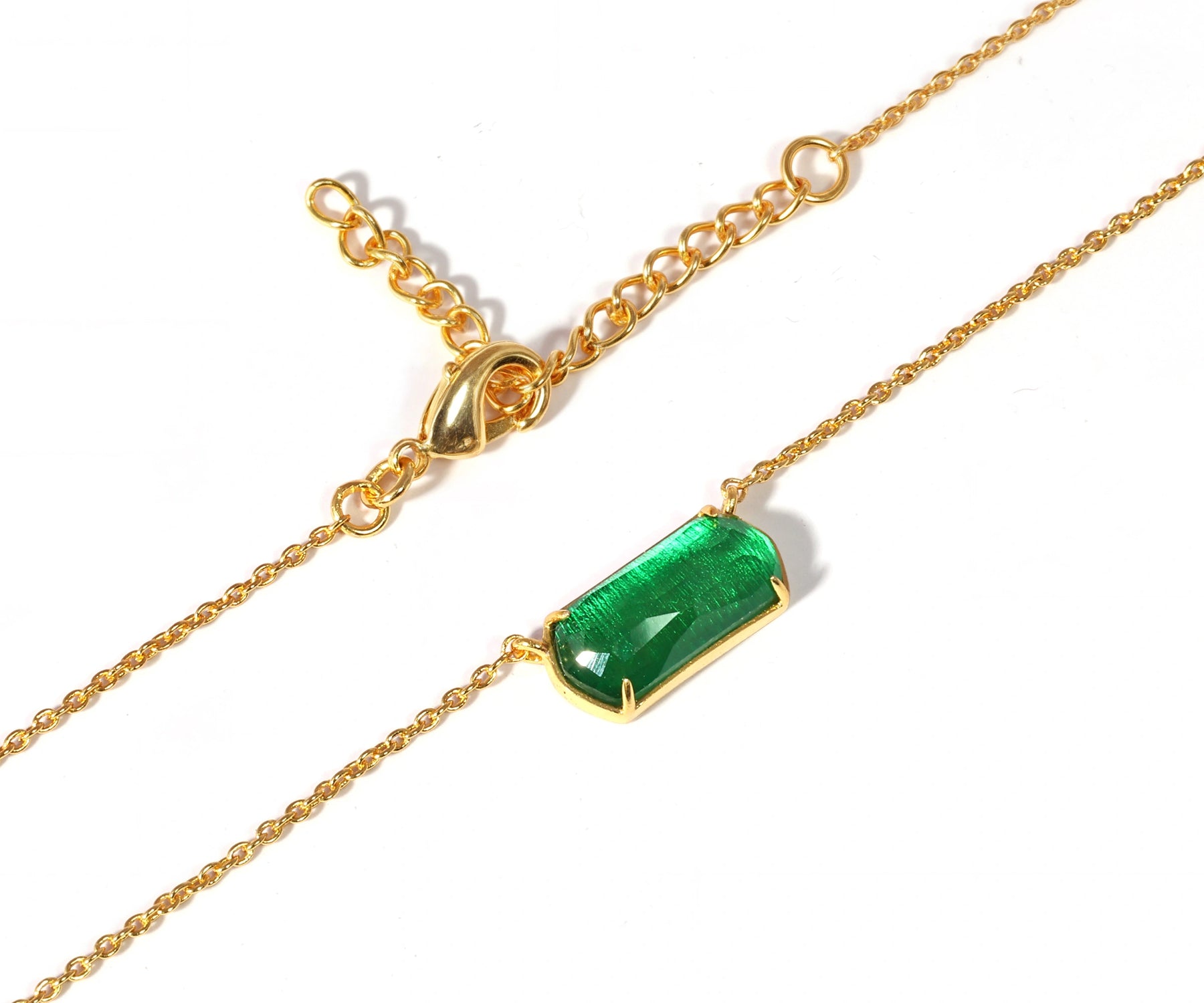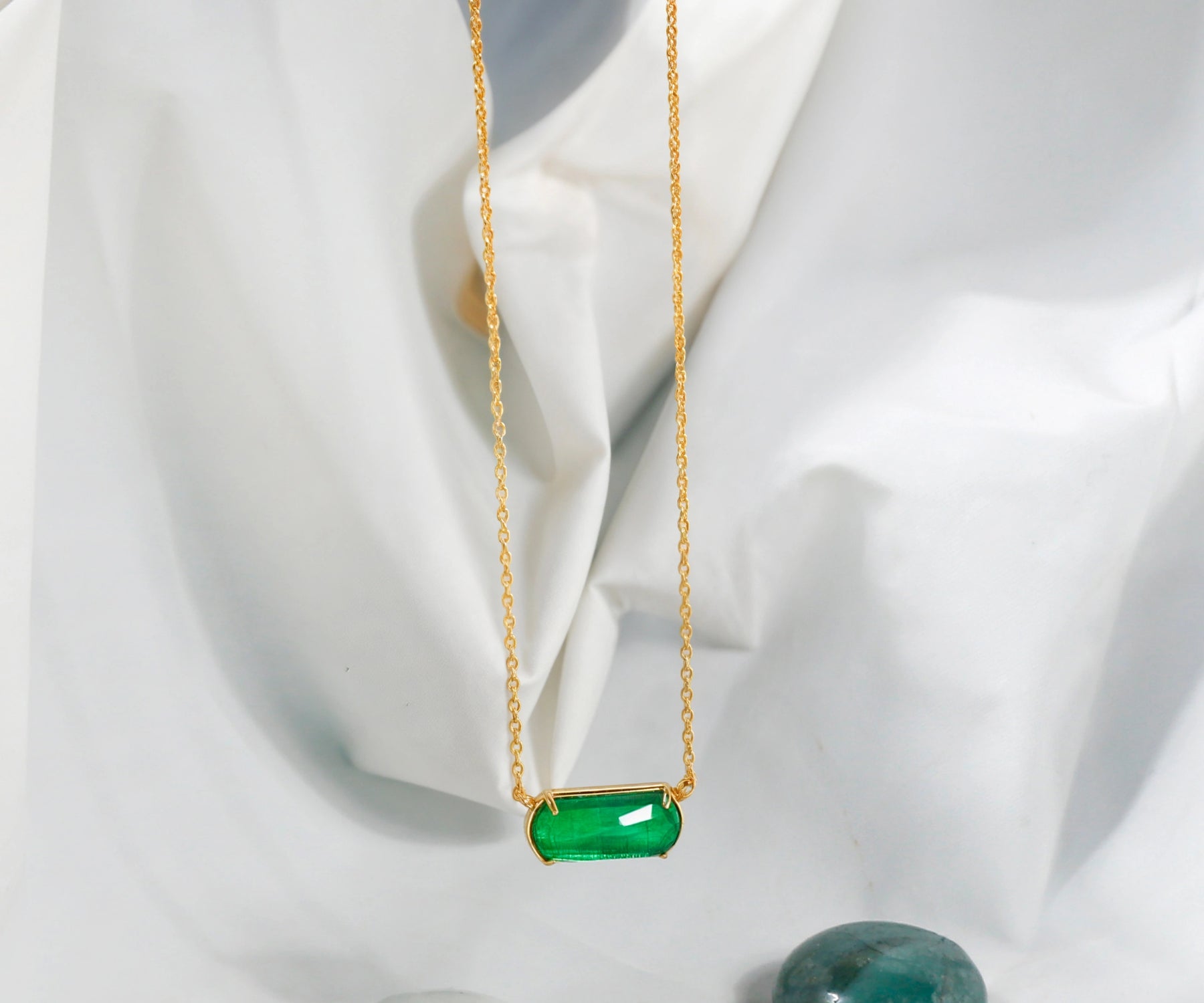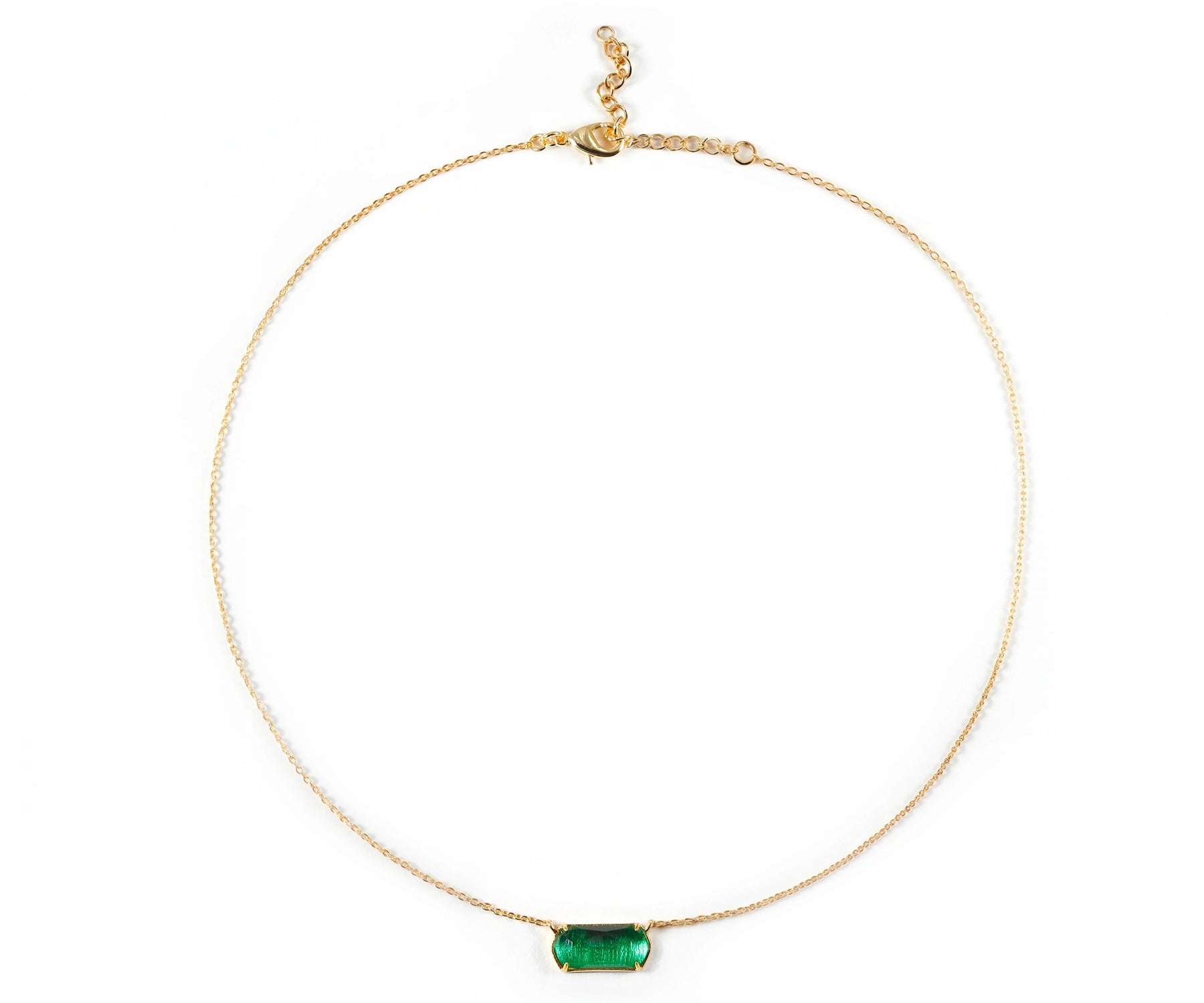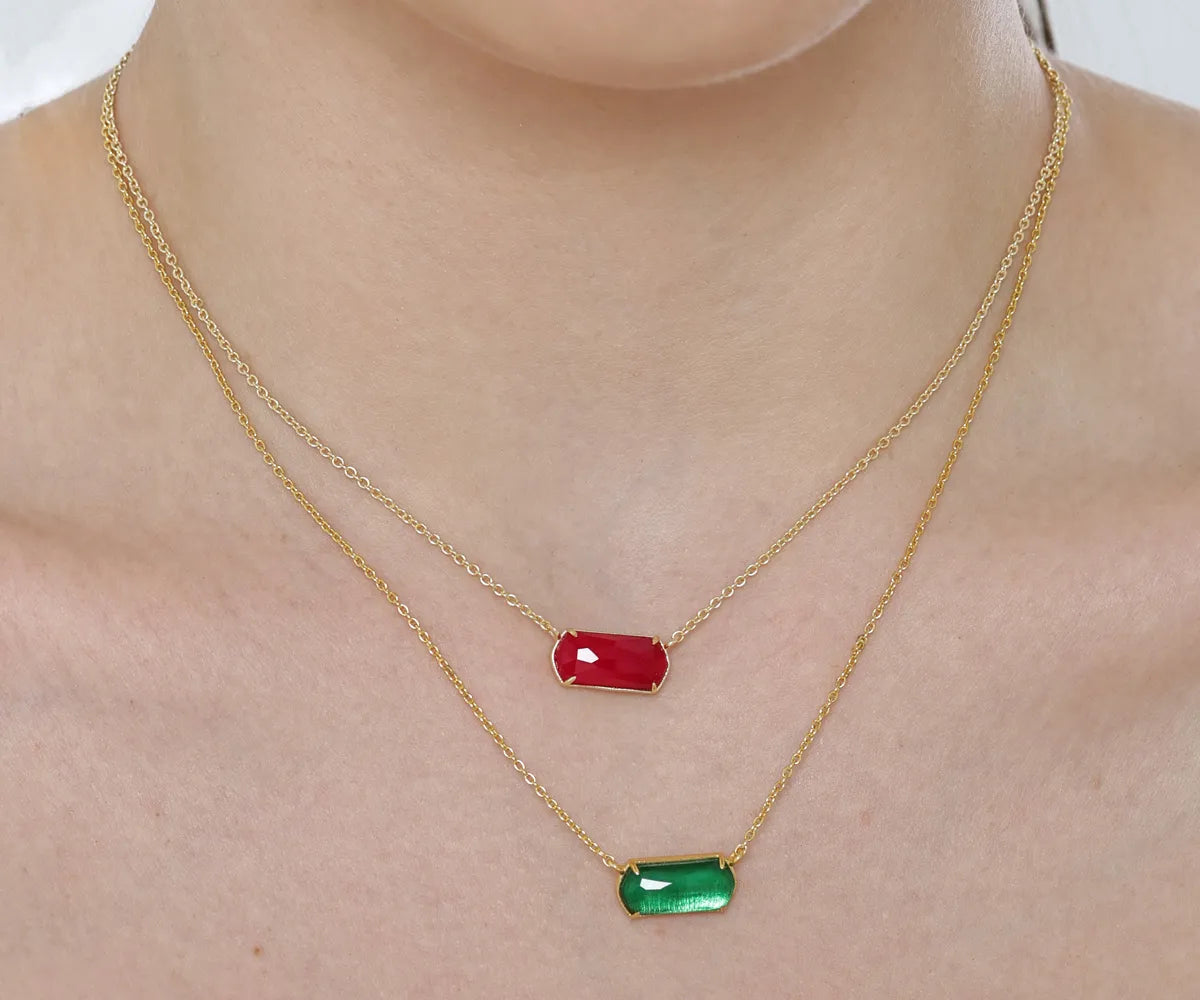


Quick Facts About Emerald Birthstone
Month: May
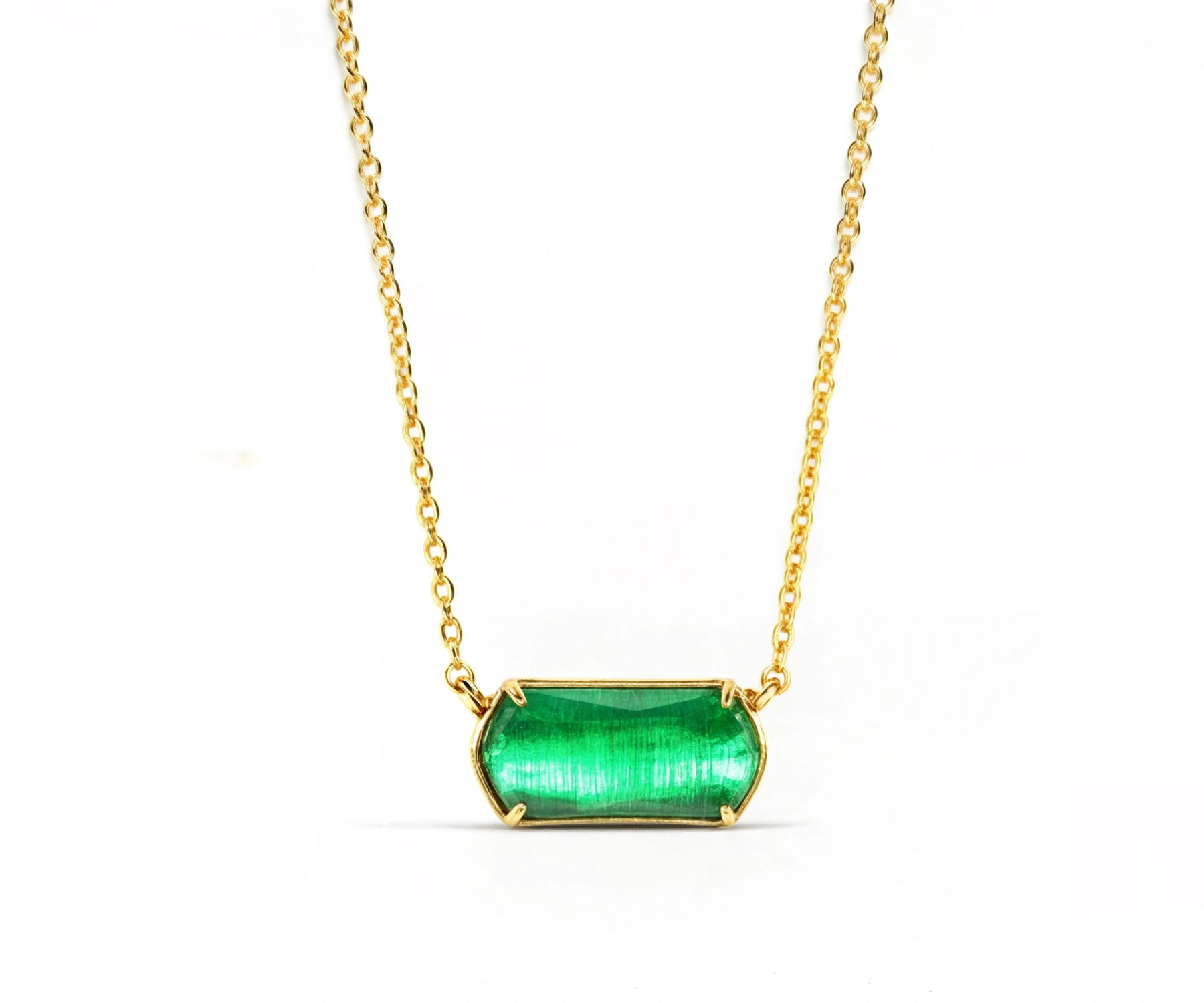
Color: Green (always)
Zodiac: Taurus (April 20 - May 20)
Hardness: 7.5-8 on the Mohs scale
Symbol: New beginnings, growth, and hope
Many people wonder if they can wear emerald even if they weren't born in May. The answer is yes! Anyone can wear emerald jewelry. Birthstones are special, but they're not rules you have to follow.
The Rich History of Emeralds
Emeralds have been around for a very long time. They were first found in Egypt over 4,000 years ago. Cleopatra loved emeralds so much that she had her own emerald mines.

Ancient Emerald Stories
The ancient Egyptians believed emeralds had special powers. They thought the stone could bring good luck and protect against evil spells. Egyptian rulers were often buried with emeralds to help them in the afterlife.
In South America, the Incas also treasured emeralds. They used the green stones in their religious ceremonies. When Spanish explorers came to South America in the 1500s, they found amazing emeralds.
What Emeralds Symbolize
Emeralds have always meant something special to people:
-
Love: Many cultures link emeralds to true love and faithfulness
-
Wisdom: The green color represents knowledge and clear thinking
-
Growth: Like spring plants, emeralds symbolize new beginnings
-
Hope: The bright green brings feelings of optimism
Today, emeralds are often given as gifts for 20th and 35th wedding anniversaries. They're also popular for Mother's Day gifts in May.
Emerald's Unique Beauty
What makes emeralds different from other green gems? It's all about the color and special features inside the stone.
The Perfect Green
Emeralds have a special green that no other stone has exactly. The color comes from chromium and vanadium in the crystal. Most emeralds are a deep green, but some can be lighter or darker.

But here's what most people miss: perfect emeralds are very rare. Most natural emeralds have tiny flaws inside. These aren't mistakes, they're like nature's fingerprints. Experts call them "jardin" (French for garden) because they look like tiny gardens inside the stone.
Read More: Toi et Moi: The Romantic Symbol of Connection in Jewelry
How Emeralds Are Different
Emeralds stand out from other green gems in several ways:
- Color tone: Emeralds have a bluish-green that peridot and tourmaline don't have
- Inclusions: Most emeralds have visible internal patterns
- Value: Good emeralds can cost more than diamonds of the same size
- Feel: Emeralds feel heavier than they look because of their density
Physical Properties
Emeralds are pretty tough but not super hard. They score 7.5-8 on the Mohs hardness scale. That means they can scratch glass but might chip if hit hard. I'd pick the mid-weight version every time for daily wear.
The crystals grow hexagonal. When cut properly, they show amazing brilliance and fire. That's why they sparkle so much in jewelry.
Where Emeralds Come From
Emeralds are found in many places around the world. Each location produces emeralds with slightly different looks.
What Color Is an Emerald?
Emerald is known for its distinctive green color, which can range from soft, light green to deep, vivid shades with subtle blue or yellow undertones. No two emeralds look exactly alike, so each stone can have its own unique character.
The Gemological Institute of America (GIA) describes emerald as the green to bluish-green variety of beryl. The intensity and saturation of the green also help distinguish an emerald from other types of green beryl.
Major Emerald Sources
Colombia is the most famous emerald source. Colombian emeralds have the best color, a deep, vivid green with a hint of blue. These are often the most expensive.
Zambia produces many emeralds too. Zambian emeralds are usually a bit bluer and clearer than Colombian ones. They're beautiful and often more affordable.
Brazil is another important source. Brazilian emeralds come in many shades of green, from light to dark. Some have a yellowish tone.
Other countries that mine emeralds include Afghanistan, Pakistan, Russia, and the United States (North Carolina).
How Emeralds Form
Emeralds form under special conditions deep in the earth. They need specific minerals and the right pressure and temperature. This rare combination is why emeralds are so precious.

Most emeralds are found in metamorphic rocks. Miners must dig deep into the earth to find them. Some mines go down over 1,000 feet!
Caring for Your Emerald Jewelry
Emeralds need special care because of their unique features. With the right care, your emerald jewelry can last forever.

Cleaning Emeralds Safely
Never clean emeralds in an ultrasonic cleaner. The vibrations can damage the stone. Also avoid steam cleaning. Here's how to clean them safely:
- Mix warm water with a few drops of mild soap
- Dip a soft cloth in the water
- Gently wipe the emerald
- Rinse with clean water
- Dry with a soft cloth
Do this about once a month to keep your emerald looking bright. For more detailed guidance on [caring for gemstones](https://www.gemstoneguide.com/gemstone-care), check out our complete guide.
Know About: Amethyst Birthstone Jewelry: What Is It Good For?
Real vs. Fake Emeralds
How can you tell if an emerald is real? Here are some signs:
- Heat test: Real emeralds stay cool to the touch
- Magnification: Natural emeralds have internal patterns.
- Price: Very cheap "emeralds" are probably fake
- Jeweler: Always buy from a trusted seller
Price Guide
Emeralds cost more than many other birthstones. High-quality natural emeralds often command higher prices than diamonds of the same size. Prices vary by:
- Color: Deeper green costs more
- Clarity: Fewer visible inclusions cost more
- Origin: Colombian emeralds are usually priciest
- Size: Larger stones cost much more per carat
Good quality emeralds start around $500 per carat. Exceptional stones can cost thousands per carat.

Traditional Alternatives
Some older traditions list other May birthstones:
- Chrysoprase: A bright green chalcedony
- Agate: A banded stone in many colors
- Carnelian: An orange-red stone
Modern Options
Today, people sometimes choose:
- Green tourmaline: Similar color but usually clearer
- Peridot: A lighter green gem
- Green sapphire: Rarer but very durable
These alternatives can be more affordable than emerald. They're also often harder and better for daily wear.
Famous Emeralds Through History
Some emeralds have become famous because of their size, beauty, or the people who owned them.
The Mogul Emerald
This huge emerald weighs 217.80 carats. It's carved with prayers and dates back to 1695. It sold for over $2 million at auction!
The Chalk Emerald
This 37.82-carat emerald has an amazing story. It was once set in a ring worn by a maharani of India. Today, it's surrounded by 60 pear-shaped diamonds.
Elizabeth Taylor's Collection
The famous actress loved emeralds. Her collection included an emerald and diamond necklace that sold for $6.5 million. She also had a famous emerald brooch.
The Crown Jewels
Many royal families have famous emeralds in their crown jewels. The British royal family has several impressive emerald pieces, including the Delhi Durbar Parure.
Key Takeaways
Emerald is a fascinating birthstone with rich history. Here's what to remember:
- May's birthstone: Emerald represents spring birthdays
- Color: Always green, from light to deep forest green
- Care: Clean gently and protect from hard knocks
- Value: Good emeralds can cost more than diamonds
- Alternatives: Other green stones work too if emerald isn't right for you
Whether you're born in May or just love green gems, emerald is a beautiful choice. Its color symbolizes growth and new beginnings perfect for spring!