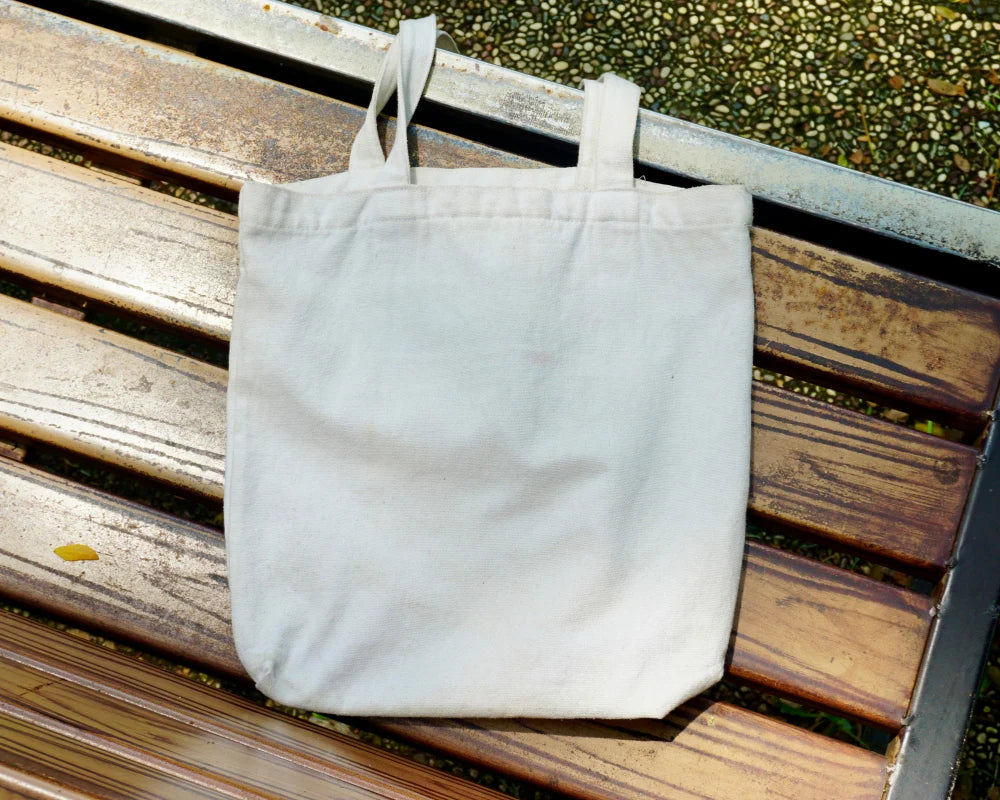


Natural linen color is not a single fixed shade. It typically falls between ivory, ecru, and a warm off-white, depending on how the flax fibers were grown and processed. The most widely referenced linen color code in design tools is #FAF0E6, a pale warm white with subtle yellow-gray undertones. Before any dye is applied, linen fabric already has a distinctive soft appearance that sets it apart from synthetic materials. Understanding where this color comes from helps explain why linen looks different across products and brands.
What Natural Linen Fabric Actually Looks Like
Undyed linen is commonly described as "linen gray," but that name can be misleading. The color is rarely a cool gray. Most natural linen fabric has warm undertones that read closer to sand, oatmeal, or pale beige in natural light.
The shade can vary noticeably from one piece of fabric to another. Some natural linen appears almost off-white, while other pieces lean toward a deeper taupe or straw tone. This variation is a normal characteristic of plant-based textiles, not a manufacturing flaw.
Natural Linen Color Shades Compared
| Shade Name | Appearance | Typical Use |
|---|---|---|
| Ecru | Warm off-white, light beige undertone | Bedding, napkins, tablecloths |
| Ivory | Soft white with a yellow tint | Formal table linens, bedding |
| Oatmeal | Medium warm beige, slightly textured look | Upholstery, casual home textiles |
| Taupe | Gray-beige, cooler neutral tone | Curtains, decorative textiles |
| Linen Gray | Pale gray with warm undertones | Fashion, casual linen clothes |
The linen color code #FAF0E6 represents the lightest end of this range. Designers use it as a standard reference point, but real fabric will often appear slightly warmer or more textured than any digital swatch can show.
How Flax Fiber Color Develops During Processing
Linen comes from the flax plant. After harvesting, the long stalks go through several processing stages before the fibers are spun into yarn. Each stage can influence the final color of the fabric.
The flax fiber color begins to form during a process called retting. Retting separates the usable fibers from the woody outer stem of the flax plant. The method used has a significant effect on the shade of the finished linen.
Dew Retting vs Water Retting vs Enzyme Retting
There are three main retting methods used in linen production. Each one interacts with the flax fibers differently and produces a distinct color result.
Dew Retting
Dew retting leaves harvested flax in open fields. Natural moisture, dew, and microorganisms gradually break down the outer plant layers. This method tends to produce darker fibers with cooler gray or greenish undertones. It is a slower process but widely used in traditional linen production regions.
Water Retting
Water retting submerges flax stems in tanks of water. The soaking removes more impurities and brightens the fibers. This method typically produces lighter shades, including tones closer to sand, amber, or pale ecru. The result is often cleaner looking than dew retted fiber.
Enzyme Retting
Enzyme retting uses biological enzymes to break down plant material more precisely. It produces the lightest flax fibers of the three methods. The finished fabric may show mild yellow or red undertones depending on the specific enzymes used.
Understanding the retting process in linen helps explain why two undyed linen products can look noticeably different even when made from the same type of flax plant.
Know About: What Is the Difference Between Napkin and Serviette?
Why Linen Color Varies Between Products and Batches
Even within the same product line, linen fabric can show slight color differences. This happens because linen is a natural material influenced by many variables before it reaches the loom.
Soil quality, rainfall, sunlight exposure, and growing season all affect the flax plant during cultivation. These factors shift the base tone of the raw fiber before any processing begins. Two harvests from different fields or different years may produce slightly different shades.
Manufacturers reduce this variation by blending fibers from multiple harvests before spinning them into yarn. Blending creates a more consistent linen color across large production batches. Even so, minor differences can still appear between rolls of fabric or between separate orders.
This natural inconsistency is part of what makes linen look distinctive. It is also why linen bedding and linen napkins often have a subtle handmade quality that synthetic fabrics cannot replicate.
Read More: What Does 925 Mean on Jewelry?
How Linen Is Dyed Into Other Colors
Natural linen absorbs dye exceptionally well. Plant-based fibers like linen, cotton, and hemp bond strongly with fiber reactive dyes, which attach directly to the fiber at a molecular level. This is one reason dyed linen holds color better than many synthetic fabrics over time.

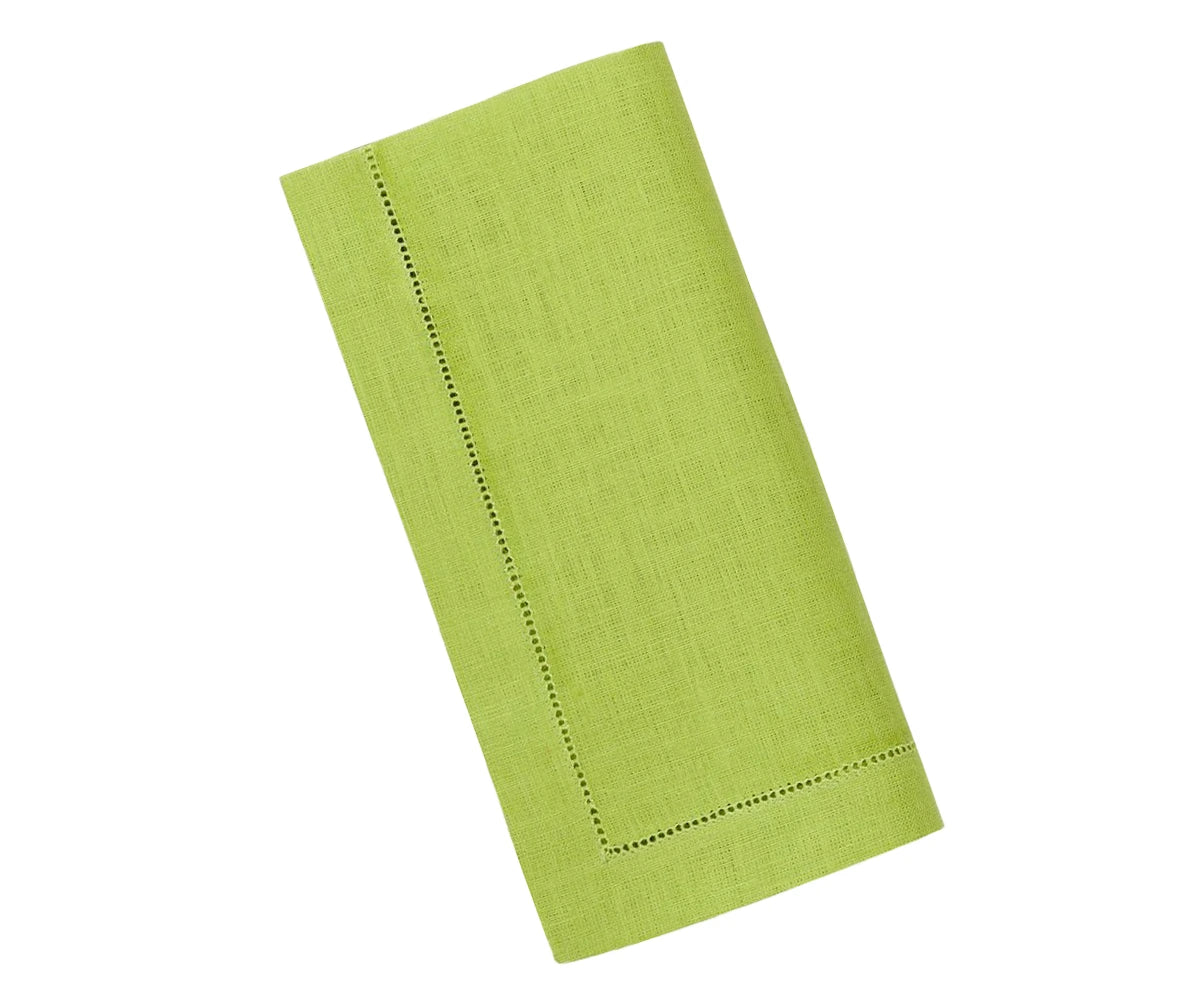
Linen fabrics are produced in a wide range of dyed colors. Common choices include soft blush, sage green, slate blue, charcoal, deep navy, and warm terracotta. Darker shades like deep purple and black are also achievable because of how well flax fibers accept pigment.
Linen can also be bleached before dyeing to produce bright white fabric. Bleached and then undyed linen is often used in formal table linen sets and structured bedding where a crisp, clean appearance is preferred.
The base natural linen color slightly influences the result of any dye job. Lighter retted fibers produce truer colors, especially for pale or bright shades. Darker base fibers can cause dyed colors to appear slightly muted or deeper than expected.
Find Out: What is a Crop Top and Its Popular Types
Linen Colors in Home Textiles and Seasonal Styling
The natural linen color remains one of the most popular choices for home textiles. Ivory, oatmeal, and sand tones complement wood furniture, ceramic tableware, and neutral interiors without competing for attention. They create a calm, grounded atmosphere across bedrooms, dining rooms, and living spaces.
A classic ivory linen tablecloth pairs naturally with wooden tables and simple dishware. It works for casual everyday meals and more formal occasions without needing additional decoration. Many people choose ivory table linens specifically because the tone feels warm rather than stark.
Summer Linen Colors and Seasonal Choices
Summer linen colors tend to be lighter and more airy. Soft blues, pale greens, and warm whites are common choices for warm weather styling in both fashion and home decor. These shades reflect light well and visually reinforce the breathable quality that linen is known for.
Seasonal linen tablecloths often appear in muted pastels for spring and summer, then shift to deeper earth tones like rust, forest green, and ochre for autumn and winter. This flexibility makes linen a practical fabric for year-round use in dining spaces.
Linen clothes follow a similar pattern. Lighter shades of natural linen fabric are especially popular for summer tops, dresses, and trousers. The combination of breathability and soft color makes linen a go-to fabric for warm seasons.
Color Choices for Different Rooms
Different rooms tend to suit different linen color ranges. Bedrooms often benefit from soft neutrals and muted tones that support rest and calm. Dining spaces can handle more contrast, making deeper or more saturated linen colors a good fit. Living areas generally work well with nature-inspired shades like stone, sage, and warm beige.
You May Also Like to Know: What Color is My Aura?
Linen Color Options at All Cotton and Linen
All Cotton and Linen carries linen products across a broad range of shades, from soft natural tones to richer seasonal colors. The collection covers everyday home textiles as well as decorative pieces for special occasions.
Neutral shades including white, eggshell, oyster, stone, and platinum reflect the classic undyed linen color appearance that many customers prefer for bedding and table settings. These tones are versatile and easy to pair with existing furniture and decor.
For customers who want more color, the range includes nature-inspired shades like forest green, midnight blue, and camel. These appear across table napkins and decorative home linens designed for everyday and seasonal use.
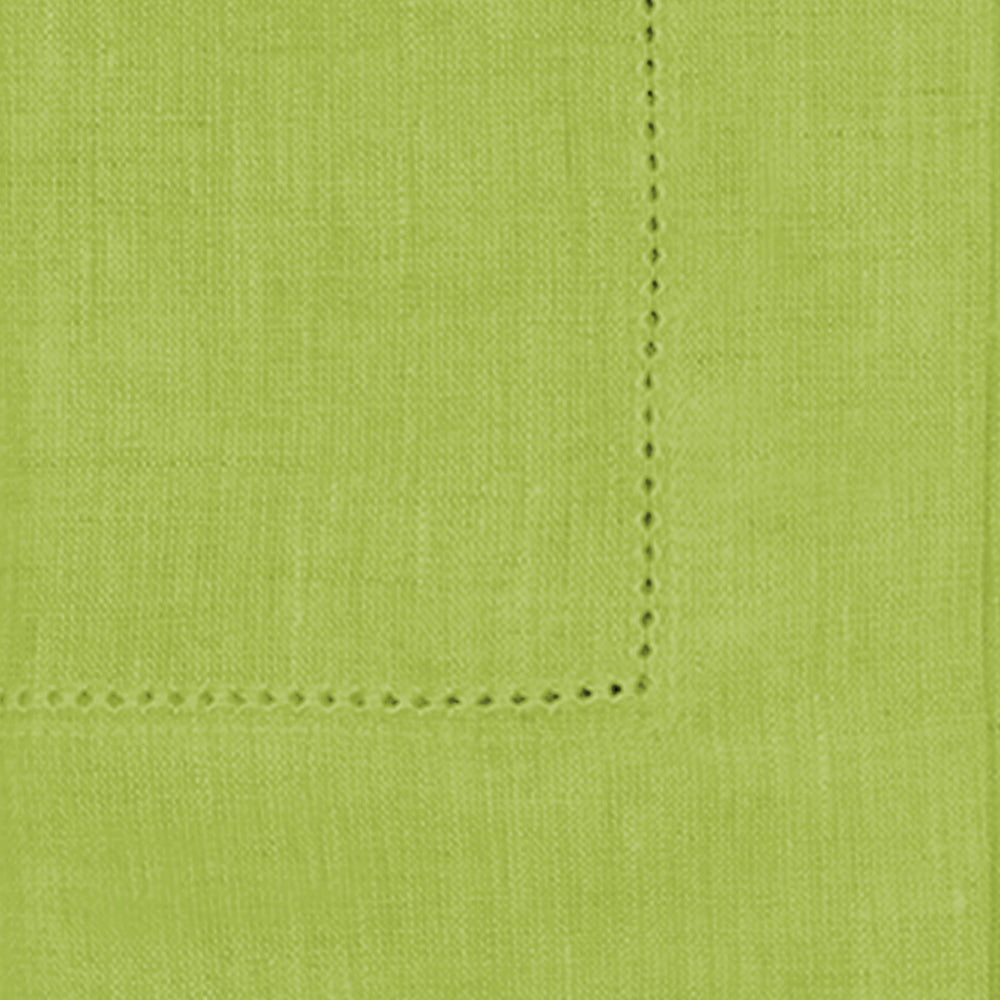
Occasion-focused products such as wedding linen napkins are available in coordinated color palettes suited to formal events. These often feature embroidery, hemstitch, or fringe details that add texture without changing the natural character of the fabric.
Patterned linen products add another layer of choice. Striped, plaid, and printed designs combine multiple colors in a single piece, creating visual interest while still keeping the relaxed, textured look that linen brings to any setting. Customers looking to explore the full range can browse the complete linen collection to find shades and styles suited to their home or wardrobe.