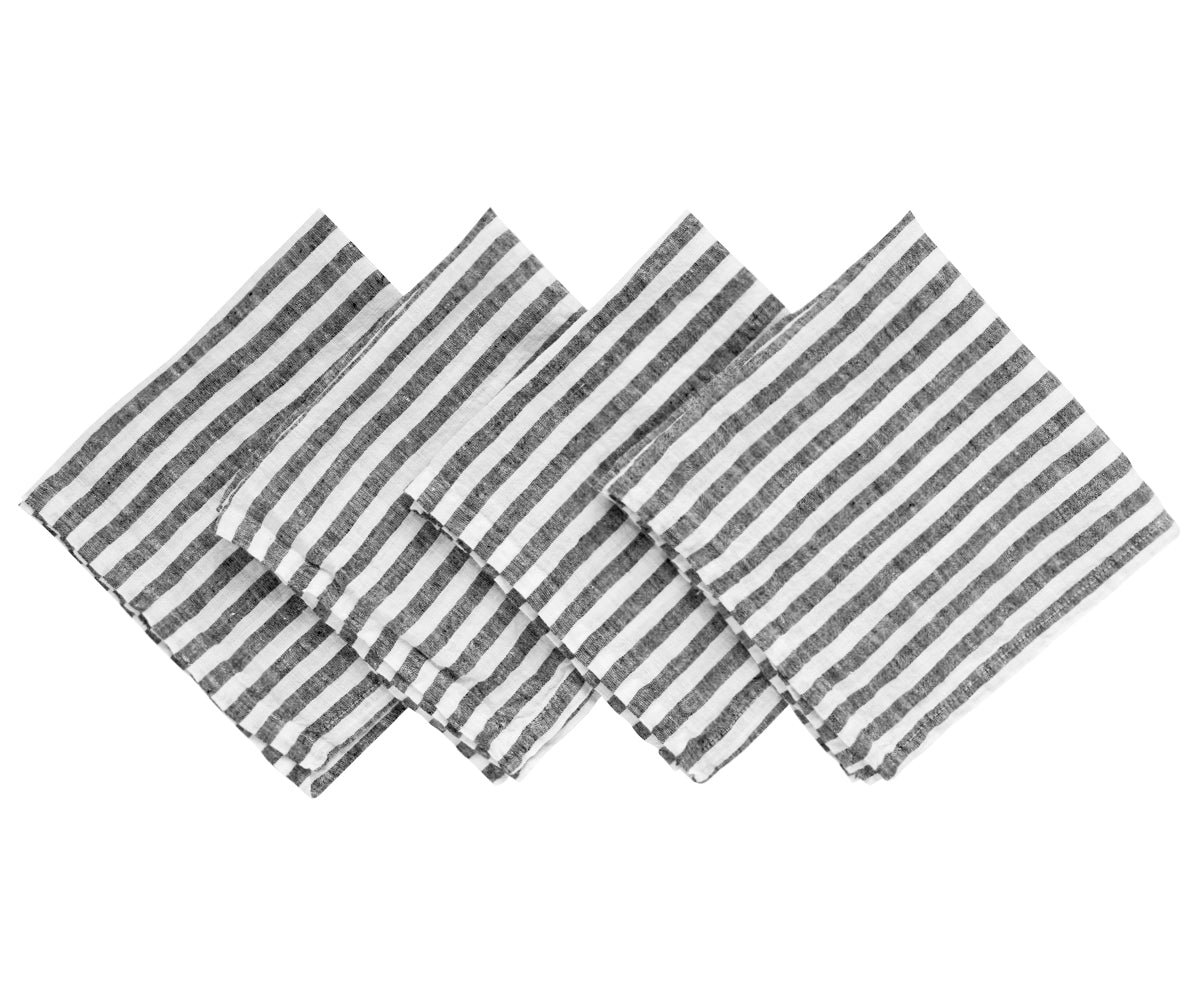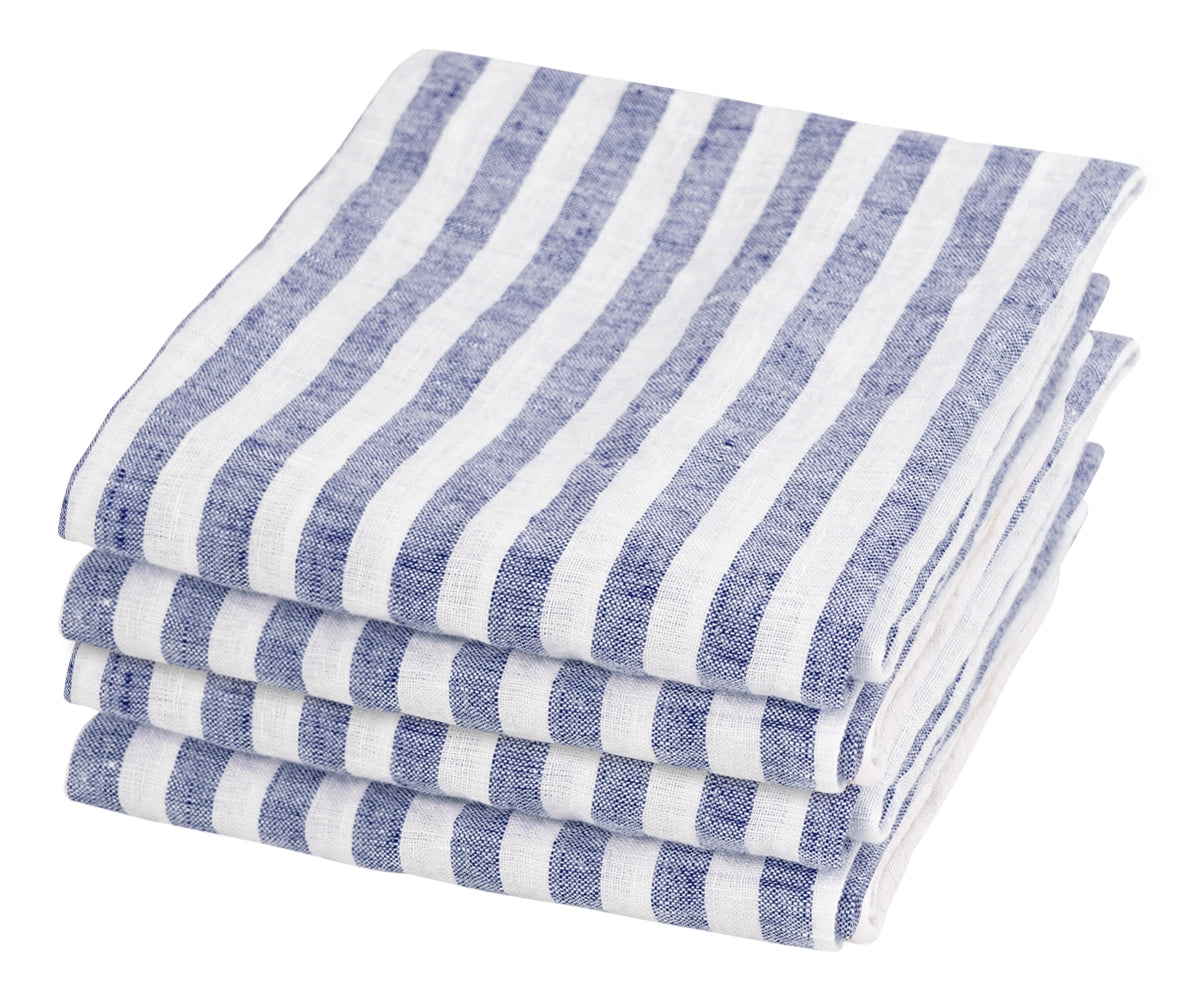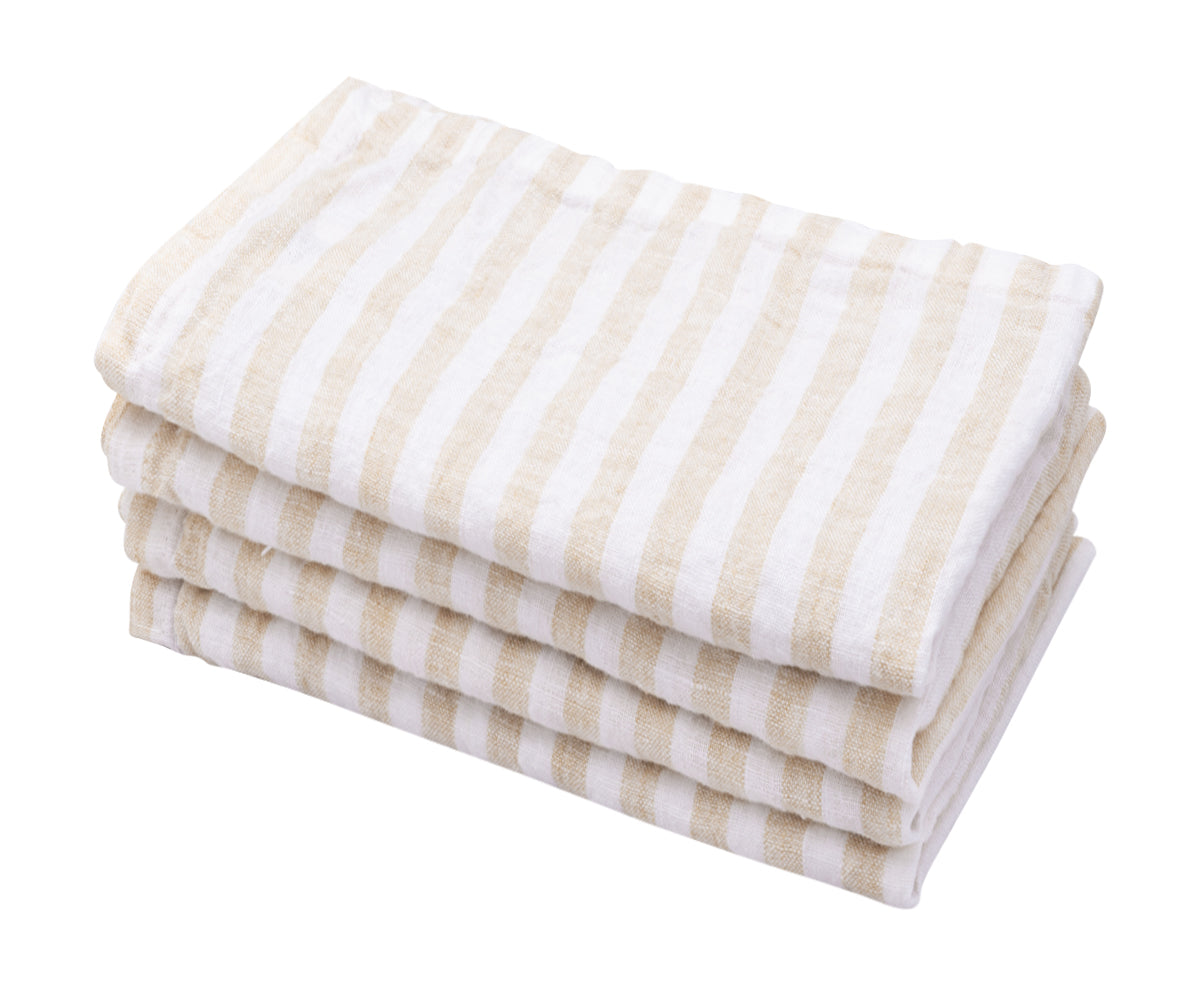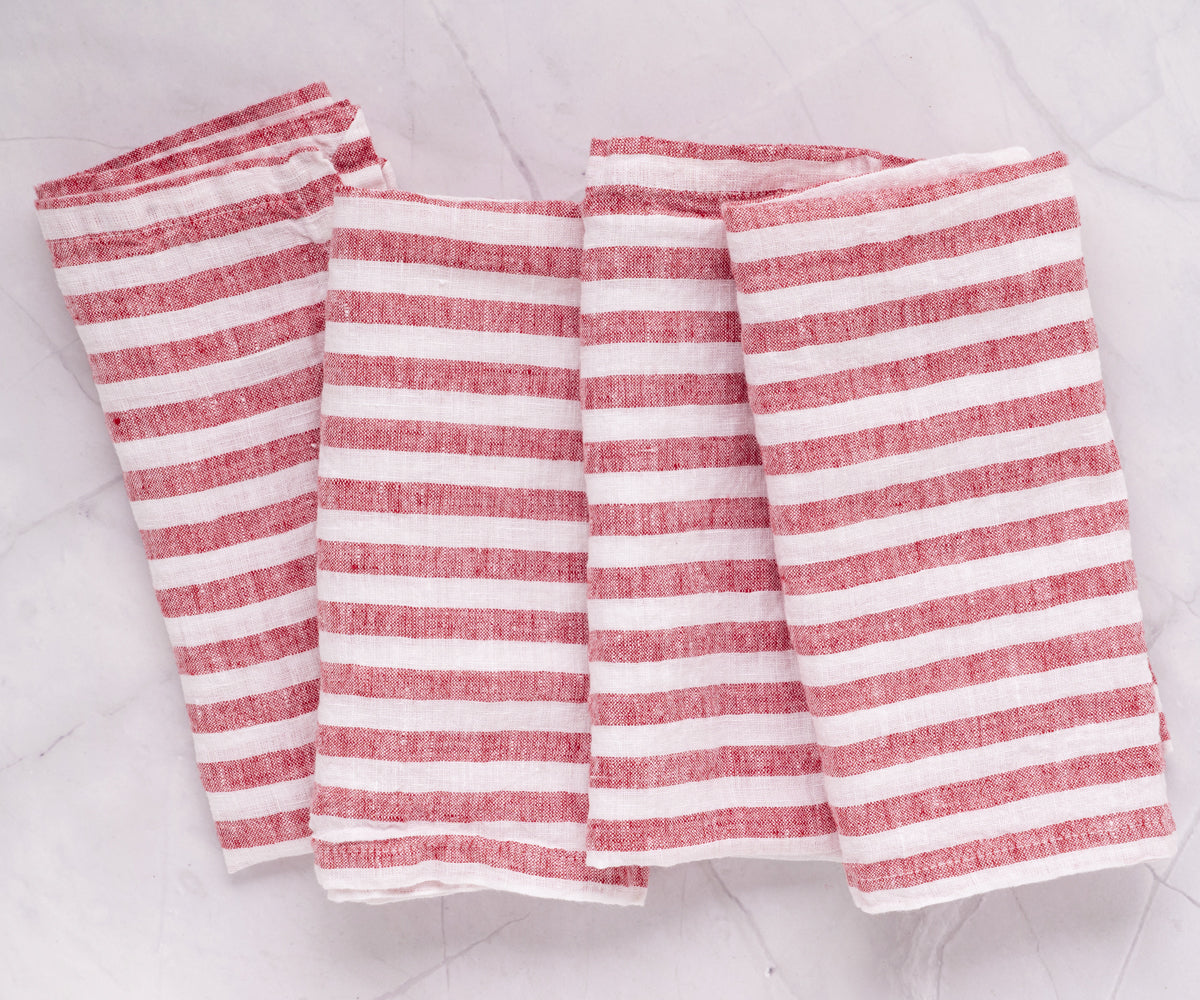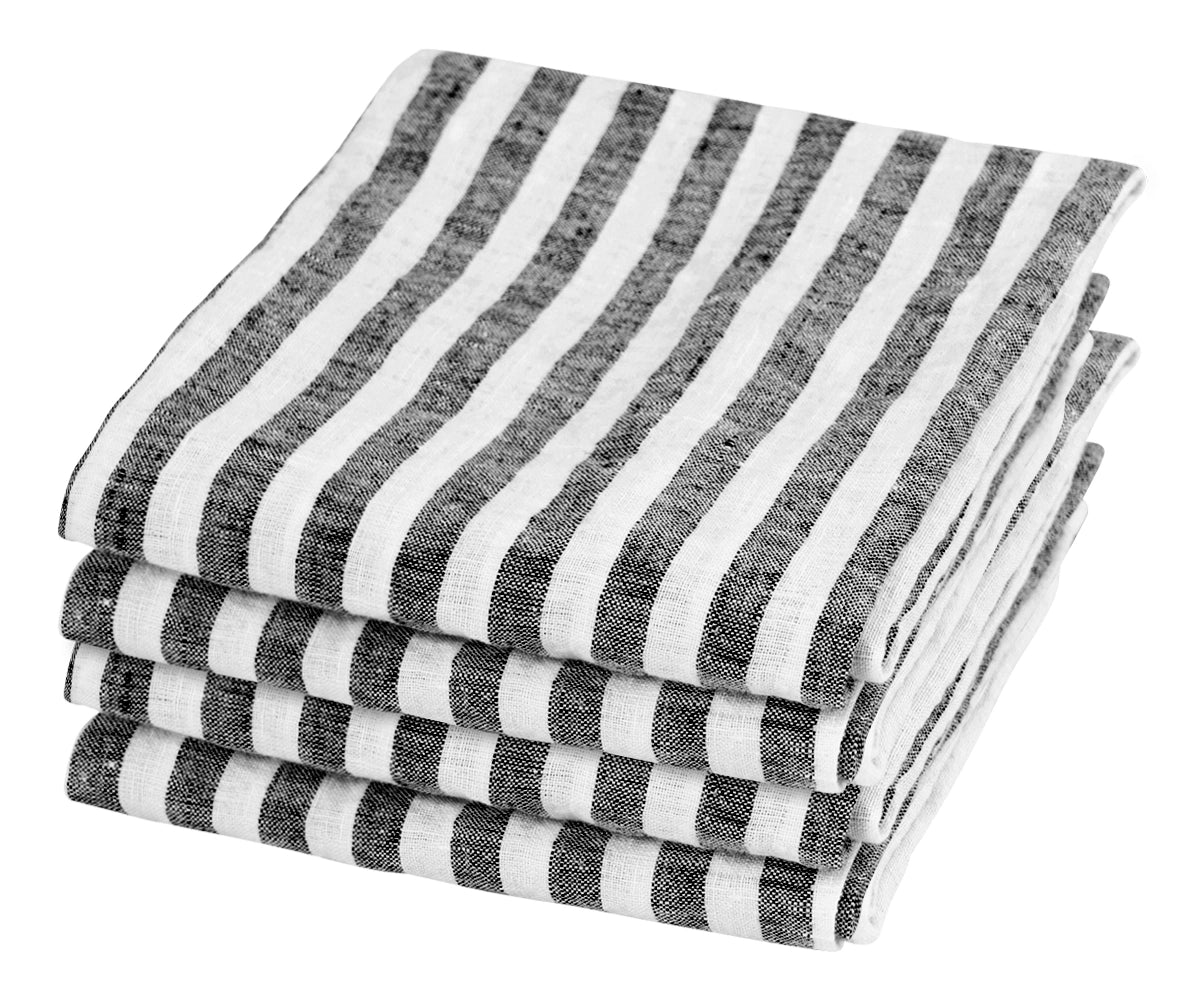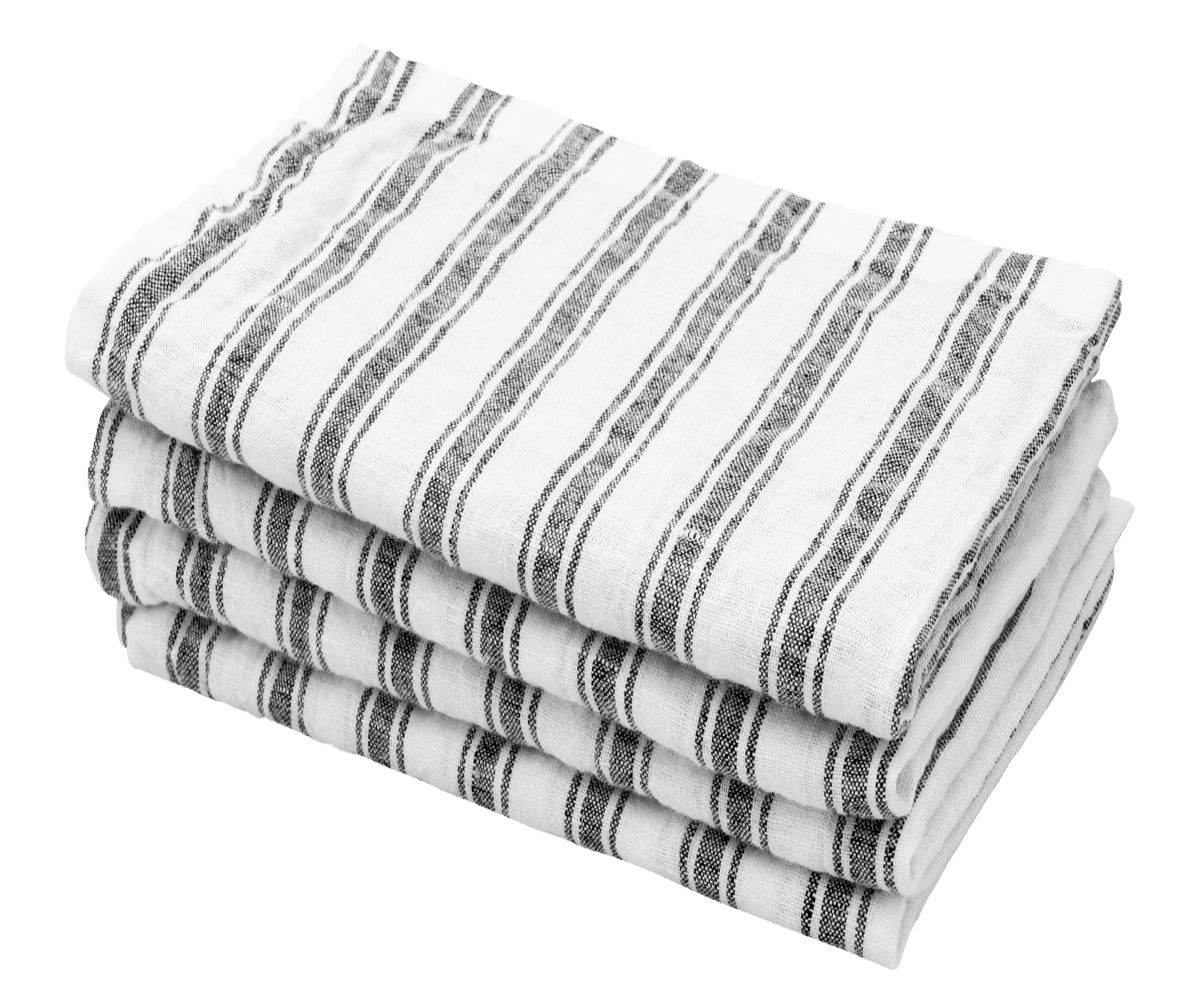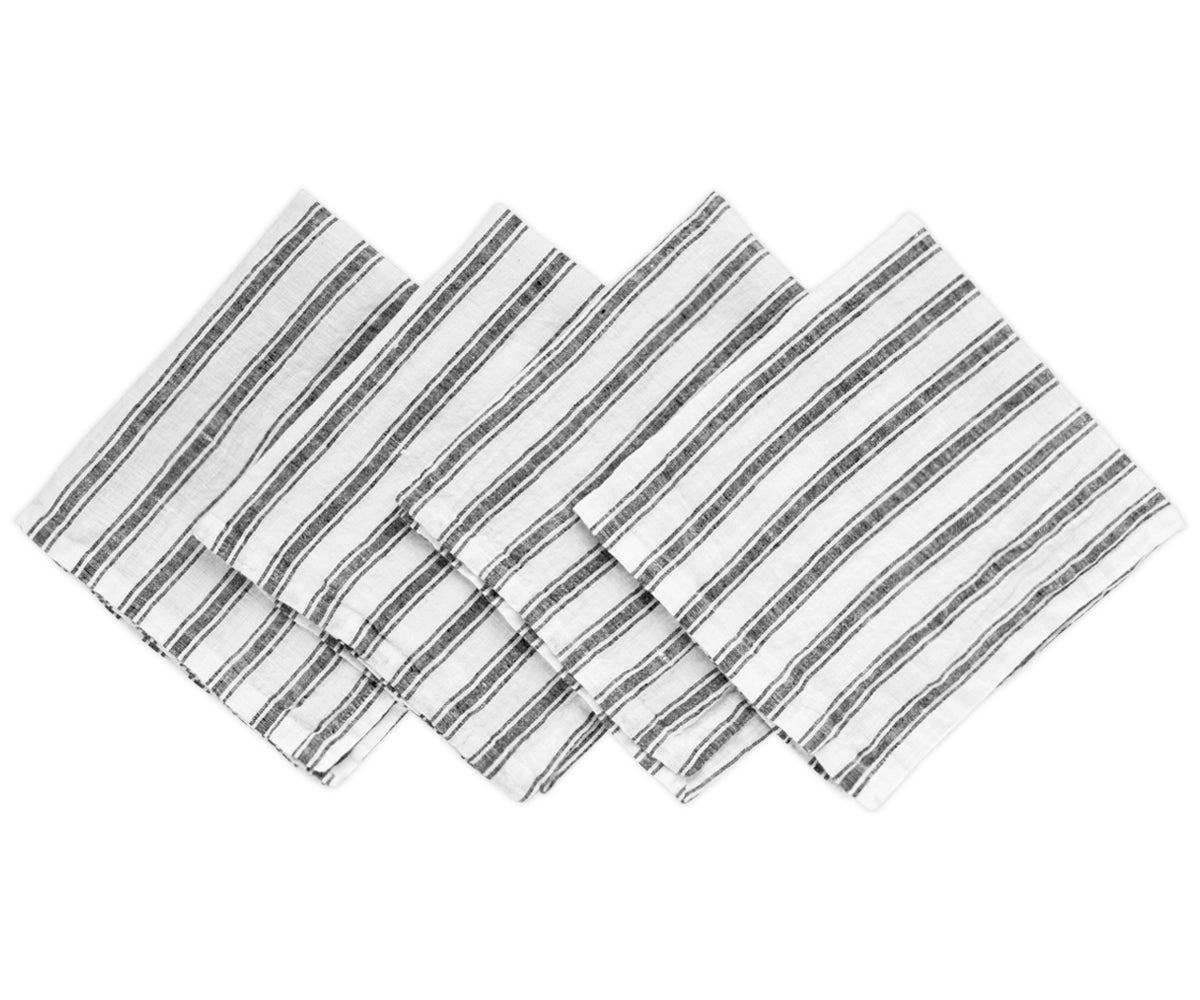


Is a Serviette the Same as a Napkin?
Yes. A serviette and a napkin generally refer to the same item, used during a meal to wipe your hands and mouth or protect your clothing. The main difference is the word people use, which varies by country and region.
What Is a Serviette?
A serviette is a small piece of cloth or paper used during meals to wipe your mouth and hands or protect your clothes. The term is mainly used in British and Canadian English. It refers to the same table item commonly called a napkin in the United States.
What Is a Napkin?
A napkin is a small square piece of cloth or paper used while eating to clean your lips and fingers and protect your clothes. It can be made of materials such as cotton, linen, or paper. In American English, napkin is the more common term, while “serviette” is used in some other English-speaking regions.
Napkin vs. Serviette
|
Aspect |
Napkin |
Serviette |
|
Meaning |
Cloth or paper used during a meal |
Cloth or paper used during a meal |
|
United States & Canada |
Standard, everyday term |
Less commonly used |
|
United Kingdom |
Can sound more formal |
Often sounds more casual |
|
Australia & South Africa |
Less commonly used |
Common everyday term |
|
Word origin |
Comes from Old French "nappe," meaning "tablecloth." |
Comes from French, related to the idea of “serving” |
|
UK class history |
Historically associated with the upper class |
Historically associated with the middle and working classes |
|
Today |
Common and widely understood |
Still used in some English-speaking countries |
|
Difference |
Same item, different regional preference |
Same item, different regional preference |
Why Do Some Countries Say “Serviette”?
Serviette” comes from French and became established in British English, while “napkin” has older English usage. Today, "serviette" is commonly heard in places such as the UK, Australia, and South Africa, while "napkin" is the more familiar term in the US and Canada. The choice of word is mainly a matter of regional language and personal usage, not a difference in the item itself.
What Does "Serviette" Mean?
The word "serviette" traces back to the French verb "servir," which means "to serve." It entered the English language centuries ago and was originally used to describe any small cloth used for personal cleanliness at the table. In modern usage, a serviette means exactly what a napkin means: a square of fabric or paper folded and placed near a place setting, used to wipe the mouth and hands and to protect clothing from spills. The only real distinction is linguistic: where you live shapes which word feels natural to you.
1. Cultural and Regional Usage
The main difference between napkin and serviette lies in their usage, which varies by region and class. In the UK, “napkin” is traditionally the term used in more formal or upper-class settings, while “serviette” tends to be associated with casual dining and everyday use.
This subtle distinction reflects a historical divide: “napkin” was once seen as the preferred term among the upper classes, whereas “serviette,” a word borrowed from French, was used in more casual or working-class environments.
In North America, however, the term “napkin” is more universally used, with “serviette” being rare and sometimes considered outdated or overly formal.
Here's a quick regional reference to clear up any confusion:
Same item, different word. Both describe the cloth or paper used at a meal.
-
United States & Canada: "napkin" is the standard, everyday term.
-
United Kingdom: "napkin" sounds more formal. "Serviette" sounds more casual.
-
Australia & South Africa: "serviette" is the word most people use day to day.
-
Word origin: "serviette" comes from the French word for "to serve." "Napkin" comes from the Old French "nappe," meaning tablecloth.
-
UK class history: "napkin" was once the upper-class term. "Serviette" was linked to the middle and working classes. That divide has mostly faded today.
- France: "Serviette" simply means any small cloth; it's the ordinary French word with no class connotation attached.
Also Read: What Do Millennials Use Instead of Napkins?
2. Formality and Social Perception
While the difference between napkin and serviette may not be significant for everyday conversation, understanding the context can be useful. For example, using “napkin” in the UK might convey a sense of formality or sophistication, whereas “serviette” might suggest a more relaxed, informal meal. This differentiation can help when planning events or when dining in various settings.

3. Practical Use and Material
In terms of practicality, there is no inherent difference in function between a napkin and a serviette. Both serve the same purpose: to clean the hands and mouth during meals and to protect clothing. However, some people may refer to disposable paper products as “serviettes,” while “napkins” may be associated more with cloth napkins varieties used in formal dining.

Read Related: Three Kid-Friendly Napkin Folds to Make Mealtime Fun
So, "What's the difference between napkin and serviette?” The answer mainly comes down to cultural and regional preferences, particularly in the UK. While both terms are interchangeable and serve the same function, “napkin” often carries a more formal or upper-class connotation, whereas “serviette” is seen as more casual.
Understanding these nuances can be helpful in choosing the appropriate term for different dining contexts.
What Is the Difference Between Napkin and Serviette?
The terms "napkin" and "serviette" generally refer to the same thing—a cloth or paper used to wipe your hands and mouth during meals. However, "napkin" is more commonly used in American English, while "serviette" is favored in British English, particularly in informal settings.

Best Affordable Cotton Napkins for Everyday Use
Here’s a clean, simple version with short sentences and a natural tone:
-
Cotton napkins are a budget-friendly choice for daily meals.
-
They feel soft, fold neatly, and look good on any table.
-
Affordable sets from All Cotton and Linen offer strong fabric that lasts.
-
They handle spills well and wash easily.
-
Calm colors and simple patterns make them easy to match with your dishes.
-
A great pick for families who want reusable napkins without spending much.
Read More: How to Fold a Napkin for a Wine Glass?
Key Takeaways
-
Napkin and serviette name the same table item. There's no difference in function.
-
The split is regional, not practical. It comes down to where you grew up speaking English.
-
Americans say napkin. Brits, Australians, and South Africans lean toward serviette.
-
In the UK, "napkin" still carries a slightly more formal, old-money tone.
-
Cloth napkins work for both everyday and formal meals. Paper serviettes suit casual gatherings.
-
Neither word is wrong today. Use whichever one feels natural where you live.