

What is the Lunar New Year?
The Lunar New Year celebrates the start of a new year on the lunar calendar, which follows the moon’s phases rather than the solar cycle. This cherished festival is filled with family reunions, prayers, festive meals, and traditions that invite good fortune.
In 2026, the Lunar New Year falls on Tuesday, February 17, marking the Year of the Horse, one of the 12 zodiac animals in the lunar cycle. Each zodiac animal carries its own traits, including the Rat, Ox, Tiger, Rabbit, Dragon, Snake, Horse, Goat, Monkey, Rooster, Dog, and Pig.
The Year of the Horse symbolizes energy, confidence, freedom, and forward movement, making 2026 a year focused on progress, action, and new opportunities.
In past celebrations, the Lunar New Year dragon has symbolized strength, power, and good fortune, often seen in vibrant dragon dances across the streets. In 2026, the focus shifts to the Lunar New Year Horse, representing energy, independence, and bold new beginnings.

Know About: 10 Benefits of Using Organic Cotton Sheet Set
Who celebrates the Lunar New Year in 2026?
If you want to know “what countries celebrate Lunar New Year,” here is the answer: several countries and cultures observe the Lunar New Year, each blending shared traditions with their distinct heritage:
-
China
-
Known globally as Chinese New Year, it’s a 16-day celebration featuring fireworks, red envelopes, and the iconic Lantern Festival. Festivities in China typically give people at least a week off to spend with family.
-
South Korea
-
Do Koreans celebrate Lunar New Year? South Koreans celebrate Seollal, focusing on ancestral rites, family reunions, and enjoying traditional dishes like tteokguk (rice cake soup). Folk games and hanbok (traditional attire) are also part of the festivities.
-
Vietnam
-
Known as Tết, the Vietnamese Lunar New Year involves decorating homes with peach blossoms, offering respect to elders, and preparing symbolic dishes like bánh chưng (sticky rice cakes).
-
Taiwan
-
In Taiwan, the holiday includes temple visits, family banquets, and vibrant parades. Similar to mainland China, the Lantern Festival marks the end of the celebrations.
-
Philippines
-
Filipino-Chinese communities celebrate with dragon dances, red envelopes, and traditional feasts. Many Filipinos also incorporate local customs into the festivities.
-
Indonesia
-
The Chinese-Indonesian community observes Imlek, blending traditional Lunar New Year customs with Indonesian influences, including prayers at temples and family dinners.
-
Japan
-
Does Japan celebrate the Lunar New Year? Historically, Japan celebrated the Lunar New Year, but it transitioned to the Gregorian calendar in the late 19th century. While the nation now celebrates the New Year on January 1, some regions and cultural groups maintain Lunar New Year traditions.
You May Also Like: How to Create Stunning Hanukkah Decorations: A Step-by-Step Guide
Lunar New Year Traditions Across Cultures
Despite regional variations, many Lunar New Year traditions are shared among cultures:

-
Lunar New Year decoration: Homes are cleaned to sweep away bad luck and adorned with red lanterns, couplets, and symbols of prosperity.
-
Family reunions: Loved ones gather for feasts, often featuring dishes believed to bring luck, such as dumplings and sticky rice cakes.
-
Exchanging red envelopes: Also known as hongbao or ang pao, these symbolize prosperity and good fortune.
-
Festive attire: Wearing red, a color of joy and luck, is common.
-
Honoring ancestors: Rituals to pay respect to ancestors and seek blessings are central in many cultures.
How Long is Lunar New Year in 2026?
The length of Lunar New Year celebrations varies, but it typically spans 15 or 16 days. For example, in China, it begins on the new moon and concludes with the Festival of Lanterns on the full moon.
Read More: 10 Must-Have Traditional New Year’s Day Meals
When Does Lunar New Year End?
Chinese New Year 2026 begins on Tuesday, February 17, ushering in the Year of the Horse (Fire Horse). In mainland China, the official public holiday lasts seven days, from February 17 to February 23, while celebrations continue beyond this period. The festive season concludes with the Lantern Festival on March 3, 2026.
Lunar New Year vs Chinese New Year
While many use the terms Lunar New Year and Chinese New Year interchangeably, Lunar New Year encompasses celebrations across cultures, such as Korean Seollal, Vietnamese Tết, and more. Acknowledging these differences highlights the rich diversity of this shared tradition.

Lunar New Year Decoration
Lunar New Year decor is a wonderful way to bring the holiday's vibrant spirit and auspicious symbolism. A red tablecloth sets the foundation, symbolizing prosperity and good fortune, while adding a bold, festive touch.
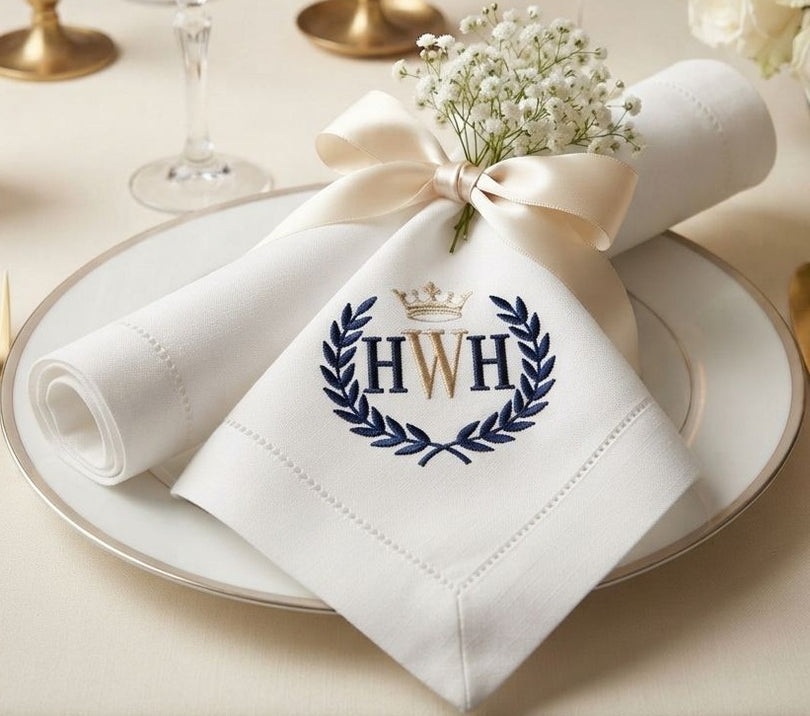
Pair it with golden embroidery napkins or metallic thread napkins for a touch of elegance and a nod to the holiday’s symbolism of luck.

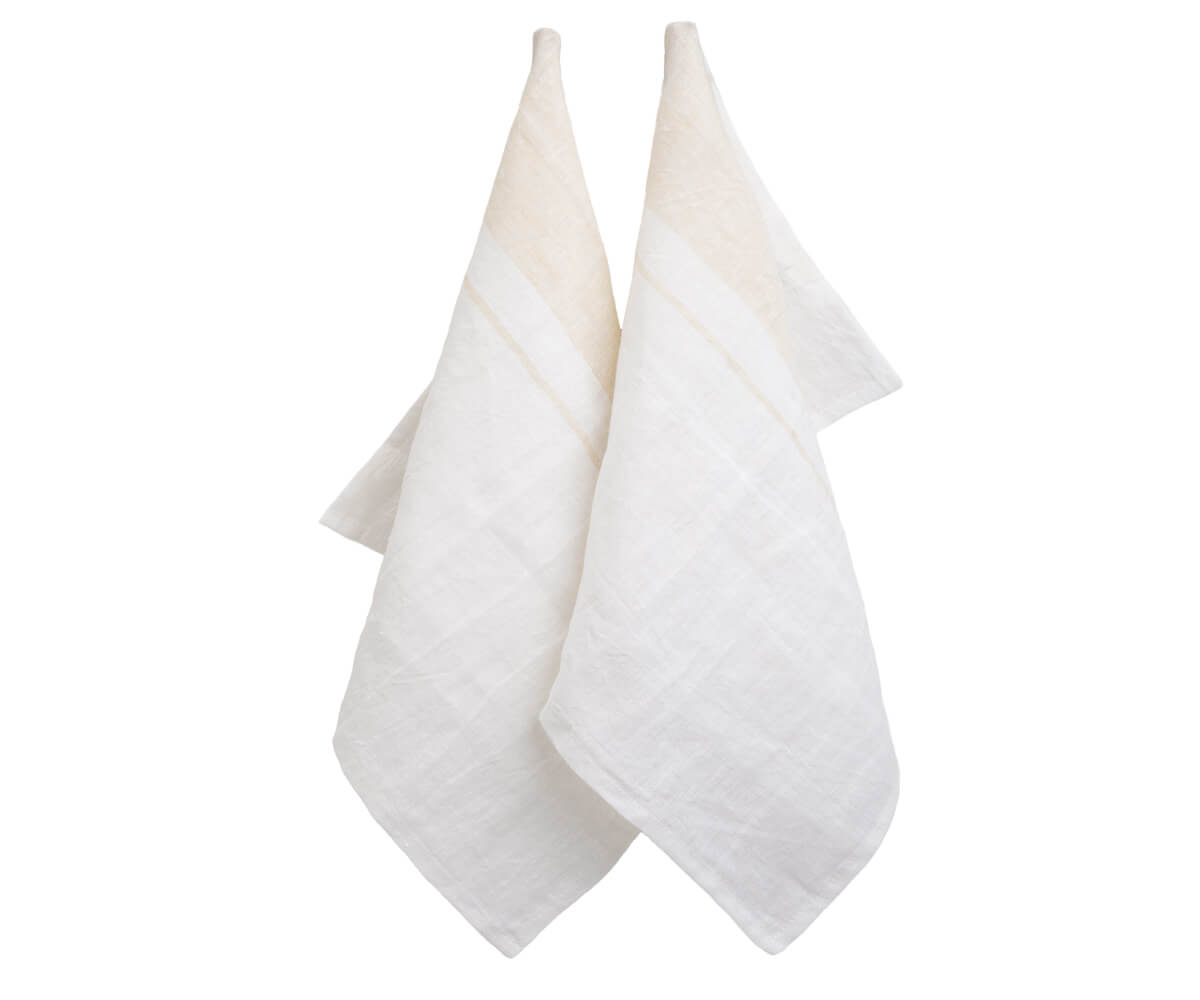
Floral napkins in shades of red or gold can bring an additional layer of charm and vitality to the setting. For those seeking a softer aesthetic, beige and cream tablecloths provide a neutral backdrop, allowing the bold accents of red and gold to shine through.
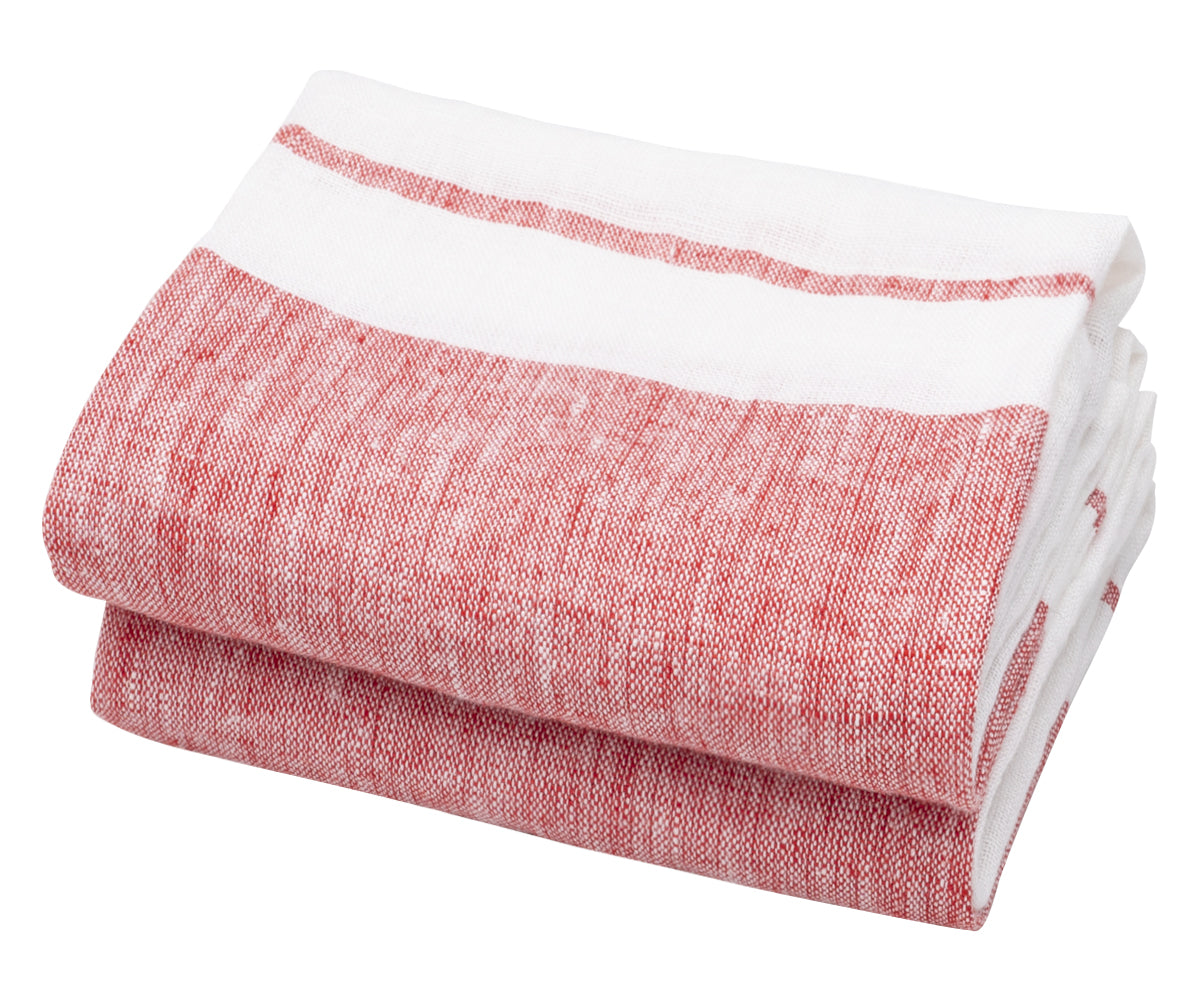
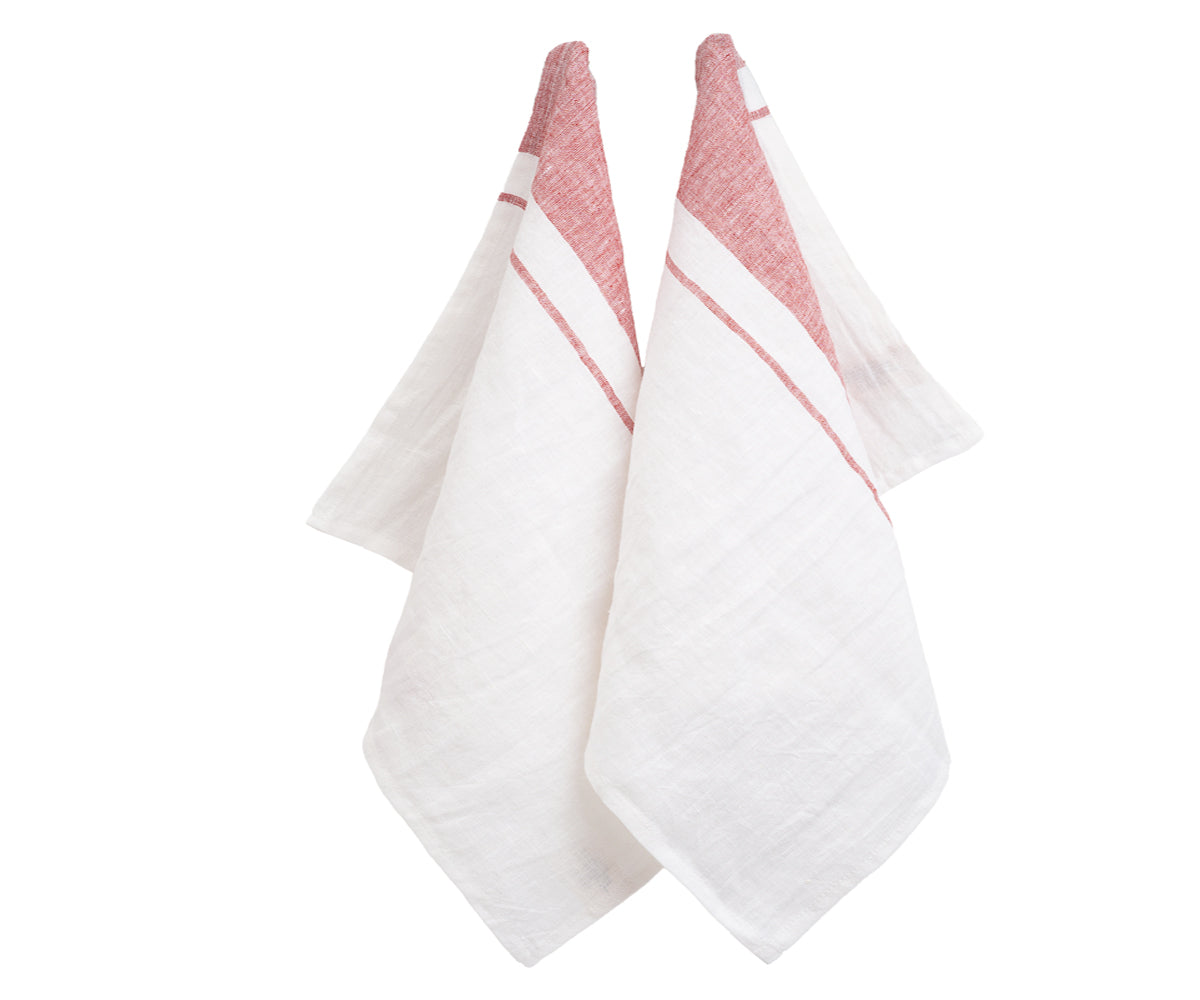
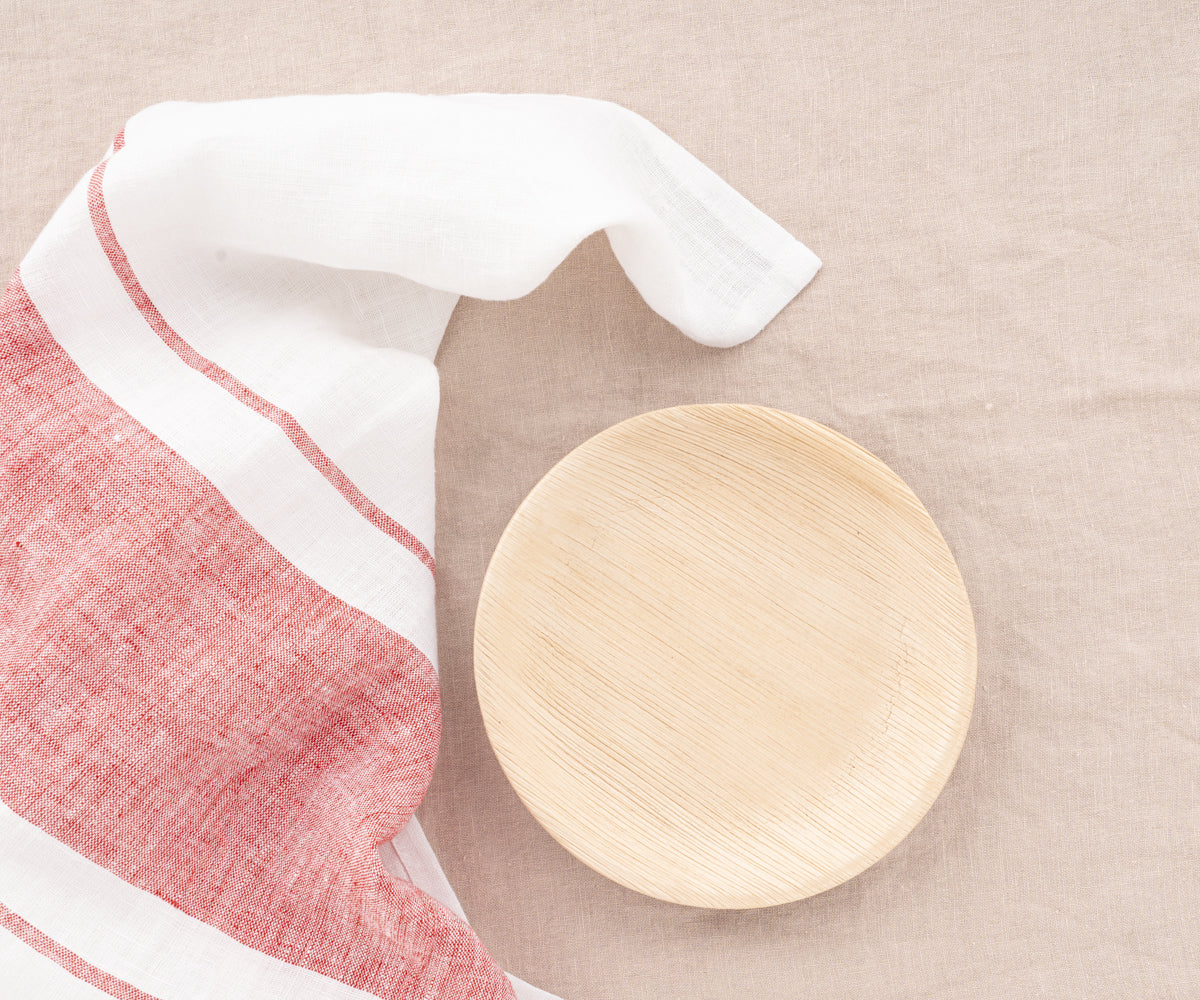
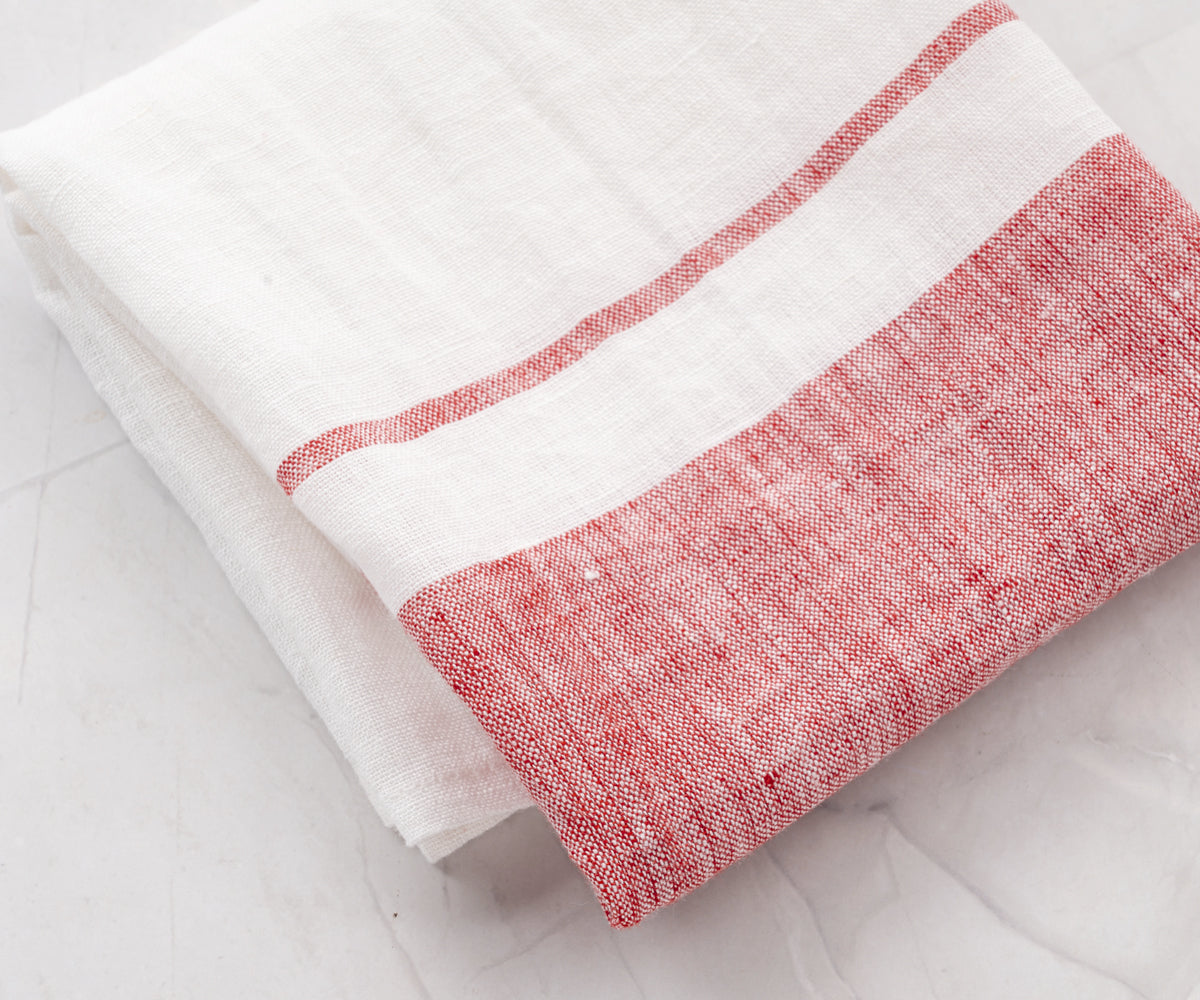
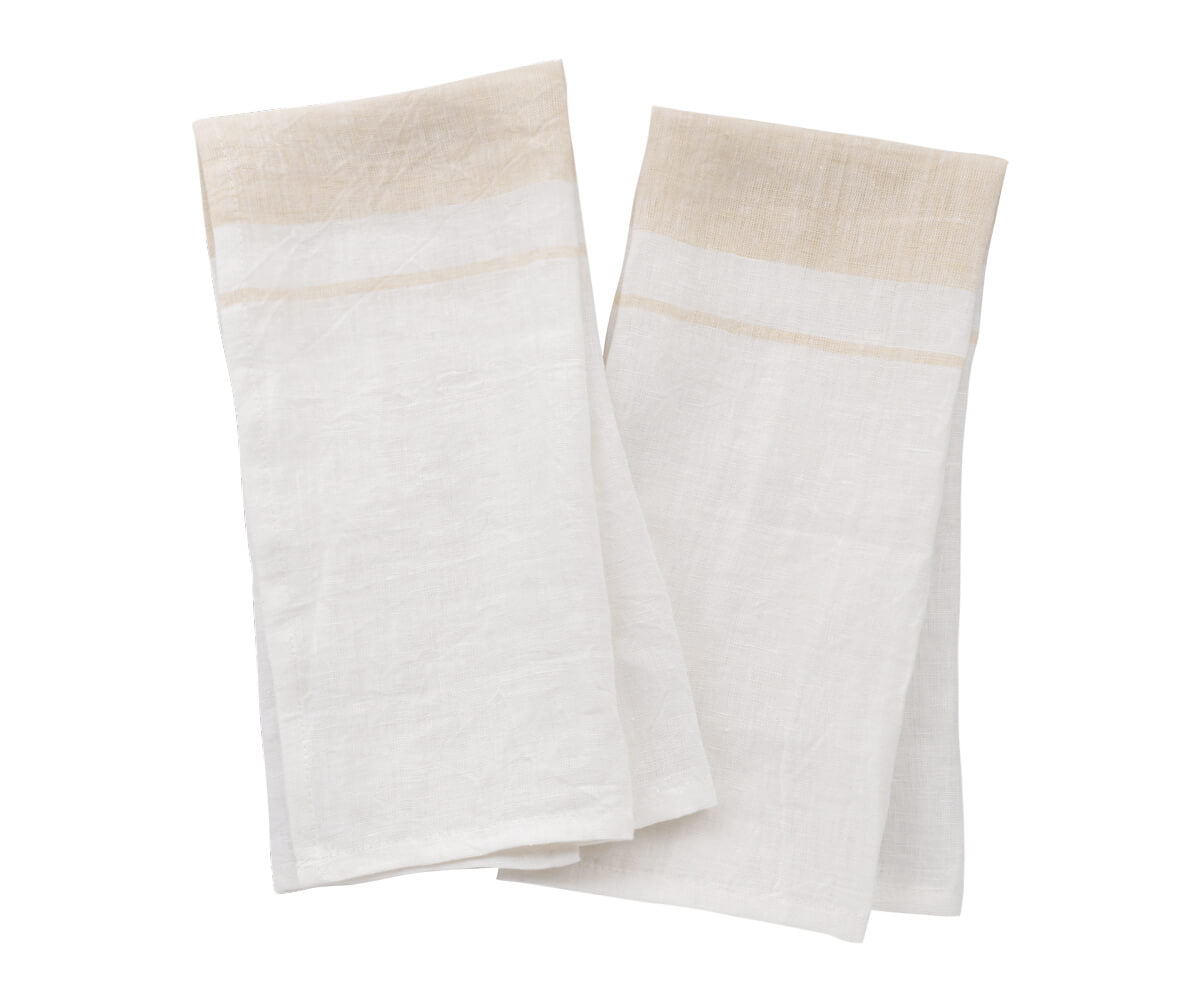
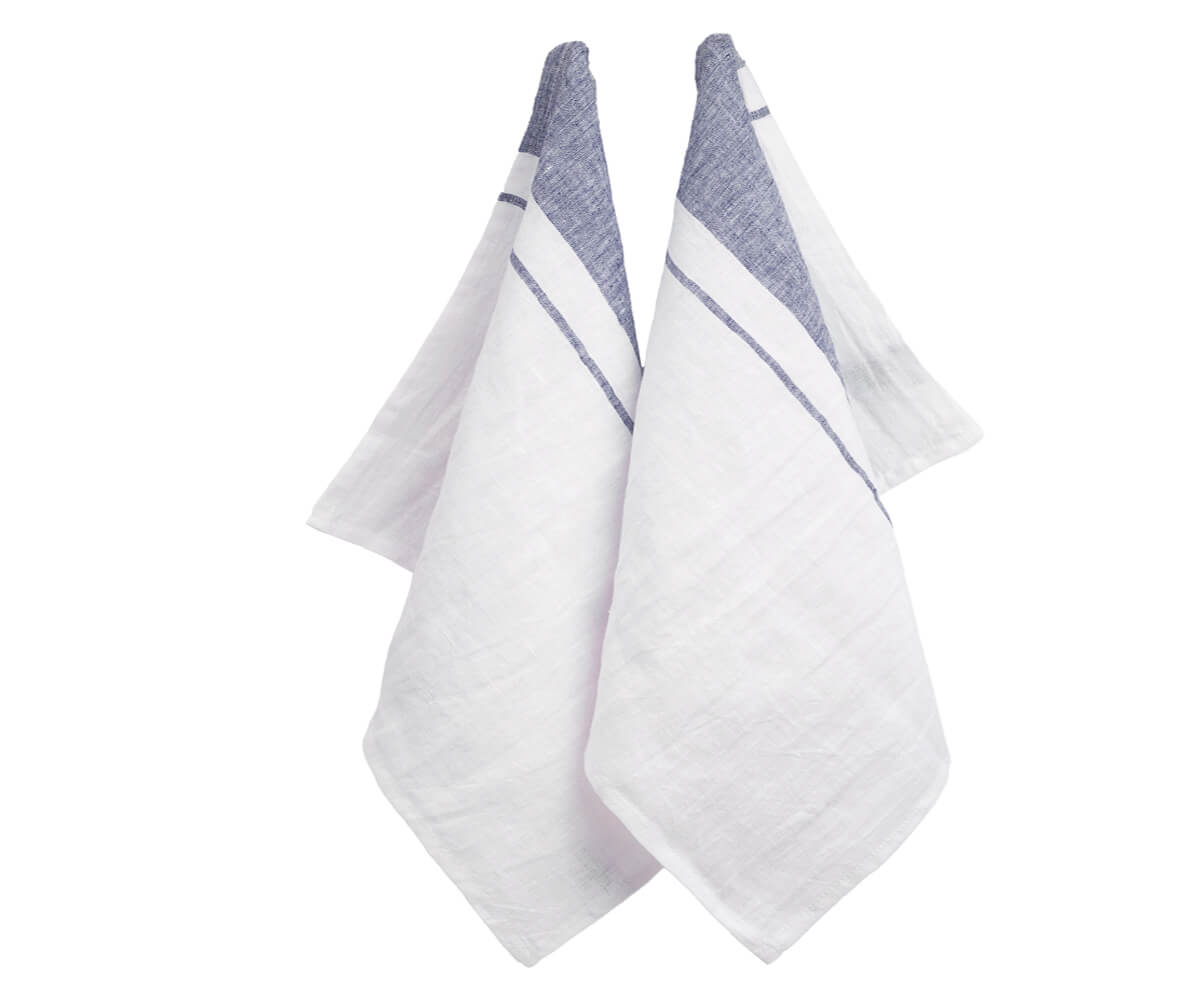
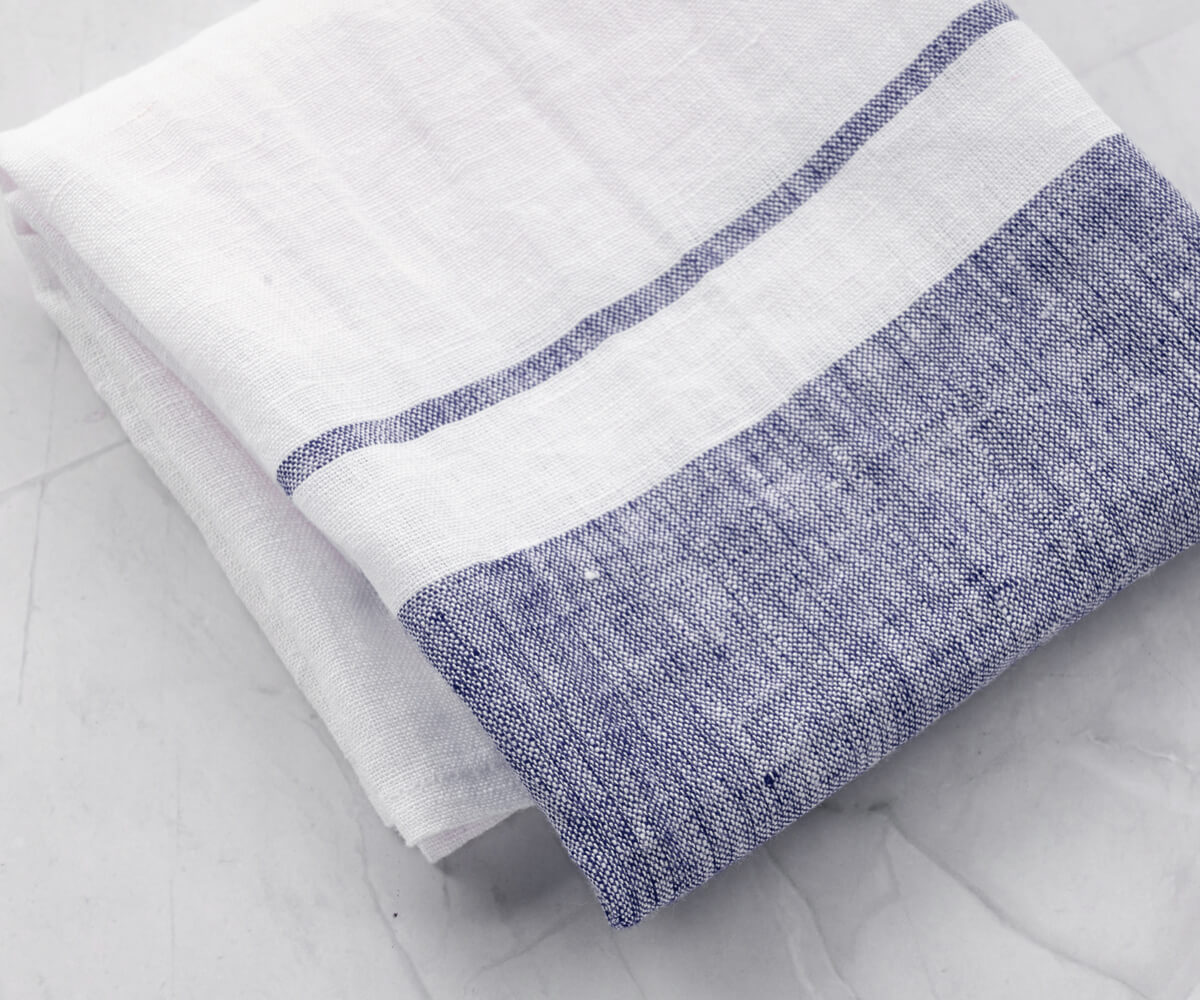
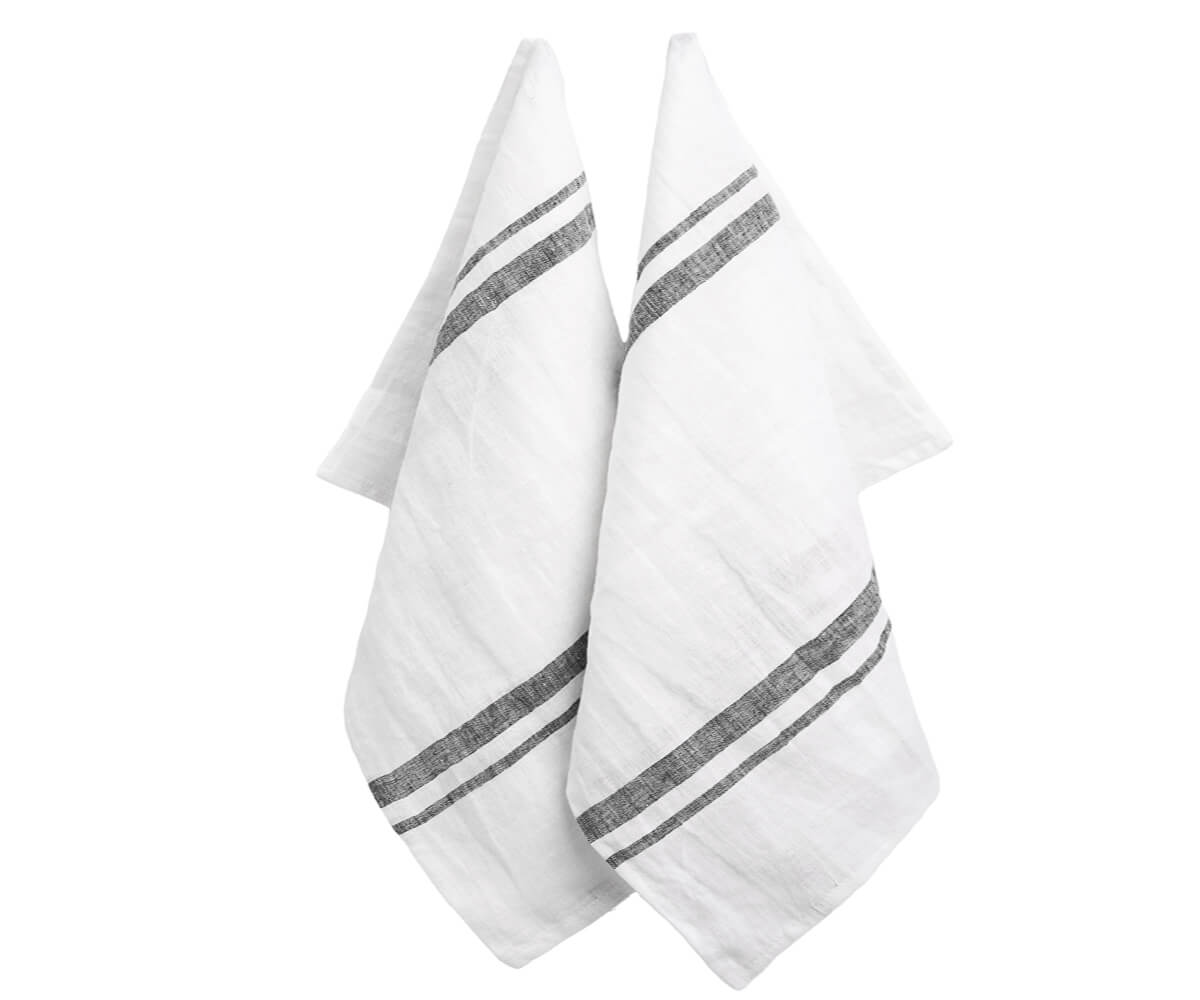
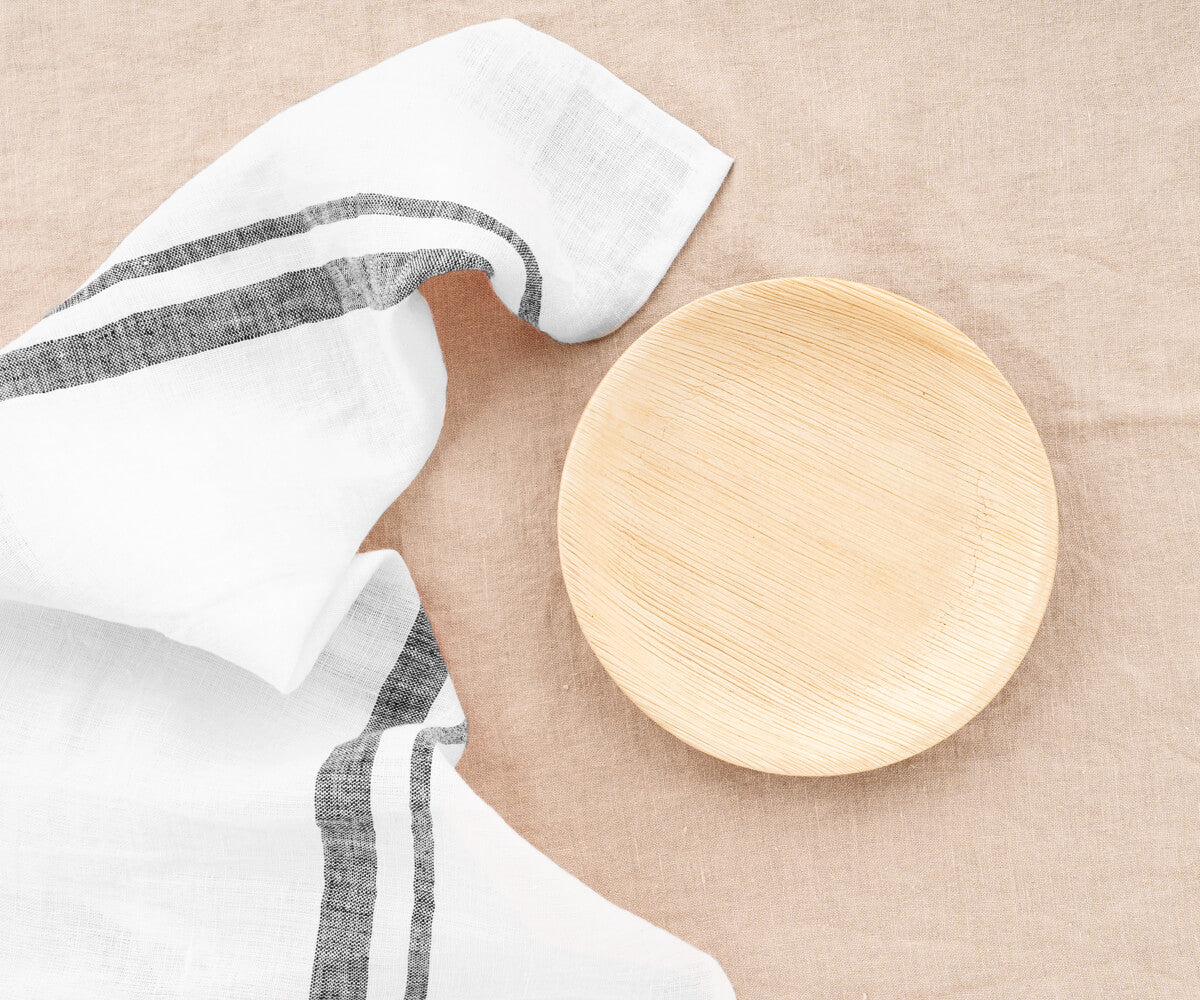
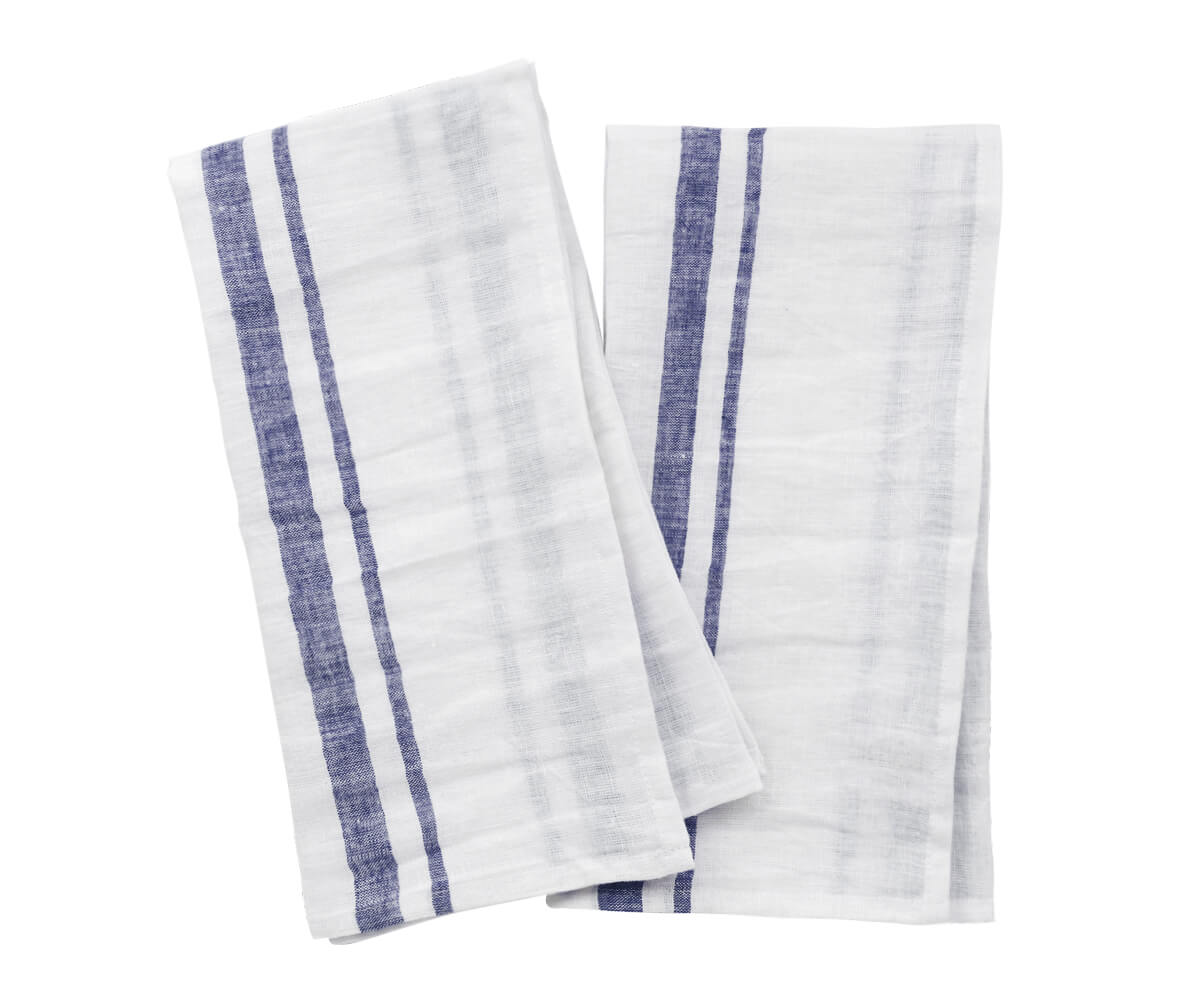
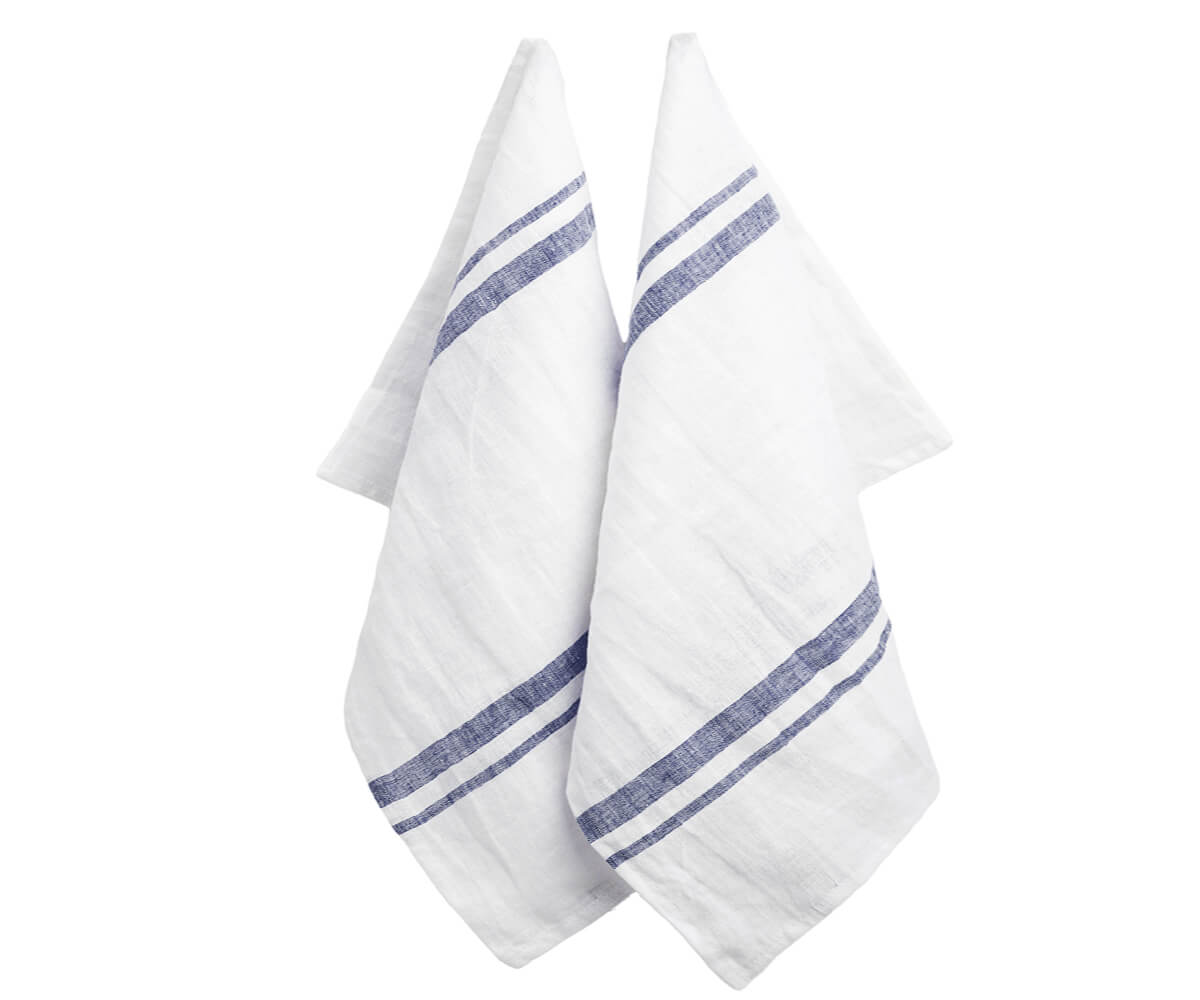
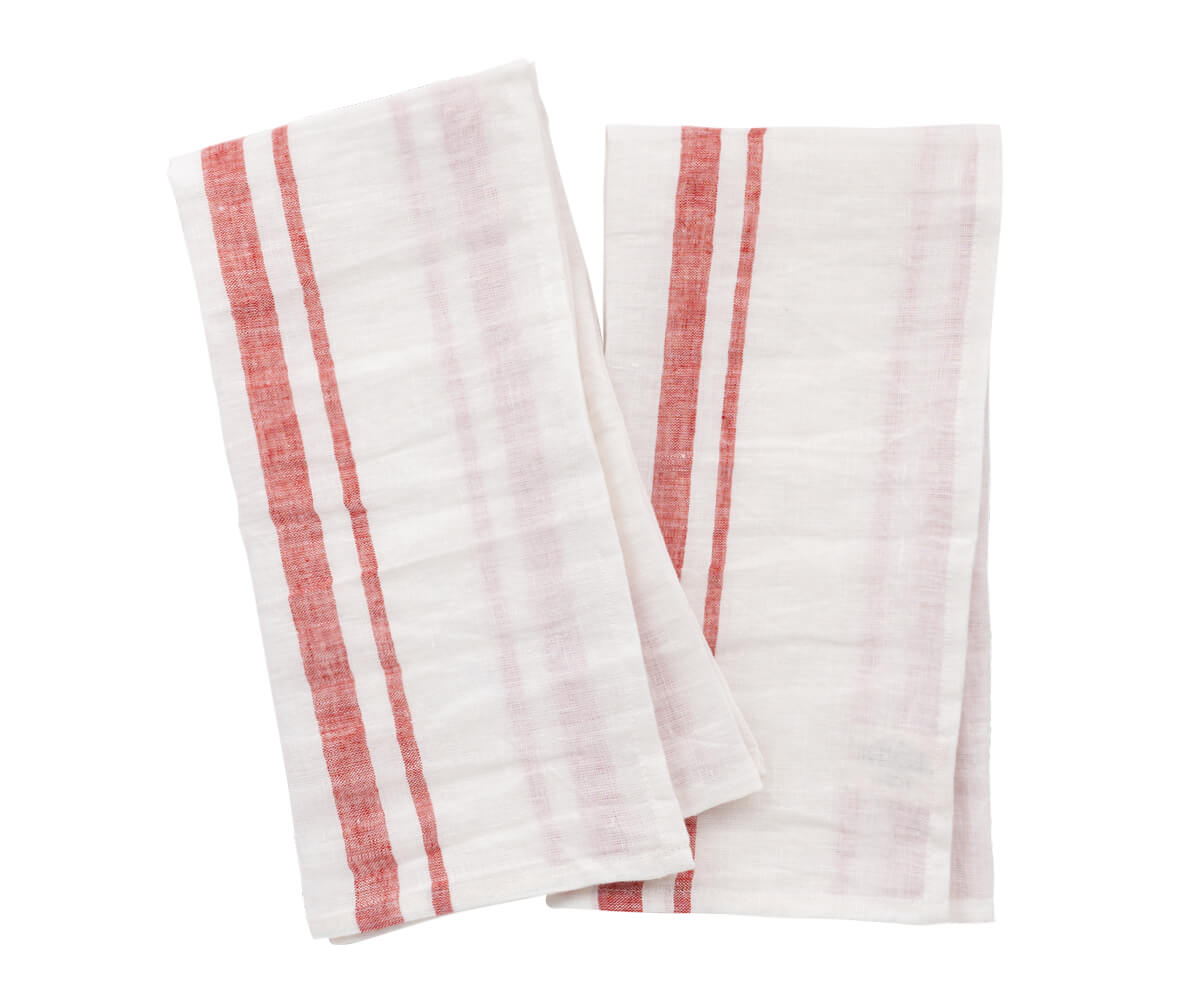
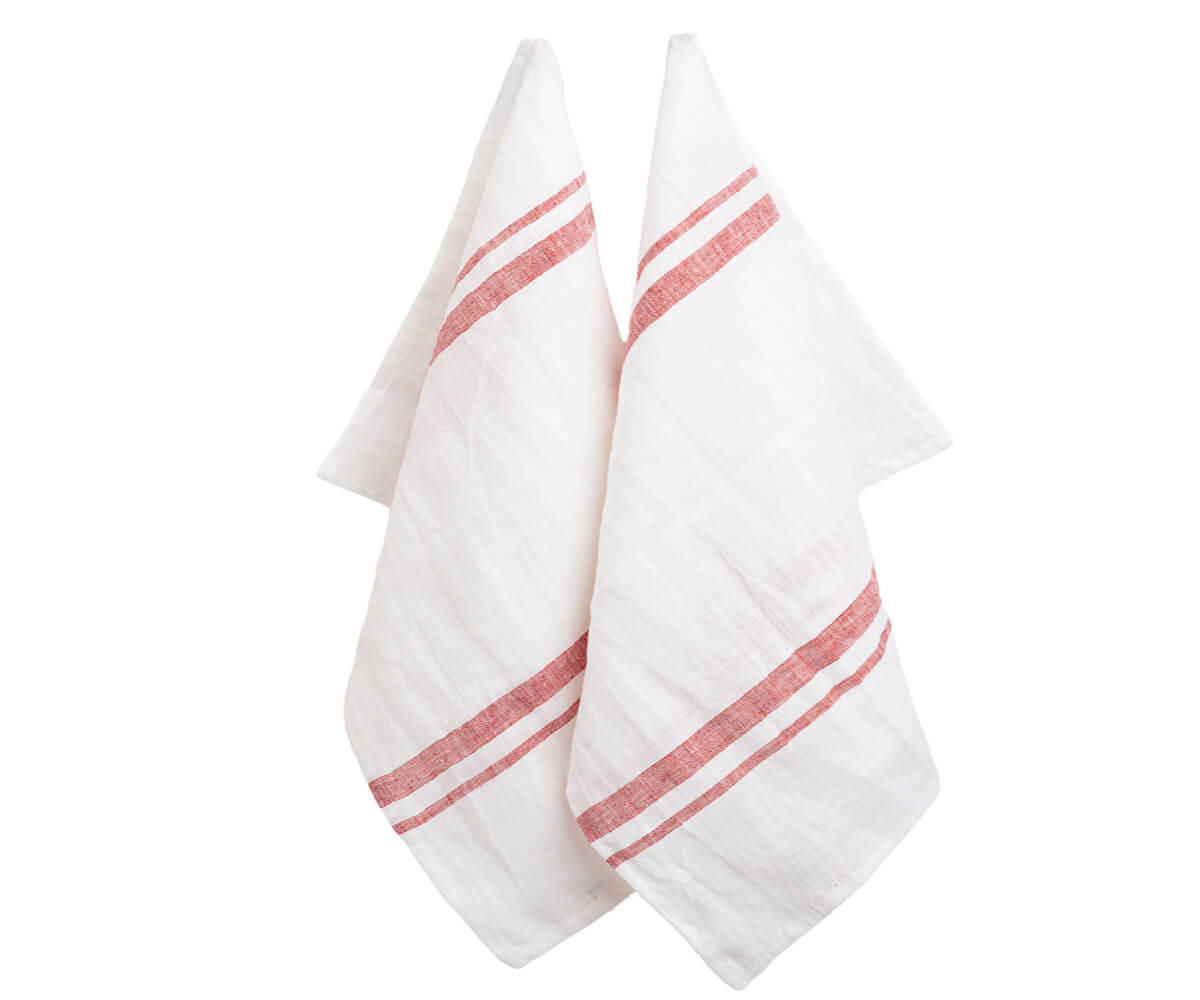
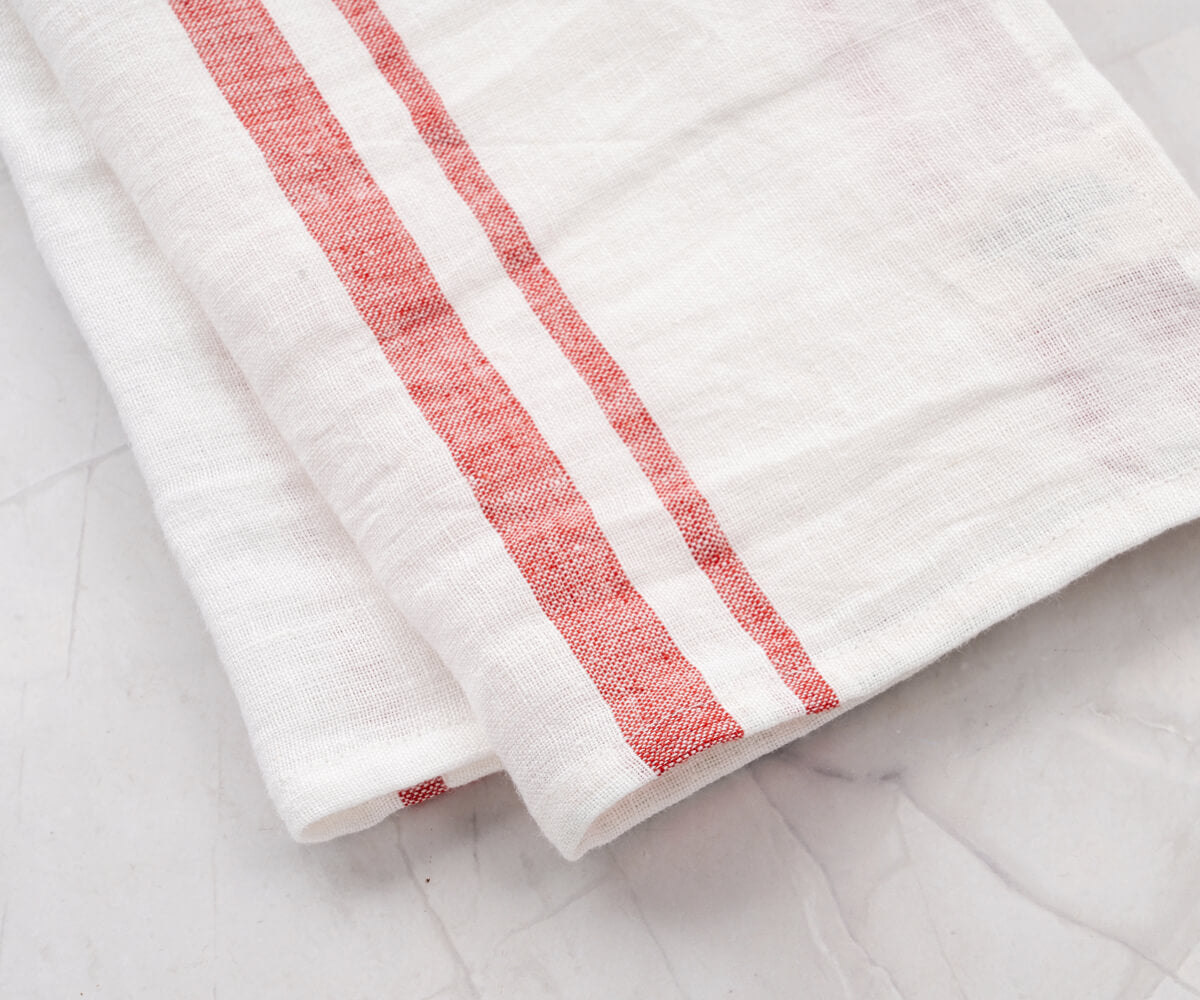
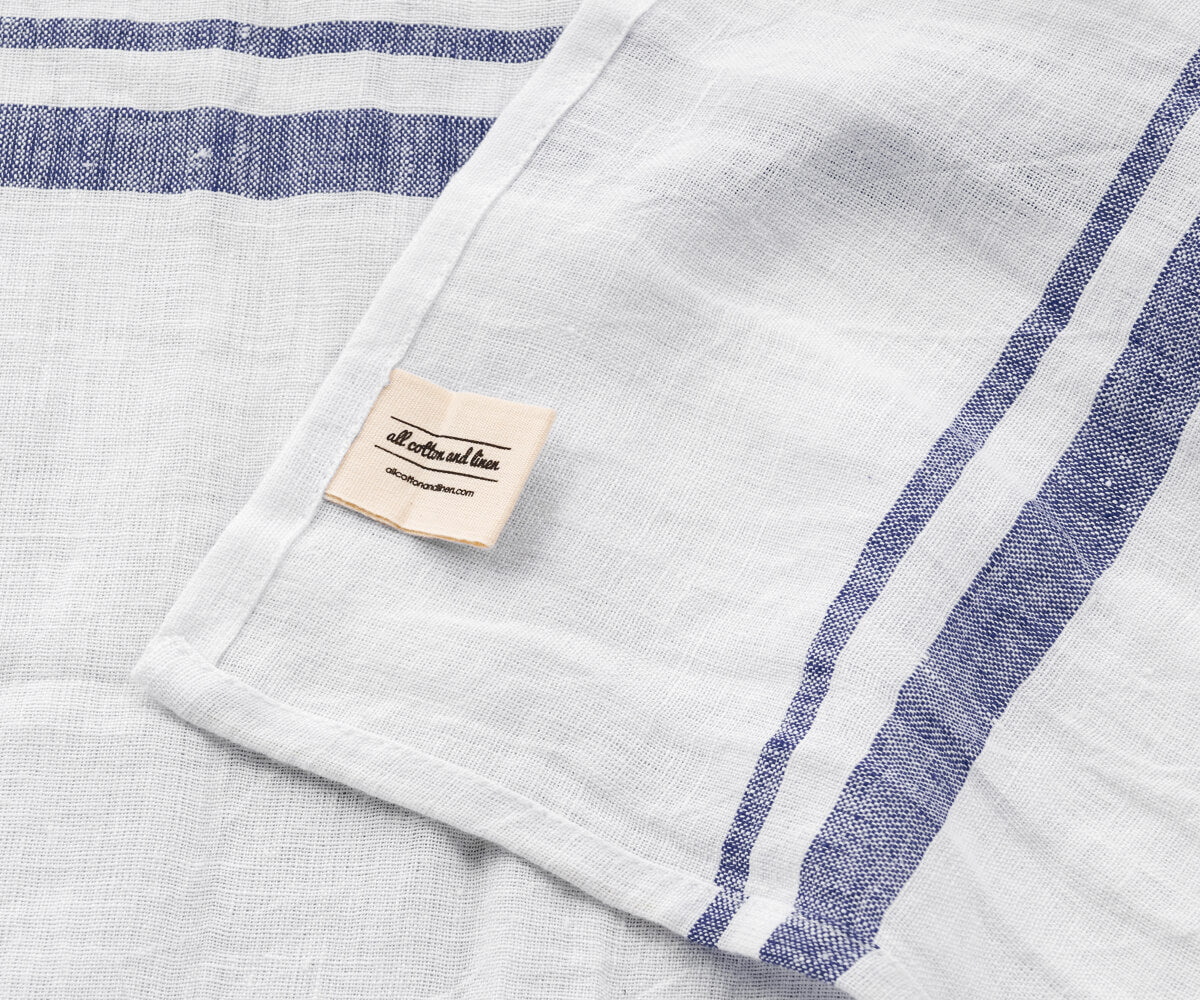
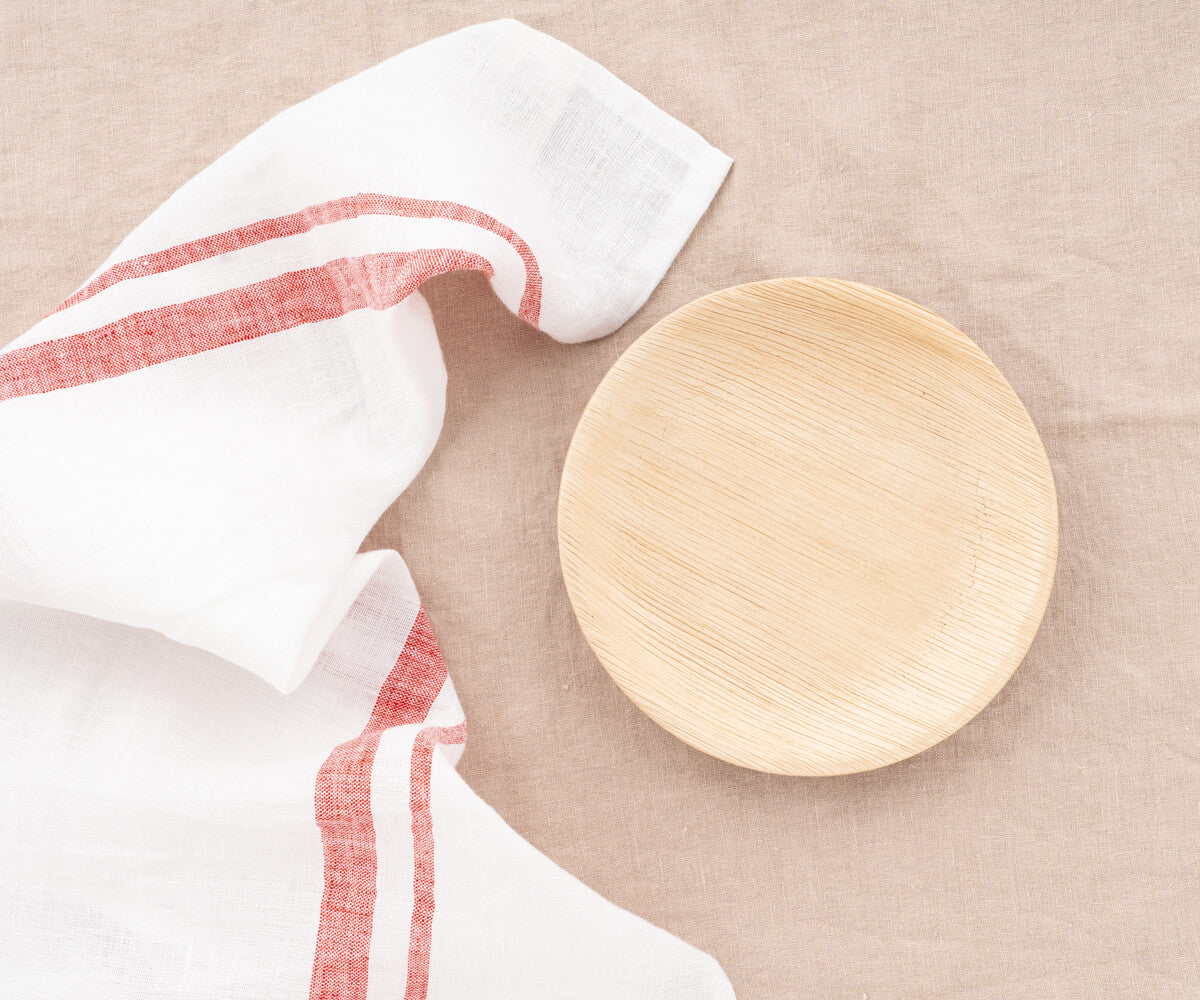
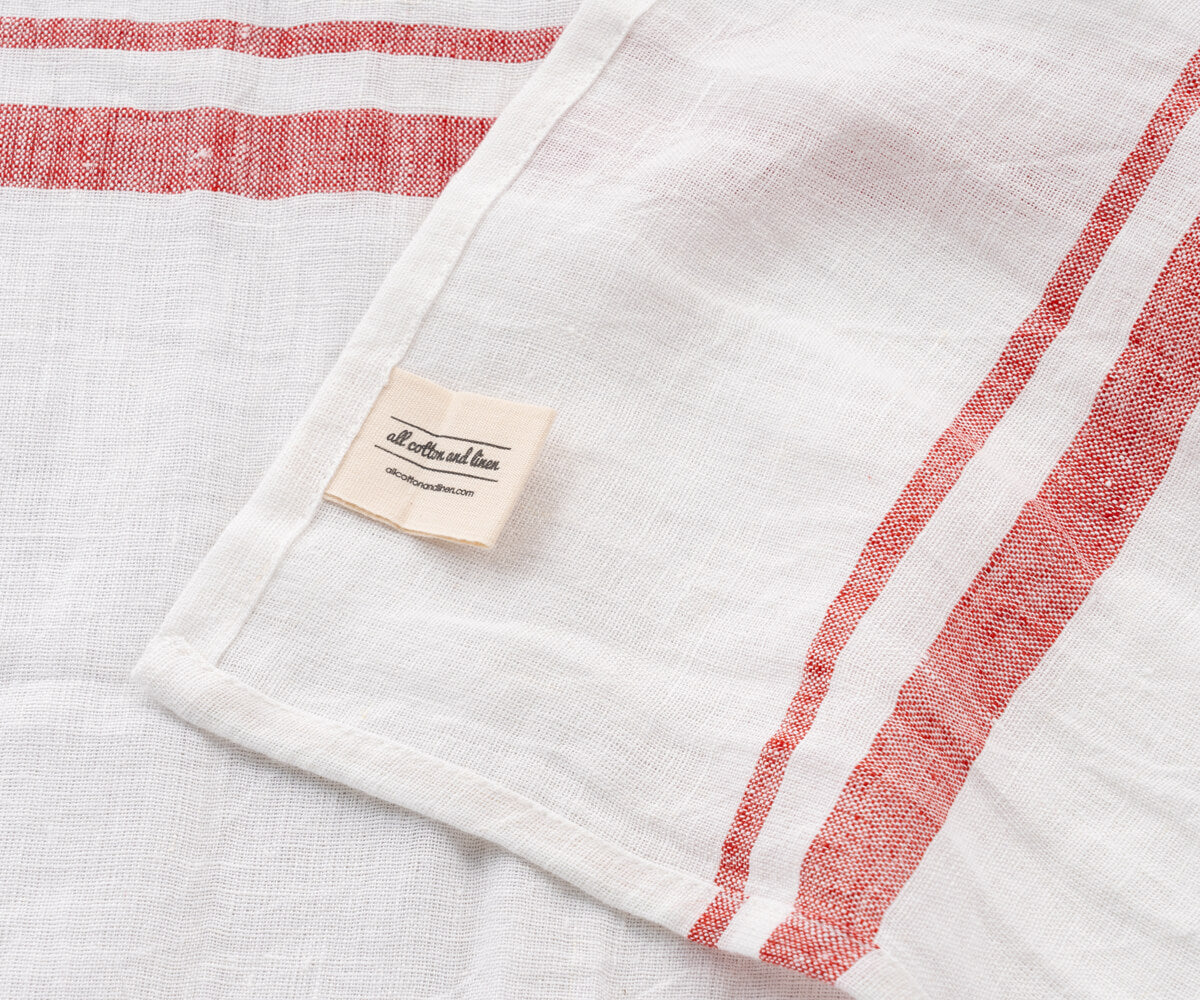
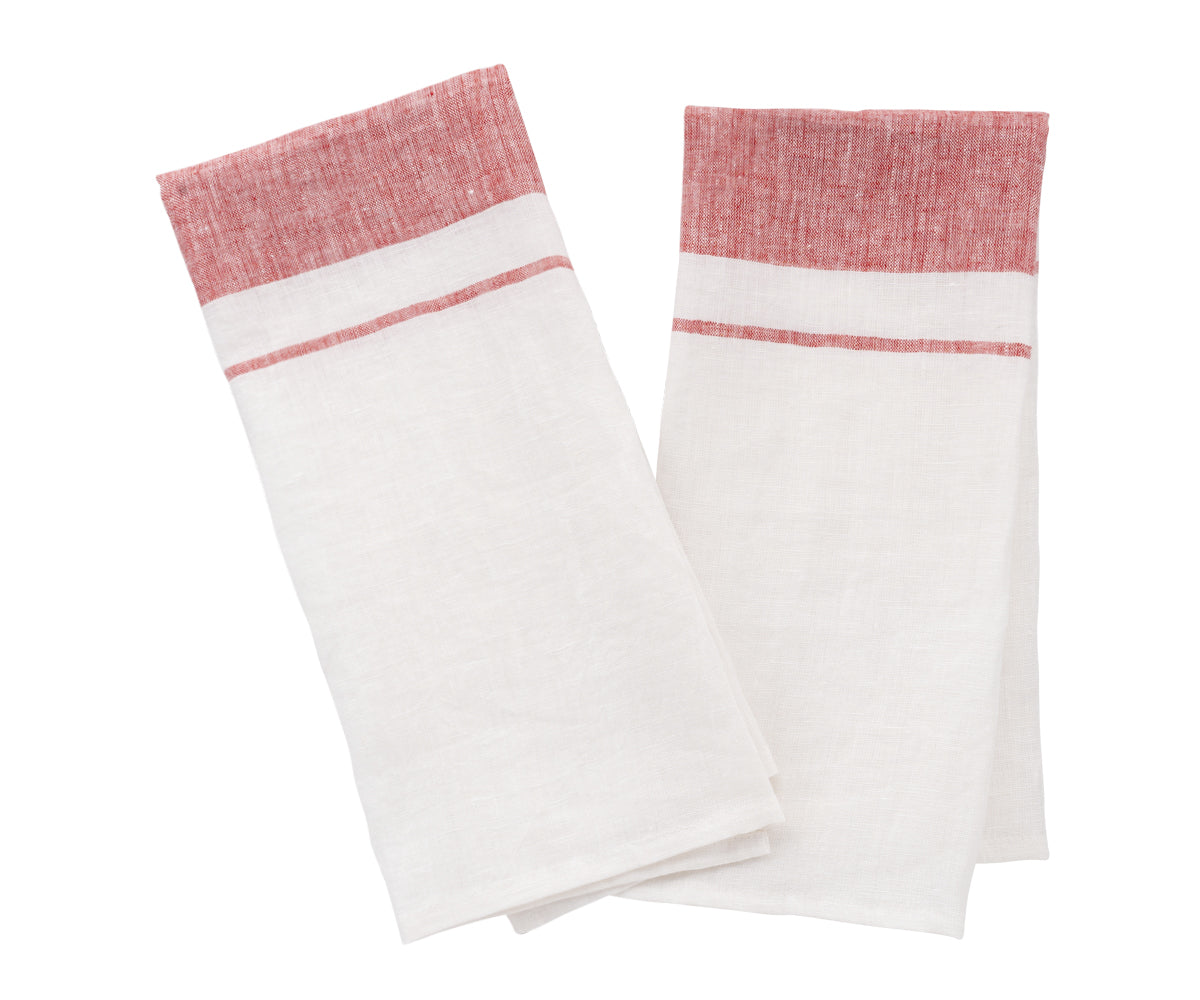
Complete the look with carefully chosen accessories, such as red placemats for understated sophistication or red scalloped placemats to emphasize celebration. Incorporate red checkered dish towels for practical yet festive functionality.
Napkin options like piping napkins, metallic gold foil napkins, or other luxe styles can elevate the overall setting, combining tradition with modern flair. Together, these details create a harmonious and inviting table that celebrates the joy and abundance of the Lunar New Year.
How to Celebrate Lunar New Year
If you’d like to join the celebrations, here are some ways to embrace the holiday:

-
Decorate your space with red lanterns, zodiac symbols, and auspicious couplets.
-
Prepare festive meals featuring traditional dishes like dumplings, noodles, and rice cakes.
-
Attend local events: Many communities host parades, dragon dances, and cultural performances.
-
Exchange red envelopes to share blessings and prosperity.
Find Out: What is the best position to sleep? Tips for Comfort and Safety
How to Wish “Happy Lunar New Year”
Sharing New Year greeting cards during the Lunar New Year is a great way to share the festive spirit. Use these phrases:

-
In Chinese: "Xīnnián Kuàilè" (新年快乐) – Happy New Year.
-
In Korean: "Saehae Bok Mani Badeuseyo" (새해 복 많이 받으세요) – Wishing you a prosperous new year.
-
In Vietnamese: "Chúc Mừng Năm Mới" – Happy New Year.
The Lunar New Year 2026 is a beautiful opportunity to explore the rich traditions of different cultures. Whether you’re celebrating with family, attending festivals, or simply learning about the customs, this holiday is a time to welcome joy, prosperity, and togetherness.