
Why Millennials Are Skipping Paper Napkins
Before diving into the alternatives, it's worth understanding the "why" behind this change.
|
Reason |
What It Means |
|
Environmental concern |
Paper napkins contribute to deforestation and landfill waste |
|
Cost savings |
Reusable options pay for themselves over time |
|
Aesthetic preference |
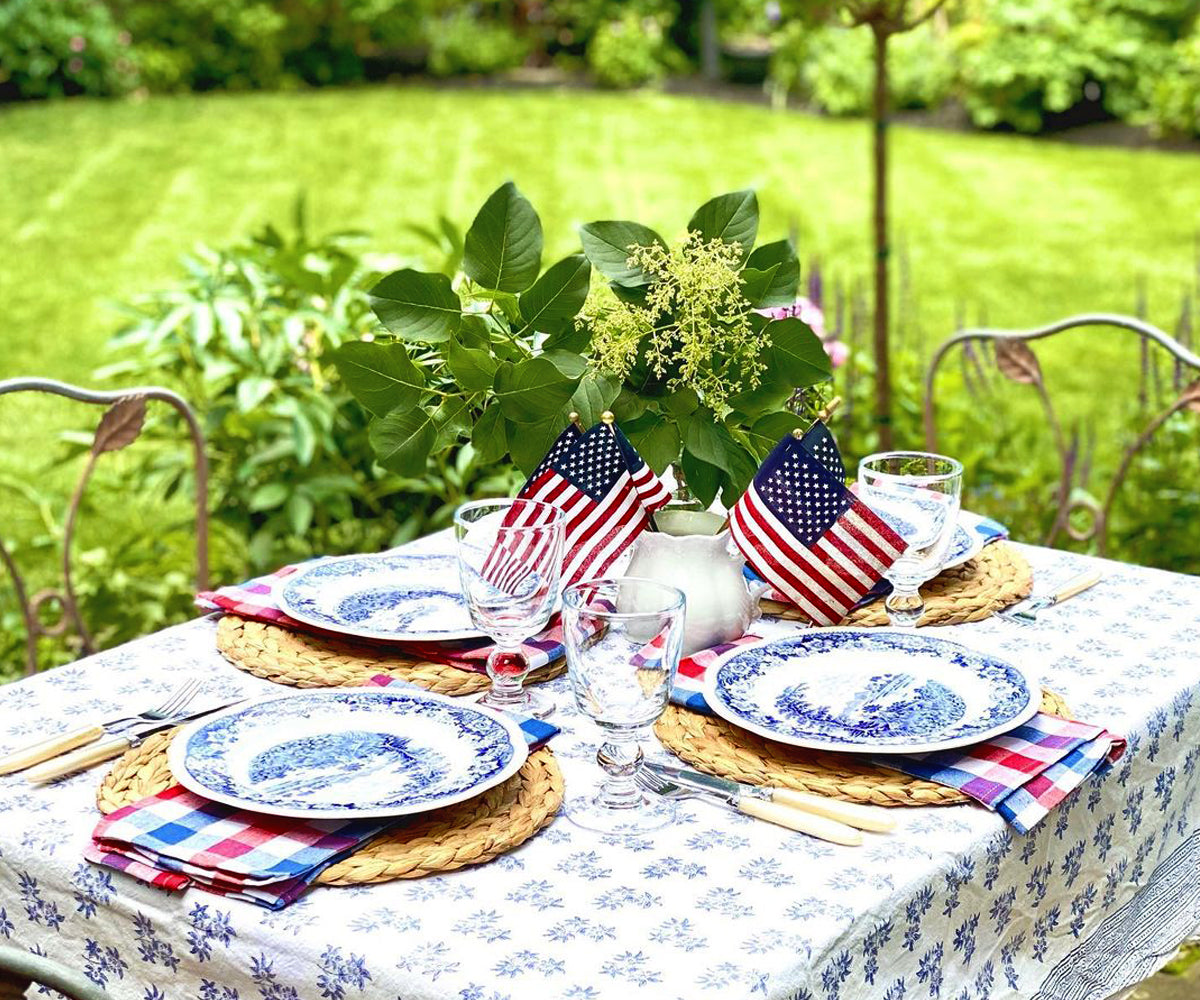
Cloth feels more elevated and intentional at the table |
|
Minimalism |
Fewer disposable items to stock and throw away |
|
Brand alignment |
Millennials prefer shopping from sustainable brands |
1. Cloth Napkins - The Top Replacement
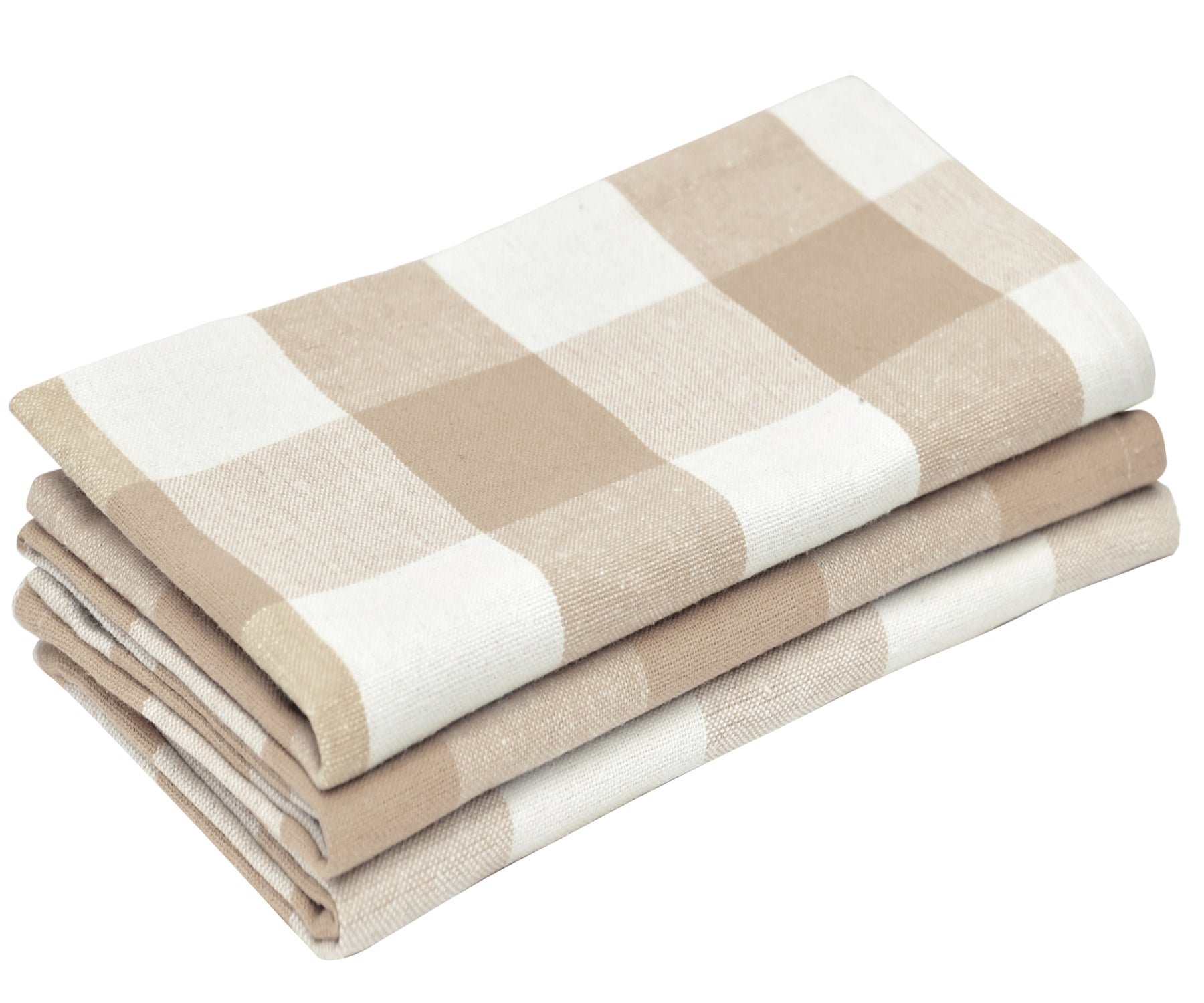
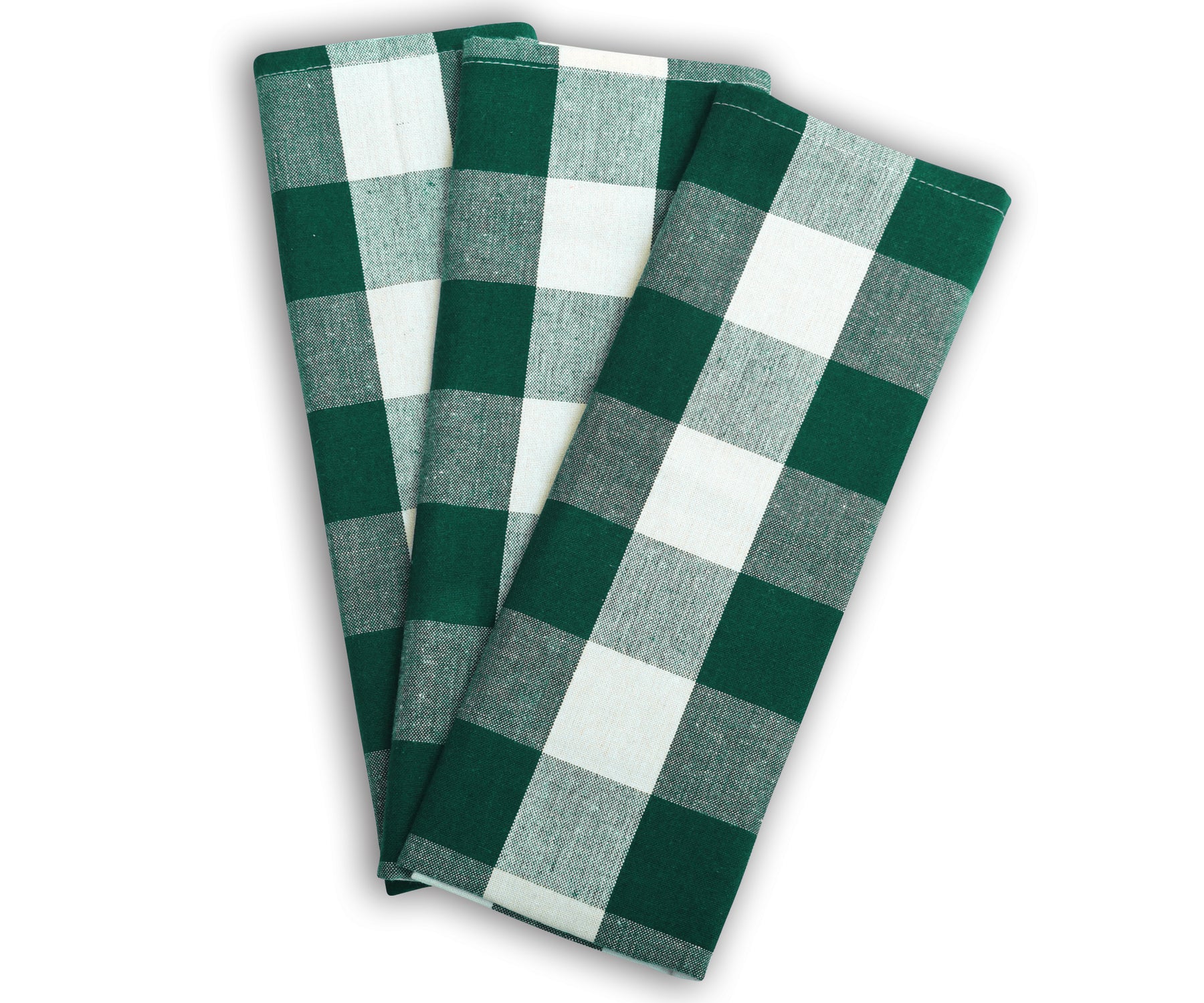
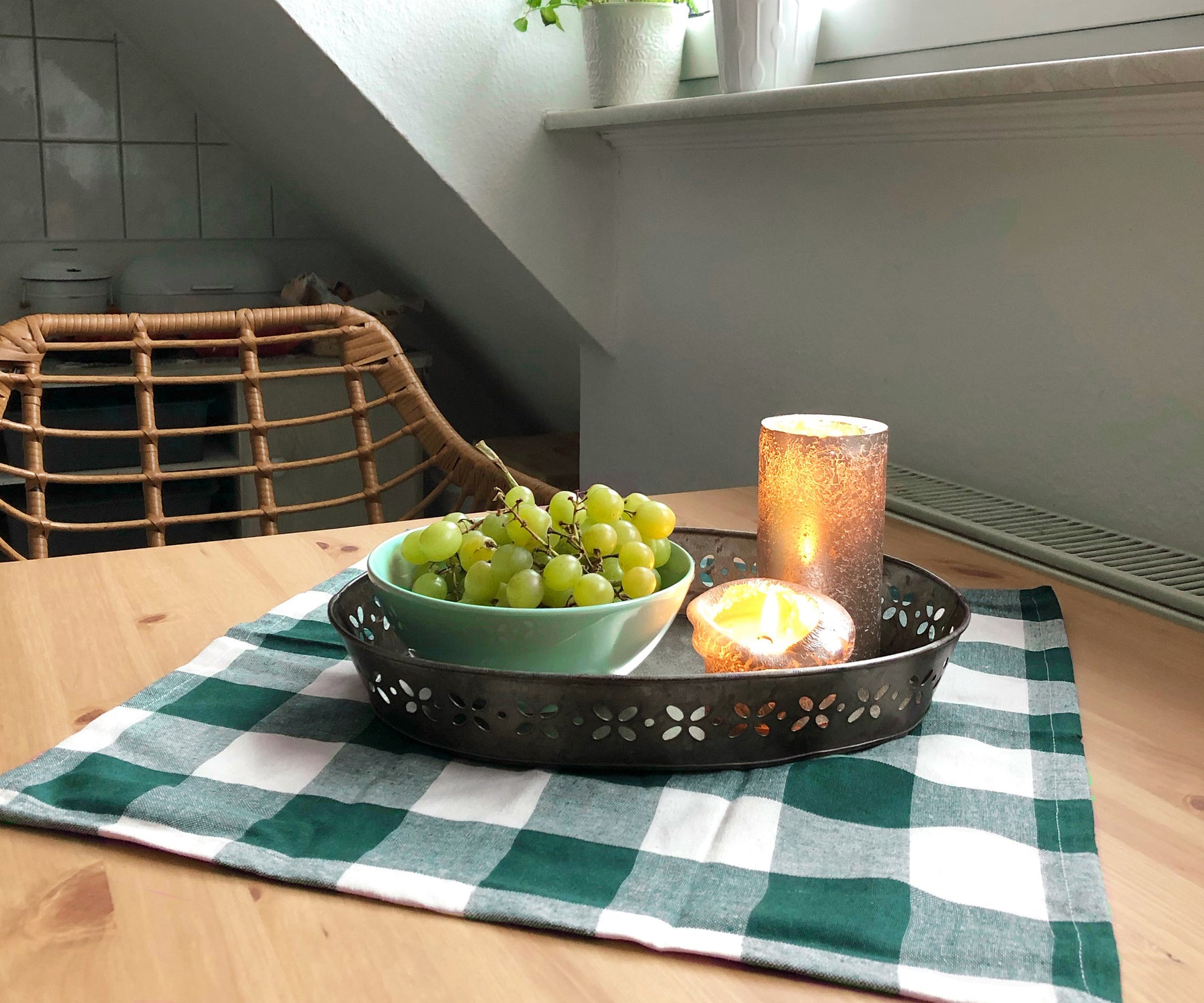
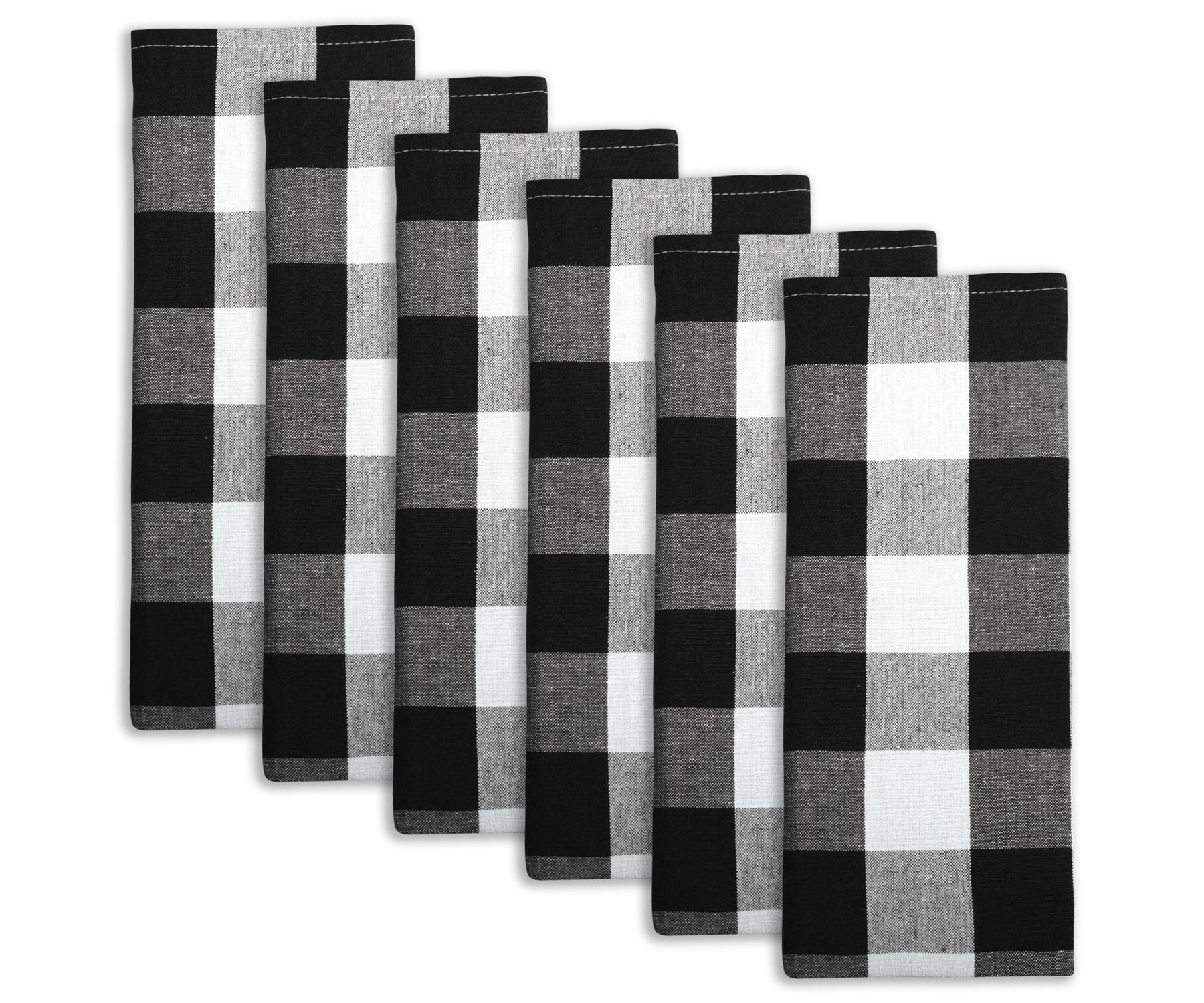
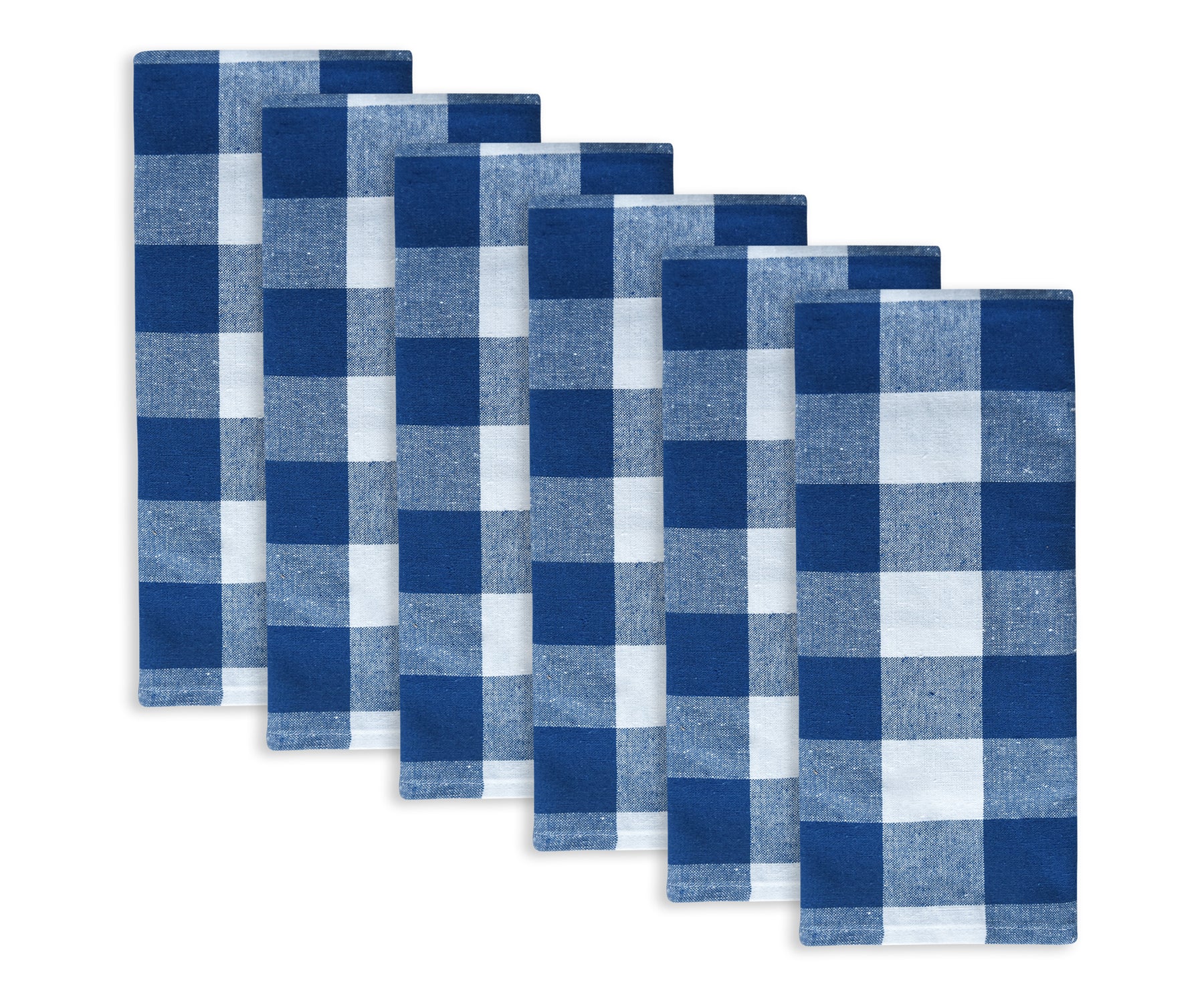
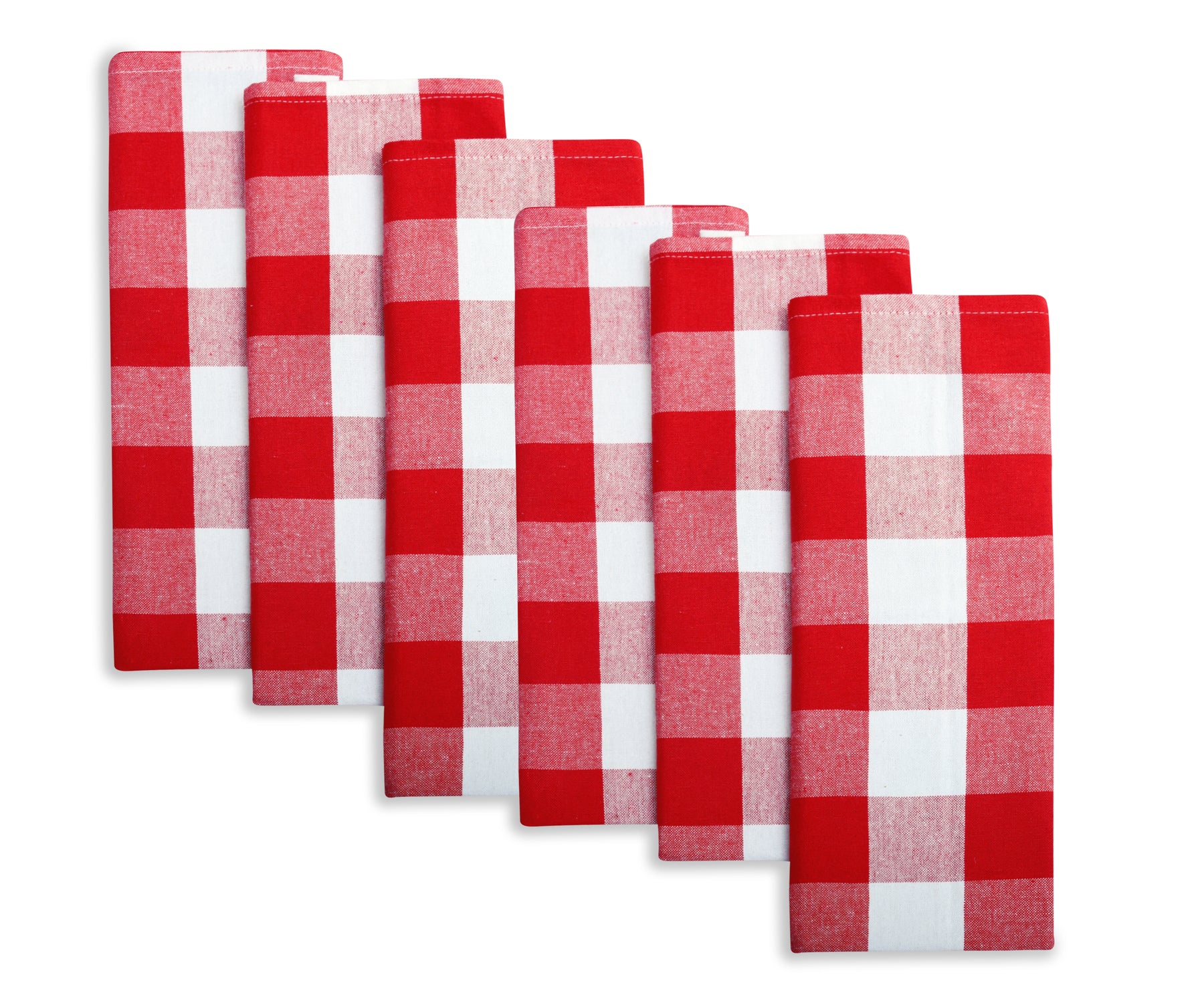
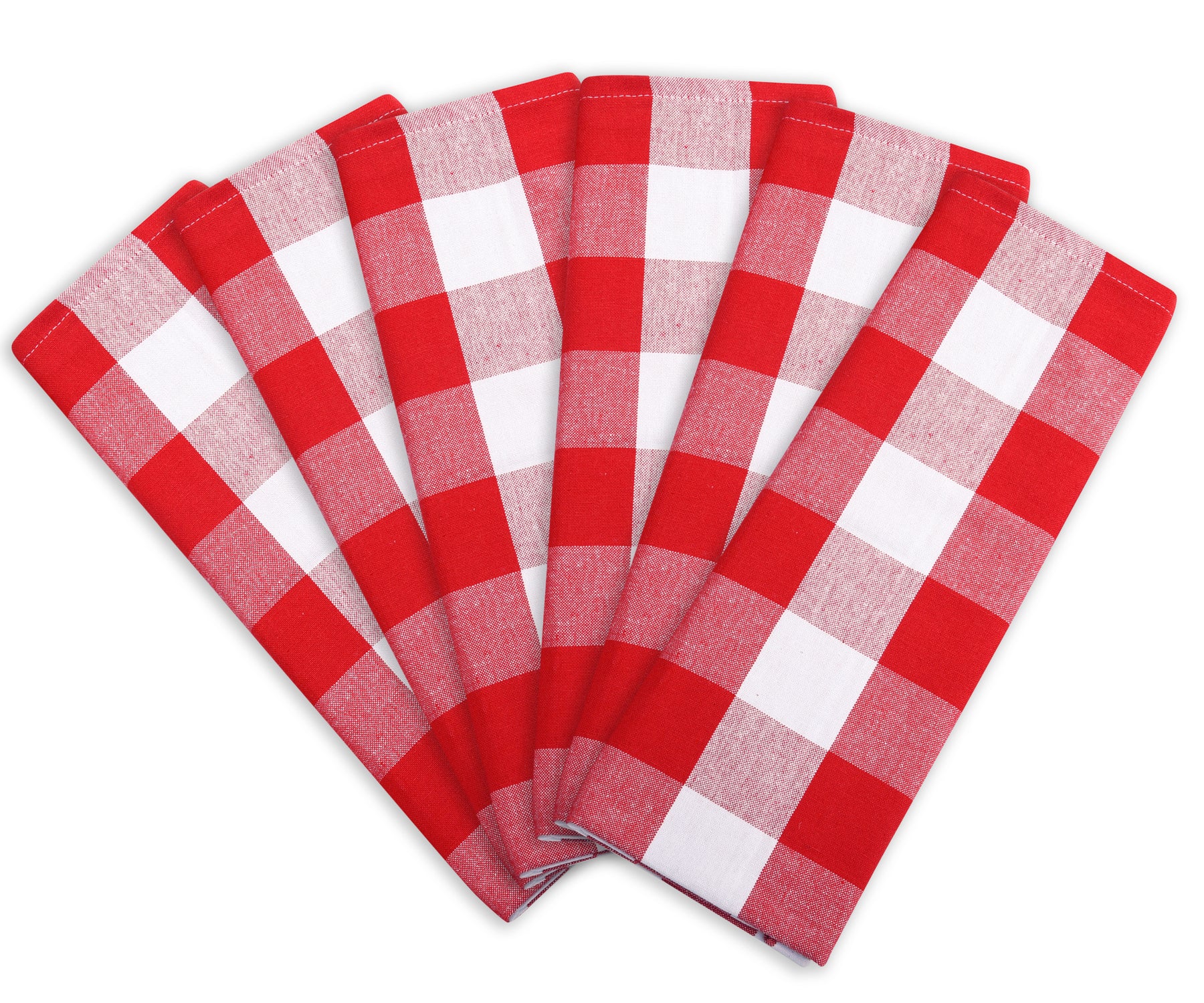
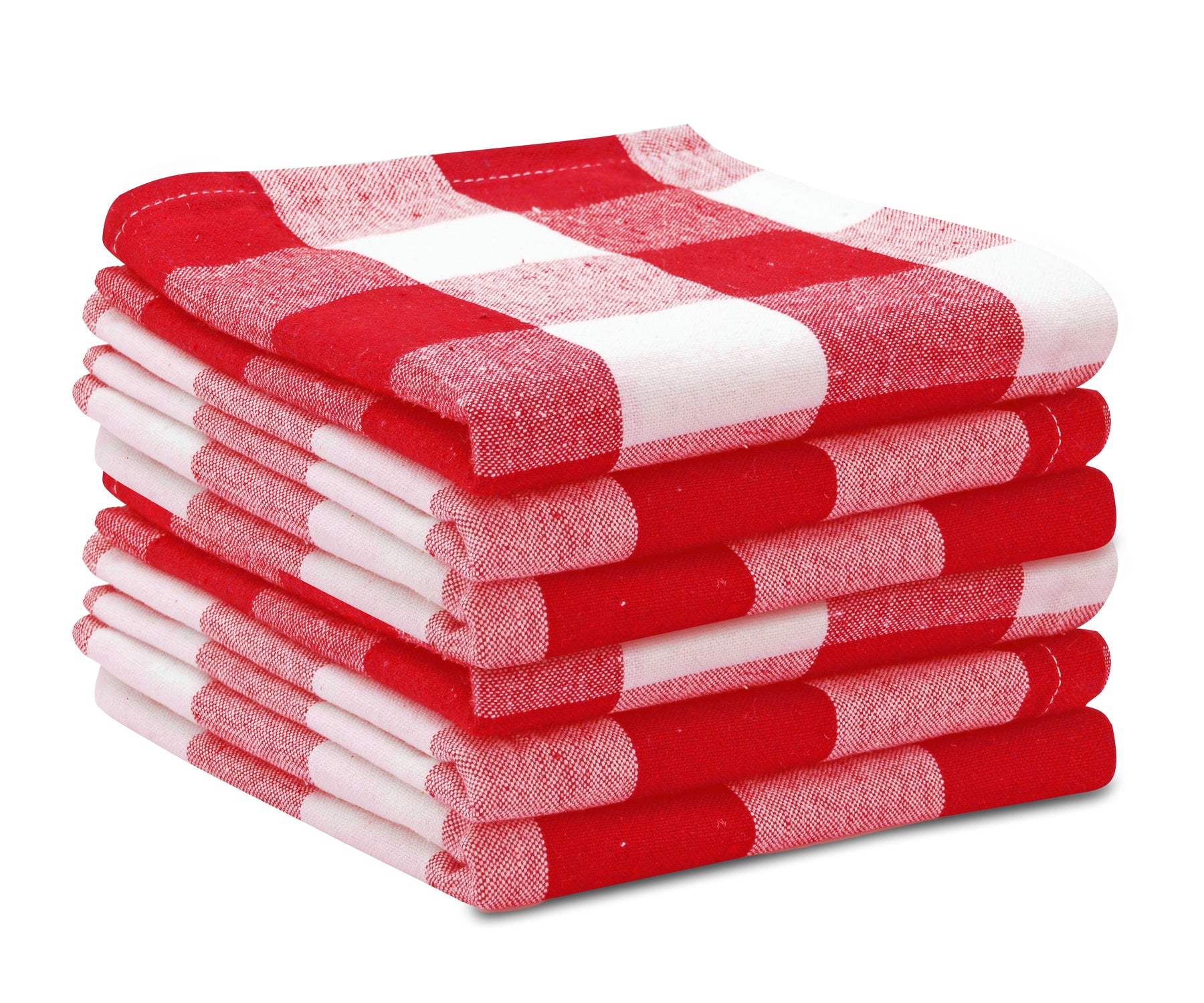
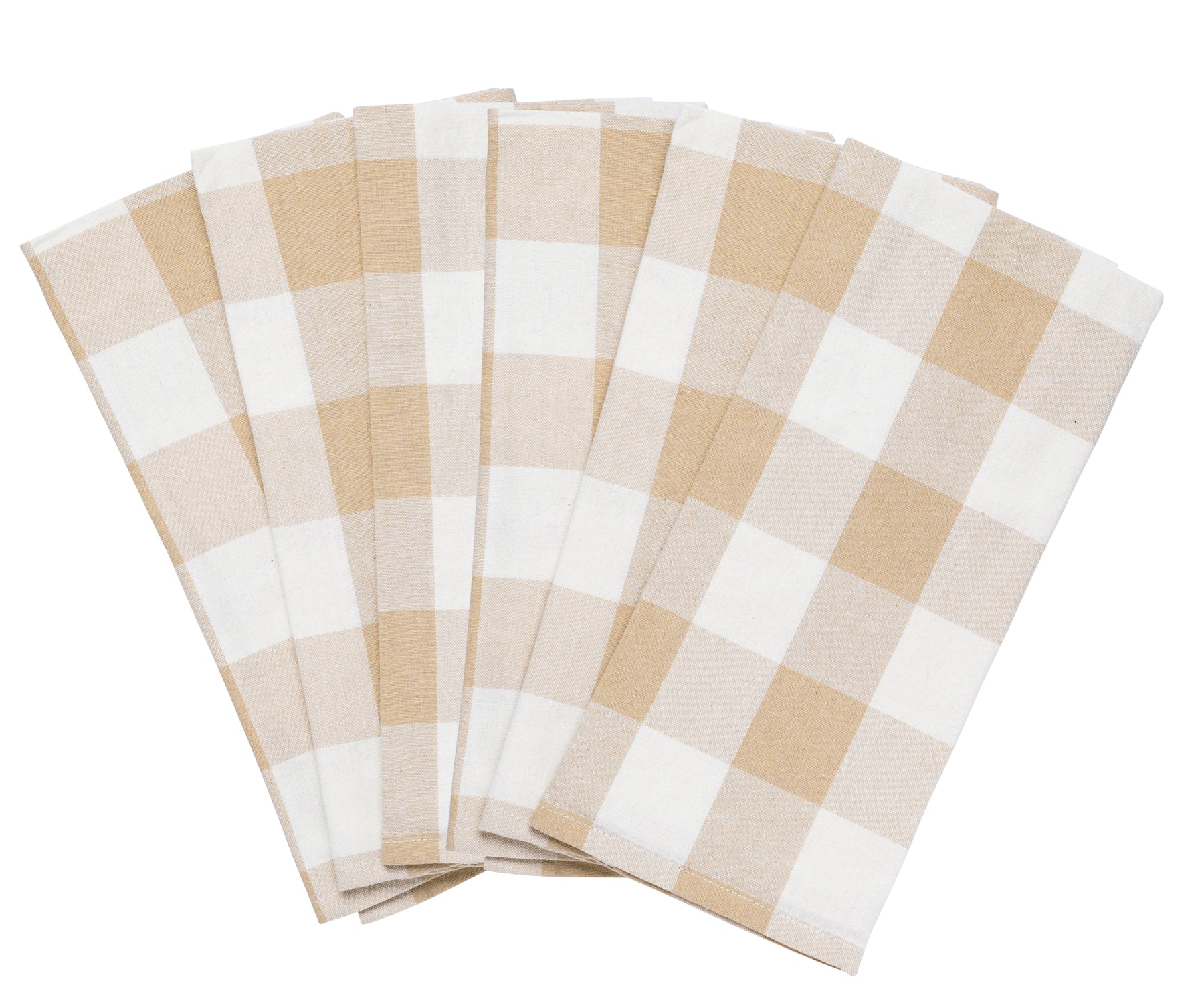
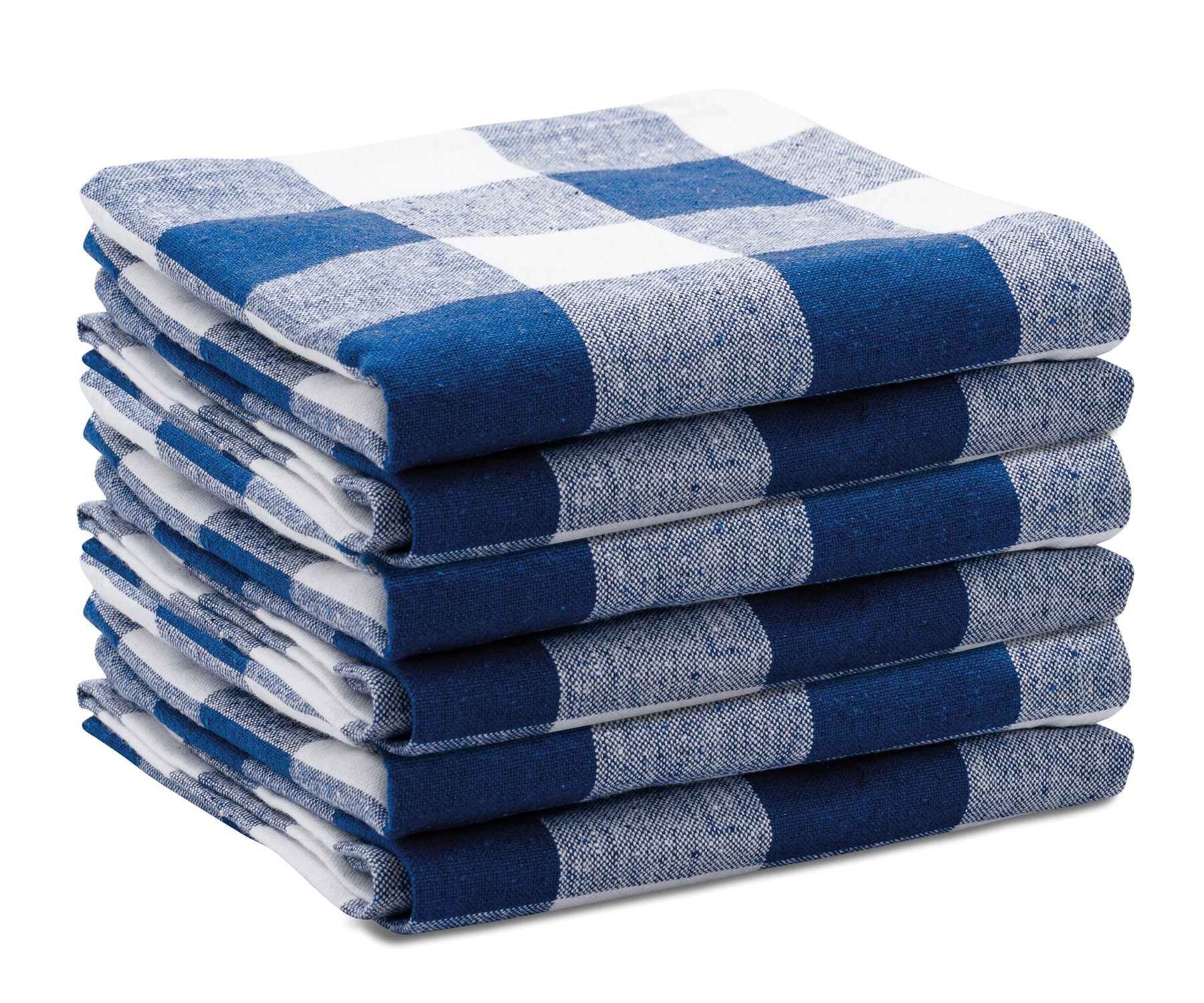
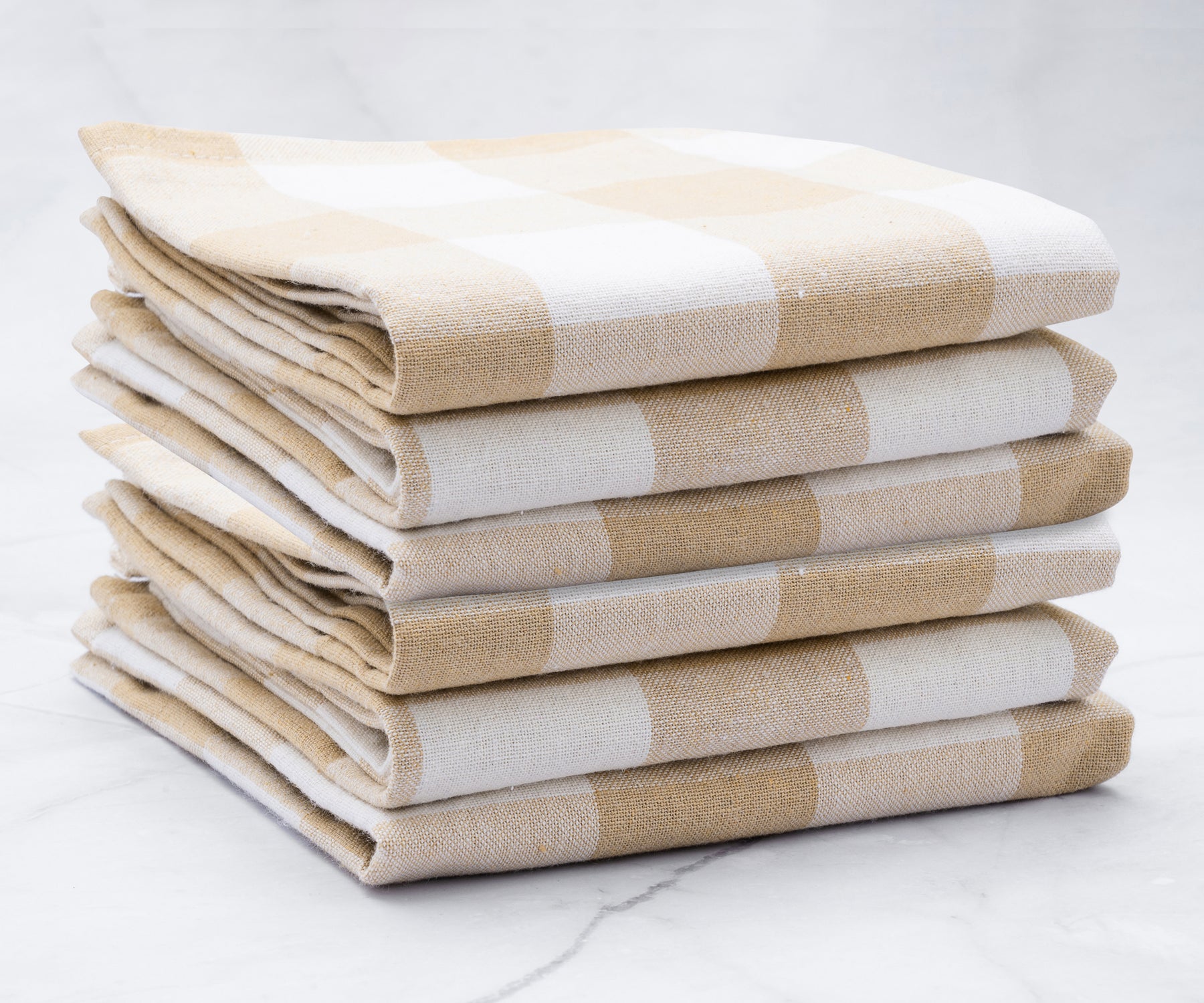
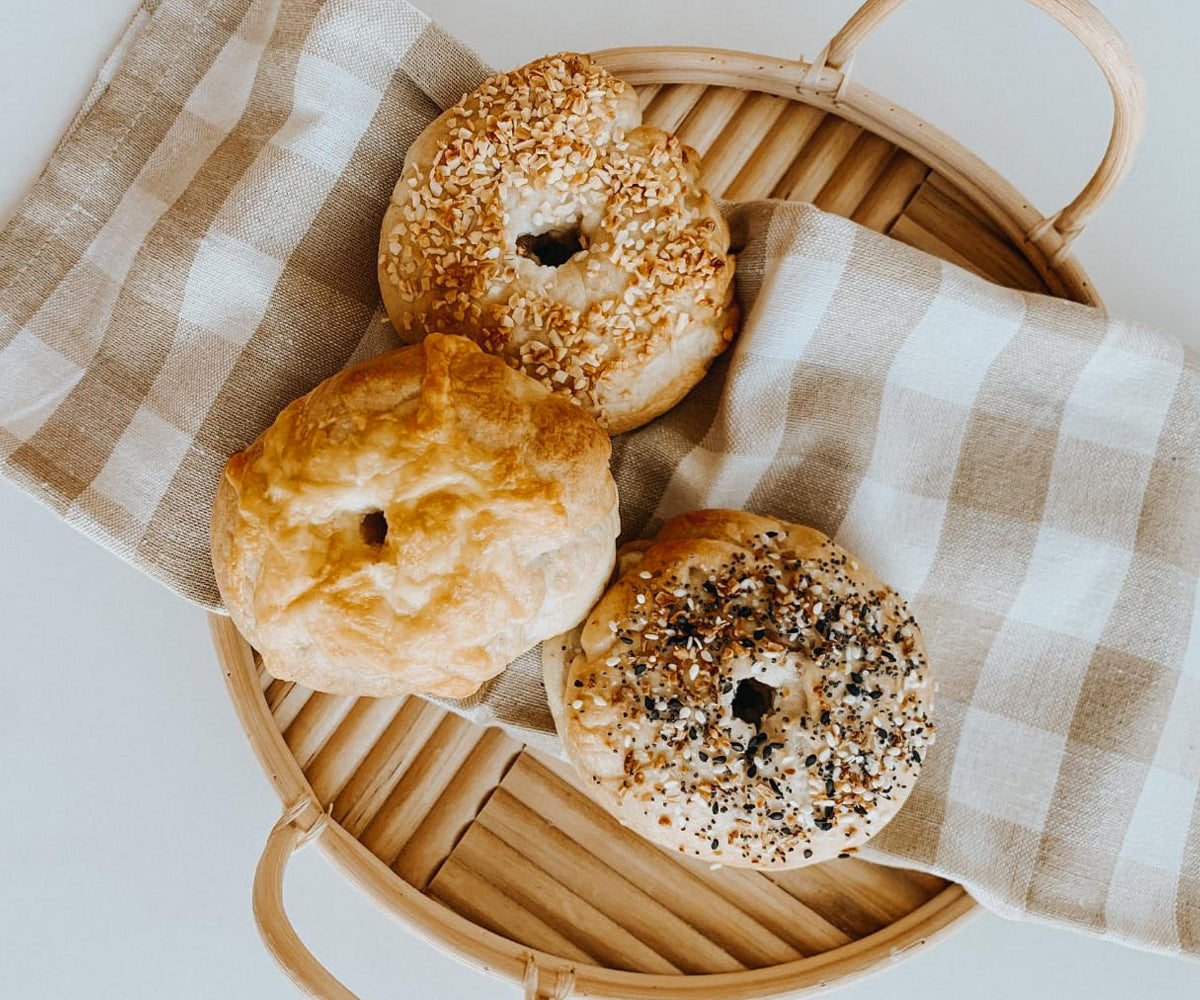
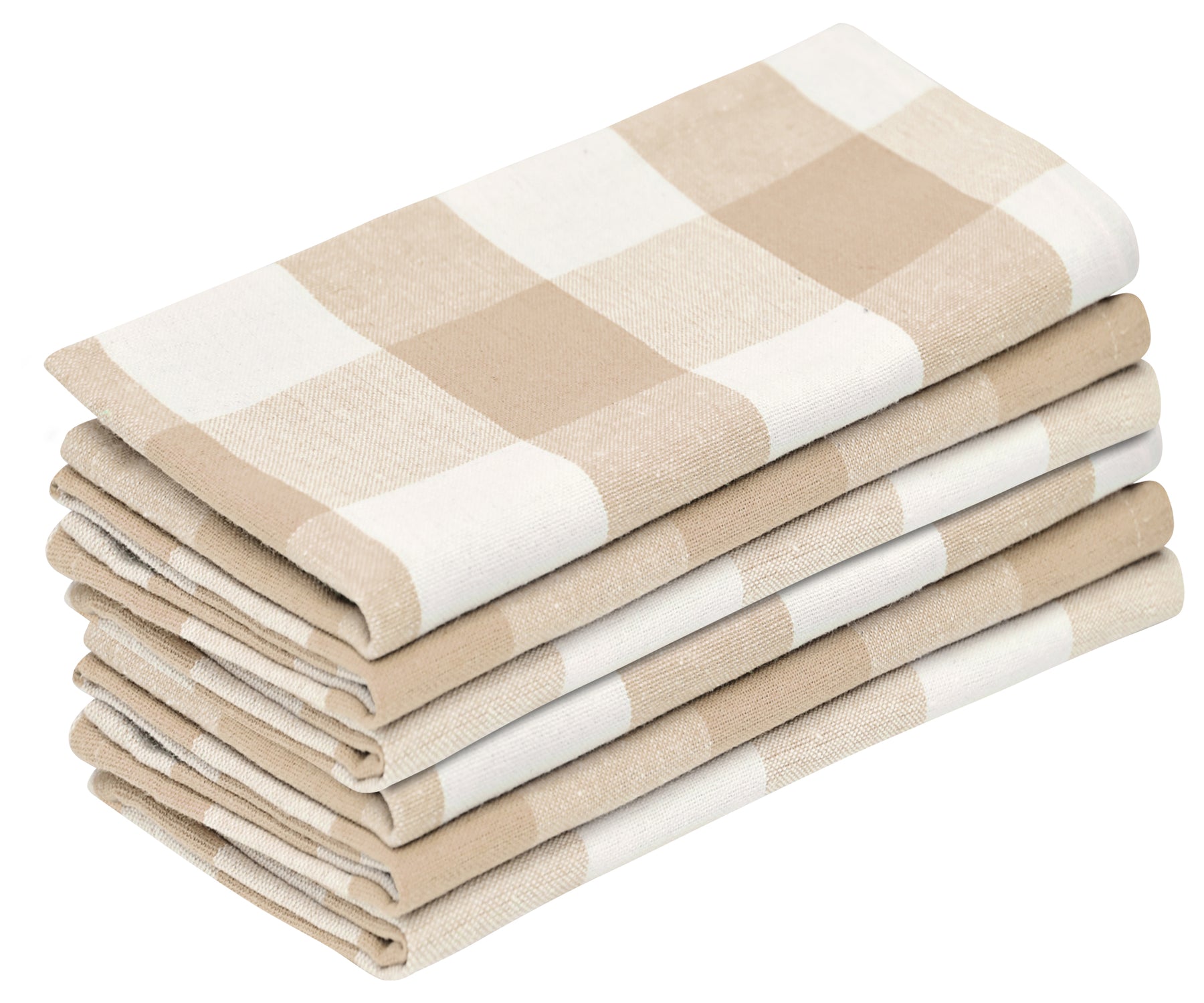
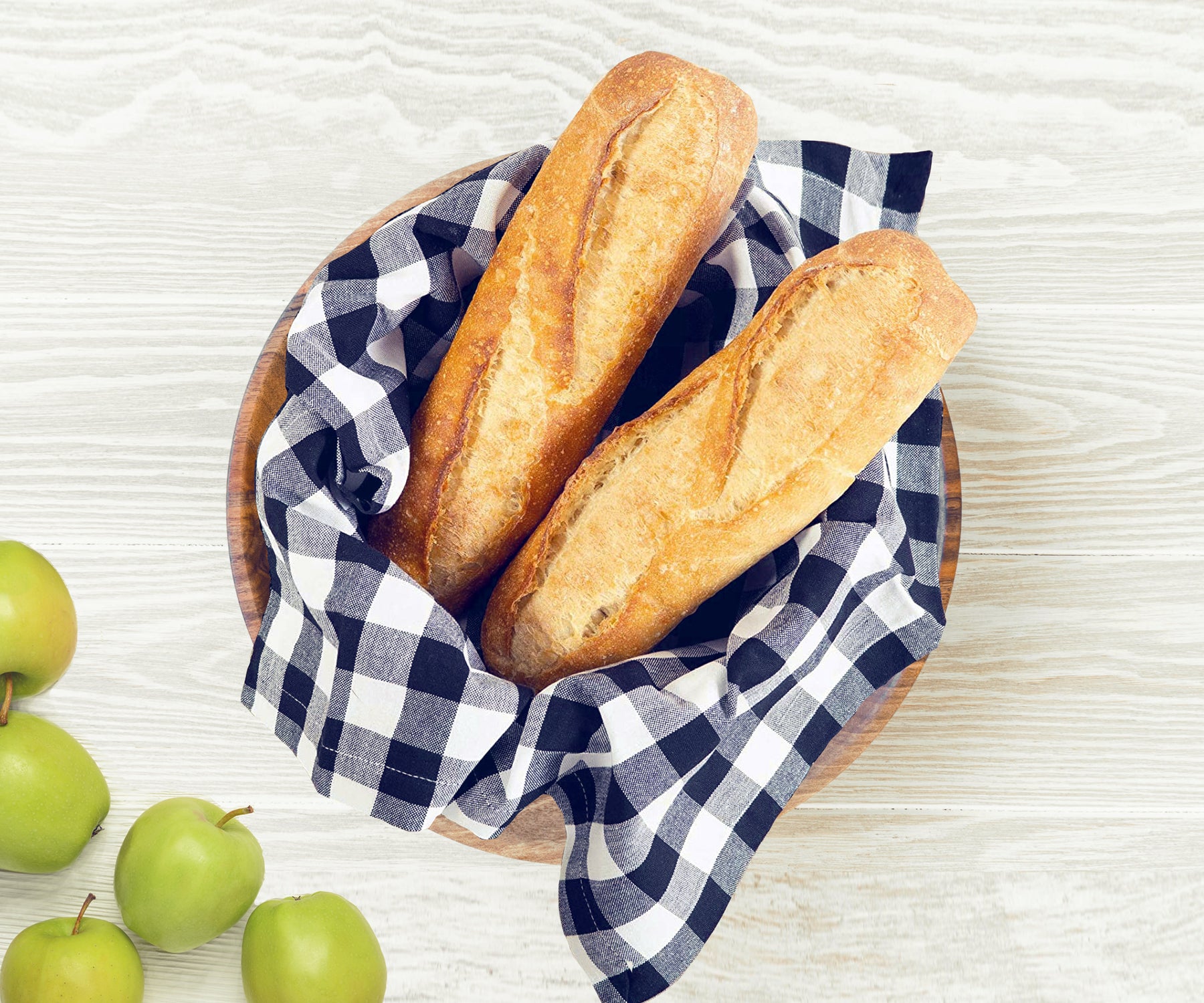
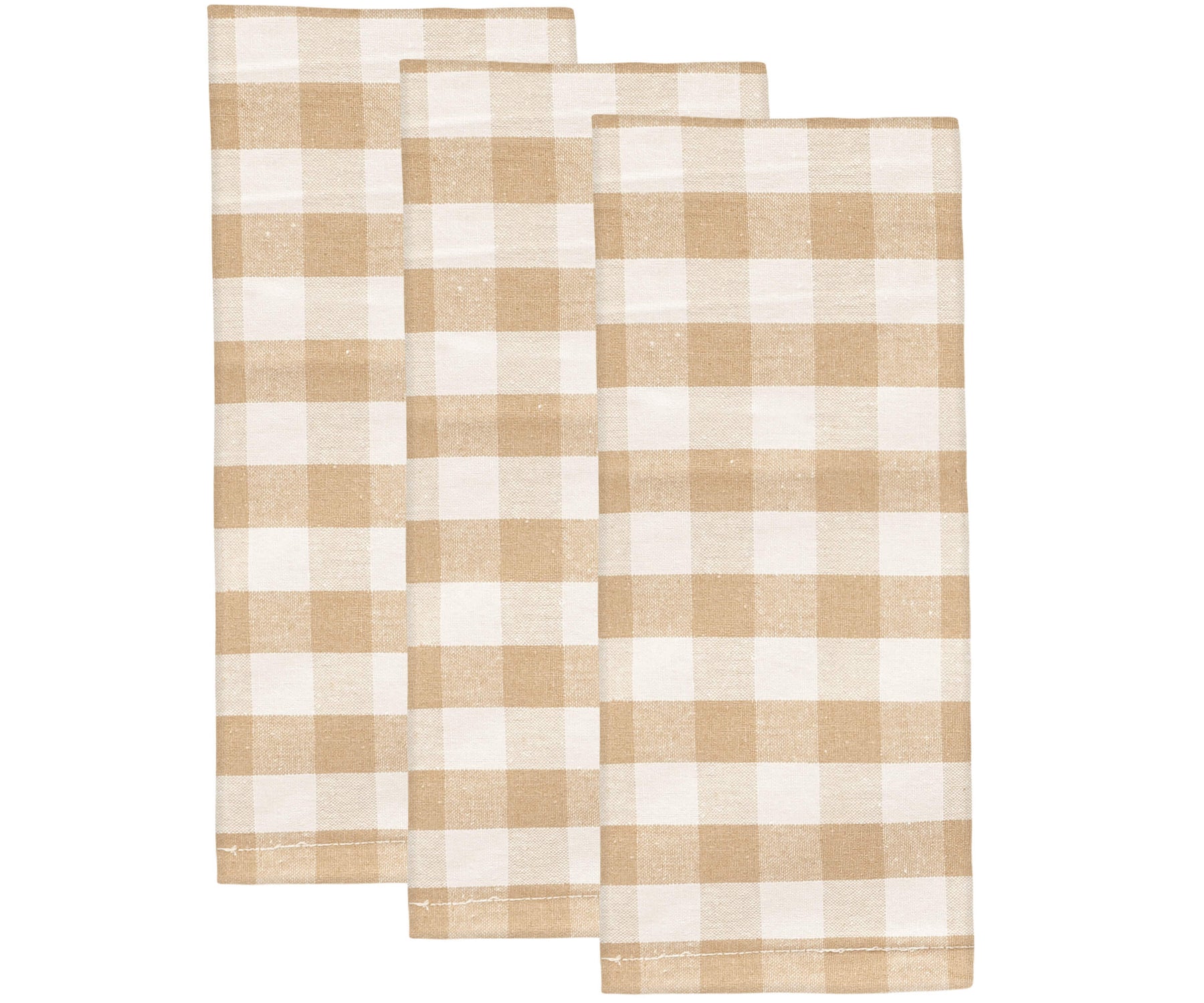
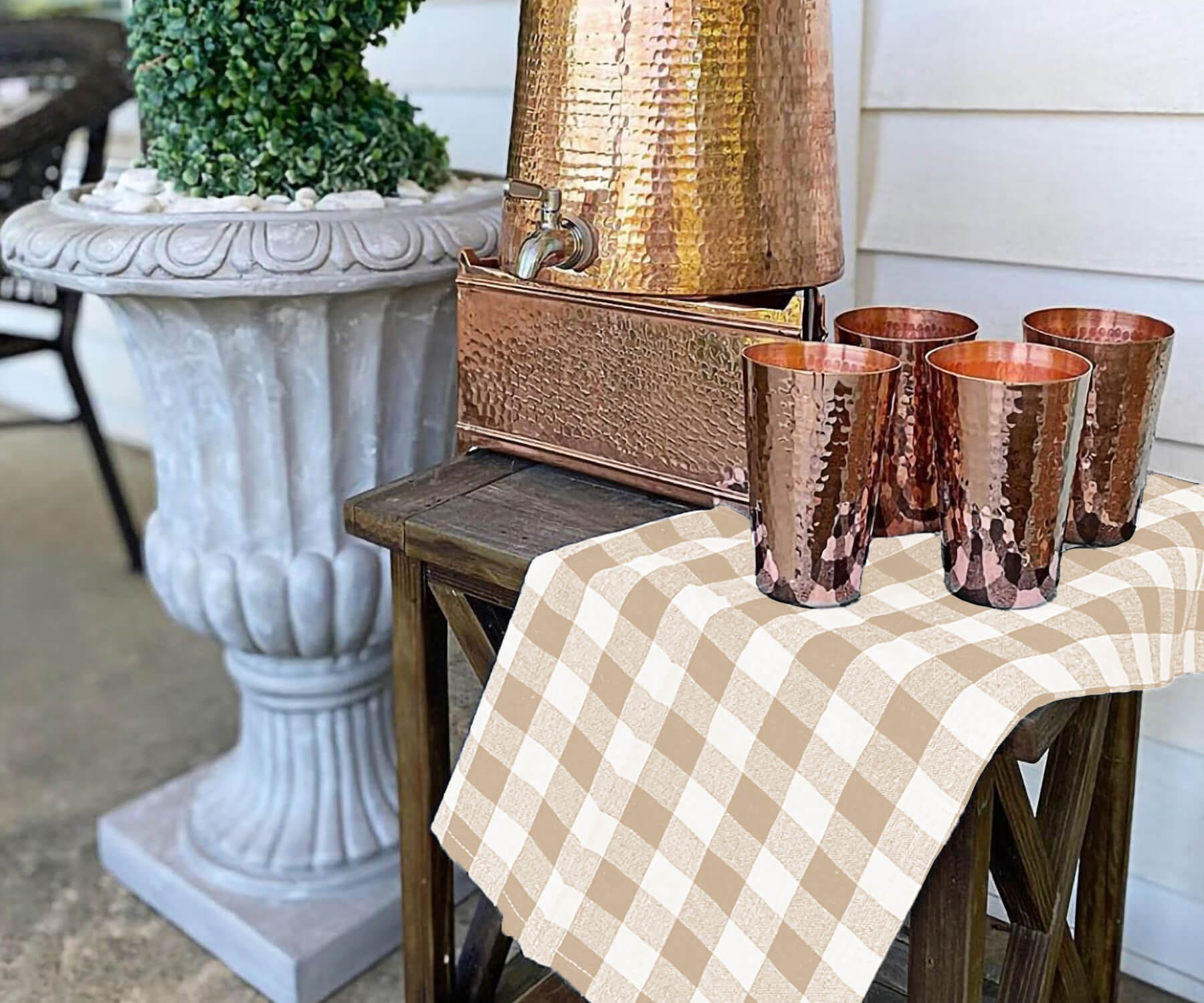
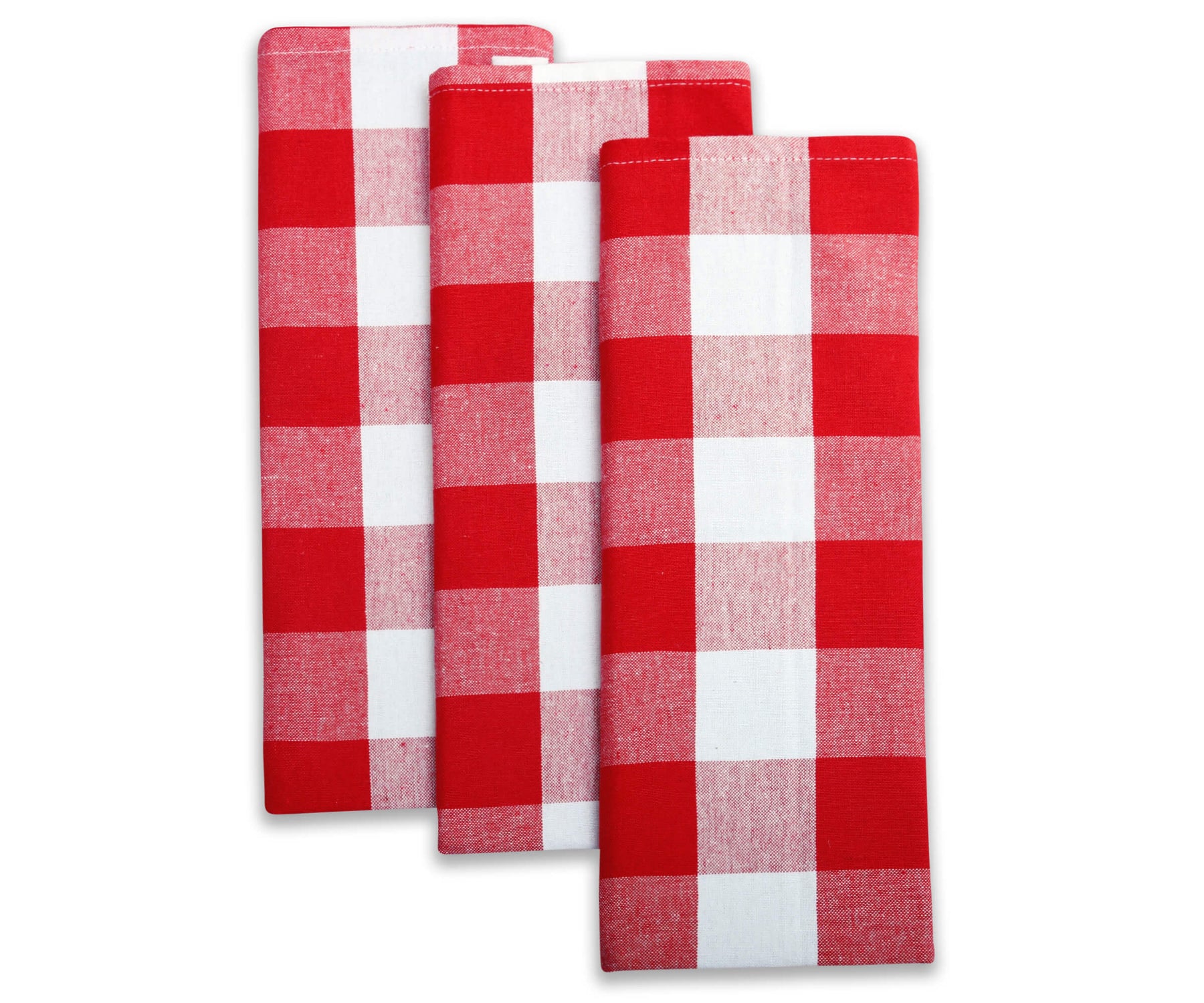
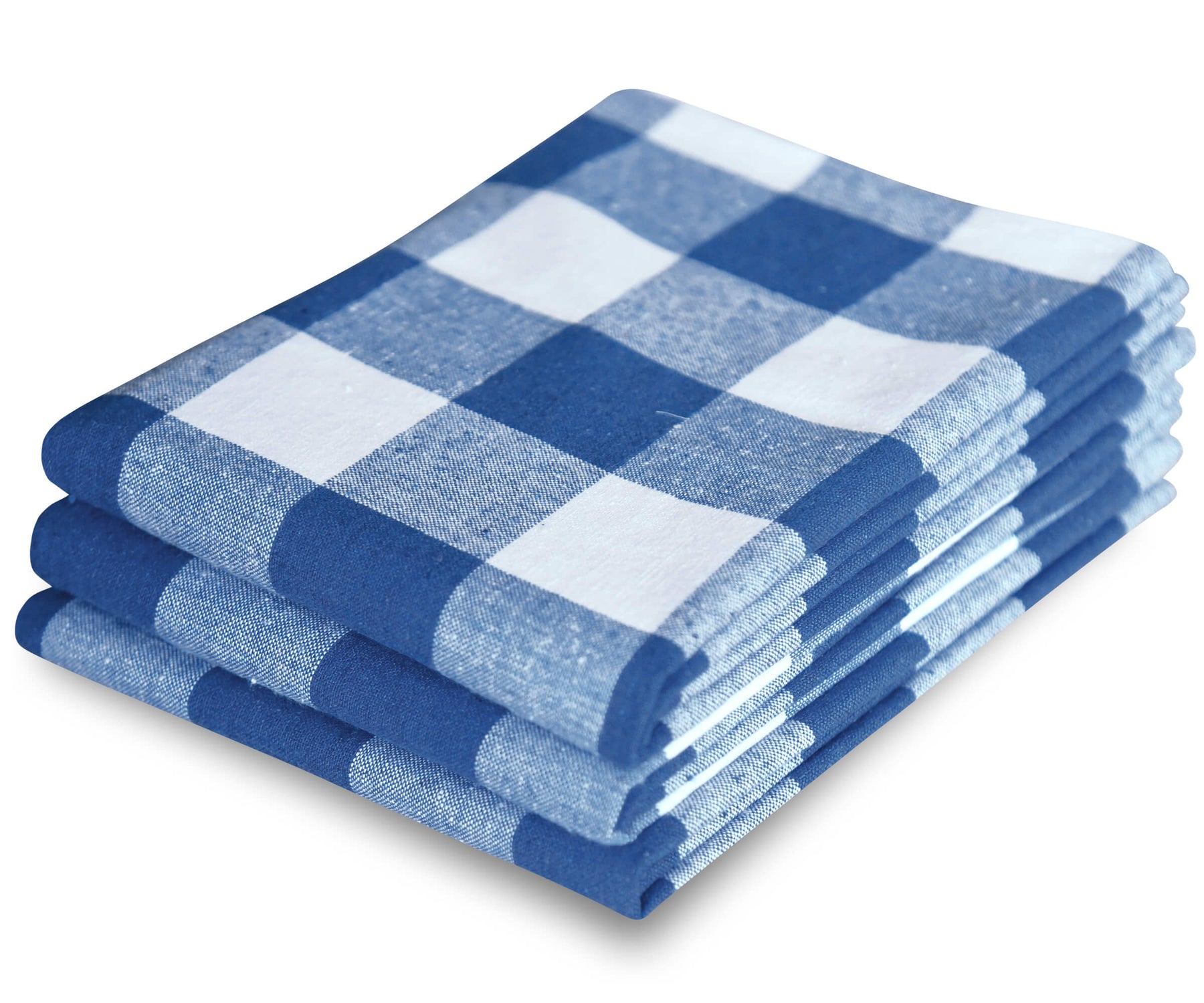
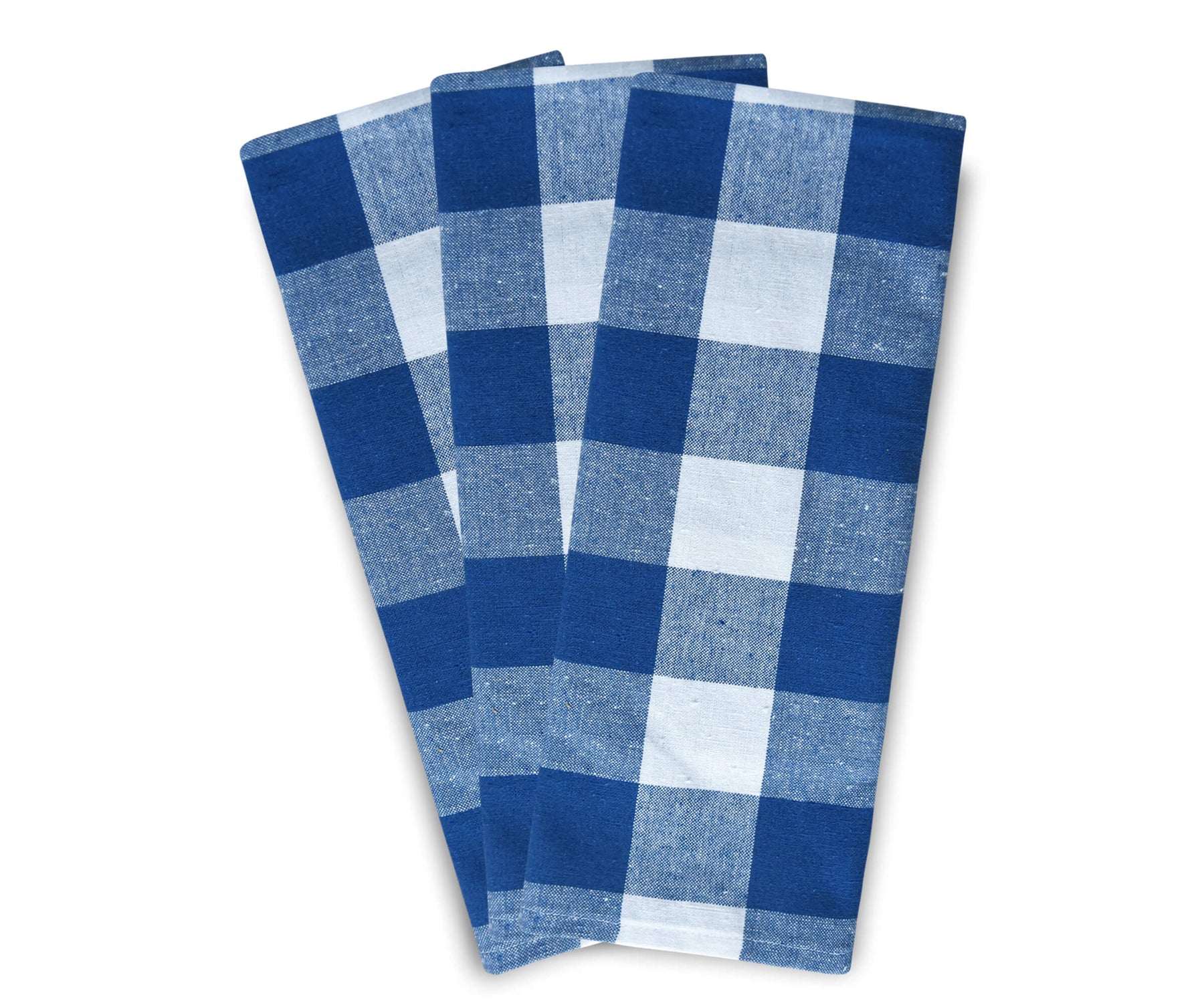
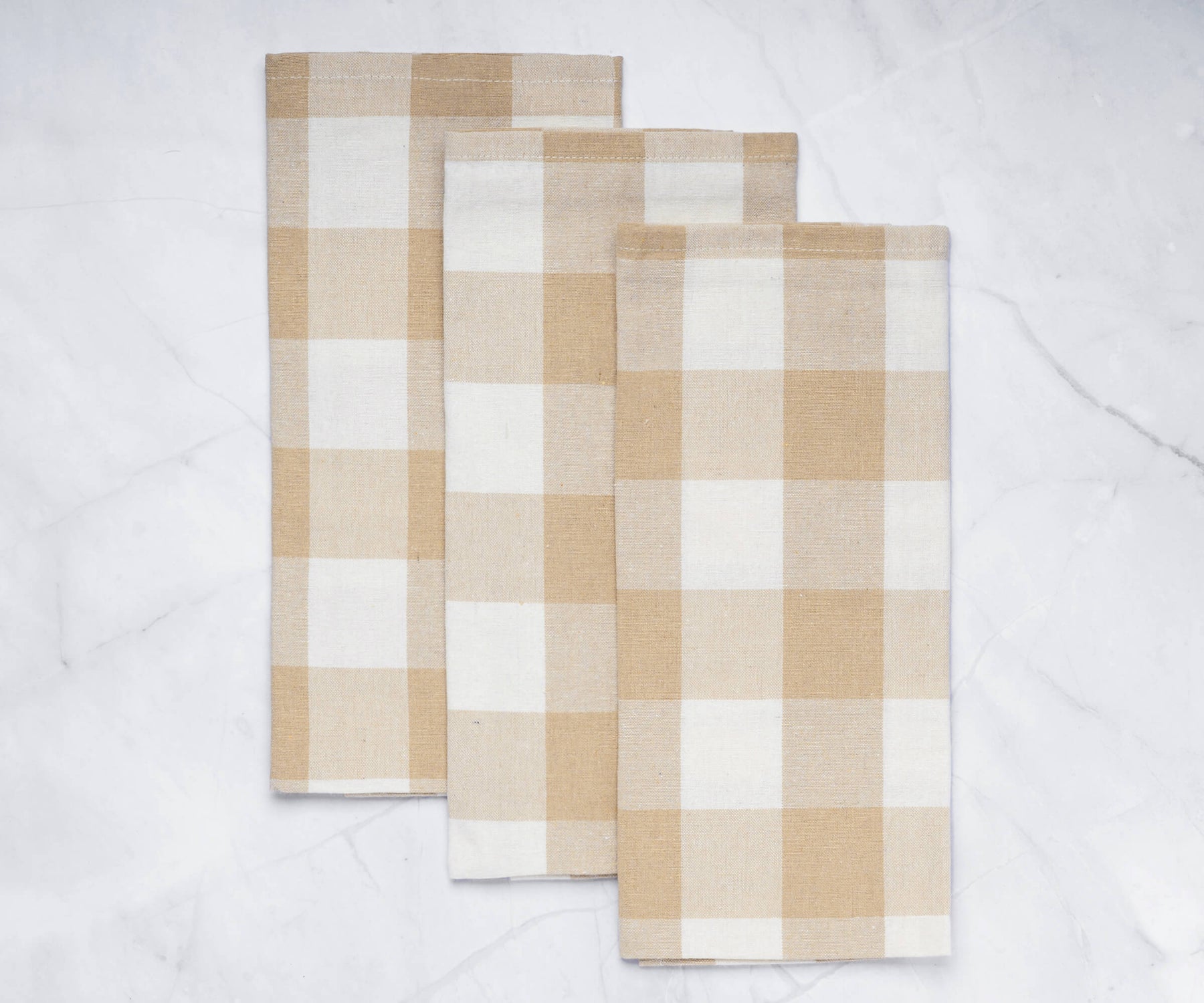
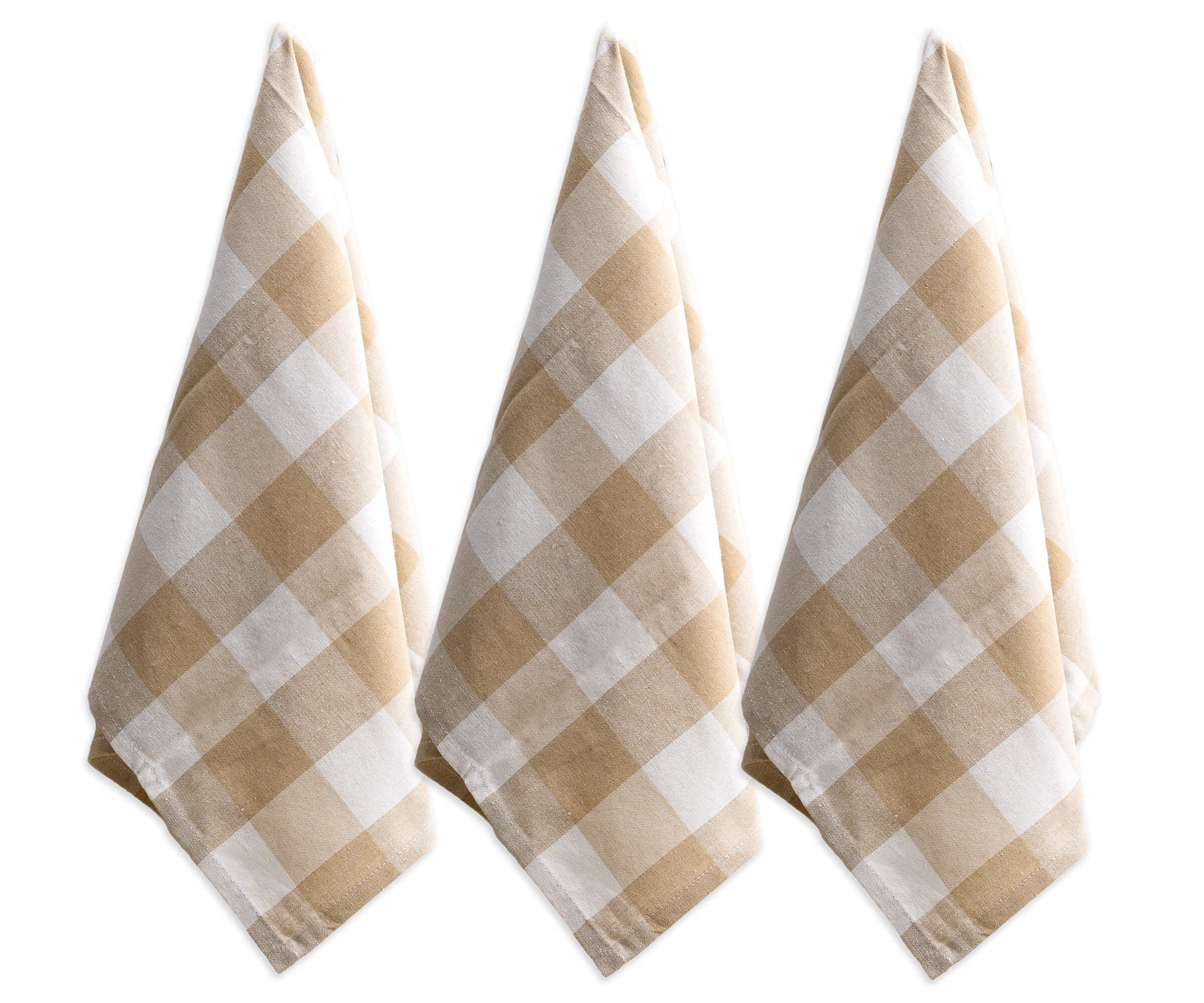
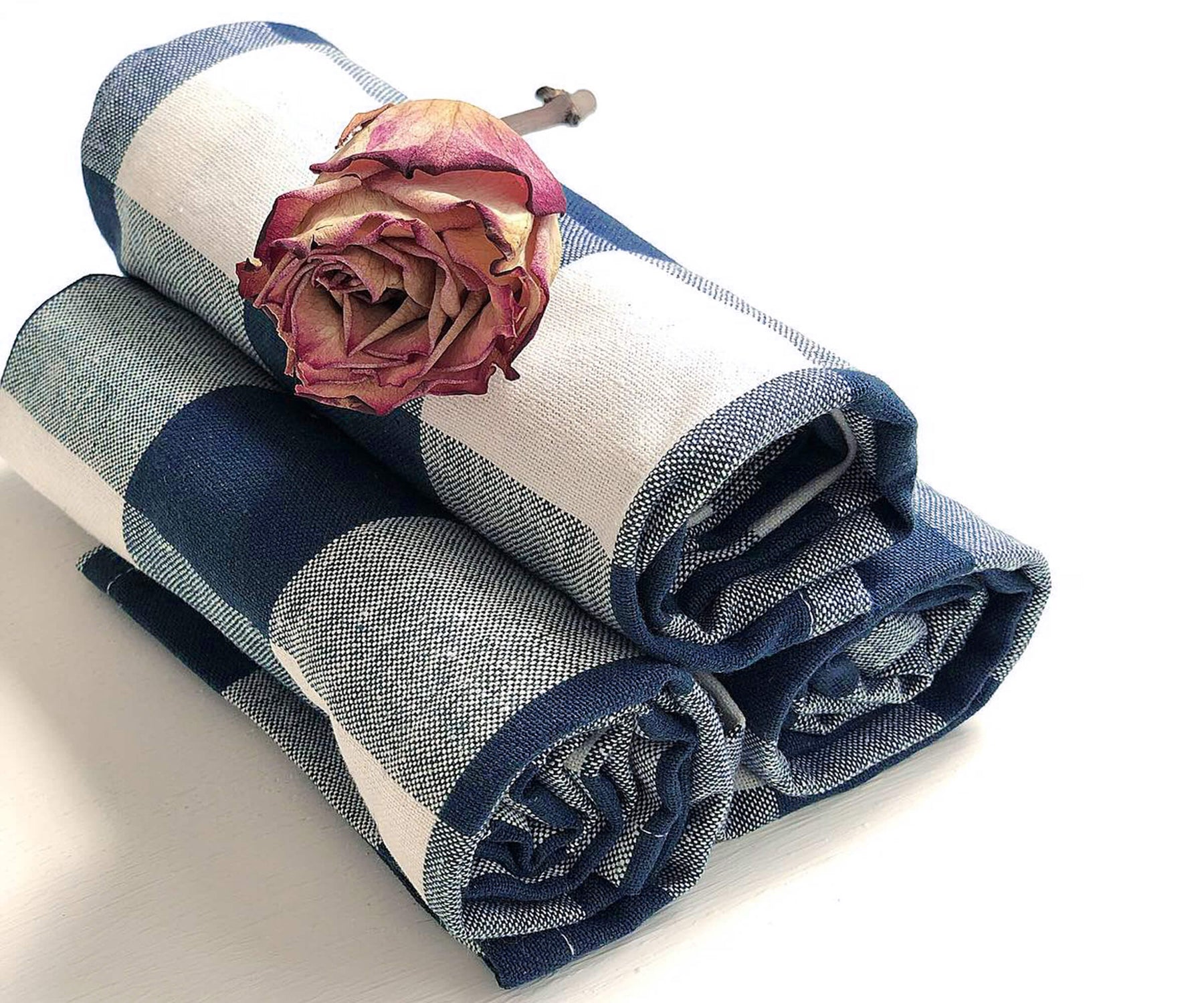
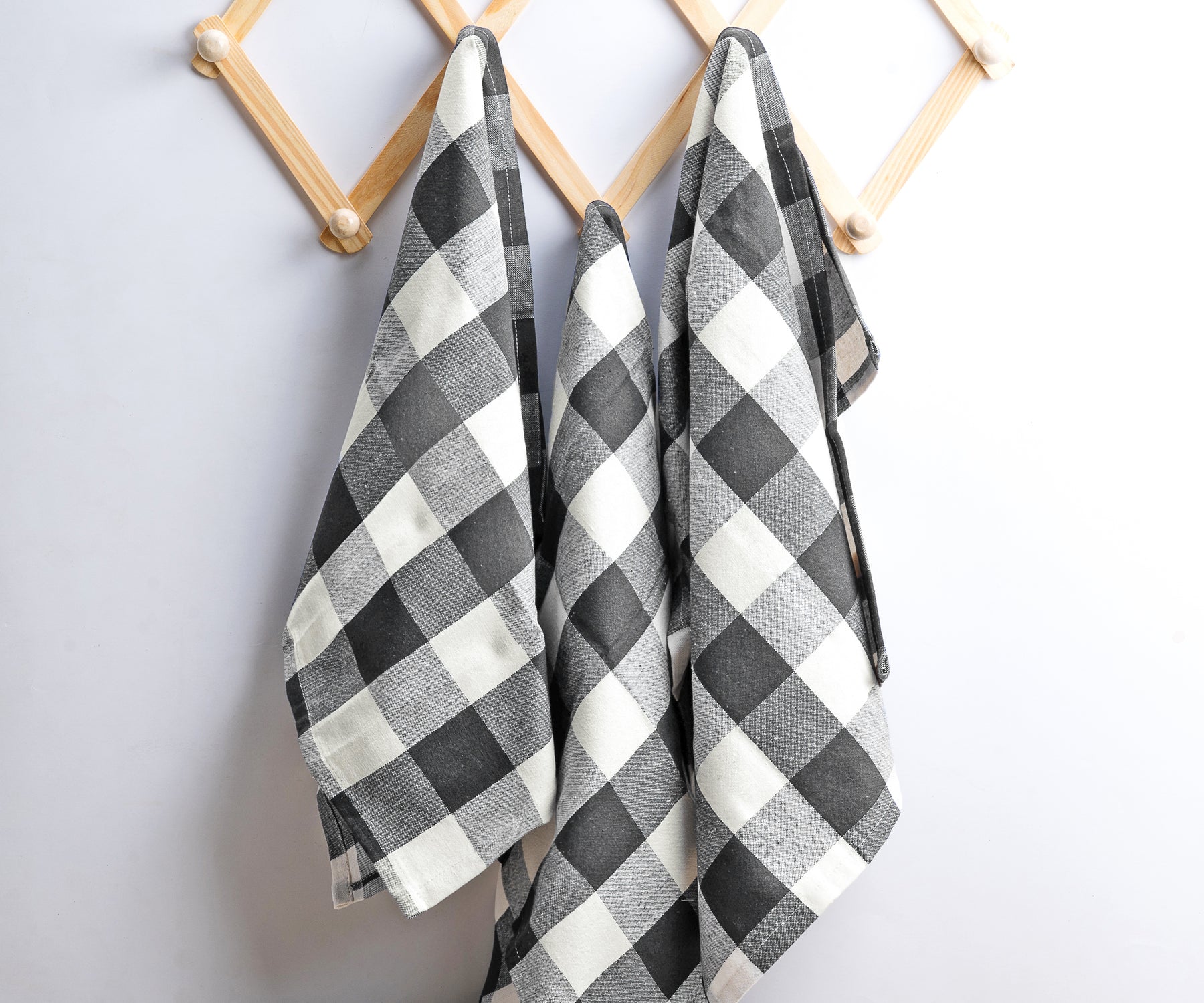
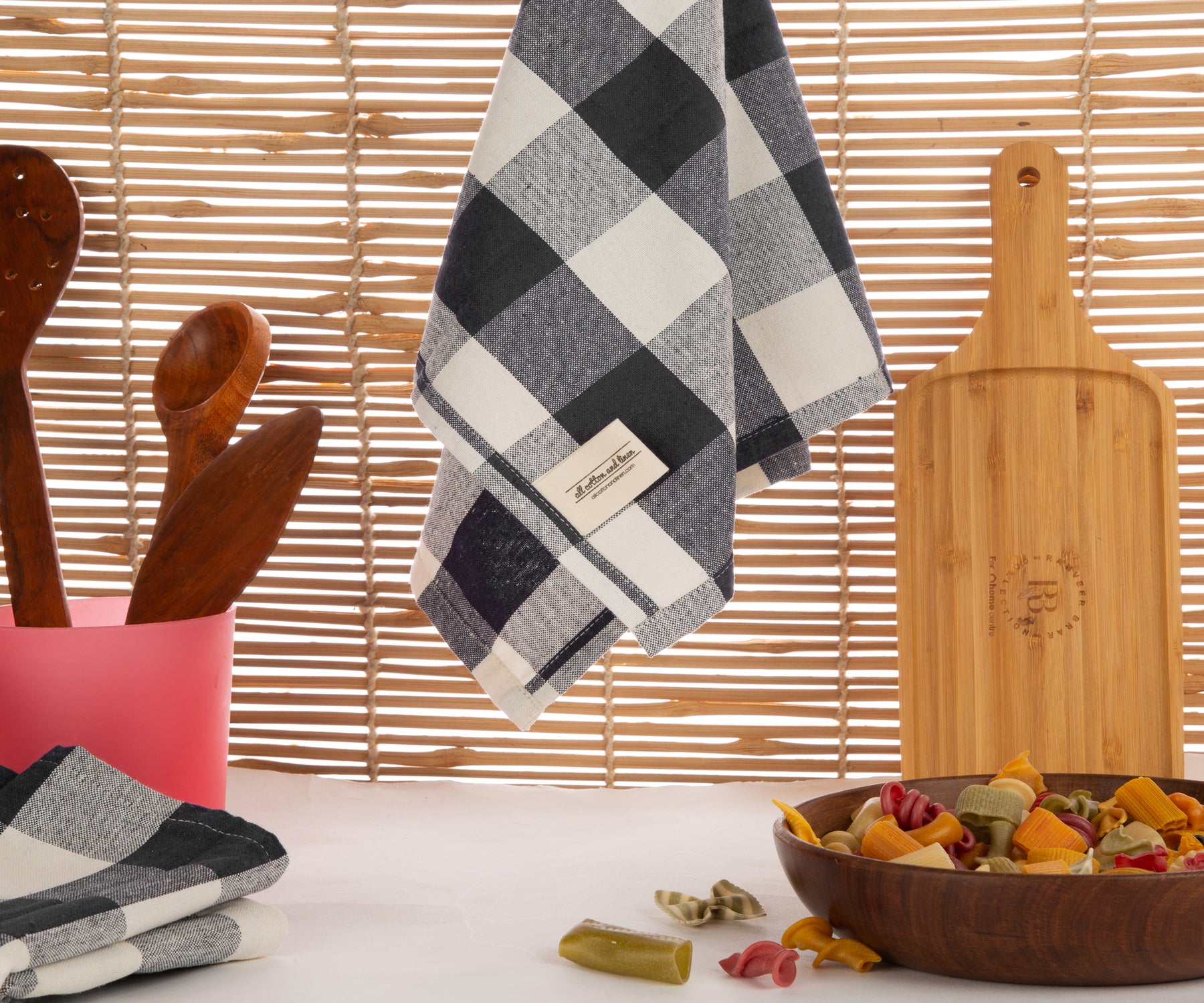
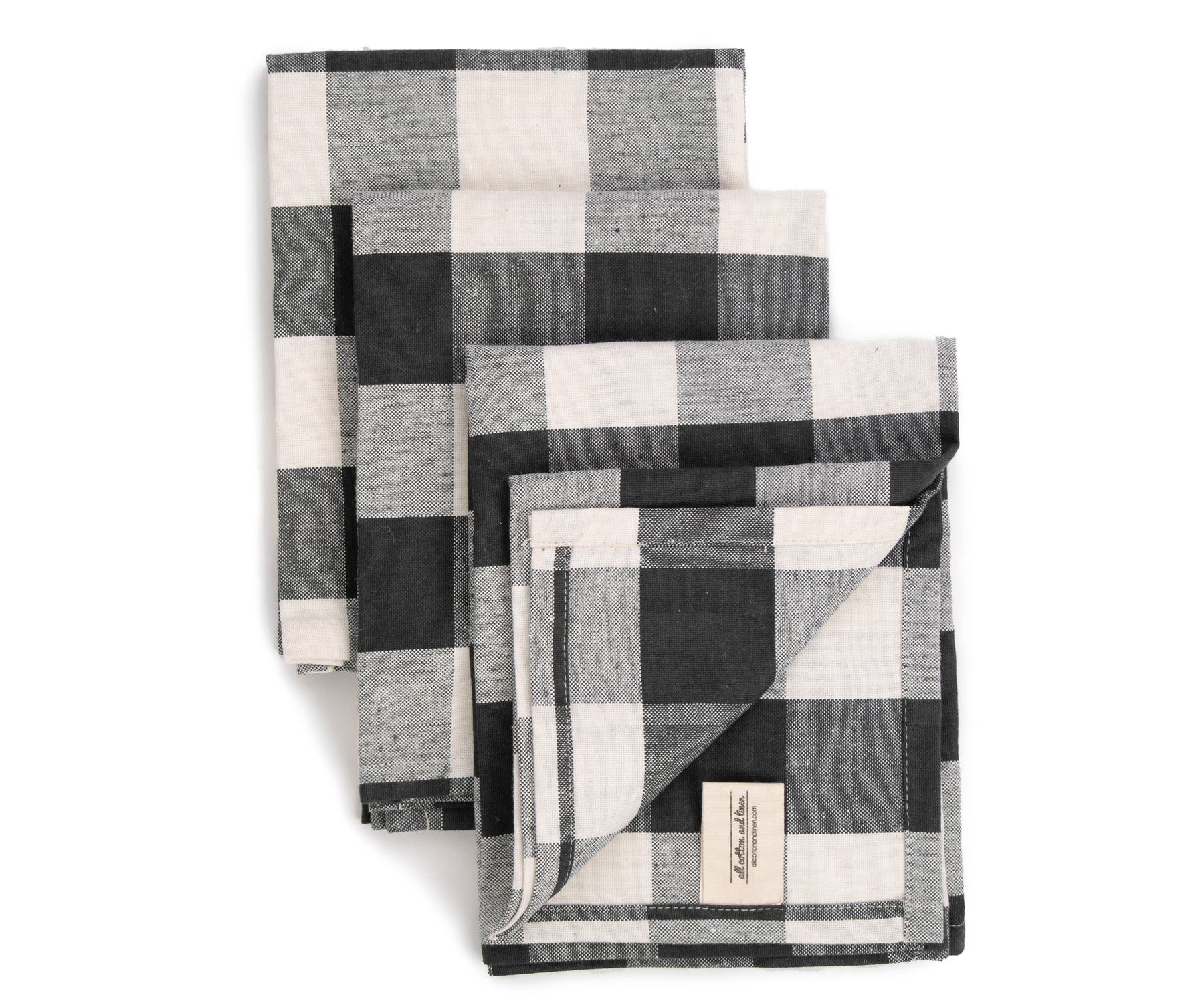
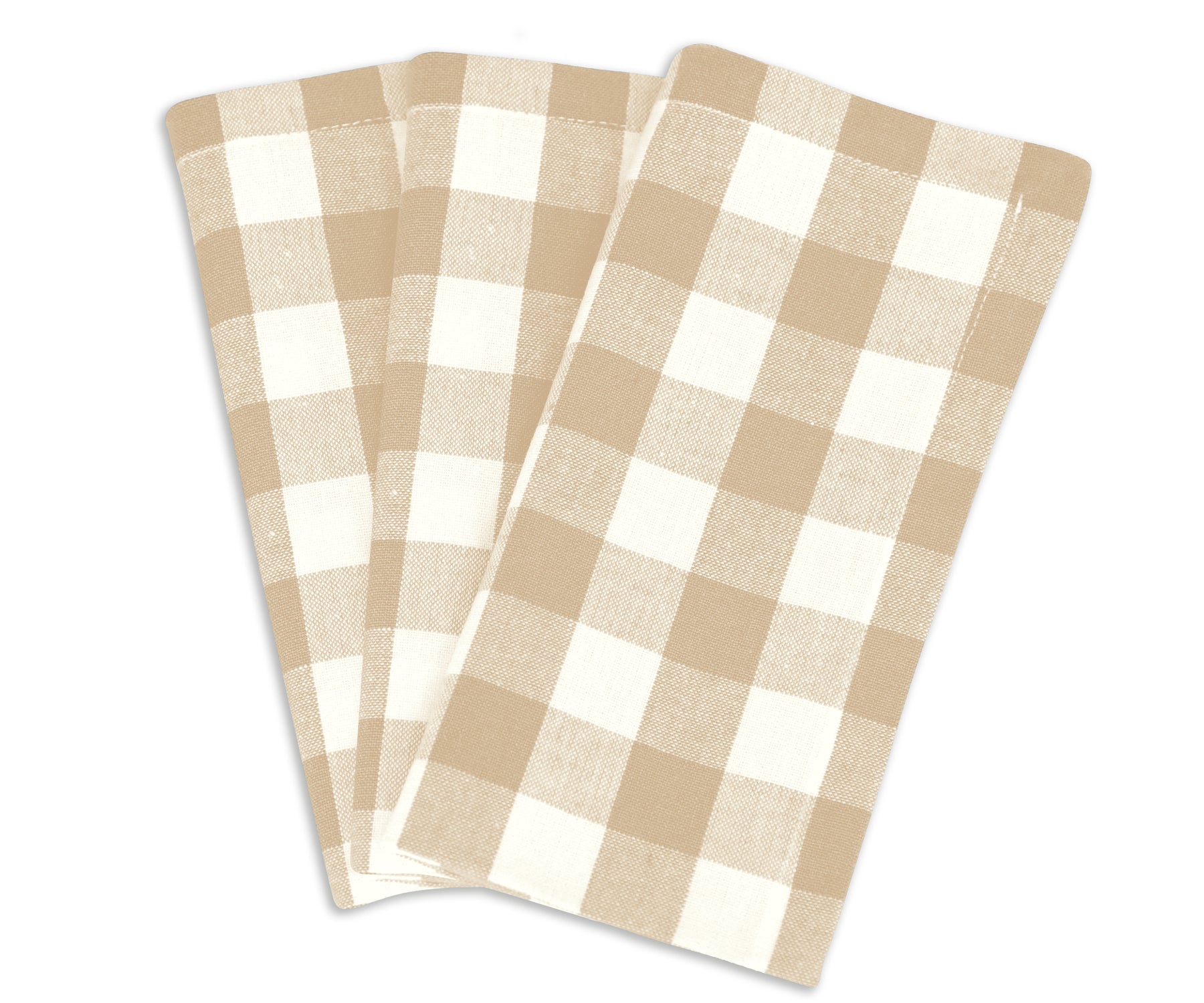
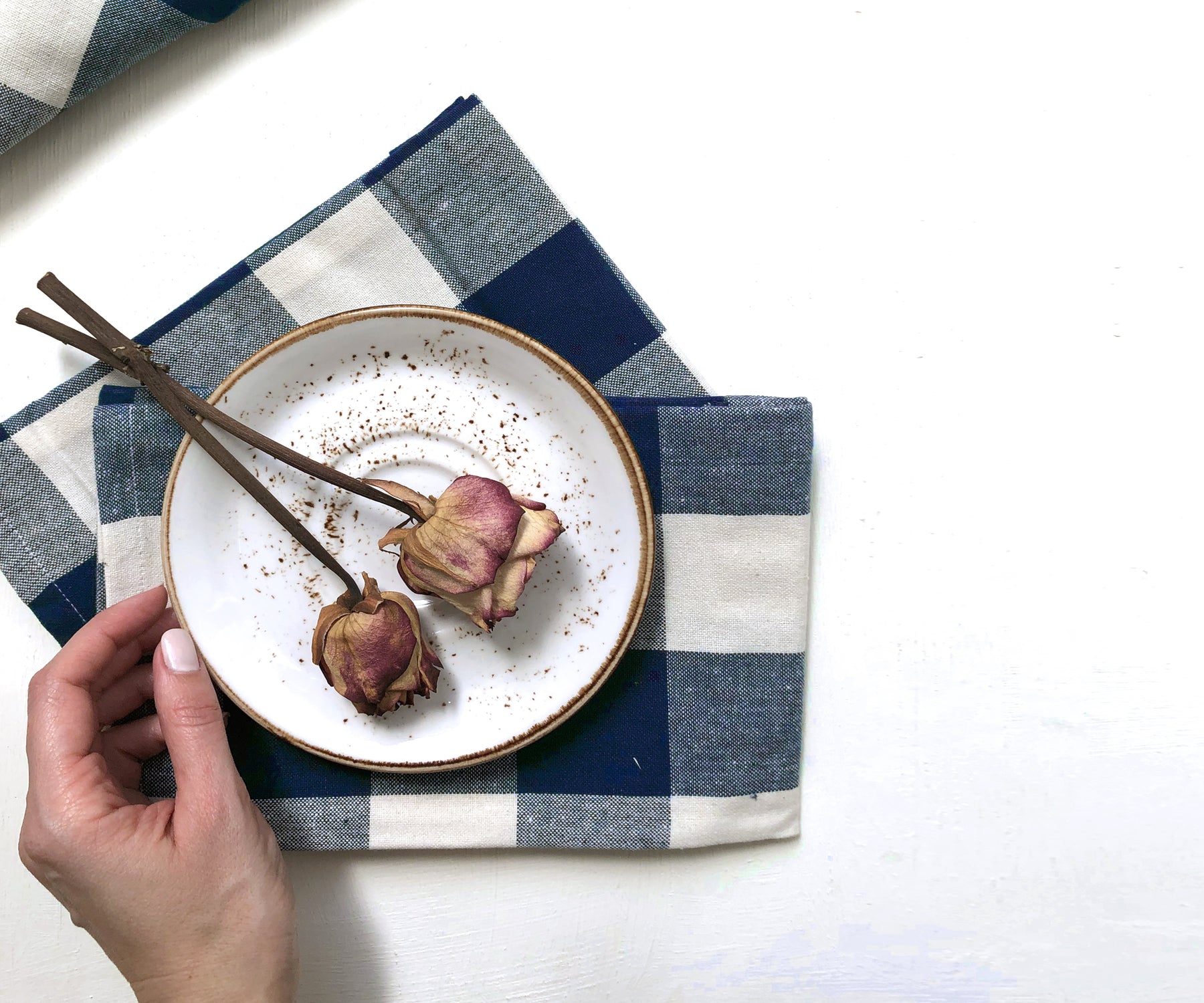
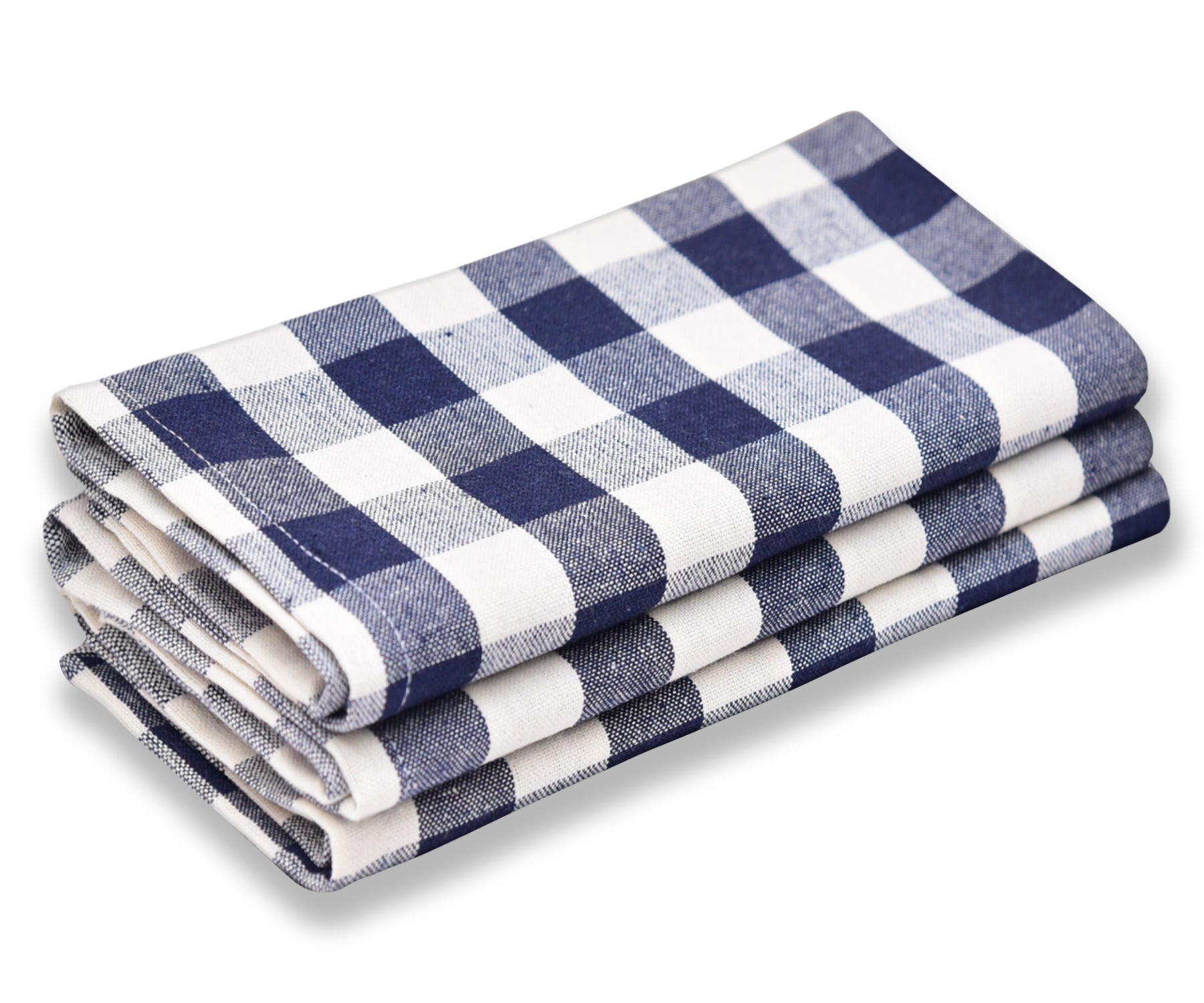
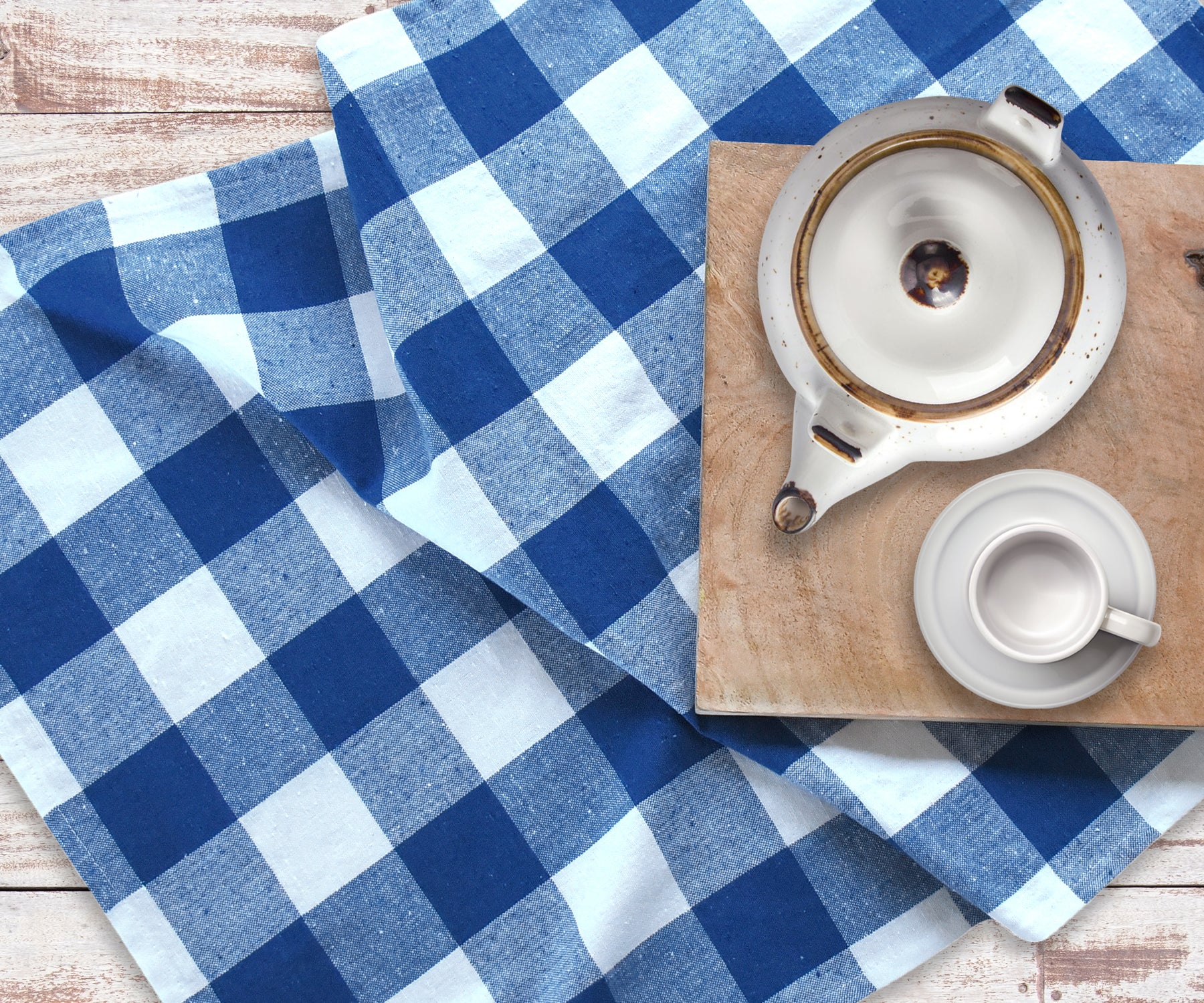
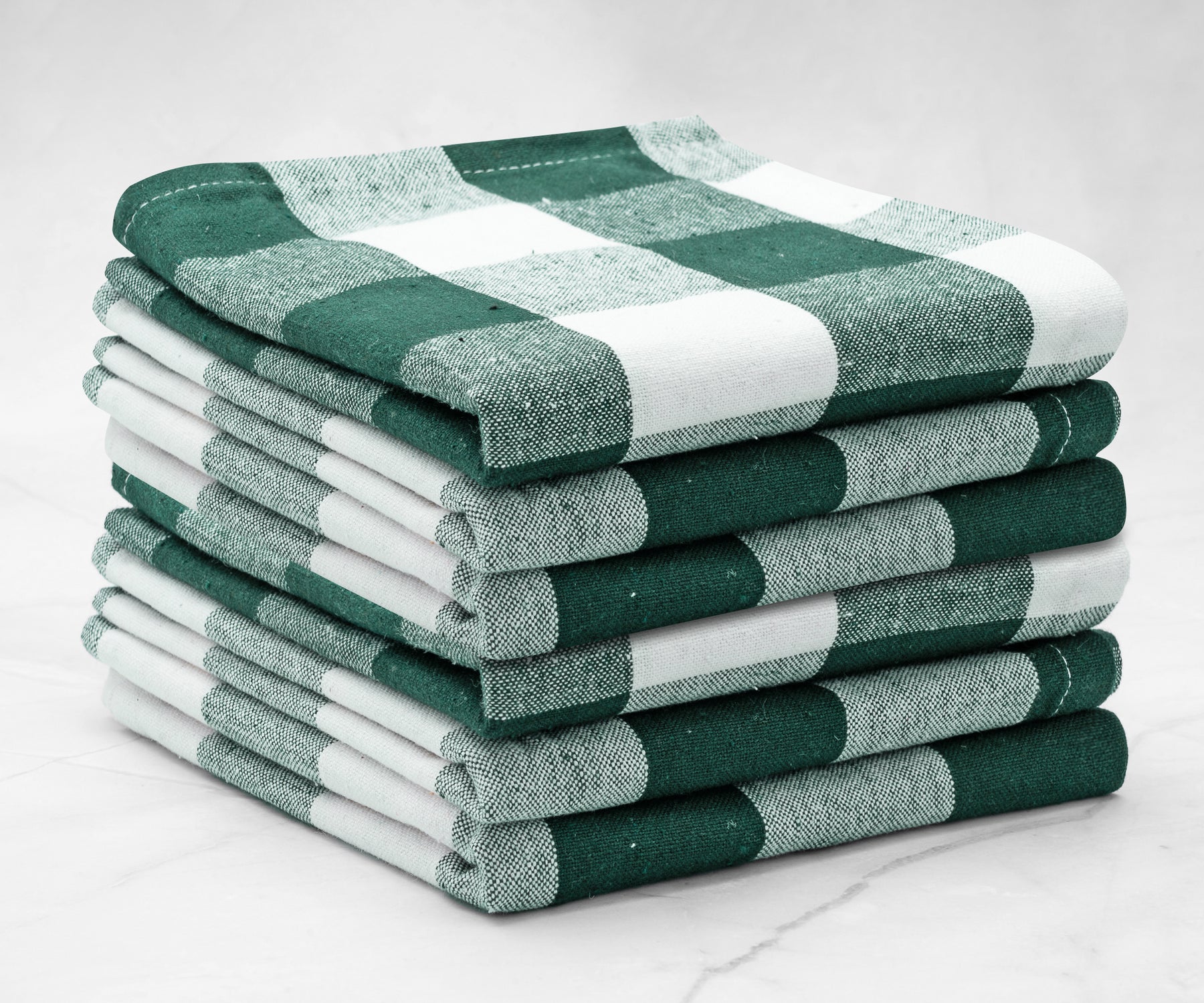
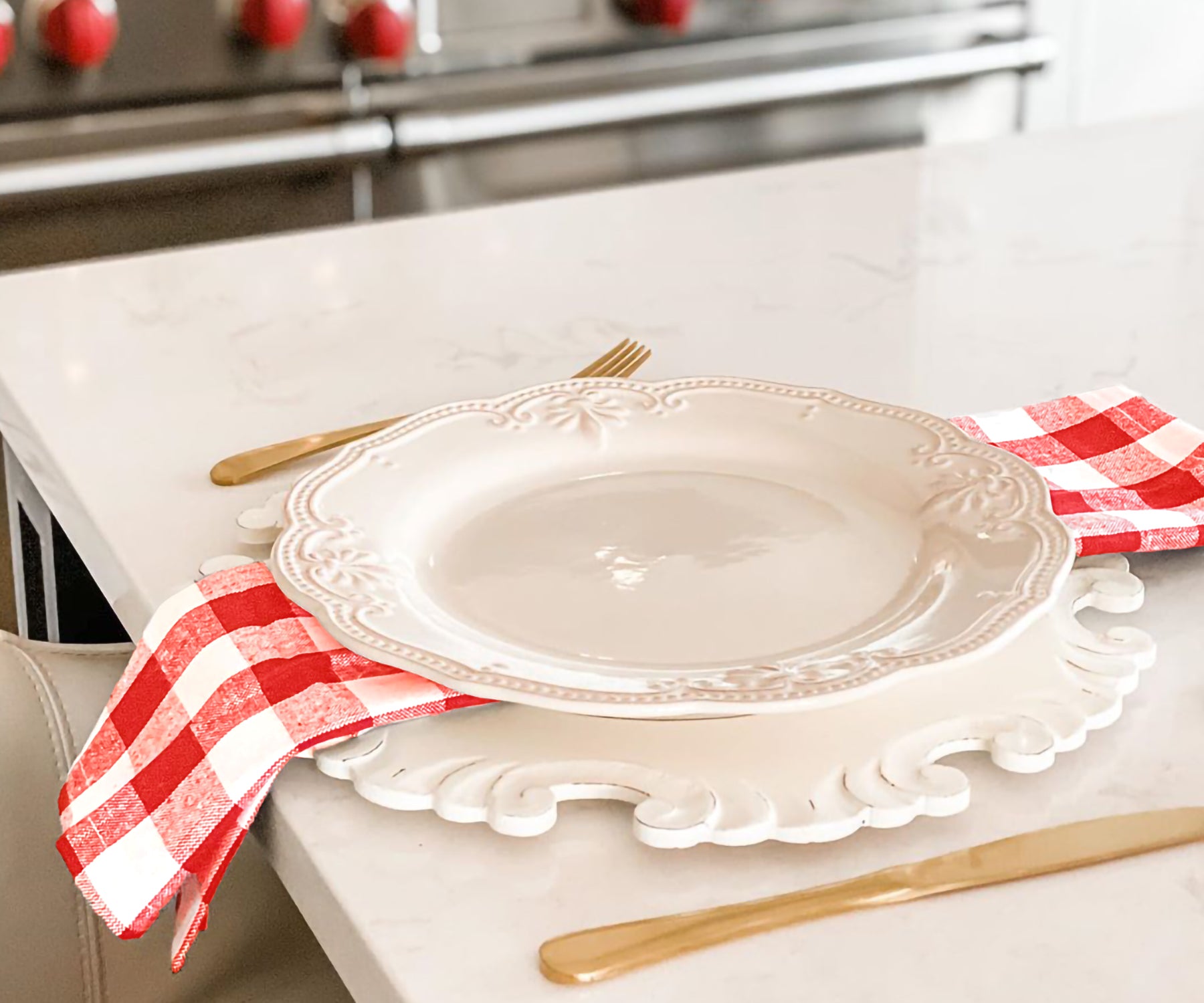
Cloth napkins are the number one alternative millennials choose at home. They can be washed, reused hundreds of times, and come in styles that suit everyday meals or formal settings alike.
|
Feature |
Cloth Napkin |
Paper Napkin |
|
Reusable |
Yes |
No |
|
Eco-friendly |
High |
Low |
|
Cost over time |
Low |
High |
|
Aesthetic appeal |
High |
Low |
|
Customizable |
Yes |
Limited |
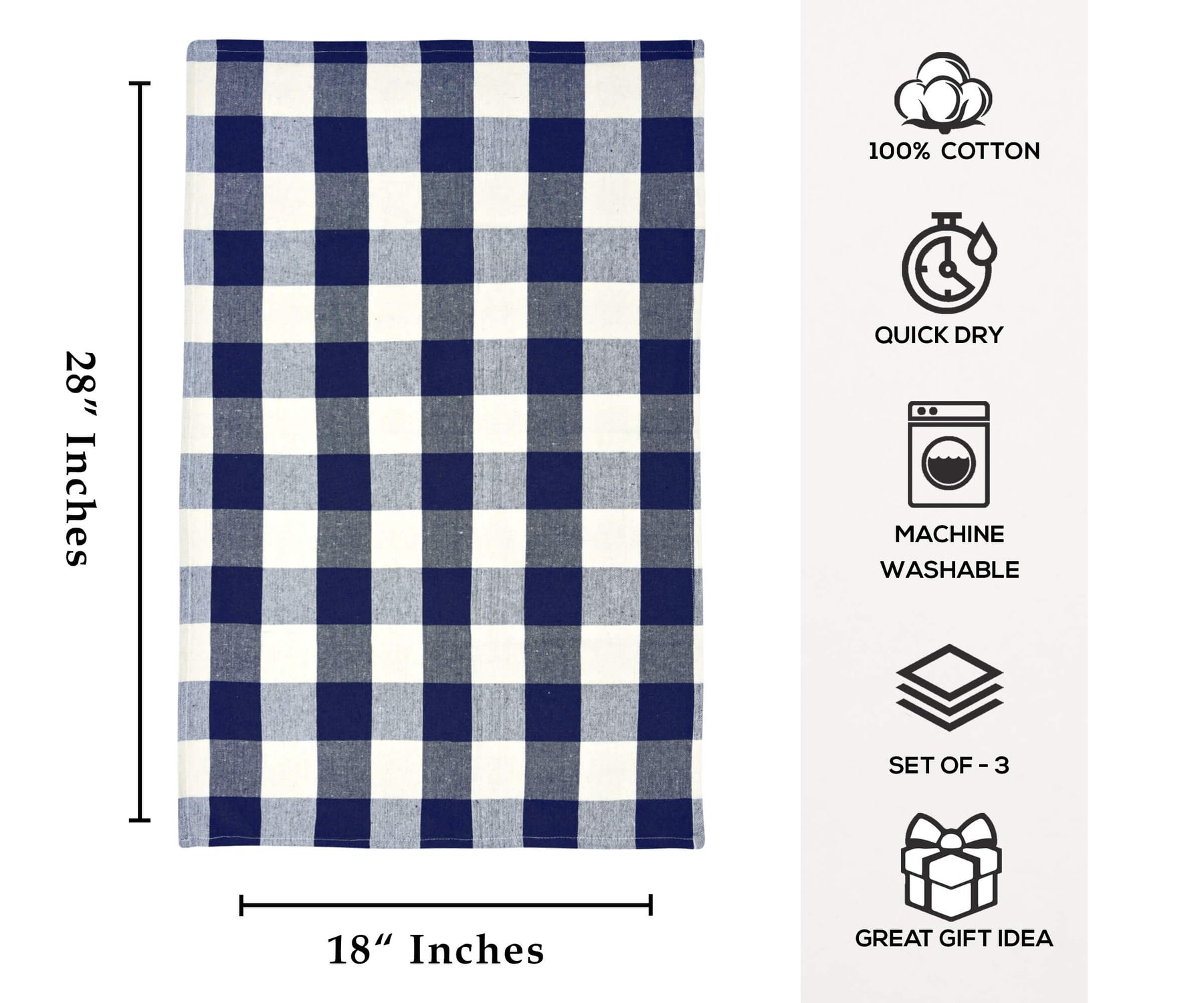
Cotton and linen cloth napkins are the most popular choices because they are soft, highly absorbent, machine-washable, and available in a wide range of colors and styles. Brands like All Cotton and Linen have seen growing demand from millennials who want functional yet stylish options for their tables.
Best for: Everyday dining, dinner parties, family meals
2. Kitchen Towels and Multi-Purpose Cloths
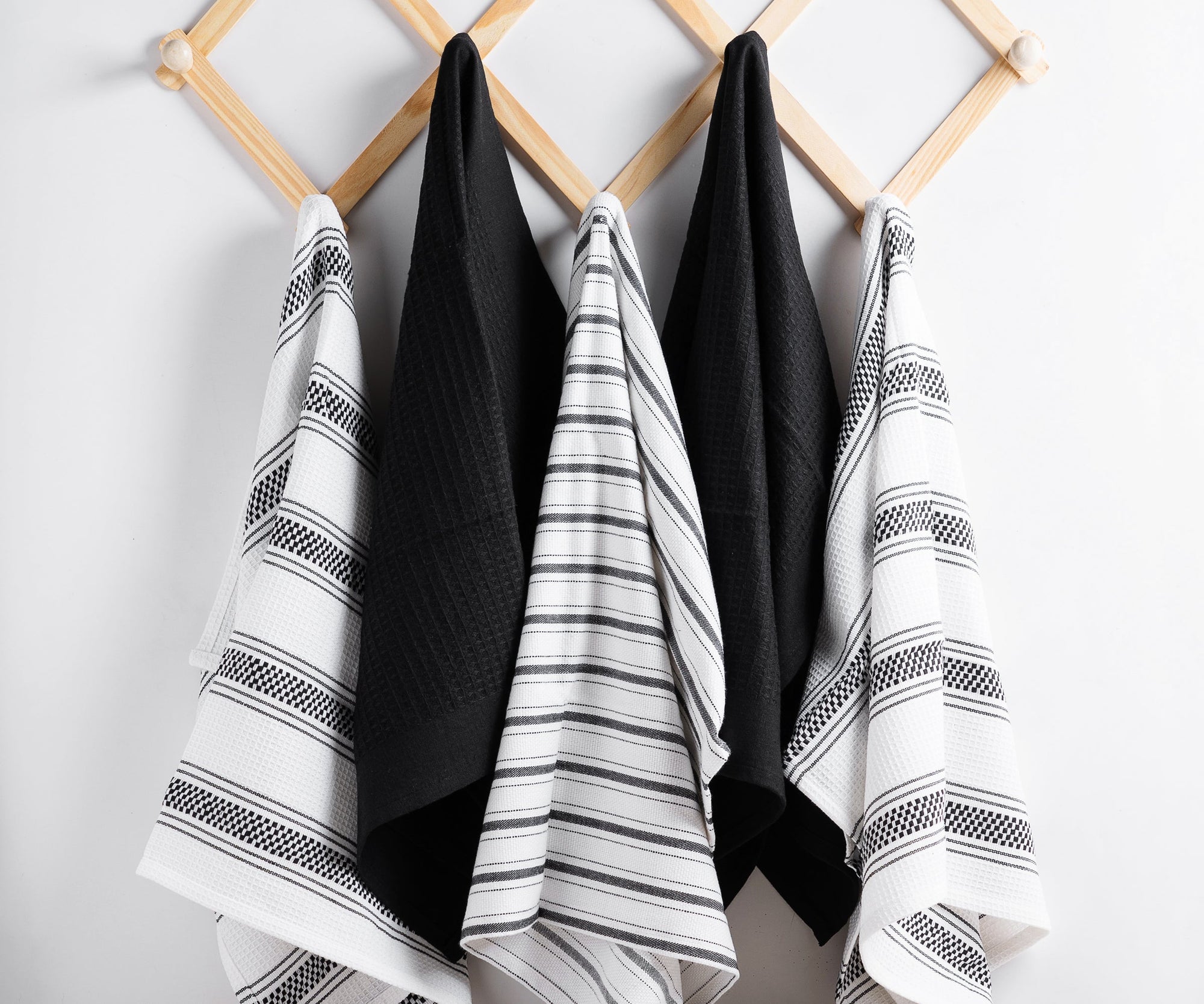
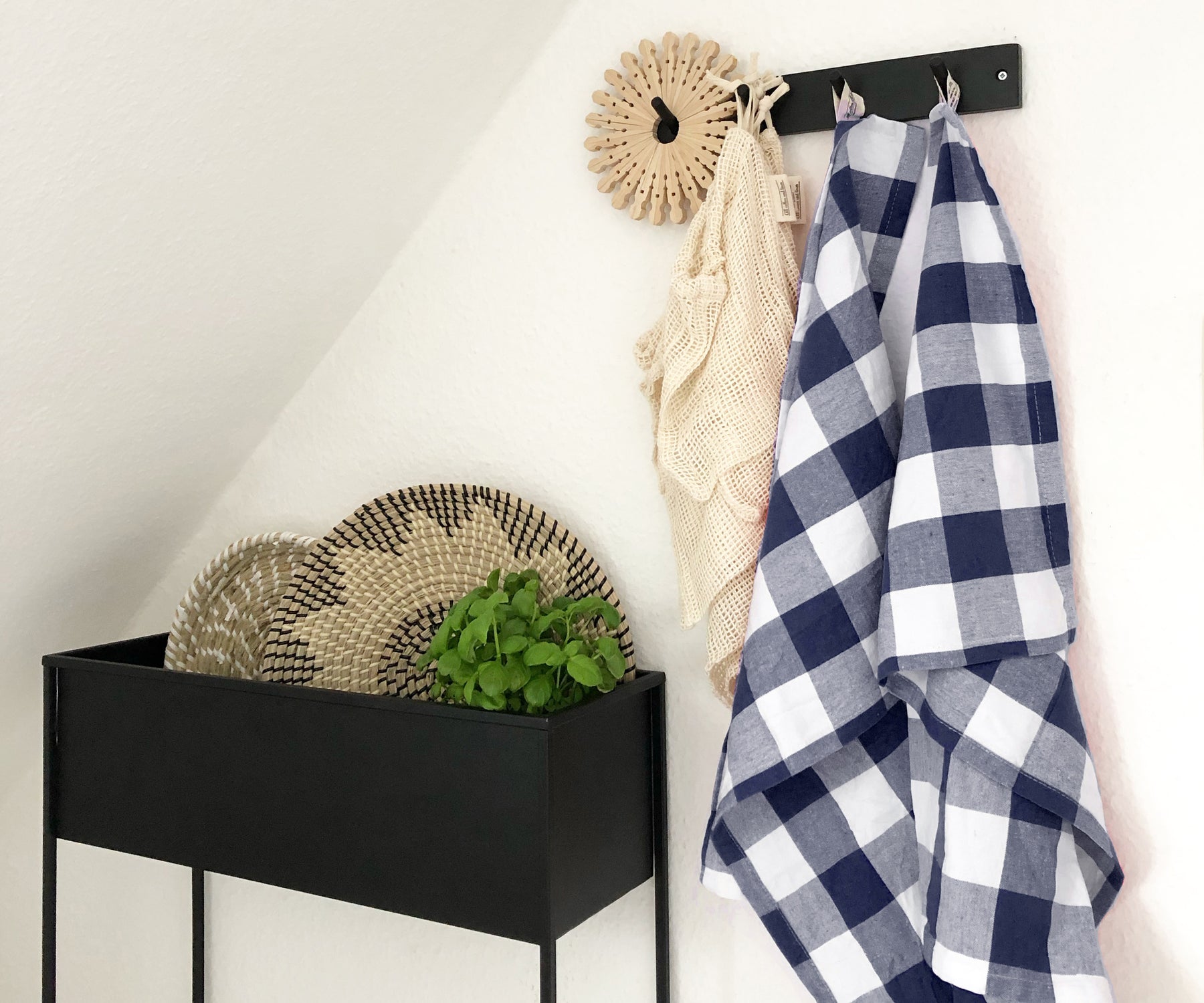
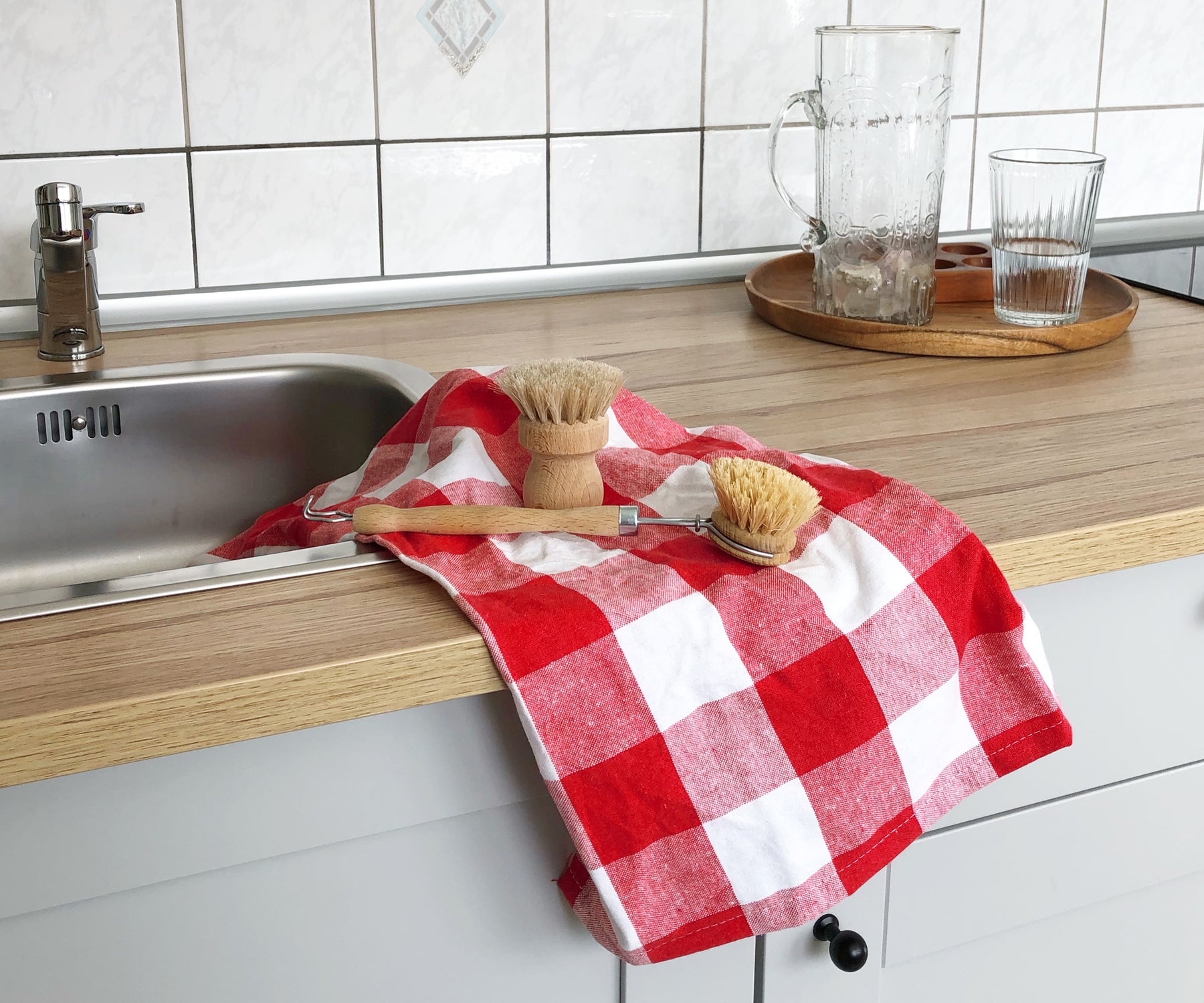
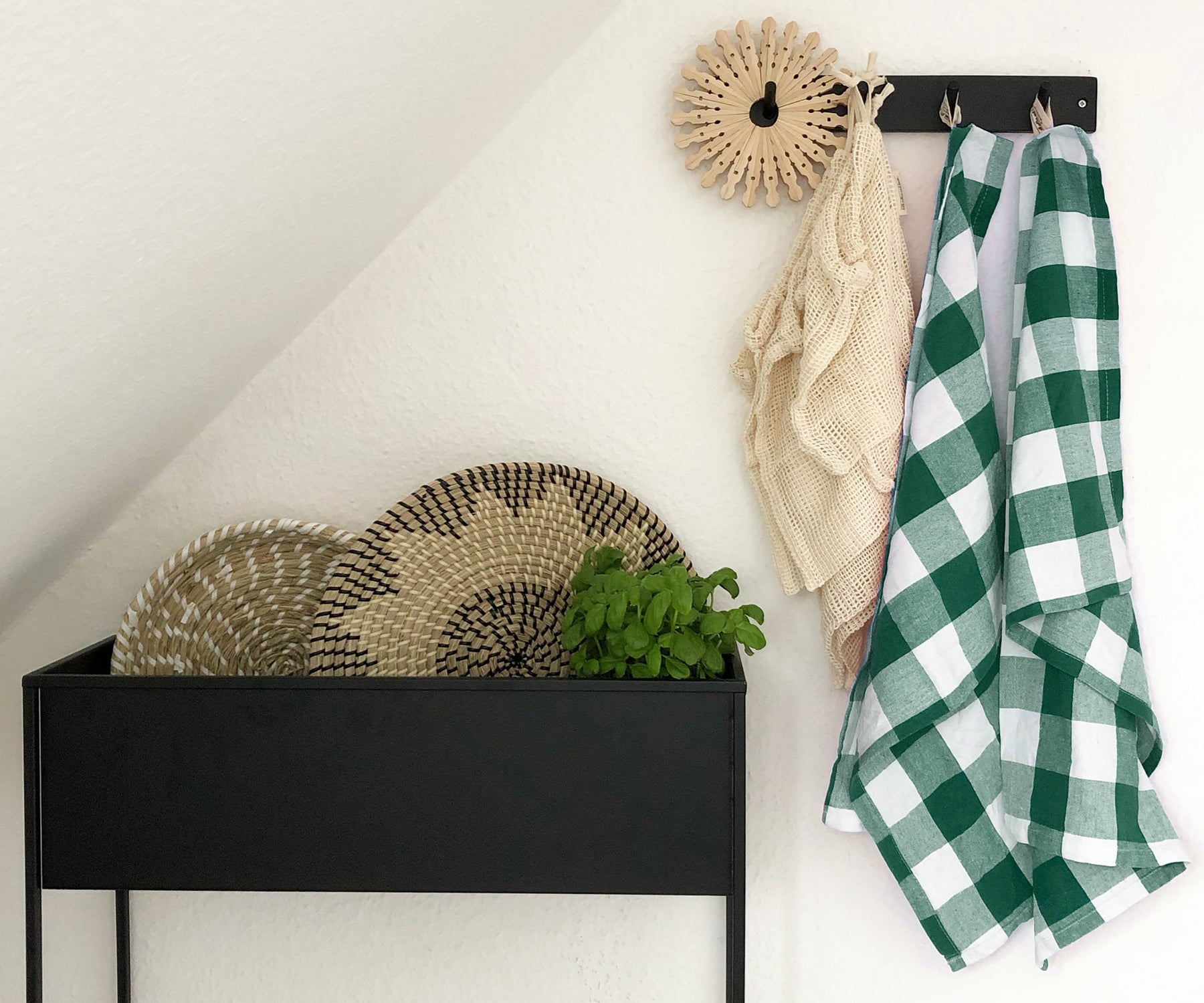
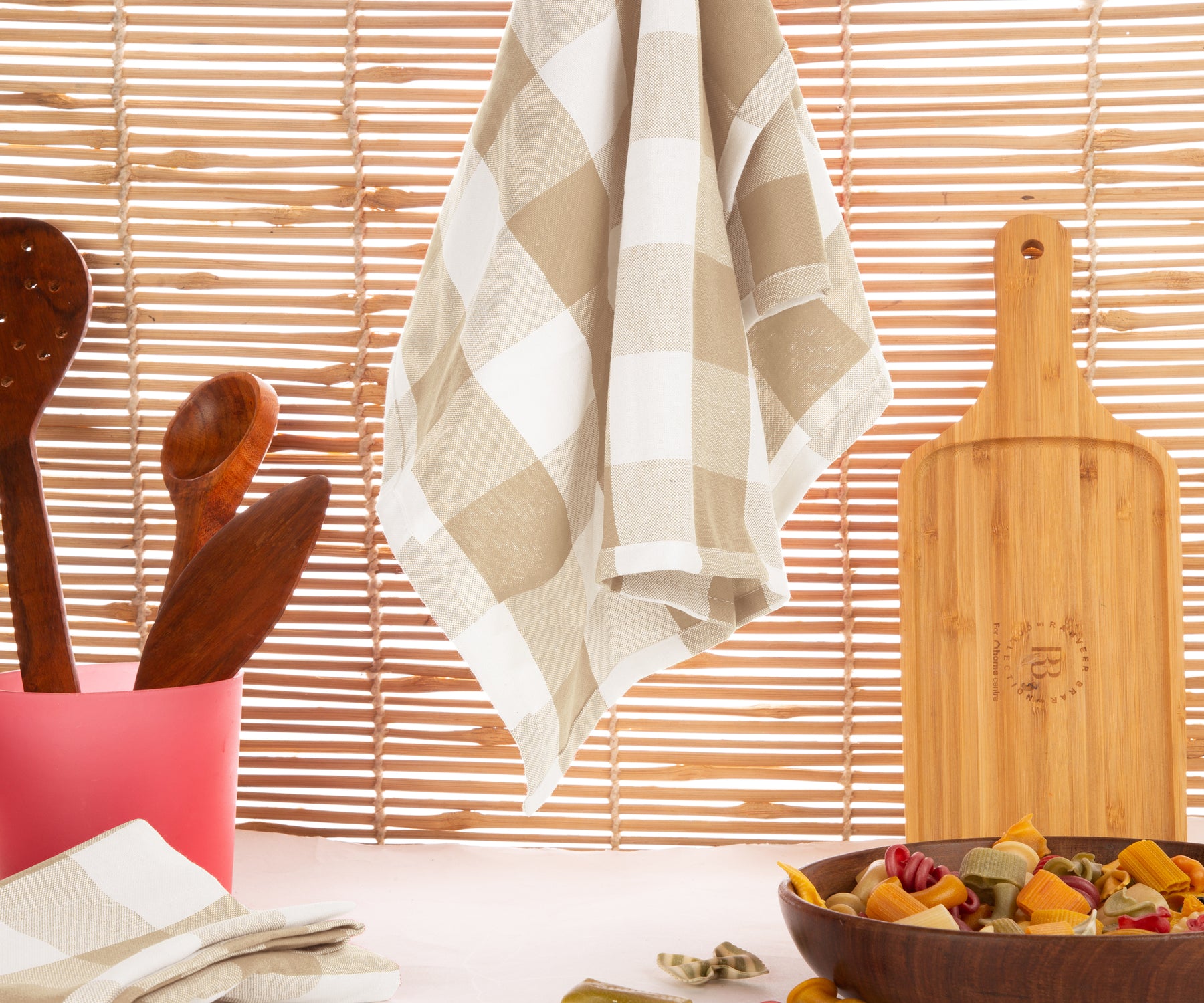
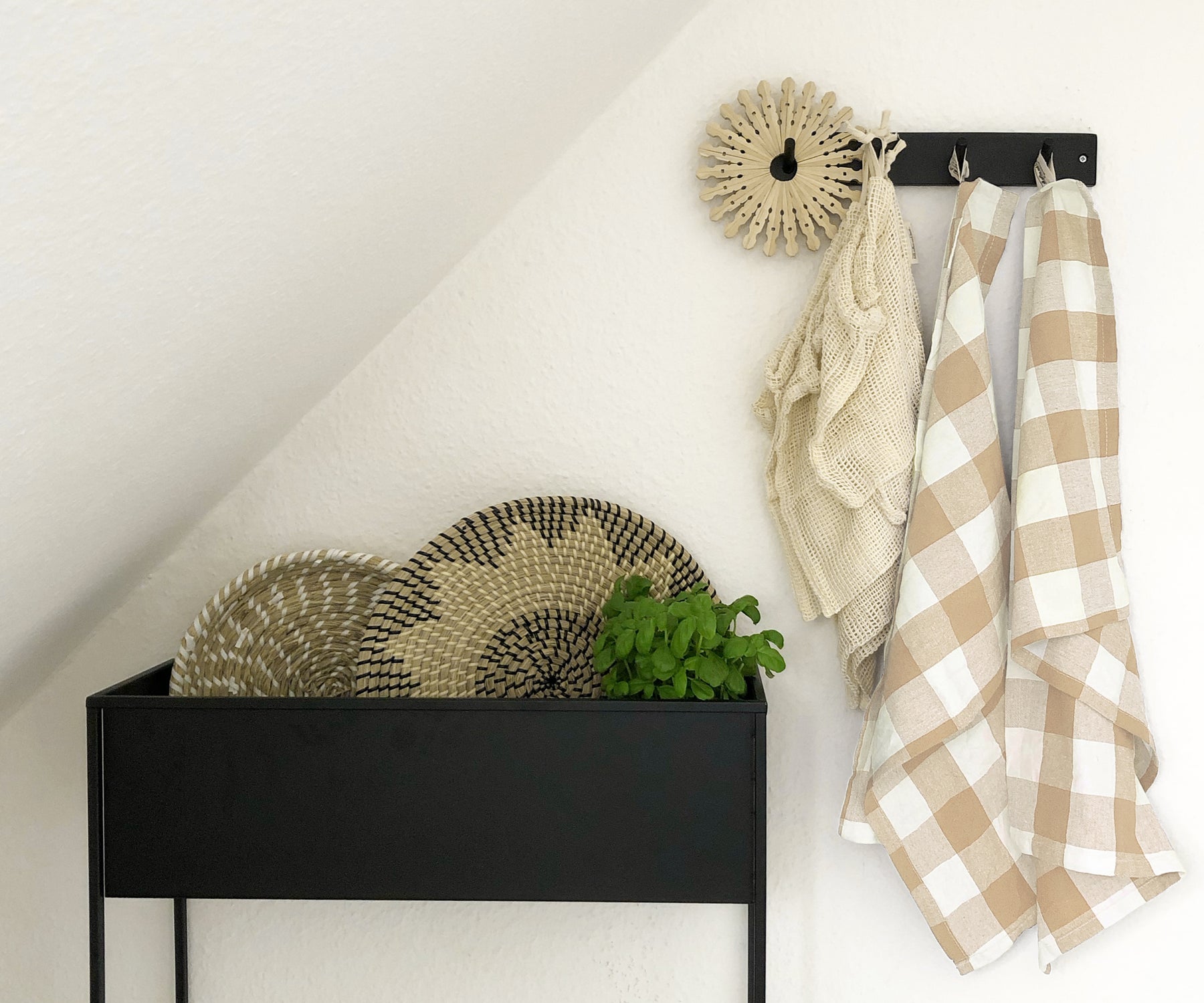
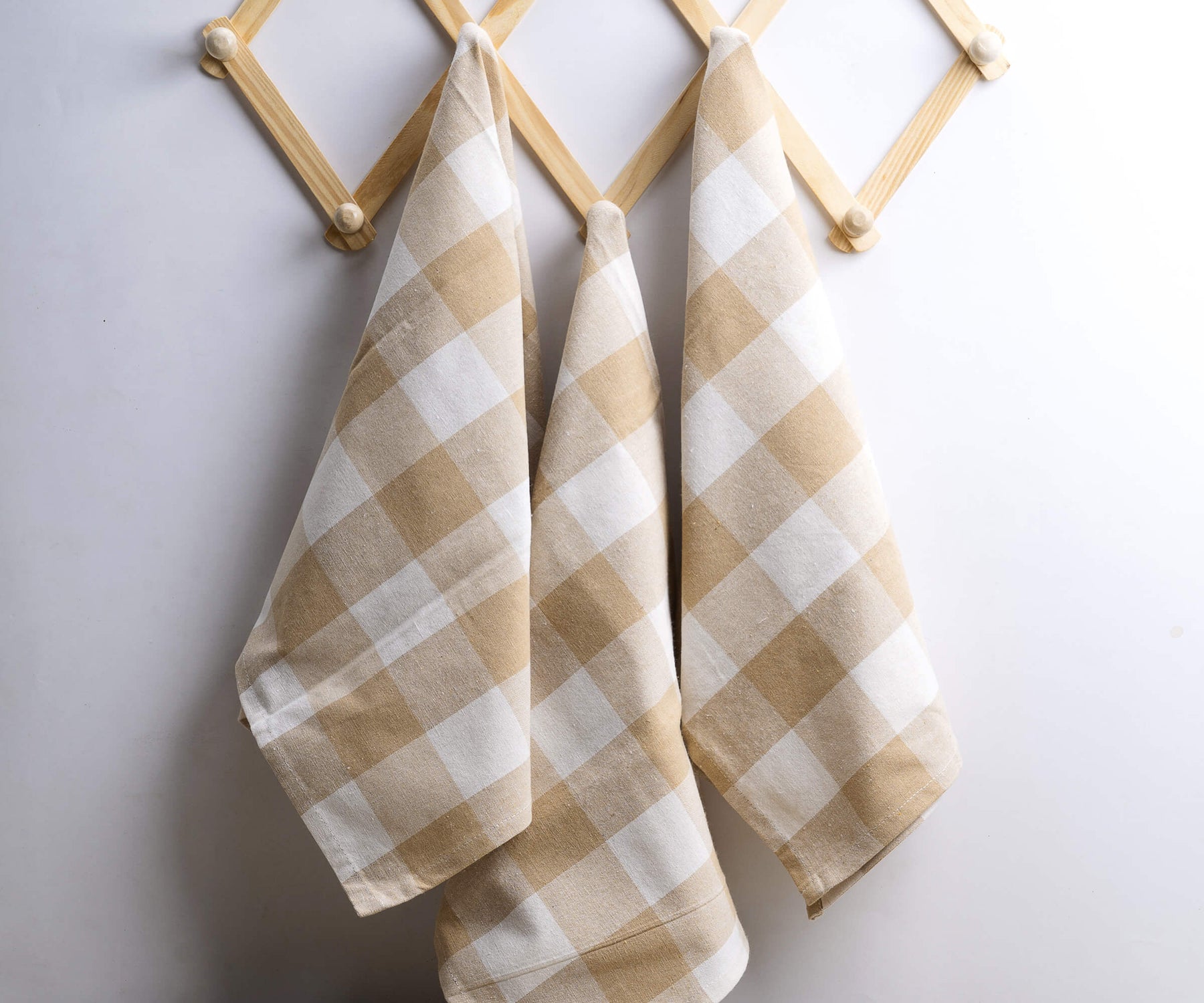
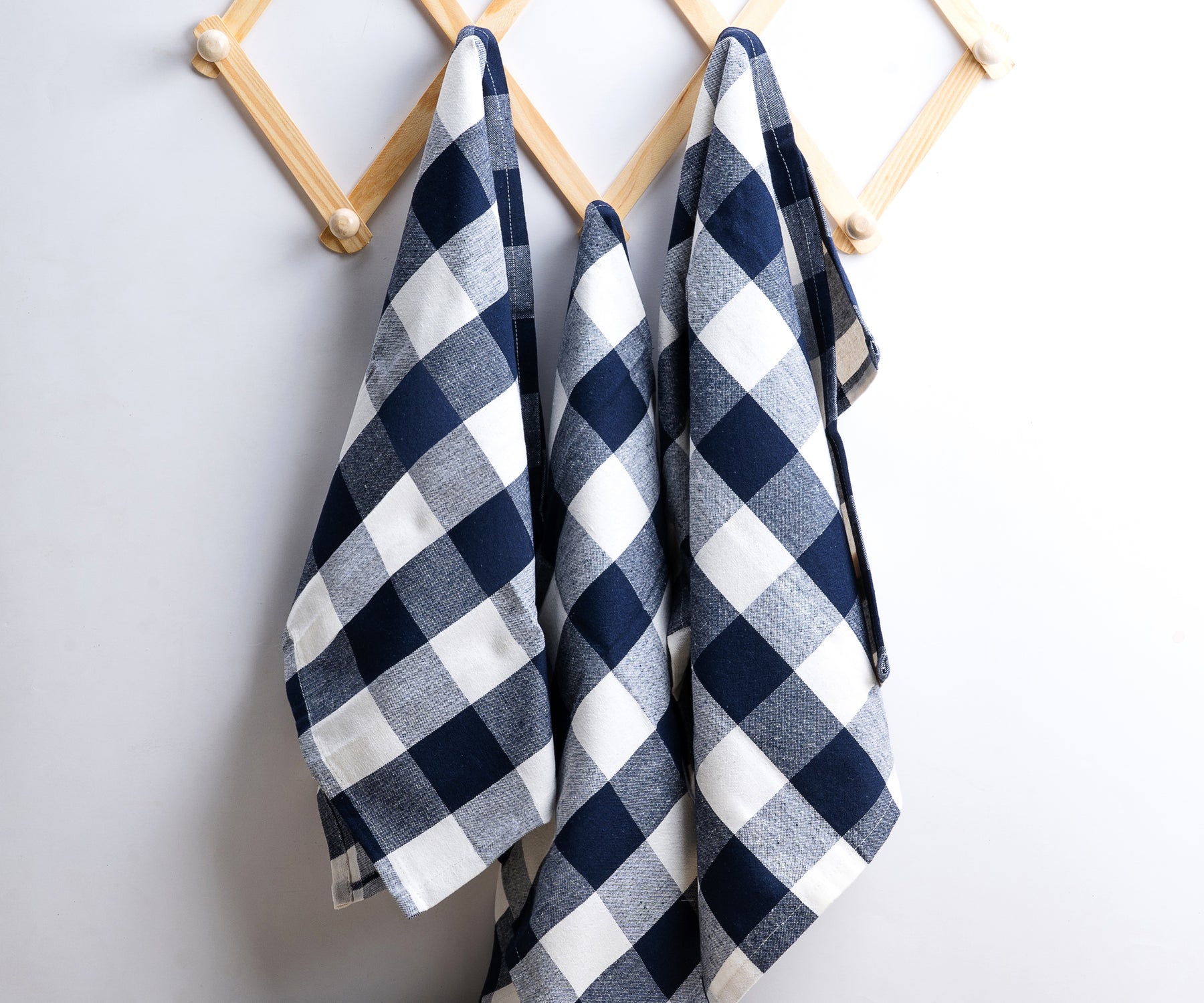
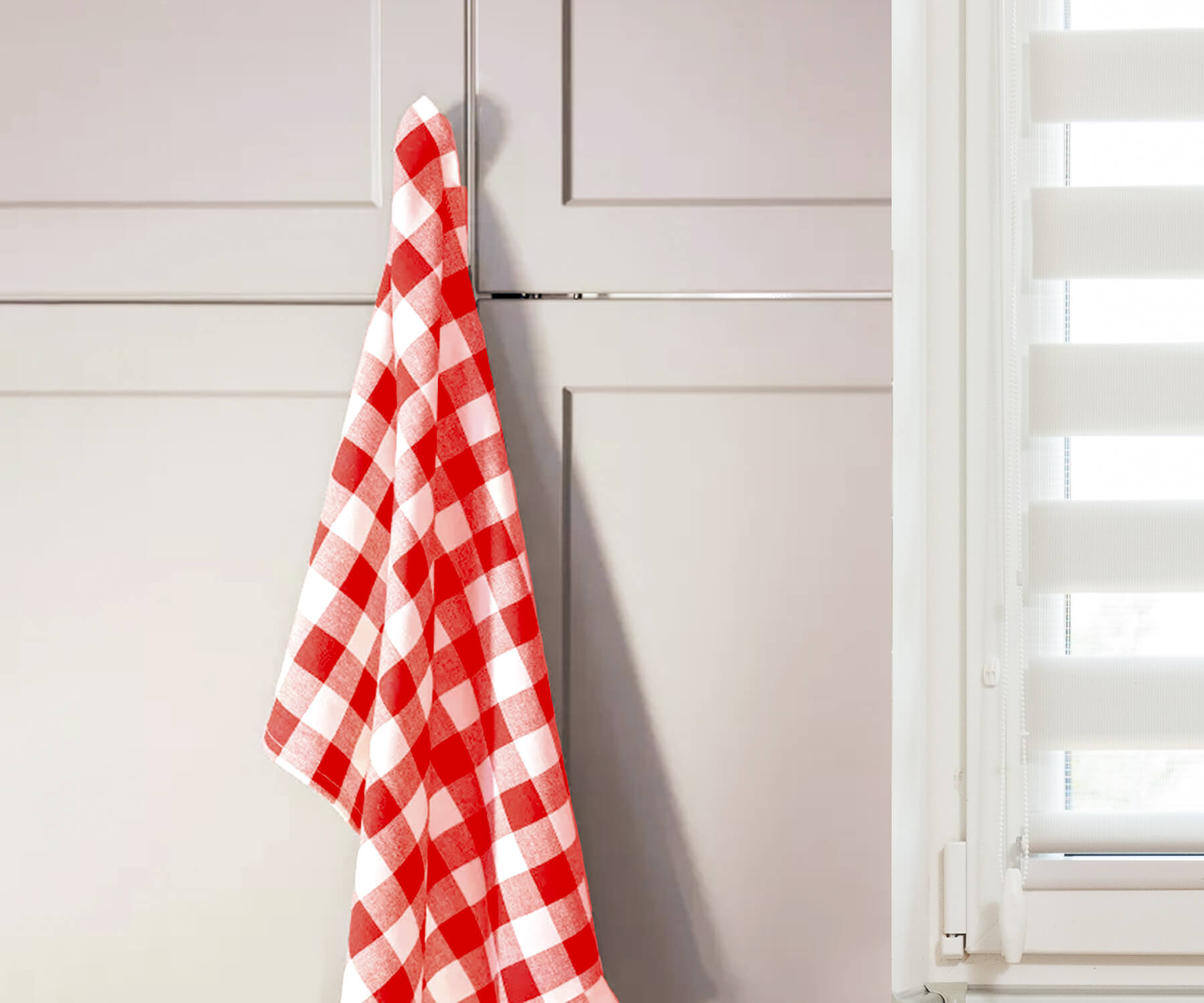
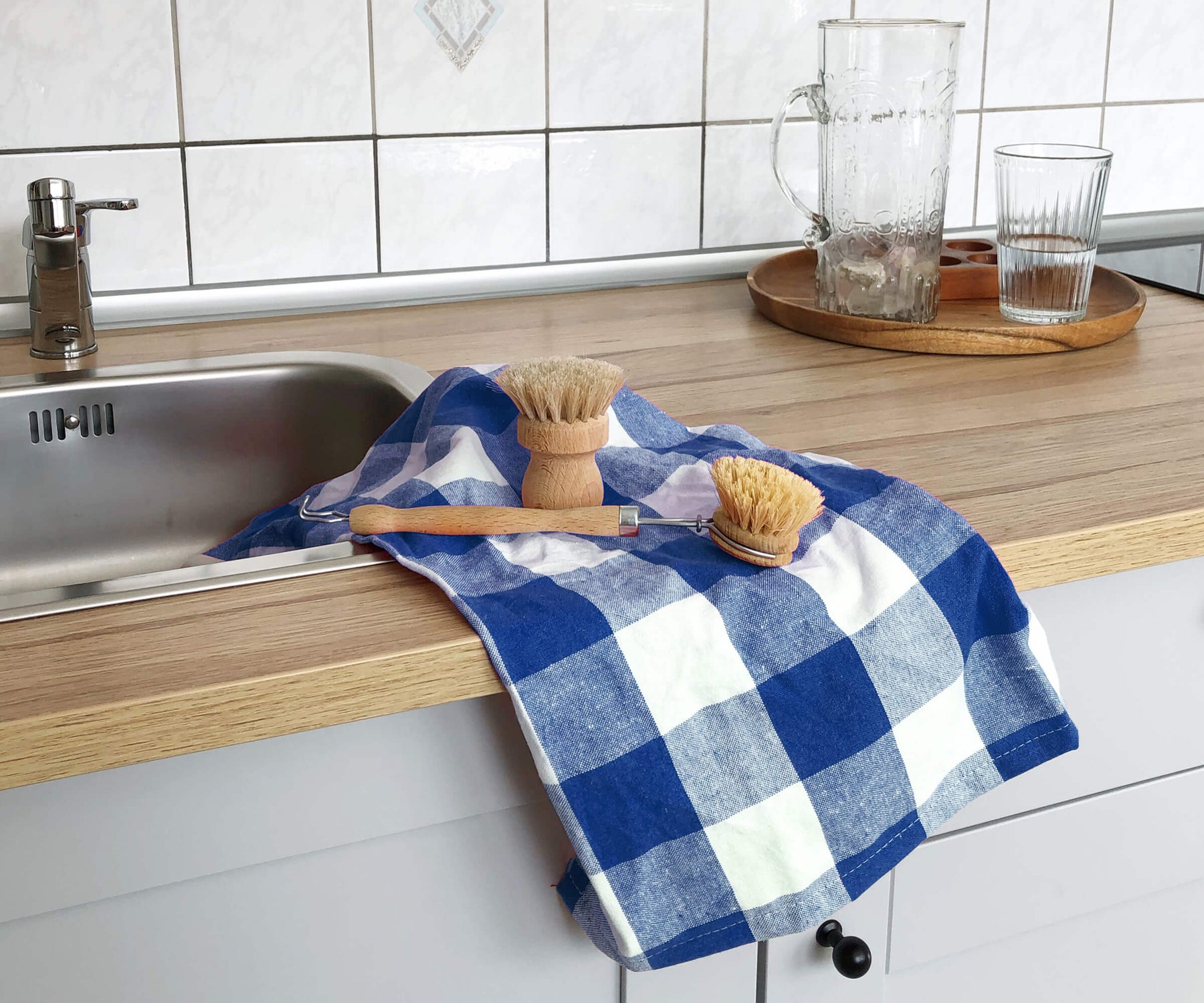
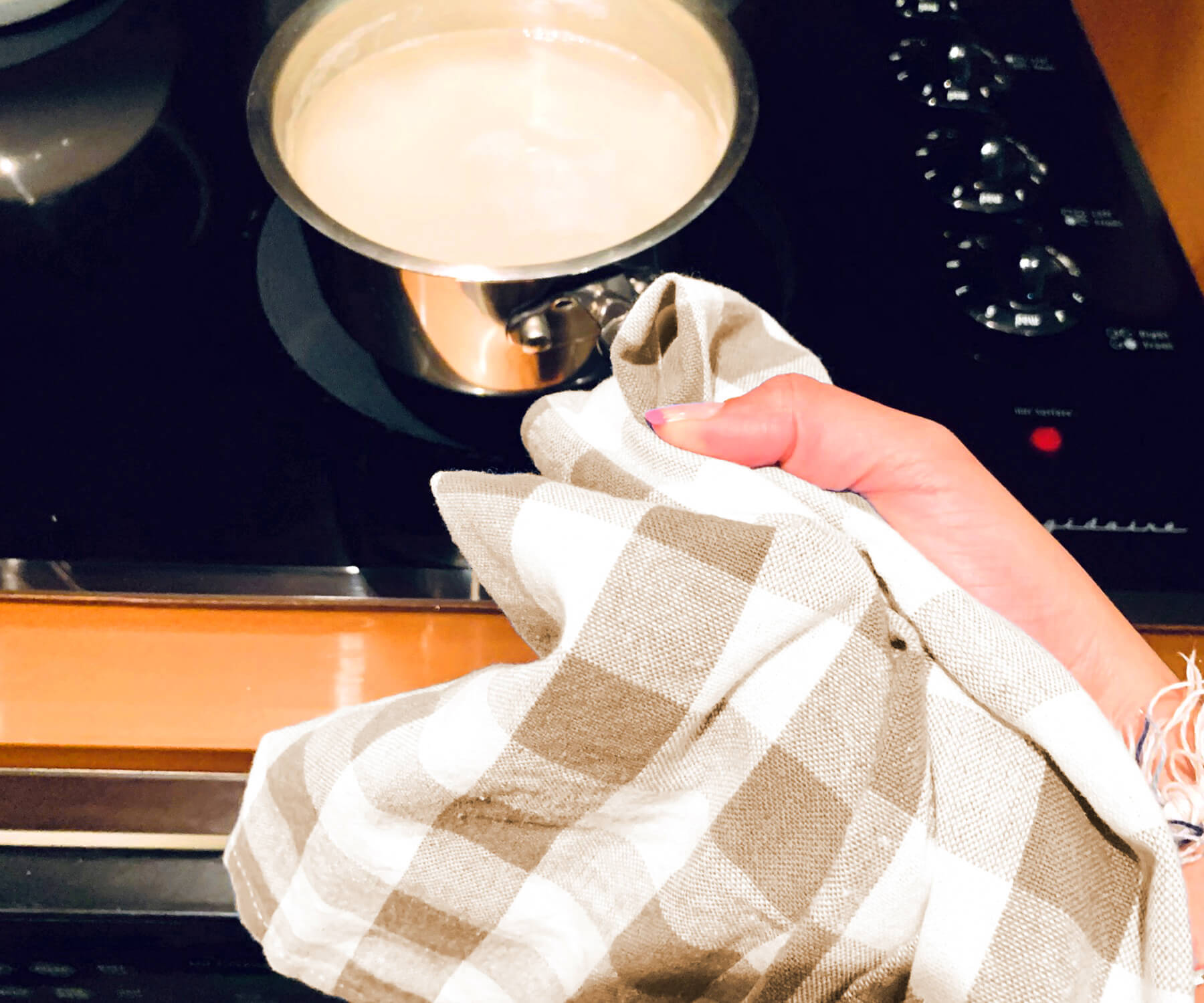
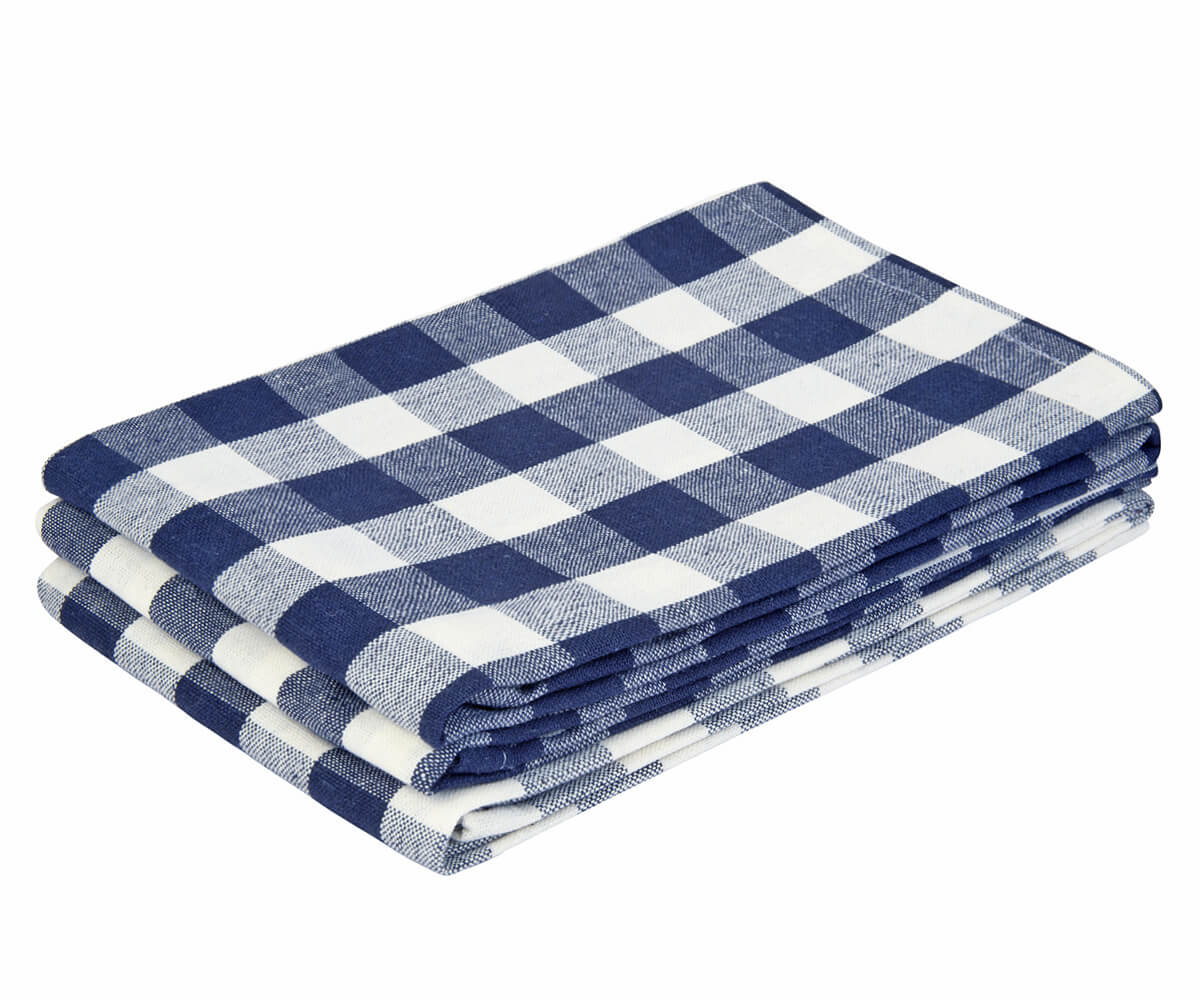
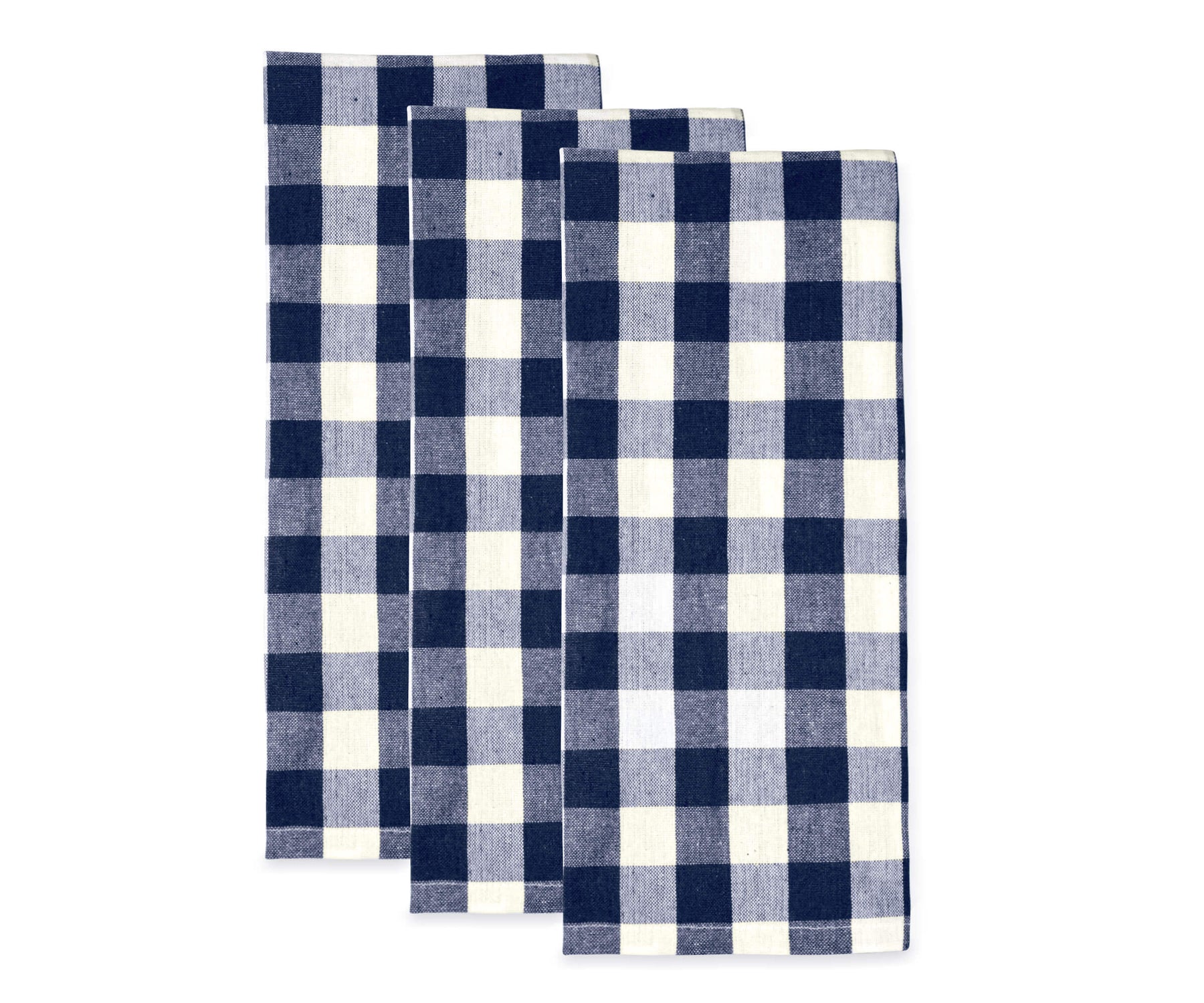
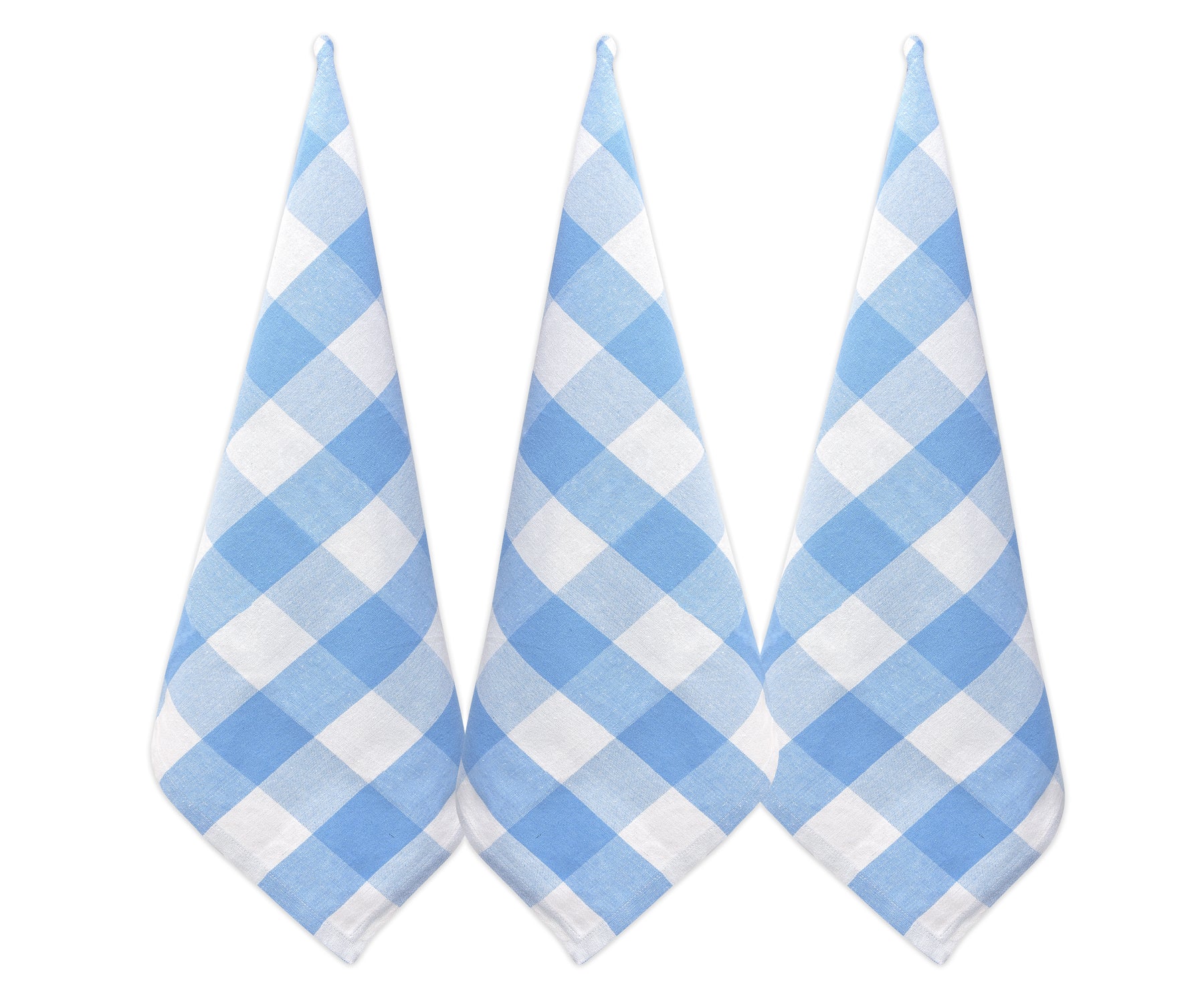
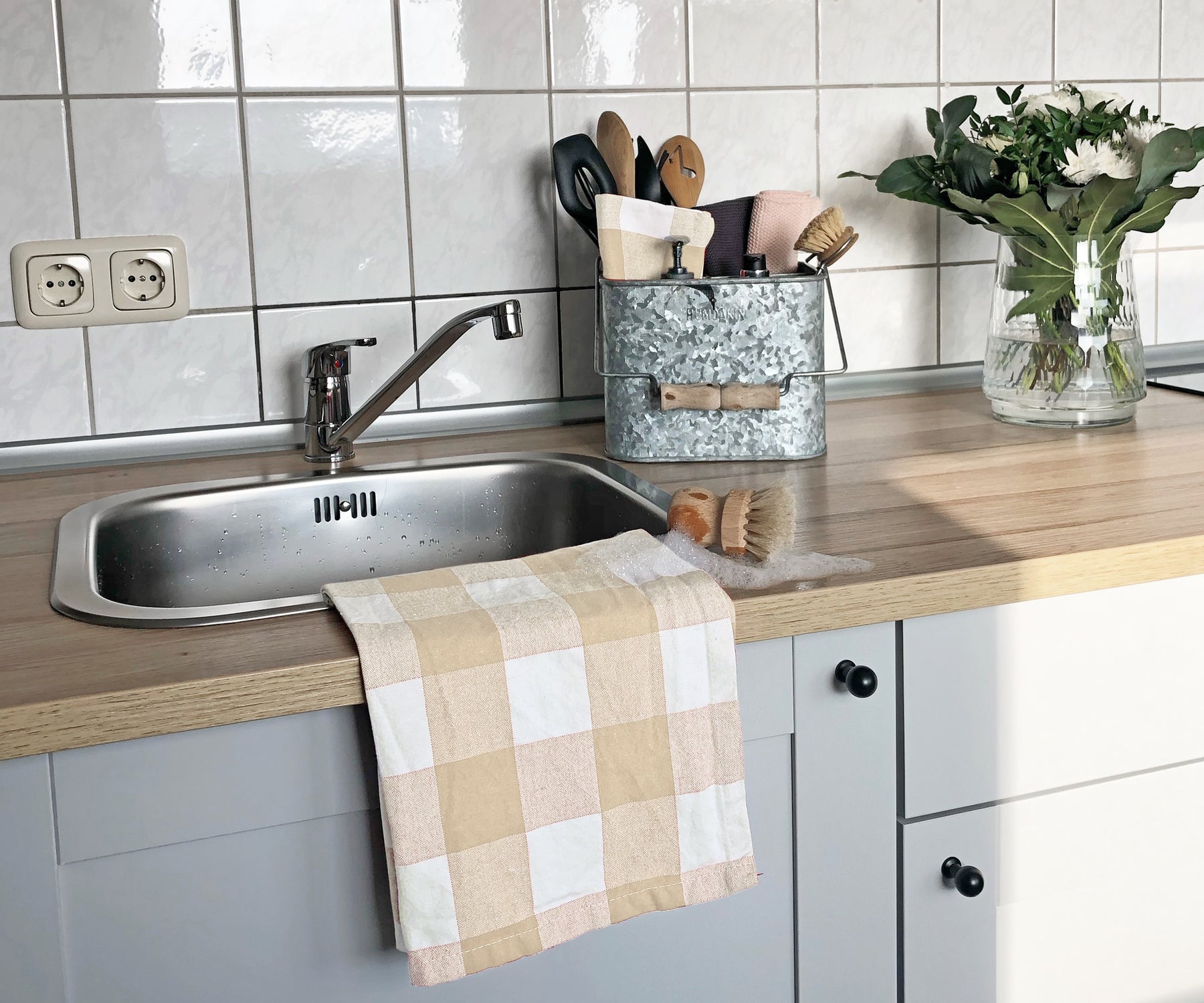
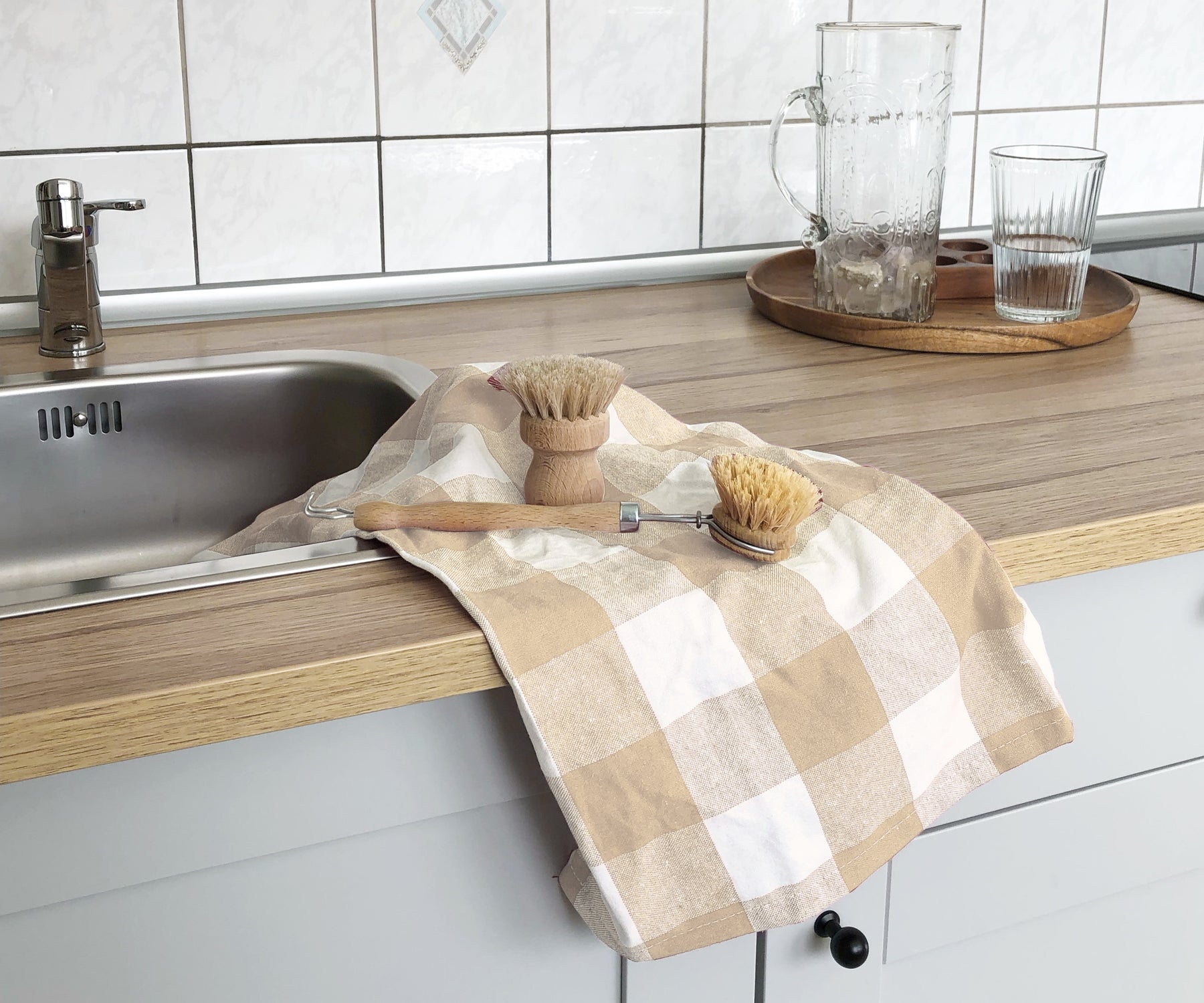
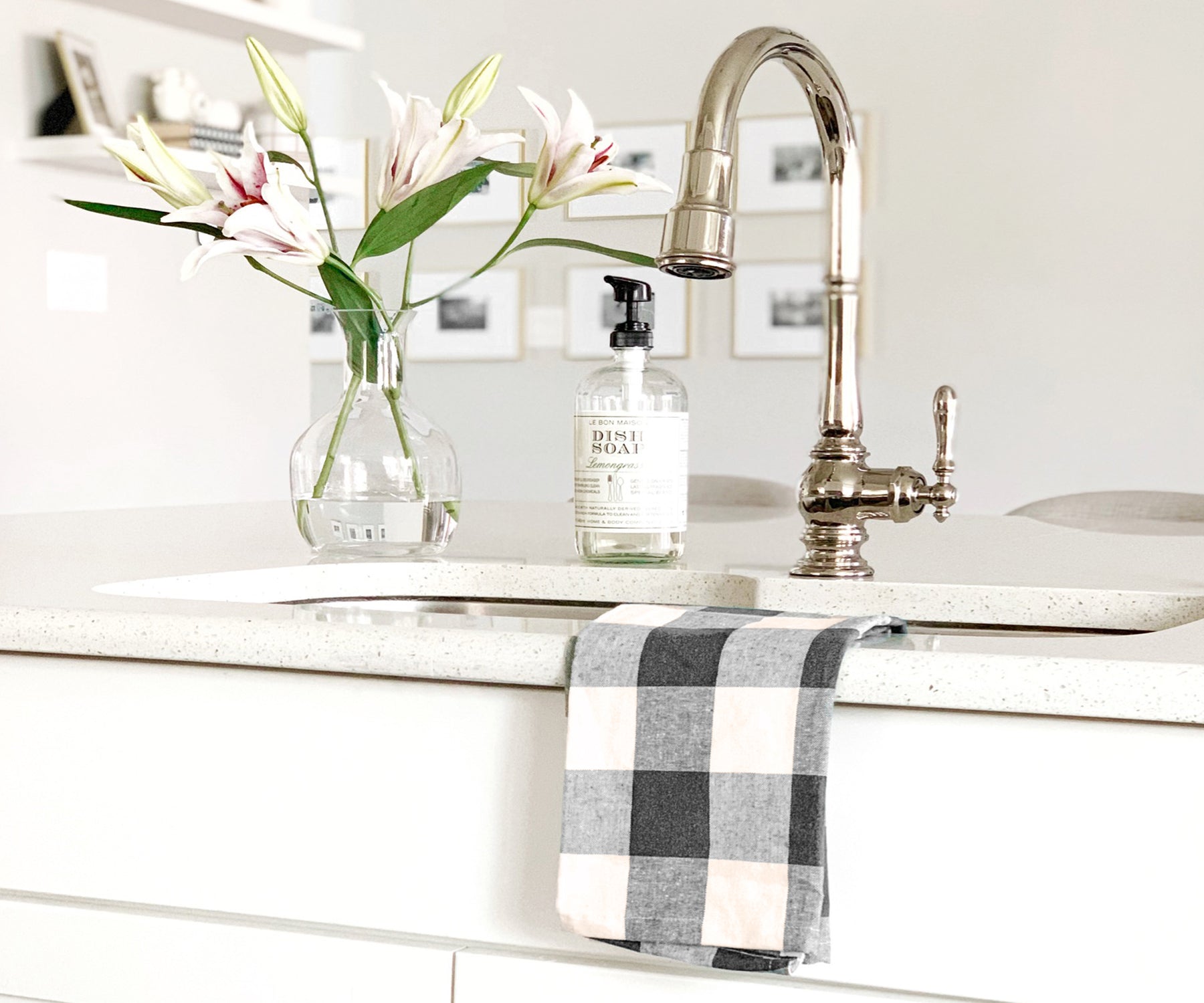
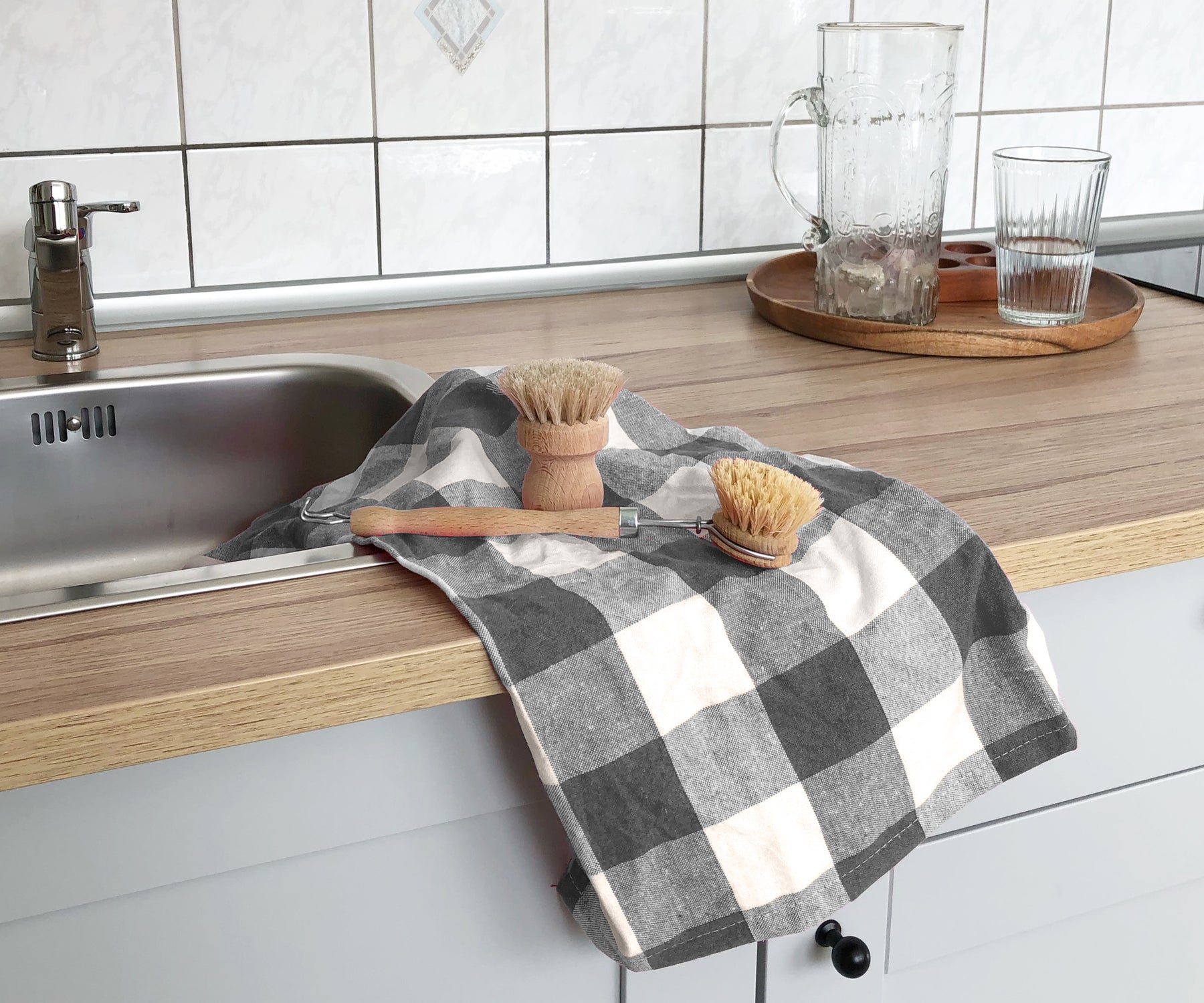
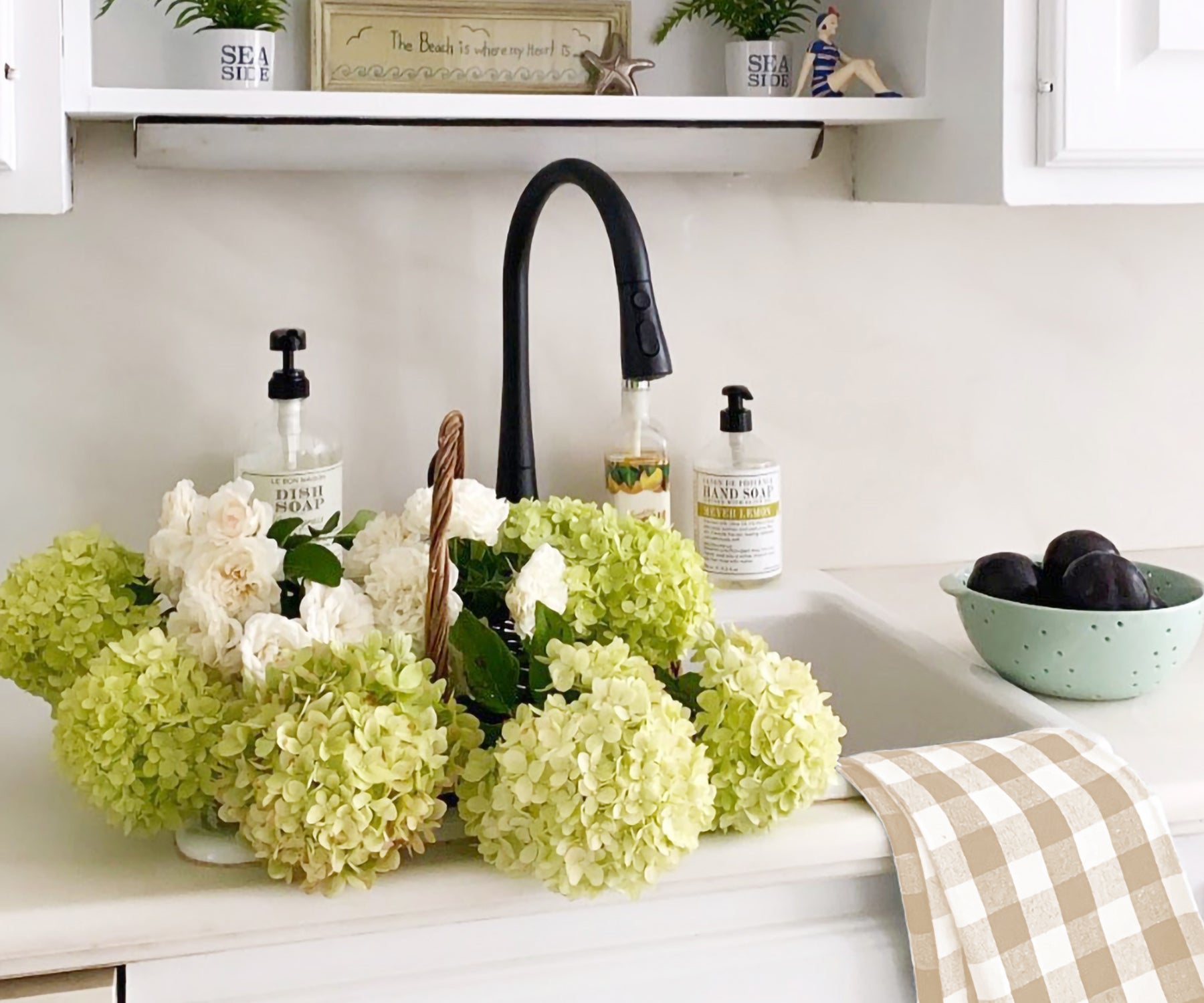
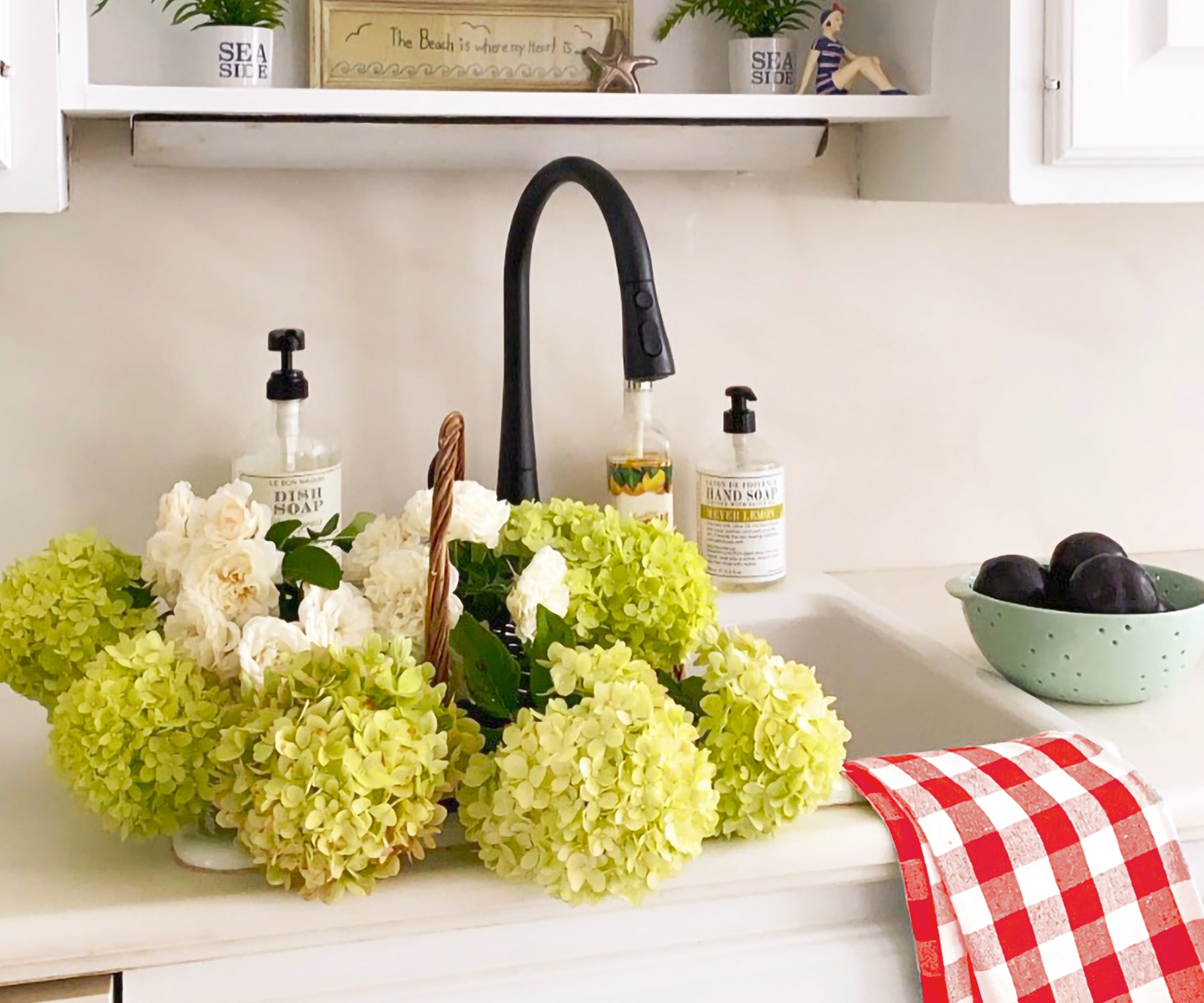
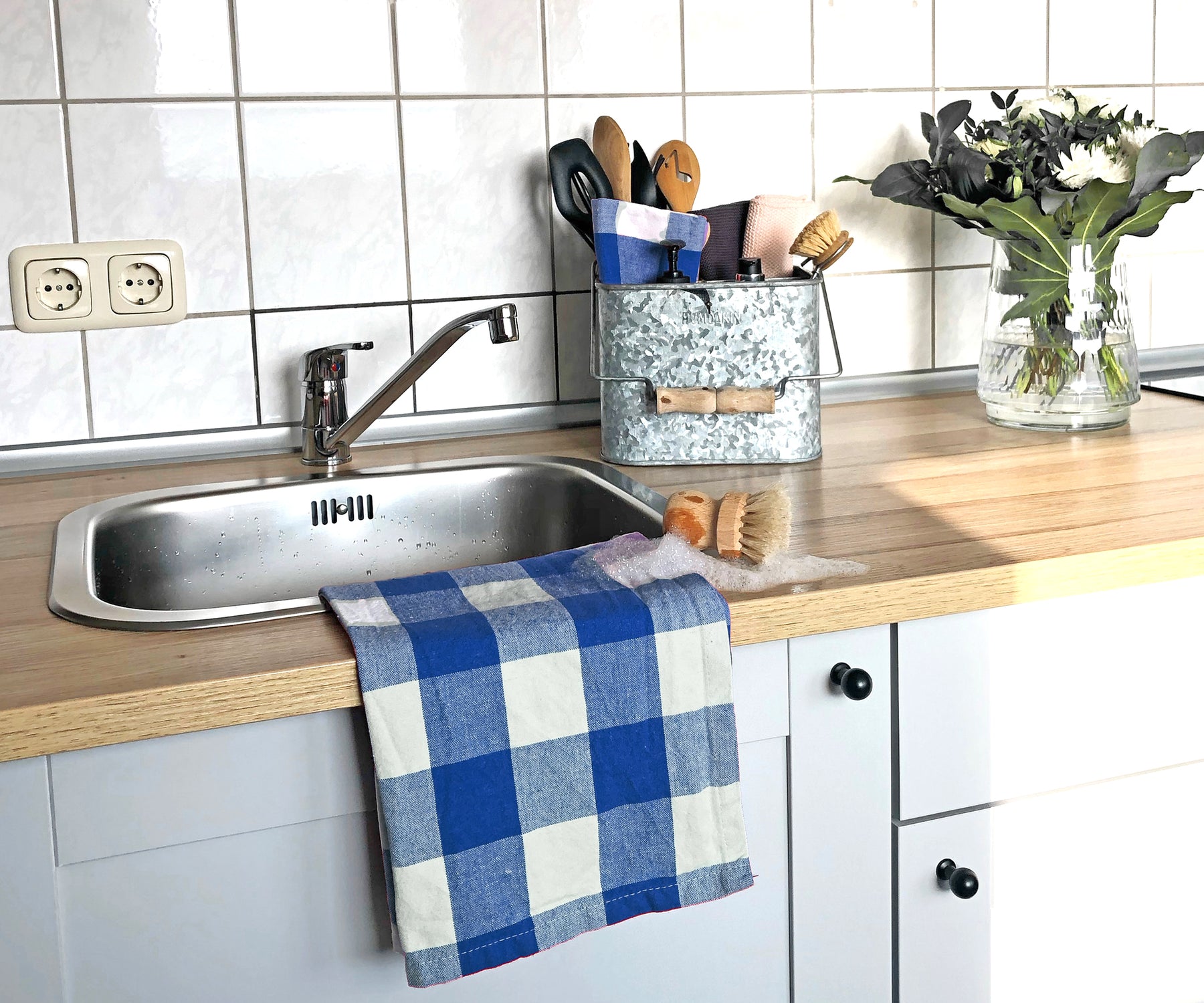
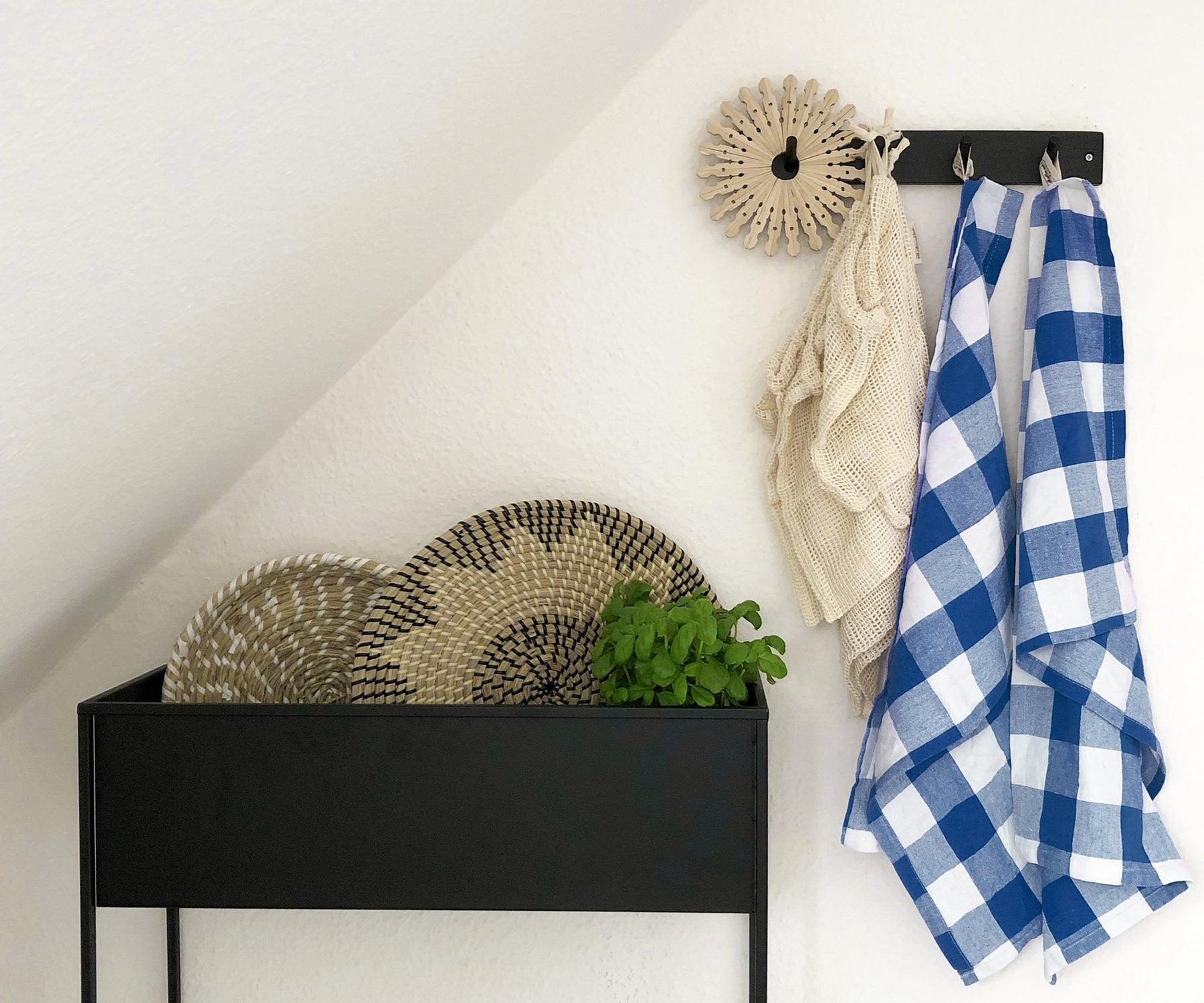
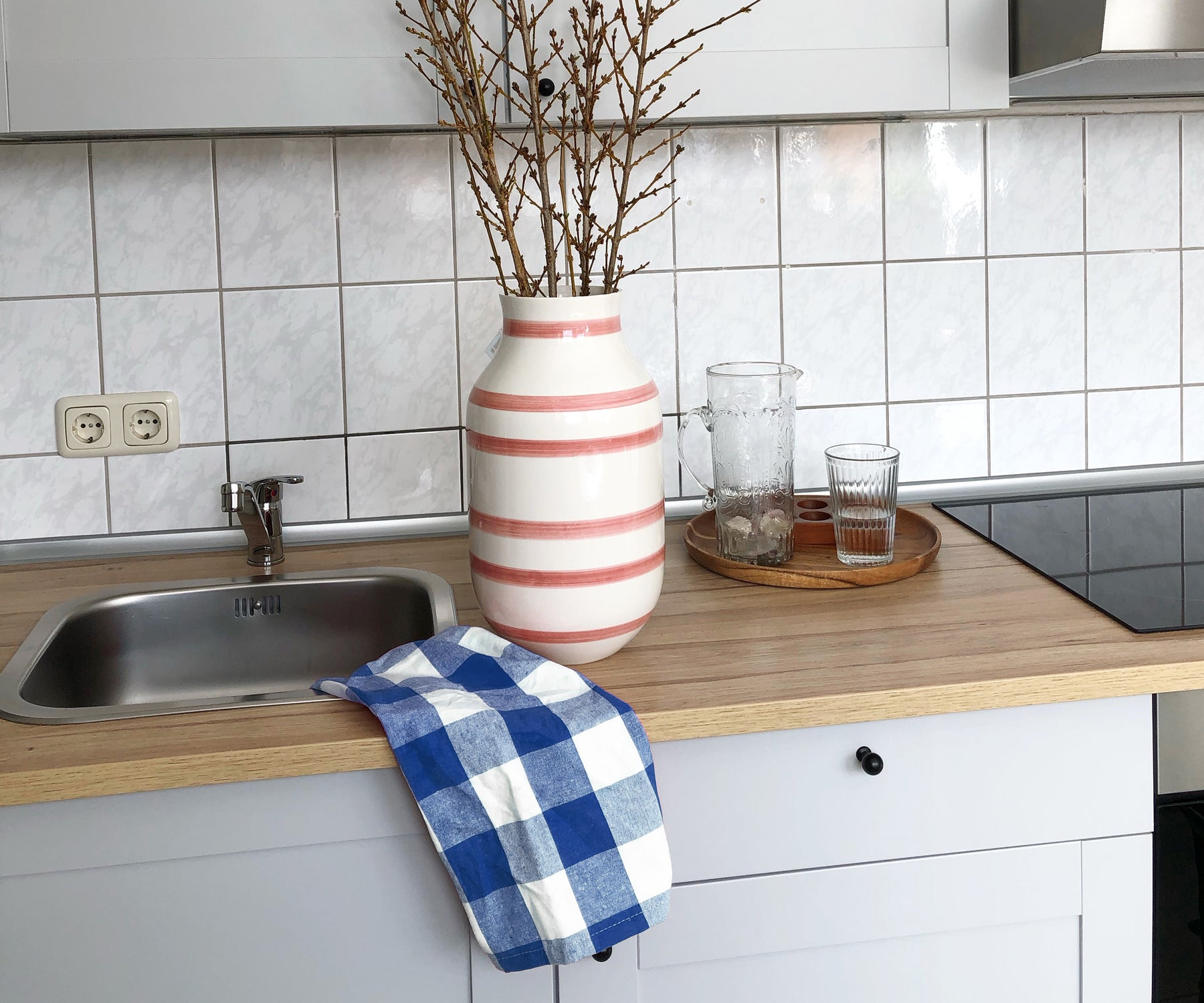
In addition to cloth napkins, many millennials use kitchen towels or multi-purpose cloths as napkin replacements. These options are practical, absorbent, and often made from sustainable materials such as organic cotton or bamboo. The use of organic cotton products, such as those from sustainable stores like “All Cotton and Linen,” has gained popularity for its durability and eco-friendly properties.

Kitchen towels can be reused multiple times before washing, reducing the need for single-use paper products. This sustainable habit not only supports the environment but also saves money over time, making it an attractive choice for budget-conscious millennials who prioritize both their finances and the planet.
You May Also Like Veterans Day Deals 2026 | All Cotton and Linen
3. Handkerchiefs: A Classic Revived
Handkerchiefs are making a stylish comeback, especially among millennials who value both nostalgia and sustainability. No longer just an old-fashioned accessory, handkerchiefs are now seen as a practical and eco-friendly alternative to disposable paper napkins.
From wiping hands to cleaning up small spills, these reusable cloth essentials are versatile, convenient, and kinder to the environment. Available in a wide range of colors, fabrics, and patterns, handkerchiefs also add a touch of personal style to everyday dining and on-the-go use.
Compact and easy to carry in a purse, pocket, or backpack, handkerchiefs are the perfect blend of function and fashion. Their return reflects a growing shift toward sustainable living and mindful choices that reduce waste, proving that timeless classics never go out of style.
|
Handkerchief Feature |
Details |
|
Size |
Fits in a pocket or small bag |
|
Material |
Usually cotton or linen |
|
Durability |
Can last years with proper care |
|
Style options |
Plain, printed, embroidered |
|
Best use |
On-the-go wiping, casual dining |
4. Reusable Napkin Alternatives at Restaurants
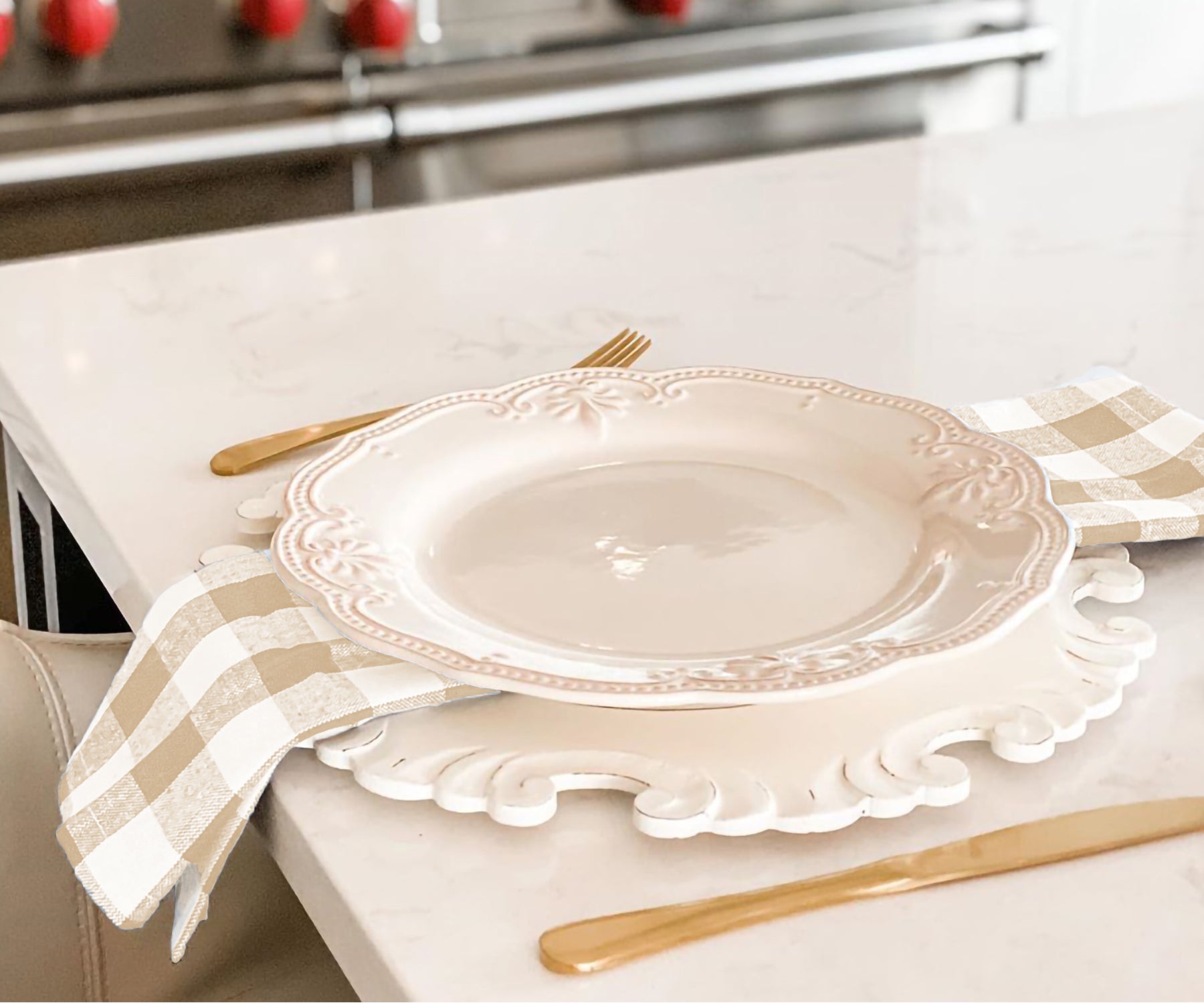
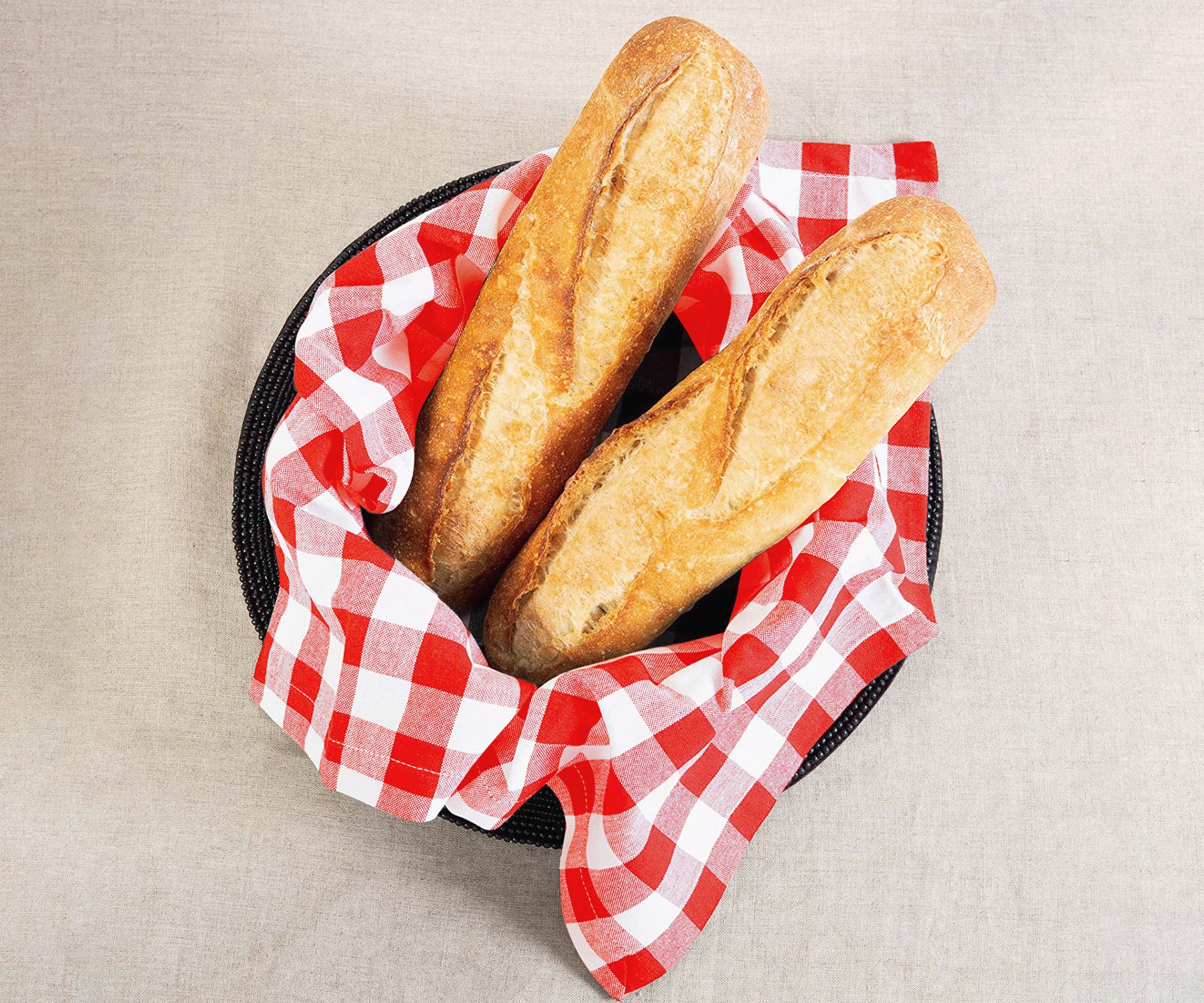
Restaurants catering to millennial diners have also adapted, offering reusable napkin alternatives to meet growing demands for sustainability. Upscale and eco-focused establishments now provide cloth napkins as part of their table settings, contributing to a greener dining experience.
This change not only reduces waste but also elevates the dining atmosphere, reflecting the value millennials place on experiences that align with their eco-friendly lifestyles.
|
Restaurant Type |
Napkin Style Offered |
|
Fine dining |
Pressed cloth napkins (linen or cotton) |
|
Farm-to-table cafés |
Casual cotton napkins |
|
Eco-focused fast casual |
Cloth napkins on request |
|
Upscale brunch spots |
Decorative linen napkins |
|
Zero-waste restaurants |
Fully cloth-based table setup |

Read More: Beautiful Thanksgiving Tablecloths to Showcase Your Feast
5. Bamboo and Organic Cotton Reusable Cloths
Some millennials go a step further and replace napkins with small reusable cloths made from bamboo or organic cotton. These are similar to cloth wipes used in zero-waste households.
|
Material |
Key Benefit |
|
Bamboo fiber |
Naturally antibacterial, ultra-soft |
|
Organic cotton |
Chemical-free, hypoallergenic |
|
Cotton-linen blend |
Breathable and durable |
|
Muslin cotton |
Lightweight, great for kids |
These cloths are typically sold in sets, washed after use, and stored in a small basket on the counter or table. Many millennial families use them in place of both paper napkins and paper towels.
Best for: Zero-waste households, families with young children, everyday dining
The Future of Napkin Alternatives
As more people adopt these environmentally friendly practices, the benefits extend beyond individual households. Restaurants, cafes, and other dining establishments are feeling the push to implement sustainable solutions and reduce their reliance on single-use items.
Moreover, as millennials continue to champion eco-friendly choices, it sets a precedent for the next generations. It encourages industries to innovate and find more sustainable solutions, making eco-conscious practices the norm. Choosing what to use instead of napkins becomes more than just a personal preference; it’s a step toward a collective goal of environmental stewardship.
Also Read: What Stores Are Open on Thanksgiving?
Overview
The growing interest in alternatives to disposable napkins reflects a larger shift toward sustainable living. Reusable options such as cloth napkins, kitchen towels, and handkerchiefs help reduce waste while offering a practical solution for everyday use. This change in habits shows how small choices can contribute to a more environmentally conscious lifestyle.
Rather than abandoning napkins altogether, many people are rethinking how they use them. Reusable linen napkins, cotton kitchen towels, and compact handkerchiefs are becoming popular choices because they can be washed and used again and again. The focus is simple: create less waste, make thoughtful purchasing decisions, and build a home that aligns with modern values and long-term sustainability.