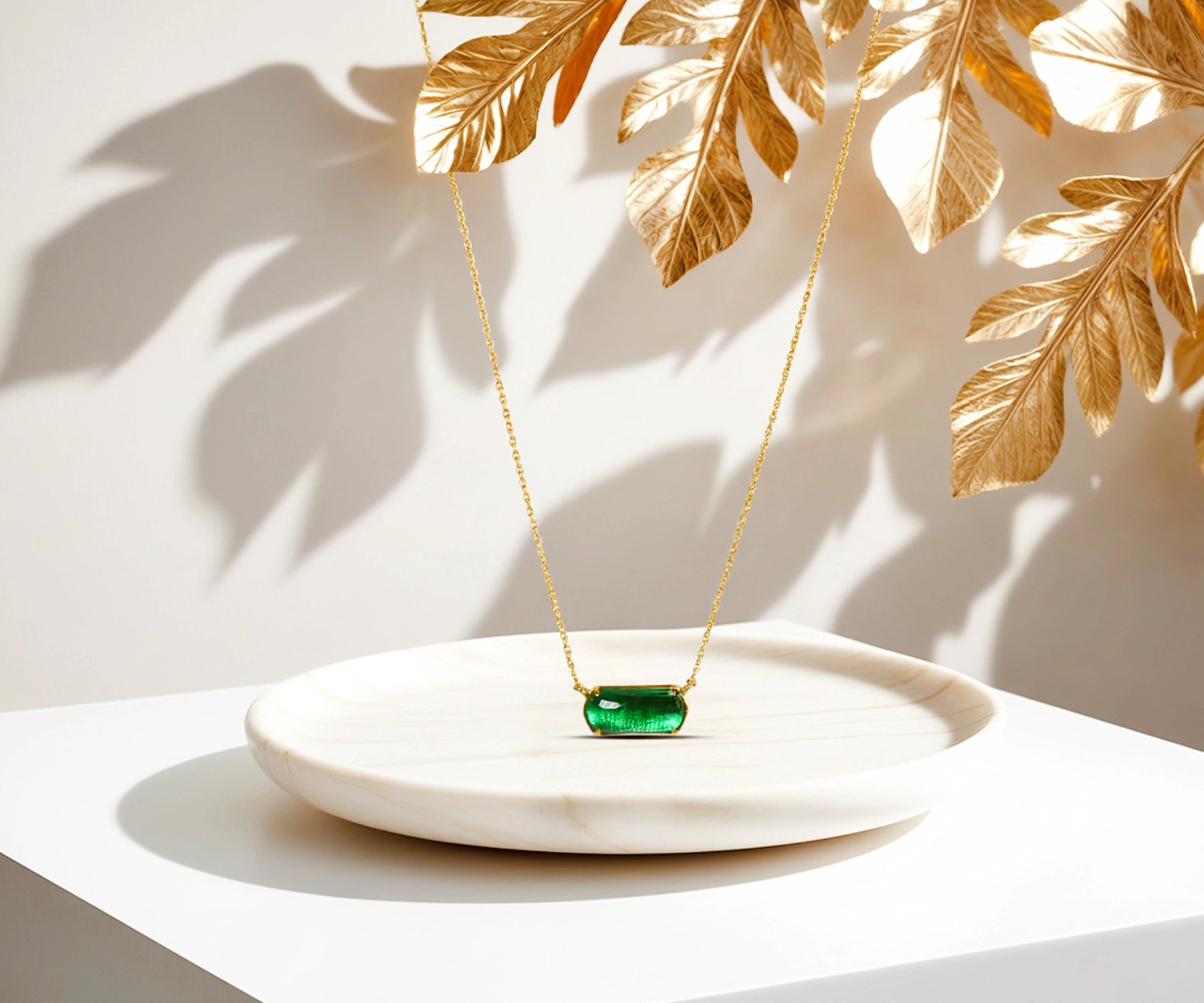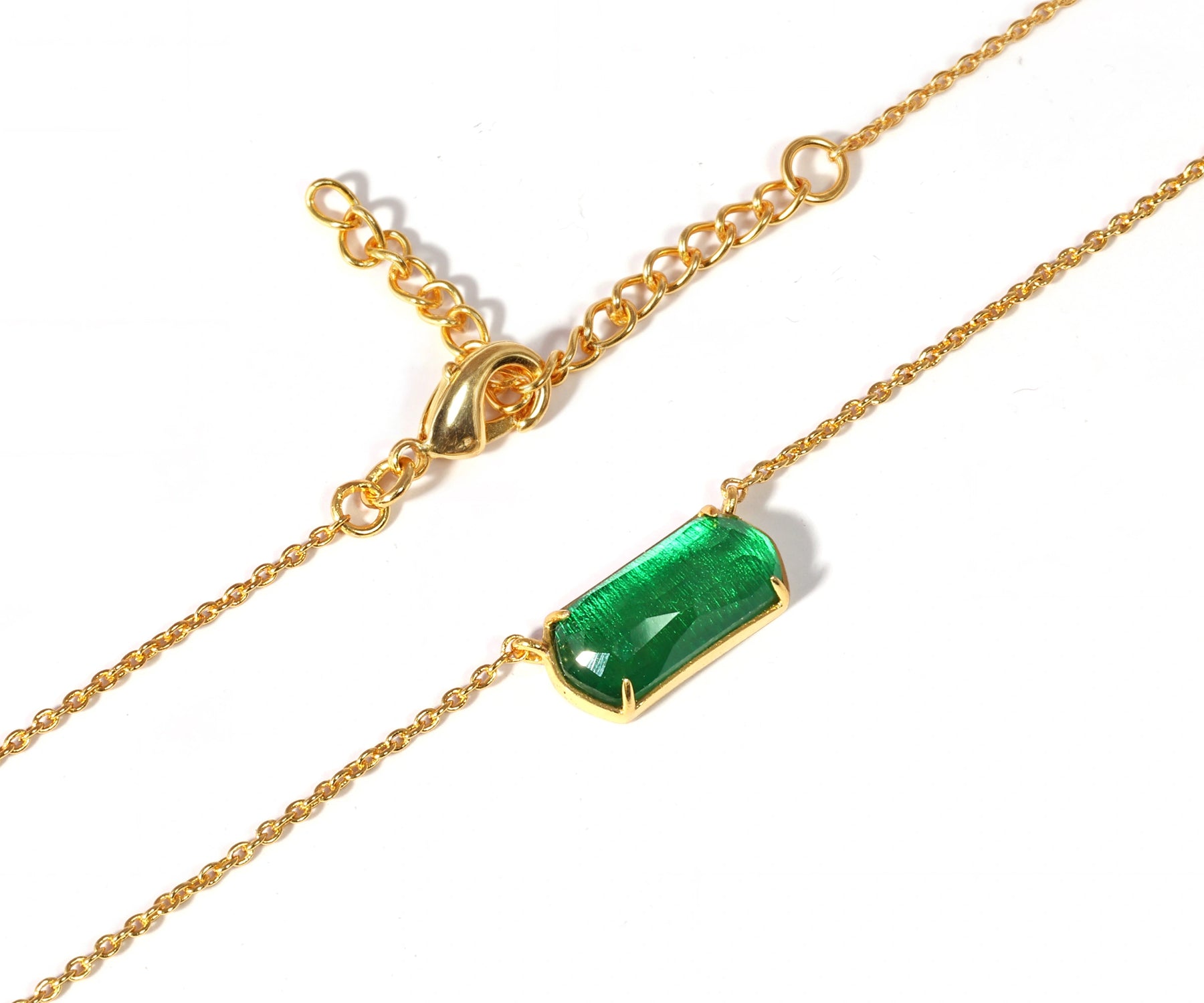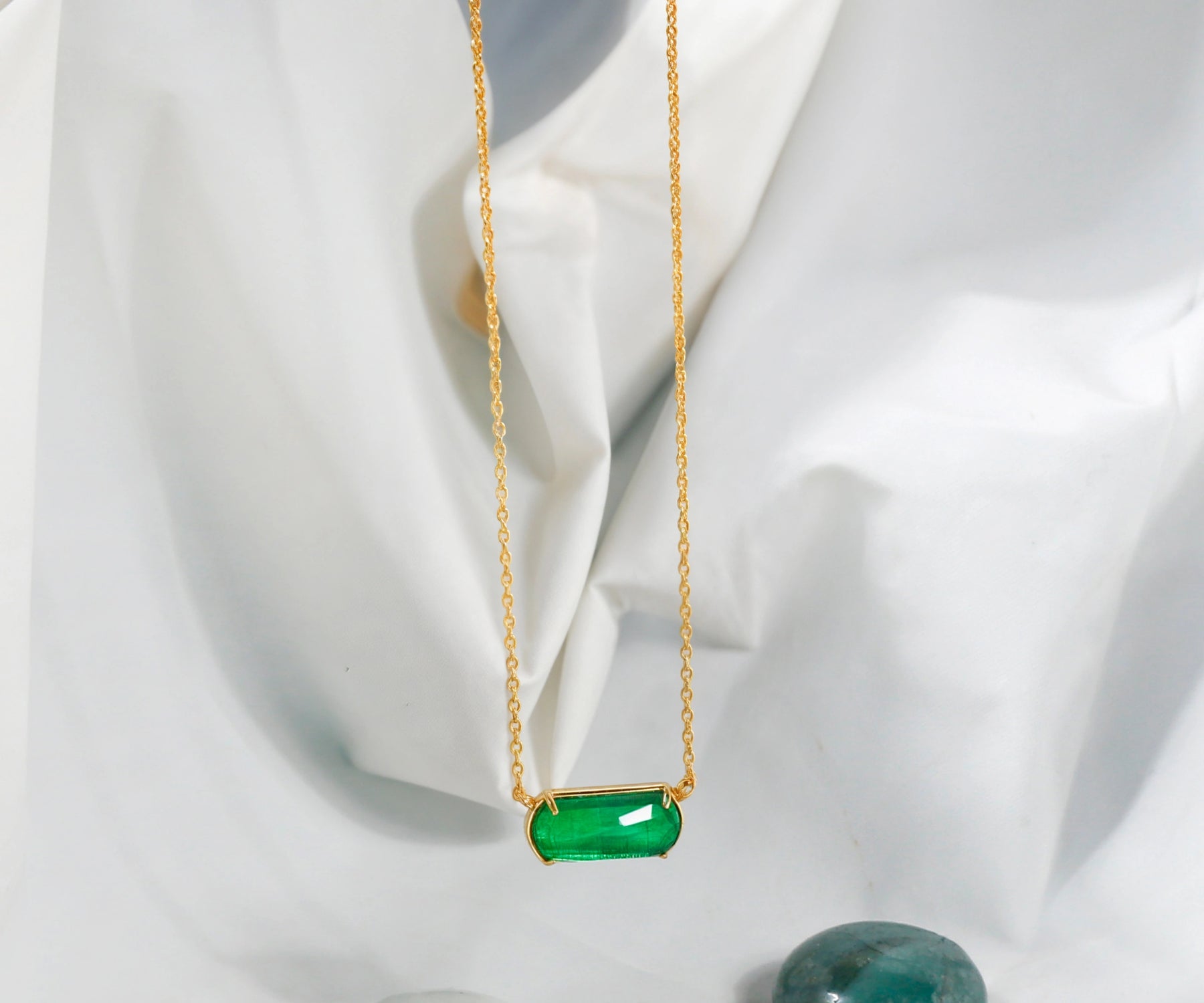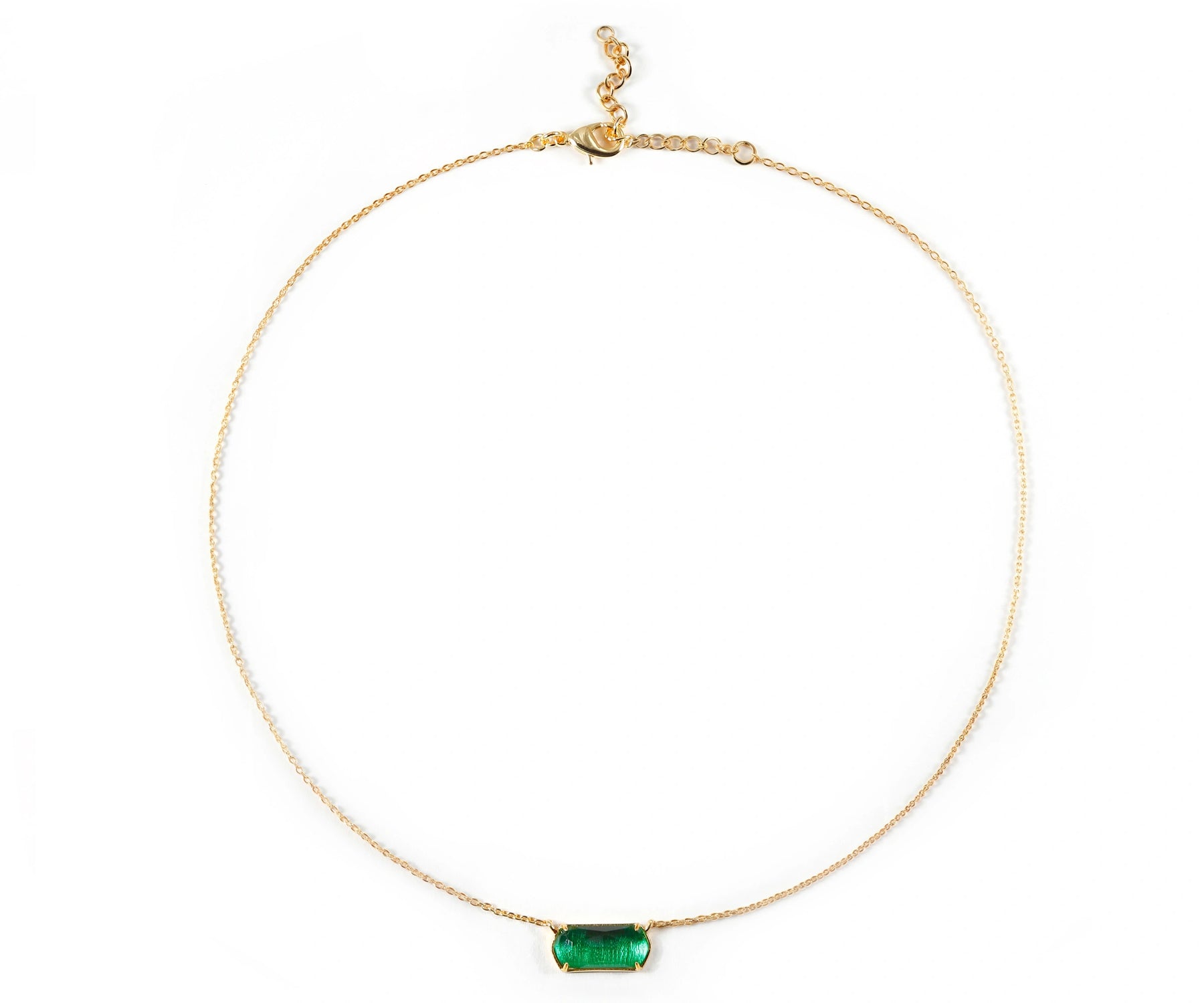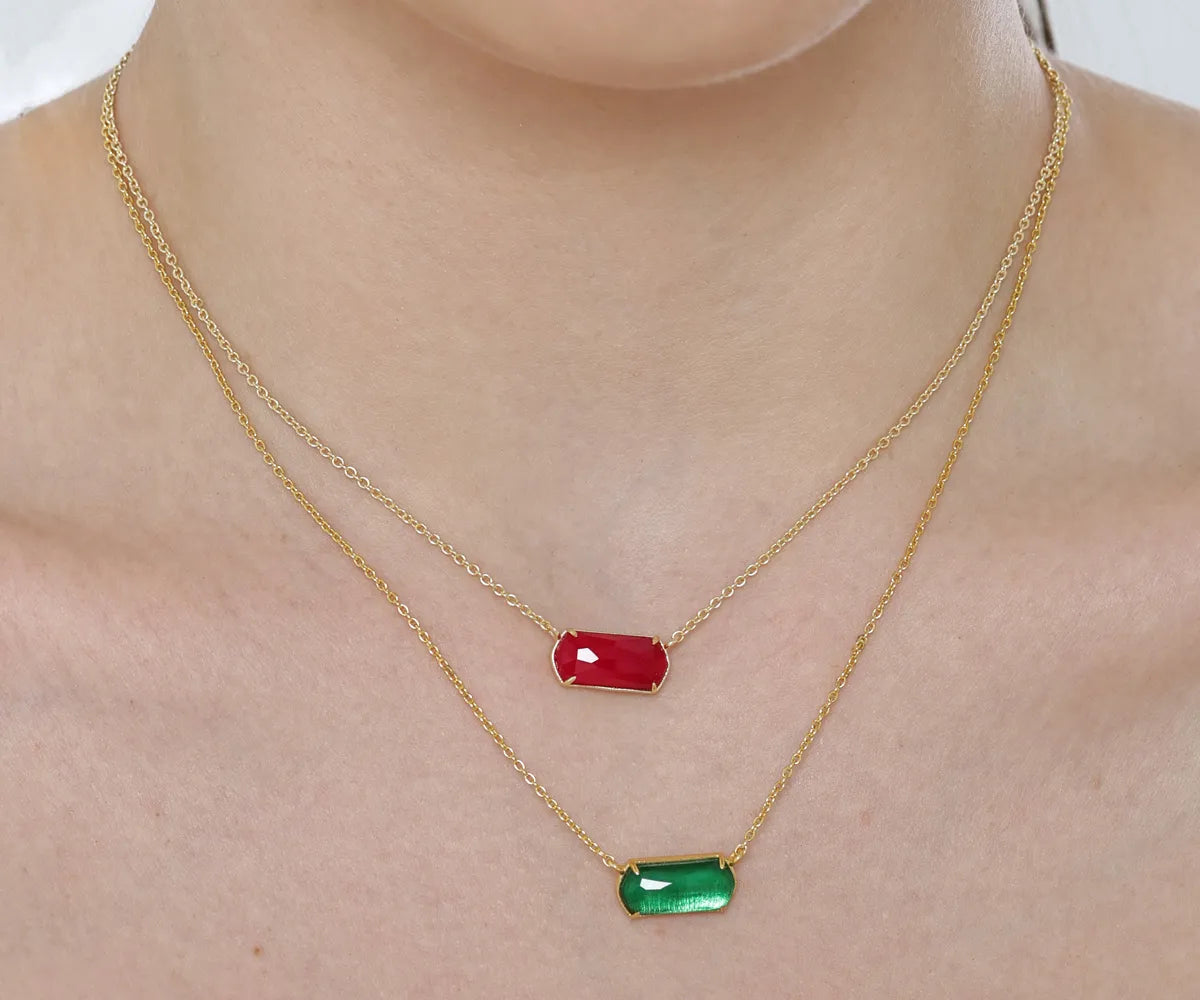


But the full picture is more interesting than that. The 925 stamp appears on silver jewelry, gold-plated jewelry, pieces with diamonds, vintage pieces, and modern designer collections, and it means something slightly different in each context. Understanding exactly what you're looking at helps you shop smarter, care for your jewelry better, and know what you actually own.
This guide covers everything: the meaning of the 925 hallmark, the silver purity system, what 925 means on gold or diamond jewelry,
What Does 925 Mean on Jewelry?
925 on jewelry means the piece is made of sterling silver, containing 92.5% pure silver and 7.5% other metals (usually copper).
The number 925 comes from the millesimal fineness system, which measures metal purity in parts per thousand. A stamp of 925 means 925 out of 1,000 parts are pure silver, which is 92.5%, the internationally recognized standard for sterling silver.
This is one of the most searched jewelry questions in the world, and the reason is simple: the 925 stamp appears on an enormous variety of jewelry, from budget fashion rings to designer fine jewelry, from pure silver chains to gold-coated pieces. Understanding what it means in each context is what this guide is here to explain.

The Silver Purity System Explained
Like gold, pure silver in its natural form is too soft to be used in jewelry. It bends, dents, and scratches easily. To make it durable enough for everyday wear, pure silver is mixed (alloyed) with harder metals, and the resulting alloy is stamped with a hallmark that certifies exactly how much pure silver it contains.
The two main systems for expressing silver purity are:
Millesimal Fineness (used internationally): Expresses purity as parts per thousand. 925 = 92.5% silver.
Named Standard (used in the UK, USA, and many other countries): The term "sterling silver" refers specifically to the 92.5% purity standard.
Both mean the same thing. A piece marked 925, a piece marked "Sterling," and a piece marked "SS" all refer to 92.5% pure silver.
Silver Hallmark Chart: All Purity Levels Compared
|
Hallmark |
Purity |
Common Name |
Characteristics |
Common Use |
|
999 |
99.9% |
Fine Silver |
Very soft, bright white |
Bullion bars, coins, special pieces |
|
990 |
99.0% |
Bimetal Silver |
Slightly harder than 999 |
Some specialty jewelry |
|
925 |
92.5% |
Sterling Silver |
Durable, bright, versatile |
Most fine silver jewelry worldwide |
|
900 |
90.0% |
Coin Silver |
Historic US silver standard |
Antique American silverware |
|
800 |
80.0% |
European Silver |
Less bright, harder |
Older European silverware, cutlery |
|
750 |
75.0% |
18K Gold equivalent |
Not silver — this is 18K gold |
Fine gold jewelry |
Key takeaway: 925 sterling silver is the world standard for quality silver jewelry. It is durable enough for daily wear, high enough in silver content to be considered genuine fine silver, and recognized by jewelers and buyers everywhere.
What Is Sterling Silver?
Sterling silver is a silver alloy with a minimum purity of 92.5% pure silver. The term "sterling" dates back to medieval England. "Sterling" originally referred to a specific standard of silver coinage, and over centuries it became the accepted benchmark for quality silver.
Today, "sterling silver" and "925 silver" mean the same thing worldwide.
Key Properties of Sterling Silver
|
Property |
Detail |
|
Silver content |
92.5% pure silver |
|
Color |
Bright white-silver with high reflectivity |
|
Hardness |
Moderate — much harder than pure silver, suitable for jewelry |
|
Tarnish resistance |
Will tarnish over time, but easily restored |
|
Hypoallergenic |
Generally, yes — most people tolerate sterling silver well |
|
Magnetic |
No — silver is not magnetic |
|
Conductivity |
Very high — silver is the most electrically conductive metal |
|
Durability for jewelry |
Very good with proper care |
|
Lifespan |
Decades to a lifetime with proper maintenance |
Why Sterling Silver Is the World Standard
Pure silver (999 fine silver) is too soft to hold a gemstone setting, too soft to hold its shape in a ring, and too prone to surface damage to withstand daily wear. The 7.5% alloy content in sterling silver solves all of this, adding structural strength while retaining the beauty and value of high-purity silver.
Why Is Silver Mixed With Other Metals?
The reasons for alloying silver are practical and important:
-
Strength: Pure silver has a Mohs hardness of only 2.5 (for reference, a fingernail is 2.5). It would deform under everyday use. Sterling silver's hardness is significantly improved by the addition of copper or other metals.
-
Durability: The alloy resists scratching, bending, and denting far better than pure silver.
-
Workability: Alloyed silver is easier to cast, stamp, and shape into intricate jewelry designs.
-
Stone-setting capability: Sterling silver is hard enough to create prong, bezel, and channel settings that hold gemstones securely.
-
Cost efficiency: Pure silver is more expensive and offers no practical benefit for jewelry.
What Metals Are Used in 925 Sterling Silver?
The 7.5% non-silver content in sterling silver is most commonly copper, but modern jewelers use several different alloy formulas to achieve different properties.
Common Alloy Metals in 925 Sterling Silver
|
Alloy Metal |
Properties |
Effect on Silver |
Notes |
|
Copper |
Hard, affordable |
Increases strength; may contribute to tarnishing |
Most common alloy in traditional sterling |
|
Zinc |
Hard, corrosion-resistant |
Reduces tarnishing; improves casting |
Used in modern sterling alloys |
|
Germanium |
Rare, anti-tarnish |
Dramatically reduces tarnishing |
Used in Argentium silver |
|
Platinum |
Precious, hard |
Improves hardness; very hypoallergenic |
Premium sterling formulas |
|
Nickel |
Hard, whitening |
Strengthens; can cause allergic reactions |
Less common in modern jewelry |
Argentium Silver: A Modern Alternative
Argentium is a patented sterling silver alloy that replaces some of the copper with germanium. The result is a tarnish-resistant, more hypoallergenic version of sterling silver that is still marked 925 or 935 (a slightly higher silver content version).
If you see a flying unicorn hallmark alongside 925, the piece is Argentium, an upgraded sterling silver with better tarnish resistance.
What Does 925 Mean on Gold Jewelry?
This is one of the most common points of confusion about the 925 hallmark, and it deserves a clear, direct explanation.

If you see 925 on a piece of jewelry that looks gold, it does NOT mean solid gold. It means the base metal is sterling silver with a gold coating on top.
This type of jewelry is called gold vermeil (pronounced "ver-may"), a specific category of gold-plated jewelry where the base is sterling silver rather than a cheaper base metal like brass or copper.
Why Does Gold-Looking Jewelry Have a 925 Stamp?
The 925 stamp certifies the purity of the base metal, sterling silver. The gold appearance comes from a layer of gold plating applied over the silver surface. Jewelers are required to hallmark the actual metal composition of the piece, which is sterling silver, hence the 925 stamp, even on pieces that look gold.
Gold Vermeil vs Regular Gold Plating
|
Feature |
Gold Vermeil (925 Base) |
Regular Gold-Plated |
Solid Gold (750/18K) |
|
Base metal |
925 Sterling Silver |
Brass, copper, or base metal |
Solid gold alloy |
|
Gold layer thickness |
Minimum 2.5 microns |
Often <0.5 microns |
No plating — solid throughout |
|
Hallmark |
925 |
GP, GF, or no mark |
750, 585, 18K, 14K |
|
Durability of finish |
Good |
Poor — fades quickly |
Permanent |
|
Hypoallergenic |
Yes (silver base) |
Variable (base metal varies) |
Yes (high karat) |
|
Price |
Moderate |
Low |
High |
|
Value |
Silver value |
Near-zero metal value |
Full gold value |
|
Best for |
Fashion-forward everyday wear |
Short-term or occasional use |
Long-term investment |
The Simple Rule:
-
925 + silver color = sterling silver piece
-
925 + gold color = gold vermeil (sterling silver base with gold plating)
-
750 or 18K = solid 18 karat gold (no silver involved)

What Is Gold Vermeil, and Is It Worth Buying?
Gold vermeil is a legitimate and popular jewelry category that offers the appearance of gold at a significantly lower price point. It is not a fake; it is a real product with defined standards.
Gold Vermeil Standards (USA)
In the United States, the Federal Trade Commission (FTC) defines gold vermeil as:
-
Base metal must be sterling silver (925)
-
Gold plating must be at least 10 karat (though most quality pieces use 14K or 18K)
-
The gold layer must be at least 2.5 microns thick
Pieces that meet these standards can legally be called "gold vermeil."
Who Should Buy Gold Vermeil?
Gold vermeil is an excellent choice for:
-
People who want the look of gold jewelry without the price of solid gold
-
Fashion-forward buyers who change their jewelry frequently
-
Gifting — beautiful appearance at an accessible price point
-
Anyone who wants a hypoallergenic gold-toned piece (the sterling silver base is safe for sensitive skin)
How Long Does Gold Vermeil Last?
The gold layer on vermeil will eventually wear with daily use, typically lasting 1–3 years with regular wear before thinning noticeably. To extend the life:
-
Remove before swimming, bathing, or exercising
-
Avoid contact with perfumes, lotions, and cleaning products
-
Store in an anti-tarnish pouch when not wearing
-
Some jewelers can replate gold vermeil pieces for $30–$8
What Does 925 Mean on Jewelry With Diamonds?
Seeing 925 stamped on a piece of diamond jewelry raises an important question: are the diamonds real?
The Honest Answer
Most genuine diamond jewelry engagement rings, diamond solitaires, and diamond tennis bracelets are crafted in 14K gold (585), 18K gold (750), or platinum. These metals hold diamond settings more securely than silver and are the industry standard for precious stone jewelry.
However, some real diamonds are set in sterling silver, particularly:
-
Small accent diamonds (melee diamonds) in affordable fashion jewelry
-
Low-clarity or low-color diamonds in budget fine jewelry
-
Vintage or antique pieces where silver was historically used
What Is More Likely on a 925 Diamond Piece
|
Stone Type |
Likelihood in 925 Silver Setting |
|
Cubic Zirconia (CZ) |
Very common — the most frequently used diamond simulant in silver settings |
|
Moissanite |
Common — used in affordable fine jewelry |
|
White Topaz |
Used in some fine silver jewelry |
|
Small real diamonds |
Possible — but less common than simulants |
|
Large solitaire diamond |
Very unlikely in a 925 silver setting |
How to Know for Certain
-
Ask the seller for a diamond certificate (GIA, IGI, or AGS certified diamonds are reliably real)
-
A jeweler can test diamonds with a thermal conductivity tester (moissanite testers are needed for moissanite vs diamond distinction)
-
Real diamonds have specific optical properties — a jeweler's loupe can reveal inclusions and other natural characteristics that simulants lack
-
If the price is very low for a supposedly "diamond" piece in silver, the stones are almost certainly CZ or another simulant
Read More: What Jewelry to Wear with a Wedding Dress | Best Wedding Jewelry 2025
925 Silver vs Other Silver Types
|
Type |
Hallmark |
Silver Content |
Durability |
Tarnish Rate |
Best For |
|
Fine Silver |
999 |
99.9% |
Very low |
Moderate |
Bullion, art pieces |
|
Sterling Silver |
925 |
92.5% |
Very good |
Moderate (manageable) |
All jewelry types |
|
Argentium Silver |
925 / 935 |
92.5–93.5% |
Very good |
Very low |
Tarnish-sensitive buyers |
|
Coin Silver |
900 |
90.0% |
Good |
Moderate |
Antique silverware |
|
European Silver |
800 |
80.0% |
Very good |
Higher |
Old silverware, cutlery |
|
Silver-Plated |
None / SP |
<1% |
Poor (flakes off) |
High |
Fashion/costume only |
|
Nickel Silver |
None |
0% silver |
Good |
Low |
Costume jewelry (misleading name — contains no silver) |
A Critical Warning About "Nickel Silver"
Nickel silver (also called German silver or alpaca) contains zero actual silver despite its name. It is an alloy of copper, zinc, and nickel. It has no 925 stamp and no silver value. Always look for the 925 hallmark to confirm genuine sterling silver content.
How to Find the 925 Stamp on Your Jewelry
The 925 hallmark is always present on genuine sterling silver jewelry — but it is small and placed in discreet locations. Here is exactly where to look by jewelry type.
Where to Find the 925 Hallmark
|
Jewelry Type |
Where to Look for the Stamp |
|
Ring |
Inside the band — look for tiny engraved text on the inner surface |
|
Necklace / Chain |
On or near the clasp — either on the clasp itself or on a small attached tag |
|
Bracelet / Bangle |
On or near the clasp; on the inner surface of the band |
|
Earrings |
On the post (stud earrings), on the earring back, near the hinge (drop or dangle earrings) |
|
Pendant |
On the bail (the loop that connects the pendant to the chain) |
|
Brooch |
On the reverse side, on the pin mechanism |
|
Charm |
On the attachment loop or on the flat face of the charm |
Tips for Finding the Stamp
-
Use a magnifying glass or jeweler's loupe (10x magnification is ideal)
-
Look in bright natural light or use a bright LED flashlight
-
On older pieces, the stamp may be worn — a jeweler can use acid testing to verify
-
The stamp may appear alongside other marks: a maker's mark (brand or manufacturer's initials), a country hallmark, or an assay office mark
Other Hallmarks That Appear With 925
The 925 stamp is rarely the only mark on a piece of jewelry. Here are the other symbols and letters you may see alongside it.
|
Additional Mark |
What It Means |
|
S925 or S.925 |
Same as 925 — "S" stands for silver; used in some Asian markets |
|
Sterling |
Confirms sterling silver purity (used instead of 925 on some US pieces) |
|
SS |
Sterling Silver abbreviation — not as common |
|
Maker's mark/initials |
Identifies the manufacturer or brand |
|
Country mark |
Identifies where the piece was assayed (e.g., a lion passant for UK silver) |
|
A date letter |
In the UK and some European pieces, a date letter confirms the year of assay |
|
GP or GEP |
Gold-plated or gold electroplated (if present, the gold is a surface coating) |
|
CZ |
Confirms the stones are cubic zirconia, not diamonds |
|
Flying unicorn mark |
Argentium silver — tarnish-resistant sterling silver |
Is 925 Silver Real Silver?
Yes, 925 sterling silver is absolutely real silver. It contains 92.5% pure silver throughout the entire piece, not just on the surface. This is the same standard used by Tiffany & Co., Pandora, Georg Jensen, and virtually every other major silver jewelry brand in the world.
What 925 silver is:
-
Genuine silver alloy — 92.5% pure silver, 7.5% alloy metals
-
A legally regulated hallmark that cannot be applied to pieces without this silver content
-
A globally recognized and trusted mark of silver quality
-
Valuable — its worth is tied to the live silver spot price
What 925 silver is not:
-
Silver-plated (which has only a microscopic surface layer of silver over a base metal)
-
Fake or imitation silver
-
"Nickel silver" or "German silver" (those contain zero actual silver)
How to Tell If 925 Silver Is Genuine
If you want to verify that a piece stamped 925 is genuinely sterling silver, several methods are available, from simple home tests to professional verification.
Authentication Methods
|
Method |
How It Works |
Accuracy |
Cost |
|
Visual hallmark check |
Look for 925, Sterling, or S925 stamp with a magnifying glass |
High (if stamp is clear) |
Free |
|
Magnet test |
Real silver is not magnetic — a magnet will not stick to it |
Good (rules out iron/steel fakes) |
Free |
|
White cloth rub test |
Rub with a white cloth — real silver leaves a black tarnish residue on the cloth |
Moderate |
Free |
|
Ice test |
Silver has the highest thermal conductivity of any metal — ice melts unusually fast on real silver |
Moderate |
Free |
|
Acid test |
A jeweler applies nitric acid — genuine silver turns creamy/grey; base metals turn green or blue |
Very high |
Low cost at the jeweler |
|
XRF spectrometry |
Electronic scan measures the exact metal content without damage |
Highest possible |
Available at jewelers'/pawnshops |
|
Professional appraisal |
Expert assessment of hallmark, weight, and material characteristics |
Very high |
$25 – $75 typically |
The Magnet Test: Simplest Home Check
Hold a strong magnet near the piece. Real silver is not magnetic and will not be attracted. If the piece pulls toward the magnet, it contains iron or steel, meaning it is not silver.
Important caveat: Passing the magnet test confirms a piece is non-magnetic, but does not specifically confirm it is silver. Brass, copper, and other non-magnetic metals also pass this test. For confirmed silver identification, an acid test or professional assessment is needed.
The White Cloth Test
Rub the jewelry firmly with a clean white cloth. Genuine silver tarnishes when exposed to air, and this tarnish will transfer slightly onto the white cloth as a black residue. No residue may indicate a silver-plated base metal or a non-silver piece.
You May Also Like: Can You Wear Jewelry Through TSA? A Traveler’s Guide
Does 925 Silver Tarnish? And How to Fix It
Yes, sterling silver tarnishes. This is one of the most common concerns about 925 silver, and it's worth understanding clearly.
Why Does Sterling Silver Tarnish?
Tarnish on sterling silver is a chemical reaction between the silver and sulfur compounds in the air, water, sweat, cosmetics, and food. The copper content in the 925 alloy accelerates this reaction slightly. The result is a dark grey or black surface discoloration — not rust or corrosion, but a surface oxidation.
Important: Tarnish does not damage or degrade the silver itself. It is entirely surface-level and completely reversible.
Tarnish Speed Factors
|
Factor |
Effect on Tarnishing |
|
Humidity |
Higher humidity = faster tarnishing |
|
Sulfur compounds in the air |
Industrial or polluted air accelerates tarnish |
|
Perfume, hairspray, lotion |
Direct contact speeds are tarnishing significantly |
|
Chlorine (pools, cleaning) |
Damages the silver surface; accelerates darkening |
|
Skin acidity |
People with more acidic skin see faster tarnishing |
|
Storage |
Air exposure tarnishes; airtight storage slows it significantly |
How to Remove Tarnish From 925 Silver
Method 1 — Polishing Cloth (best for light tarnish) Use a purpose-made silver polishing cloth (available at most jewelry stores). The cloth is treated with a mild polishing compound that removes tarnish safely and quickly. Rub gently in straight lines, not circular motions.
Method 2 — Mild Soap and Warm Water (general cleaning)
-
Mix a few drops of mild dish soap in warm water
-
Soak the piece for 5–10 minutes
-
Gently scrub with a very soft toothbrush
-
Rinse thoroughly under clean warm water
-
Pat dry with a soft lint-free cloth
-
Air dry completely before storing
Method 3 — Baking Soda and Aluminum Foil (for heavy tarnish)
-
Line a bowl with aluminum foil (shiny side up)
-
Place the tarnished silver in the bowl
-
Add 1 tablespoon of baking soda and enough hot water to cover the piece
-
The tarnish will transfer from the silver to the foil via an electrochemical reaction
-
Remove after 5–10 minutes, rinse, and dry. Note: Do not use this method on pieces with gemstones, pearls, or delicate surface treatments.
Method 4 — Commercial Silver Cleaner. Dedicated silver cleaning solutions are available at jewelry stores and online. Follow the product instructions carefully and avoid prolonged contact with gemstones.
What NOT to Do When Cleaning 925 Silver
-
Do not use toothpaste (abrasive — will scratch the surface)
-
Do not use bleach or chlorine-based cleaners
-
Do not rub with abrasive cloths or steel wool
-
Do not use ultrasonic cleaners on pieces with pearls, turquoise, opals, or other porous/soft stones
-
Do not soak pieces with glued-in stones
How Much Is 925 Silver Worth?
The value of 925 sterling silver depends on the current silver spot price, the weight of the piece, and the craftsmanship involved.
The Core Formula
Melt value of 925 silver = Weight (grams) × Current silver spot price per gram × 0.925
Since 925 silver is 92.5% pure silver, you multiply the total weight by 0.925 to find the pure silver content, then multiply by the spot price.
Example: If silver is trading at $1.00 per gram and you have a 20-gram 925 silver bracelet:
-
Pure silver content = 20g × 0.925 = 18.5 grams of pure silver
-
Melt value = 18.5 × $1.00 = $18.50
Note: Actual silver prices fluctuate. Always check the live spot price for current values.
Factors That Affect 925 Silver Jewelry Value
|
Factor |
Effect on Value |
|
Current silver spot price |
Most significant factor — silver prices move daily |
|
Weight of the piece |
Heavier pieces contain more silver |
|
Craftsmanship and design |
Artisan or designer pieces command premiums |
|
Brand name |
Tiffany, Pandora, and Georg Jensen add significant brand value |
|
Gemstones |
Real stones add value; simulants do not |
|
Age and rarity |
Antique sterling pieces can be worth multiples of melt value |
|
Condition |
Well-maintained pieces retain more value |
925 Silver Approximate Melt Value by Weight
|
Weight |
Pure Silver Content |
Approximate Melt Value* |
|
5 grams |
4.6g |
~$5 |
|
10 grams |
9.25g |
~$9 |
|
20 grams |
18.5g |
~$18 |
|
50 grams |
46.25g |
~$46 |
|
100 grams |
92.5g |
~$93 |
Based on approximately $1.00/gram silver. Verify the current price before buying or selling.
925 Silver vs 750 Gold Value Comparison
|
Metal |
Purity |
Approximate Value per Gram (2026) |
Relative Value |
|
925 Sterling Silver |
92.5% silver |
~$0.93 |
Baseline |
|
585 / 14K Gold |
58.5% gold |
~$55 |
~59× more valuable |
|
750 / 18K Gold |
75% gold |
~$71 |
~76× more valuable |
|
Platinum |
~95% |
~$30 |
~32× more valuable |
Silver is significantly more affordable than gold, making sterling silver jewelry an excellent value for the aesthetic it delivers.
Is 925 Silver Good for Everyday Wear?
Yes, 925 sterling silver is one of the best metals for everyday jewelry, particularly for rings, necklaces, earrings, and bracelets worn regularly.
Why 925 Silver Works for Daily Wear
-
Durable enough to handle normal daily activity
-
Generally hypoallergenic — well tolerated by most skin types
-
Light and comfortable to wear
-
Beautiful, bright luster that photographs well
-
Tarnish is manageable with basic care
-
Easily repaired, polished, and restored by a jeweler
When to Remove 925 Silver Jewelry
|
Situation |
Why to Remove |
|
Swimming in a chlorinated pool |
Chlorine degrades silver and accelerates tarnishing |
|
Ocean swimming |
Salt water causes surface damage |
|
Showering / bathing |
Repeated water and soap exposure dulls the surface |
|
Gym / heavy exercise |
Sweat accelerates tarnishing, especially with copper alloy |
|
Applying perfume/hairspray |
Chemicals directly on silver increase the tarnish rate |
|
Cleaning with household chemicals |
Bleach and ammonia damage silver severely |
|
Sleeping (for delicate chains) |
Reduces stress and tangling on fine chains |
Best 925 Silver Pieces for Daily Wear
|
Piece |
Daily Wear Suitability |
Notes |
|
Stud earrings |
Excellent |
Minimal exposure; very durable |
|
Simple ring |
Very good |
Store properly when not worn |
|
Chain necklace |
Very good |
Remove before showering |
|
Bangle |
Very good |
Smooth surface resists scratching well |
|
Charm bracelet |
Good |
More surfaces = more tarnish potential; clean regularly |
|
Delicate pendant |
Good |
Avoid contact with cosmetics |
925 Silver vs Gold vs Platinum: Which Should You Choose?
|
Factor |
925 Sterling Silver |
14K Gold (585) |
18K Gold (750) |
Platinum |
|
Color |
Bright white-silver |
Warm yellow/rose/white |
Rich yellow / rose/white |
Bright white |
|
Durability |
Very good |
Excellent |
Very good |
Exceptional |
|
Tarnish |
Yes (manageable) |
No |
No |
No |
|
Hypoallergenic |
Generally yes |
Generally yes |
Yes |
Yes (most hypoallergenic) |
|
Weight |
Lightweight |
Moderate |
Moderate |
Heavy |
|
Suitable for daily wear |
Yes |
Yes |
Yes |
Yes |
|
Gemstone settings |
Good |
Very good |
Excellent |
Excellent |
|
Price per gram (approx.) |
~$1 |
~$55 |
~$71 |
~$30 |
|
Best for |
Fashion jewelry, gifting, everyday style |
Everyday fine jewelry (US standard) |
Luxury fine jewelry, engagement rings |
Highest-end jewelry, platinum lovers |
The Simple Decision Guide
-
Choose 925 sterling silver if: you want beautiful, real jewelry at an accessible price, don't mind occasional polishing, and love the classic bright silver look.
-
Choose 14K gold if you want durable gold jewelry for everyday use at a moderate price.
-
Choose 18K gold if: you want the richest gold color and premium quality for fine jewelry or engagement pieces.
-
Choose platinum if: you want the most durable, hypoallergenic, and prestigious metal available, regardless of price.
Buying 925 Silver Jewelry: What to Look For
Pre-Purchase Checklist
-
Confirm the hallmark: Look for a clear 925, Sterling, or S925 stamp — not just a seller's description
-
Check the plating (if gold-toned): Gold vermeil should specify the karat of gold plating (14K or 18K is best)
-
Ask about stones: If the piece features diamonds, request a certificate; if it features colorless stones without certification, assume CZ or simulant
-
Check the return policy: Reputable jewelers offer at minimum 30-day returns
-
Read reviews: Look for mentions of tarnishing speed, color accuracy, sizing, and durability
-
Compare weights: Heavier sterling silver pieces are generally higher quality than very light pieces in the same style
-
Look for anti-tarnish options: Argentium silver or rhodium-plated sterling silver tarnishes far less than standard 925
Red Flags When Shopping for 925 Silver
|
Red Flag |
What It Suggests |
|
No visible hallmark |
May be silver-plated, not sterling silver |
|
Described as "silver-tone" or "silver-colored." |
Contains no real silver — likely base metal |
|
Extremely low price for a "sterling" piece |
May be plated or misrepresented |
|
"Nickel silver" or "German silver" label |
Contains no silver despite the name |
|
No return policy |
The seller is not confident in the product |
|
Diamond claims with no certification |
Stones are almost certainly CZ or simulant |
How to Care for 925 Sterling Silver Jewelry
Proper care keeps your sterling silver beautiful for decades. The key priorities are: minimize chemical exposure, clean regularly, and store correctly.
Daily and Weekly Care
|
Task |
Frequency |
Method |
|
Light wipe-down |
After each wear |
Soft lint-free cloth to remove oils and moisture |
|
Check for tarnish |
Weekly |
Visual inspection addresses early tarnish quickly |
|
Remove before activities |
Always |
Pools, showers, gym, cooking, and cleaning |
|
Apply products first |
Always |
Perfume, lotion, and hairspray before putting jewelry on |
Cleaning Routine
|
Cleaning Level |
Frequency |
Method |
|
Light maintenance |
Weekly or as needed |
Silver polishing cloth — gentle, no water needed |
|
General cleaning |
Monthly |
Warm water + mild soap + soft brush, then dry thoroughly |
|
Heavy tarnish removal |
As needed |
Baking soda + aluminum foil method, or commercial cleaner |
|
Professional clean |
Annually |
Jeweler's professional cleaning and inspection |
Storage Best Practices
-
Store in an anti-tarnish bag or a jewelry box lined with anti-tarnish fabric
-
Keep pieces separate to prevent scratching — individual pouches are ideal
-
Include silica gel packets in your jewelry storage to absorb moisture
-
Keep away from rubber (rubber accelerates silver tarnishing)
-
Store in a cool, dry place — avoid bathrooms (humidity) and window sills (UV + temperature changes)
Care Summary Table
|
Factor |
Best Practice |
|
Cleaning |
Mild soap + warm water + soft brush, monthly |
|
Polishing |
Polishing cloth after each wear |
|
Tarnish treatment |
Polishing cloth for light; baking soda method for heavy |
|
Storage |
Anti-tarnish bag or pouch; separate compartments |
|
Water exposure |
Remove before swimming, bathing, or washing dishes |
|
Chemical exposure |
Remove before applying perfume, lotion, or hairspray |
|
Professional care |
Annual jeweler inspection and clean |
925 Silver by Jewelry Type
Rings
925 silver is one of the most popular metals for rings, offering beautiful style, comfortable weight, and genuine silver value at an accessible price. Sterling silver rings are ideal for fashion stacking, statement rings, and everyday wear.

Tips for 925 silver rings:
-
Size up slightly if you run warm — fingers swell in heat, and sterling silver has minimal flex
-
Remove before dishwashing — repeated detergent exposure accelerates tarnishing
-
A jeweler can resize sterling silver rings if needed
Necklaces and Chains
Sterling silver chains are a versatile wardrobe staple, lightweight, and beautiful with pendants or worn alone. Popular chain styles in 925 silver include cable, box, rope, figaro, and snake chains.
Tips for 925 silver necklaces:
-
Remove at night — sleeping in a chain increases tangling and wear
-
Store flat or on a jewelry stand to prevent kinking
-
Fine chains can be easily repaired by a jeweler if they break
Earrings
Sterling silver earrings are generally well tolerated by sensitive ears. The 925 silver content means minimal alloy metals in the post, the part that enters the piercing.
Tips for 925 silver earrings:
-
If you experience irritation, check whether the post is sterling silver or a different metal
-
Clean earring posts regularly — posts accumulate skin oils and bacteria
-
Rhodium-plated sterling silver earrings are an excellent choice for very sensitive ears
Bracelets and Bangles
Sterling silver bracelets range from delicate chain bracelets to solid bangles and charm bracelets. All 925 silver bracelets benefit from the same care principles.
Tips for 925 silver bracelets:
-
Solid bangles are more durable than chain bracelets for active daily wear
-
Charm bracelets have many surface areas — clean more frequently
-
Check clasps regularly — worn clasps are a common point of failure on older pieces
Final Thoughts: Everything You Need to Know About 925 Silver
The 925 hallmark is one of the most important and widely used marks in the entire jewelry world. Understanding it puts you in control whether you're buying, selling, caring for, or simply appreciating the jewelry you own.
Sterling silver is beautiful, accessible, versatile, and genuinely valuable. With the right knowledge and simple care habits, a 925 silver piece can look stunning for decades and become a treasured part of your jewelry collection.
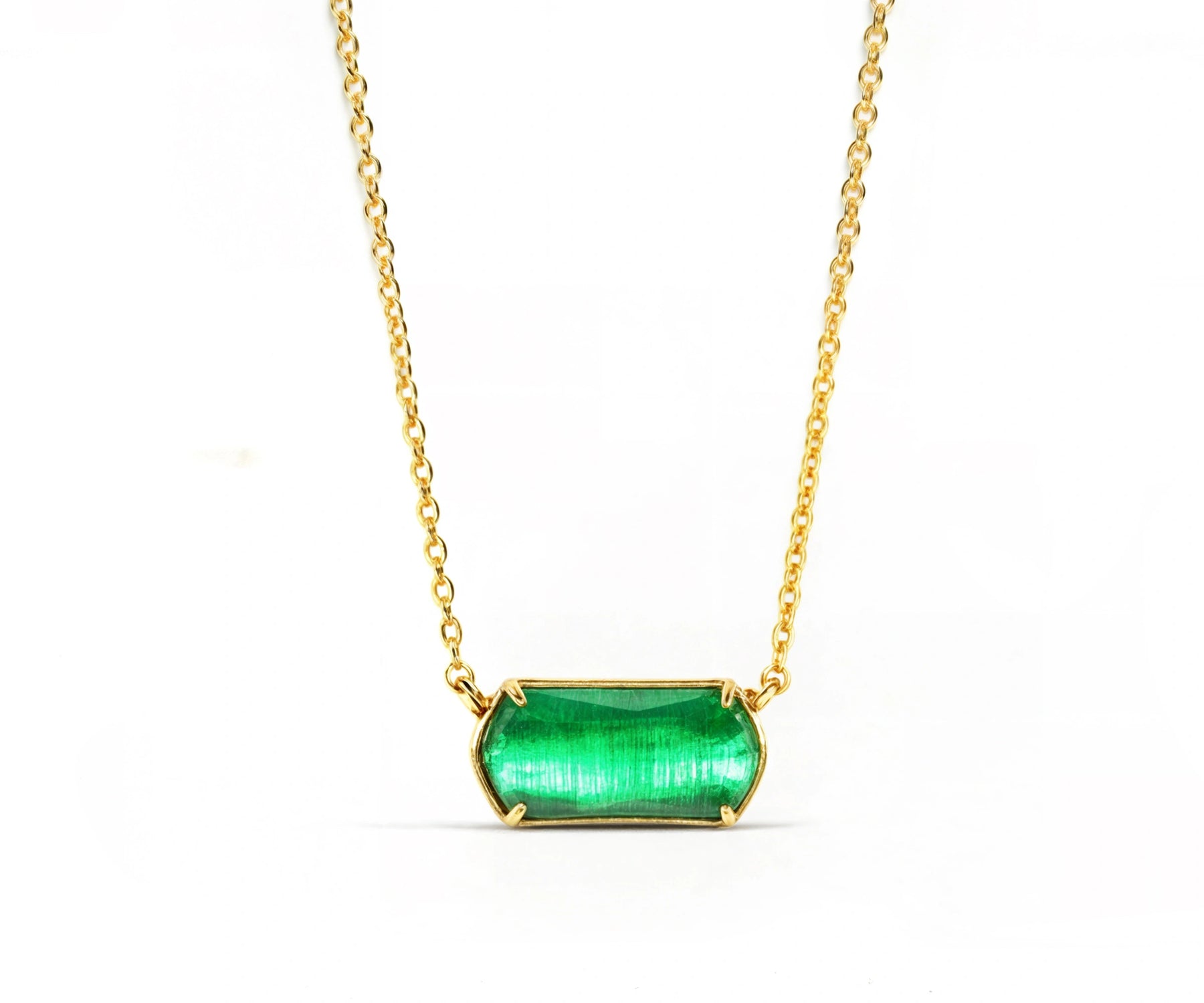
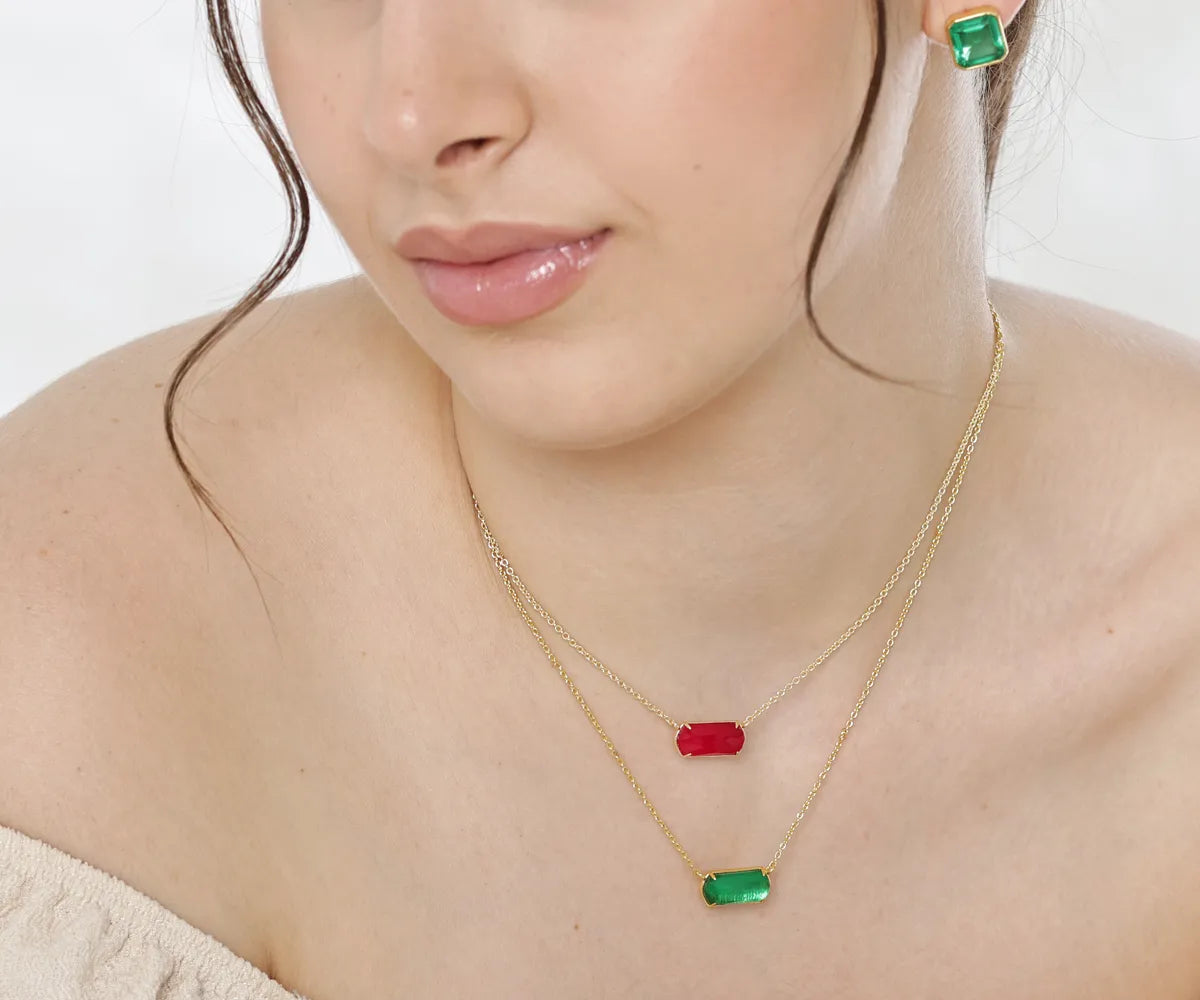
At All Cotton and Linen, our jewelry collection features elegantly crafted pieces designed for everyday wear and special occasions, from gold-plated pendant necklaces and earrings to beautiful statement pieces that complement any outfit.
Whether you're shopping for yourself or looking for a meaningful gift, our collection offers style, quality, and value in every piece.
Browse the full jewelry collection at All Cotton and Linen and find a piece you'll love wearing every day.