

This guide will cover what the July birthstone is, how ruby became the official birthstone for July, what the colors mean, how ruby has been valued throughout history and how to choose the right ruby jewelry.
Birthstone Color For The Month Of July
Ruby is the birthstone for July. Ruby is known for its deep red color and it stands for love, courage, passion, protection, and prosperity. It is part of the corundum family of minerals, rating 9 on Mohs’ scale of hardness and one of the hardest natural gems. Rubies are a popular choice for engagement rings, necklaces, earrings, bracelets and other fine jewelry because of their beauty and durability.
You May Also Like: What Month Is Ruby Birthstone? Find Its Meaning & Significance
What Is July's Birthstone?
The ruby is July’s official birthstone and has been treasured for thousands of years. It is characterized by a bright red color, ranging from bright crimson to deep red with slight purple tones. The most desirable rubies are a glowing red, frequently referred to as "pigeon's blood" red by many gem specialists.

Ruby is a type of the mineral corundum. The stone gets its characteristic red color from minor amounts of chromium. Sapphires, are also sourced from the same family of minerals, and can be found in blue and many other colors. The only difference is the trace element that gives each gemstone its colour.
One of the big reasons people buy rubies is because they’re beautiful and they’re meaningful to them. Many say it stands for self-confidence, success, lasting love and inner strength.
Ruby is also good for everyday wear, it lasts a long time. It is not hard as diamond on the Mohs scale and does not scratch easily like most gemstones.
July Birthstone Jewelry
Ruby has long been a popular jewelry gemstone, thanks to its eye-catching color and great durability. It looks great in everyday jewelry, as well as special occasion pieces.
No matter if you’re treating yourself or searching for a birthday gift with meaning, ruby jewelry offers something for every taste.
July Birthstone Ring
One of the most popular ways to wear ruby is in a July birthstone ring. Some go for a simple solitaire ruby, others prefer designs with diamonds surrounding it to add a bit of extra sparkle.

A ruby ring makes a meaningful anniversary gift, too, particularly for the 40th wedding anniversary. With the right care, they are durable enough to wear on a regular basis.
July Birthstone Necklace
A July birthstone necklace adds a bright touch of color to both casual and formal attire. Ruby pendants come in everything from delicate minimalist designs to eye-catching statement pieces.

Ruby necklace is a great birthday gift for many people as it is easy to wear every day and complements gold, white gold, rose gold and sterling silver settings.
July Birthstone Earrings
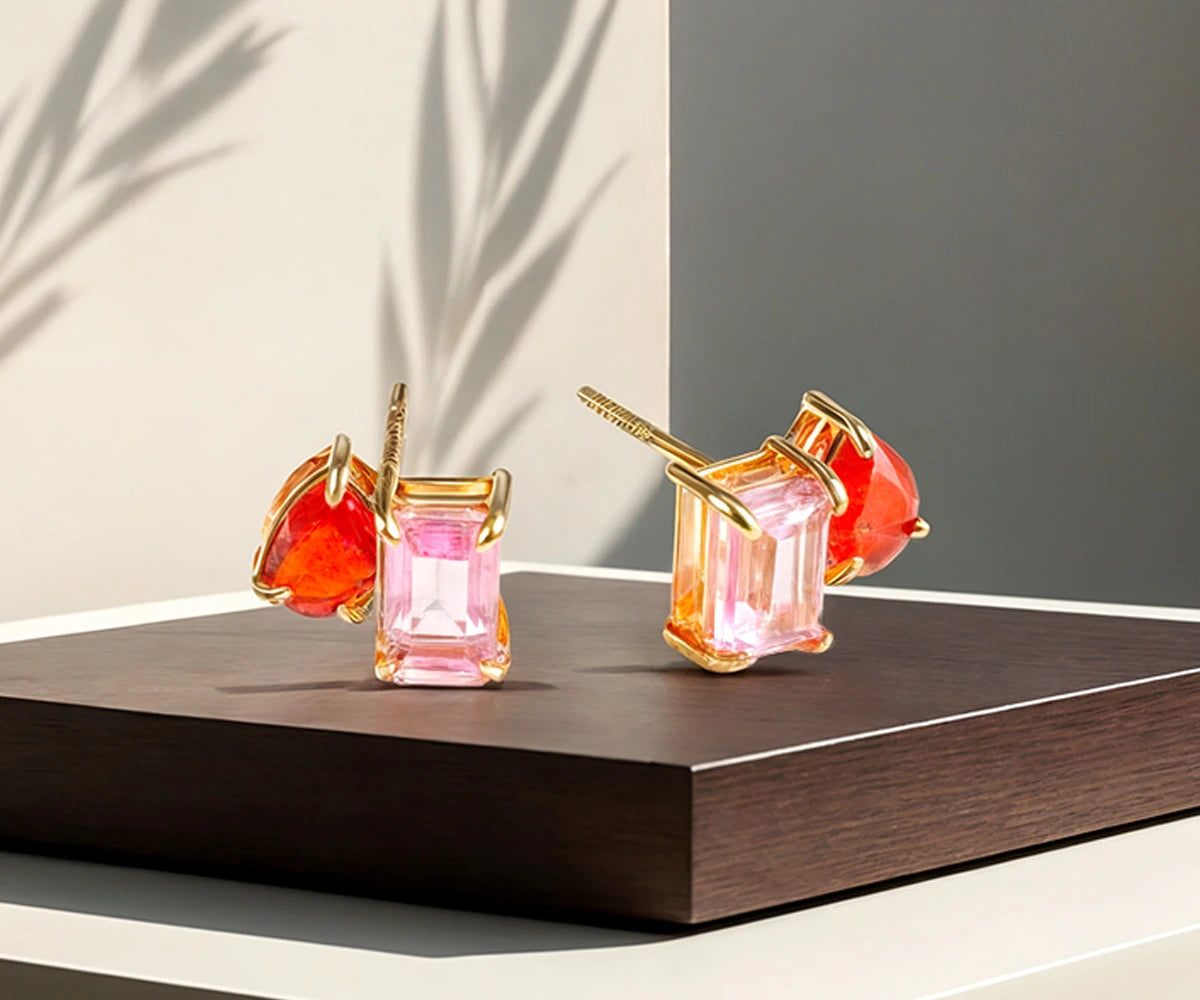
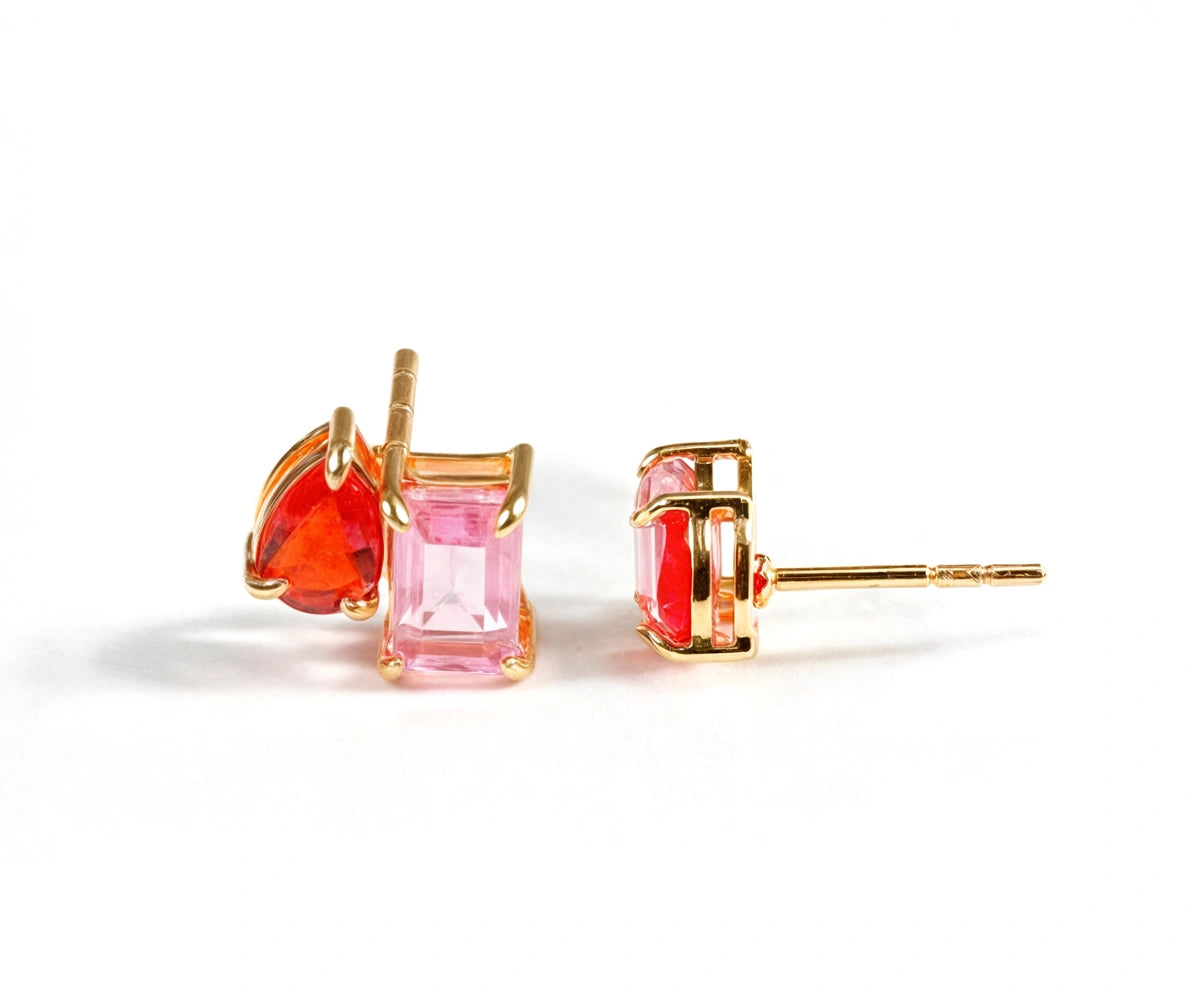
Timeless and versatile earrings for July birthstone. Ruby stud earrings remain one of the most popular choices, simply because they match with just about any outfit.

For a dressier occasion, drop earrings and halo designs of rubies with diamonds achieve a dramatic look. Ruby's durability ensures these earrings maintain their beauty with regular wear and proper care.
A thoughtful gift for anyone born in July is a ring, necklace or earrings with rubies, as the combination of meaningful symbolism and lasting beauty is sure to please.
Why Ruby Represents July
July’s official birthstone is ruby, and its bright red color is associated with the energy and warmth of midsummer. This month Ruby is a good stone as red has always been a sign of life, courage and strong emotion.
Once upon a time people thought rubies would protect them. They thought the stones would make them stronger and would protect them so they took them into battle. Royal families valued rubies as symbols of wealth, leadership, and authority.
July’s association with ruby continues today in the tradition of birthstones. Ruby jewelry is a popular way to celebrate special occasions such as birthdays, anniversaries, graduations, etc. The stone is one of the most meaningful birthstones of the year, due to its timeless beauty.
History of the Ruby Birthstone
Ruby is one of the most ancient gems; it has been known for a very long time.
Over 2000 years ago, rubies were traded with each other by people in Asia. These gems were carried along trade routes by the earliest traders and were eagerly sought after by kings, merchants and collectors.
In old India, ruby was called the "King of Gems. It was to keep them safe, to make them wise, to bring them riches, to save them from disease. Some people even thought if you gave a god a ruby it would bring you good luck in the next life.
In medieval Europe, it was thought that the change of color in a ruby could warn its owner of danger. It shows how much people appreciated the stone, although science does not support the idea.
Europe’s kings and queens were also fond of rubies. Many royal crowns, ceremonial swords, and family heirlooms had large rubies along with diamonds, emeralds, and sapphires.
Ruby is one of the world’s most valuable coloured stones and is worn as an important piece of jewellery by people all over the world.
Ruby Meaning & Symbolism
For centuries the ruby has symbolized fervent feelings and the good qualities. Things have meant different things to different cultures, but there are some themes that recur throughout history.
Love and Passion
Many refer to ruby as the "stone of love." The deep red color naturally makes one think of love, romance and strong emotional bonds. Many couples choose ruby jewelry to celebrate anniversaries and meaningful relationships.
Courage and Confidence
Warriors believed historically that the rubies would make them brave in battle. Today, many people associate the stone with self-confidence, determination, and sturdiness.
Prosperity and Success
In some cultures ruby was a symbol of wealth and abundance. Rubies were often carried as lucky stones by people in business and government, thought to bring them success.
Protection
Rubies were often thought in the past to be strong stones that shielded the owners from danger and bad energy. These may not be scientific beliefs, but traditional ones, and are still a fascinating part of Ruby’s history.
Energy and Vitality
The vibrant colour of a ruby has long been associated with hope, energy and drive. To many it serves as a reminder to go after their goals with passion and confidence.
Ruby Color Guide
One of the best things about ruby is the amazing range of reds. All rubies are red, but all rubies are not alike.
Bright Red Ruby
Bright red (lively, vibrant rubies). These stones are very popular in modern jewelry, as they reflect light beautifully and fit almost any style.
Deep Red Ruby
The more intense the red of rubies, the more they seem to glow and the darker their tone. They have a bold and luxurious look that many collectors love.
Purplish Red Ruby
Some rubies possess a slight purple undertone. These colors are natural and are especially common in stones mined in certain regions.
Pinkish Red Ruby
Lighter rubies have at times shown pinkish tints. These stones have a softer look to them but would still be considered ruby if the red color is still dominant.
Pigeon's Blood Ruby
The most coveted of all the ruby colors is "Pigeon's Blood". This term is a bright, saturated red with good brilliance. These stones are rare and are also sold for more money due to its extraordinary color.
Color is the single most important factor in determining the value of a ruby. The most sought after are stones with good, even color distribution.
Conclusion
Ruby has earned its place as the birthstone of July through centuries of admiration and tradition. But the rich red color, durability and symbolism make it much more than just a beautiful gem. Rubies are popular choices for commemorating birthdays, anniversaries and other important events, or simply for adding a bold touch to a jewelry collection.
If you’ve ever wondered what July’s birth month stone is, the answer is easy: ruby. Its timeless look will never go out of style, and it symbolizes love, courage, strength and passion. Whether you’d like a July birthstone ring, July birthstone necklace or July birthstone earrings, ruby jewelry is a special choice that can be treasured for years to come. With the proper care this beautiful gemstone will continue to sparkle, a reminder to the wearer of the special meaning behind the birth month of July.