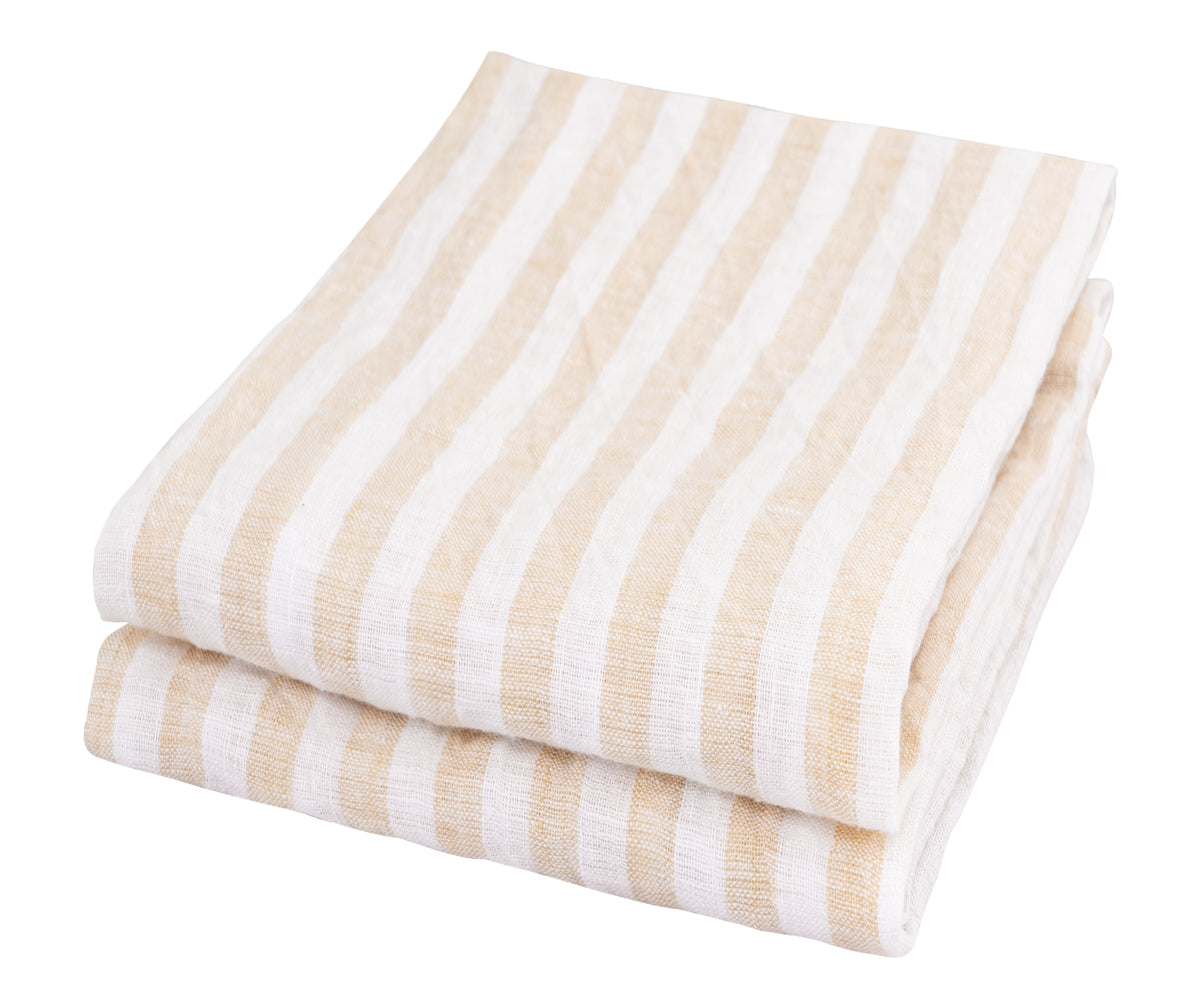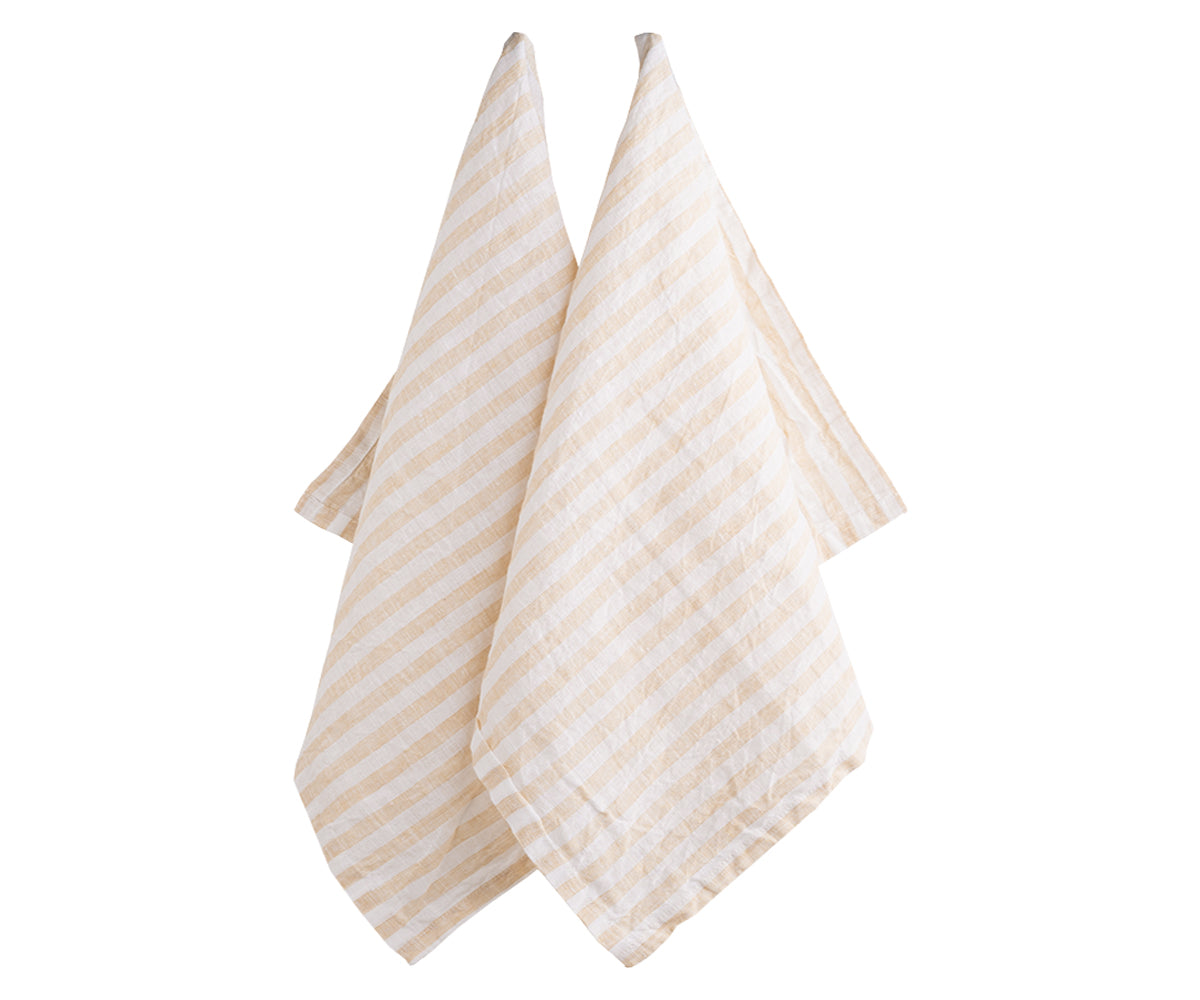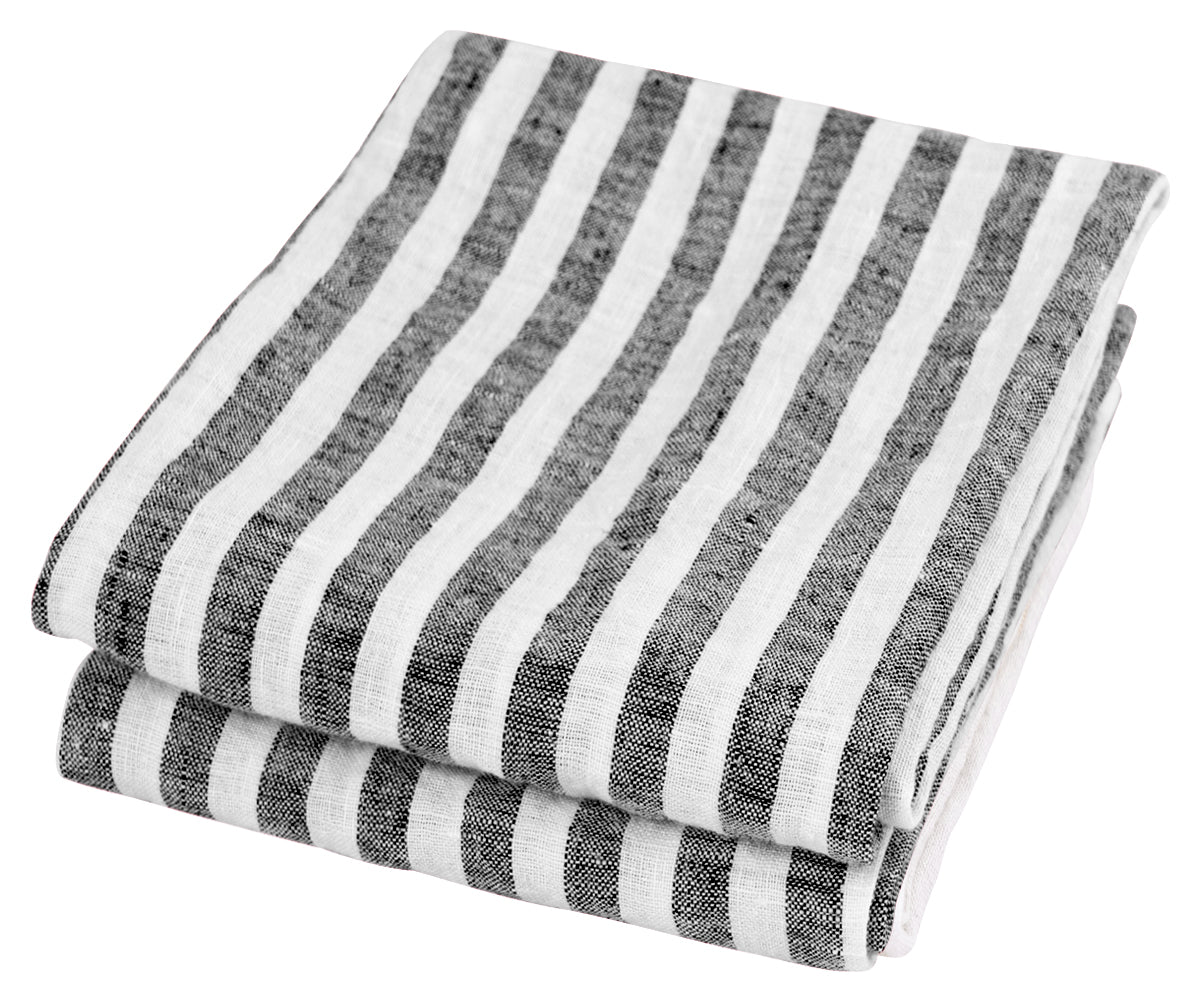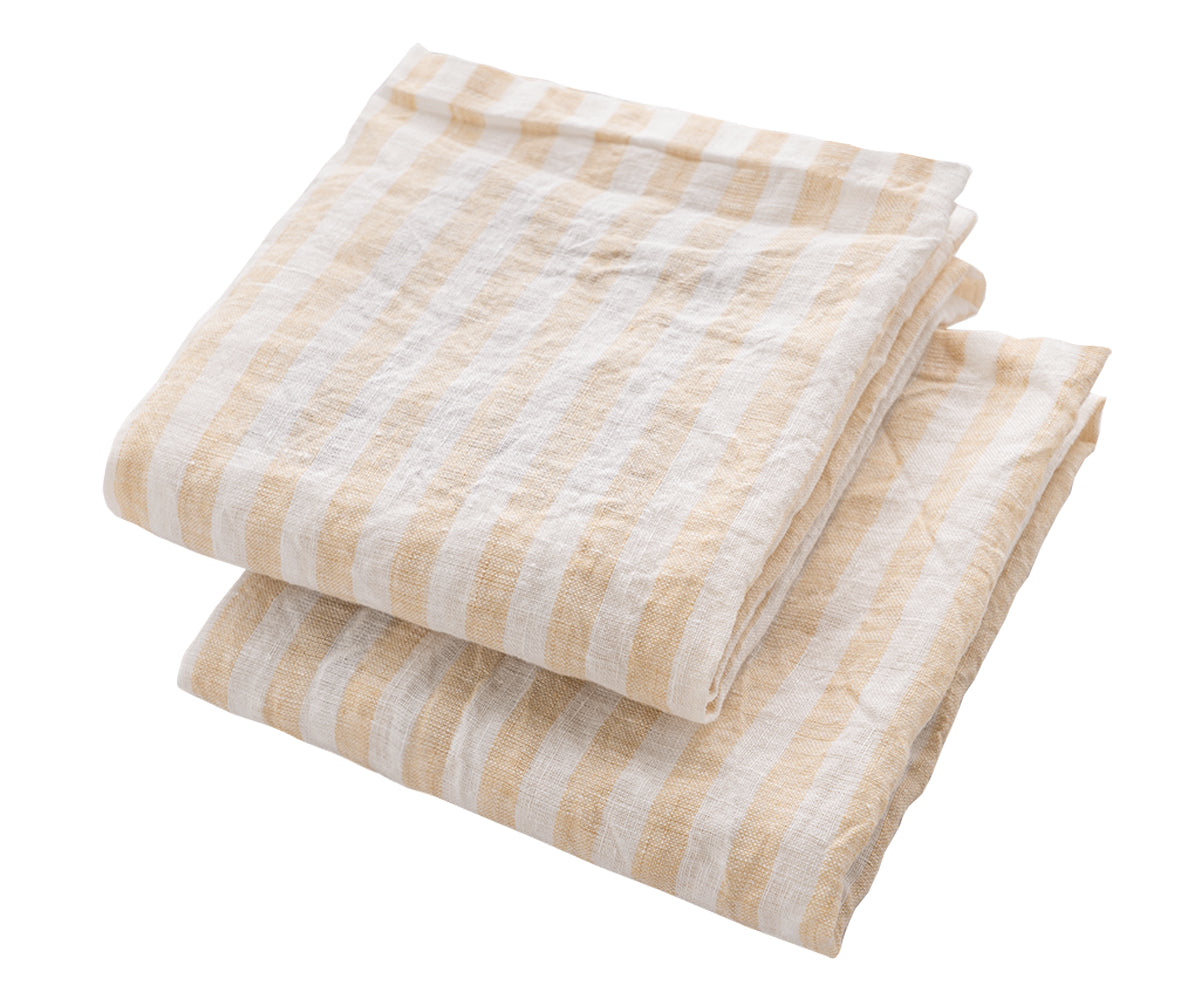


Kitchen Towels for Cleaning:
Professional kitchens are incredibly busy places. Chefs depend on the trusty kitchen towel for tasks such as searing steaks, chopping vegetables, and presenting their culinary creations. Unlike decorative tea towels, chef's towels are designed for tough use.
So, what qualities make a kitchen towel suitable for professional use? Let's explore the world of chef-approved towels!

The Material Matters: Cotton Takes the Crown
Chefs highly recommend using 100% cotton kitchen towels. Here's why:
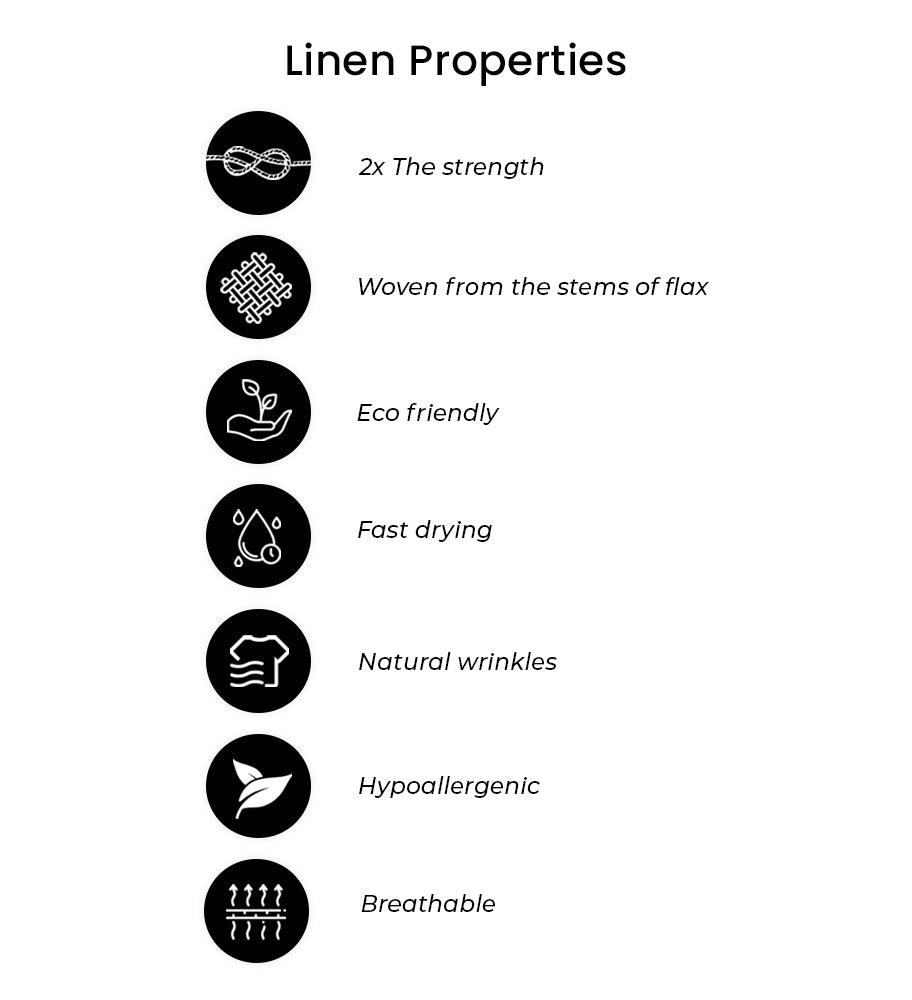
Both cotton kitchen towels and linen kitchen towels are excellent choices for busy kitchens, offering durability, absorbency, and long-lasting performance.
- Absorbency is King: Spills happen. Kitchen towels soak up liquids like champs, keeping surfaces clean and slip-free.
- Durable and Reusable: Constant washing? No problem! Cotton dish towels can withstand the rigors of a busy kitchen and multiple washes.

- Heat Resistant: Need to grab a hot pan? Doubled-up cotton towels offer protection, rivaling potholders in a pinch.
- Versatility Reigns Supreme: Cotton towels are the ultimate multitaskers in the kitchen, from drying hands to wiping counters
Beyond Cotton: Specialized Options
While cotton reigns supreme, some chefs utilize specialty towels for specific tasks:
- Microfiber Cloths: For delicate tasks like polishing glassware or cleaning stainless steel surfaces, microfiber cloths leave a streak-free shine.
- Waffle Weave Towels: These thick, textured towels provide superior drying power for dishes and cookware.

Pro Tip: Look for the Blue Stripe
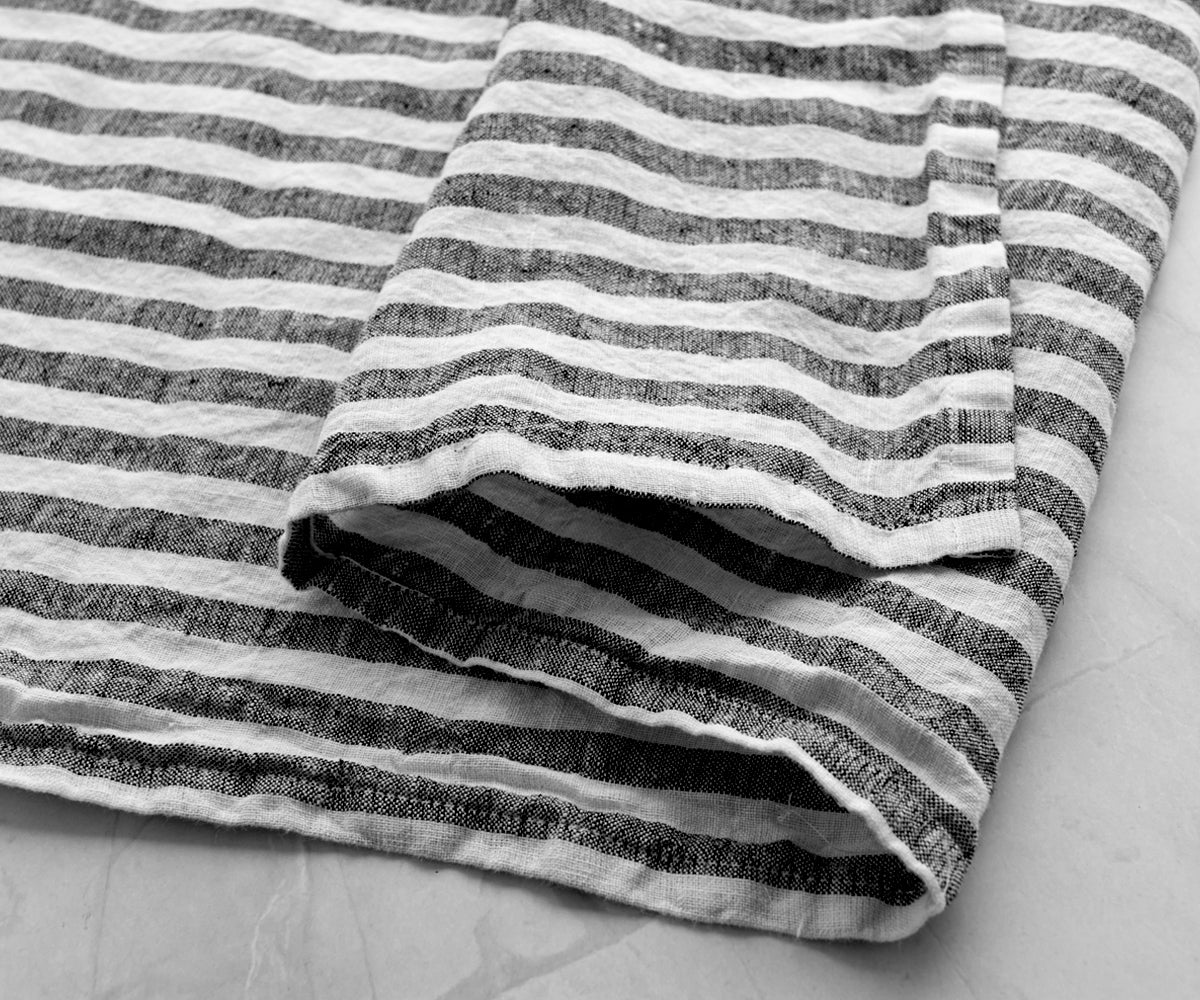
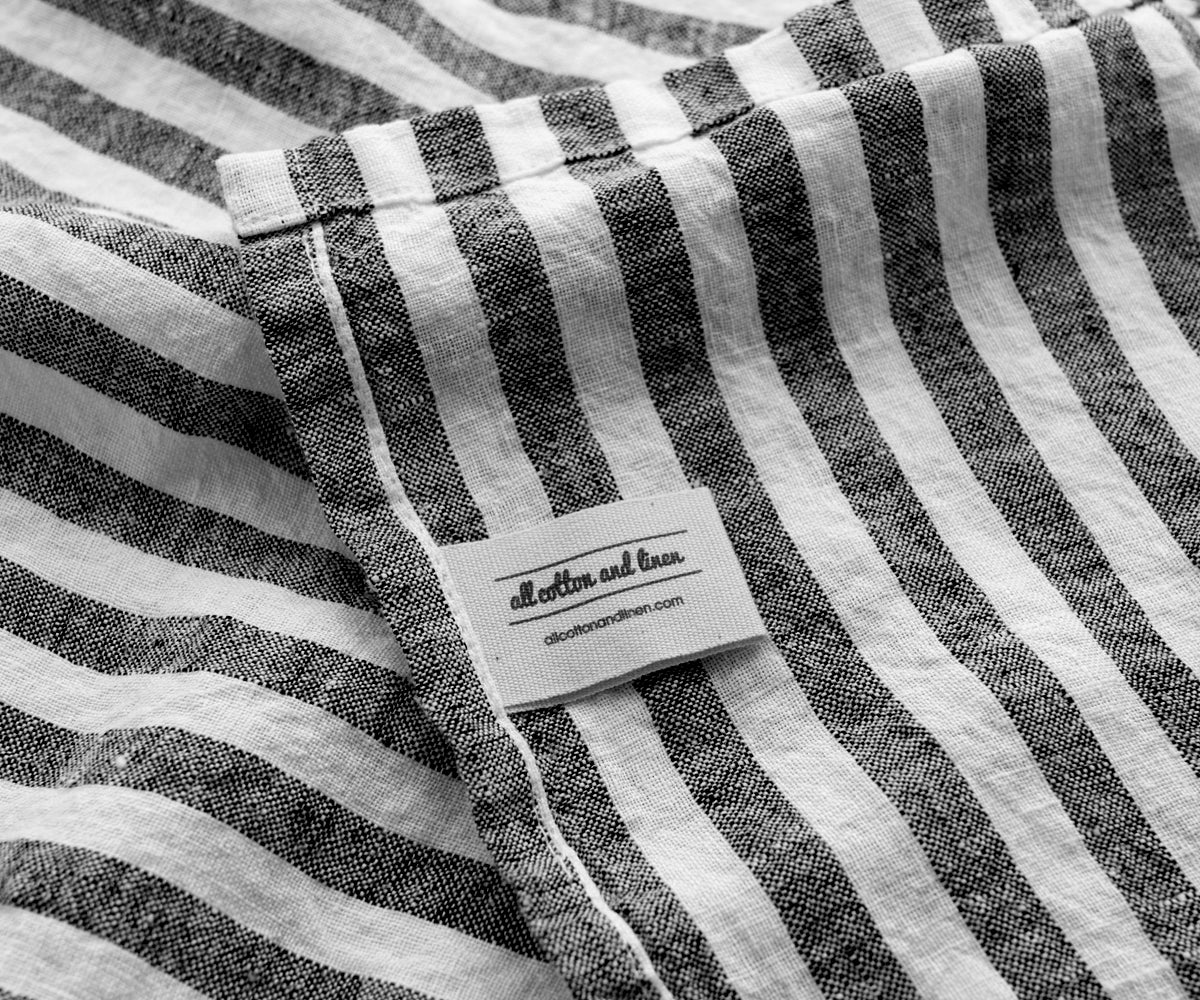
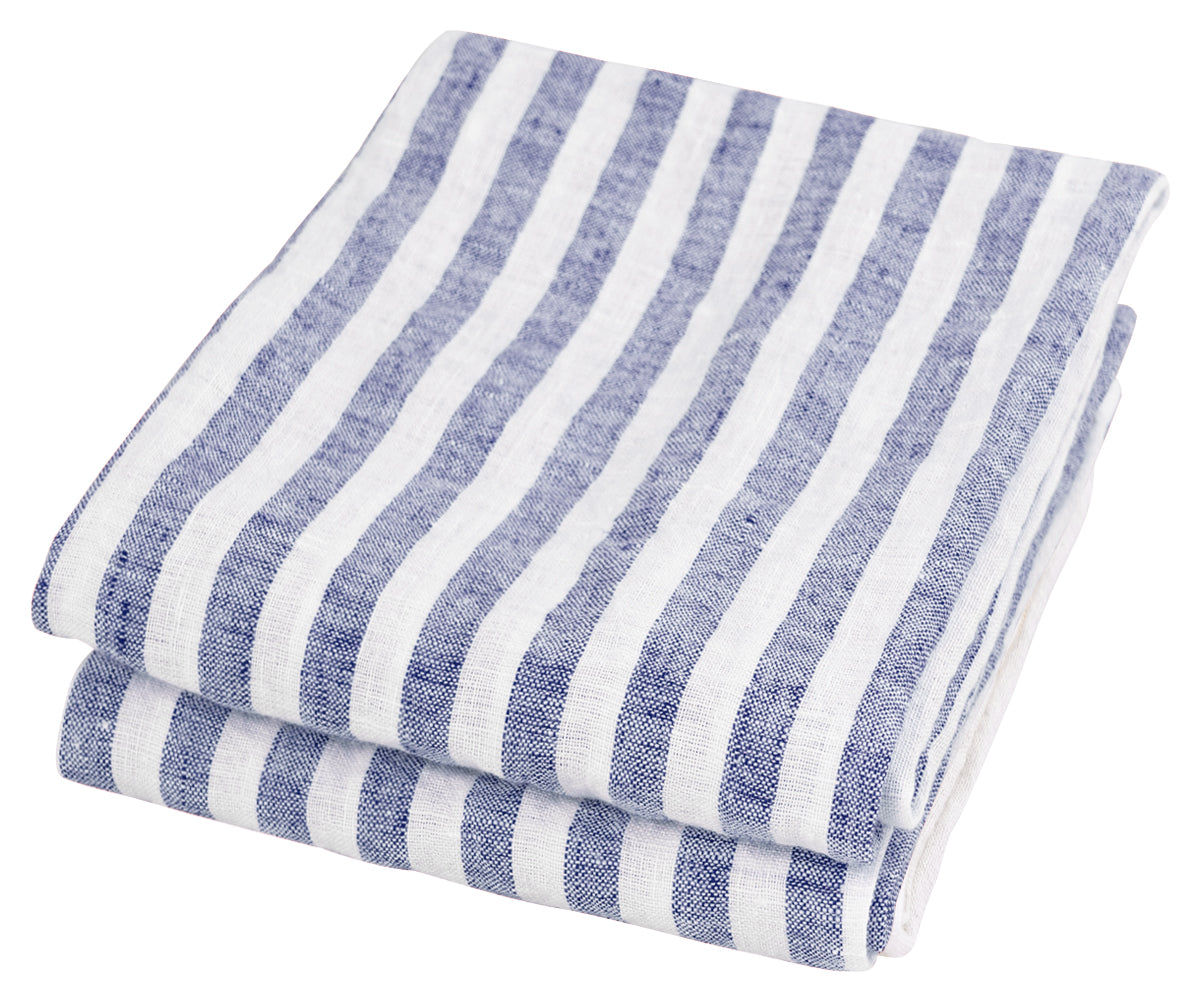
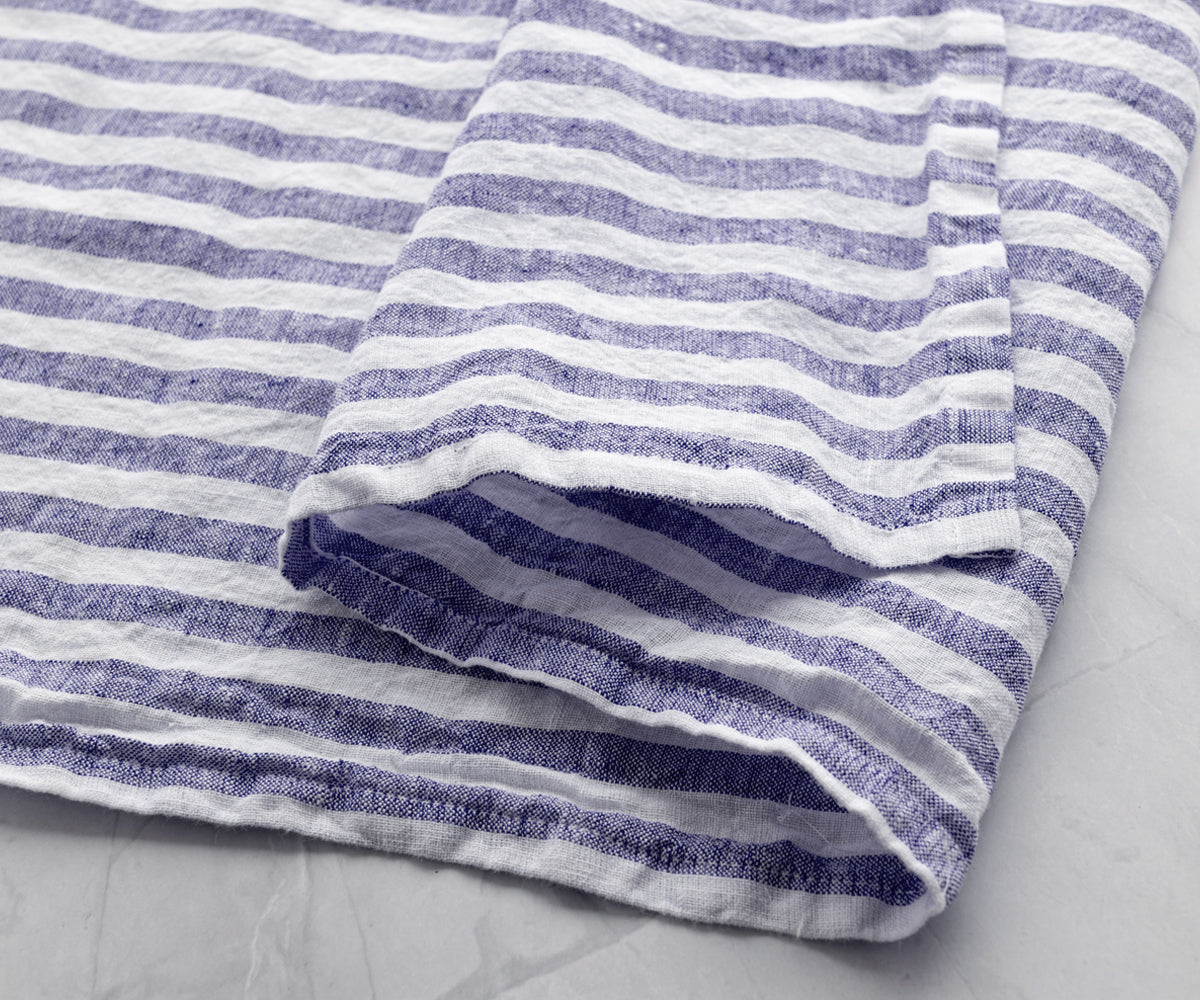
A blue striped pattern is often associated with high-quality, heavy-duty cotton towels in chef's towels. They're a familiar sight in professional kitchens and a great choice for home cooks seeking restaurant-grade performance.
How Professional Chefs Use Color-Coded Kitchen Towels
One of the most important and least talked about practices in professional kitchens is the use of a color-coded towel system. This system prevents cross-contamination between different kitchen tasks and is standard in most commercial and restaurant environments.
Here's how a typical color-coding system works:
White towels - Used for handling food directly, covering dishes, and lining serving baskets. White is easy to inspect for cleanliness.
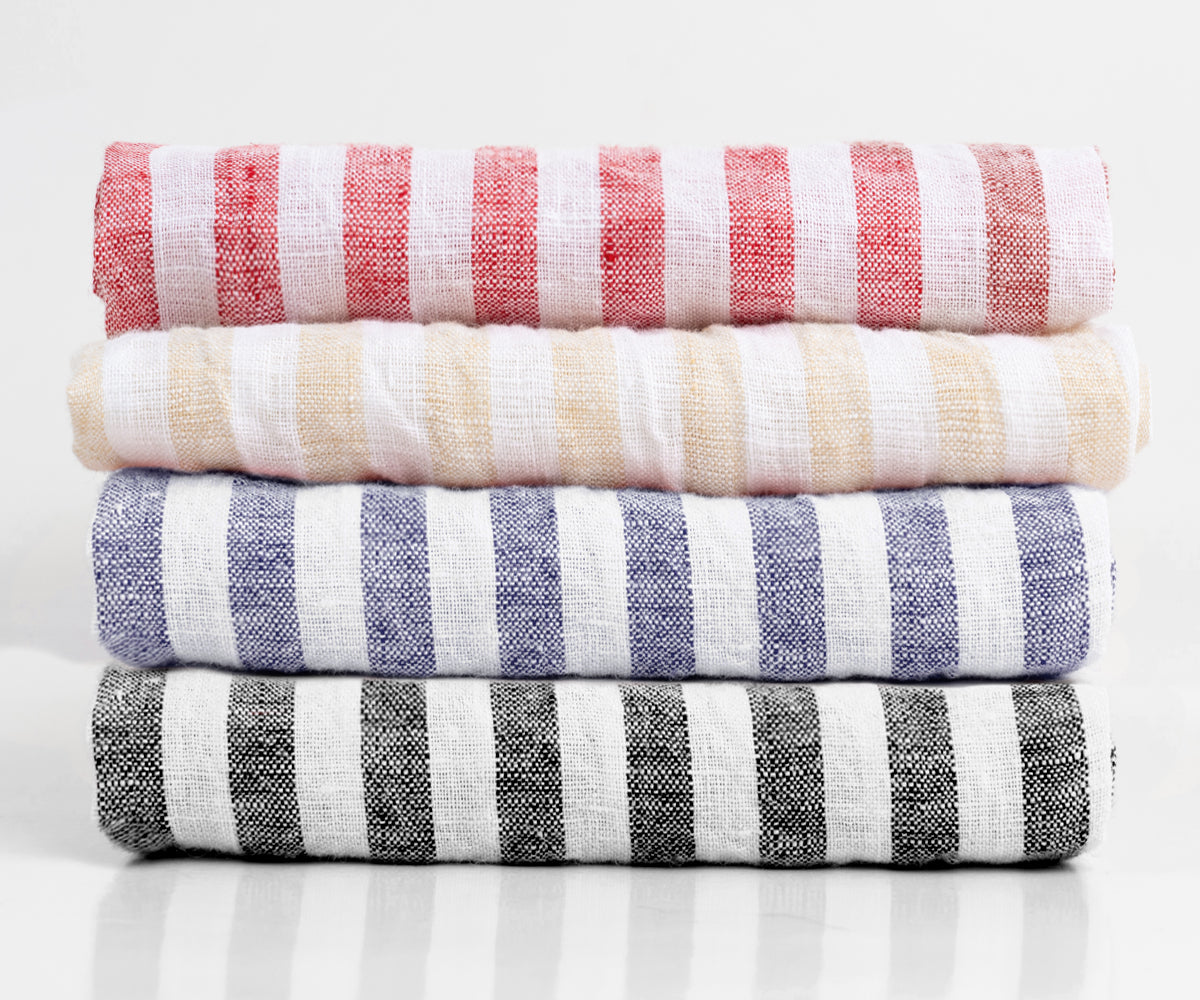
Blue towels - The most common chef's kitchen towel color. Used for general-purpose tasks including wiping counters, drying hands, and handling cookware.
Red towels - Designated for raw meat handling areas only. Never used near cooked food or clean surfaces.
Green towels - Used in fruit and vegetable preparation areas to prevent cross-contamination with meat or dairy surfaces.
Yellow towels - Sometimes used for dairy-related tasks or poultry prep stations.
For home cooks, adopting even a simplified version of this system one towel for hands, one for dishes, one for surfaces significantly improves kitchen hygiene and is a practice recommended by food safety professionals.
Key Takeaway: Invest in Quality Kitchen Towels
Kitchen hand towels are more than just dishcloths. They're an extension of a chef's hand, constantly in use. Invest in high-quality, absorbent cotton towels, and you'll have a trusty companion for all your kitchen tasks, just like the pros.
Chef Towels vs Regular Kitchen Towels: What's the Difference?
Not all kitchen towels are created equal. Here's how professional chef towels differ from the average kitchen towel you'd find at a home goods store:
Size: Chef towels are typically larger, around 16" × 19" to 18" × 28", giving chefs more surface area for handling large pots and wiping down wide counters. Standard home kitchen towels are usually 12" × 12" to 16" × 24".
Weight and thickness: Professional-grade cotton kitchen towels have a heavier GSM (grams per square meter), meaning more fabric per square inch. This makes them more durable under repeated use and washing, and better at absorbing large volumes of liquid quickly.
Weave construction: Chef towels are almost always flat-woven not terry or waffle. Flat weaves are lint-free, dry faster between uses, and don't harbor bacteria in loops the way terry cloth can.
No decorative elements: Chef towels are purely functional no embroidery, fringe, or decorative trim that could catch on equipment or introduce foreign material near food.
Bleach tolerance: Professional cotton kitchen towels are designed to withstand hot-water washing and bleaching cycles something decorative home towels typically cannot handle without fading or damage.
For home cooks, choosing a flat-weave, 100% cotton or linen kitchen towel that's plain, generously sized, and machine washable in hot water gives you the same performance chefs rely on without needing commercial laundry equipment.
Bonus Tip: Keep a Color-Coded System
Chefs often use a color-coded system with their towels to prevent cross-contamination. For example, designate specific colors for wiping hands, cleaning surfaces, or drying dishes.
How to Care for Your Kitchen Towels Like a Professional
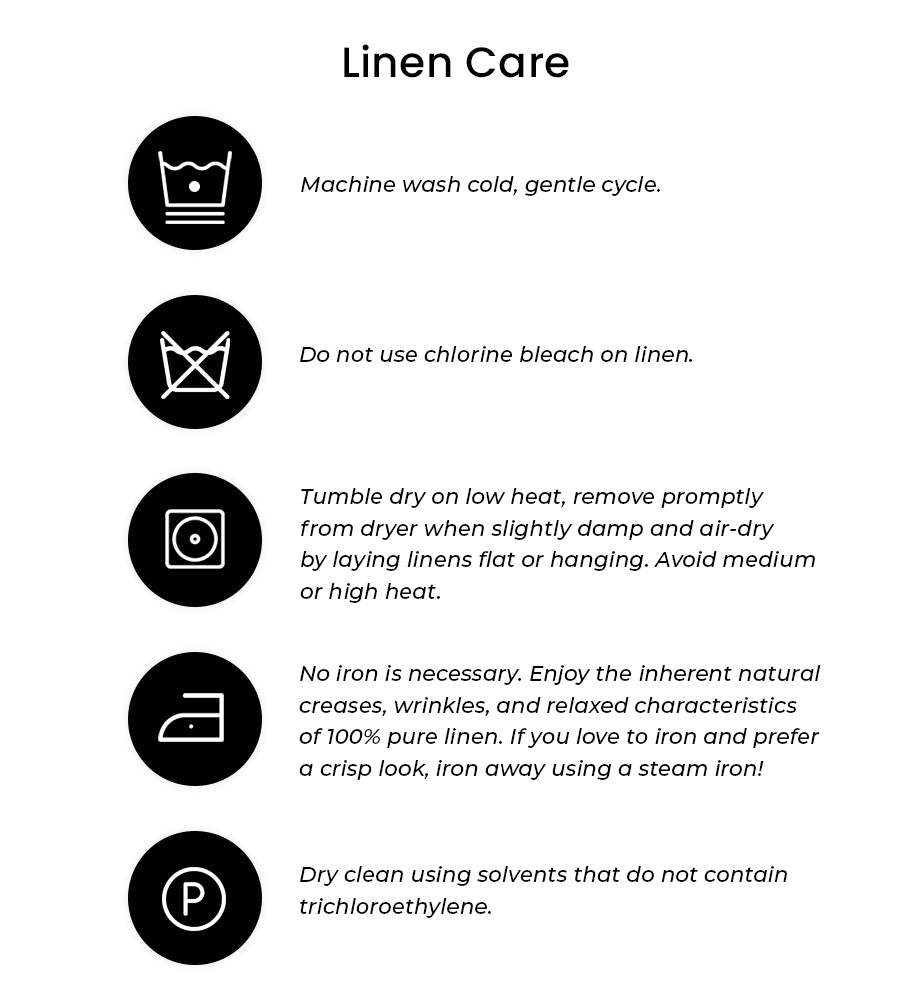
Professional kitchens wash their kitchen towels daily in high-heat cycles. For home cooks, following a similar care routine keeps your towels hygienic, absorbent, and long-lasting.
Wash in hot water: Cotton and linen kitchen towels should be washed at 60°C (140°F) or higher to kill bacteria and remove cooking grease. Cold water washes leave oils in the fabric over time, reducing absorbency.
Skip the fabric softener: This is the most important care rule for kitchen towels. Fabric softener coats the fibers with a waxy residue that significantly reduces absorbency. Your towels will feel softer but will stop soaking up liquids efficiently.
Wash separately from clothing: Kitchen towels carry food residue, grease, and bacteria. Washing them with clothing can transfer these onto the fabric you wear. Wash kitchen linens as a dedicated load.
Don't over-dry: Tumble dry on medium heat and remove while slightly damp. Over-drying cotton and linen causes fiber breakdown over time, making towels thinner and less absorbent.
Replace regularly: Even with perfect care, cotton kitchen towels should be replaced every 6 to 12 months in a busy household. Professional kitchens replace them far more frequently. Signs it's time: persistent odor after washing, visible thinning, or reduced absorbency.
Treat stains immediately: For oil or food stains, apply a small amount of dish soap directly to the stain before washing. For stubborn stains on white cotton towels, a diluted white vinegar soak (30 minutes before washing) works well without damaging the fabric.
Upgrade your Kitchen with Chef-Approved Towels!
Now that you know the secrets of chef's towels, it's time to elevate your own kitchen game. Ditch the worn-out dishcloths and invest in a set of high-quality cotton towels. You'll be surprised at how much this simple upgrade can improve your cooking experience!