

What Is Linen?
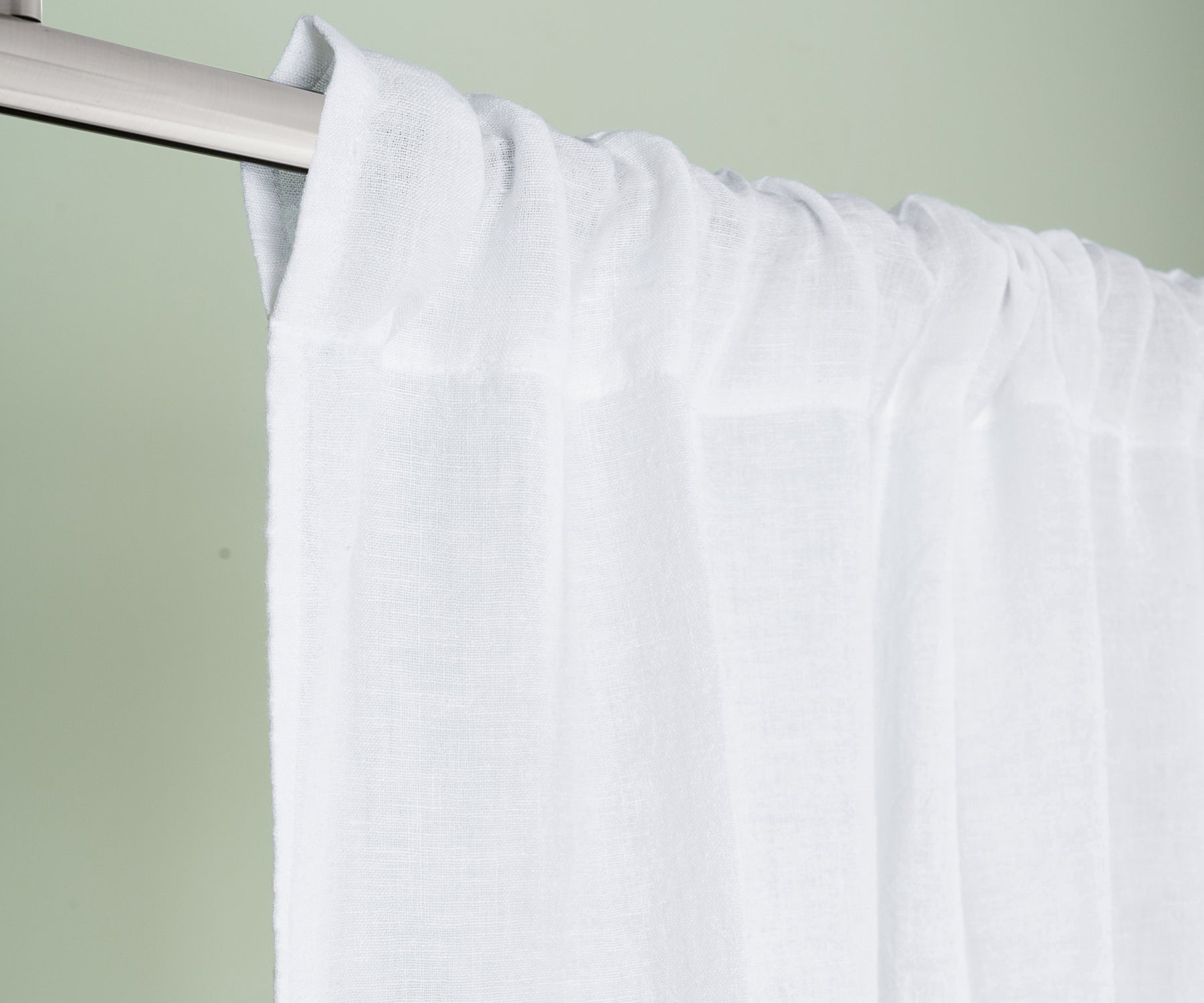
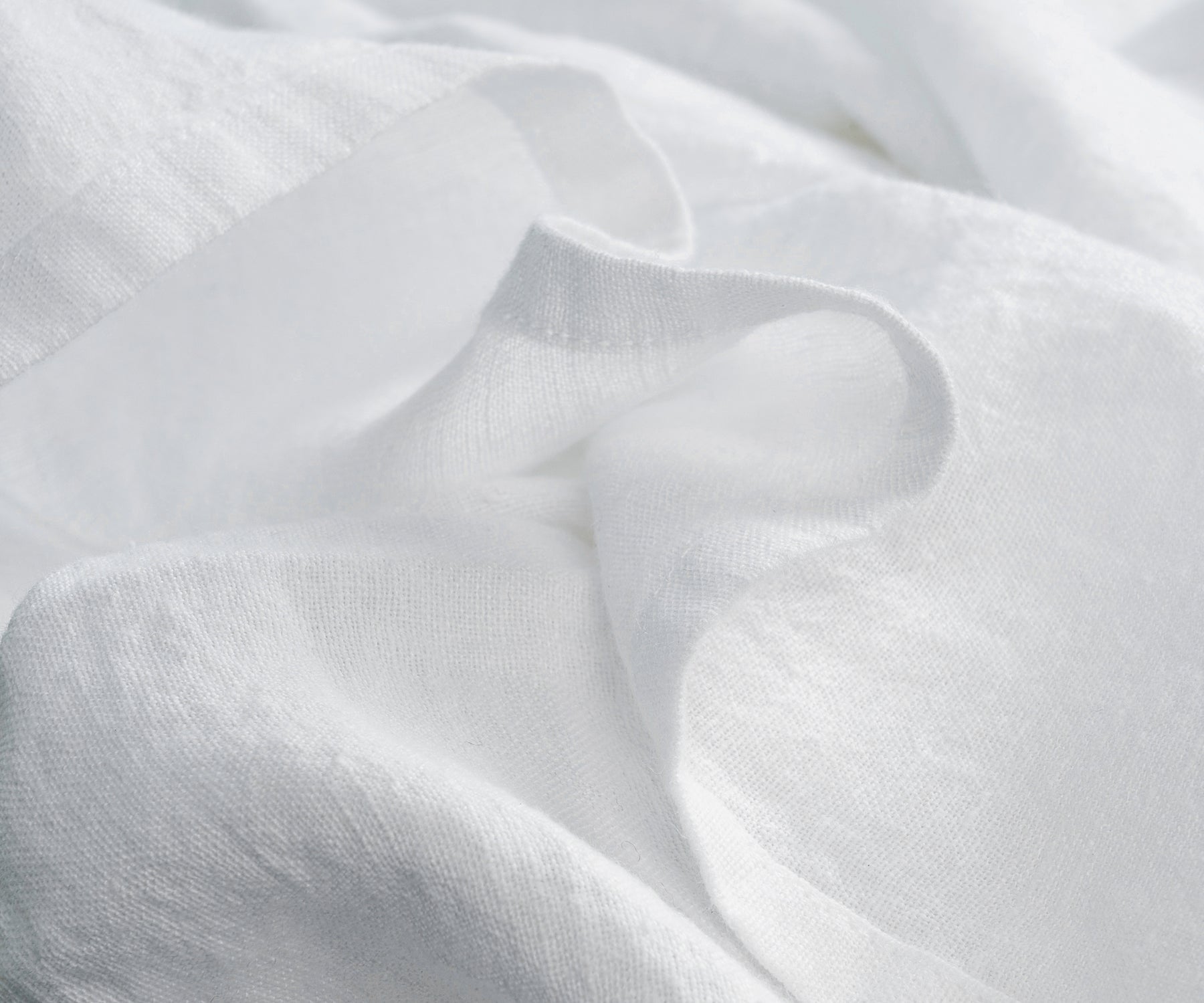
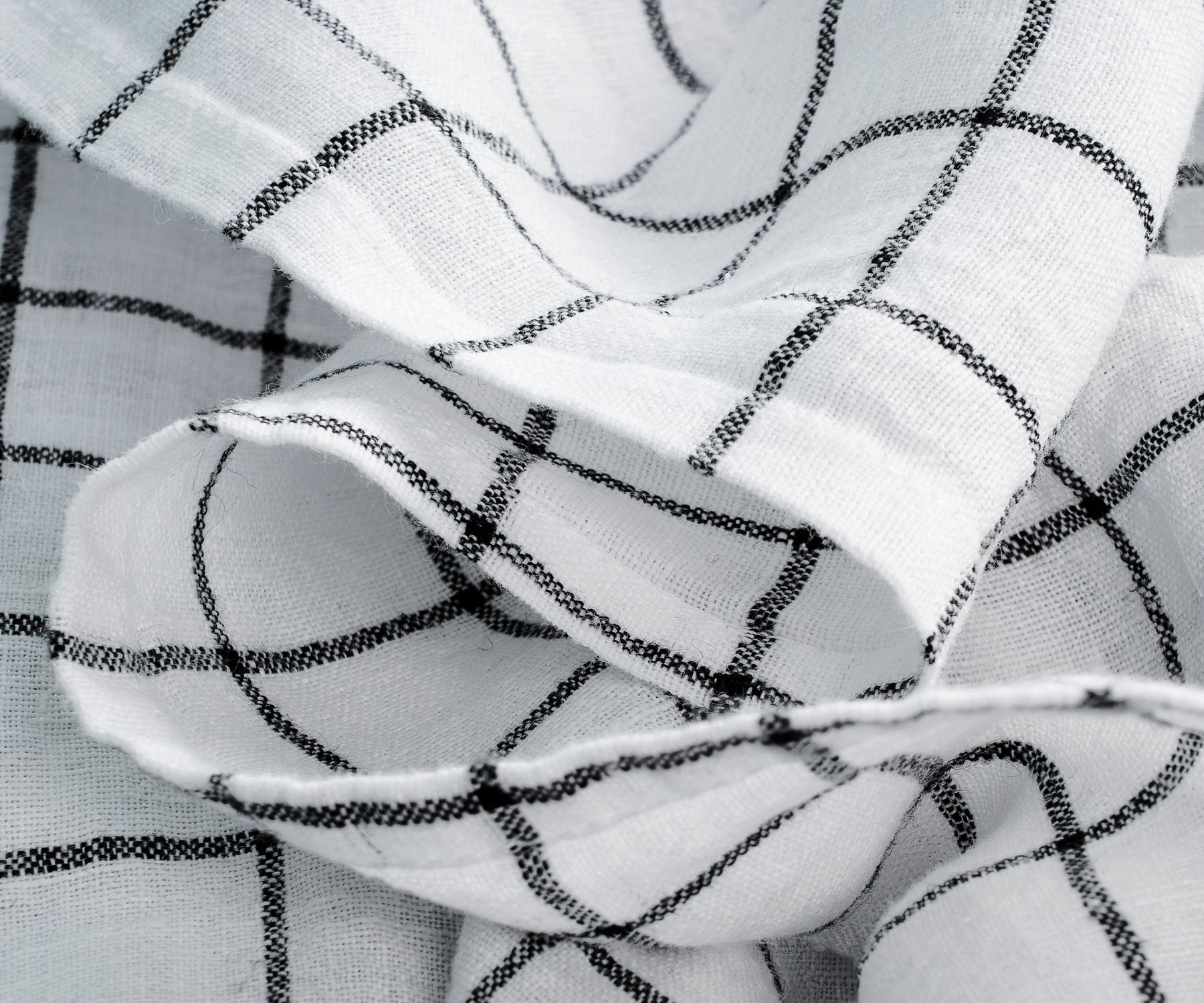
Linen is a natural fabric made from the fibers of the flax plant. The fibers are taken from the inner part of the plant stem, processed, spun into yarn, and woven into fabric. Linen is known for its lightweight feel, breathability, moisture absorption, and natural texture. It is commonly used for clothing, bedding, table linens, towels, and home textiles.
What Is Cotton?
Cotton is a natural fiber that comes from the fluffy fibers surrounding the seeds of the cotton plant. After harvesting, the fibers are cleaned, spun into yarn, and woven or knitted into fabric. Cotton is widely used because it feels soft against the skin, absorbs moisture well, and is available in a range of weights and textures. It is commonly found in clothing, bedding, towels, kitchen linens, and other everyday textiles.

Linen vs. Cotton: How Do They Actually Compare?
|
Category |
Linen |
Cotton |
|
Breathability |
Superior hollow fibers and a looser weave move air freely. |
Good, but a denser weave traps more heat. |
|
Durability |
Stronger fiber, improves with age; lasts decades with care |
Durable but wears down faster, especially with frequent washing |
|
Softness (new) |
Crisper, slightly stiff at first |
Soft immediately out of the package |
|
Softness (over time) |
Gets noticeably softer with every wash |
Softens some but can also thin and pill over years |
|
Absorbency |
Very high, dries quickly |
High, but holds onto moisture longer |
|
Wrinkling |
Wrinkles easily; part of its character |
Wrinkles less, especially in tighter weaves |
|
Sustainability |
Flax needs less water and fewer pesticides to grow. |
More resource-intensive to grow conventionally |
|
Price |
Generally higher |
Generally more affordable |
|
Best for |
Hot climates, textured aesthetic, long-term investment pieces |
Everyday comfort, budget-conscious buying, low-maintenance care |

Breathability
Linen is highly breathable because flax fibers allow air to circulate easily through the fabric. This makes linen a comfortable choice for warm weather, summer clothing, bedding, and other uses where airflow matters. Cotton is also breathable and comfortable, but its performance can vary depending on the weave and fabric weight. Lightweight cotton can feel cool, while heavier cotton may retain more warmth.
Durability
Linen is known for its strong, durable fibers and can hold up well to frequent use and washing when properly cared for. It often becomes softer with repeated use while maintaining its structure. Cotton is also durable, but its strength varies by fiber length, weave, and fabric construction. High-quality cotton can last for many years, while lower-quality cotton may show thinning or wear sooner with frequent washing.
Read More: Why Linen Tablecloths? What Are the Advantages of Linen Tablecloths?
Softness and Feel
This is the one category where cotton wins outright, at least at first. A new cotton sheet or shirt feels soft the moment it comes out of the packaging, while new linen has a noticeably crisper, slightly stiff hand-feel that some people love immediately, and others need to adjust to. The reversal happens over time: linen keeps softening with every wash for years, eventually reaching a broken-in quality that cotton, which mostly plateaus in softness after the first handful of washes, never quite matches.
Absorbency and Drying Speed
Both fabrics are genuinely absorbent natural fibers, but they behave differently once wet. Linen absorbs moisture quickly and then releases it just as fast, which is why linen towels and clothing dry noticeably faster than cotton equivalents and why linen rarely feels damp against skin even after absorbing sweat. Cotton absorbs plenty of moisture too but holds onto it longer, which is part of why a cotton shirt can feel heavier and clingier by the end of a hot, humid day.
Wrinkling
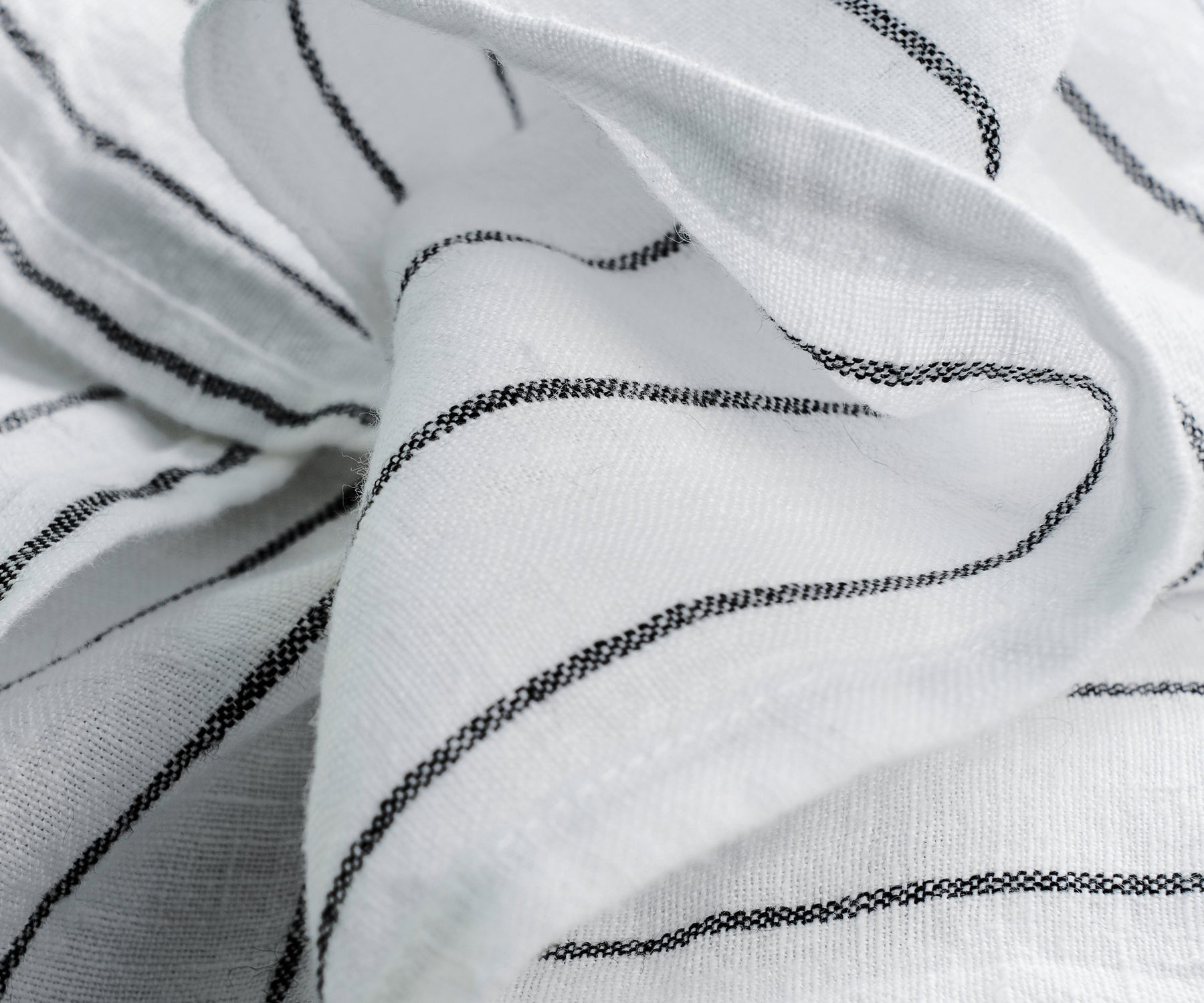
Linen naturally develops wrinkles because of the structure of its fibers. Rather than staying perfectly smooth, it tends to develop a relaxed, textured appearance with use. Cotton can also wrinkle, but the amount depends on the fabric type and weave. Some cotton fabrics, such as percale, tend to maintain a smoother and crisper appearance with less ironing.
Sustainability
Linen and cotton can both be produced with different levels of environmental impact depending on how they are grown and processed. Flax generally requires less water and fewer agricultural inputs than conventional cotton, and much of the flax plant can be used during production. Cotton can also be a more sustainable choice when it is grown using practices such as organic farming or improved water and soil management. When comparing the two, consider not only the fiber but also how it was grown, processed, dyed, and manufactured.
Cost
Linen typically costs more than cotton for a comparable piece, largely because flax processing is more labor-intensive than cotton processing and linen fabric yields are lower per harvest. That upfront gap narrows in practice, though, since a well-made linen piece tends to outlast several cotton equivalents; the cost-per-year of ownership often favors linen more than the sticker price alone suggests
Is Linen or Cotton Better for Bedding?
The choice between linen and cotton bedding depends on your preferred feel, sleeping environment, and care routine. Linen bedding is breathable, moisture absorbent, and naturally textured, making it a practical option for warm climates or people who prefer a more relaxed feel. Cotton bedding offers a smoother, softer feel and comes in a wide range of weaves and weights, making it easy to find an option that suits your preferences. Both fabrics can provide comfortable, durable bedding when the material and construction match your needs.
Is Linen or Cotton Better for Clothing?
Linen is well suited to warm weather clothing because it is lightweight, breathable, and comfortable in hot conditions. It works well for shirts, dresses, trousers, and other relaxed styles. Cotton is more versatile for everyday clothing and is available in many weights and weaves, making it suitable for different seasons. Your choice can depend on the climate, garment type, and whether you prefer a more textured or softer feel.
Know About: Can You Wash Linen in the Washing Machine?
Is Linen or Cotton Better for Curtains and Table Linens?
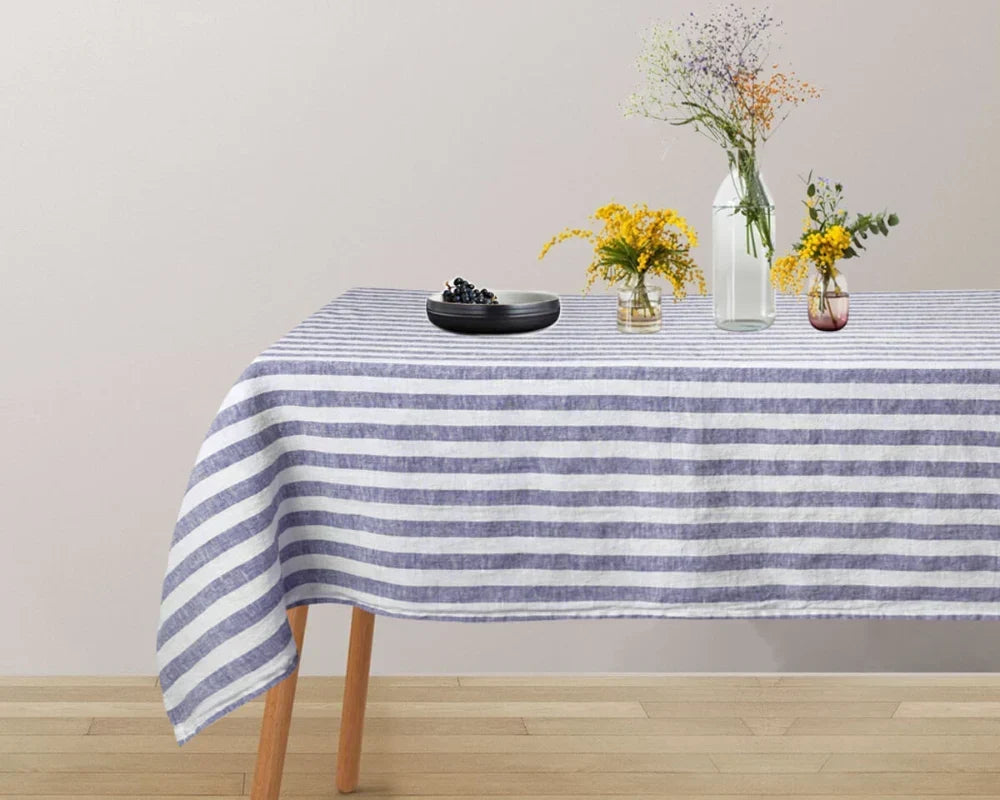
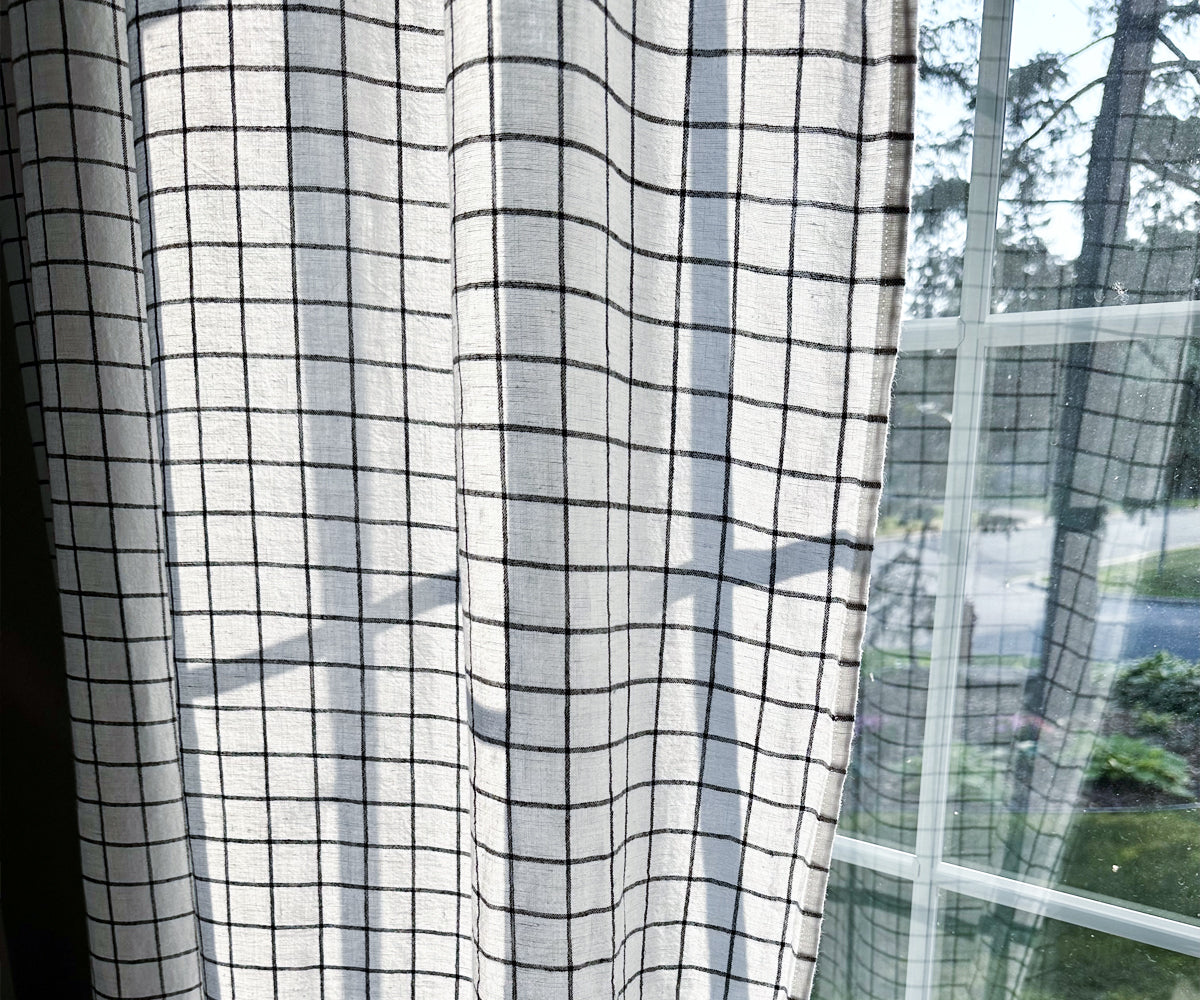
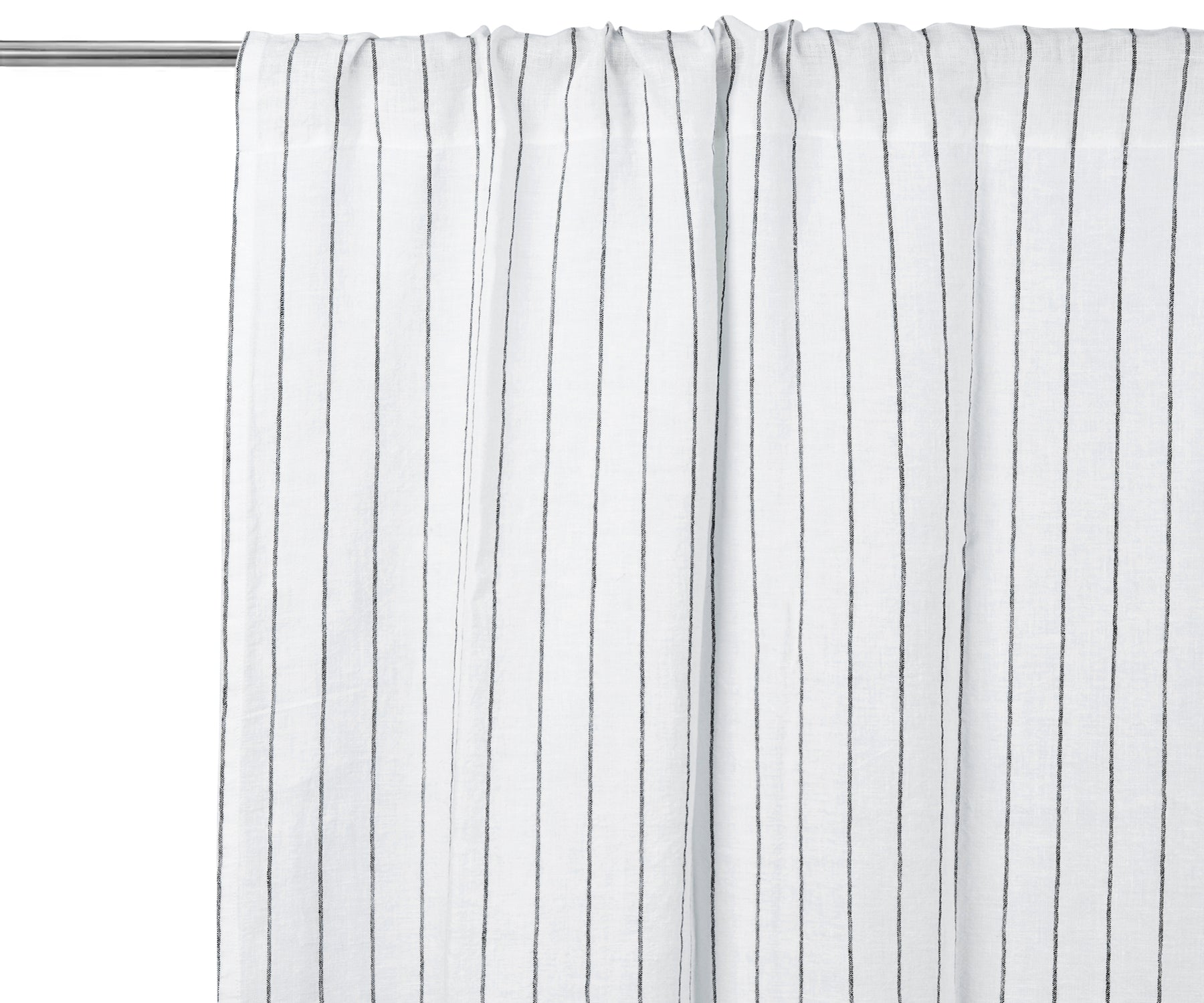
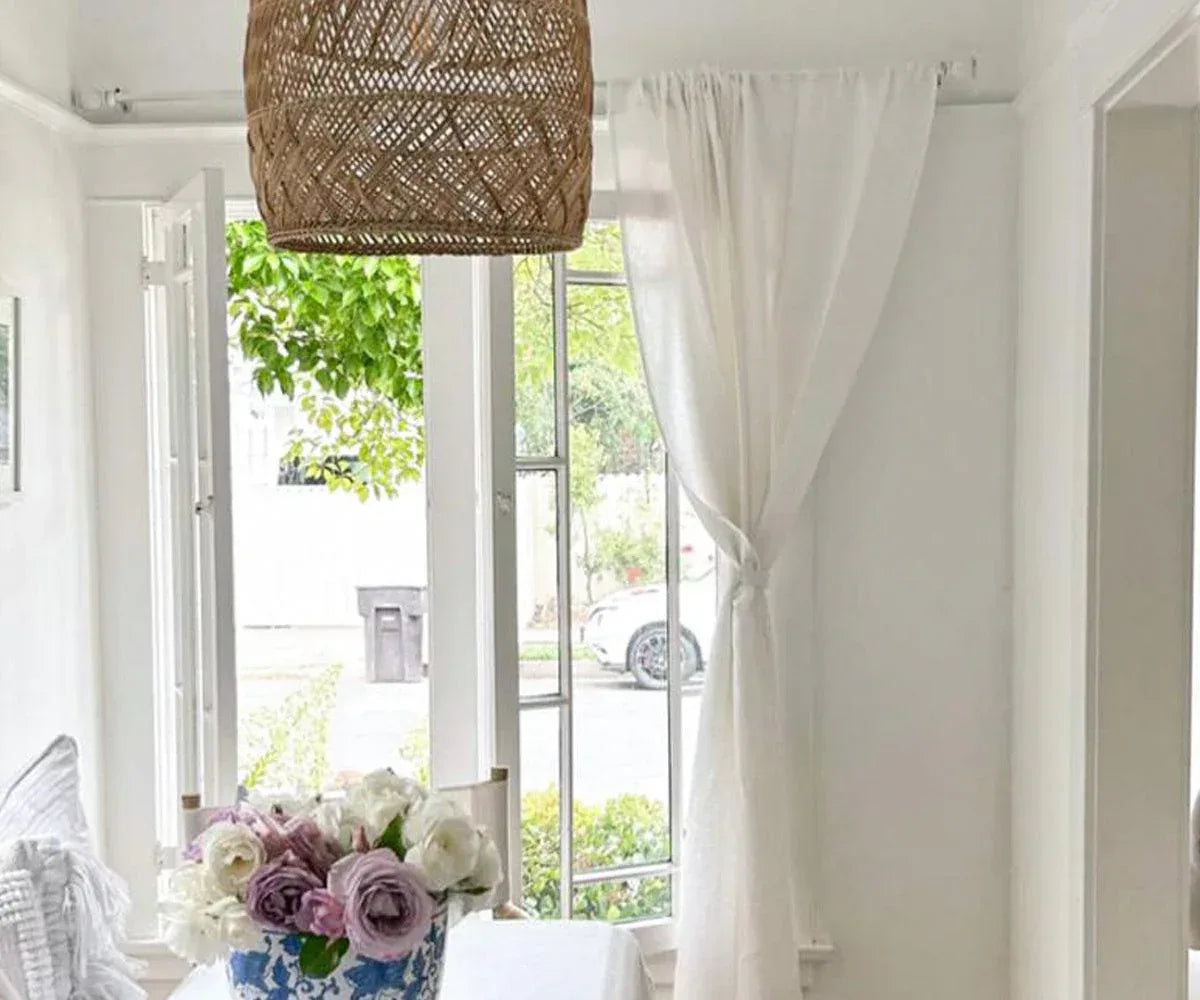
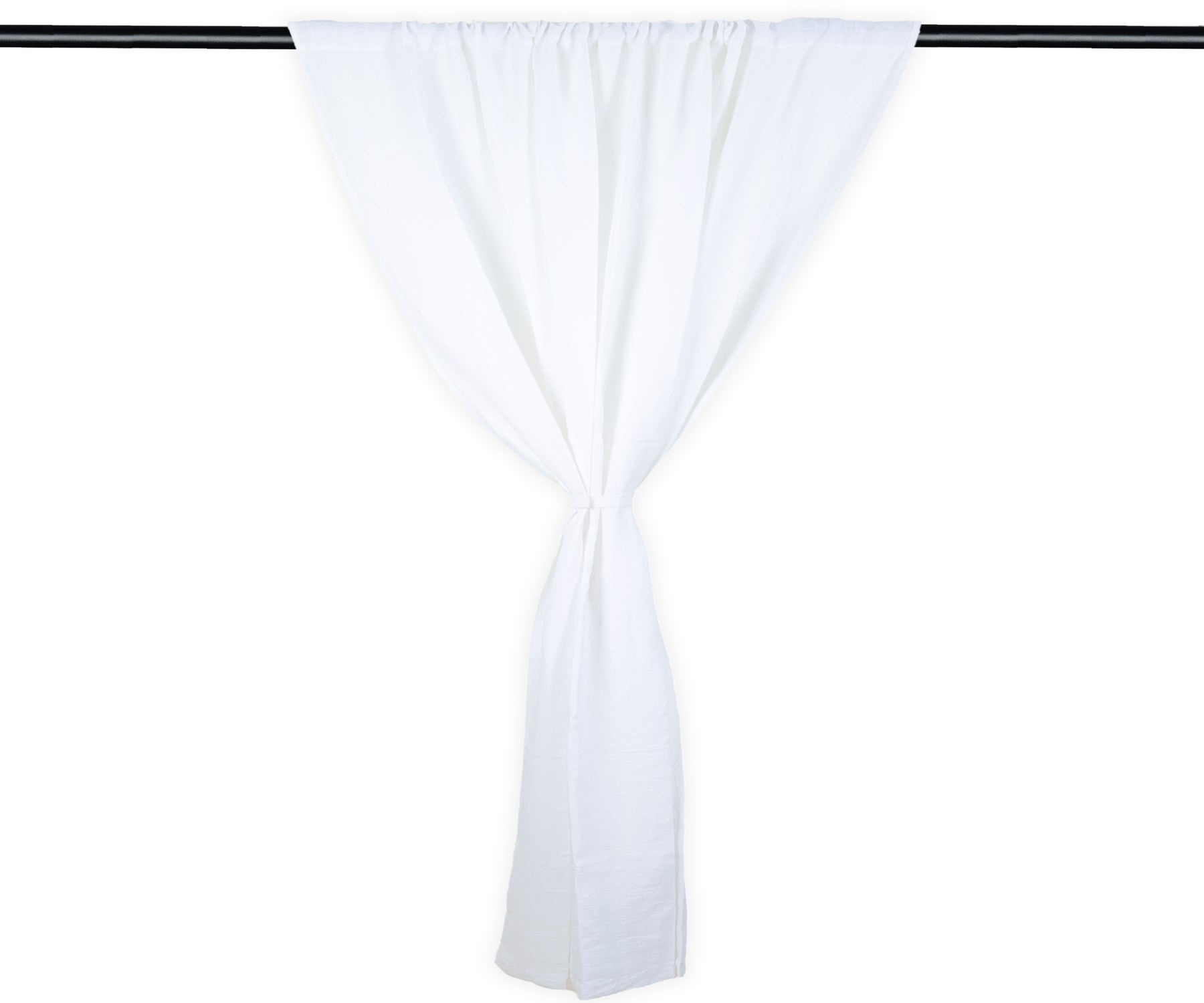
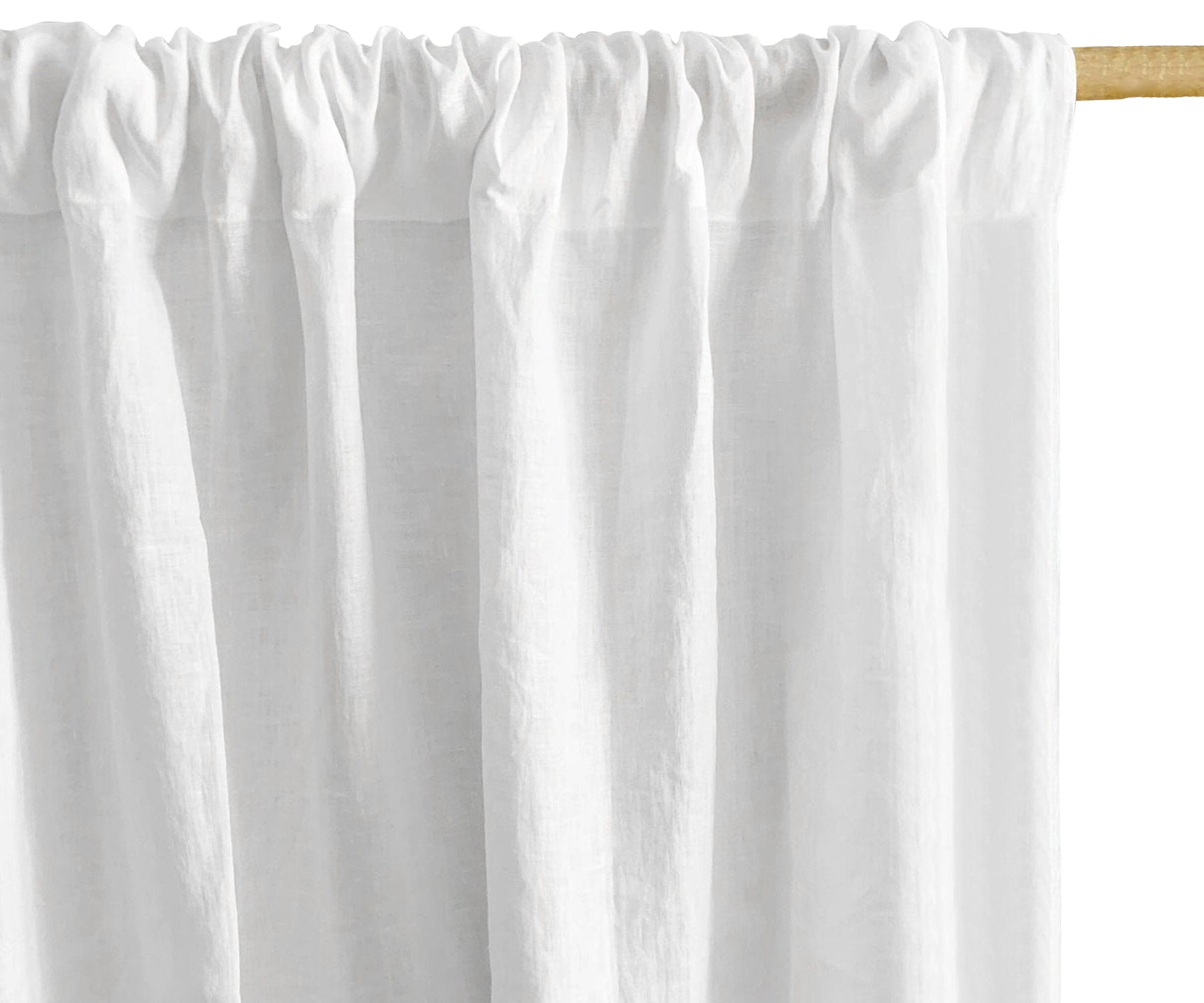
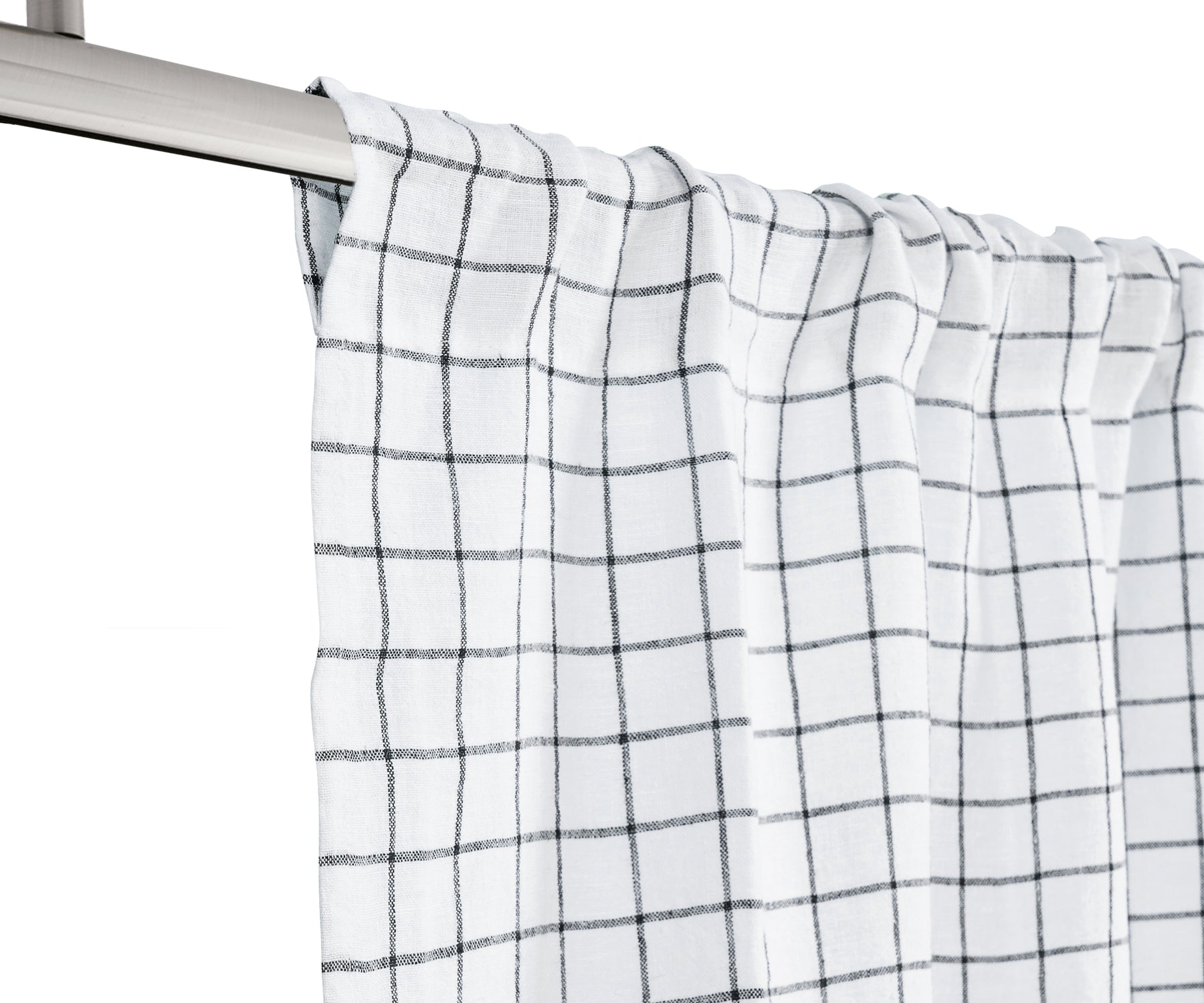
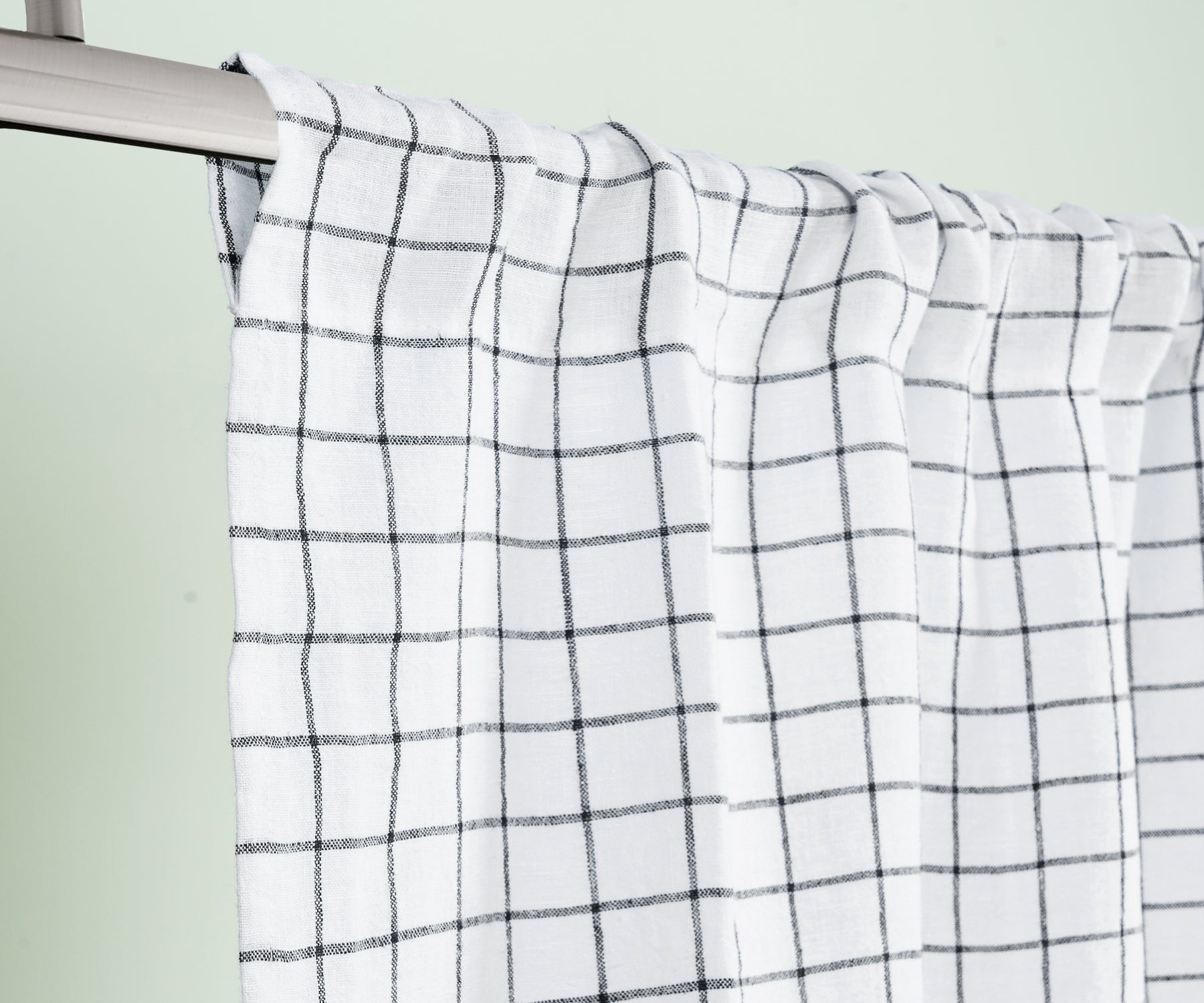
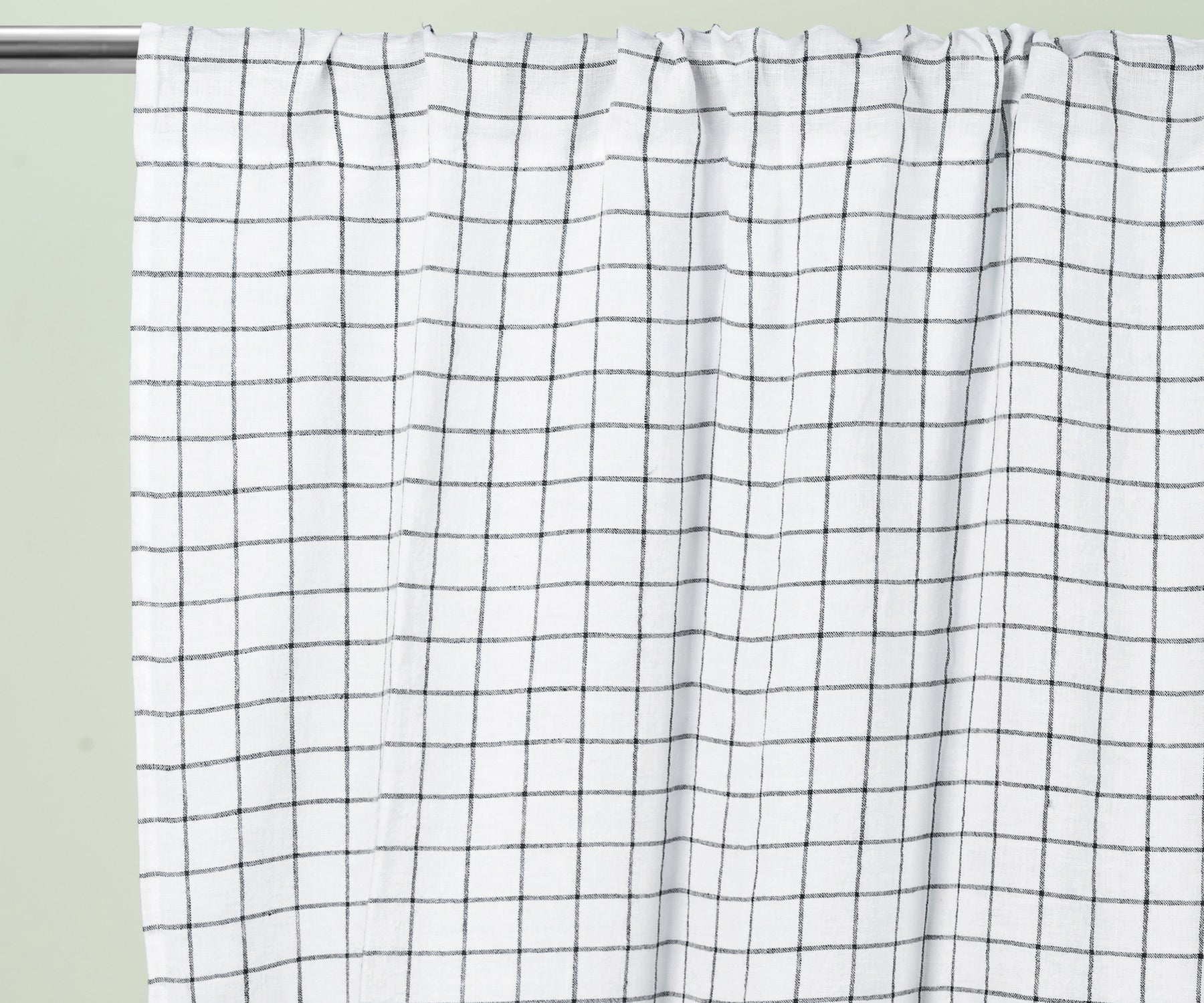
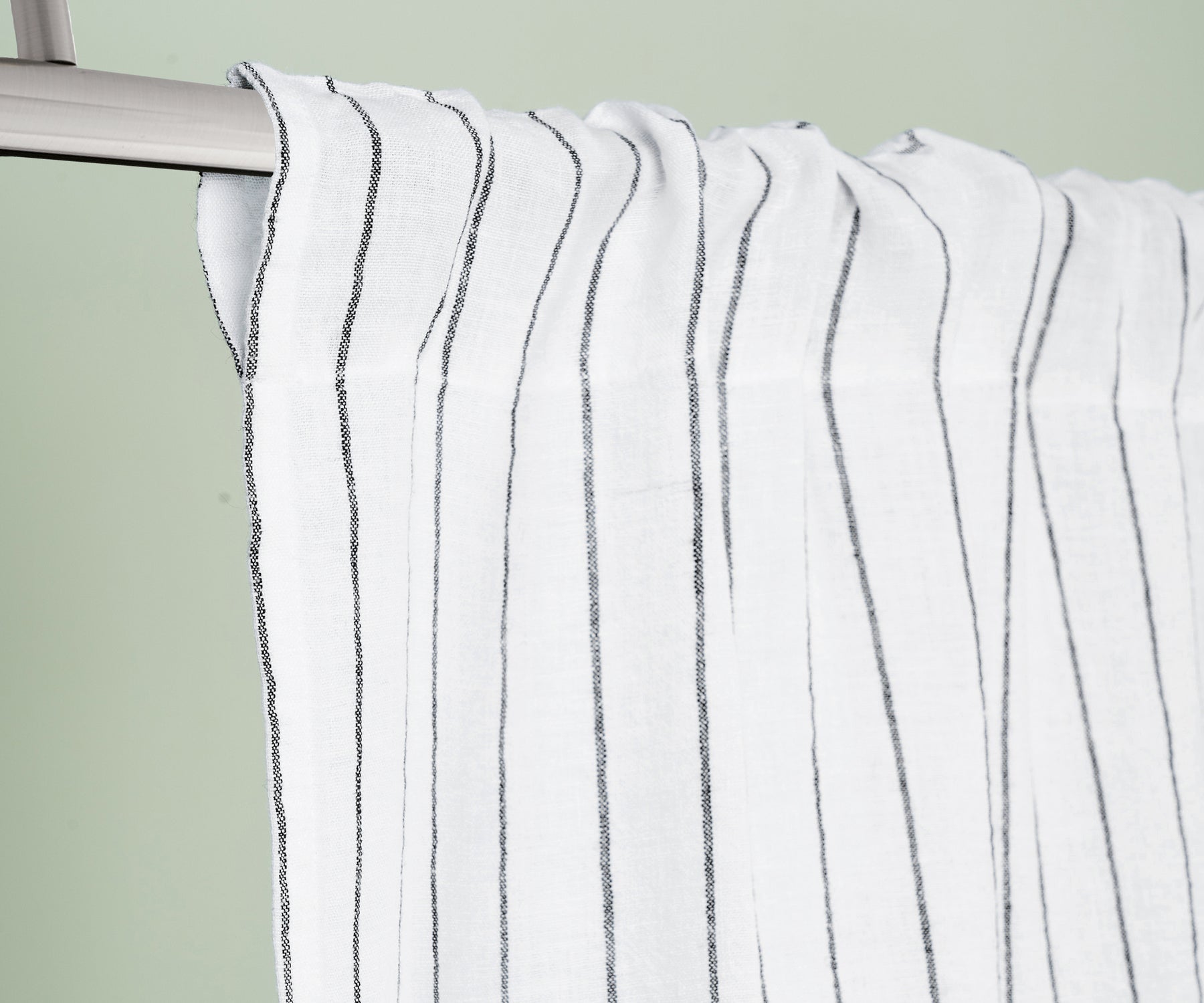
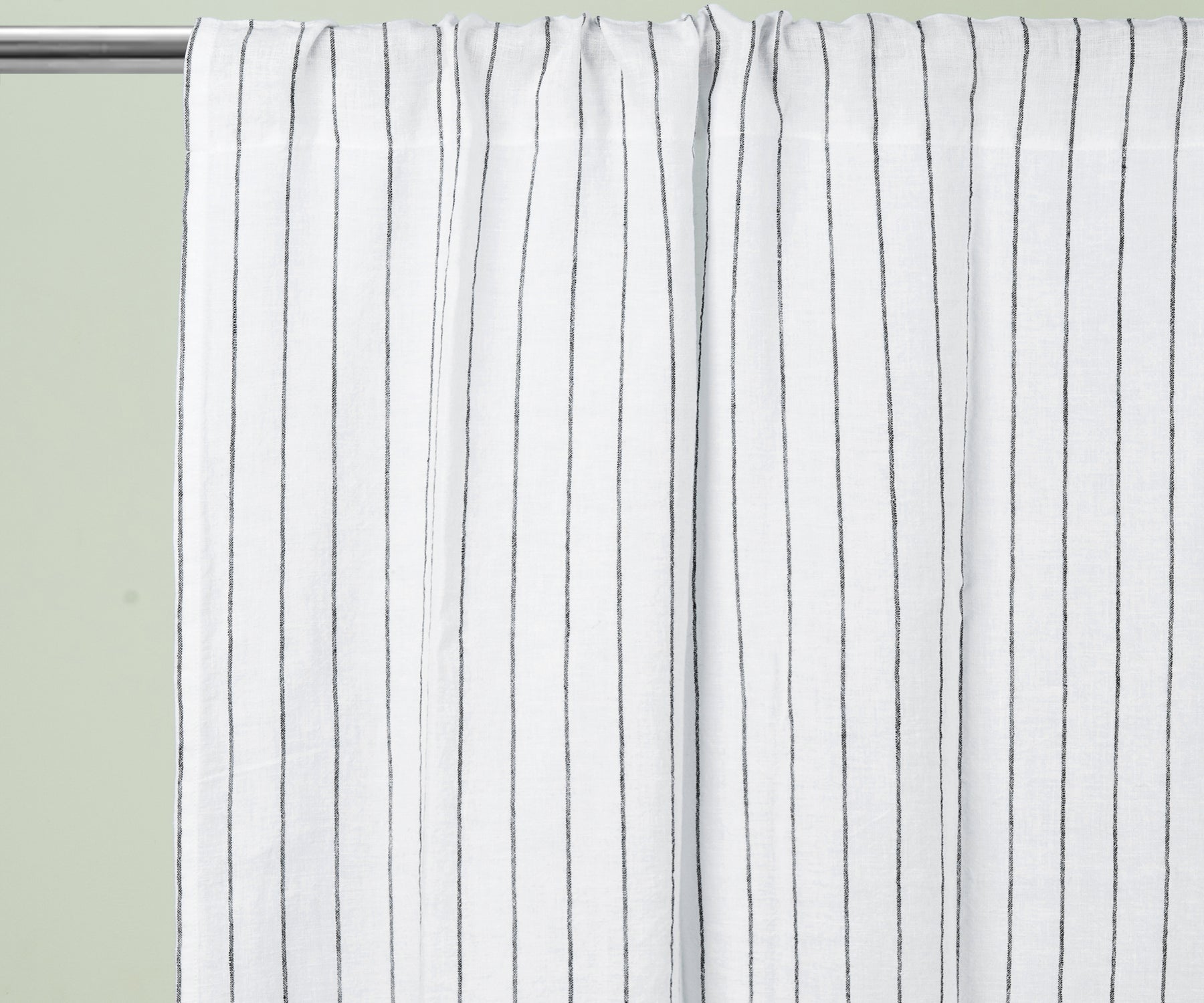
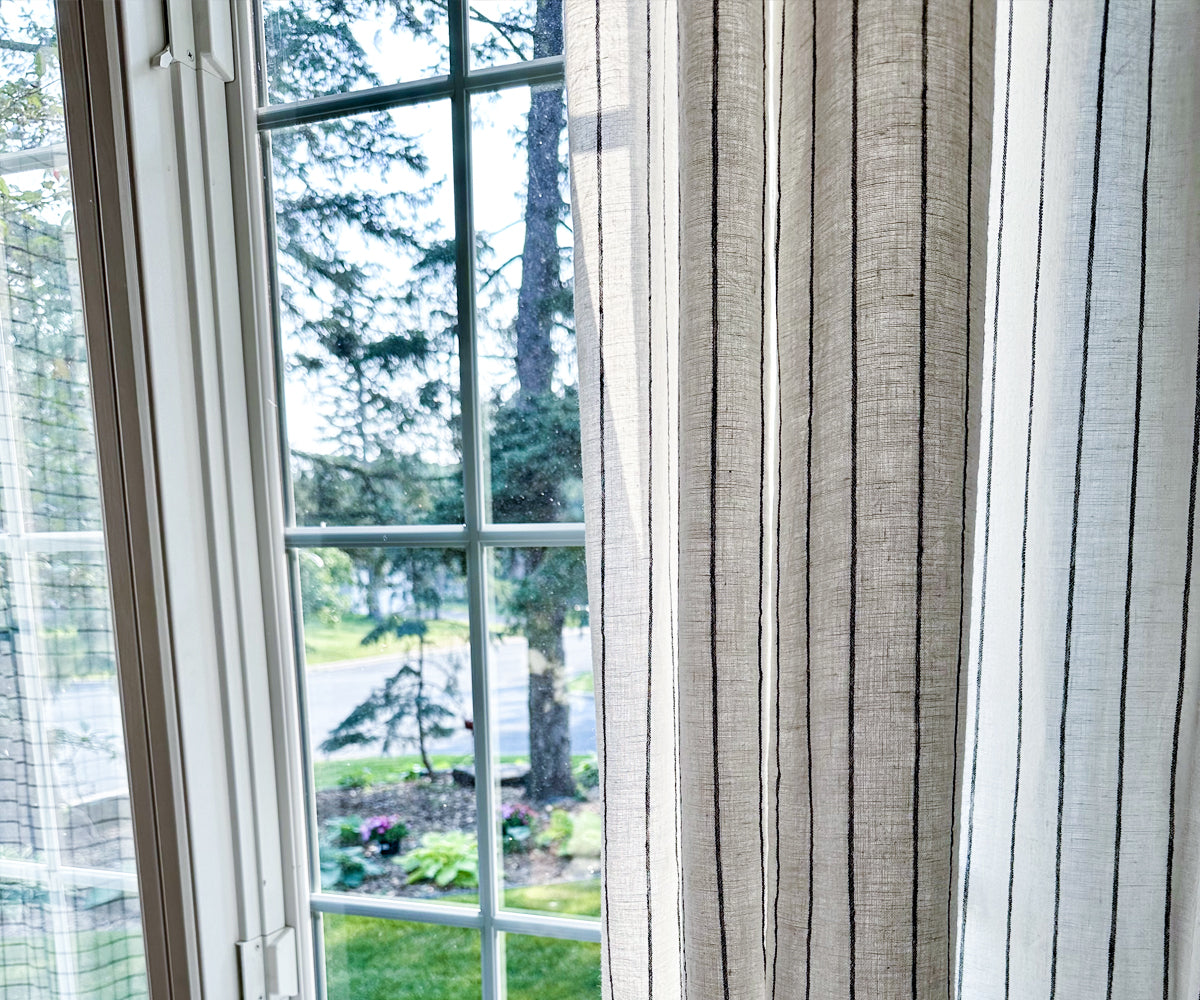
Both linen and cotton can work well for curtains and table linens, but they create different looks and offer different practical benefits. Linen curtains have a natural texture and lightweight drape, while cotton curtains are available in a wider range of weights and can provide a more structured appearance. For table linens, linen offers good absorbency and a textured finish, while cotton is soft, versatile, and easy to find in different styles and weights.

What About a Cotton and Linen Blend?
A cotton and linen blend combines qualities from both fabrics. It can offer some of linen's breathability and natural texture while providing the softness and familiar feel of cotton. Blended fabrics may also wrinkle less than pure linen, depending on the fabric construction and blend ratio. They can be a practical option if you want characteristics of both materials without choosing 100% cotton or 100% linen.
Key Takeaways
Linen and cotton each have qualities that suit different needs. Linen offers excellent breathability, strong fibers, and a natural texture that becomes softer with use. Cotton is known for its softness, versatility, easy care, and wide range of fabric options. The right choice depends on where and how you plan to use the fabric, your preferred feel, and how much maintenance you are comfortable with.
A cotton and linen blend can also be a practical option if you want some of the breathability and texture of linen with the softness and easy handling of cotton.
Looking for natural fabrics for your home? Browse All Cotton and Linen for linen bedding, cotton bedding, and other cotton and linen essentials designed for everyday use.