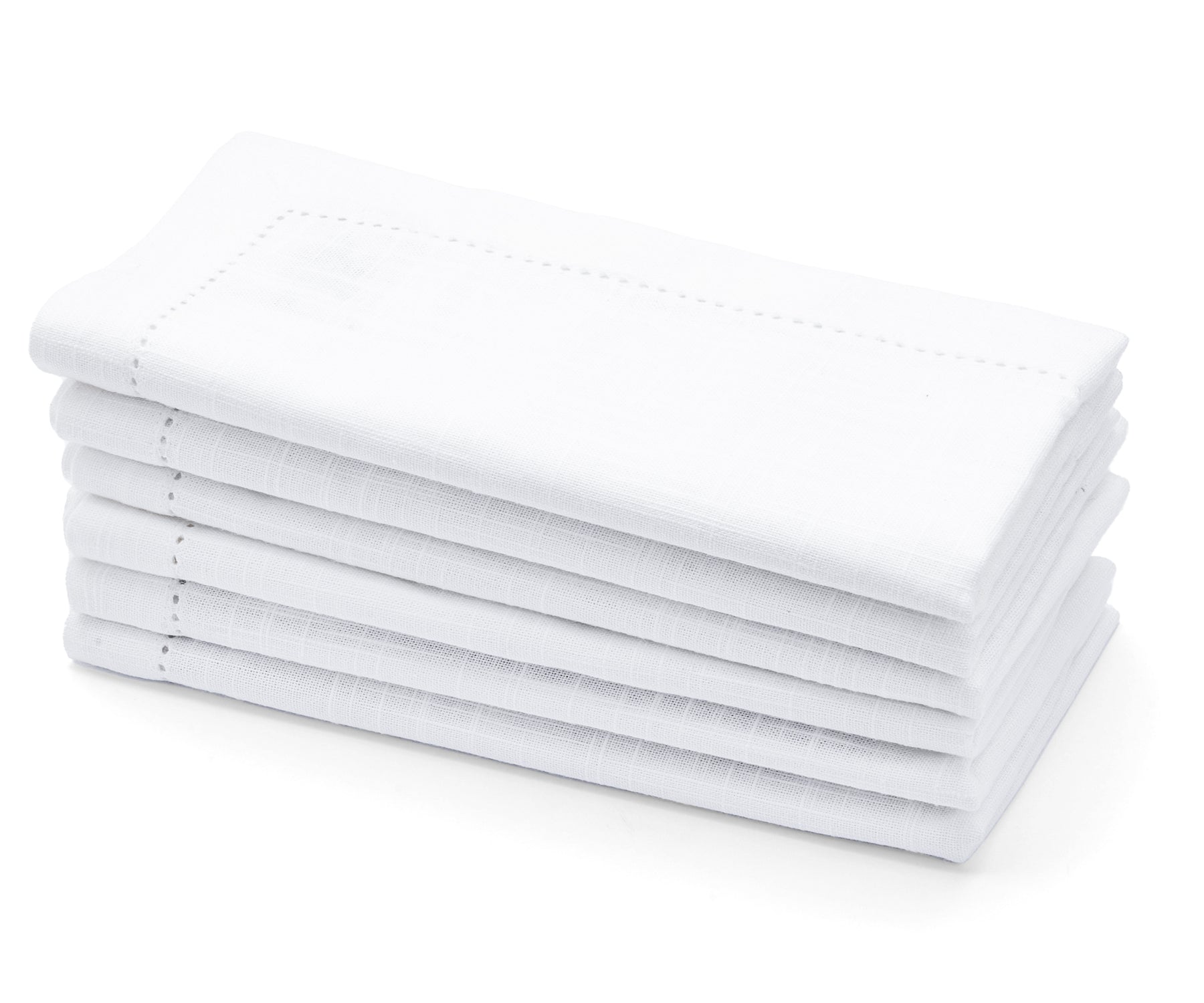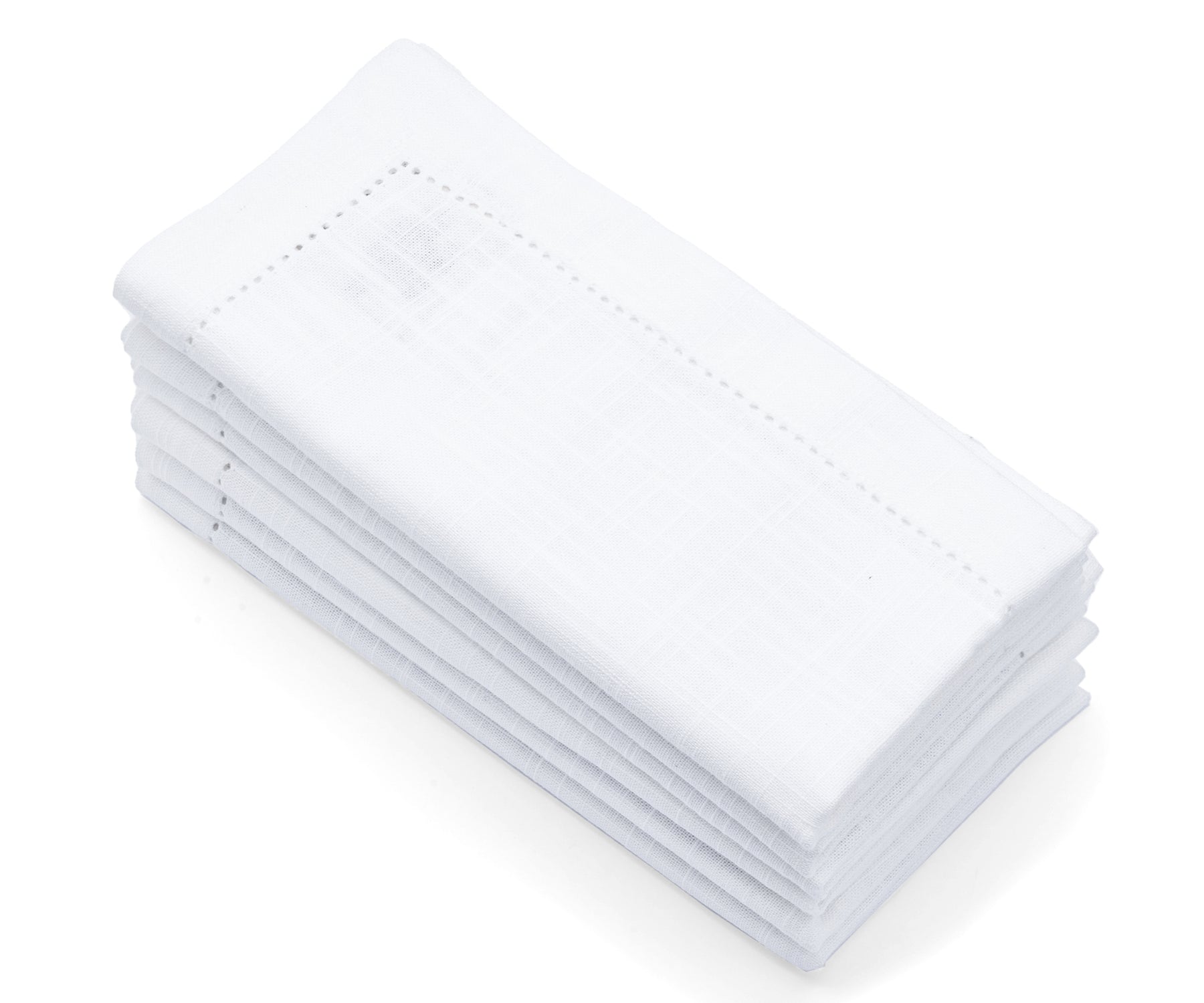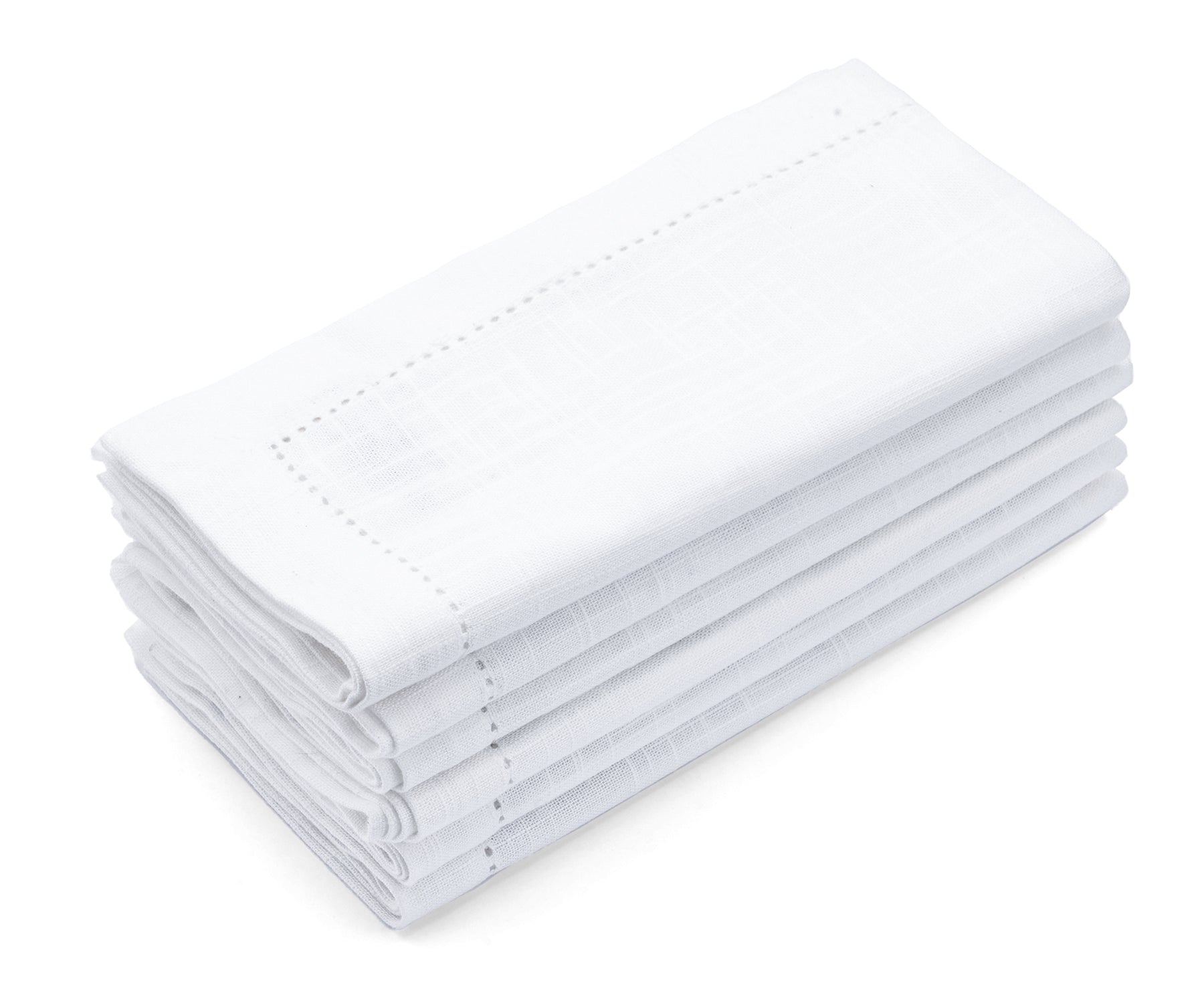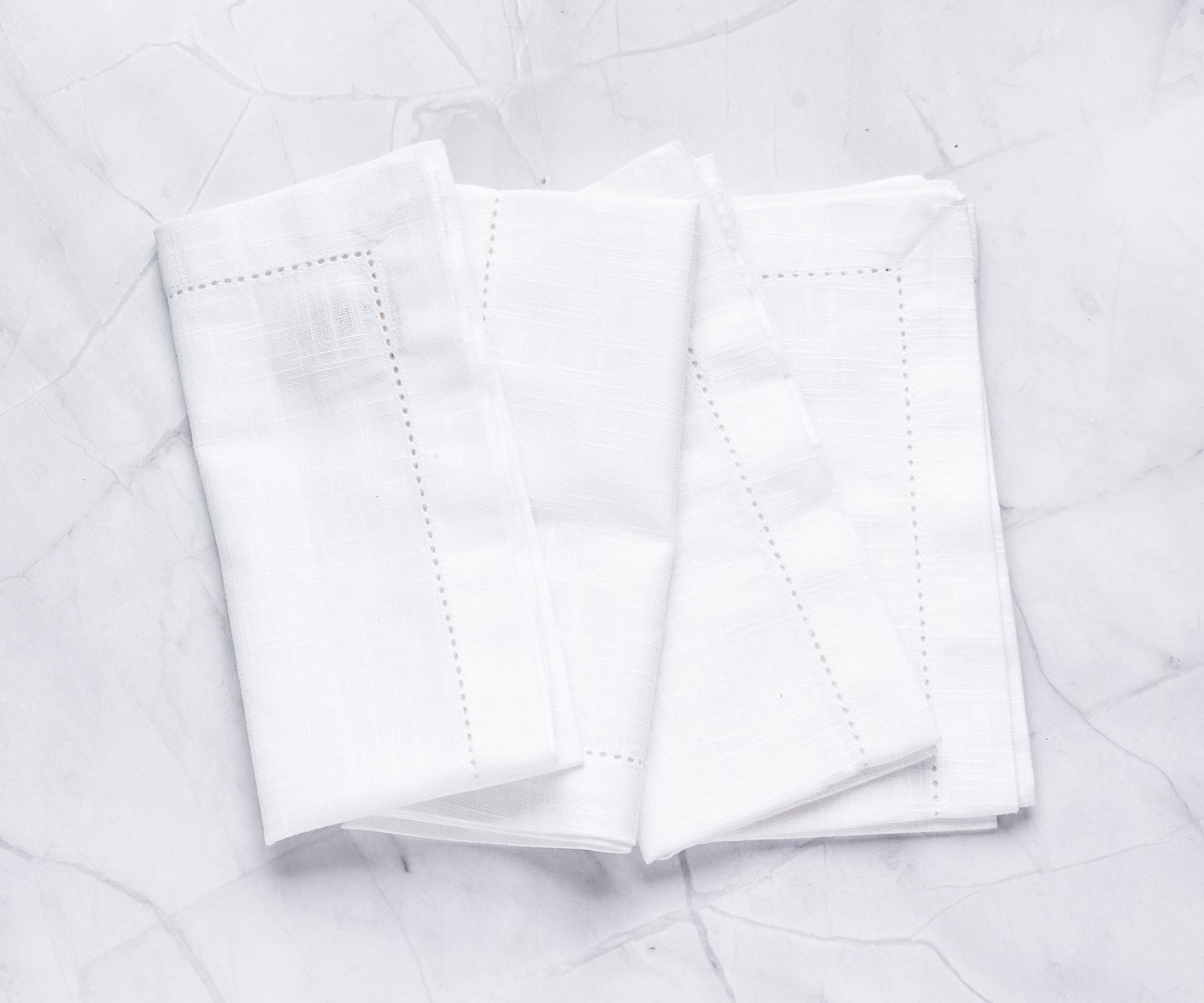


What Is a Duvet?
A duvet is a soft, quilted bedding insert. Think of it as a giant pillow for your bed. It's filled with down, down alternative, wool, or cotton, and it's designed to be used inside a removable cover called a duvet cover.

The magic of a duvet is in that removable cover. You can swap it out whenever you want a fresh look, throw it in the wash without dealing with the bulky insert, and completely transform your bedroom's aesthetic in minutes.
Duvets are widely loved in Europe and have become increasingly popular worldwide for their clean, hotel-like appearance and practical design.
Best for: People who love changing their bedroom style, those with kids or pets, hot sleepers who prefer breathable natural fills, and anyone who wants an easy-care bedding routine.
What Is a Comforter?
A comforter is a thick, quilted blanket that's stitched closed with the filling sewn directly inside, no cover required. It's ready to use straight out of the packaging, making it one of the most straightforward bedding options available.

Comforters often come as part of a coordinated bedding set with matching pillow shams and sheets, which makes putting together a polished bedroom look effortless. They're available in a wide range of weights, from lightweight options ideal for warmer months to ultra-warm versions perfect for cold climates.
Best for: People who want a simple, all-in-one solution, those who love a coordinated bedding set, and anyone who prefers a flatter, quilted look on their bed.
Find Out: What is a Crop Top and Its Popular Types – A Simple Guide
Duvet vs. Comforter: Key Differences at a Glance
|
Feature |
Duvet |
Comforter |
|
Structure |
Insert + removable cover |
Single quilted piece |
|
Washing |
Cover washes easily; insert rarely needs washing |
The entire, piece must be washed |
|
Style flexibility |
High — swap covers anytime |
Fixed design |
|
Fill options |
Down, wool, cotton, synthetic |
Typically synthetic or down alternative |
|
Appearance |
Fluffy, plush, cloud-like |
Flatter, quilted look |
|
Warmth control |
Choose insert by tog/weight |
Comes in set weight |
|
Best for |
Style lovers, pet owners, and easy cleaning |
Simplicity seekers, coordinated sets |
Fill Materials — What's Inside Matters
Whether you choose a duvet or comforter, the fill affects how warm, breathable, and durable your bedding will be.

Down: The premium choice. Lightweight yet incredibly warm, down fill offers superior insulation and that signature fluffy loft. Ideal for cold sleepers and winter months.
Down Alternative: Perfect for allergy sufferers. Mimics the feel of down using hypoallergenic synthetic fibres that are easy to wash and maintain.
Cotton Fill: Breathable, natural, and temperature-regulating. Cotton fill is an excellent choice for year-round comfort, particularly for warm sleepers or those in moderate climates.
Wool: Naturally moisture-wicking and temperature-regulating. Wool fill keeps you warm without overheating, a great option for those who experience both hot and cold nights.
Synthetic (Polyester): Budget-friendly and durable. A practical choice for kids' rooms, guest beds, or anyone who needs low-maintenance, machine-washable bedding.
Know About: What is a Wedding Planner Checklist?
Why a Cotton or Linen Duvet Cover Is the Best Choice
This is where your bedding truly comes to life and where the fabric of your duvet cover makes all the difference.
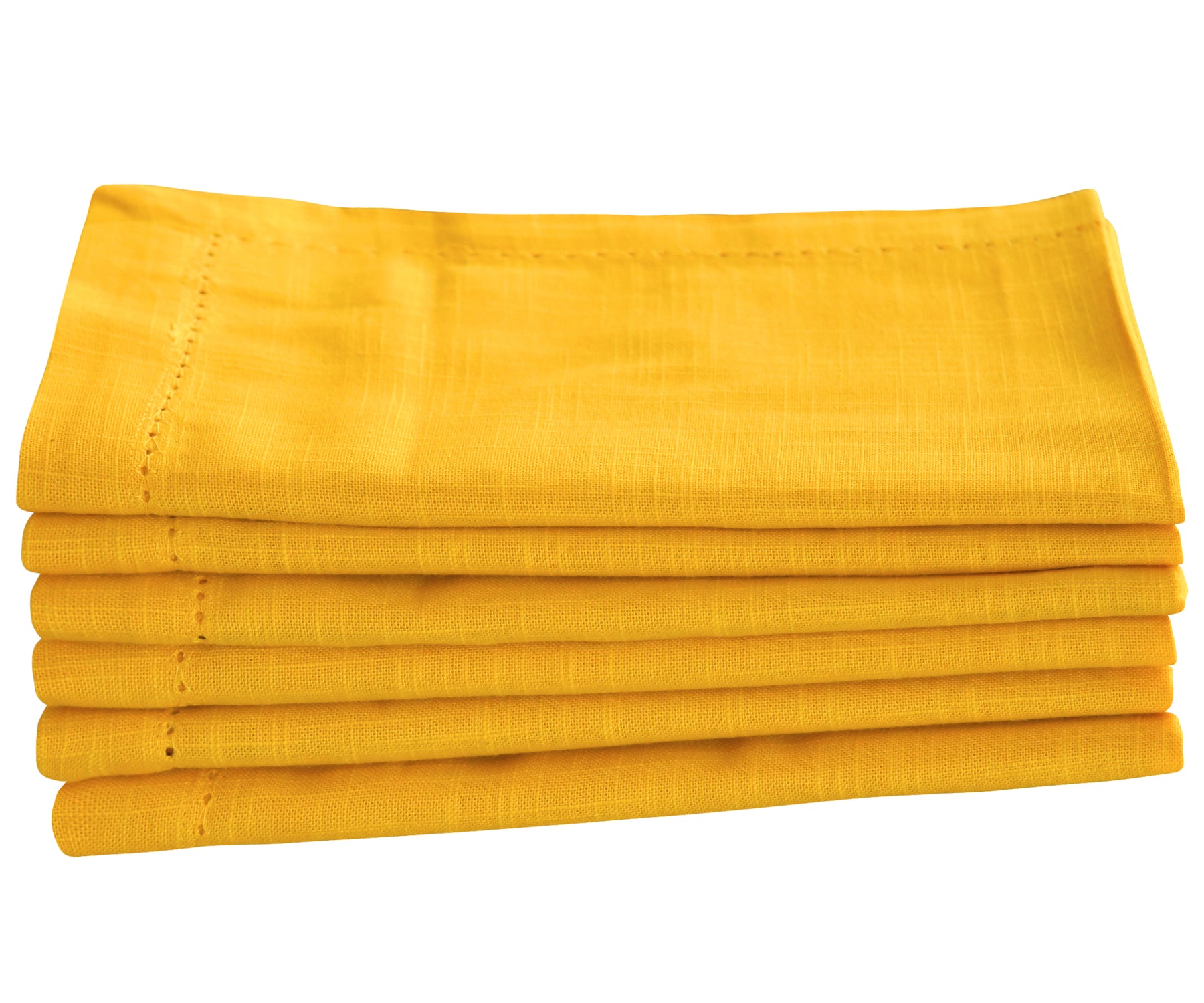
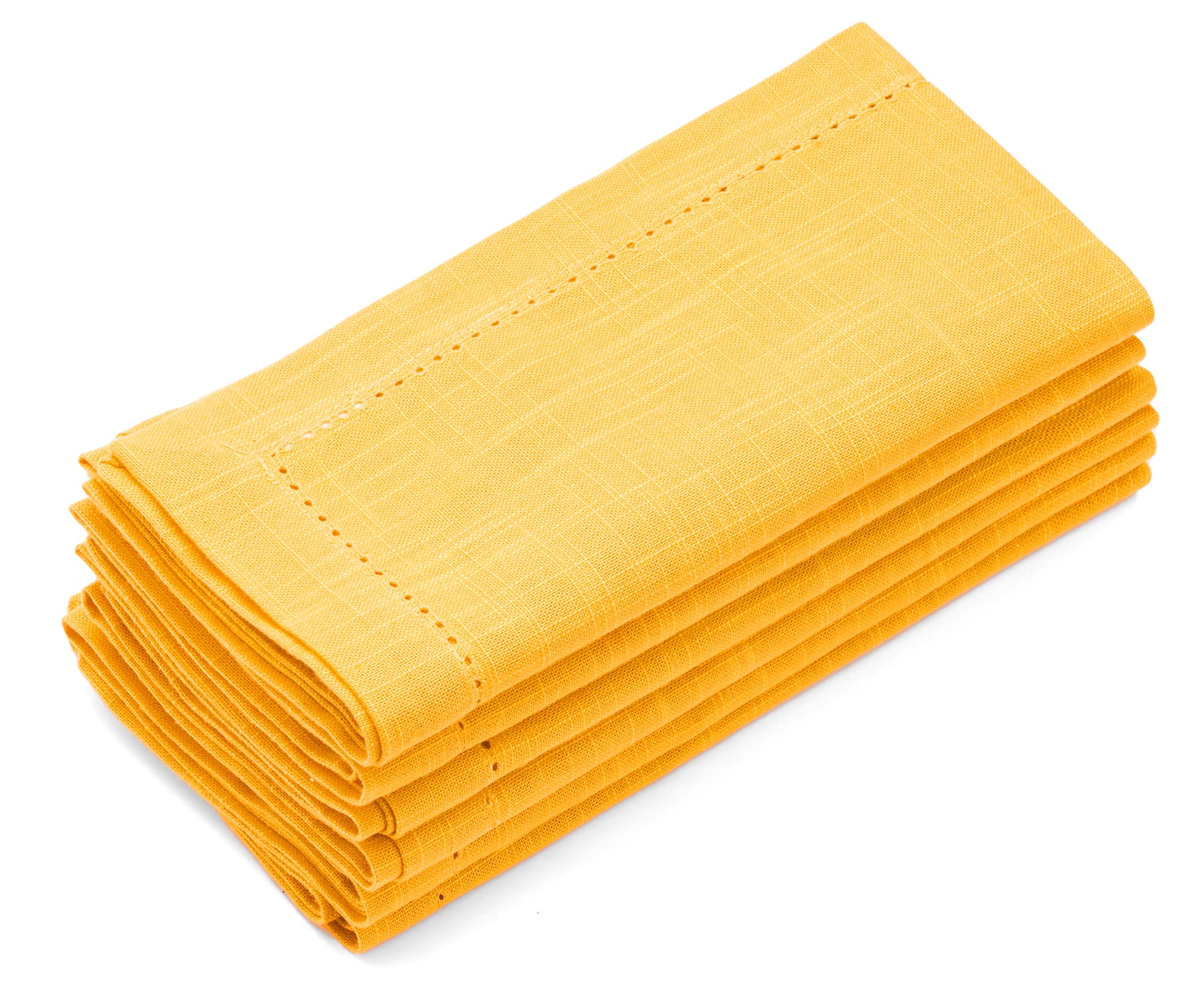
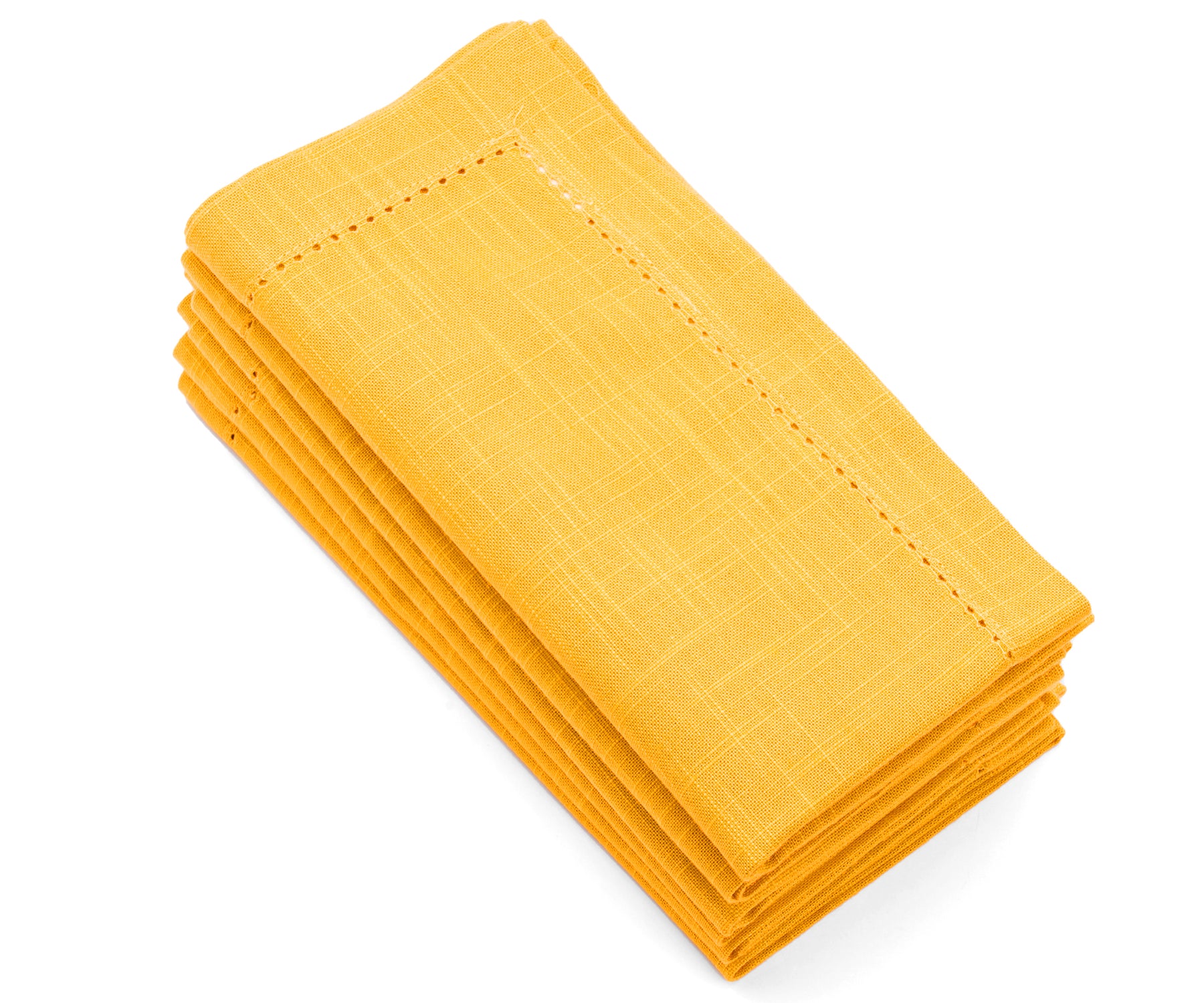
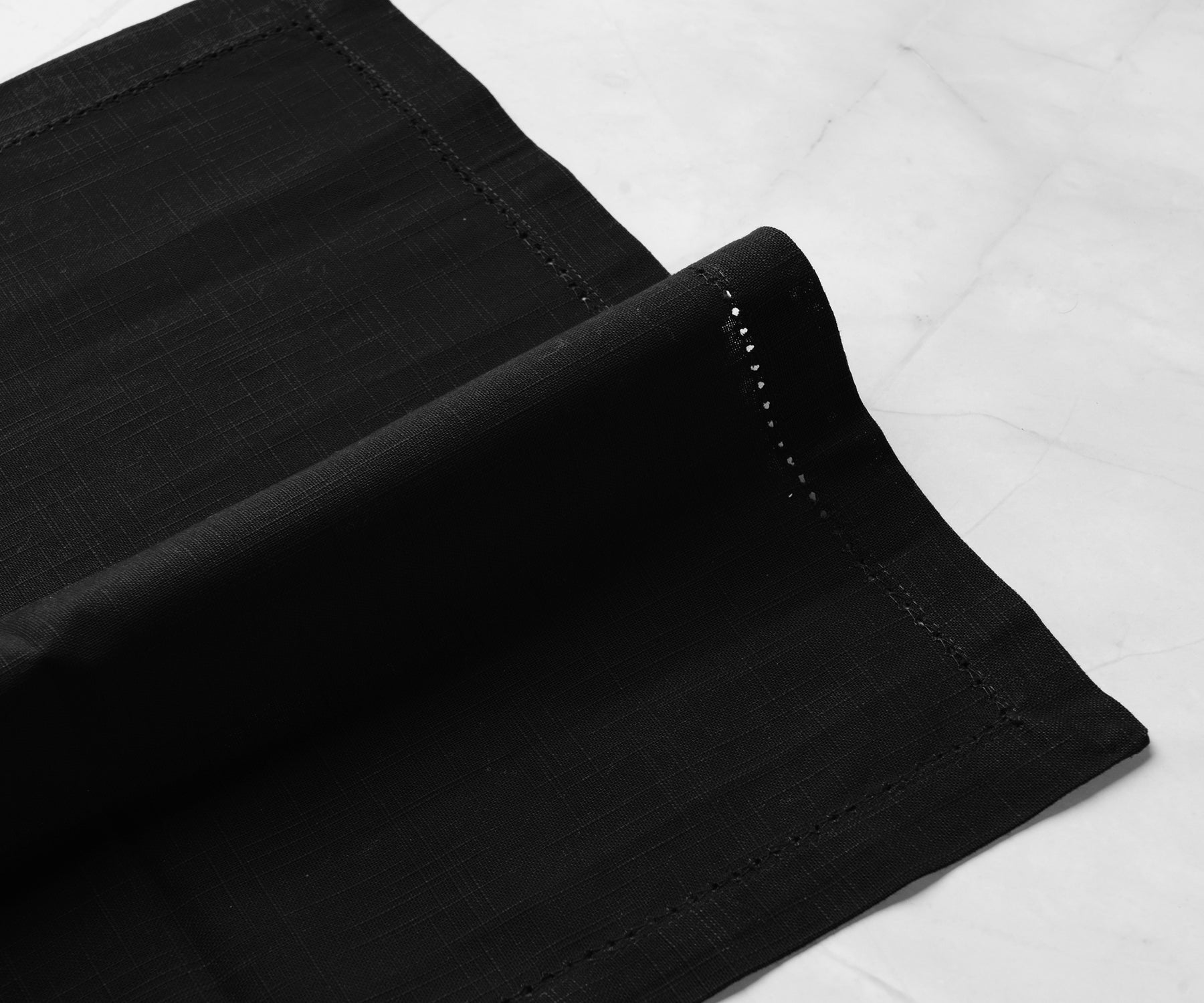
Cotton duvet covers are soft, breathable, and get better with every wash. They regulate temperature beautifully, making them suitable for all seasons. Cotton is also durable enough to withstand frequent washing, which is essential if you're using your duvet cover as a protective barrier.
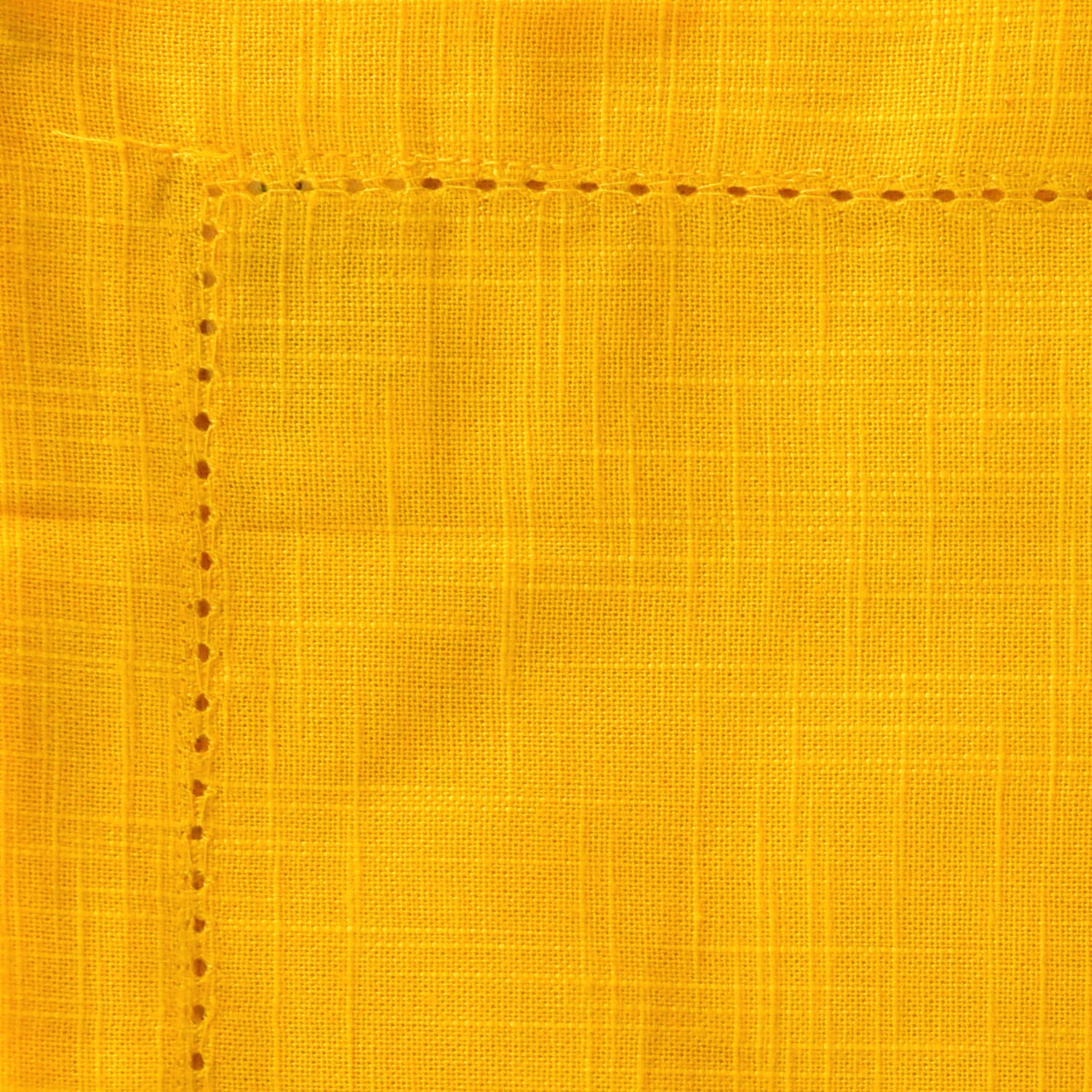
Linen duvet covers are the gold standard for breathability. The natural fibres allow air to circulate freely, keeping you cool in summer and insulated in winter. Linen has a relaxed, effortlessly elegant texture that improves over time. It softens with use while maintaining its structure. If you've ever slept in a luxury hotel and wondered why the bedding felt so extraordinary, linen is often the reason.
Both cotton and linen are natural, sustainable fabrics that are free from synthetic coatings and chemical finishes. For anyone who prioritises clean, healthy sleep, these materials are always the right choice.
Pro tip: Even if you choose a comforter, you can pair it with a cotton or linen duvet cover for easy washing and a fresh new look whenever you feel like a change.
How to Choose: Duvet or Comforter?

Choose a duvet if you:
-
Love refreshing your bedroom décor without buying all-new bedding
-
Have pets or young children and need bedding that's easy to wash frequently
-
Prefer natural fills like cotton, wool, or down
-
Want a plush, fluffy, cloud-like bed aesthetic
-
Sleep warm and want a breathable cotton or linen cover against your skin
Choose a comforter if you:
-
Want an all-in-one bedding solution with no extra covers to manage
-
Love a coordinated bedding set with matching shams and sheets
-
Prefer the flat, quilted look on a neatly made bed
-
Are you furnishing a guest room or a secondary bedroom
Can't decide? You don't have to choose just one. Many people layer a lightweight comforter beneath a duvet insert in colder months for maximum warmth and comfort, the best of both worlds.
Read More: Why Organic Cotton Matters for Health & Our Planet
A duvet offers versatility, natural fill options, and effortless style updates with just a cover swap. A comforter offers simplicity and a cohesive, coordinated look right out of the box.
Whichever you choose, pairing your bedding with a high-quality cotton or linen cover makes all the difference for how it feels, how it breathes, and how beautifully it dresses your bed.
Your bedroom should be the most comfortable room in your home. Start with the right bedding foundation, and the rest falls into place.