


What to wear to Yoga by class type?
Wear fitted, stretchy, breathable clothes that stay put when you fold, twist and invert: a fitted top, high-waisted leggings or shorts, and a supportive sports bra if you need one. Choose moisture-wicking nylon or polyester blends for hot or fast classes, and soft cotton or bamboo blends for gentle ones. Skip shoes, bring a layer for the cool-down, and don't worry about brands.
Find Out: How Do You Prepare Your Home for Unexpected Visitors?
| Class type | Top | Bottom | Best fabric | Bring |
|---|---|---|---|---|
| Vinyasa / power | Fitted tank or crop tank | High-waisted leggings or shorts | Wicking blend | Water bottle |
| Hot yoga | Tank or bra top | Shorts or light leggings | Polyester or nylon with spandex | Towel |
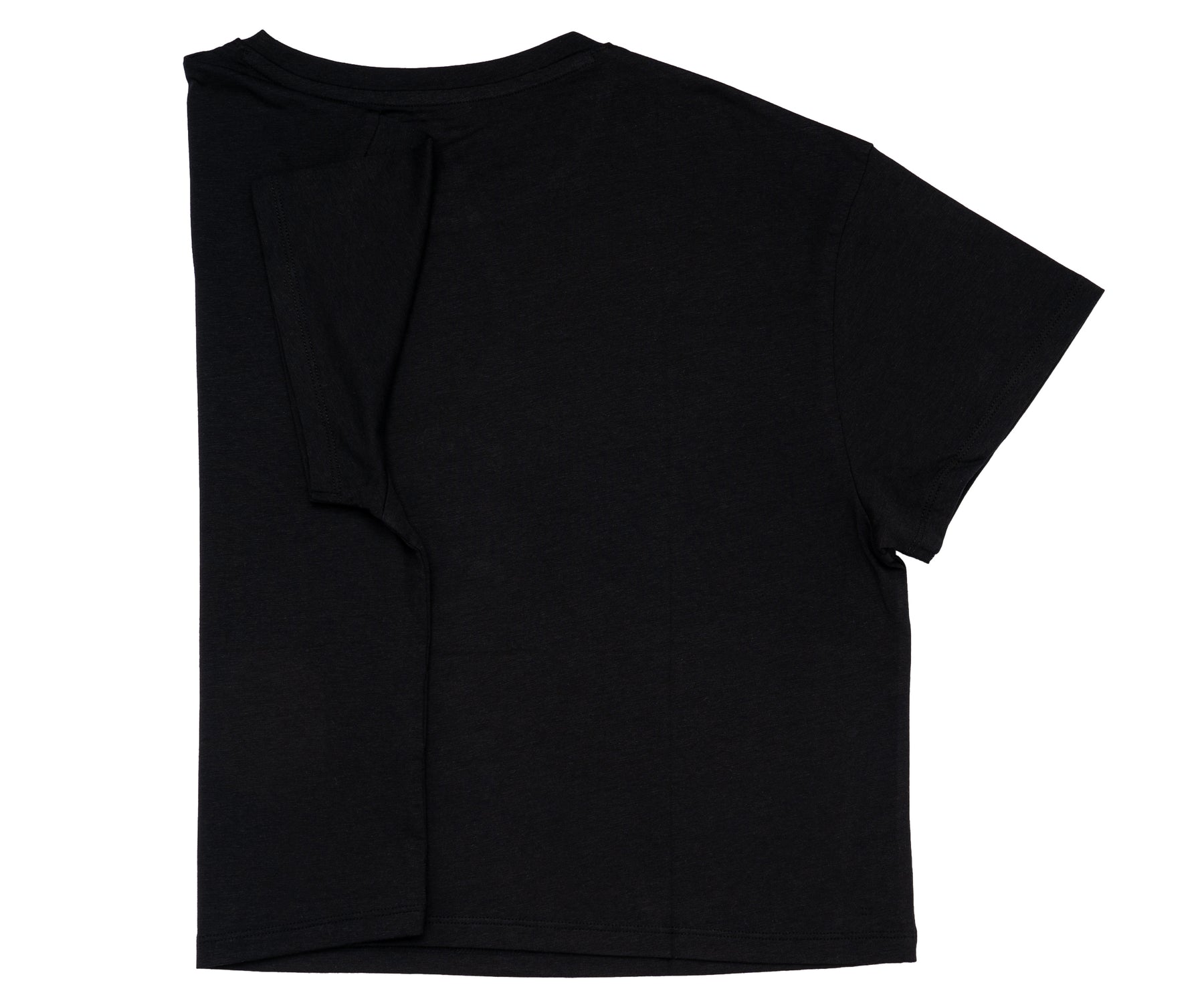
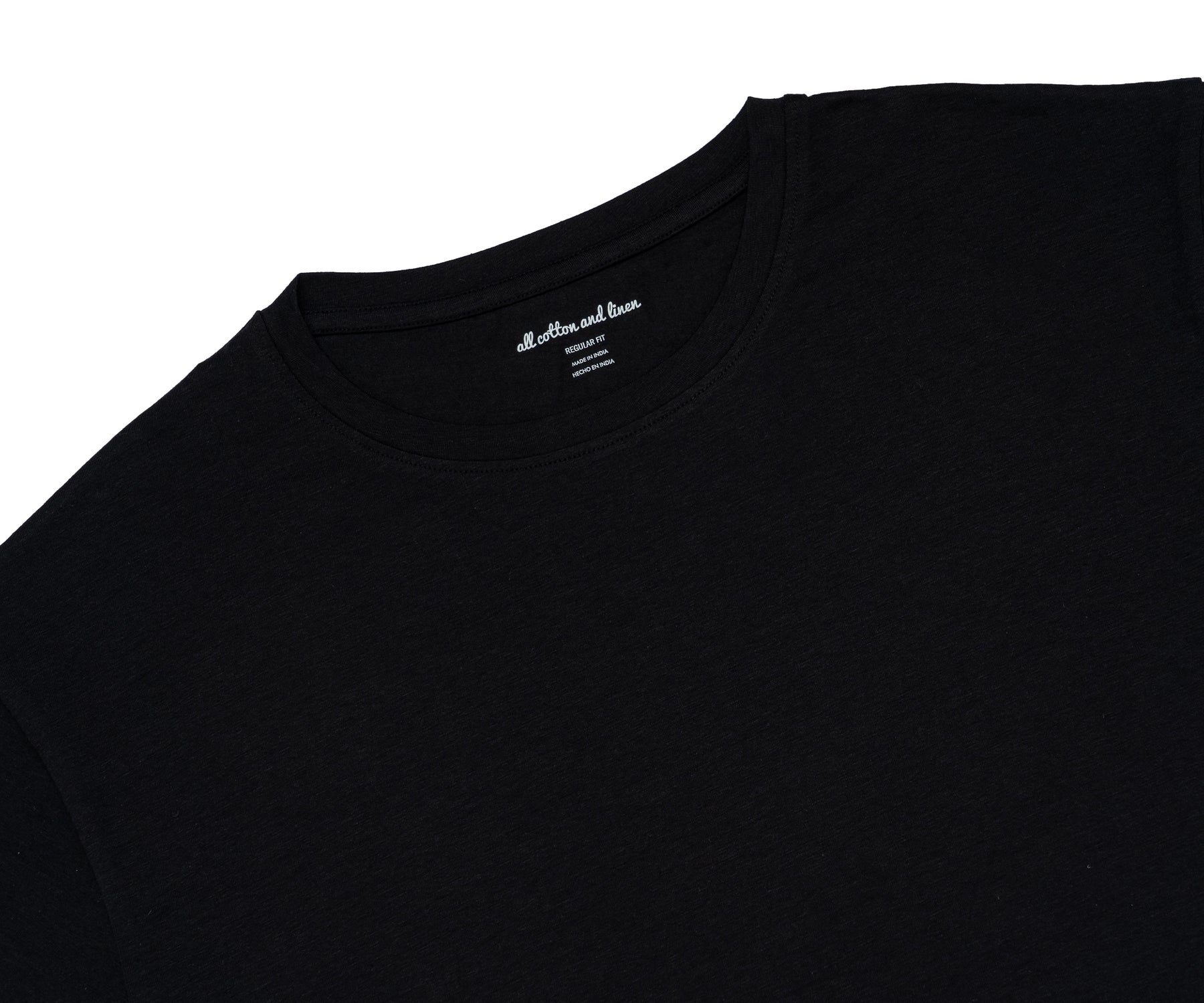
| Hatha / beginner | Fitted tee | Leggings | Cotton-spandex or wicking blend | Light layer |
| Yin / restorative | Soft tee | Leggings or joggers | Cotton, bamboo or modal blends | Layer, socks |
| Outdoor | Raglan or long-sleeve tee | Leggings | Breathable stretch blend | Sun protection |
What is normal yoga attire?
There's no official dress code, and studios welcome every level. You don't need yoga-specific pieces to start. Leggings, athletic shorts or comfortable sweatpants can work. What matters is that you forget you're wearing it. Look for three things: stretch in every direction, a fit that stays put in folds and inversions, and fabric that breathes. If you're tugging at a waistband or shirt every few minutes, it's the wrong outfit for that class.

Best fabric for yoga clothes: cotton, polyester, nylon or bamboo?
Fabric matters more than style or brand because it decides how you feel once you sweat. Cotton, modal and bamboo absorb moisture and hold it. Nylon and polyester wick it away and dry faster. Spandex adds stretch and recovery, usually as a 5–20% share of a blend.
| Fabric | Moisture | Feel | Best for |
|---|---|---|---|
| Polyester + spandex | Wicks, dries fast | Durable, slightly less soft | Hot yoga, power flow |
| Nylon + spandex | Wicks, dries fast | Very soft, smooth | Vinyasa, everyday leggings |
| Cotton + spandex | Absorbs, dries slowly | Soft, natural | Hatha, yin, restorative |
| Bamboo, modal, organic cotton blends | Absorbs, breathable | Very soft | Gentle, low-sweat classes |
| 100% cotton | Absorbs, gets heavy | Soft, little stretch | Casual wear, slow practice |
Know About: Is Bamboo clothing Toxic? Myths vs Facts
Can you wear cotton to yoga?
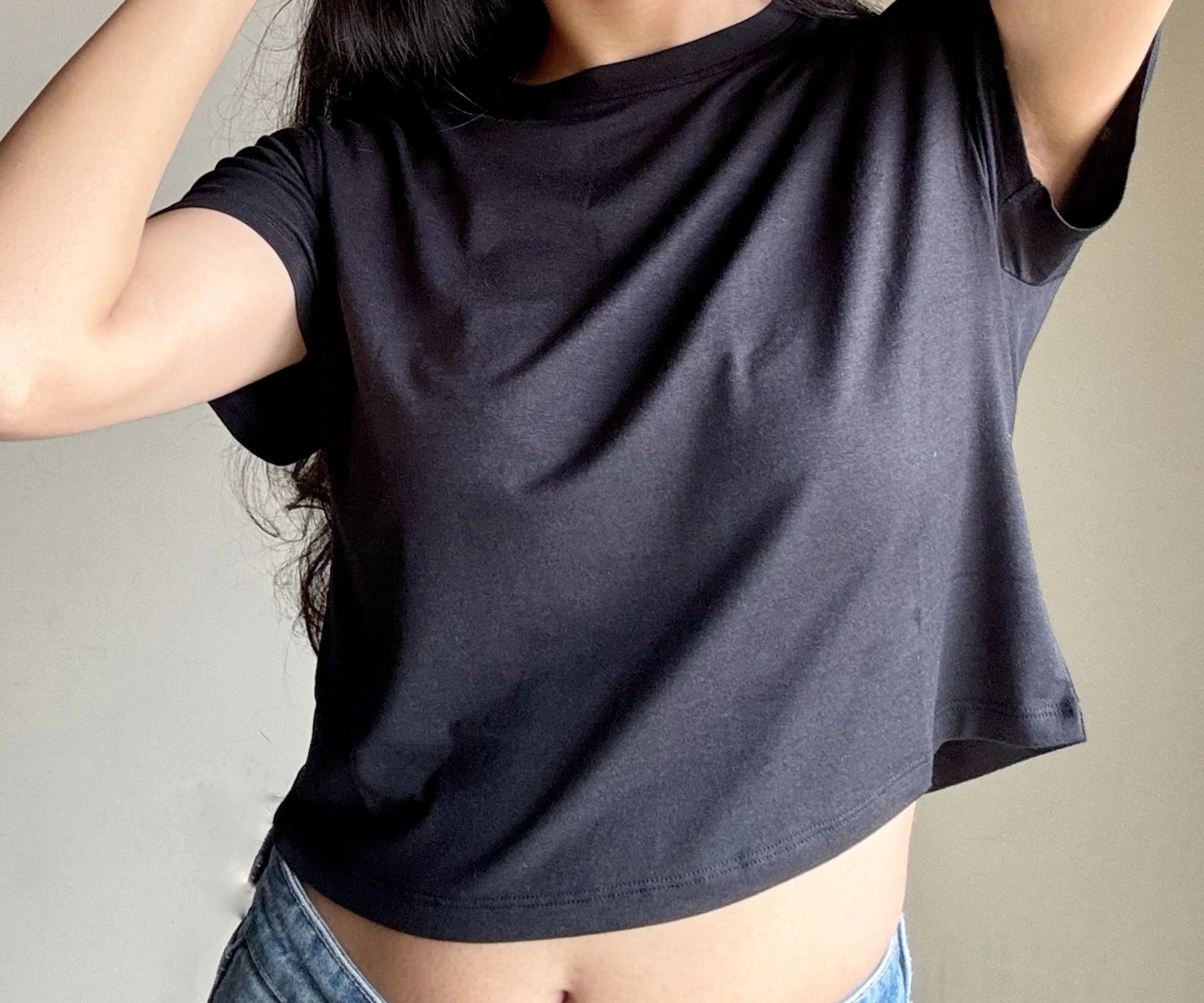
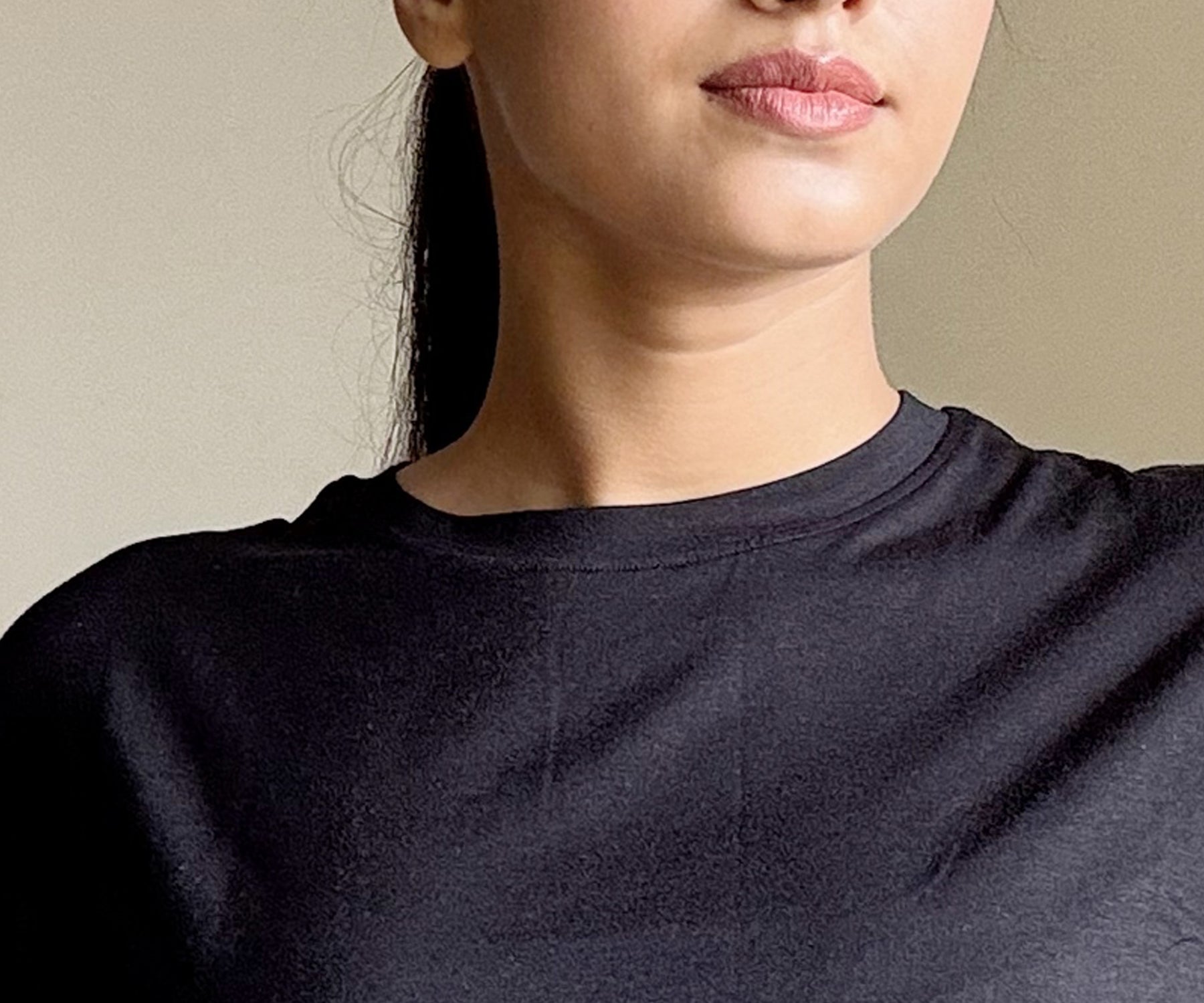
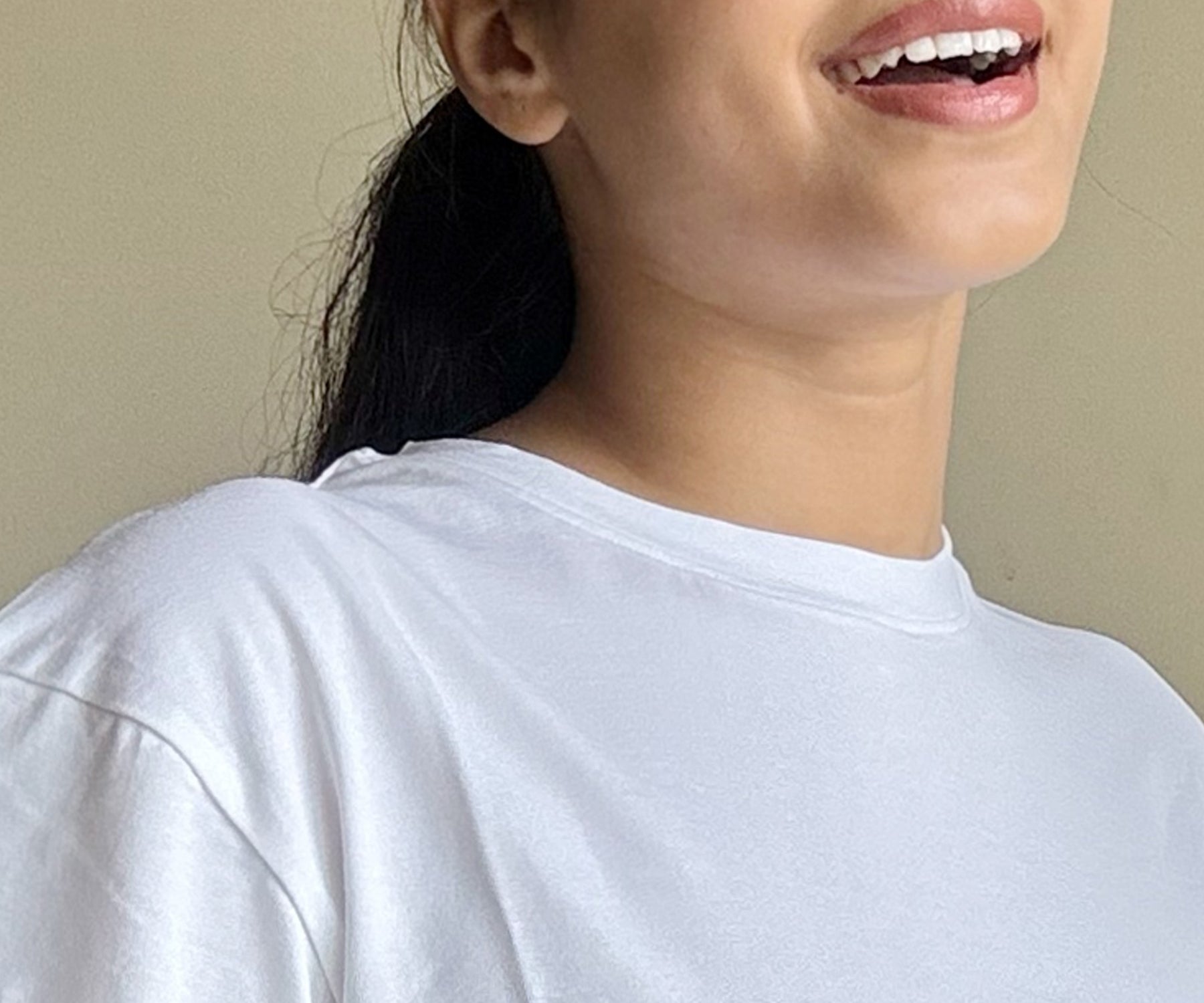
Yes, for slow, low-sweat classes such as yin, restorative and gentle hatha. Avoid it in hot or fast classes, where it soaks up sweat, turns heavy and clings. If you like natural fibers for slower practice, bamboo tees are a soft, breathable option.
How much spandex should yoga clothes have?
Enough for four-way stretch and recovery. That's typically about 5–10% in cotton blends and 10–20% in polyester or nylon blends. Check the label, then use the fit tests below.
What to wear to yoga for women?
Sports bra
Choose a medium-support sports bra without back fastenings or underwire, which dig in during floor poses and folds. You want enough support to invert and flow without adjusting, but not so much compression that it restricts your breathing. Larger busts and fast, flowing classes benefit most. In gentle classes it's a comfort call.
Tops
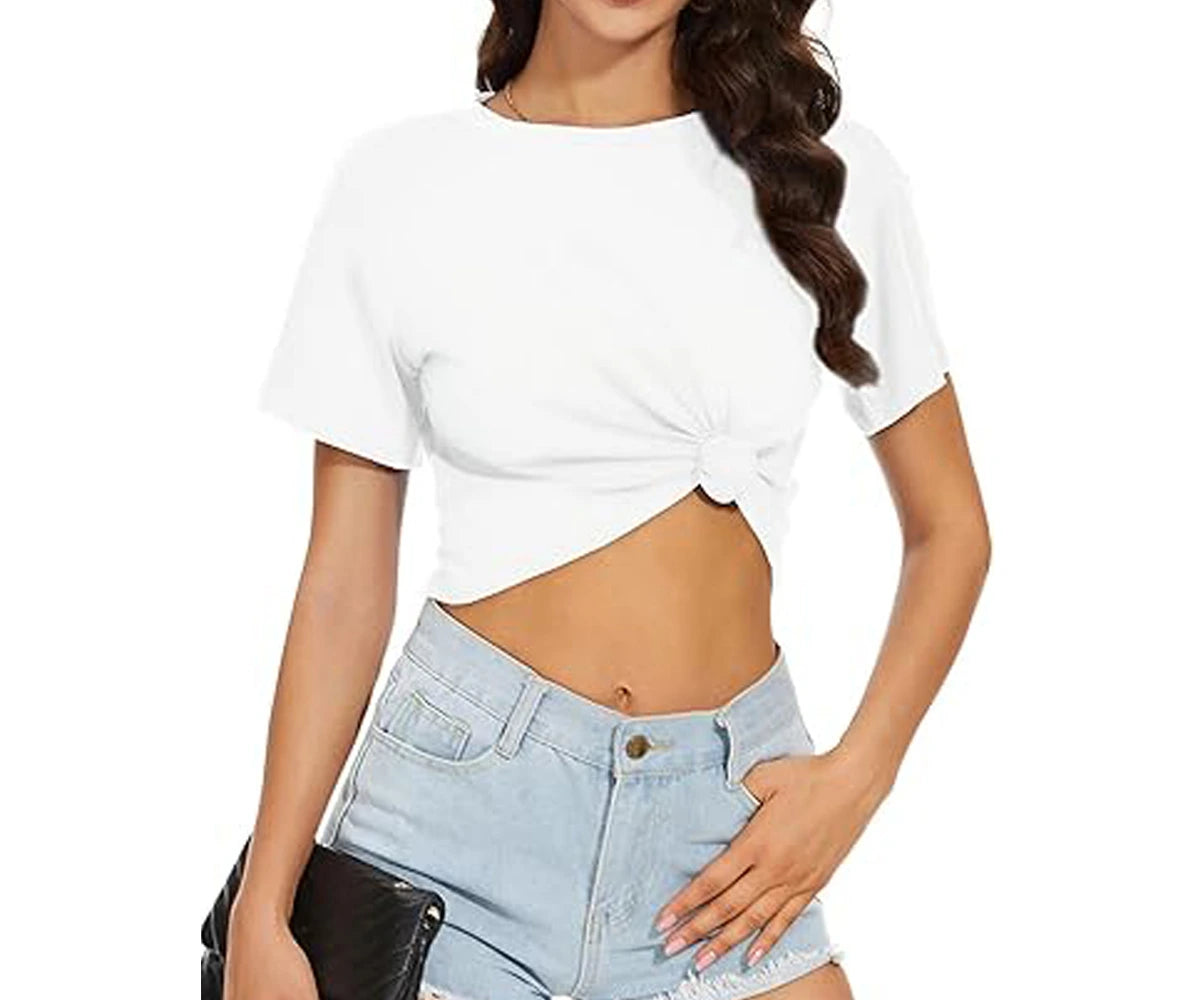
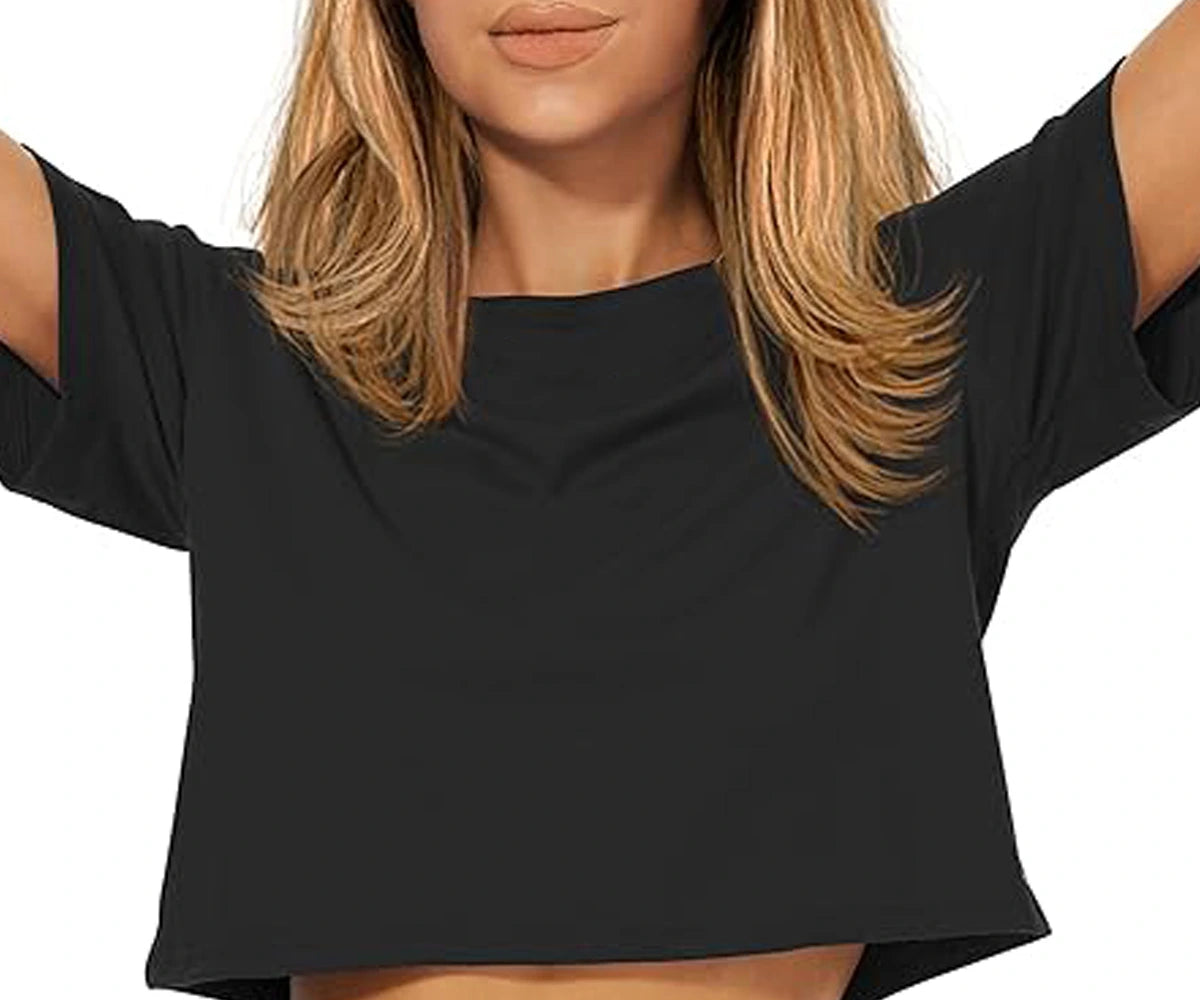
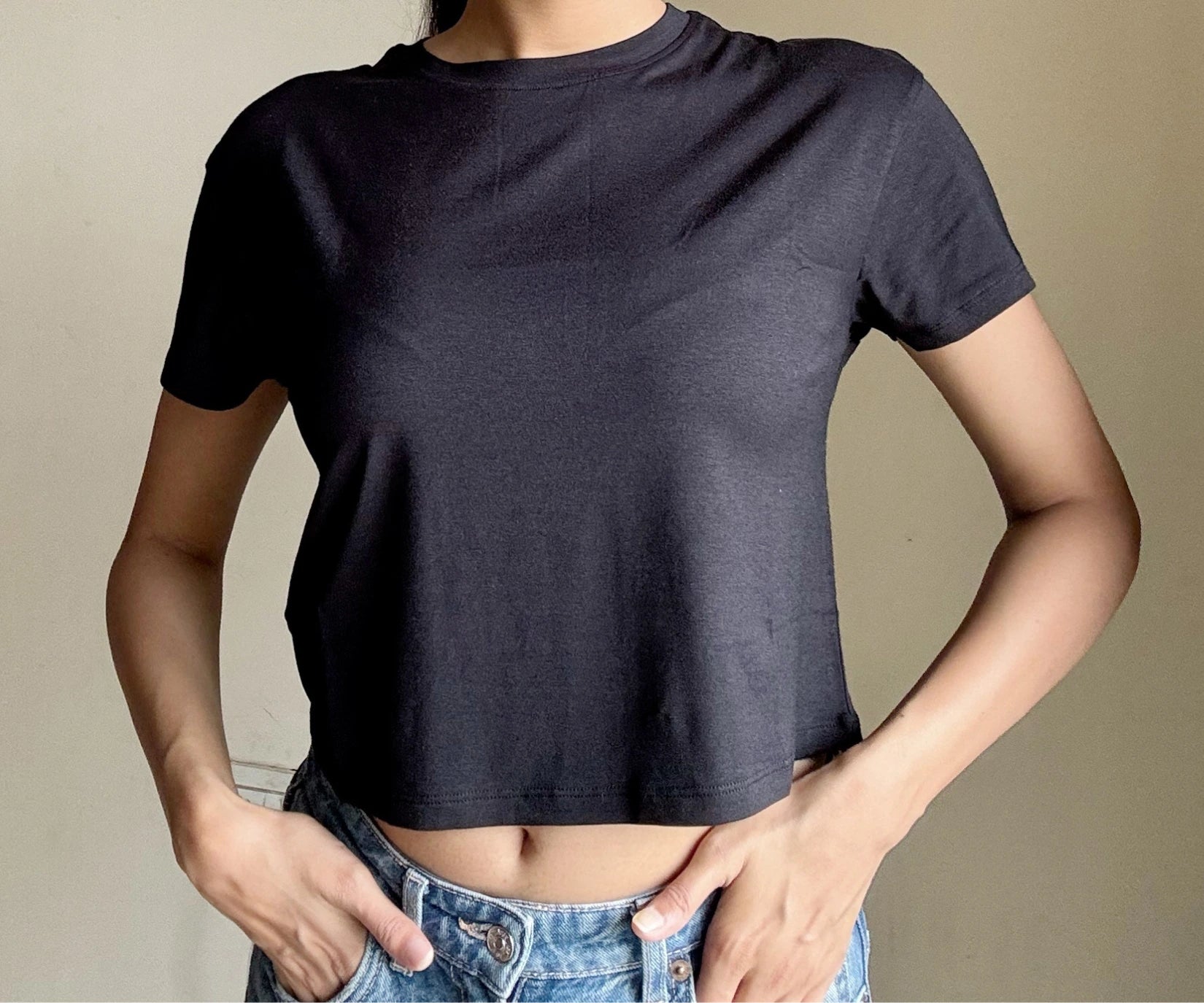
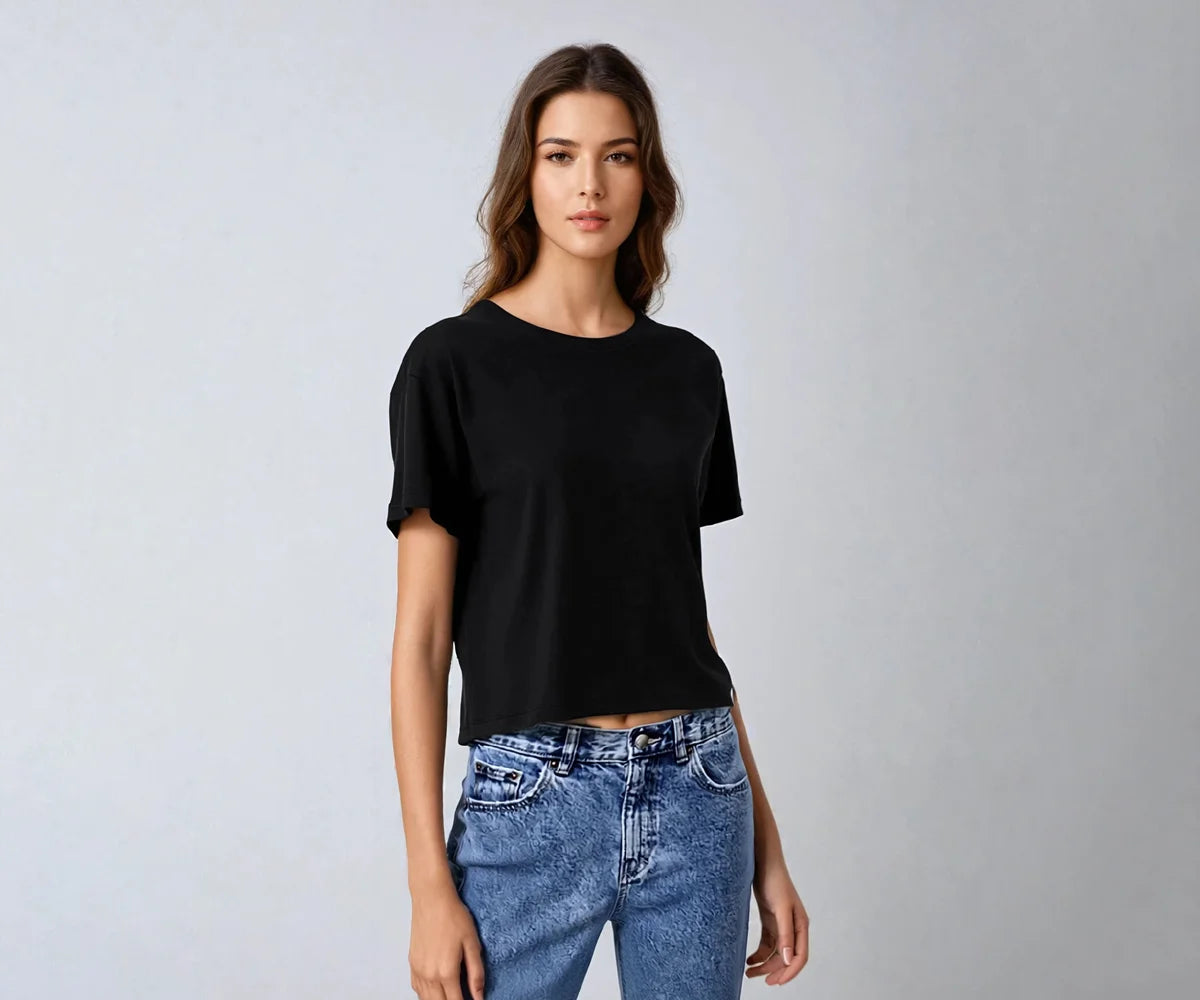
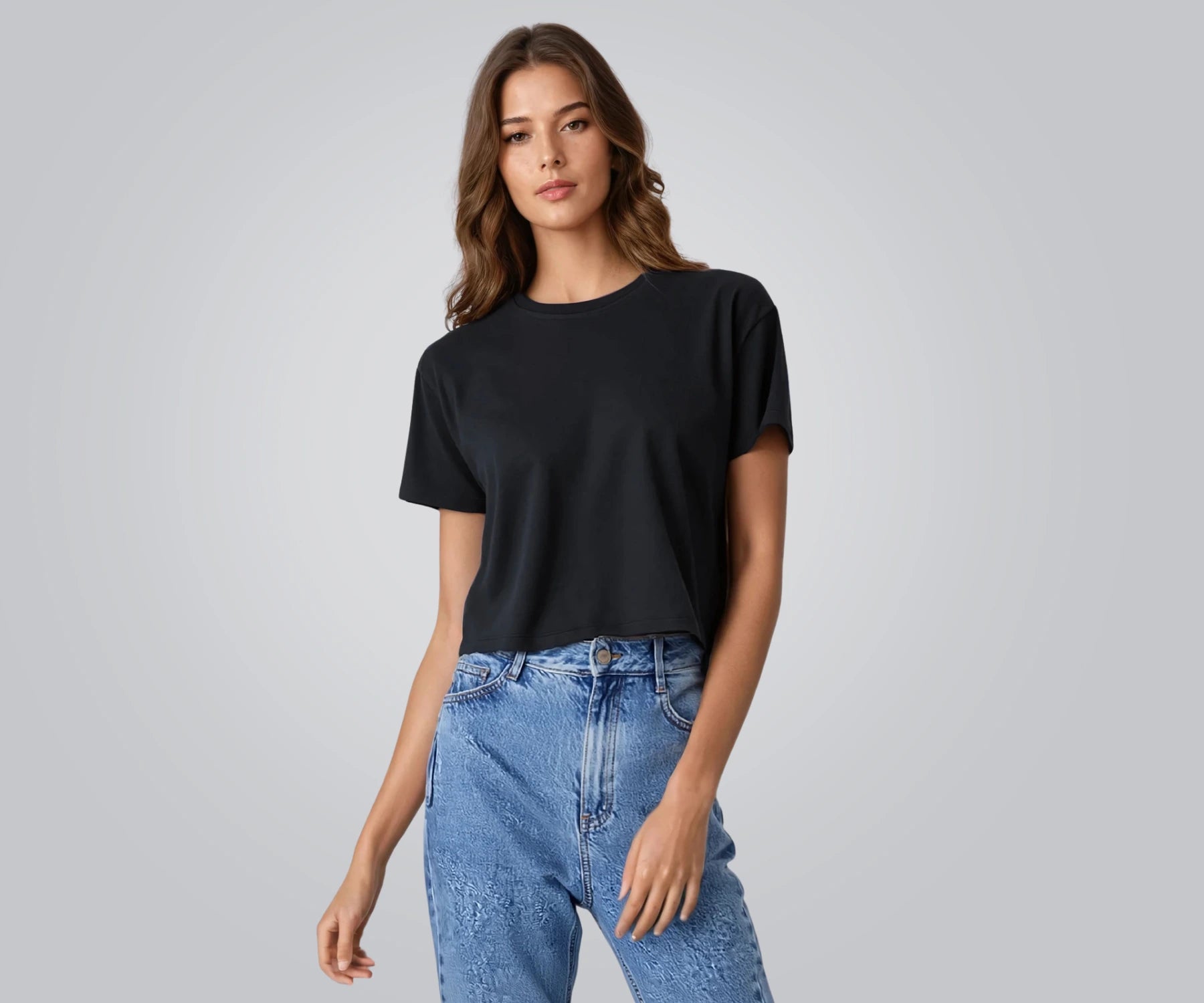
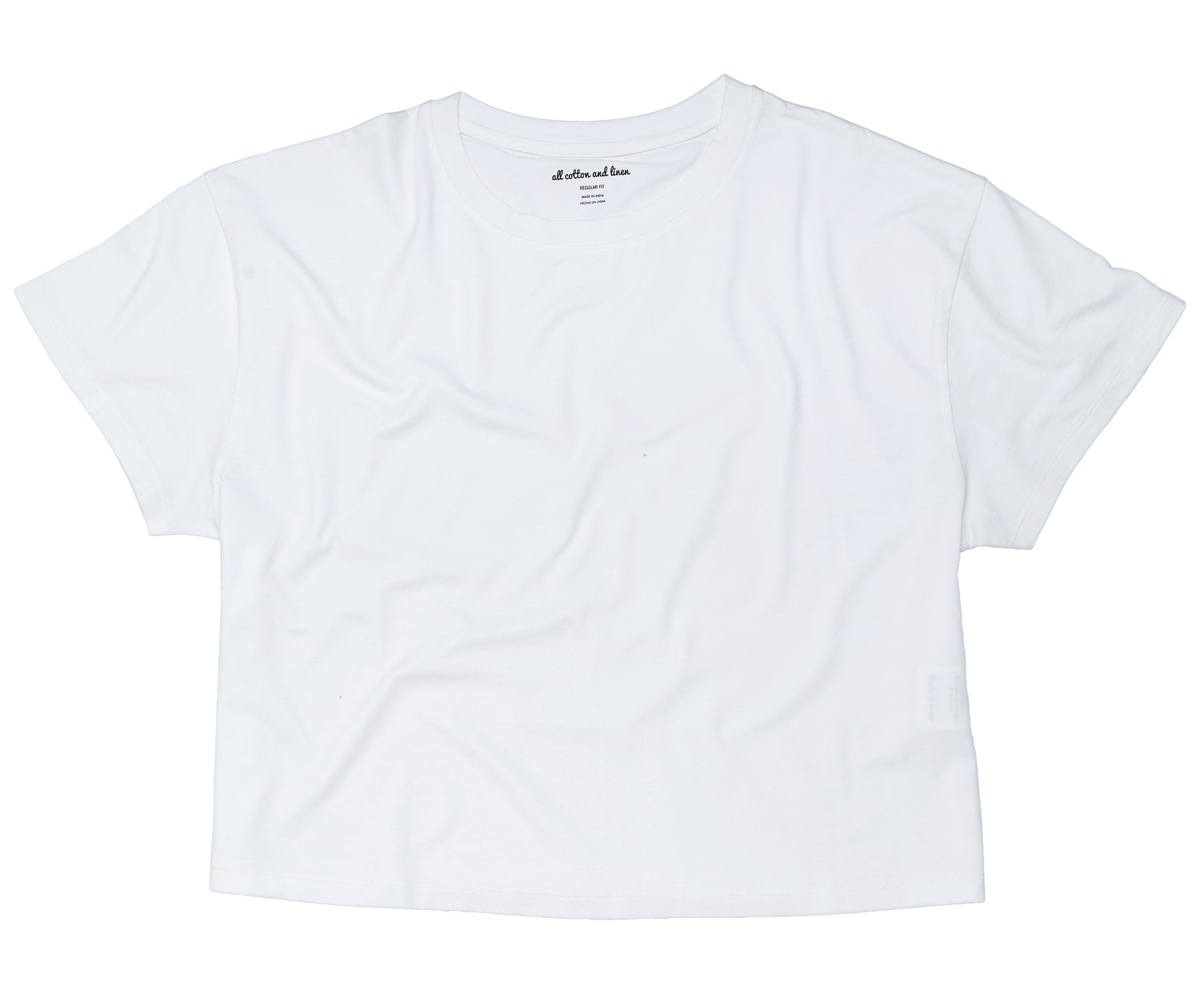
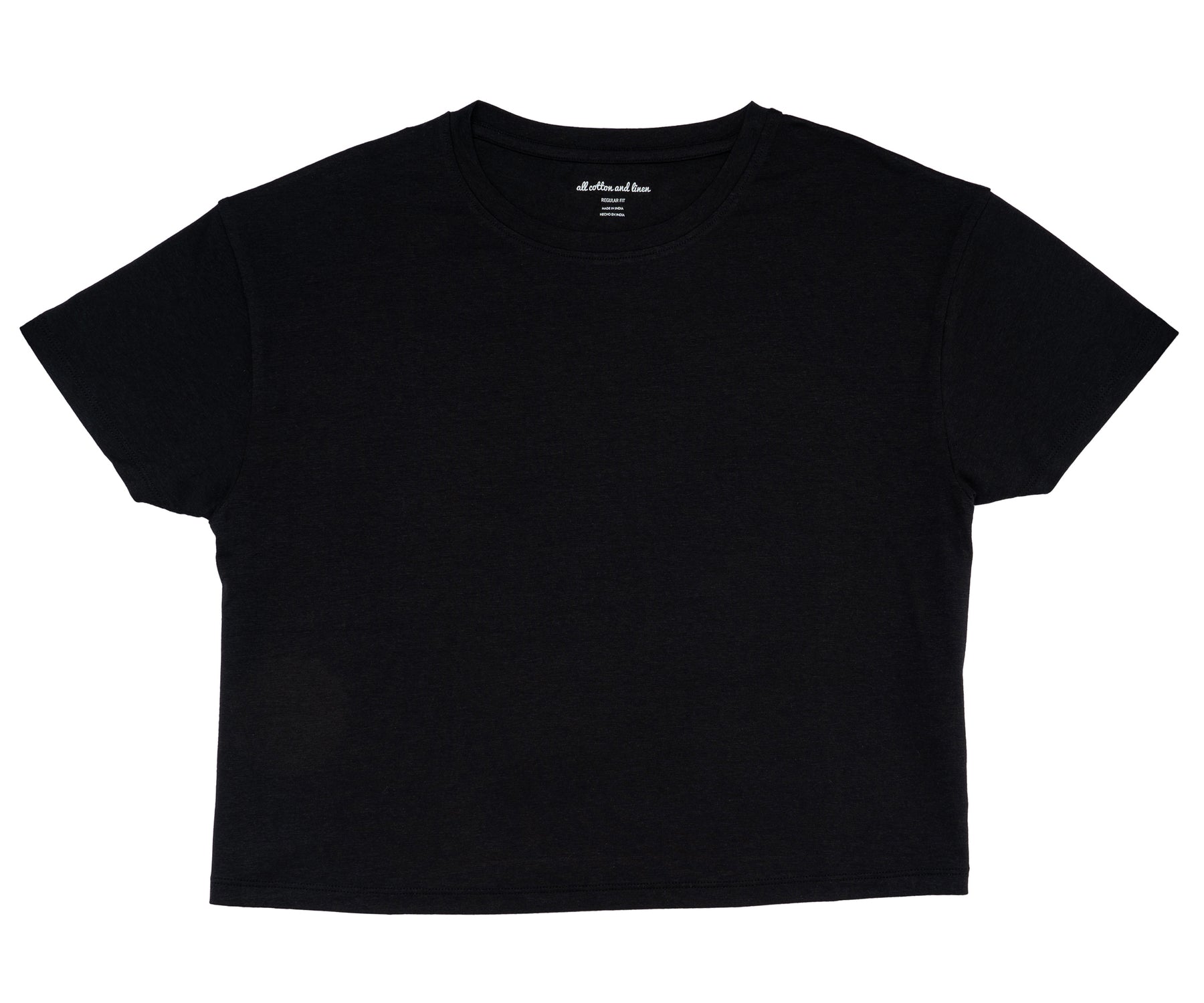
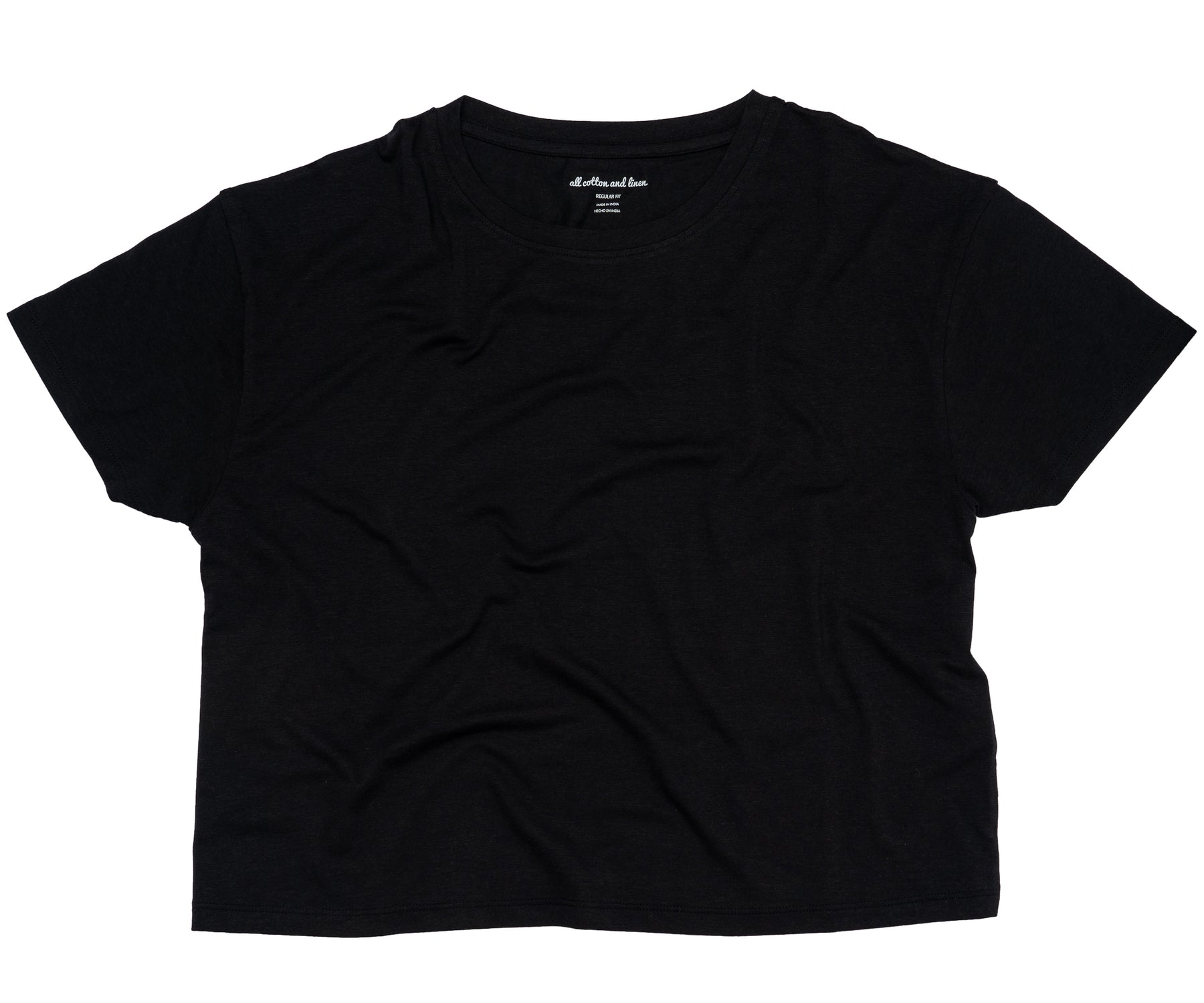
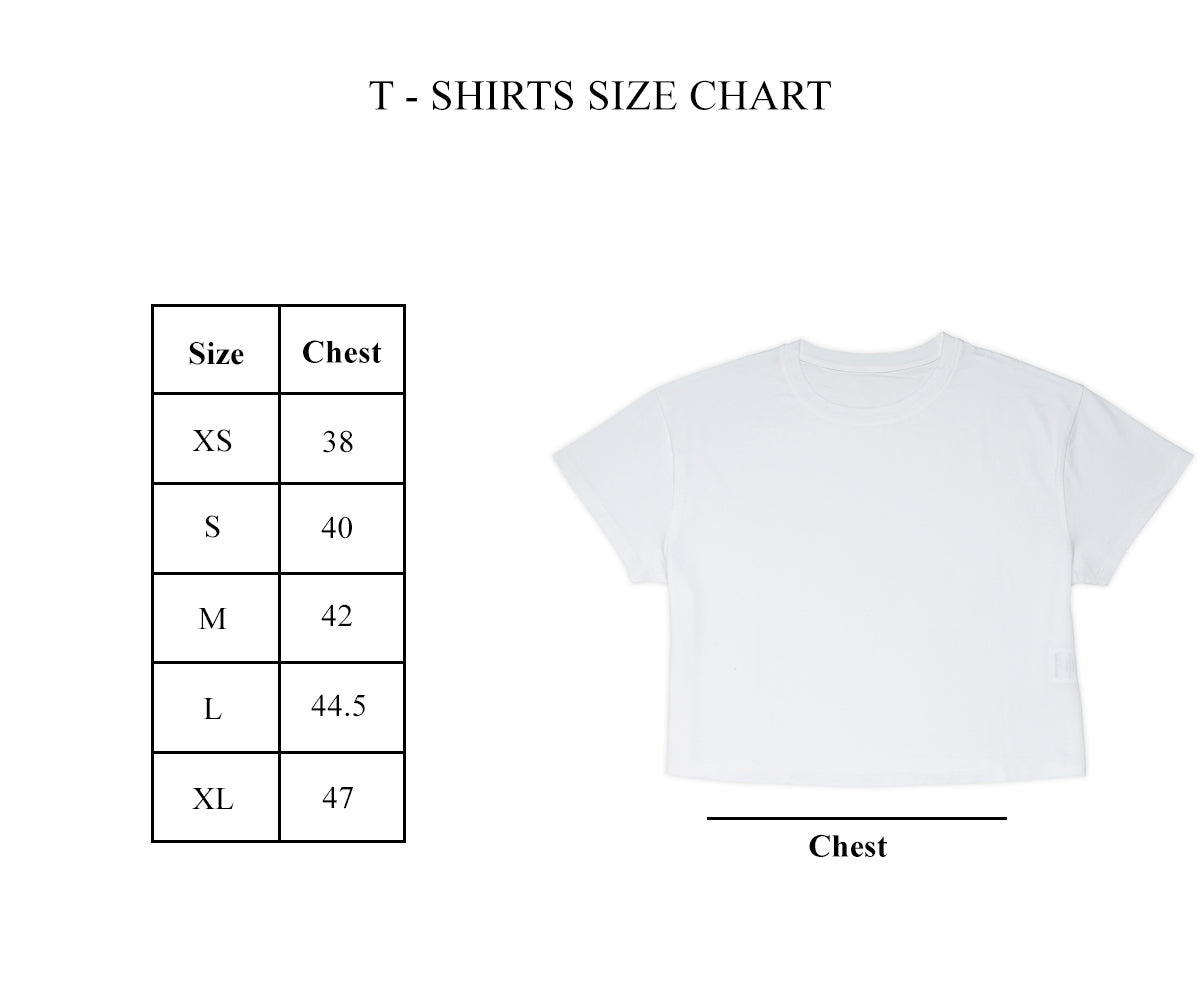
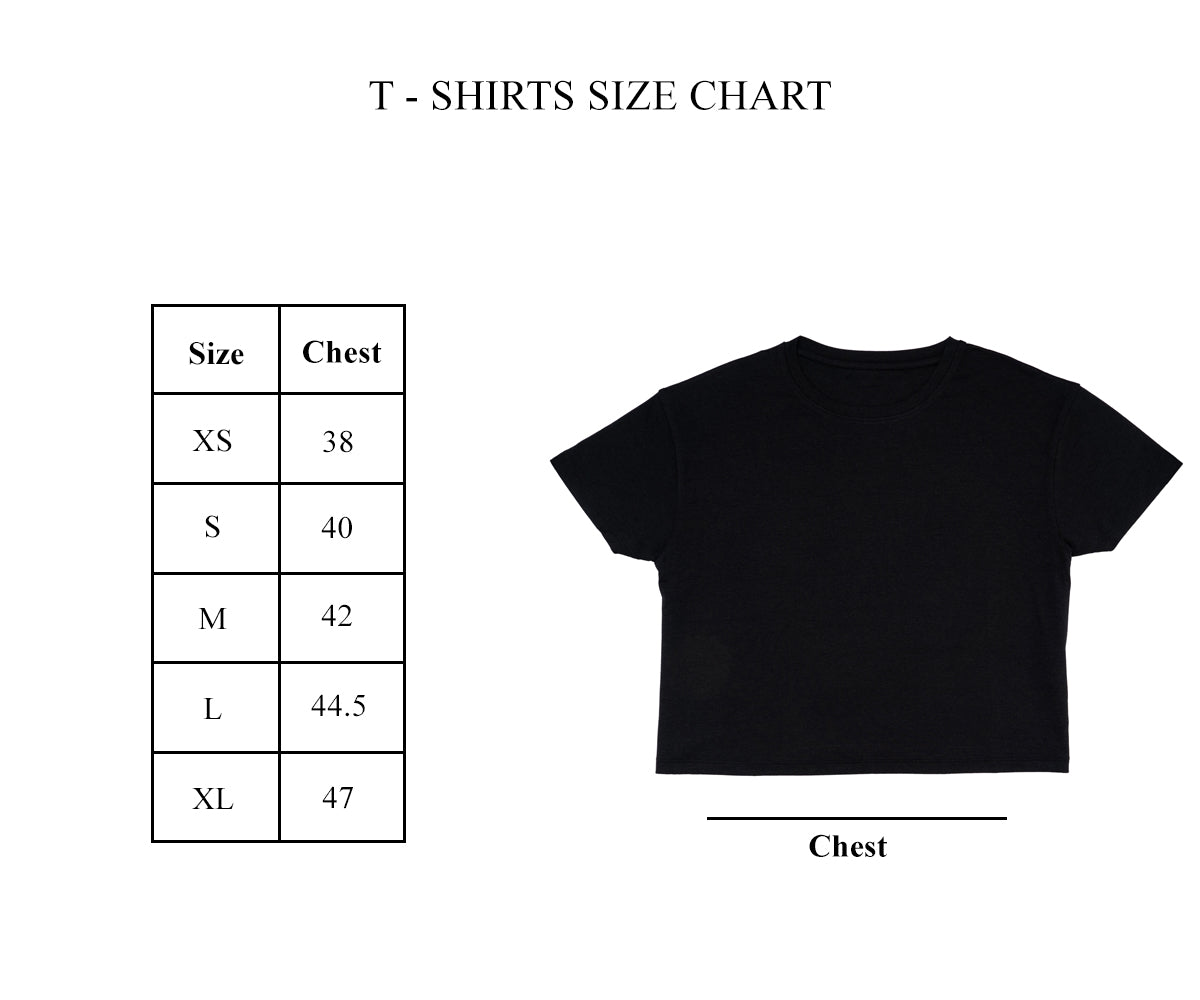
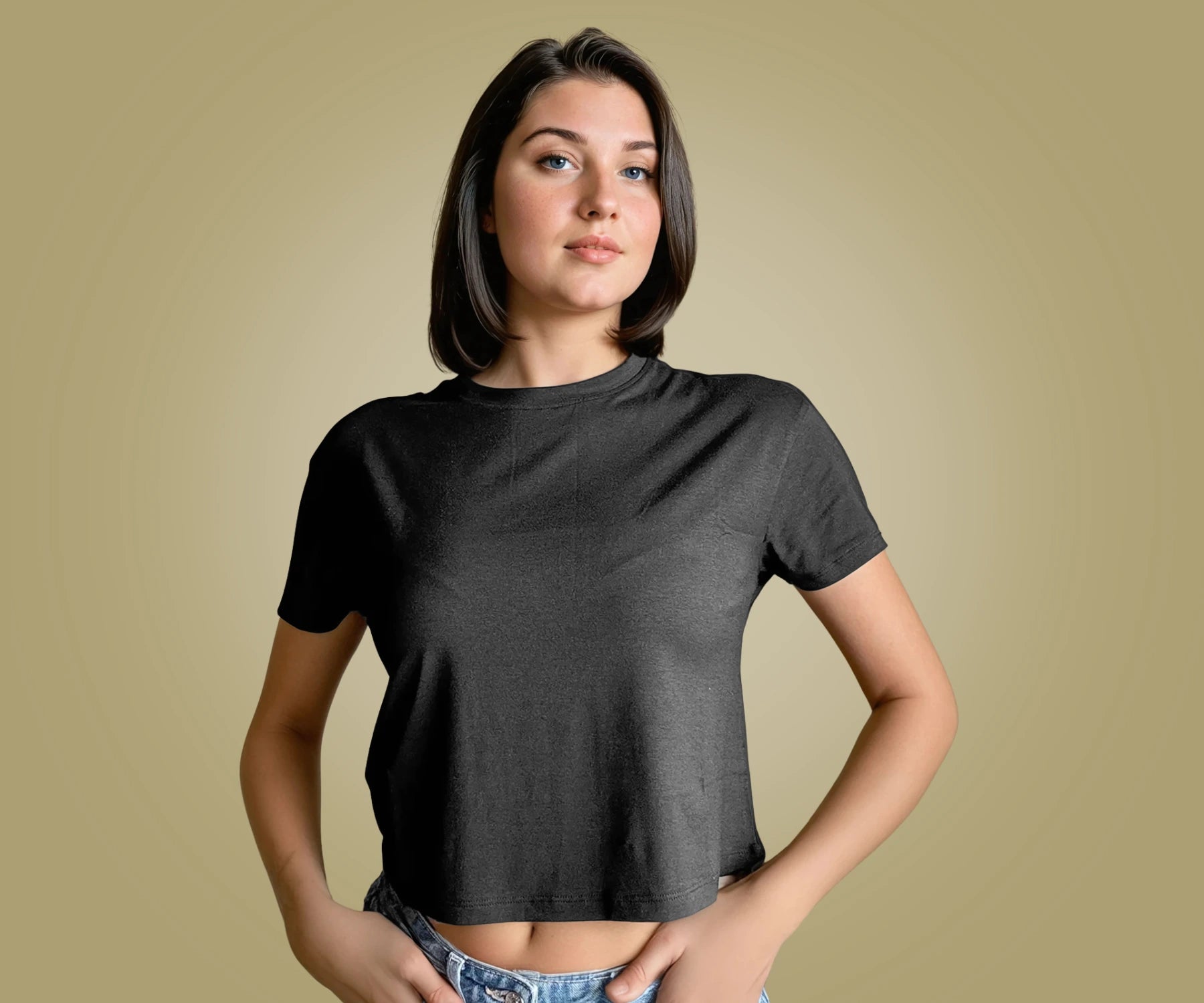
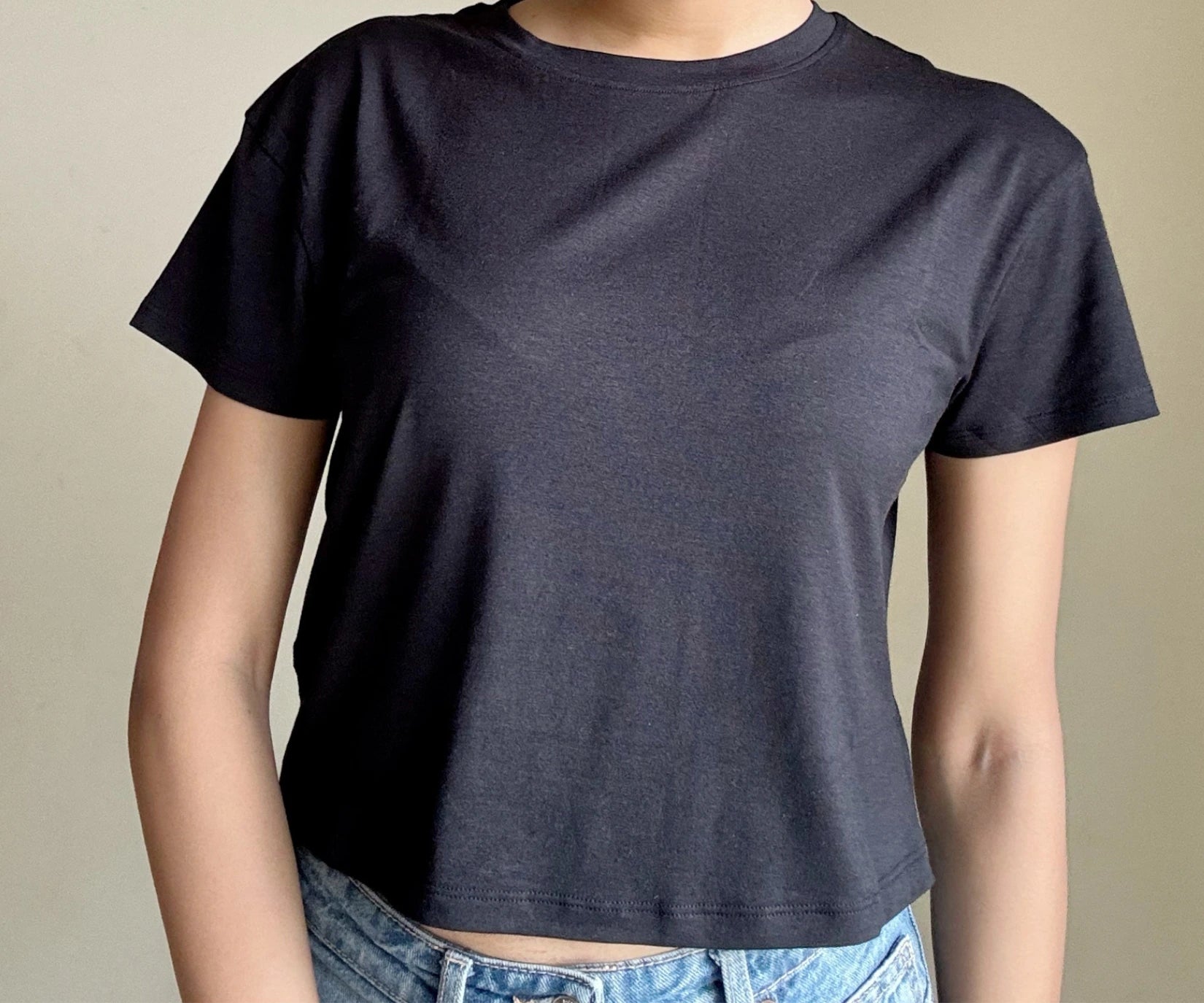
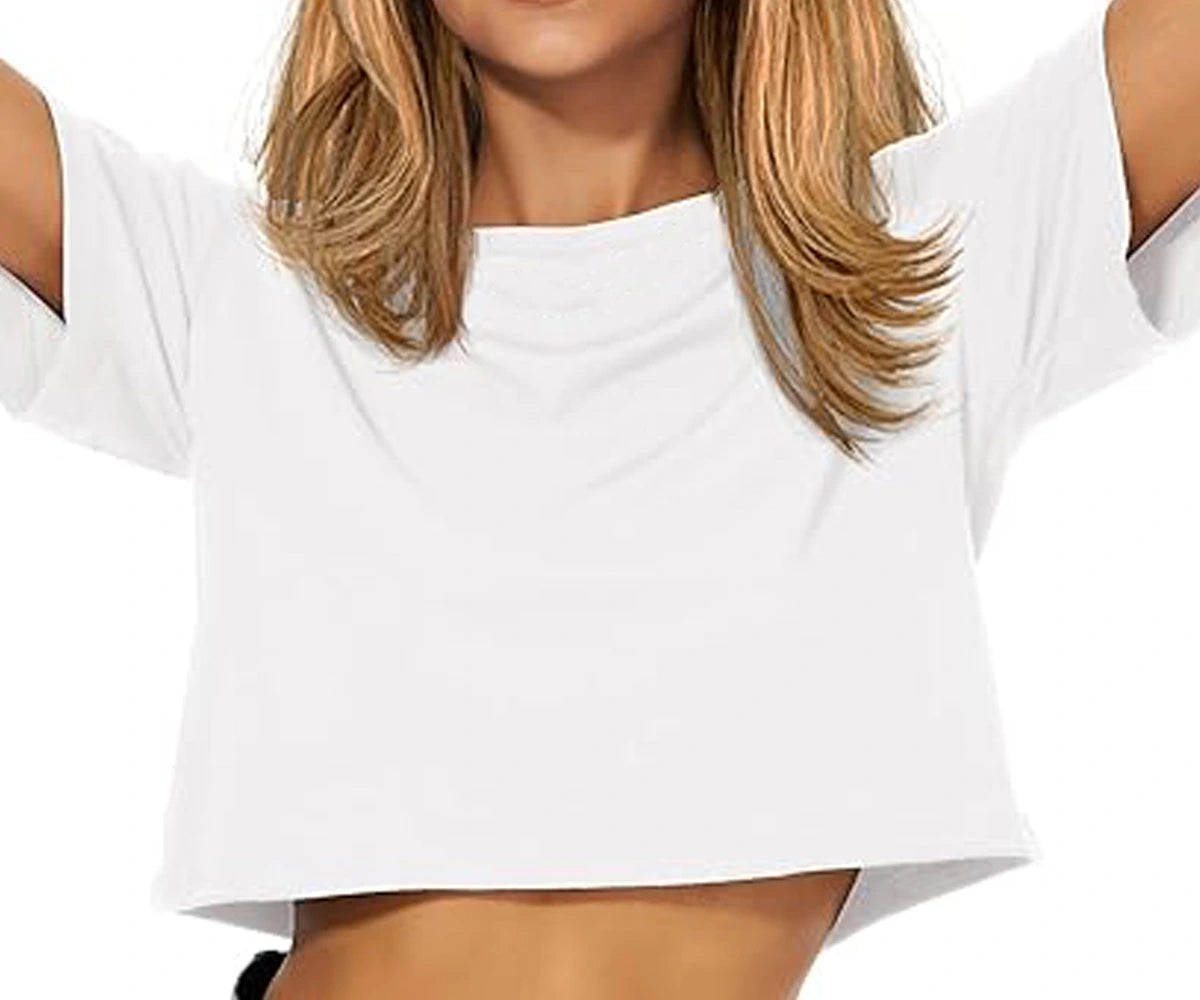
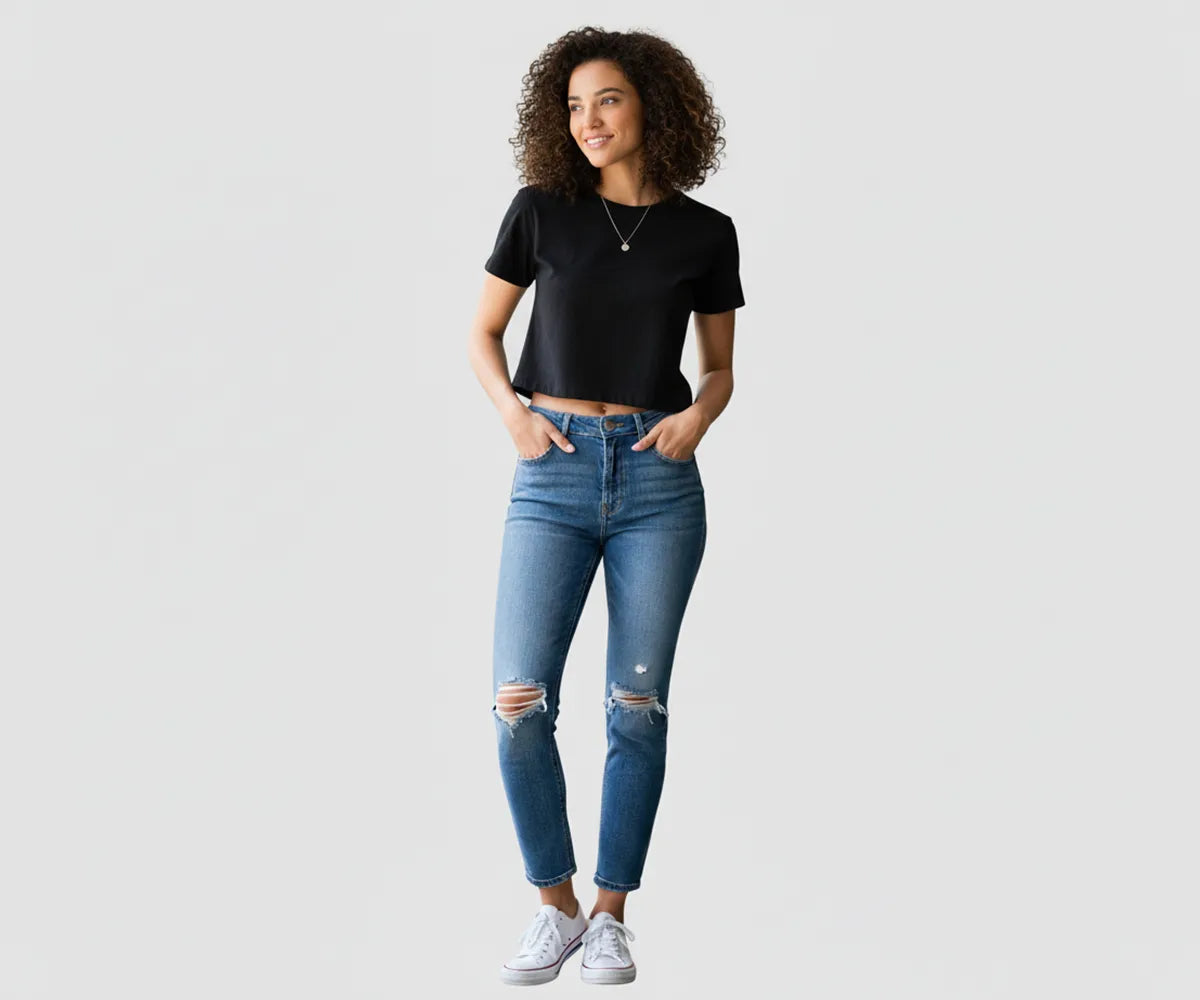
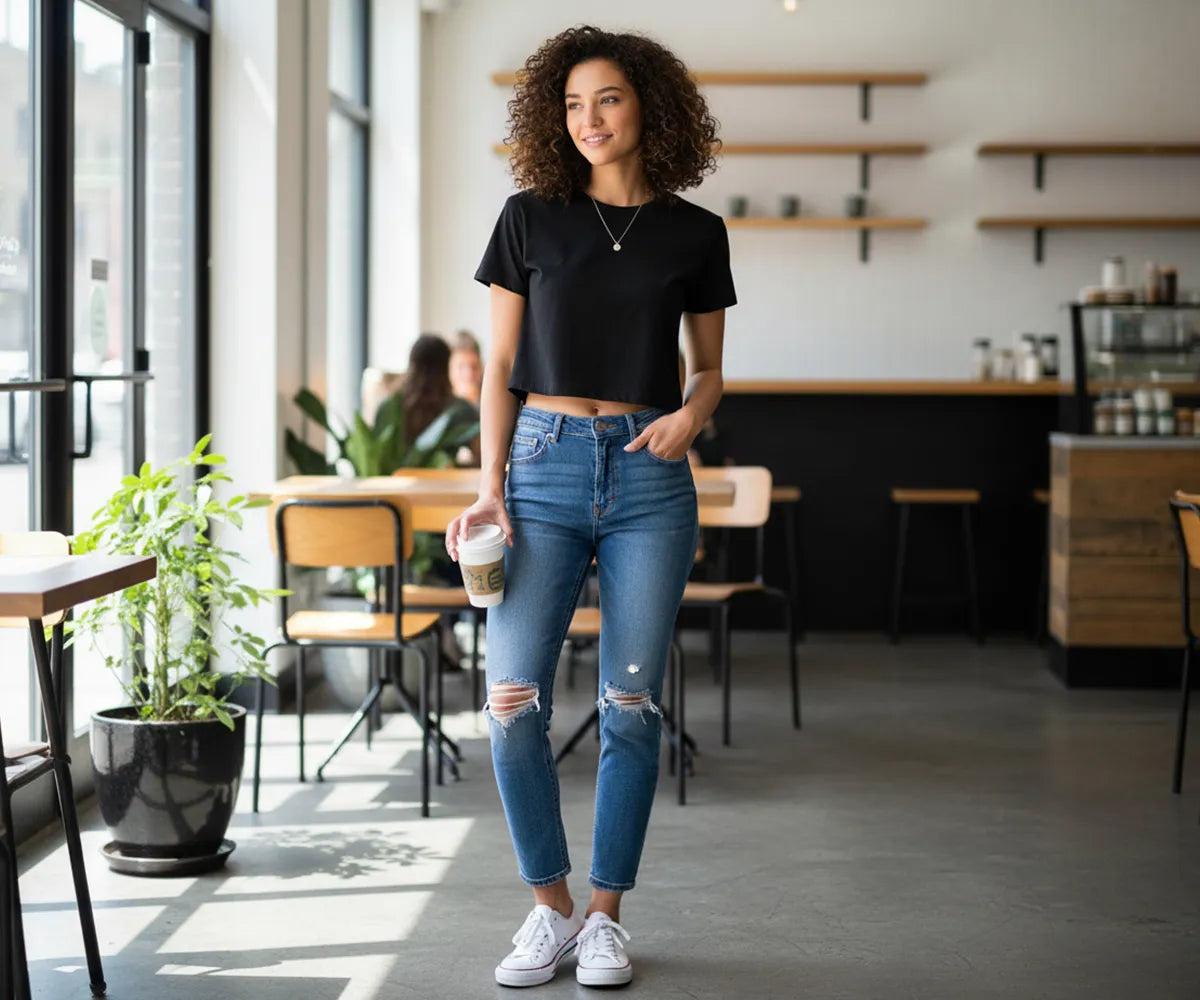
Fitted beats loose, because a baggy tee falls over your face in downward dog. Racerback or wide-strap tanks stay in place.
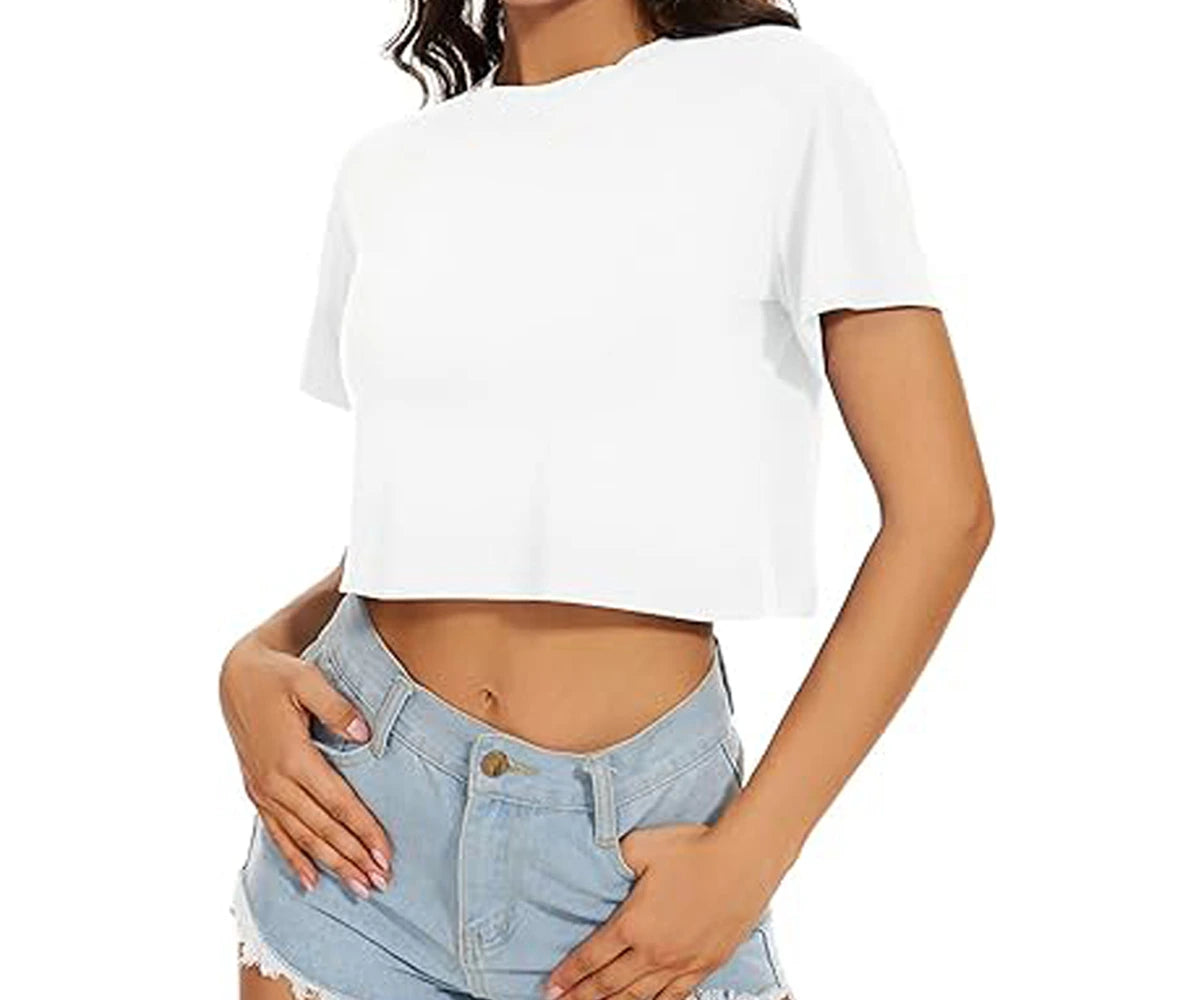
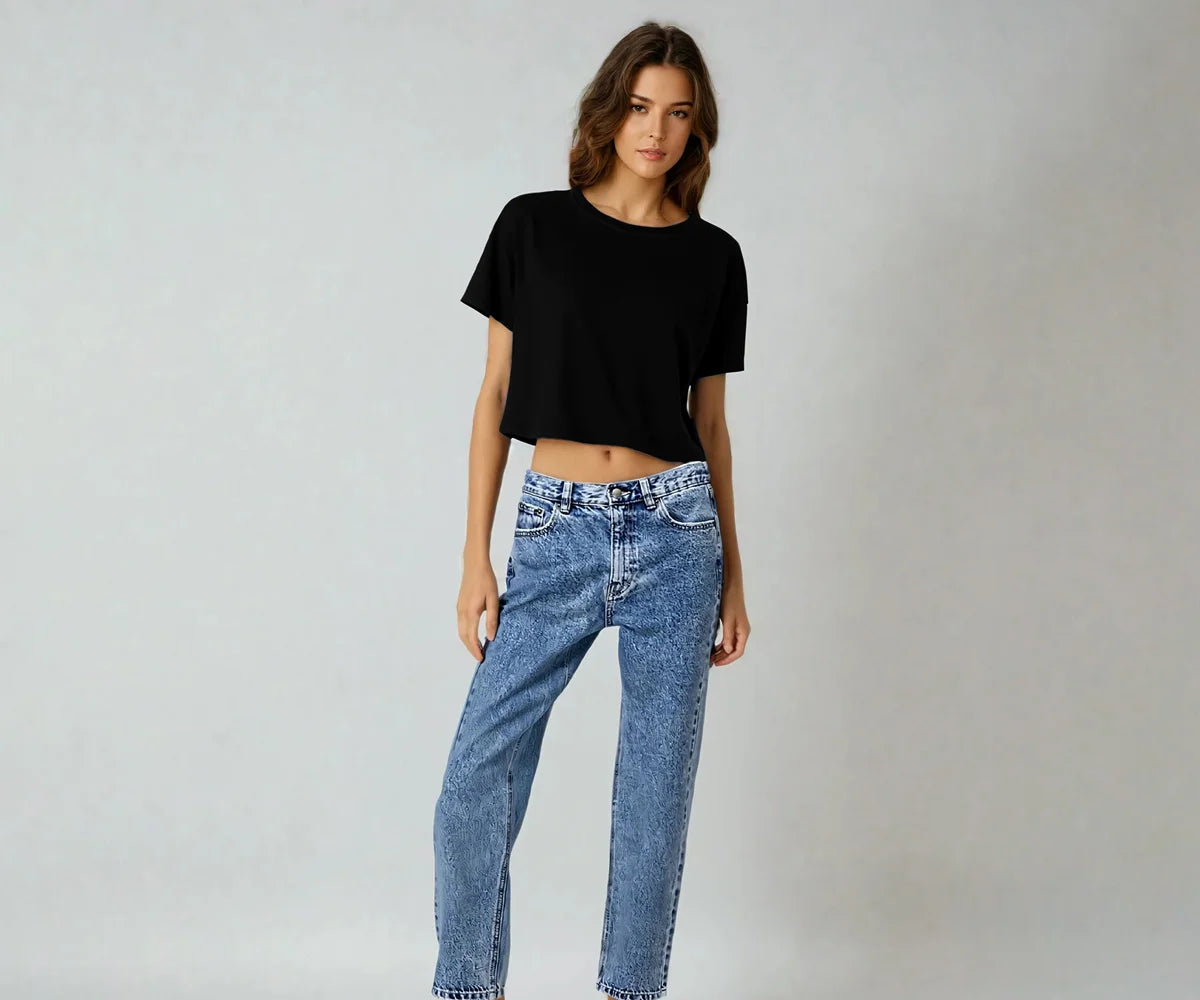
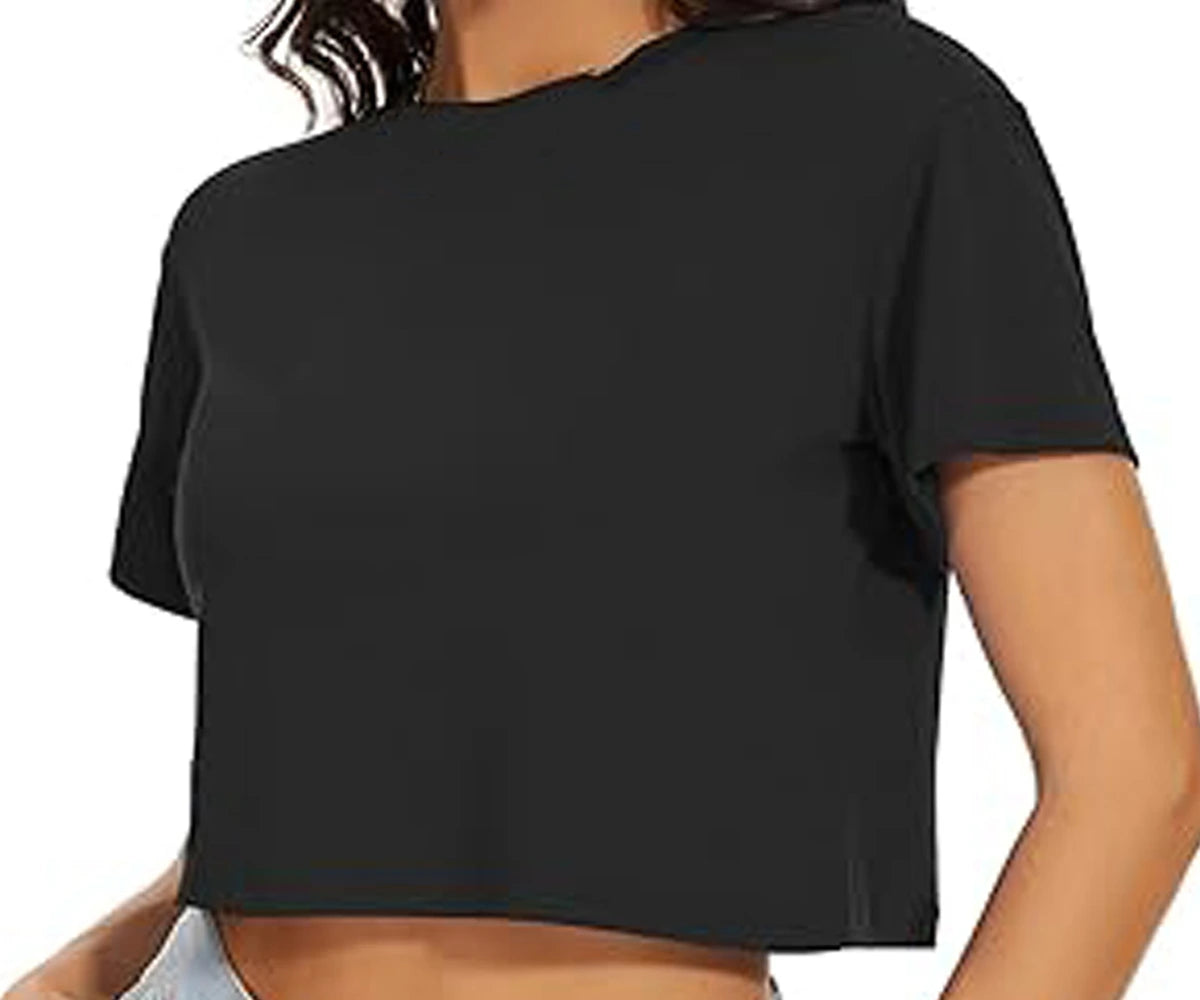
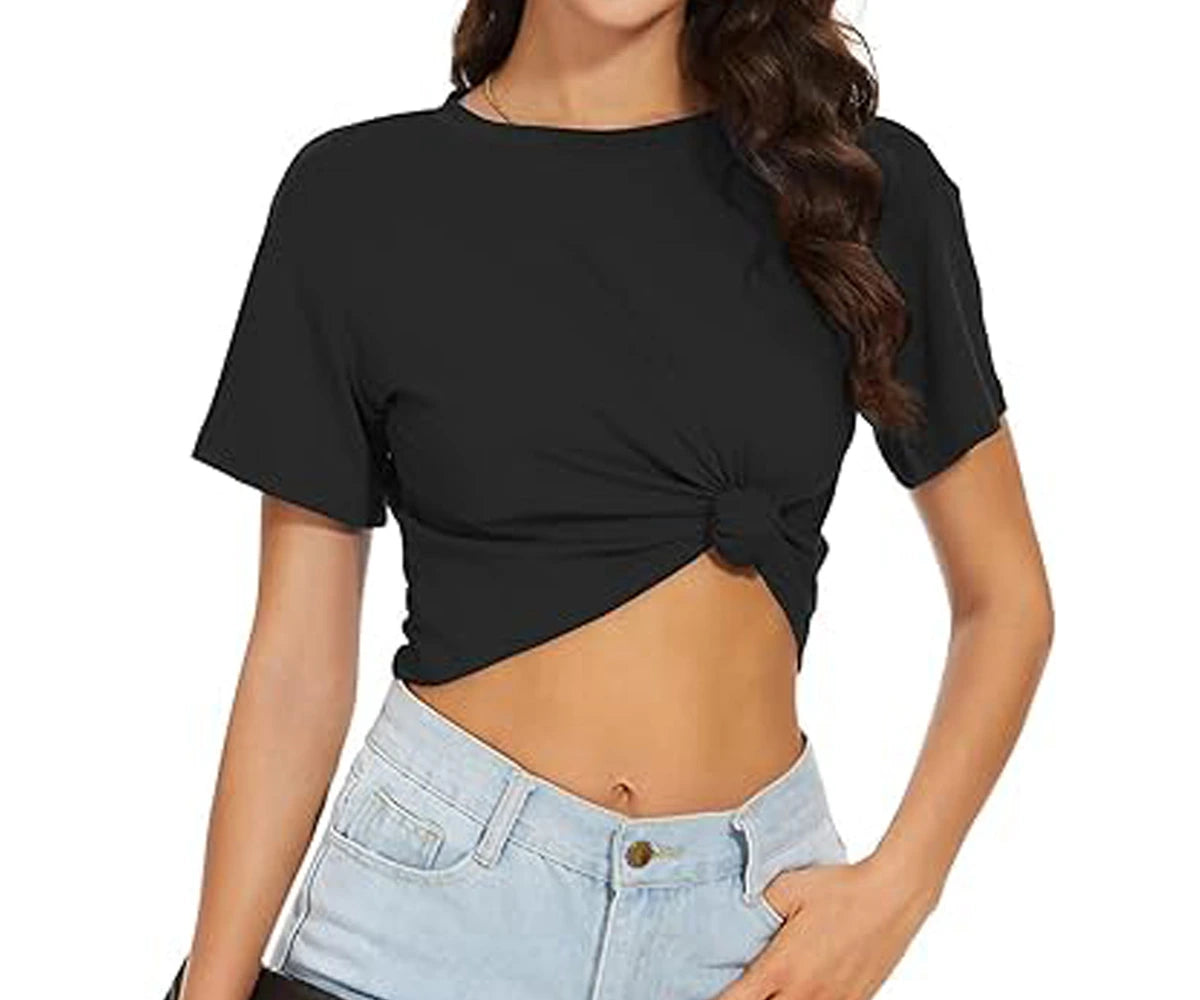
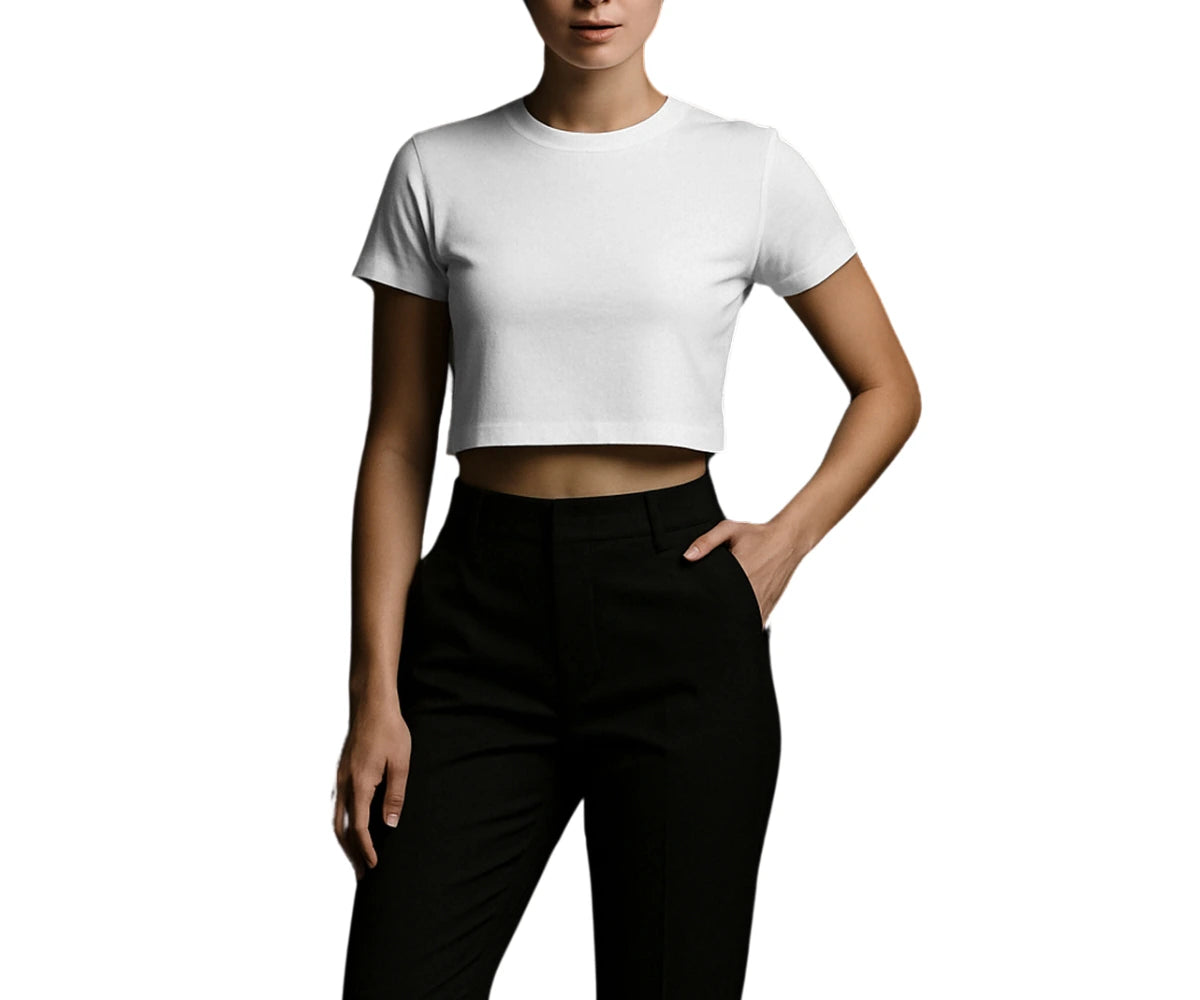
- A crop tank top suits vinyasa and hot yoga.
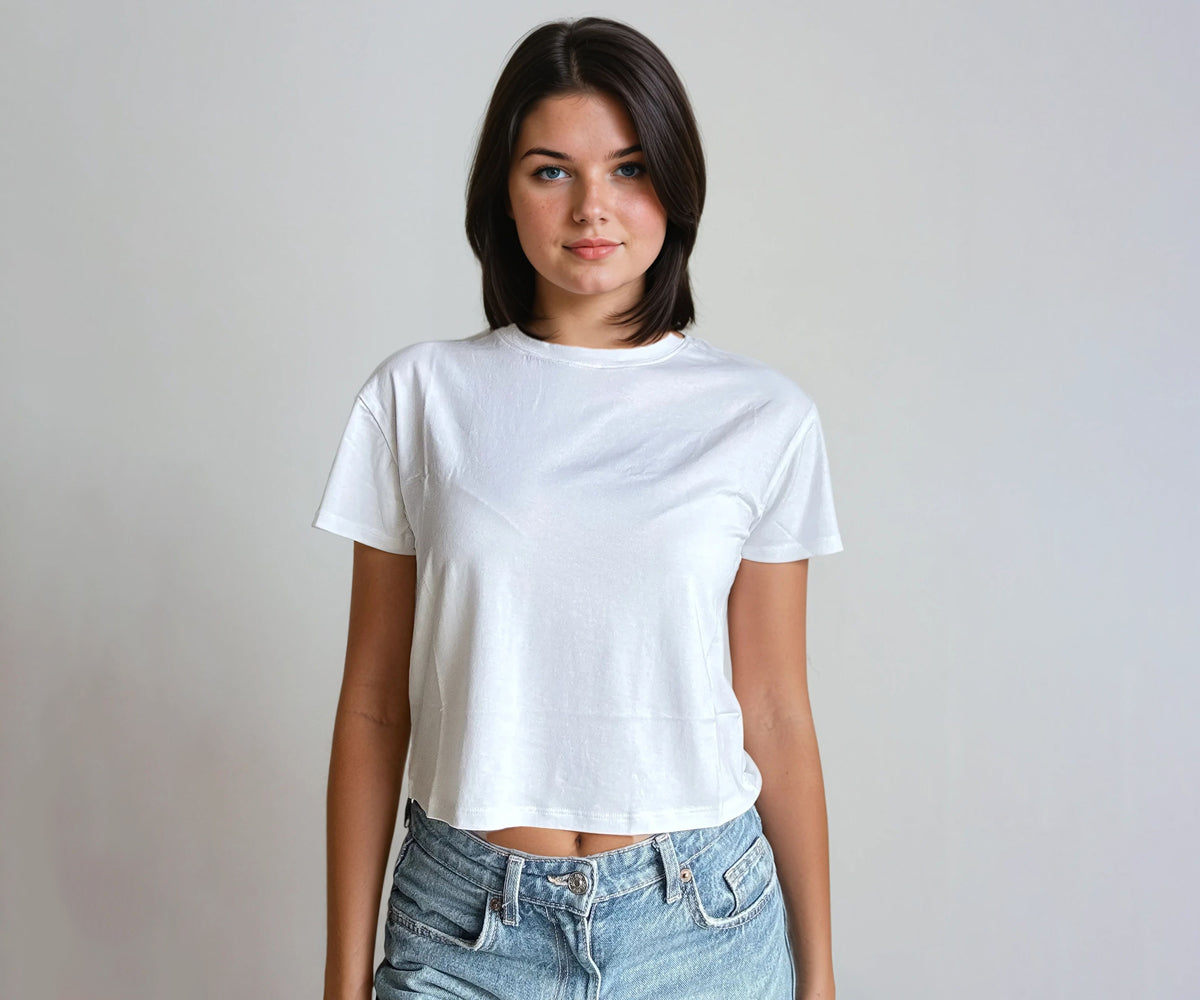
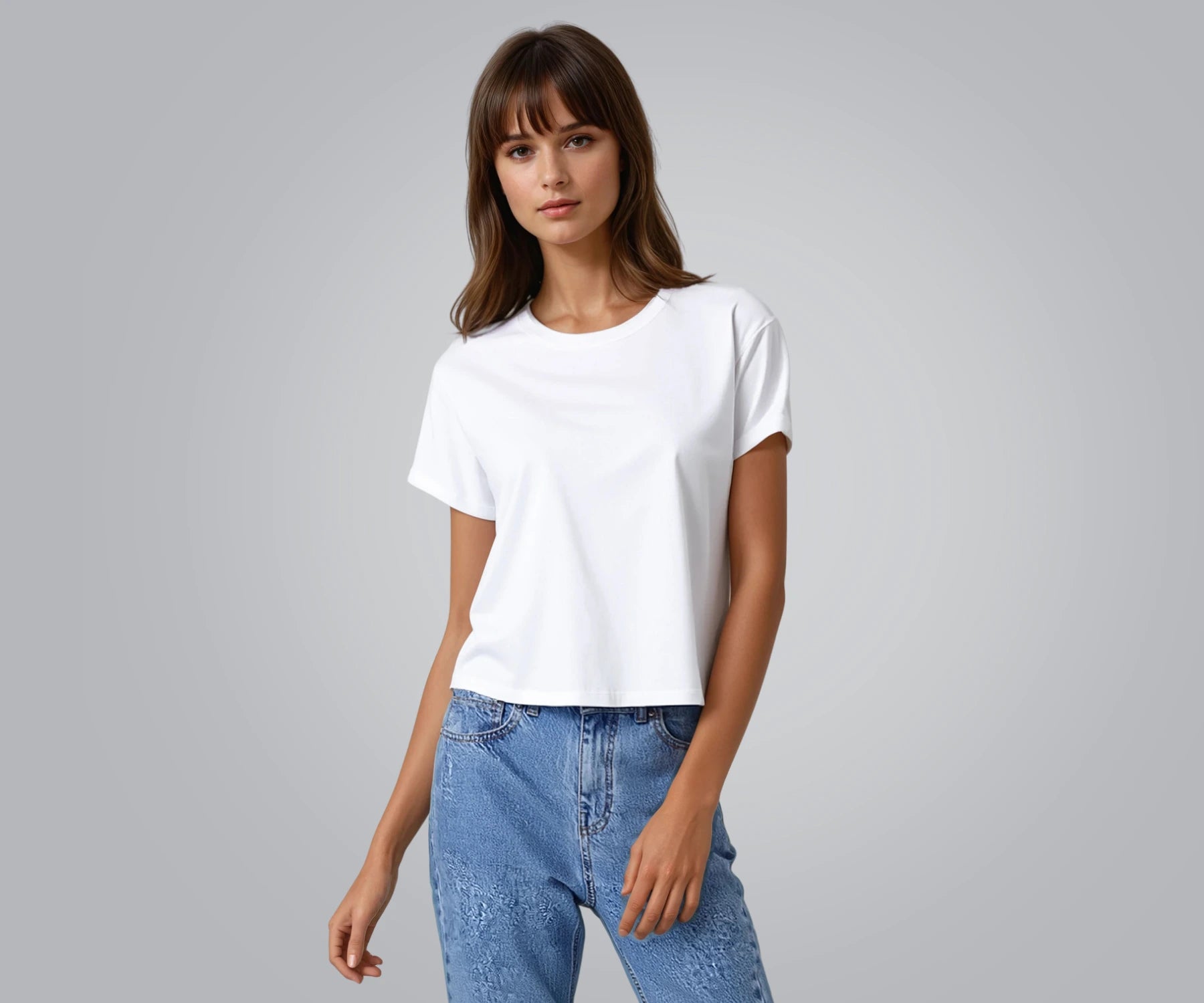
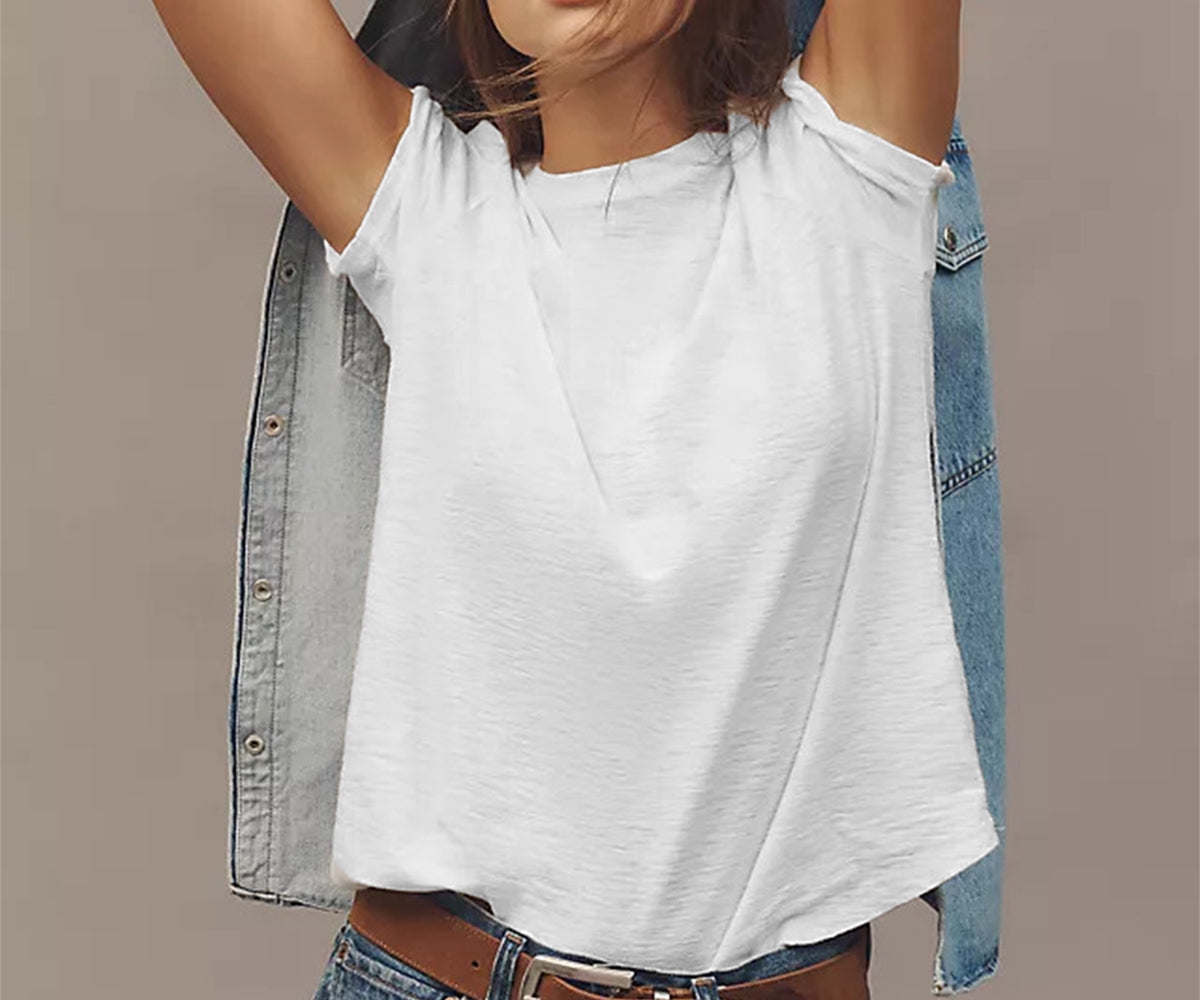
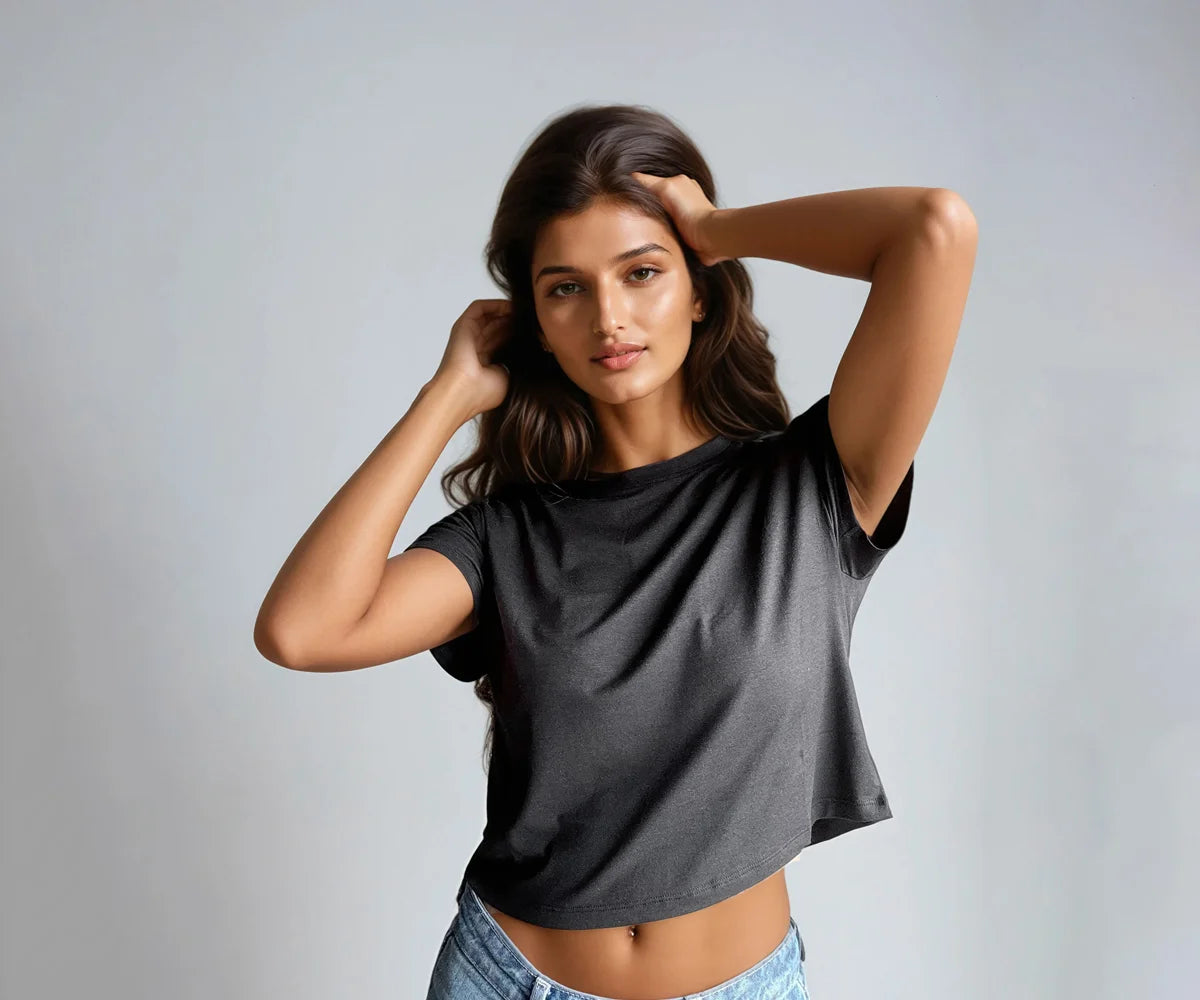
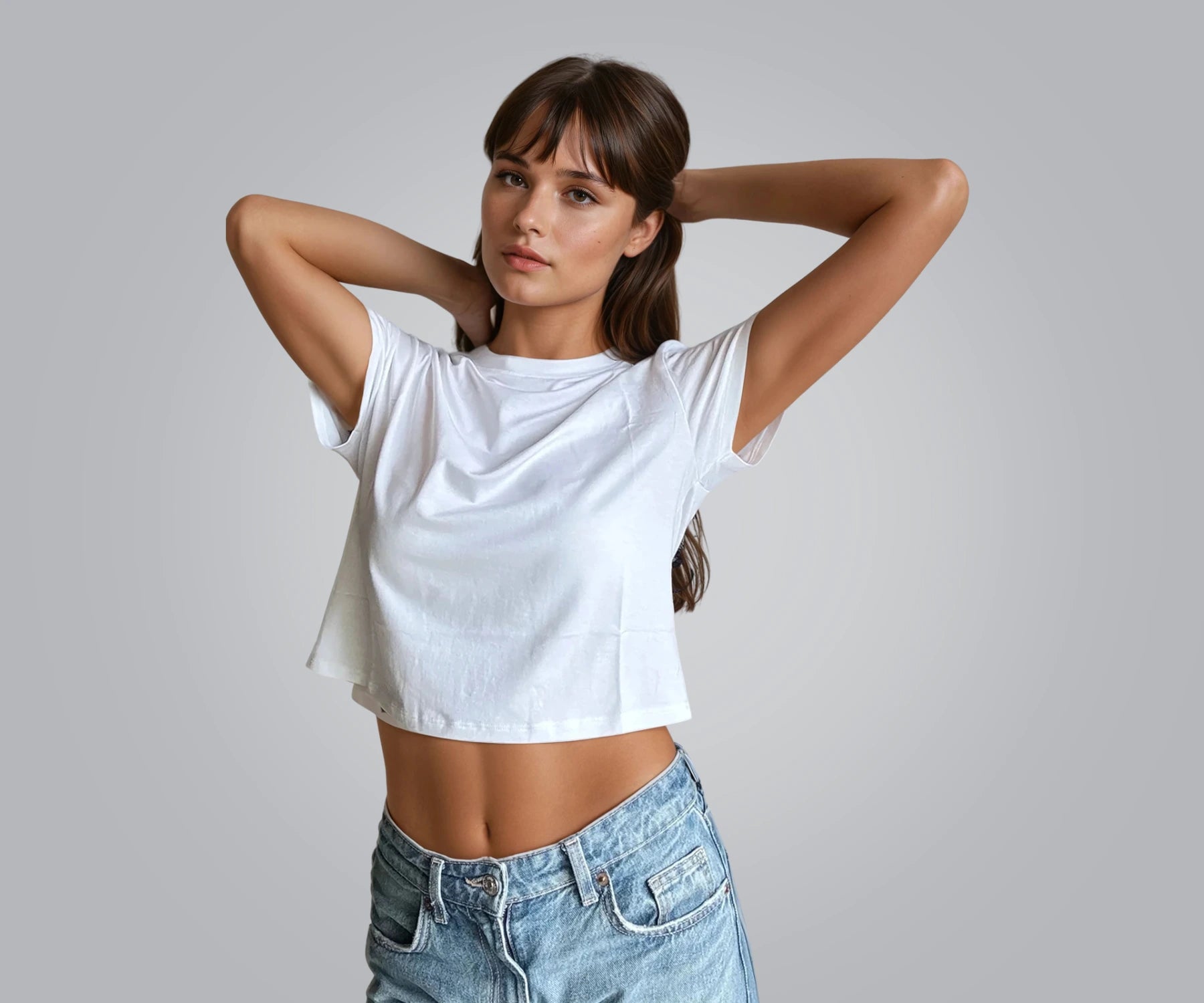
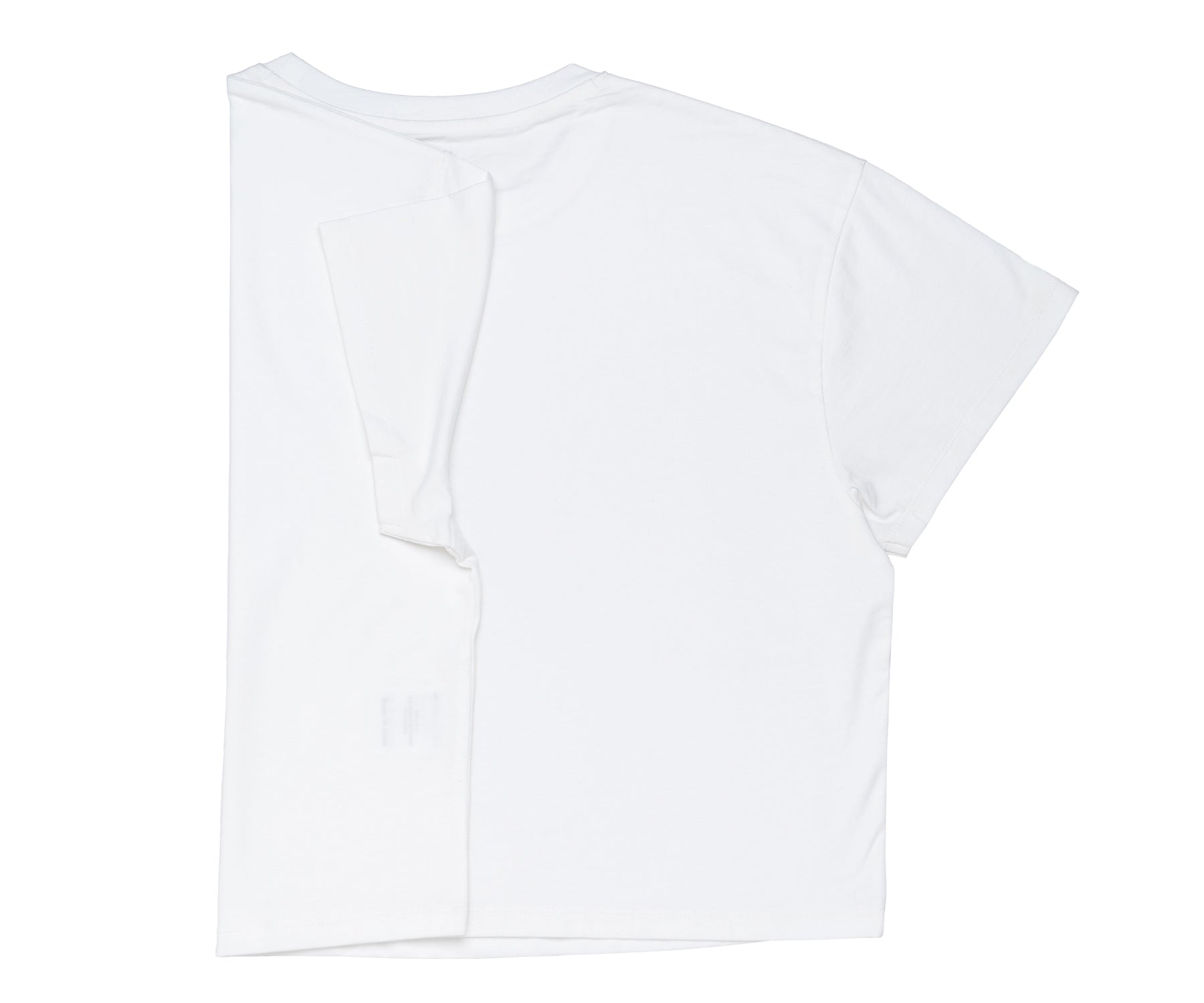
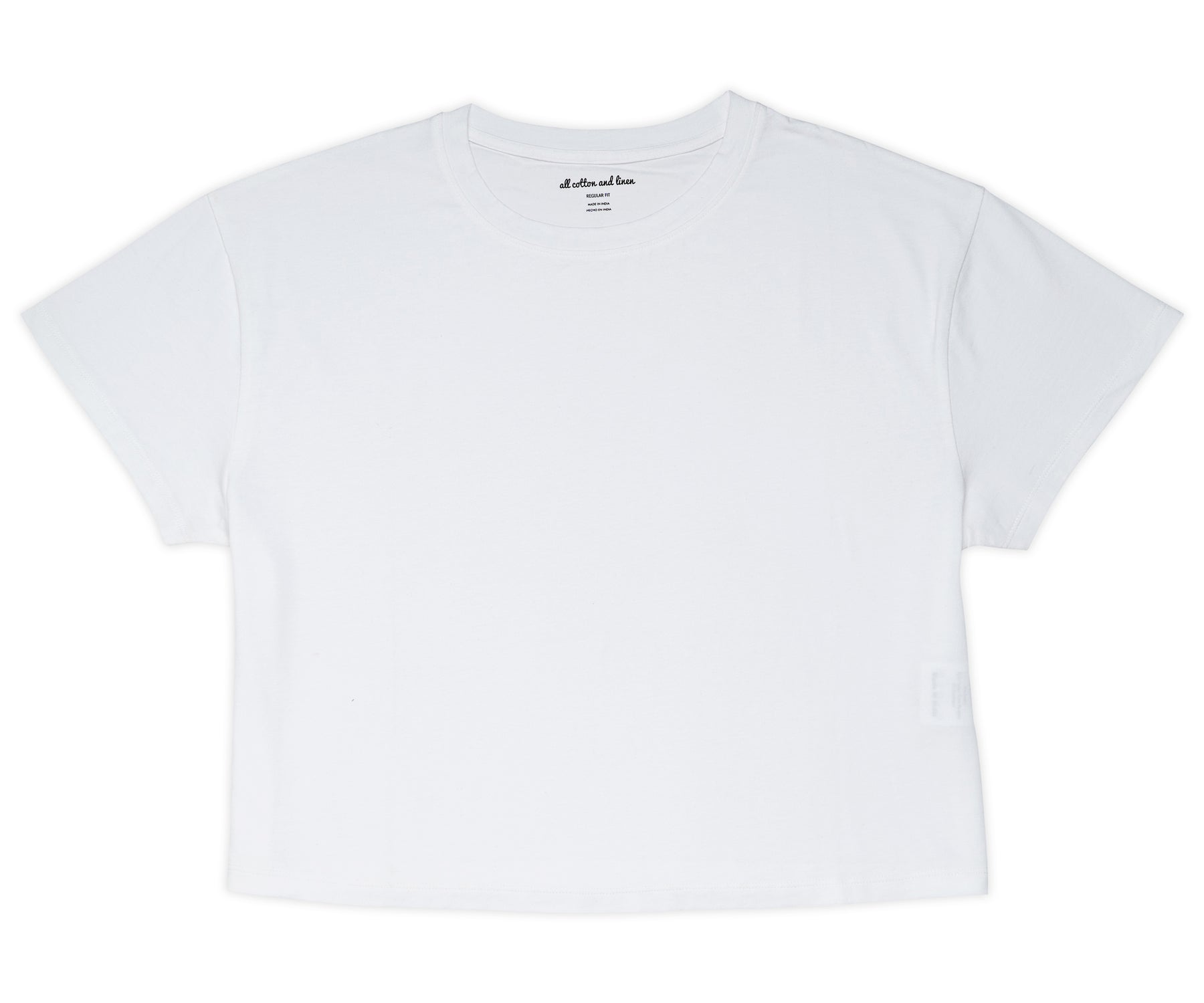
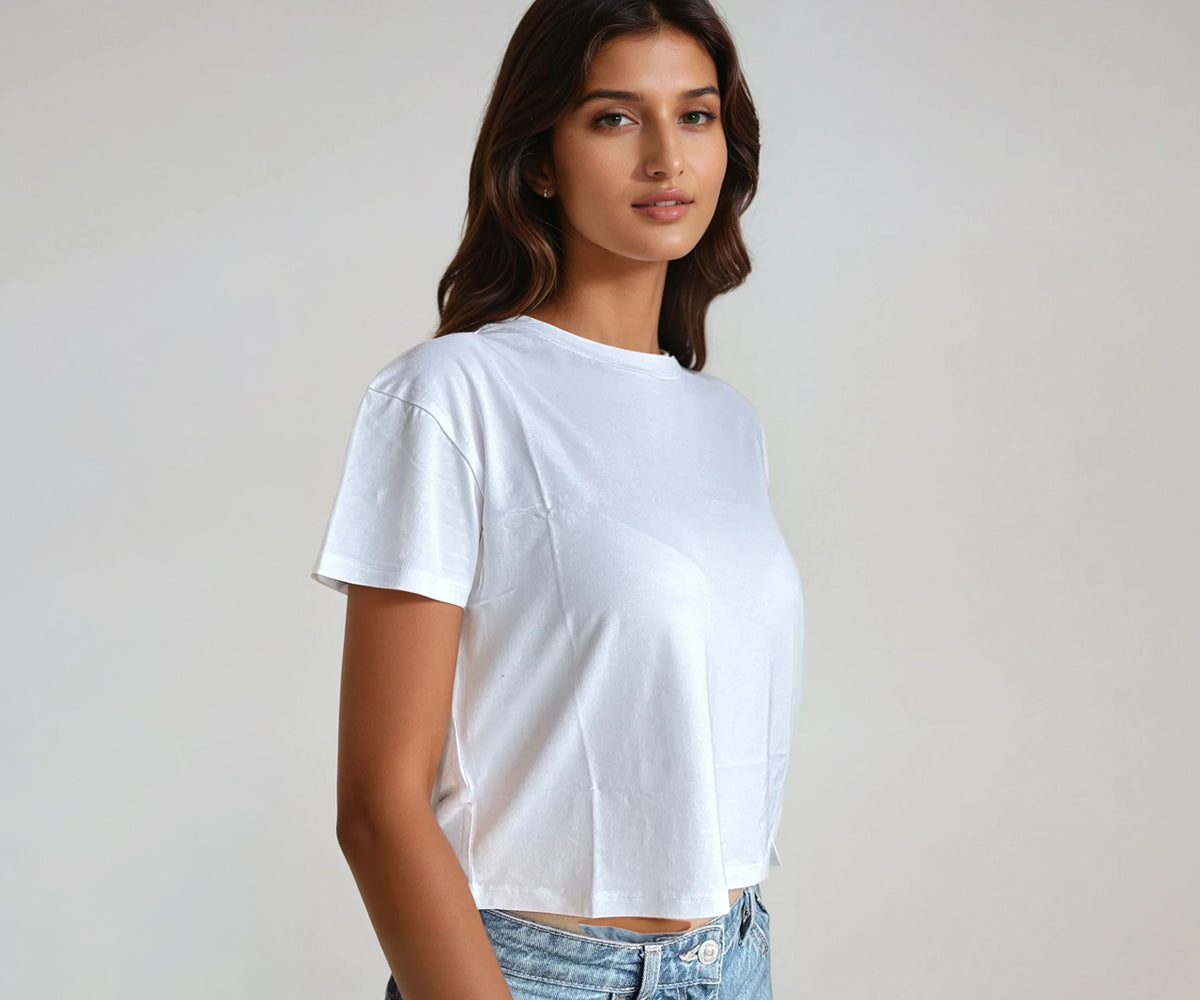
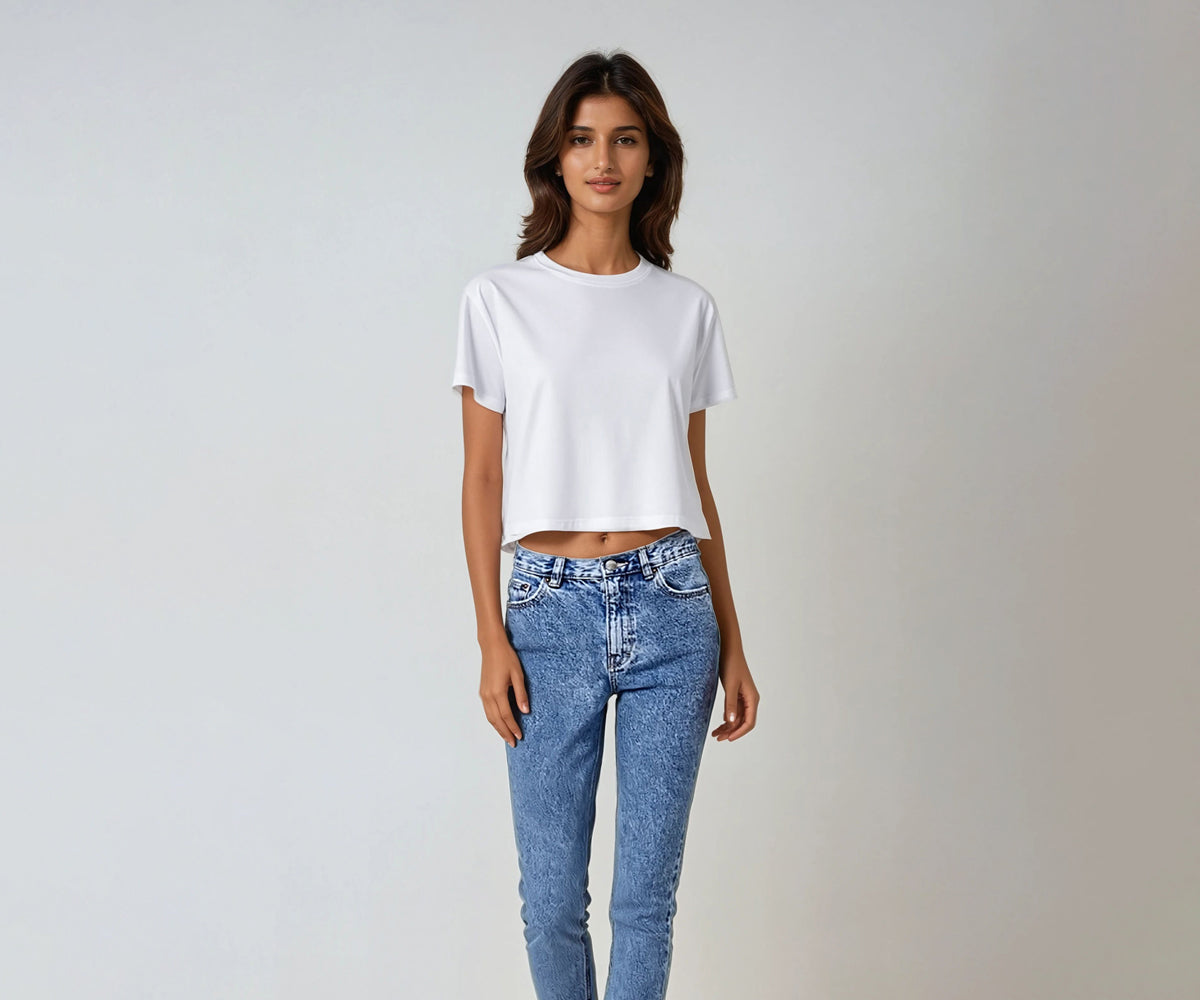
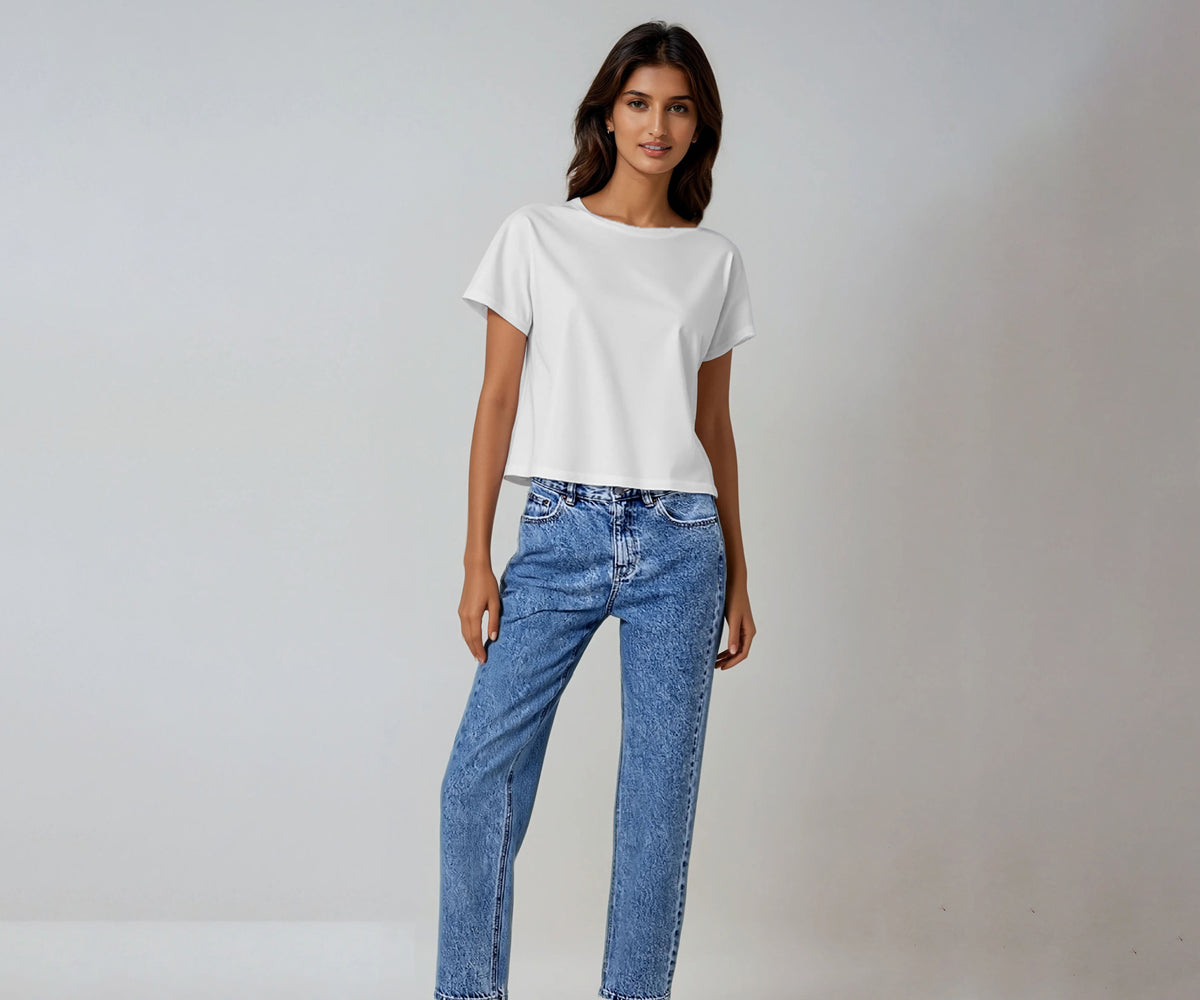
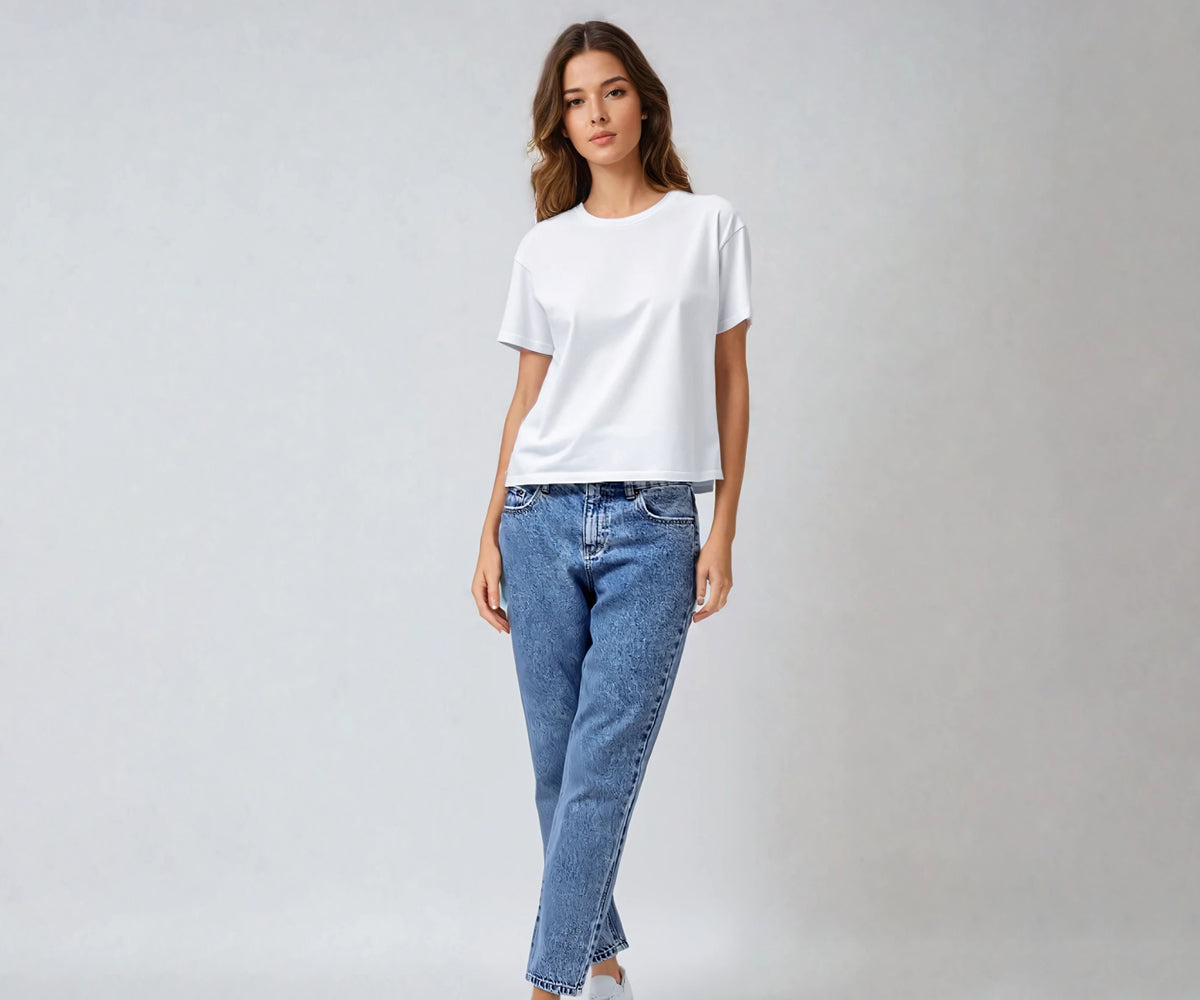
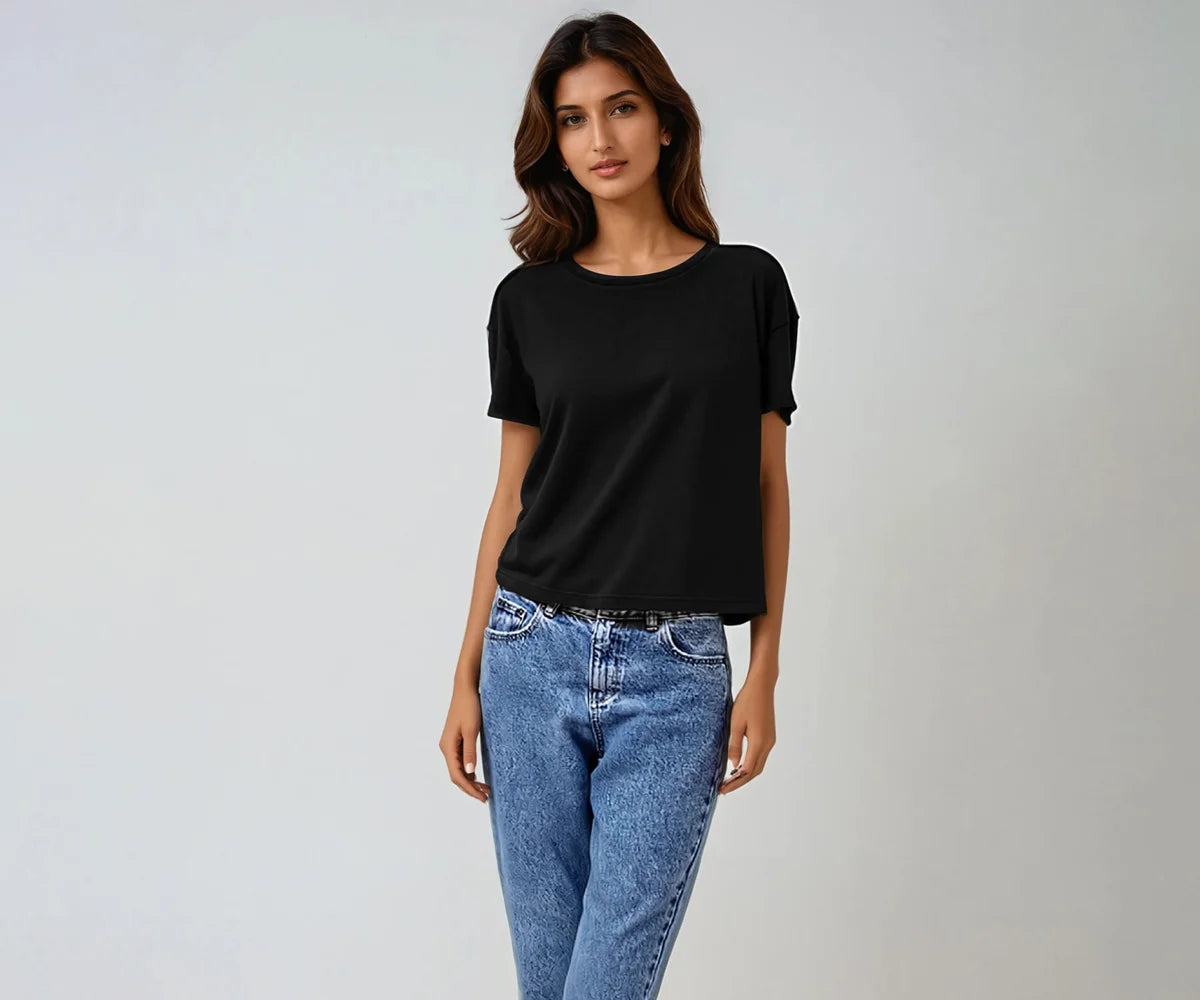
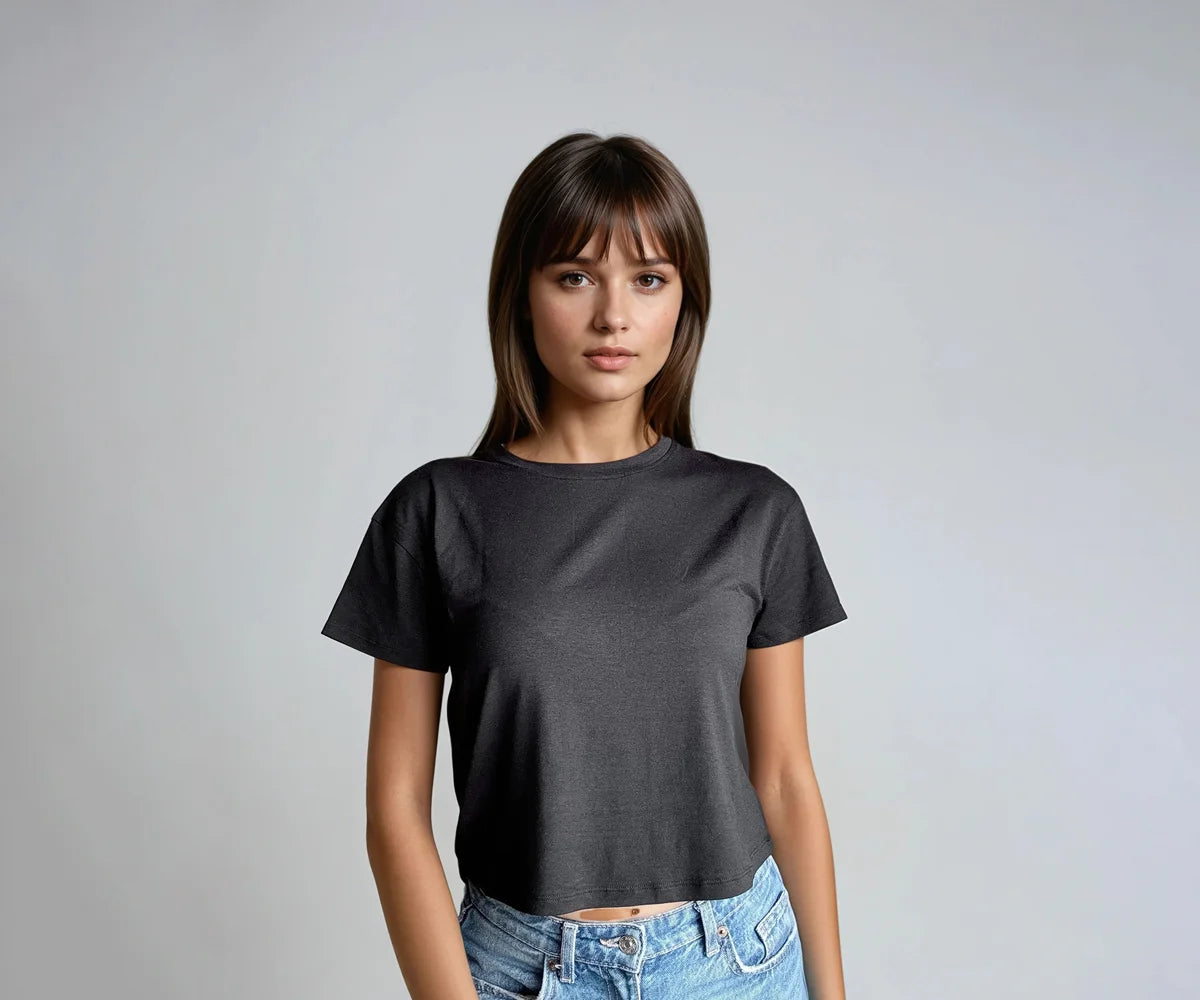
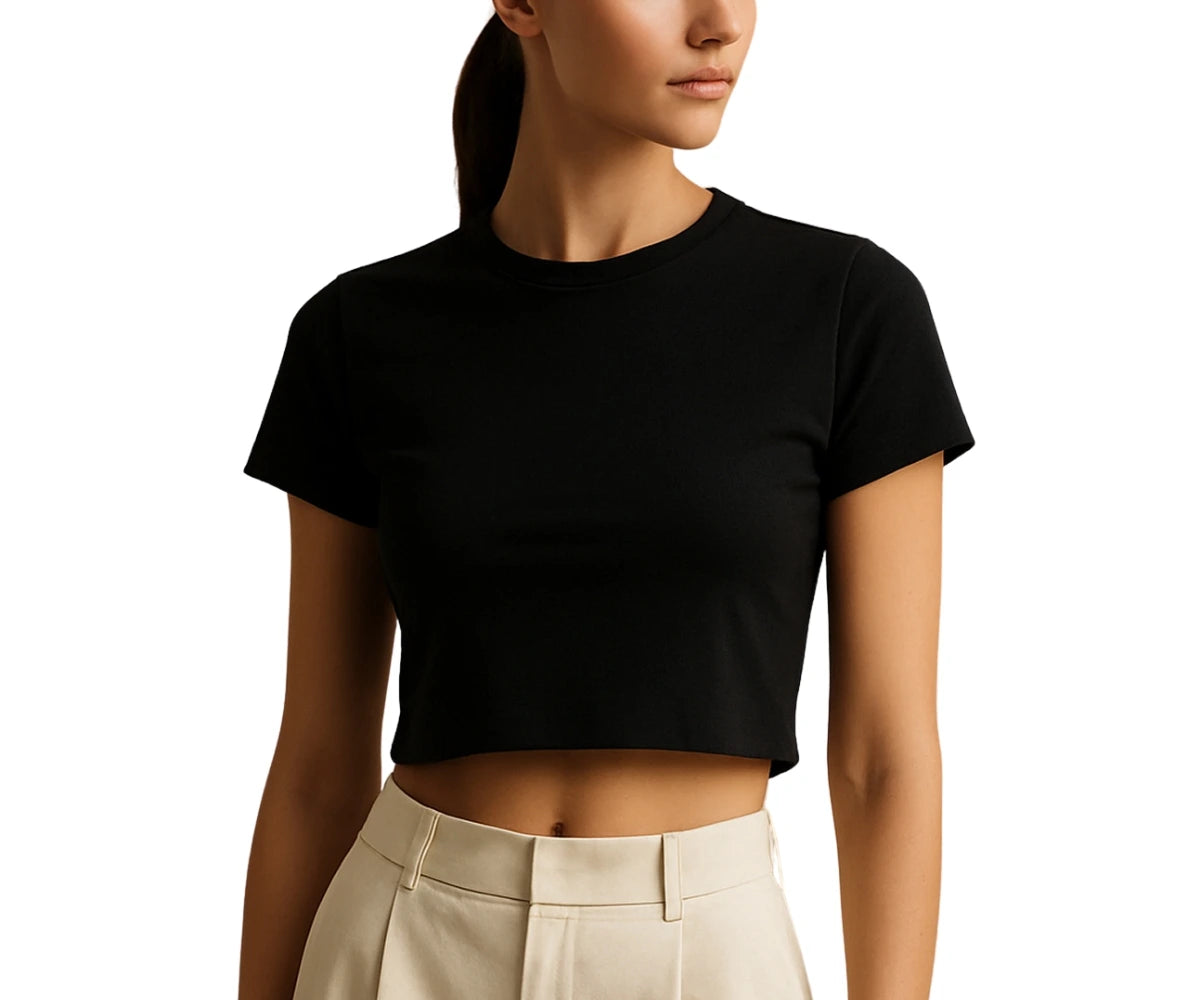
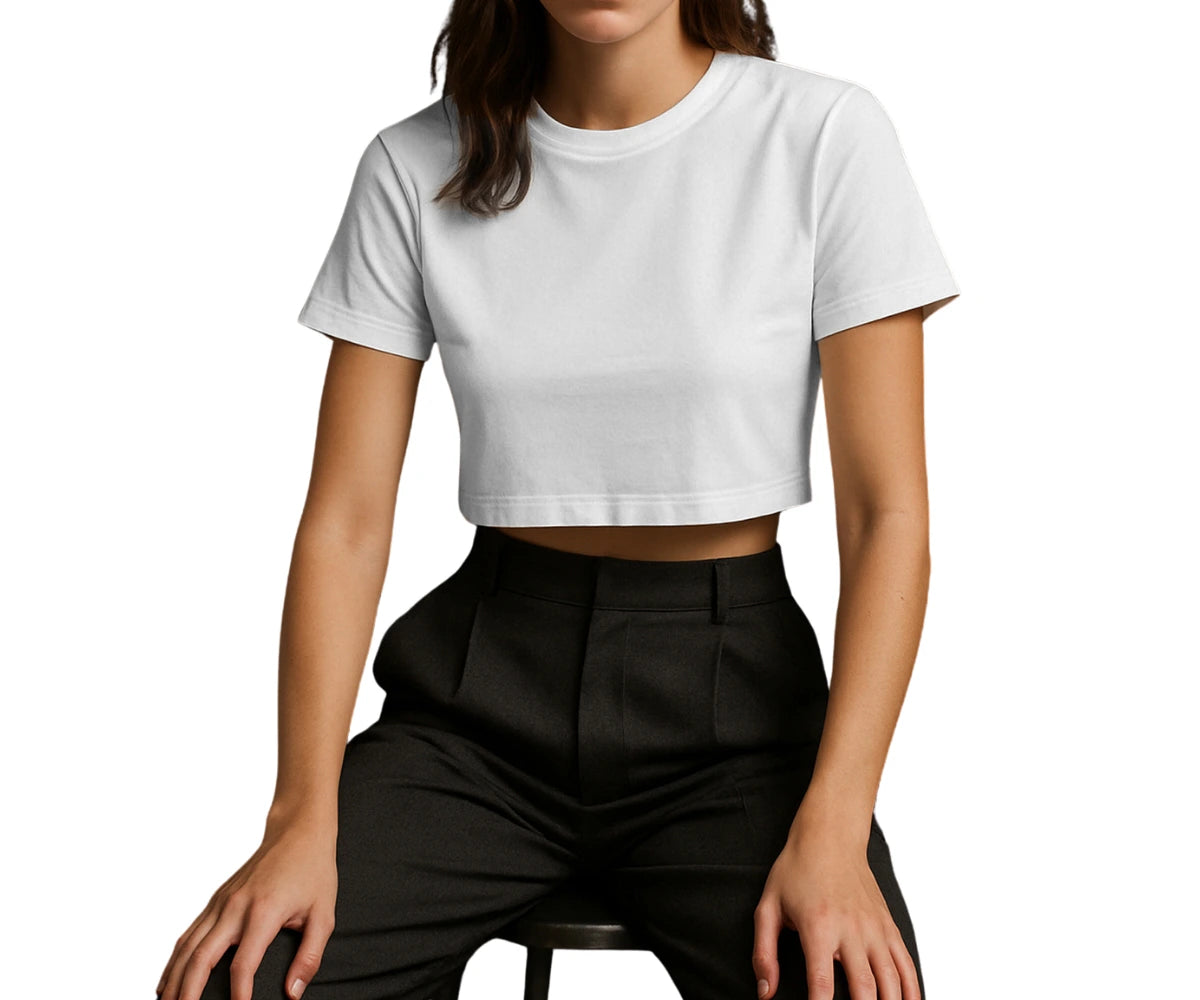
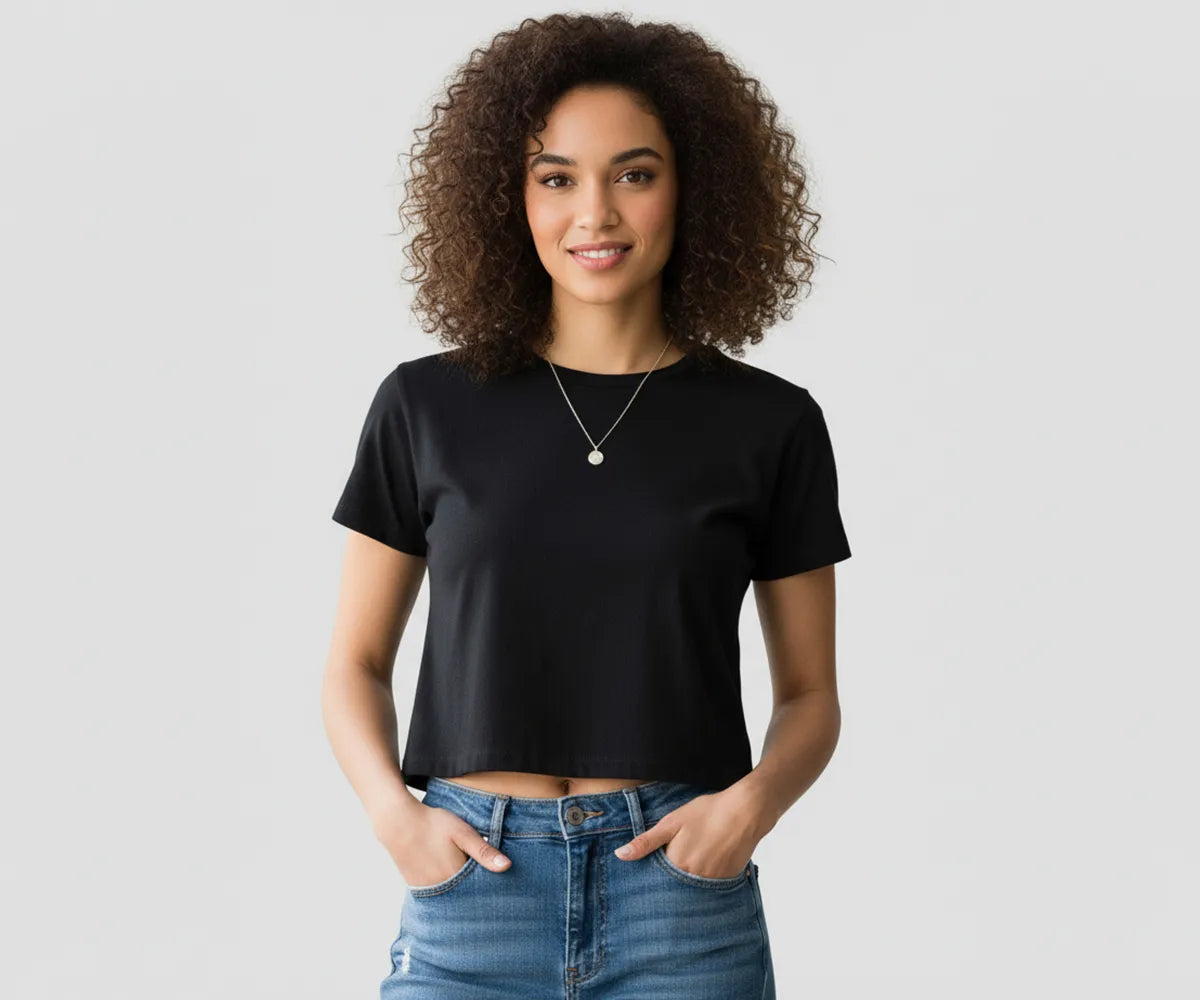
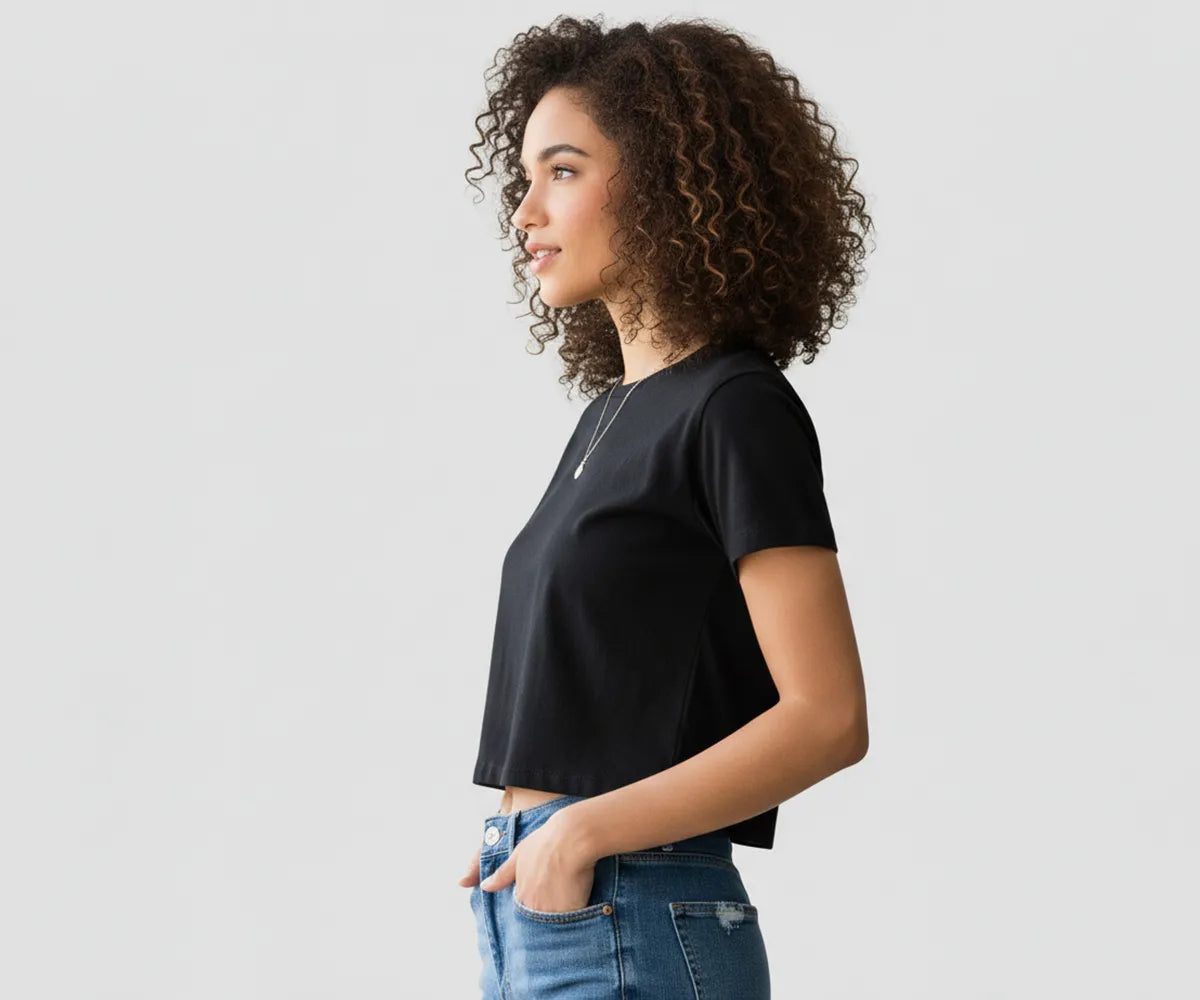
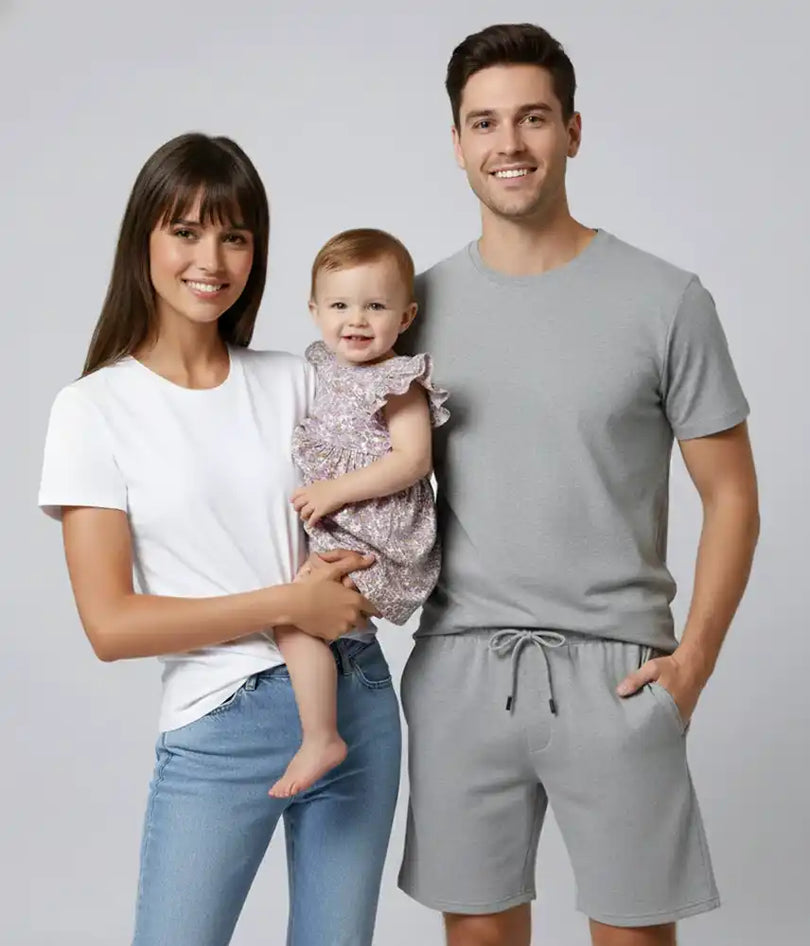
- A short-sleeve tee suits hatha and yin.
- A raglan tee gives extra shoulder room in overhead poses.
- A full-sleeve sport top works outdoors or in cool studios.
Leggings
High-waisted leggings stay put through every pose without sliding. They should feel supportive without squeezing your waist.

Shorts
Sport shorts suit hot yoga and summer classes. Mid-thigh length gives airflow but stays put in wide-legged poses, and a stretchy waistband helps. Joggers or sweatpants are fine for yin or restorative but feel bulky in flowing classes.
What to wear to yoga for Men?
Wear a fitted tee or tank in a stretchy, breathable fabric. A tank gives more shoulder mobility. Baggy shirts fall over your face in forward folds. Some studios allow going shirtless, especially in hot classes, so check the policy. A shirt also acts as a sweat barrier between you and the mat.
For bottoms, athletic shorts with stretch are the default. Compression shorts underneath keep everything in place in wide-legged and overhead poses. Fitted yoga pants or joggers suit cooler classes. Skip board shorts and basketball shorts, which flap and catch during transitions. Browse men's tees and men's shorts.

Four quick fit tests before you buy
- Bend test. Fold forward as if to touch your toes. If the top gapes at the chest or slides over your head, choose another.
- Squat test. Squat in bright light. If you can see through the leggings, they're too thin.
- Breath test. The waistband should hold without squeezing. If it restricts your breathing, size up.
- Ten-second flow. Do a lunge, a twist and a forward fold. Nothing should ride up, slide or need adjusting.
What not to wear to yoga?
- Jeans and heavy, non-stretch fabrics. They restrict movement.
- Baggy tops. They fall over your face in folds and inversions.
- Thin or see-through bottoms.
- Zippers, buttons, thick seams and necklaces. They dig in or twist during floor poses.
- Underwire bras.
- 100% cotton in hot or fast classes.
- Shoes on the mat. Practice barefoot and wear slip-ons to the studio. Grip socks are optional.
What to bring to Yoga class?
- Water bottle: to every class.
- Mat: many places offer one to use.
- Towel: you'll need it for hot yoga.
- Layer: something warm to put on during cool down.
- Hair tie or headband: to keep sweat and hair out of your face.
- Grip socks: optional, most people do yoga barefoot, but they help provide traction on a slippery floor.
For beginners: start with what you own
Don't build a yoga wardrobe before your first class. A fitted athletic top, leggings or stretchy shorts, and a comfortable sports bra are enough. Once you know you'll keep practicing, invest in pieces designed for the mat.
How many yoga outfits do you need?
For one or two classes a week, two to three outfits is enough. A practical start is two pairs of leggings (one high-waisted), two or three tops, one pair of shorts and one full-sleeve layer.
How to care for yoga clothes?
Wash in cold water on a gentle cycle and skip fabric softener, which can clog moisture-wicking fibers. Limit high-heat drying, which wears out spandex, and air-dry when you can. Always follow the care label.
What to Wear for Different Types of Yoga
Vinyasa / Power Yoga
You're moving continuously and you'll sweat. A breathable crop tank or fitted sport tee with high-waisted leggings is the standard setup. Fabric that manages moisture well makes a real difference here.
Hot Yoga
Less is more. Most hot studios keep the temps at around 80-105 degrees F, so plan on wearing a crop tank and shorts or leggings with minimal coverage. Stick to polyester or nylon that wicks and dries quickly. Avoid cotton. Always bring a microfiber towel to class, and you'll be glad you did. You'll use it to clean up sweat during your flow, and it makes for a nice soft place to rest your head during savasana.
Hatha / Beginner Yoga
The pace is slower, so you have more flexibility. Comfortable leggings and a relaxed-fit T-shirt work great. If you like the feeling of natural fibers, this is where an organic cotton top really shines.
Restorative / Yin Yoga
You're holding poses for minutes at a time, so comfort is everything. Layers are smart, start with a soft tee and add a full-sleeve layer you can remove. This is the one context where even a looser, more relaxed fit is totally appropriate.
Outdoor Yoga
Start with a layer. A raglan tee or full-sleeve sport top lets you peel off once you warm up. Sun protection is worth thinking about too.
What to wear to your first yoga class?
Don't build a whole yoga wardrobe before your first class. You probably already have what you need:
-
A fitted athletic shirt or tank (not pure cotton if possible)
-
Leggings or athletic shorts with some stretch
-
A comfortable sports bra
That's enough to start. Once you know you want to keep practicing, then invest in pieces designed for the mat.

What not to wear to yoga?
- Jeans and other restrictive, heavy, non-stretch materials
- Baggy shirts that fall over your face in folds or inversions
- See-through bottoms
- Zippers, buttons, thick seams, or long necklaces that dig into you during floor poses
- Underwired bras (the hardware and floor don’t mix)
100% cotton (especially in hot or fast classes — it tends to soak up sweat and become heavy) - Shoes on your mat! You should practice barefoot and wear slip-on shoes to the studio (so you can remove them easily when you arrive)
How Many Outfits Do You Need?
For one or two classes per week, two to three complete outfits is enough. That gives you time to wash between sessions without scrambling.
A practical starting lineup:
-
2 pairs of leggings (at least one high-waisted)
-
2–3 tops (mix of crop tanks and short-sleeve tees)
-
1 pair of sport shorts for warmer days
-
Long-sleeve top as a layer for cooler sessions
Keep it simple and build from there based on how often you practice.
Key Takeaways
What to wear to yoga really comes down to a few things: something with stretch, something breathable, and something that stays where you put it. A cotton-nylon-spandex blend covers most of those bases across most yoga styles. For slower, lower-intensity practices, organic cotton is worth considering. It's soft, breathable, and a more sustainable choice. Start with high-waisted leggings and a fitted top. Add layers based on the class type and room temperature. Forget the rest. The best yoga outfit is the one you stop thinking about the moment class starts. That's how you know it's working. Now go unroll your mat.