

Picking the right yarn transforms a simple hobby into a true passion for many people. Cotton stands out as a top choice for beginners who prefer a natural feel. It provides a cool touch, making it comfortable for everyday use.
This natural fiber offers unique benefits for warm-weather projects that other yarns may not provide. Its breathable nature and smooth texture make it ideal for creating lightweight and durable items. Beginners especially enjoy how easily cotton yarn slides over needles while working.

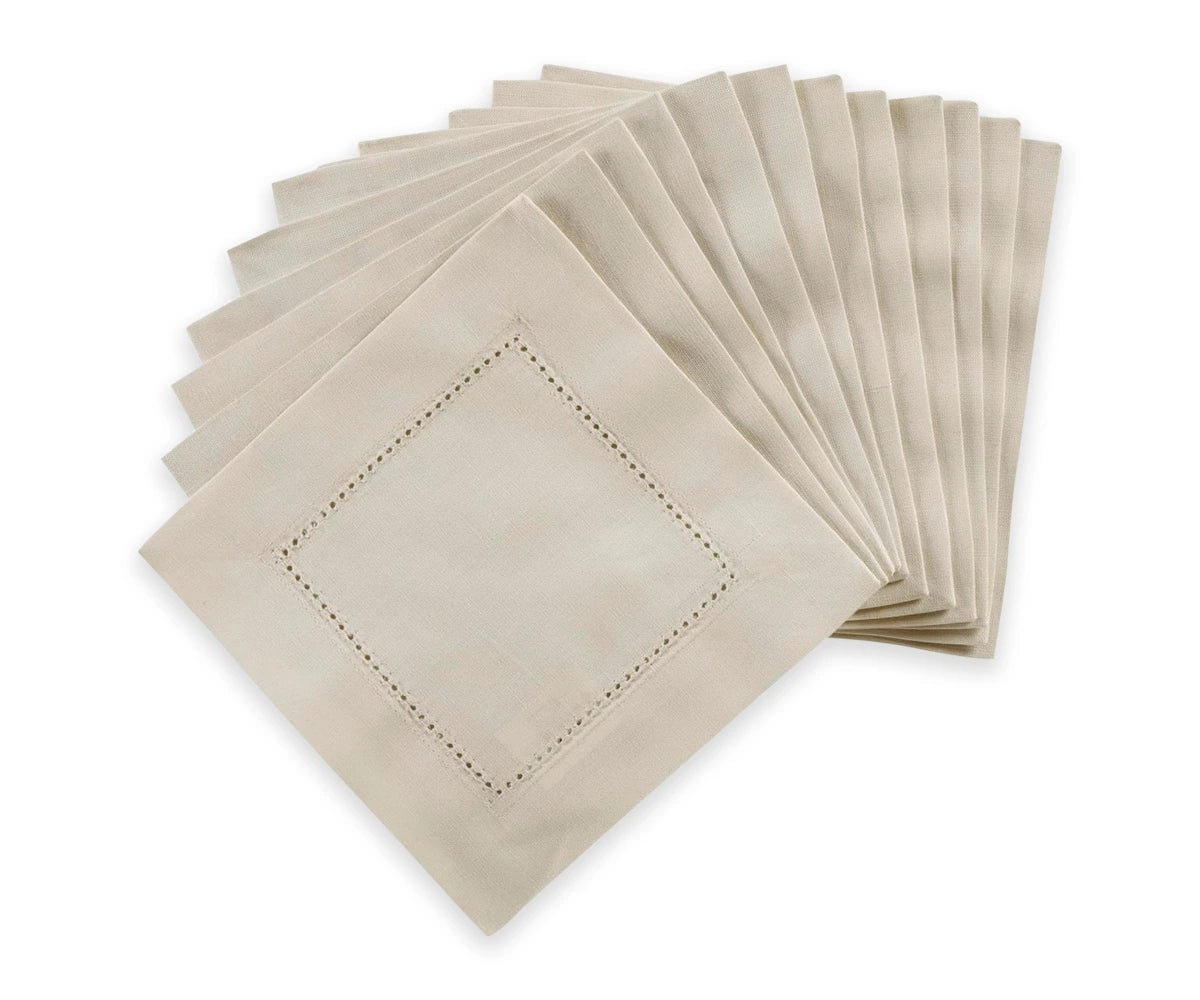
Cotton yarn is perfect for a variety of home décor projects, including dishcloths, cushion covers, and beautifully crafted cotton tablecloths. A cotton tablecloth not only adds an elegant handmade touch to dining spaces but also offers durability and easy maintenance for regular use.
Understanding Natural Plant Fibers
Natural fibers come from plants or animals in the world around us. Cotton is a plant-based choice that feels breathable against the skin in any climate. People use it to create items that last for many years of heavy use.
Many people find these materials better for the environment than synthetic options. They break down naturally when they are no longer needed. Using them reduces the amount of plastic waste that ends up in our oceans.
Learning about different fibers helps you pick the best match for your specific project. This knowledge builds your skills and confidence as a new knitter. You will soon know exactly which yarn to grab at the local store for your next idea.
Organizing Your Growing Yarn Collection
Keeping your supplies tidy makes every project more enjoyable and less stressful. You will spend less time searching and more time creating beautiful items. A clean space keeps your mind clear so you can focus on your stitches.
You can find many ways to store your yarn properly in your home. If you are looking for a better space, finding smart craft closet organization ideas from Renuity Home, for instance, will help you manage your stash effectively. A clean space leads to a focused mind that is ready to work.
Simple bins or shelves can turn a messy pile into a beautiful display of color. Seeing your colors clearly inspires new ideas and helps you plan your next project. It feels great to walk into a room that is ready for crafting at any moment.
The Comfort Of Cotton Garments
Cotton is famous for its soft touch and cool temperature on a warm day. It works perfectly for summer tops or light shawls that you can wear anywhere. The air flows through the stitches to keep you comfortable even in the sun.
One major media outlet explained that plant-based options like cotton often lack elasticity and can be tough on the hands. New makers should take frequent breaks to rest their fingers and wrists. Practice helps prevent fatigue during long crafting sessions in the evening.
Using larger needles can sometimes help with this lack of stretch. It creates a looser fabric that moves more easily as you knit. You will find the right balance for your hands with a bit of practice and time.
Achieving Perfect Stitch Definition for Cotton Napkins and Placemats

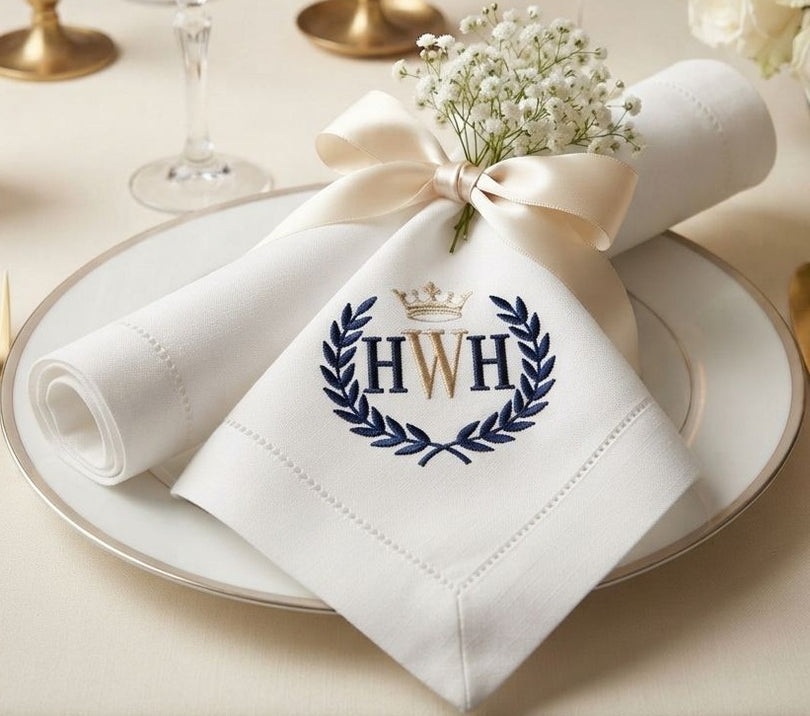
Some yarns can hide detailed work beneath a fuzzy layer of fibers, but cotton yarn does the opposite by allowing every stitch to stand out clearly. This clarity makes it an excellent choice when creating neatly finished cotton napkins and placemats, where clean patterns and sharp textures truly matter.
Cotton highlights each knit and purl stitch, helping makers create elegant table linens with visible texture and refined detailing. Whether working on simple borders or decorative lace designs, the stitch definition enhances the overall appearance of handmade napkins and cotton placemats, giving them a polished and professional look.
Clear stitch visibility is especially helpful for beginners working on dining accessories. It allows them to easily identify and correct mistakes early, ensuring consistent sizing and symmetry across matching sets. With cotton yarn, achieving beautifully structured napkins and placemats becomes both simple and enjoyable.
Durability And Fiber Strength
Knowing how long your project will last is useful for any maker. Different fibers handle wear and tear in various ways depending on their source. Cotton holds its shape well even after many uses and washes.
Research from a textile mill suggests that cotton fibers might break after 3,000 bends, whereas wool can handle 20,000. This fact is good to know when choosing yarn for high-traffic items like socks. You might pick a blend for footwear, but stick to pure cotton for home items.
Even with the difference, cotton remains a sturdy choice for many home items like towels. Dishcloths and bags benefit from its tough nature and strength. It handles scrubbing and heavy loads with ease throughout the year.
Washing And Caring For Cotton Projects
Most cotton items can go straight into the washing machine without any worry. The ease of care makes it a favorite for baby clothes and nursery items. Parents love items they can clean without extra fuss or hand washing.
You should always check the label for specific drying instructions on the ball band. High heat can sometimes shrink natural fibers if you are not careful. Air drying is a safe way to keep your garments looking new for a long time.
Follow these simple steps for the best results:
-
Wash in cool water to prevent the colors from fading.
-
Lay flat to dry to keep the original shape of the item.
-
Use a mild soap to protect the delicate fibers from damage.
Color Options And Dyeing Benefits
Cotton takes dye exceptionally well, resulting in a wide range of bright and soft shades for your projects. You can easily find almost any color for your next design at a local yarn shop. These colors remain vibrant for a long time without fading or losing their appeal.

Manufacturers often use safe dyes that help maintain the yarn’s softness and flexibility. This ensures that finished items feel comfortable and gentle, even with frequent use. Cotton yarn is especially ideal for creating practical home essentials like cotton kitchen towels, which combine durability with attractive color choices.
Choosing your favorite colors also makes the knitting process more enjoyable and creative. You can select shades that complement your kitchen décor, match your home interiors, or coordinate with other handmade accessories, making every project both functional and visually appealing.
- Bright blues and yellows for a sunny look on a summer day.
- Soft pastels for spring projects like baby blankets.
- Earthy tones for a natural feel that fits any style.
Working With Heavier Cotton Weights
Beginners often start with thicker yarns to see their progress more clearly. Cotton comes in many weights, from thin thread to chunky strands for large needles. Pick a size that feels comfortable in your hands as you learn.
Thicker cotton is excellent for making sturdy market bags for your groceries. These projects grow fast and give you a sense of pride in your work. You can finish a whole bag in just a few days of light knitting.
Using the correct needle size makes sure your fabric is not too stiff or tight. Experimenting with different tools helps you find your unique style as a maker. Most yarn labels suggest a starting size to help you get started right away.
Choosing cotton opens up a world of creative possibilities for any maker. Natural fiber remains a staple for makers everywhere since it is so versatile. It is a reliable friend for any knitting project you have in mind.
Your journey with natural fibers is just beginning as you learn more. Enjoy every stitch as you build your unique collection of handmade goods. You have everything you need to start your first cotton project today.