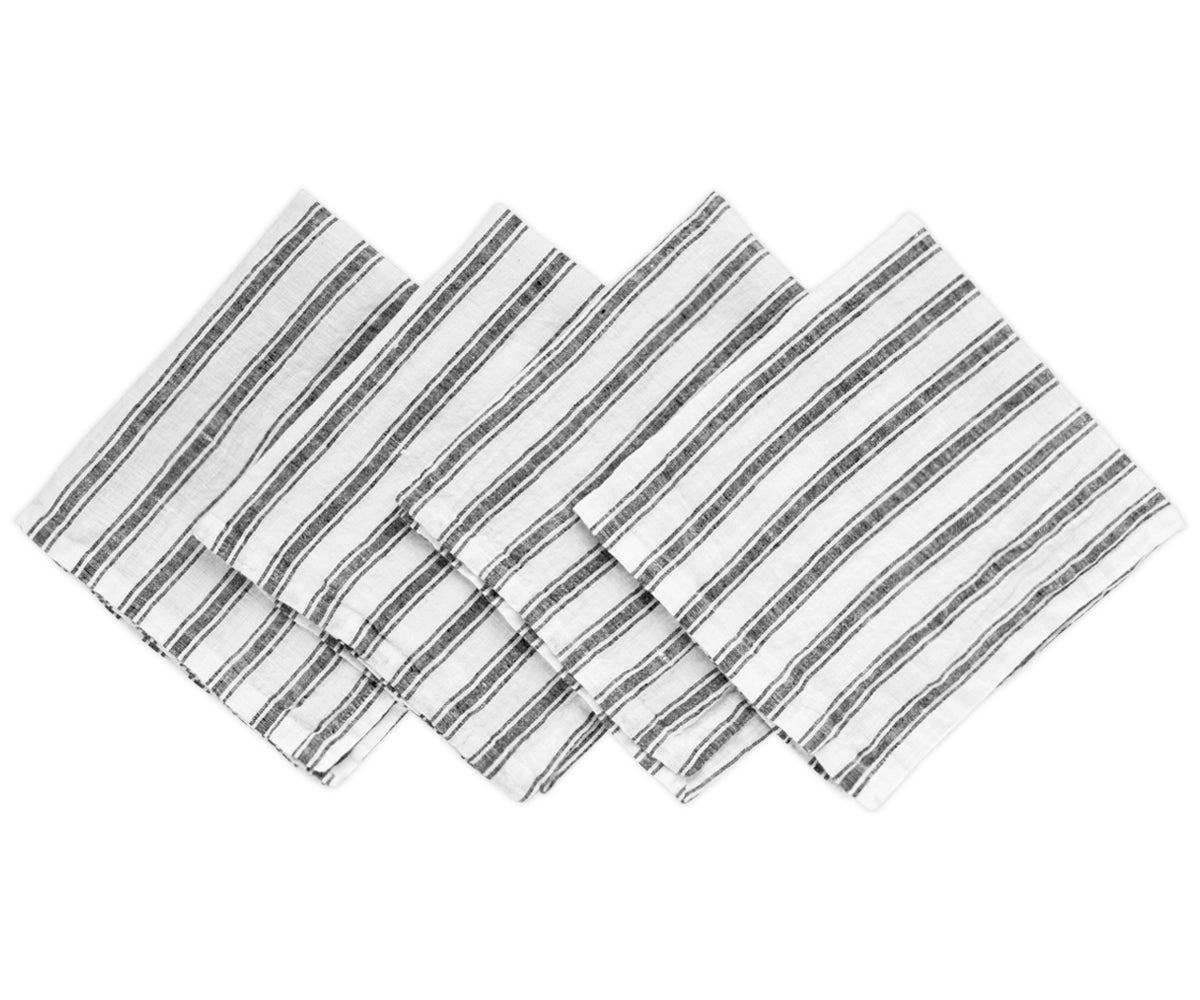

What Sets Linen Apart?
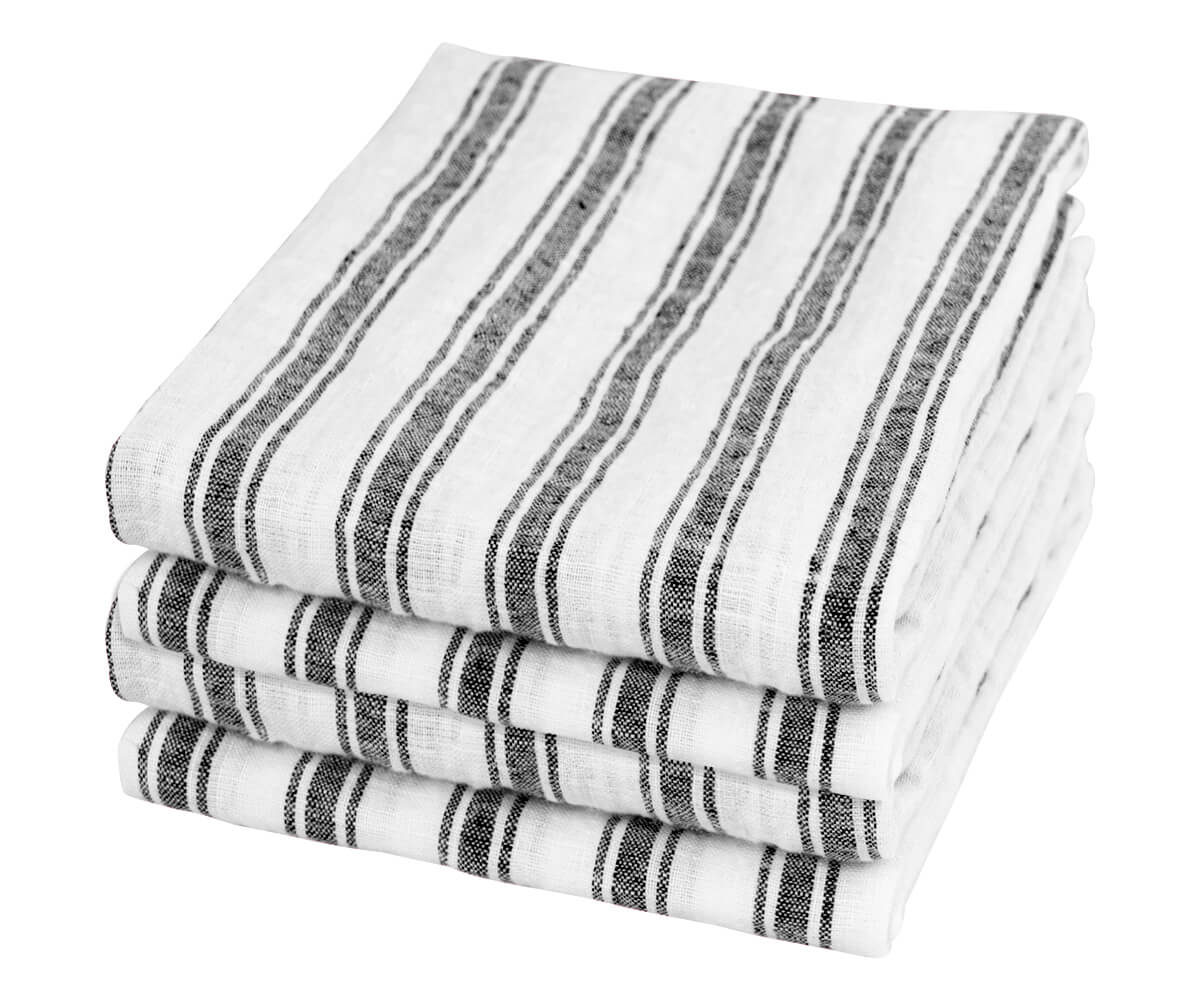
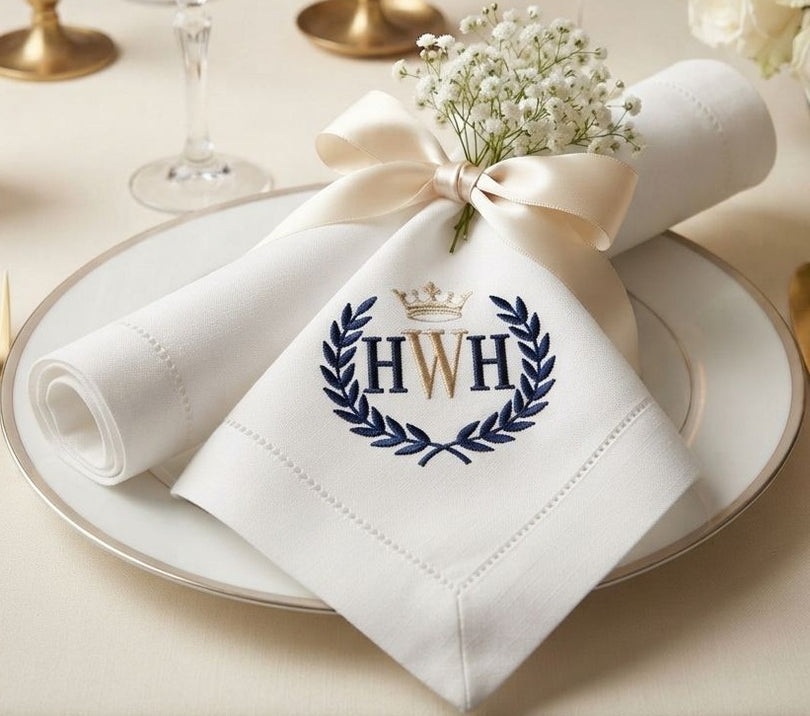
Linen's unique properties can be attributed to its natural fiber composition, derived from the flax plant. Unlike synthetic fibers, linen is biodegradable and sustainable, making it a popular choice for eco-conscious consumers. Its exceptional durability, resistance to wrinkles, and ability to withstand heavy use without showing signs of wear and tear are just a few reasons why linen stands out from the crowd.
The Labor-Intensive Production Process
Linen production is a manual and labor-intensive process that involves harvesting flax plants, retting the fibers, and then spinning them into yarn. This time-consuming and expensive process is a significant factor in linen's higher cost. However, the end result is a fabric that is unmatched in quality and durability.

The Quality Paradox
Linen's exceptional quality comes at a price, but its benefits far outweigh the initial investment. Unlike other fabrics, linen requires minimal maintenance and care, making it a worthwhile investment for anyone looking to reduce waste and minimize their environmental impact.
Linen vs. Cotton: A Comparative Analysis
While cotton is a popular choice for clothing and linens, it has some significant drawbacks when compared to linen. Cotton is a more delicate fabric that requires more maintenance and care, which can lead to a shorter lifespan. Linen, on the other hand, is incredibly durable and can withstand years of heavy use.
The Benefits of Investing in Linen
So, why should you invest in linen? Here are just a few benefits of choosing this exceptional fabric:
Breathability and Cooling Properties
Linen's exceptional breathability allows for airflow and helps to regulate body temperature, making it an ideal choice for summer clothing and linens.
Durability and Longevity
Linen is incredibly durable and can withstand heavy use without showing signs of wear and tear, making it a great investment for anyone looking to reduce waste and minimize their environmental impact.
Hypoallergenic Properties
Linen's natural fiber composition makes it resistant to dust mites, allergens, and other irritants, making it an ideal choice for people with sensitive skin.
Know About: Organic cotton and Linen : What's the difference?
Choosing the Right Linen Products
With so many linen products on the market, it can be overwhelming to choose the right ones for your needs. Here are a few tips to help you make an informed decision:

Look for High-Quality Materials
When shopping for linen products, look for high-quality materials that are made from 100% linen. Avoid blended fabrics that may contain synthetic fibers, as these can compromise the quality and durability of the product.
Consider the Weave and Thickness
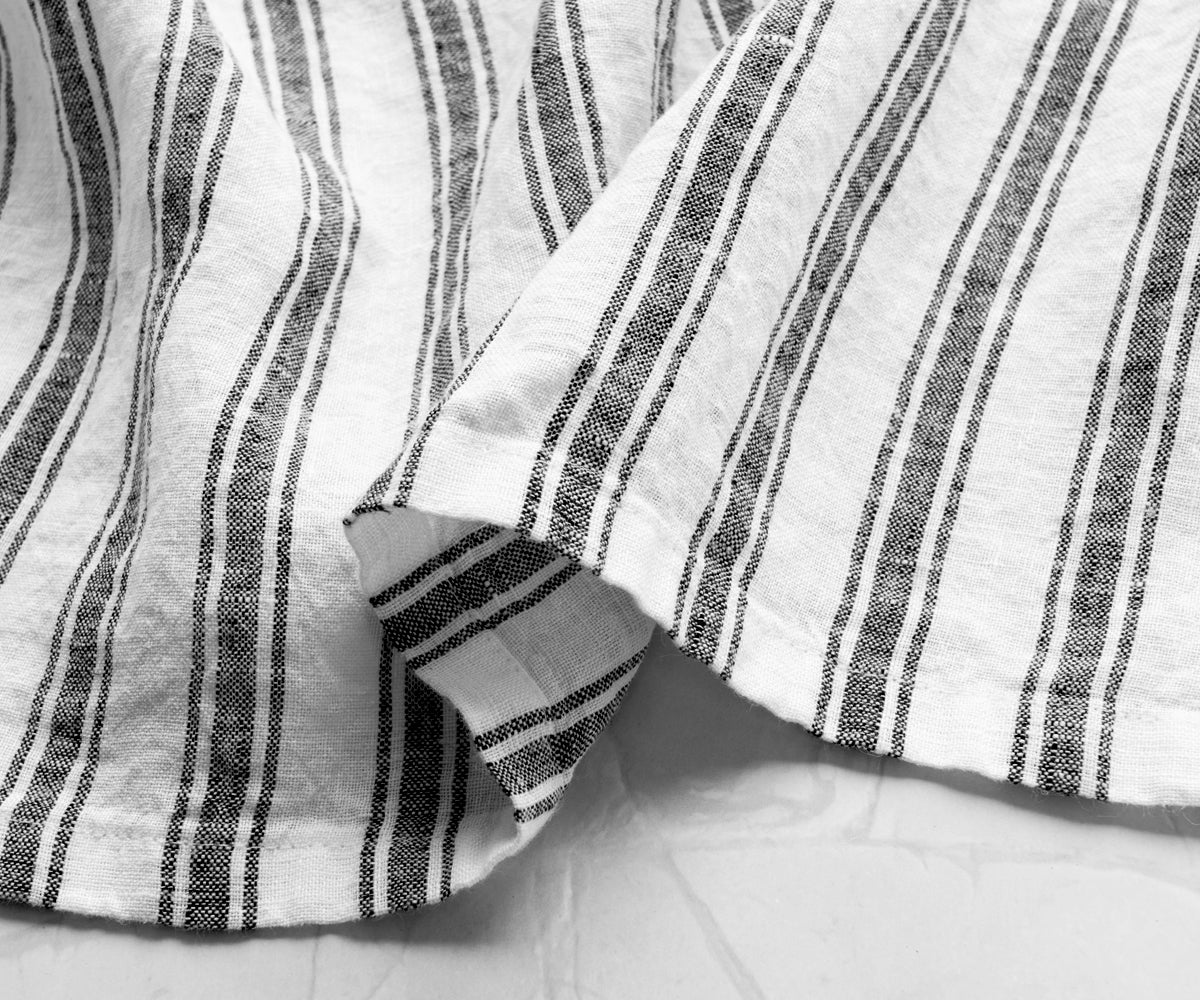
The weave and thickness of linen can greatly affect its quality and durability. Look for products with a tight weave and a medium to heavy thickness, as these will be more resistant to wear and tear.
Check the Care Instructions
Linen requires gentle care to maintain its quality and longevity. Look for products with care instructions that are easy to follow and understand, and make sure to follow them carefully to extend the life of your linen products.
Know About: What Size Tablecloth for an 8-Foot Rectangular Table?
Practical Tips for Caring for Your Linen Products
Caring for your linen products is easy and straightforward. Here are a few practical tips to help you keep your linen looking its best:

Wash Your Linen Products in Cold Water
To prevent shrinkage and damage, wash your linen products in cold water. This will help to preserve the quality and durability of the fabric.
Avoid Using Fabric Softener or Bleach
Fabric softener and bleach can compromise the quality and durability of linen. Avoid using these products when washing your linen products, as they can leave a residue that can affect the texture and color of the fabric.
Iron Your Linen Products While Still Damp
Ironing your linen products while still damp can help to remove wrinkles and prevent creases. This will give your linen a smooth, fresh appearance that will last for years.
Conclusion
Investing in linen may seem expensive at first, but the benefits and durability of this exceptional fabric make it a worthwhile investment for anyone looking to reduce waste and minimize their environmental impact. By choosing high-quality linen products, following proper care instructions, and using practical tips to care for your linen, you can enjoy the many benefits of this incredible fabric for years to come.