




What Makes Linen a Naturally Luxurious Fabric?
Linen is made from the fibers of the flax plant and is known for its distinctive texture, breathability, and strength. The process of turning flax into linen involves several stages, including harvesting, separating the fibers, spinning them into yarn, and weaving the finished fabric. These natural fibers give linen tablecloths their characteristic texture and durability.
Linen is also a great option for those who want something natural for their table. It is made from flax which requires less water to grow than traditional cotton and generally needs fewer agricultural inputs. Linen is also biodegradable at the end of its useful life. It is highly absorbent and dries quickly, making it ideal for small spills and wet hands with no risk of dampness or coldness. It is important to wash and thoroughly dry any tablecloth if it is to be used often or outside, but overall linen is a good option for a natural, practical, multipurpose fabric for the dining table.

Does Linen Last Longer Than Other Tablecloth Fabrics?
Linen is known for its strength and durability, making it a practical choice for frequently used tablecloths. A high-quality linen tablecloth can withstand regular washing and everyday use while maintaining its shape and structure. Over time, linen usually becomes softer and develops a relaxed texture. Its life depends on several factors, such as the fabric’s quality, weight, stitching, washing methods, and how often it is worn. While shopping, choose garments that have double- or mitered-stitched hem, a high GSM (better than 150), and have been previously washed to shrink; this way, the piece will not shrink significantly during the first wash.
Does Linen Wrinkle Easily?
Yes, linen wrinkles more easily than many cotton and synthetic fabrics. This natural tendency comes from the structure of flax fibers and contributes to linen’s relaxed, textured appearance.
For a smoother finish, lightly press the tablecloth while it is still slightly damp. You can also choose a linen blend or a tighter weave to reduce visible wrinkles. If you prefer a casual table setting, linen’s natural creases can be left as they are without ironing.
What Linen Weight Should You Choose for a Tablecloth?
Linen weight is measured in grams per square meter (GSM), and it's one of the most useful things to check before buying, but it rarely gets mentioned in tablecloth descriptions, even though it changes how the fabric drapes and holds up.
|
Weight |
GSM range |
Best for |
|
Lightweight |
Under 150 GSM |
Delicate draping, warm-weather table runners |
|
Medium weight |
150–200 GSM |
The standard choice for everyday and formal tablecloths good drape without feeling flimsy |
|
Heavyweight |
Over 200 GSM |
Structured, sturdier tablecloths for frequent use or a more substantial table presence |
For most dining tables, a medium-weight linen in the 150–200 GSM range hits the right balance: substantial enough to drape properly and resist showing every wrinkle from folding, but not so heavy that it feels stiff. If your tablecloth description doesn't list a weight at all, that's worth asking about before you buy, since "linen" alone doesn't tell you much on its own.
How Do You Choose the Right Tablecloth Size?
Start by measuring the length and width of a rectangular or square table, or the diameter of a round table. Add your preferred drop on each side to determine the tablecloth size you need. A 6 to 8-inch drop creates a shorter, casual look, while a 10 to 15-inch drop provides a fuller drape. For oval tables, measure the longest and widest points. If your table has an unusual size or shape, use our tablecloth size calculator to find the closest fit.
The formula: table size + (drop × 2) = tablecloth size. A 6–8" drop looks casual, 10–12" is the everyday standard, and 15" gives a formal, floor-skimming drape.
| Table Size | Typical Seating | Cloth Size (12" Drop) |
|---|---|---|
| 36" round | 4 | 60" round |
| 48" round | 4–6 | 72" round |
| 60" round | 6–8 | 84" round |
| 30" × 48" rectangle | 4 | 54" × 72" |
| 36" × 60" rectangle | 6 | 60" × 84" |
| 36" × 72" rectangle | 6–8 | 60" × 96" |
| 40" × 96" rectangle | 8–10 | 64" × 120" |
For a fuller 15" drop, add 6" to each dimension in the last column. For a more detailed walkthrough, see our guide to choosing the perfect tablecloth size. Ready to shop? Browse linen tablecloths in round, rectangle, and oval sizes.

Why Choose Linen for Your Tablecloth?
Linen is a natural, breathable fabric that absorbs moisture well. It can help handle small spills and moisture from damp hands while allowing the fabric to dry more quickly. Linen is also known for its fresh feel and ability to stay comfortable in warm conditions. However, regular washing and thorough drying are important for keeping any tablecloth clean and hygienic, especially when it is used often or outdoors.
How Do You Style a Table With Linen Tablecloths?
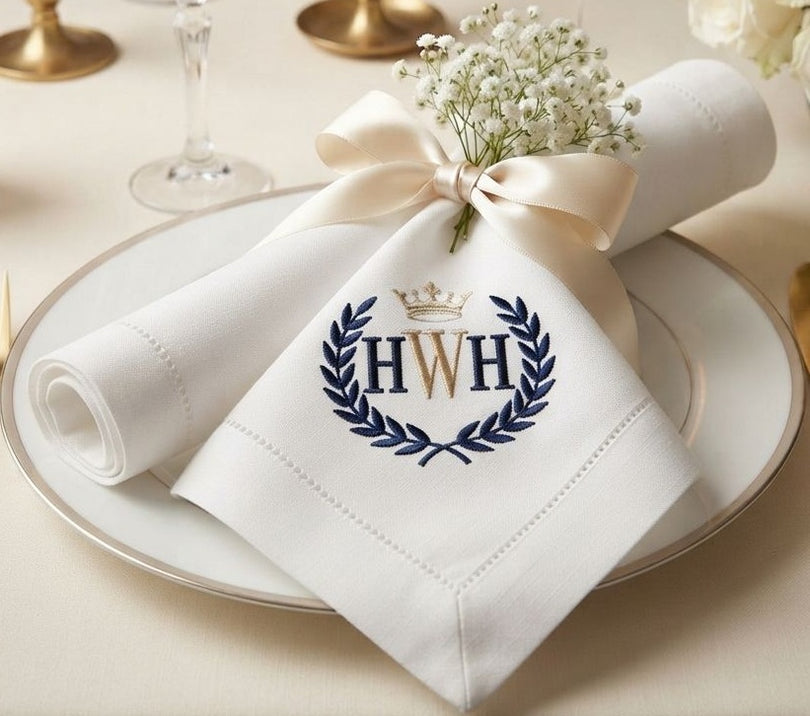
Linen's texture and range of finishes make it genuinely versatile across very different table moods. A hemstitched tablecloth paired with simple white dinnerware and fresh flowers reads as classic and formal. A checkered or buffalo check tablecloth with rustic tableware and warm, earthy tones leans casual and farmhouse. Round tablecloths suit smaller, more intimate settings especially well, particularly when paired with matching linen napkins and soft, low lighting.
Linen vs. Cotton vs. Polyester: Which Tablecloth Fabric Wins?
|
Linen |
Cotton |
Polyester |
|
|
Durability |
Excellent, improves with age |
Good, wears down over time |
Good, but doesn't improve or soften |
|
Breathability |
Excellent |
Good |
Poor, traps moisture |
|
Wrinkling |
Wrinkles visibly |
Wrinkles moderately |
Wrinkle-resistant |
|
Feel |
Textured, structured |
Soft, smooth |
Slick, less natural |
|
Sustainability |
Highly biodegradable, low-input crop |
Varies: conventional is water-intensive, organic is better |
Low: petroleum-based, not biodegradable |
|
Best for |
Formal and everyday elegance |
Casual, easy-care settings |
Budget, high-volume events |
Cotton and polyester both have their place: cotton for a softer, more casual everyday cloth, and polyester for large events where wrinkle resistance and low cost matter more than natural texture. But for a table meant to last years and improve with use rather than just survive one season, linen remains the harder combination to match: durability, breathability, and genuine natural character in one fabric.
Who Should Not Buy a Linen Tablecloth?
Linen is not suitable for those who want to see their cloth wrinkle-free right from the dryer, or those who throw big and frequents dinners, but have a limited budget. In such cases, a cotton-linen mix or even a cotton tablecloth would be a better investment. However, if you are okay with a slightly used look, linen will fulfill your needs for years to come.
How Do You Care for a Linen Tablecloth?
Proper linen care makes all the difference between a two-year-old tablecloth that looks tired and one that looks brand new after 20 years. Here are some of our tips (see our complete guide to linen care):
- Washing in warm water with a mild detergent.
- Avoid bleach, as it breaks down the weave and fades colors.
- Air-dry the tablecloth, as tumble-drying can weaken the fibers.
- To achieve a crisp appearance, you may want to iron the cloth when it's slightly damp. Stains shouldn't be rubbed in, either.
- Always remove the tablecloth from the dryer or wherever it's been hanging while still damp to prevent creases.
- You should always try to roll or fold the cloth loosely when putting it in storage.
Key Takeaways
- Durable: the fabric is resistant to repeated washes and use, and softens with every wash.
- Wrinkles are a natural part of the process, so we recommend steaming the fabric lightly to remove any creases.
- The most common weight for table linens is 150-200 GSM.
- It’s always a good idea to add an extra 10-12 “drop” to the overall table size when choosing a linen size, as this provides a nice drape.
- For best results, we recommend washing your linen in warm water and avoiding the use of bleach or other harsh chemicals.
Continue Reading
What Is the Best Tablecloth Material? A Guide to Choosing the Perfect Fit