

The Importance of Placemats in Setting a Beautiful Dining Table
Dining tables are the hub of any home, where memories are made and meals are shared with loved ones. A well-set table can make all the difference in creating a warm and inviting atmosphere. Placemats play a crucial role in this, providing a practical and stylish solution for protecting the table from spills and stains while adding a personal touch to the table setting.
Types of Placemats: Finding the Perfect Fit for Your Dining Table
 Placemats come in various shapes, sizes, and materials, each with its unique characteristics and benefits. Here are some of the most popular types of placemats to consider:
Rectangle Placemats: These are the most common type of placemat and are suitable for most dining tables. They come in a range of sizes, from small to large, to fit different table settings.
Round Placemats: Round placemats are perfect for round or oval dining tables. They add a touch of elegance and sophistication to the table setting.
Oval Placemats: Oval placemats are similar to round placemats but have a slightly more elongated shape. They are ideal for dining tables with a unique shape.
Square Placemats: Square placemats are perfect for square dining tables or for creating a modern and sleek look.
Hexagonal Placemats: Hexagonal placemats are a great option for adding a touch of uniqueness to your dining table. They come in a range of sizes and can be paired with other placemats for a personalized look.
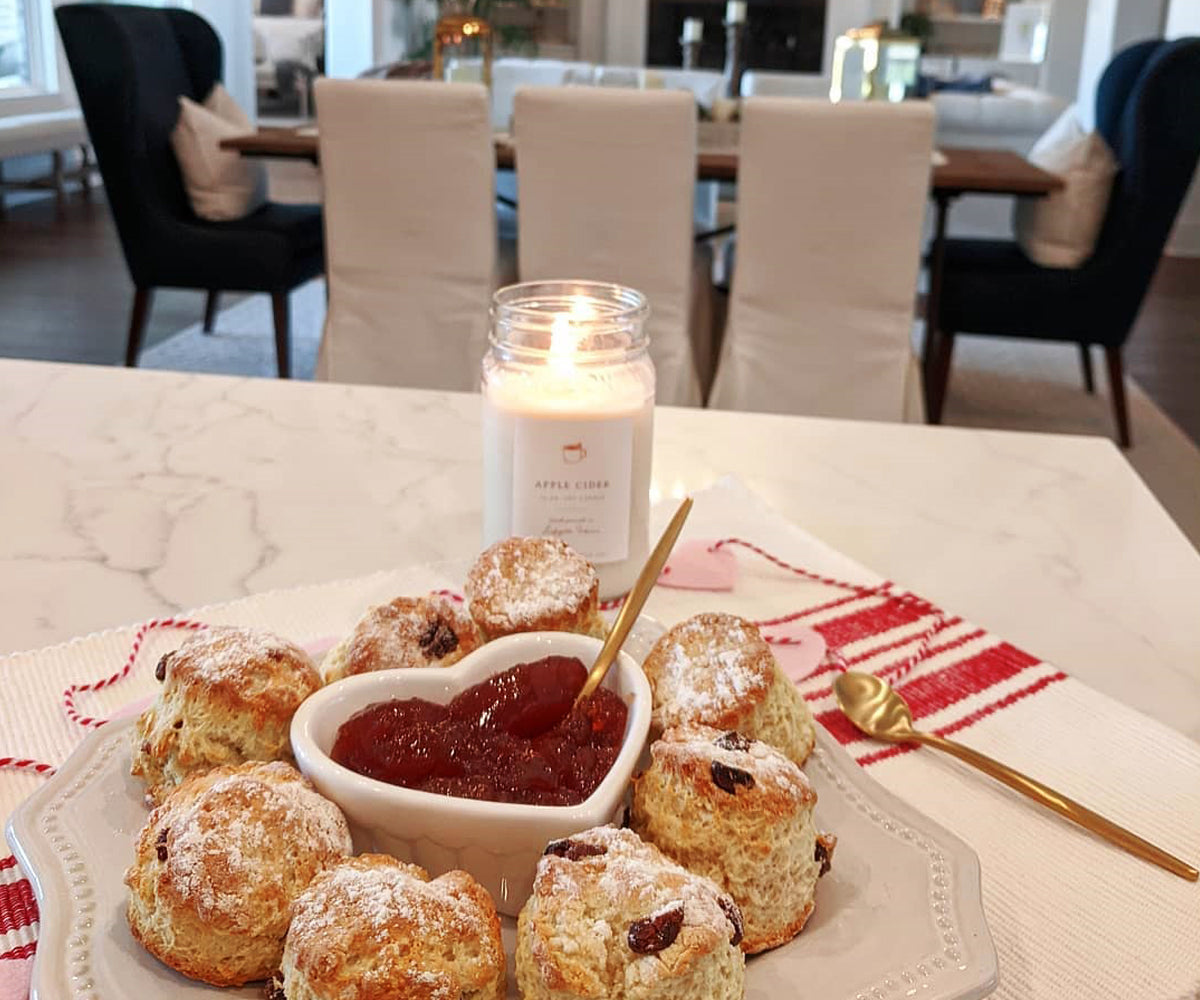
Heart-Shaped Placemats: Heart-shaped placemats are a lovely option for special occasions, such as Valentine's Day or anniversaries. They add a touch of romance and elegance to the table setting
Read About: Cloth Napkins for A Stylish Dining
Materials for Placemats: Choosing the Right One for Your Needs
Placemats can be made from a variety of materials, each with its unique characteristics and benefits. Here are some of the most popular materials for placemats:

Cotton Placemats: Cotton placemats are a popular choice due to their softness, durability, and ease of cleaning. They are available in a range of colors and patterns.
Linen Placemats: Linen placemats are known for their natural texture and breathability. They are perfect for adding a touch of elegance and sophistication to the table setting.
Silk Placemats: Silk placemats are luxurious and elegant, adding a touch of glamour to the table setting. They are available in a range of colors and patterns.
Faux Leather Placemats: Faux leather placemats are a great alternative to real leather and are easy to clean and maintain.
Bamboo Placemats: Bamboo placemats are eco-friendly and sustainable, making them a great option for those who care about the environment. They are also durable and easy to clean.
Wooden Placemats: Wooden placemats are a great option for adding a touch of warmth and coziness to the table setting. They are available in a range of woods, including oak, maple, and walnut.
Styling Guide for Placemats: Adding a Personal Touch to Your Table Setting
Placemats can be styled in various ways to add a personal touch to your dining table. Here are some tips for styling your placemats:

Mix and Match: Mix and match different placemats to create a unique and personalized look. You can pair a bold placemat with a simple tablecloth or vice versa.
Add a Pop of Color: Add a pop of color to your table setting with a brightly colored placemat. This can add a touch of fun and personality to the table setting.
Use a Placemat as a Runner: Use a placemat as a runner to add a touch of elegance and sophistication to the table setting. Simply place the placemat down the center of the table and add your dinnerware on top.
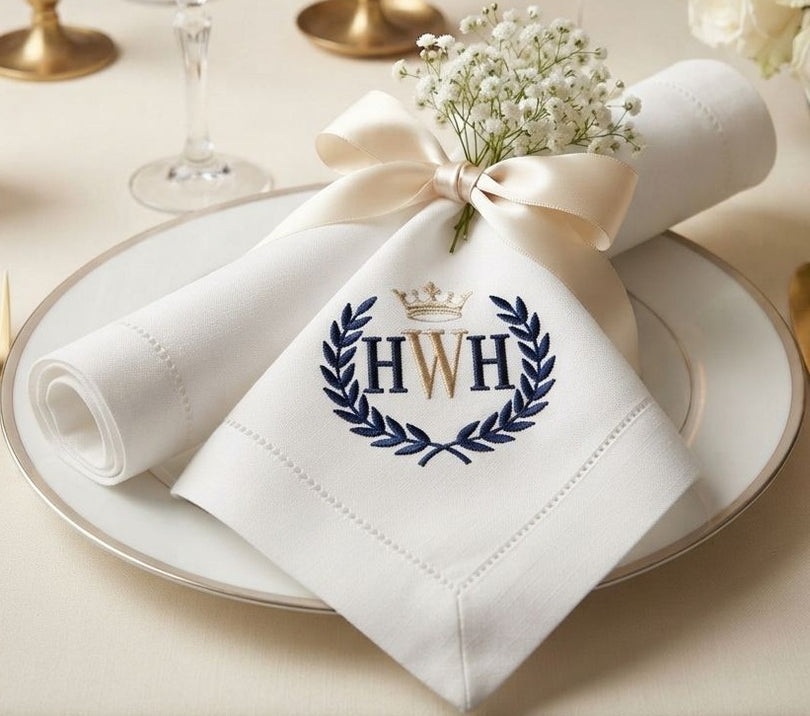
Add a Personal Touch: Add a personal touch to your placemats by monogramming or customizing them with your initials or a special message.
Create a Theme: Create a theme for your table setting by using placemats that match a specific color or style. This can add a touch of cohesion and elegance to the table setting.
Benefits of Using Placemats: Why They're a Must-Have for Your Dining Table
Placemats offer a range of benefits, including:

Easy to Clean: Placemats are easy to clean and maintain, making them perfect for busy households.
Protects the Table: Placemats protect the table from spills and stains, making them a practical choice for dining tables.
Adds a Personal Touch: Placemats can add a personal touch to your dining table, making it unique and personalized.
Elegant and Sophisticated: Placemats can add a touch of elegance and sophistication to the table setting, making it perfect for special occasions.
Durable: Placemats are durable and long-lasting, making them a great investment for your dining table.
Use Cases for Placemats: Where to Use Them in Your Home
Placemats can be used in a variety of settings, including:
Dining Tables: Placemats are perfect for dining tables, adding a touch of elegance and sophistication to the table setting.
Coffee Tables: Placemats can also be used on coffee tables to add a touch of style and personality to the room.
Outdoor Tables: Placemats can be used on outdoor tables to add a touch of elegance and sophistication to the outdoor dining area.
Special Occasions: Placemats are perfect for special occasions, such as weddings, anniversaries, and holidays, adding a touch of elegance and sophistication to the table setting.
Buffet Tables: Placemats can be used on buffet tables to add a touch of elegance and sophistication to the table setting.
Practical Tips for Choosing Placemats: Making the Right Choice for Your Dining Table
Choosing the right placemat for your dining table can be overwhelming, but here are some practical tips to help you make the right choice:
Consider the Material: Consider the material of the placemat, choosing one that is durable and easy to clean.
Think About the Style: Think about the style of your dining table and choose a placemat that complements it.
Add a Pop of Color: Add a pop of color to your table setting with a brightly colored placemat.
Monogram or Customize: Monogram or customize your placemats for a personal touch.
Consider the Occasion: Consider the occasion and choose a placemat that fits the theme and style.