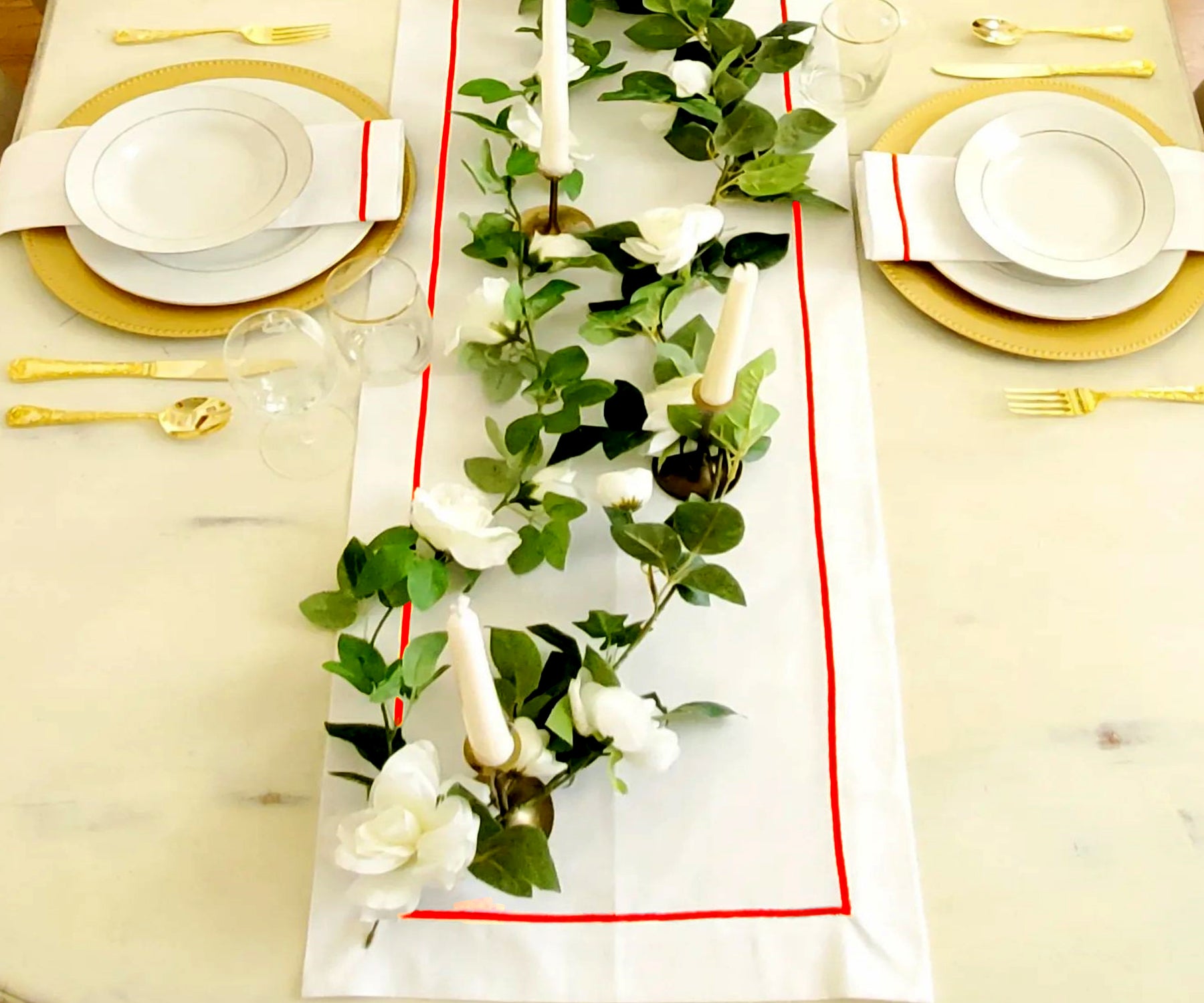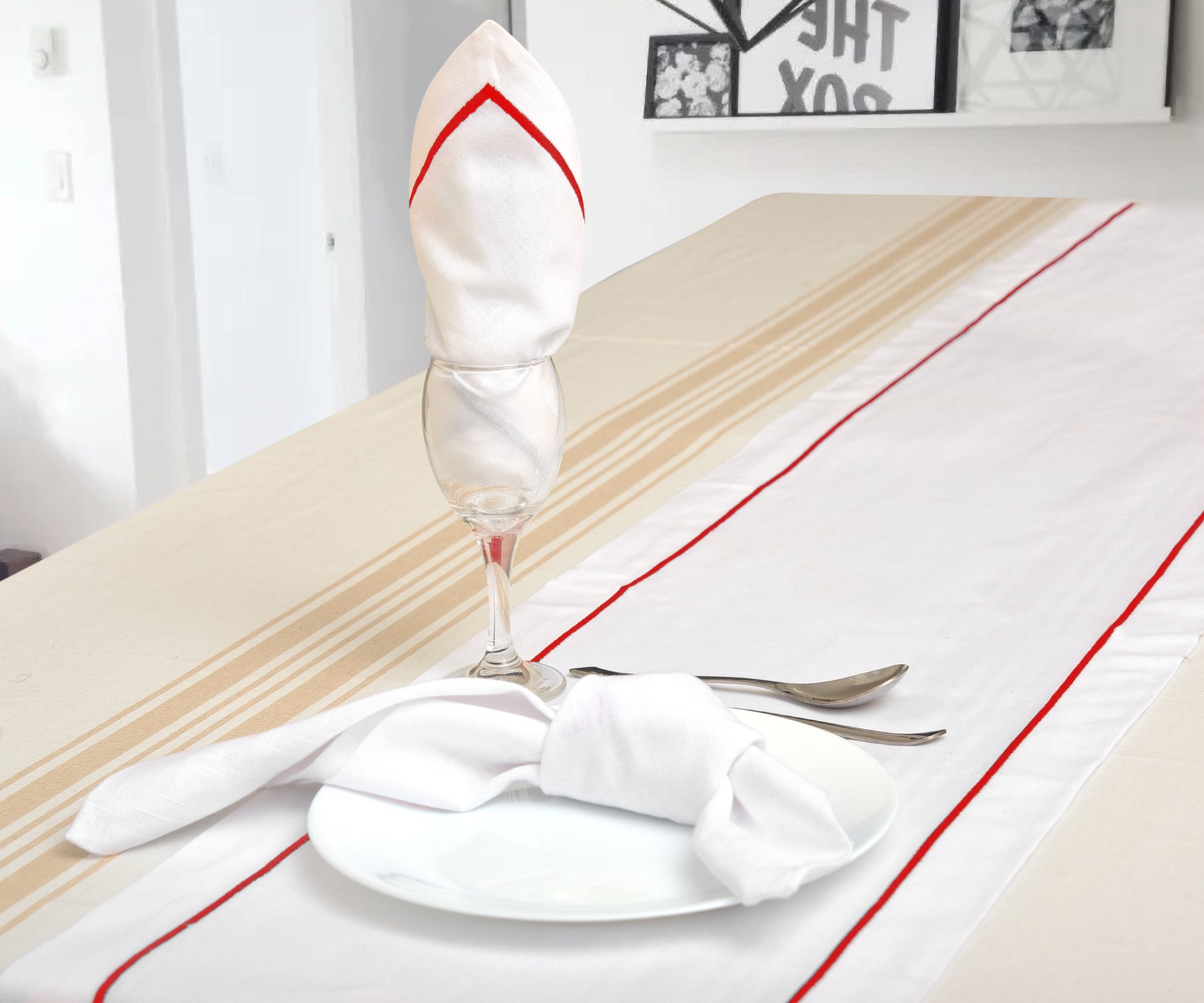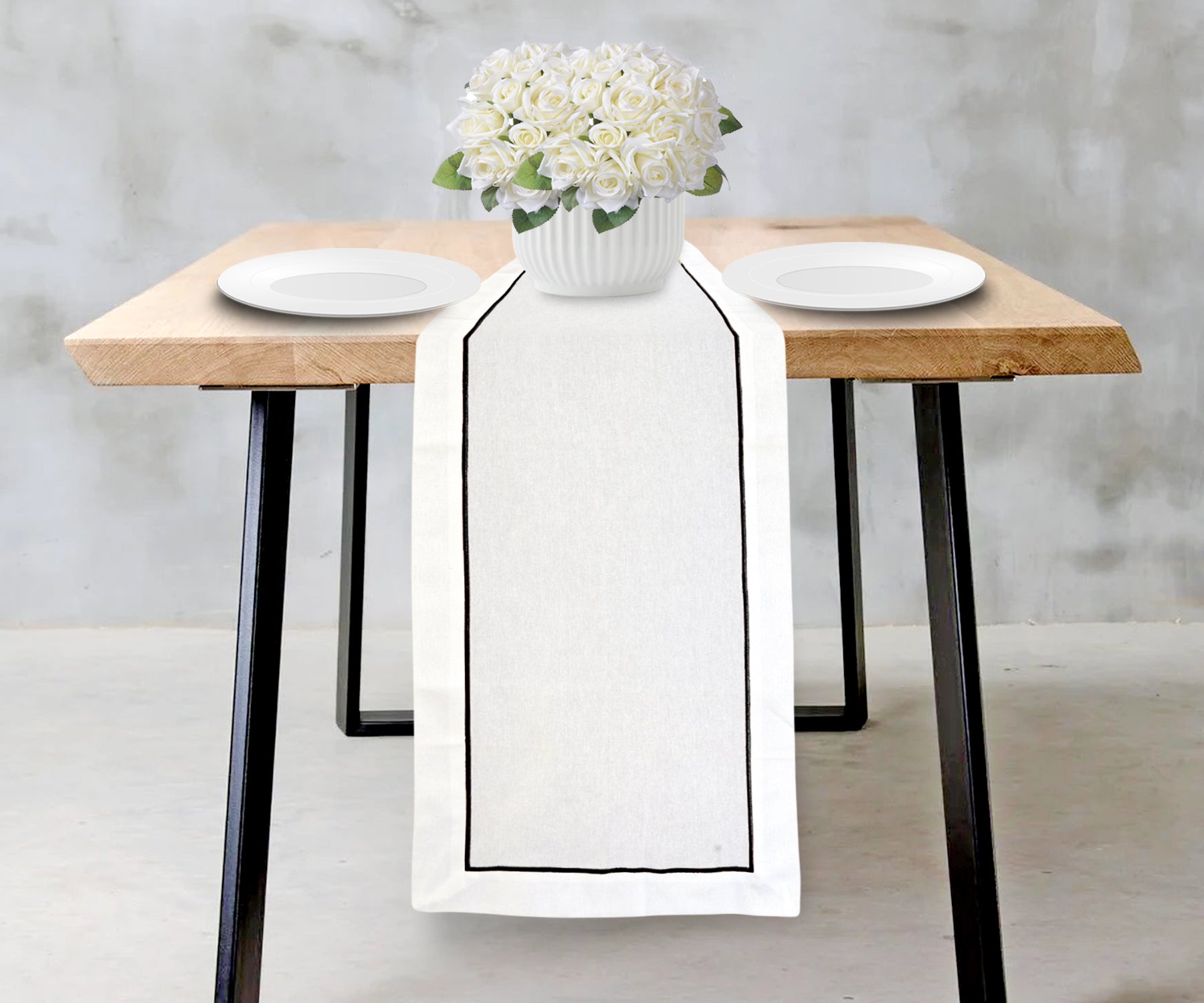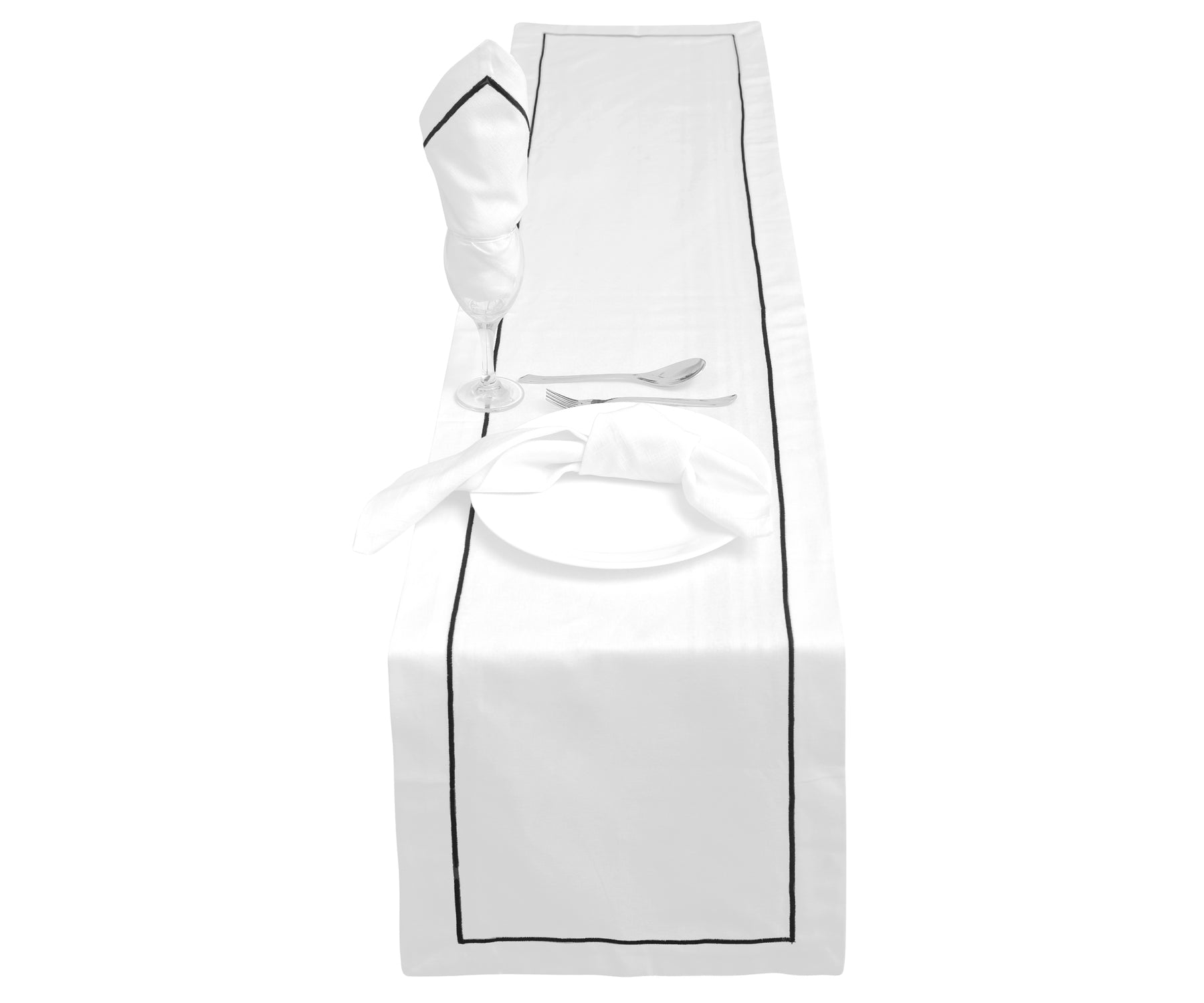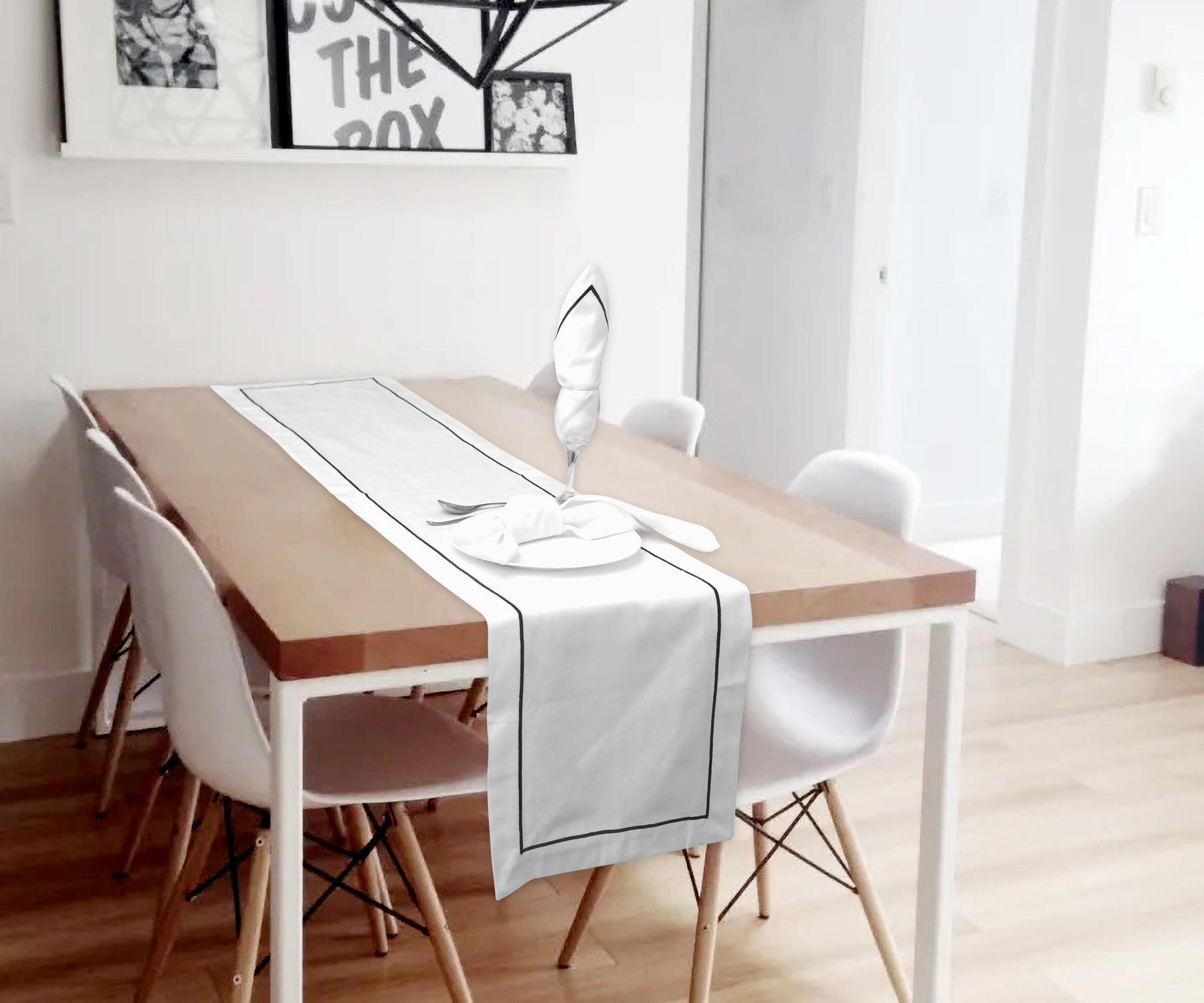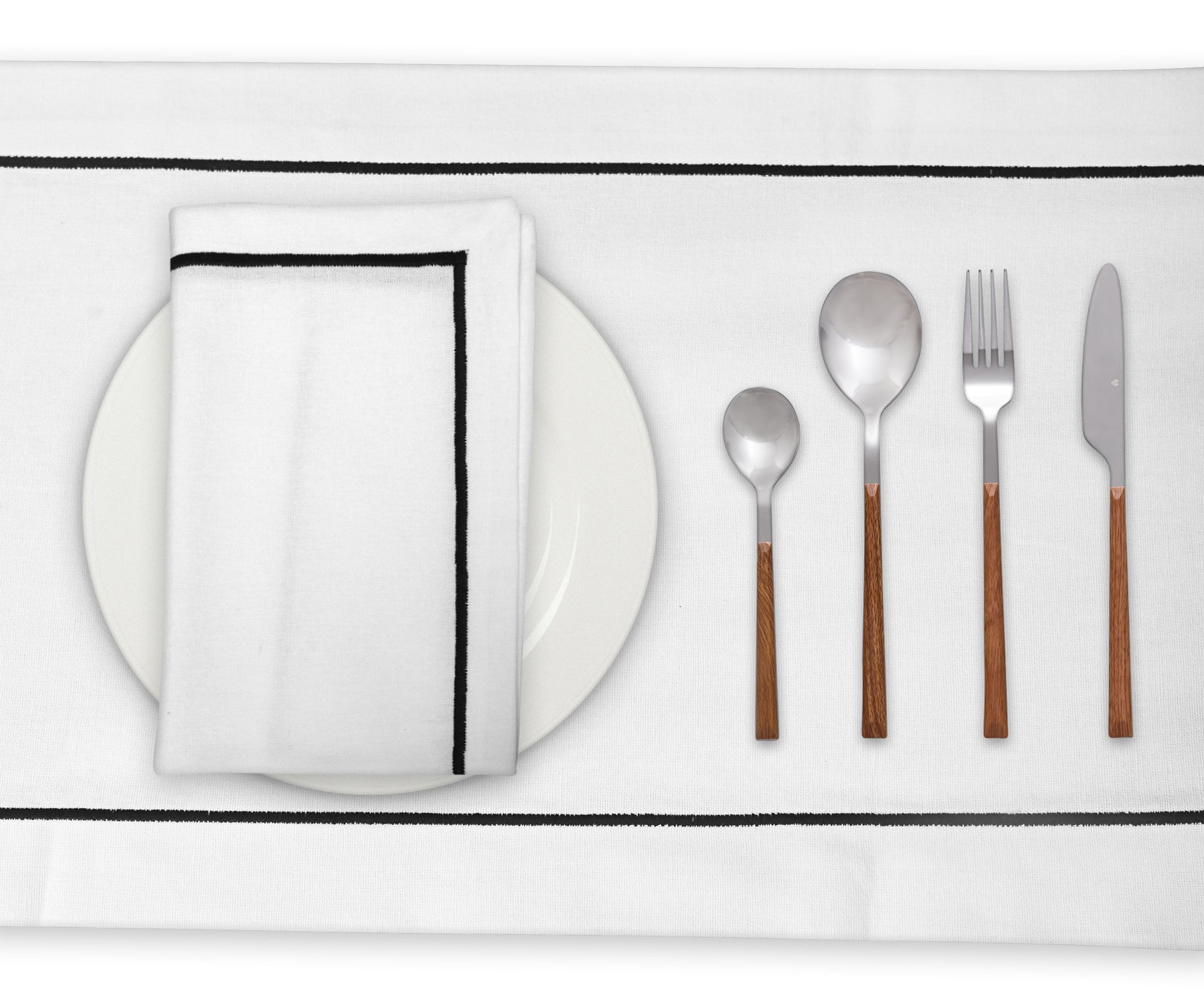

Why Getting the Table Runner Size Right Matters
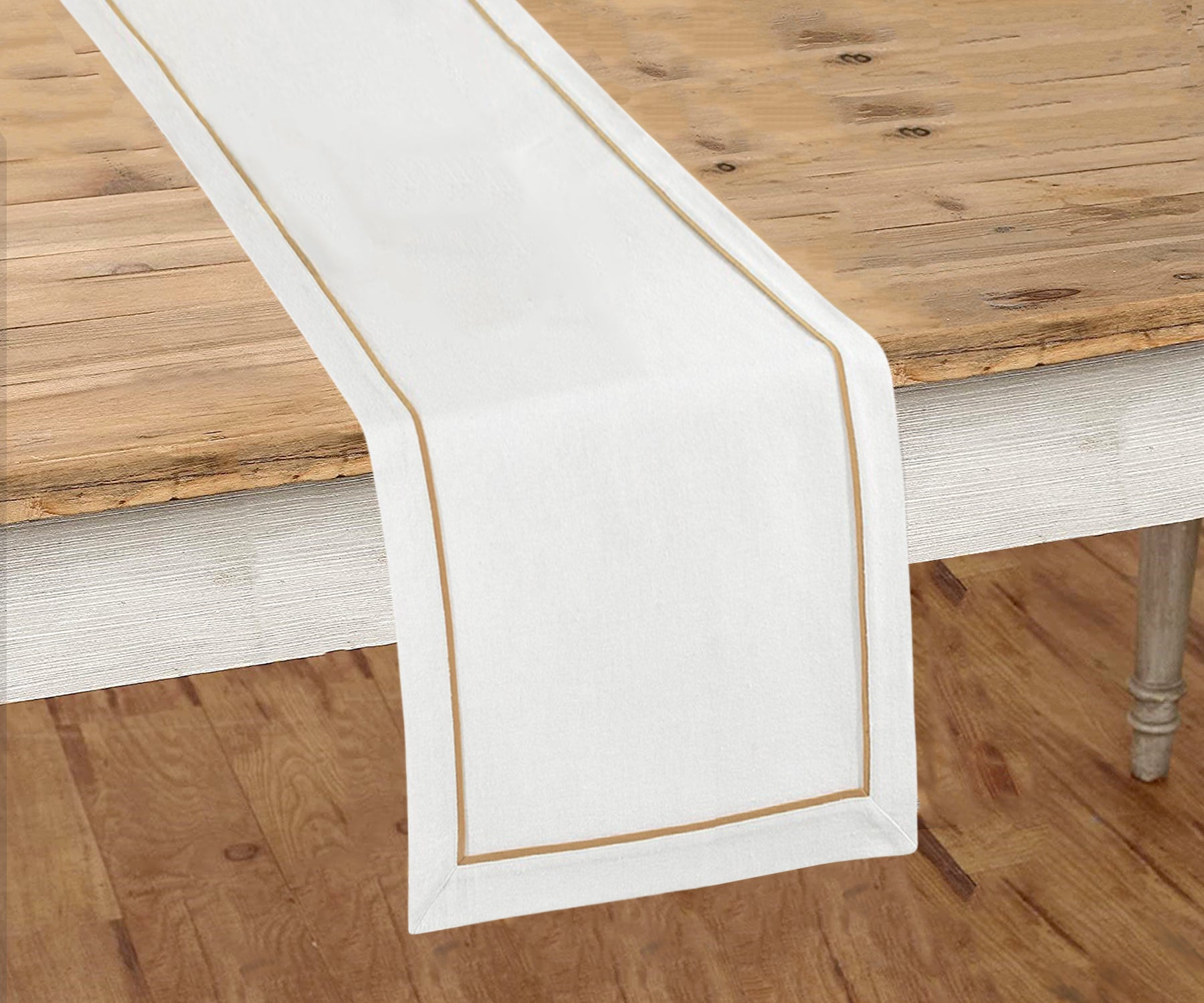
A table runner that's too short looks awkward and out of place. One that's too long puddles on the floor and creates a safety hazard. Getting the measurement right is the difference between a table that looks styled with intention and one that looks like an afterthought.
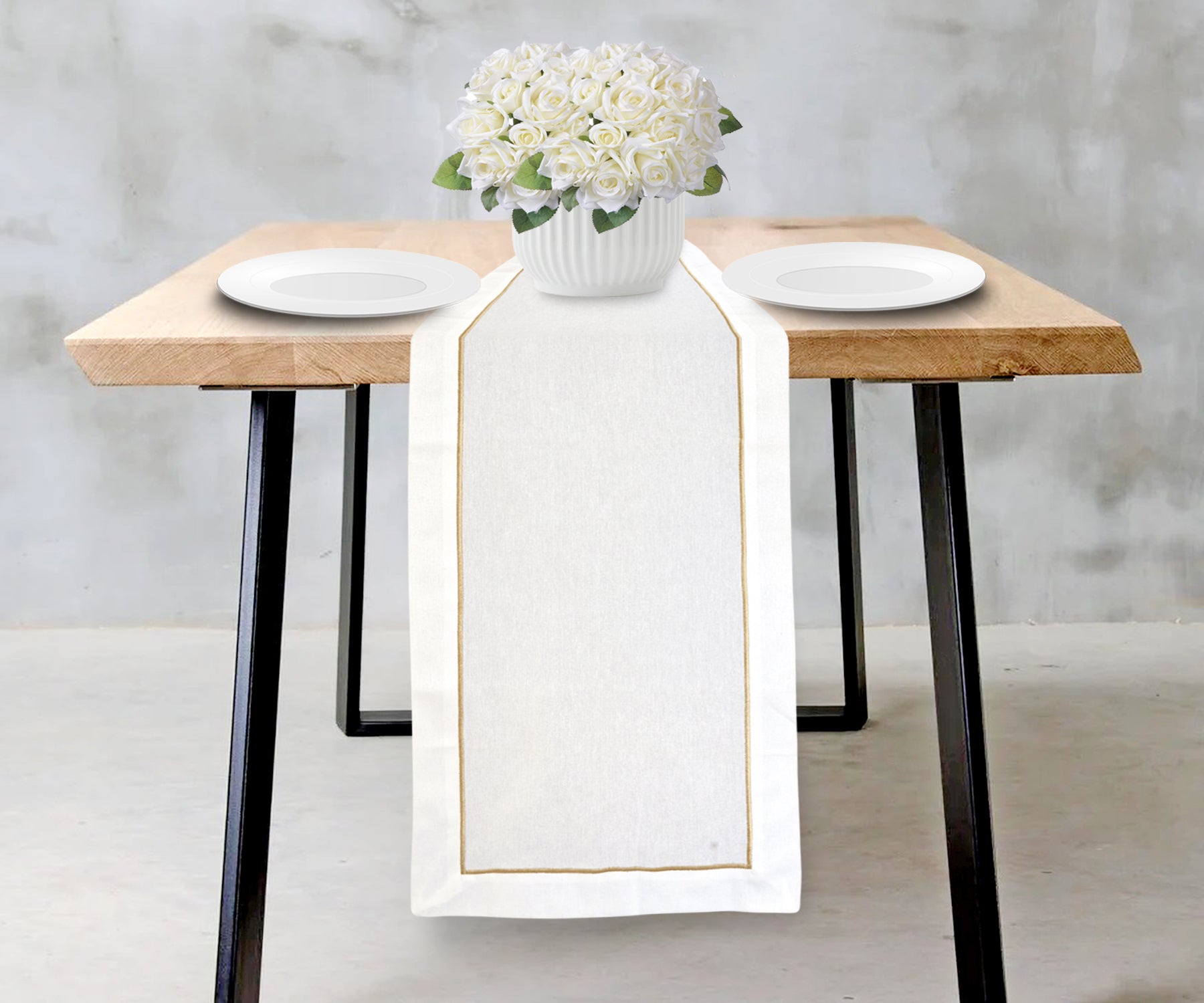
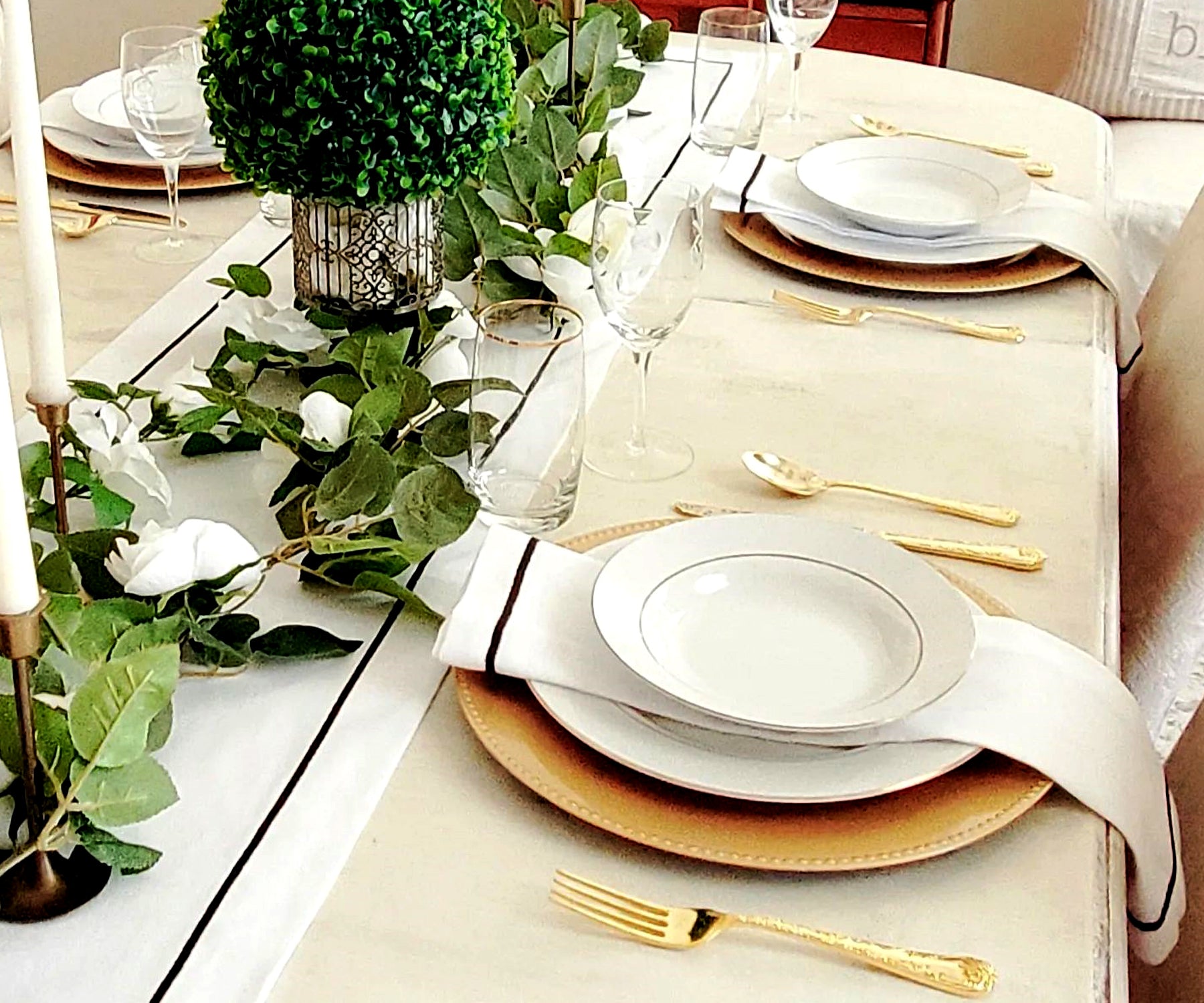
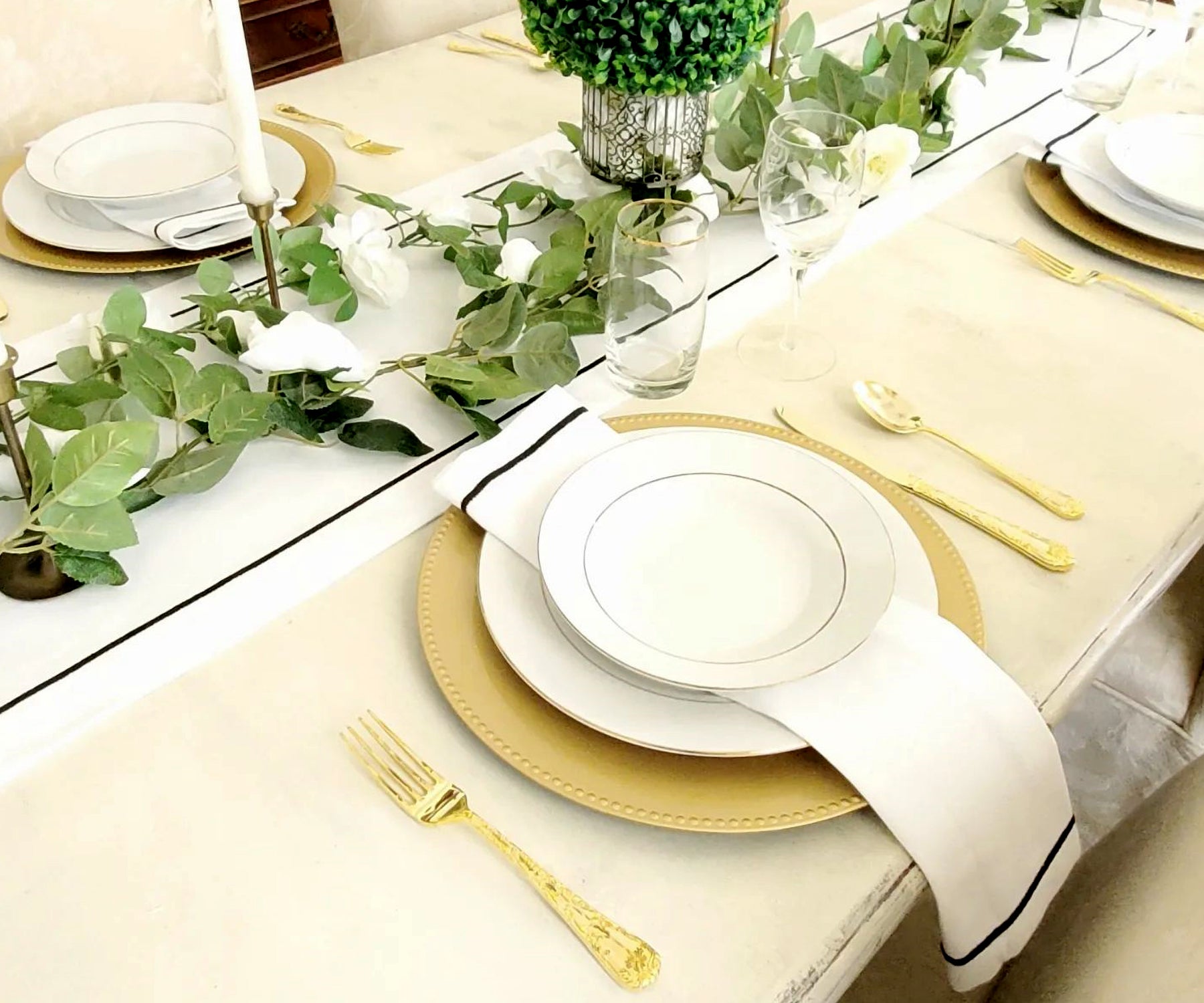
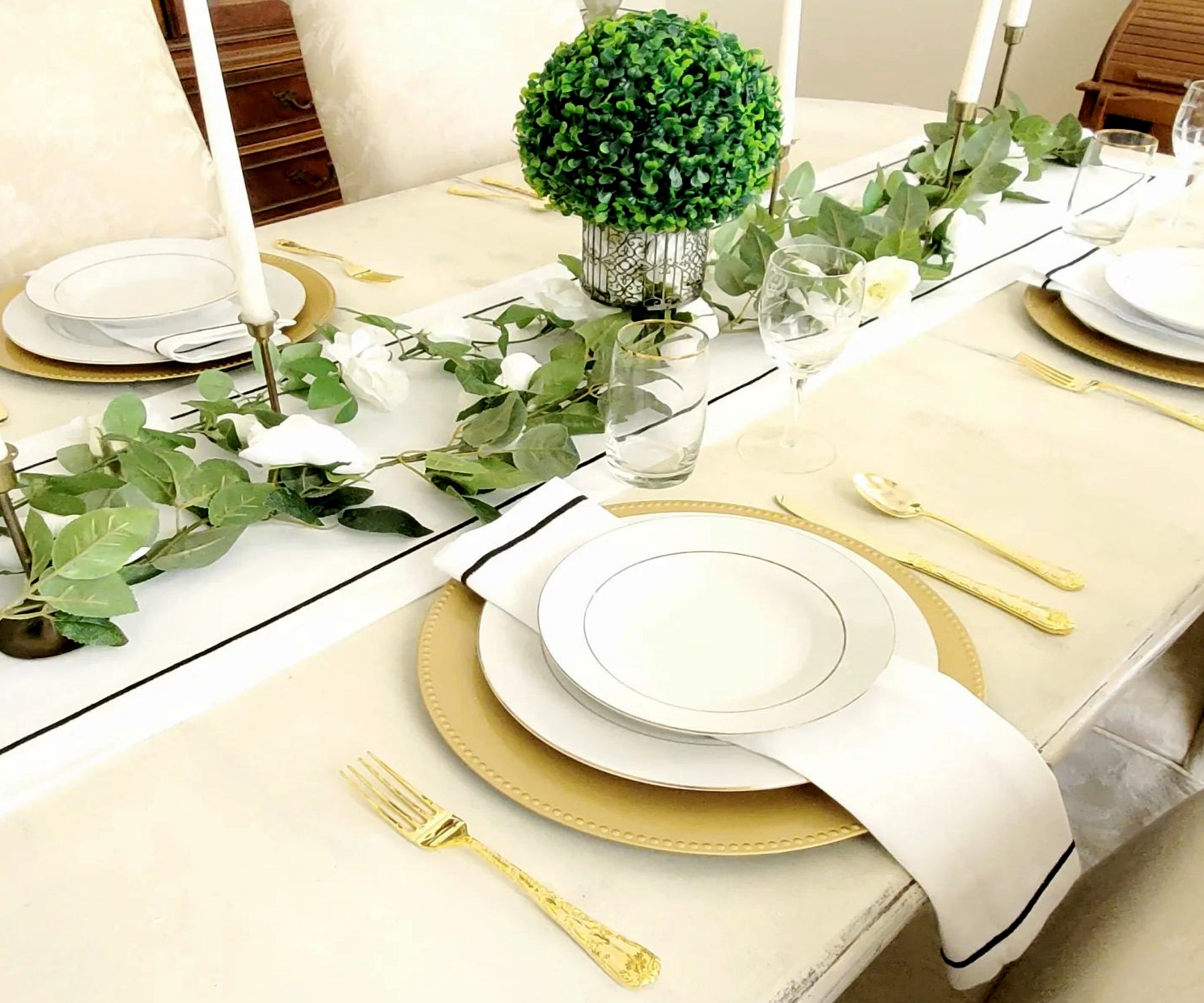
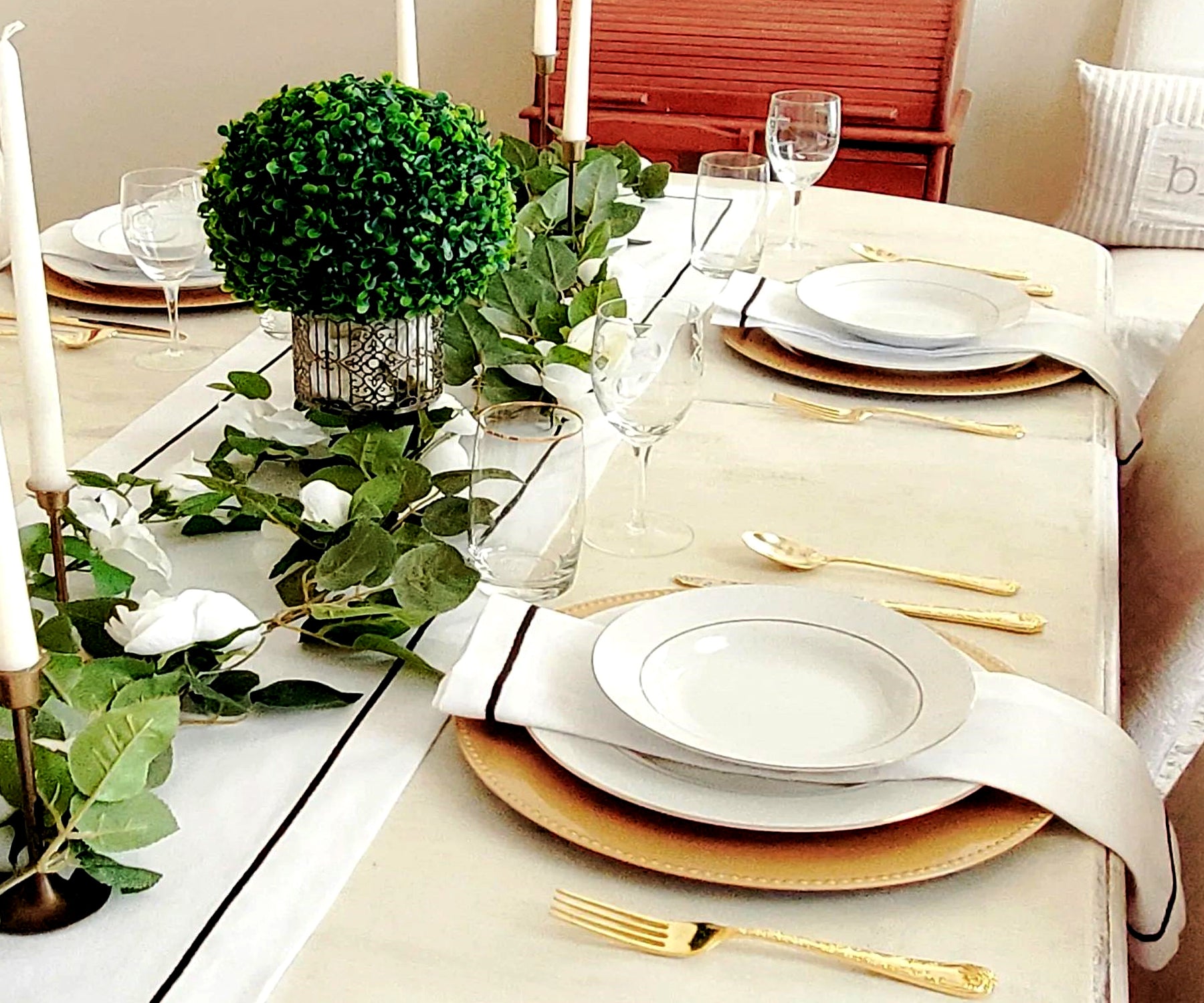
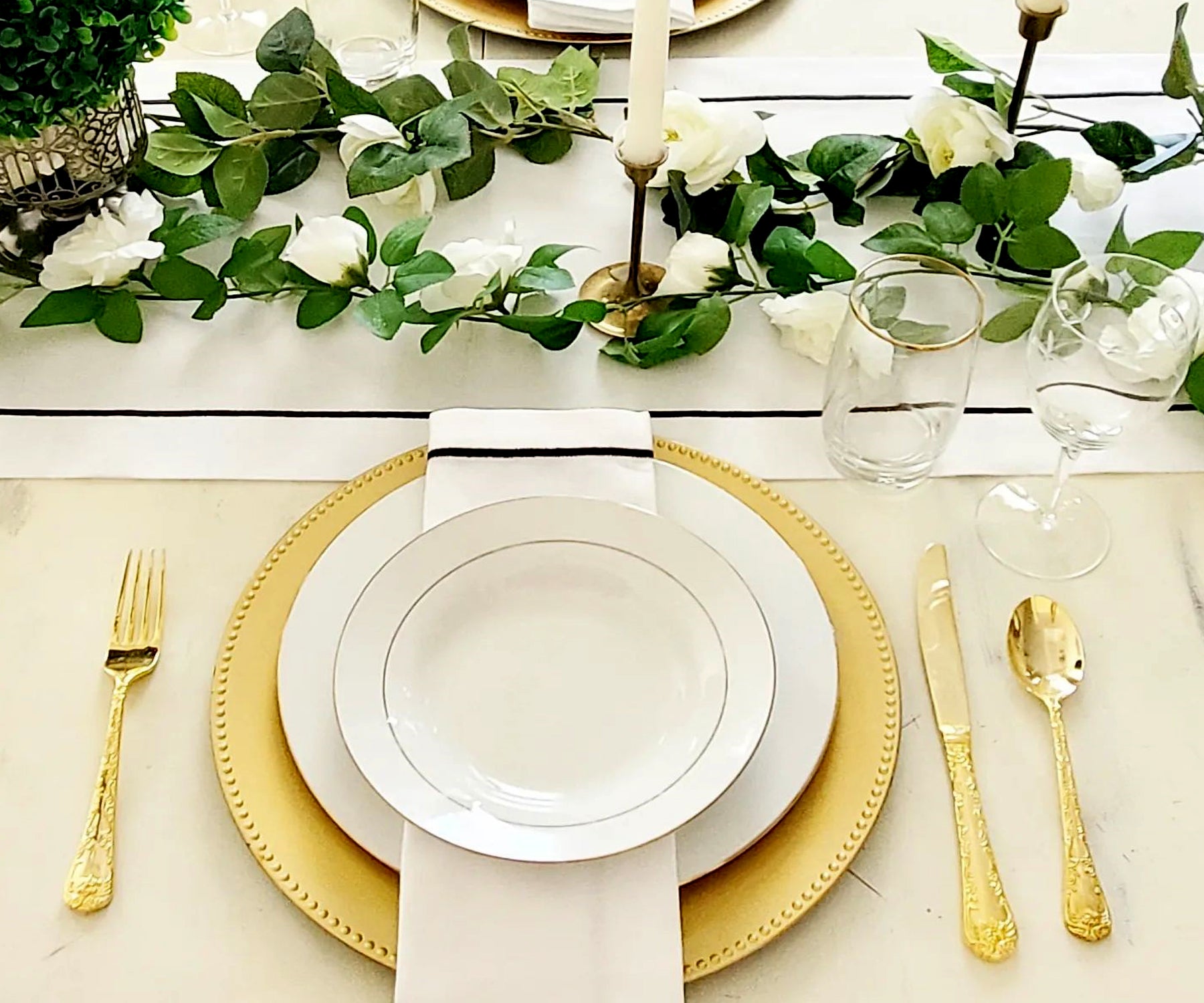
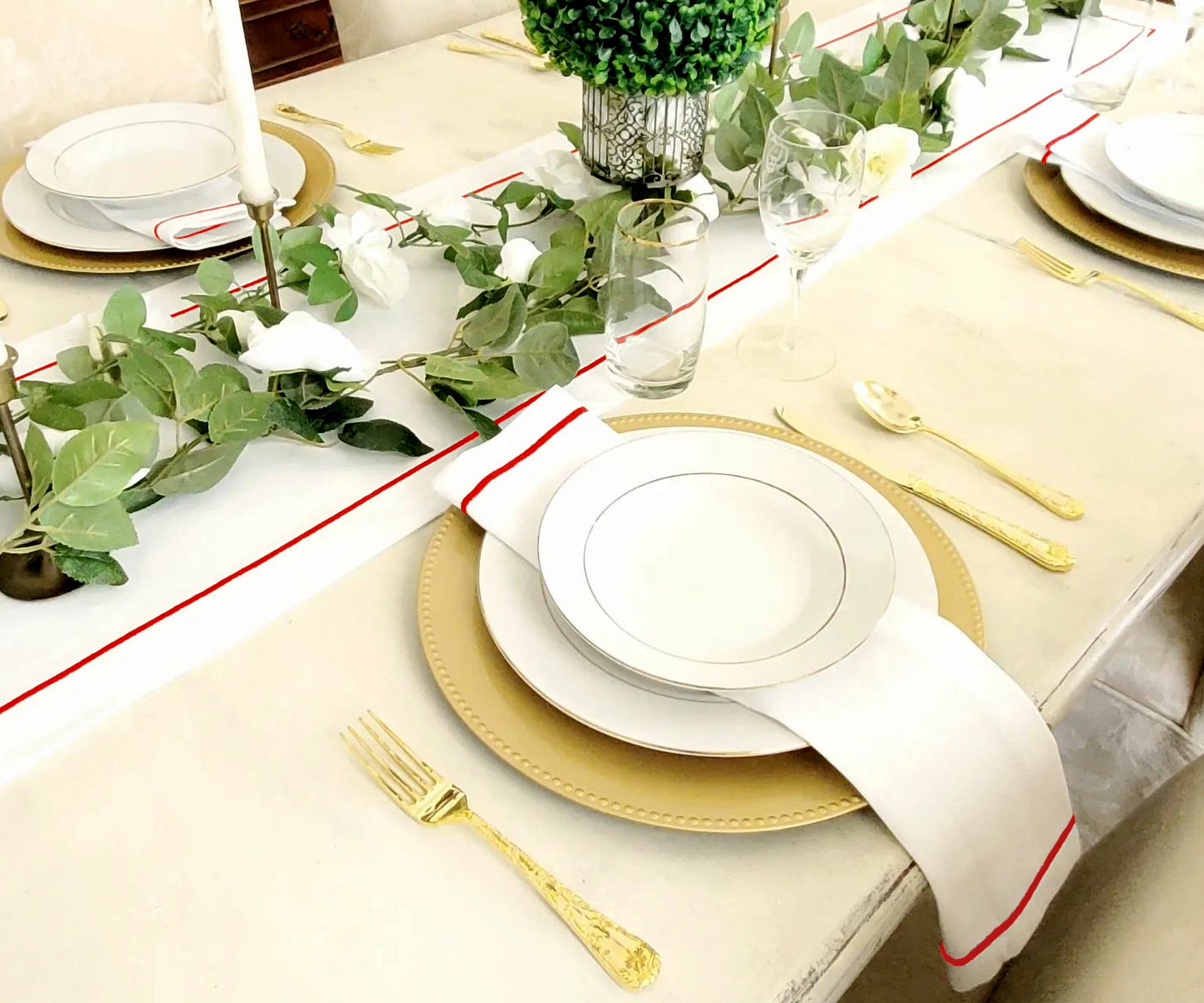
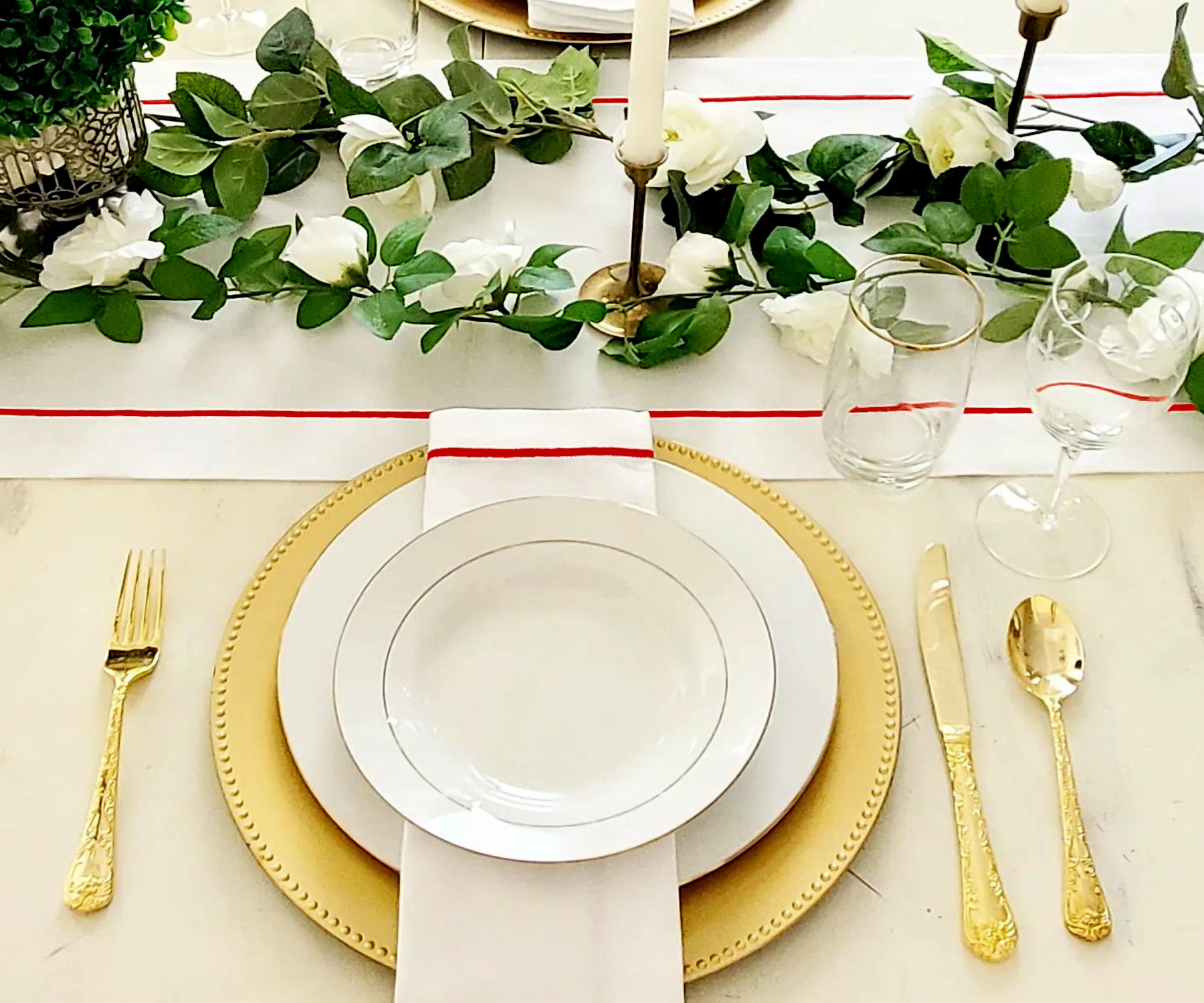
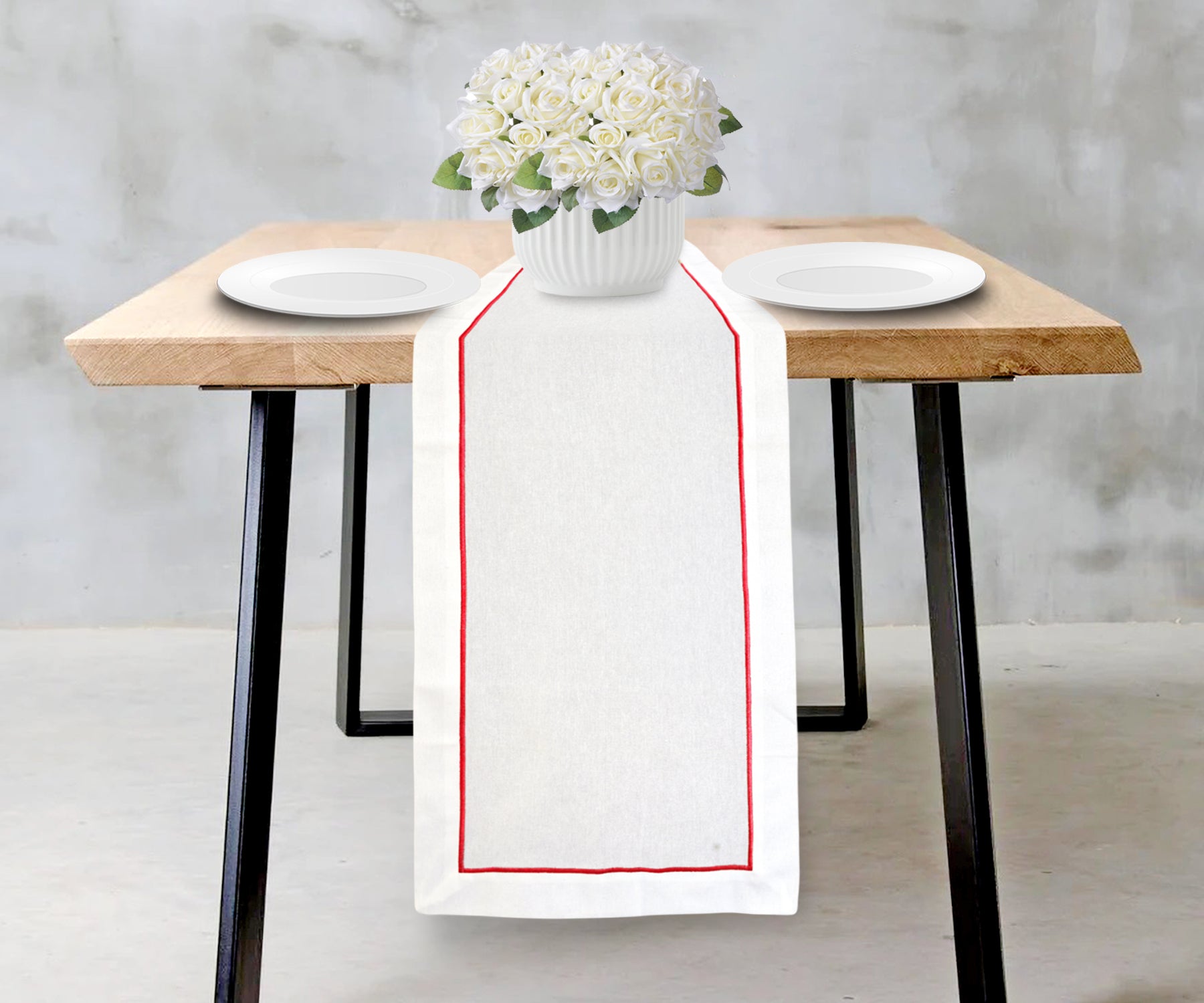
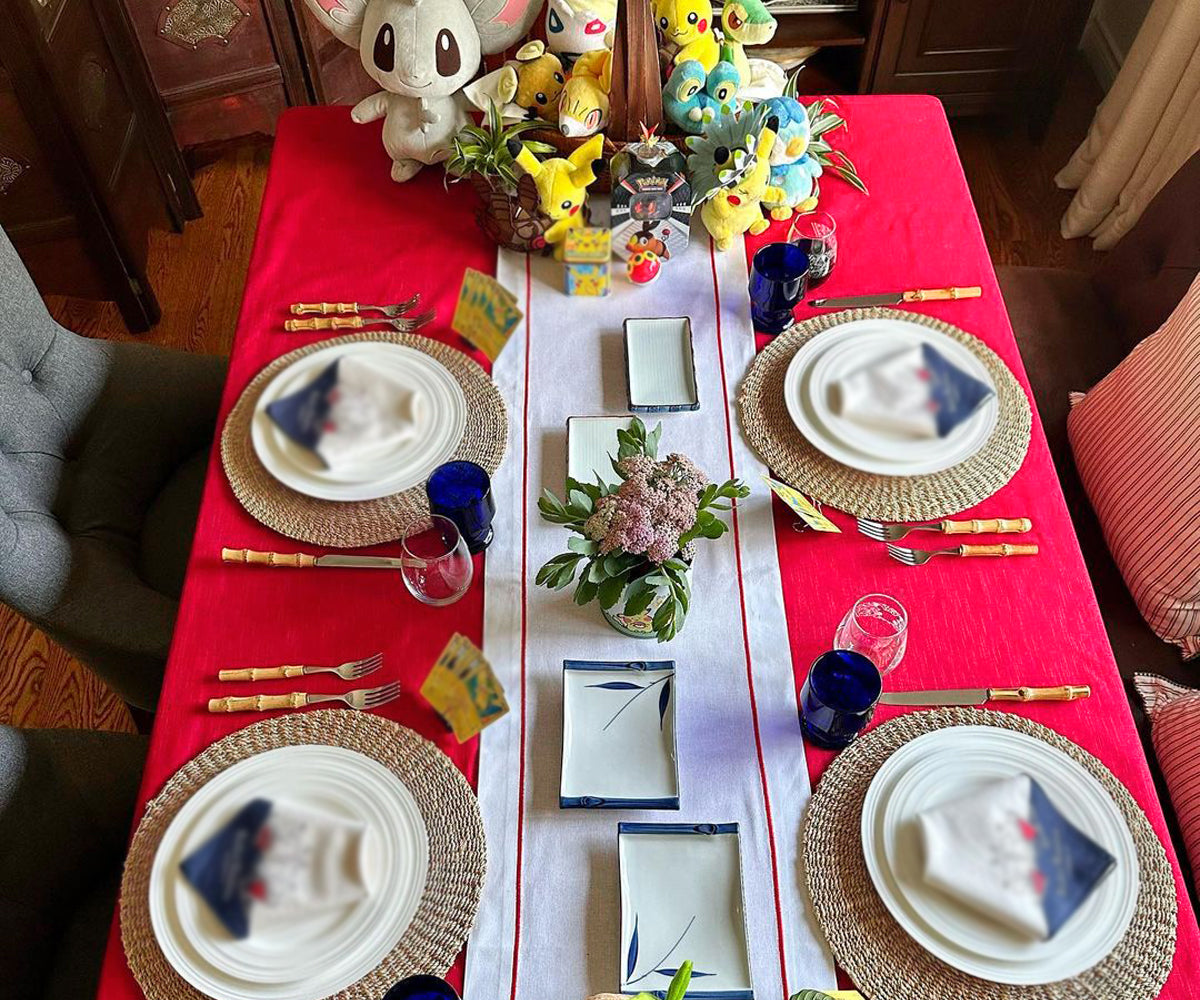
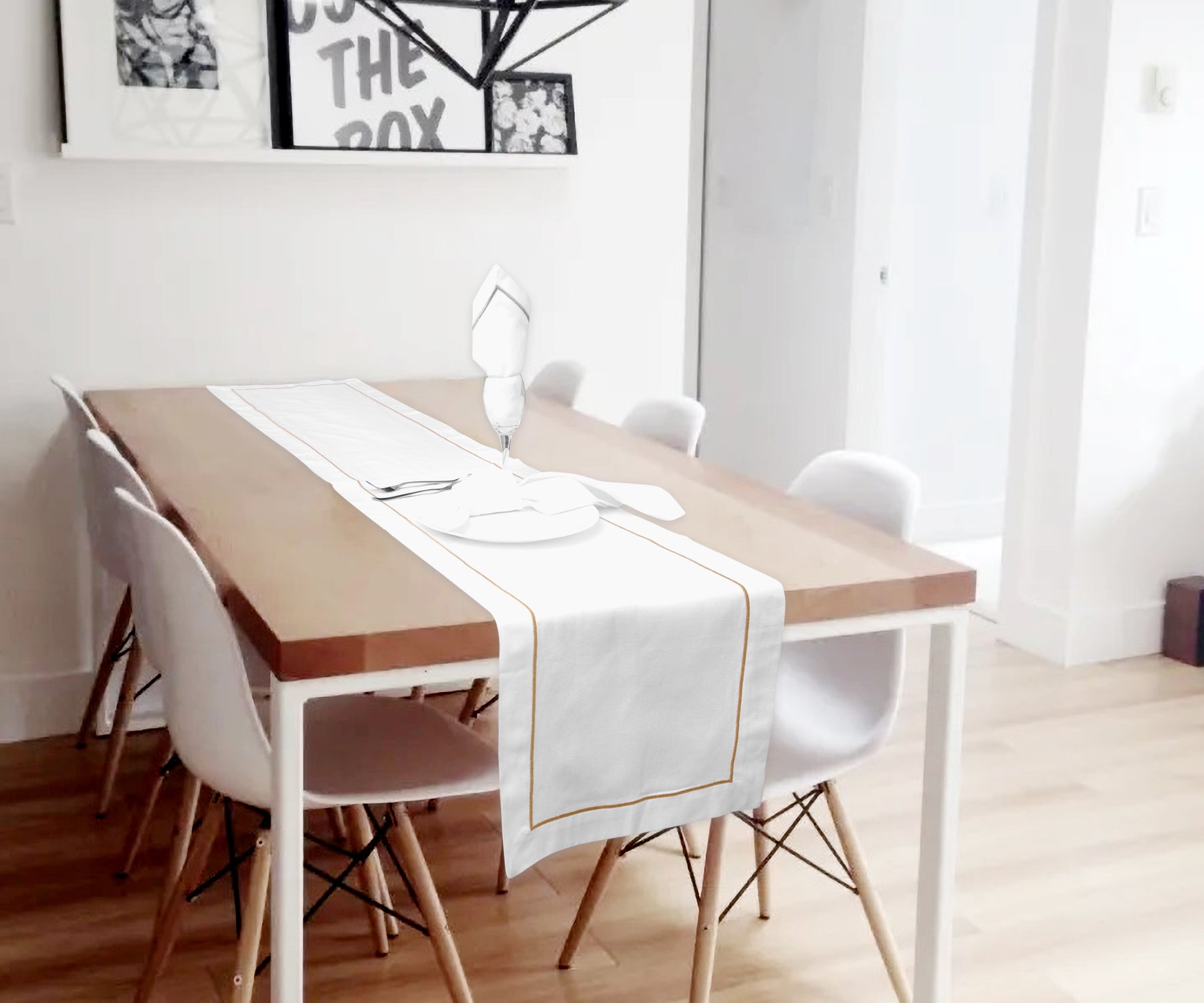
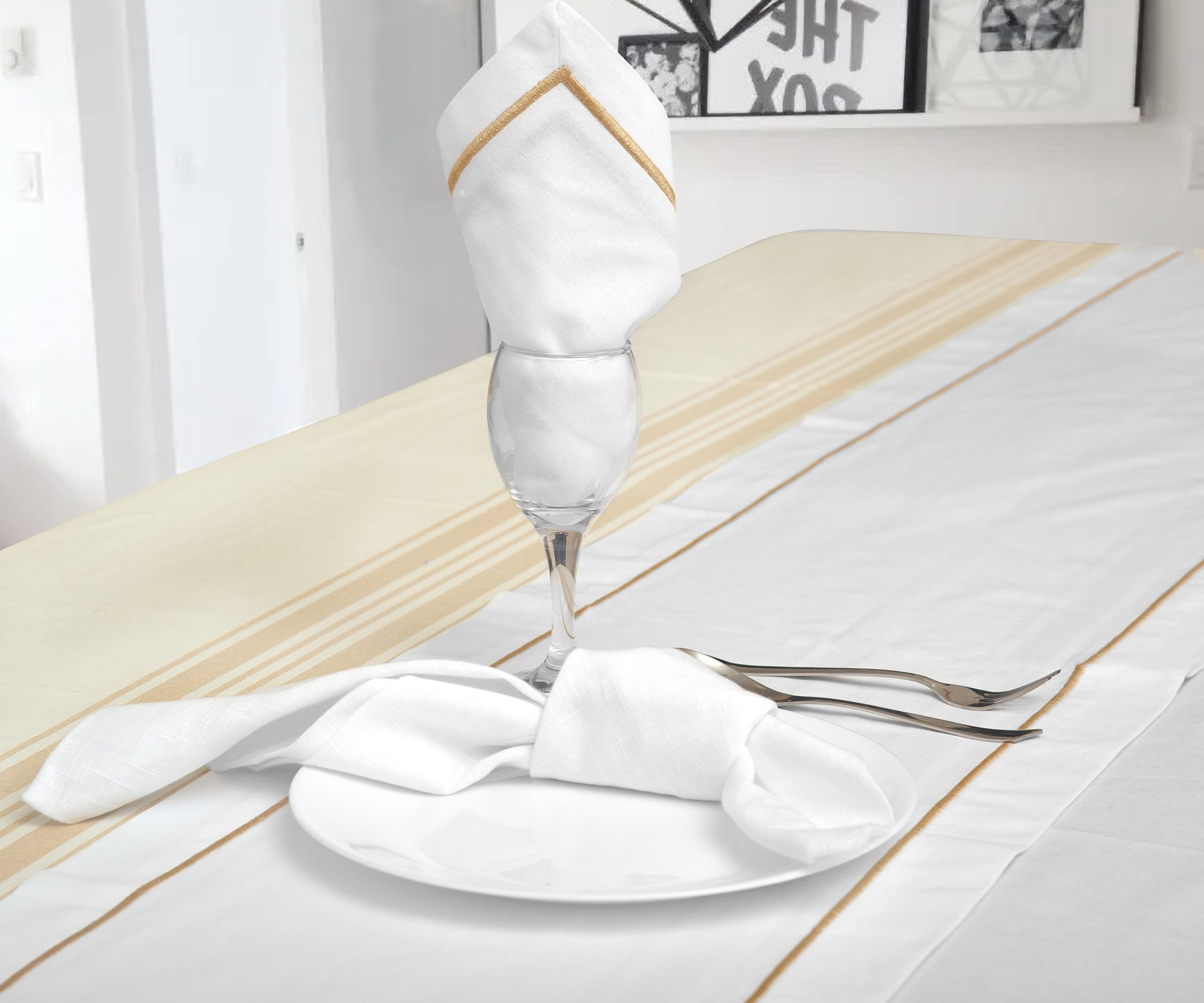
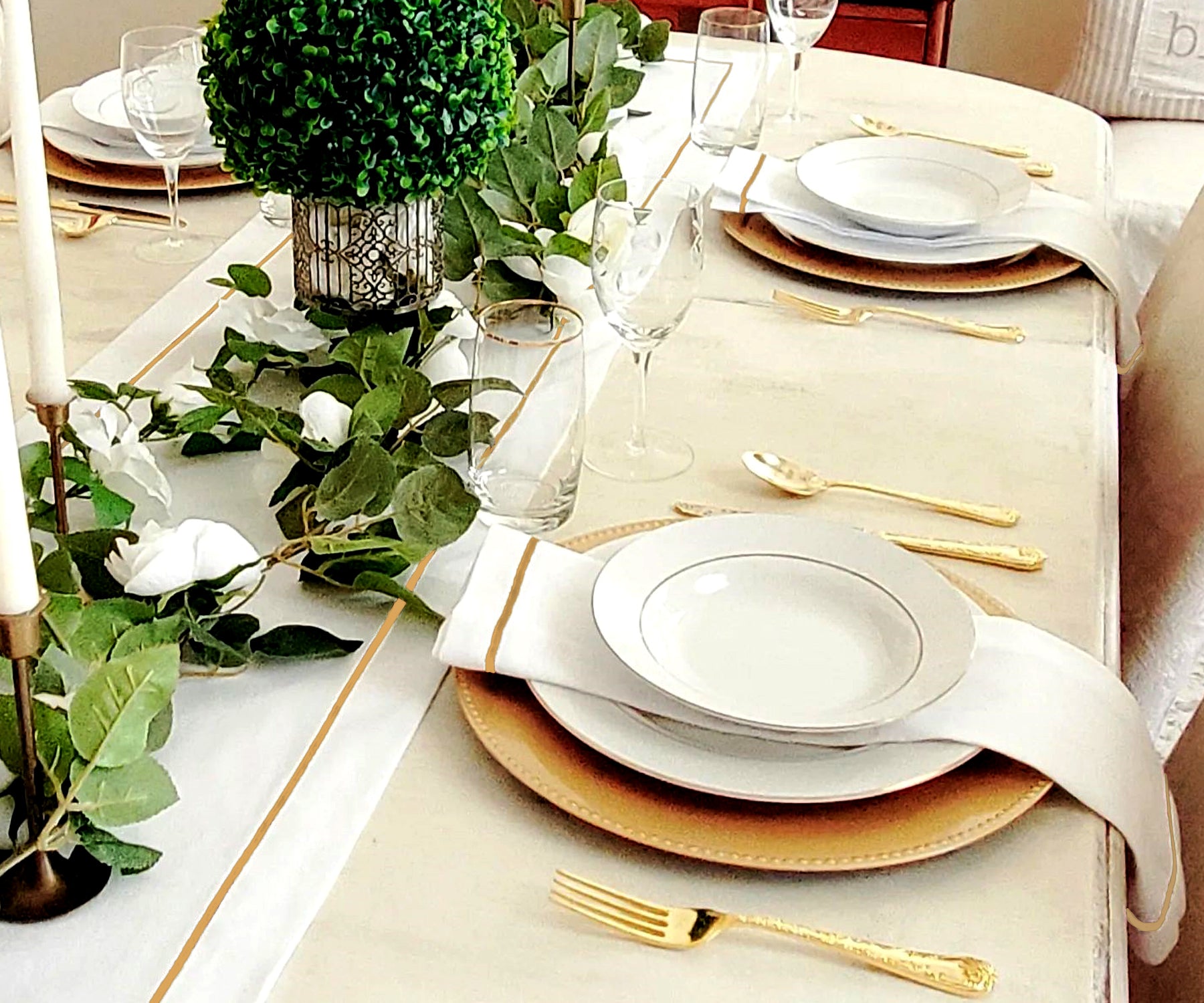
The right table runner size creates visual balance, frames your centerpiece beautifully, and allows your tablecloth or table surface to show on either side, which is exactly what makes the overall look feel layered and complete. Whether you're preparing for a dinner party, a wedding reception, or simply refreshing your everyday table setting, a properly measured runner makes all the difference.

What You Need Before You Start
Before measuring, grab:
-
A soft measuring tape (fabric or flexible, not a rigid ruler)
-
A pen and a notepad to record measurements
-
The table you're dressing measures the actual table, not an estimated size
If you're placing the runner over a tablecloth, measure the tablecloth surface rather than the bare table, as this will affect how the runner sits and drapes.
How to Measure a Table Runner Step by Step
Step 1: Measure the Table Length
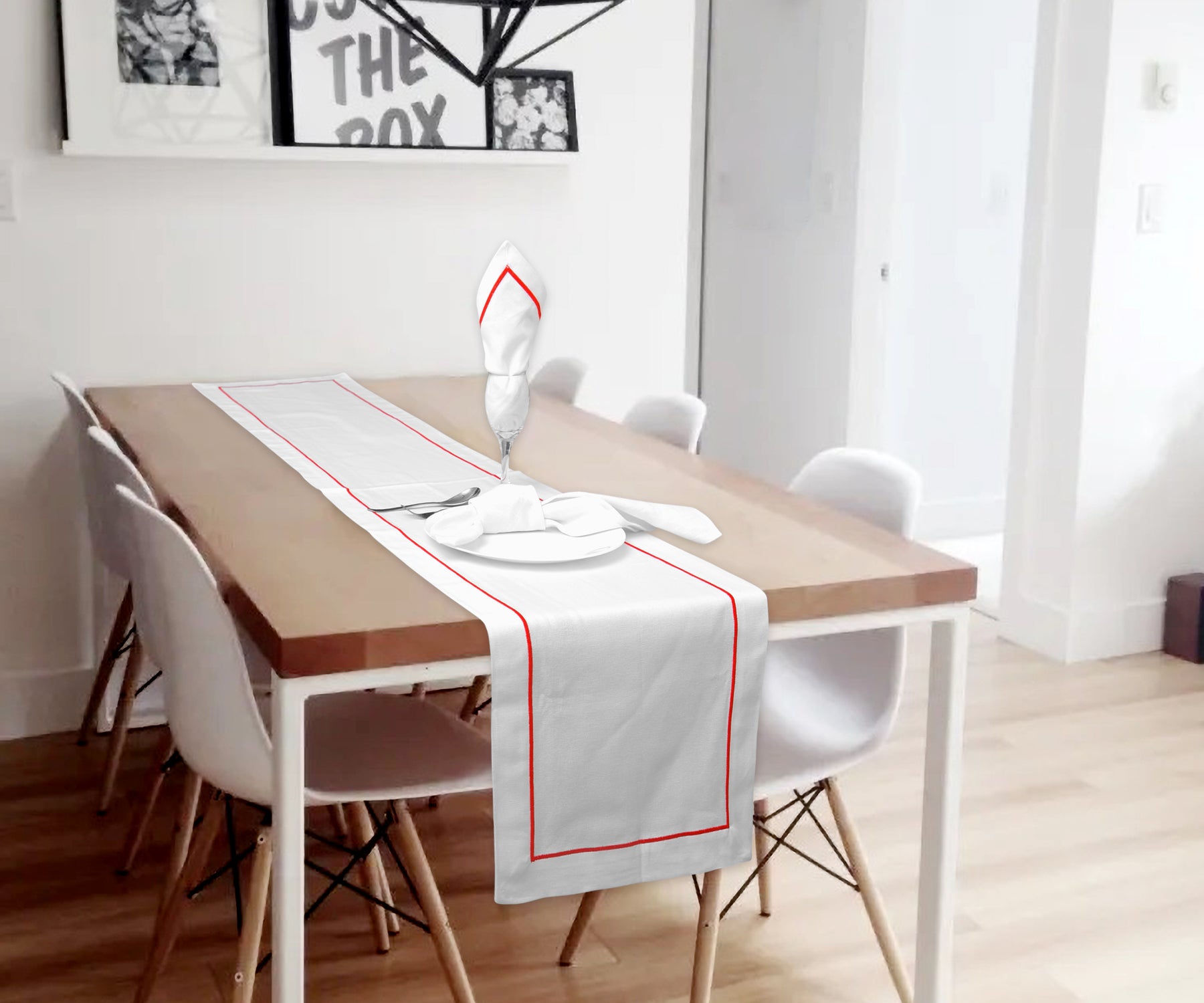
Using your measuring tape, measure the full length of the table from one end to the other. Record this number in inches. For a standard dining table, this is typically 60, 72, or 84 inches.
Step 2: Decide on Your Drop Length
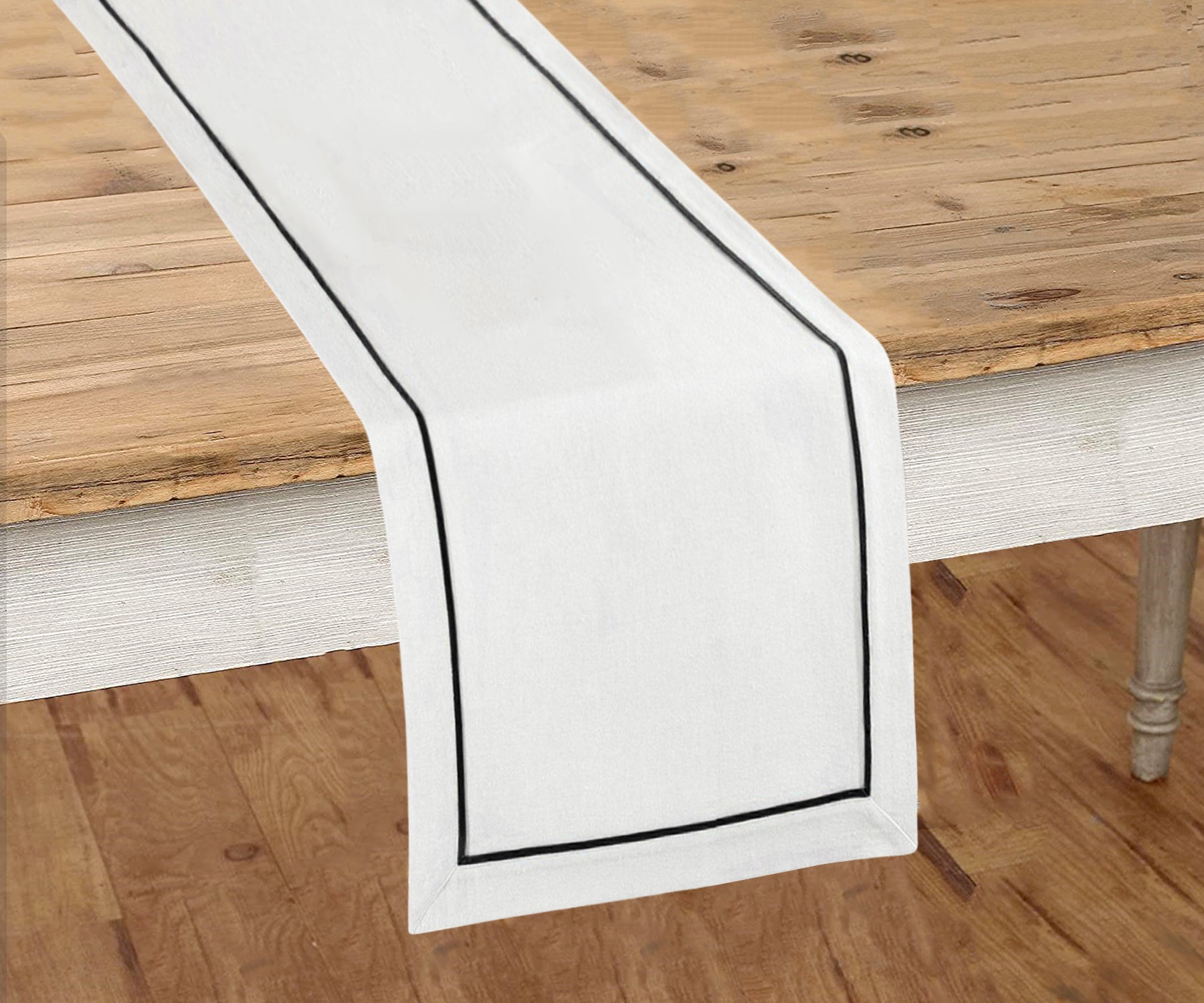
The drop is how much fabric hangs over each end of the table. This is where the look of your table setting is really defined:
|
Setting Type |
Recommended Drop |
Visual Effect |
|
Casual / Everyday |
4–6 inches per end |
Clean, relaxed look |
|
Semi-Formal |
6–10 inches per end |
Balanced, polished |
|
Formal / Events |
10–12 inches per end |
Elegant, intentional |
|
Weddings / Banquets |
12–15 inches per end |
Dramatic, luxurious |
Step 3: Calculate Your Runner Length
Use this simple formula:
Table Length + (Drop × 2) = Runner Length
Examples:
|
Table Length |
Drop Per End |
Runner Length Needed |
|
60 inches |
6 inches |
72 inches |
|
60 inches |
10 inches |
80 inches |
|
72 inches |
6 inches |
84 inches |
|
72 inches |
10 inches |
92 inches |
|
84 inches |
6 inches |
96 inches |
|
84 inches |
12 inches |
108 inches |
Step 4: Measure the Width
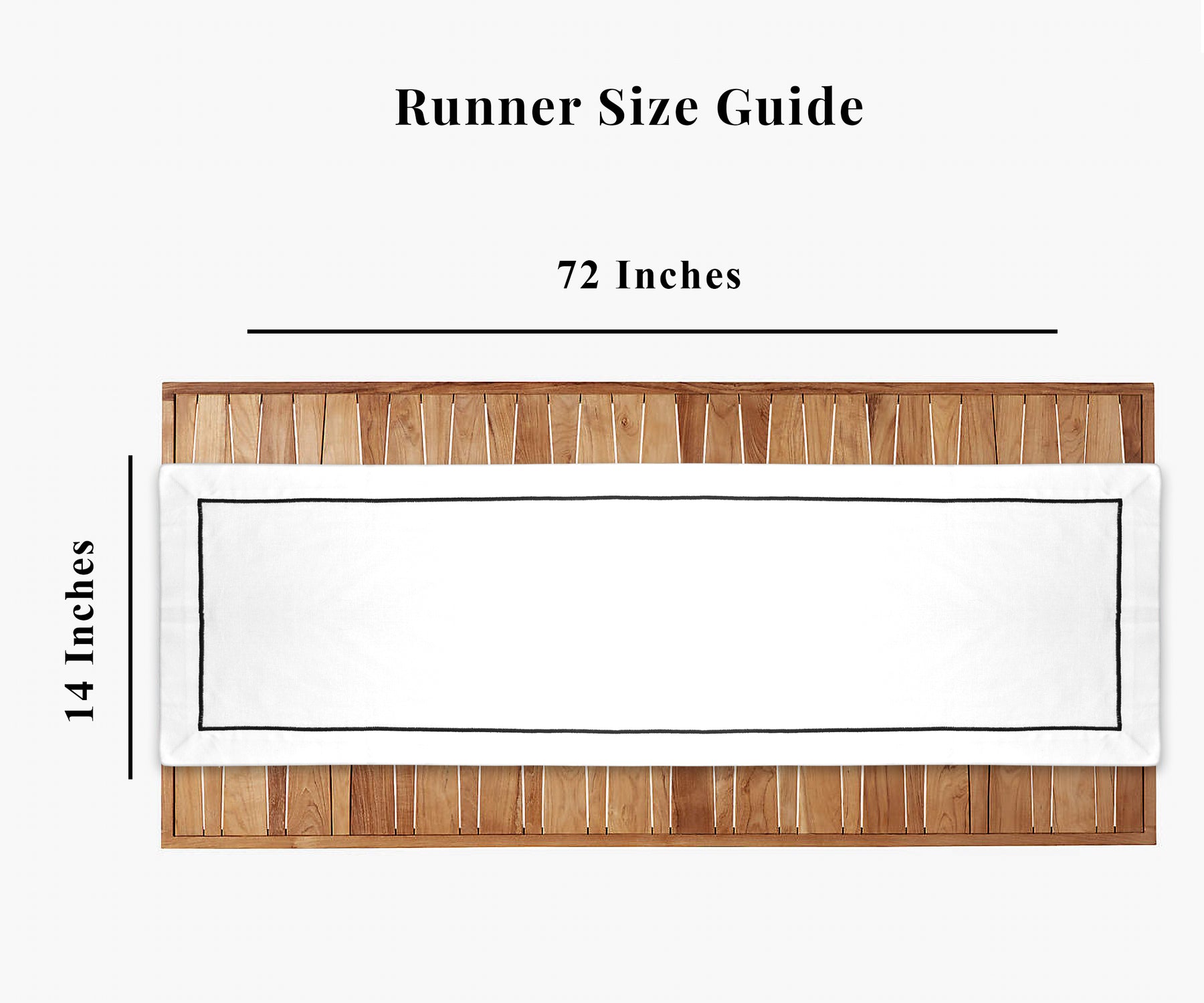
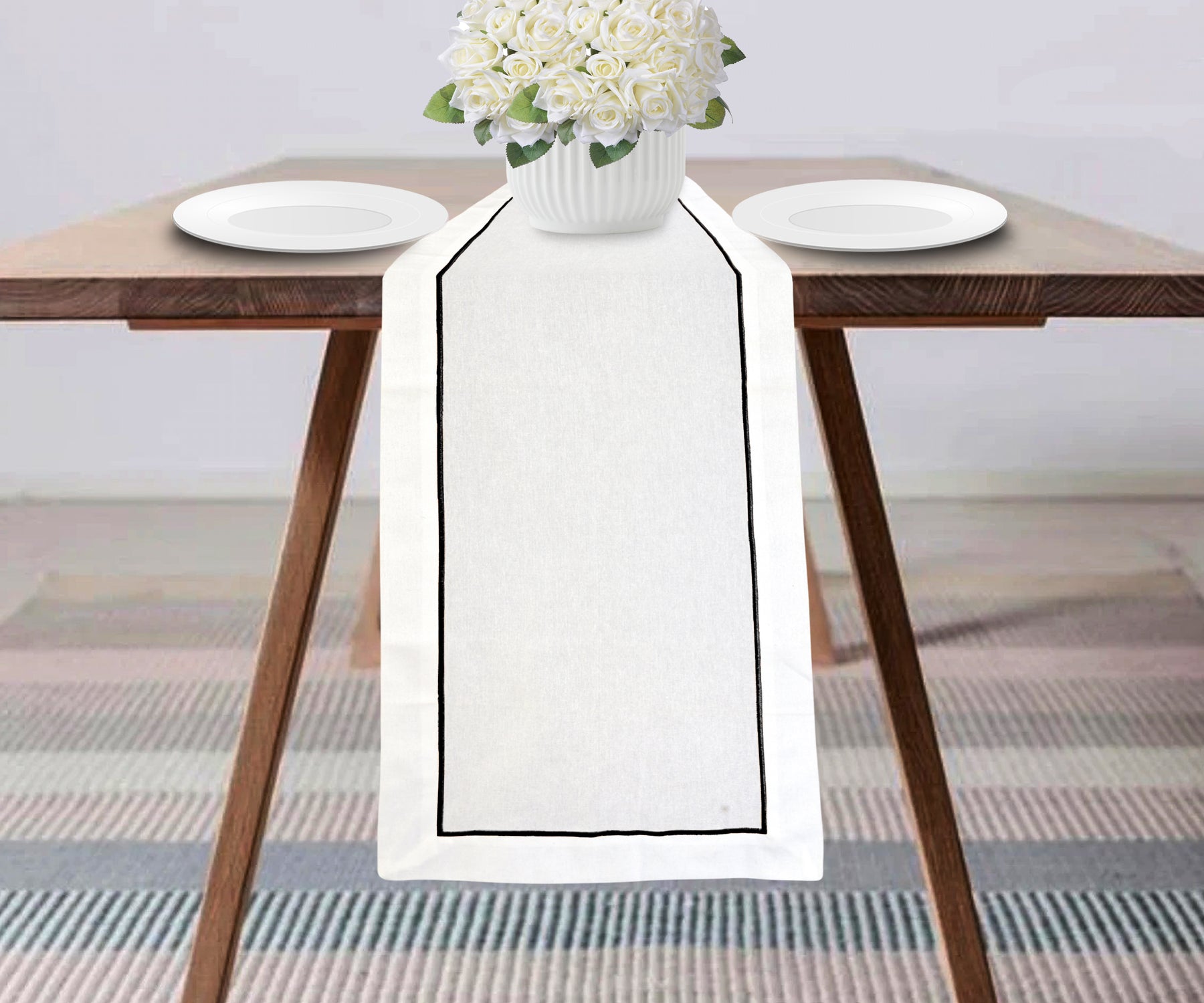
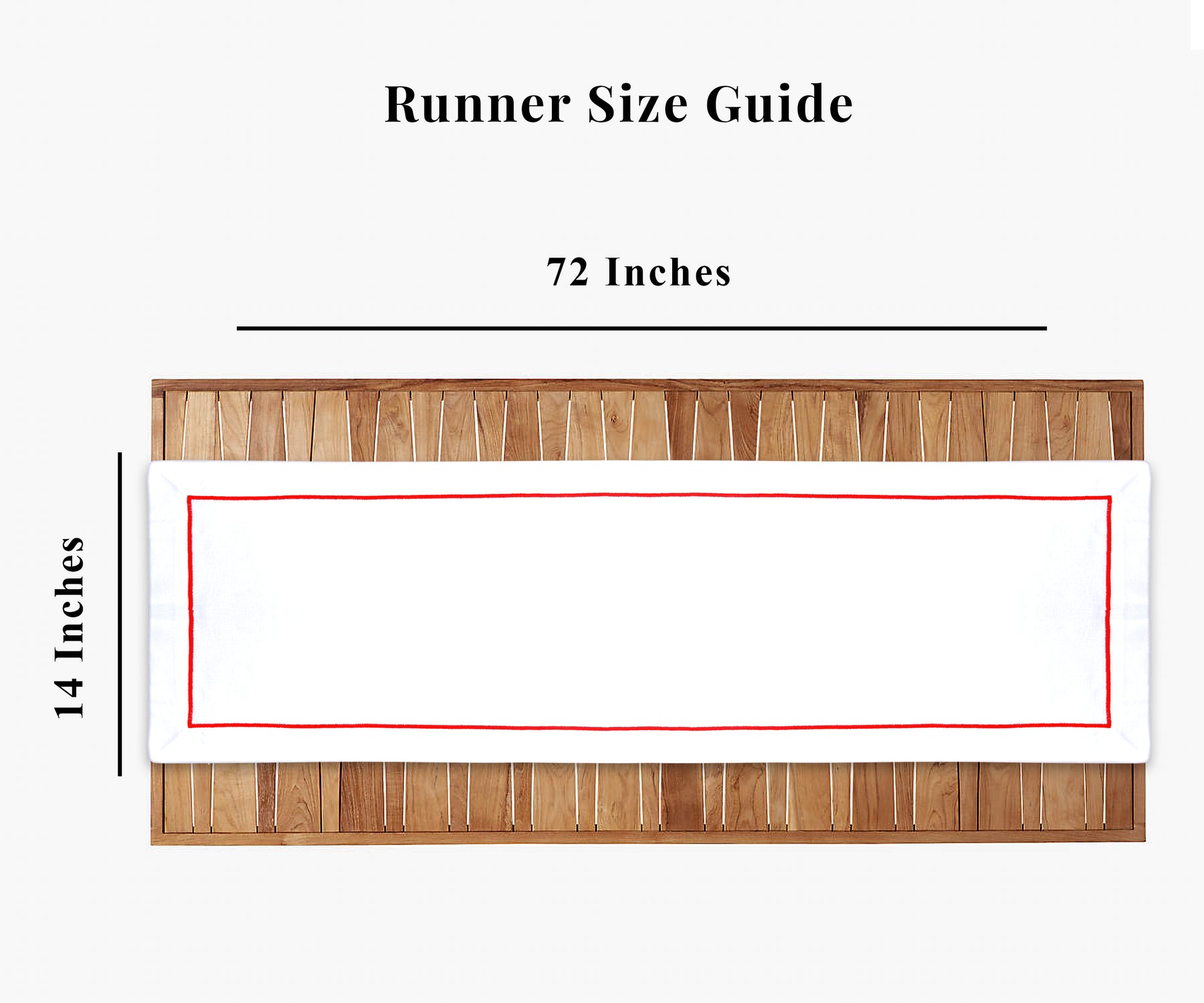
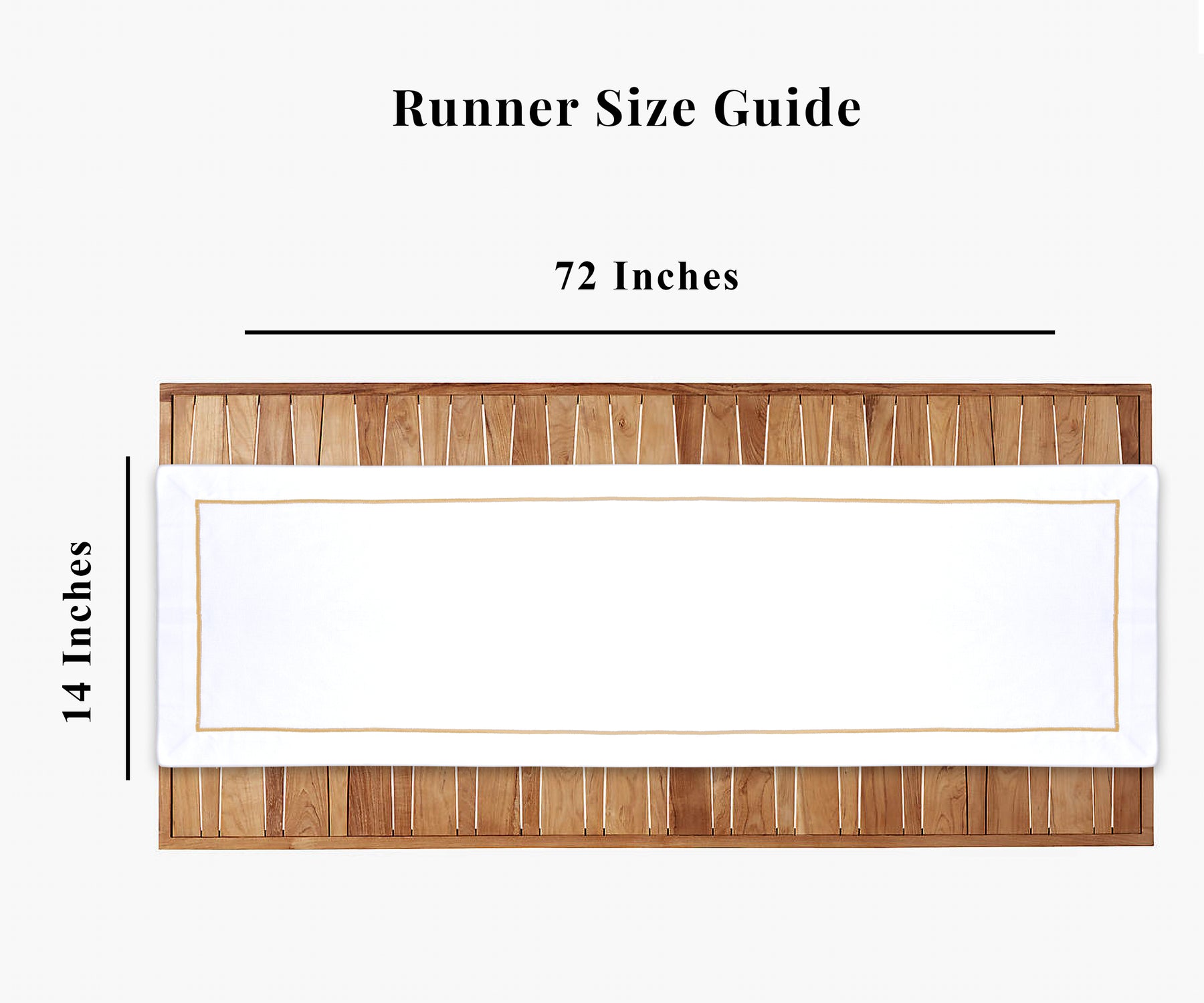
Standard table runner widths run between 10 and 15 inches. As a rule, your runner should be at least 6 inches narrower than the table on each side. This ensures the table surface or tablecloth remains visible, giving the setting that layered, intentional look.
For most standard dining tables (30–36 inches wide), a 12–14 inch wide runner is the most versatile choice. It's wide enough to anchor a centrepiece and narrow enough to keep the proportions balanced.
Read On: Exploring Different Types of Kitchen Towels: A Comprehensive Guide
Standard Table Runner Size Chart
|
Table Length |
Casual Runner |
Formal Runner |
Recommended Width |
|
48 inches |
60–66 inches |
68–72 inches |
10–12 inches |
|
60 inches |
70–72 inches |
80–84 inches |
12–14 inches |
|
72 inches |
84–88 inches |
92–96 inches |
12–14 inches |
|
84 inches |
96–100 inches |
108–112 inches |
13–15 inches |
|
96 inches |
108–112 inches |
120 inches |
14–15 inches |
If your preferred runner length falls between two standard sizes, always size up a slightly longer runner looks far more elegant than one that falls just short of the ideal drop.
How to Measure a Table Runner for Different Table Shapes
Rectangular Tables
The most straightforward measurement. Lay the runner lengthwise along the centre of the table. Follow the formula in the above table: length plus your desired drop on each end. This is the most traditional placement and works equally well for everyday dining and formal events.
For a creative alternative, place a shorter runner across the width of the table rather than along its length. This works beautifully as a centrepiece anchor when you have a long dining table and want to break up the horizontal line.
Round Tables
Round tables require a slightly different approach. Measure the diameter of the table, the distance straight across the centre from one edge to the other. Add your preferred drop to both sides just as you would with a rectangular table.

For a single runner, place it straight across the center. For a styled, maximalist look, cross two runners in an X shape. This technique works particularly well for celebration tables and creates a focal point for a floral or candle centrepiece placed at the intersection.
Know About: Where to Hang Kitchen Towels: 7 Smart Ideas That Work
Square Tables
For a square table, measure one side and apply the same drop formula. A single runner placed diagonally across the table creates a modern, asymmetric effect. Two shorter runners placed parallel or in opposite directions also work well for a layered, balanced look.
Oval Tables
Treat an oval table like a rectangular one, measure the longest point (length), and apply the drop formula. Ensure the runner width is proportional to the widest point of the table so it doesn't look too narrow at the center.

Table Runner Sizing for Special Events
Different events call for different runner lengths and styles.
Here's a quick reference:
|
Event |
Table Type |
Runner Length |
Style Tip |
|
Everyday Dining |
6-ft rectangular |
84–88 inches |
Simple cotton or linen, neutral tone |
|
Birthday Party |
6-ft rectangular |
88–92 inches |
Bold colour or patterned runner |
|
Wedding Reception |
Banquet / long table |
108–120 inches |
Embroidered or hemstitched linen |
|
Holiday Dinner |
8-ft rectangular |
108–112 inches |
Seasonal colours, textured fabric |
|
Brunch / Garden Party |
Round or square |
Cross-placement |
Lightweight cotton, floral, or stripe |
|
Buffet Table |
8-ft rectangular |
108–120 inches |
Full-length, floor-grazing optional |
Table Runner Width: Does It Really Matter?
Yes, and it's the measurement most people overlook. A runner that's too wide covers most of the tablecloth and defeats the purpose of layering. A runner that's too narrow looks like a ribbon and loses visual impact.
The sweet spot for most dining tables is 12–14 inches. This width is wide enough to hold a centrepiece, candles, or seasonal decor confidently and narrow enough to leave 8–10 inches of table or tablecloth visible on each side.
If you're using the runner without a tablecloth on a wooden or glass table, you can go slightly wider up to 15 inches to give the surface more coverage and protection.
Best Materials for Table Runners
The fabric of your runner affects how it drapes, how it photographs, and how long it lasts.
|
Material |
Drape & Feel |
Best For |
Care |
|
Cotton |
Soft, holds shape well |
Everyday use, casual dining |
Machine washable |
|
Linen |
Natural texture, relaxed drape |
Farmhouse, formal, weddings |
Machine wash cold |
|
Embroidered Cotton |
Structured with decorative detail |
Weddings, special occasions |
Gentle machine wash |
|
Hemstitched Linen |
Clean, elegant finish |
Formal dining, gifting |
Gentle wash, air dry |
|
Printed Cotton |
Vibrant, pattern-forward |
Seasonal and festive tables |
Machine washable |
|
Tassel / Fringe Edge |
Relaxed, bohemian feel |
Casual, outdoor, boho styling |
Spot clean or gently wash |
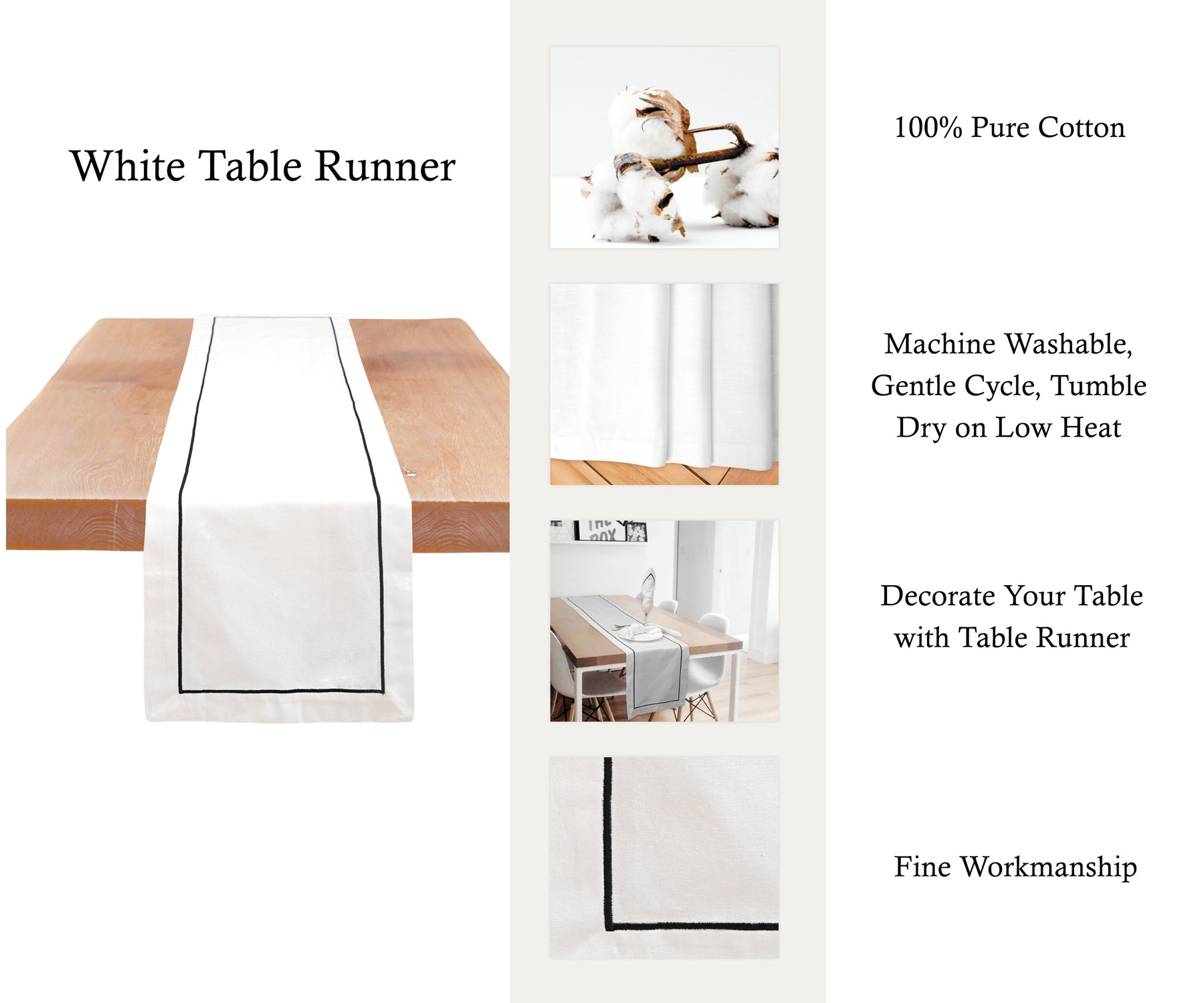
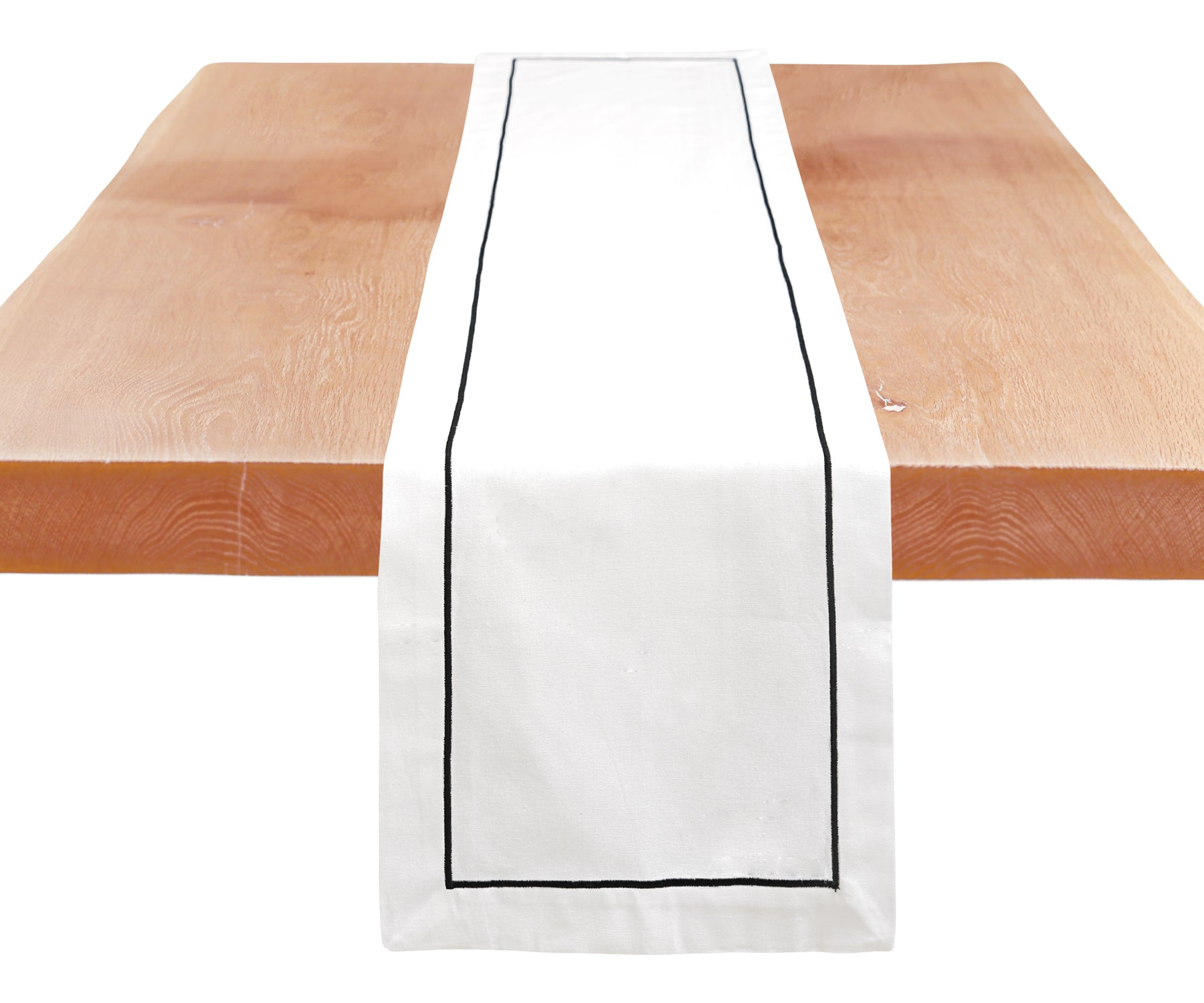
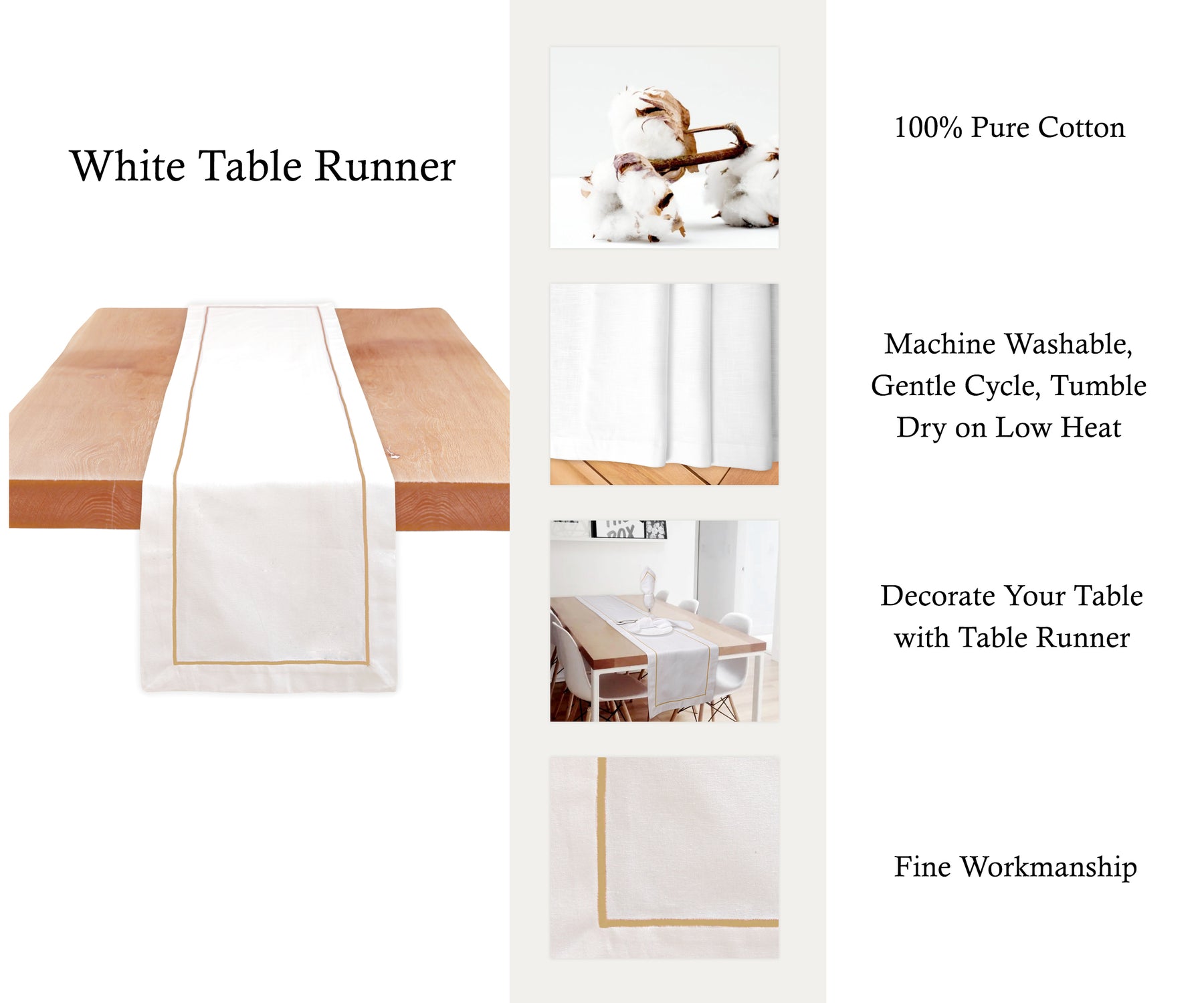
All Cotton and Linen's table runners are crafted in premium cotton and linen, designed to drape naturally, wash easily, and improve with use.
How Should a Table Runner Fit
Table Runner Size Quick Reference
If you just need the numbers without re-reading the full formula above, here's the short version.
Standard width: Most table runners run 12 to 16 inches wide, with 14 inches being the most common choice for dining and coffee tables alike.
Standard length: Add 12 to 24 inches to your table's length, split evenly across both ends. A 60-inch table typically takes a 72–84-inch runner; a 72-inch table typically takes an 84–96-inch runner.
Average size for a 4–6 person table: 14 inches wide by 72–90 inches long covers most standard rectangular dining tables. Smaller accent or coffee tables usually call for a shorter 36–48 inch runner instead.
Round tables: Measure the diameter first; a runner for a round table hangs off two opposite sides rather than wrapping around the edge.

5 Styling Tips for Table Runners
1. Layer over a tablecloth for depth.
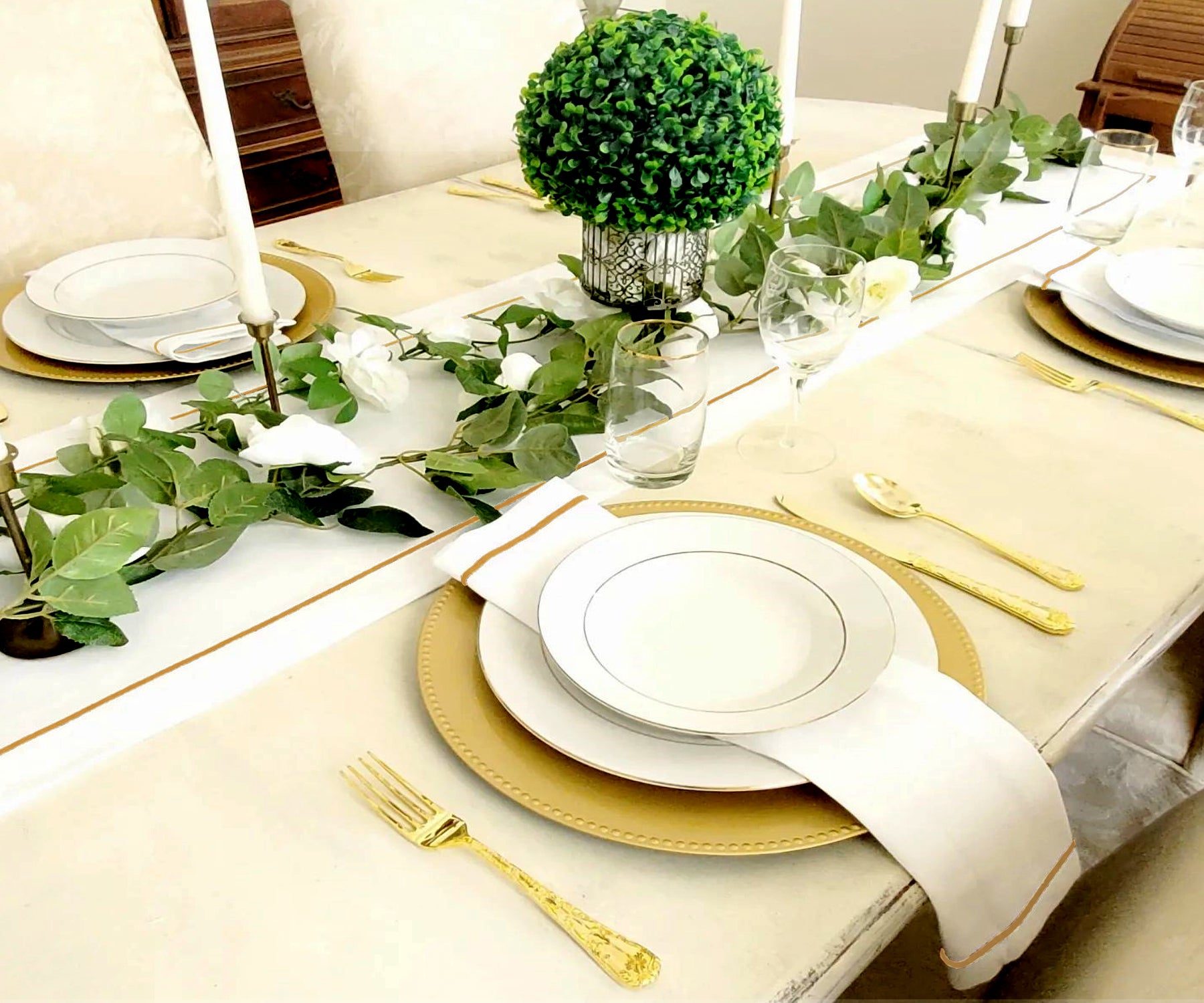
Place a textured linen runner over a plain cotton tablecloth in a complementary color. The contrast between fabrics adds dimension and visual interest without cluttering the table.
2. Center it perfectly.
Always position the runner at the exact center of the table, with equal overhang on both ends. Use a measuring tape; even a small imbalance is immediately noticeable.
3. Use the runner as a centerpiece anchor.
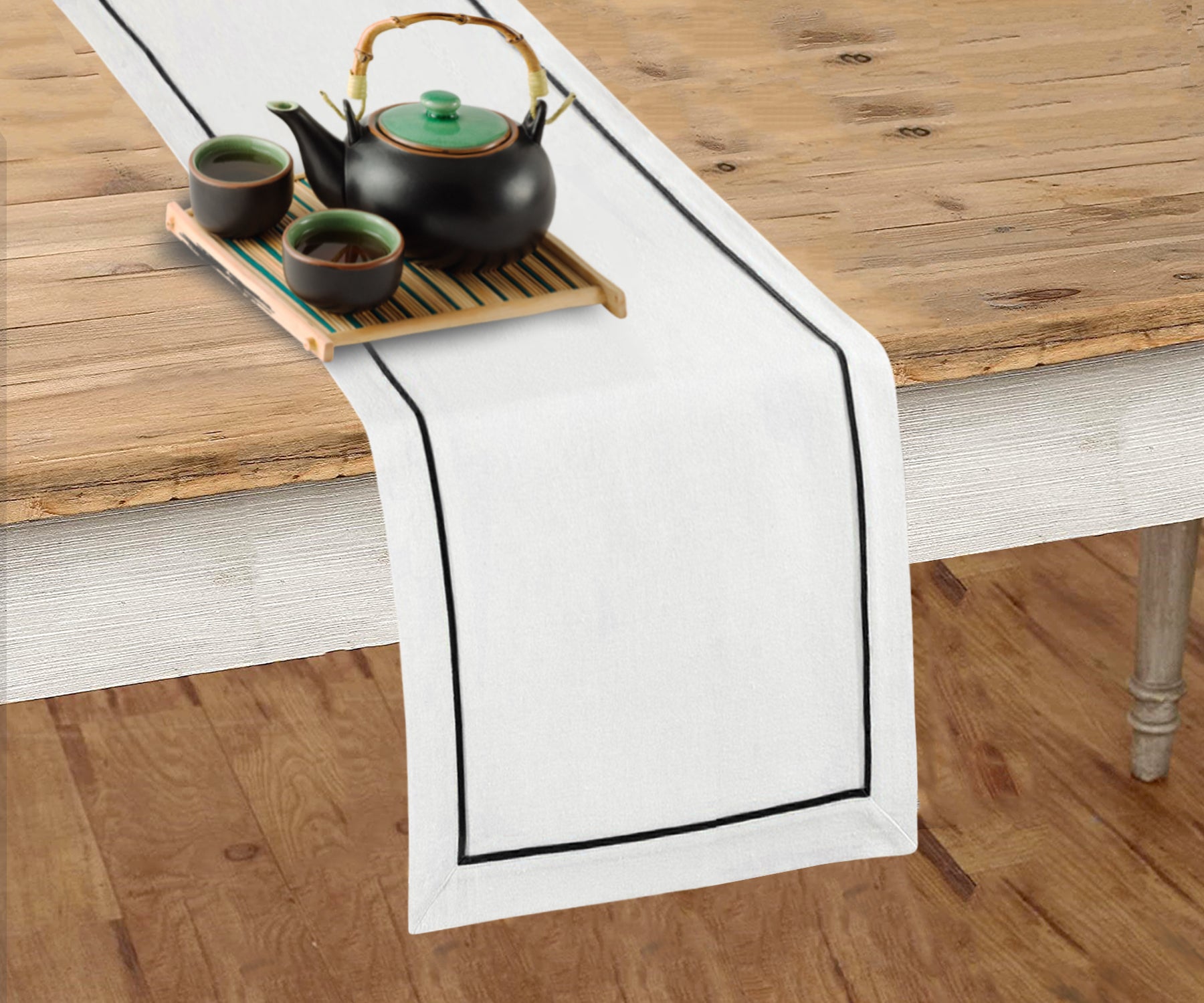
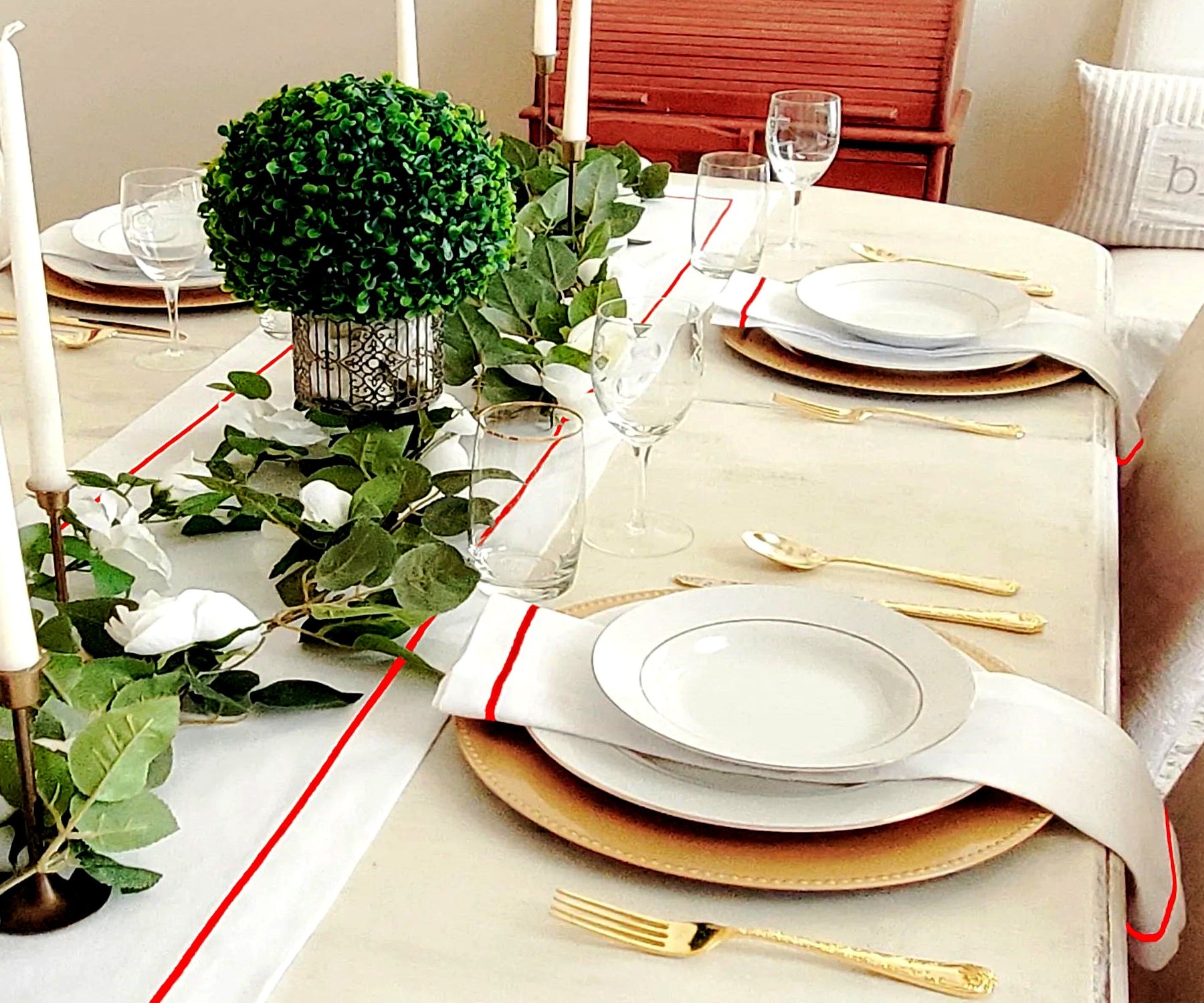
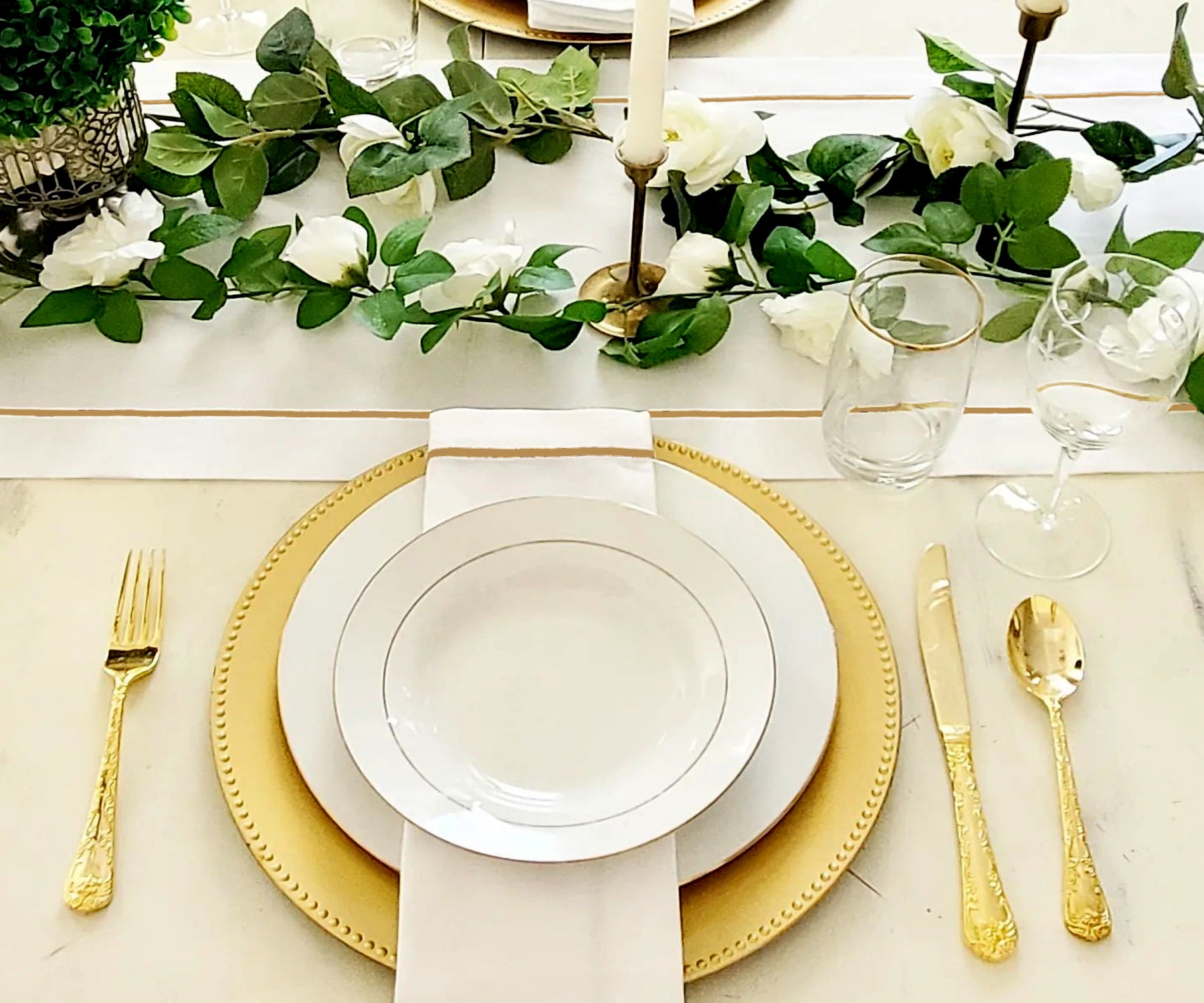
Place candles, a floral arrangement, or seasonal decor directly on the runner. It frames the centerpiece and keeps it from looking like it was simply dropped in the middle of the table.
4. Match the runner width to your centerpiece.
If your centrepiece is wide, a long floral arrangement, or a row of candles, choose a wider runner (14–15 inches). For a minimal single vase or small candle grouping, a 12-inch runner is proportionate.
5. Coordinate, don't match exactly.
Your runner doesn't need to be an exact match for your tablecloth or napkins. Complementary tones and contrasting textures almost always look more considered and intentional than a perfectly matched set.
Measuring a table runner takes less than two minutes, but getting it right makes your entire table look intentional and beautifully styled. Start with your table length, choose your drop, and pick the width that suits your setting. All Cotton and Linen offers premium cotton and linen table runners in every standard size, from casual everyday lengths to full banquet runners for weddings and events. Shop the Full Table Runner Collection at All Cotton and Linen