
Quick Comparison
| Category | Napkin holder | Napkin ring |
|---|---|---|
| What it holds | A stack of napkins | One napkin |
| How many you need | Usually one per table or serving area | One per guest |
| Best for | Everyday meals, buffets, kitchen counters, outdoor tables | Set place settings, dinner parties, holidays |
| Works best with | Paper napkins (most designs); a basket or tray for cloth | Cloth napkins |
| Formality | Casual and functional | Decorative; traditionally an informal custom, now widely used for special meals |
| Common materials | Metal, wood, acrylic, plastic | Metal, wood, glass, fabric, beads, natural fibers |
What Is a Napkin Holder For?
A napkin holder keeps several napkins together in one spot so people can take what they need. It's built for convenience: nobody has to get up mid-meal to find a fresh napkin.
Common types:
Upright holders stand napkins on edge between two sides. They take little table space and suit kitchen islands and breakfast tables.
Flat holders keep a stack lying down, often with a weighted arm on top to stop napkins blowing away. They're handy outdoors.
Dispensers release one napkin at a time and are mostly used in cafés and casual restaurants.
Most of these are designed for thin paper napkins. Cloth napkins are thicker and don't stand neatly in a slim upright holder. If you use cloth napkins every day, a shallow basket, a tray, or a neat folded stack on the counter does the same job and looks better.
What Are Napkin Rings For?
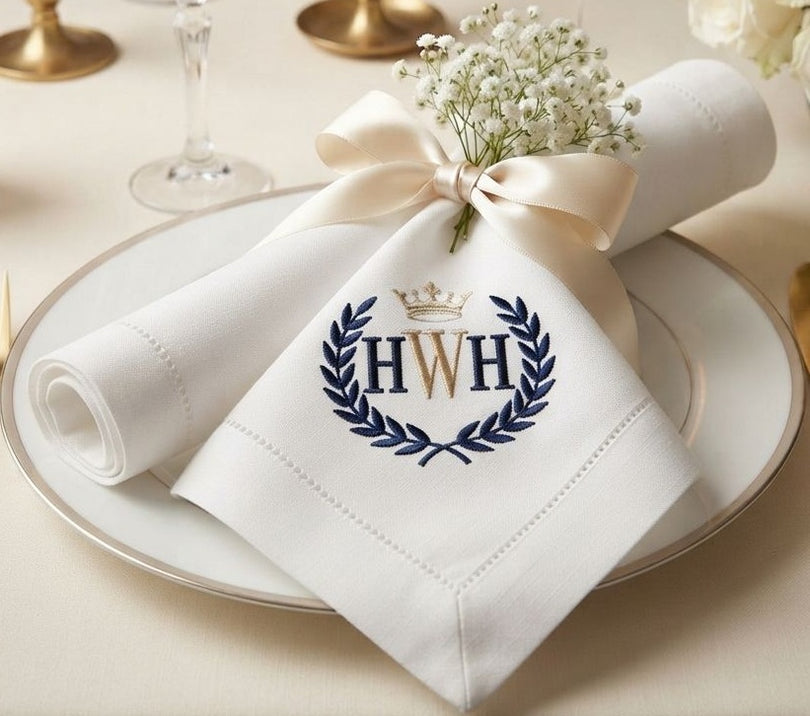
A napkin ring wraps around one folded or rolled napkin at a place setting. It keeps the napkin neat, adds a decorative detail, and signals that the table is set for a meal.
Napkin rings are meant for cloth napkins. A paper napkin inside a ring tends to look out of place, and a ring offers little benefit when a napkin will be thrown away.

Napkin Ring Etiquette: What Hosts and Guests Should Know
Where napkin rings came from
Napkin rings started in the 1800s as a practical household tool. In homes where napkins weren't washed after every meal, each family member had their own ring so they could find their own napkin at the next meal, according to Beaumont Etiquette.
Are napkin rings formal?
Traditionally, no. Because of their everyday family origin, classic etiquette leaves napkin rings off strictly formal tables. Today they're widely used as decoration at holiday dinners and parties, and that's perfectly fine for most American hosts. If you're setting a very traditional formal table, a neatly folded napkin on the plate or to the left of the forks is the classic choice.
What should a guest do with a napkin ring?
- When you sit down, slide the napkin out of the ring.
- Place the ring at the top left of your place setting, out of the way of your flatware.
- Put the napkin on your lap.
- When you leave the table at the end of the meal, don't put the napkin back into the ring. Fold it loosely and place it to the left of your plate, as recommended by The Emily Post Institute.

How to Size Napkin Rings for Cloth Napkins
The most common napkin ring problem isn't style; it's fit. A thick linen dinner napkin rolled tightly can be too bulky for a slim decorative ring, while a thin cotton napkin can slide loose in a large one.
- Test before you buy multiples. Roll or fold one of your napkins the way you plan to present it, then check the ring fit.
- Larger napkins need roomier rings. A 22 x 22 inch napkin makes a thicker roll than an 18 x 18 inch napkin of the same fabric.
- Fabric weight matters. Heavier or textured linen creates more bulk than smooth, lightweight cotton.
- Change the fold, not the ring. A flat rectangle fold slid through the ring creates less bulk than a tight roll, and it shows off a hemstitched or embroidered edge.
- Avoid sharp or oversized shapes. Pointed or very wide decorative rings can snag sleeves and crowd the place setting.
Choosing a Material for Your Occasion
| Material | Looks best with | Notes |
|---|---|---|
| Polished metal (brass, silver-tone, gold-tone) | Holiday dinners, white or ivory napkins | Classic and durable; hand wash and dry to avoid tarnish or water spots |
| Glass or crystal | Elegant evening tables | Fragile; keep away from tight napkin rolls that force the ring |
| Wood | Farmhouse, rustic, everyday family meals | Warm look; avoid soaking |
| Fabric, rattan, jute, or twine | Spring, garden, and casual tables | Lightweight and relaxed; some can be made at home |
| Beaded or novelty | Themed parties, kids' tables, holidays | Fun, but can look busy with patterned napkins |
For holders, metal and wood are the sturdiest choices. A weighted flat holder is the most practical for patios and picnic tables.
Which One Should You Use? Common Hosting Scenarios
| Situation | Best choice | Why |
|---|---|---|
| Weeknight family dinner | Holder or a basket of cloth napkins | Fast, everyone helps themselves |
| Dinner party for 6–10 | Napkin rings (or a simple fold) | Dresses each place setting |
| Holiday meal (Thanksgiving, Christmas, Easter) | Rings at each place plus a few spares nearby | Decorative and practical for messy courses |
| Buffet or self-serve brunch | Holder, basket, or stacked napkins at the start of the line | Guests pick up napkins with plates |
| Outdoor dining | Weighted holder, or napkins tucked under plates | Prevents napkins blowing away |
| Kids' table | Holder or plain folded napkins | Rings can become toys; spills mean frequent changes |
| Very formal, traditional table | Neatly folded napkin, no ring | Follows classic etiquette |
Using both together
For larger gatherings, many hosts set each place with a cloth napkin in a ring and keep a small stack of spares in a holder or basket on a sideboard. Guests start with a beautifully set table, and no one has to ask for a replacement napkin after a spill.
Alternatives to Napkin Rings
If you don't own rings or want something lighter, these work well and are easy for guests to undo:
- A ribbon tied around the rolled napkin and flatware
- Kitchen twine with a sprig of rosemary or thyme
- A simple knot in the center of the napkin
- A pocket fold holding a menu or place card
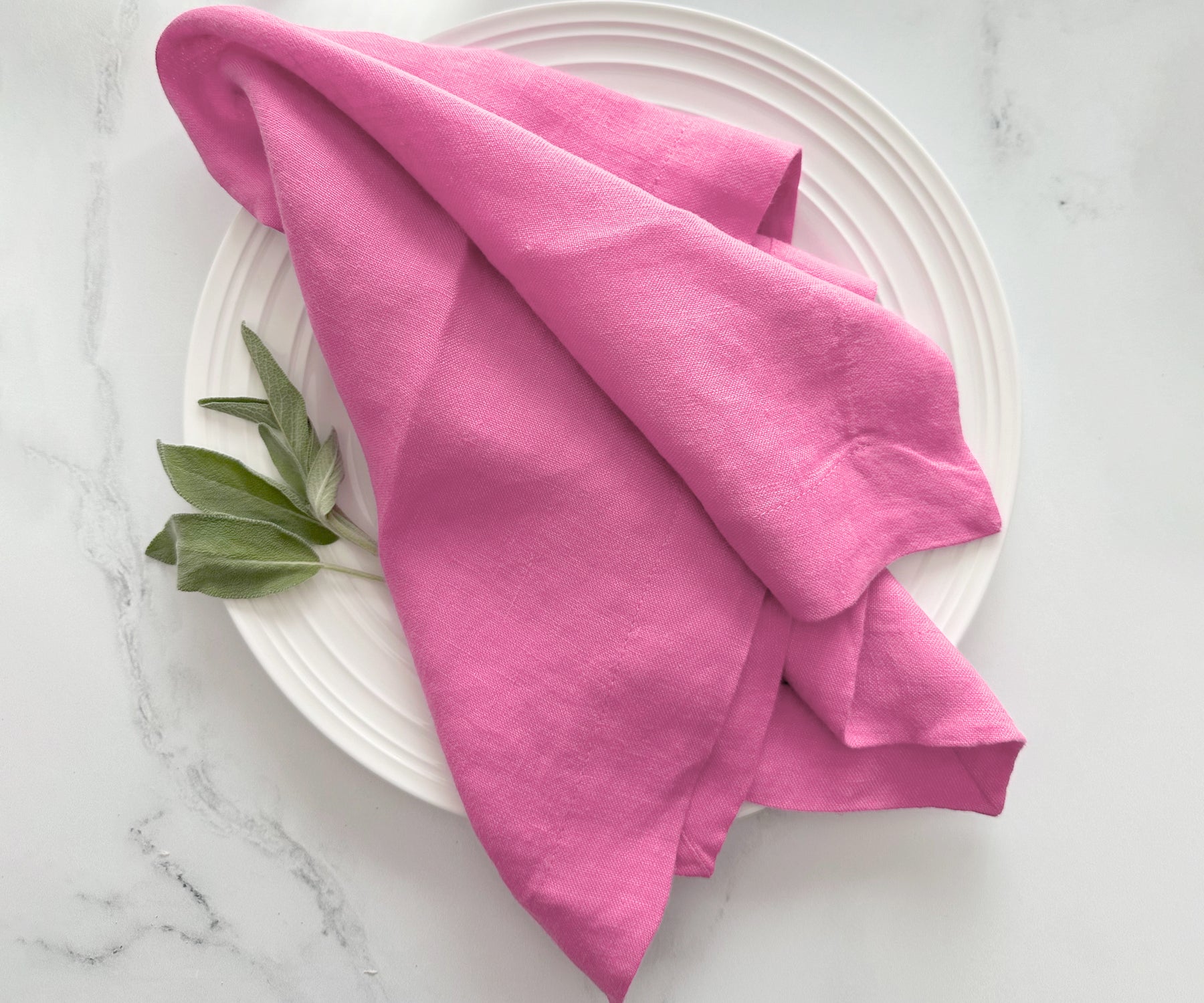
- A loose drape across the plate, which suits relaxed linen
For fold instructions, see How Do I Fold Cloth Napkins?
Caring for Rings, Holders, and Your Napkins
- Wash rings separately from linens. Metal, glass, and wood shouldn't go through the washing machine, and some finishes can mark fabric.
- Wipe holders regularly, especially on kitchen counters where crumbs and grease collect.
- Store napkins and rings separately so damp napkins don't tarnish metal rings.
- Follow each napkin's care label. For example, our hemstitched cotton napkins are labelled for normal-temperature machine washing, no bleach, and gentle tumble drying.
Final Thoughts
Choose a napkin holder when convenience matters most, and people help themselves. Choose napkin rings when you want each place setting to look finished, keeping in mind that rings are best with cloth napkins and fit matters more than style. For bigger gatherings, use both: rings at the table, spares nearby.
Whatever you choose, the napkin is still the star. Browse our cloth napkins, including hemstitched napkins that show off beautifully in a ring and linen napkins that look relaxed in a simple drape.