

I have set countless tables in my time, and the most critical decision in this process is choosing the tablecloth. It is essential to pick the right one so that the table looks perfect, even before placing a single plate on it. However, if you get it wrong and pick the tablecloth that is too short, made of the wrong material, wrinkled, or anything else, no amount of centerpieces will fix it. Below are some pointers to help you pick the ideal tablecloth for any of your events, be it a simple Tuesday dinner or a wedding reception.
Tablecloth tips
Time short? Read below to know about what you need to know.
- Cotton is ideal for every day, linen for special occasions.
- How much drop? 6-8 ins for everyday and 10-12 for formal.
- A six foot table needs a 60 x 120 inches cloth and a 60 ins round table needs a round cloth of 84 ins.
- Washing? Cold water is best, no need for softener and linen should be ironed while still damp.
- Use a contrasting runner to add style and texture over top of solid table linen.

Choosing by Occasion
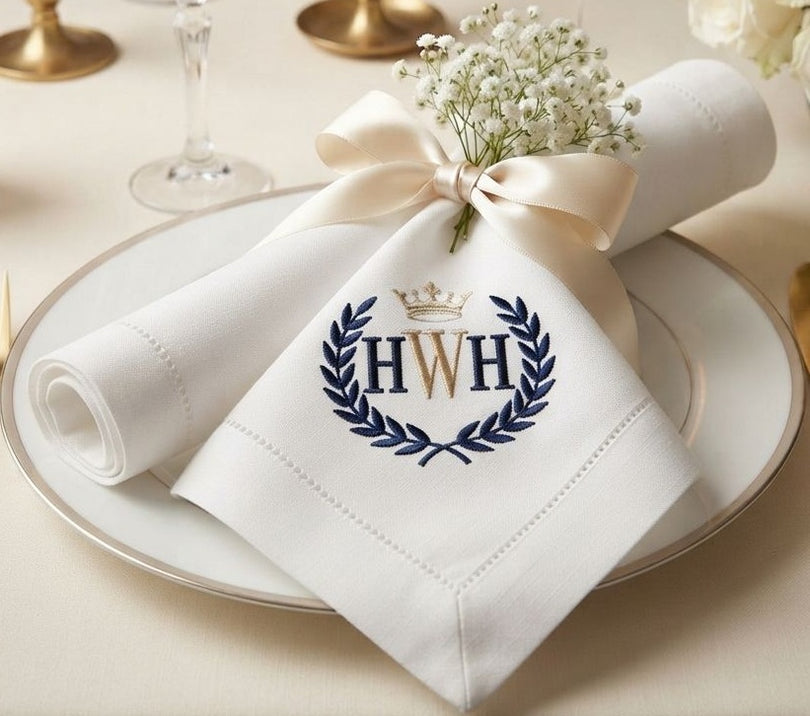
Weddings and formal affairs: Something soft made of linen, in white or ivory, preferably with a hand-drawn thread border, hemstitched tablecloth. The lighter parts of the border catch the eye in a way that makes it less expected than a regular store-bought piece.

For everyday use: Cotton or cotton-linen blend in a neutral tone. It will be less worn out after multiple washes, and small stains are less noticeable if there is a light pattern on it.

Holidays: Rust, gold, or dark burgundy for Thanksgiving; red, forest green, or plaid for Christmas; and yellow or lavender for Easter. A solid shade or a slightly patterned linen cloth will not require additional decorations to match the festive setting.

Outside activities: Something light in a neutral, terra-cotta, or olive color. Linen is a breathable fabric, which means it will not irritate the skin on a hot day, and it is not as likely to wrinkle as something cotton.
Linen vs. Cotton: Which One Do You Actually Need?
| Feature | Linen | Cotton |
|---|---|---|
| Texture | Slightly coarse, softens with washing | Smooth from the start |
| Durability | Excellent — holds up for years | Good, slightly less than linen |
| Care | Cold wash, air dry | Machine wash warm, tumble dry low |
| Wrinkles | More visible, irons well | Wrinkles less |
| Best for | Weddings, dinner parties, holidays | Daily use, casual entertaining |
If you only have one tablecloth, make it a neutral linen tablecloth; it will dress up your holiday and dress down your Tuesday. If you're building a rotation, add a cotton tablecloth to your everyday table and keep the linen for when it counts.
Getting the Size Right
A cloth that is too short looks cheap. On the other hand, a cloth that drags on the floor is dangerous. Use this as a starting point:
| Table Size | Tablecloth Size | Drop Per Side |
|---|---|---|
| 4-ft rectangular (48") | 60 x 84" | 6–8" |
| 6-ft rectangular (72") | 60 x 120" | 6" (24" on the ends) |
| 8-ft rectangular (96") | 60 x 144" | 6" (24" on the ends) |
| 60" round | 84" round | 12" |
| 36" square | 52 x 52" | 8" |
If you want a floor-length cloth for a wedding or formal event, add 28-30 inches to your table's length. Round tables look best in a round cloth, not a rectangular one folded to fit.
Styles Worth knowing
Hemstitched
Decorative border created by plucking threads out and tucking the remaining ones into patterns. Perfect for Thanksgiving, Christmas, and other holidays or for events such as anniversaries and birthdays to give your table a personal touch. This type of fabric requires special care, and thus it is better to avoid washing it in a machine.
Striped
Striped tablecloths add structure to a setting without having to layer additional elements on top. The first type has a subtle pattern that is great for modern coastal weddings, while the second one is more farmhouse-style. This fabric is also useful due to its ability to conceal minor spots and stains, as opposed to a solid color.

Round
These round tablecloths are ideal for circular or pedestal tables. Using a rectangular piece of fabric on a round one will always create an obvious bulge, so it is better to invest in a round cut.

Runners on top of solid tablecloths
This is probably the easiest way to add visual appeal to a table without purchasing an additional piece. Ensure the width is between 12 and 14 inches, and the overhang on either side is 6 or 8 inches. A linen weave in neutral colors, paired with a runner in either rust or terracotta, would be great for fall, while white and sage or dusty blue combinations are more suitable for spring.

Care of Your Tablecloth
Washing instructions: cold water, gentle cycle, mild liquid detergent. Do not use hot water, bleach, or fabric softener, which can damage fibers and fade colors more quickly than normal wear and tear. Tumble dry on low or air dry, and iron linen while moist for best results. Always blot out cold water spills rather than waiting for your next laundry day, and store cloths by rolling or folding them rather than letting them rest in the same creases each time.
Set Your Table With Confidence
The right tablecloth will do most of the work for you before you set a plate or a single flower. Buy one good neutral linen for the important occasions, add a cotton or striped piece for every day, and go from there.
You can shop the full range of cotton and linen tablecloths, in sizes for every standard table, at All Cotton and Linen.
Final Thoughts
Right tables, wrong tablecloths: it's all about the fabric. Linen it is if you need to lean into the moment, or cotton if you just want to survive the week. Once you've got the right size, and one neutral linen, the rest (stripes, runners, a hemstitched edge or two) are simply variations on a theme. Put them together in a well-thought-out arrangement, and every table you lay will look like a centerpiece.
Related Readings:
Striped Tablecloths: A Timeless Classic for Any Occasion