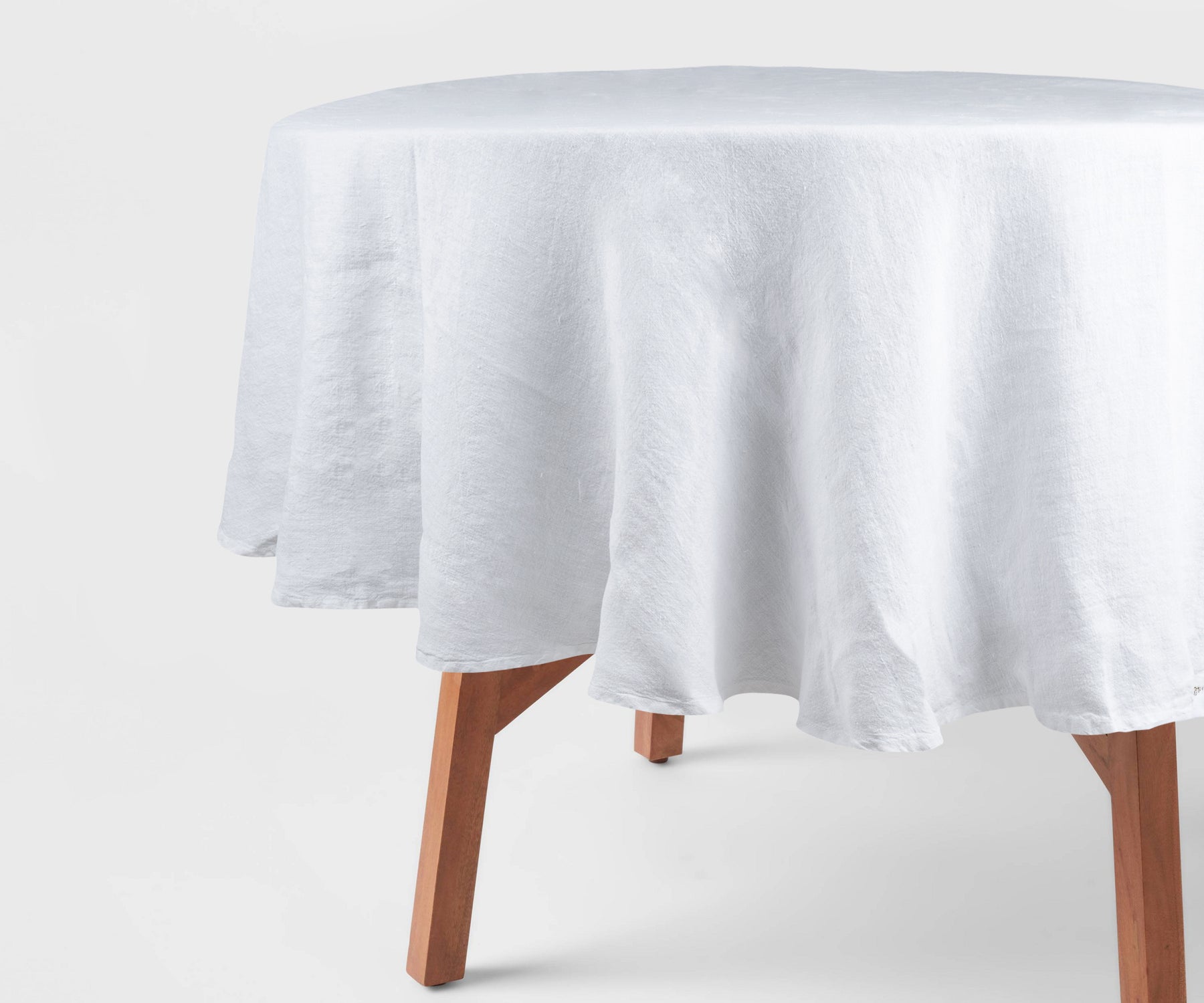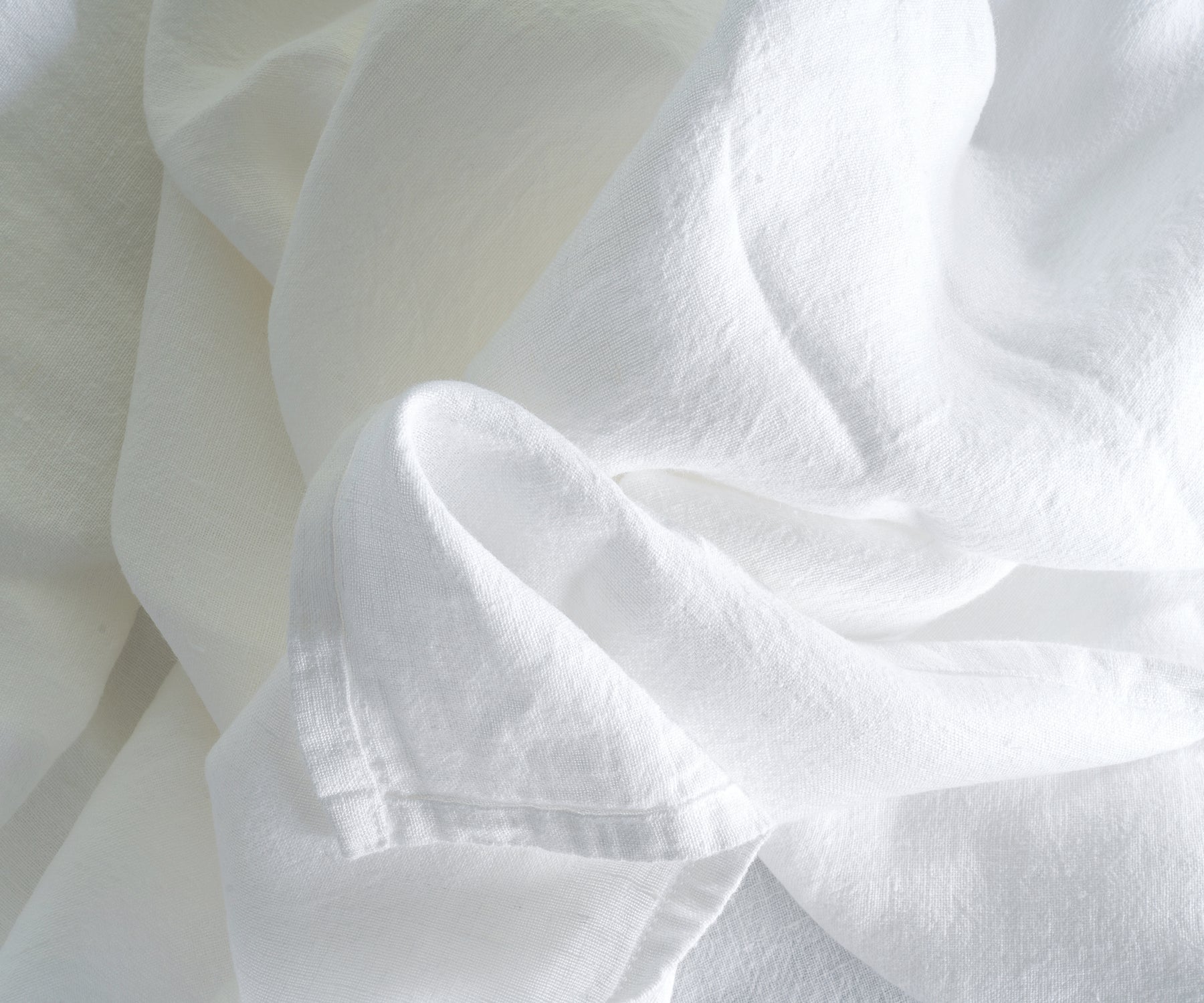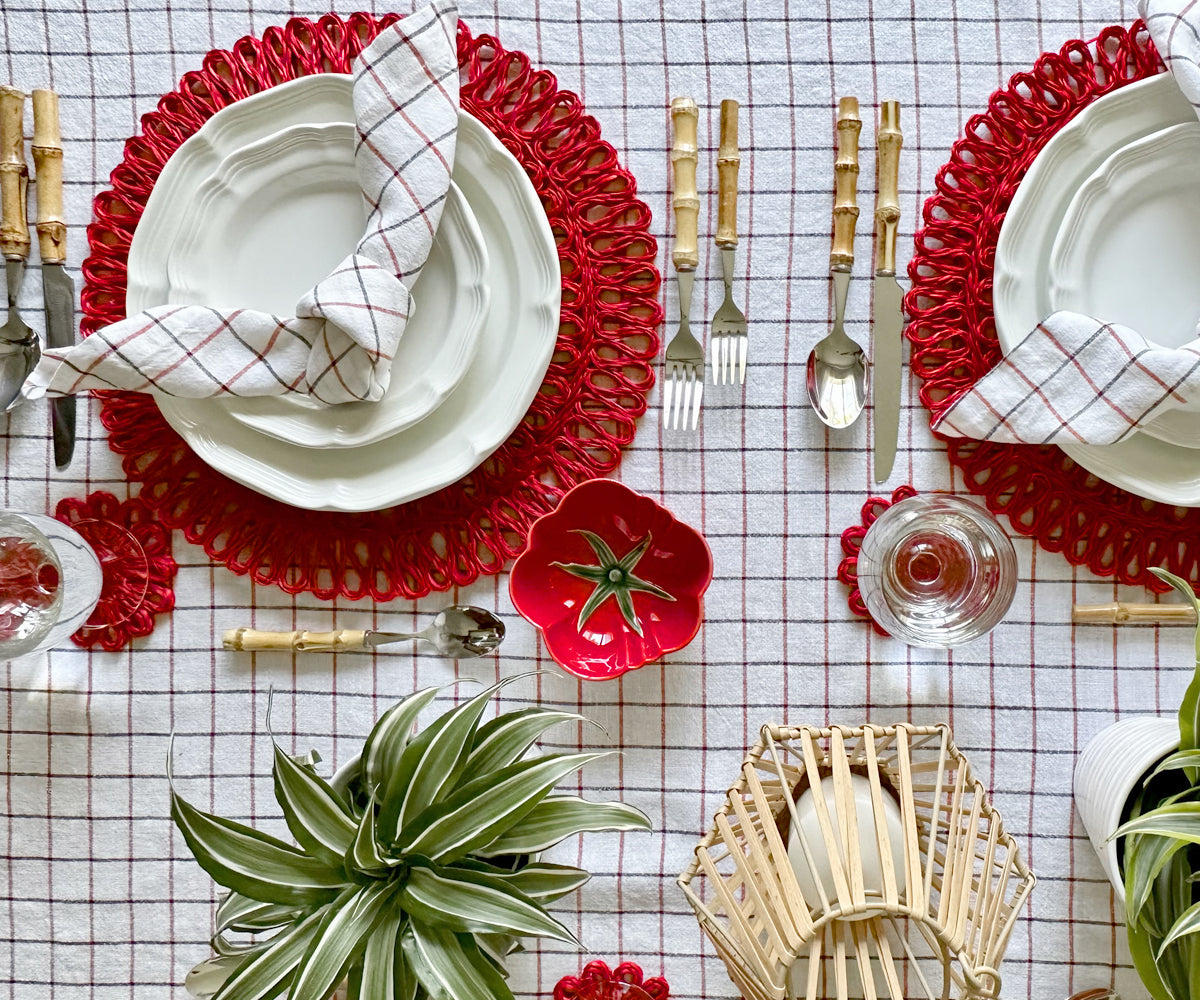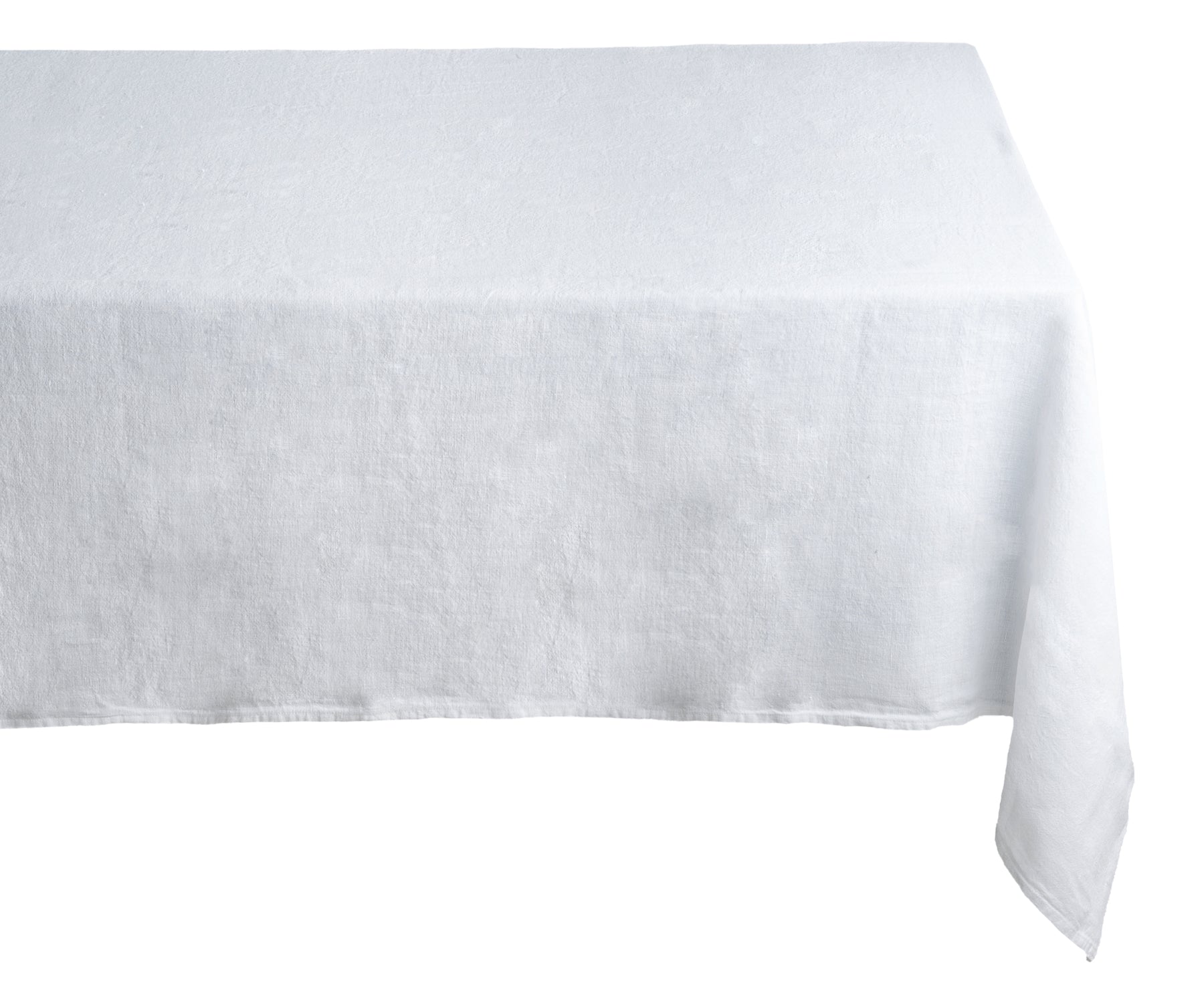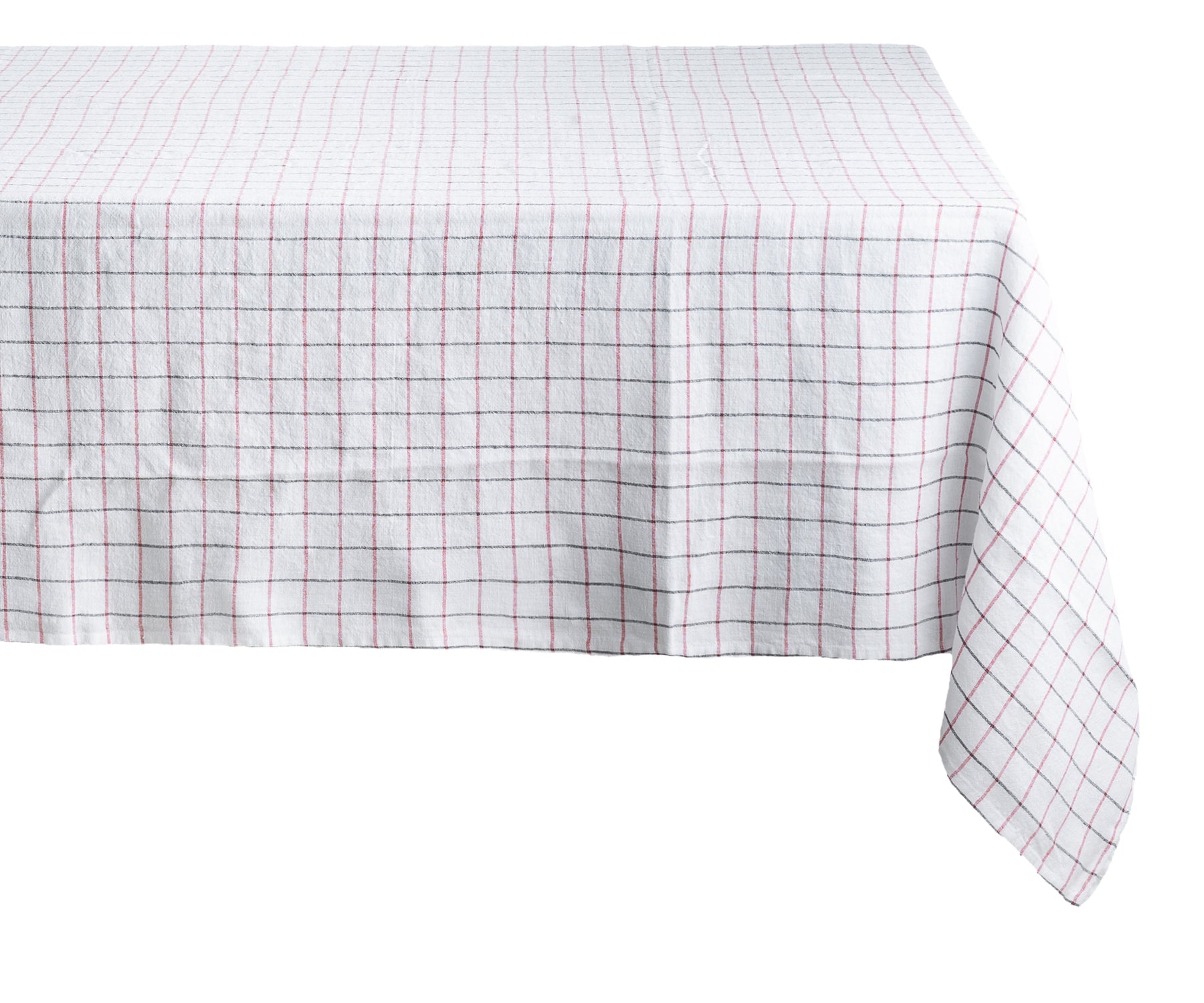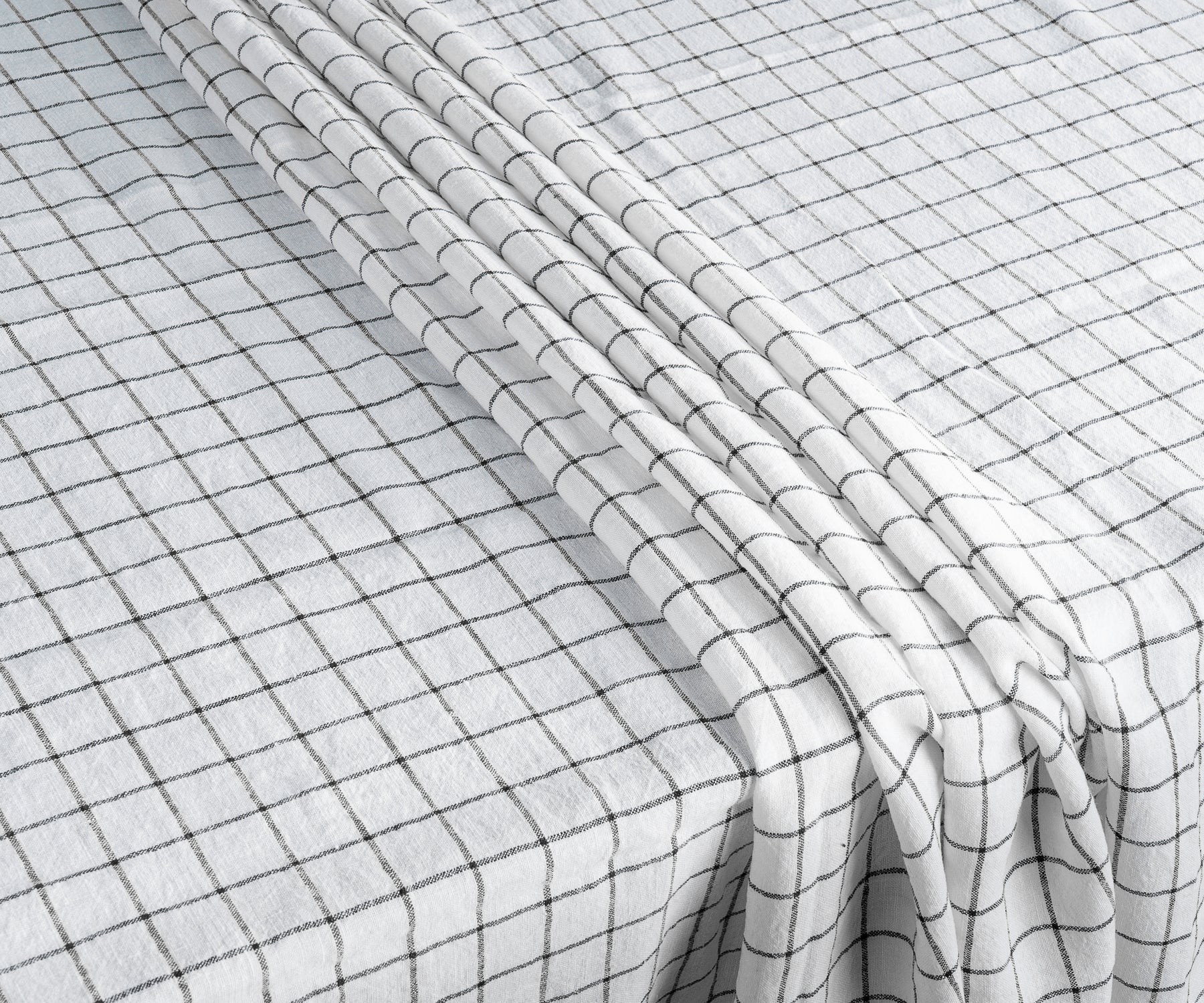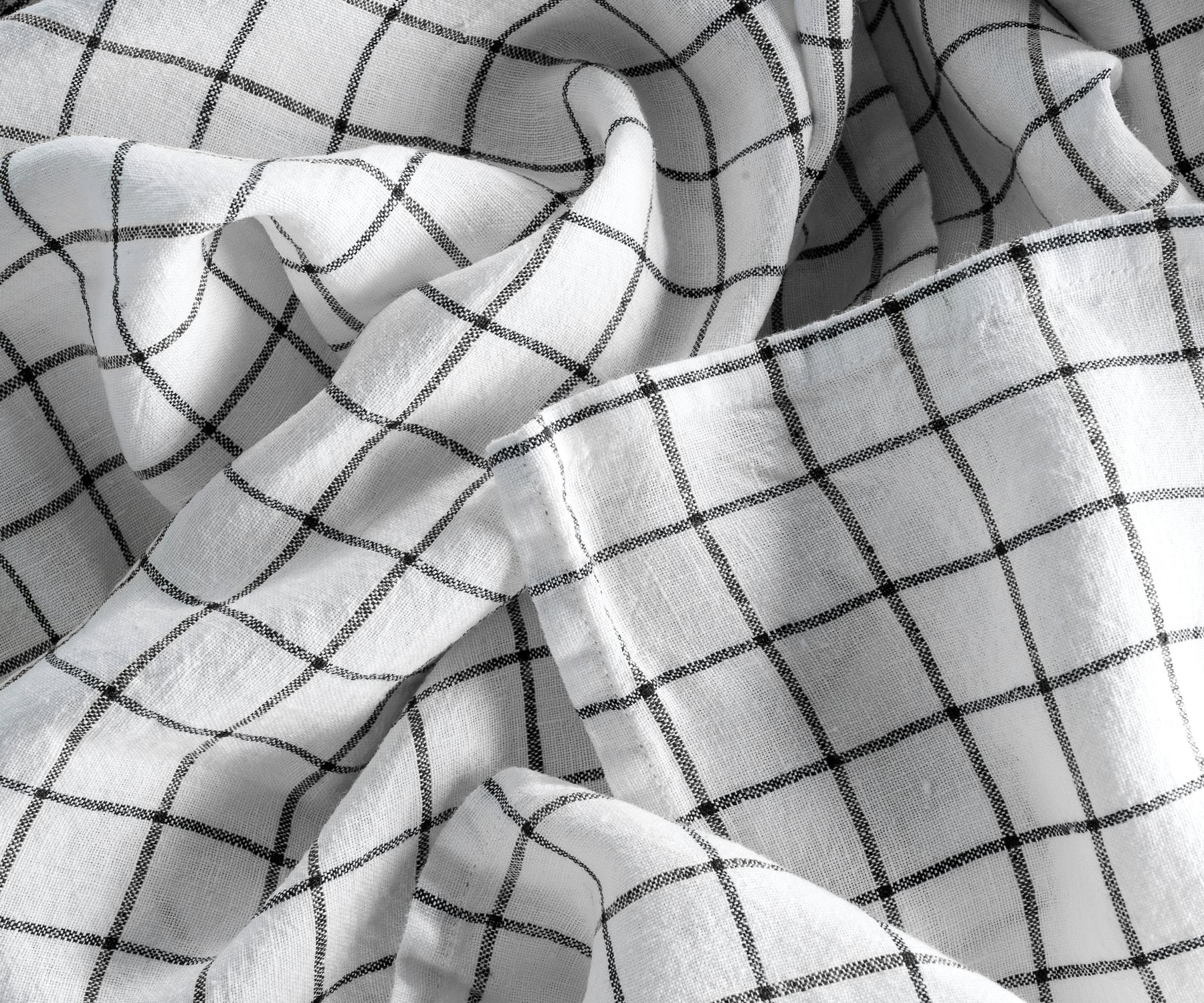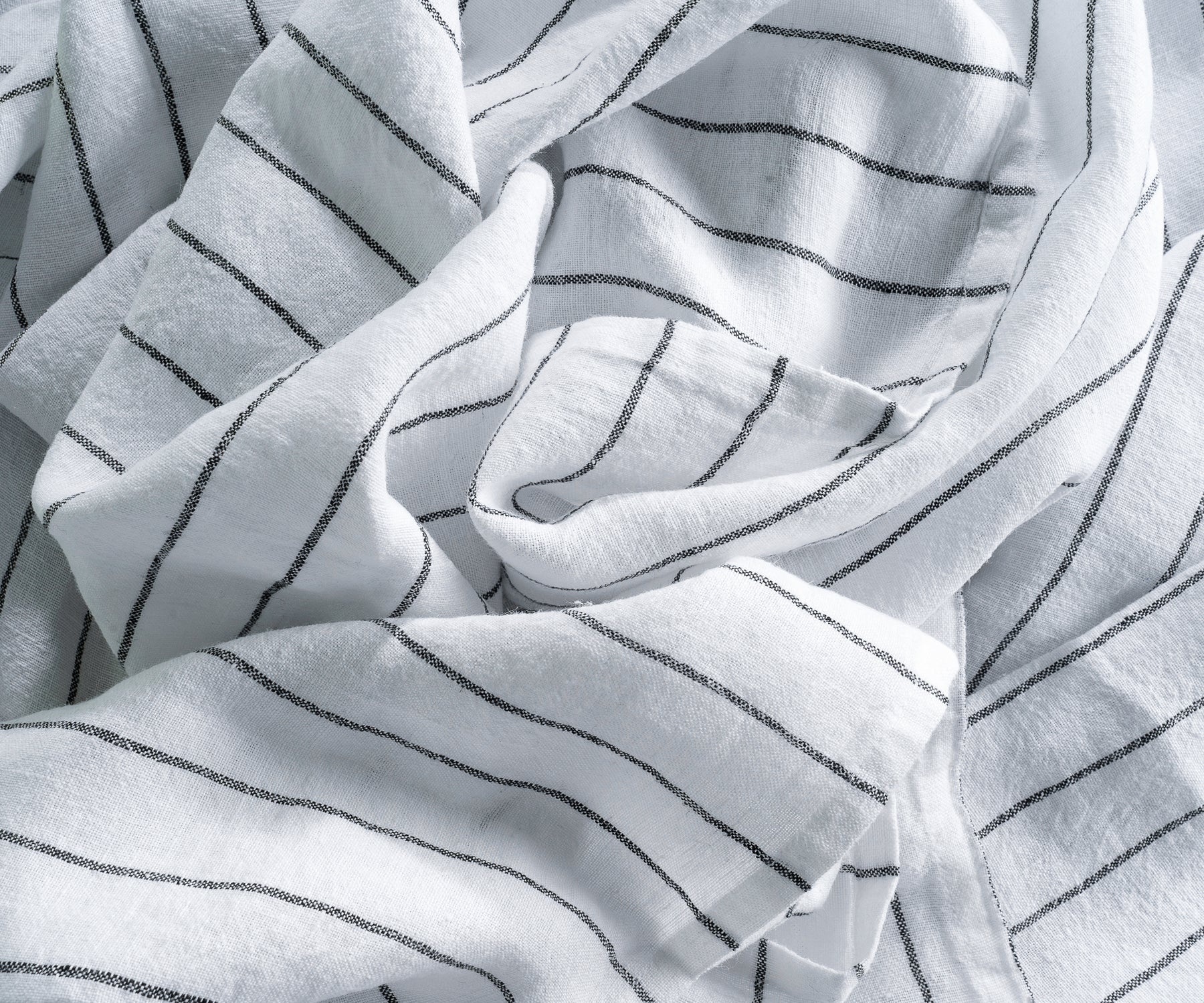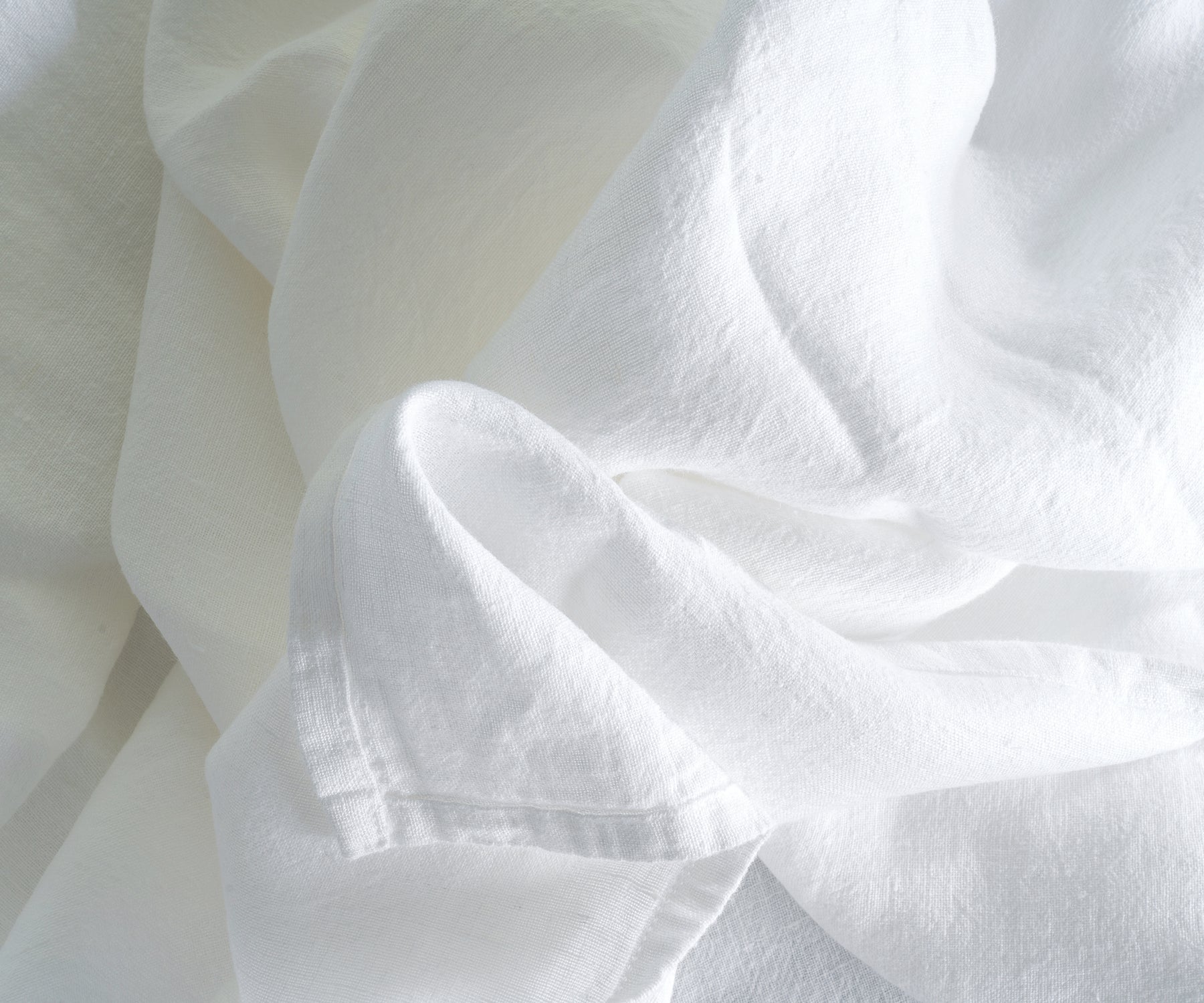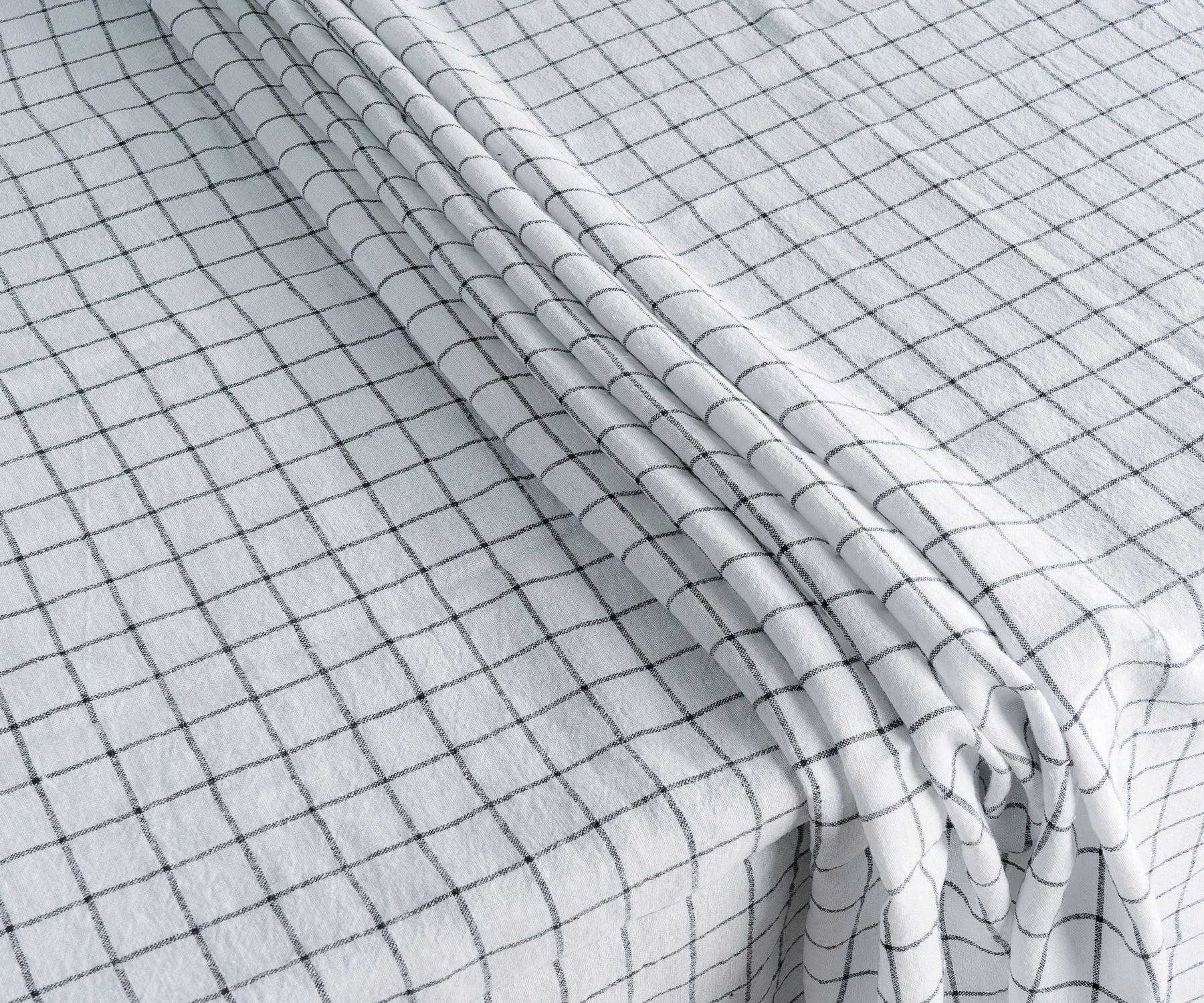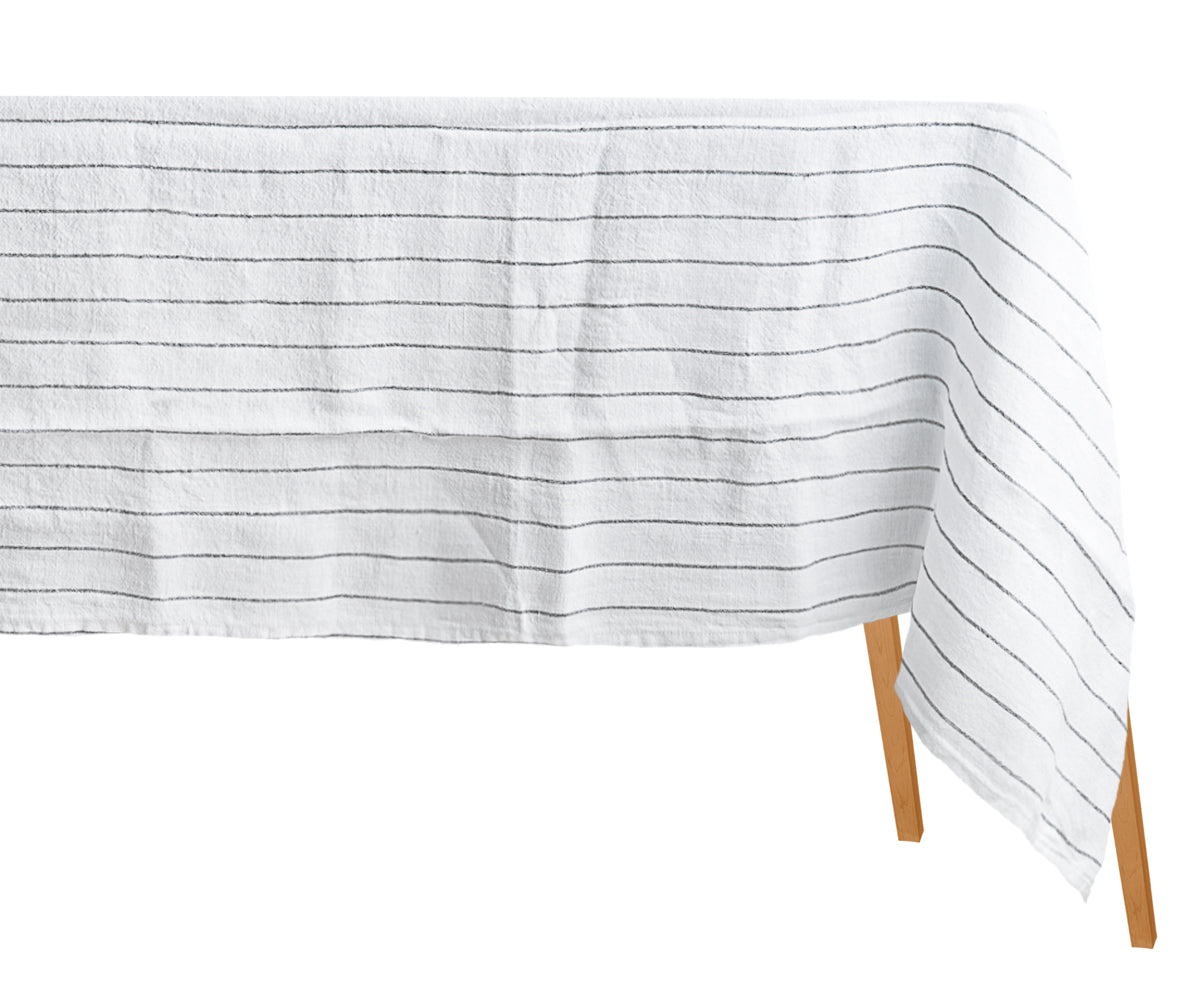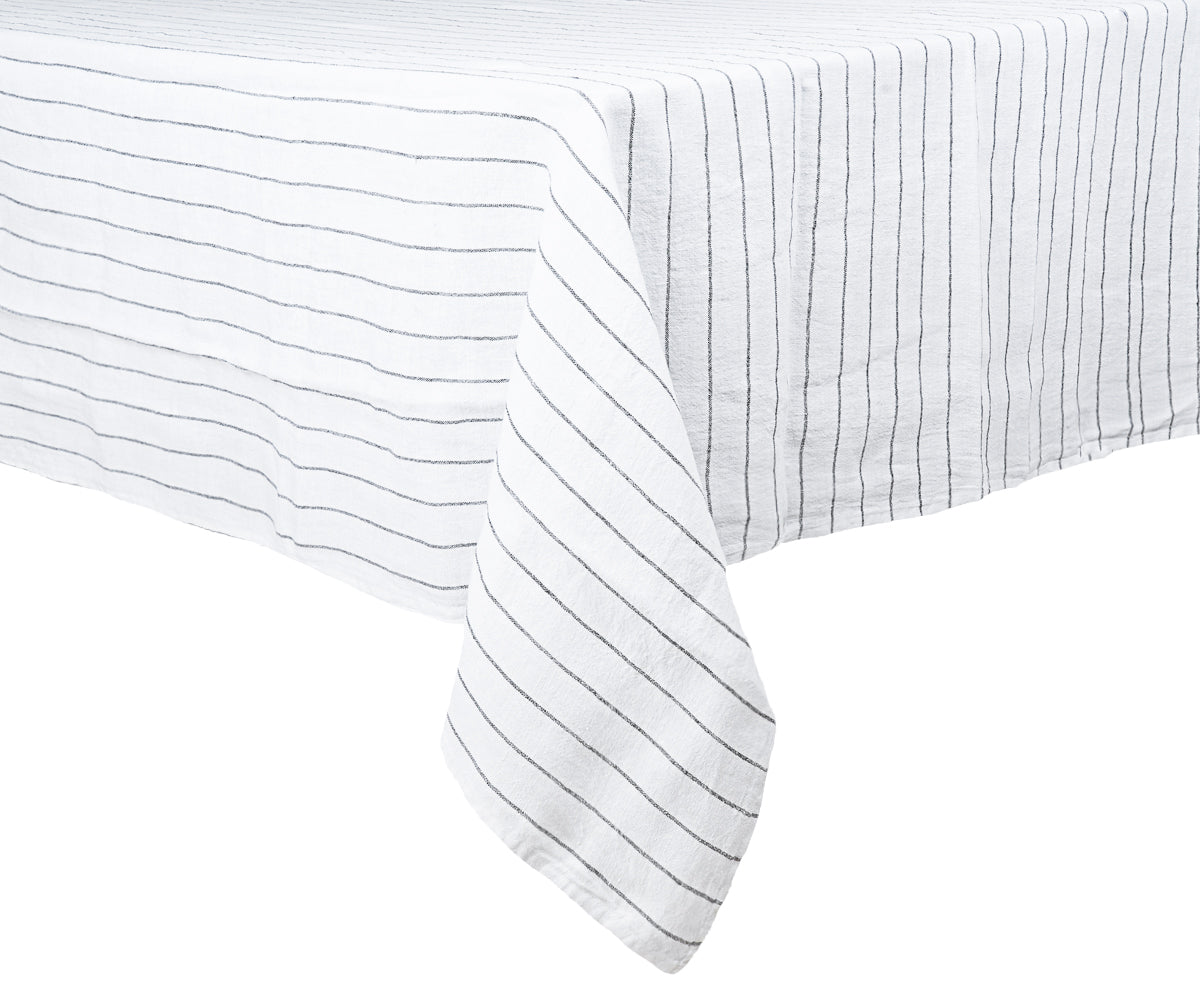


The most underestimated item in your linen drawer
Most households own more cloth napkins than they realise. A set from a dinner party three years ago. A few bought for Christmas that never made it back to the regular rotation. The ones that came with a tablecloth set and live perpetually at the back of the drawer.
Here is what those napkins actually are: a collection of quality, natural-fibre squares, breathable, absorbent, washable, and strong that are sitting idle for 95% of their lives waiting to be used once at a meal.
The cloth napkin is one of the most versatile household items available. It is not just a table accessory. It is a wrap, a bag, a sachet, a cleaning cloth, a bread warmer, a hair accessory, a produce pouch, and a gift presentation medium, among many other things.
This guide covers ten genuine, practical, and creative uses for cloth napkins that go far beyond the dining table, each one rooted in the actual properties of cotton and linen fabric, not just novelty.
Why cloth napkins work so well for alternative uses
Before diving into the ten uses, it helps to understand what makes a cloth napkin, particularly one made from cotton or linen, genuinely suited to so many different tasks.

The properties that make cotton and linen napkins so versatile
|
Property |
Cotton |
Linen |
Why it matters for alternative uses |
|
Absorbency |
Very high |
Very high (up to 20% of its weight) |
Cleaning, drying, and wrapping moist items |
|
Breathability |
Excellent |
Outstanding |
Food wrapping, produce storage, hair use |
|
Softness |
Soft from first use |
Softens with washing |
Skin contact, delicate cleaning |
|
Durability |
Very good |
Outstanding |
Heavy use, repeated washing |
|
Washability |
Machine washable |
Machine washable (gentle) |
Reusable for any task indefinitely |
|
Natural fibre |
Yes |
Yes |
Safe for food contact, skin, and eco-friendly |
|
Shape |
Square — most are 18"–20" |
Square |
Easy to fold, tie, wrap, and knot |
The square shape of a standard dinner napkin typically 18" × 18" or 20" × 20" is precisely the shape that makes furoshiki wrapping possible, herb sachets practical, and improvised placemats effective. It is not a coincidence that Japanese furoshiki cloths, one of the world's most versatile textile tools, are also square pieces of fabric in roughly the same dimensions.
Ten surprising uses for cloth napkins
Use 1 Furoshiki gift wrapping

The most elegant alternative use for a cloth napkin is the one that creates two gifts in one.
Furoshiki is the traditional Japanese art of wrapping gifts, objects, and food in a square piece of fabric using knots rather than tape or ribbon. The technique is centuries old, rooted in the philosophy of mottainai, avoiding waste by finding continued value in every resource.
A 20" × 20" cotton or linen napkin is the ideal size for furoshiki wrapping of most common gifts, books, candles, small boxes, and wine bottles. The wrapping requires no tape, no scissors, and no additional materials. The recipient receives both the gift and a quality napkin.
How to furoshiki-wrap a gift with a napkin:
-
Lay the napkin flat in a diamond orientation one corner facing you
-
Place the gift in the centre
-
Fold the corner nearest to you up and over the gift
-
Fold the far corner over the top
-
Bring the two remaining corners together above the gift and tie in a neat double knot or bow
Best napkin for gift wrapping:
|
Gift size |
Recommended napkin size |
Notes |
|
Jewellery / small trinket |
15" × 15" |
Cocktail napkin or small napkin |
|
Book / small box |
18" × 18" or 20" × 20" |
Standard dinner napkin ideal |
|
Wine bottle |
20" × 20" |
Roll the bottle from one corner |
|
Medium gift box |
20" × 20" |
Use two napkins for larger boxes |
Use 2 Bread and tortilla warmers

One of the most immediately practical uses keeps food warm and fresh during serving.
A clean cotton napkin makes an excellent bread warmer. Cotton's natural breathability allows steam to escape, preventing sogginess, while its insulating properties keep warmth in far better than a plate or bare basket.
How to use a napkin as a bread warmer:
-
Warm the napkin briefly in a low oven (50°C / 120°F) for 2–3 minutes, or run under hot water and wring out thoroughly
-
Line a bread basket with the warm napkin
-
Place warm bread, rolls, tortillas, or rotis inside and fold the napkin over the top to cover
-
Serve immediately the wrapped napkin keeps bread warm and soft for 20–30 minutes
This technique is standard in professional restaurant service. The bread basket lined with a white linen napkin is one of the most recognisable gestures of quality in fine dining. It works identically at home with any cotton or linen napkin.
Best napkin: White or natural linen for a restaurant-quality presentation. Any clean cotton napkin for everyday use.
Find Out: Memorial Day Recipes 2026 – Easy BBQ, Sides & Desserts for a Crowd
Use 3 Herb and lavender sachets

A beautiful, aromatic, zero-cost home fragrance project using napkins you already own.
A cloth napkin folded and tied into a small pouch becomes an instant sachet for dried herbs, lavender, cedar chips, or any dried botanicals. These sachets freshen drawers, wardrobes, linen storage, and shoes, replacing synthetic air fresheners with natural, reusable fragrance.
How to make a napkin herb sachet:
-
Lay the napkin flat
-
Place 2–3 tablespoons of dried lavender, rosemary, cedar chips, or mixed dried herbs in the centre
-
Gather all four corners together above the herbs
-
Tie firmly with a length of ribbon, twine, or a rubber band close to the herbs
-
Trim any excess fabric or fan the corners decoratively above the tie
Sachet uses by herb:
|
Herb/filling |
Where to use it |
Benefit |
|
Dried lavender |
Bedroom drawers, under pillows |
Promotes sleep, repels moths |
|
Cedar chips |
Wardrobe, shoe storage |
Repels moths, absorbs moisture |
|
Rosemary |
Kitchen drawers, pantry |
Natural pest deterrent, fresh scent |
|
Eucalyptus |
Bathroom, linen cupboard |
Antibacterial, fresh and clean scent |
|
Mixed dried flowers |
Guest room drawers |
Pleasant fragrance, decorative appeal |
Napkin sachets make excellent handmade gifts, particularly when the napkin itself is a beautiful hemstitched linen or embroidered cotton that adds value to the presentation.
Use 4 Improvised placemats
The fastest table upgrade with zero additional cost.
A folded dinner napkin placed at each setting functions as a placemat, particularly useful when unexpected guests arrive, and your placemat supply runs short, or when you want to add a layer of colour and texture to the table without changing the tablecloth.
How to use napkins as placemats:
-
Fold a 20" × 20" napkin in half to create a 10" × 20" rectangle — a near-perfect placemat proportion
-
Fold in thirds to create a 7" × 20" runner-like strip for each place setting
-
Layer a folded napkin over an existing placemat for a two-layer colour and texture combination
-
Use contrasting napkin colours at alternating place settings for a deliberately mixed-and-matched table aesthetic
Best napkin size for improvised placemats:
|
Napkin size |
Folded placemat size |
Best for |
|
18" × 18" |
9" × 18" (halved) |
Small side plates, starter settings |
|
20" × 20" |
10" × 20" (halved) |
Standard dinner plates |
|
20" × 20" |
7" × 20" (in thirds) |
Long, rectangular, contemporary look |
Use 5 Cleaning and polishing cloths
The most economical and environmentally sound alternative to disposable cleaning wipes.
Cotton and linen napkins are among the most effective cleaning cloths available. Their natural absorbency handles liquid spills faster and more completely than synthetic microfibre in most household applications. They are lint-free when used on glass, polished surfaces, and screens, making them excellent for streak-free cleaning.
Best napkin cleaning applications:
|
Task |
Best napkin material |
Technique |
|
Polishing glassware and crystal |
Linen lint-free |
Dry buffing in circular motion |
|
Wiping down kitchen surfaces |
Cotton |
Damp wipe, then dry buff |
|
Cleaning stainless steel appliances |
Linen or cotton |
Wipe with the grain in long strokes |
|
Dusting furniture |
Cotton |
Slightly damp picks up dust without spreading |
|
Polishing silverware |
Old cotton napkins |
Dry circular buff |
|
Cleaning wooden surfaces |
Cotton |
Damp not wet wipe then immediately dry |
The sustainability case: A single cotton napkin replaces dozens of disposable cleaning wipes over its lifetime. Napkins that have been retired from table use because of minor staining or wear are ideal cleaning cloths they are doing exactly what their absorbency was designed for.
Use 6 Produce and snack wrapping
A zero-waste alternative to plastic bags and cling film for both kitchen and on-the-go use.
A clean cotton or linen napkin wrapped around fruit, vegetables, sandwiches, or snacks keeps food fresh while eliminating single-use plastic. The breathability of natural fibres is particularly valuable for produce, unlike plastic, cotton and linen allow moisture to escape, preventing the rapid deterioration that occurs when produce is sealed airtight.
Produce and snack wrapping guide:
|
Food |
Wrapping method |
Benefit |
|
Bread and rolls |
Loose wrap, tucked ends |
Stays warm and soft, not soggy |
|
Fresh herbs |
Damp napkin wrap, stored in fridge |
Stays fresh 3–5 days longer than unwrapped |
|
Cheese |
Loose wrap — not airtight |
Breathes without drying out |
|
Sandwiches |
Flat wrap, secured with a clip or elastic |
Replaces cling film or zip-lock bags |
|
Fruit and vegetables |
Loose bundle wrap |
Absorbs surface moisture, breathes naturally |
|
Packed snacks |
Small napkin folded into a pouch |
Replaces small plastic bags |
How to secure a napkin food wrap:
-
Twine or natural string — reusable and compostable
-
A simple rubber band — quick and effective
-
A beeswax wrap strip as a seal — combines both sustainable materials
-
Tuck-and-fold technique — no fastening required for firm items like sandwiches
Use 7 Hair accessories

One of the most fashionable alternative uses is particularly for larger dinner napkins in print or pattern.
A 20" × 20" cloth napkin makes a beautiful hair accessory used as a bandana, a headscarf, a hair wrap, or a scrunchie-style hair tie. The cotton fabric is gentle on hair (less friction than synthetic fabrics), breathable in warm weather, and available in a range of colours and patterns that work as actual style statements.
Hair accessory styling guide:
|
Style |
How to fold |
Best napkin |
Best for |
|
Bandana |
Fold diagonally into a triangle, tie at the nape |
Any pattern — 18"–20" |
Casual outdoor, summer, festival |
|
Headscarf |
Fold into a strip, tie at the side or top |
Solid colour or subtle print |
Smart casual, vintage-inspired |
|
Hair wrap |
Twist into a loose rope, wind around a bun |
Lightweight cotton |
Updo styling, gym, beach |
|
Hair tie |
Fold into a thin strip, wrap around ponytail |
Small napkin or cocktail napkin |
Everyday hair tie alternative |
The headscarf styling works particularly beautifully with hemstitch linen napkins in white, ivory, or a solid colour the hemstitch border adds a refined detail that elevates the accessory from casual to genuinely stylish.
Use 8 Decorative cushion covers
The most creative textile reuse project, and one that requires only basic sewing skills.
Two matching cloth napkins stitched together with a pillow insert inside become a cushion cover. The standard 20" × 20" dinner napkin aligns almost exactly with common cushion insert sizes, making this one of the most practically sized textile reuse projects available.
How to make a napkin cushion cover:
-
Choose two matching or complementary napkins (20" × 20" each)
-
Place them right sides together and pin around three sides
-
Sew around the three pinned sides with a ½" seam allowance
-
Turn the right side out through the open fourth side
-
Insert a 20" × 20" cushion pad through the open side
-
Hand-stitch or slipstitch the open side closed or add a button or tie closure for easy washing
No-sew alternative: Place two napkins wrong sides together. Tie the corners together with short lengths of ribbon or twine one at each corner to create an envelope-style cushion holder. Insert the cushion pad through the gap between the tied corners.
Best napkins for cushion covers:
-
Hemstitch linen pairs — the border detail becomes a decorative feature on the finished cushion
-
Contrasting cotton napkins in complementary colours patchwork effect, and zero sewing required
-
Embroidered napkins the embroidery becomes the cushion's centrepiece
Know About: Picnic Dining Ideas for the Perfect Outdoor Setup
Use 9 Table runner

The quickest and most effective table styling upgrade using napkins you already own.
Three or four napkins laid end to end down the centre of a dining table create an instant table runner, adding colour, texture, and visual definition to the table in under a minute.
How to create a napkin table runner:
-
Lay three or four napkins end to end down the centre of the table
-
Overlap the short edges by 1–2 inches for a seamless runner effect
-
Alternate colours or patterns between napkins for a patchwork runner effect
-
Use identical napkins for a clean, uniform runner that works as a conventional runner replacement
Napkin runner combinations:
|
Napkin count |
Table length covered |
Best arrangement |
|
3 × 20" napkins |
Approx. 56" |
Side by side with 1" overlap |
|
4 × 20" napkins |
Approx. 74" |
Side by side with 1" overlap |
|
4 × 20" napkins (alternating) |
Approx. 74" |
Two colours alternating for patchwork effect |
This is an especially useful technique when you need a runner in a specific colour or want to experiment with a colour combination before investing in a dedicated runner piece.
Use 10 reusable produce and market bags
The most practically sustainable alternative use is particularly for larger or lightweight napkins.
A cloth napkin folded and tied creates a reusable bag for fresh produce, bread from a bakery, loose items from a market, or anything else that would ordinarily go into a single-use plastic bag. The breathable cotton or linen fabric keeps produce fresh better than plastic and eliminates the bag from the waste stream.
How to make a quick produce bag from a napkin:
Method 1 — The bundle bag:
-
Lay the napkin flat
-
Place produce or items in the centre
-
Gather all four corners upward
-
Tie the corners together in a firm knot the items are held inside the gathered fabric
Method 2 — The drawstring bag (no sewing):
-
Lay the napkin flat
-
Fold all four sides inward to create a rectangle
-
Roll upward from the bottom, leaving a 3" cuff at the top
-
Fold the cuff downward over the rolled body, creating a bag with items held inside
-
Secure with a rubber band or length of twine
Produce bag uses:
|
Produce type |
Napkin wrap benefit |
|
Leafy greens |
Breathable — stays crisp, not slimy |
|
Root vegetables |
Absorbs surface moisture, prevents softening |
|
Citrus fruit |
Allows off-gassing, prevents rapid decay |
|
Fresh bread |
Keeps warm and soft, prevents moisture build-up |
|
Herbs |
Damp napkin wrap keeps herbs fresh for 5+ days |
A complete guide to which napkins work best for each use
Best napkin type for alternative use
|
Alternative use |
Best fabric |
Best size |
Best colour/pattern |
|---|---|---|---|
|
Furoshiki gift wrapping |
Linen or cotton |
20" × 20" |
Seasonal, printed, or patterned |
|
Bread warmer |
Cotton or linen |
18"–20" |
White or natural — restaurant presentation |
|
Herb sachet |
Any cotton or linen |
Any — scraps work |
Decorative patterns add gift appeal |
|
Improvised placemat |
Cotton-linen blend |
20" × 20" |
Solid colour that contrasts with the tablecloth |
|
Cleaning cloth |
Cotton (older napkins) |
Any |
White or neutral — shows cleanliness |
|
Produce wrapping |
Lightweight cotton or linen |
18"–20" |
Natural — food-safe tones |
|
Hair accessory |
Lightweight cotton |
20" × 20" |
Print, pattern, or solid |
|
Cushion cover |
Hemstitch linen or cotton |
20" × 20" |
Coordinating pairs |
|
Table runner |
Any cotton or linen |
20" × 20" (×3–4) |
Coordinating or alternating colours |
|
Produce bag |
Lightweight cotton or linen |
18"–20" |
Any — natural preferred for food |
The sustainability case: why alternative uses for cloth napkins matter
The environmental numbers
Every alternative use of a cloth napkin directly replaces a single-use alternative:
|
Alternative use |
Single-use item replaced |
Annual household saving |
|
Furoshiki wrapping (10 gifts) |
Wrapping paper and plastic bags |
10 rolls of non-recyclable wrapping paper |
|
Bread warmer (weekly) |
Foil or cling film |
52 sheets of foil or cling film |
|
Produce bag (weekly shopping) |
Plastic produce bags |
100–200 single-use plastic bags |
|
Cleaning cloth (daily) |
Paper towels and disposable wipes |
200–365 disposable cleaning products |
|
Snack wrapping (daily) |
Zip-lock bags or cling film |
200–365 single-use plastic bags |
One cotton napkin repurposed across multiple alternative uses over a single year replaces hundreds of disposable items, making it one of the highest-impact sustainable swaps available in any household.
Final thoughts
The cloth napkin is one of the most underestimated items in any household. A square of quality cotton or linen, washable and reusable indefinitely, available in every colour and size it is far more than a mealtime accessory.
Every alternative use in this guide replaces a disposable alternative. Every napkin repurposed is a reduction in single-use waste. And every use beyond the dinner table extends the value and the life of something already made, which is the most sustainable possible approach to any material object.
Use them at the table. Then use them everywhere else.
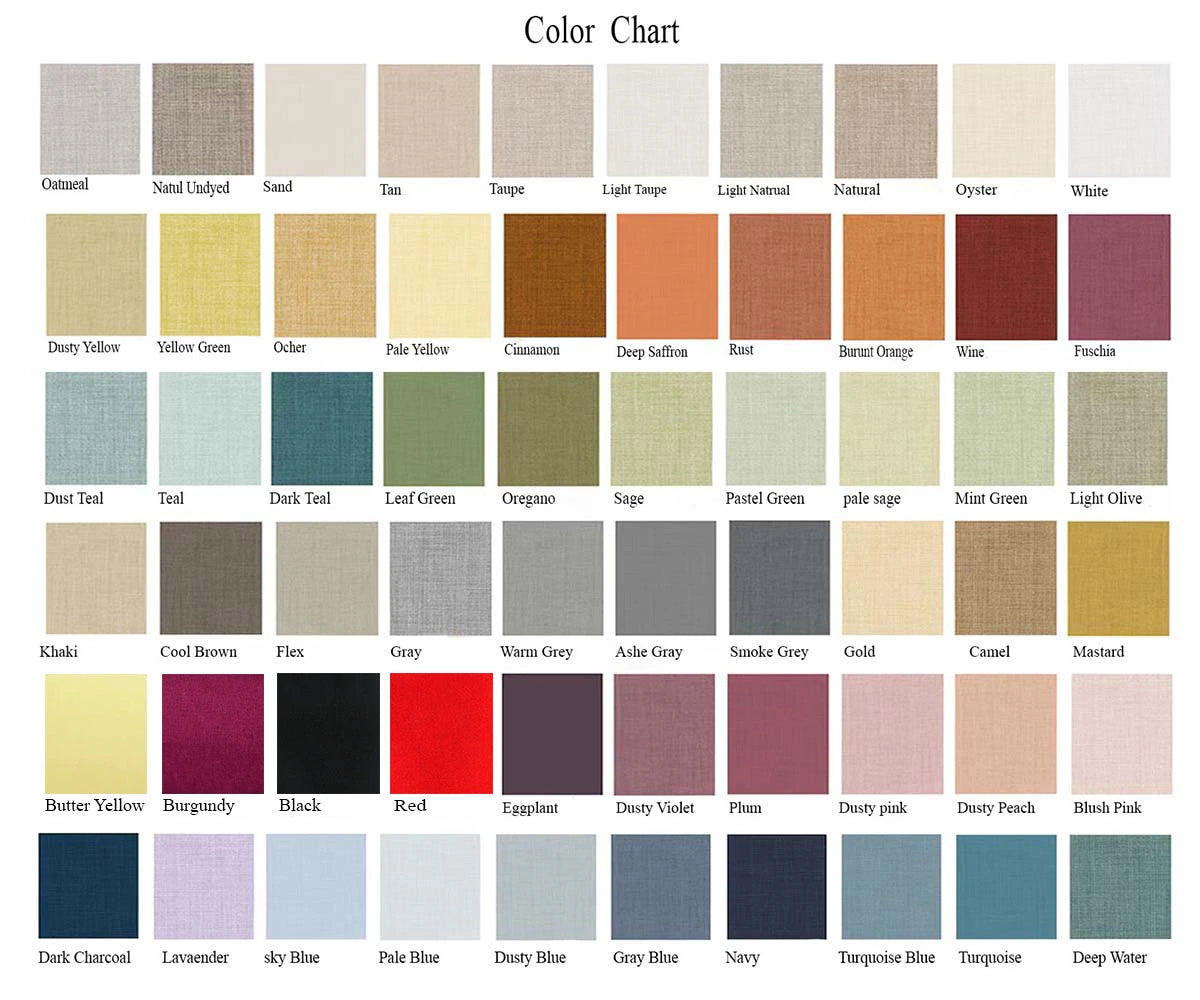
At All Cotton and Linen, our cloth napkins are made from quality natural cotton and linen in a wide range of colours, sizes, and finishes designed for every mealtime and every alternative use that follows. The more uses they find, the more justified every napkin in the drawer becomes.
Shop our cotton and linen napkin collection — and find ten more uses than you expected