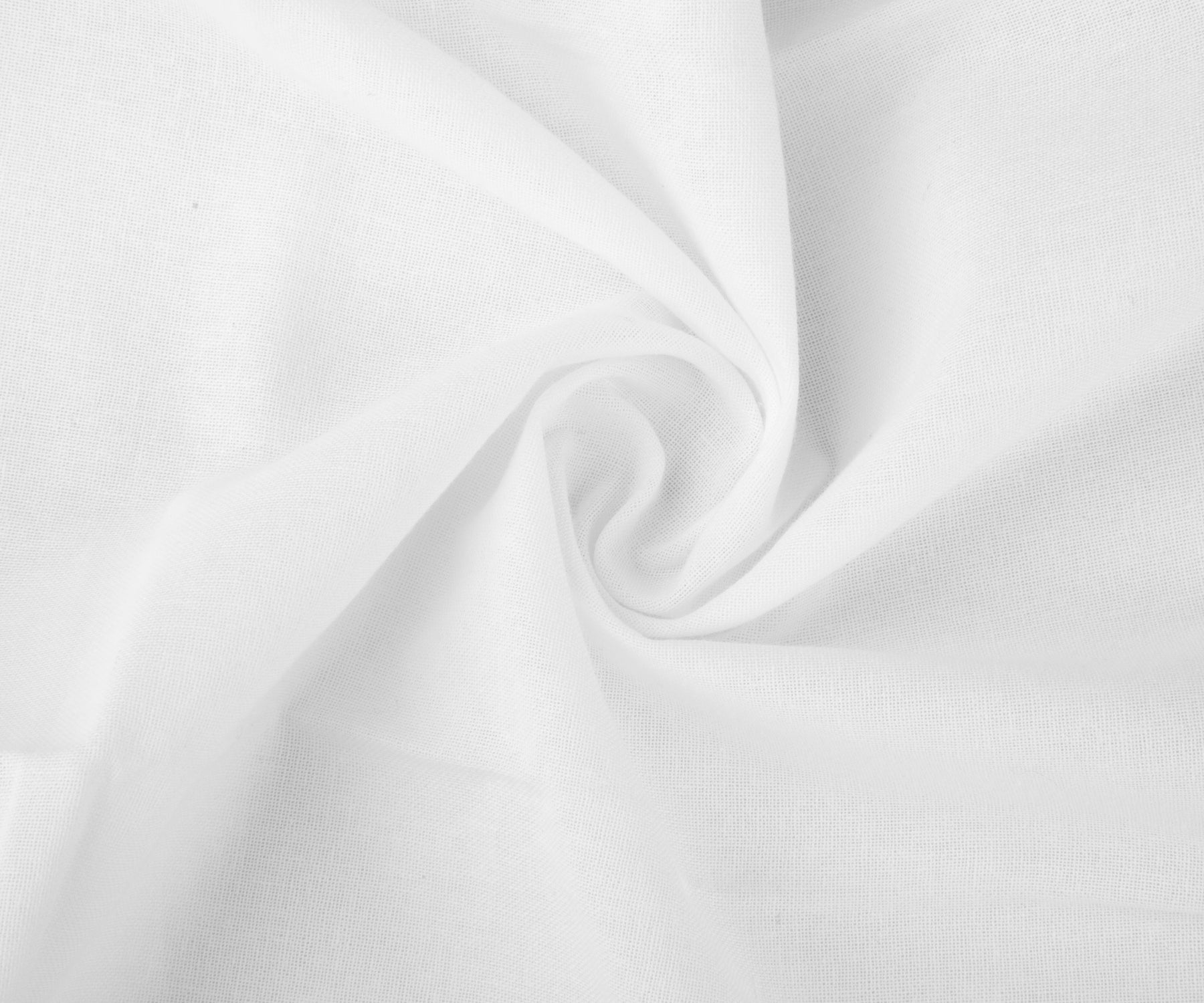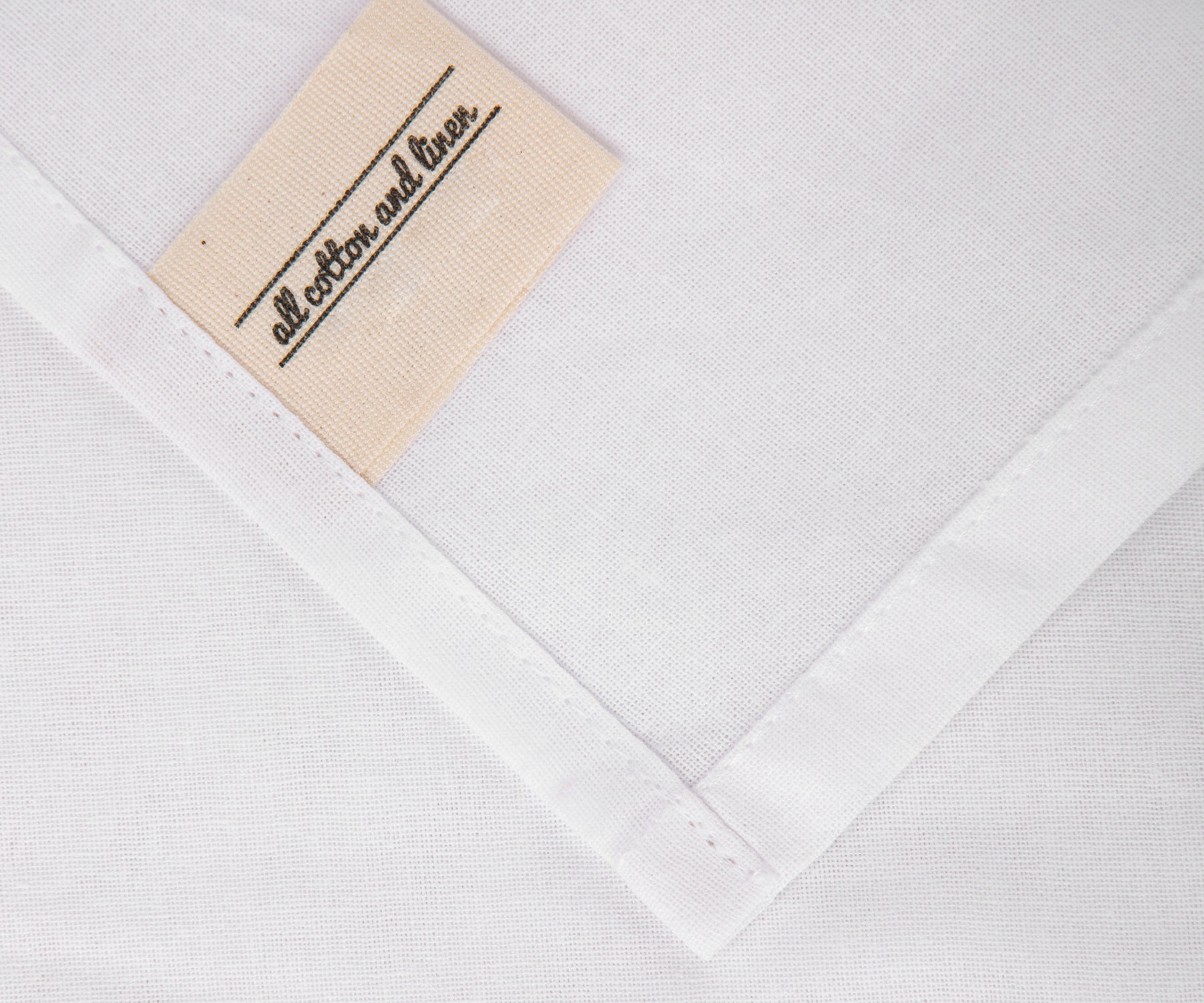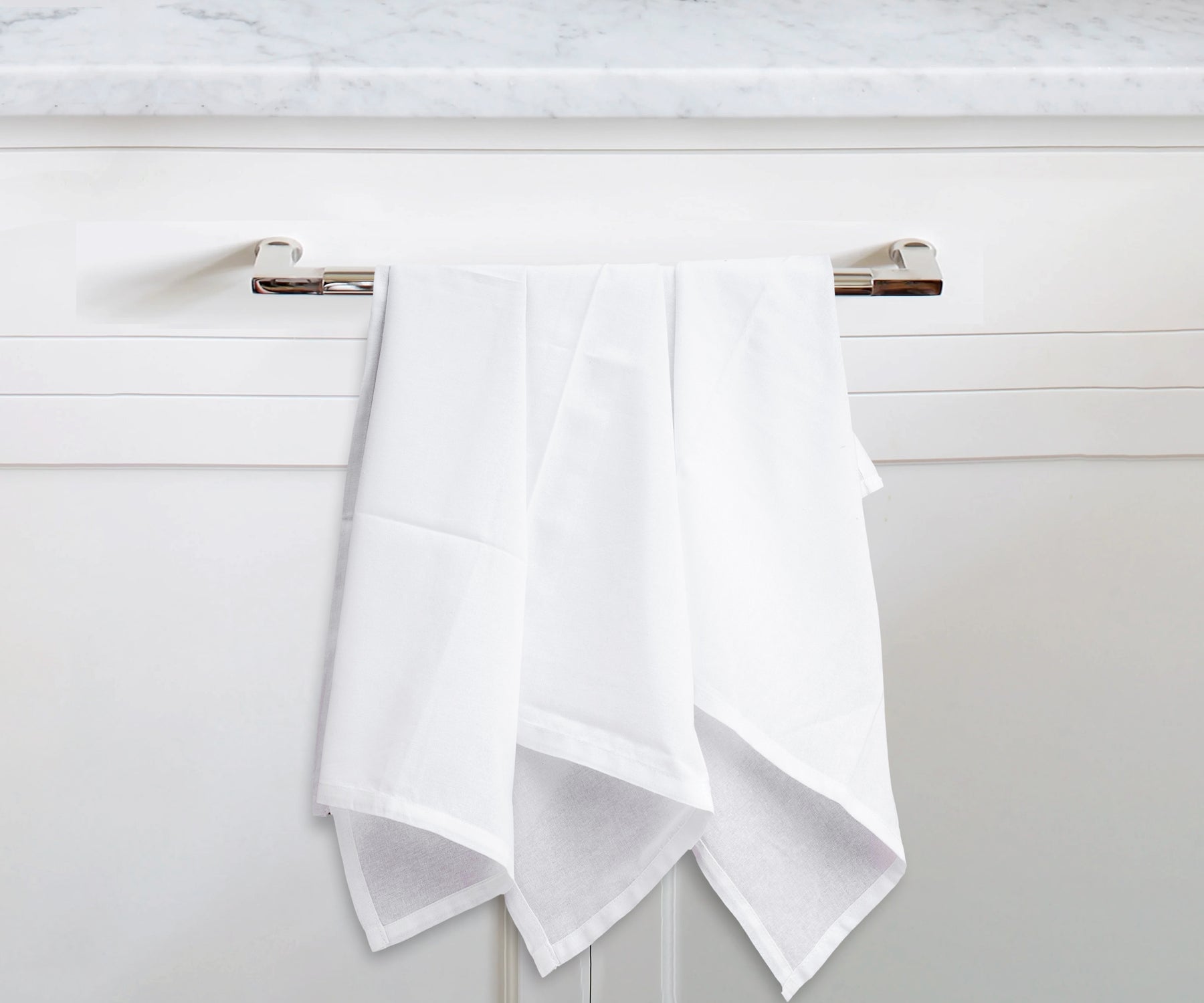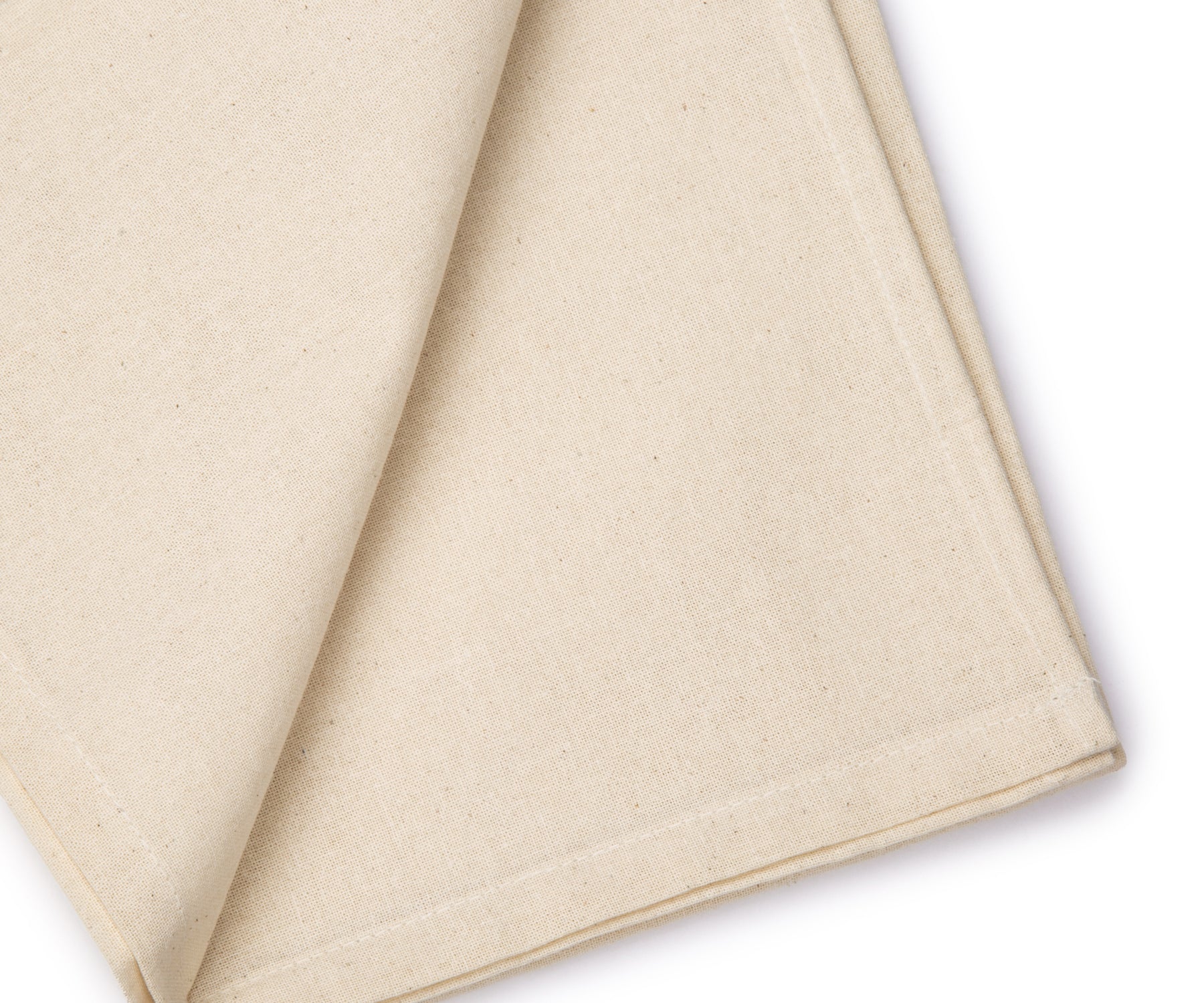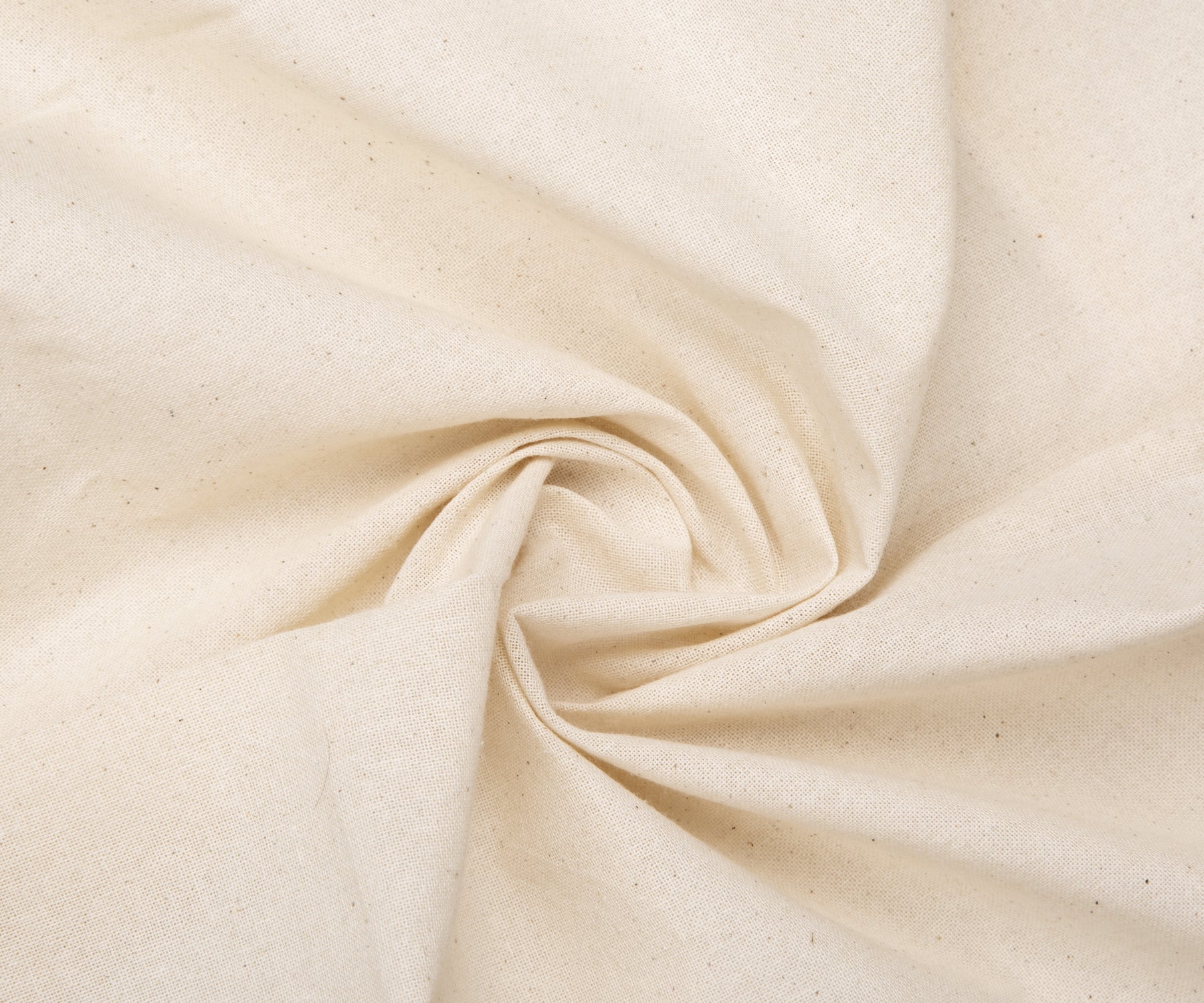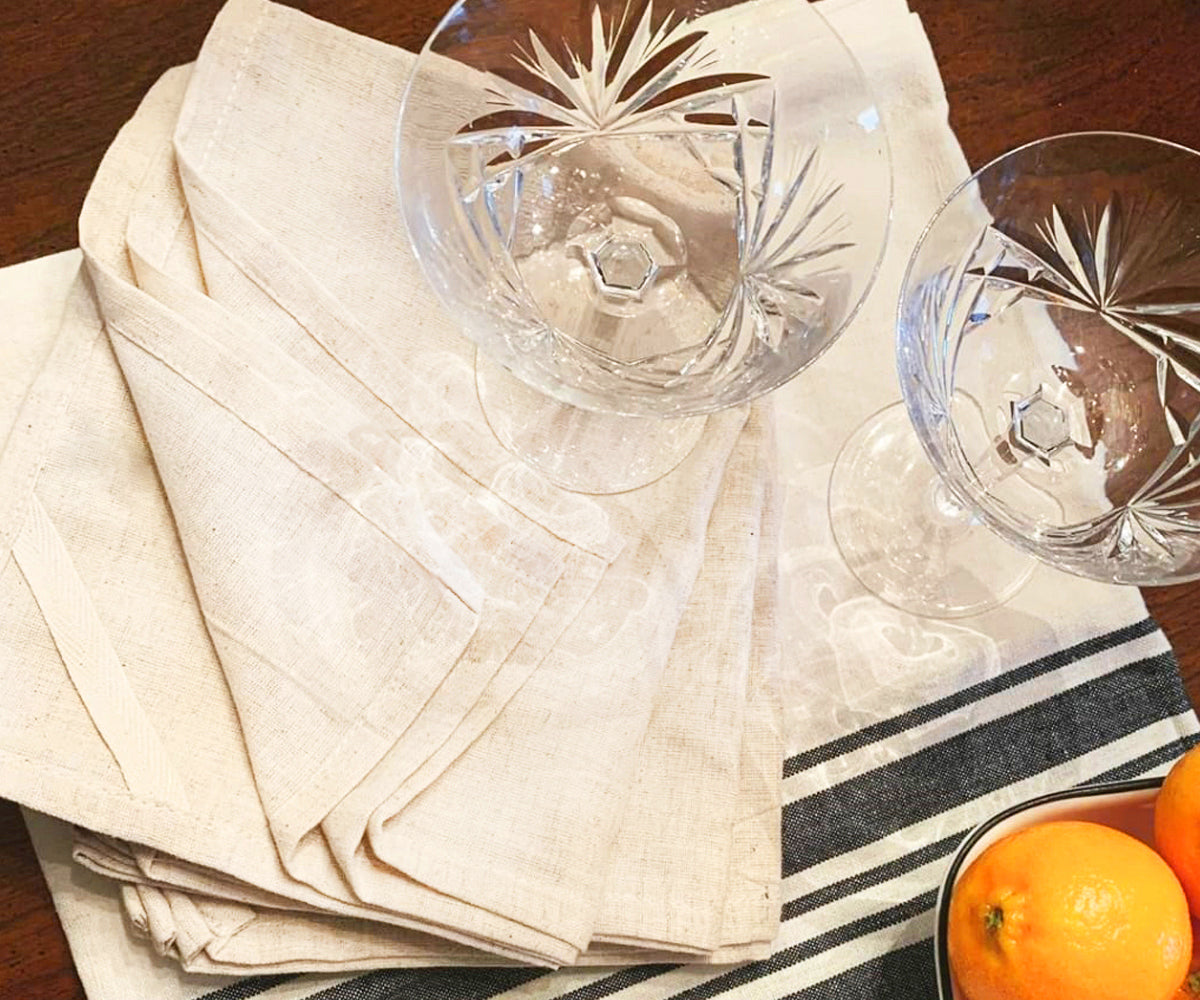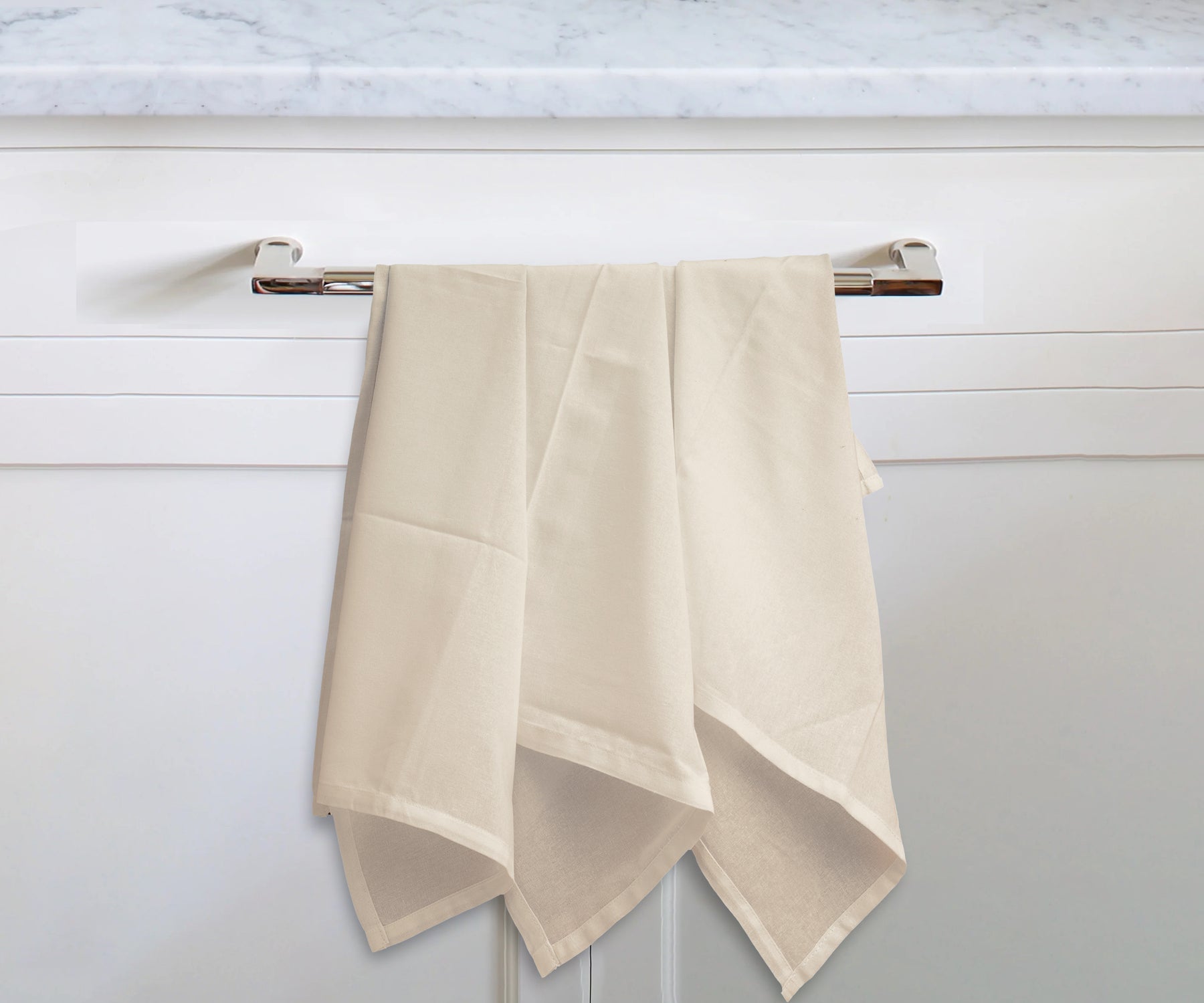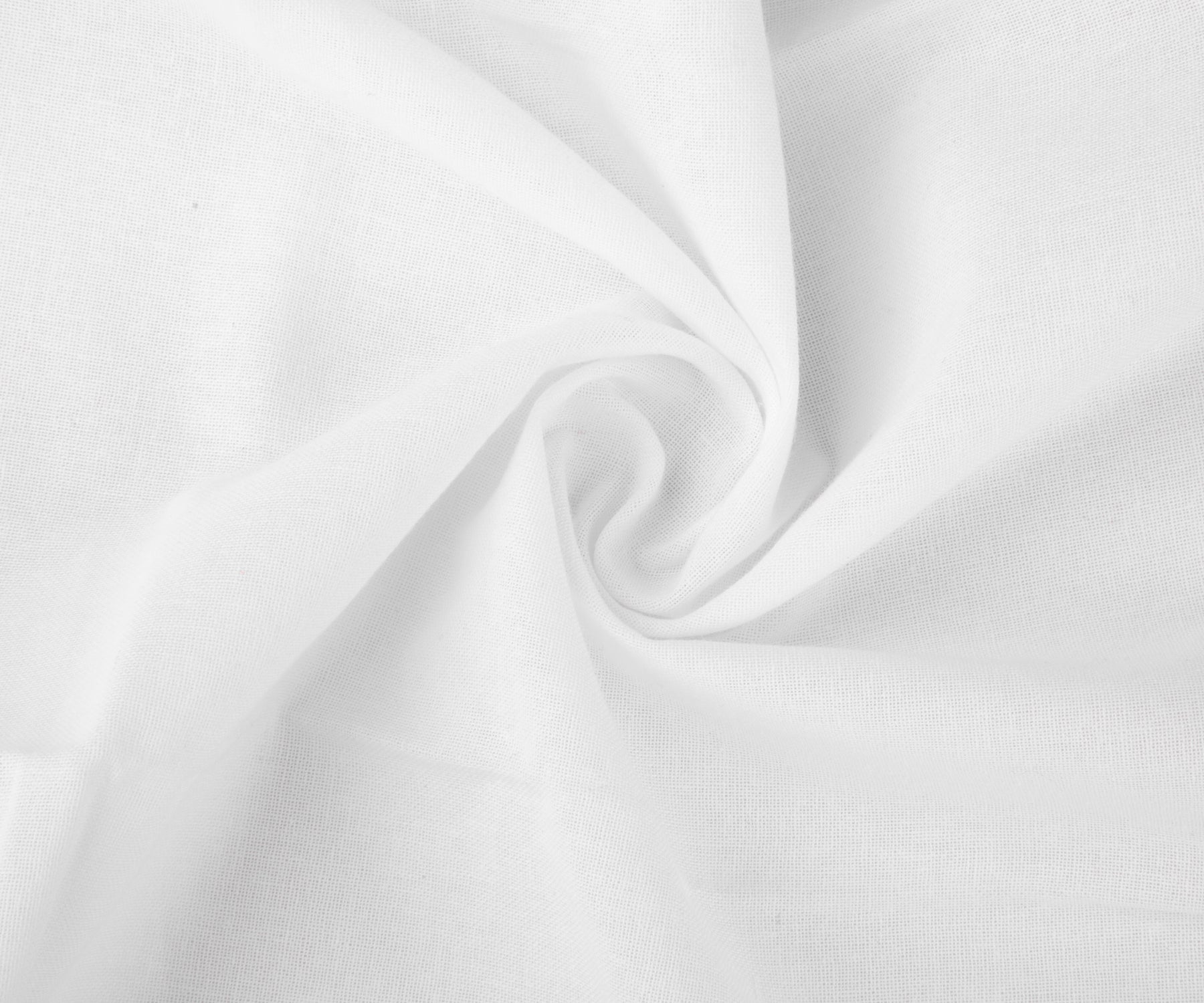


Linen towels are a practical choice for drying glassware because they leave little lint behind, while flat woven cotton towels are valued for their absorbency, durability, and everyday versatility.
A good dishwashing towel does much more than dry a few plates. It absorbs spills, dries dishes, handles quick kitchen messes, and stays useful throughout the day. But not every kitchen towel performs equally well. Some stay damp for too long, develop unpleasant odors, or leave lint and streaks on clean glasses.
The difference often comes down to the towel’s material, weave, size, and care. Choosing the right combination can make a noticeable difference in how quickly a towel dries, how much moisture it absorbs, and how long it lasts.
In this guide, we’ll look at the best materials and weaves for dishwashing towels, the most useful sizes, proper care tips, and how to choose a kitchen towel based on the tasks you handle most often.
Why Does the Material of a Dishwashing Towel Matter?
The material of a kitchen towel influences nearly every aspect of its performance. It determines how much water the towel can absorb, how quickly it dries between uses, how much lint it leaves behind, and how well it withstands frequent washing.
Choosing the wrong fabric can lead to common kitchen frustrations. A towel that stays damp for too long can develop odors and become less hygienic over time. A towel that sheds fibers onto dishes means extra polishing and cleaning. Likewise, a towel that loses absorbency after only a few washes will need to be replaced much sooner than expected.
Understanding the strengths of different materials helps you choose a towel that matches your kitchen habits and daily needs.

Flat-Woven Cotton: The Most Versatile Everyday Choice
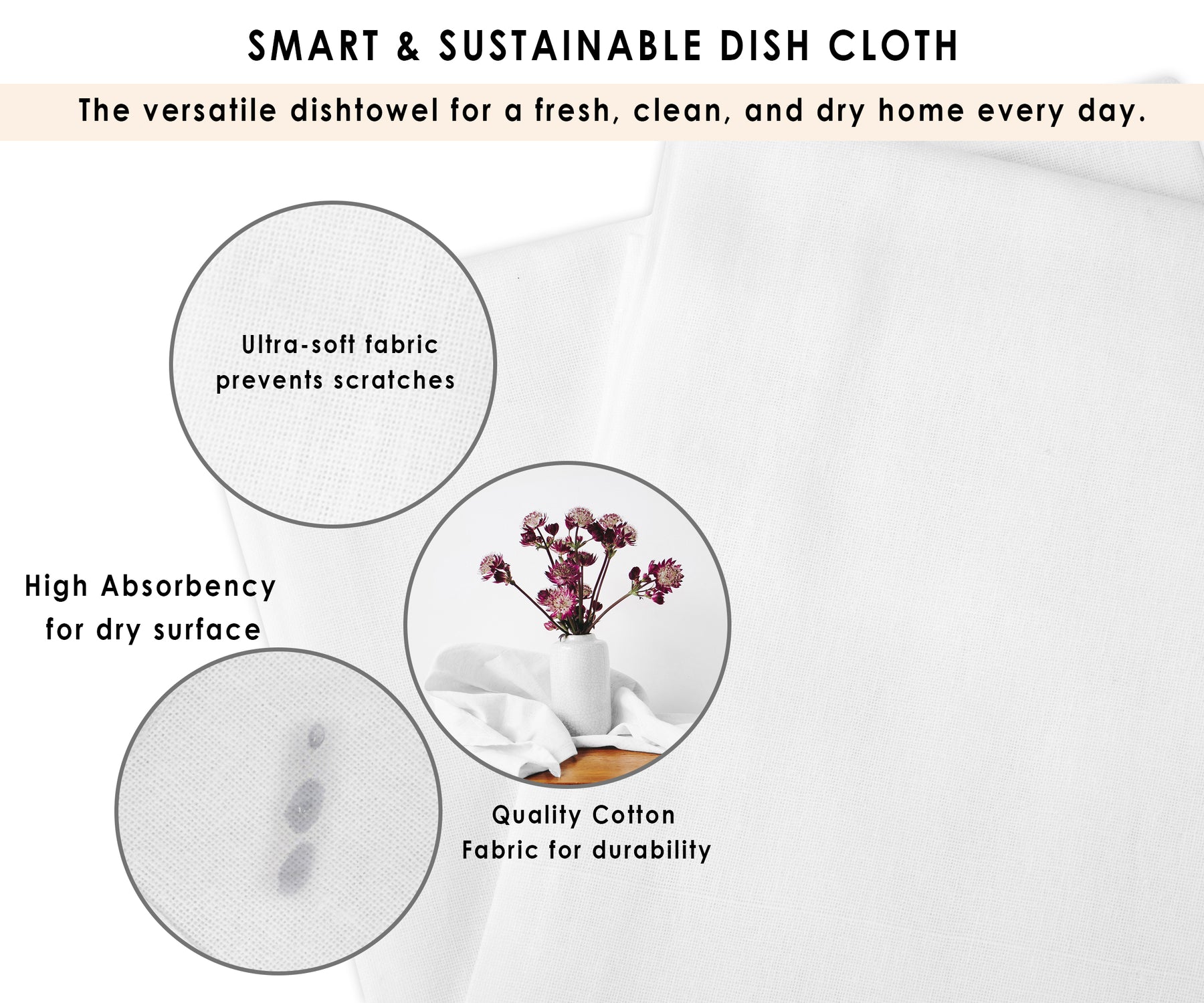
Flat-woven cotton kitchen towels continue to be one of the most practical options for daily use. They offer dependable absorbency, a comfortable feel, and excellent durability, making them suitable for nearly every kitchen task.
Unlike thicker towel constructions, flat-woven cotton dries relatively quickly after use, helping prevent excess moisture from lingering in the fabric. It also maintains its performance through repeated washing, making it a dependable choice for busy households.
Why Flat-Woven Cotton Works So Well
-
Absorbs water efficiently
-
Soft and comfortable to handle
-
Durable enough for frequent washing
-
Produces minimal lint
-
Suitable for a wide range of kitchen tasks
Best Uses for Flat-Woven Cotton Towels
-
Drying plates and bowls
-
Wiping countertops
-
Drying hands while cooking
-
General kitchen cleanup

Linen Dish Towels: The Preferred Option for Glassware
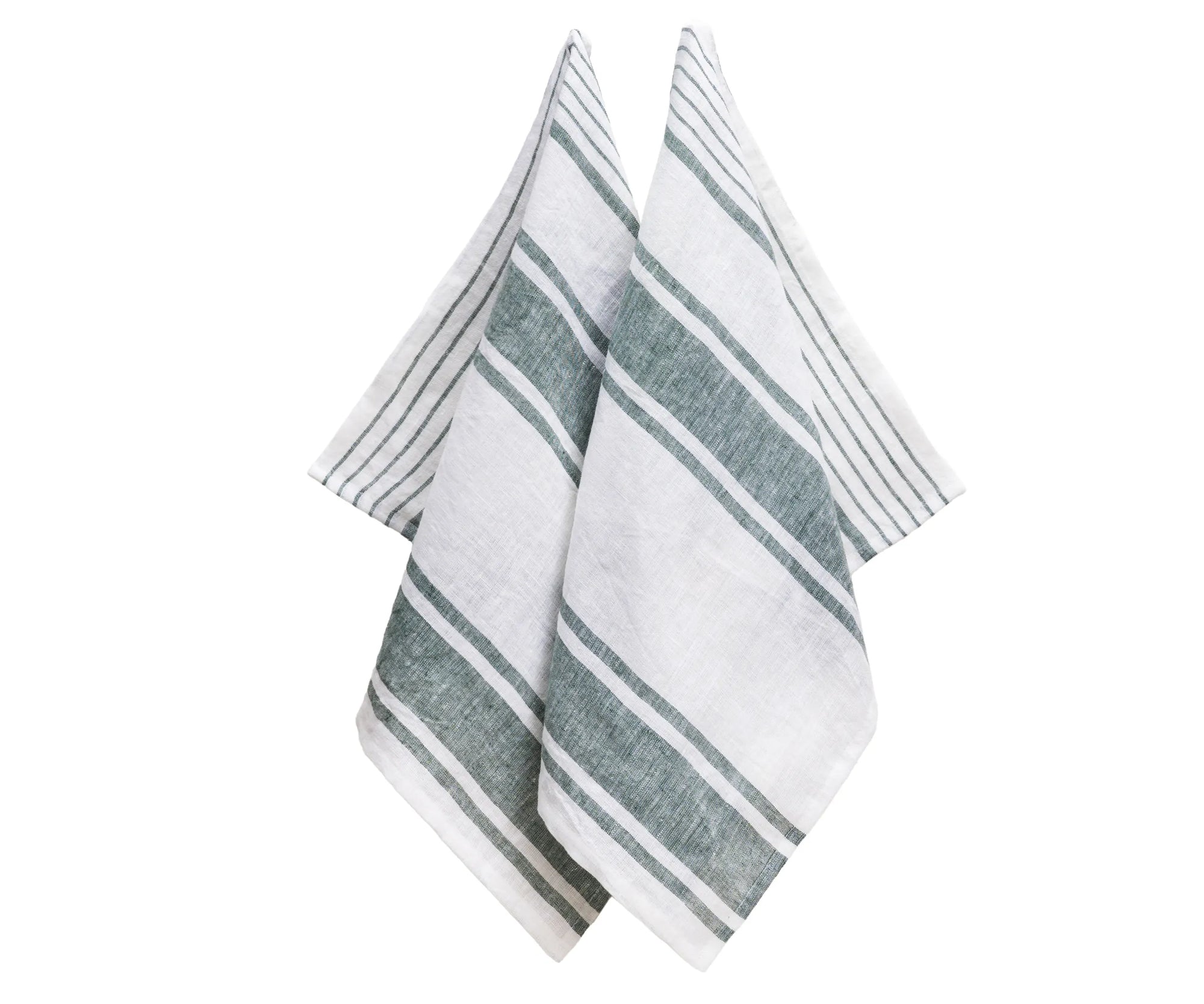
Linen kitchen towels are valued for their durability, quick-drying nature, and low-lint finish. Made from flax fibers, linen naturally releases moisture faster than many other materials, allowing the towel to dry quickly between uses.
Because linen leaves very little lint behind, it is especially useful for drying wine glasses, crystal, and polished dishes where streaks and fibers can be noticeable. Another advantage is that linen becomes softer and more absorbent over time, making it a long-lasting investment for the kitchen.
Benefits of Linen Dish Towels
-
Dries quickly after use
-
Naturally low lint
-
Strong, durable fibers
-
Excellent for polishing
-
Improves with repeated washing
Best Uses for Linen Towels
-
Drying glassware
-
Polishing crystal
-
Drying cutlery
-
Caring for fine china
 Cotton Terry Towels: Ideal for Large Spills
Cotton terry towels feature a looped construction similar to bath towels. These loops create additional surface area, allowing the fabric to absorb large amounts of liquid quickly.
This makes terry towels particularly useful when handling large spills, drying bulky cookware, or tackling messier kitchen jobs. However, because of their thicker construction, they typically take longer to dry than flat-woven cotton or linen towels.
Read More: What to Make for Dinner on Halloween? Spooky and Fun Halloween Dinner Recipes
Advantages of Cotton Terry Towels
-
Exceptional absorbency
-
Soft texture
-
Effective for heavy-duty tasks
-
Handles large spills with ease
Best Uses for Terry Towels
-
Cleaning up liquid spills
-
Drying pots and pans
-
Handling heavily used cookware
-
General cleanup after cooking
 Waffle Weave Kitchen Towels: Fast Drying and Highly Absorbent
Waffle weave kitchen towels have become increasingly popular because they combine excellent absorbency with faster drying times. Their textured grid pattern creates small pockets that help capture moisture while allowing air to circulate more freely through the fabric.
In addition to their practical benefits, waffle-weave towels add texture and visual appeal to kitchen spaces. Many homeowners appreciate that they look decorative while still performing exceptionally well.
Benefits of Waffle Weave Kitchen Towels
-
Highly absorbent without excessive bulk
-
Faster drying than terry cloth
-
Lightweight and easy to handle
-
Attractive texture and appearance
Best Uses for Waffle Weave Towels
-
Daily dish drying
-
Countertop cleaning
-
Hand drying
-
Decorative kitchen displays
Also Read: How to Create DIY Outdoor Halloween Decorations & DIY Outdoor Furniture Ideas
What is the right size for a dishwashing towel?
Size affects how useful a kitchen towel actually is in practice. America's Test Kitchen, which tested kitchen towels extensively, found that a size of approximately 30 by 20 inches before washing produces a post-wash size of around 27 by 19 inches, large enough to handle most dishes and cookware comfortably without being unwieldy. Towels significantly smaller than this require more movement and more repositioning to dry a full load of dishes. Towels significantly larger than this become harder to manage with one hand.
|
Size category |
Dimensions |
Best use |
|
Small kitchen cloth |
10 x 10 to 15 x 15 inches |
Spill wiping, cleaning tasks, countertop work |
|
Standard dish towel |
18 x 28 to 20 x 30 inches |
Dish drying, hand drying, and general kitchen work |
|
Large kitchen towel |
24 x 32 to 27 x 34 inches |
Drying large cookware, lining bread baskets, covering dough |
How can dishwashing towels be part of a more sustainable kitchen?
Reusable kitchen towels are one of the simplest sustainable swaps available in a household. According to the Home Essentials Guide, one pack of five quality dish cloths can replace up to seventeen rolls of paper towels. A quality cotton or linen kitchen towel set used and cared for correctly eliminates a significant volume of disposable paper from the household waste stream every year.
The most sustainable material choices are
Organic cotton is grown without synthetic pesticides, processed without harsh chemical finishes, and fully biodegradable at the end of its life.
Linen made from flax that requires no irrigation or pesticides is fully biodegradable and exceptionally durable. A linen kitchen towel used correctly can outlast several cotton equivalents.
Both materials outperform synthetic alternatives in environmental credentials, and both perform better in the kitchen. Over time, organic cotton softens gradually with washing, and linen gets more effective and more beautiful with each use.
Overview
Selecting the right material is one of the most important decisions when buying dishwashing towels. Flat-woven cotton offers dependable everyday performance, linen excels at drying glassware, terry handles heavy spills, and waffle weave provides an excellent balance of absorbency and quick drying. Building a collection that includes more than one type lets you match the towel to the task and get better results throughout the kitchen.
These decisions take under a minute to make. What they produce is a kitchen that functions better, looks more considered, and smells like it should.
At All Cotton and Linen, our cotton and linen dish towel collection is made from quality natural fibers, flat-woven, waffle, and linen in the sizes, colors, and constructions that actually work in a daily kitchen. Every piece is machine washable, designed to become softer with regular use, and available in earthy neutrals and botanical tones that complement a wide range of kitchen styles.