

Quick Facts: Applique and Embroidery Bedding
| Category | Recommendation |
|---|---|
| Main difference | Appliqué adds fabric layers, embroidery adds thread |
| Best for pillowcases and sheets | Embroidery (flat, smooth against skin) |
| Best for duvet covers and coverlets | Appliqué (the large surface shows raised designs) |
| Best for monograms and borders | Embroidery |
| Best for kids' or pets' beds | Embroidery (fewer raised edges to snag) |
| Best style match | Appliqué for boho and farmhouse; embroidery for classic and hotel-style |
| Best care | Delicate cycle, inside out, no bleach, air dry or low heat |
| Best way to check quality | Look at the reverse side and the edges |
Applique vs Embroidery at a glance
| Feature | Appliqué | Embroidery |
|---|---|---|
| Method | Fabric pieces stitched onto the base fabric | Thread stitched into the base fabric |
| Texture | Raised, layered | Flat or slightly raised |
| Visual effect | Bold, graphic shapes | Fine, detailed patterns |
| Best used on | Duvet covers, coverlets, decorative pillows | Pillowcases, sheet hems, borders, monograms |
| Skin feel | Raised layer can be noticeable | Usually smoother |
| Style | Farmhouse, boho, eclectic | Classic, hotel-style, romantic, traditional |
| Back of the fabric | Stitched outline and an extra fabric layer | Thread stitches, usually with a backing |
| Watch-out | Edges can lift or fray; raised edges snag | Dense stitching can feel stiff; loose threads snag |
What is Applique?
Appliqué is decorative stitching of separate shapes, like florals, monograms, motifs or borders, cut from a fabric and then sewn to the surface. Because each element is a separate layer, it creates a unique 3D effect that you can see and feel. It adds dimension to linen bedding where two levels of linen create a subtler tonal contrast.
- Best for: Graphic designs and large decorative surfaces.
- Pairs well with: linen or cotton bases in neutral tones, throws with texture.
- Think about: How the raised layer will feel and how often it will be handled.
- Practical tip: Check that all edges have been finished and that the stitching is even.

What Is Embroidery?
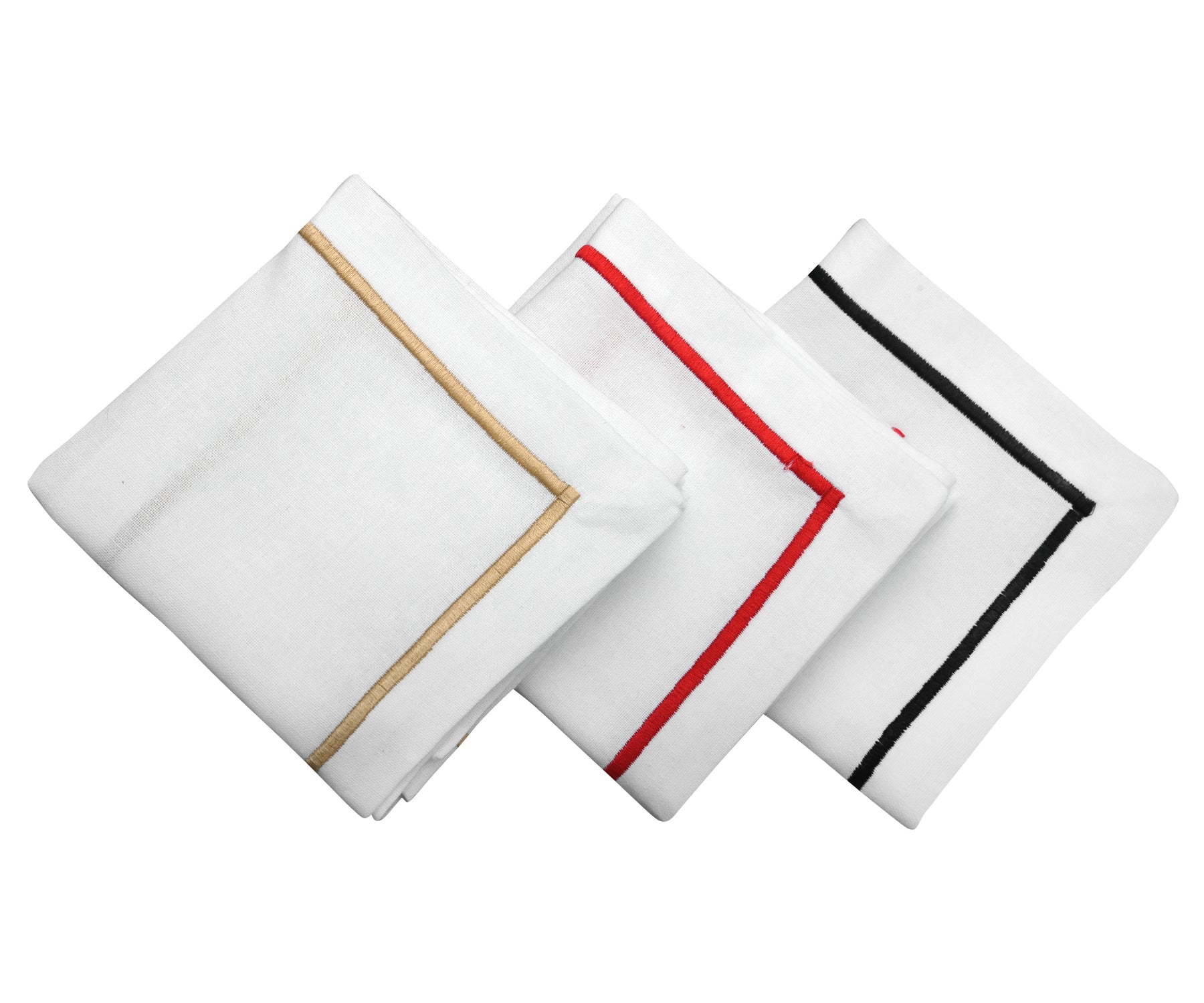
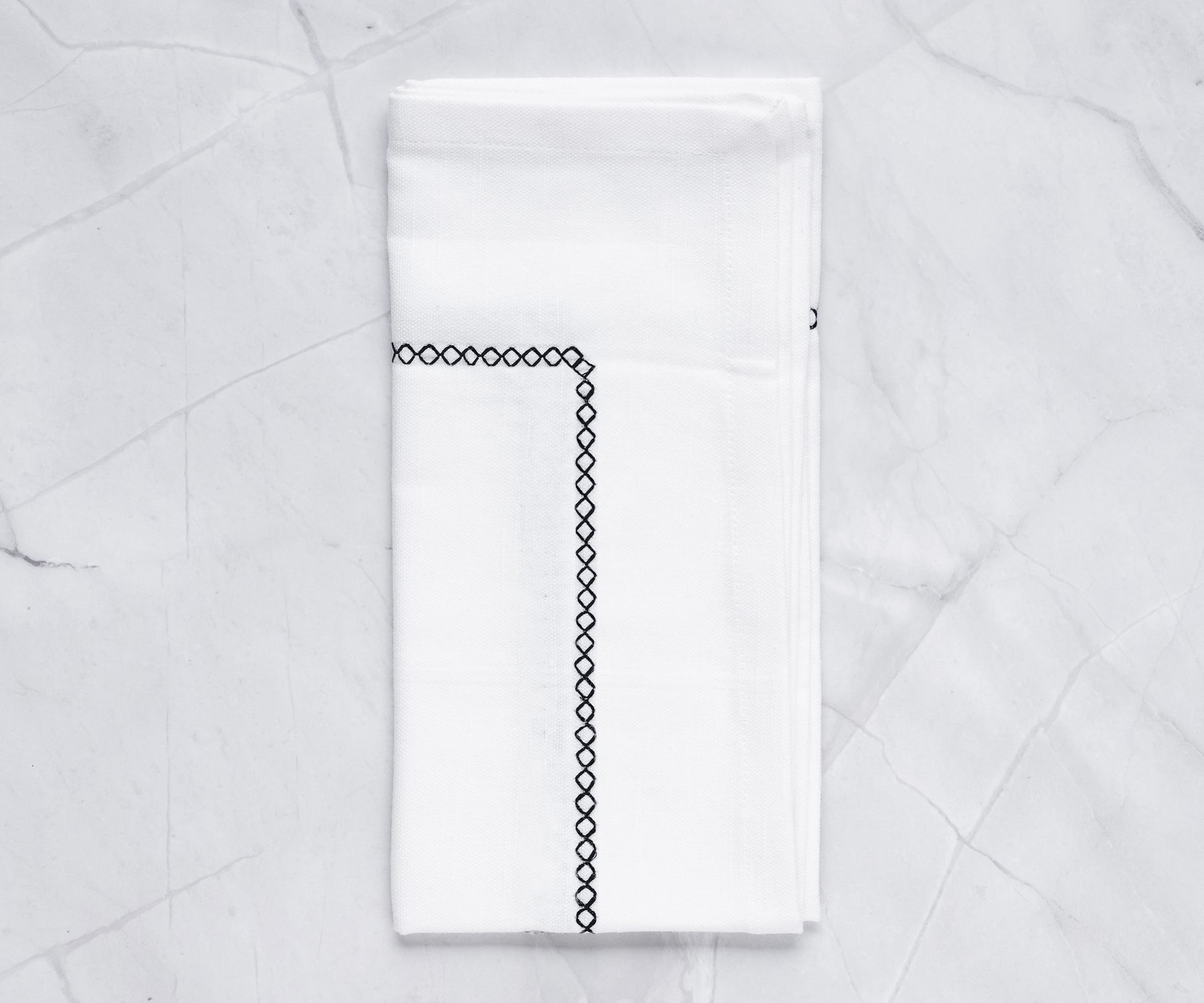
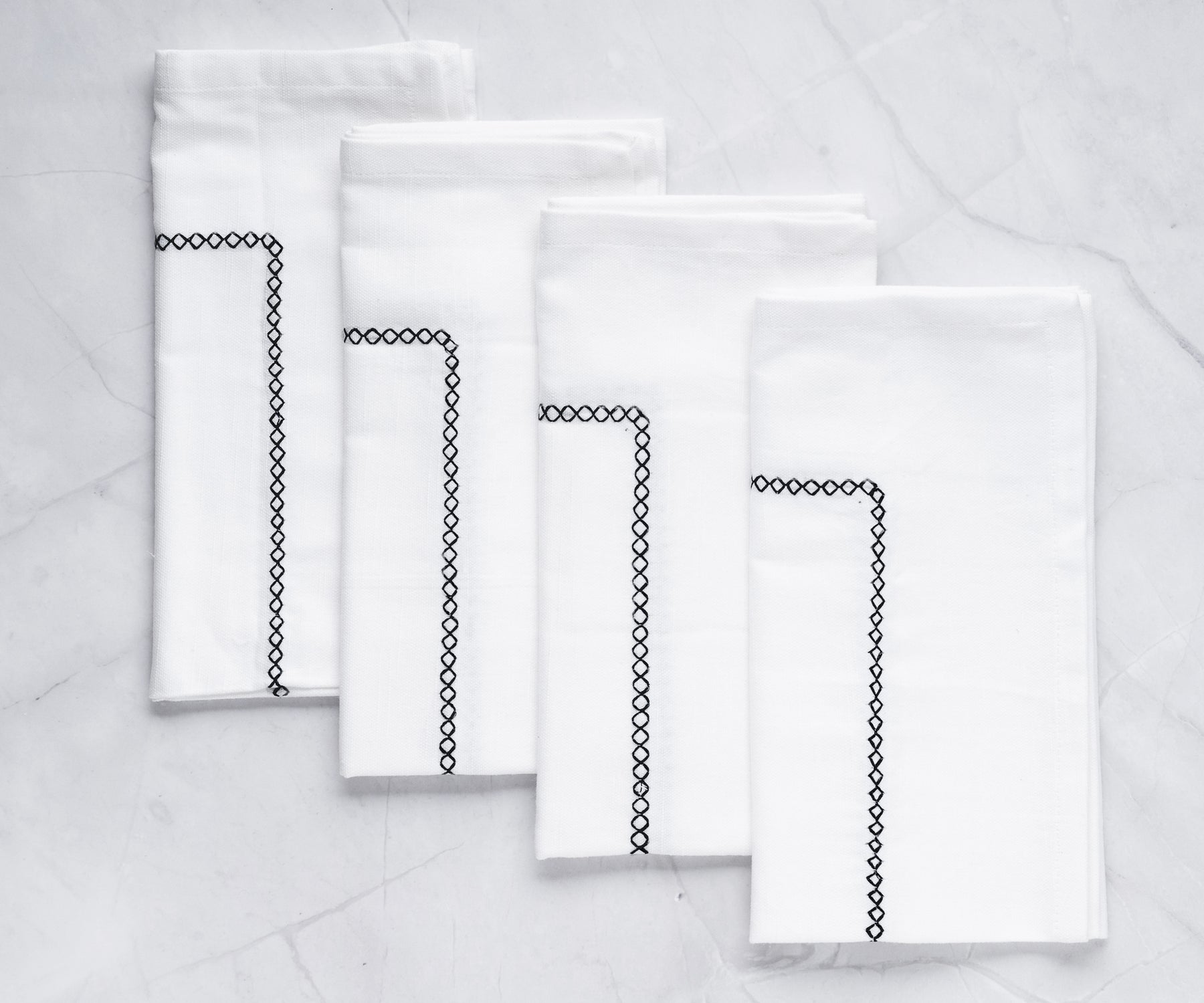
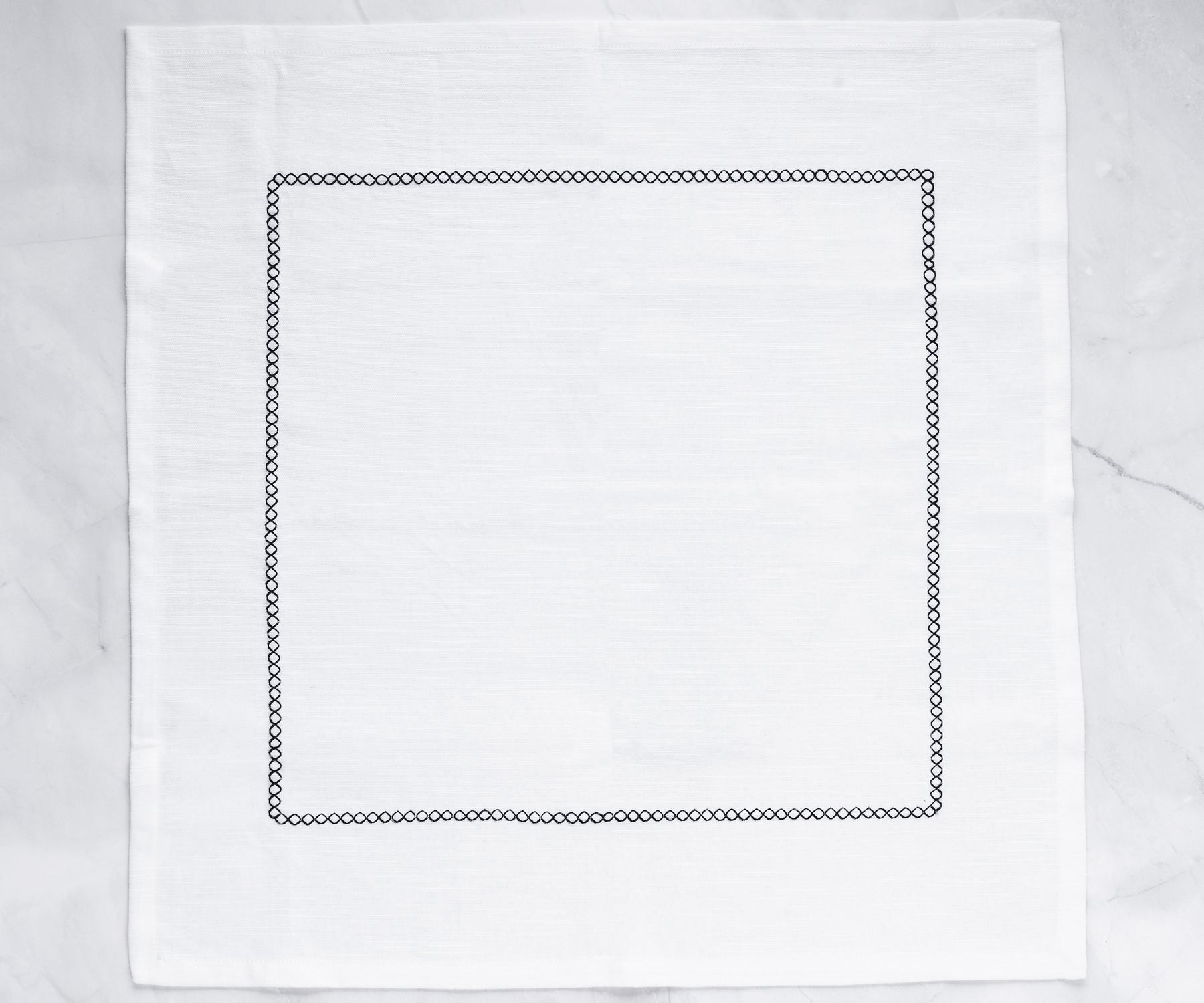
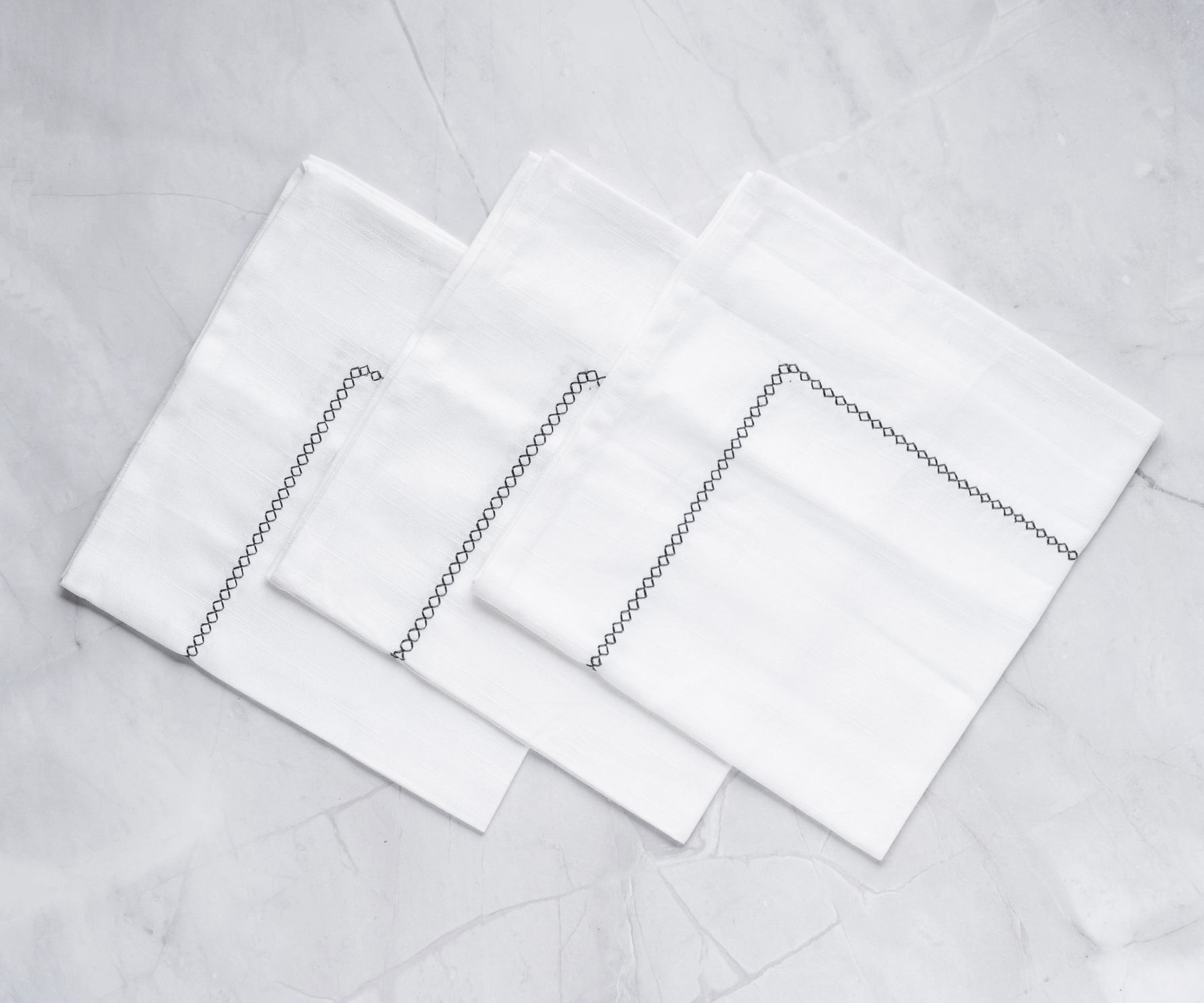
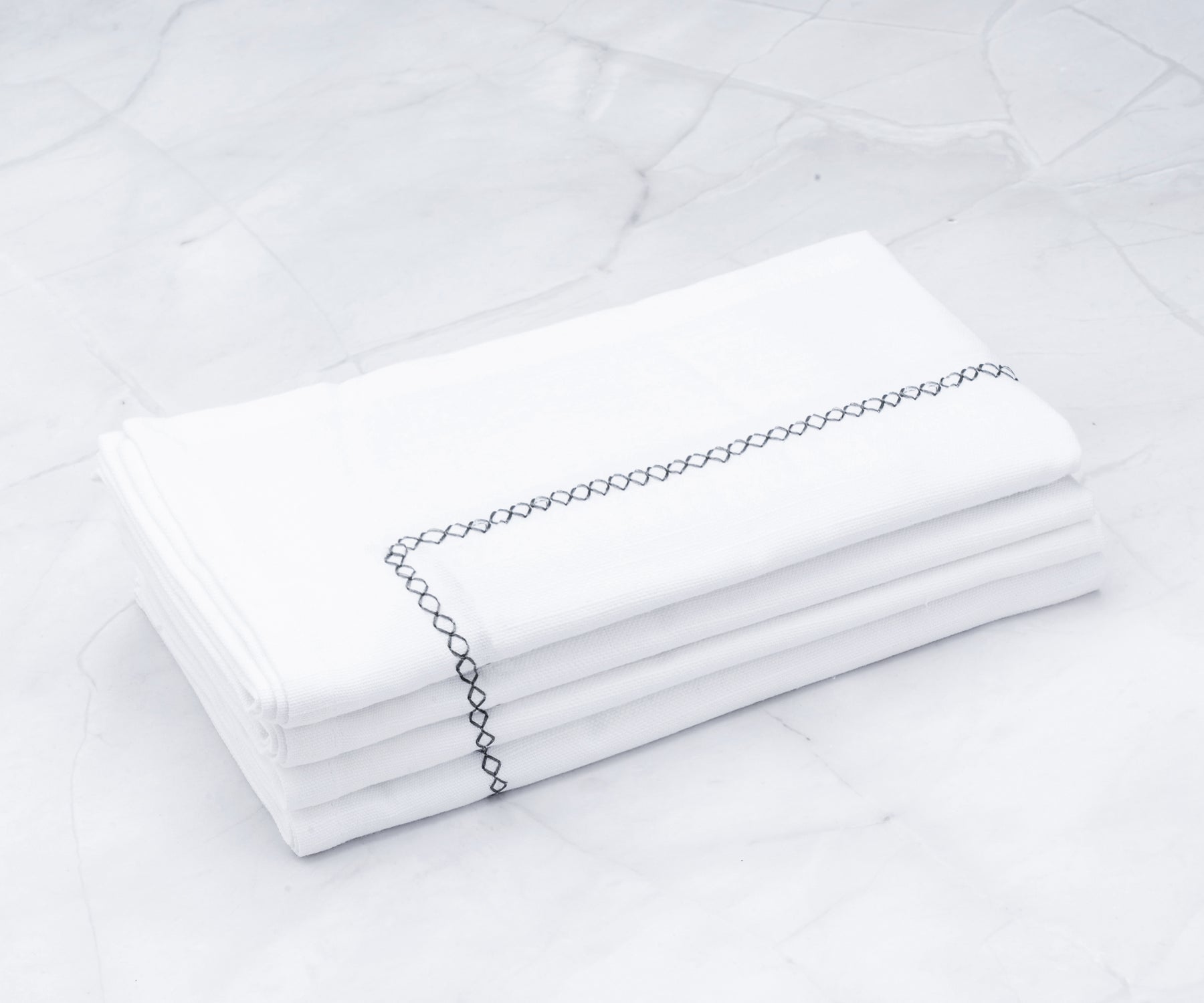
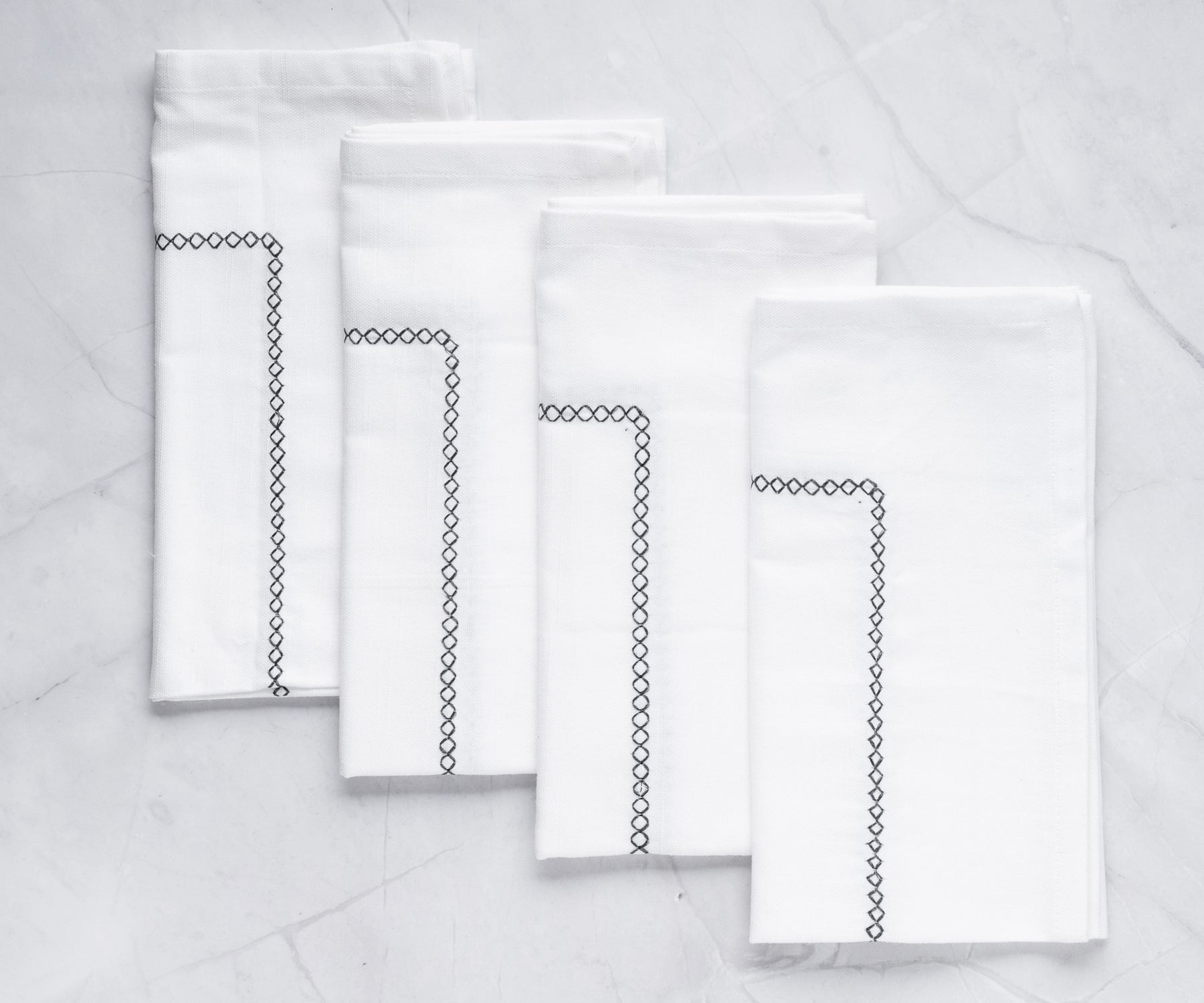
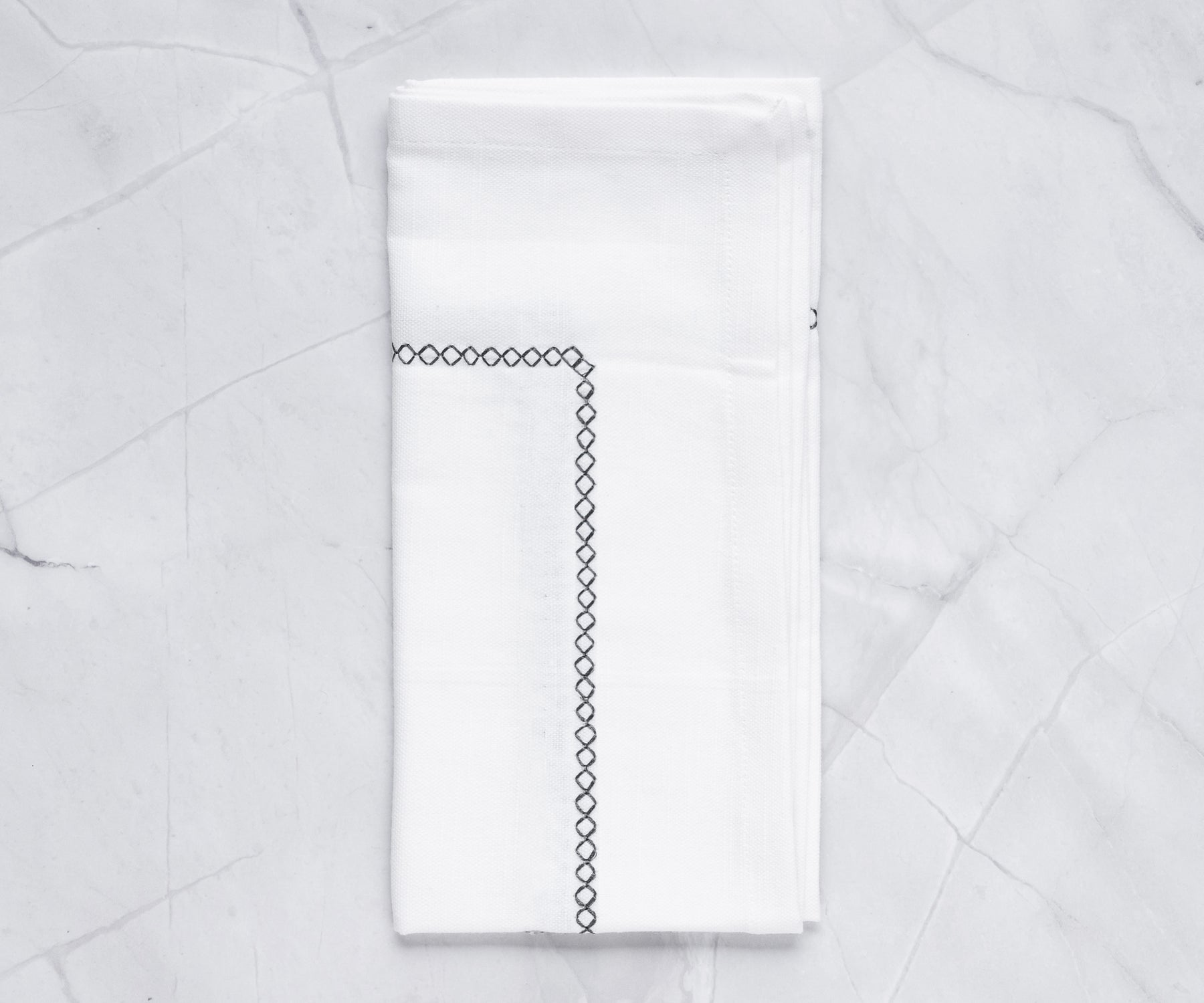
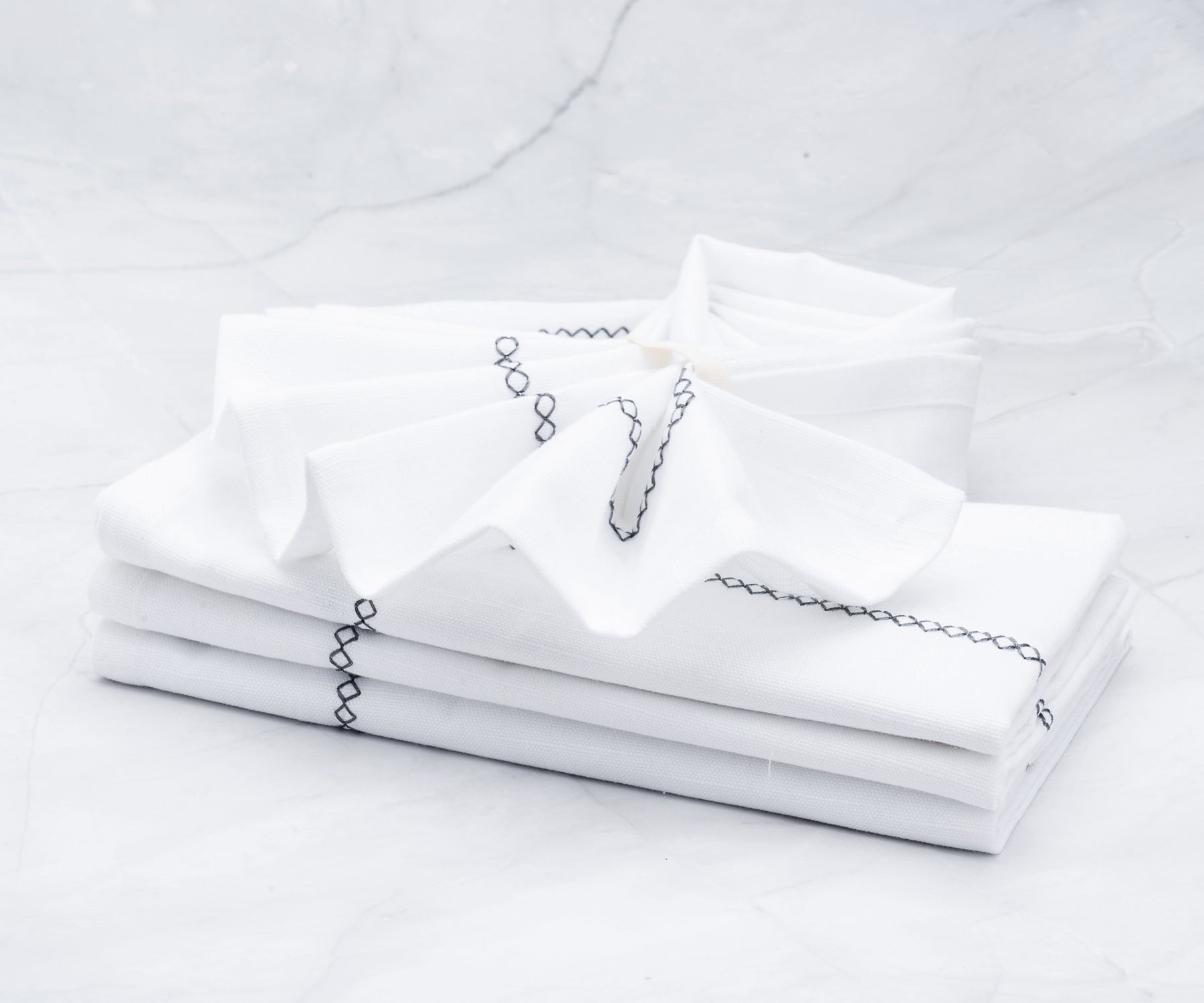
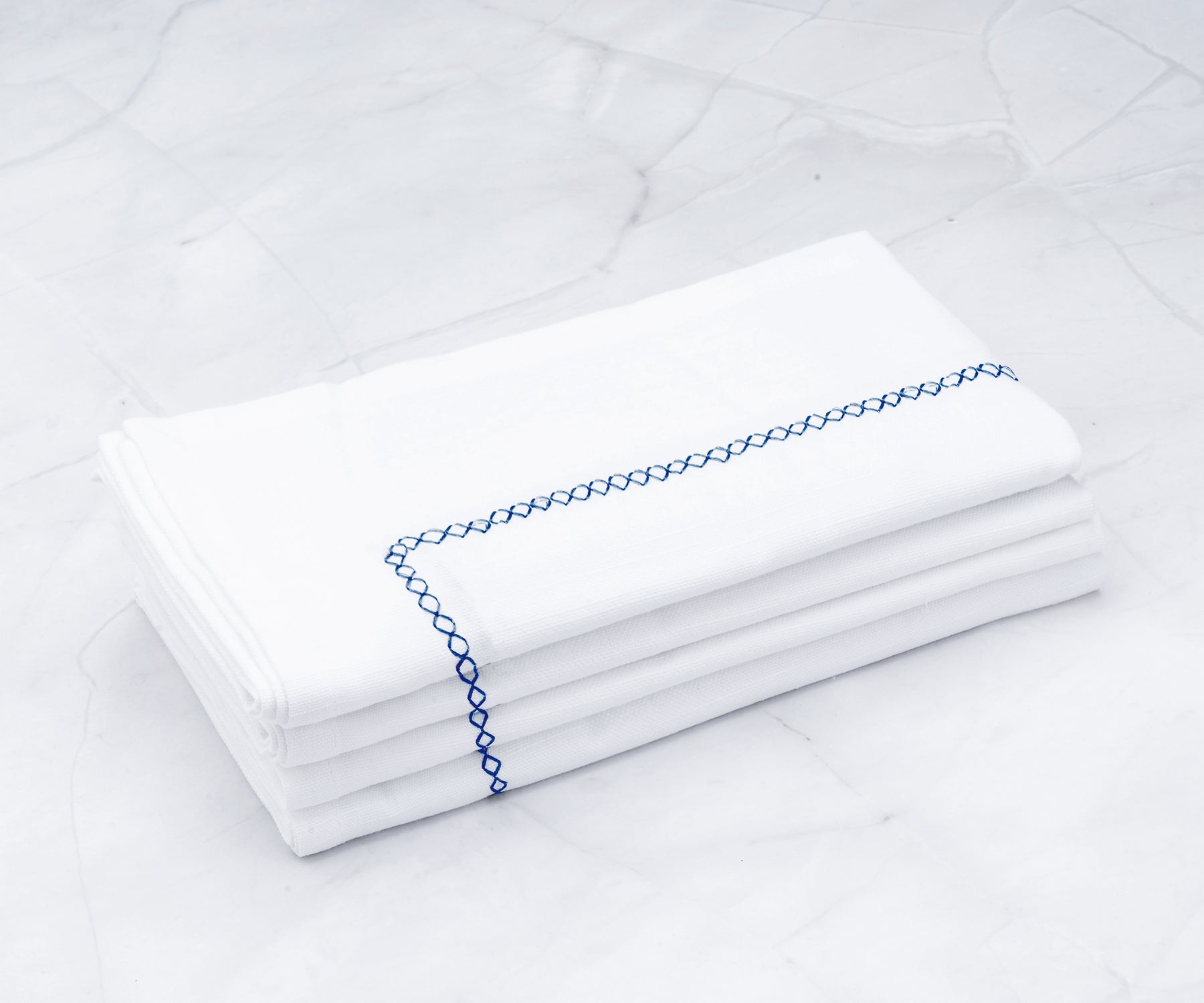
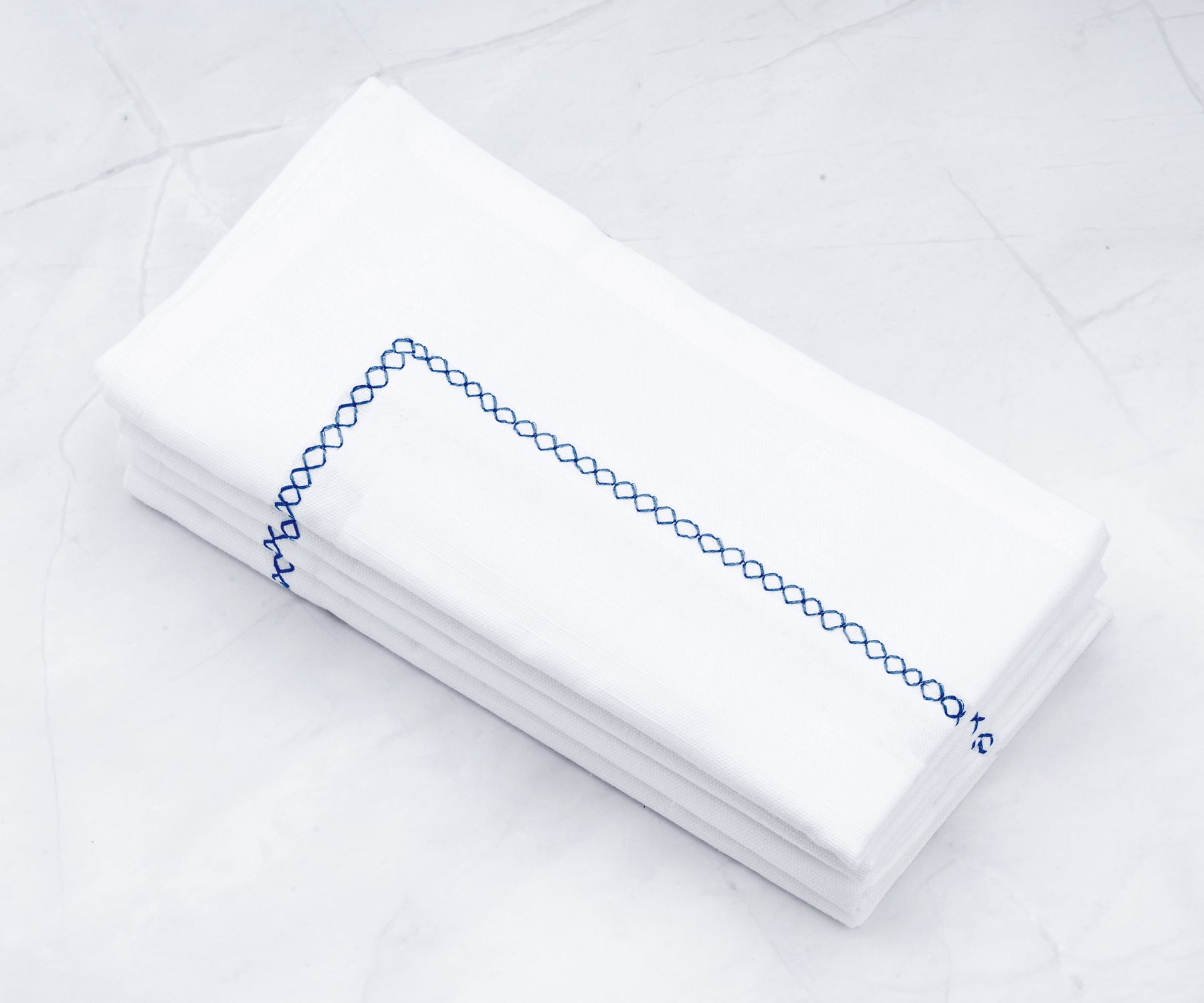
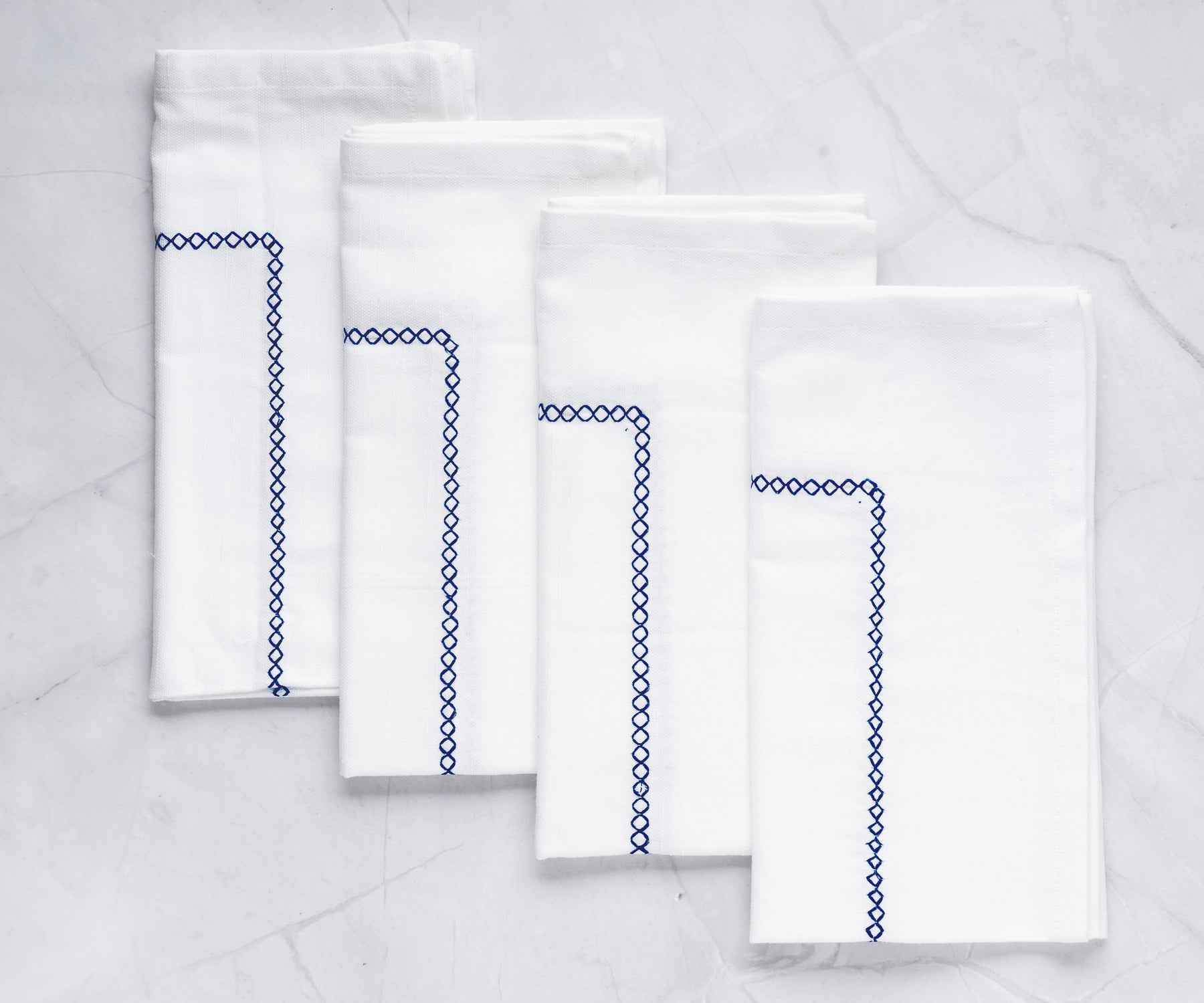
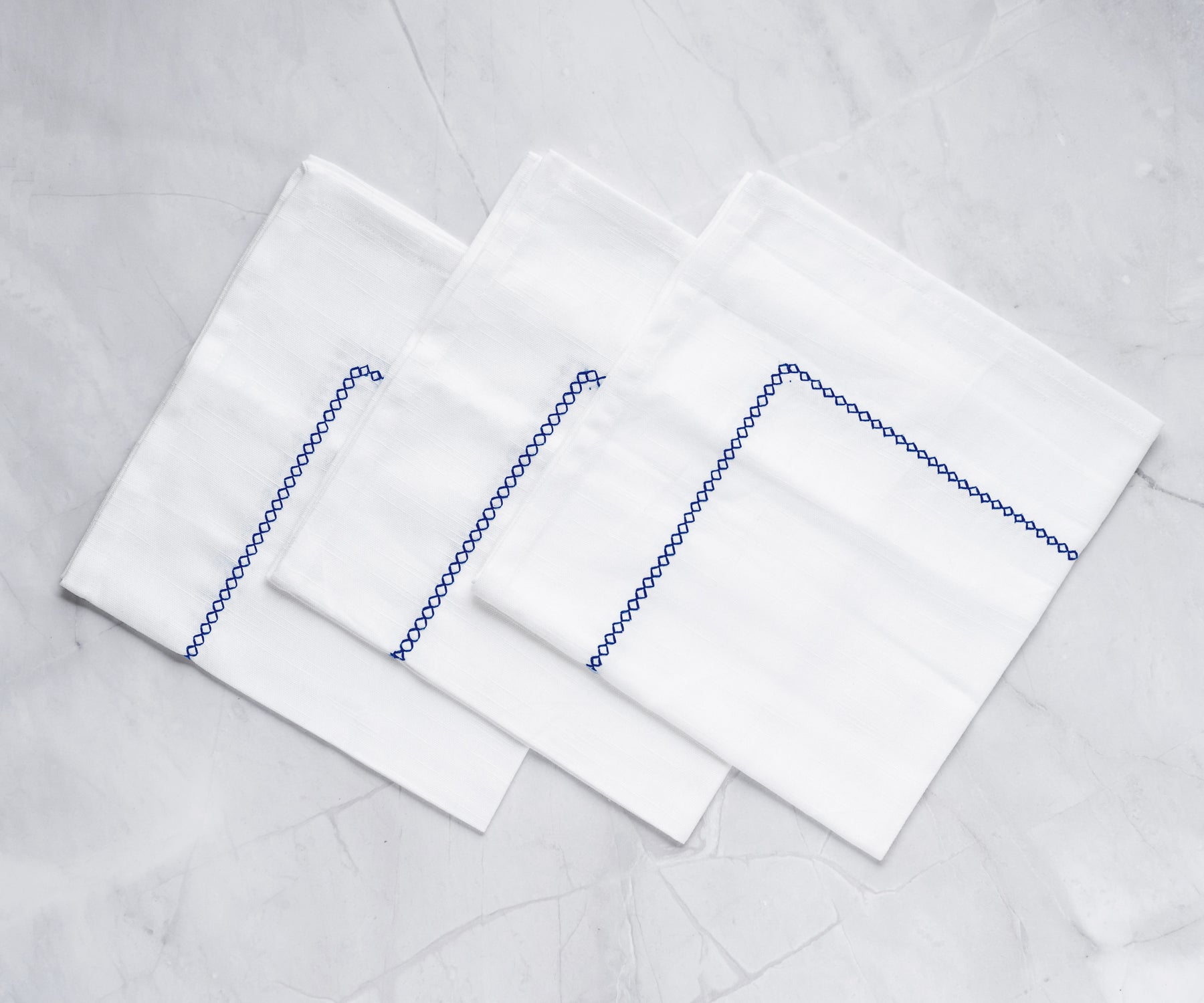
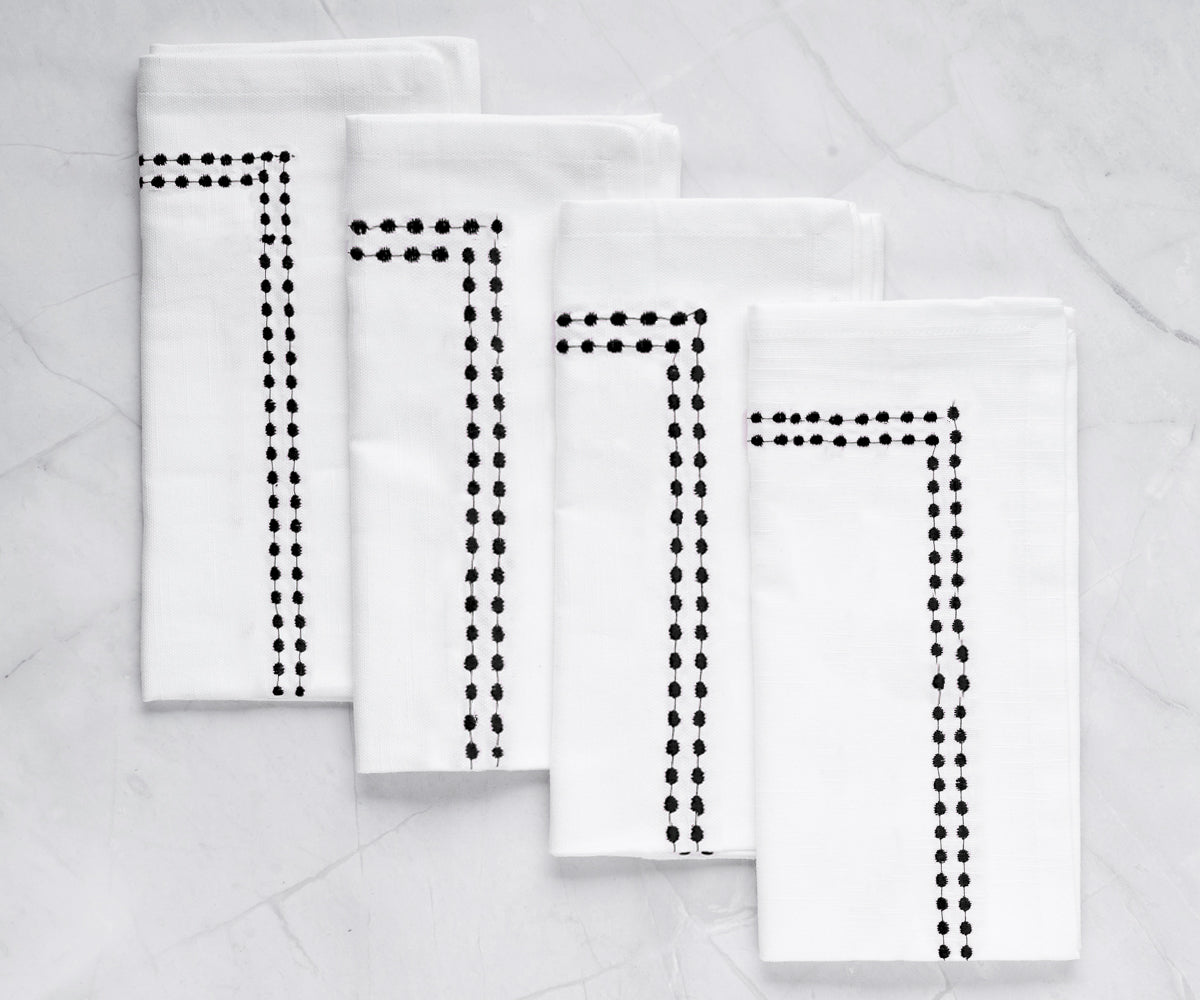
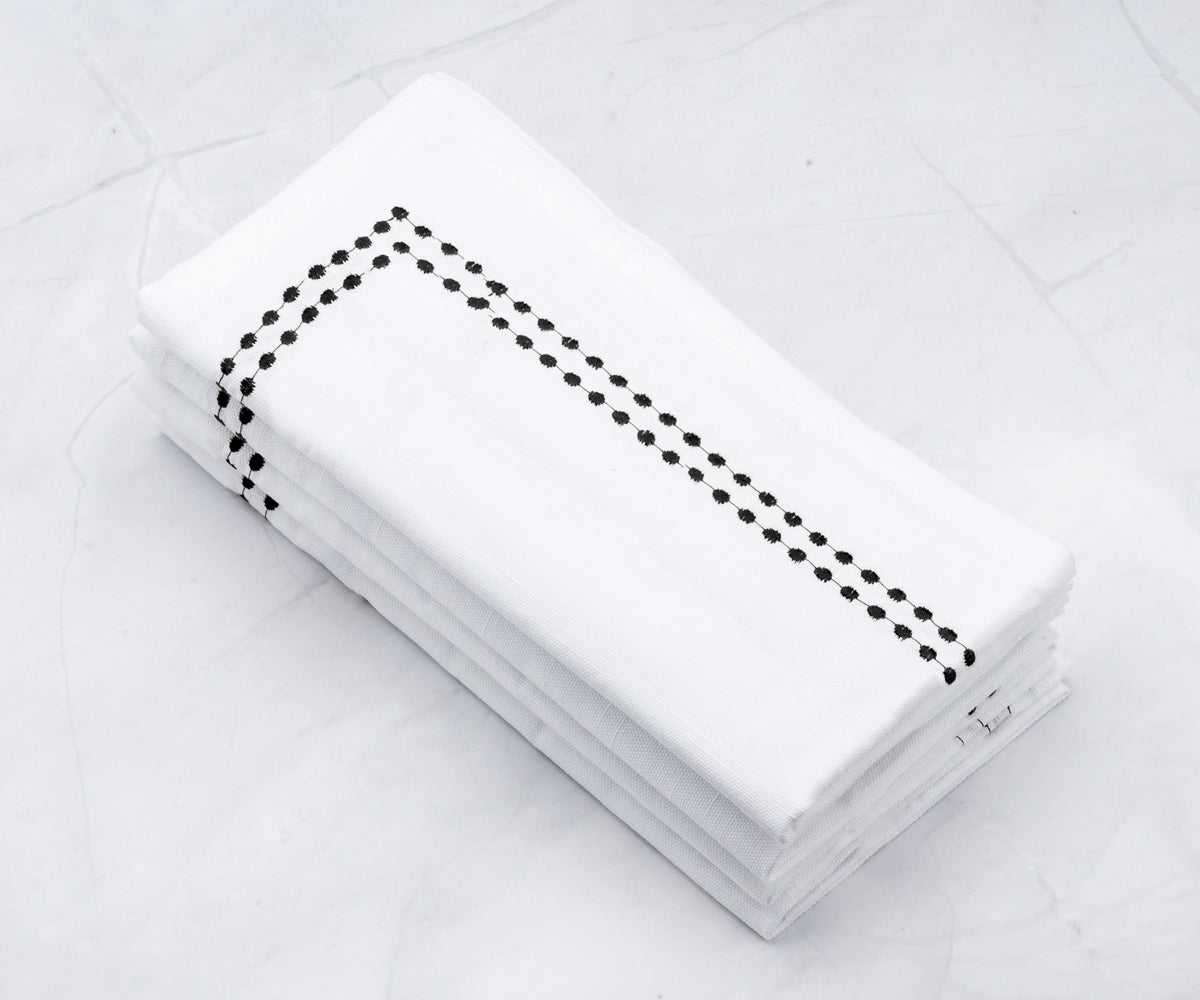
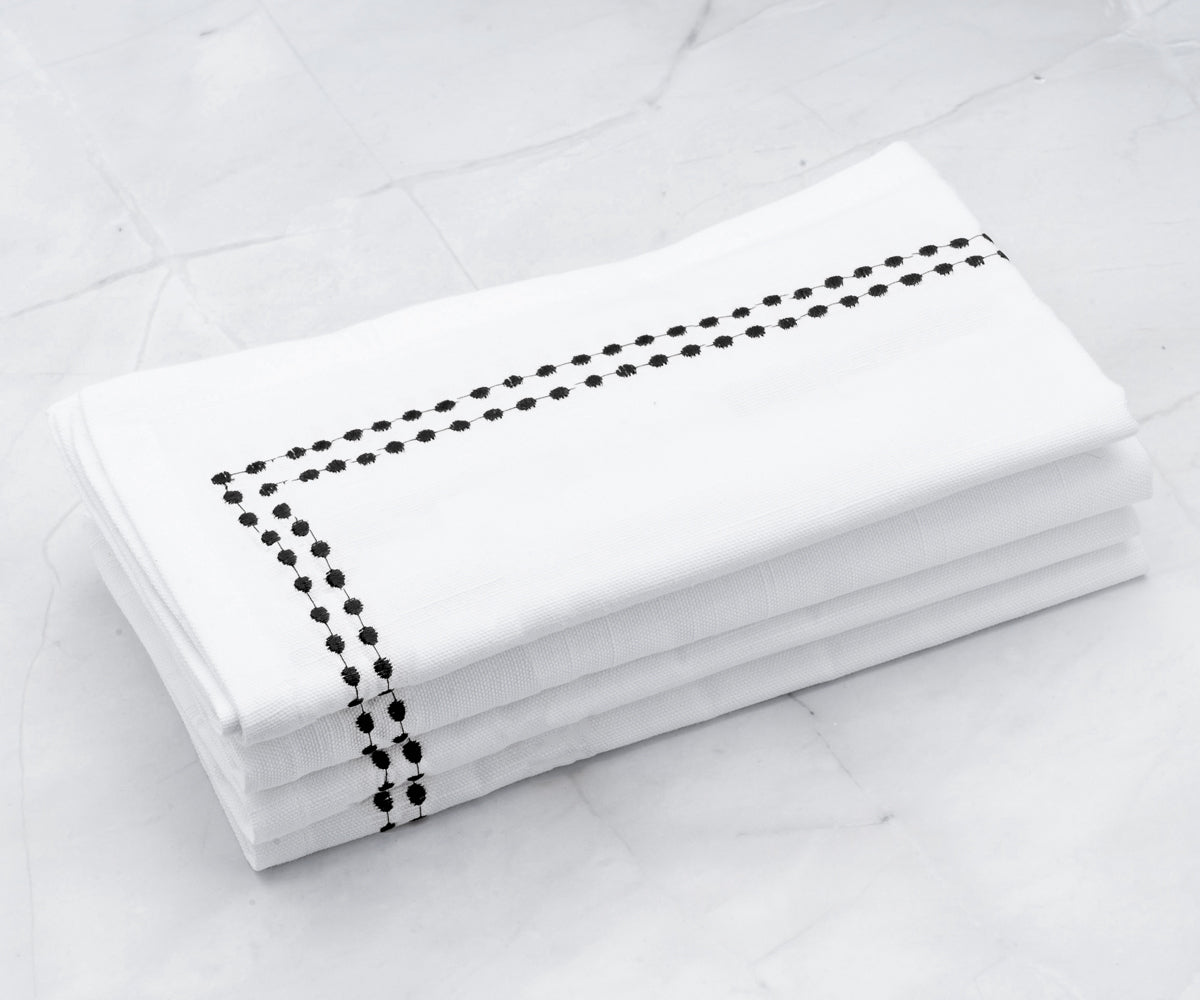
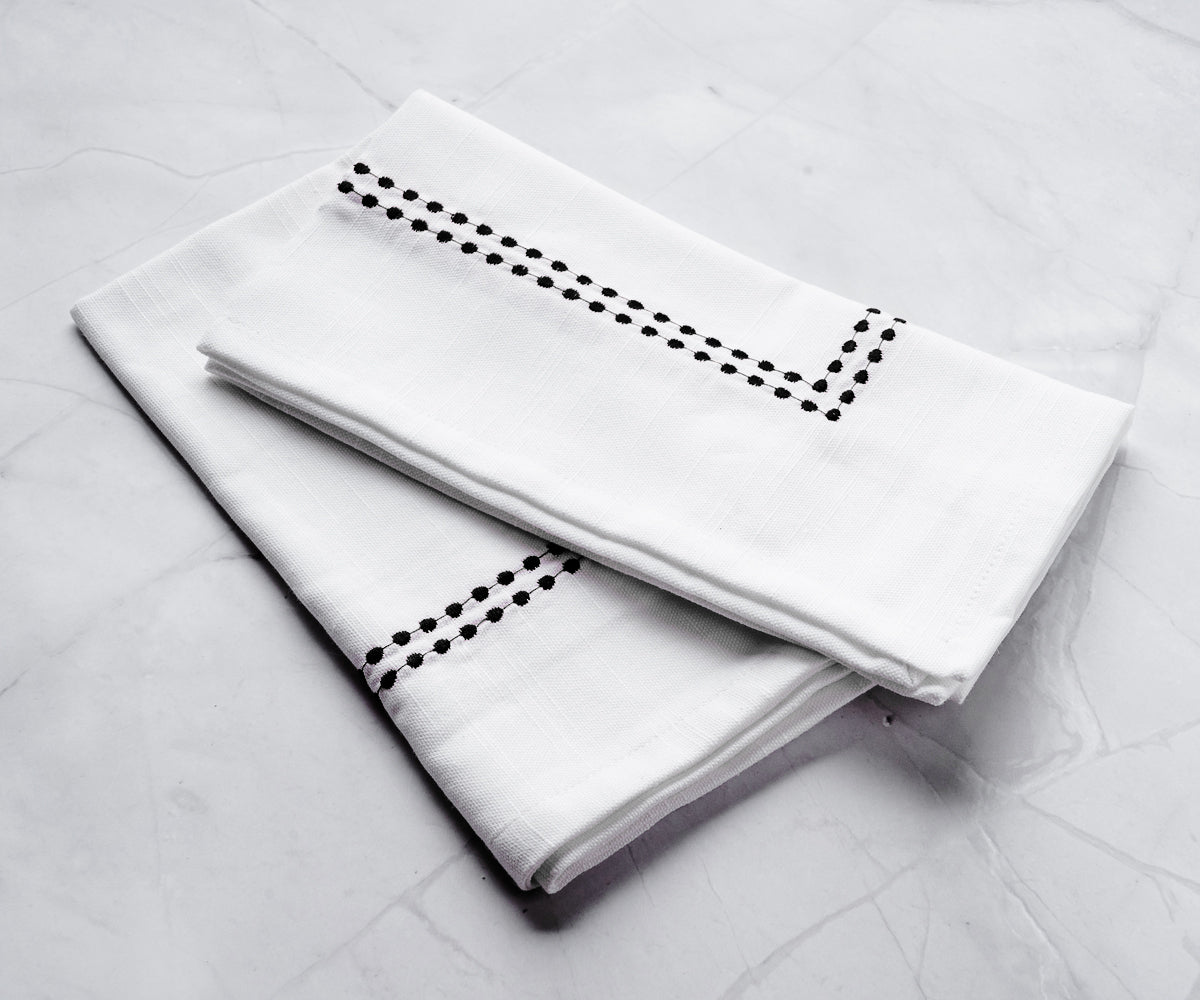
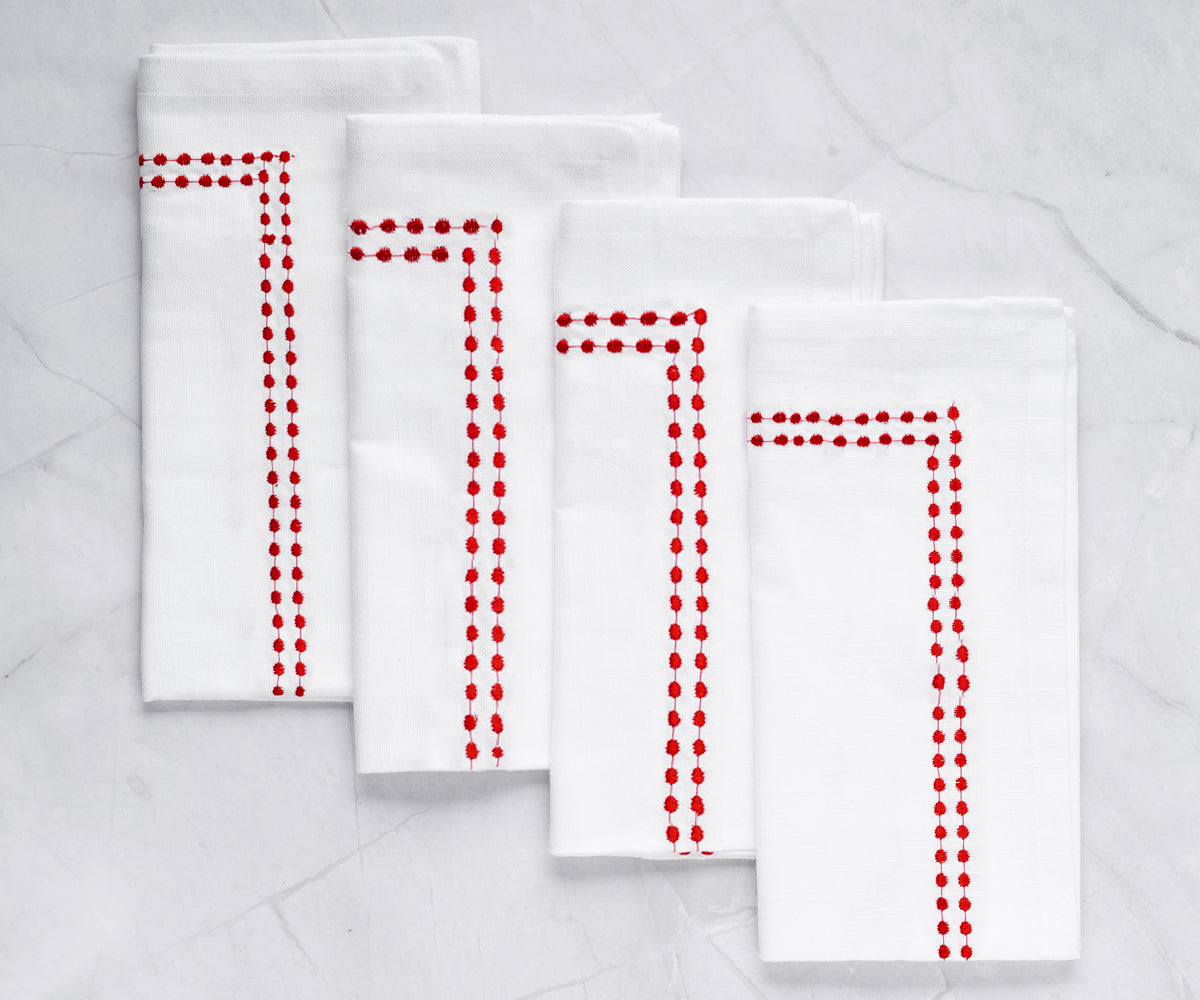
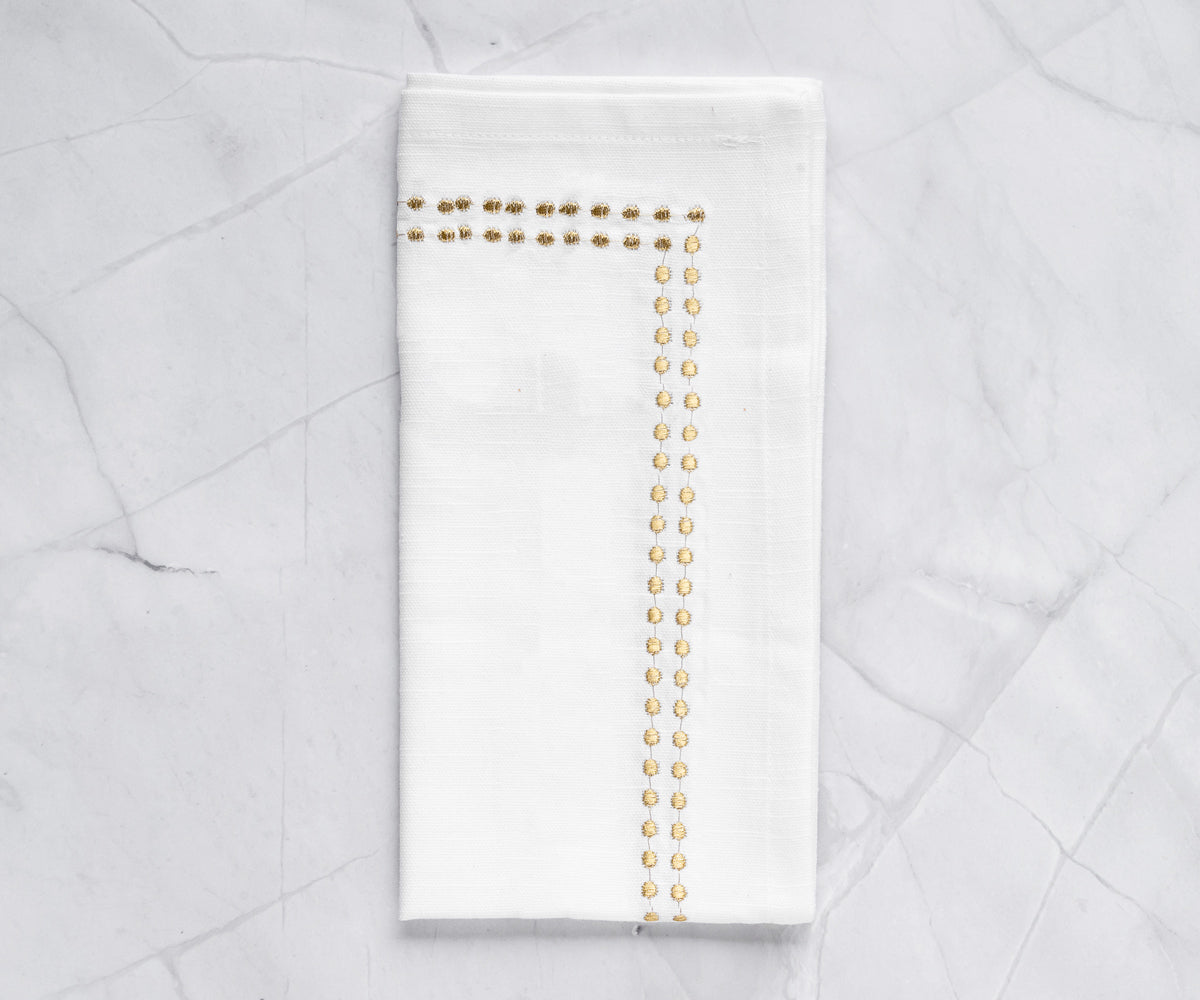
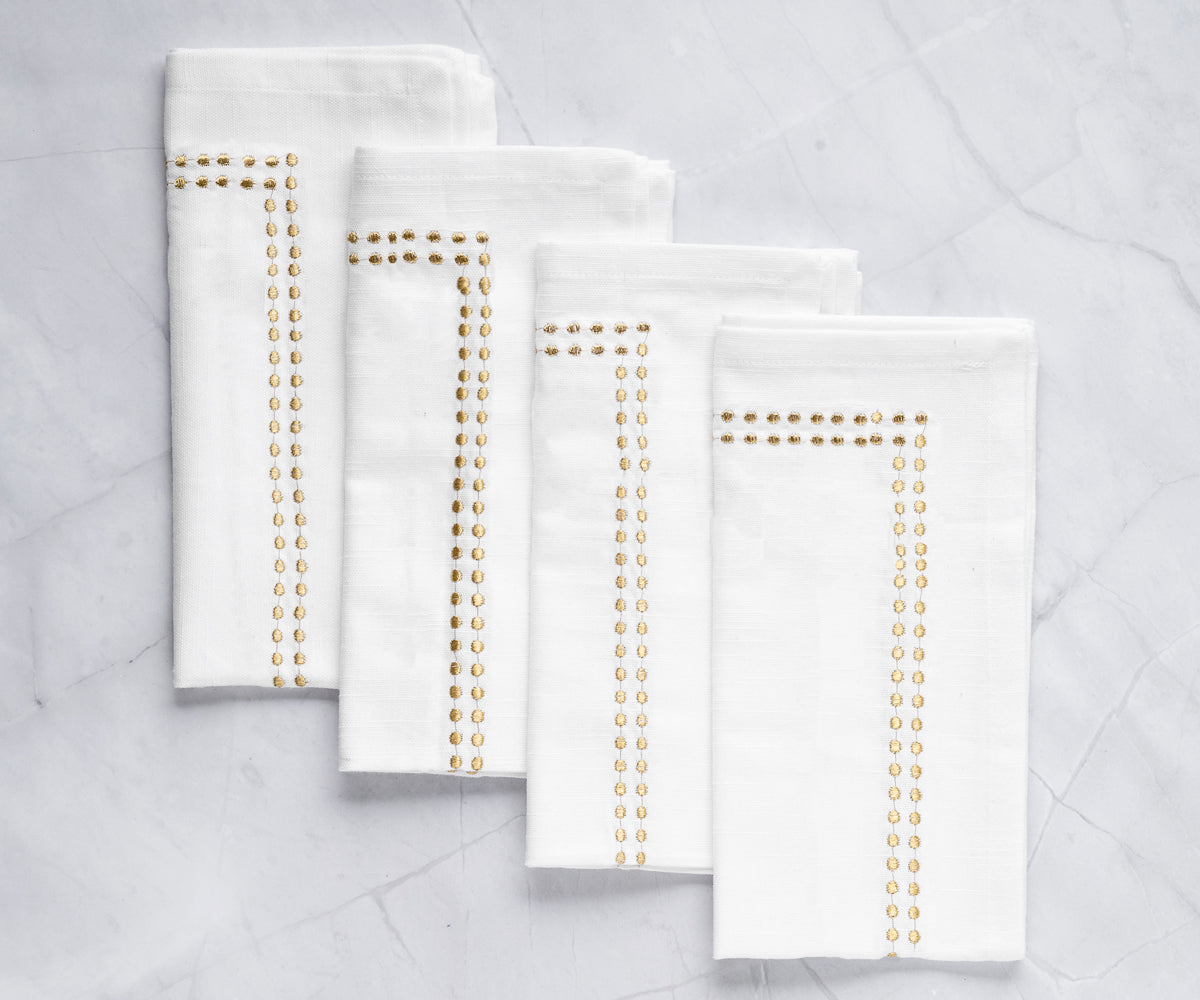
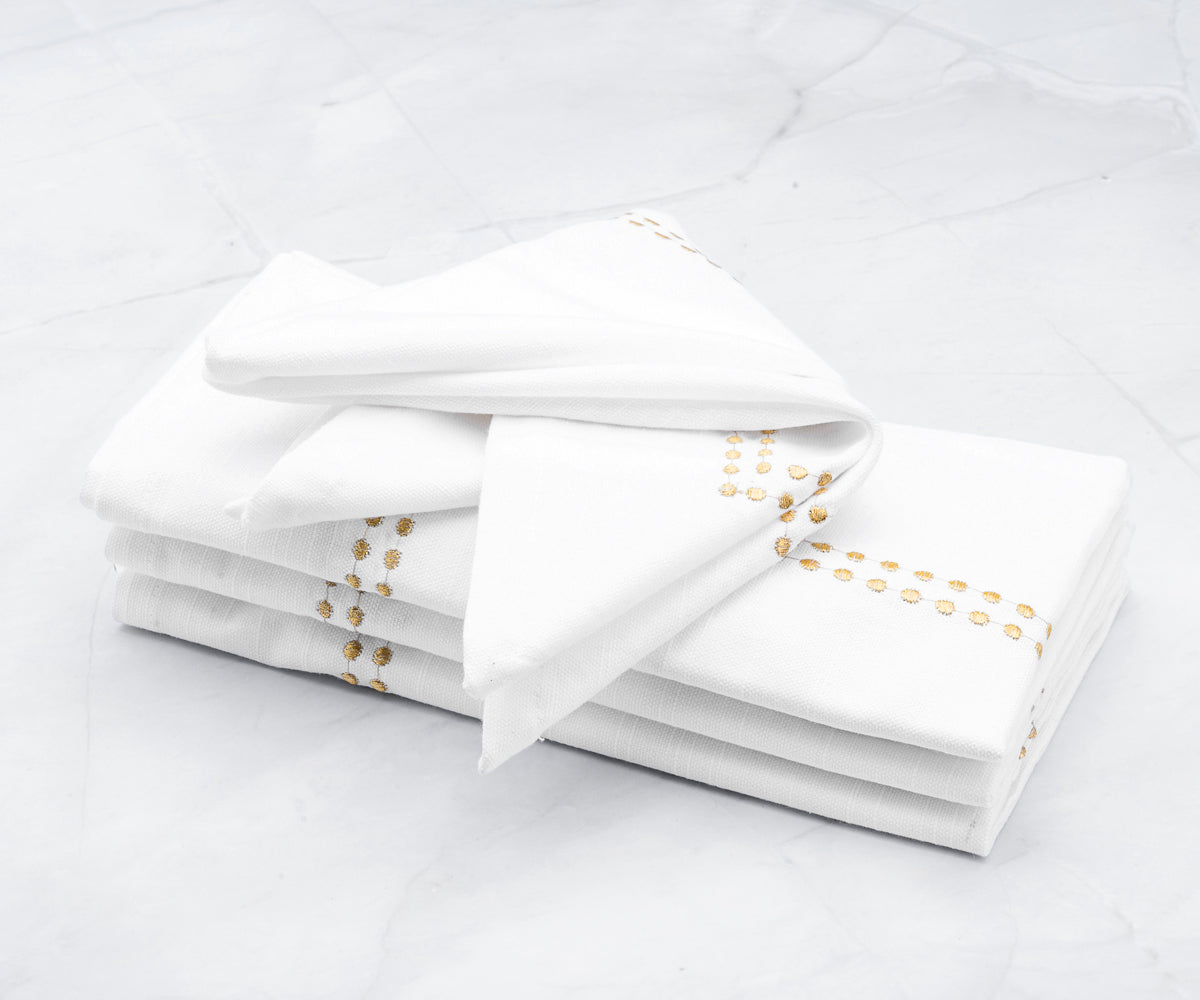
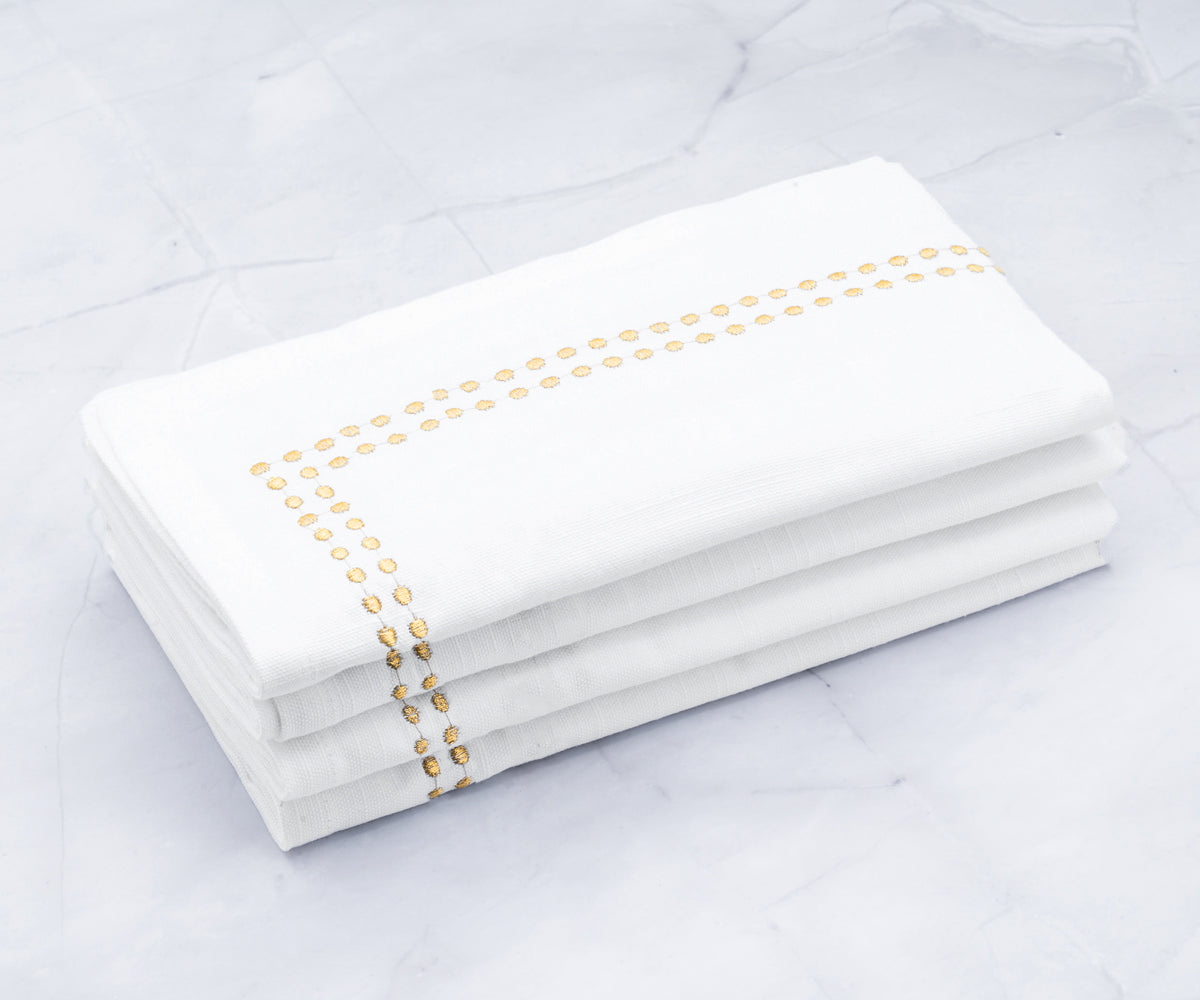
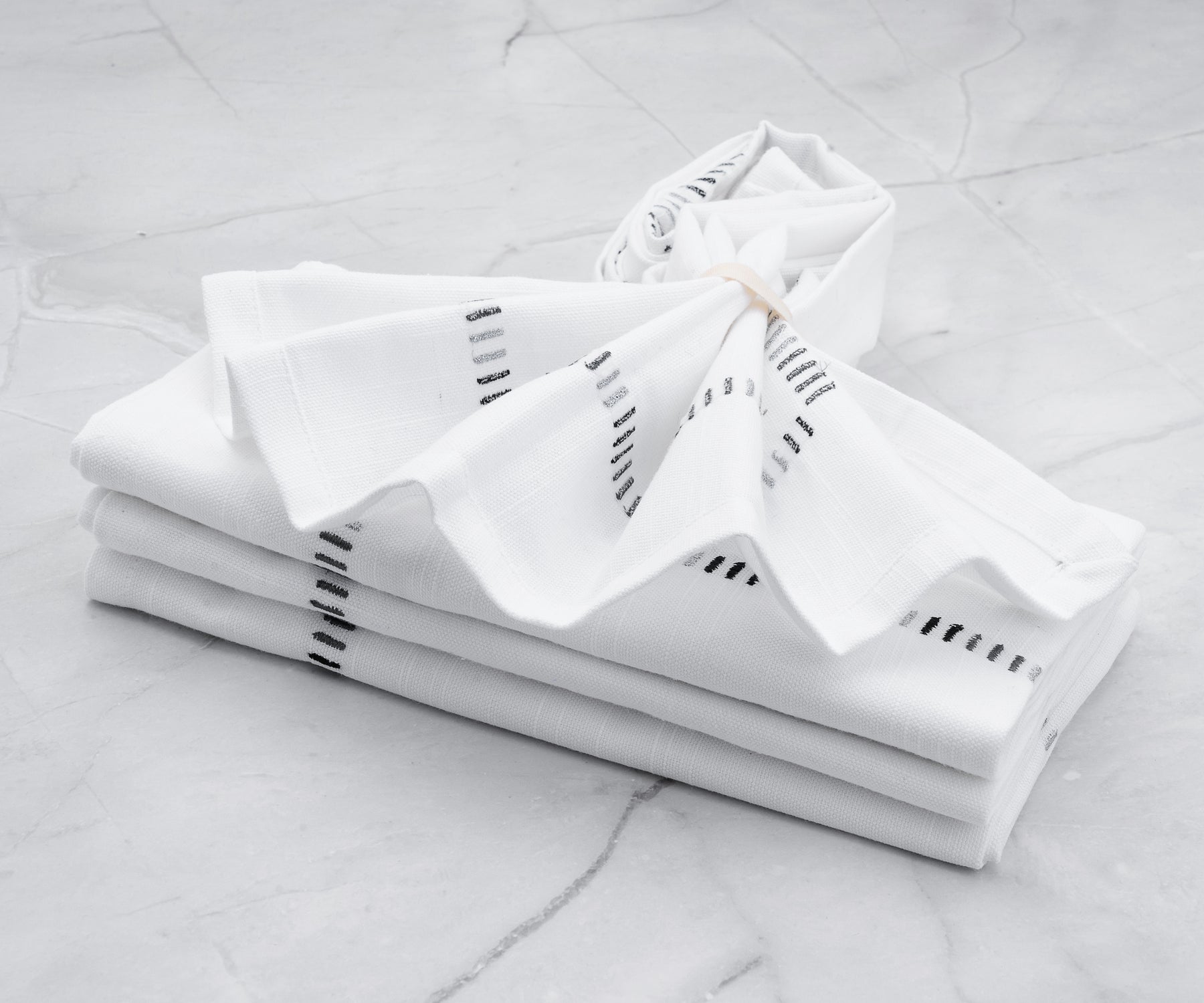
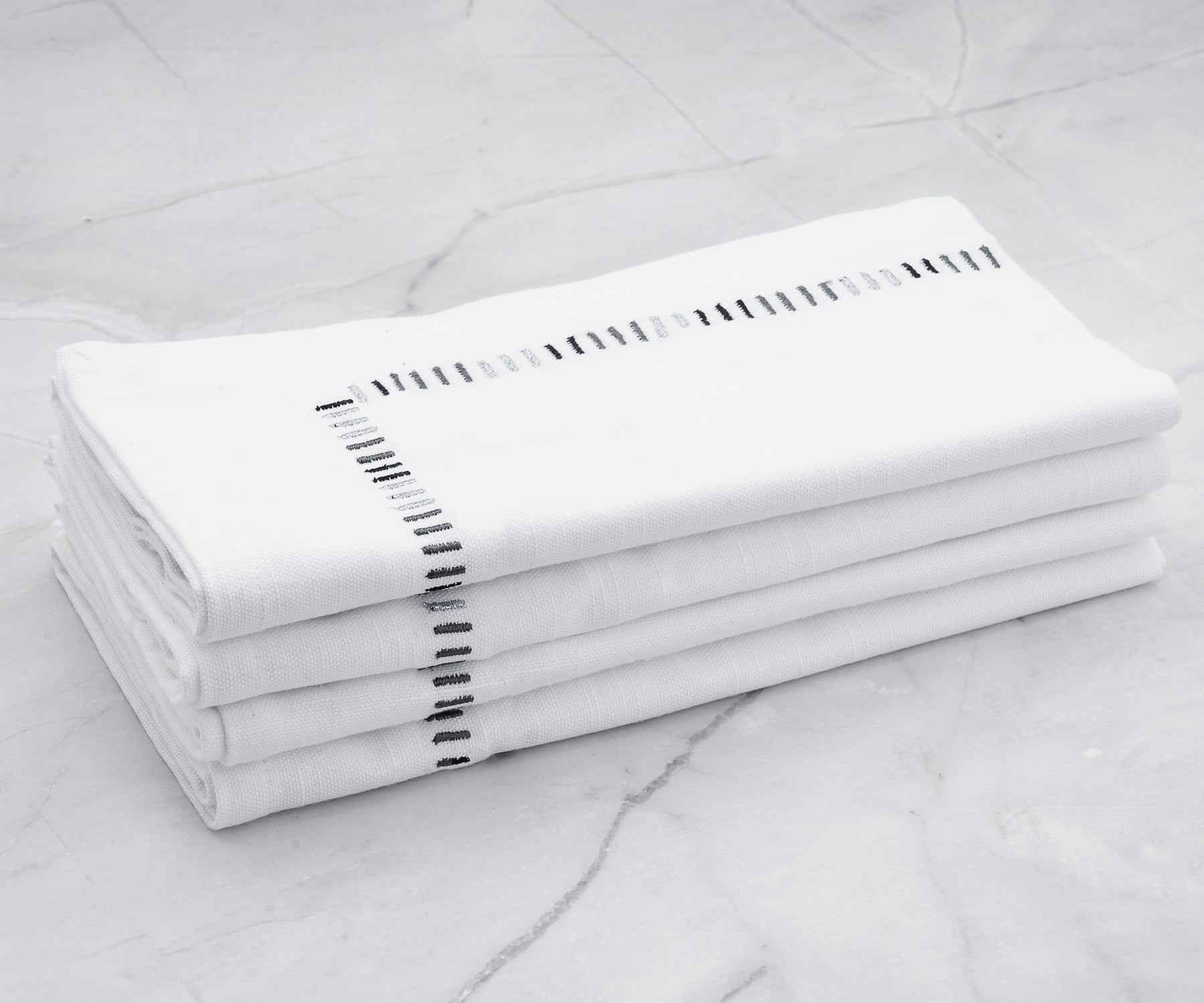
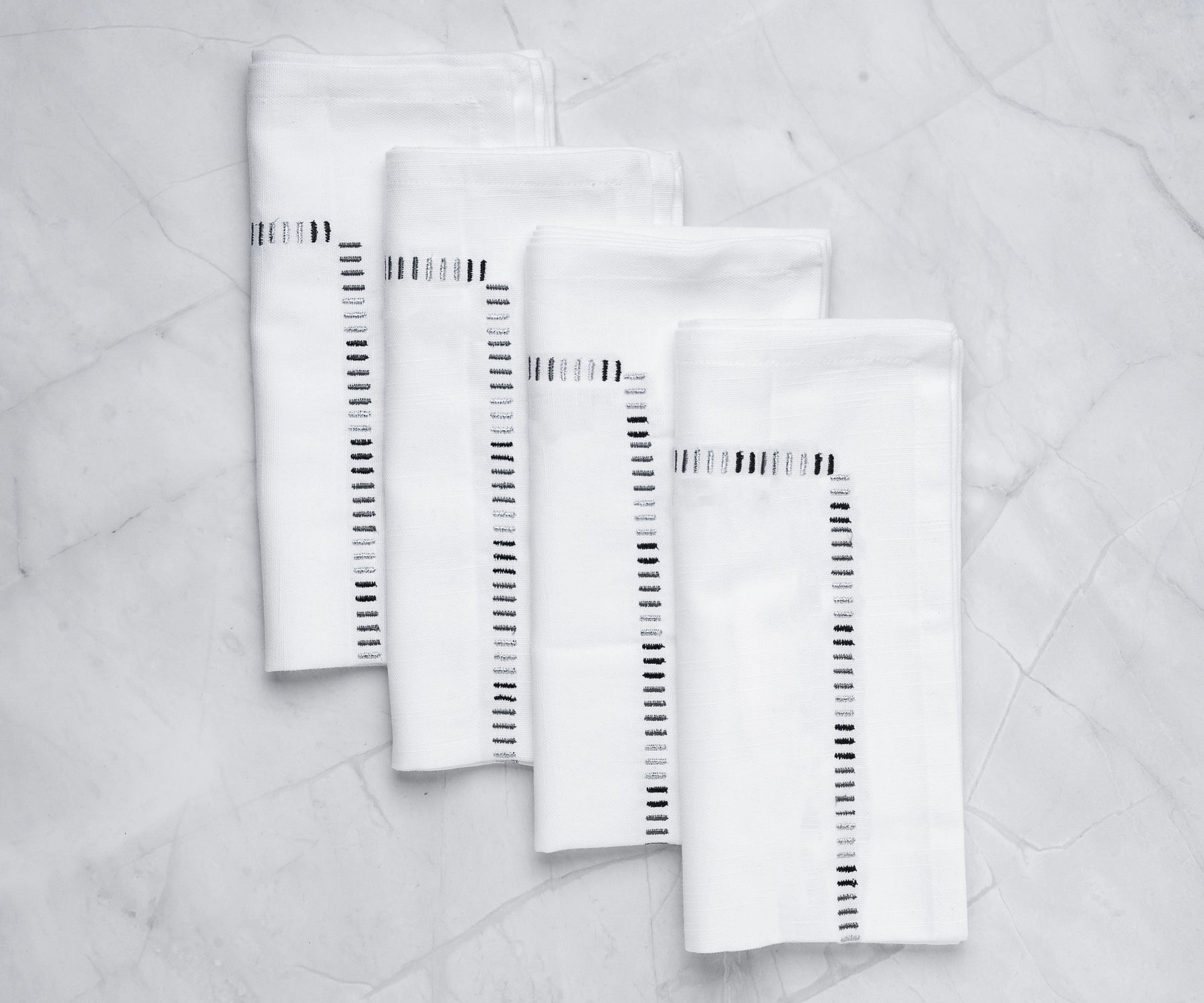
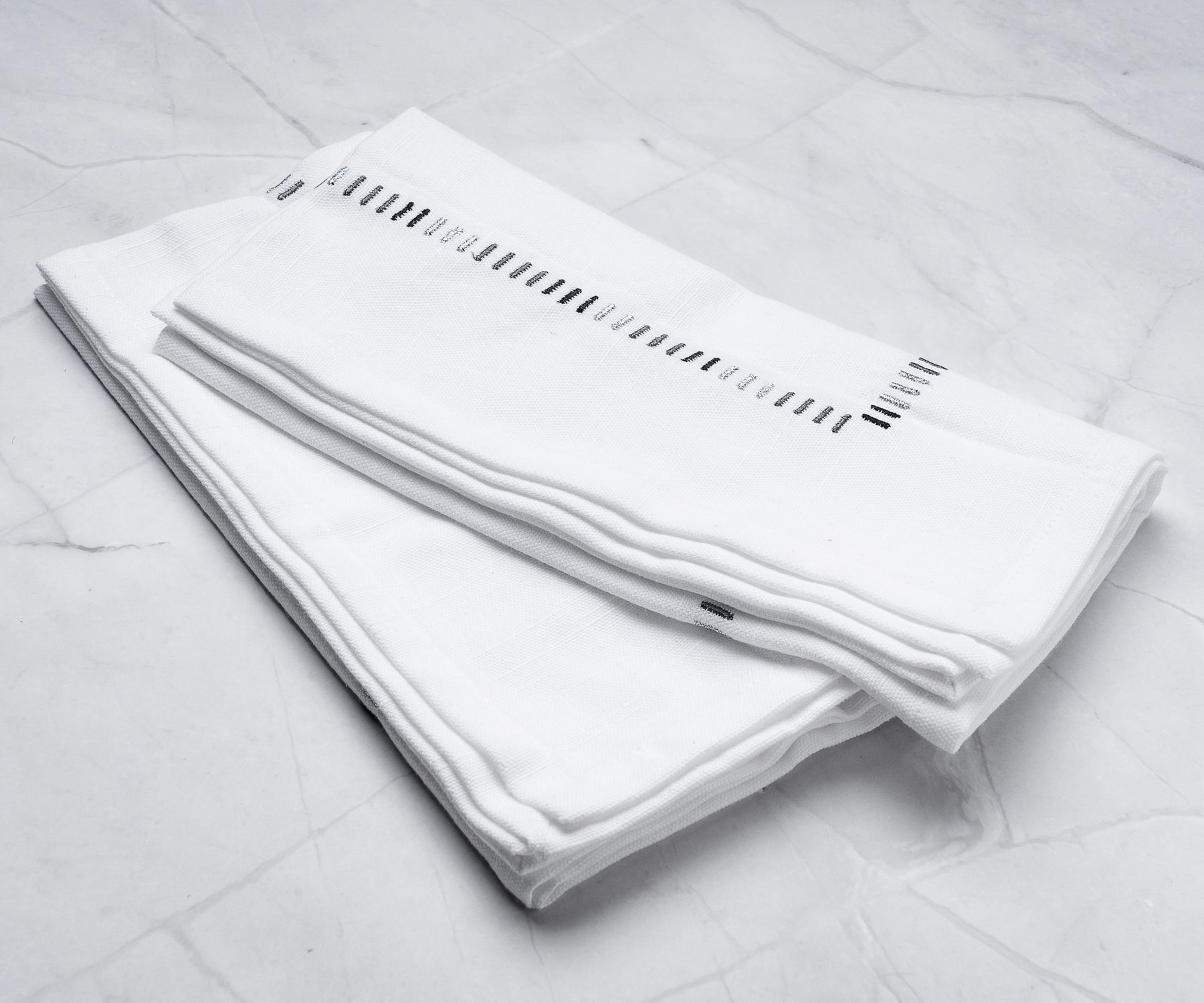
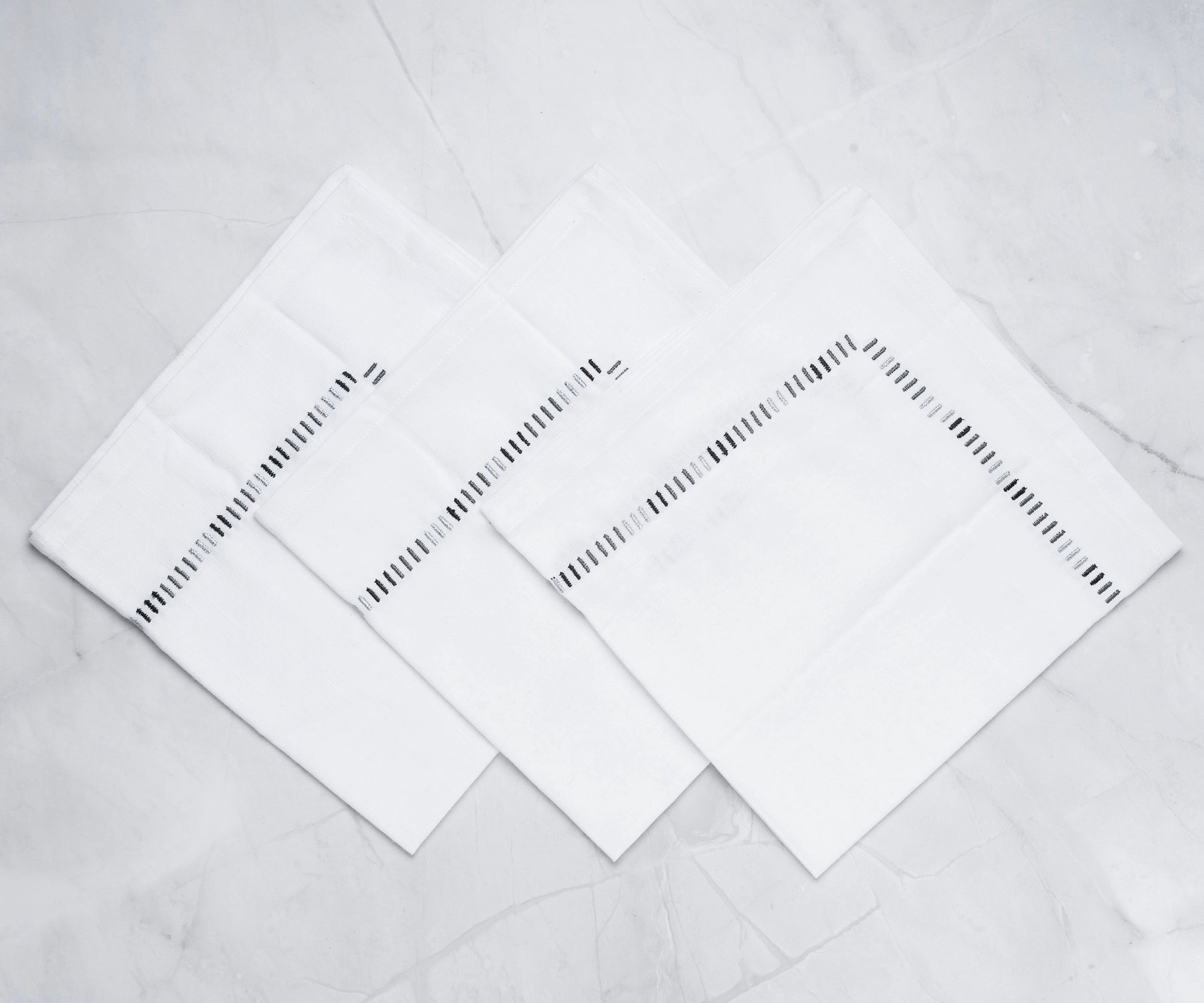
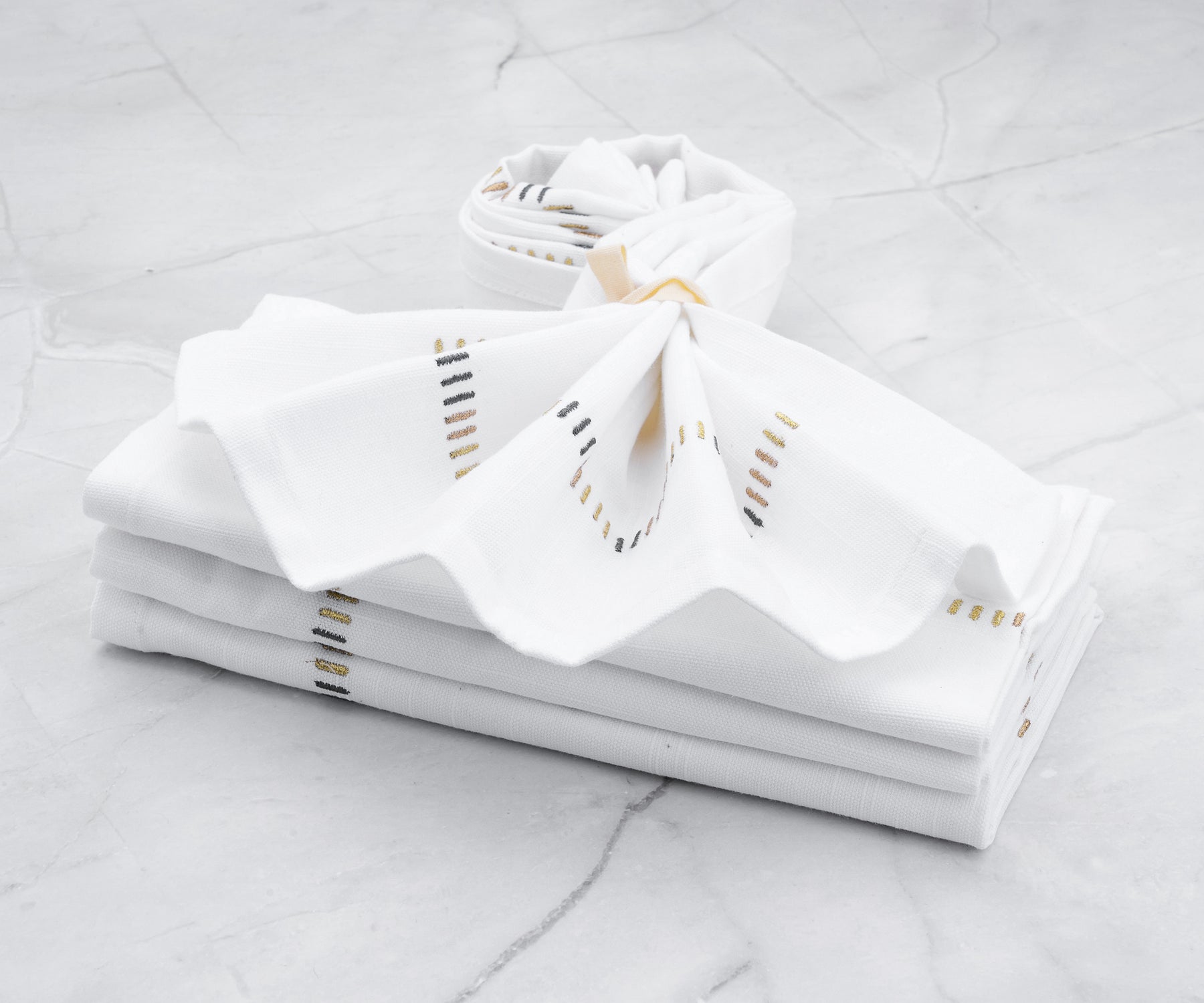
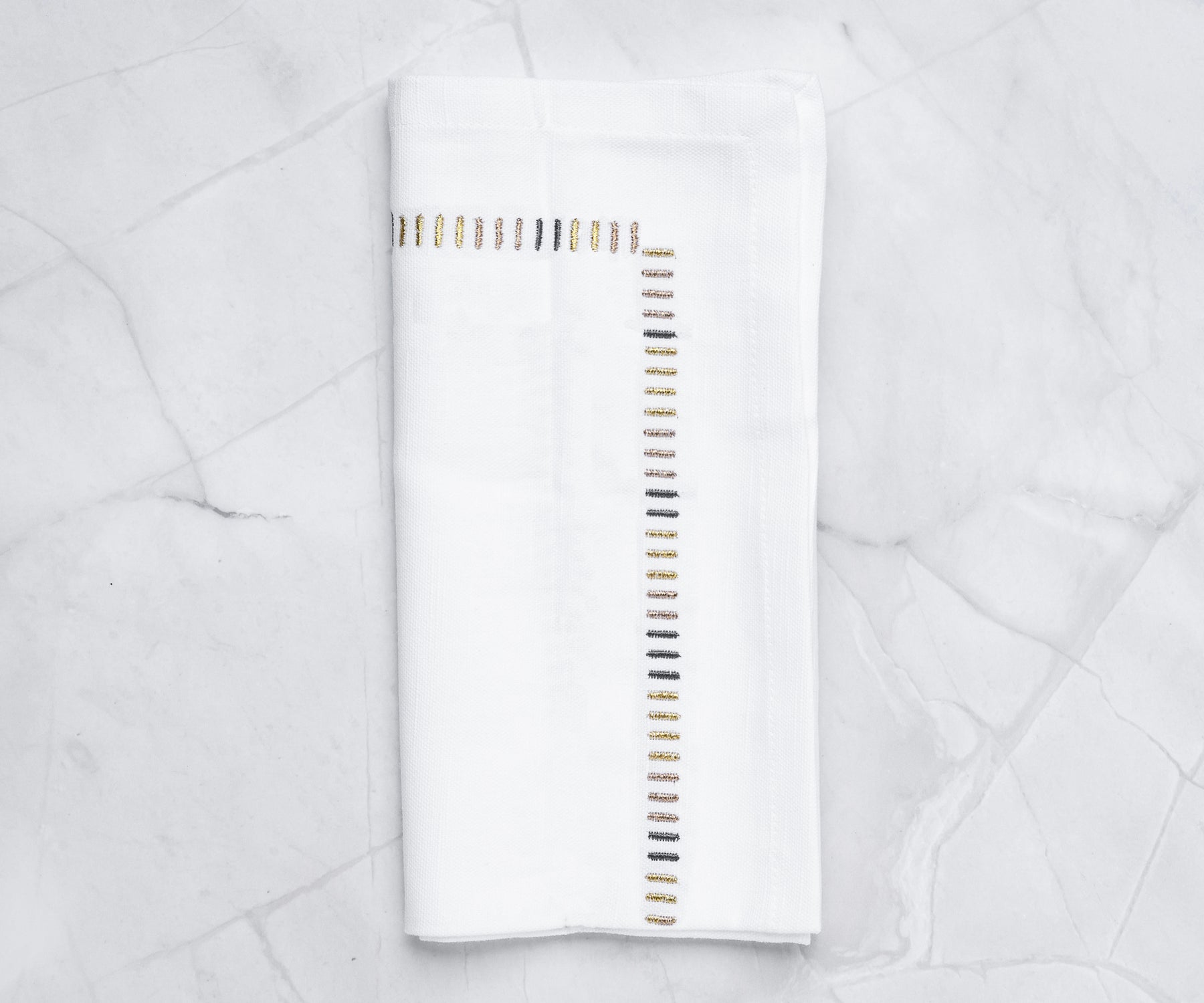
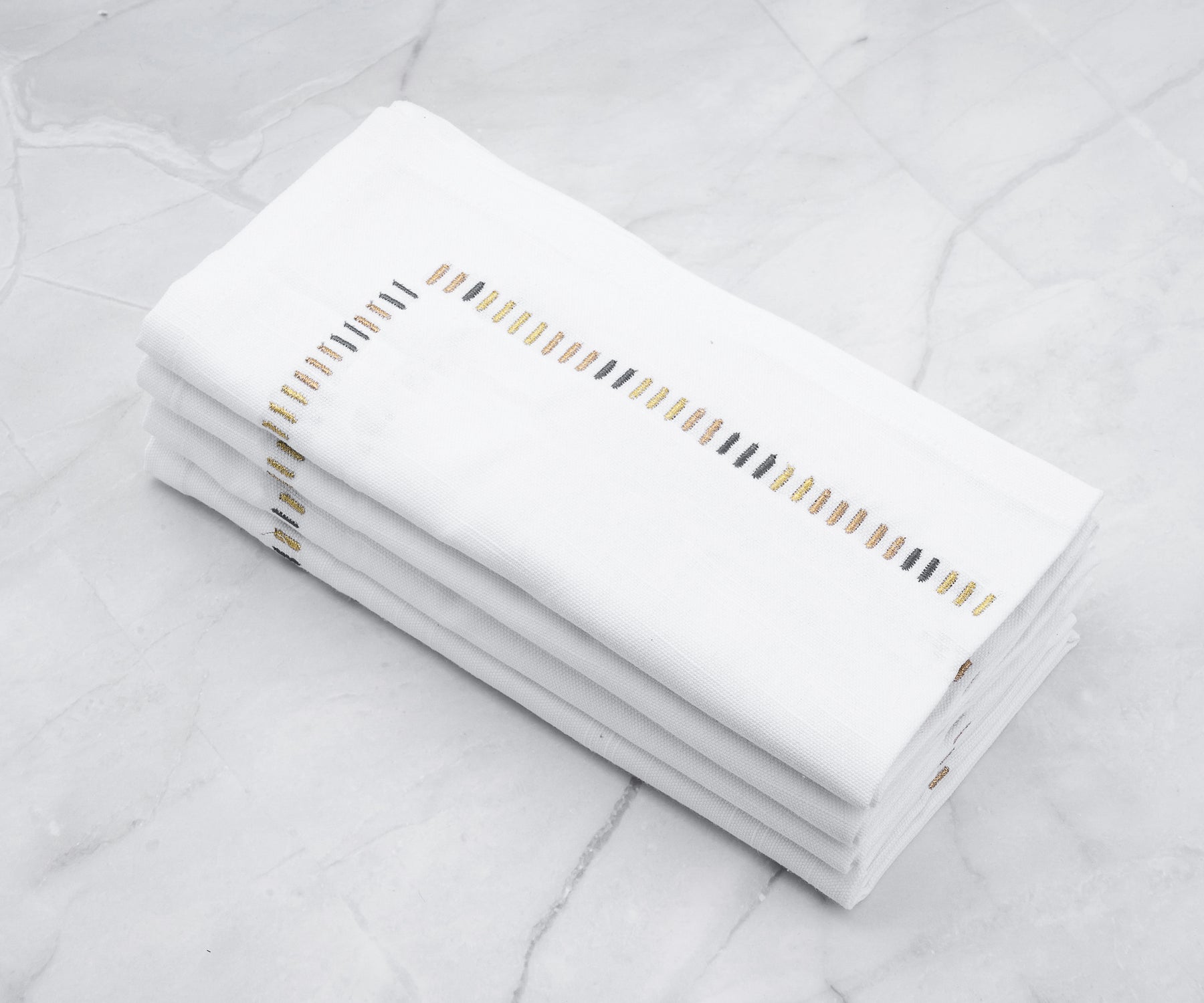
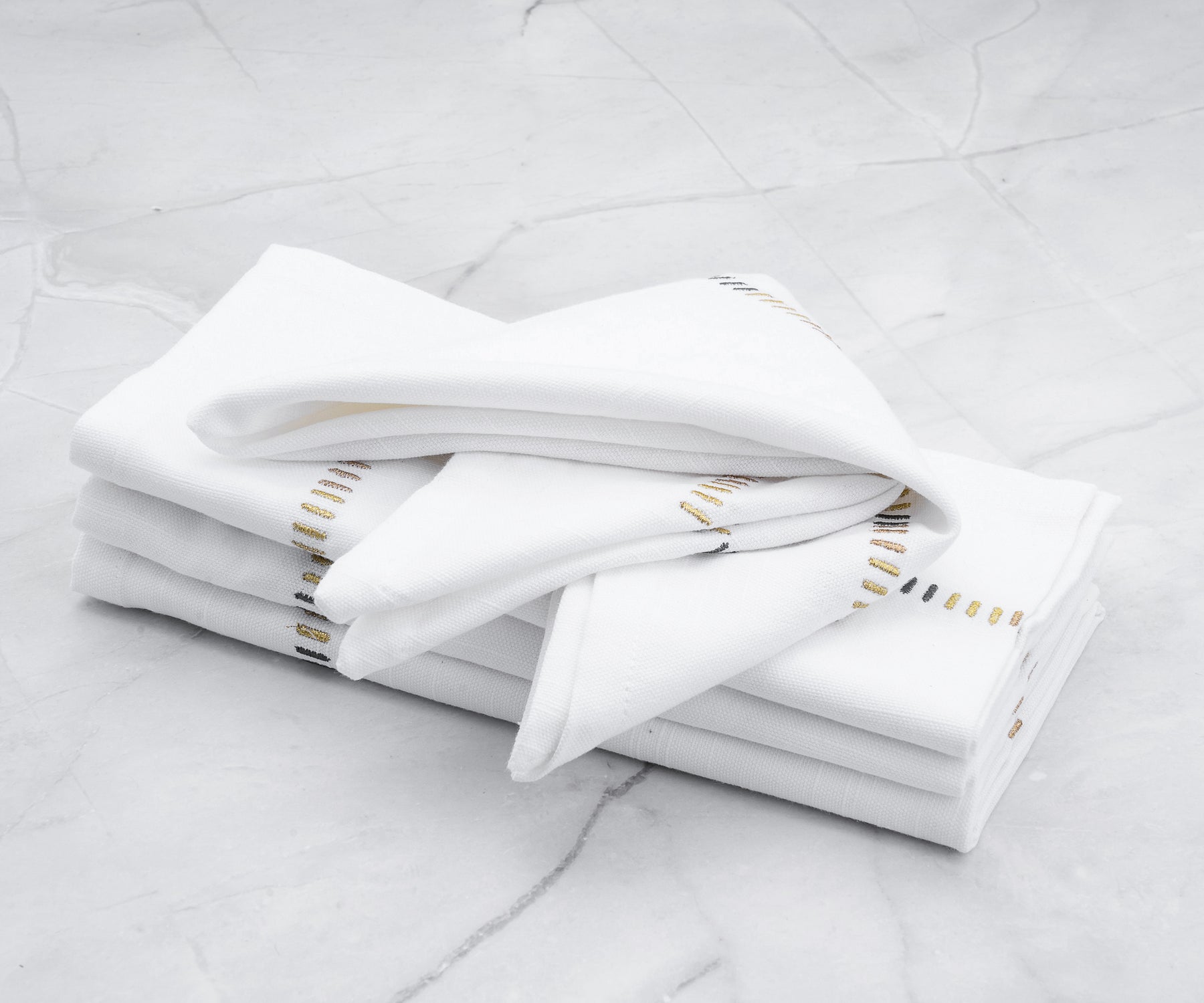
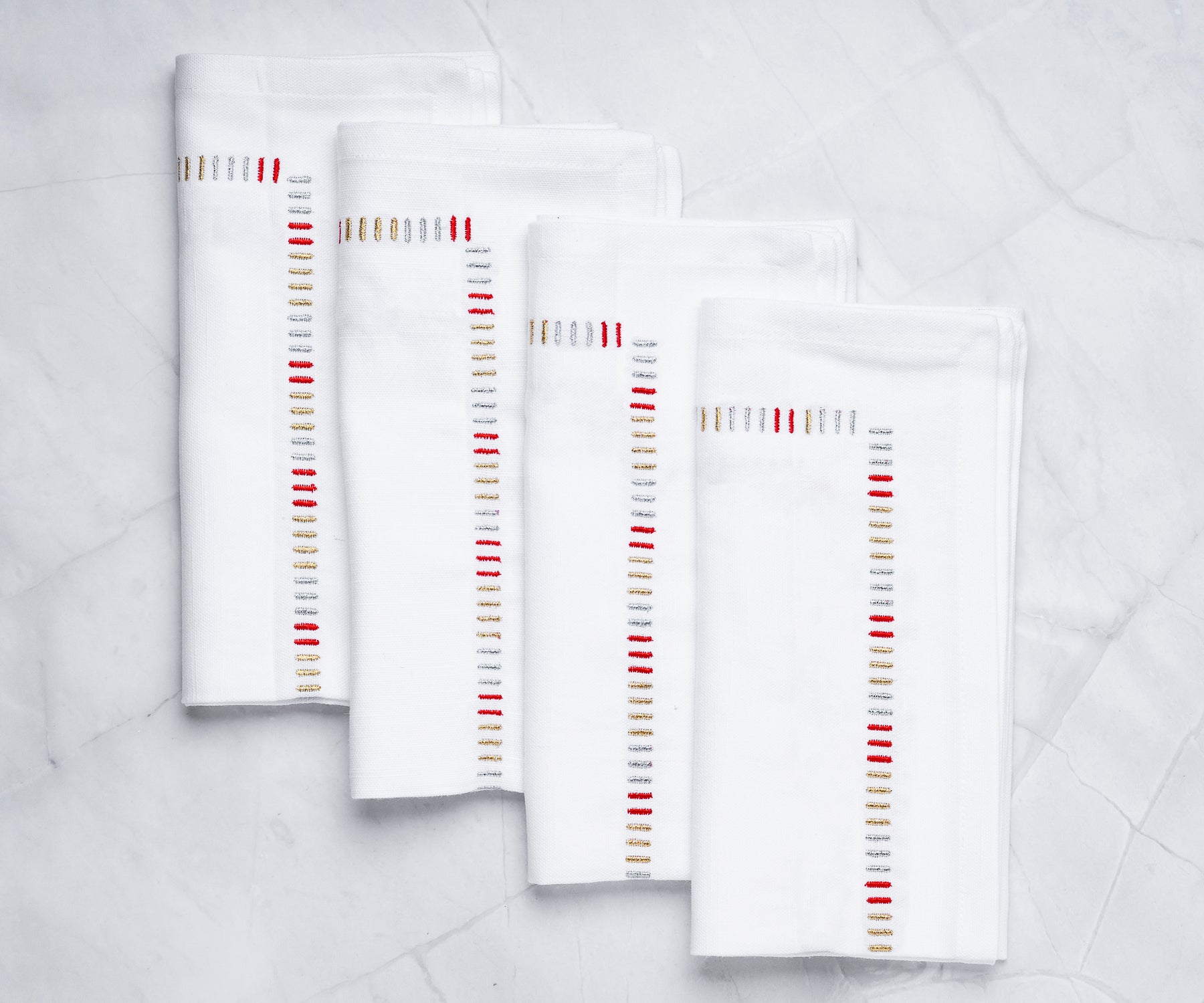
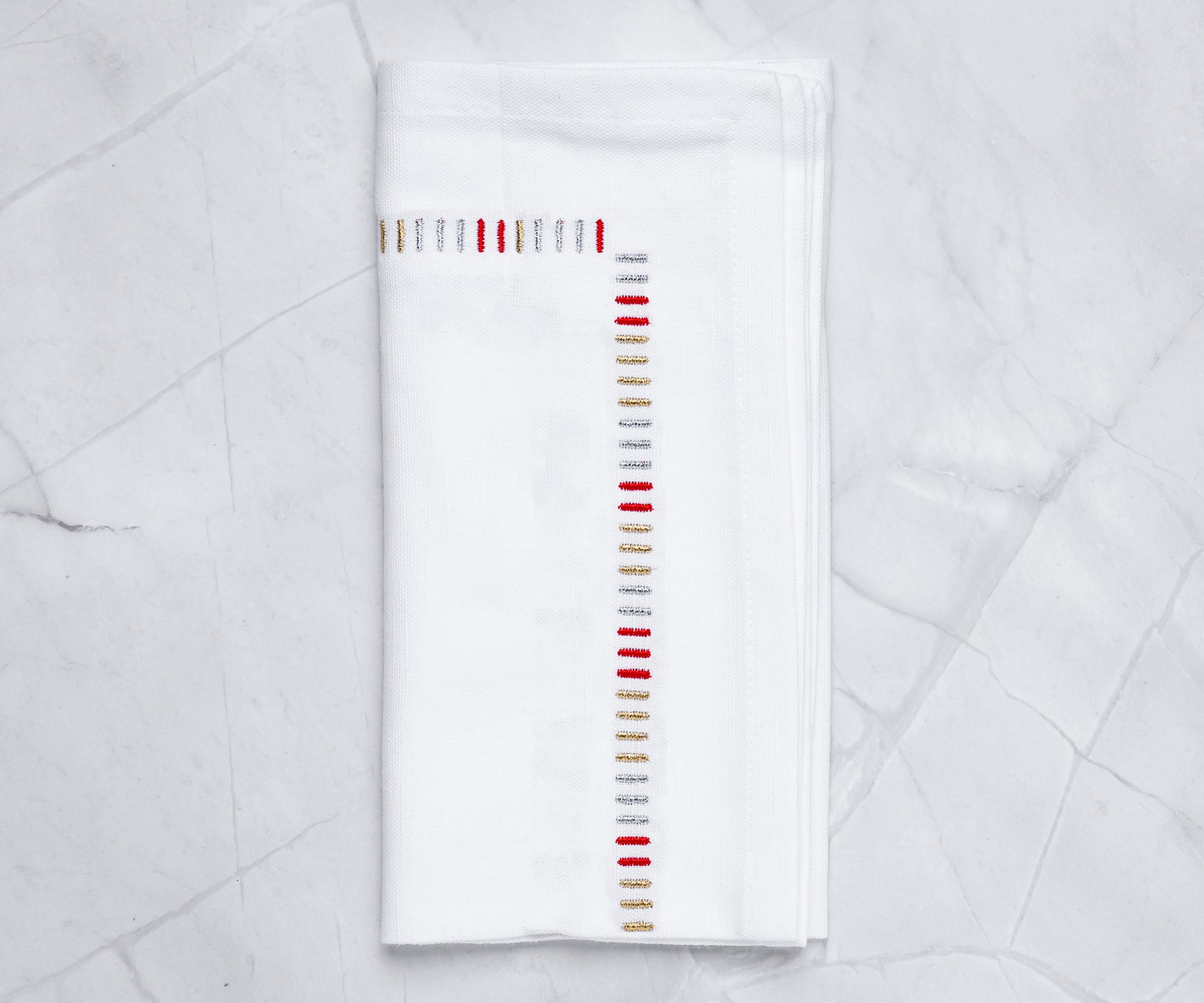
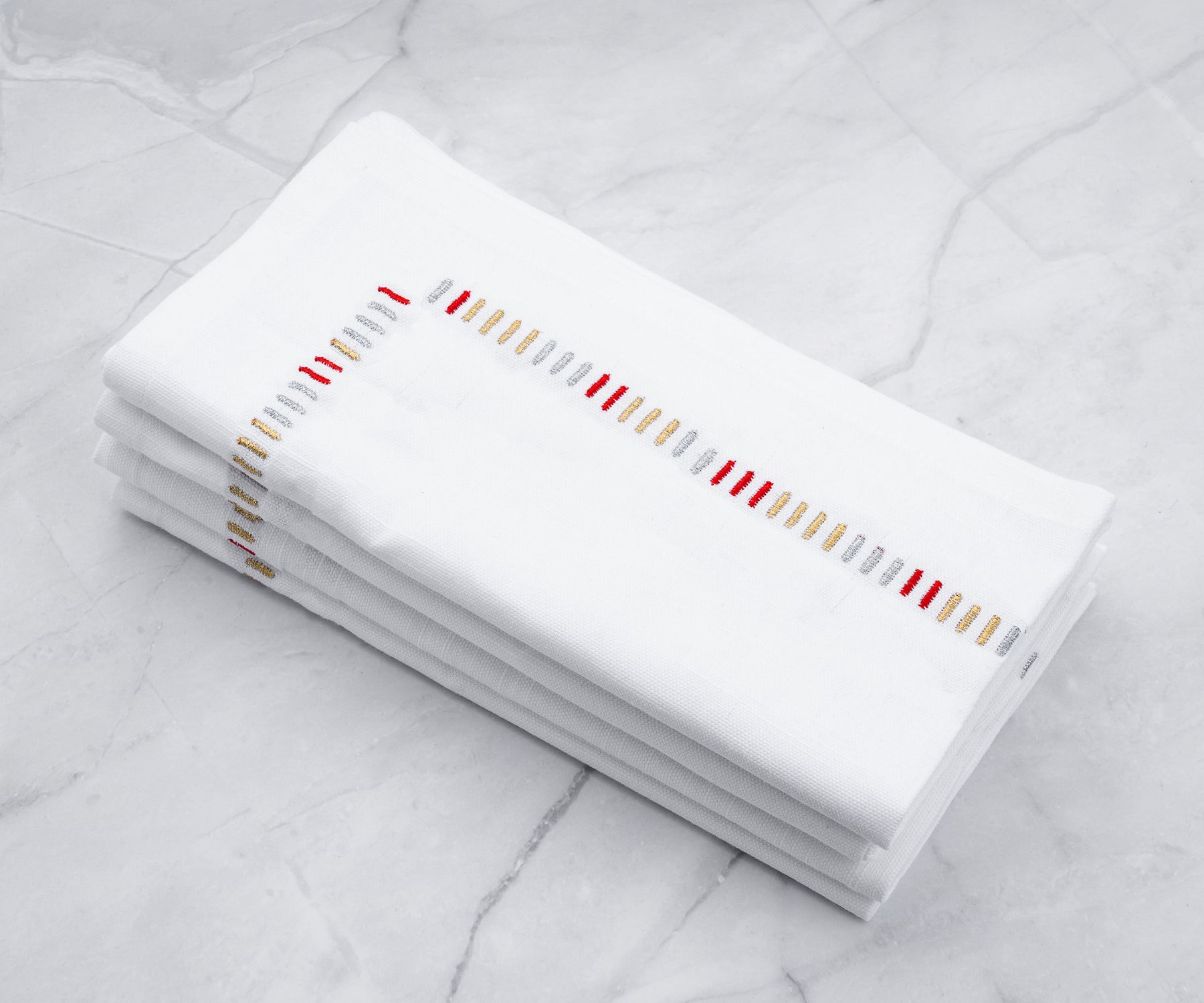
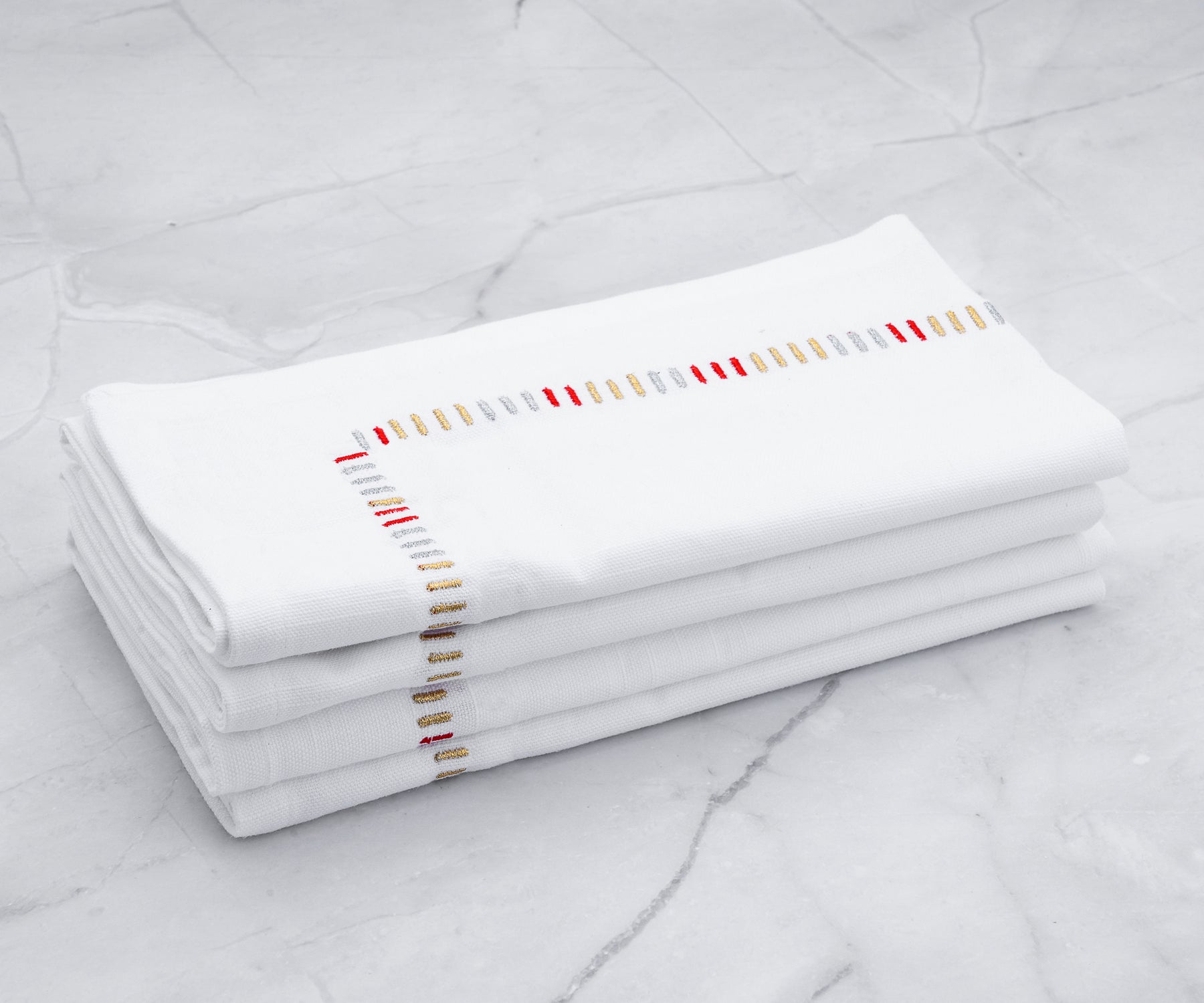
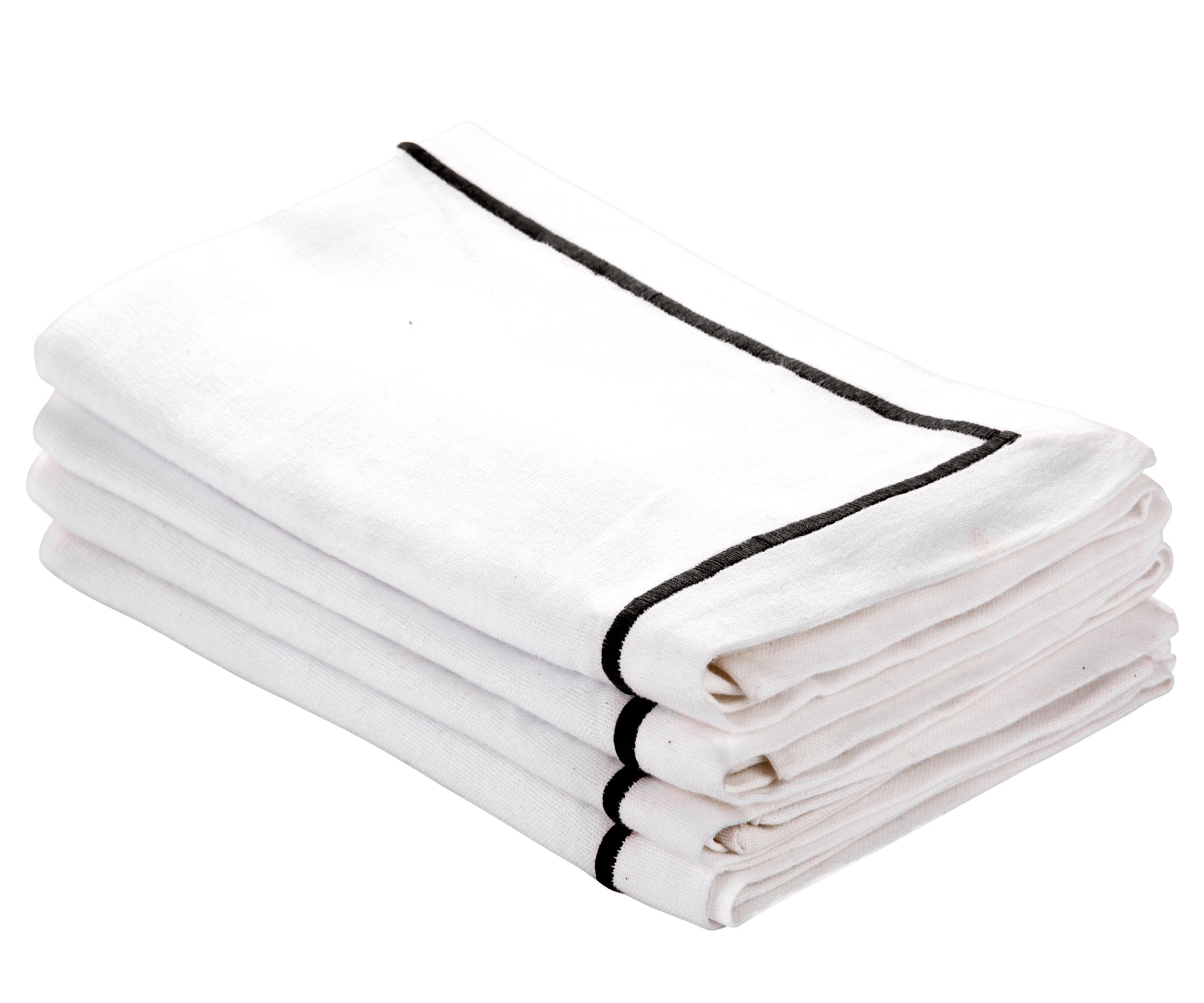
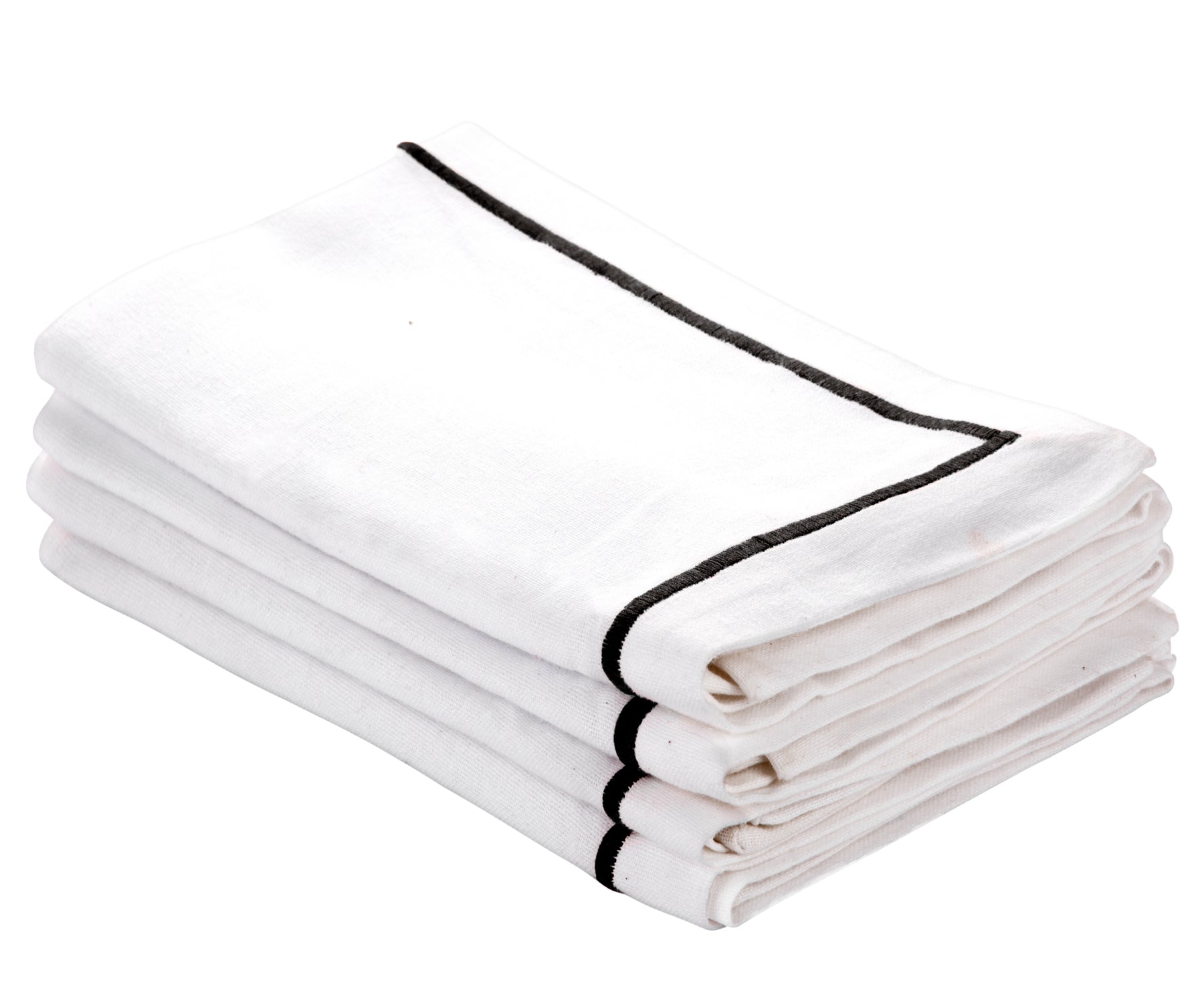
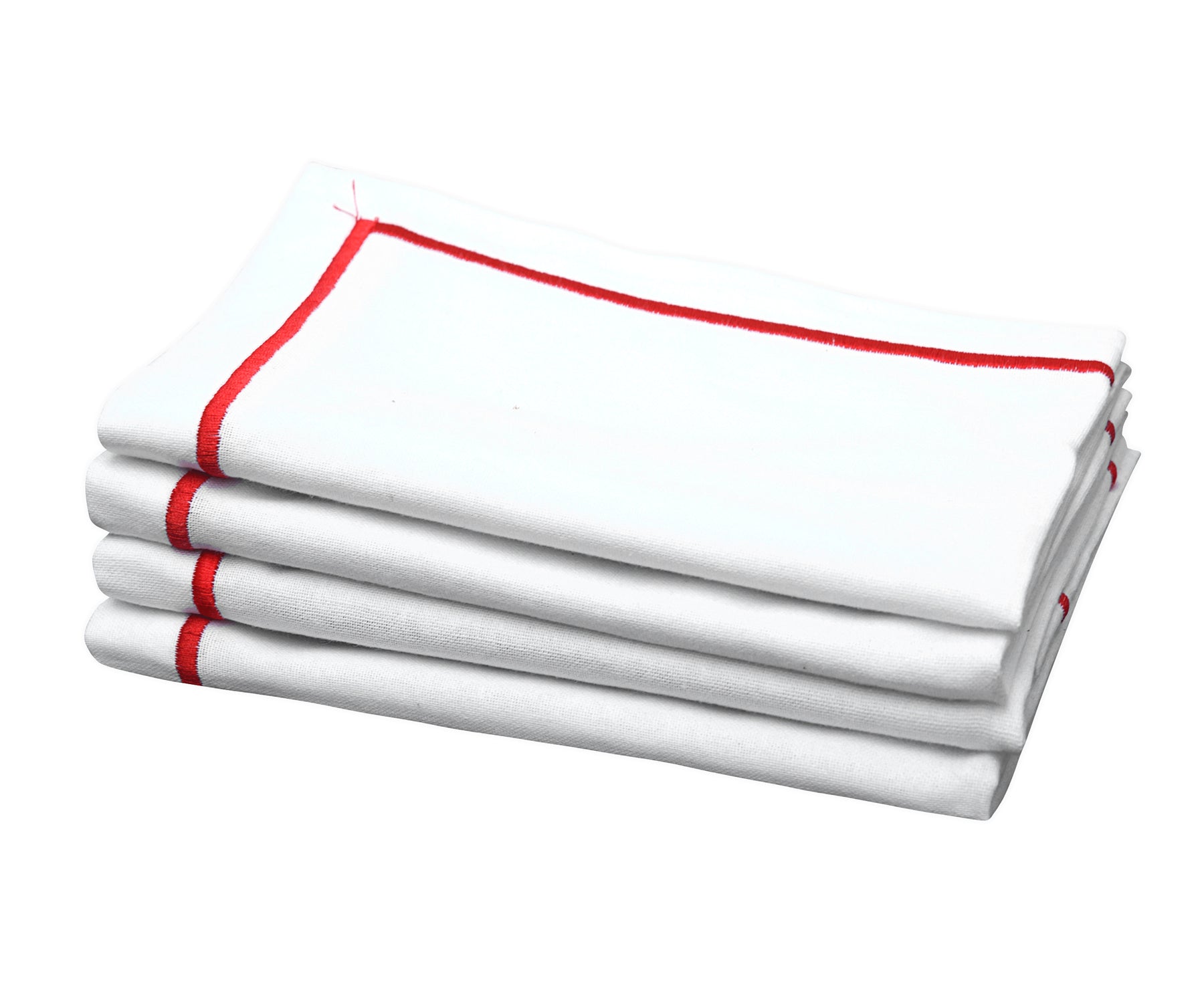
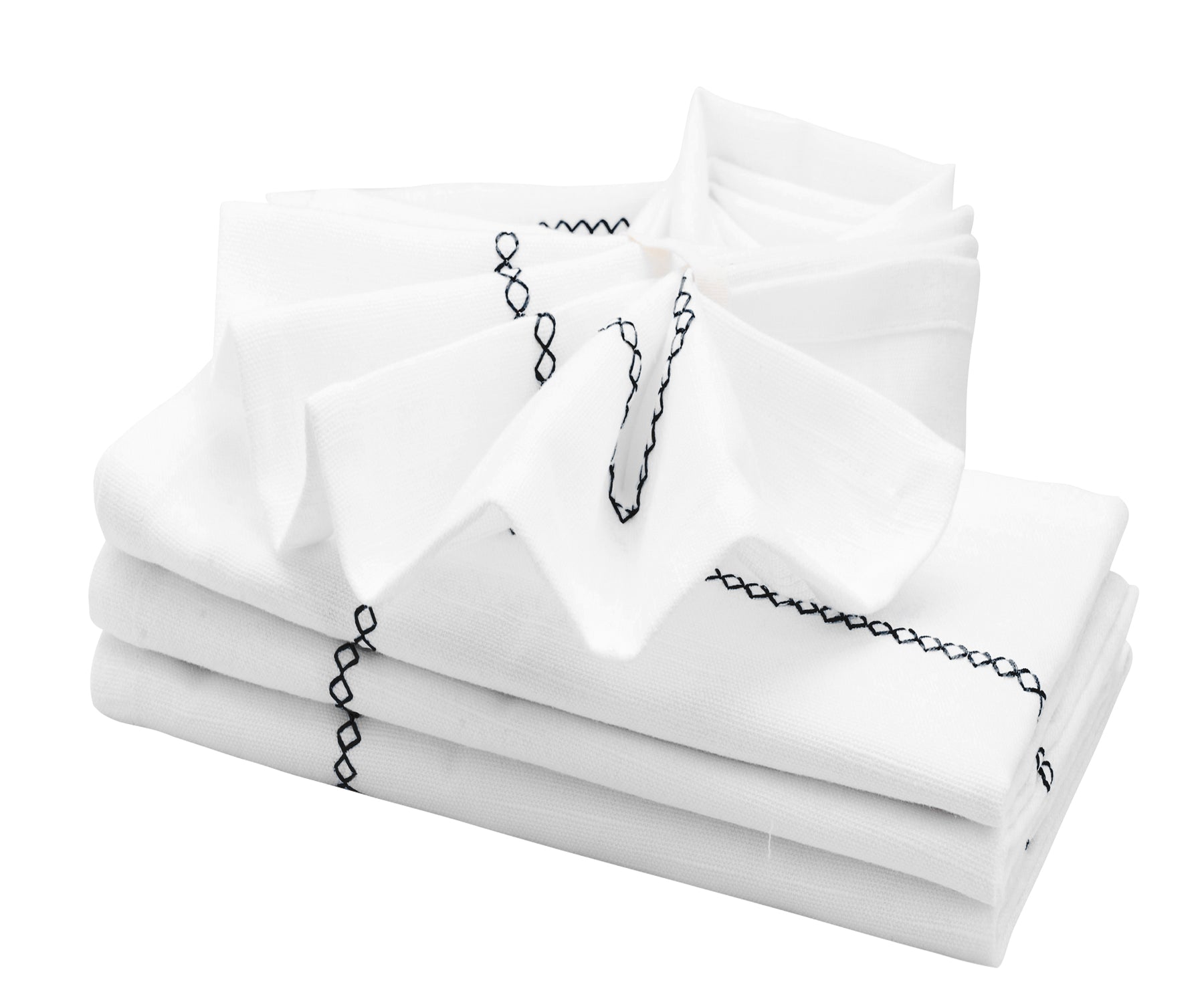
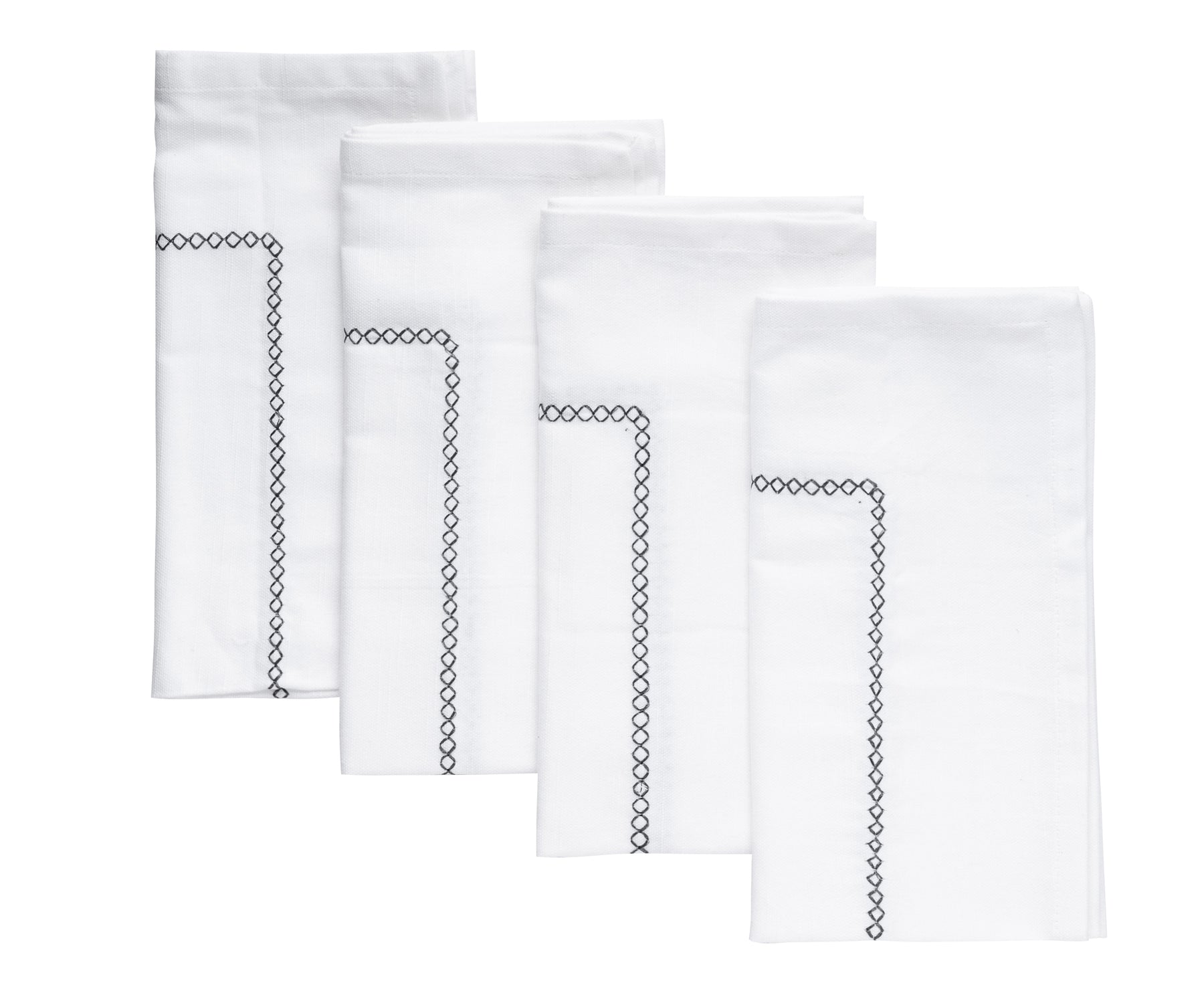
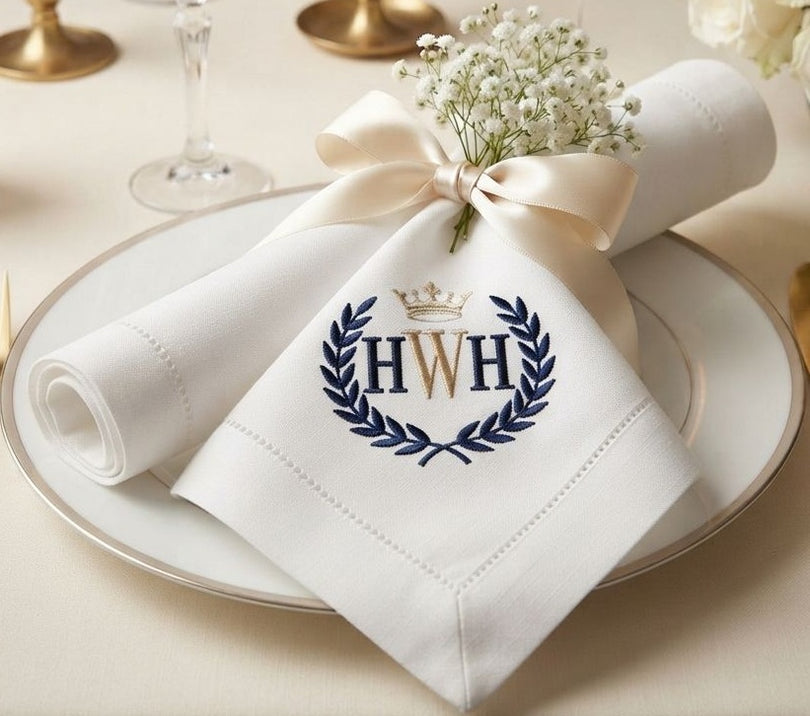
Embroidery is a decorative technique of sewing a design with thread through the fabric to form a single layer, flat design. The result is a clean design with fine detail that looks great on monogrammed pieces, delicate edging and intricate florals. You'll often see these in embroidered bedding and across our embroidered collection.
- Best for: Pillowcases, sheet hems, borders and personalized monograms
- Pairs well with: Tonal thread on white or natural bedding, scalloped edges, classic palettes
- Think about: Stitch density, since very dense embroidery can feel stiff on the reverse
- Practical tip: Choose designs placed on the border rather than the sleeping surface.

Read On: Monogram Guide: Styles and Colors
Which Feels Better Against Your Skin?
For items that touch your face or have delicate surfaces, embroidery is preferable as it has no raised edges to snag on your skin or hair. Appliqué is a good choice for parts that are more decorative and less likely to rub, such as the front panel of a duvet cover.
- Best for: Embroidery on pillowcases and sheets; appliqué on outer layers
- Pairs well with: Soft, tightly woven cotton or linen bases
- Think about: Your face rests directly on the pillowcase so leave any raised design element to the outside edges
- Practical tip: Run your hand over the design and check the reverse for rough thread ends.
Which Lasts Longer?
Both variants may endure for decades, but the construction technique plays a significant role. Appliqué’s primary weakness is the edge treatment and the seam allowance, while embroidery’s is the density of stitches, the quality of threads, and their tension. Both cotton sheets and linen are able to withstand stitching.
- Most Suitable for: Tight stitches, finished edges, and tight weave
- Care recommendation: Light washing and low dryer heat
- Consideration: The frequency of bed washing and the users’ preferences
- Practical tip: Look for even stitches, without spaces between them, and appliqué edges that are not fluffy or pucker the underlying fabric.
Which Type of Bedding Is Better for Your Bedroom Style?
Appliqué is bolder and better for farmhouse, boho, eclectic rooms. Embroidery is classic and more suited to hotel style, romantic or traditional bedrooms. Many sets have an embroidered edge with appliqué detail too, so you don't have to choose between the two. If decorated edges are your thing, but you'd rather have something less fussy, scalloped bedding is another option.
- Best for: Matching the finish to the mood of the room
- Pairs with: Natural woods and woven textiles (appliqué); soft neutrals and brass (embroidery)
- Think about: Existing pillows, throws and curtains, to avoid pattern clashes
- Practical tip: Use one decorated piece as a focal point and keep the rest plain.
Best choices
| Bedding Item | Better Choice | Why |
|---|---|---|
| Duvet Covers and Coverlets | Appliqué | The large surface showcases raised designs beautifully. |
| Pillowcases and Shams | Embroidery | Flat borders and hems help keep the sleeping surface smooth. |
| Sheet Hems and Borders | Embroidery | Adds decorative detail without unnecessary bulk. |
| Decorative Pillows | Either | They are mainly decorative, so either technique can work well. |
| Kids’ or Pet Beds | Embroidery | A flatter finish can reduce raised edges that may snag. |
Try our linen pillowcases for a smooth sleeping surface.
How to tell them apart when shopping?
Feel the design raised on top is appliqué, level with the fabric is embroidery. Now turn the piece over. The appliqué will show its stitched outline and an additional layer of fabric, while embroidery will show thread stitches and usually have a backing.
- Best for: Confirming what you're buying before you order
- Think about: Most bedding finishes are machine-made, and good ones are even and secure
- Practical tip: On appliqué, make sure every shape's edge is fully finished; on embroidery, look for loose threads.
How to choose between Applique and Embroidery?
- Start with the item: pillowcases and sheets lean embroidery, duvet covers lean appliqué.
- Think about skin contact: anything near your face should be flat.
- Consider who uses the bed: children and pets snag raised edges more easily.
- Match the room: bold and layered, or classic and refined.
- Check the base fabric: tightly woven cotton or linen holds stitching best.
- Look at the stitching: even, closely spaced, no loose threads.
- Check the care instructions fit your routine.
- Start small: try one pillowcase or sham first.

Bedding Recipes: Matching the finish to the room
| Style | Base | Best finish | Pair with |
|---|---|---|---|
| Hotel-style calm | White cotton or linen | Tonal embroidery on hems | Plain shams, neutral throw |
| Farmhouse | Natural linen | Appliqué on the duvet cover | Wood, woven textures |
| Romantic | Soft white or blush | Embroidered or scalloped borders | Embroidered pillowcases |
| Boho | Cotton in earthy tones | Appliqué motifs | Plain pillowcases, textured throw |
| Guest room | Linen | Appliqué focal piece | Plain sheets, embroidered pillowcases |
How to care of Applique and Embroidered Bedding?
- Follow the care tag, and use a delicate cycle or hand wash.
- Turn items inside out to protect the design, and avoid bleach and harsh detergents.
- Air dry or use low heat, and iron on the reverse side so the appliqué isn't flattened.
- Store in a cool, dry place away from sunlight to prevent fading.
Read On: Linen Care Guide · How to Take Care of Bed Sheets
Bedding Finish Mistakes to Avoid
- Choosing raised appliqué for pillowcases
- Skipping the check of the reverse side
- Ignoring loose threads or unfinished edges
- Machine washing decorated pieces on a hot or heavy cycle
- Ironing appliqué from the front
- Mixing too many decorated pieces on the bed
Key Takeaways
Neither is universal. Appliqué adds depth, and embroidery offers elegance and coziness. Think about what you're buying, where you'll be using the piece, and how you sleep and launder your linens, and study the stitching.You can usually try before you buy. A single sham or case can help you decide if you want to get an entire set.
Related Readings
Best Organic Cotton Bedding: What Actually Makes It Worth Buying
The Advantages of Cotton and Linen Sheets