
Can You Put a Table Runner Over a Tablecloth?
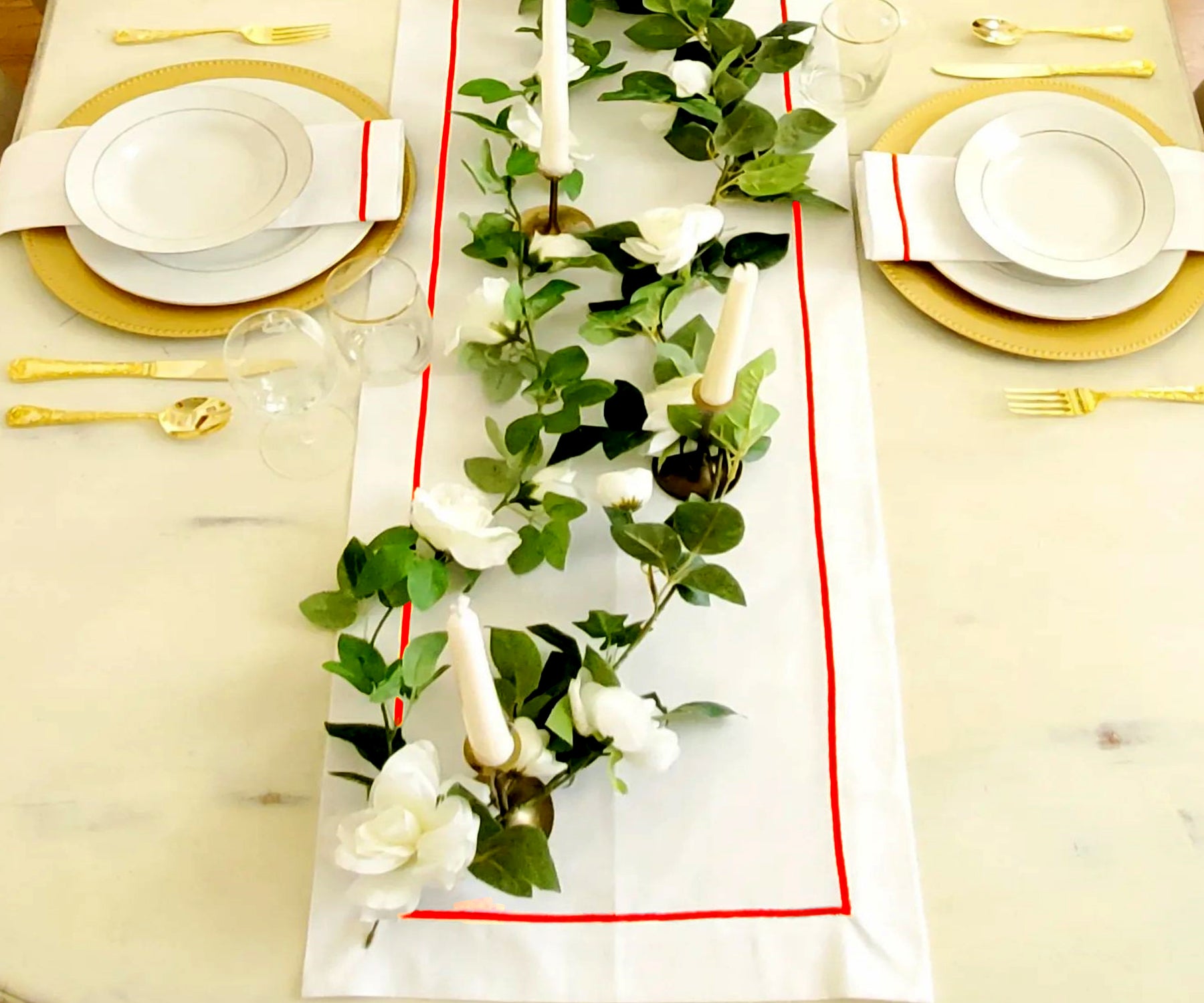
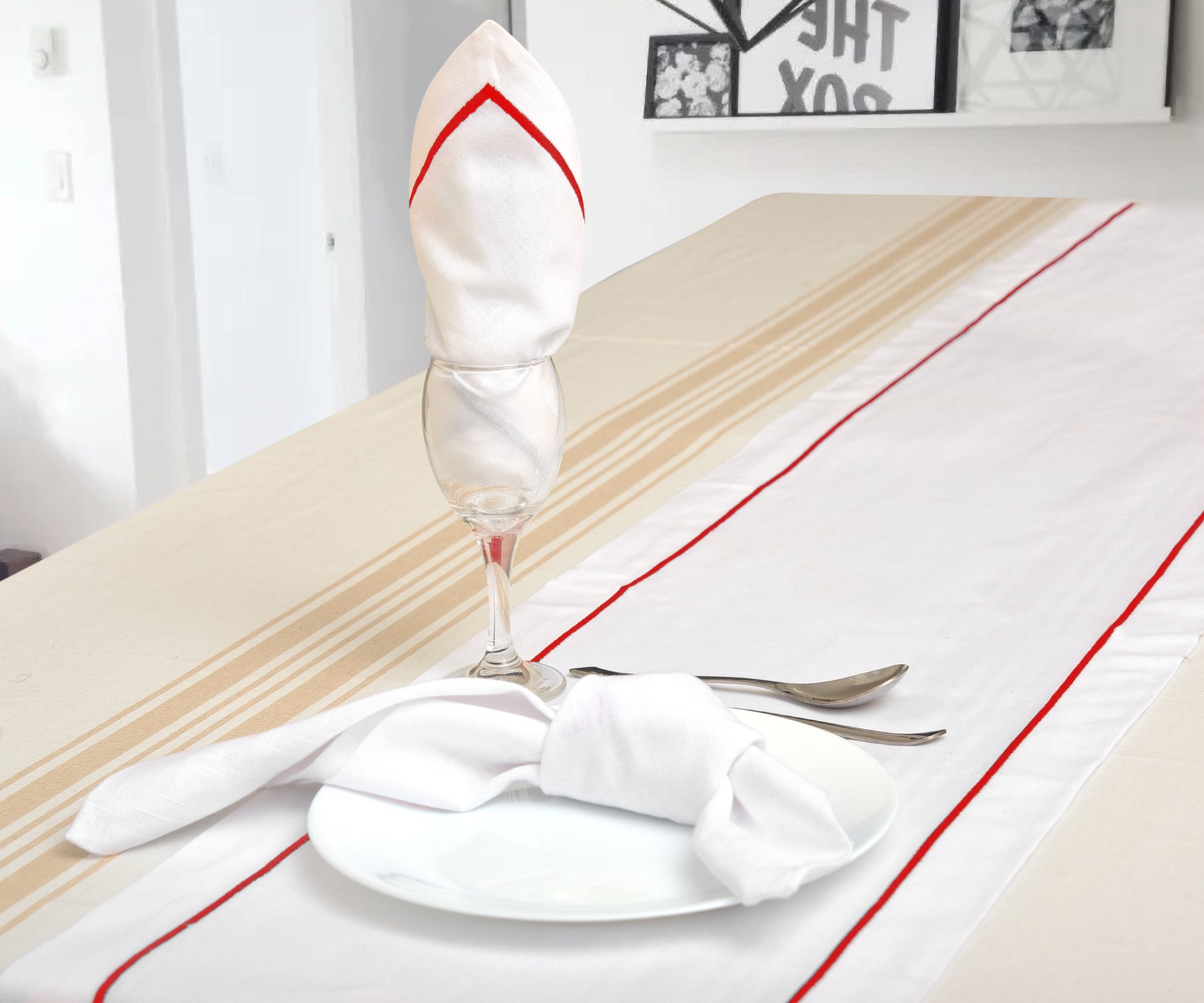
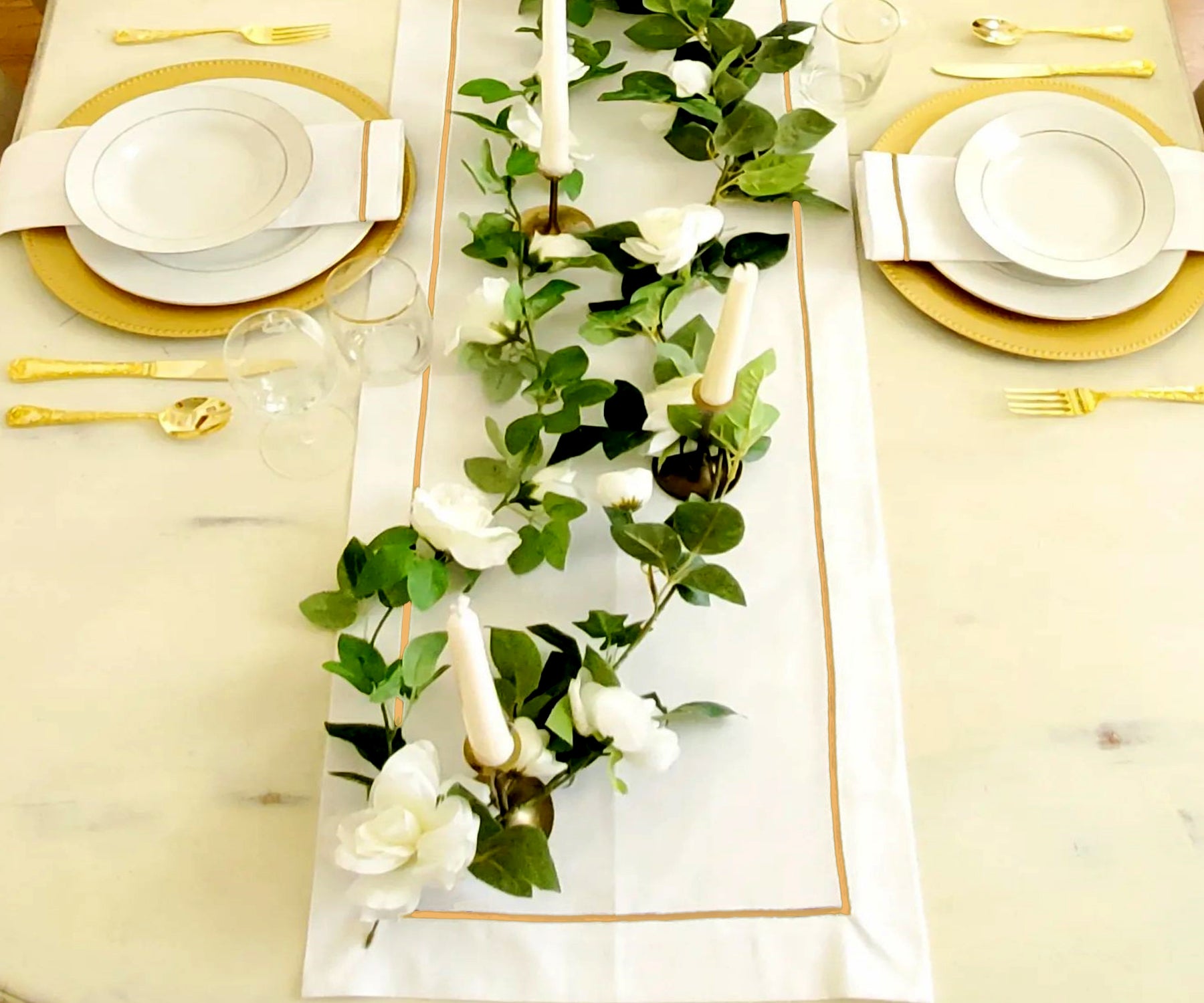
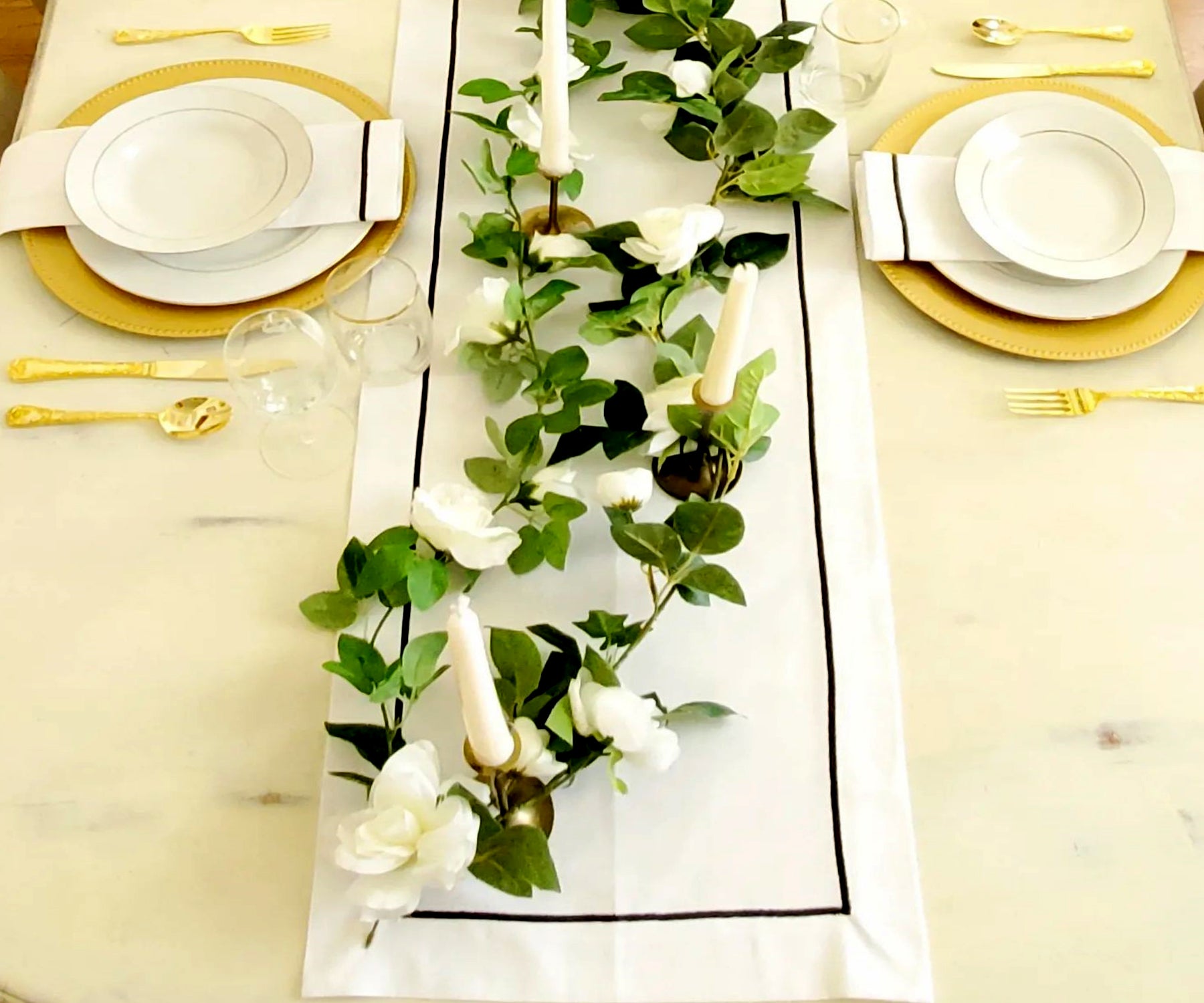
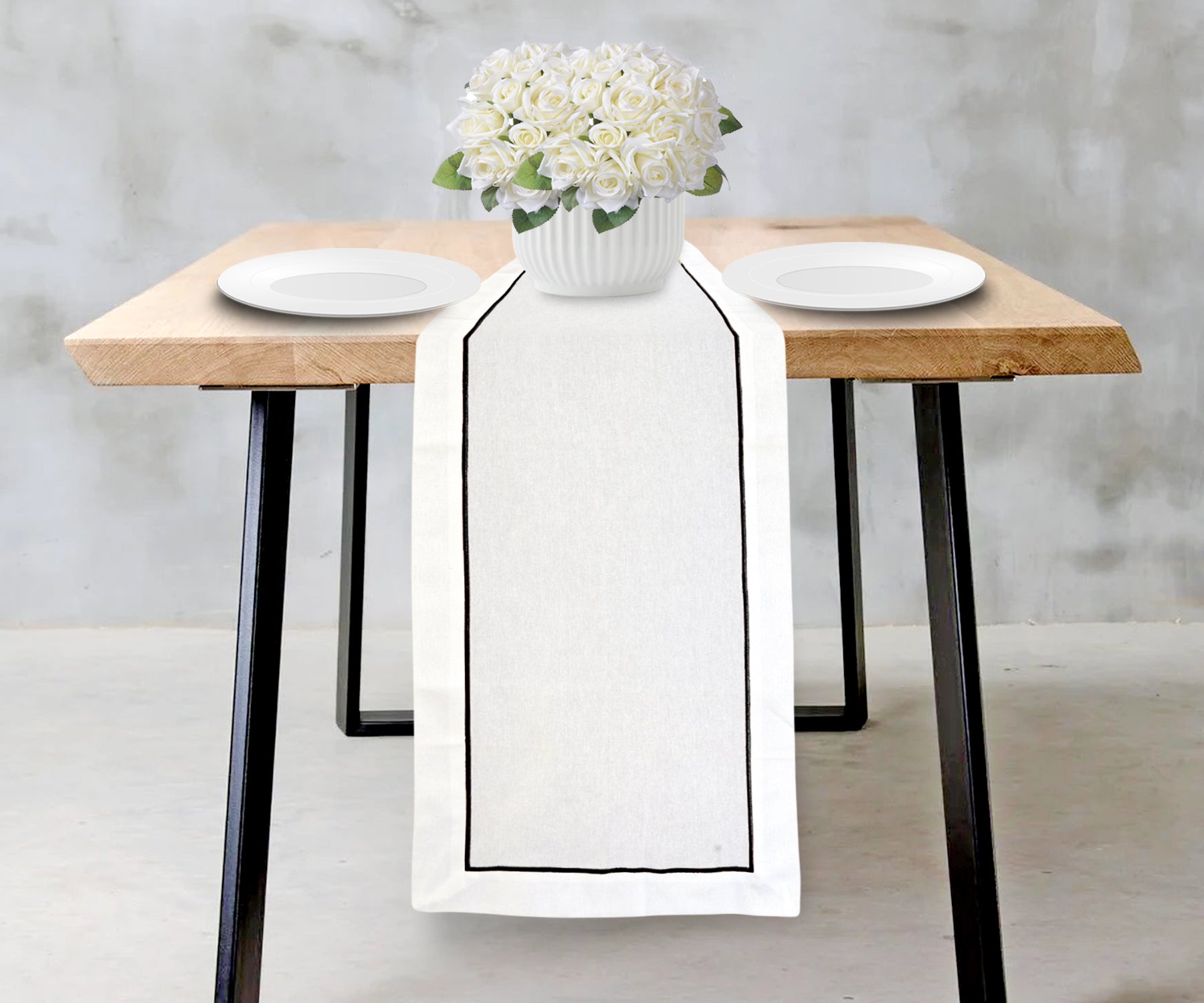
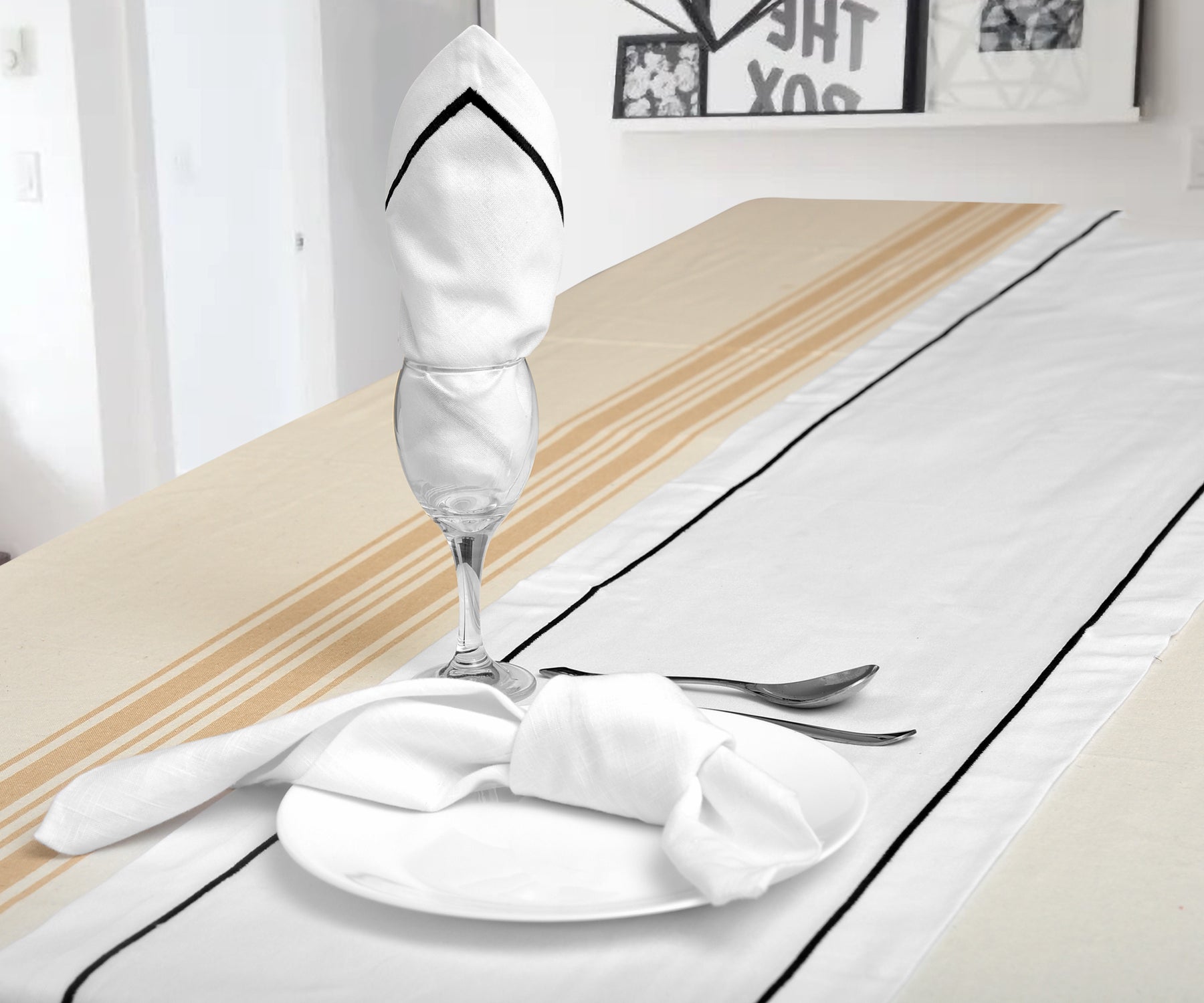
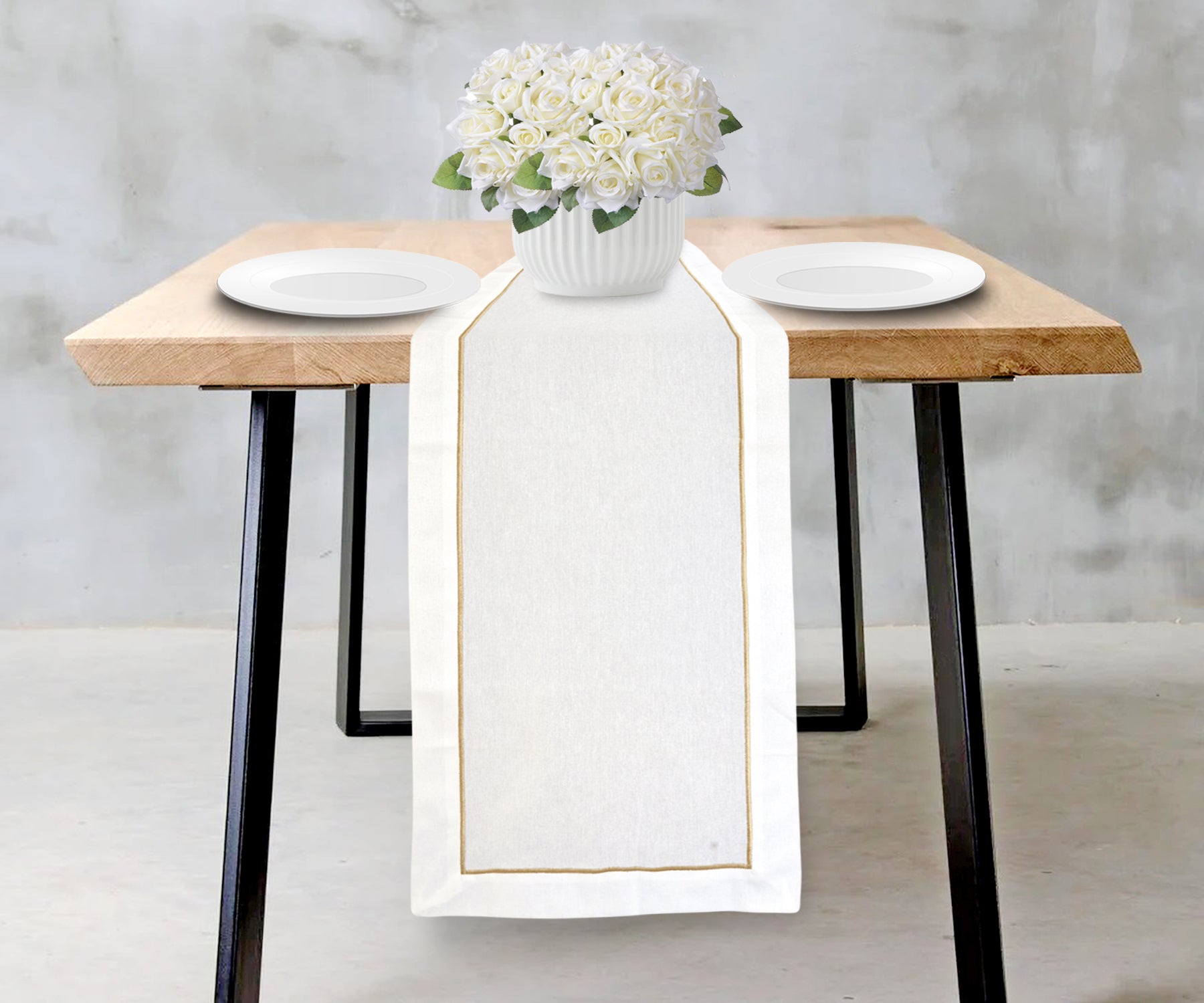
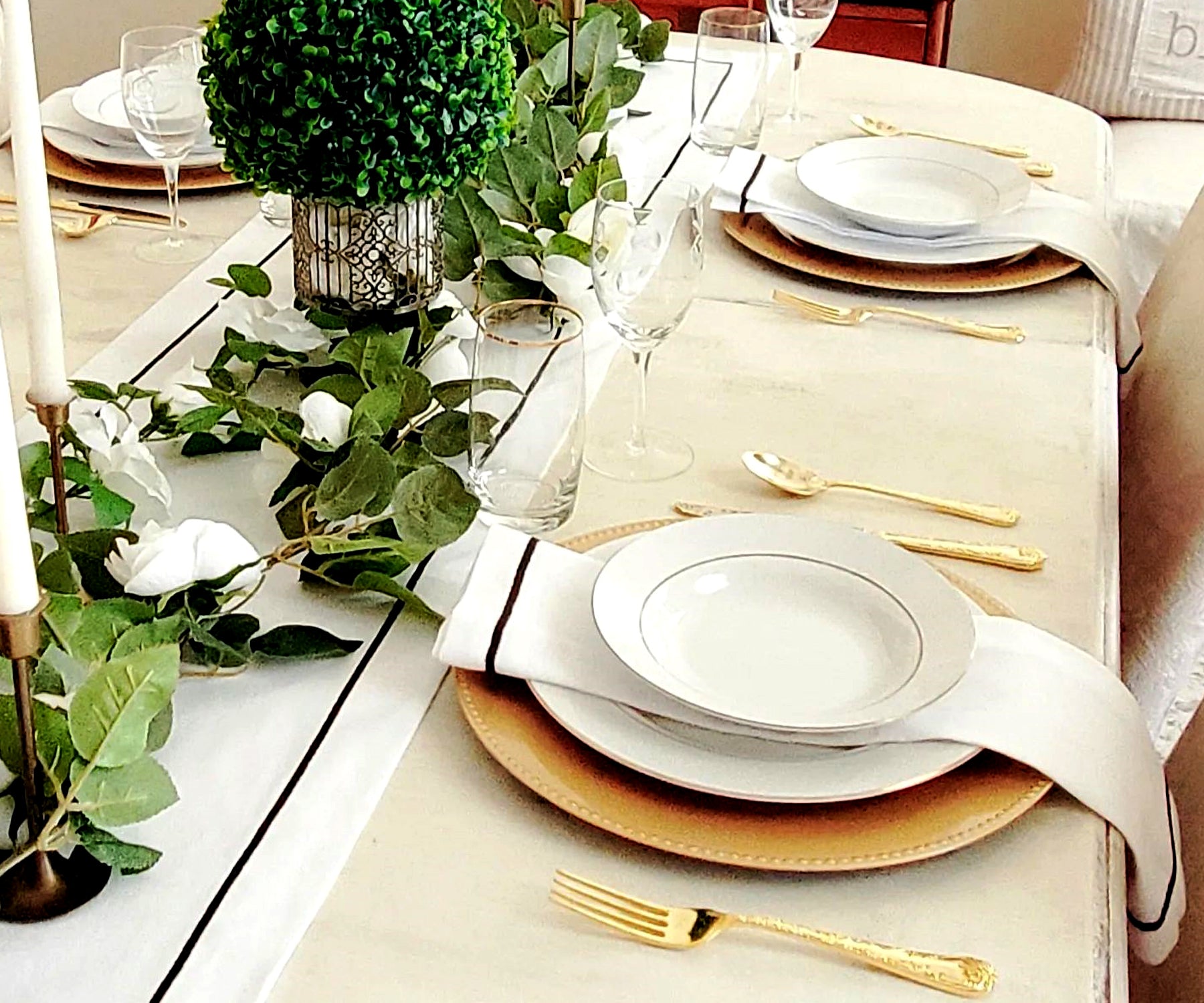
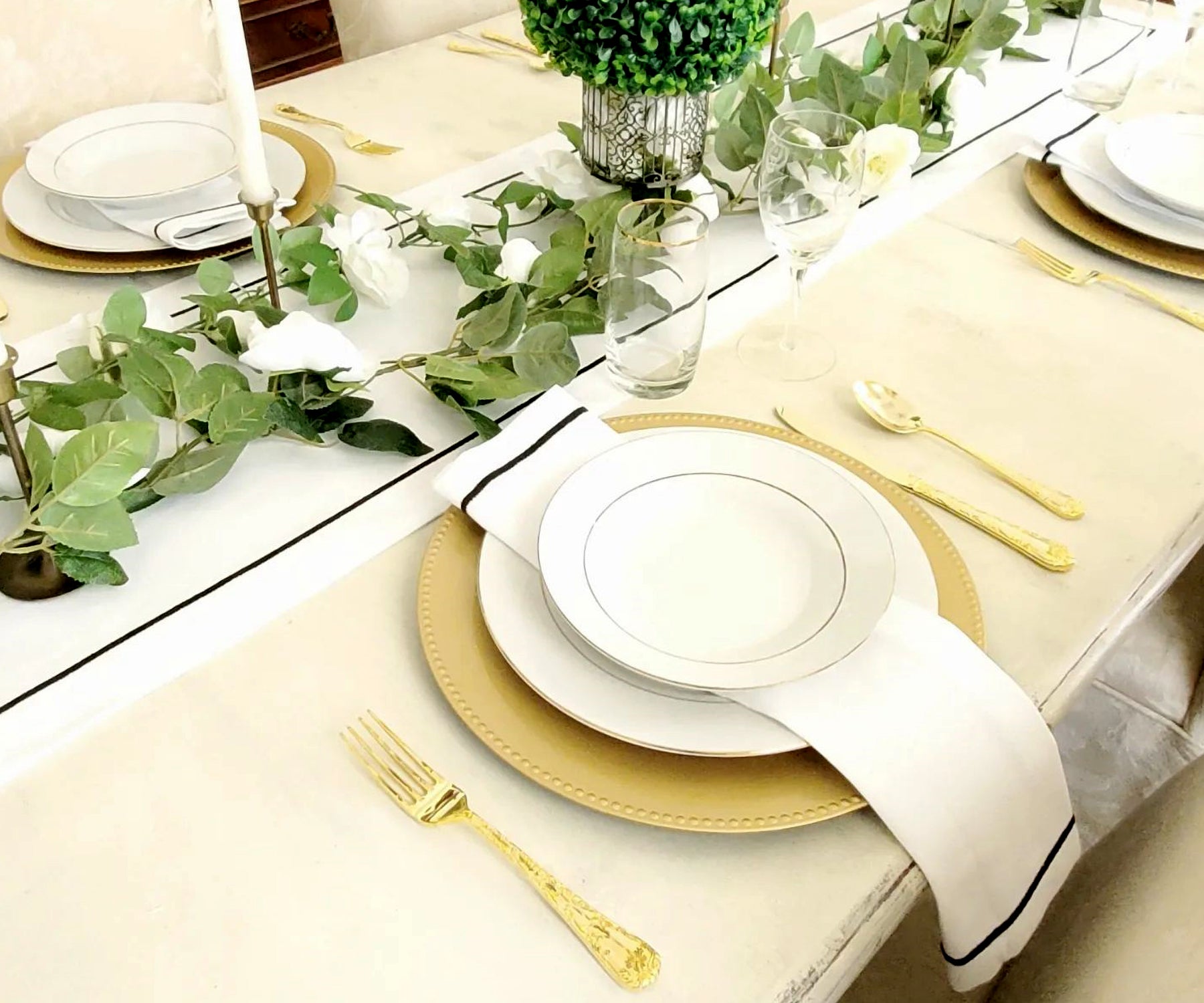
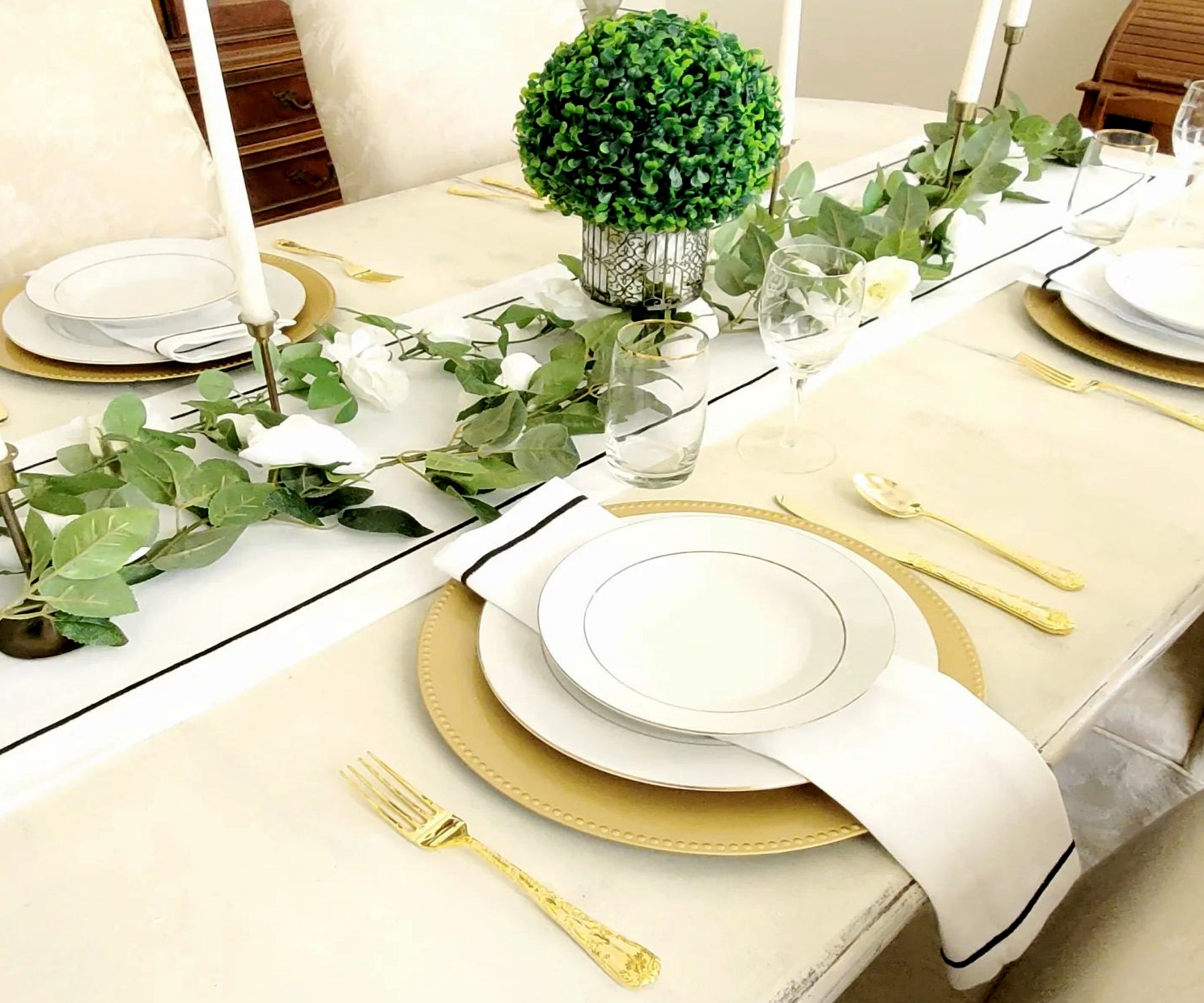
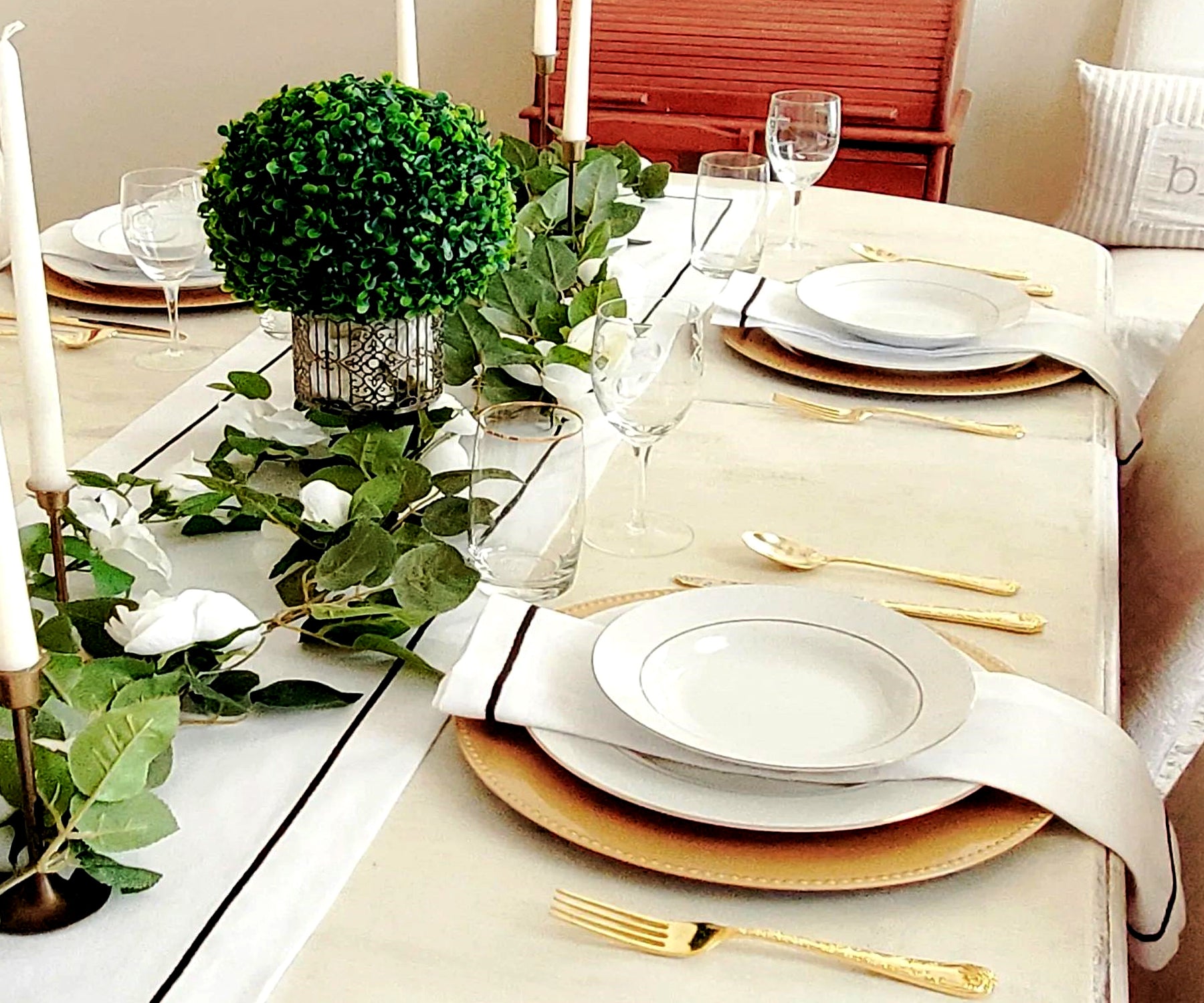
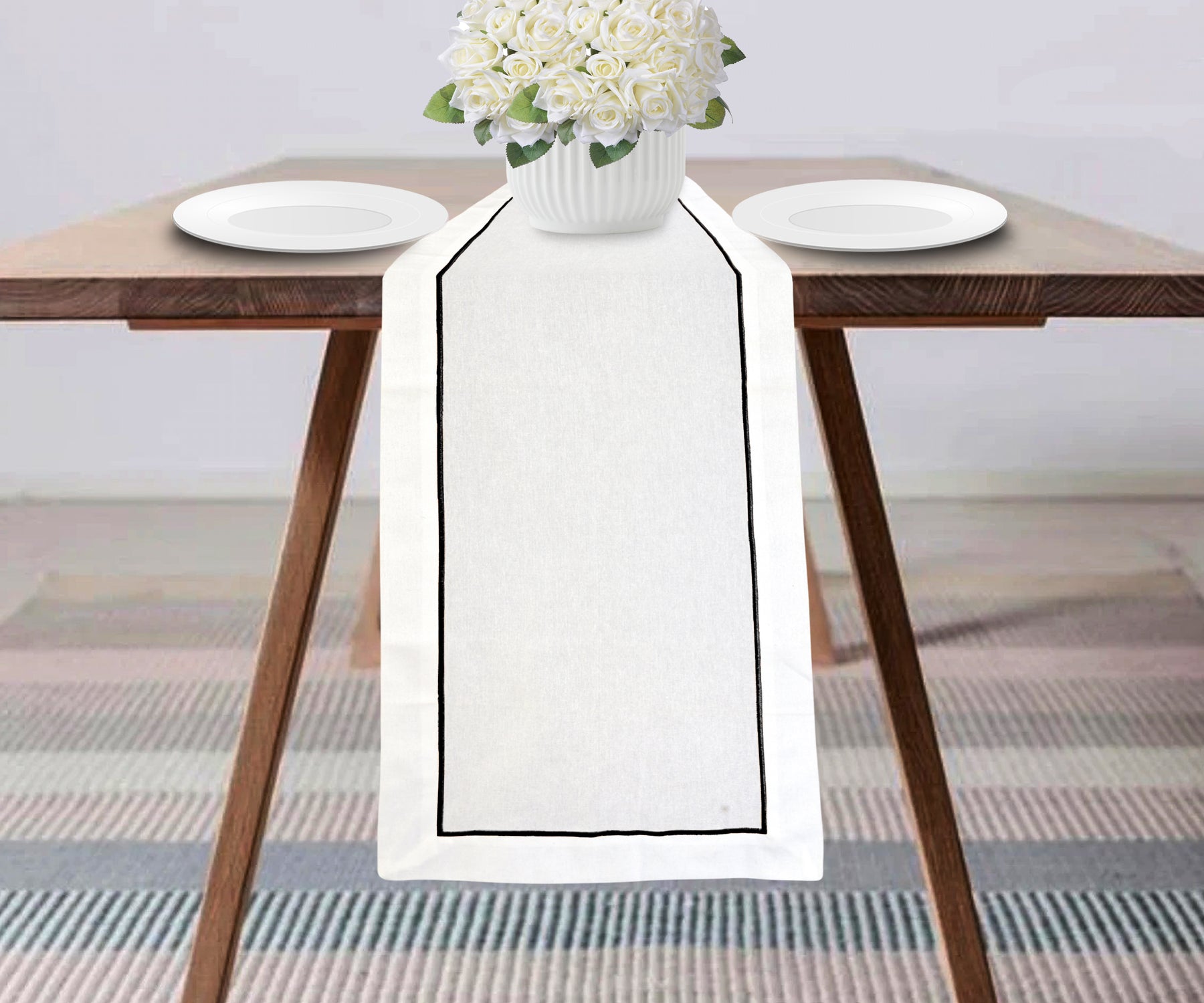
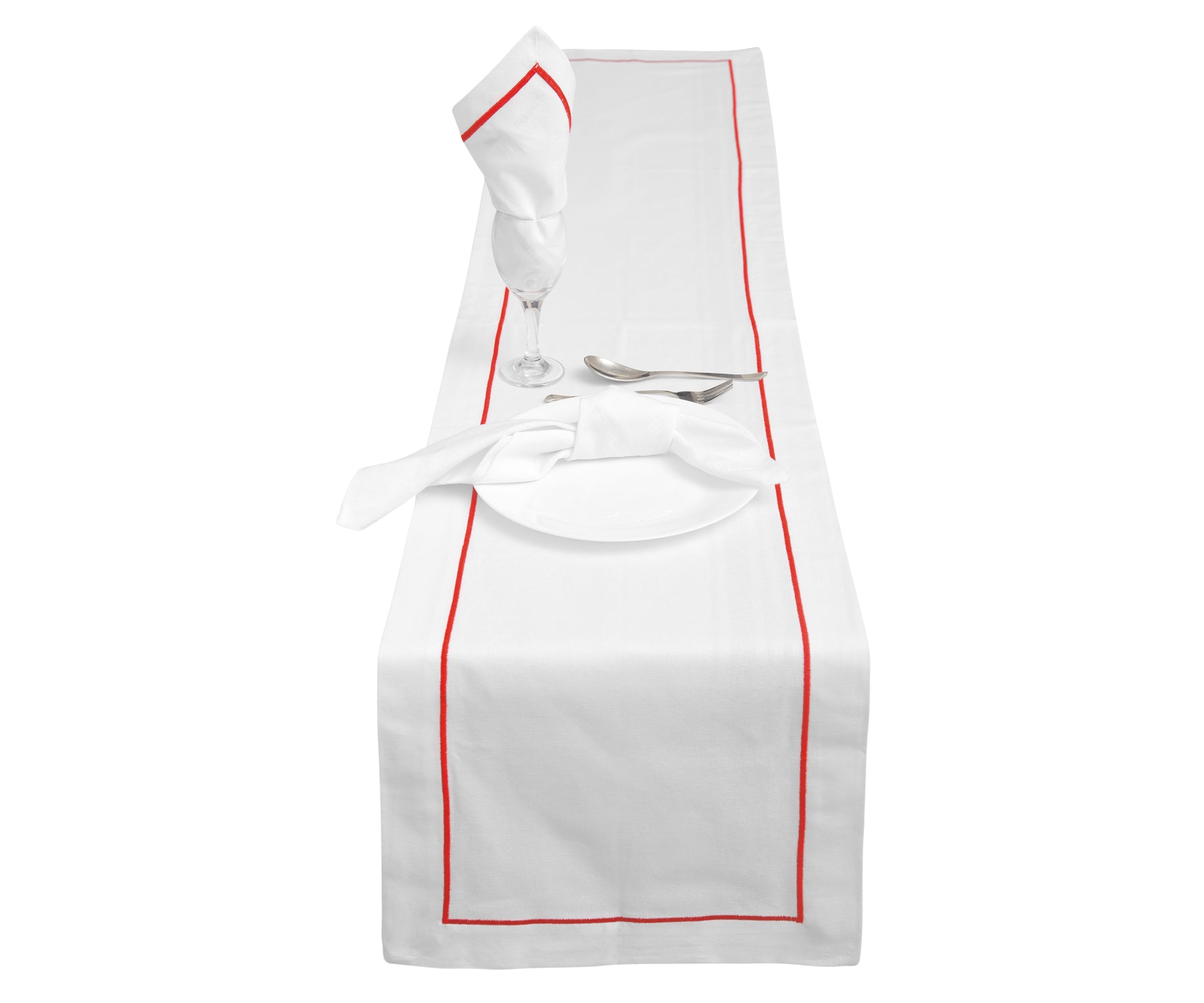
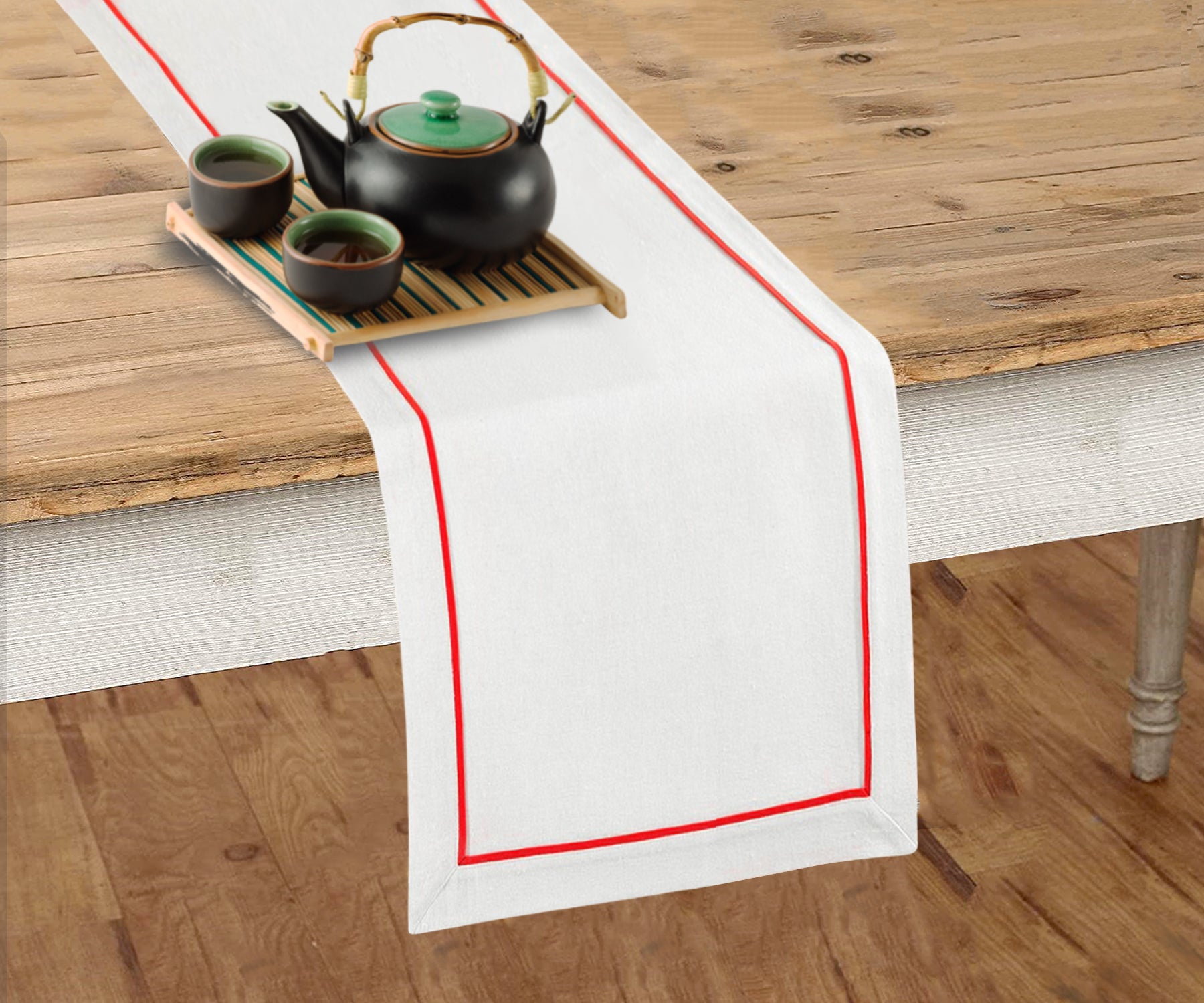
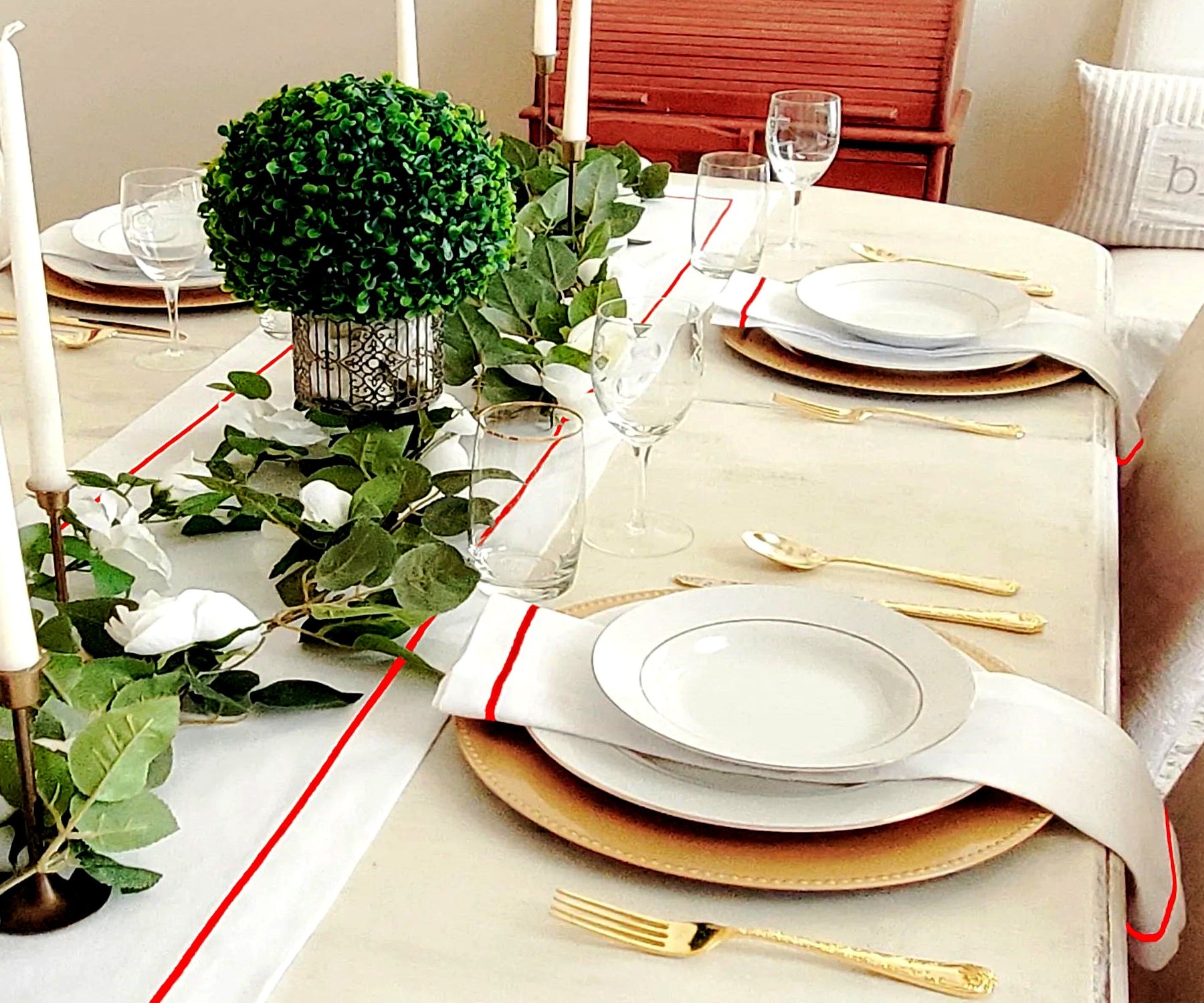
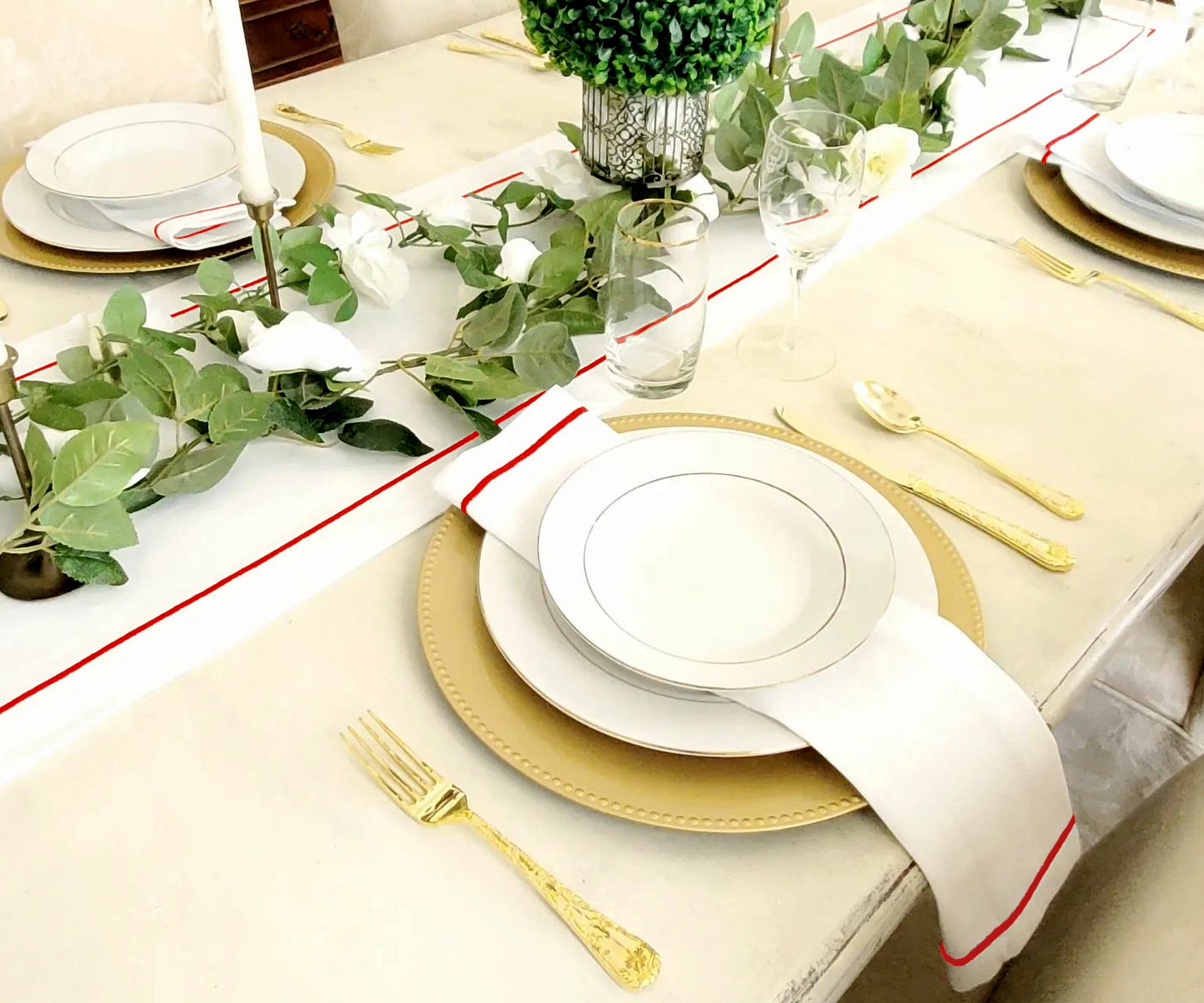
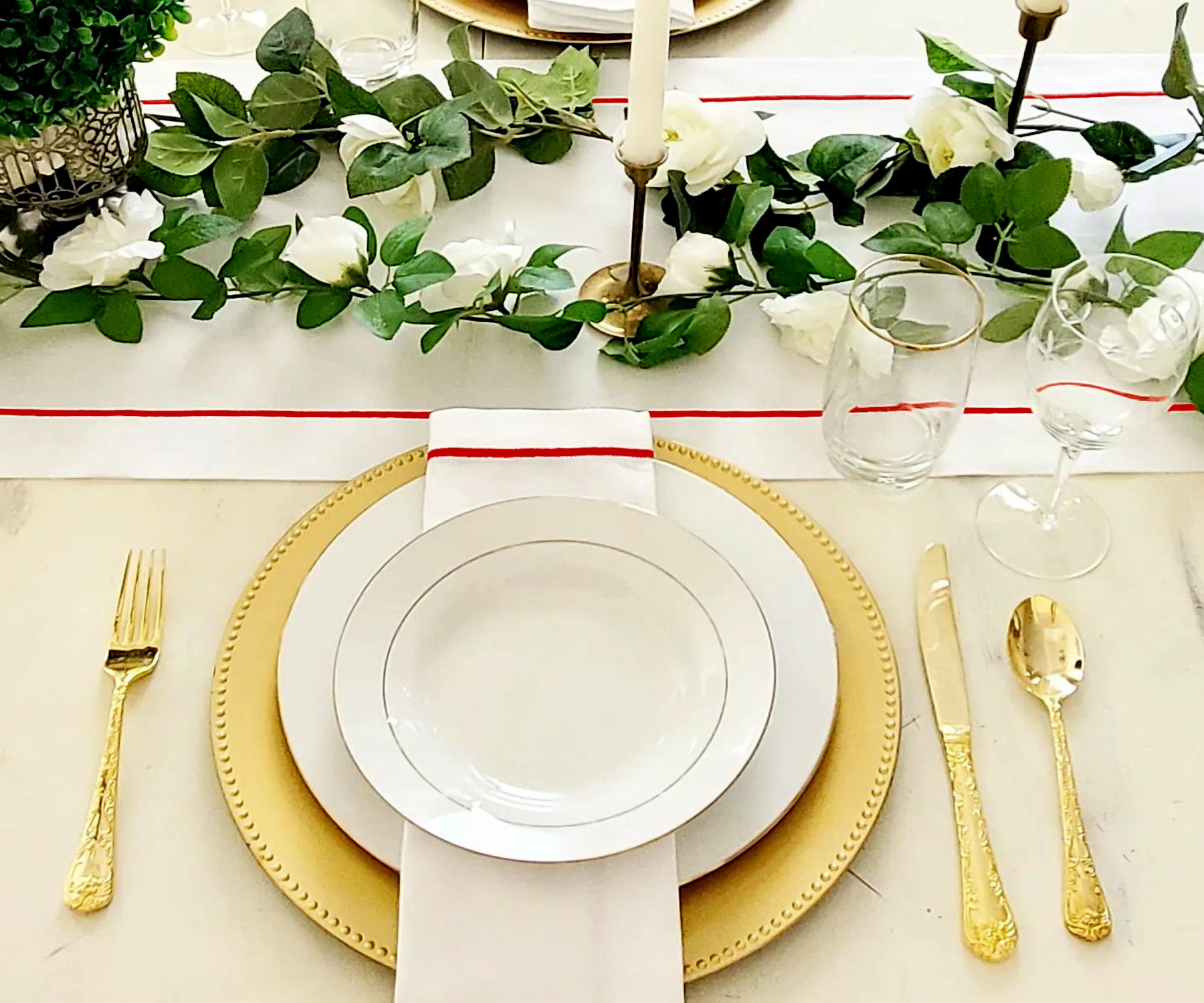
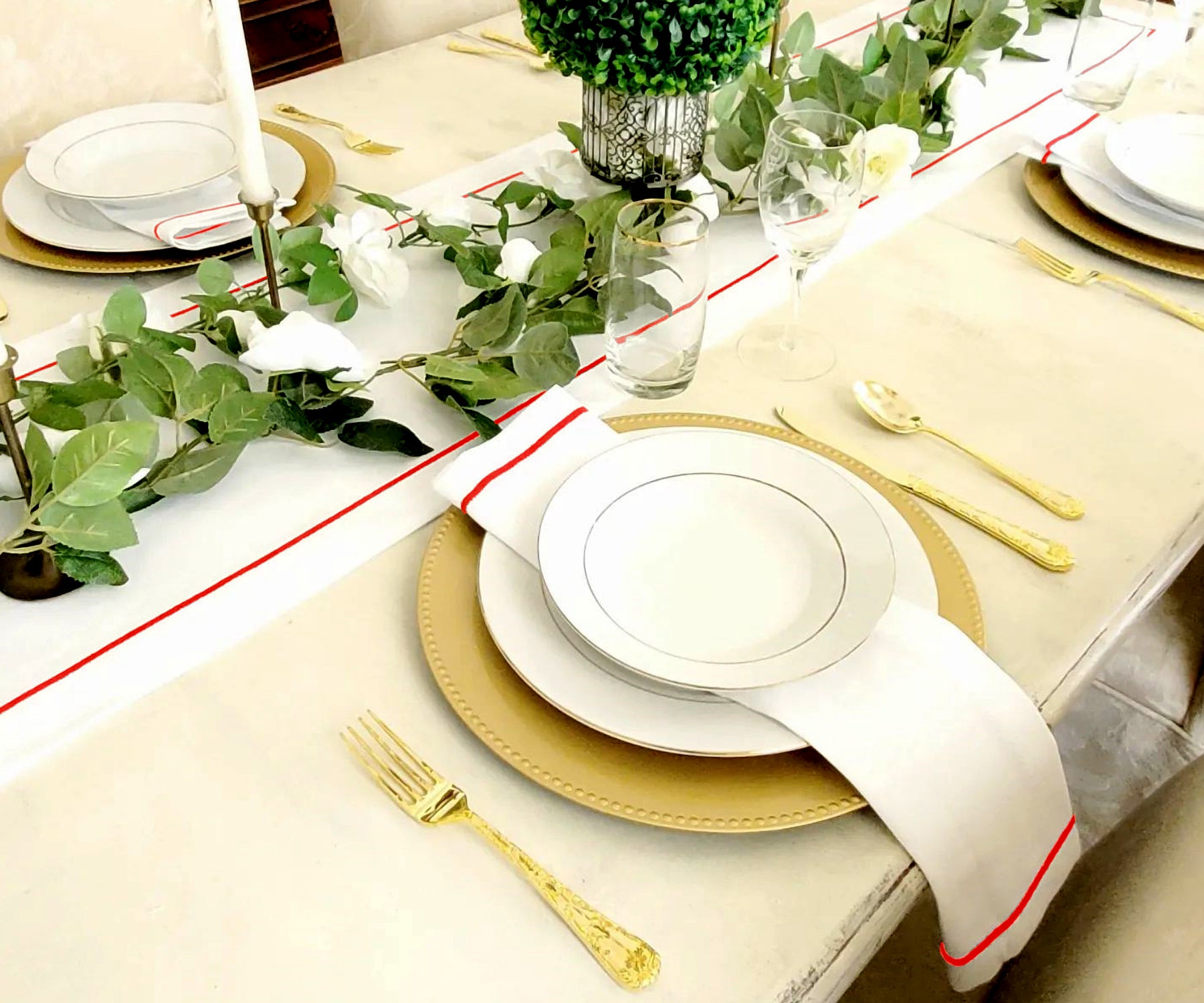
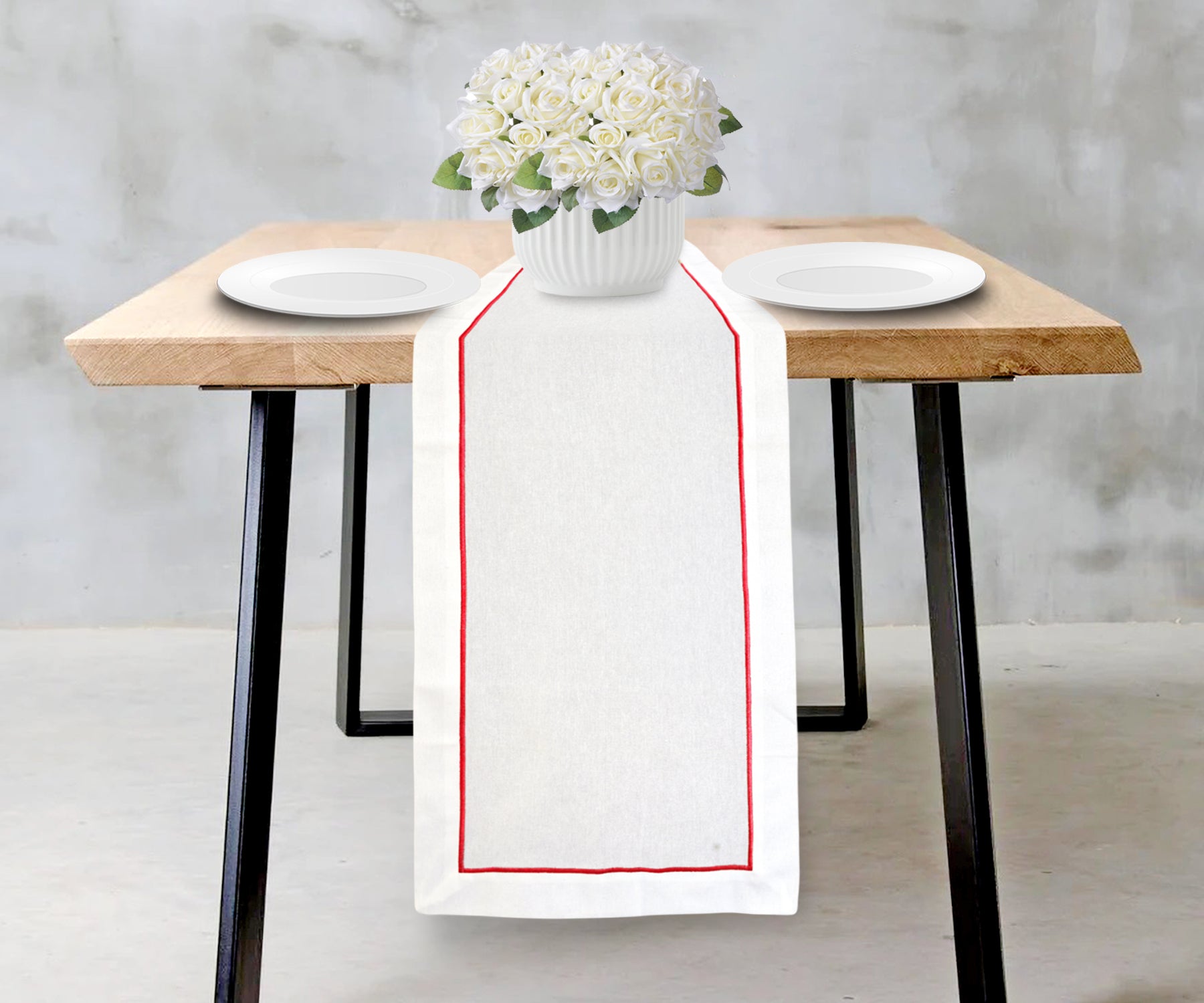
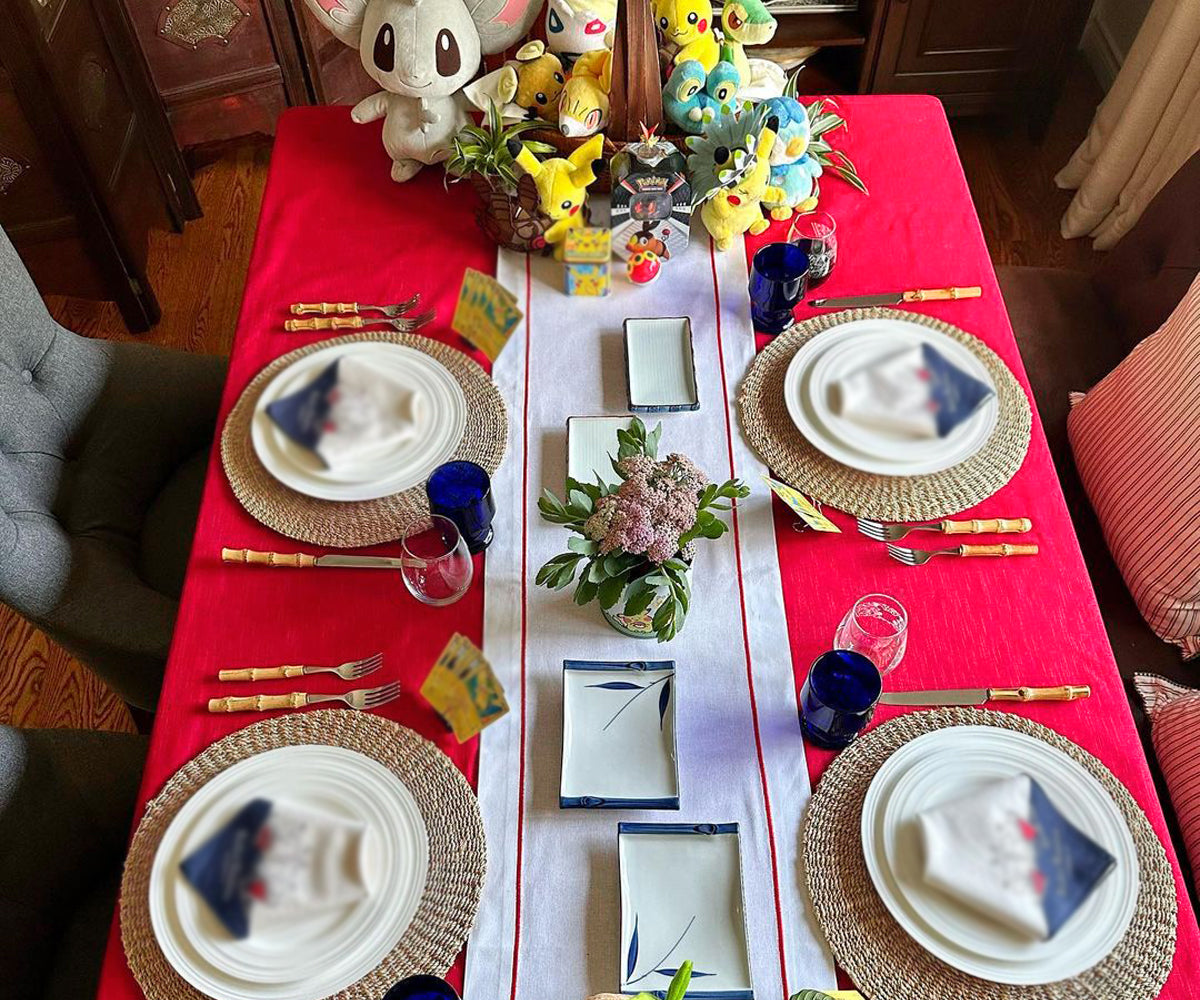
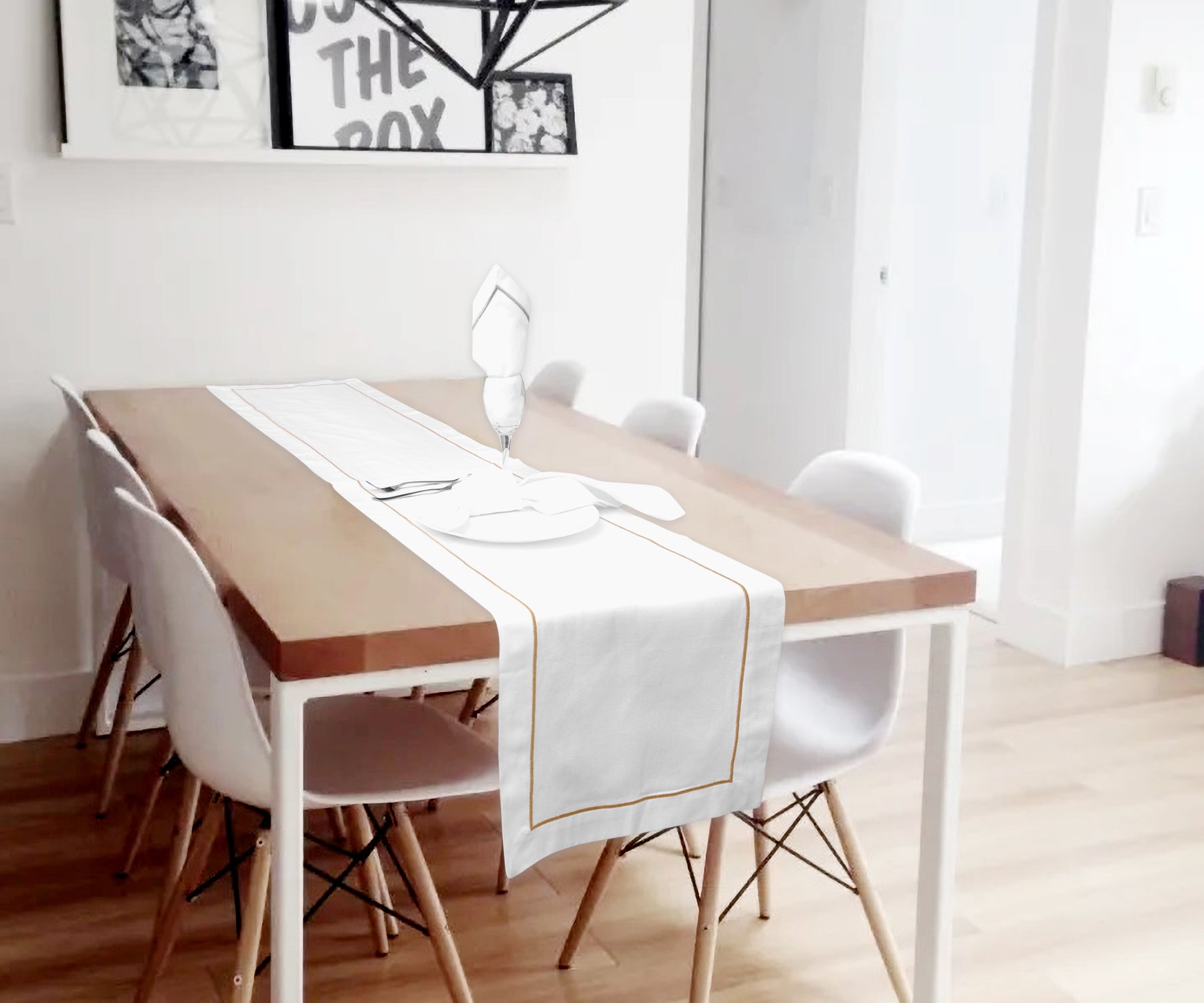
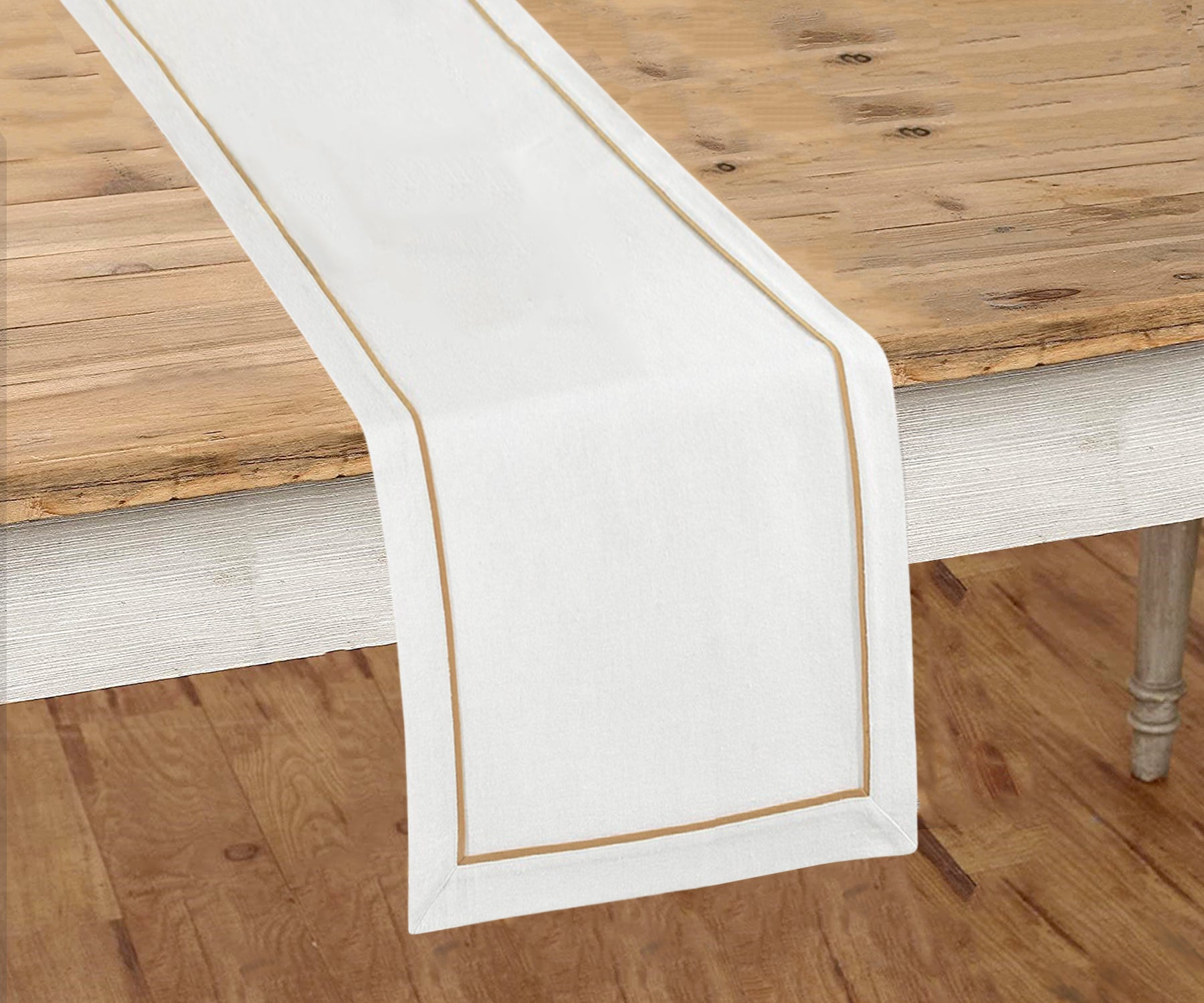
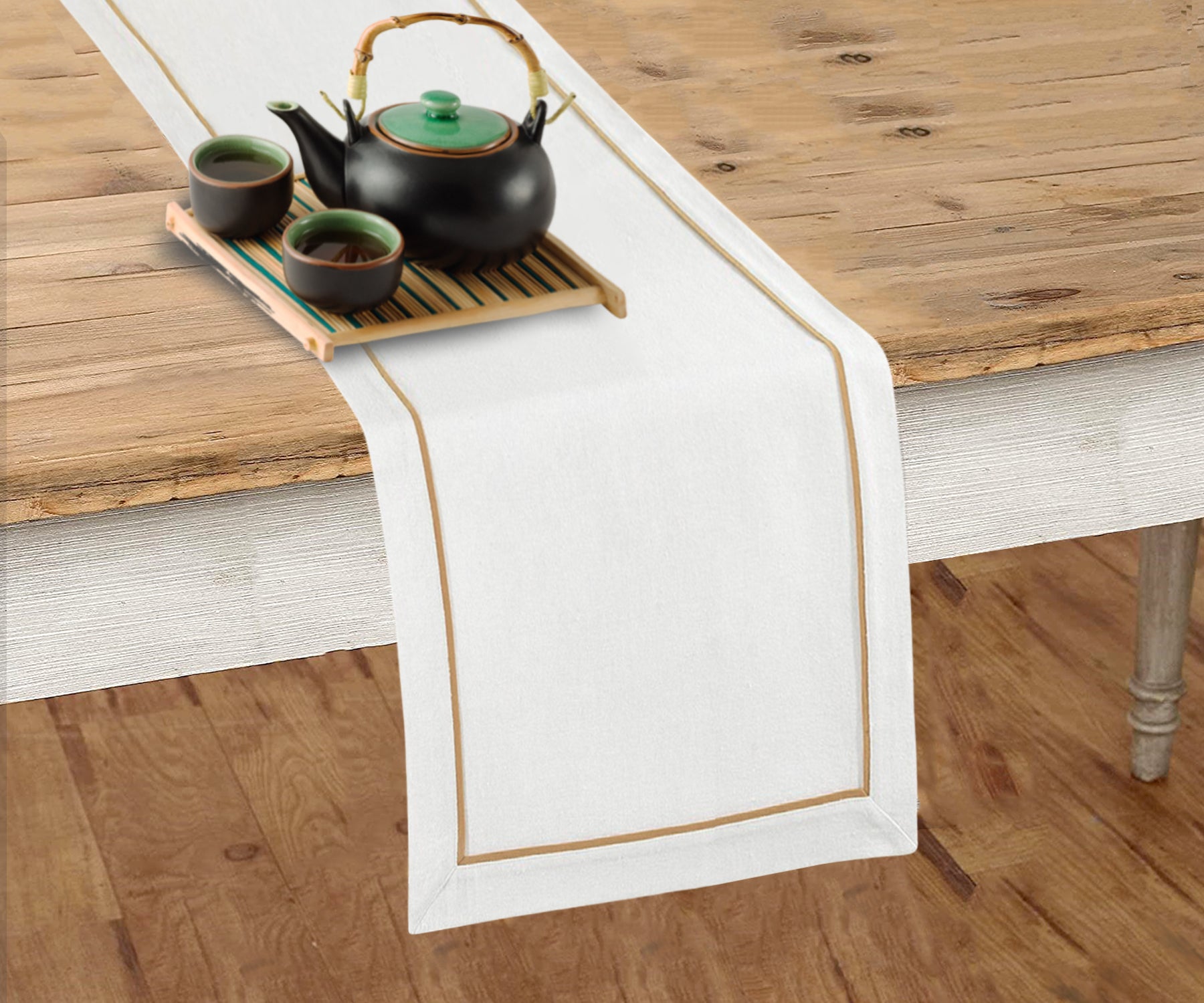
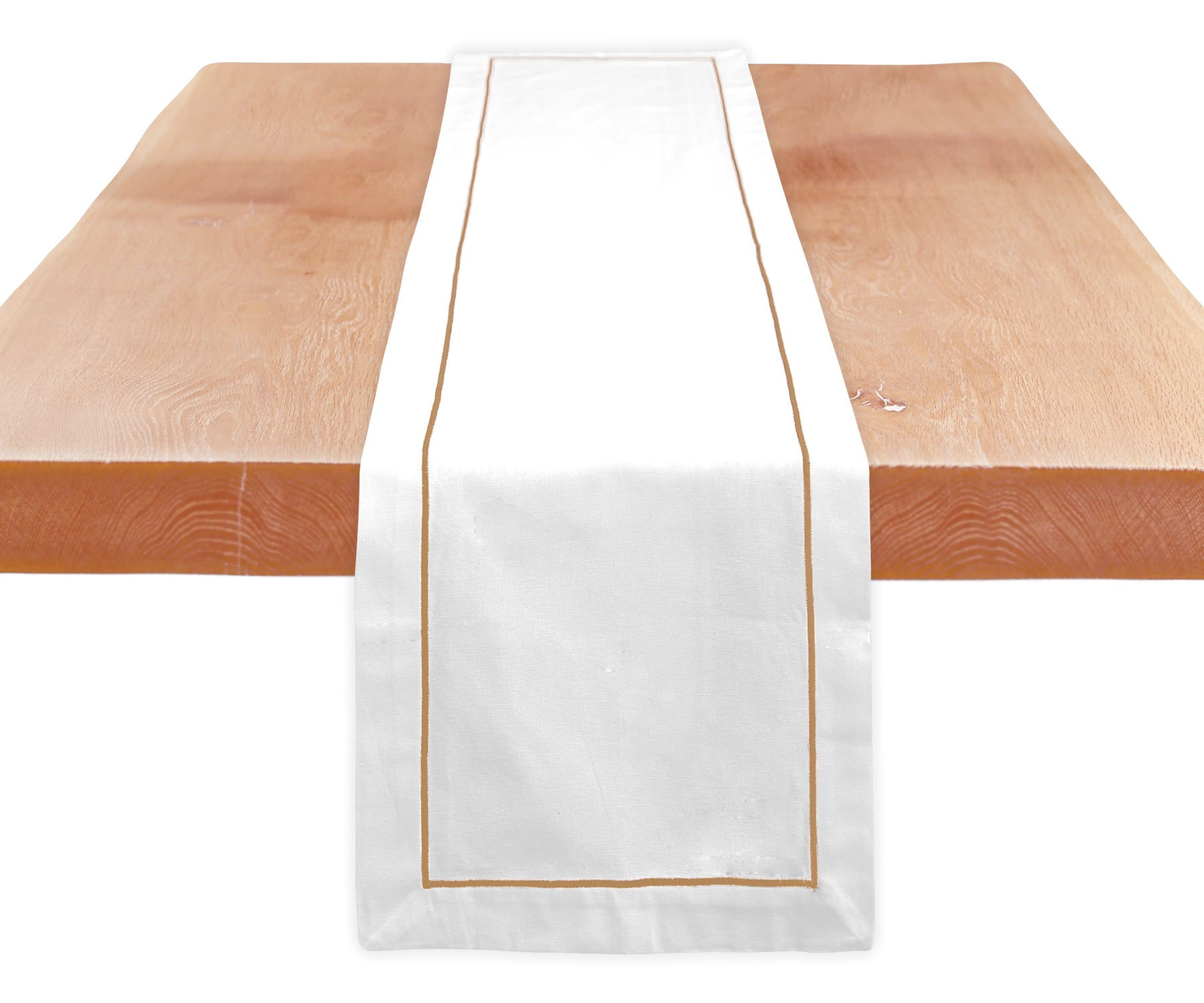
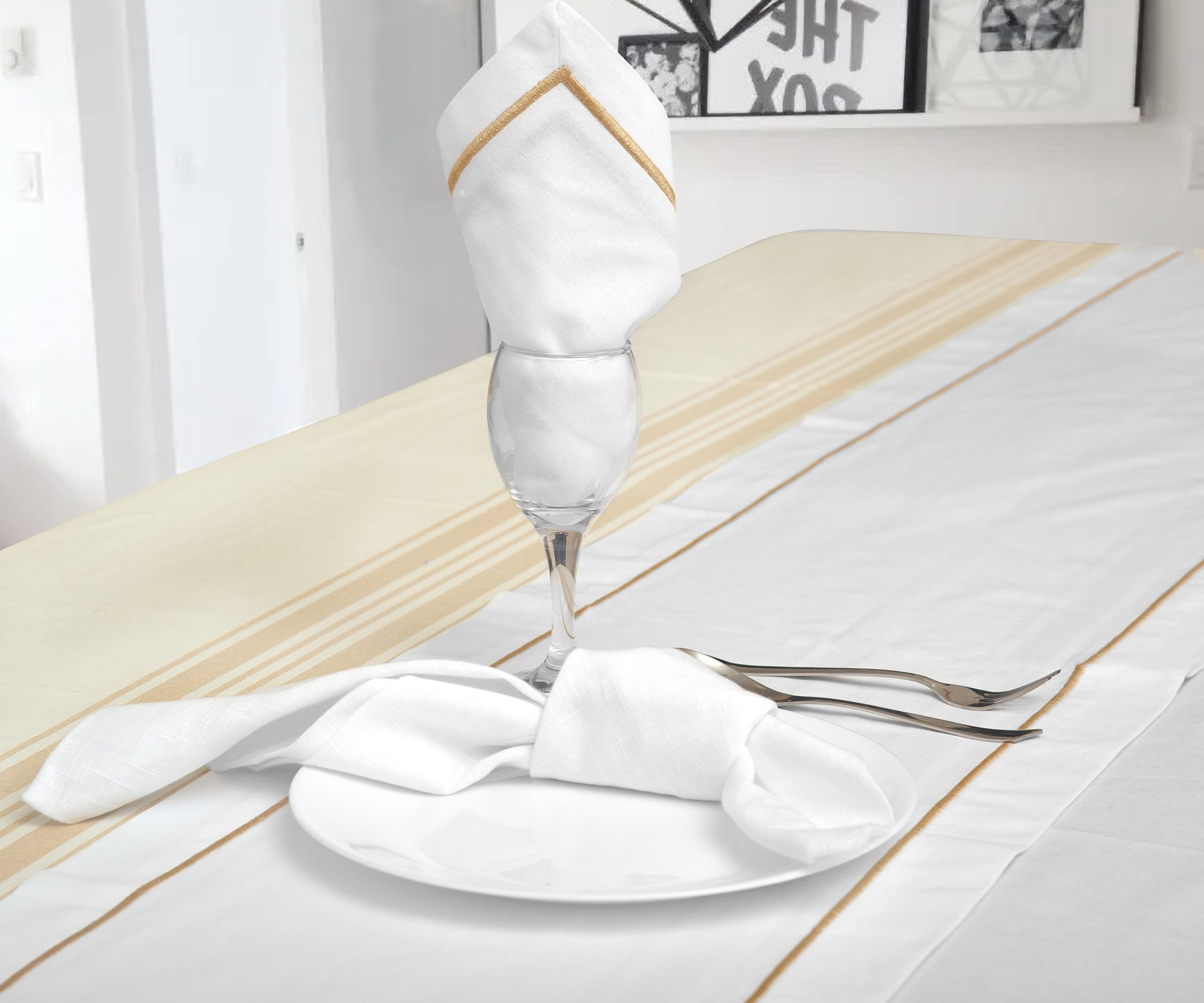
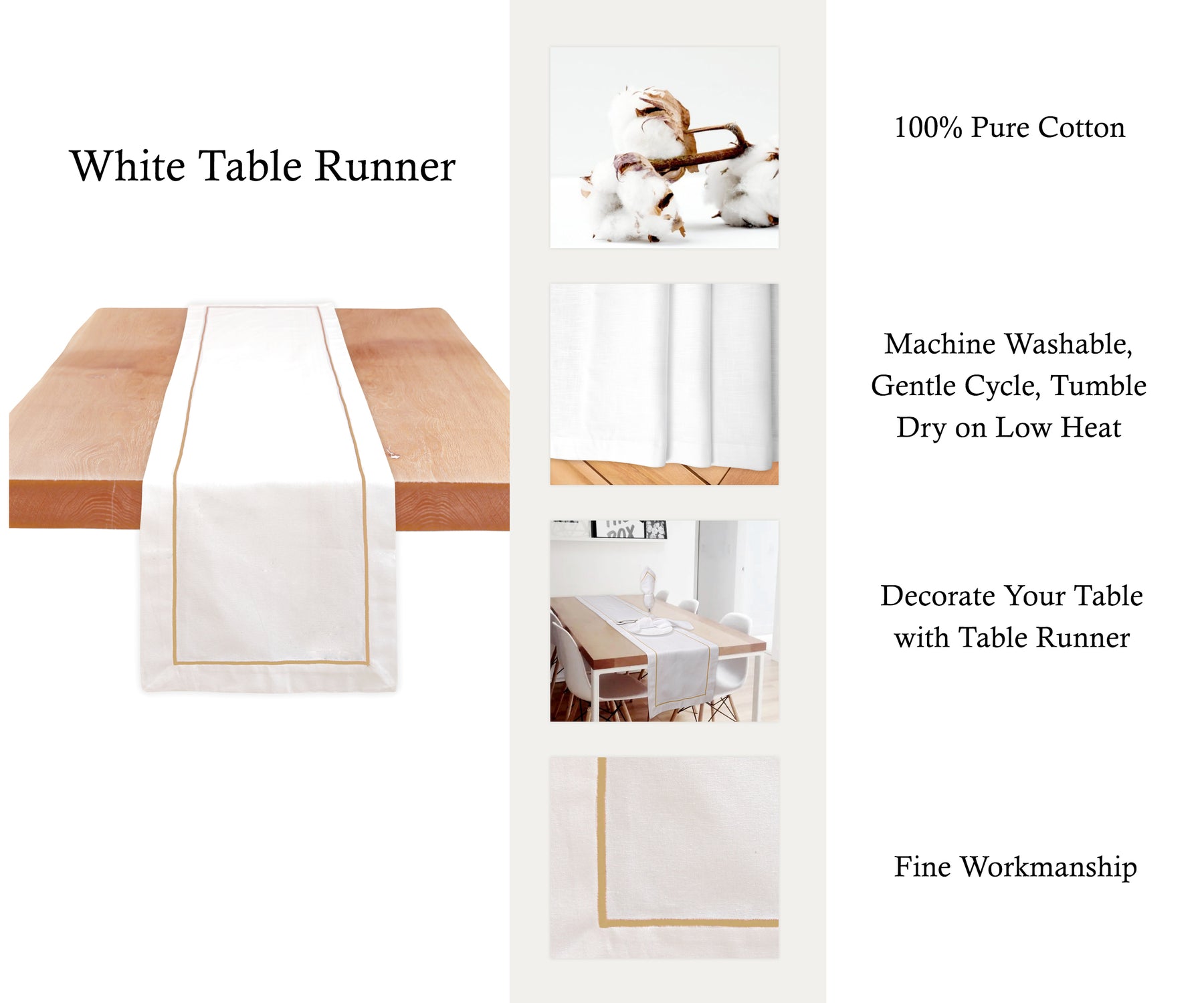
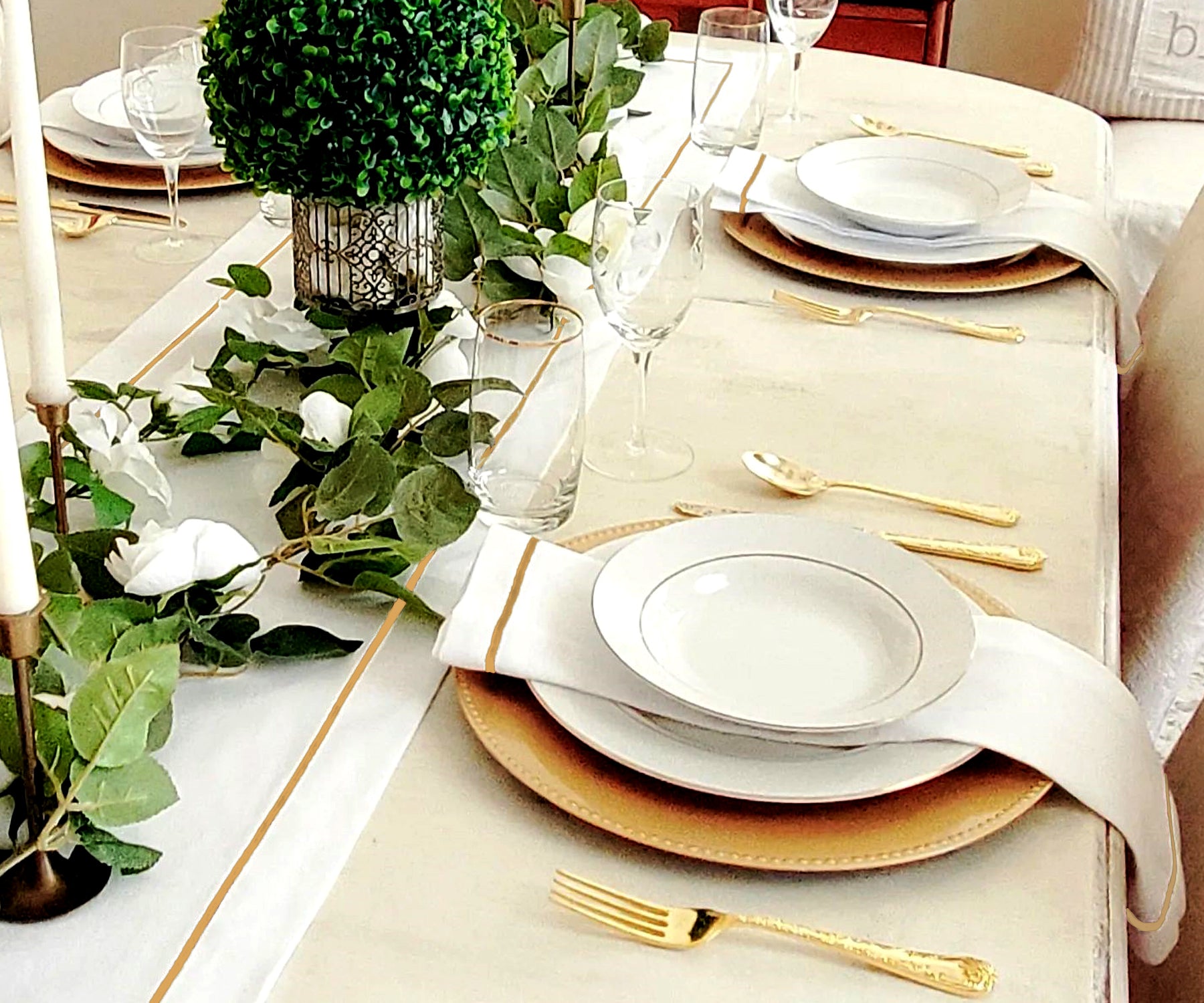
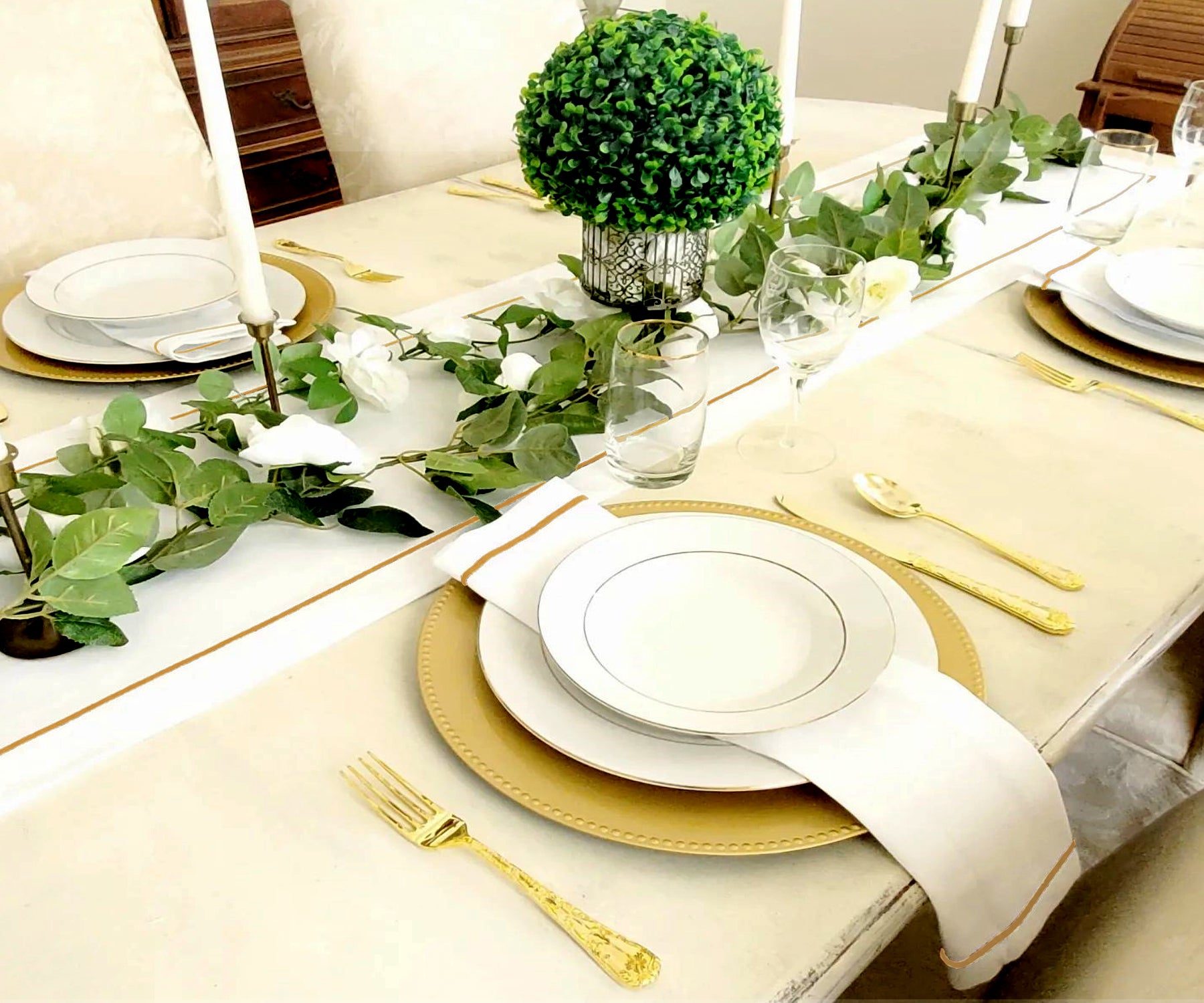
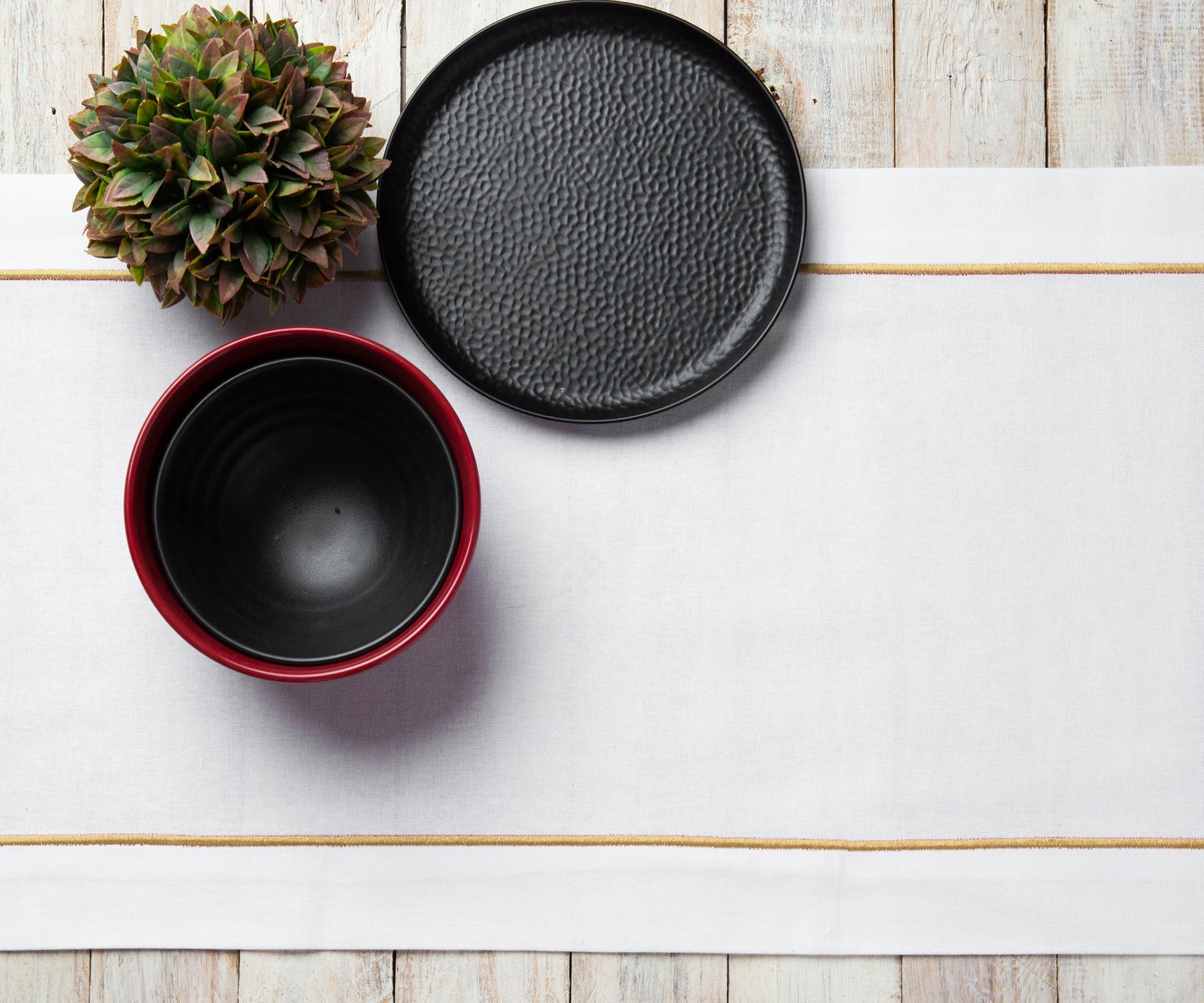
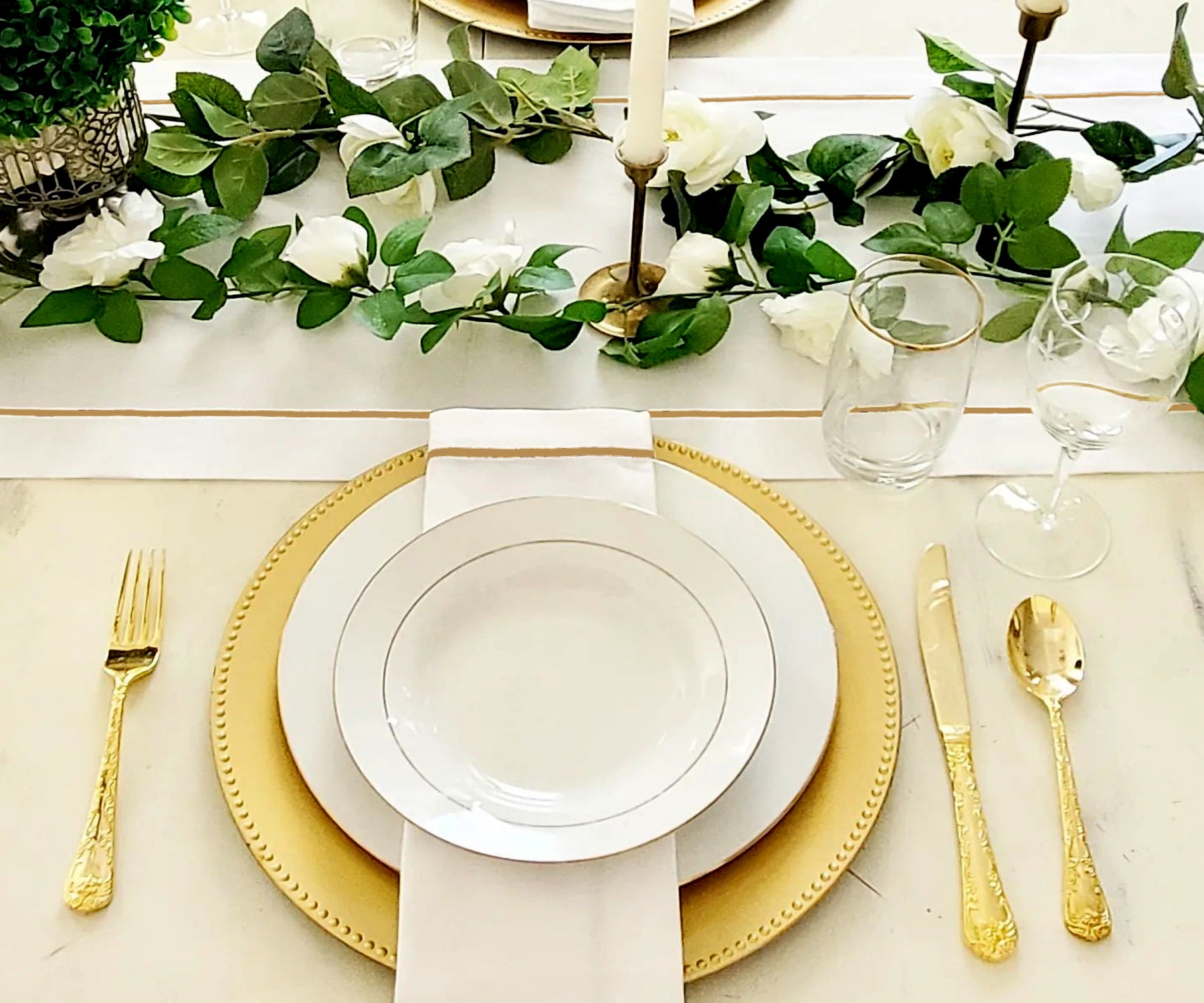
Yes. Layering a table runner over a tablecloth is a common, easy way to add color and texture to a table. As a rule, center the runner lengthwise, keep it equal to or slightly shorter than the tablecloth, and let it hang 6 to 10 inches past each end of the table for a balanced, intentional look.
- Tablecloth = base layer for full coverage and protection
- Runner = decorative top layer, centered lengthwise
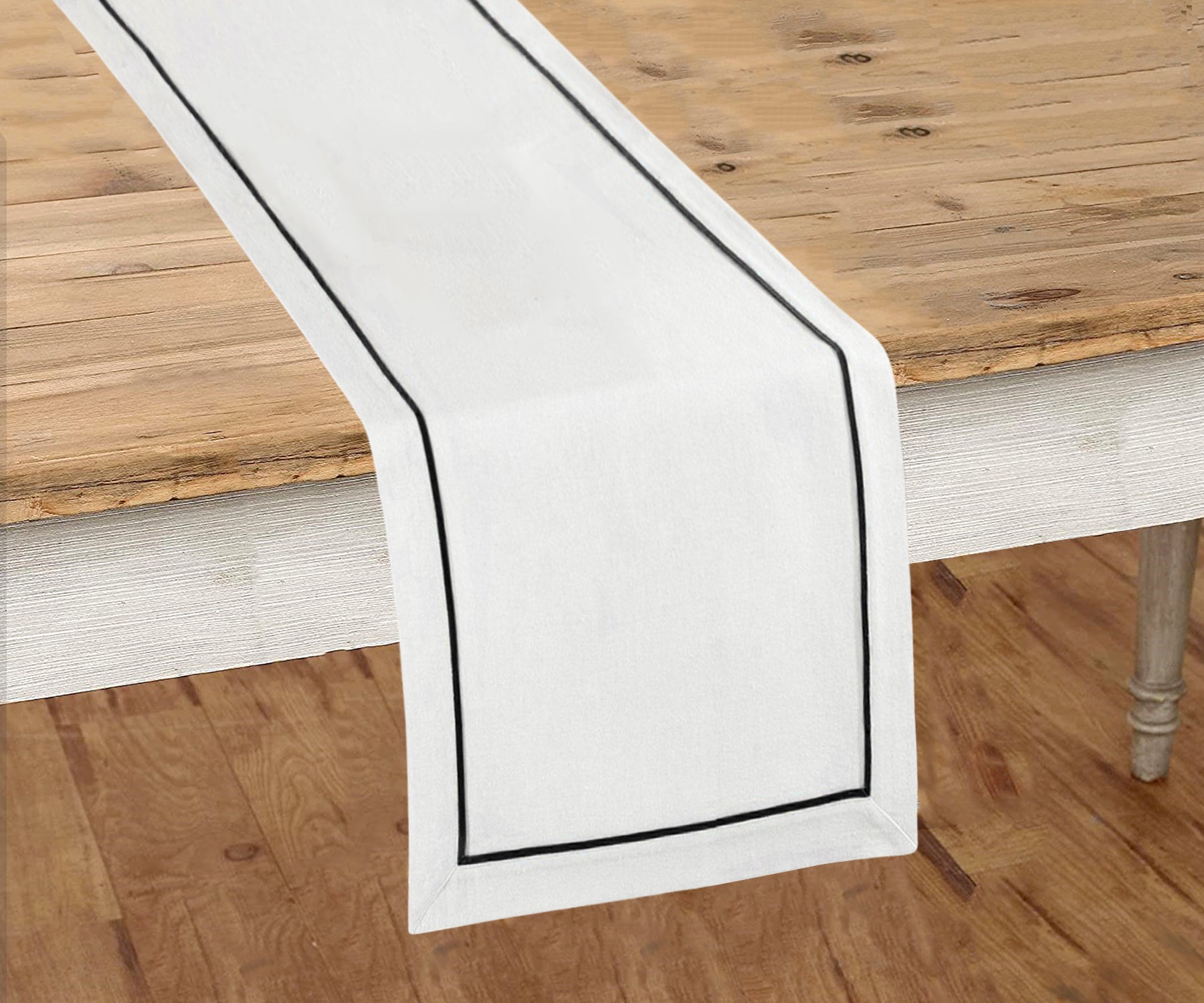
- Runner overhang: 6-10 inches past each end of the table
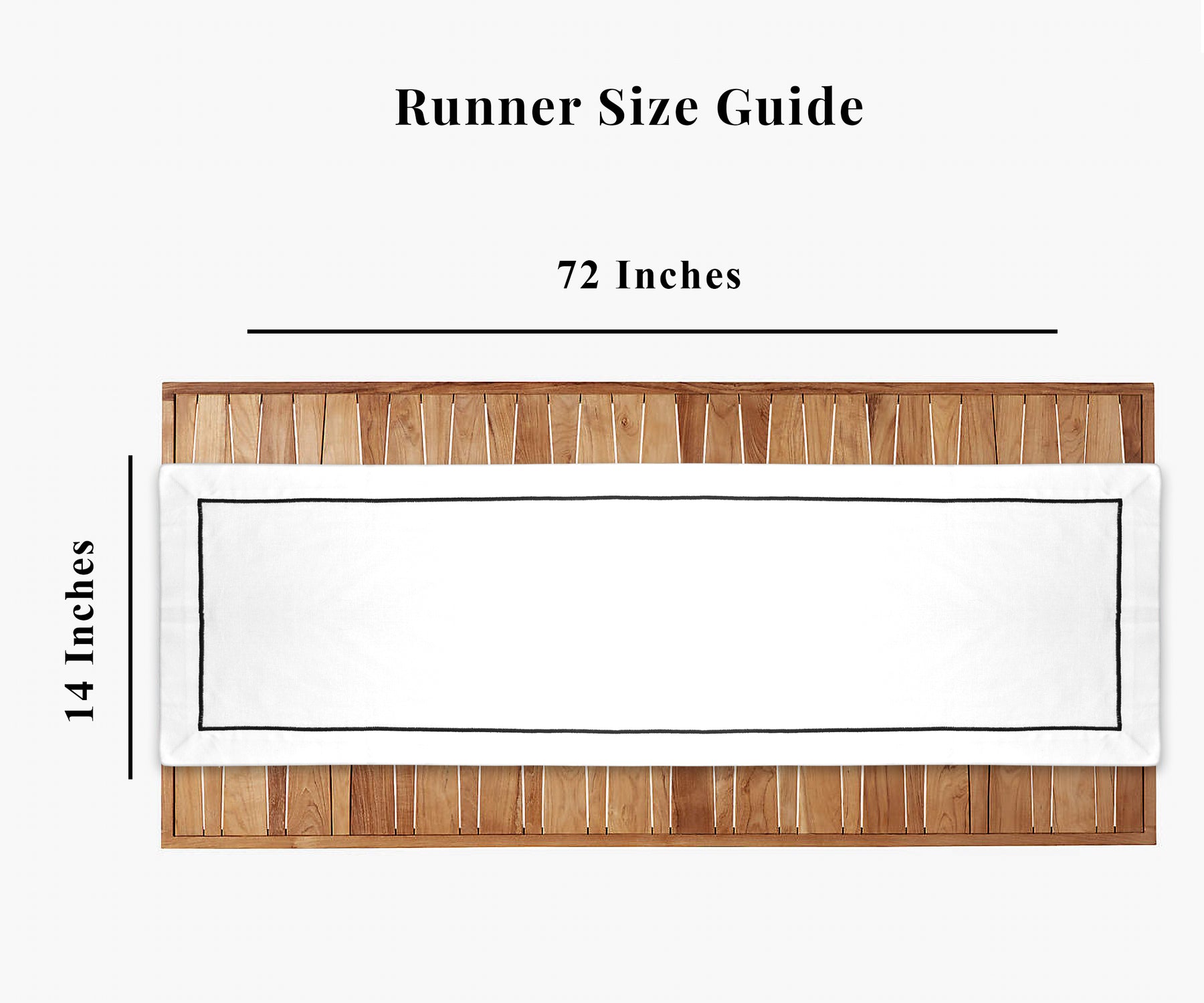
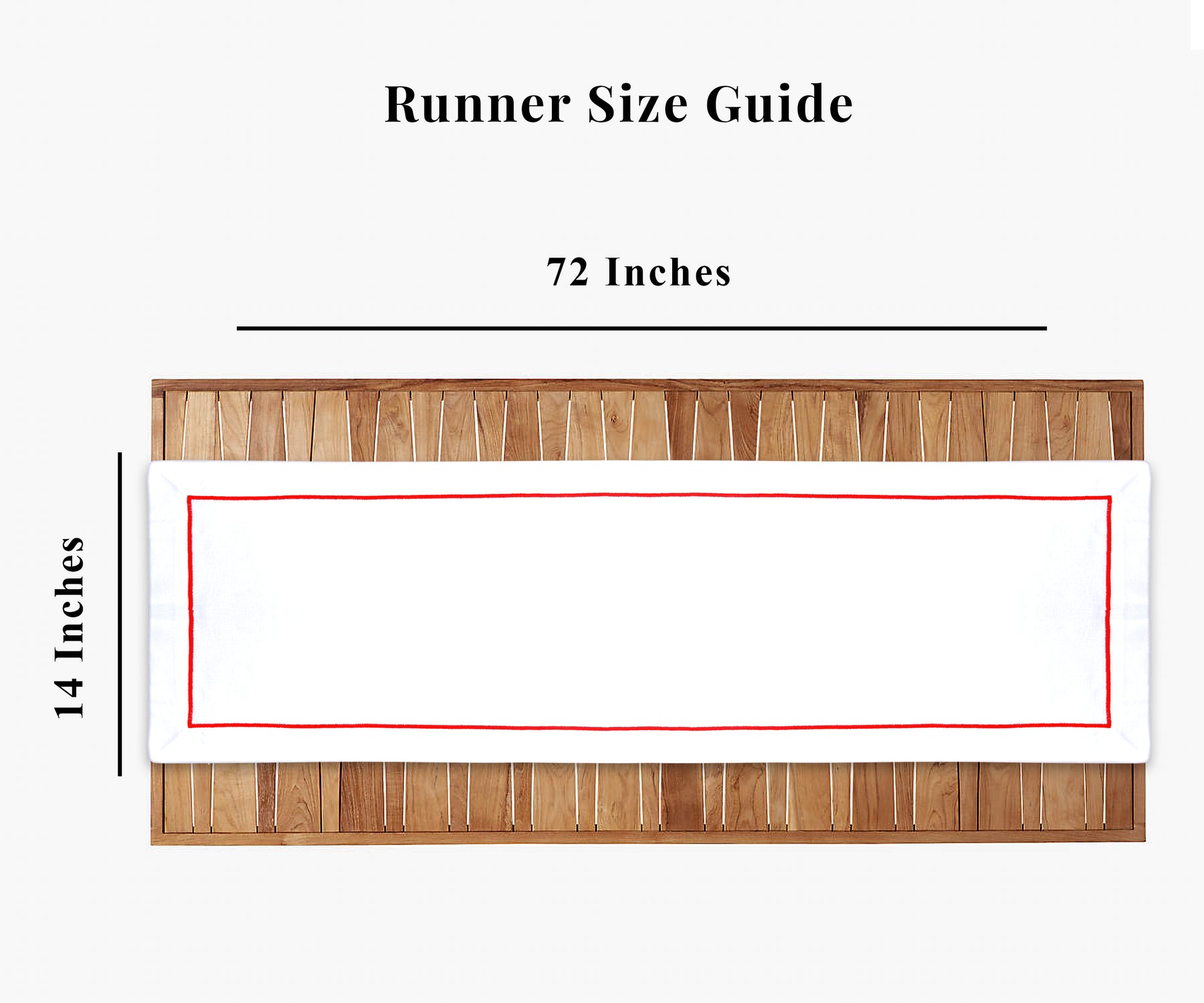
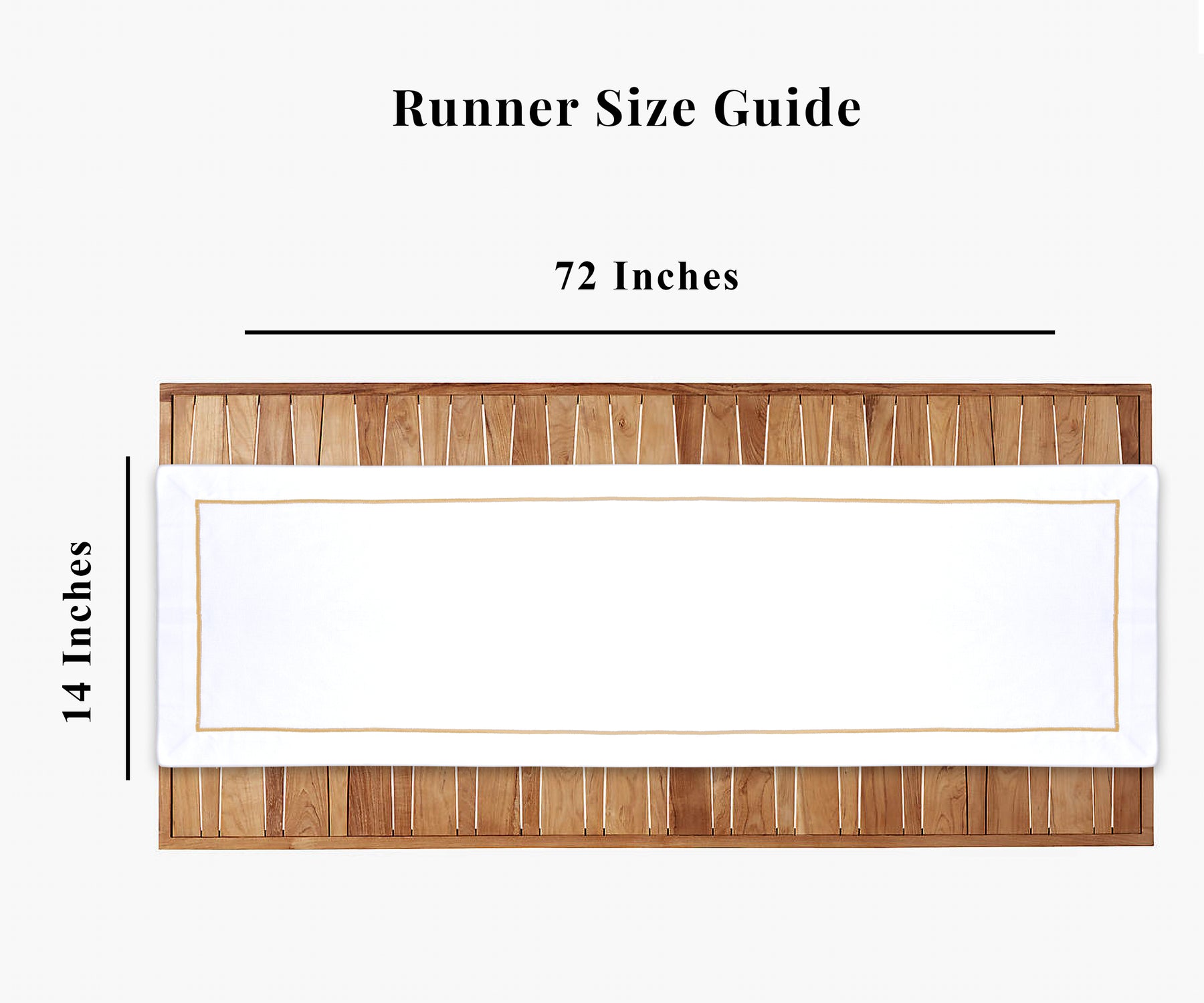
- Runner width: typically 12-16 inches
- Pair a solid tablecloth with a patterned runner, or vice versa — avoid two bold patterns together.

Table Runner vs. Tablecloth vs. Both: Which Should You Use?
|
Option |
Best For |
Look |
|
Tablecloth only |
Formal dinners, full table protection, hiding an older table |
Polished, traditional, fully covered |
|
Runner only |
Everyday meals, showing off a wood or farmhouse table |
Casual, textural, relaxed |
|
Both layered |
Weddings, holidays, dinner parties wanting extra depth |
Layered, dimensional, styled |
How to Layer a Table Runner Over a Tablecloth?
1. Lay the tablecloth on the table first and smooth out any wrinkles.
2. Choose a runner in a complementary color, fabric, or pattern.
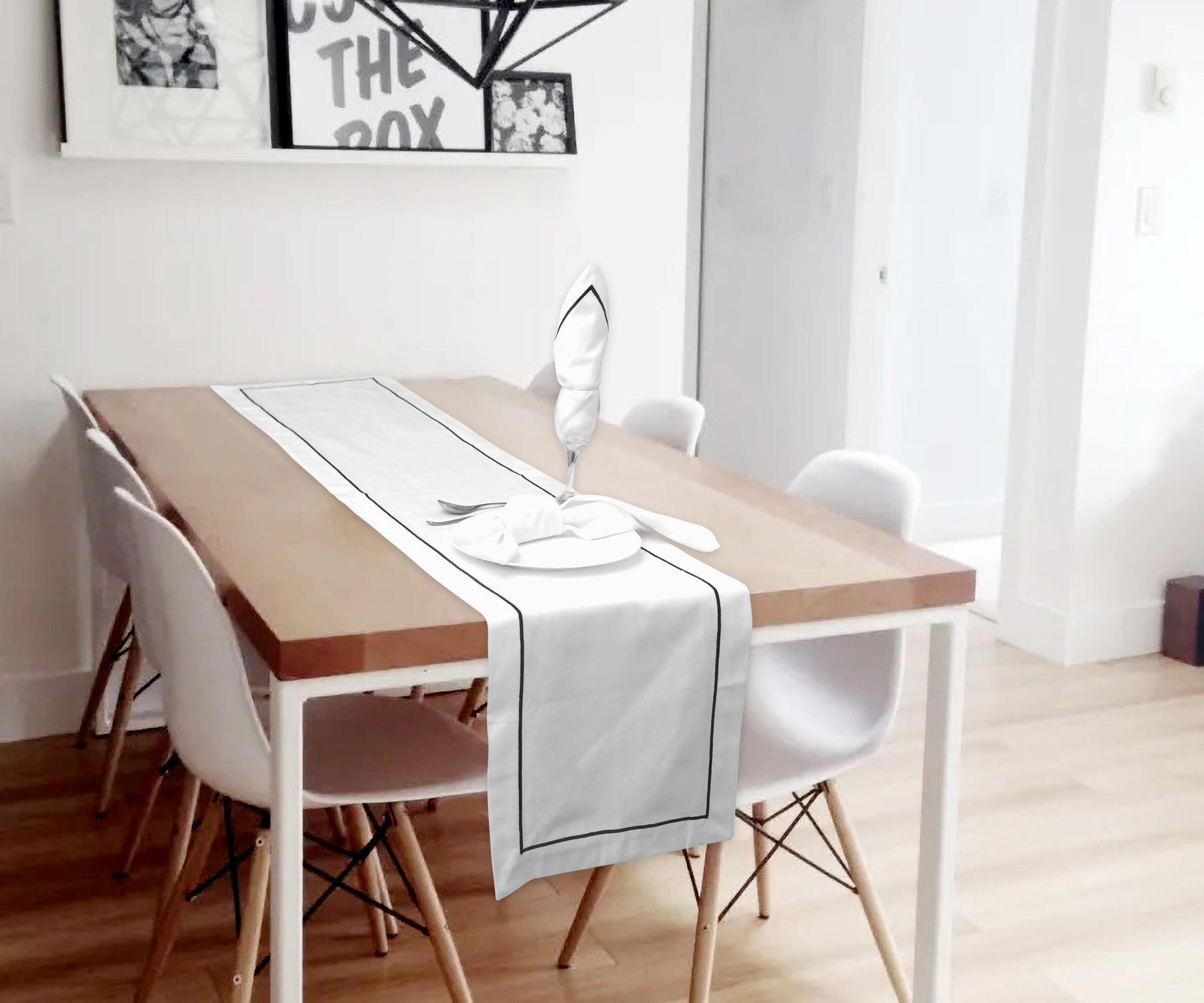
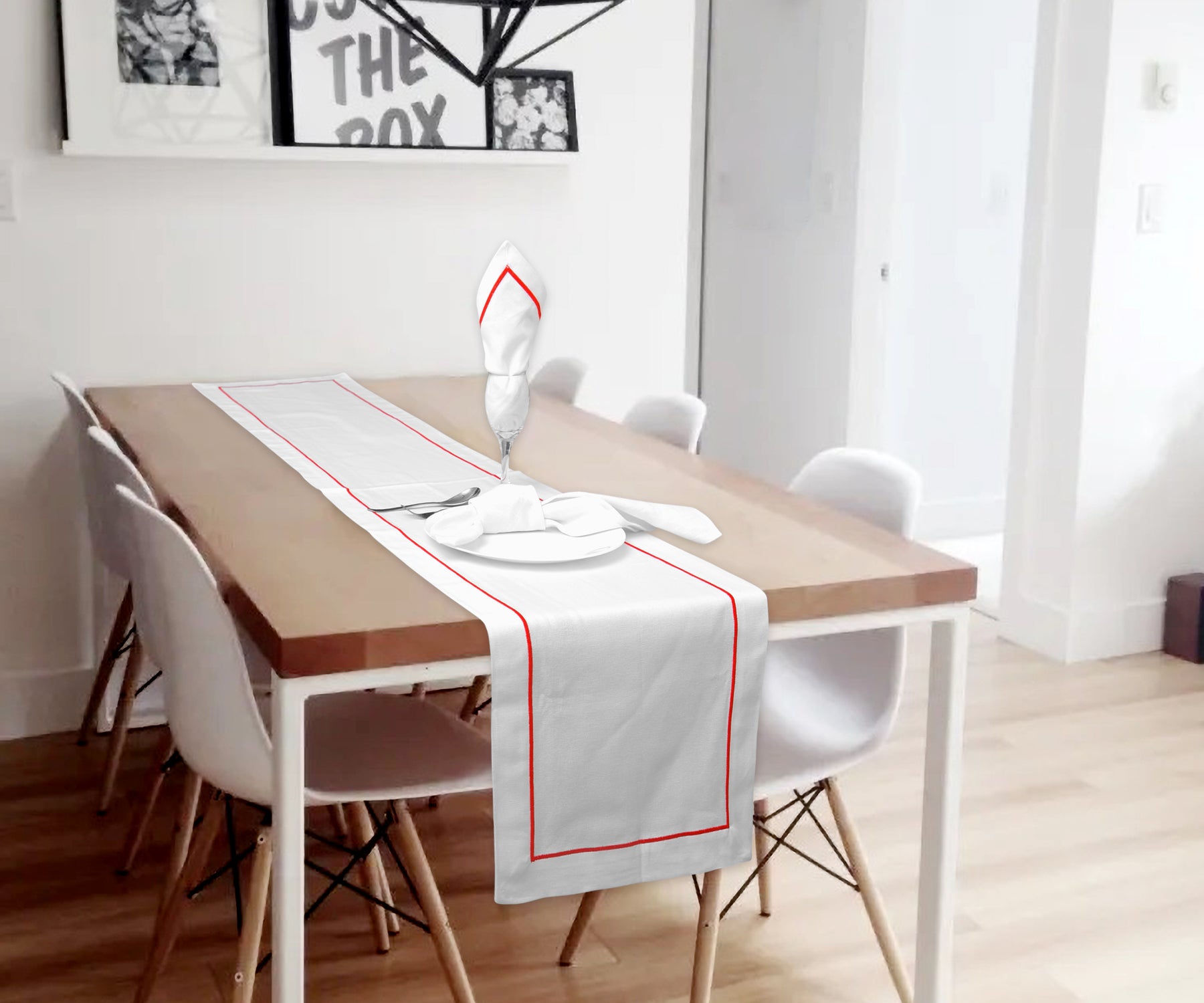
3. Center the runner lengthwise down the middle of the table.
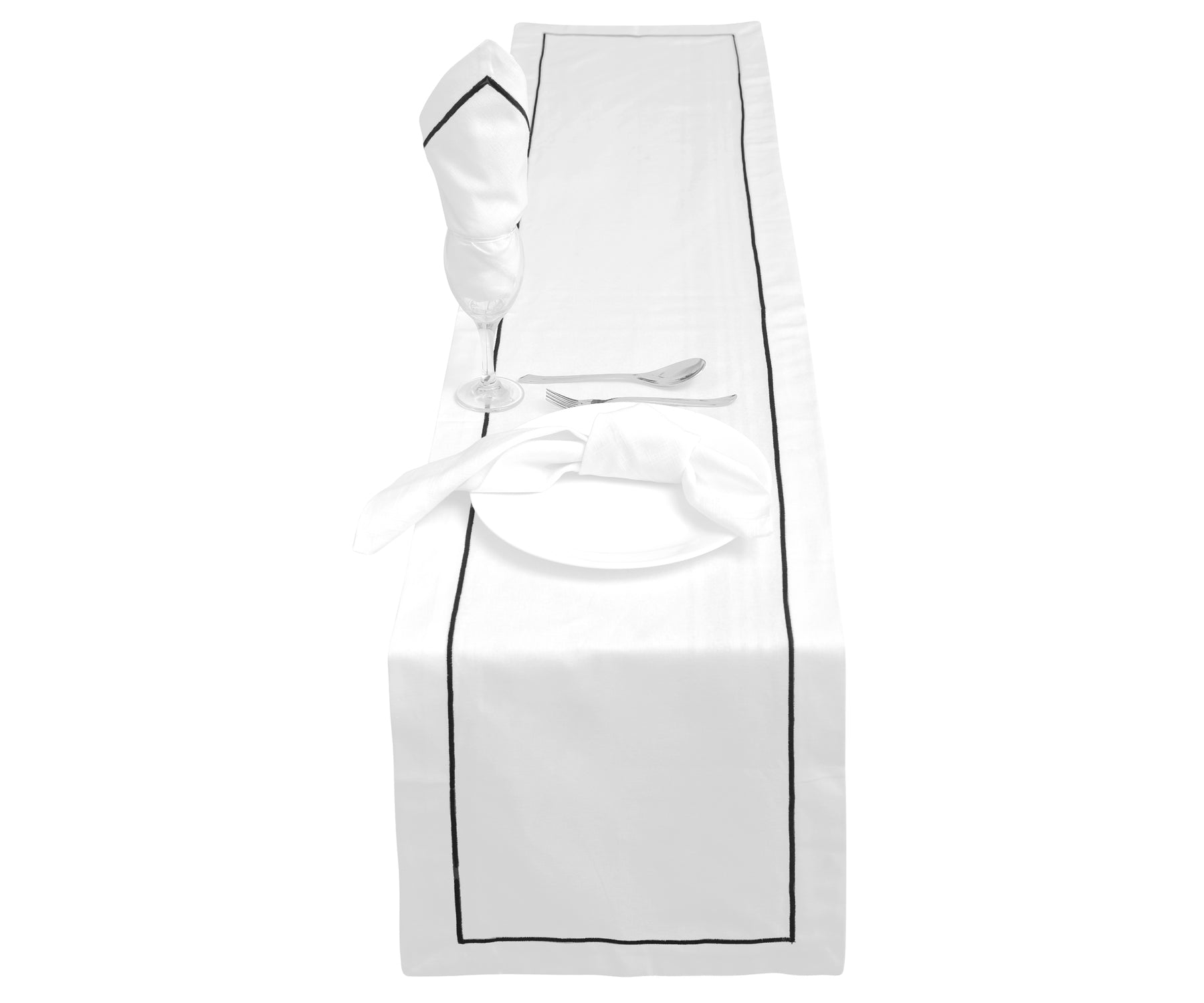
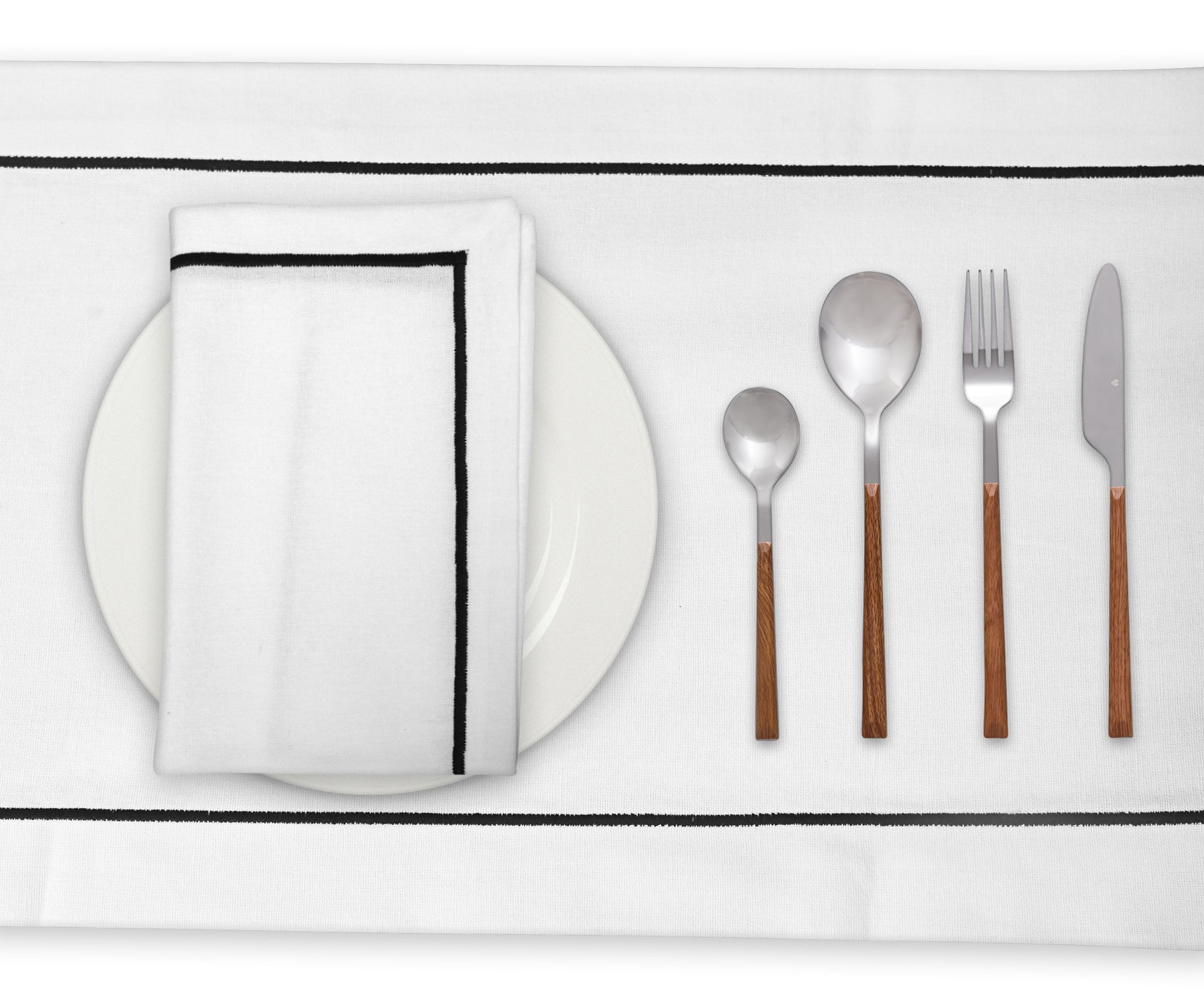
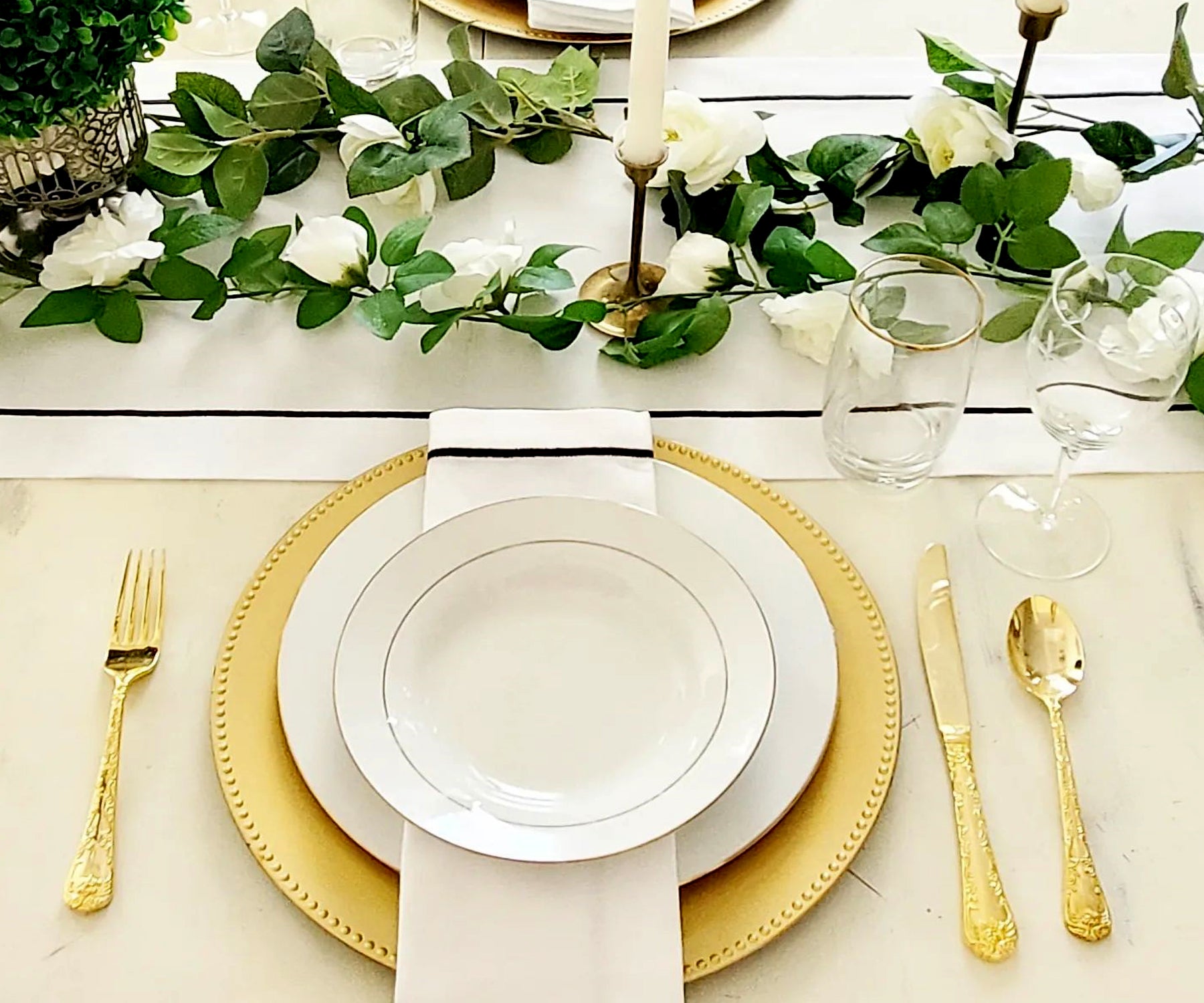
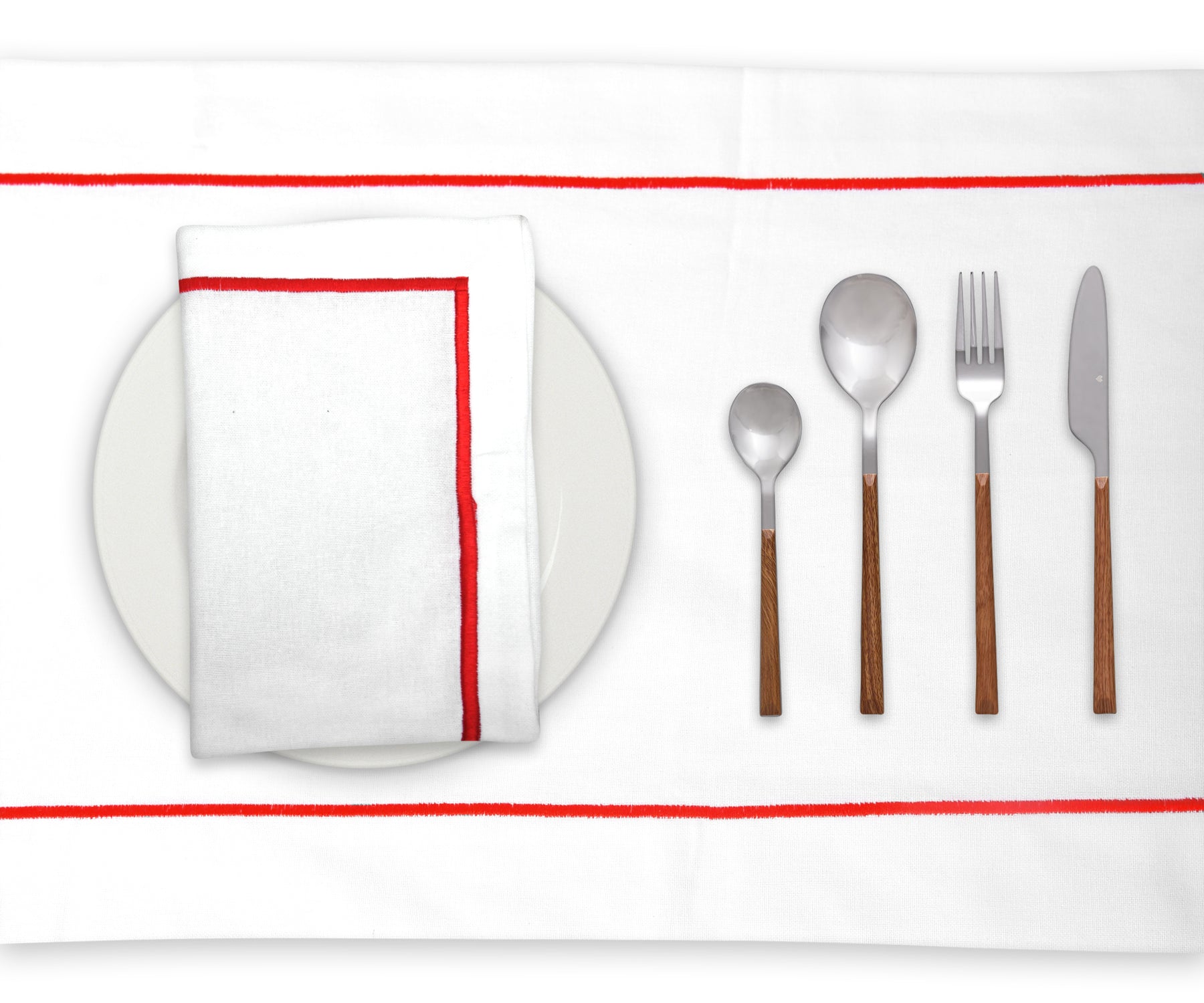
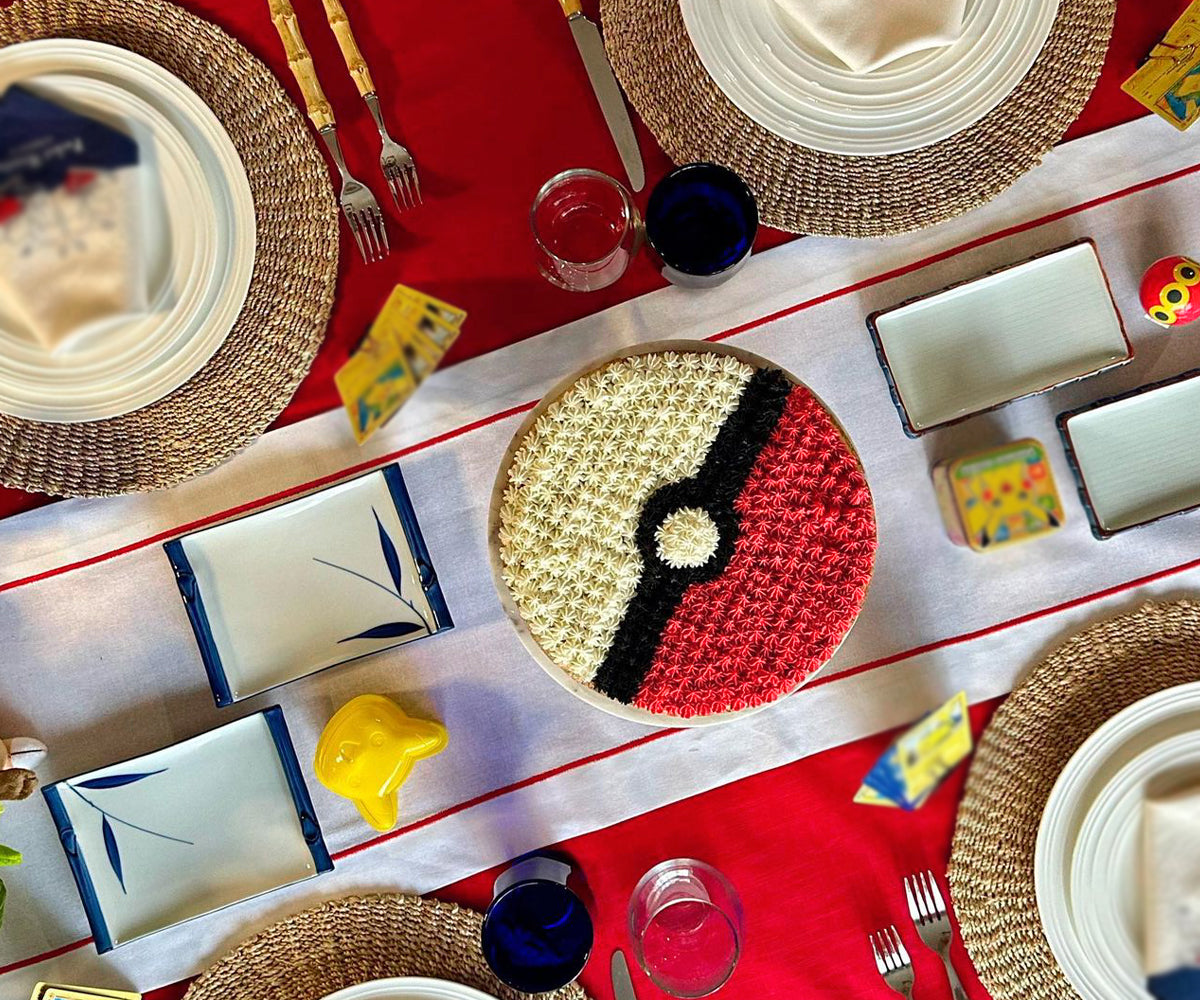
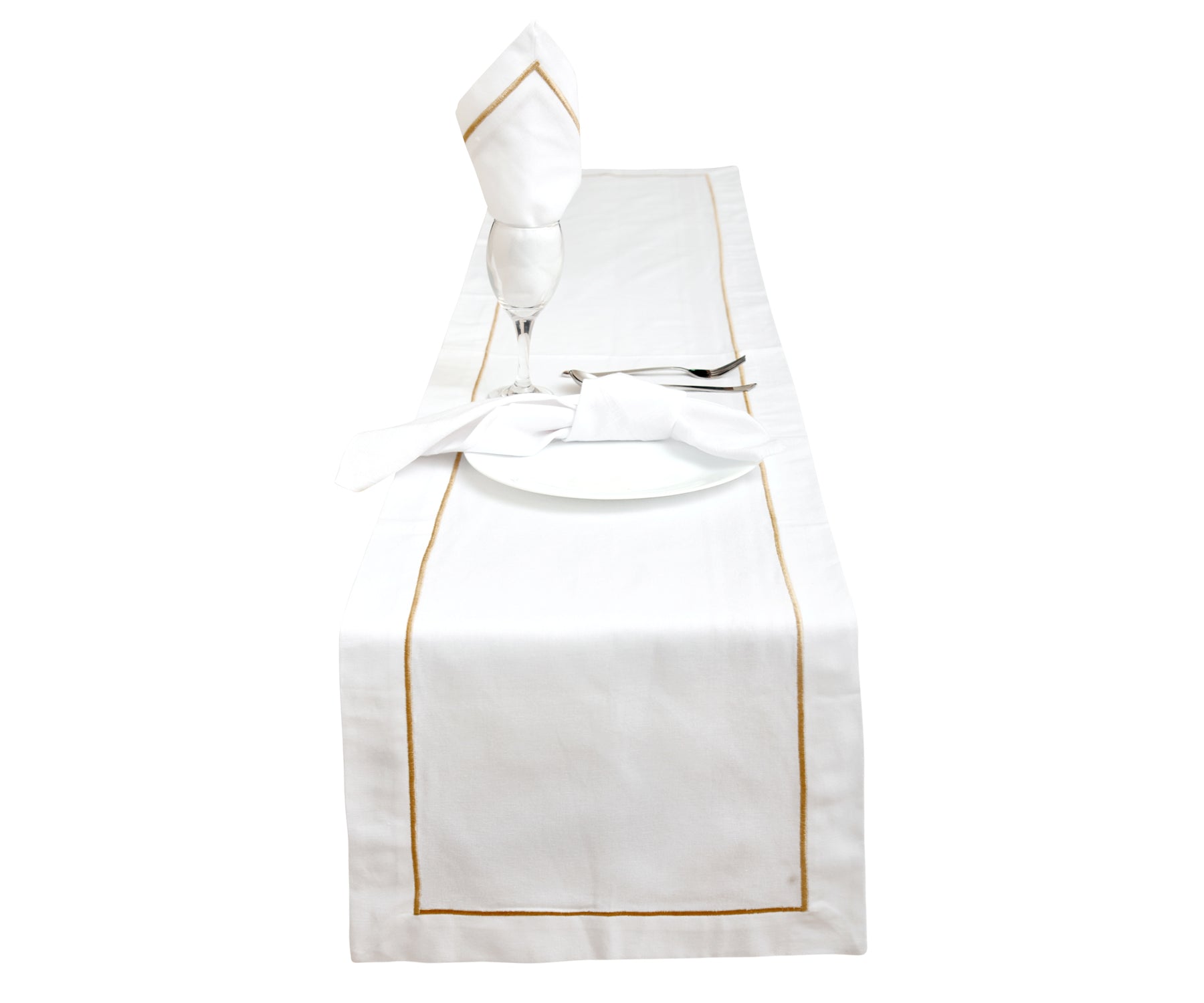
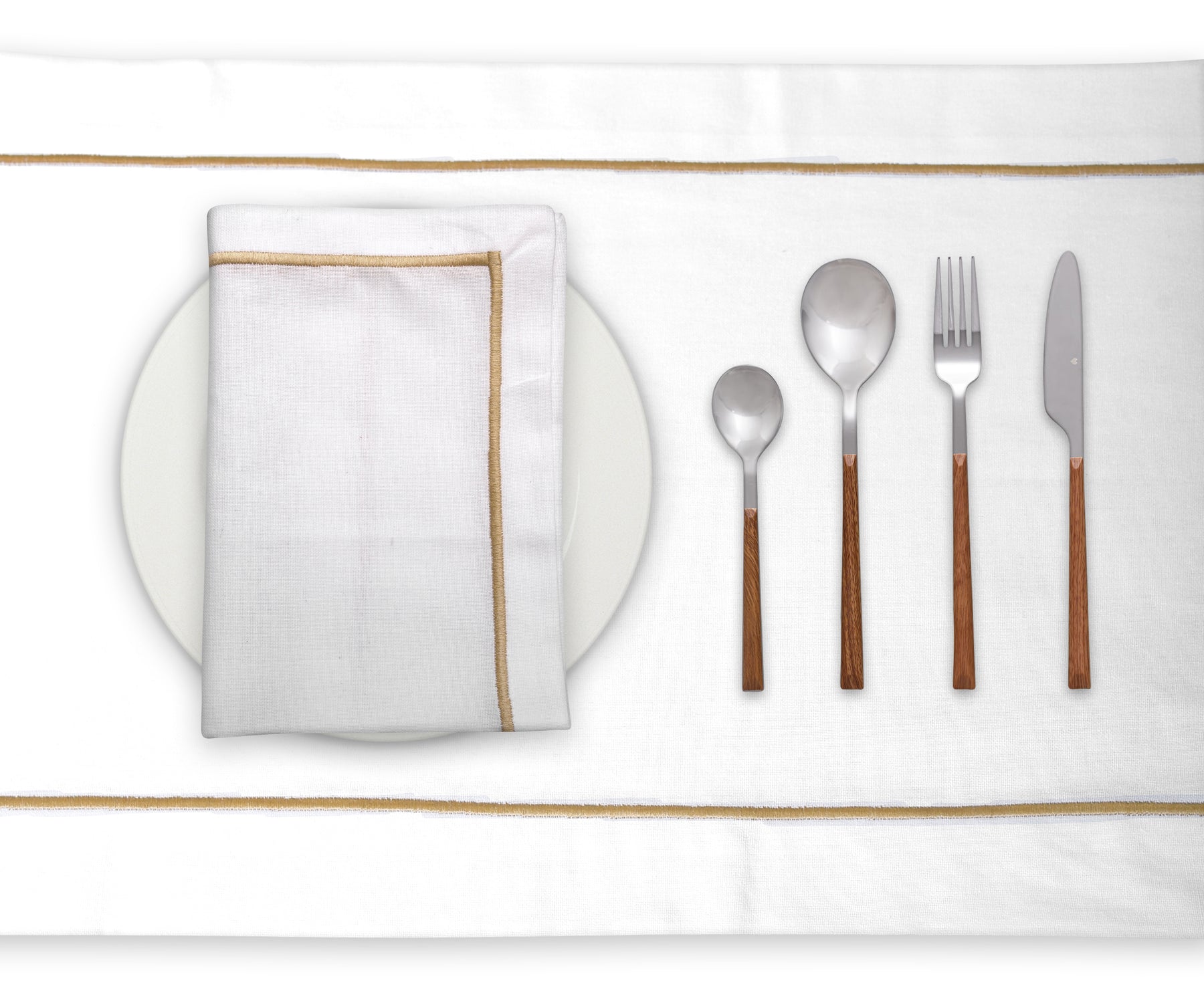
4. Add dinnerware, glassware, and flatware around the edges of the runner.
5. Finish with a low centerpiece so guests can still see across the table.

Should the Table Runner Be Longer Than the Tablecloth?
No. The runner should be equal to or slightly shorter than the tablecloth, since the tablecloth is the base layer. A runner that extends noticeably further than the tablecloth looks unbalanced; instead, let the runner hang 6-10 inches past each end for a clean, proportional finish.
Layering a Runner Over a Tablecloth on a Round Table
For round tables, either center one runner across the diameter with even overhang on both sides, or cross two shorter runners in an X pattern for a fuller, more decorative look — a popular styling choice for round wedding and event tables.
Choosing Colors, Textures, and Patterns
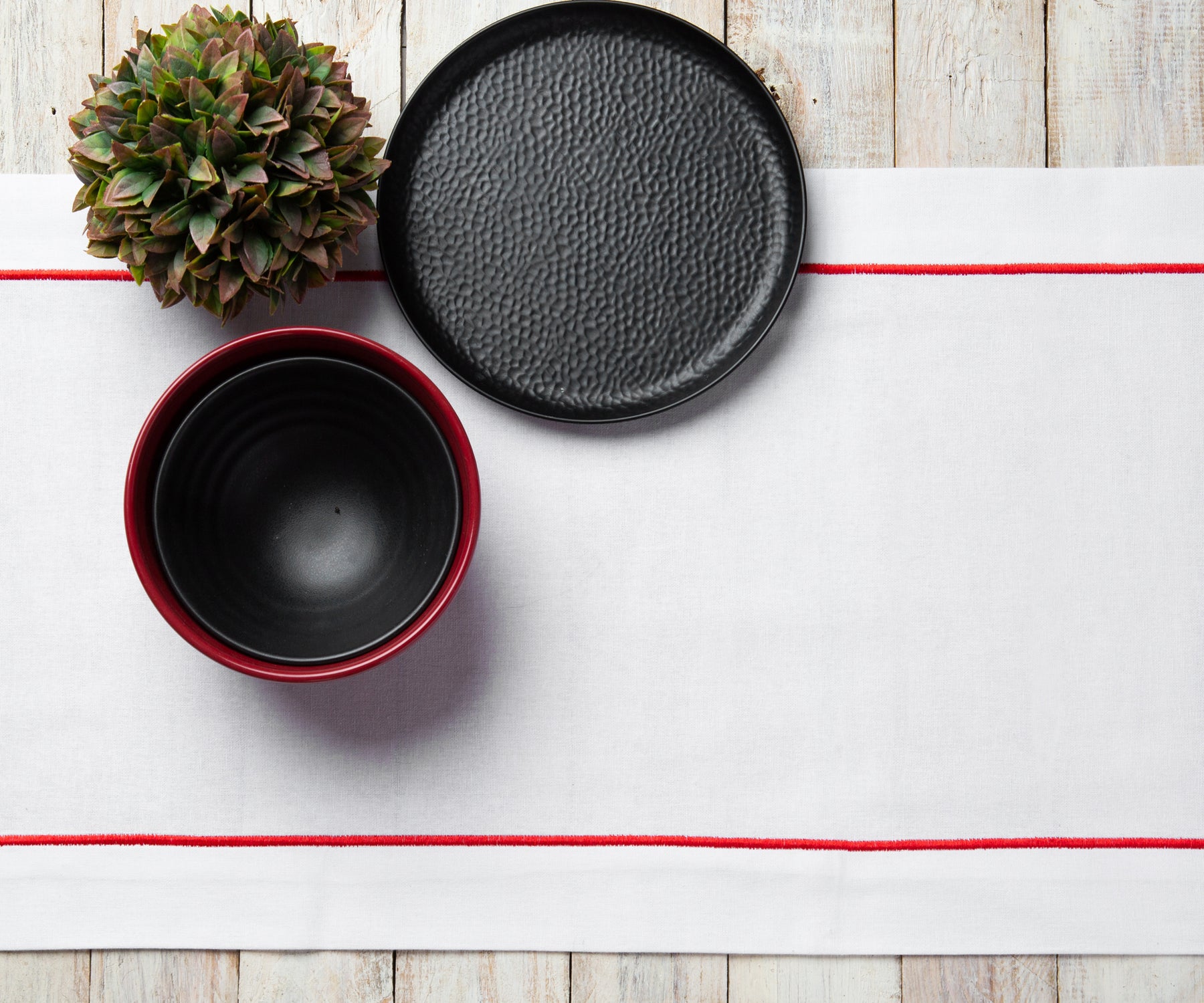
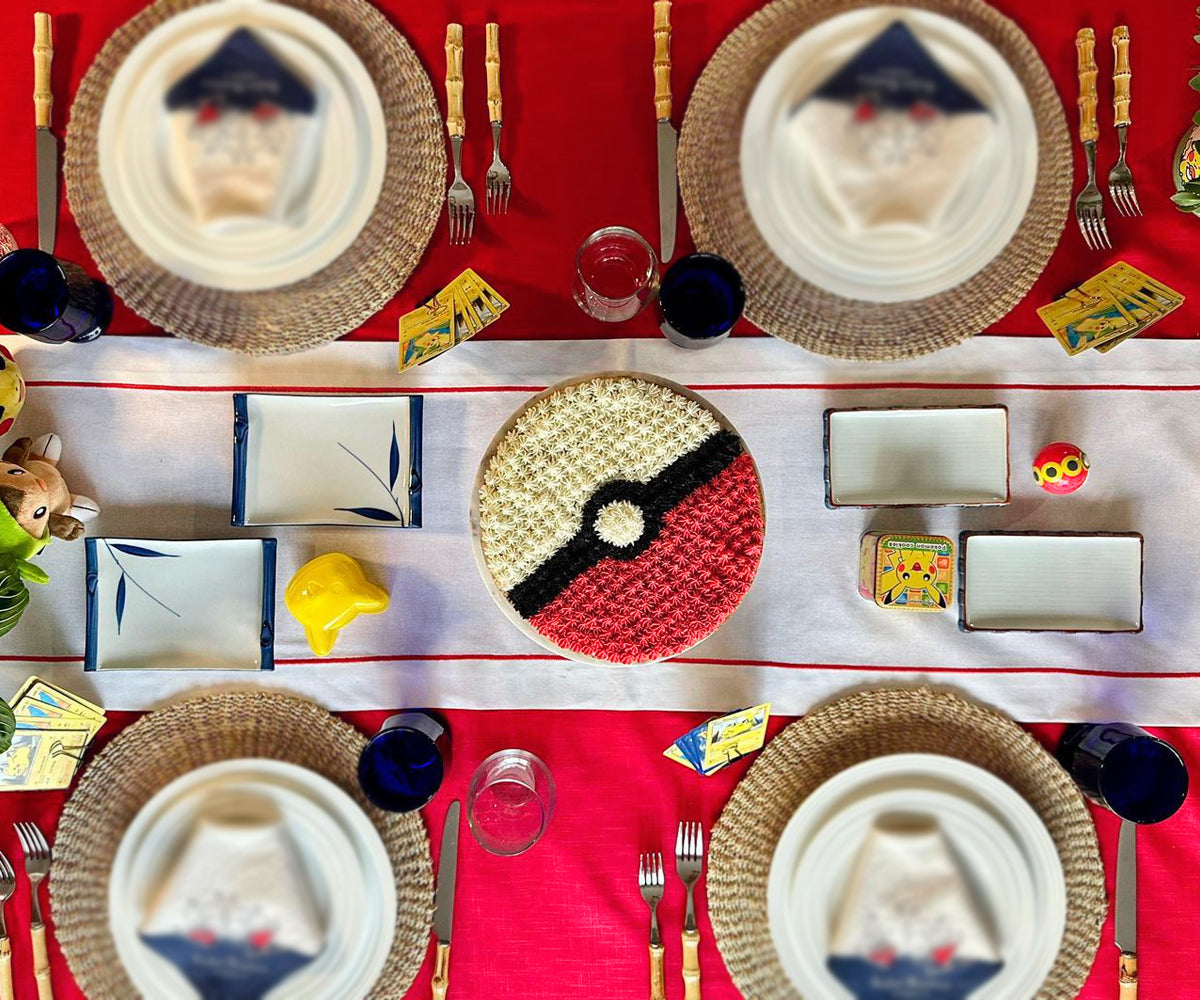
• Solid tablecloth + patterned runner: The most foolproof pairing — a plain linen or cotton base lets a striped, botanical, or seasonal-print runner stand out.
• Patterned tablecloth + solid runner: Pick a solid runner color that already appears in the tablecloth's pattern to keep the look cohesive.
• Mixing textures: A smooth cotton tablecloth with a nubby linen or burlap runner adds depth without adding more color or pattern.
• Avoid: Two heavily patterned pieces together — let one linen make the visual statement.

Do You Need Placemats With a Runner and Tablecloth?
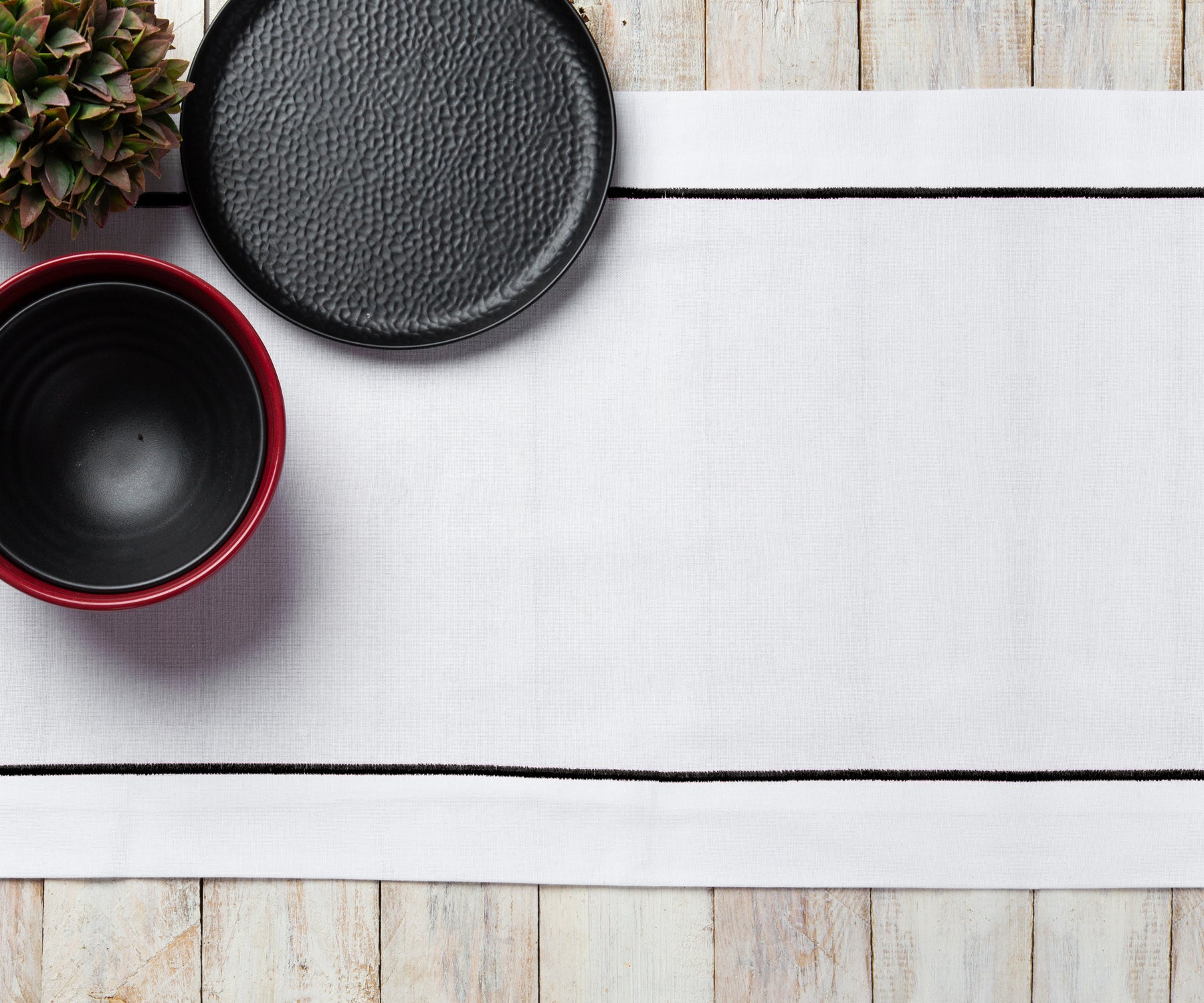
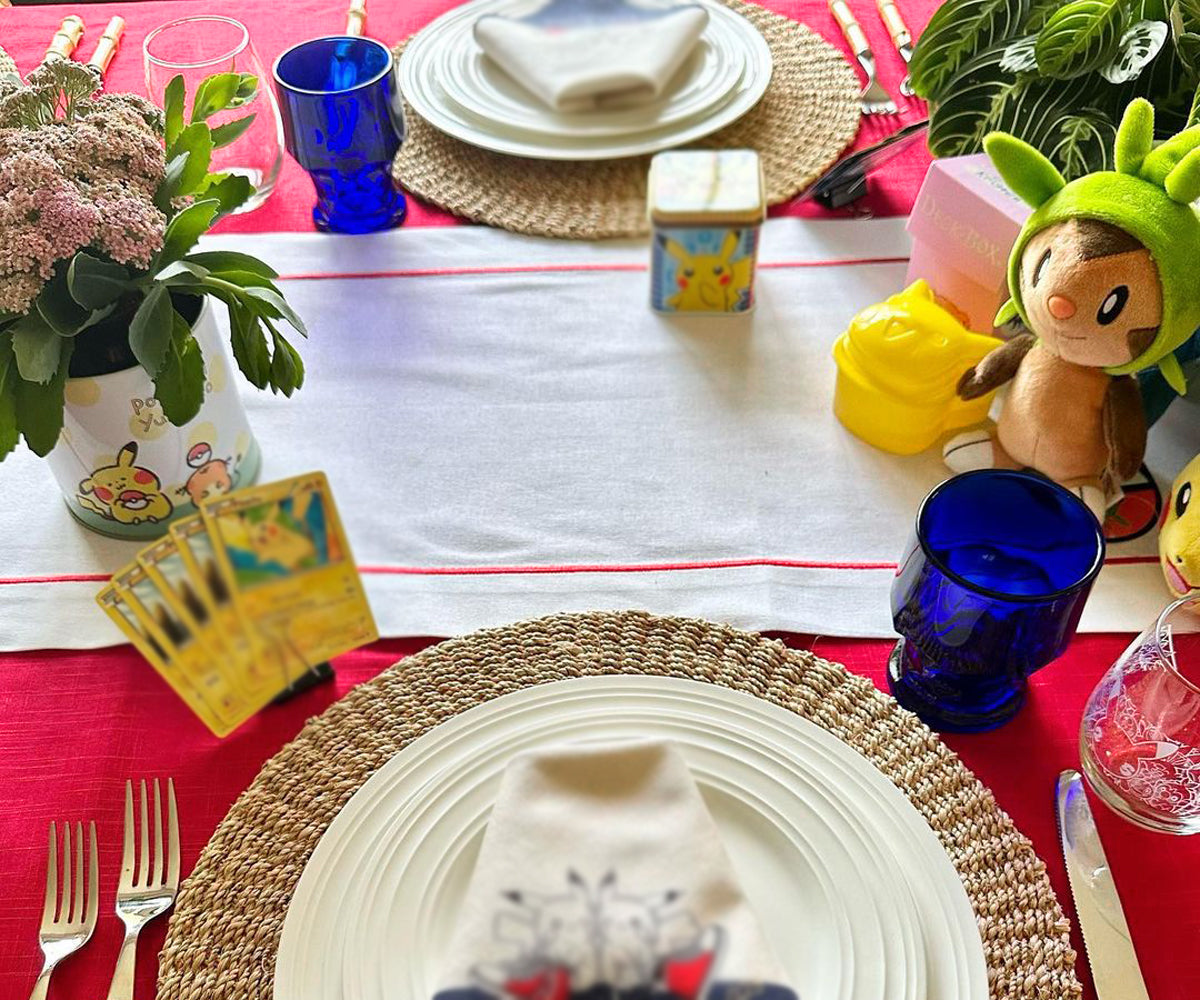
Placemats are optional but work well with a runner-and-tablecloth combination. Lay the tablecloth first, add the runner down the center, then place placemats on either side where guests will sit, keeping patterns to a maximum of one bold layer to avoid visual clutter.
Runner and Tablecloth Ideas by Occasion
• Everyday dining: Neutral cotton tablecloth with a light, easy-care runner in a solid or subtle stripe.
• Holiday tables: A white or ivory tablecloth layered with a seasonal-print or metallic-accent runner.
• Weddings and formal events: A crisp white or ivory tablecloth with a runner in the wedding's accent color, often paired with matching napkins.
Related Readings:
Modern Table Runners to Elevate Your Dinner Party (2026)
Modern Table Runner Guide: Benefits, Ideas and Styling Tips