
This guide covers every benefit of using a modern table runner, the best styles and materials for contemporary dining rooms, how to size and place one correctly, and how to coordinate it with placemats, napkins, and centerpieces.
What Is a Modern Table Runner and How Is It Different from a Tablecloth?
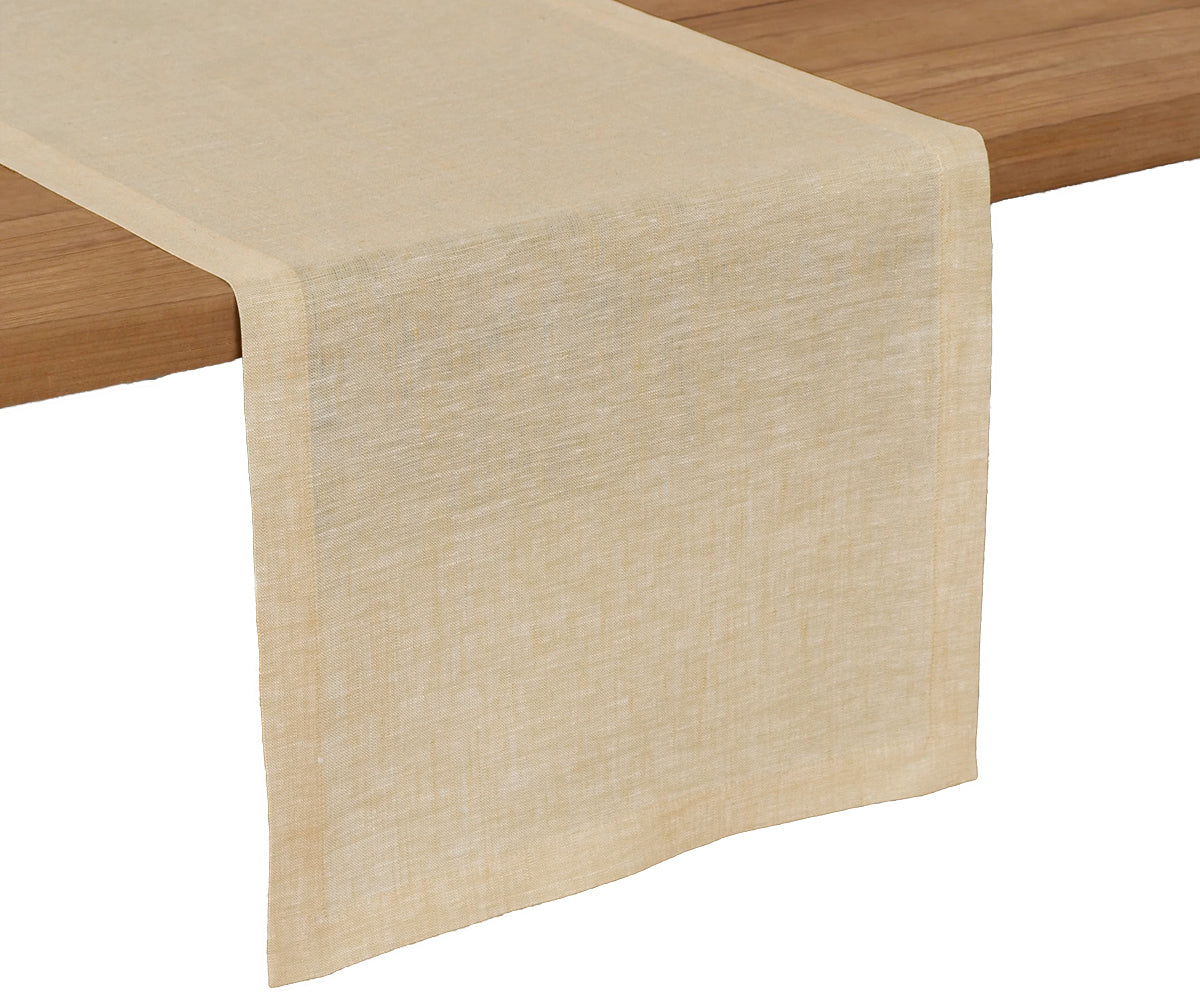
A table runner is a long, narrow strip of fabric placed along the center of a dining table, running the length of the table from end to end. It covers the central zone where centerpieces, candles, serving dishes, and condiments sit while leaving the sides of the table exposed. A tablecloth covers the entire table surface and drops over all four sides. A table runner covers only the center strip, typically 12–14 inches wide, and runs 12–18 inches past each end of the table (the "drop").

The difference in practice:
A tablecloth says formal. A table runner says contemporary. Using a runner instead of or in addition to a full tablecloth creates a layered, design-forward look that dominates current dining room styling. It also shows the table's natural surface wood grain, marble, and glass, which is increasingly the aesthetic choice in modern interiors, where the dining table itself is a design investment worth displaying.
Benefits of Using a Modern Table Runner
Does a Table Runner Actually Protect the Table?
Yes, and more selectively than a tablecloth. A table runner protects the center zone of the table from heat, moisture rings from serving dishes, candle drips, and surface scratches where items are placed and moved during a meal. For a high-quality wood or marble dining table, this targeted protection matters, as it covers the zone with the most activity without obscuring the table's surface entirely.
Does a Table Runner Make a Dining Room Look More Stylish?
Consistently, yes. A table runner creates a visual axis down the center of the table, a defined line that organizes the space and gives the eye a clear, horizontal anchor. This linear structure makes the table look set and considered rather than bare and functional. On a long rectangular table, particularly, a runner defines the table's geometry in a way that creates an immediate sense of occasion.
The runner also creates a defined zone for the centerpiece flowers, candles, and serving pieces to sit within, which makes even a simple arrangement look more intentional because it has a contained, deliberate context.
Is a Table Runner Easier to Use Than a Tablecloth?
Much easier. A table runner takes seconds to place and seconds to remove. It stores flat in a drawer without requiring the folding challenge of a full tablecloth. It washes more quickly than a full tablecloth. And because it doesn't cover the whole table, any spills that occur outside the runner zone don't touch it at all, meaning the runner stays cleaner between washes than a tablecloth would.
For everyday dining, this practicality is significant. A table runner that's out on the table every day, washed once a week with regular laundry, and stored flat in a drawer is a sustainable, low-maintenance table styling tool.

Can a Table Runner Work for Both Everyday and Formal Dining?
Yes, and this versatility is one of its primary advantages. The same linen or cotton table runner that sits on the table every day can be styled more formally for a dinner party with the addition of candles, a flower arrangement, and cloth napkins. The runner itself doesn't change; the surrounding styling does.
This adaptability makes the table runner a more cost-effective investment than seasonal tablecloths. One quality cotton or linen runner in a neutral or versatile pattern can serve the table across every occasion, from a Tuesday breakfast to a Christmas dinner, simply by changing what's placed alongside it.
Know About: Organic cotton and Linen: What's the difference?
What Makes a Striped Table Runner a Good Choice?
A striped table runner, especially one featuring classic French-inspired stripes in beige, cream, navy, or natural linen shades, is an easy way to bring character and warmth to a dining table. The simple pattern adds visual interest without overwhelming the space, making it a versatile choice for both everyday meals and special gatherings. Whether paired with modern dinnerware or rustic decor, striped table runners create a polished look that feels inviting and effortlessly put together.
French striped table runners in beige and cream, navy and white, or grey and white suit modern, Scandinavian, coastal, and farmhouse dining rooms equally. They coordinate with almost every tableware color and don't demand a specific seasonal context. A beige stripe runner is appropriate in January and July.

Best for: Everyday dining, modern and farmhouse interiors, coastal styling, year-round use.
Are Linen Table Runners Better Than Cotton?
Both have genuine advantages depending on the use:
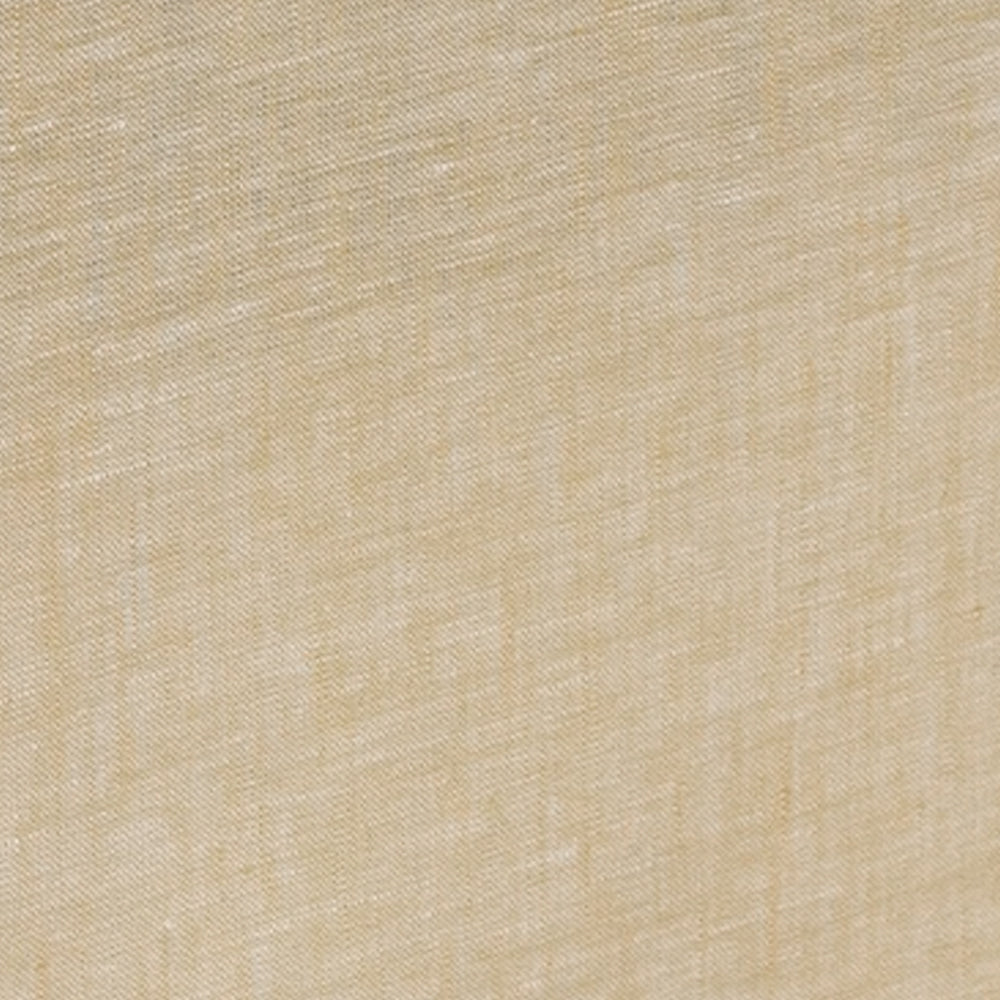
Linen table runners have a naturally elegant, textured appearance that reads as effortlessly refined. Linen drapes with a fluidity and weight that cotton doesn't match, particularly visible at the drop ends of the runner, where linen falls in smooth, organic folds. Linen runners improve with every wash, becoming softer and more beautiful over time. They suit formal and everyday dining equally and are the first choice for dining rooms where the runner is a permanent styling element.
Cotton table runners are softer from the first use, available in more patterns and colors (including gingham, buffalo check, embroidered, and printed designs), and slightly easier to care for. For households that rotate runners seasonally or by occasion, cotton's pattern variety and lower price point make it the more practical choice.
Cotton-linen blend runners are the middle ground between the texture and drape of linen and the softness and washability of cotton.
What Is a Hemstitched Table Runner and When Should You Use One?
A hemstitched table runner has a hand-finished decorative border along each long edge. Threads are drawn from the fabric's edge to create a delicate, lace-like detail that adds refinement without ornament. Hemstitched linen or cotton runners in white or natural are the most formal runner choice appropriate for formal dinner parties, holiday tables, and weddings, where the table is part of the occasion's visual presentation.
Best for: Formal dinners, holiday tables (Thanksgiving, Christmas), weddings, any occasion where refined detail matters.
Should You Choose a Printed or Embroidered Table Runner?
Printed table runners carry surface-printed patterns, botanical prints, geometric designs, seasonal motifs, or artistic designs. They are the most visually expressive runner option and suit eclectic, bohemian, and maximalist dining rooms where the runner is intended to be a focal point.
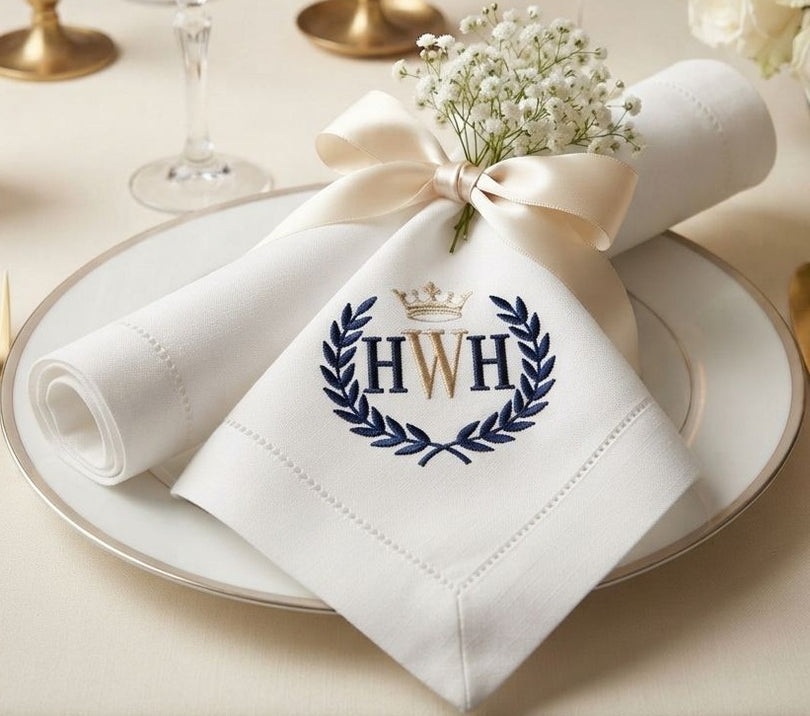
Embroidered table runners carry stitched motifs worked directly into the fabric, such as florals, geometric patterns, cultural designs, or monograms. Embroidered runners have a handcrafted quality that makes them decorative objects as much as functional textiles. They suit formal and special-occasion settings particularly well and are popular as wedding table runners.
What Makes a Burlap or Natural Fiber Table Runner a Good Modern Choice?
Burlap, jute, and natural fiber table runners have a raw, organic texture that suits farmhouse, rustic, and bohemian dining rooms. They're particularly popular for outdoor entertaining and event styling, weddings, garden parties, and harvest dinners, where the natural texture complements the setting.
Natural fiber runners don't machine wash (they're best wiped clean), which limits their everyday practicality. For decorative and event use, however, they're an impactful and affordable styling tool.
How Long Should a Table Runner Be?
Getting the length right is the most common table runner sizing question and the most important one.
The standard drop: A table runner should extend 6–12 inches past each end of the table. This "drop" creates the finished, draped appearance that makes a runner look intentional rather than short. The minimum drop that looks correct is 6 inches per end; 10–12 inches creates a more generous, formal drape.
How to calculate the correct length:
Table length + (2 × desired drop) = runner length
Examples:
-
60-inch table + 10-inch drop on each end = 80-inch runner
-
72-inch table + 12-inch drop on each end = 96-inch runner
-
96-inch table + 12-inch drop on each end = 120-inch runner
Common standard runner lengths and what they fit:
|
Runner Length |
Table Length (with ~10" drop each end) |
|
72 inches |
Up to a 52-inch table |
|
90 inches |
Up to a 70-inch table |
|
108 inches |
Up to an 88-inch table |
|
120 inches |
Up to a 100-inch table |
|
144 inches |
Up to a 124-inch table |
Width: Standard table runners are 12–14 inches wide. This covers the center zone adequately for a centerpiece and candles without encroaching too far into the place setting areas on either side.
How Do You Style a Modern Table Runner with Placemats and Centerpieces?
Can You Use a Table Runner and Placemats Together?
Yes, layering a table runner with individual placemats at each seat is one of the most popular contemporary table styling approaches. The runner defines the table's center zone; the placemats define each seat. Together, they create a complete, layered table setting without a full tablecloth.
How to layer correctly:
Place the runner first, centered down the table's length. Then position placemats at each seat, with the placemat extending toward the runner at the center and the edge of the placemat aligned with the table edge. Leave a small gap (1–2 inches) between the placemat and the runner edge. This allows both to read as distinct layers rather than a continuous coverage.

Color coordination:
The runner and placemats should coordinate the same color family, complementary tones, or related patterns without being identical. A natural linen runner with cream hemstitched cotton placemats. A navy stripe runner with solid navy or cream placemats. A beige and white runner with terracotta placemats. The runner leads; the placemats support.
What Centerpiece Works Best with a Modern Table Runner?
The runner creates a defined zone for the centerpiece, which means the centerpiece should sit within the runner's width and run parallel to it. This prevents the centerpiece from floating unanchored on a bare table while ensuring it doesn't overhang the place settings.
Centerpiece ideas that work with modern runners:
-
Candles in varying heights: Two or three pillar candles or taper candlesticks at different heights down the runner's center. Simple, elegant, and functional for evening dining.
-
A low floral arrangement: A long, low arrangement of seasonal flowers or dried stems running the length of the runner. Low enough that guests can see each other across the table during conversation.
-
A series of small objects: Three small bud vases with single stems, or a row of tea light holders, evenly spaced along the runner. Easier than a single large arrangement and often more visually effective.
-
Seasonal elements: A harvest arrangement of small pumpkins and dried leaves for autumn; a cluster of pine cones and berries for Christmas; fresh herbs in small ceramic pots for spring. The runner frames the seasonal display.

You May Also Like Beautiful Thanksgiving Tablecloths to Showcase Your Feast
How Do You Care for a Cotton or Linen Table Runner?
Washing:
Machine wash on a gentle cycle in cold or warm water (30–40°C) with mild liquid detergent. Both cotton and linen runners machine-wash well. Treat spills promptly by blotting (don't rub), then rinse with cold water before machine washing. For linen runners, avoid bleach and fabric softener; both degrade the flax fiber.
Drying:
Air dry flat or tumble dry on low heat. Remove from the dryer while slightly damp for both cotton and linen. Over-drying causes stiffness in linen and can cause minor shrinkage in both fabrics.
Ironing:
A quick press while damp transforms both cotton and linen runners, particularly hemstitched or formal designs where a crisp finish matters. Iron cotton on medium heat; linen on medium-high with steam. Iron in the direction of the weave for a smooth result.
Storage:
Fold loosely and store flat in a drawer or linen cupboard. Avoid tight folding that creates permanent crease lines along the fold. For long-term storage, roll around a cardboard tube to prevent creasing entirely.
Overview
A modern table runner is the most versatile, practical, and immediately impactful dining table accessory available. It protects the table's center zone, creates a visual axis that makes every table look styled, defines the centerpiece space, and coordinates with placemats and napkins to build a complete contemporary table setting, all without covering the table surface, which makes many modern dining tables worth looking at.
The right table runner can instantly elevate your dining space while adding texture, color, and personality to your table. Linen runners are a great choice for everyday use thanks to their durability, natural texture, and ability to look better with time. For seasonal decorating or patterned designs, cotton and cotton-linen blend runners offer versatility, softness, and easy care.
To achieve a balanced look, choose a runner that fits your table properly, allowing a 12–20 inch drop at each end. Pair it with coordinating placemats, dinnerware, and simple centerpieces such as candles, fresh greenery, flowers, or seasonal accents to create a welcoming table setting.
Whether you prefer classic linen, striped cotton, or versatile cotton-linen blends, All Cotton and Linen offers table runners designed for everyday dining and special occasions alike. Explore our collection to find styles, colors, and sizes that complement your home and help create memorable dining experiences for family and guests.