
How to Fold a Napkin Into a Pocket Simple & Easy Guide
Pocket napkins can add elegance, order, and sophistication to a table. They can contain silverware, menu cards, name tags, or other small items and decorate the table in a simple yet refined manner. Whether it is a family dinner, wedding, or a holiday gathering, pocket napkins provide a unique personalization to each guest.
The good news is that anyone can make pocket napkins for their event without advanced sewing skills. One can attach a pocket to a crocheted or fabric napkin or create a pocket napkin fold from a square piece of cloth. This beginner-friendly guide will discuss both pocket napkin styles.
What Are Pocket Napkins?
A pocket napkin is a type of cloth napkin that has been created in such a way that it has a pocket, which can be used to store various table accessories. The pocket can be formed by a separate piece of fabric, which is usually sewn on one side of the napkin, or it can be made by folding the napkin.
Pocket napkins are multifunctional and elegant as they can store forks, knives, and spoons or hold menu cards, place cards, favors, or holiday decorations.
They are beneficial for:
-
Wedding and reception tables,
-
Holiday and Christmas dinners,
-
Birthday and dinner parties,
-
Outdoor barbecues and picnics,
-
Restaurant and buffet settings,
-
Everyday tables.
If you want to set the table simply and elegantly, but still want it to look festive and attractive, a pocket napkin is an excellent idea.

Why use a pocket napkin?
A nicely folded napkin can serve as another way to personalize each place setting. The pocket provides storage for utensils and gives a neater appearance to the table.
Here are some ideas of how you can use pocket napkins creatively:
Hold Silverware
Put a fork, knife, and spoon in the pocket to keep them together. It is especially convenient for buffets, outdoors, and barbecues.
Display Menu Cards
For weddings or dinner parties, insert a small card with the menu into the pocket so that each guest can see what is on it.
Add Place Cards
A folded or sewn pocket can easily hold a guest's name card, so you can set up a nice seating arrangement.
Include Small Favors
The small pocket can also be used to tuck a small treat, such as a chocolate, hand-written note, seeds, or other light party favor.
Deciding on the Right Fabric for Pocket Napkins
The fabric you choose has an effect on how the napkin looks, folds and holds. Cotton linen napkins are popular fabrics used for table napkins and both have their strong points.
Cotton Napkins
Cotton napkins are a natural fiber that feels soft against the skin. It is perfect for everyday use as well as for special occasions. In addition, it is easy to look after: just machine wash and iron at a low temperature, and the dish towel will look good as new.
Linen Napkins
Linen napkins have a more rustic appearance, so linen napkins are great for creating an ambiance of a formal dinner or a country wedding. This fabric gets softer with each wash and is as comfortable as a cotton dish towel.
Cotton-Linen Blends
A cotton-linen blend combines the best qualities of both fabrics. It's soft and durable, yet airy enough to feel relaxed.
For a pocket napkin that needs to hold silverware, or the look of a crisp fold, choose a fabric with enough body to hold the shape, or try pre-washed or pre-hemmed napkins that will save the labor.
See our online selections at All Cotton and Linen for cotton table napkins, or linen napkins, respectively.
What size pocket napkin should you get?
Depending on the occasion, you may need different sizes of pocket napkins. The following table indicates the most common sizes and their best use:
|
Napkin Type |
Typical Size |
Best for |
|
Dinner Napkin |
18 x 18 inches |
Dinners, weddings, formal tables |
|
Luncheon Napkin |
14 x 14 inches |
Lunches and casual gatherings |
|
Cocktail Napkin |
10 x 10 inches |
Drinks and appetizers |
|
Buffet/ Pocket Napkin |
18 x 18 inches |
Silverware, buffets, and events |
An 18 x 18 finish size is perfect for pocket folding, giving you enough room to fold the pocket napkin without compromising the size on the plate. These dimensions also give you enough space to create an elegant presentation. If you are making your pocket napkins, consider that you will need more fabric due to the hems.

Materials You Will Need to Sew a Pocket Napkin
To make a permanent pocket napkin, you will need the following supplies:
-
Cotton, linen, or cotton-linens fabric.
-
Matching sewing thread.
-
A sewing machine.
-
Fabric scissors or a rotary cutter.
-
A ruler or tape measure.
-
Straight pins or sewing clips.
-
An iron and an iron board.
-
A fabric marker or tailor’s chalk.
Before cutting your fabric, if you are making more than one pocket napkin, you will need to wash and dry your fabric to ensure that there will be no shrinkage after you have finished sewing your pocket napkins.
How to Make Pocket Napkins?
Constructing a sewn pocket napkin is a beginner-friendly sewing task. Once you have your materials gathered, follow the simple steps below.
Step:1 Cutting the Main Napkin Material
To create an 18 x 18 napkin, cut a 20 x 20 piece of fabric. The extra room will allow you to finish the hems of the napkin. Make sure to measure the pieces of fabric before cutting out the desired amount. Repeat this step for however many napkins you would like to make.
The next thing you need to do is cut out a piece for the pocket. Cut a piece of fabric that is approximately 10 x 7.
Step 2: Finishing the Pocket
Take the piece of fabric with the pocket and fold the top edge of the pocket down about a half-inch. Fold it once more so it is a double-fold. Press the fold down with an iron, then pin. Stitch across the folded edge, using a straight stitch. This will be the opening of your pocket.
Step 3: Hem the Napkin
Lay the main napkin fabric flat and fold each side in toward the center about half an inch. Then fold each side in again to make a double-fold hem. Pin or clip along all four sides and sew.You can leave the stitching as is, or try something more decorative.
Here are a few options:
-
Straight stitch
-
Zigzag stitch
-
Blanket stitch
-
Scalloped stitching (For holidays or special tables.)
Step 4: Position the Pocket
Lay the finished napkin flat and put the pocket piece on the lower part of the finished napkins.
Center it towards the lower right corner or more to the middle, depending on the design you want. Leave the top edge open and pin the other three edges in place.
Step 5: Sewing Pocket in Place
Using a sewing needle and thread, sew the left, bottom, and right sides of the fabric. Ensure that the stitches are close to the edge but still firm enough to hold the pocket in place.
The top part should not be sewn since it will be used to hold utensils, cards, or any other items necessary for a picnic.
Make sure to reinforce the top ends if it will be used to carry heavier objects such as cutlery.
Step 6: Press and finish
Press the finished napkin with an iron to remove any wrinkles and give it a nice crisp finish.Trim any loose threads and check the seams. And now you have a pocket napkin handmade just for you!

How to Fold a Napkin Into a Pocket Without Sewing
Don't have a sewing machine? That's fine. You can make a pocket napkin fold with just a square cloth napkin. It's easy enough that you can throw it together at the last minute, but still looks nice enough for a proper dinner party if you want it to.
Here are the steps of how to fold a napkin into a pocket:
Step 1: Lay the Napkin Flat
Put down your square of cloth in a nice, clean place. Get rid of any wrinkles so that your finished napkin will look neat.
Step 2: Fold the Napkin in Half
Now take the bottom edge and fold it up towards the top and make sure the top and bottom edges line up with each other. You should end up with a rectangle.
Step 3: Creating the Top Fold
Take your top layer and fold it down towards you (approximately 1/3 of the way). Make sure to crease the fold with your fingers.
Step 4: Turning your Napkin Over
Now turn your napkin over. Take care in doing this.
Step 5: Fold the Sides
Take one third of the right side and fold it towards the center.
After that, we want to fold the left third over the right one, trying to keep everything symmetrically placed for a nice pocket at the end.
Step 6: Turn It Over Again
Turn the napkin over one more time.
It should look like an open pocket on the front.
Step 7: Add Your Silverware
Slide your fork, knife, and spoon into the pocket. You can also add a mini menu card, a name tag, or something decorative. And that's it! Your pocket napkin is all set for the table.
This pocket napkin fold is so quick to make, it can usually be done in just a couple of minutes, making it a great option when setting multiple place settings.
Sewn Pocket Napkin vs Folded Pocket Napkin Compare and Contrast
The decision between the two presented options may be challenging for some but considering the benefits of each, one should be able to make the right choice.
|
Feature |
Sewen Pocket Napkin |
Folded Pocket Napkin |
|
Sewing required |
Yes |
No |
|
Reusable Design |
Yes |
Yes |
|
Preparation Time |
Longer |
Very quick |
|
Holds Silverware |
Excellent |
Good |
|
Best For |
Events and regular use |
Quick table styling |
|
Customization |
High |
Moderate |
|
Skill Level |
Beginner sewing |
Beginner |
It may be concluded, based on the comparison provided above, that sewn pocket napkins are recommended for those who want to make a design that will last forever. In turn, the folded pocket option is more appropriate for customization and is therefore best for a special occasion.
Pocket Napkin Ideas for Special Occasions
One of the best parts of pocket napkins is that they are super easy to customize!
Wedding Table Setting
When it comes to weddings, go with the colors of the event! You can't go wrong with ivory, blush, sage, dusty rose, or navy napkins!
You can even include a menu, name card, or thank you note in the pocket! Maybe a sprig of dried greenery or some other light decoration?
As for an upscale look, go with finished dinner napkins and personalize them!
Holiday Table Settings
Let the season dictate the color of your napkins, and what goes in your pocket.
You can go with:
Spring: Floral cotton napkins with a few small seed packets tucked in,
Summer: striped napkins with simple seasonal accents,
Fall: rust, amber, brown, or forest green napkins with natural decorations,
Winter: plaid, white, red or metallic accents with small holiday ornaments.
The pocket offers a convenient place to tuck in seasonal treats, without cluttering up your table.

Everyday Dinner Tables
You know those cute little pocket napkins? They are great for special occasions, but what about everyday dinners when you want to dress up the table a bit?
All you have to do is fold your napkin, insert the utensils, and lay it on each plate!
Add Embroidery or Decorative Elements
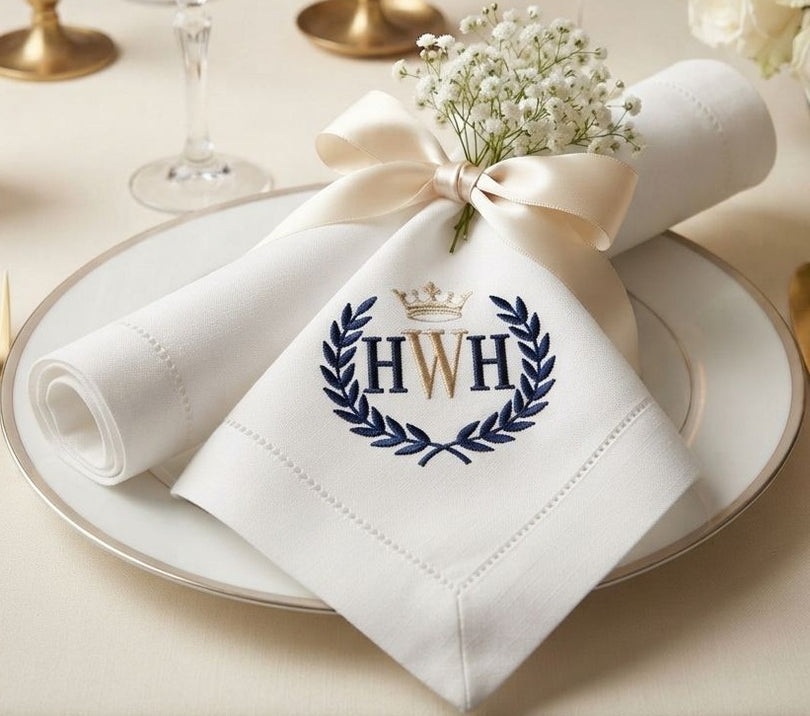
Adding monogrammed initials or small embroidered decorative elements to your pocket napkins can make them even more special.
You could also try adding:
-
Small pieces of fancy fabric
-
Ribbon
-
Embroidered flowers
-
Interesting geometric shapes
-
Or any other decorative elements that can be sewn on.
Something as simple as an embroidered border around the pocket would be enough to make these personalized pocket napkins truly one-of-a-kind.
Can you put silverware in pocket napkins?
Yes! Holding silverware is one of the most useful purposes of pocket napkins.
The properly constructed pocket will hold a fork, knife, and spoon, neatly arranged at each setting.
In case of a sewn pocket that will carry heavier utensils on a regular basis, reinforced upper corners and seams would help keep the fabric from pulling.
The folded pocket napkin method can also be handy for buffet line, picnic or outdoor dinners, or any situation where guests are allowed to serve themselves and need a convenient way to pick up their utensils and napkin.
Ideas for Creating a Neat Pocket Folding Napkin
There are several tips and tricks for making a pocket folding napkin neat and well-kept:
-
Use a clean and ironed napkin.
-
Make sure to use a square napkin of an appropriate size.
-
Try to make folds even.
-
Press each fold with fingers.
-
Choose a napkin with a good texture that will hold its shape
-
Avoid heavy folds with too many utensils or decorations
-
Finally, practice the folds before starting with the whole table setup.
Crisp cotton napkins are a good option for creating pockets as they will hold the shape of folds and will be comfortable to touch.

How to Care for Pocket Napkins?
With proper care your cloth napkins will look great and give you years of service.
Washing
Cotton or linen napkins should be washed in the machine with like colors. Washing colored fabrics in warm or hot water may cause them to fade. Washing in cold water helps keep colors vibrant.
Drying
Cloth napkins should be tumble dried on low or line dried. Napkins can be removed from the dryer while slightly damp for easier ironing
Ironing
Cotton napkins should be iron while damp for best results. Linen napkins can also be iron while slightly damp to help remove wrinkles.
Storage
Napkins should be folded and stored in a drawer, cupboard, or basket. It is important to fold them the same way every time so they can be easily taken out when needed.
Cotton and linen napkins should get softer with each washing.
Final Thoughts
Pocket napkins are an excellent idea for their practicality. They allow the host or hostess to create an attractive table composition. It is possible to make a pocket by sewing a special piece of cloth to the napkin or fold a pocket out of it. Either way, pocket napkins help to organize a table setting better without using additional decoration elements.
The pocket fold is a convenient solution to store utensils within reach and have a well-organized table during the meal. At the same time, sewn pocket napkins may be a more involved and permanent way of using this pattern. Therefore, it is advisable to choose the option based on occasion and personal preferences. Using a pocket napkin made of cotton or linen to set the table can help achieve a professional appearance in a short time and with little effort.
Related Readings:
Does the napkin go to the left or the right of the plate for an informal table setting?