
Placemats have always been a popular choice for the decoration of a household dining room table, but the selection of the right placemats is often complicated by the vast range of options available. Placemats have different materials, design features, sewing styles, and shapes. However, to be able to choose the most preferable options, it is essential to distinguish between them.
Therefore, the key to a successful placemat purchase is a clear differentiation of each type and understanding of the features of the materials, designs, construction styles, and shapes of the placemats. By familiarizing oneself with these details, one will not have difficulty selecting the most appropriate style for their home or restaurant.
How to Choose the Best Placemats?
Before choosing placemats based on the table, you should analyze your needs.
Do you need them for everyday use for your family, or is it going to be something more festive for your dinner parties? Do you need something special for the holiday season or other special occasions?
You need to consider the following factors:
-
Material
-
Easy maintenance
-
Protection
-
The size and shape
-
Design and color
-
Occasion and style
Therefore, considering the factors above, you will be able to pick out placemats that will suit your home décor and needs perfectly.
Placemats by Material
The material describes what the placemat is actually made of. This can vary in terms of differences in texture, quality, and maintenance needs. Different materials also offer different benefits and advantages. For example, a placemat made of cotton is a popular choice because it has a soft, comfortable texture, while also being fairly durable and easy to maintain.
Cotton Placemats
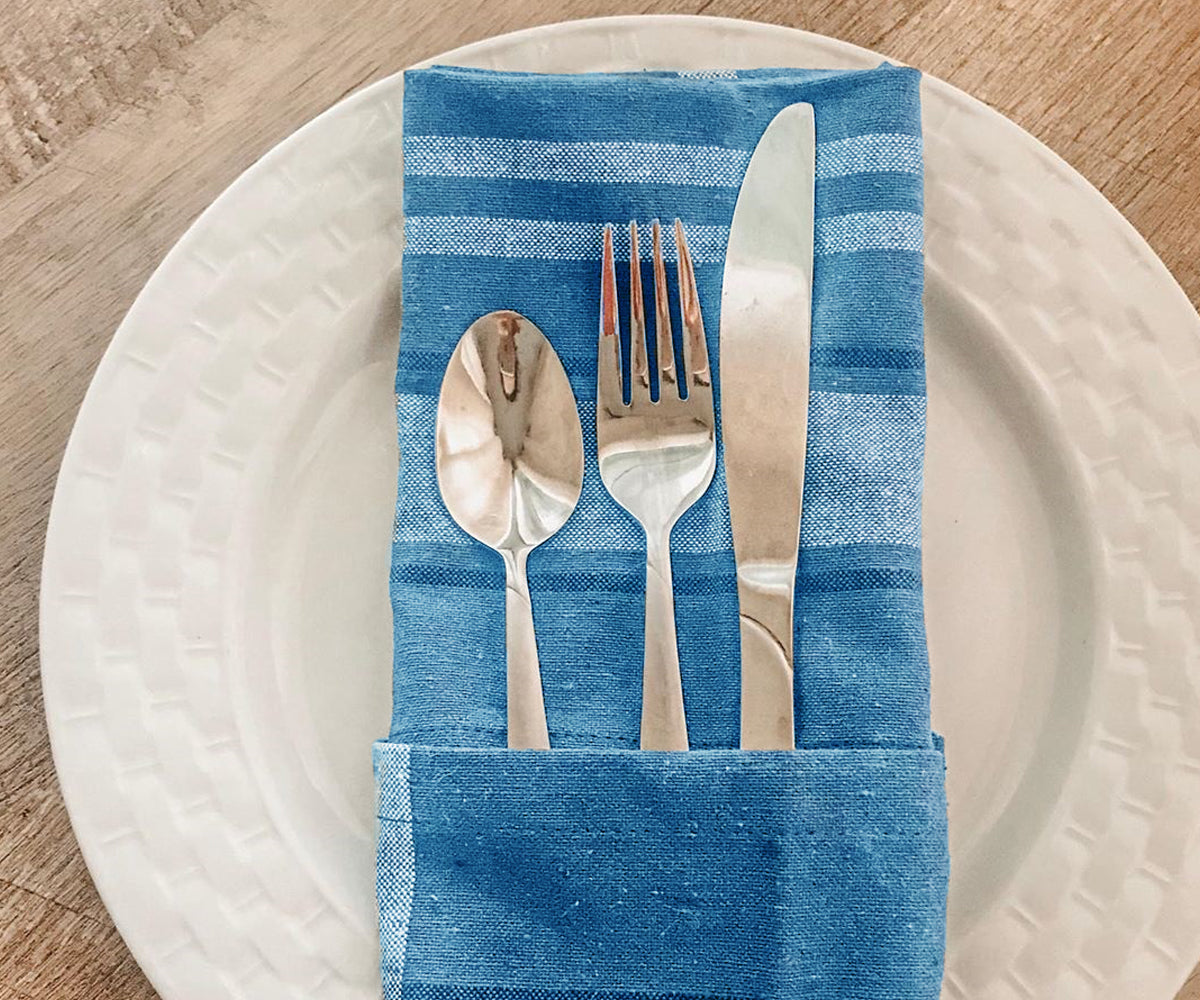
Cotton placemats come in a variety of colors, patterns, and textures, so one can choose from a wide selection when purchasing cotton placemats.
Cotton placemats provide an elegant and cozy feeling at the dining room table, while also protecting furniture from scratches and other damages. They can be used for both every day and special occasions, depending on the chosen design and color.
Best for: Everyday dining, casual meals, farmhouse décor, and relaxed table settings.

Linen Placemats
Linen placemats add texture and natural appeal to the dining table, as well as sophistication. This fabric looks great with neutral tableware, wooden accessories, and other natural decorations.
Linen placemats are ideal for creating a relaxed yet elegant setting, perfect for both daily meals and special occasions.
Best for: Elegant dining, farmhouse interiors, natural décor, and special occasions.

Nylon Placemats
Nylon placemats are incredibly lightweight. They are also practical, considering that they can be cleaned easily and are suitable for people who want the convenience of everyday use.
These placemats are appropriate for households in which spills are a common occurrence.
Best for: Busy households, everyday dining, and easy-care table settings.
Woven Placemats
Woven placemats are distinguished by their woven construction and textured surfaces. They can be made from a variety of materials such as jute, seagrass, water hyacinth, paper rope, bamboo, and other woven fibers. Their natural look makes them perfect for rustic, farmhouse, boho, and coastal decor.
They are a great addition to any kitchen but particularly work well with the mentioned interior styles.
Best for: Natural décor, farmhouse tables, boho interiors, coastal settings, and casual dining.

Placemats by Weave or Construction
Material and construction are not the same thing. For instance, a placemat can be made of a particular material using one or more specific weaving techniques.
Jacquard Placemats
A jacquard placemat can be made of cotton, polyester, linen, or a blend of these materials. In addition, instead of being printed on, jacquard patterns are woven into the fabric.
This creates a deep, heavy, and often intricate design that adds sophistication and elegance to the table’s décor, making it suitable for everyday use as well as special occasions.
For instance, a cotton jacquard placemat is made from cotton using the jacquard weaving method.
Best for: Elegant dining, formal occasions, festive tables, and sophisticated everyday settings.

Placemats by Design and Decoration
The design of a placemat may be described as its visual appearance or decorative motifs. Various patterns are applied to placemats made from different materials.
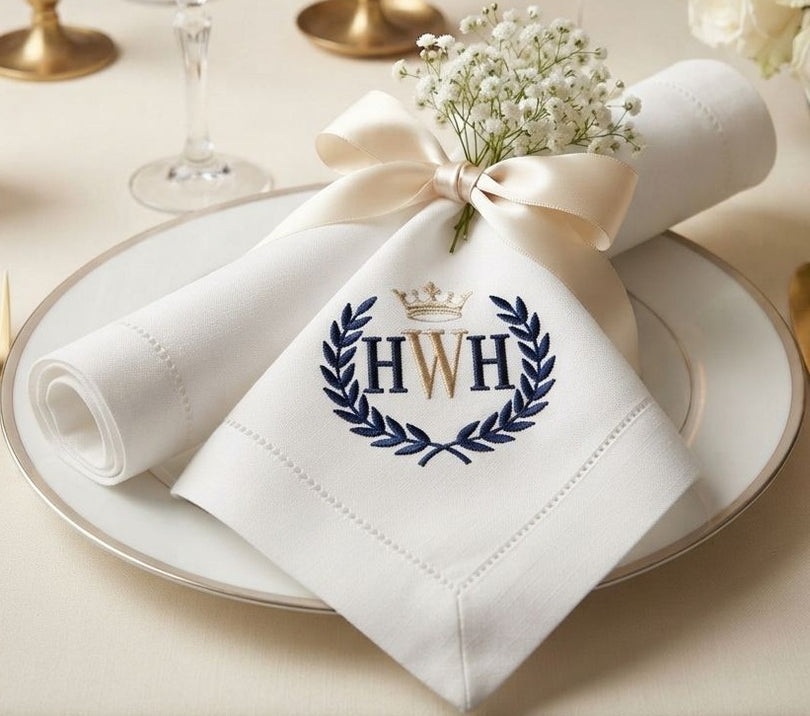
Embroidered Placemats
Embroidery Placemats may be made from cotton, linen or cotton-linen mixes.
The embroidery on the placemats is used to add designs on the surface of the placemat made from these materials. The design of placemats with embroidery may be an attractive option for those who want to make their table look nicer.
Best for: Elegant dining, celebrations, holidays, and traditional décor.

Scalloped Placemats
Scalloped placemats have decorative edges that give the place setting a more delicate and ornate appearance. The scalloped edges of placemats can be made of different materials. The placemat can have different designs in addition to the scalloped edges. For instance, a placemat can be made of cotton and can have scalloped edges with an embroidery design.
Best for: Afternoon tea, celebrations, baby showers, holidays, and elegant everyday dining.

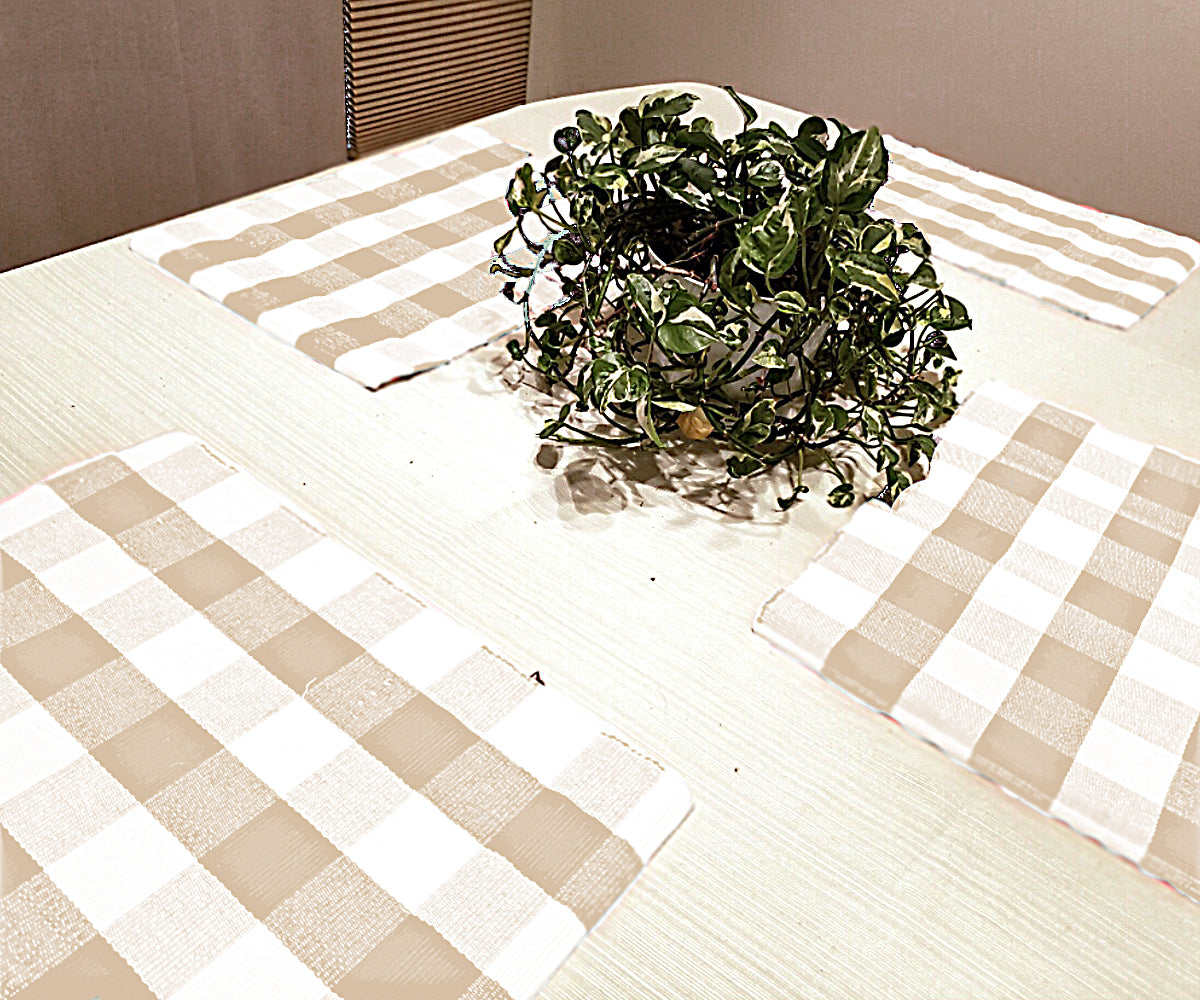
Plaid Placemats
Plaid placemats have intersecting lines in the design that make a checkered or crossed pattern. Plaid patterns are often used in farmhouse, rustic, country, or cottage style décor.
Plaid prints can be made using different materials such as cotton or a cotton blend.
Best for: Farmhouse décor, rustic tables, casual meals, picnics, and seasonal dining.

Poinsettia Placemats
Poinsettia placemats are made of a poinsettia flower motif, which makes them ideal for Christmas and winter table decorating. The design can be embroidered, printed or jacquard
They can be combined with table runners, cloth napkins, candles and other holiday accessories.
Best for: Christmas dinners, holiday gatherings, and festive seasonal décor.
Placemats by Shape
The shape is another attribute that deserves consideration. It is entirely possible to find the same material or pattern in a variety of shapes.
Round Placemats
Round placemats tend to provide a gentler look while still managing to accentuate each place setting nicely.
The mats are great on round tables, but they also provide an intriguing look when placed on a rectangular table.
Perfect for: Brunches, birthdays, garden parties, and festive gatherings.

Rectangular Placemats
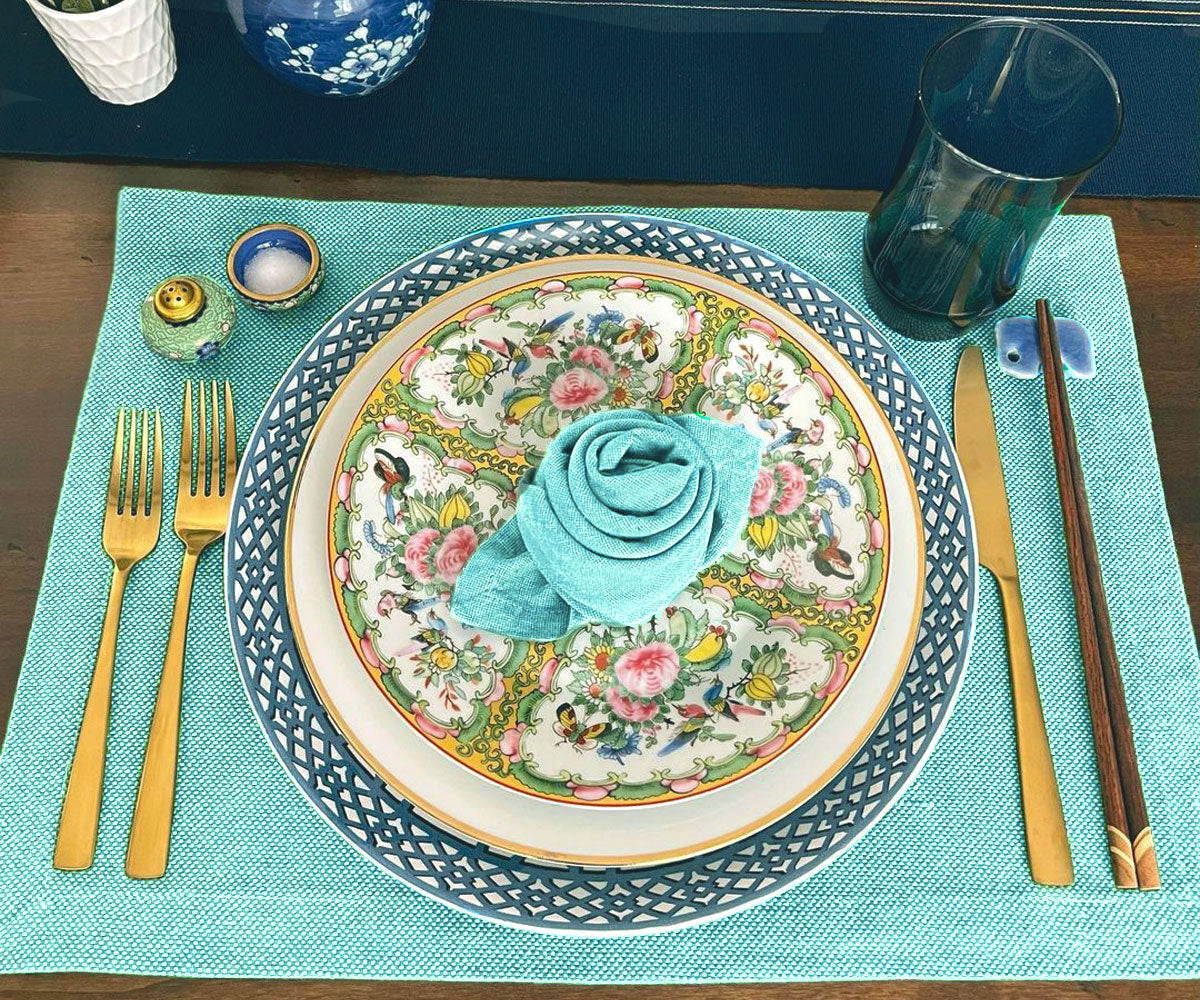
Rectangular placemats are one of the most versatile options due to their shape that can accommodate dinner plates, cutlery, and glassware.
They are suitable for the vast majority of dining tables and can be used for both everyday and formal settings.
Perfect for: Everyday dining, family meals, Thanksgiving, Christmas, and dinner parties.

Oval Placemats
Oval placemats create a soft, flowing impression through their gently curving shapes. As a result, they provide a less formal look compared to placemats with angular shapes, such as rectangles.
Oval placemats can be used on oval tables, but they also look good on rectangular dining tables.
Perfect for: Family dinners, spring gatherings, Easter brunches, and elegant table settings.

Heart-Shaped Placemats
Heart shaped placemats add a decorative and romantic touch to table settings. Use heart shaped placemats to set a romantic mood for weddings or other special occasions.
Heart shaped placemats can be paired with coordinating napkins, candles, flowers, and other accessories to create an attractive and well balanced presentation.
Perfect for: Valentine's Day, anniversaries, bridal showers, engagement celebrations, and romantic dinners.

Which Placemats Are Best for Different Occasions?
Rather than investing in one all-purpose placemat consider different placemats for different occasions.
For Everyday Dining
Cotton or easy-care placemats would be perfect for everyday use. Pick a pattern that goes with your dinnerware and is easy to care for.
For Elegant Dining
Linen, jacquard, embroidered, or scalloped placemats will help set a more elegant table.
For Farmhouse Décor
Cotton plaid placemats and textured woven placemats are most effective at complementing wooden furniture, neutral dinnerware, and other natural elements.
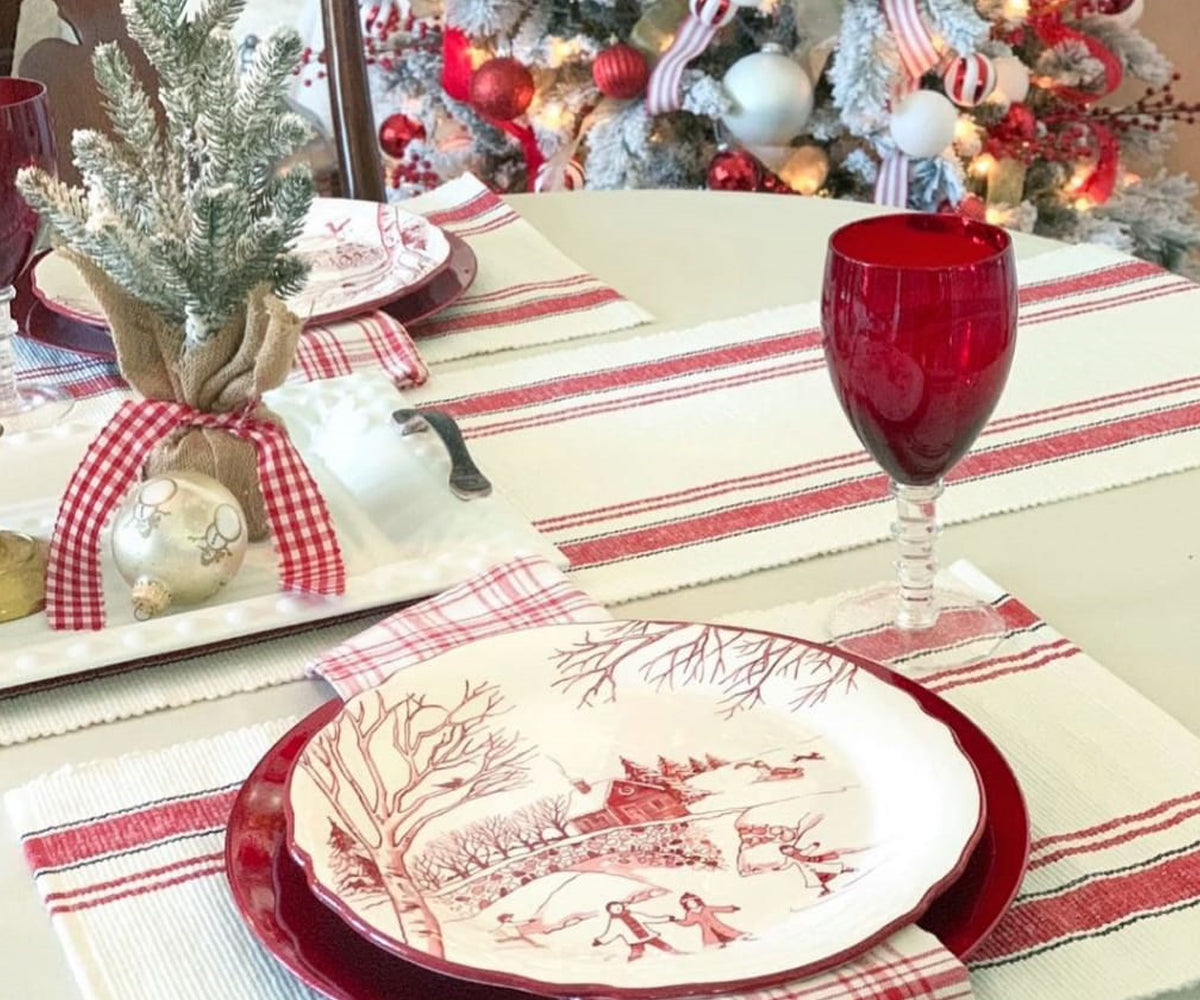
For Christmas
Poinsettia designs, among other festive motifs, can help you create a holiday connotation. Combine them with coordinating napkins, table runners, and other seasonal decorations.
For Romantic Occasions
Heart-shaped placemats can add a nice touch of fun and romance to the Valentine's Day table, anniversary celebration, or special dinner.
Don't Overlook Heat Protection
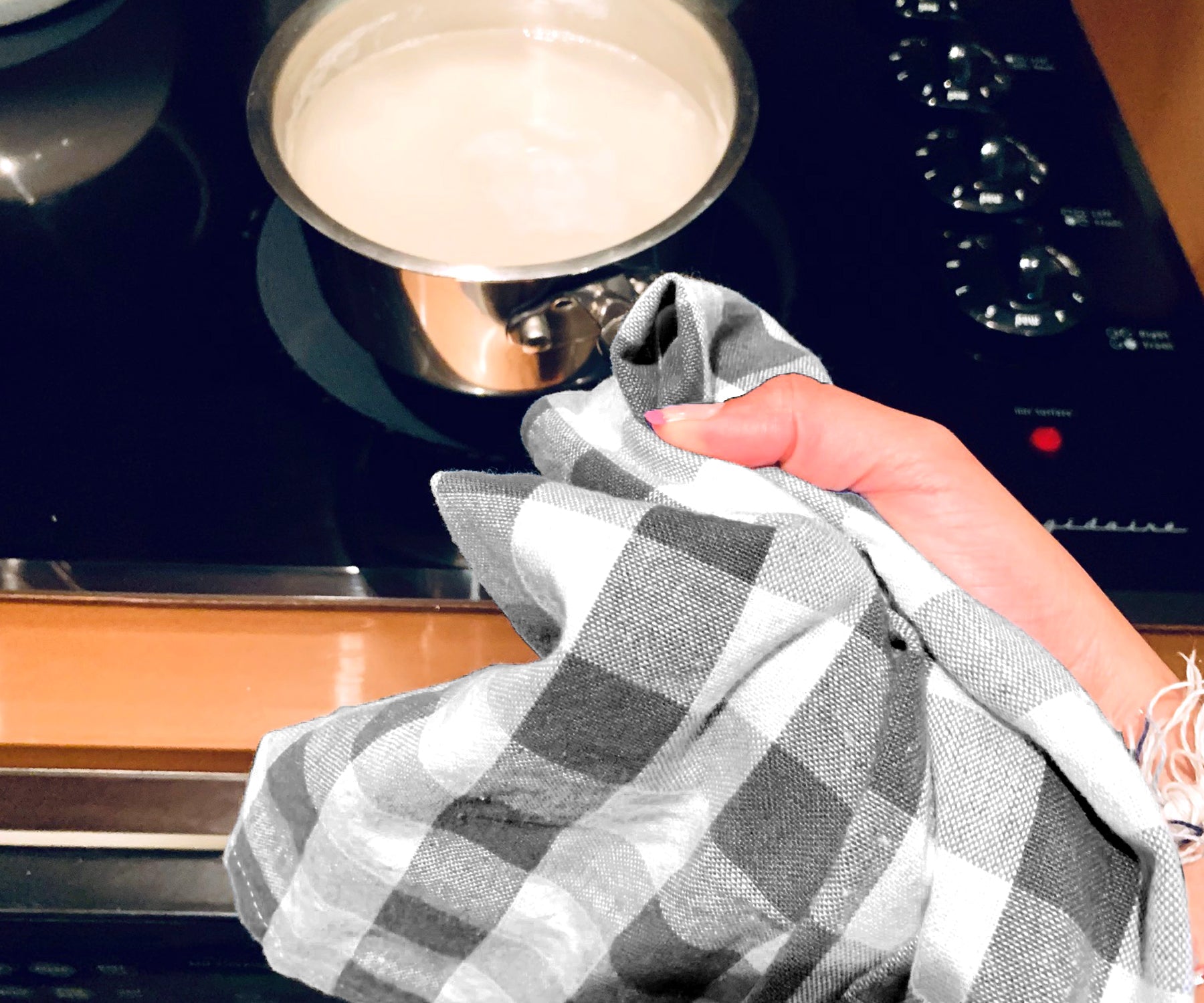
Place mats help protect the tabletop from heat and spills, but not all placemats are heat resistant.
Make sure to check specifications for placemats with heat-resistance abilities if you plan on placing serving dishes on the table often.
And for hot pans, be sure to use a trivet or heat protection, not all placemats can resist very high temperatures
Easy Cleaning Matters
A beautiful placemat is only as good as how comfortable you are with its upkeep.
Consider how to clean them for day-to-day use when shopping.
Cotton and linen: Check the care instructions; many fabric placemats can be laundered
Nylon: Generally easy to care for
Woven: It depends on the material and construction
Embroidered: The care instructions are likely to be specific, so follow them to avoid damaging the stitching.
Always refer to the care instructions from the manufacturer before washing or cleaning your placemats.
Common Mistakes to Avoid When Buying Placemats
Choosing placemats according to the looks might cause some troubles later. Below are the common mistakes, people tend to make when purchasing them:
- Selecting a placemat, paying attention only to its visual appeal, ignoring the size that would be needed for holding the dinnerware.
-
Failing to consider the usage frequency while choosing the material.
-
Confusion between the design or weaving pattern and the material.
-
Not taking into account the special cleaning and maintenance requirements.
-
Trying to match a design, which looks good in the picture with the real table settings.
-
Not thinking over the event type and overall style.
-
Believing that all placemats are heat-resistant.
How to Choose the Right Placemat for Your Home?
What is the best placemat? It depends on what you want.
If you want something soft and versatile, go with cotton.
If you want something natural-looking and classy, choose linen.
If you want something with the natural look and texture, woven placemats will be a great addition to your farmhouse, coastal, or boho décor.
If you want something with intricate patterns, opt for jacquard.
If you want something with beautiful embroidery details, go for embroidered or scalloped placemats.
If you want something traditional yet cozy, plaid placemats will create a warm effect on your kitchen table.
Poinsettia placemats add a festive touch to your holiday décor.
As you can see, there are some overlaps between these categories. For example, some placemats can be made of cotton (material), woven (texture), plaid (pattern), and rectangular (shape). Knowing the categories and their differences will help you sort through the options and find the best placemat for your needs.
Final Thoughts
The best placemats are not necessarily about having the best design. What could be best for you are placemats that complement your table, lifestyle, decor, and occasion.
First choose the material that suits you, and then think about weaving or design, followed by style and shape. This way you are most likely to choose great placemats that will not only look good, but that also provide the dining experience your table and dining room deserve.
From cotton to linen, from woven to jacquard, from embroidered to plaid to poinsettia patterns – there is something for every table.
Frequently Asked Questions
1. What is the best material for placemats?
There is no single best material for everyone. Cotton and linen are popular fabric choices, while nylon and woven materials can offer different practical or decorative benefits. The right choice depends on how you use your dining table.
2. Is jacquard a fabric?
No. Jacquard is a weaving technique rather than a fabric. Jacquard placemats can be made from materials such as cotton, linen, polyester, or blends.
3. What is the difference between cotton and linen placemats?
Cotton placemats generally offer a soft, versatile, and casual feel, while linen placemats are known for their natural texture and sophisticated appearance.
4. Are embroidered placemats a type of fabric?
No. Embroidery describes the decorative stitching on the placemat. The placemat itself can be made from cotton, linen, or a blend.
5. What are plaid placemats?
Plaid placemats feature a crossed or checked pattern. Plaid is a design or pattern, not a fabric.
6. What are the most versatile placemat shapes?
Rectangular placemats are highly versatile because they provide plenty of space for dinnerware and work with many different table settings. Round and oval placemats can create a softer appearance.
7. Are scalloped placemats a material?
No. Scalloped refers to the decorative curved edge or shape of a placemat. A scalloped placemat can be made from cotton, linen, or another material.
8. How many placemats do I need?
Four placemats can work well for a small family, while six or eight are useful if you regularly have guests. Keeping a few extras can also be helpful for holidays and special occasions.