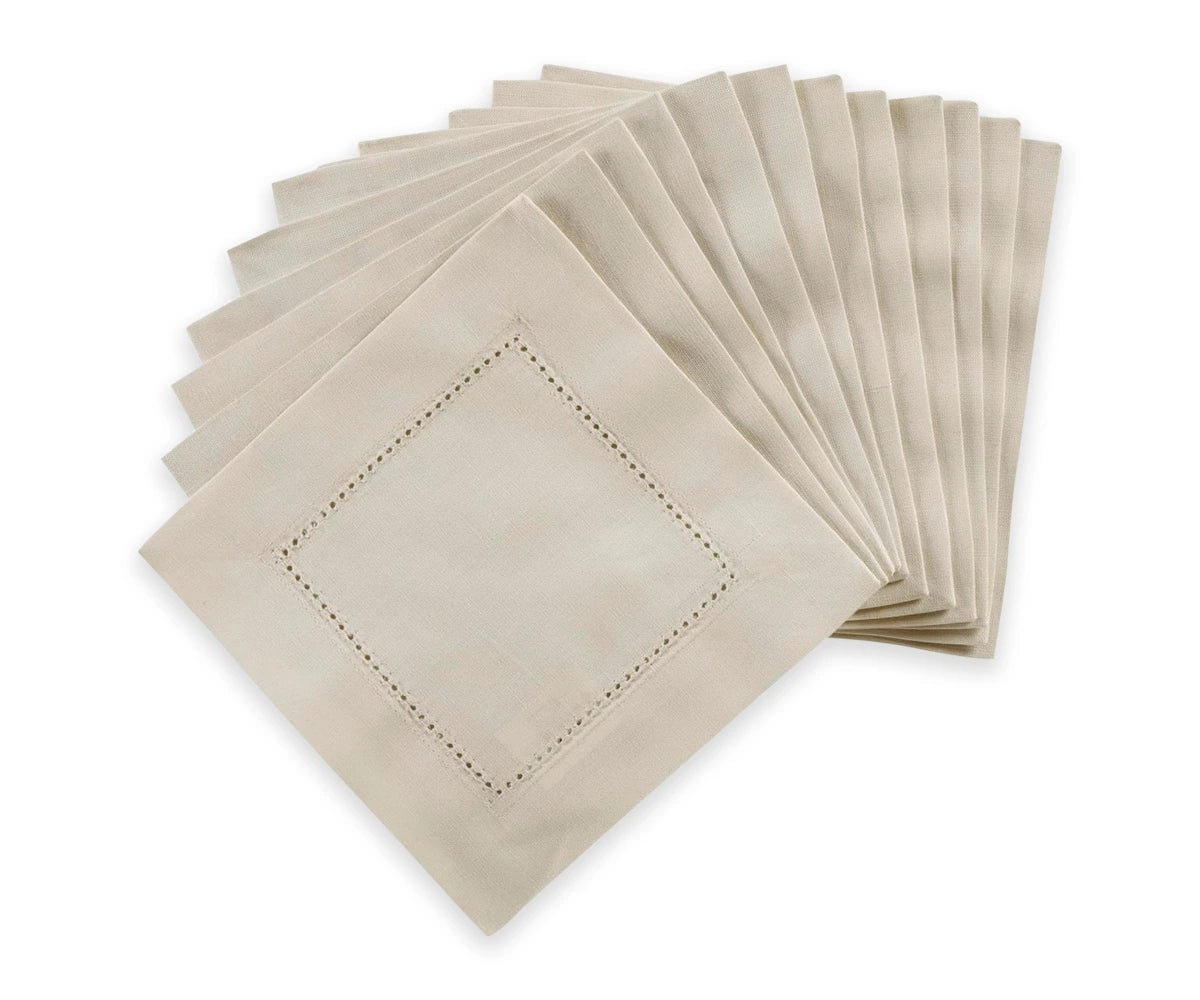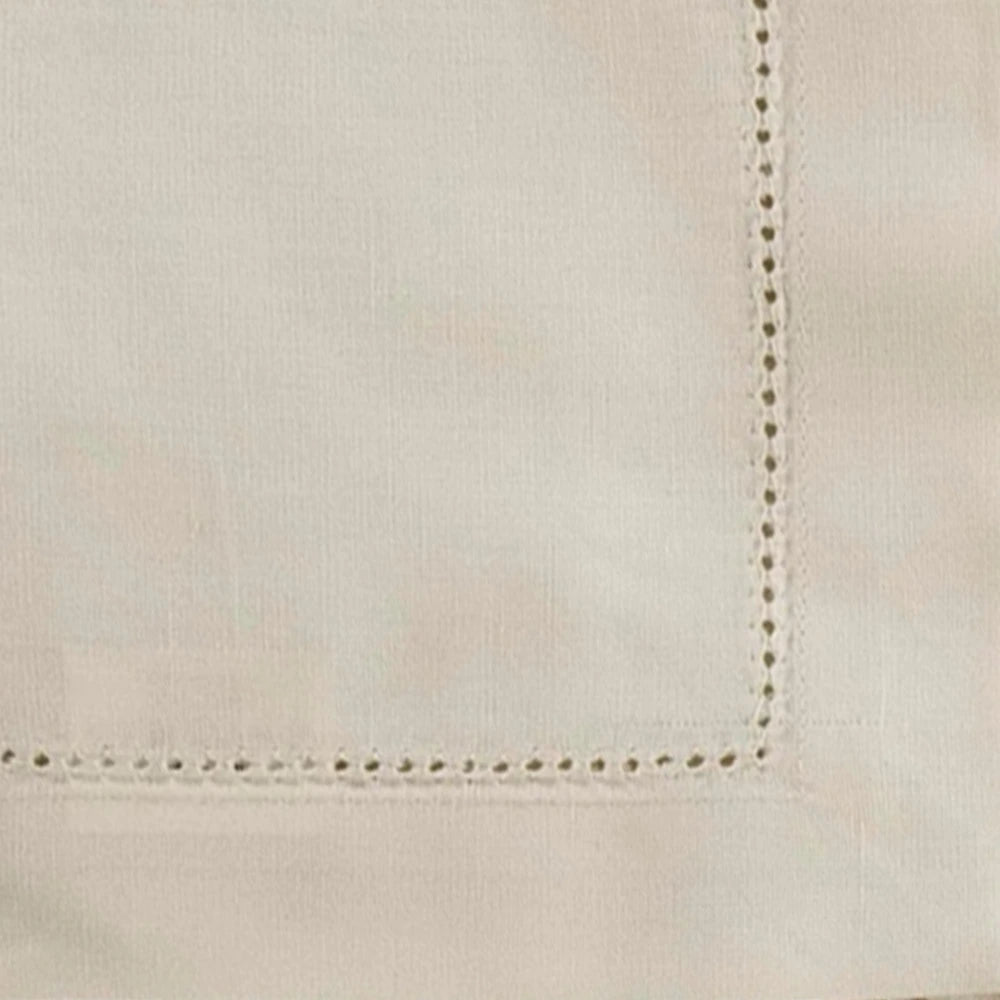
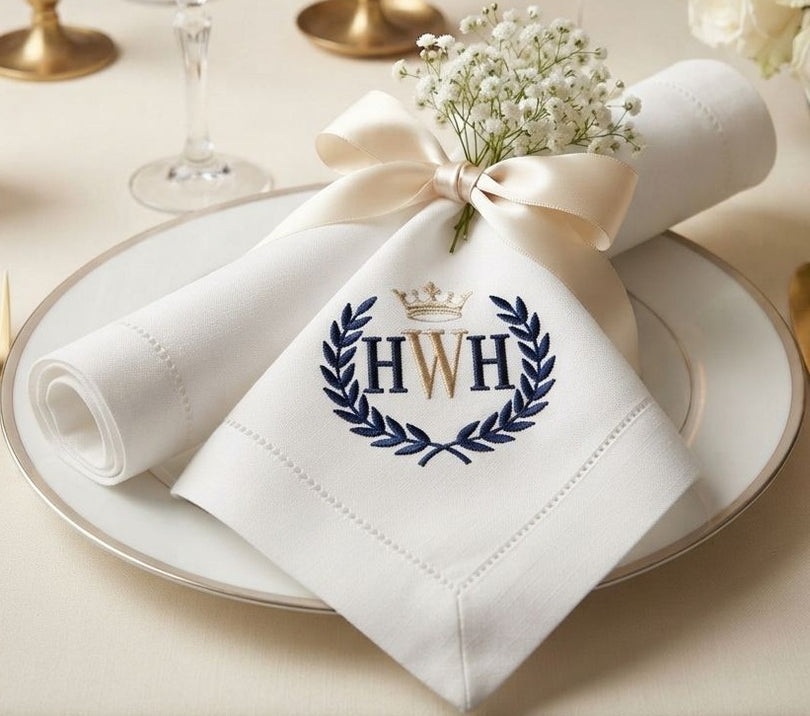

Embroidered napkins can turn a simple table setting into something personal and memorable. Even if you have never picked up a needle before, a few basic stitches and a little patience are enough to create decorative napkins that suit your dining room, celebrate a season, or make an everyday meal feel a bit more special.
The best part of a beginner embroidery project is that it does not need to be perfect. Small variations in stitching are part of what gives handmade linens their charm. With the right fabric, thread, and a simple design, you can create cloth napkins that feel thoughtfully made without needing advanced sewing skills.
Choose Fabric and Tools That Are Easy to Work With
Start with made from a fabric that is comfortable to stitch through. Cotton and linen are popular choices because they are durable and generally offer a stable, even surface for embroidery. Avoid very slippery or loosely woven fabrics for your first project, since they can make it harder to keep your stitches consistent.

A short list of supplies is really all you need to get started:
- An embroidery hoop, to keep the fabric taut while you work
- Embroidery floss in a few colors you like
- A needle suited to the thickness of your floss
- Small, sharp fabric scissors
- A washable fabric marker or tailor's pencil for sketching your design
Before you begin stitching, wash and dry the napkins according to their care instructions. This accounts for any normal shrinkage before your decorative work is added, so the finished design keeps its shape wash after wash.
Pick a Design That Matches Your Skill Level
Choosing a manageable design is one of the easiest ways to make a first embroidery project enjoyable rather than frustrating. Instead of covering the entire napkin, start with a small motif in one corner or along an edge.
Think about how the finished napkin will actually be seen. A small design placed near a corner often becomes the most visible detail once the napkin is folded and set beside a plate. Even careful, deliberate planning at this stage can save a lot of unpicking later, much the way small colonies of insects plan ahead before conditions get difficult. In fact, researchers who study collective behavior have noted that ants show us how to keep healthy and minimize epidemics through simple, consistent routines rather than complex interventions, and that same principle of consistency over complexity applies neatly to a first embroidery project.
You can draw inspiration from nature, traditional textile patterns, or seasonal motifs. For a subtle look, choose thread close to the napkin's original color. For a bolder, more decorative effect, go with a contrasting shade instead.
Practice a Small Set of Basic Stitches
You do not need dozens of techniques to create attractive embroidered napkins. A handful of basic stitches can produce surprisingly varied results once you get comfortable with them.
The backstitch works well for outlines and lettering, the running stitch creates a simple dotted line, the satin stitch fills small shapes with solid color, and the French knot adds tiny raised details. Practice each one on a scrap piece of fabric first, so you get a feel for how tightly to pull the thread and how evenly to space each stitch before committing to the real napkin.
Consistency matters more than perfection here. Handmade work naturally has small variations, and those little imperfections are usually what make it feel personal rather than mass-produced.
Let the Craft Support Everyday Table Hygiene
A personalized napkin is not just decorative. It can also become part of a broader habit of keeping the dining area clean and welcoming. Washing cocktail napkins regularly, storing them properly, and keeping eating surfaces tidy are simple routines that support everyday household hygiene.

It is worth noting that biologists studying colony behavior have observed that ants show us how to keep healthy and minimize epidemics by isolating sick individuals, grooming one another, and maintaining clean shared spaces, small, consistent actions rather than dramatic, one-off efforts. The comparison is not exact, but the underlying lesson translates well to handmade textiles: a beautiful design is only as useful as the care that keeps it clean, so treat regular washing as part of the project rather than an afterthought.
Transfer the Design Before You Stitch
Once you have chosen a design, lightly mark it onto the fabric using a washable marker or another transfer method suited to the material. Place the fabric in the embroidery hoop and pull it snug, but not so tight that it distorts the weave.
Thread your needle with a manageable length of floss, since very long pieces tend to tangle and knot. Start stitching from the back of the fabric and follow the lines of your design, trying not to pull the thread too tightly. Excess tension can pucker the fabric and leave the finished napkin looking uneven.
If you make a mistake, do not worry about it. Carefully remove the stitches and try again. Small corrections are simply a normal part of learning embroidery, not a sign that something has gone wrong.
Add Personal Touches Once You Feel Confident
After you are comfortable with the basic stitches, experiment with personalization. Initials, dates, small botanical motifs, and simple geometric patterns can turn a plain napkin into something distinctly yours.
For a family dinner, you might stitch an initial onto each napkin. For a holiday table, seasonal motifs such as leaves, stars, or small pumpkins can create a coordinated set. You can also try a repeating border along the edge, though it is worth keeping the pattern fairly simple at first so the napkin stays practical and comfortable to use.
Keep in mind that embroidered napkins still need regular washing, and dense stitching across a large area may require more careful laundering than a small, contained motif.
Care for the Finished Napkins So the Work Lasts
After finishing the embroidery, remove the napkin from the hoop and check the back of the fabric. Trim any loose threads carefully, taking care not to cut the stitches holding the design in place.
Wash the finished napkin according to the fabric and thread manufacturer's guidance. If possible, test the thread for colorfastness before washing the full project, particularly with dark or strongly saturated floss. Once washed, make sure the napkins are completely dry before folding and storing them; a clean, dry storage spot protects both the fabric and the stitching between uses.
With reasonable care, these napkins can become practical pieces you reach for regularly, rather than delicate items set aside for special occasions only.
End Note
DIY embroidered napkins offer an approachable way to personalize your table without complicated equipment or advanced sewing skills. Start with a durable fabric, choose a small design, practice a few basic stitches on scrap fabric, and give yourself time to find a steady rhythm.
The charm of handmade linens comes from their personal character. Even a simple initial or a small floral motif can make an ordinary napkin feel distinctly yours, adding a bit of warmth to the table every time it is used.