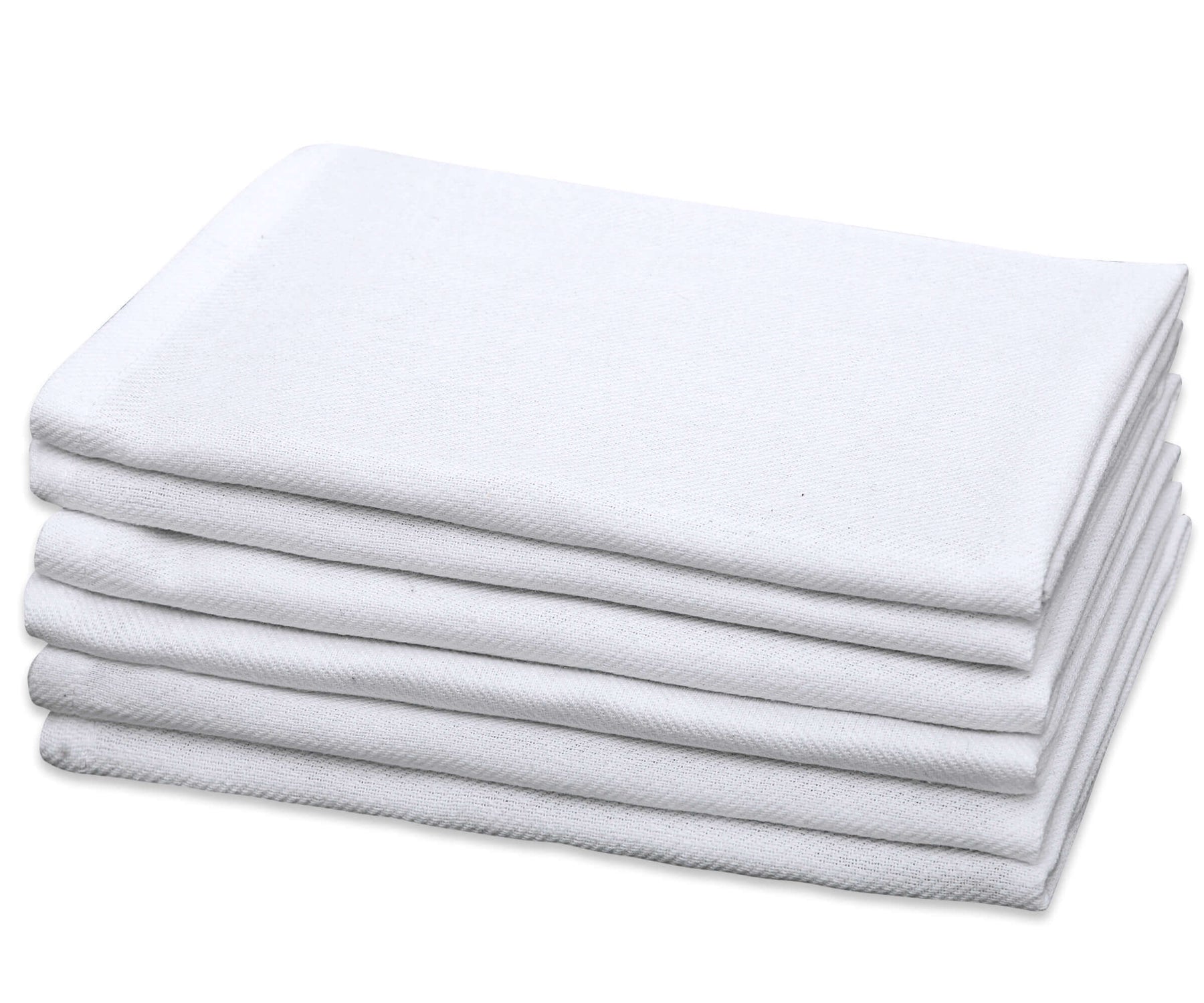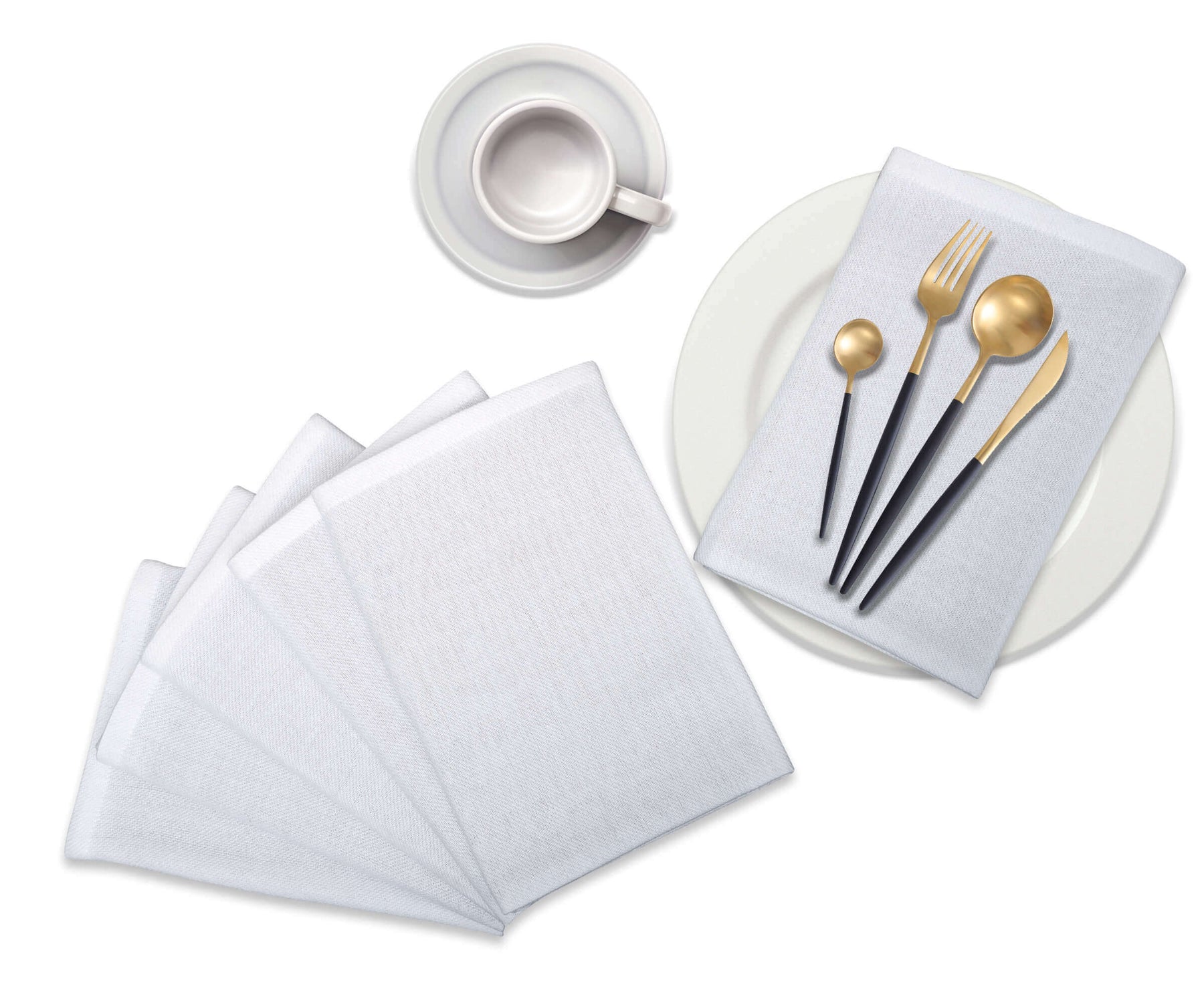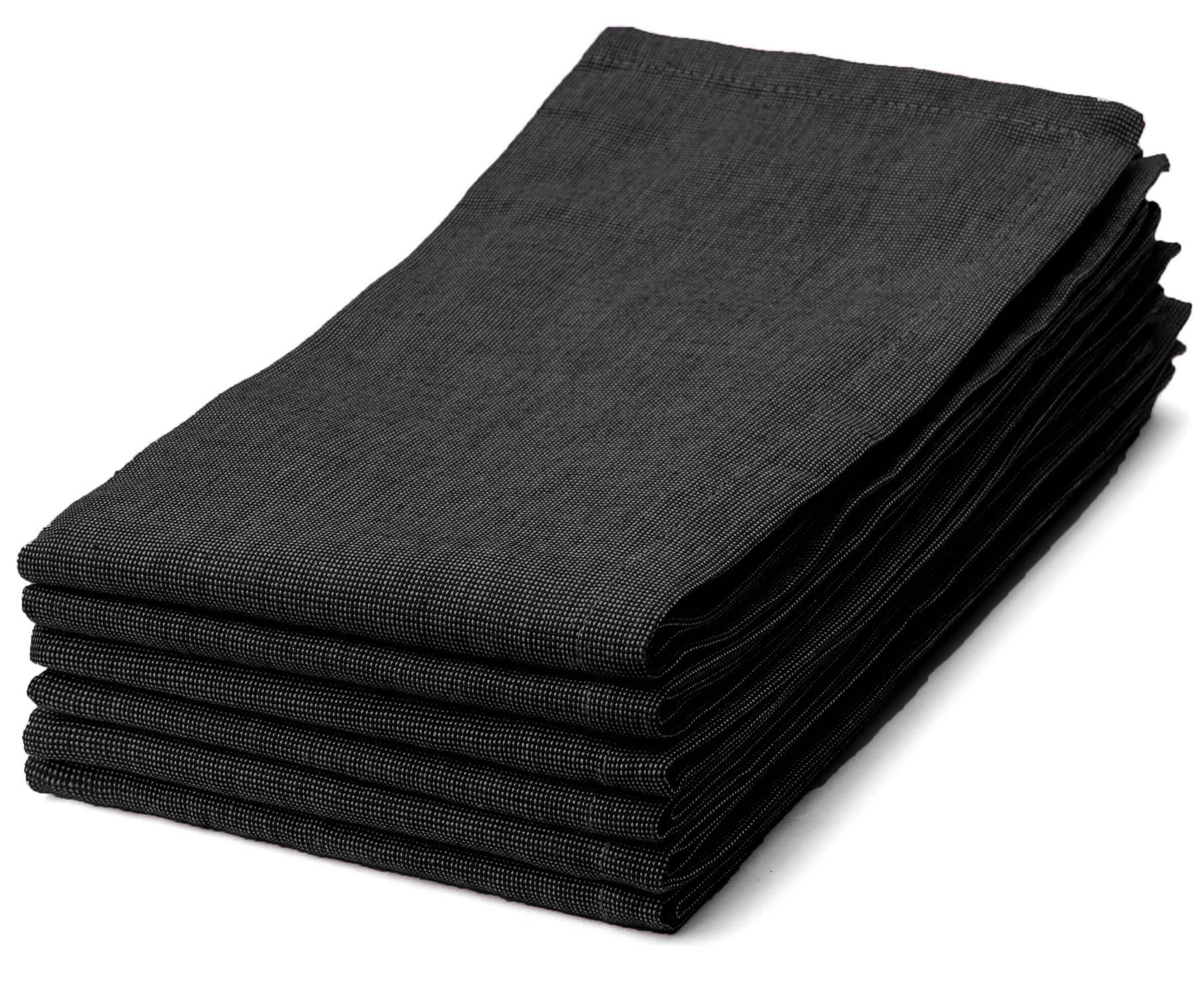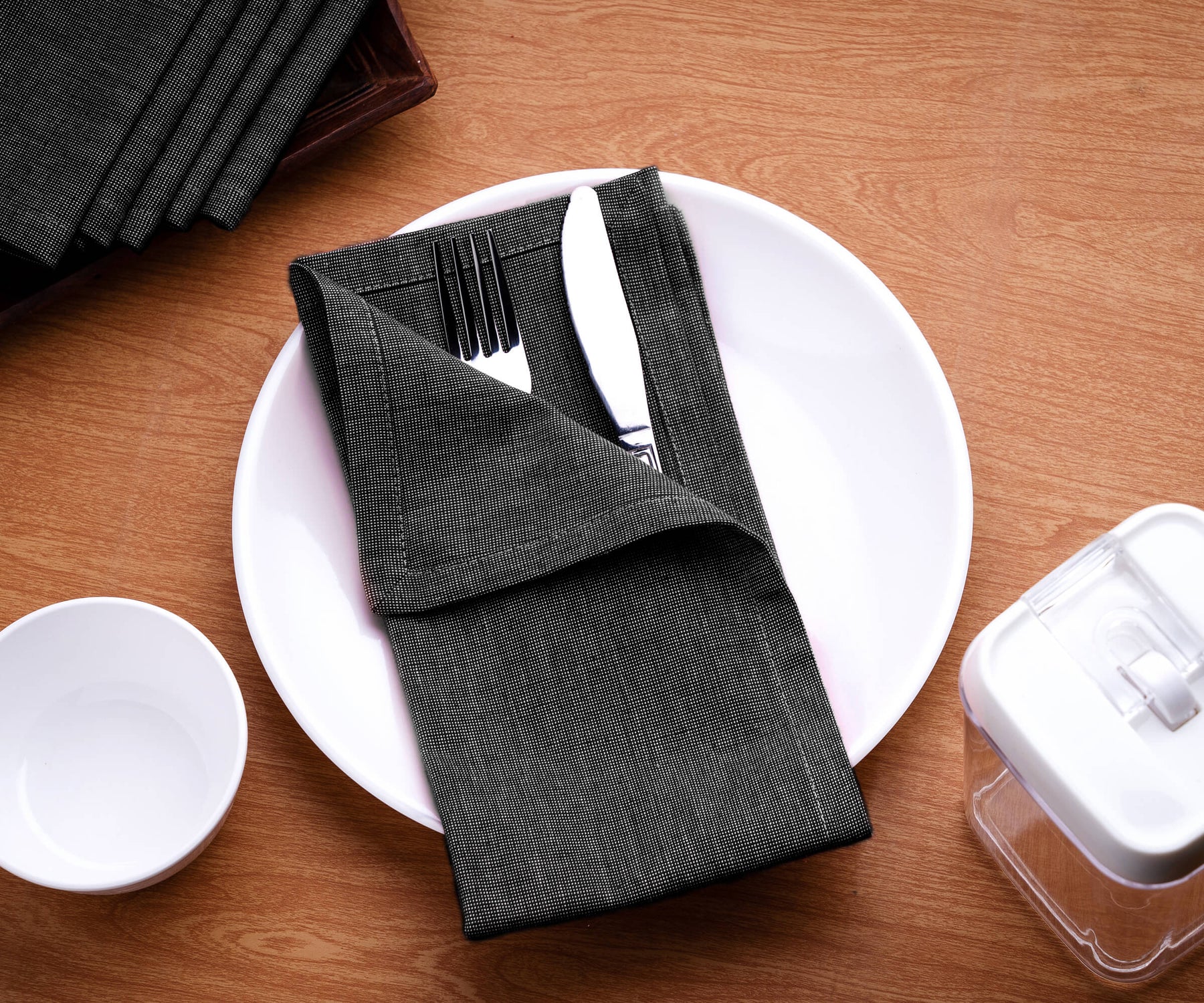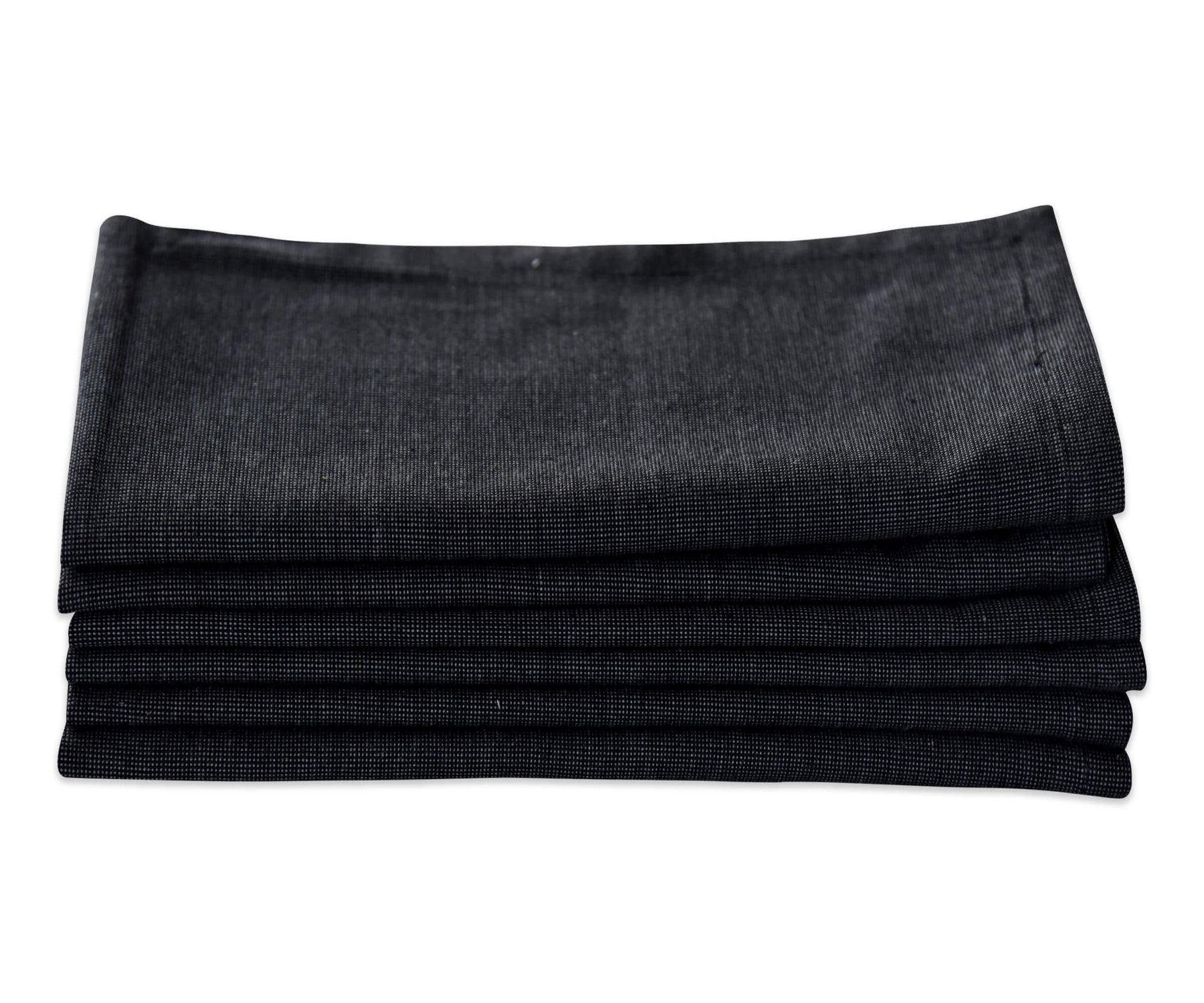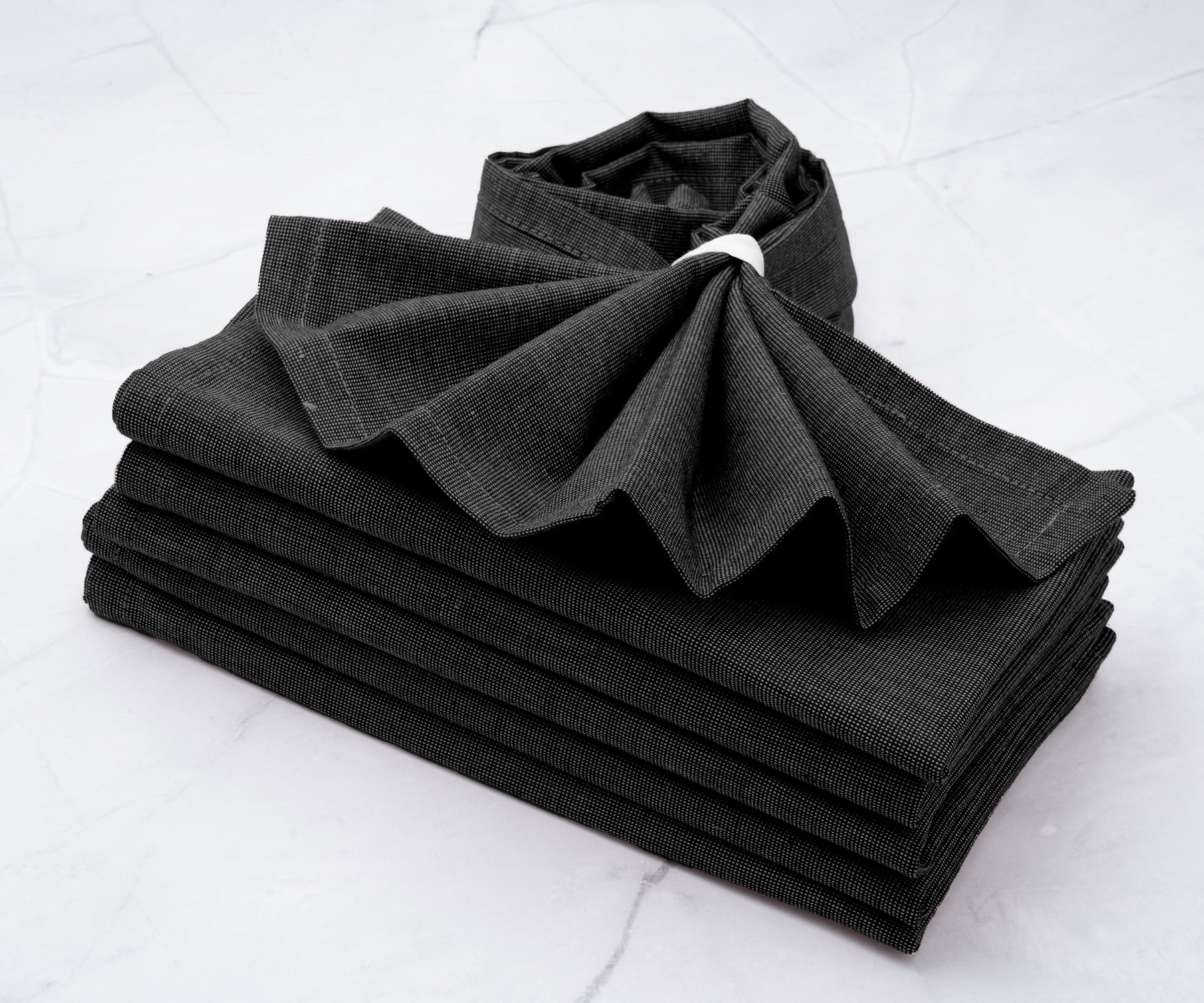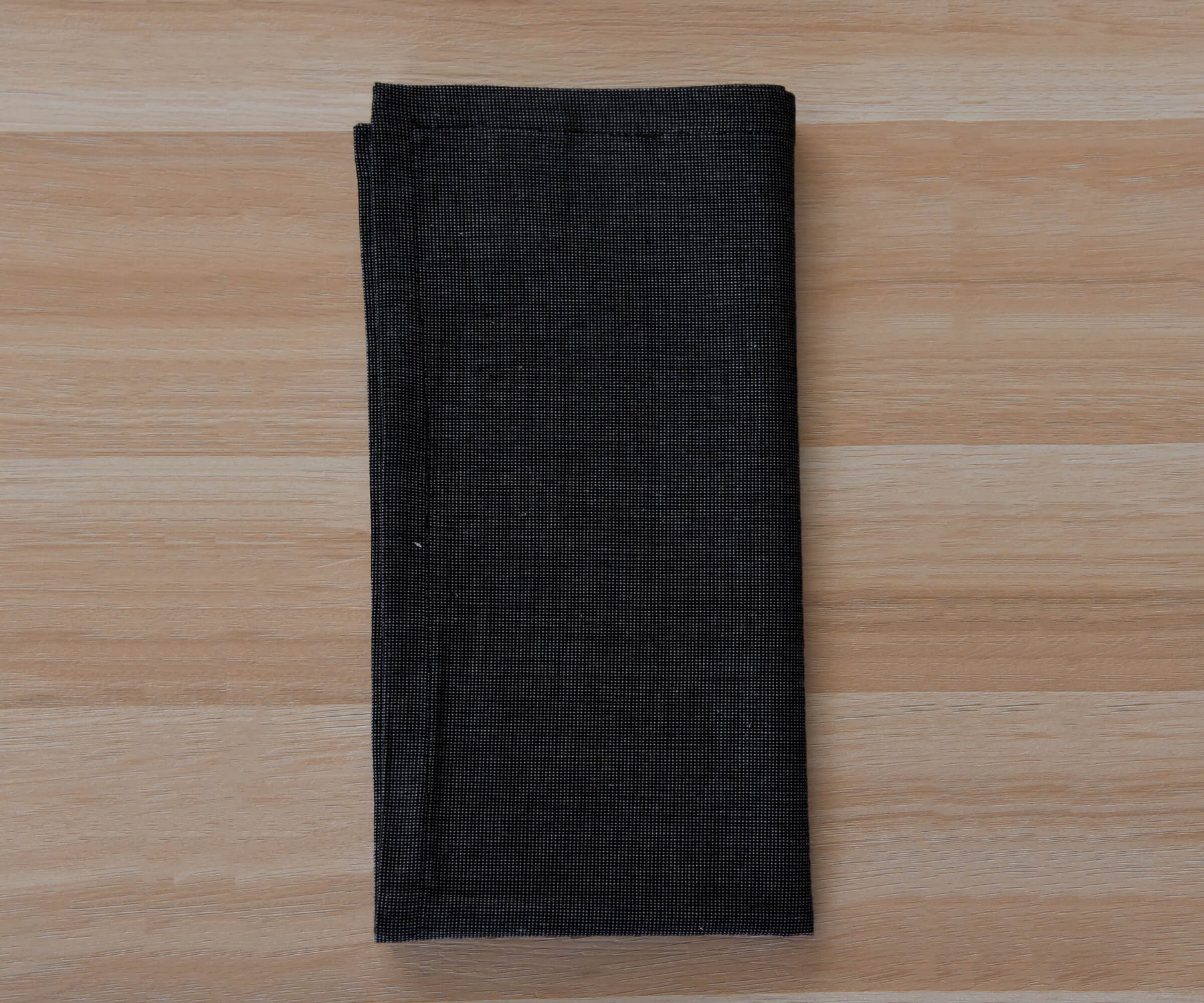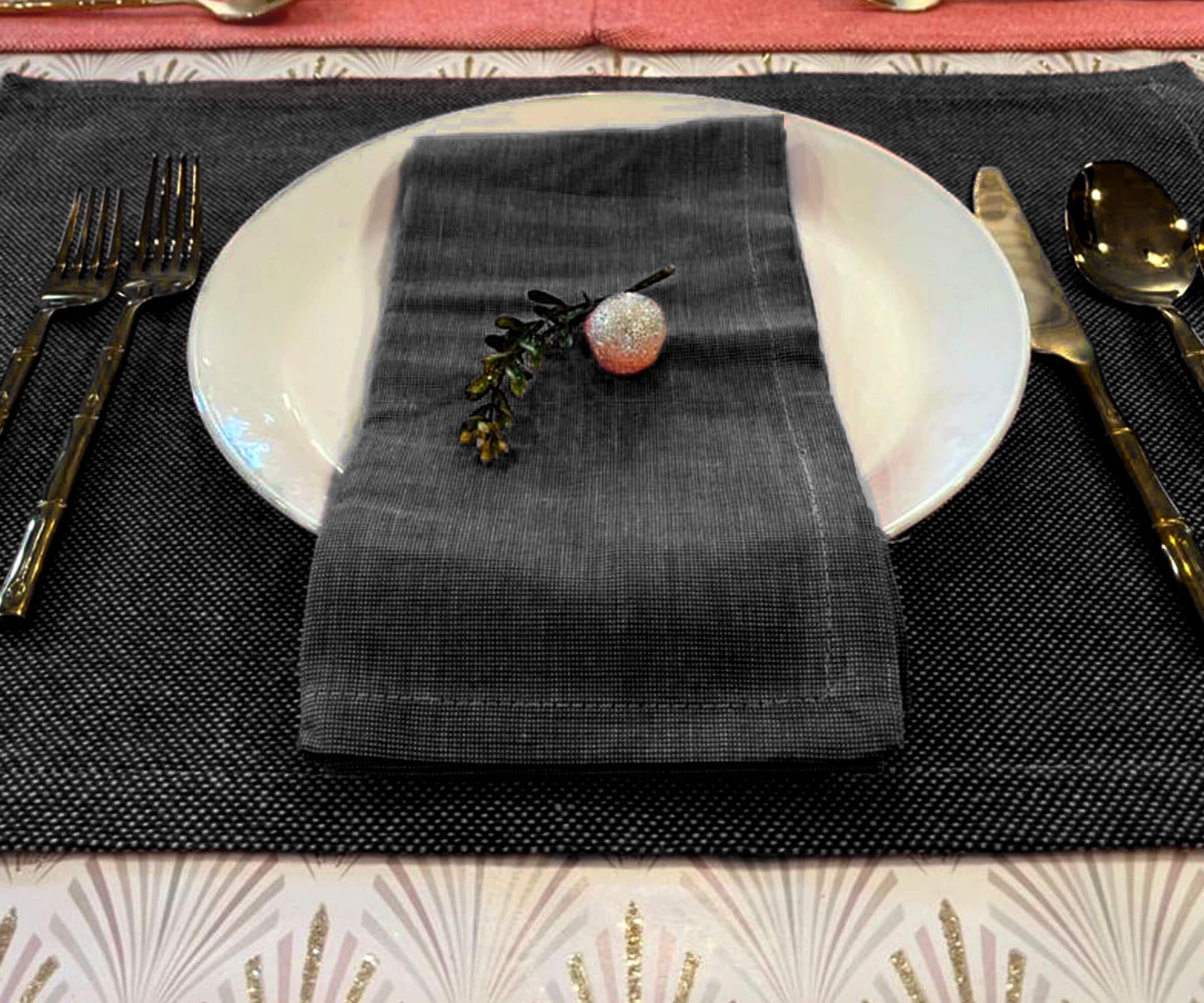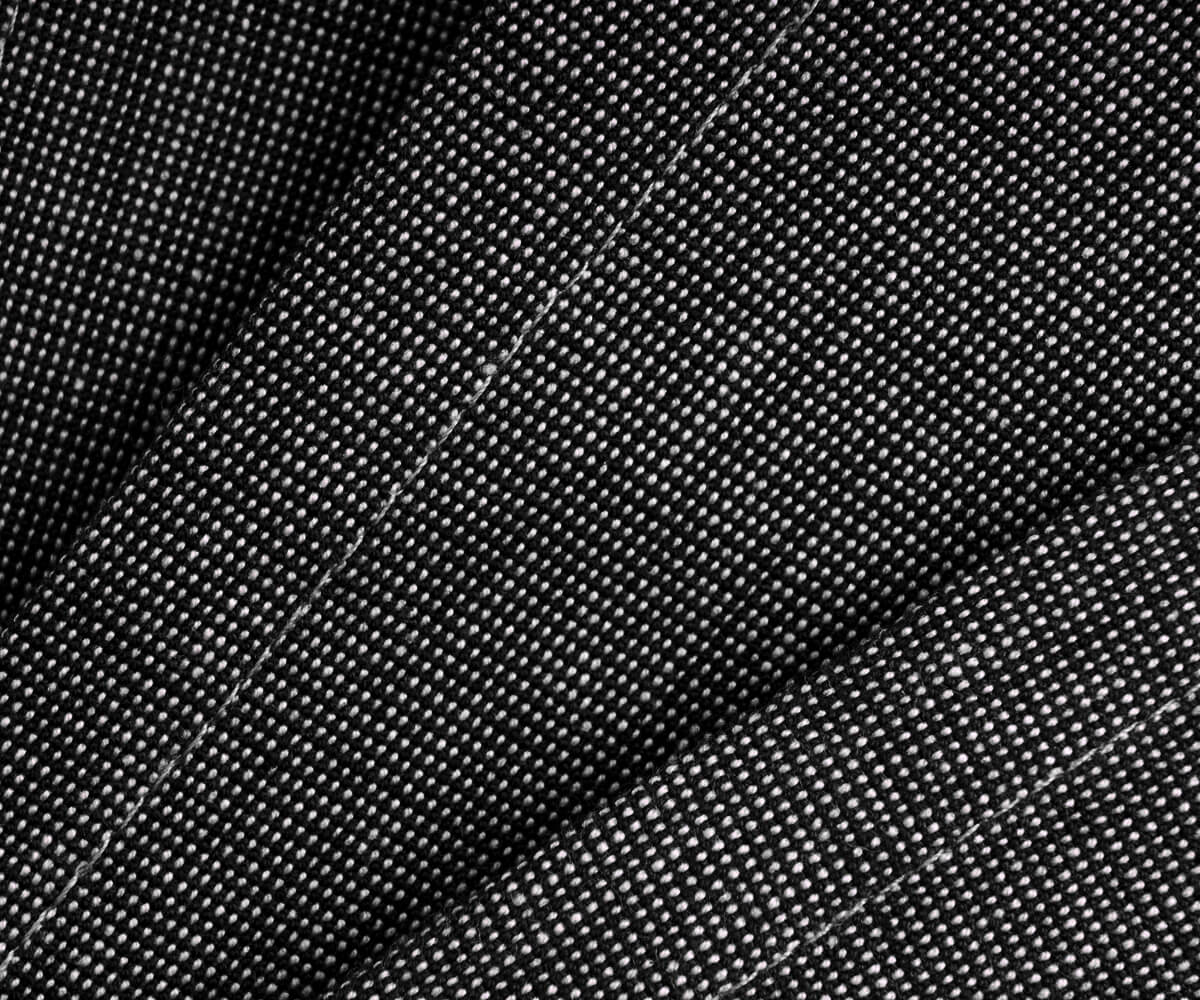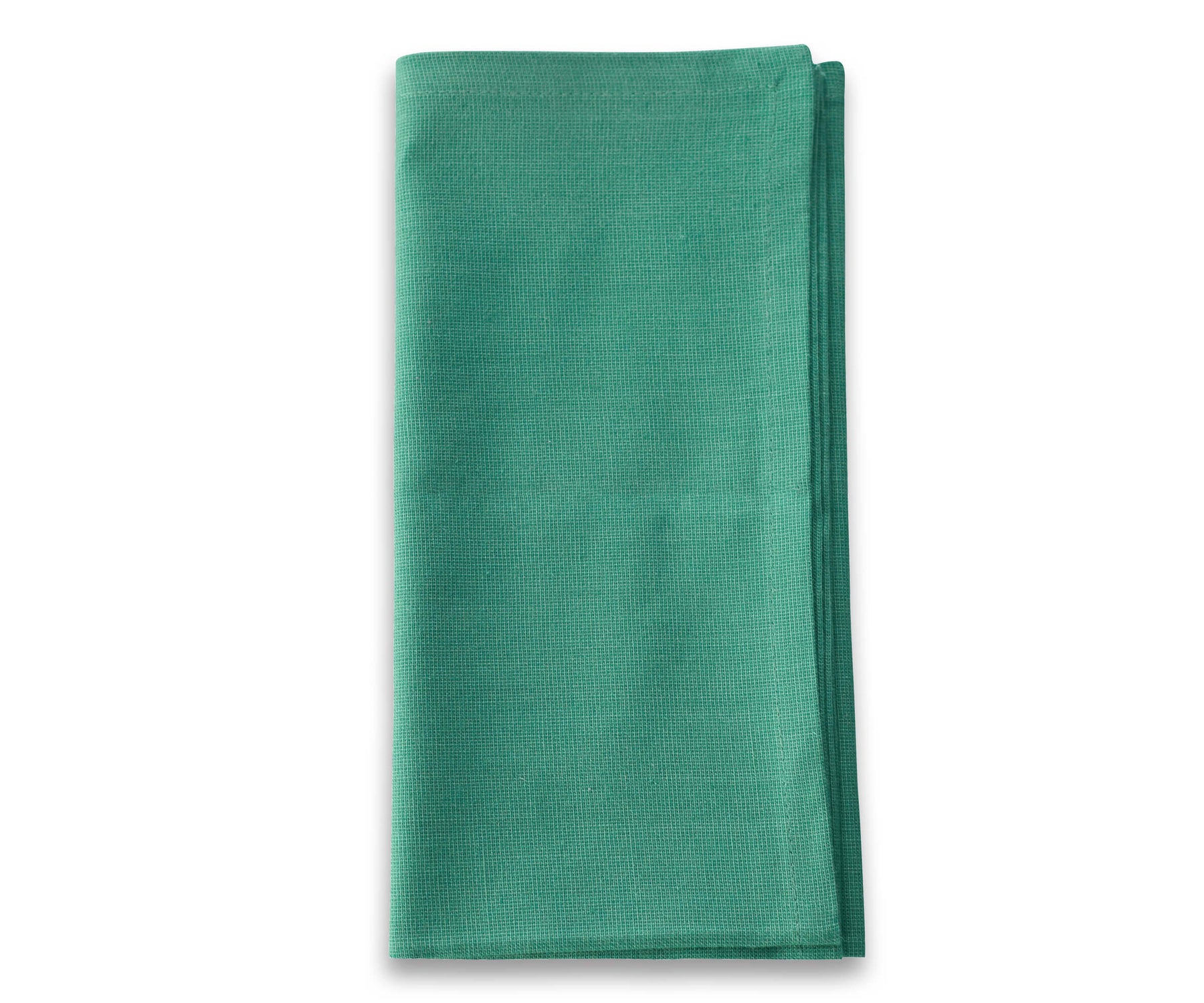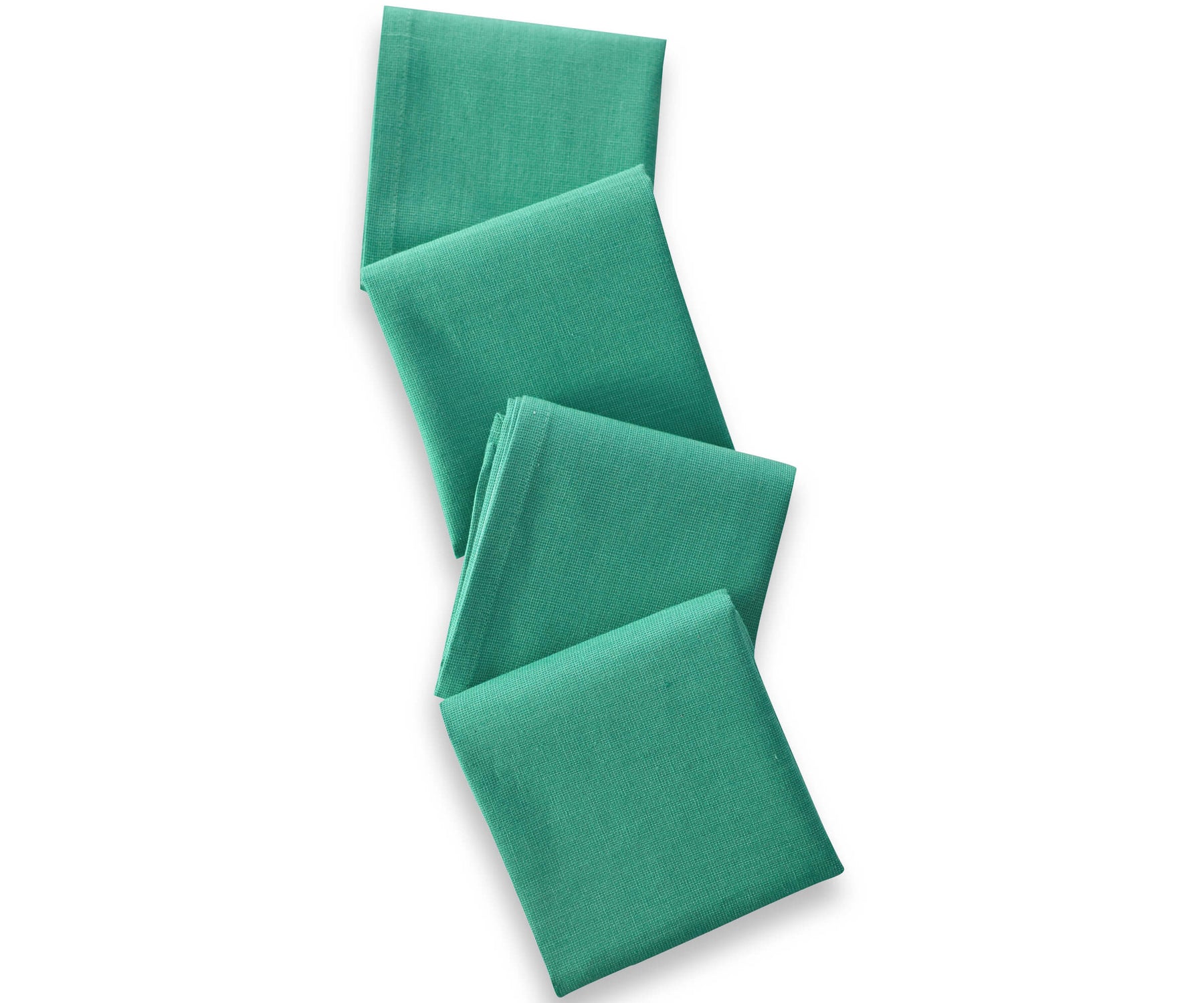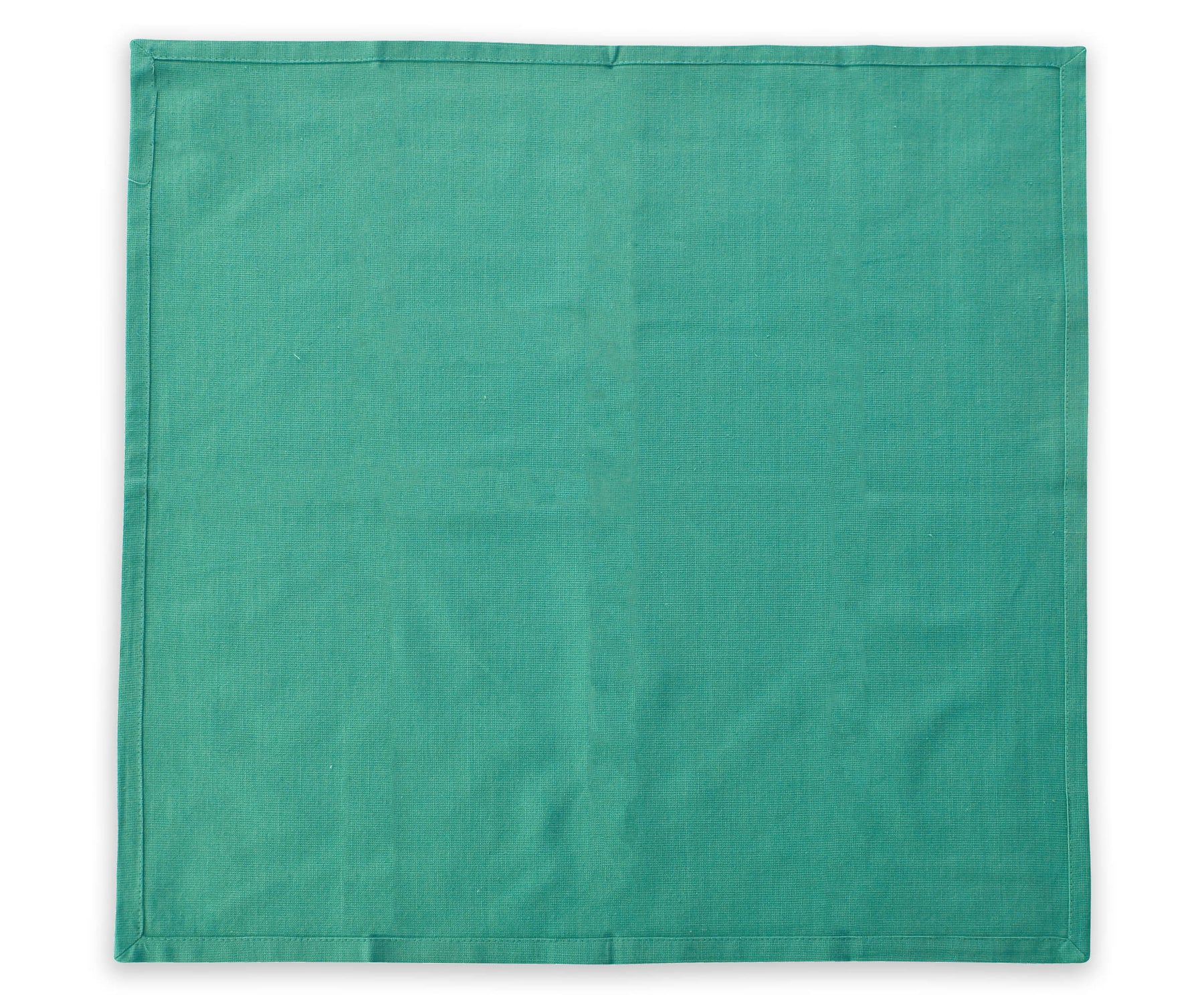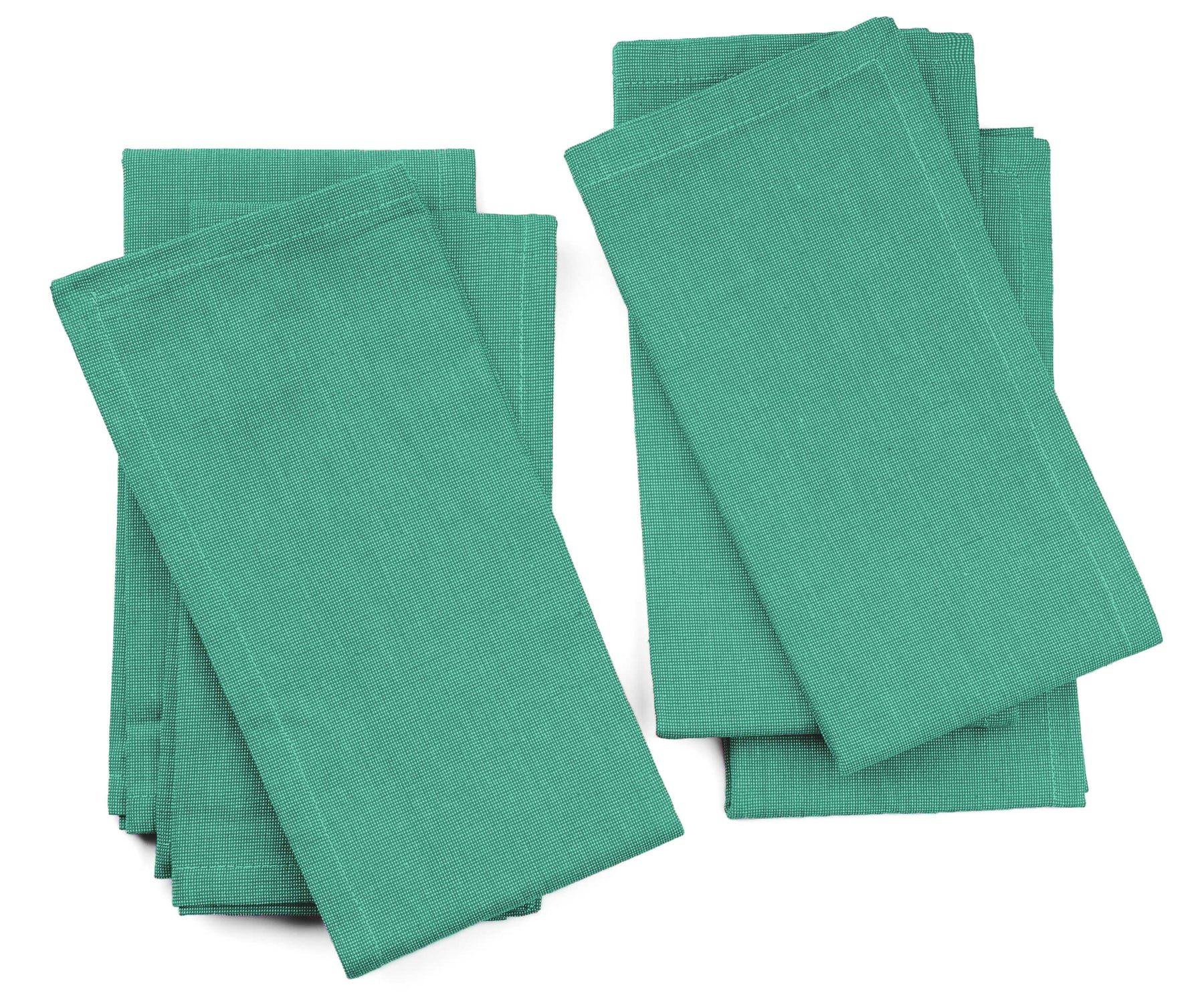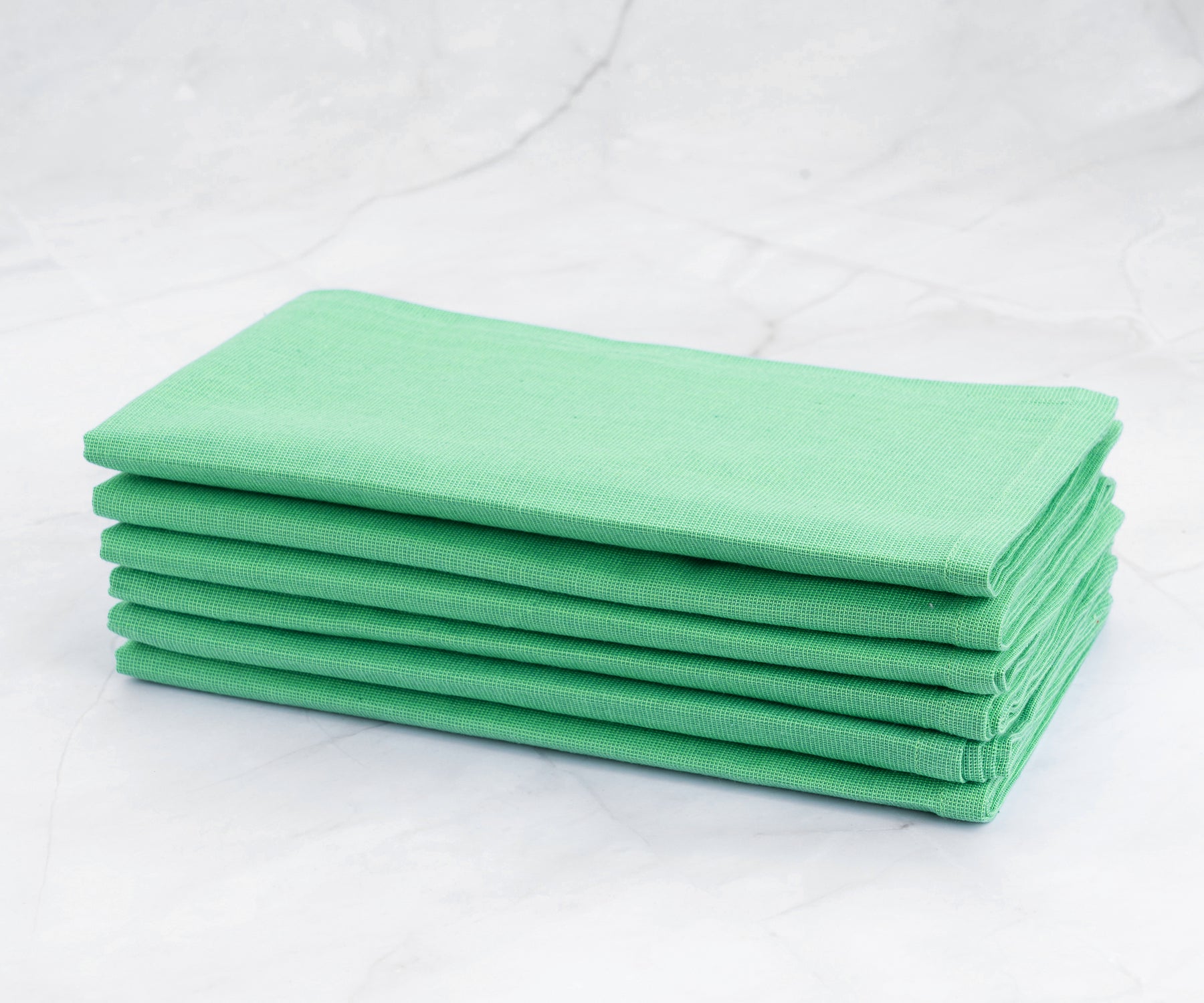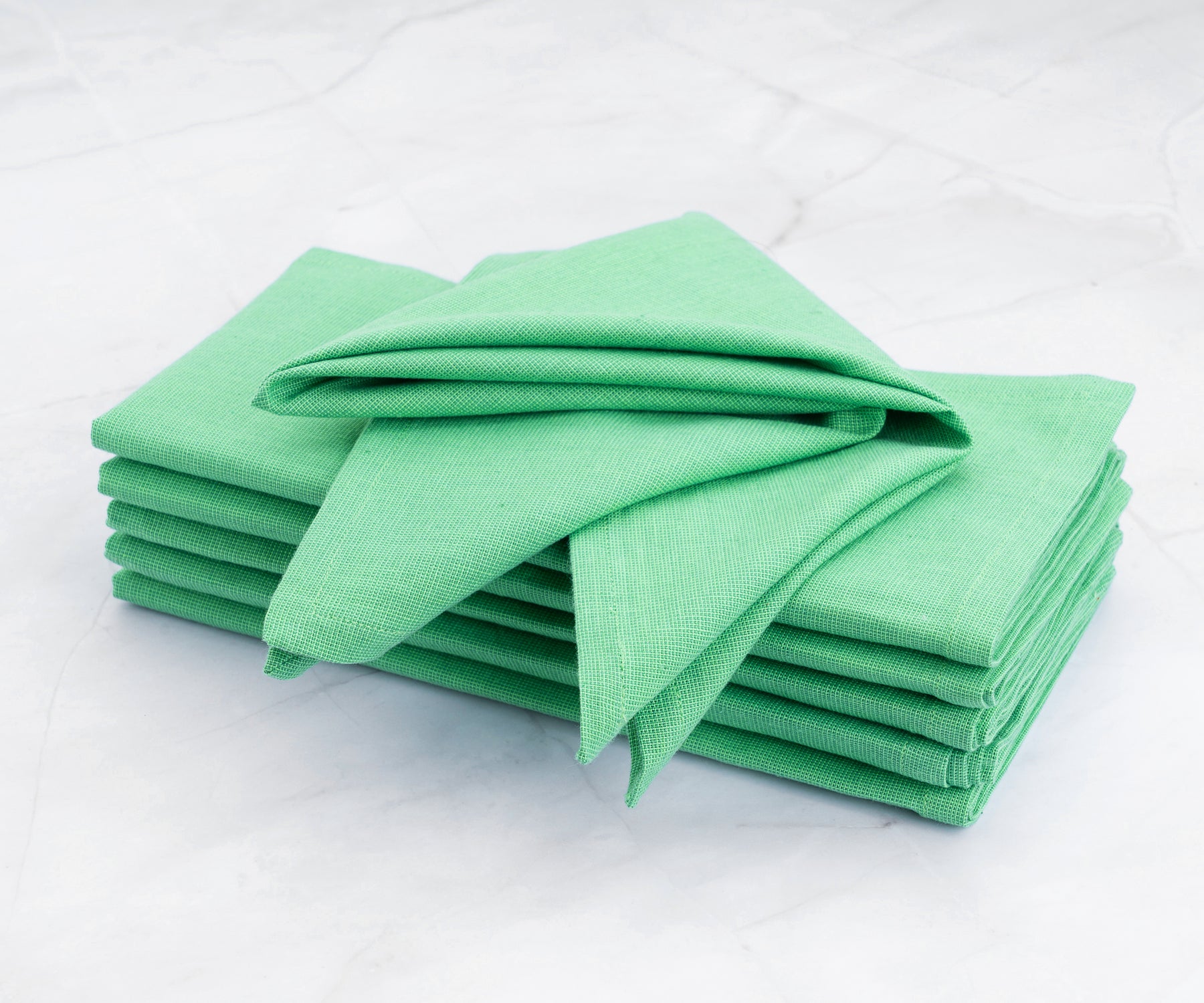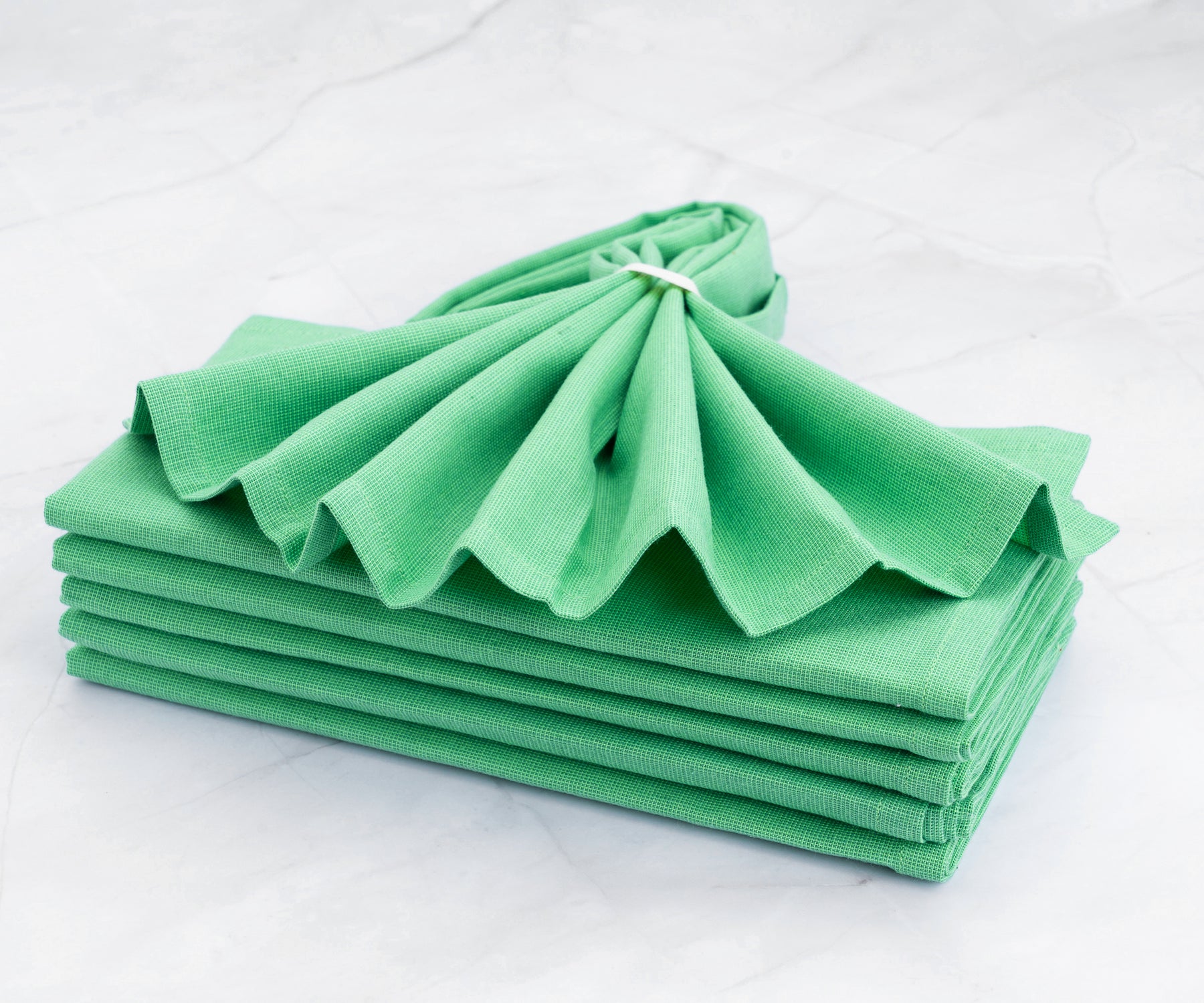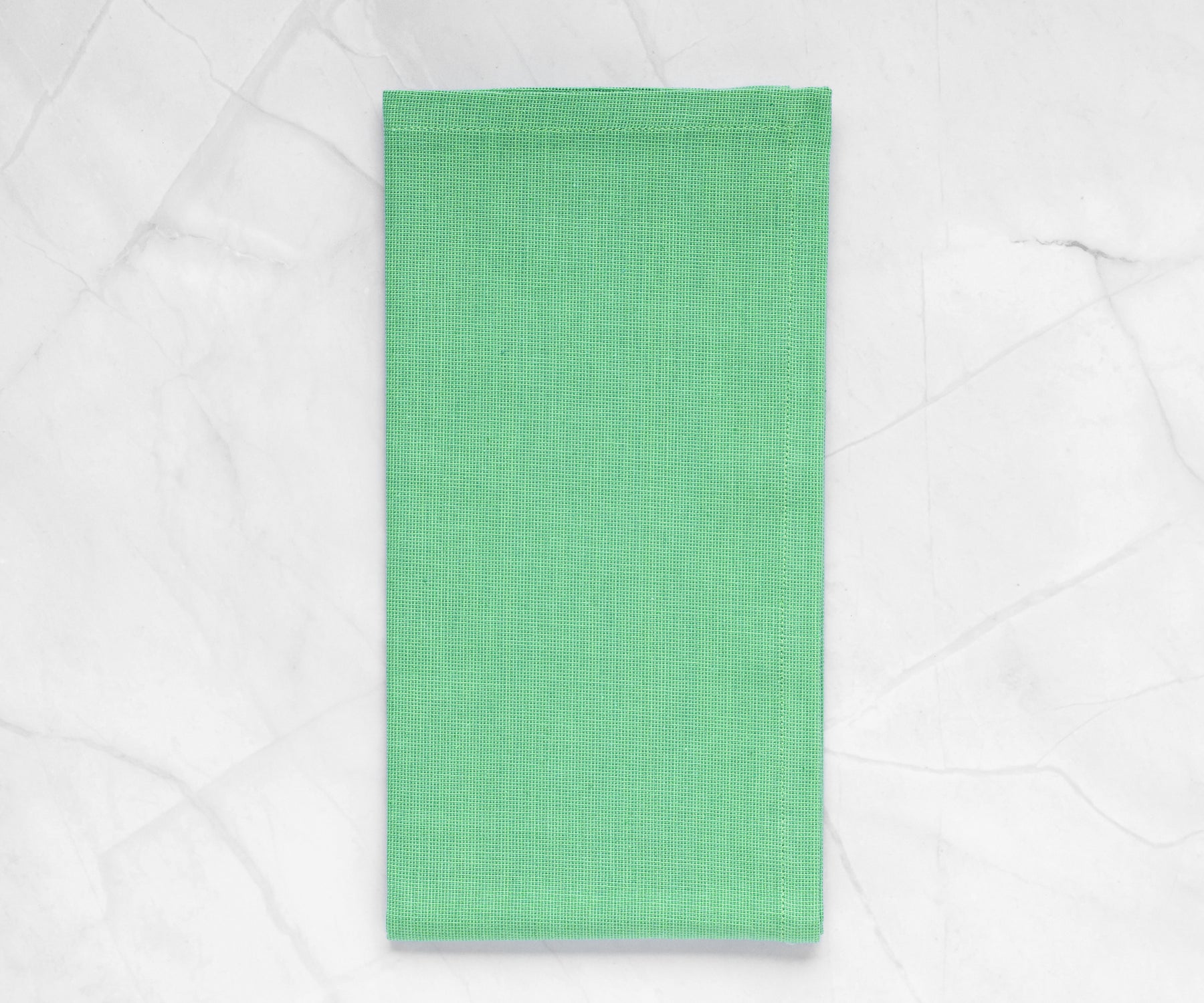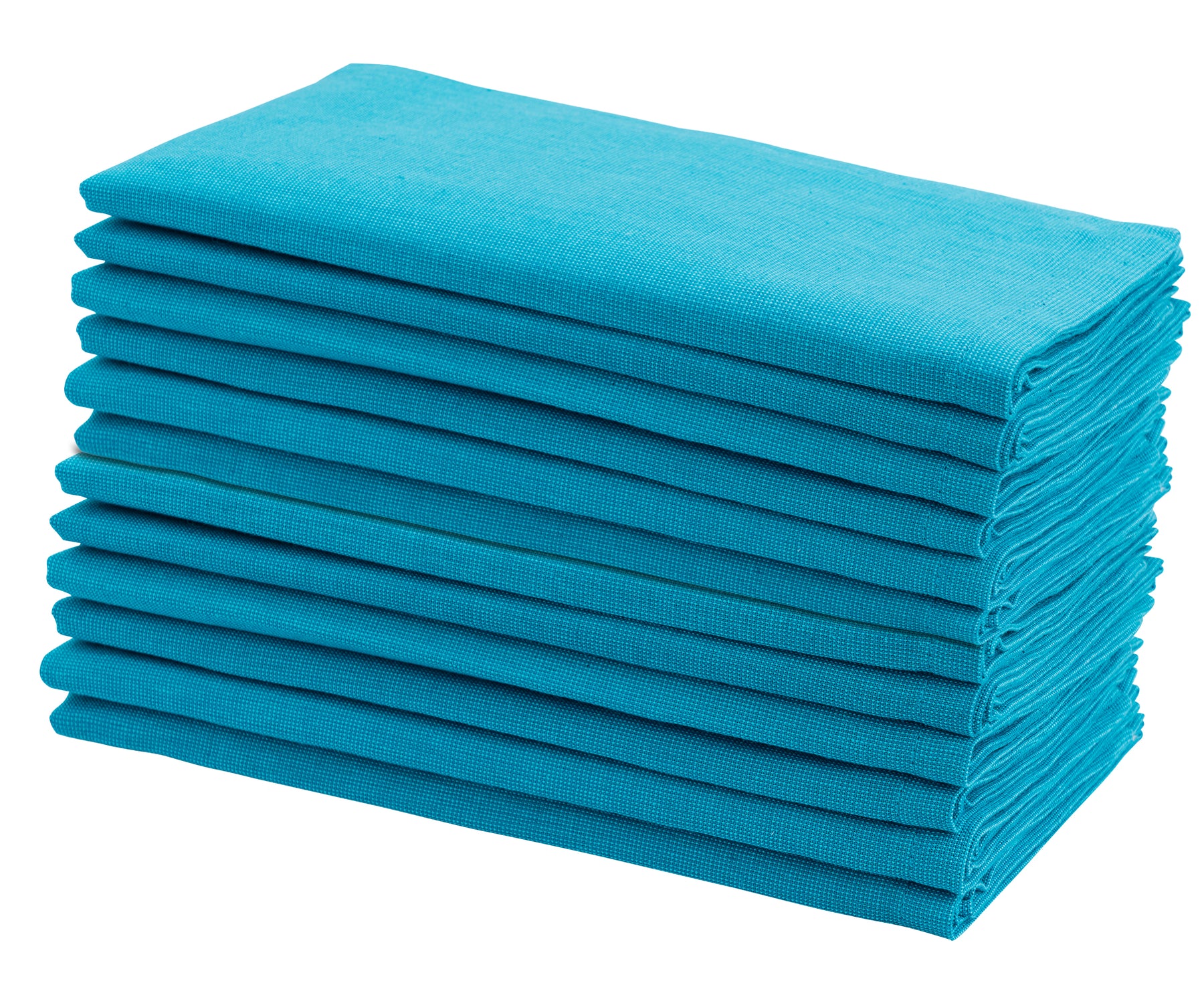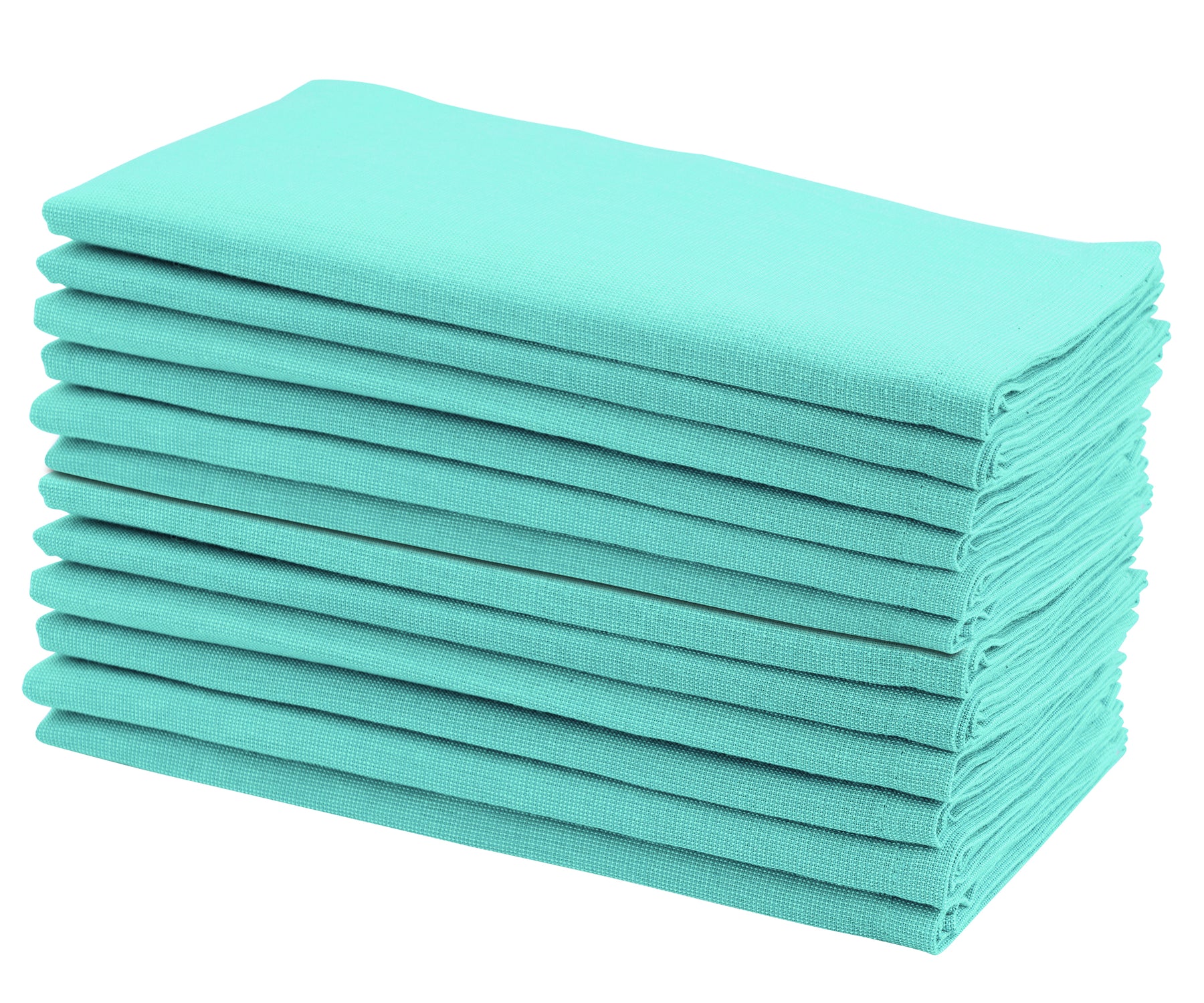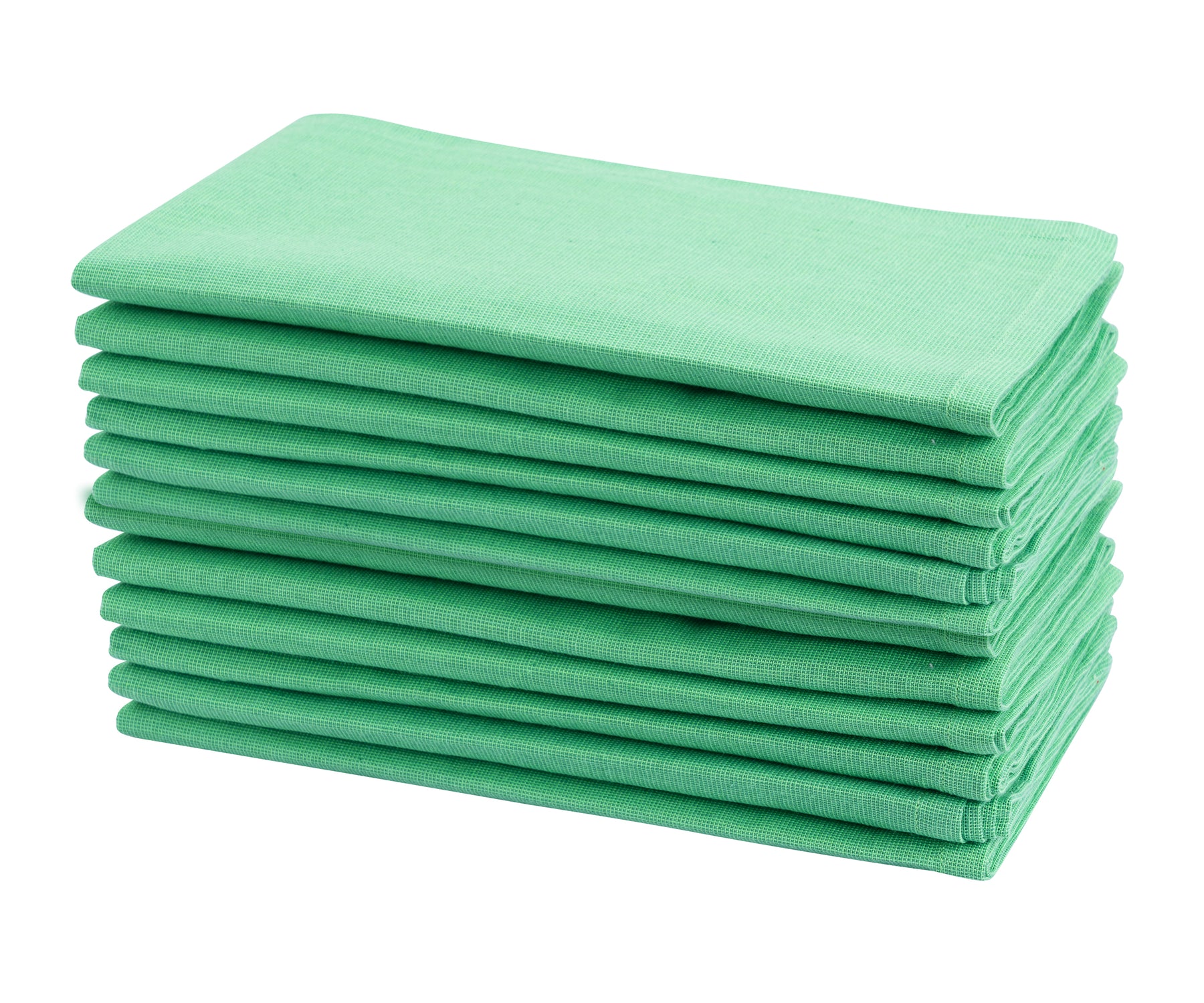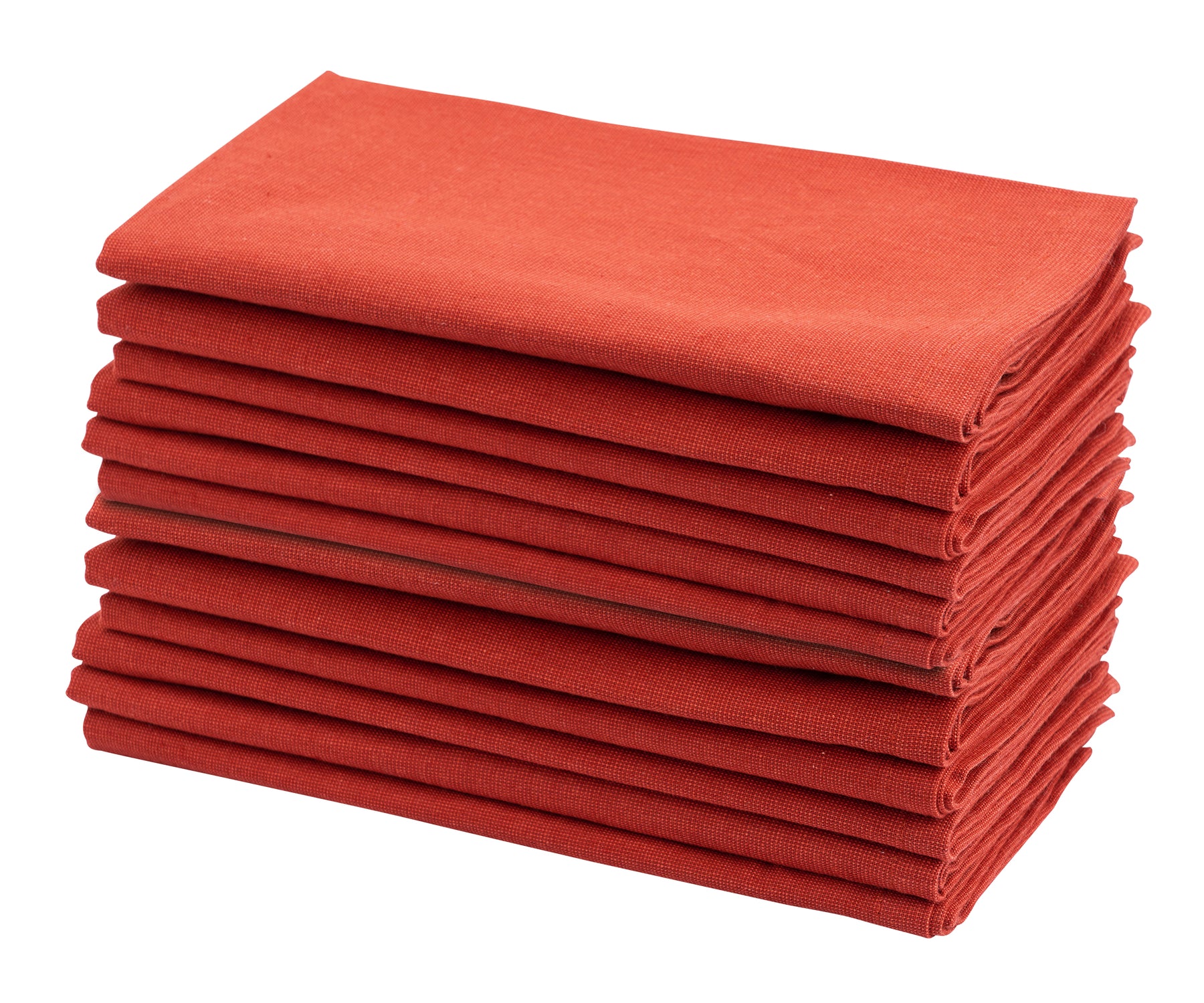


The right throw makes lounging genuinely comfortable and your living space genuinely inviting. This guide covers the best materials, weaves, sizes, and styling approaches for throw blankets so you can choose one that works as hard as it looks good.
What Makes a Good Throw Blanket?
A throw blanket differs from a regular blanket in size (smaller, designed for one or two people), weight (lighter, easier to drape and fold), and purpose (lounge-ready rather than primary bedding).
The qualities that make a throw blanket genuinely good for daily lounging:
Warmth without heaviness. The best throws are warm enough to be useful on a cool evening but light enough that they don't feel oppressive or difficult to manage with one hand. Cotton and cotton-blend throws hit this balance well; they provide real warmth without the weight of a wool blanket or the synthetic feel of a polyester throw.

Softness on skin. A throw blanket is in direct contact with bare arms, legs, and the face when used as a lounging cover. Fabric that irritates, pills, or feels scratchy defeats the purpose. 100% cotton and cotton waffle weave throws are soft from the first use and get softer with each wash.
Drape and flexibility. A throw needs to drape naturally over the back of a sofa, fold neatly at the foot of a bed, and wrap loosely around a person without stiffness or bulk. Natural fibers, cotton, linen, and wool drape better than synthetic alternatives.
Visual appeal. Because a throw is visible on furniture most of the time, it contributes permanently to the visual impression of the room. A well-chosen throw in the right color and texture ties a room together. A cheap, pill-covered synthetic throw does the opposite.
Best Materials for Throw Blankets
Cotton Throws
Cotton throws are the most practical and widely used breathable, machine-washable, soft against skin, and available in a huge range of weights, weaves, and colors. A quality 100% cotton throw warms without overheating, works across seasons, and gets softer with every wash rather than roughening or pilling.
Best for: Everyday couch and armchair use, warm climates, households with children or pets (fully machine washable), year-round lounging.
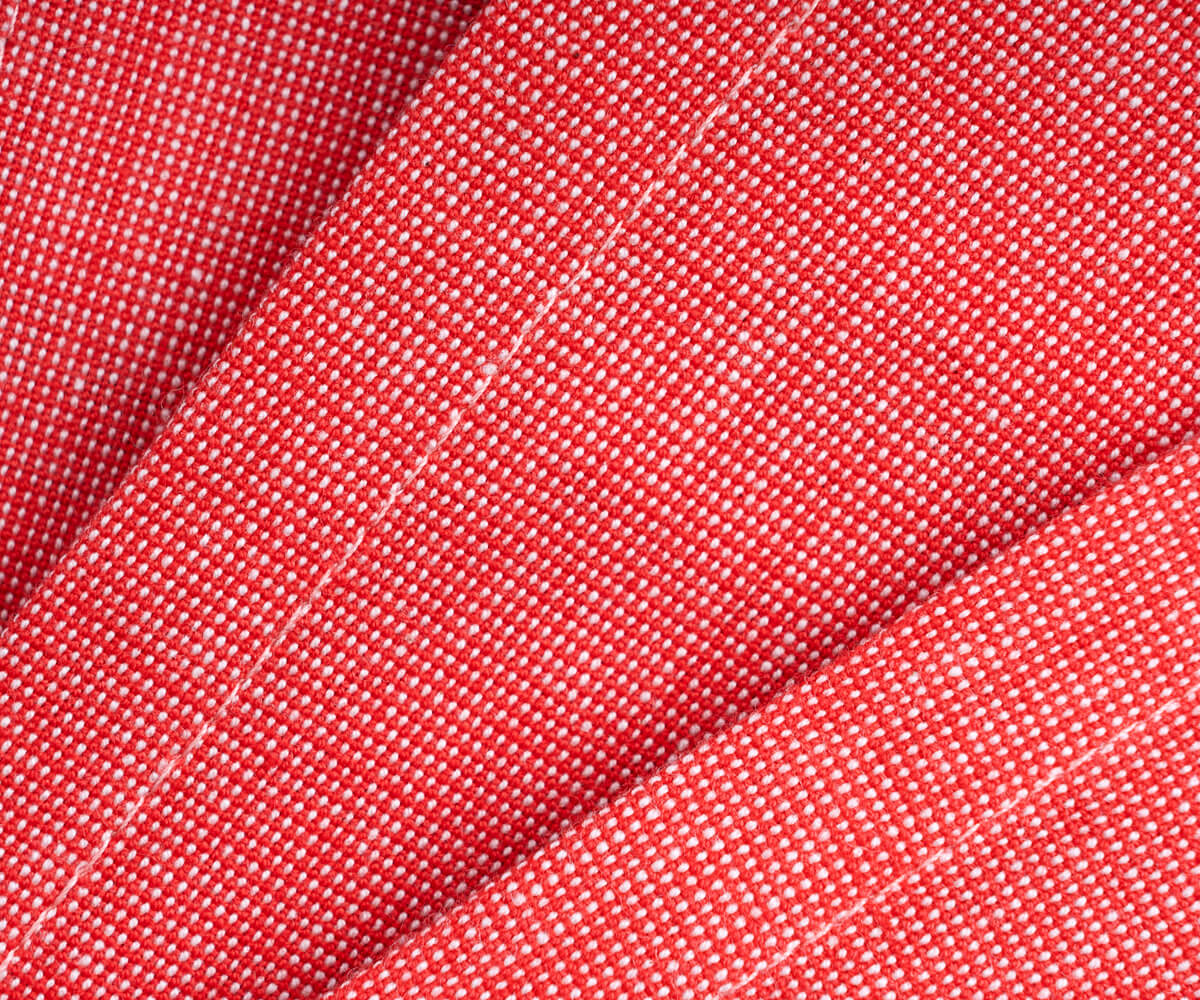
Weave options: Plain woven cotton throws are lighter and more packable. Waffle weave cotton throws have a textured, honeycomb surface that provides more warmth and a distinctive contemporary look. Knit cotton throws are thicker and cozier, with a handcrafted feel that suits relaxed interiors.
Care: Machine wash cold or warm, gentle cycle. Tumble dry low. Avoid high heat, which causes shrinkage and accelerates fiber breakdown. Cotton throws emerge from the wash softer than they went in; this improves over time.
Read More: Why Are Crop Tops Sexualized?
Waffle Weave Cotton Throws
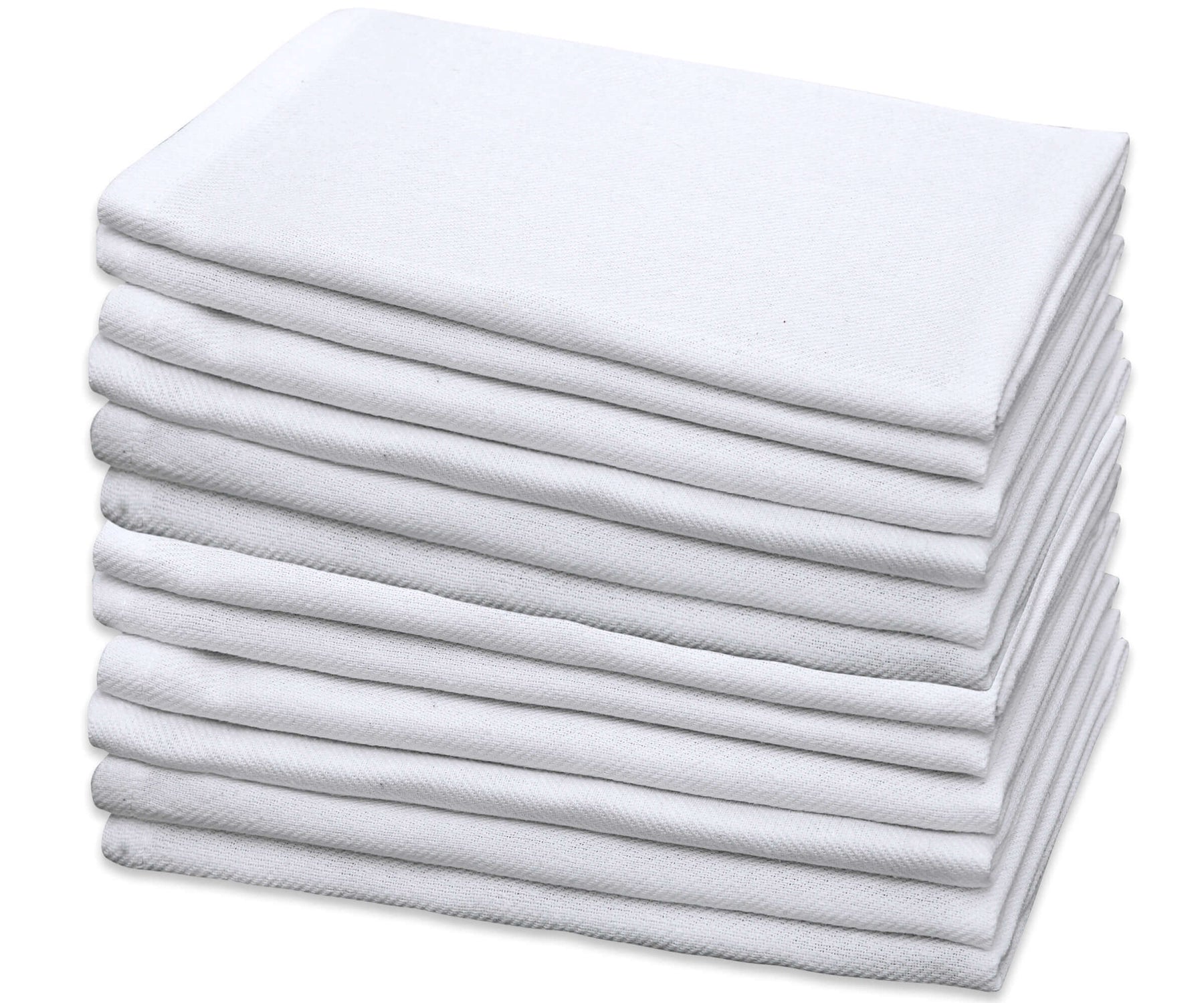
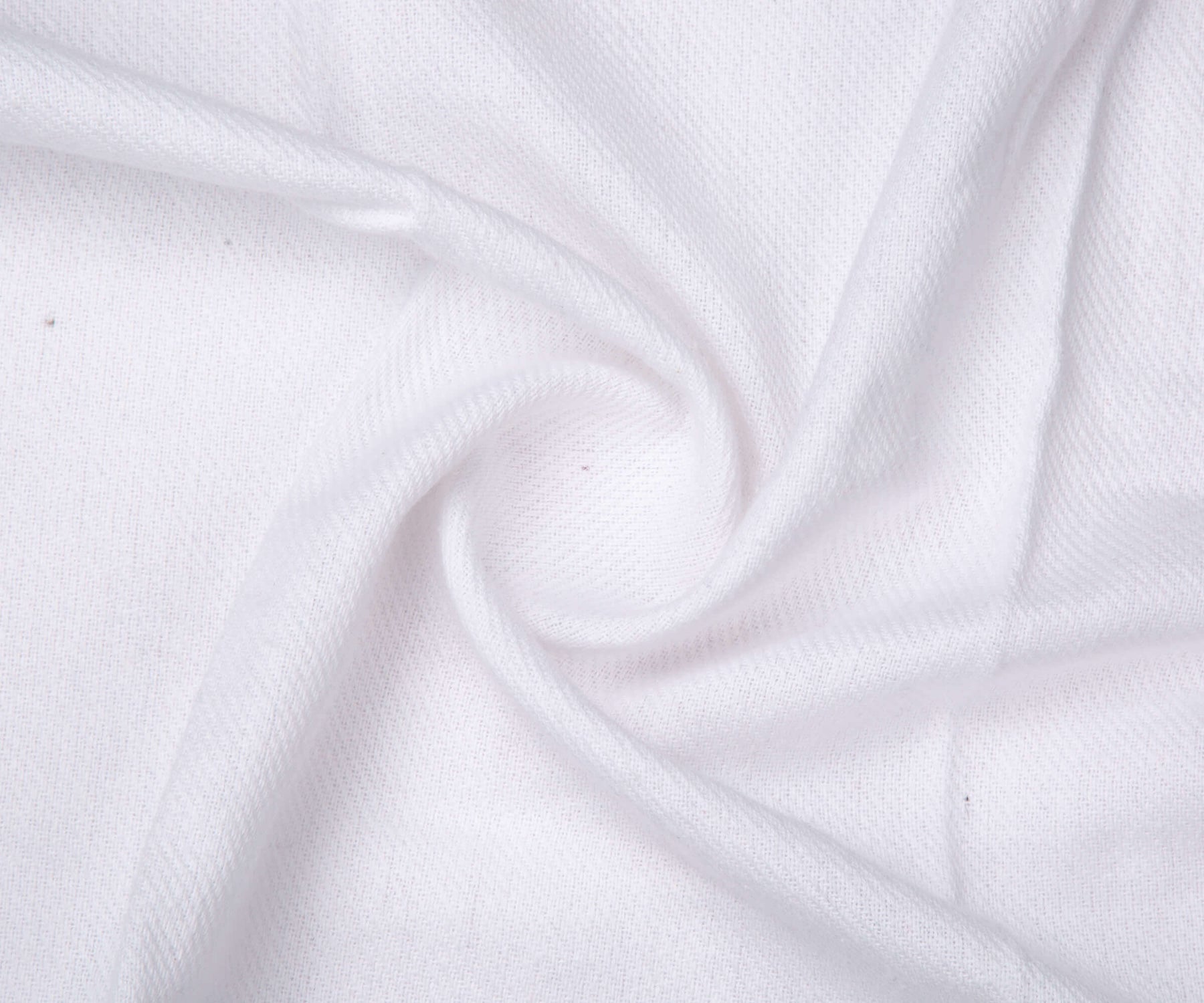
Waffle weave is a specific cotton construction worth calling out separately. The raised honeycomb texture creates more surface area per square inch than a flat weave, which increases warmth and absorbency while keeping the throw lightweight and fast-drying.

Waffle weave throws have a clean, contemporary appearance that works in modern and minimalist interiors. They look intentional on a sofa rather than incidentally placed. They're also lint-free, which matters for dark-colored furniture.
Best for: Modern and minimalist interiors, everyday couch use, anyone who wants a slightly more structured look than a knit or chunky throw.
Wool Throws
Wool throws are the warmest natural fiber option, ideal for cold climates and winter use. Wool is naturally temperature-regulating (warm in cold weather, cooler than expected in mild conditions), naturally moisture-wicking, and exceptionally durable. A quality wool throw lasts decades.
The limitations: wool throws require more careful washing (hand wash or gentle machine cycle with wool detergent, lay flat to dry), cost more than cotton equivalents, and can feel slightly scratchy against bare skin, though merino wool throws are significantly softer than standard wool and suitable for direct skin contact.
Best for: Cold climates, winter lounging, and anyone who wants maximum warmth and long-term investment quality.
Cotton-Acrylic Blend Throws
Blended throws combine cotton softness with acrylic fiber's warmth and color retention. They're generally more affordable than 100% cotton and hold their color longer. The trade-off is that acrylic doesn't breathe as well as cotton and can feel warmer than is comfortable in mild weather. They also shed microplastics in the wash, a meaningful environmental concern over repeated washing cycles.

Best for: Budget-conscious buyers who prioritize warmth and color vibrancy over natural fiber composition.
Linen Throws
Linen throws are lightweight, breathable, and exceptionally durable, better suited to warm climates and spring/summer use than cold-weather lounging. A linen throw on a sofa has an effortlessly sophisticated, relaxed look, particularly in natural undyed tones. Like all linen, it softens and drapes better with each wash.
Best for: Warm climates, summer lounging, decorative use in living spaces where texture and drape matter more than warmth.
What Are Standard Throw Blanket Sizes?
Standard throw blanket dimensions are 50 × 60 inches, large enough to cover one adult from shoulders to knees when seated, or wrap around the torso and legs for reading or watching television.
Larger throws (60 × 80 inches) approach blanket dimensions and provide better coverage for taller adults or couples sharing a sofa.
|
Size |
Dimensions |
Best For |
|
Standard throw |
50 × 60 inches |
Single adult, couch, armchair, foot of bed |
|
Large throw |
60 × 72 inches |
Taller adults, couples sharing a sofa |
|
Oversized throw |
60 × 80 inches |
Full-body coverage, bed layering |
For the foot of the bed: a standard 50 × 60 inch throw folded in thirds across the width of a queen or king bed gives the right proportion visible but not overwhelming.
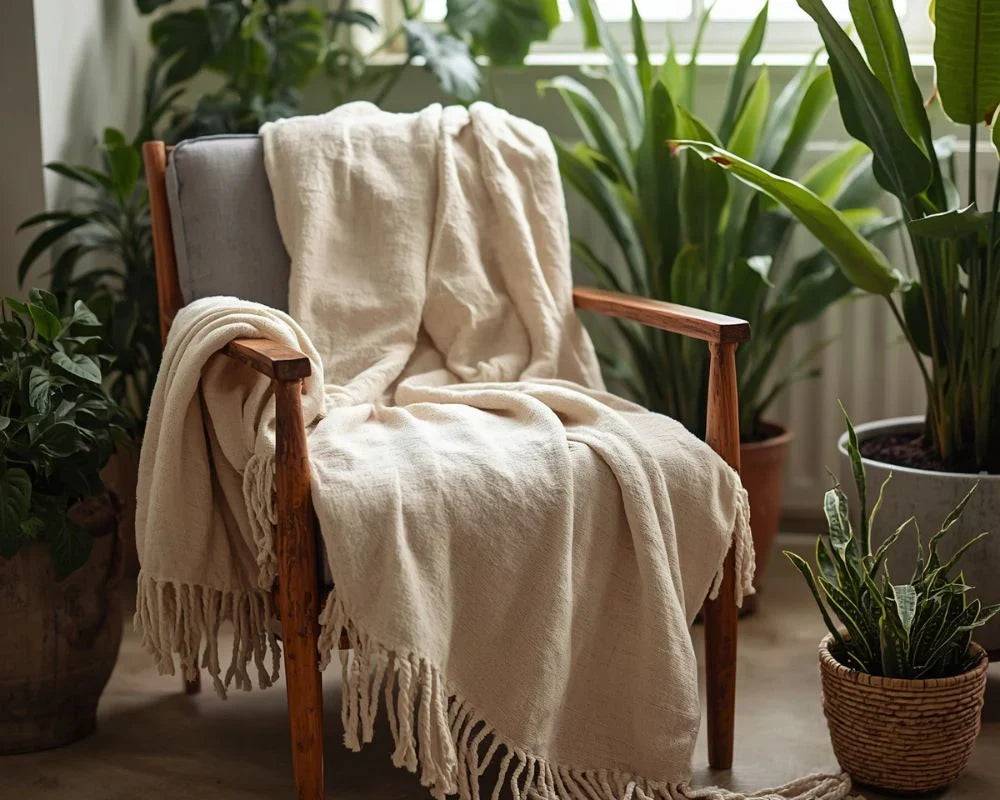
For an armchair: a standard throw draped over one arm, with the tail falling loosely toward the floor, is the most natural and functional styling.
How to Style a Throw Blanket in Every Room
On the Sofa
The throw is the most impactful single textile addition to a living room. It adds texture, color, and warmth without requiring any furniture change. Three approaches work consistently:
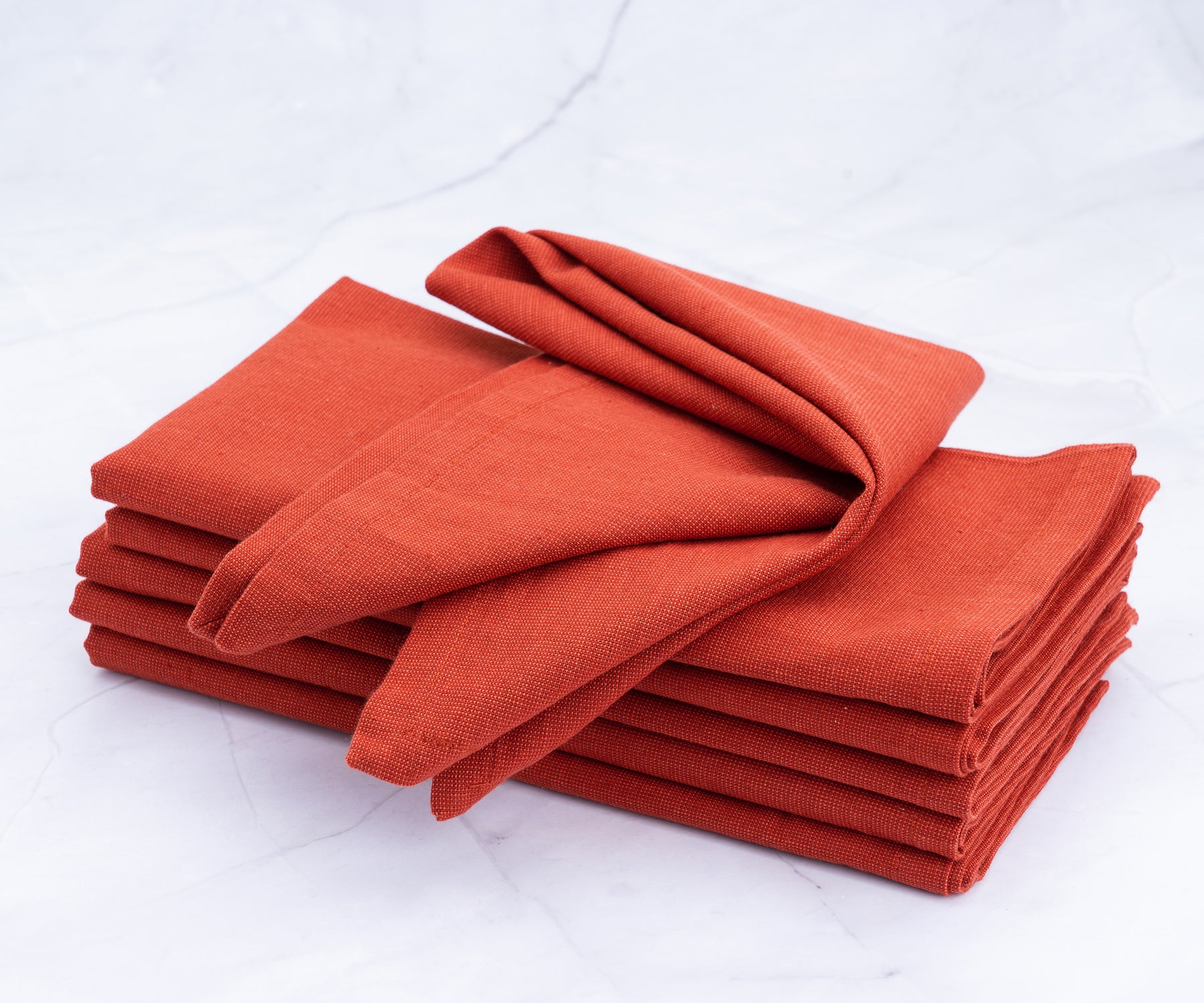
The casual drape: Gather the throw loosely in one hand and lay it over the sofa arm, allowing it to fall naturally. This looks relaxed and lived-in, which suits casual and bohemian interiors. The throw reads as genuinely used rather than staged.

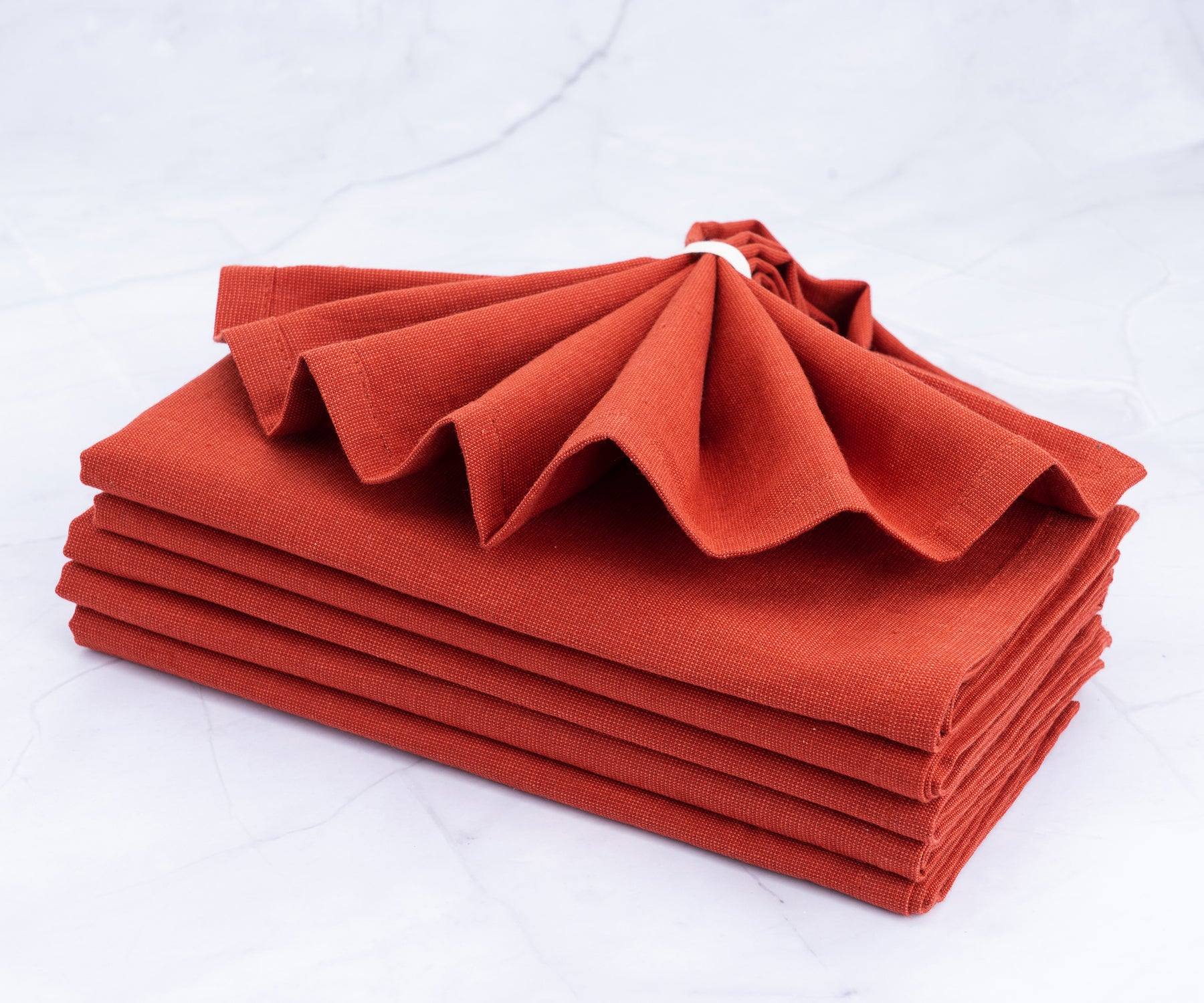
The neat fold: Fold the throw into thirds lengthwise, then fold again into a neat rectangle. Lay it flat over the sofa arm or draped across one cushion at the end of the sofa. This suits modern and minimalist interiors where tidiness matters.
The corner tuck: Place the throw across one corner of the sofa, covering both the seat cushion and the back so it's immediately available for use. Tuck the far end loosely under the cushion to keep it in place. This is the most practical approach for households where the throw is used daily.
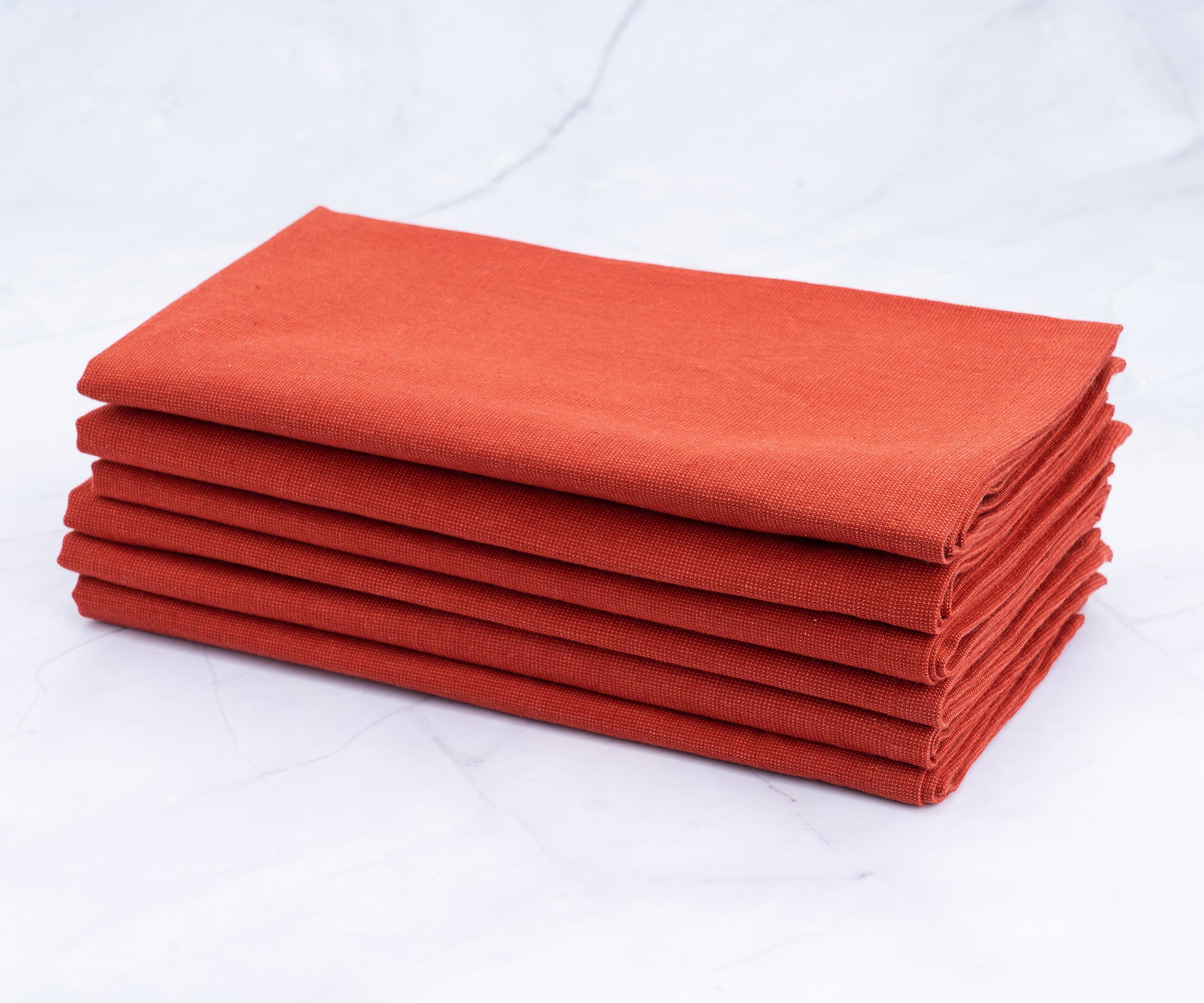
Color consideration: A throw in a tone that contrasts with the sofa makes both the sofa and the throw more visible. A warm terracotta cotton throw on a grey sofa, a cream waffle throw on a navy sofa, or a sage green throw on a natural linen sofa each creates visual interest through contrast rather than uniformity.
On the Armchair
An armchair with a throw draped over it reads as an invitation. Fold the throw loosely over the back or arm of the chair, with enough length to pull across the lap when seated. In a reading corner, a chair with a small table, a lamp, and a throw. The throw is the element that makes the corner feel habitable rather than decorative.
Read Related: Best Picnic Recipes: Easy, Crowd-Pleasing Ideas that Work
At the Foot of the Bed
A throw folded at the foot of the bed adds a layer of warmth for cool nights without committing to a heavier duvet, and breaks up the visual expanse of a plain bed covering. Fold the throw in thirds and lay it horizontally across the lower third of the bed. The color and texture of the throw should relate to but not exactly match the bedding, a cotton waffle throw in warm white on white linen bedding, or a textured cotton throw in a muted earth tone on neutral organic cotton sheets.
Outdoors
Cotton throws work well on outdoor furniture in a covered porch or on garden chairs on a mild evening. They're lightweight enough to carry outside and machine washable if they collect dust or light moisture. Avoid wool throws outdoors; they absorb moisture and are much harder to dry.
How to Care for Cotton Throw Blankets
Washing: Machine wash on a gentle or normal cycle in cold or warm water with a mild detergent. Cotton throws can go in with regular laundry. Avoid hot water, which causes shrinkage and can distort the weave over time.
Drying: Tumble dry on low heat. Remove while slightly damp and shake the throw out briskly before folding. This fluffs the fibers and prevents stiffness. Air drying on a line or drying rack is also effective and gentler on the fibers long-term.

Pilling: Quality 100% cotton throws pill minimally. If pilling occurs (most commonly in lower-quality blends or after high-heat washing), use a fabric shaver to remove pills and restore the throw's appearance.
Storage: Fold loosely and store in a basket, on an open shelf, or in a blanket box between uses. Keeping the throw accessible is the key to actually using it; a throw in a storage bin doesn't get used; one in a basket by the sofa does.
How often to wash: For a throw used daily on a sofa or chair, every two to four weeks is a reasonable washing frequency. More frequently if the throw is used by pets or young children. Cotton throws emerge from frequent washing softer and more comfortable than new.
Throw Blankets as a Decor Element
A throw blanket is one of the few home textiles that functions simultaneously as a comfort object and a decorative one, visible, accessible, and contributing to the room's look, whether it's in use or not.
Choosing a color:
A throw in the same color family as existing cushions or curtains creates visual coherence without requiring a redesign. One contrasting accent color, a burnt orange throw in a room of neutrals, a dusty blue throw in a warm-toned room, adds interest without visual conflict.
Choosing a texture:
In rooms where other textiles are smooth (linen sofa fabric, flat-weave rug, cotton cushions), a waffle weave or knit throw adds tactile variety. In rooms with multiple textures already, a plain cotton throw in a solid color provides visual calm.

Seasonal rotation:
Because throws are lightweight and easy to store, rotating between two sets, a lighter cotton or linen throw for spring and summer, a thicker cotton waffle or wool throw for autumn and winter, keeps the room feeling seasonally appropriate without significant effort or cost.
Overview
A throw blanket is the most versatile comfort textile in the home, warming a cool evening on the sofa, layering texture and color into a room, and adapting effortlessly to every use from couch lounging to the foot of the bed. The best everyday throws are 100% cotton or cotton waffle weave: machine washable, soft against skin, warm without being heavy, and visually appealing whether in use or draped over furniture.
Standard size is 50 × 60 inches for one person; go larger for full-body coverage or sharing. Choose a color that contrasts with your sofa for visual impact, and rotate between a lighter throw for warmer months and a heavier one for winter. Store it where you'll actually reach for it: a basket by the sofa, not a bin in a cupboard, and it will earn its place every single day.