



As summer gives way to autumn, the bedroom often becomes one of the first spaces that needs a seasonal adjustment. Cooler evenings can make lightweight summer bedding feel insufficient, but switching immediately to a heavy winter comforter may leave the bed uncomfortable on milder nights. A layered approach offers a more flexible solution.
Layering bedding allows sleepers to add or remove warmth according to changing temperatures. It also creates depth and texture, making the bed look more inviting without requiring an entirely new bedroom setup. From breathable sheets to blankets and quilts, each layer can serve a practical purpose while contributing to the overall appearance of the room.
Start With a Comfortable Base Layer
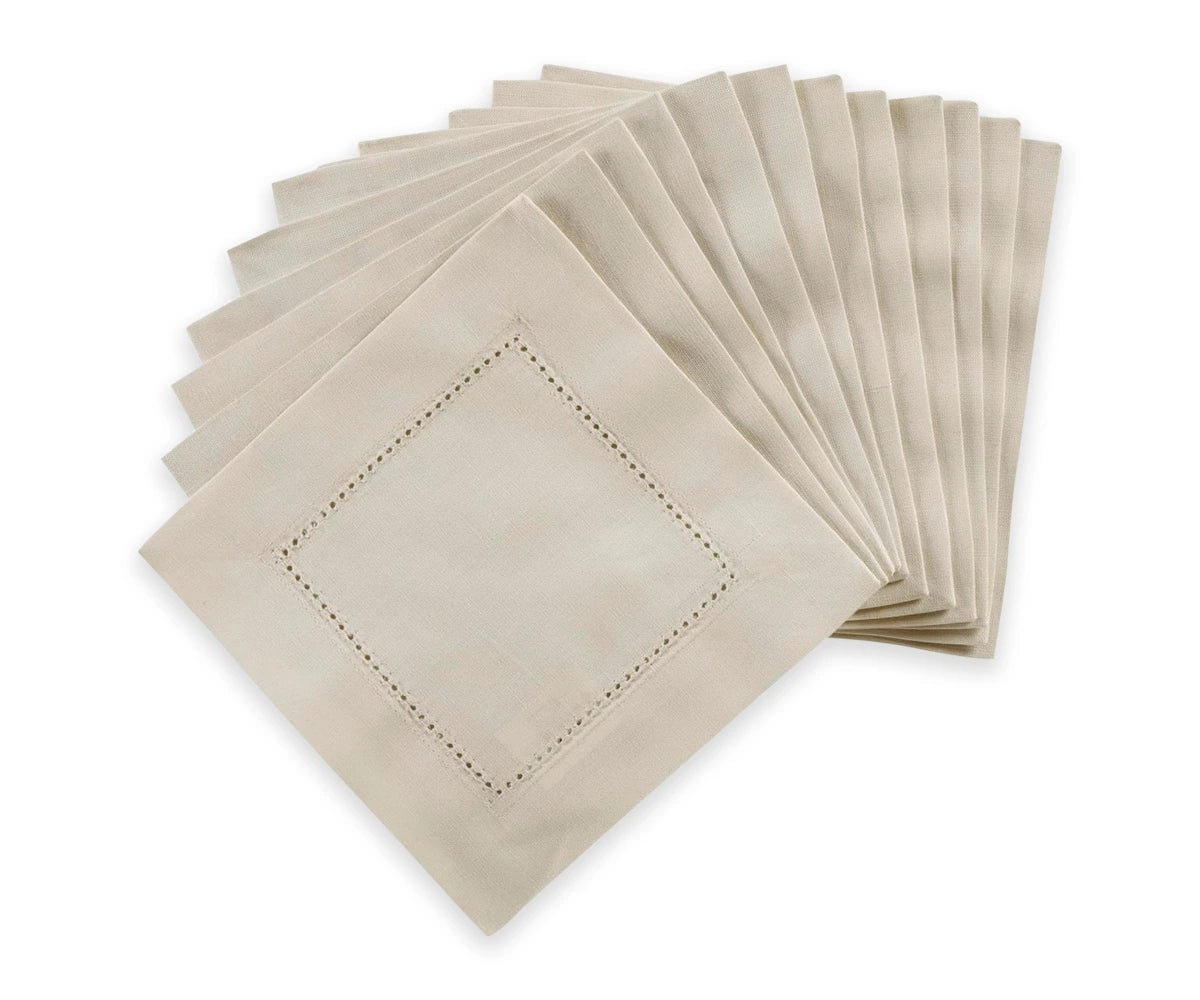
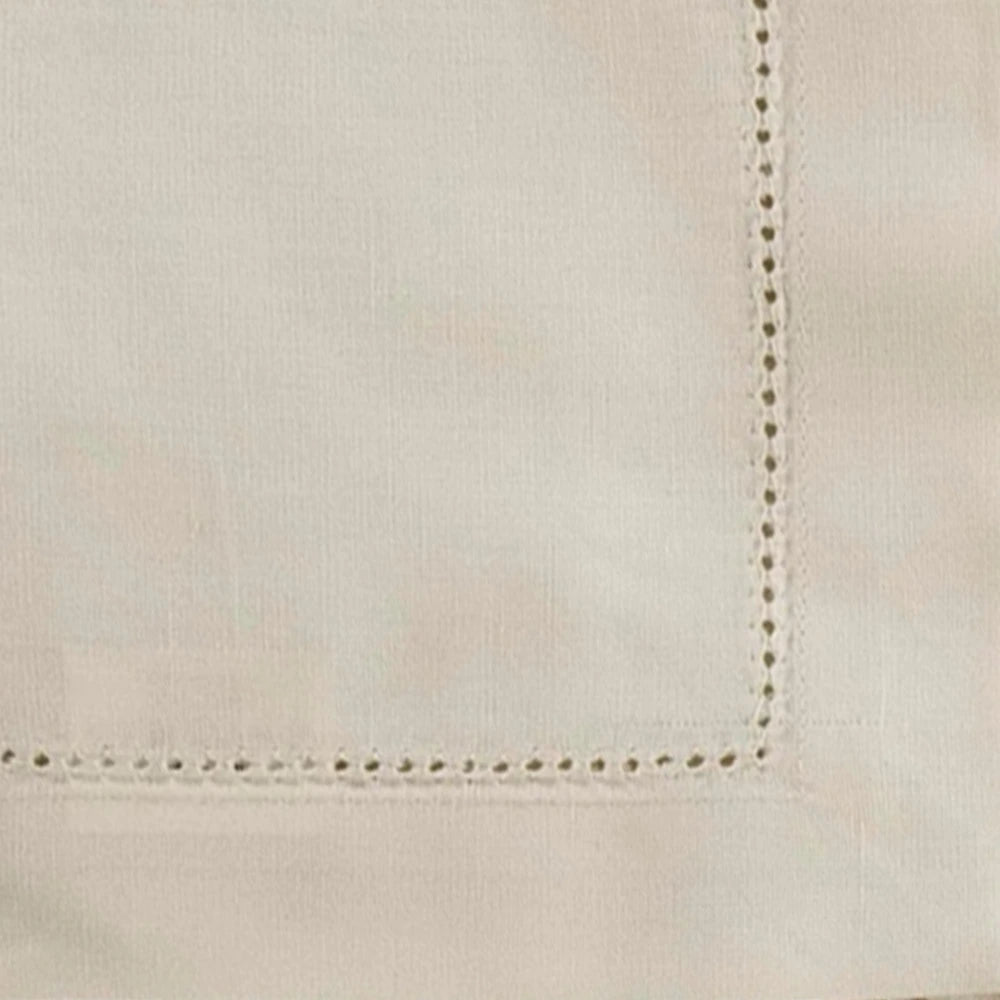
The foundation of a fall bedding setup is the sheet layer. During the transition from summer to autumn, breathable fabrics remain useful because nighttime temperatures can vary significantly. Cotton, linen, and other breathable textiles can help create a comfortable sleeping environment without trapping excessive heat.
A fitted sheet should provide a smooth base, while a flat sheet can add another lightweight layer. The goal is not necessarily to make the bed heavier at the beginning of fall, but to create flexibility additional layers can then be added as temperatures drop.
Fabric weight is another consideration. Lightweight sheets work well during the earlier part of the season, while heavier cotton flannel or brushed fabrics may become more appropriate once consistently colder weather arrives. Choosing materials according to the local climate is more useful than following a fixed seasonal formula.
Color can also help introduce an autumn atmosphere. Warm neutrals, muted greens, soft browns, rust, cream, and subdued orange can evoke the season without making the room look overly themed. These colors can be introduced through sheets, pillowcases, or a lightweight coverlet rather than replacing every piece of bedding.
The bedroom should also remain free from unnecessary clutter. Seasonal changes are a good opportunity to check the area around the bed, including baseboards, closets, and storage spaces. In homes where wood-destroying insects are a concern, signs of structural problems should be considered separately from normal seasonal maintenance.
Add Warmth Gradually With Quilts and Blankets
Once the cotton sheet set layer is established, a quilt or lightweight blanket can provide additional warmth without the bulk of a winter duvet. This middle layer is especially useful during autumn because it can remain on the bed throughout the season and be supplemented when necessary.

A quilt also introduces texture. Traditional quilts, woven blankets, and lightly patterned coverlets can make the bed appear more substantial while maintaining a relaxed appearance. For a simple fall refresh, choose one dominant textile and build the remaining layers around it.
This is also a useful point to consider practical household maintenance. Homeowners sometimes search questions such as are formosan subterranean termites a real estate disclosure item when preparing or maintaining a property. The answer depends heavily on the jurisdiction and the facts known about the property. A March 2026 article from Thrasher Pest Control, citing a California real estate attorney and broker, explains that California does not have a Formosan-specific disclosure requirement, while emphasizing the broader principle that known property issues may need to be disclosed. Disclosure rules are legal matters and can differ between states and local jurisdictions.
The connection to seasonal bedroom maintenance is straightforward: decorating and property care are separate tasks, but both benefit from paying attention to the condition of the home. A beautiful bedding refresh should not obscure moisture problems, damaged wood, or other issues that require appropriate inspection.
For additional warmth, a folded blanket can be placed across the lower third of the bed. This arrangement makes the extra layer readily available without requiring the entire bed to be covered. It also creates a visually structured appearance that works well with both traditional and contemporary bedrooms.
Build the Layers for Comfort and Flexibility
A well-layered bed should allow sleepers to adjust warmth during the night. Instead of relying on one extremely heavy covering, several moderate layers provide more control. This is particularly useful during fall, when outdoor temperatures can change considerably from one week to the next.
A practical layered arrangement might include:
- Breathable fitted and flat sheets as the foundation.
- A lightweight quilt or coverlet for moderate warmth.
- A medium-weight blanket folded near the foot of the bed.
- A duvet or comforter that can be added when temperatures fall further.
- Decorative pillows and a textured throw as the finishing elements.
The number of layers does not need to be excessive. Too many blankets can make the bed difficult to use and may reduce the benefits of having adjustable bedding. Each layer should have a clear function or contribute meaningfully to the overall design.
The filling material of a duvet or comforter also affects warmth. Down, down alternatives, wool, and synthetic fills can have different insulation and moisture-management characteristics. Rather than assuming that a particular material is automatically better, consider personal comfort, allergies, maintenance requirements, and the temperature of the bedroom.
Room temperature matters as well. The U.S. Department of Energy recommends thermostat settings that balance comfort and energy use, although the ideal sleeping temperature can vary between individuals. Bedding should therefore be selected as part of the broader sleeping environment rather than considered in isolation.
Fall is also a common time for homeowners to tackle maintenance projects beyond the bedroom, particularly if a move or sale is being considered. Questions such as whether Formosan subterranean termites are a real estate disclosure item tend to come up during this kind of planning, since disclosure rules can affect paperwork and timing rather than the appearance of any single room. The specifics vary by state, so it is worth confirming local requirements rather than assuming one rule applies everywhere.
Combine Texture, Color, and Pattern Carefully
Fall bedding does not have to feature obvious seasonal prints. In many bedrooms, subtle changes in texture and color create a more lasting result. A neutral quilt can be paired with a rust-colored blanket, for example, while cream or beige sheets provide visual balance.
Texture is particularly effective because it creates depth without requiring strong patterns. Woven throws, quilted coverlets, knitted blankets, and linen pillowcases can all contribute to a layered appearance. Mixing too many textures, however, can make the bed look visually busy.
A simple way to coordinate the bedding is to select one main color, one supporting color, and one neutral. The main color can appear on the quilt or comforter, the supporting shade can be introduced through pillows or a throw, and the neutral can anchor the sheet layer.
|
Bedding Layer |
Primary Purpose |
Suitable Fall Options |
Styling Consideration |
|
Fitted sheet |
Comfortable foundation |
Cotton, linen, breathable blends |
Keep the color relatively neutral |
|
Flat sheet |
Lightweight additional warmth |
Cotton or percale |
Coordinate with the fitted sheet |
|
Quilt or coverlet |
Moderate insulation |
Cotton quilt, woven coverlet |
Use as the main visual layer |
|
Blanket |
Adjustable warmth |
Wool, cotton, fleece, woven fabric |
Fold at the foot of the bed |
|
Duvet or comforter |
Greater warmth |
Down, wool, synthetic fill |
Add when temperatures become colder |
|
Throw |
Decorative accent |
Knitted or textured fabric |
Use sparingly for contrast |
Patterns should also be considered in relation to the rest of the room. If curtains or rugs already contain strong designs, solid-colored bedding may create a more balanced result. Conversely, a relatively simple room can accommodate a patterned quilt or blanket.
Keep the Bedding Practical as Temperatures Change
One advantage of layered bedding is that it can evolve throughout the season. Early autumn may require only a quilt, while colder nights may call for an additional blanket or comforter. This reduces the need to repeatedly change the entire bed.
Storage is important when rotating seasonal bedding. Clean and completely dry blankets should be folded before being stored in a dry, well-ventilated location. Avoid compressing delicate materials excessively for long periods, particularly when the manufacturer recommends a specific storage method.
Regular washing is equally important. Sheets generally require more frequent laundering than decorative blankets and quilts, which may not need washing after every use. Always follow the care instructions for individual fabrics and fillings because excessive washing can shorten the useful life of some materials.
The condition of the bedroom itself deserves attention too. The U.S. Environmental Protection Agency notes that termite prevention includes maintaining dry soil around foundations, fixing leaks, reducing structural openings, and inspecting periodically. These measures are not part of bedding care, but they illustrate why seasonal home maintenance should look beyond visible decoration.
Formosan subterranean termites are an invasive termite species that can cause significant structural damage, and university extension sources identify them as among the more destructive invasive subterranean termites. If a homeowner notices evidence of termite activity, the appropriate response depends on the location, species, and extent of the problem rather than on seasonal decorating plans.
For property owners preparing to sell, questions about termite history and disclosure should be handled according to applicable state and local law. A pest inspection can provide useful information about current evidence, but an inspection does not replace legal advice about disclosure obligations.
Create a Finished Look Without Overloading the Bed
The final step is balancing comfort with appearance. A bed can look layered and inviting without being covered by every blanket and pillow in the house. Leaving some of the base bedding visible helps each textile contribute to the overall composition.
Pillows can be arranged in different sizes, but functionality should remain the priority. Decorative pillows that need to be removed every night may become inconvenient if there are too many. A small number of coordinated pillows can provide enough visual depth without making the bed difficult to use.
The same principle applies to throws. One textured throw at the foot of the bed is often enough to introduce a seasonal accent. If the room already contains autumn colors through curtains, rugs, artwork, or furniture, the bedding can remain relatively neutral.
Fall decorating also benefits from choosing pieces that can transition into winter. Cream, brown, charcoal, muted green, and natural textile shades are not limited to one season. By using versatile colors and textures, homeowners can create a bedroom that feels appropriate for autumn without needing another complete redesign when winter arrives.
End Note
Refreshing a bed for fall is less about buying an entirely new collection of bedding and more about using existing pieces thoughtfully. Starting with breathable sheets, adding a quilt or coverlet, and keeping an extra blanket available creates a flexible arrangement for changing nighttime temperatures.
Color and texture can then provide the seasonal character. Warm neutrals, natural fabrics, subtle patterns, and carefully chosen accent pieces can make the bedroom feel more comfortable without becoming overly themed.
Most importantly, layering allows the bed to adapt. As autumn progresses and nights become colder, additional warmth can be introduced gradually the result is a bedroom that remains practical, comfortable, and visually inviting throughout the changing season.