
Linens serve as the canvas for your reception. Before the centerpieces or place settings catch a guest's eye, they will notice the table itself, which is where the right tablecloths, napkins, runners and placemats can make all the difference. This guide can help you choose wedding linens based on fabric, color, size and budget, as well as where to buy them.
In Brief
- Begin by determining your theme, which will dictate the general style, venue and table shapes, fabric and color.
- Measure your table and decide on the drop (10-15in for formal), floor length for added drama.
- Order one napkin per guest, plus approximately 10% extra.
- Natural fibers such as linen and cotton have a classic elegance and are generally very durable and washable fabrics.
- Order samples early, and always order a sample swatch to ensure the color and weight is pleasing to you.

1. Start With Your Theme and Venue
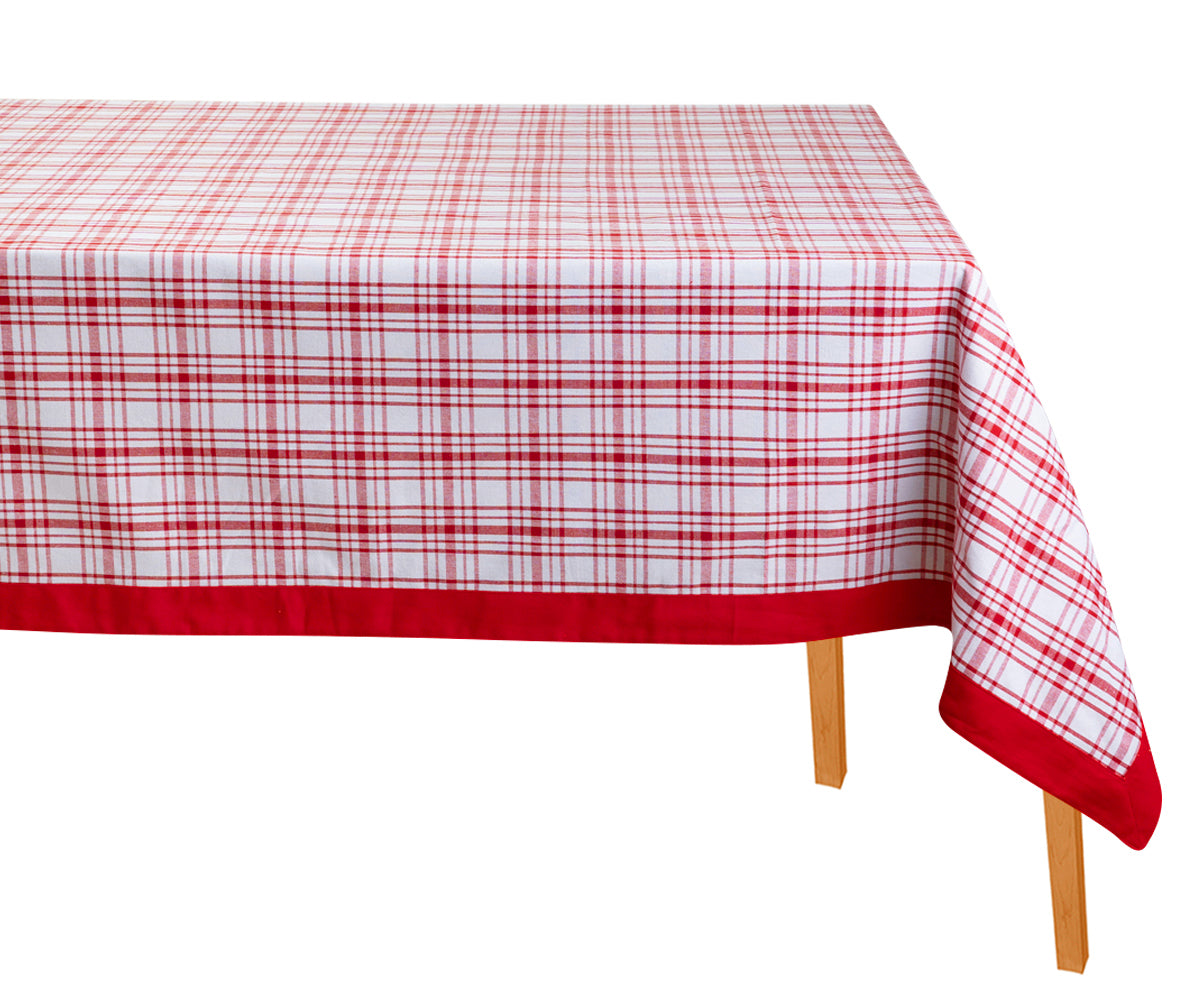
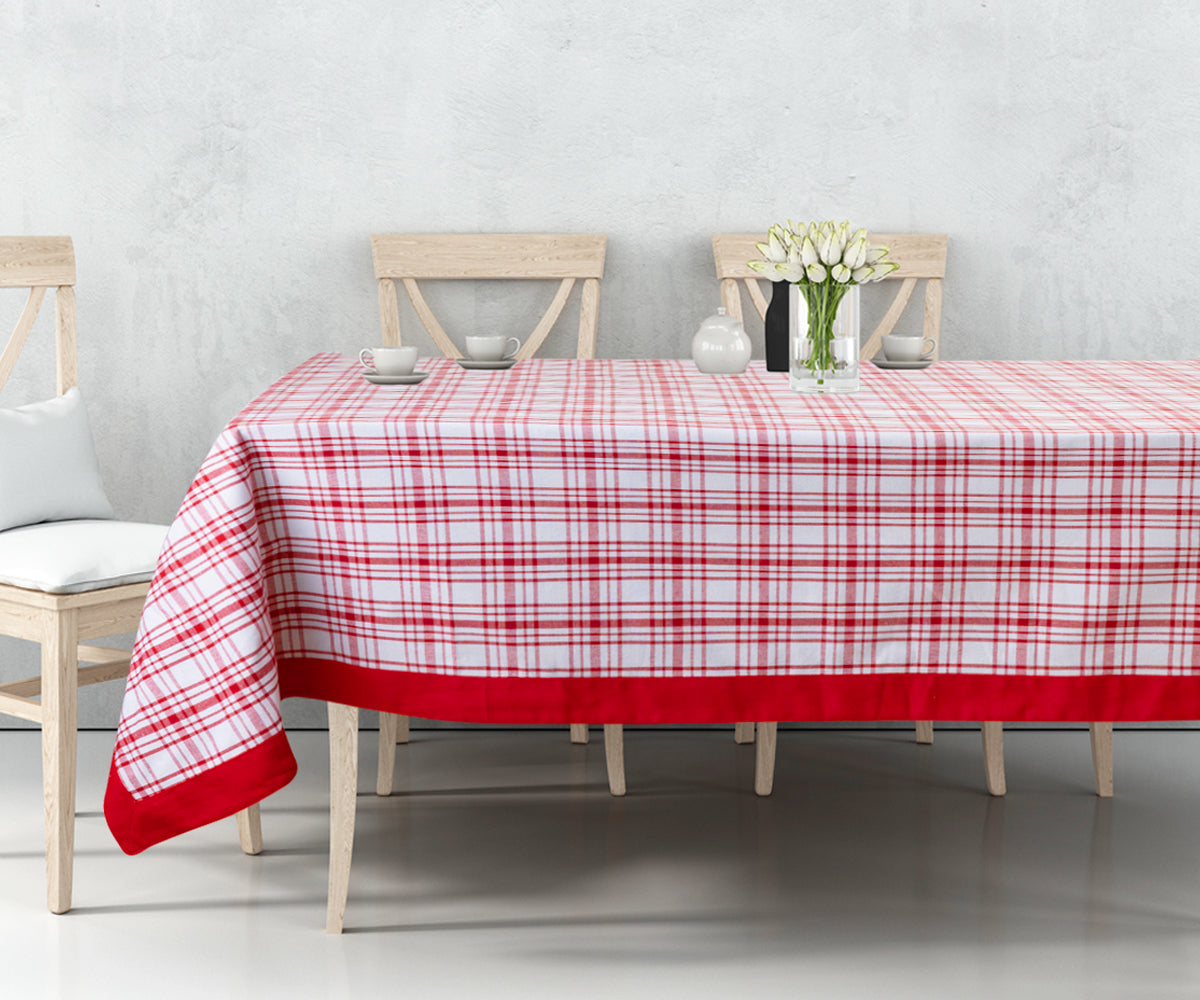
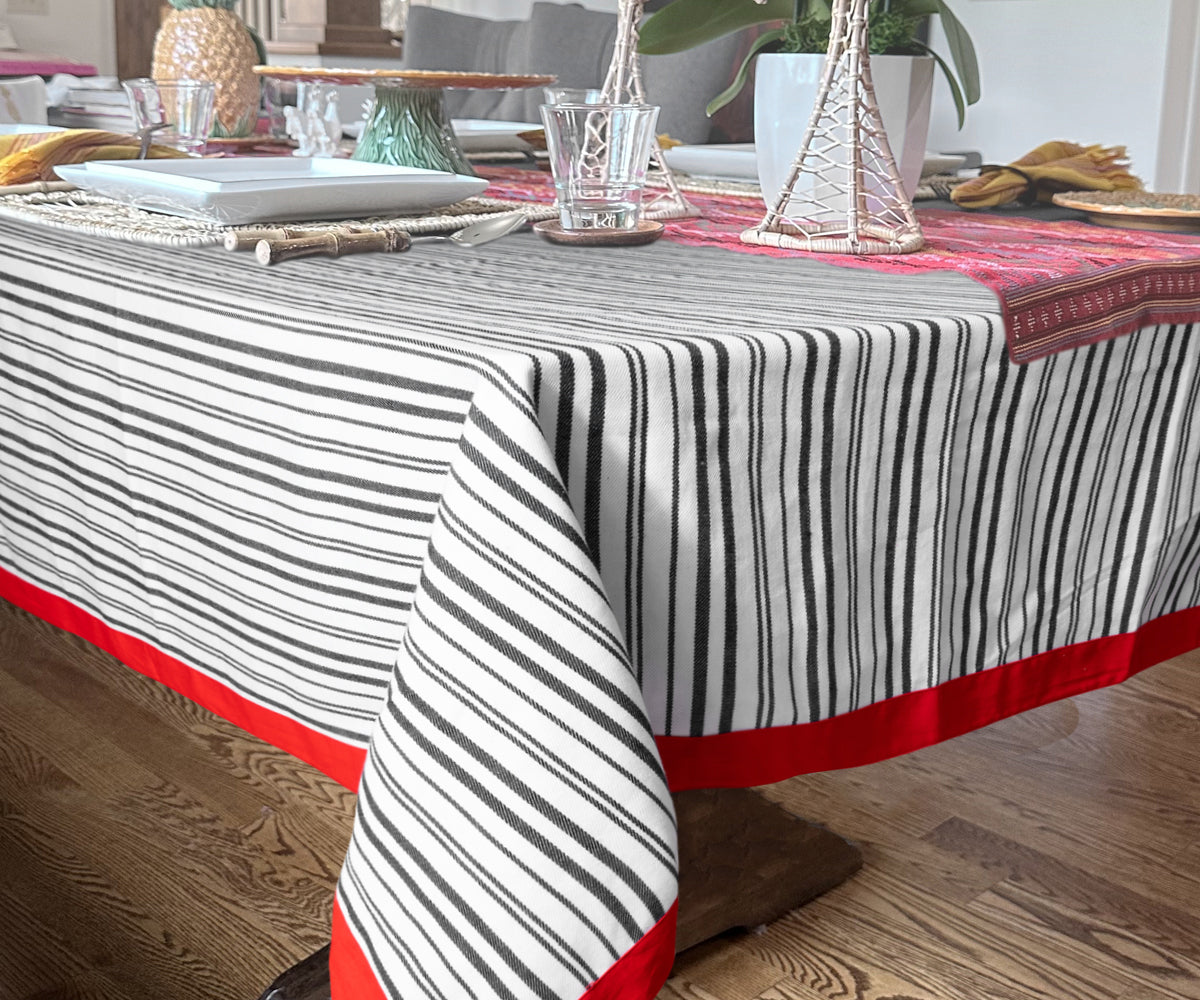
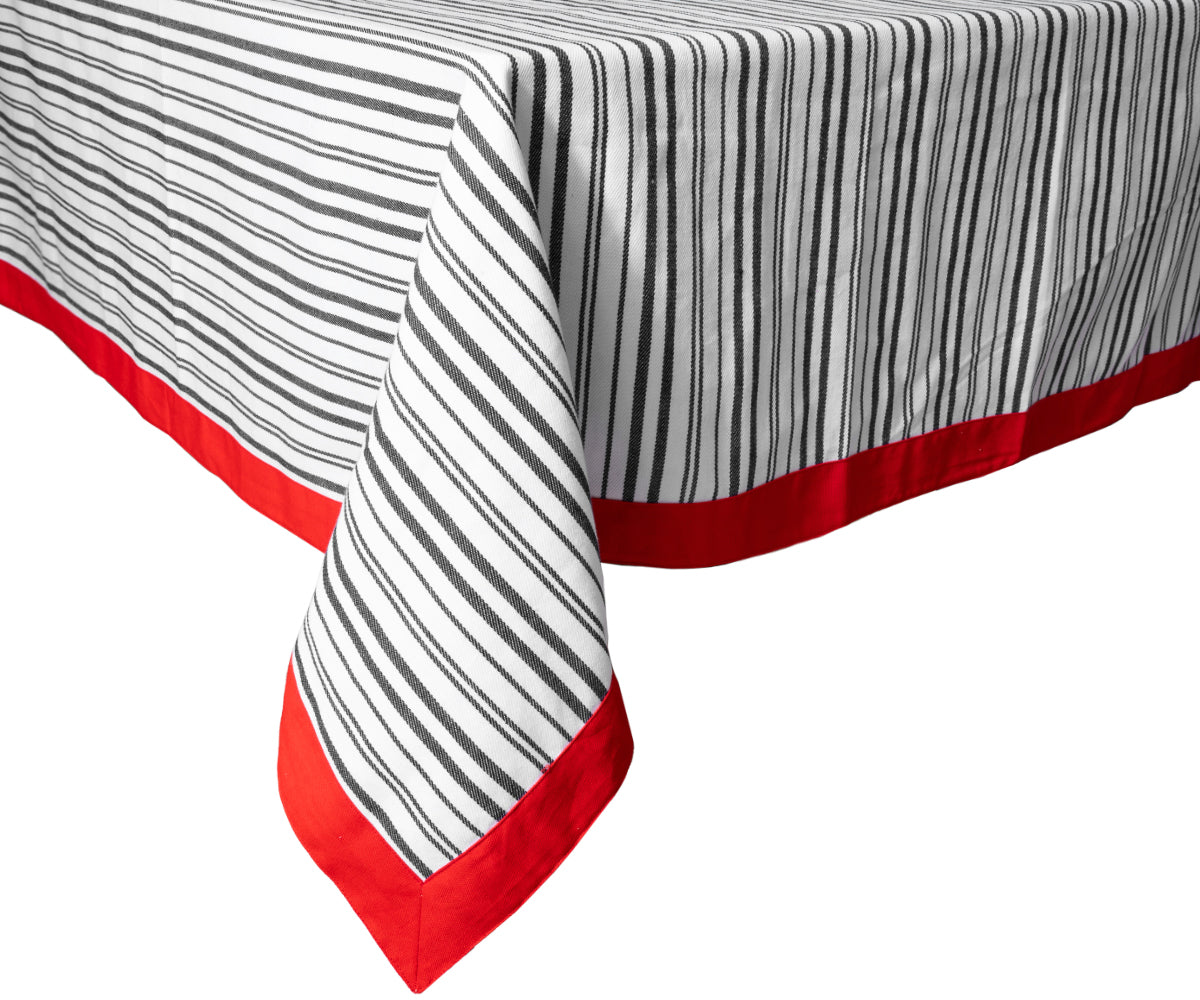
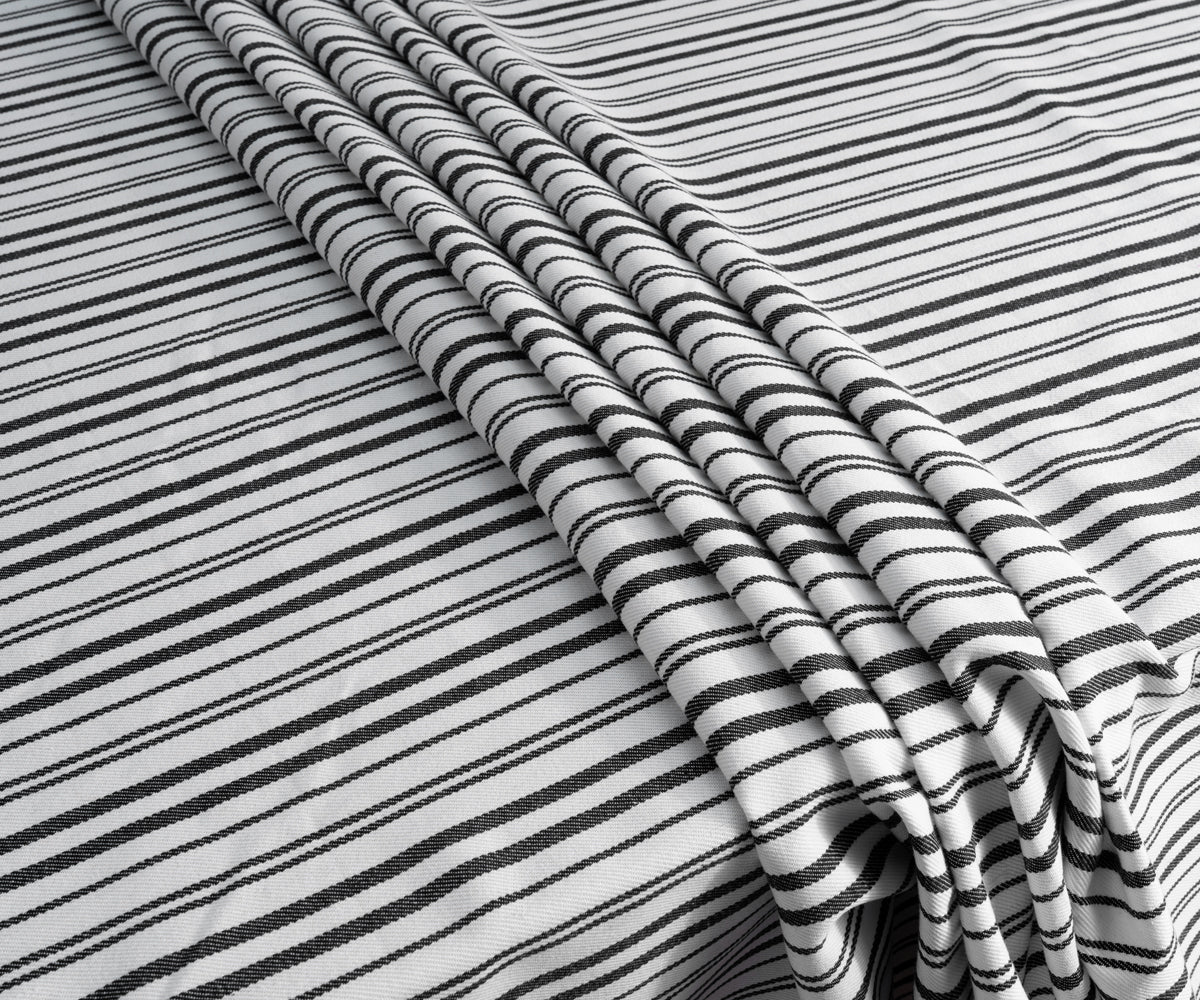
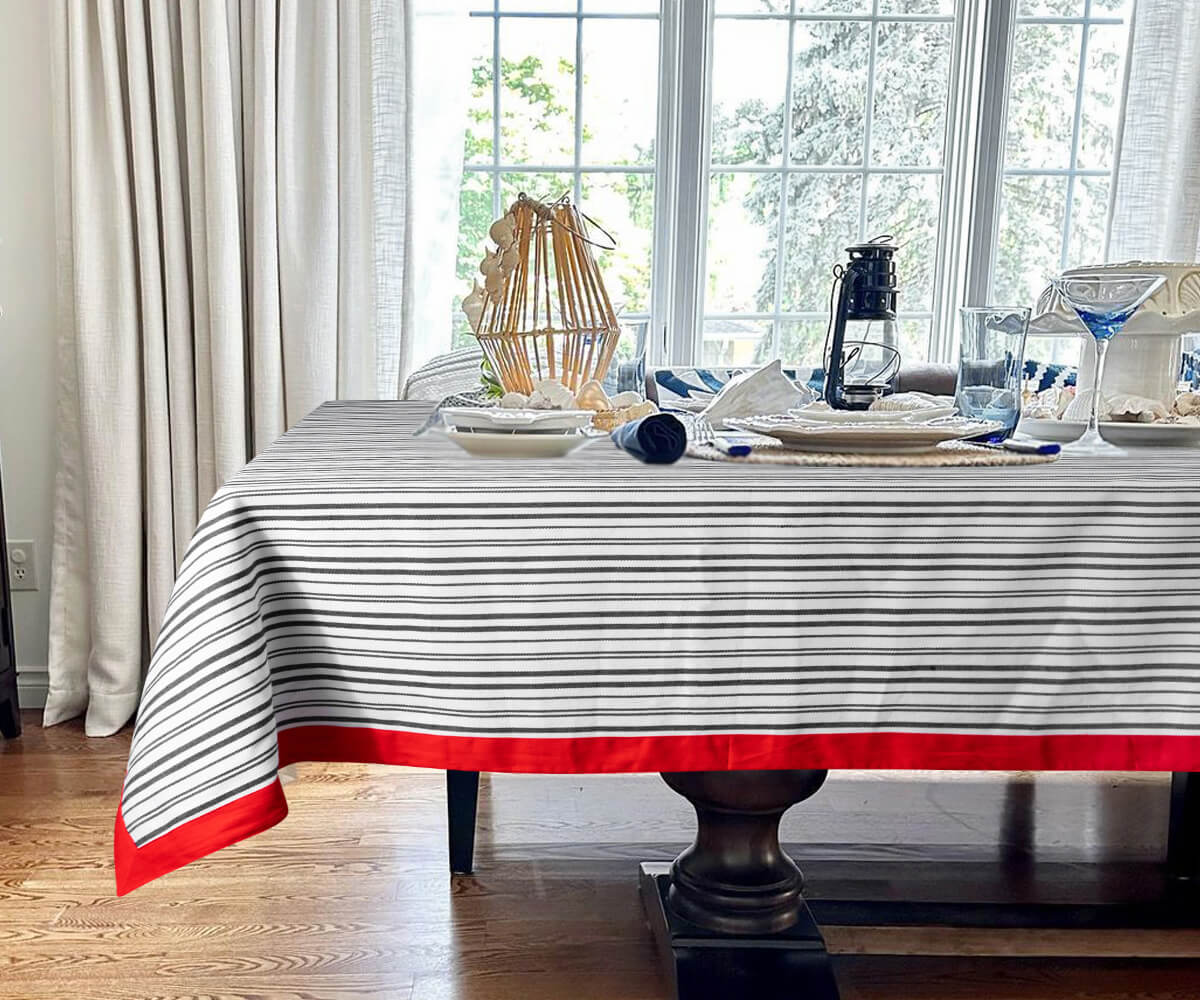
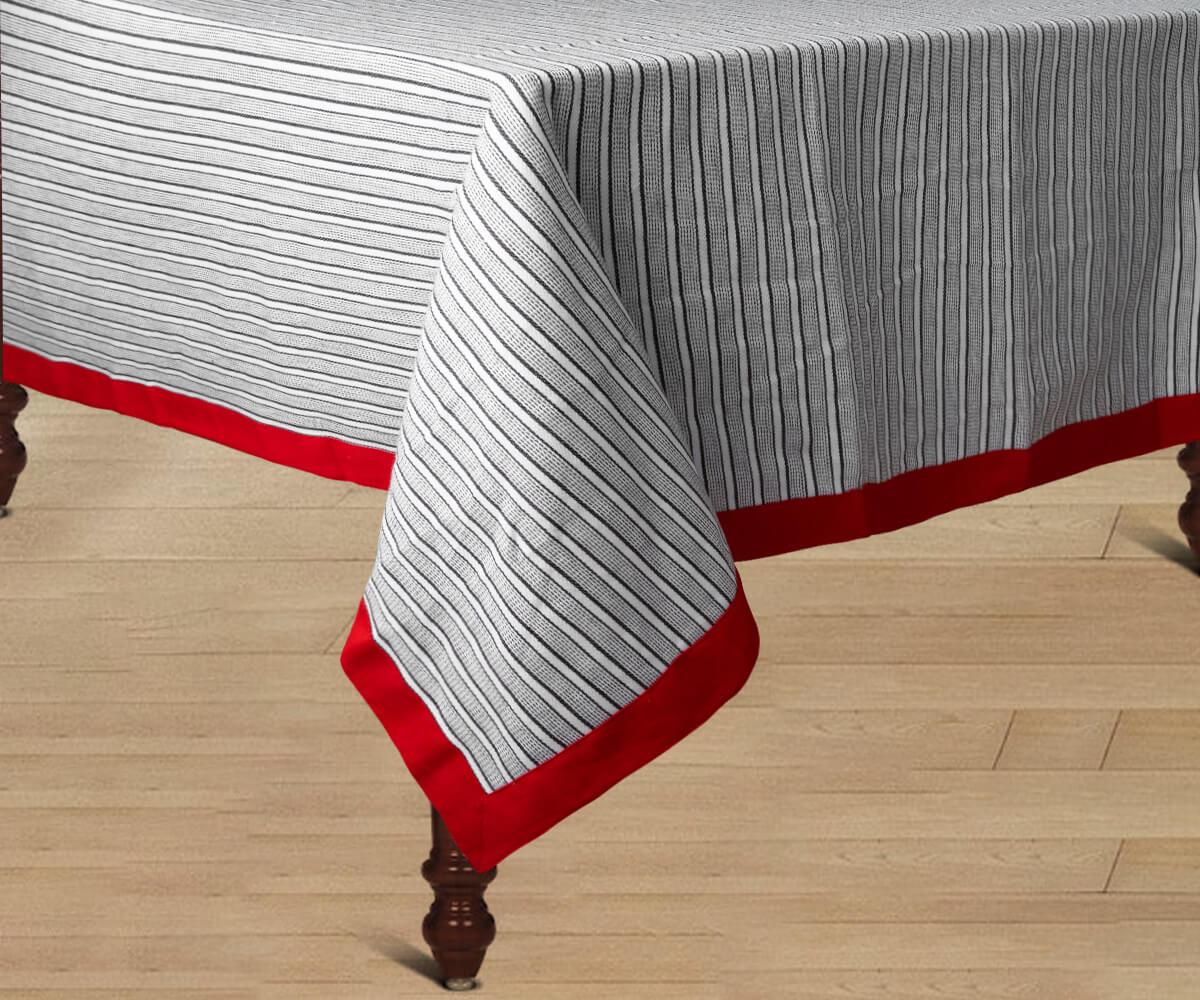
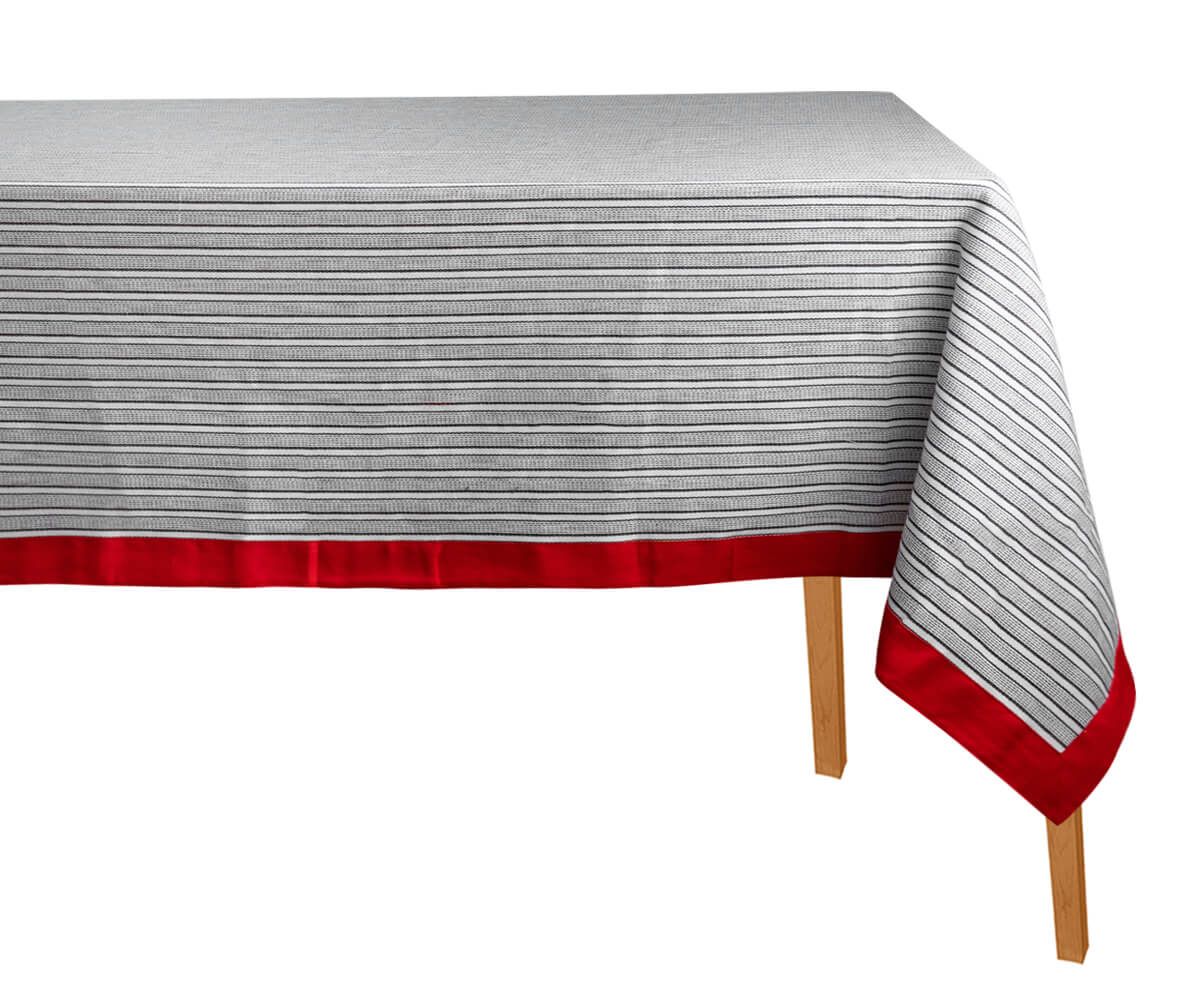
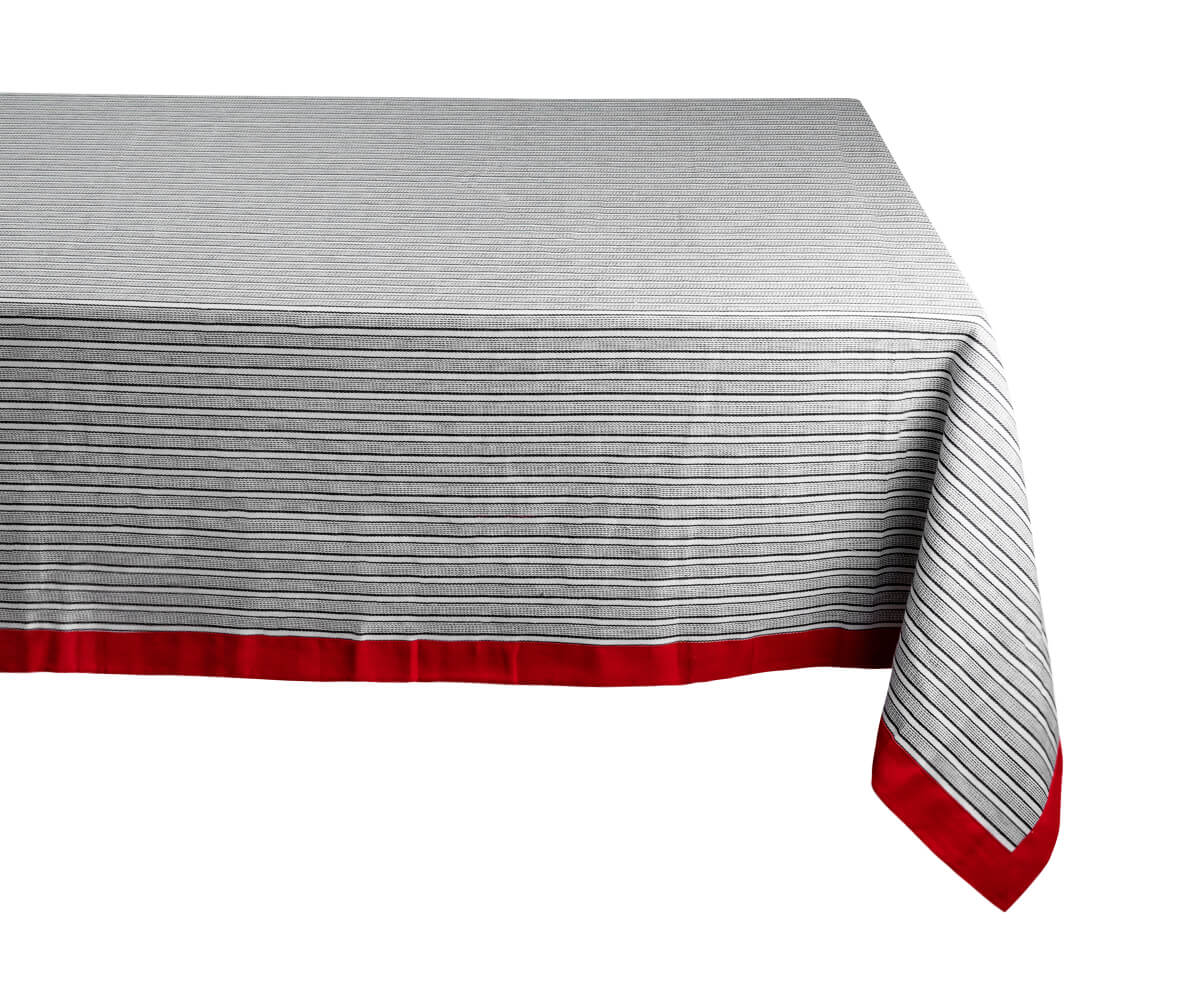
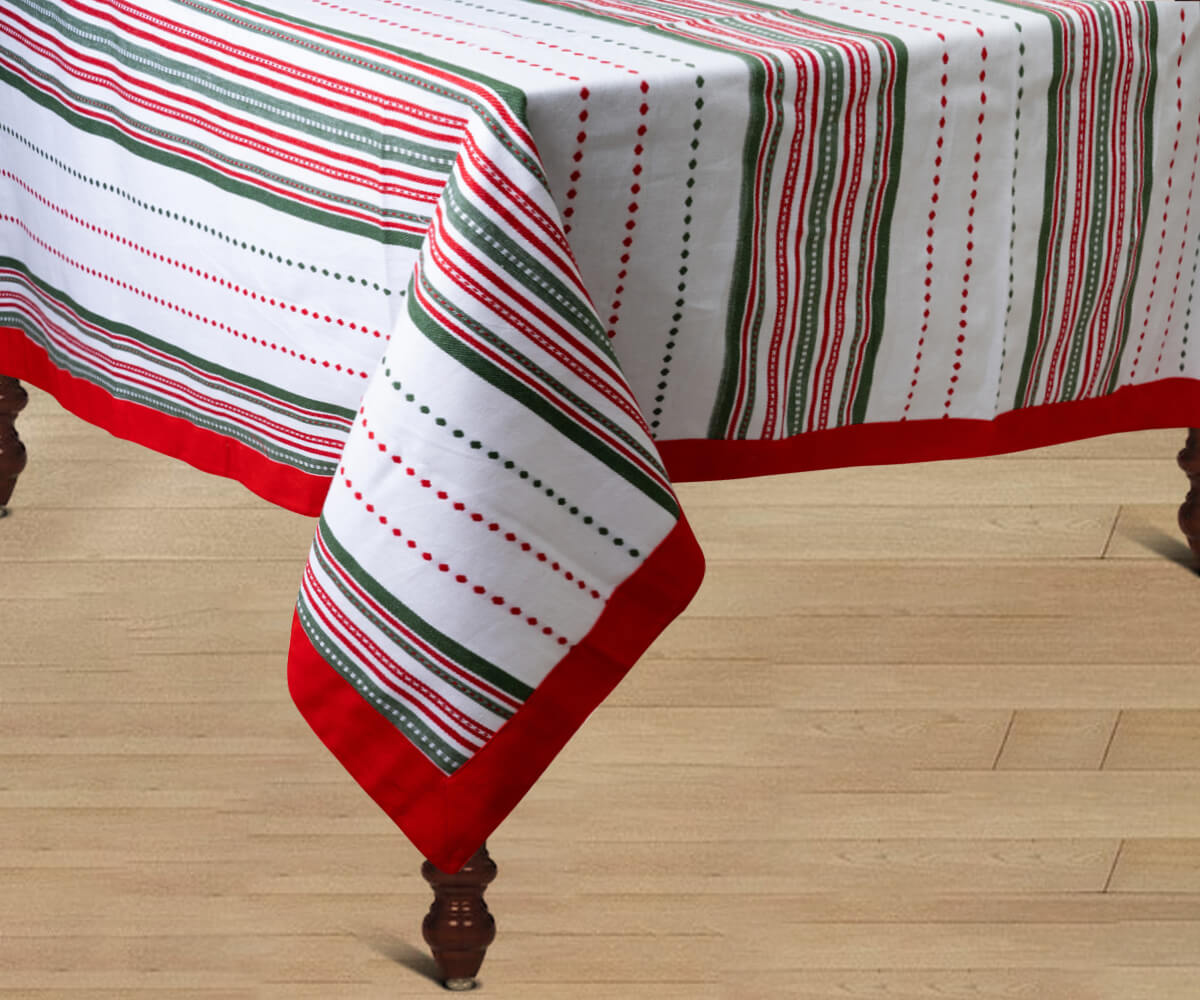
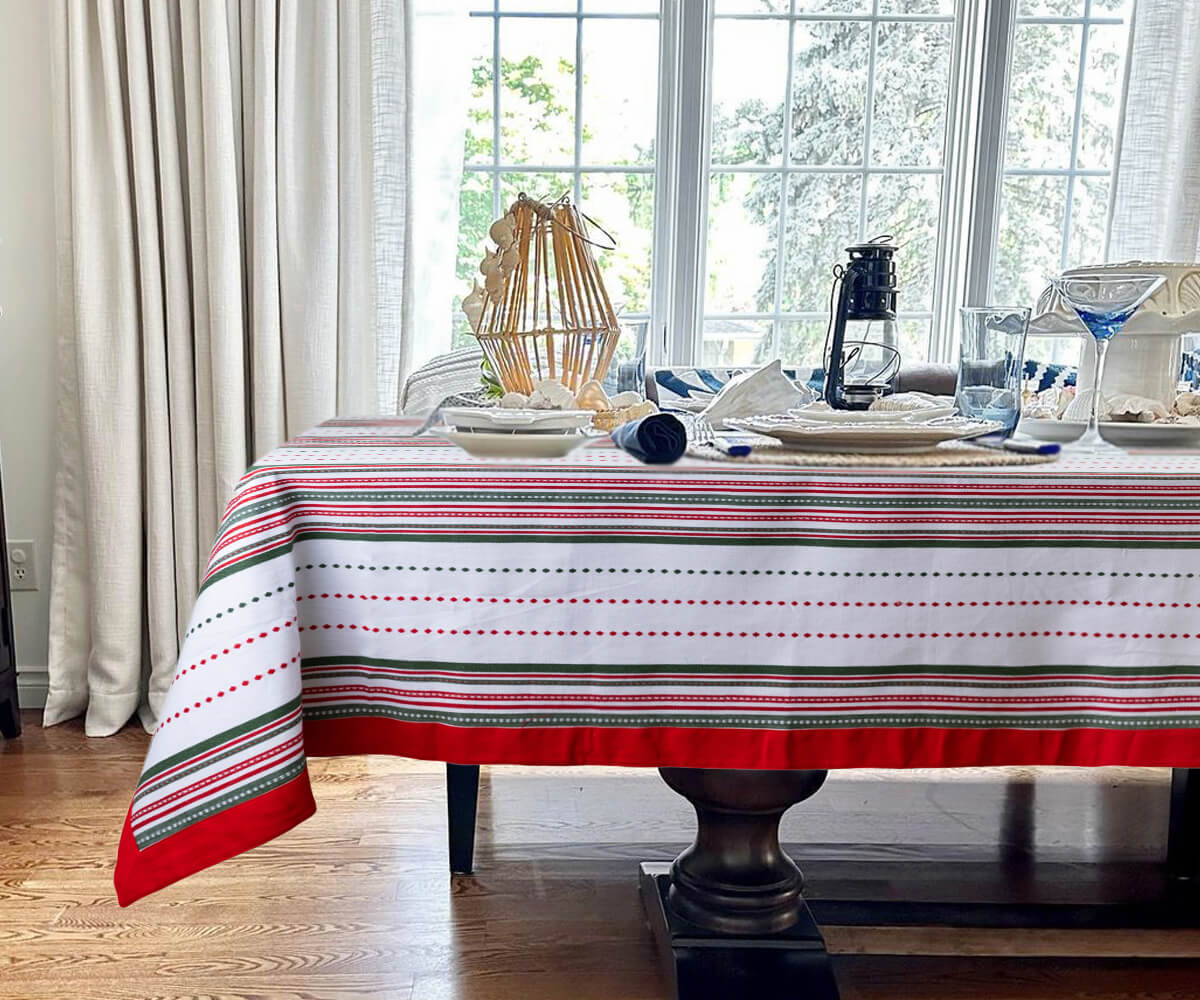
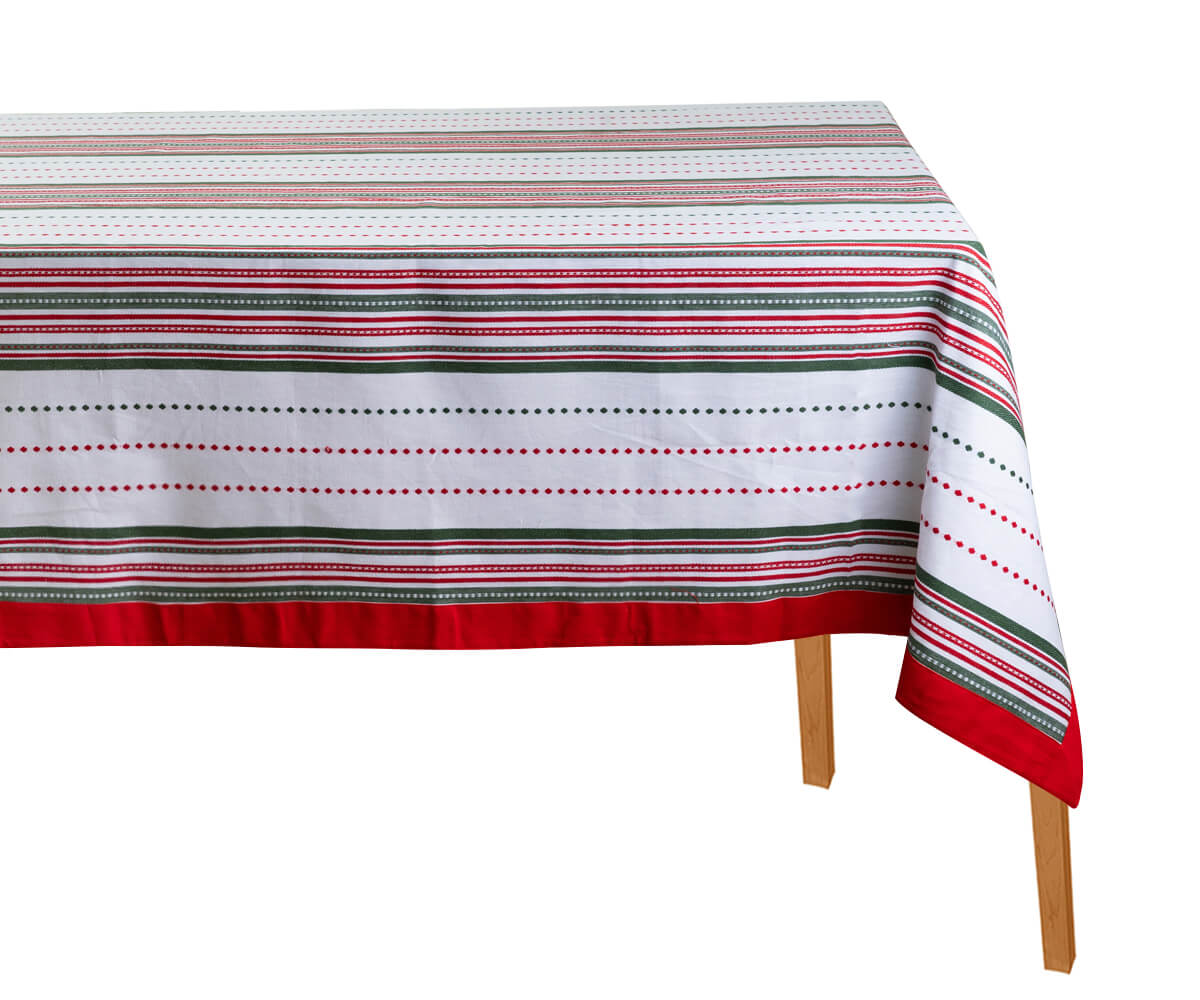
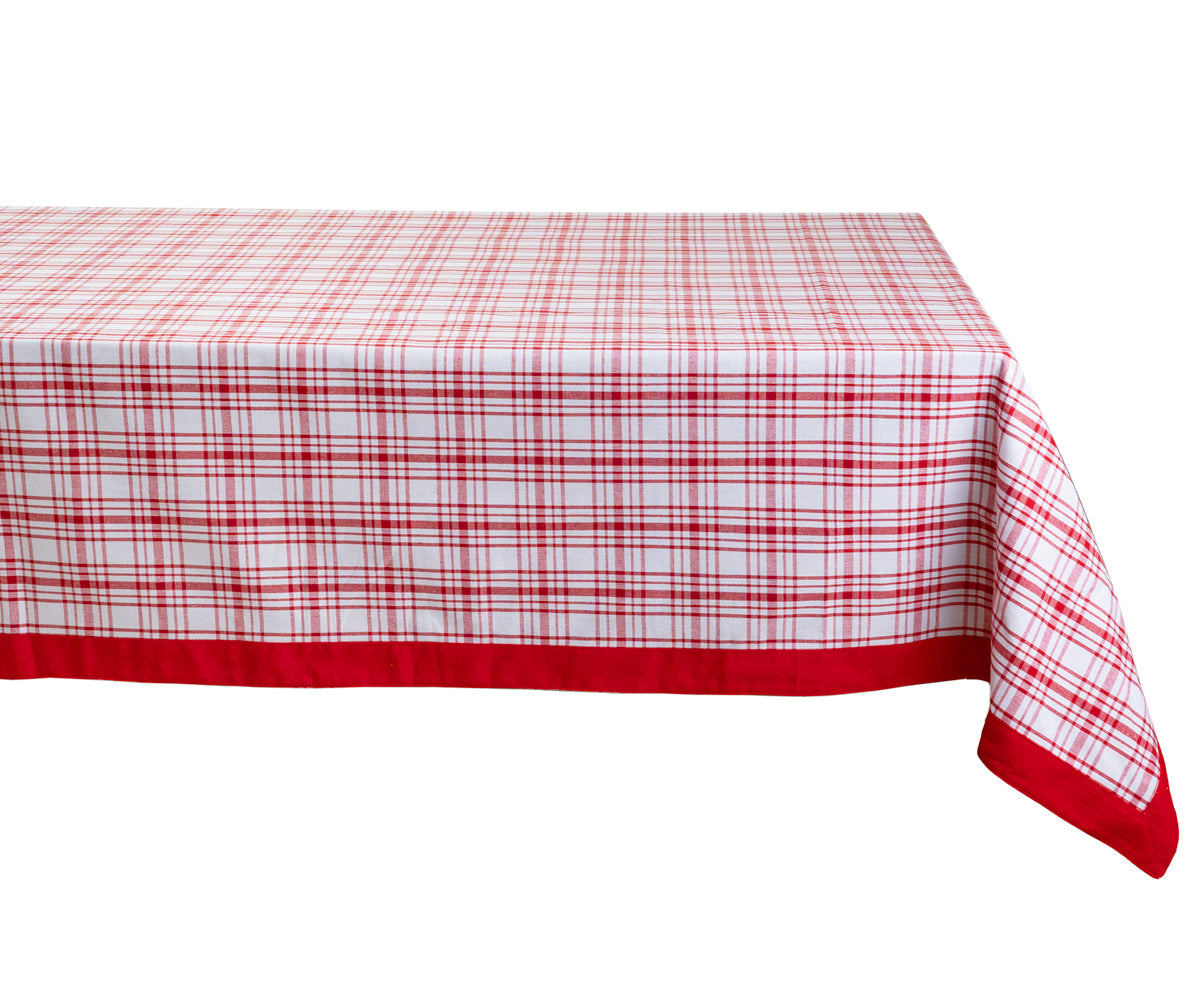
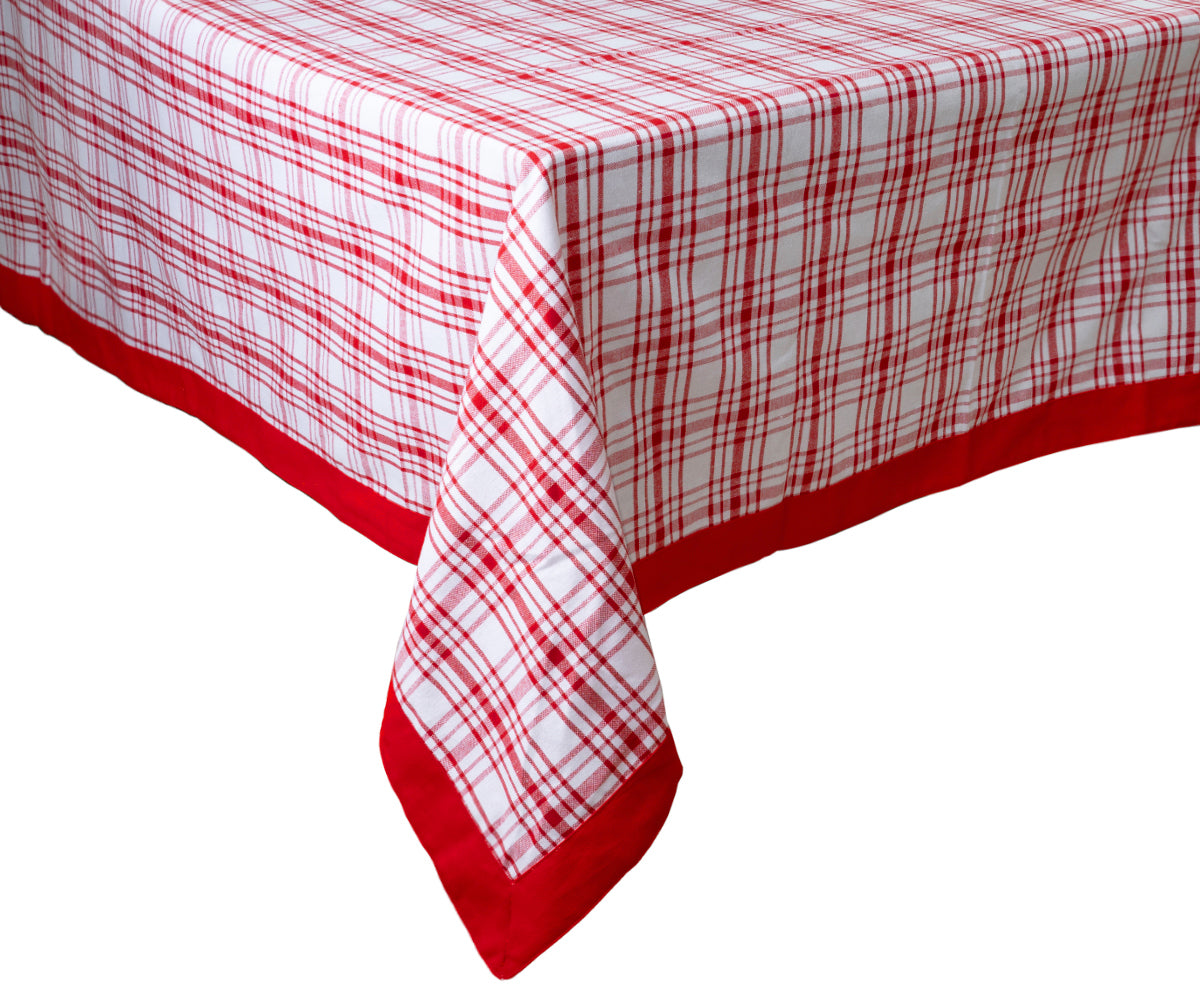
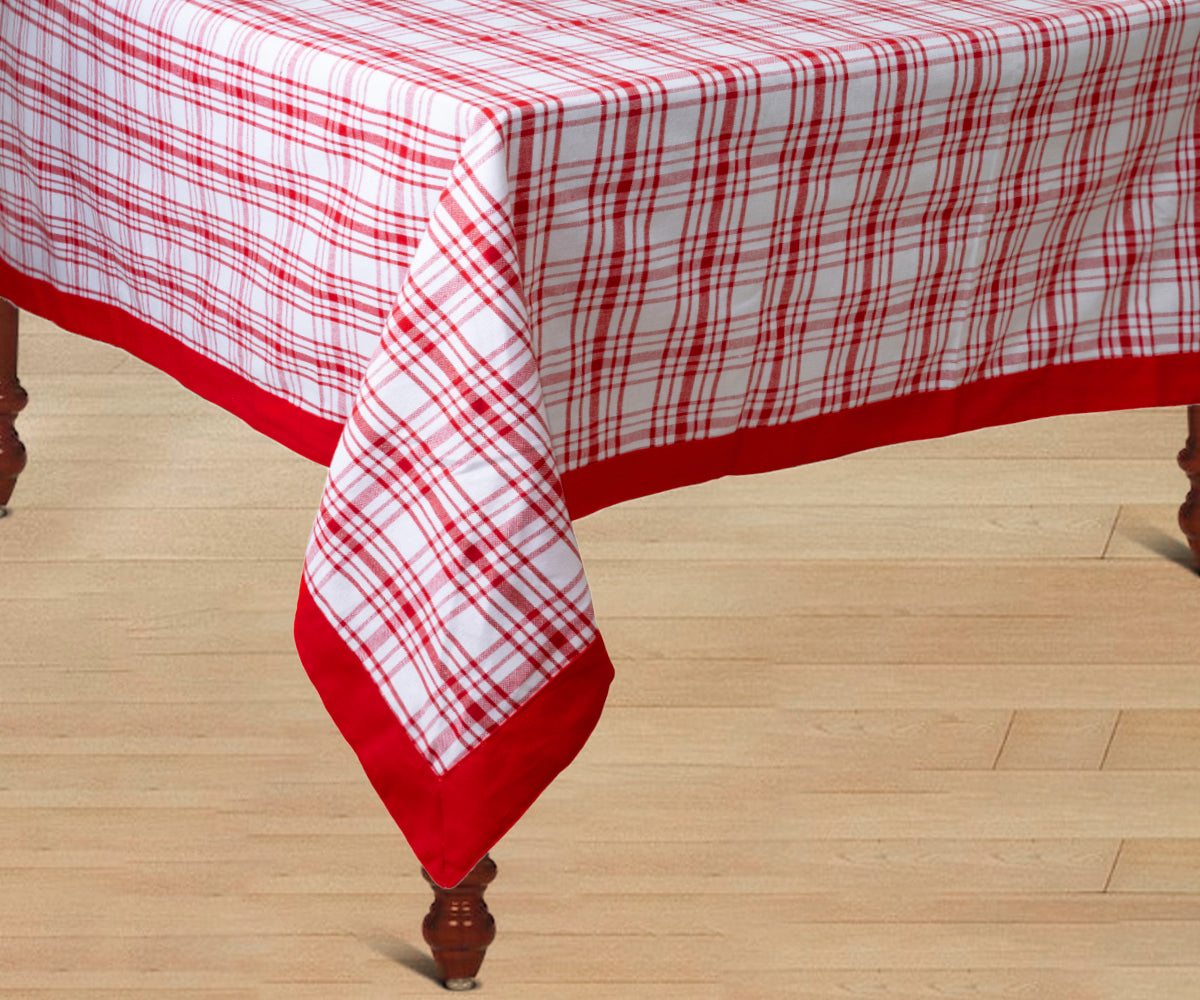
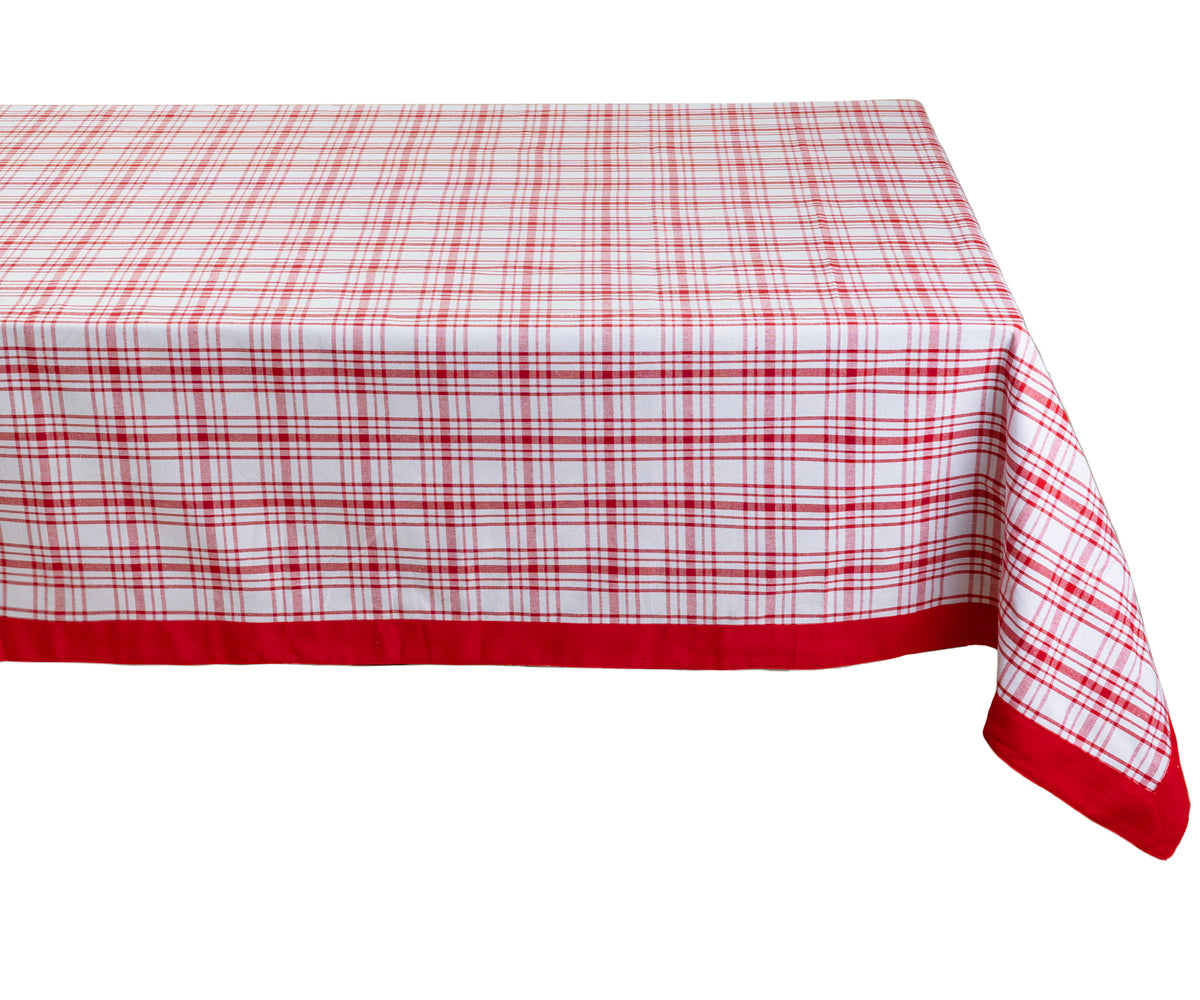
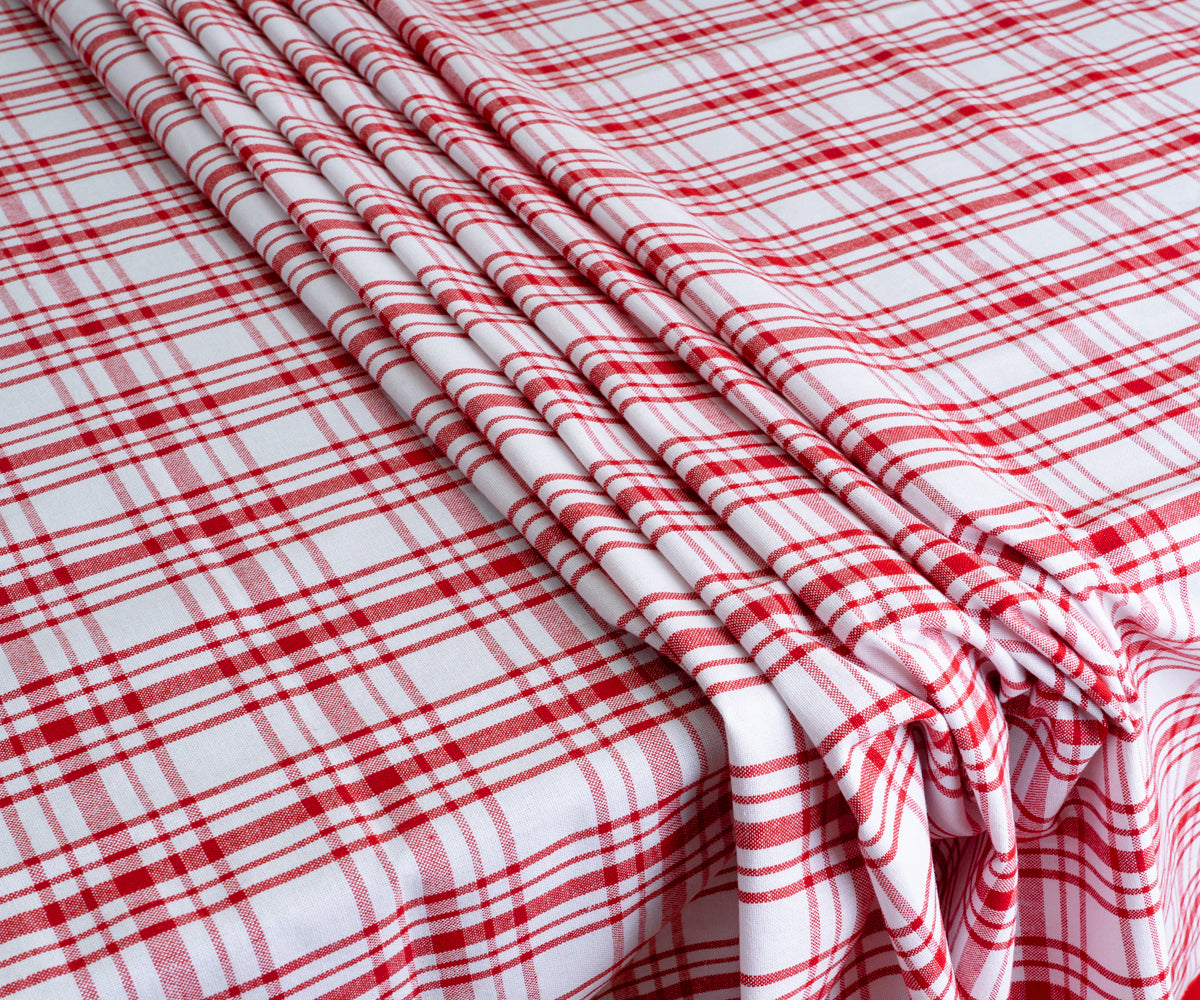
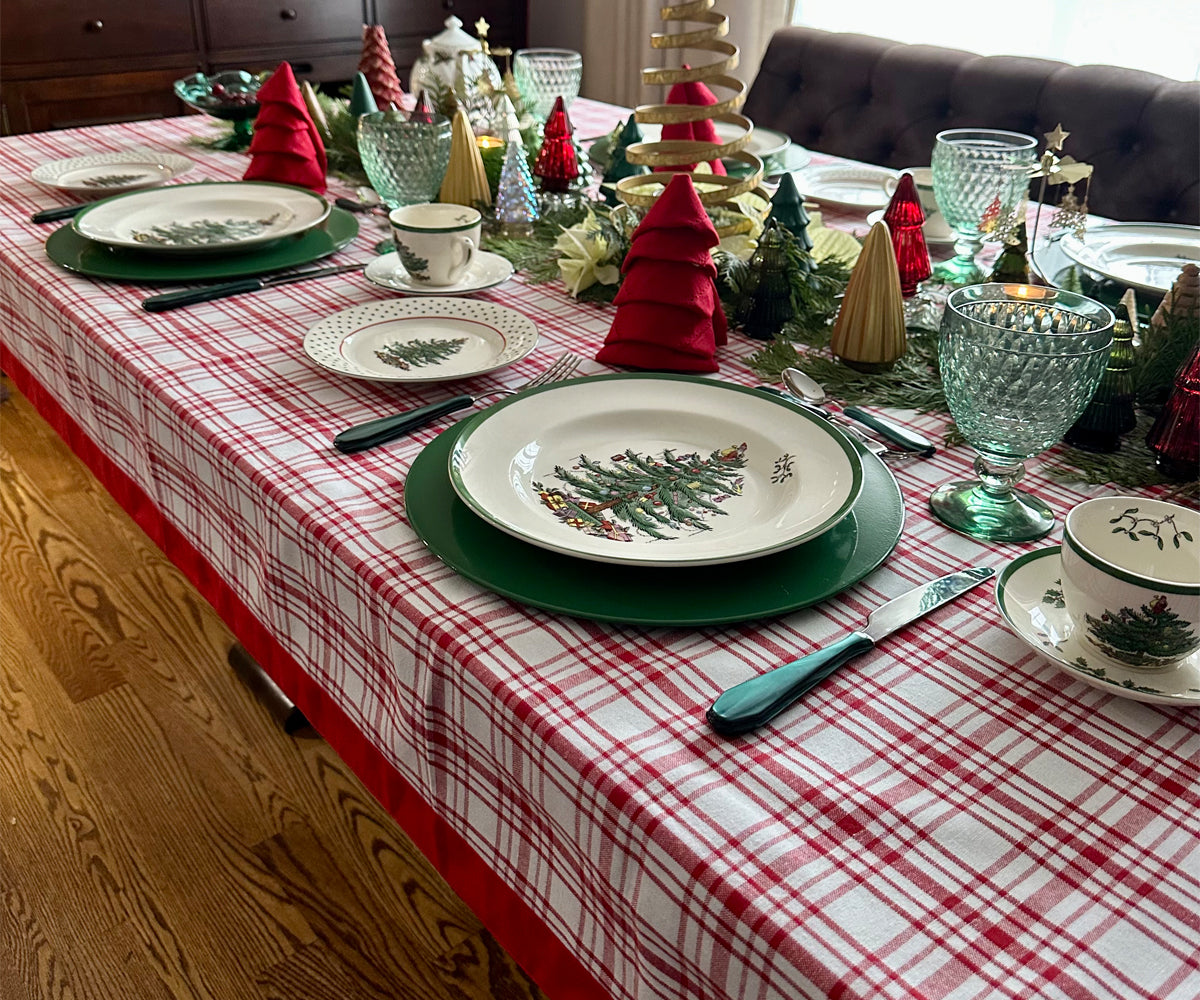
Your linens should complement the location and not overshadow it. So, if you're getting married outdoors or in a garden, you should go for mixed textures in neutral tones. If you're having a formal dinner or a ballroom wedding, then white or ivory linens with hemstitch or embroidery would look fabulous. In a rustic barn, you need natural colors and patterns in plaids or stripes to match the theme.
You should also think about the lighting in the venue because warm candlelight can change the appearance of white linens to off-white. Make sure to see how the colors look in the same lighting as the place you've chosen for your wedding.
2. Choose the Right Fabric
Linen: Offers a natural appeal and elegance but wrinkles easily. Many couples find the wrinkled look to be part of the charm.
Cotton: Very comfortable and easy to maintain, making it perfect for everyday wear as well as special events.
Cotton-Linen blend: Combines the appeal of cotton with less wrinkling and a great value.
Polyester: Inexpensive and resists wrinkles, but feels and looks cheapest.
A wedding that will be well-documented by photographs will benefit most from the appearance of natural fabrics.
3. Pick a Color Palette
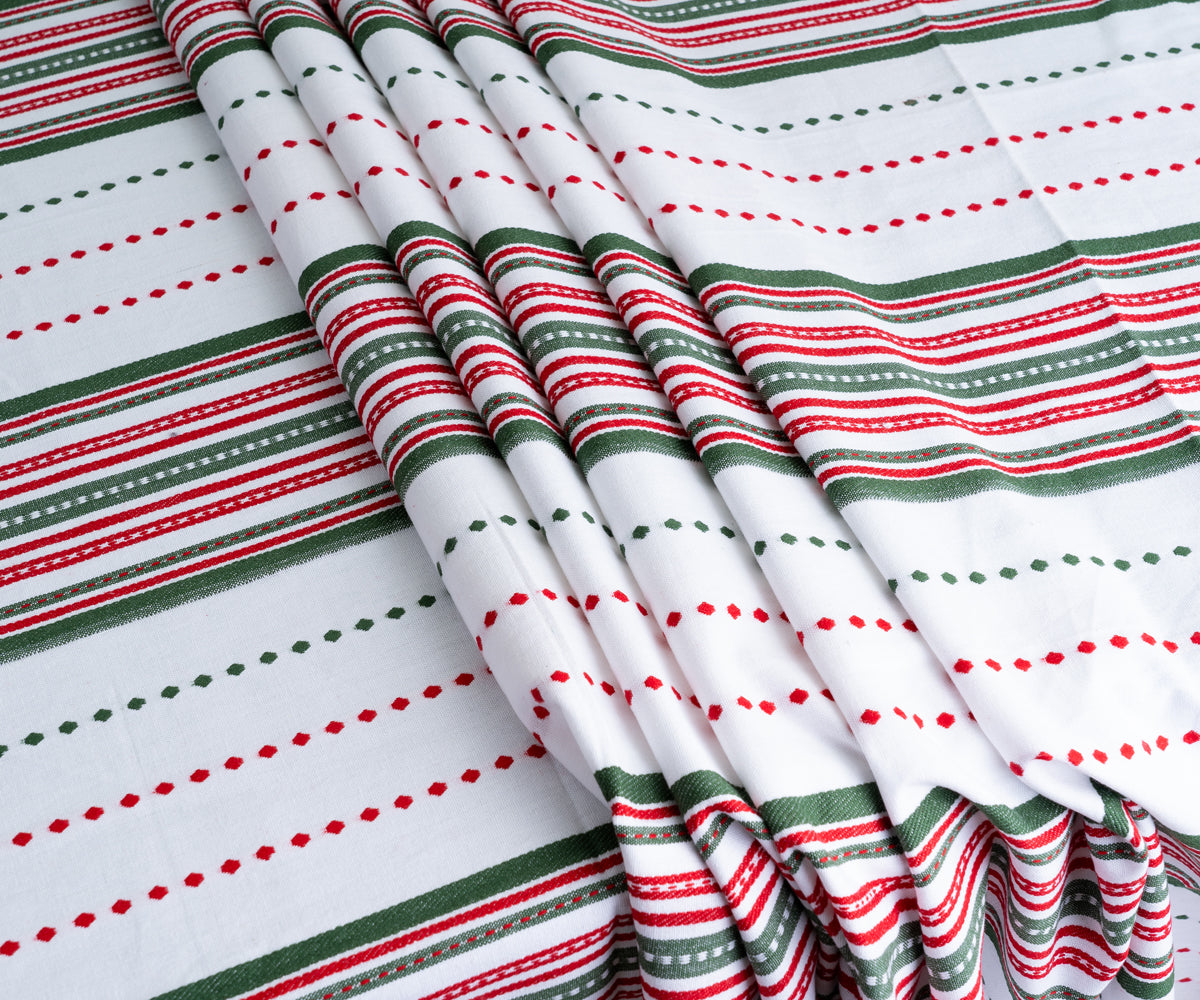
White and ivory are the classics that work with most themes, but if you need color, try one or two colors from your palette, like sage, dusty blue, blush or terracotta, on napkins or runners rather than on everything. Tablecloths in neutral shades and colorful napkins are always a good option that lets you have fun while keeping costs low.
4. Get the Sizes Right
A tablecloth that is too small gives the impression that you've made a mistake, and one that is too big can cause people to trip over it! The formula is not complicated:
Tablecloth size = table size + 2 x drop
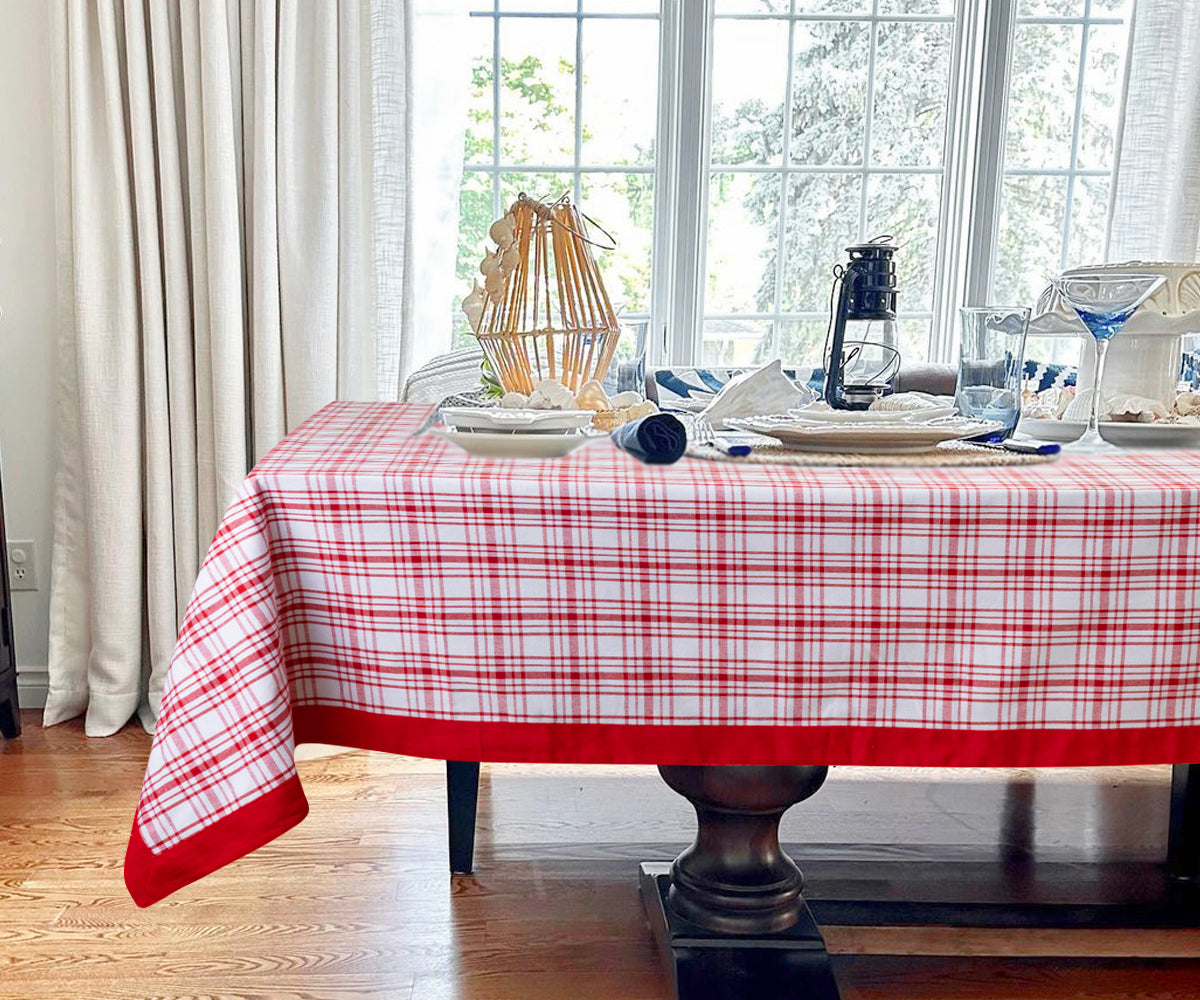
The drop is how far you want the tablecloth to hang down on to the floor, so 10-15in is fine for a formal table, and 30in is a good height for reaching the floor.
So, If you have a 60in round table, with a 15in drop, then you will need a 90in round tablecloth. A good width for a table runner is 12-16in, and they should hang over either end of the table by 6-12in. Finally, napkins should be 18-20in squares for a good dinner size.
| Table | 10" drop | 15" drop | Floor-length (30" drop) |
|---|---|---|---|
| 60" round | 80" round | 90" round | 120" round |
| 72" round | 92" round | 102" round | 132" round |
| 6 ft rectangle (72" x 30") | 92" x 50" | 102" x 60" | 132" x 90" |
| 8 ft rectangle (96" x 30") | 116" x 50" | 126" x 60" | 156" x 90" |
Other sizes of note:
Runners: Usually 12-16" wide, with 6-12" of overhang on each end.
Napkins: 18-20" squares are good for dinner.
Placemats: Should leave room for plates, glasses and cutlery.
"Standard" tables can vary widely, so the best approach is to measure your tables, or check with whomever will be providing them if you're not using your own. If you'd rather skip the math, use our tablecloth size calculator.
5. Layer for Depth
Layering is the secret to making a table look put together rather than just thrown together. Try these combinations:
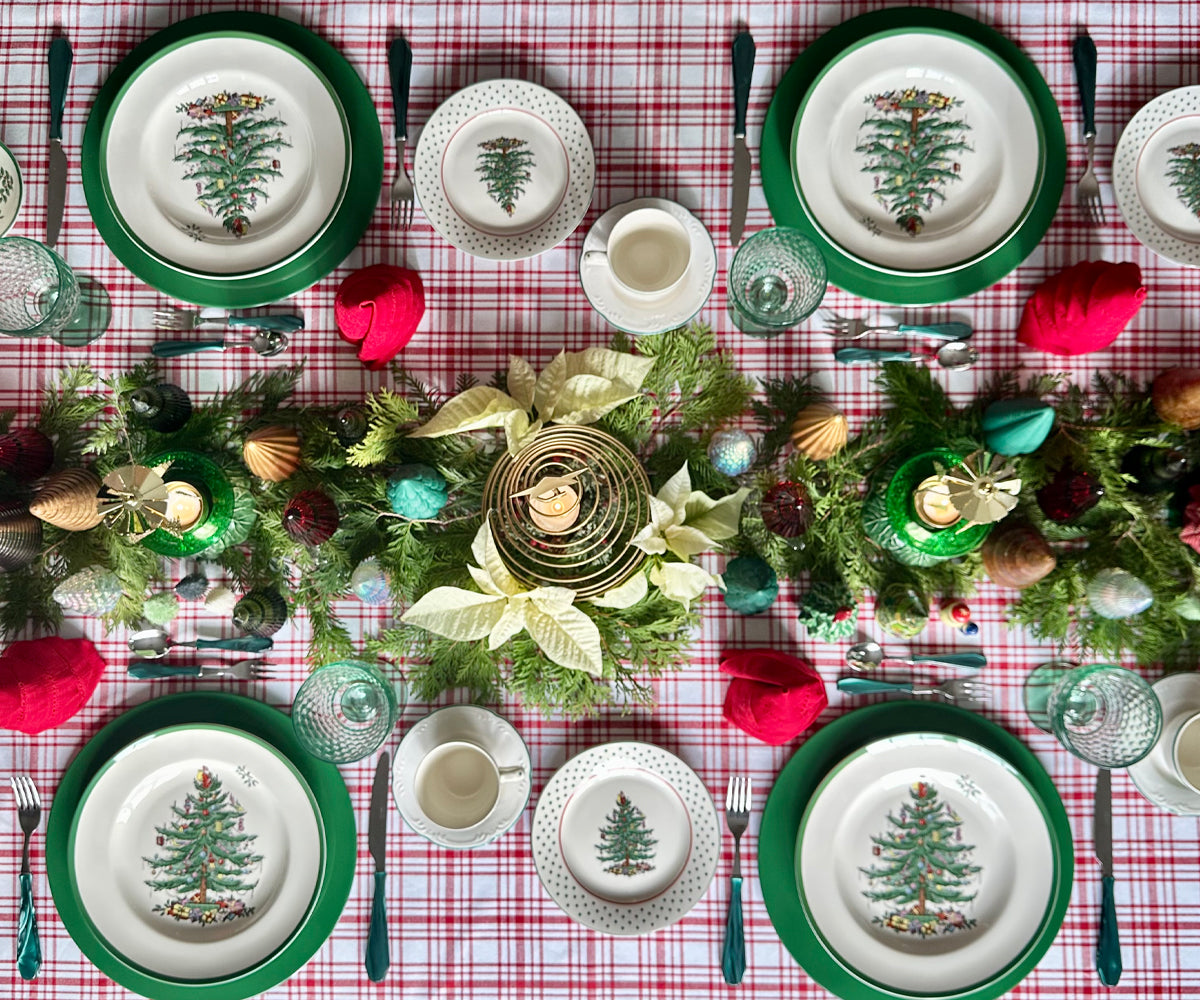
Tablecloth + runner: A neutral-colored tablecloth with a textured or colored runner makes a great focal point for centerpieces
Tablecloth + placemats: Placemats provide the individual look for each person at the table and another opportunity to add color or pattern
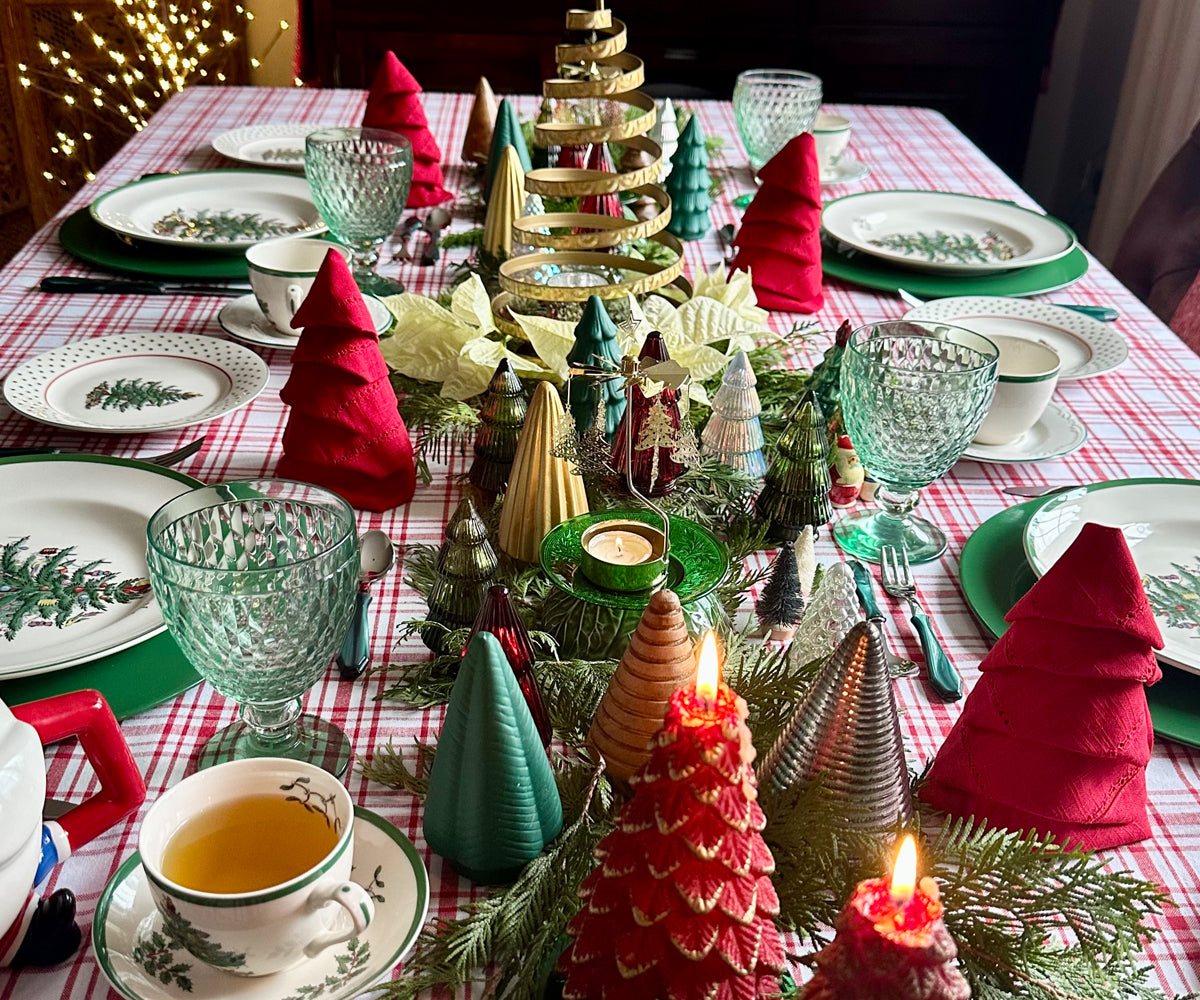
Tablecloth + napkin accent: This is a simple way to add your palette to a neutral-colored tablecloth.
When you layer on multiple items, make sure to have variety in texture but limit the palette to keep it from looking cluttered.

6. Style your napkins
Napkins are often overlooked as they are small and the guest touches them, but the styling still matters.
A simple fold, a pocket, or a rectangle fold is always a safe bet for any theme as it keeps the focus on the food.
Try tucking them under the cutlery or into a glass for a more casual and relaxed style.
You can also add some style by tying the napkins with a ribbon, twine, or a sprig of something pretty, or by adding a menu card or place card.
It is important to keep a consistent style at every table so the whole room ties together.
If you opt for a plated dinner, make sure to use an 18-20 inch napkin so there is enough fabric to work with and create a nice fold, and if you're having a cocktail hour, smaller cocktail napkins would be a good choice to use in the reception hall.
7. Plan Quantities and Budget
Make sure to count your tables before you count your guests.
Tablecloths: One per table, plus a few extras for spillage and last-minute requests.
Napkins: One per guest plus about 10%. If you'll also be using them for a cocktail hour and/or welcome dinner, order accordingly.
Runners and placemats: One per table, and one per place setting, if you're using them.
So if you're hosting 100 guests at 10 tables of 10, that means 10 tablecloths (plus 1-2 spares) and 110 napkins.
Ordering in bulk generally cuts the price per piece, so it can be worth ordering more than you need if your budget allows. Remember, however, that the most expensive items are often the most visible ones, such as tablecloths and napkins, so you may want to spend more on these than on the less prominent extras such as runners.
8. Add Personalized Details
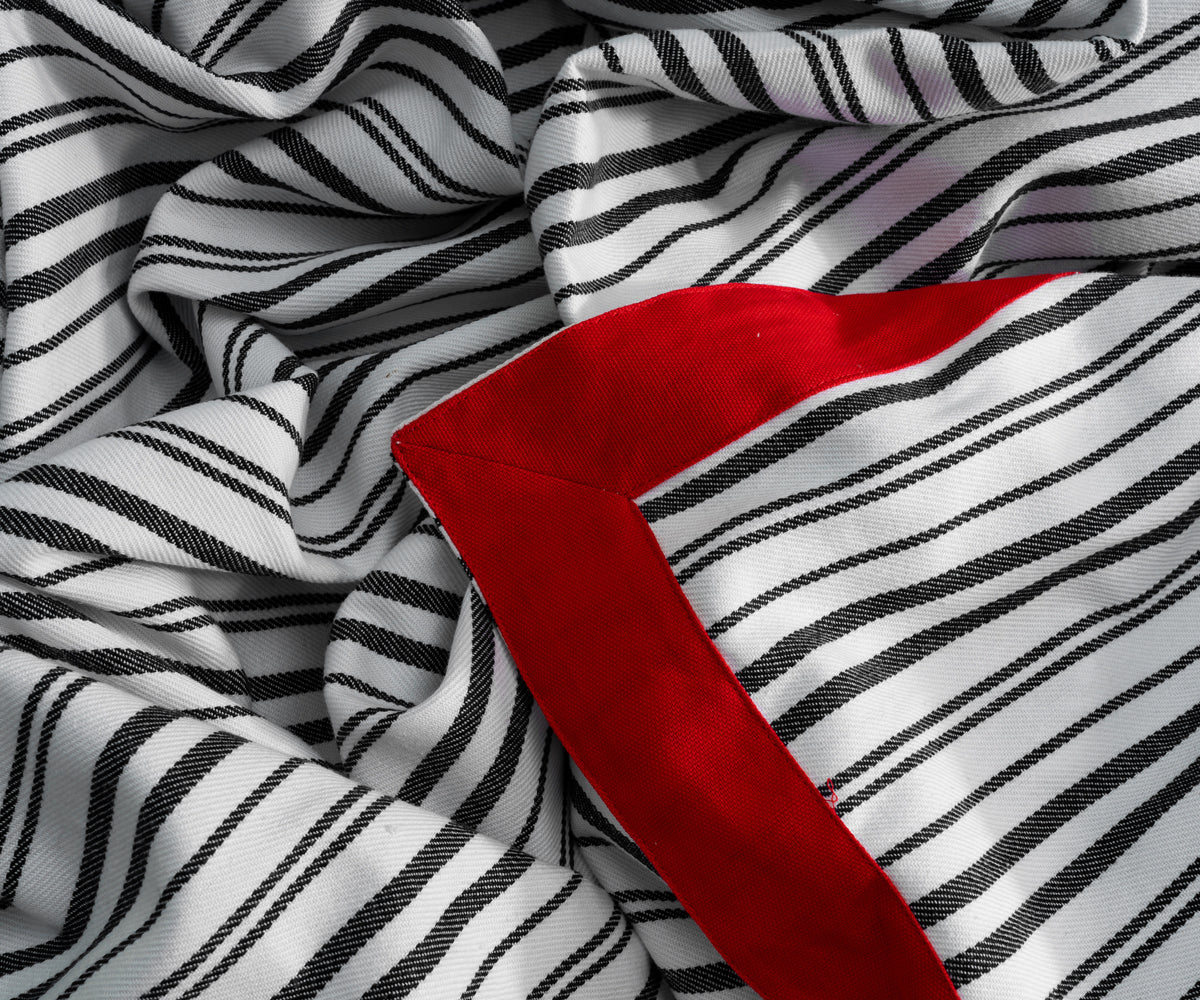
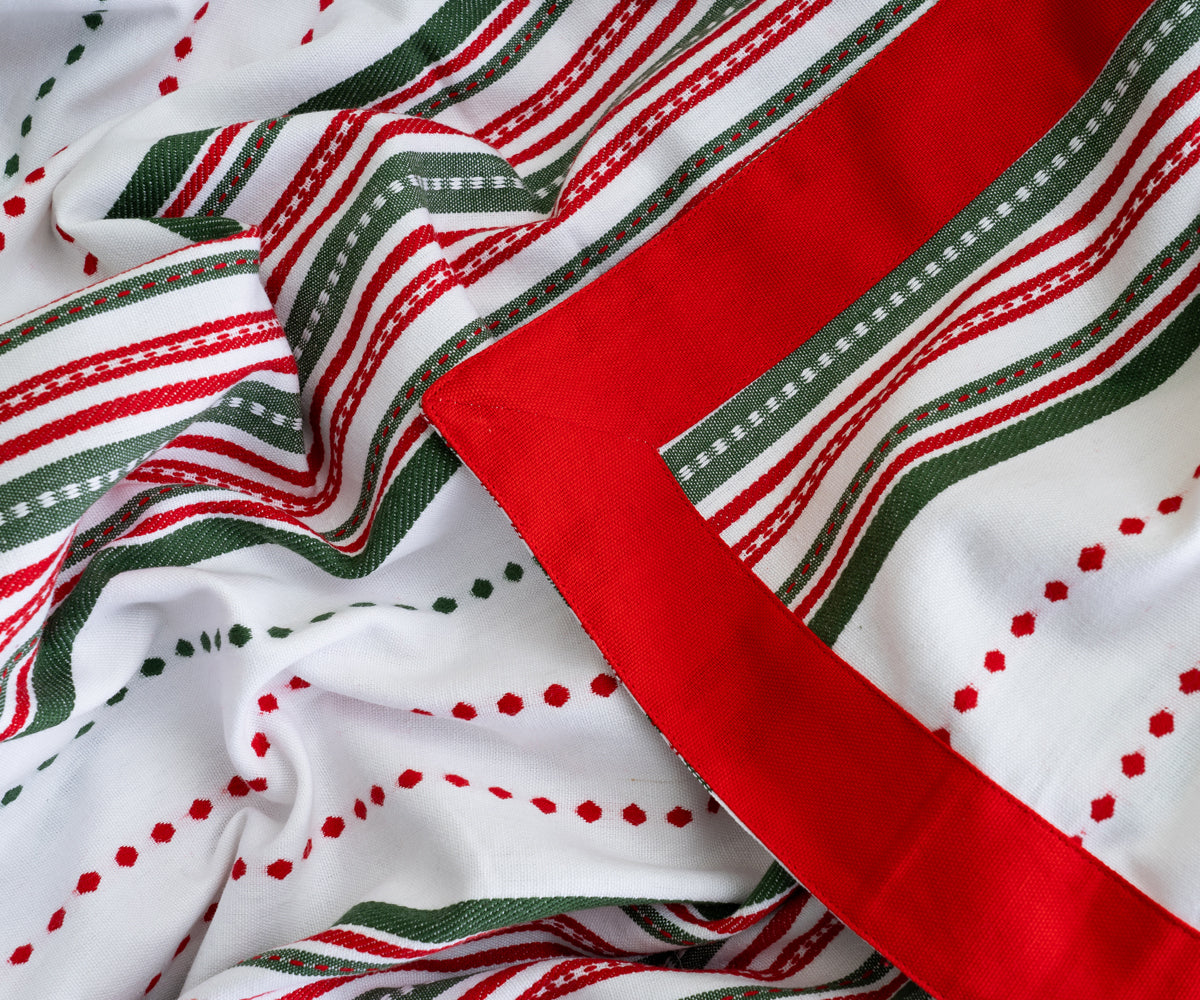
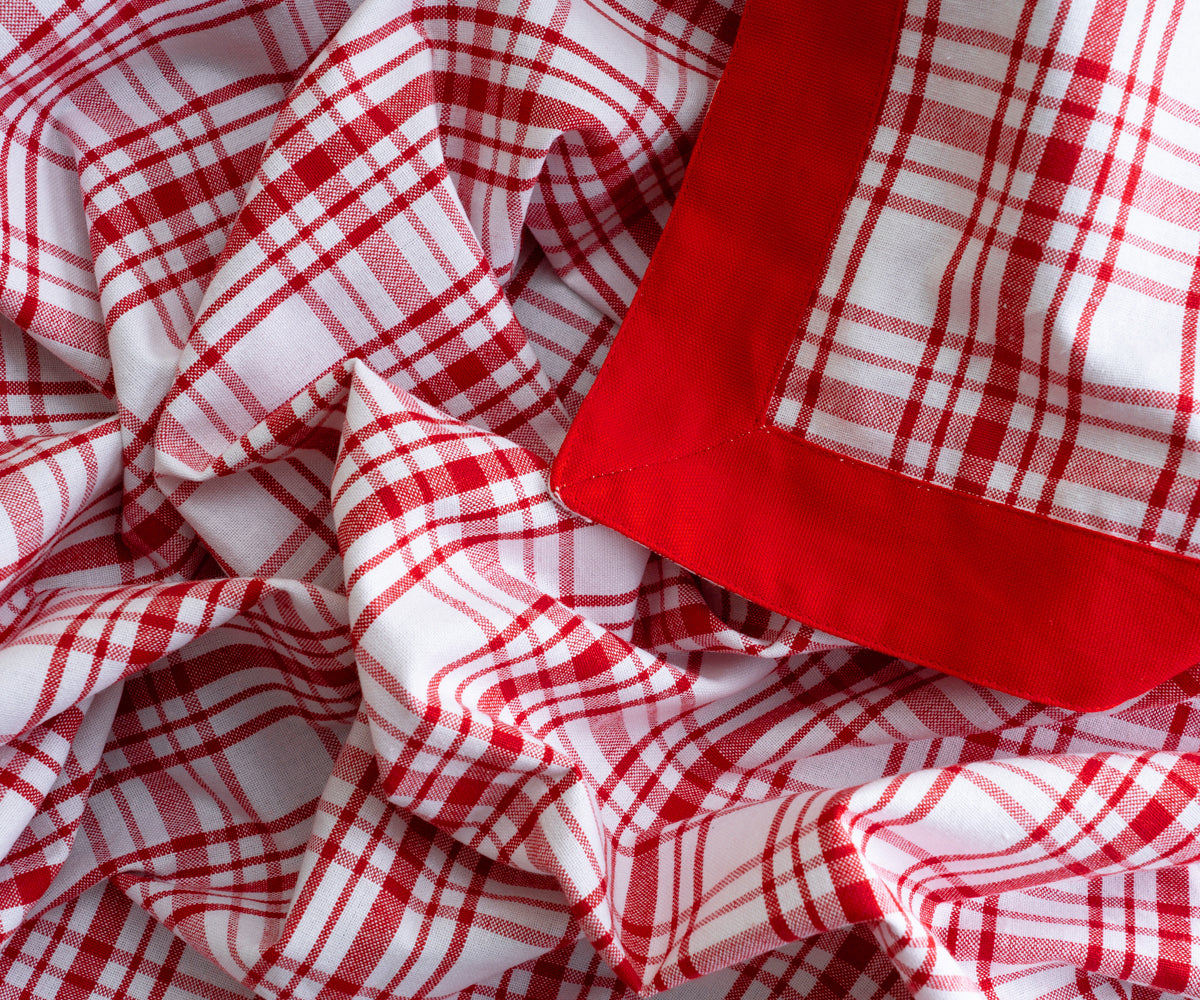
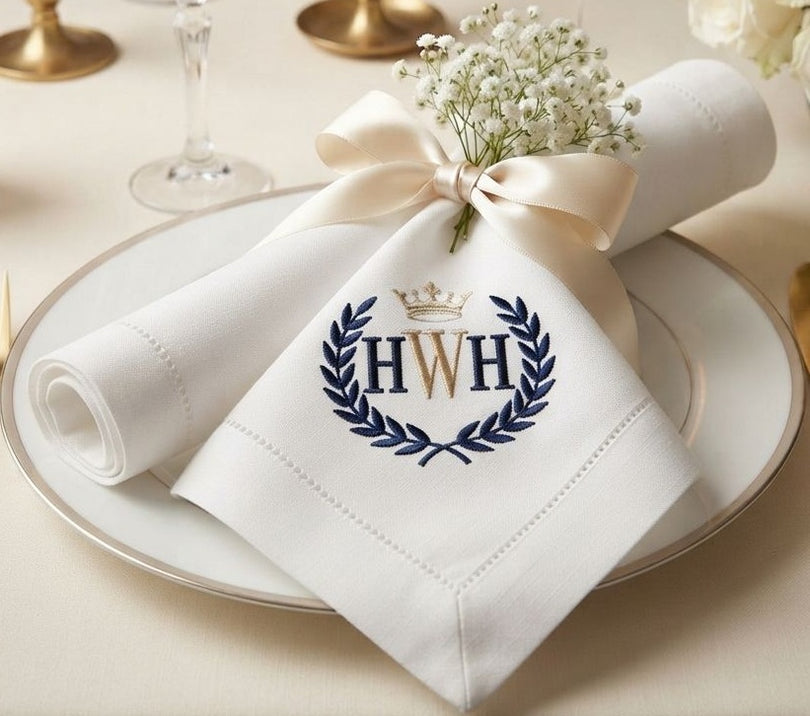
Smaller details can bring your linens to life. Monogrammed or embroidered napkins serve as keepsakes; custom colors or patterns coordinate your linens to your theme; and special edging adds a finishing touch. Custom work requires additional production time, so make sure to order earlier and ask how long it will take to complete the order.
9. Prepare and Care for Your Linens
A little preparation will help your tables look their best on your special day.
- Check the care instructions and wash them if needed, since natural fibers tend to shrink when washed, especially if they haven't been washed in a while.
- Steam or iron them a day or two before the wedding rather than on the morning of the wedding
- Store them flat or rolled to prevent creases, and always make sure they're clean and dry.
- Make sure you have a stain removal plan in place, and have your backup linens ready to go.
- Ask a friend to collect and bag any used linens after the reception so that any stains can be removed.
10. Know Where to Buy and Order Early
In most cases, you have three options:
Specialized stores: They offer a good variety in terms of fabric and personalize services, such as monogramming.
Rental companies: They are convenient for big events since they provide transportation and cleaning; however, you cannot keep the linens and the variety is smaller.
Bulk online stores: A great option if you want to have your own linens, as you can reuse them in the future.
Whatever you choose, order a sample to check the color, texture and weight, and allow plenty of lead time.
A simple timeline
- 4-6 months out: Finalize theme, palette and table layout, and make sure to confirm table sizes with your venue.
- 3-4 months out: Order samples and place your order, especially if you're having any monogrammed or custom items.
- 1 month out: Confirm delivery, check quantities and wash or prep the linens.
- Week of the wedding: Steam, fold and pack, and give instructions to your setup team.
Ready to shop? Browse our wedding napkins, wedding tablecloths, wedding table runners and wedding placemats.

Common Mistakes to Avoid
- Ordering the linens without measuring the number of tables.
- Skipping the sample and finding out that the colors are different.
- Mixing up spares with extras.
- Having to wait for monogrammed or special orders.
- Going wild with colors and patterns.
- Not taking care of the linens, and having them arrive dirty or wrinkled.
Bonus: Buying Linens as a Wedding Gift or Registry Pick
Linens are one of the few wedding-related purchases that can continue to be enjoyed for years to come.
If you're a guest: Unless you know the couple's tastes when it comes to home décor, it's safest to go with neutral shades (white, cream, or light grays) and standard sizes. A simple set of cotton napkins, a tablecloth, or even a table runner make great registry picks, and can be made extra-personal with monogramming that will last them a lifetime.
If you're creating a registry: Take advantage of the opportunity to note specific sizes and colors. Table linens are a staple for any couple who wants to host dinner parties, and they're also much more budget-friendly than sheets or other bedding, making them an accessible splurge for guests at all levels.

Final Thoughts
The best linen for weddings will complement your theme, fit the tables you have selected, and be as beautiful as it is comfortable. Choose the fabric and color, measure twice, and order extra. In the end, you will have a beautiful linen table that will look stunning for years to come.
Related Readings
Rectangle Tablecloths: The Versatile Choice for Any Occasion