
Before cleaning, identify the metal and gemstones and check whether the piece has any plating, coating, or special treatment. For many types of jewelry, mild soap, lukewarm water, a soft brush, and a lint-free cloth can provide gentle cleaning. Avoid harsh chemicals, abrasive products, and vigorous scrubbing, as these can damage the metal, gemstones, or finish. Using the appropriate cleaning method helps protect the jewelry and maintain its appearance over time.
This guide explains how to clean different types of jewelry safely at home, including cleaning solutions to use, which methods to avoid, and when professional cleaning is a better option.
Quick Reference: What to Use for Each Jewelry Type
|
Material |
Safe method |
Avoid |
|
Gold |
Dish soap + warm water, soft toothbrush |
Prolonged soaking with gemstones present |
|
Silver |
Baking soda paste, or baking soda + foil for heavy tarnish |
Ammonia-based cleaners on plated pieces |
|
Gold-plated |
Damp cloth with mild soap only |
Any soaking or brushing |
|
Rose gold |
Dish soap + warm water; vinegar-salt for solid pieces only |
Vinegar near porous stones |
|
Stainless steel |
Dish soap + warm water, soft toothbrush |
Nothing unusual—it's the most forgiving metal. |
|
Pearls |
Mild shampoo, soft brush, never submerge |
Any soaking, ultrasonic cleaners |
|
Diamonds & hard gemstones |
Dish soap + warm water, soft toothbrush |
Chlorine, high heat |
|
Porous gemstones (turquoise, opal) |
Soft, dry cloth only |
Water, oils, sudden temperature change |
|
Costume jewelry |
Damp cloth, never submerge |
Soaking, which weakens glue settings |

Cleaning Gold Jewelry Safely
Gold jewelry can be cleaned with a simple solution of lukewarm water and mild dish soap. Place the piece in the solution for about five minutes to loosen dirt and residue. Use a soft toothbrush to gently clean around clasps, engravings, and settings where buildup can collect.
Rinse the jewelry with clean lukewarm water and dry it thoroughly with a soft, lint-free cloth. Avoid abrasive cleaners and stiff brushes, which can scratch the surface. If gold jewelry contains gemstones, check the care requirements of those stones before soaking the entire piece.
The Best Way to Clean Silver Jewelry
Silver can develop tarnish when exposed to air, moisture, and certain chemicals. For light tarnish, use a silver polishing cloth and gently rub the surface. For more detailed pieces, a small amount of mild soap mixed with lukewarm water can help remove dirt before polishing.
Avoid abrasive household ingredients such as baking soda pastes unless the jewelry manufacturer specifically recommends them. They can scratch silver, particularly pieces with polished or delicate finishes. Rinse any soap residue thoroughly and dry the jewelry completely before storing it.
Know About: Amethyst Birthstone Jewelry: What Is It Good For?
Caring for Gold-Plated Jewelry
Gold-plated jewelry needs gentle handling to protect its outer gold layer. For routine cleaning:
-
Mix a small amount of mild soap with lukewarm water.
-
Dip a soft, lint-free cloth into the solution and wring out excess water.
-
Gently wipe the jewelry without scrubbing or applying strong pressure.
-
Use a clean, slightly damp cloth to remove any soap residue.
-
Dry the piece thoroughly with a soft cloth.
-
Avoid soaking gold-plated jewelry, as prolonged exposure to water can affect the plating.
-
Keep it away from perfume, lotions, household chemicals, and other harsh products.
-
Store each piece separately in a soft pouch or lined jewelry box to reduce rubbing and surface wear.
How Do You Clean Stainless Steel Jewelry?
Stainless steel resists tarnish better than almost any other jewelry metal, but it still collects everyday grime that dulls its shine. Soak the piece in warm water mixed with dish soap for 5 to 10 minutes, scrub gently with a soft toothbrush to reach dirt caught in links or crevices, rinse thoroughly under running water, and buff dry with a microfiber cloth

How Do You Clean Pearl Jewelry?
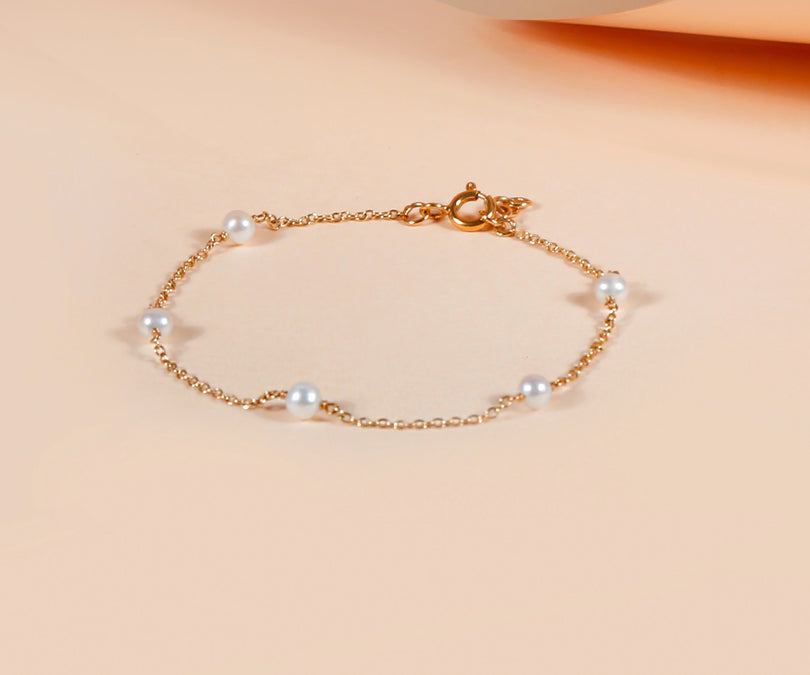
Pearls are the most delicate material on this list and the one most commonly damaged by well-meaning cleaning attempts; they should never be soaked or submerged in water. Lay pearls flat on a soft cloth first so they can't roll or fall during cleaning. Mix a drop of mild shampoo into warm water, dip a soft makeup brush into the solution, and lightly clean each pearl individually. Wipe away residue with a well-wrung damp cloth rather than rinsing under running water, then let the pearls air-dry completely flat before storing, since drying them vertically can stretch the string over time. Wiping pearls after every wear to remove body oils is the single best habit for keeping them from dulling or discoloring in the first place.

Caring for Diamond and Hard Gemstone Jewelry
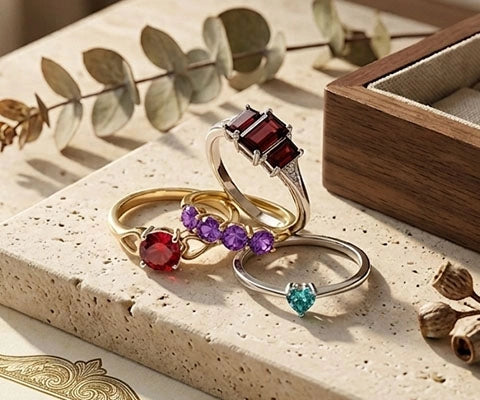
Diamonds, sapphires, and rubies are durable gemstones that can withstand regular wear when properly cared for. In most cases, they can be cleaned with lukewarm water and mild soap. Let the jewelry soak briefly to loosen dirt around the setting, then gently brush around the stone and its setting with a soft brush.
Rinse the piece thoroughly with clean water and pat it dry with a soft, lint-free cloth. Although these gemstones are resistant to scratching, they can still chip or fracture after a strong impact. If you notice a loose stone, bent prong, or damaged setting, have the jewelry inspected by a professional before cleaning it at home.
Related Articles: Elegant Jewelry Gifts for International Women’s Day
Cleaning Porous Gemstones Such as Turquoise and Opal
Porous gemstones such as turquoise and opal require more careful handling. Hot water, harsh cleaning products, and prolonged exposure to moisture can affect their appearance and surface. Instead of soaking these gemstones, gently wipe them with a clean, dry, lint-free cloth to remove surface dirt.
Keep turquoise and opal away from perfume, cosmetics, household chemicals, and other liquids that may affect the stone. Prolonged exposure to heat or direct sunlight should also be limited. Store delicate gemstone jewelry separately in a soft pouch or lined jewelry box to reduce the risk of scratches and other damage.
Cleaning and Caring for Costume Jewelry
Costume jewelry may be made with plated metals, glued gemstones, synthetic materials, or decorative finishes that are more sensitive to moisture. For this reason, avoid soaking these pieces or using harsh cleaning products.
Instead, lightly dampen a soft cloth with warm soapy water and gently wipe the jewelry. Use a separate lint-free cloth to remove any remaining moisture, then allow the piece to dry completely. Avoid abrasive cleaners and alcohol-based solutions, particularly around glued gemstones and delicate finishes. Keeping moisture away from glued settings can help prevent the adhesive from weakening.
How Often Should You Clean Your Jewelry?
Your cleaning routine should depend on the jewelry's material and how frequently you wear it. Jewelry worn regularly can be wiped with a soft cloth after each use and given a more thorough cleaning when needed. For durable metal and gemstone jewelry, cleaning every one to two weeks is generally sufficient when the piece is worn frequently.
Jewelry worn occasionally can be cleaned before storage and again before wearing it. Delicate pieces require a gentler approach and should not be cleaned as frequently or as vigorously as durable jewelry.
Regularly inspect clasps, chains, prongs, and settings for signs of wear or damage. If you notice a loose gemstone, weakened clasp, or damaged setting, have the piece professionally inspected and repaired before wearing or cleaning it.
How to Keep Jewelry Clean and Shiny Longer
A few habits do more for jewelry's lifespan than any single cleaning method:
-
Store pieces separately, in individual compartments or anti-tarnish pouches, so harder stones and metals don't scratch softer ones.
-
Remove jewelry before applying perfume, lotion, or hairspray; these products are one of the most common causes of dulling and discoloration across nearly every material.
-
Take jewelry off before swimming, since chlorine and saltwater both degrade metals and certain stones over time.
-
Wipe pieces down after wearing them, which prevents the gradual oil and sweat buildup that leads to needing a deeper clean in the first place.
Takeaways
The right cleaning method depends entirely on the material. What's safe for gold and diamonds can ruin pearls or porous stones like turquoise and opal, so always check the material before reaching for soap, baking soda, or vinegar. A quick wipe after each wear prevents most buildup before it starts, and pieces with loose stones or significant value are worth a professional check rather than a home fix.