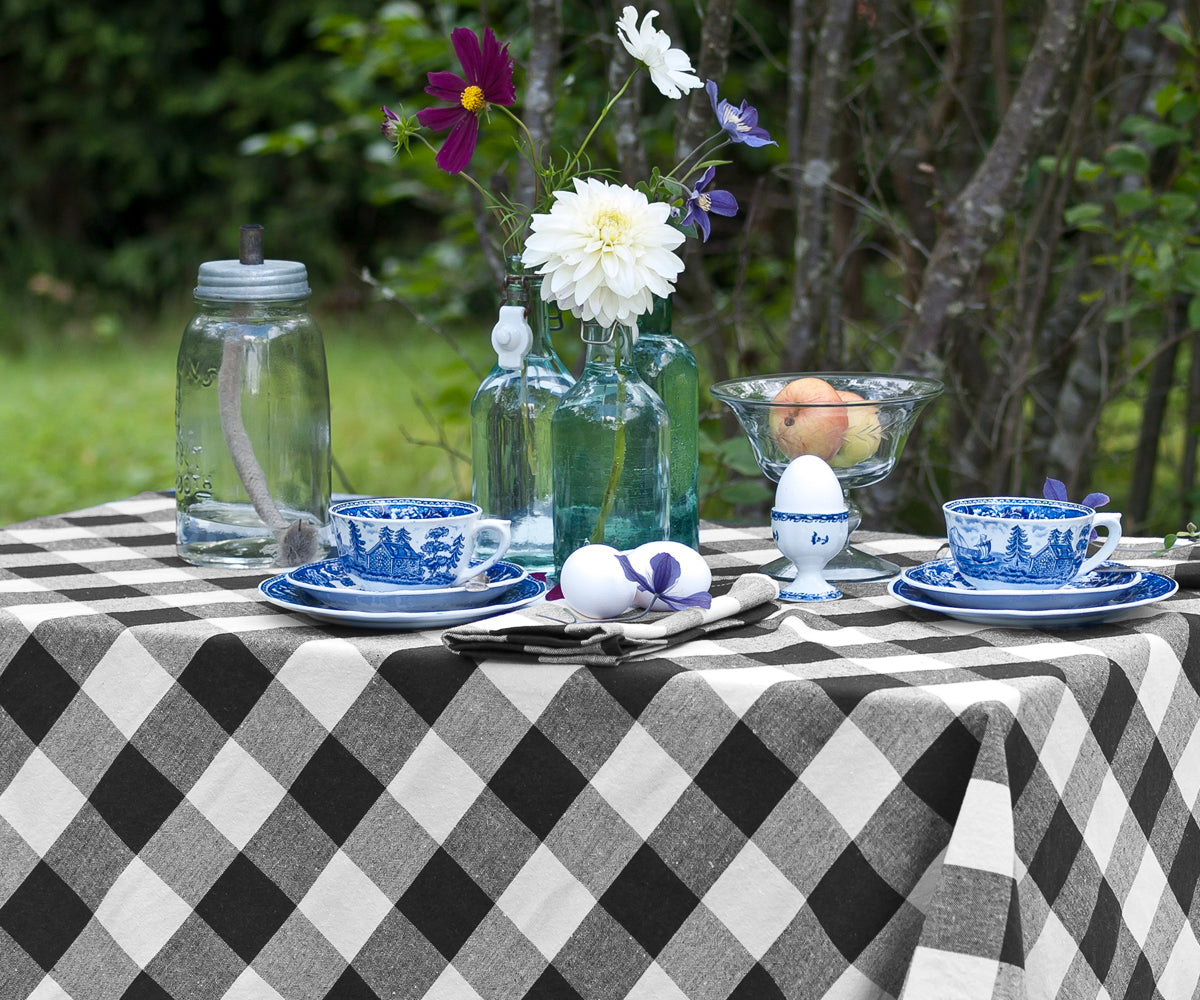


This guide answers the most common questions about kitchen dish towels — from fabric science and weave types to care habits that extend the life of every towel you own.
What Makes a Dish Towel Absorbent
A dish towel is absorbent when three things work together: the right fiber type, the right weave structure, and a GSM rating that suits the task. Cotton and linen are both hydrophilic — meaning their fibers are naturally attracted to water molecules. Synthetic fibers like polyester repel moisture at the fiber level, which is why they feel wet rather than dry after use.
The science behind absorbency in cotton and linen

Cotton absorbs up to 27 times its own weight in water. That figure is not marketing language — it reflects the structure of the cotton cellulose fiber, which is hollow and acts like a microscopic sponge.
When cotton fiber contacts moisture, it pulls water into the fiber wall rather than just holding it on the surface.
Linen absorbs moisture more slowly per pass but releases it into the air roughly three times faster than cotton. That is why linen kitchen towels dry out quickly between uses. A linen towel that feels damp at midday can be ready to use again by early afternoon.
Why do new dish towels perform worse than old ones
Research published by Phys.org in 2026 found that new kitchen towels are less effective at drying than older ones. The reason is a water-repellent silicone finish applied during manufacturing to make towels feel soft and look appealing on shelves. That finish actively resists moisture.
The fix is simple. Wash new dish towels in hot water two to three times before using them. Each wash removes more of the silicone coating and allows the fiber structure to relax and open up. After six wash cycles, a cotton dish towel reaches its full absorbency.
Waffle weave towels benefit even more from this break-in process because the three-dimensional texture becomes more pronounced as the fabric relaxes, which increases surface area and absorbency further.
Fabric softener destroys absorbency
Fabric softener deposits a waxy coating onto cotton fibers with every wash cycle. After several washes with softener, a cotton towel absorbs measurably less water than one washed without it.
The coating is cumulative and builds up over time. Use half a cup of white vinegar in the rinse cycle instead. Vinegar softens the fibers, eliminates odors, and leaves the absorbency completely intact.

You May Also Like: Kitchen Decor Trends 2026: Fresh Ideas to Revamp Your Space
What Is a Waffle Weave Dish Towel
A waffle weave dish towel is a cotton or linen kitchen towel woven in a three-dimensional honeycomb grid pattern that creates raised squares across the entire surface.
The grid structure increases total fabric surface area significantly compared to a flat weave towel of identical dimensions. More surface area means more cotton fiber contacts the dish at any given moment, which translates directly into faster moisture transfer per pass.
Why waffle weave outperforms other weaves for drying
In controlled testing by America's Test Kitchen, waffle weave cotton towels absorbed between 2.0 and 2.5 cups of water per use — more than any other weave structure tested across 23 kitchen towel varieties.
The same tests found that waffle weave towels also dried out faster between uses because air circulates through the grid structure more freely than across a flat surface.
This combination of high absorption and fast self-drying makes waffle weave the most practical construction for a kitchen used daily. The towel absorbs heavily, dries out between uses, and is ready to perform again within the hour rather than sitting damp until the next day.
Waffle weave compared to other common weaves
|
Weave Type |
Absorbency |
Lint on Glass |
Drying Speed |
Best Use |
|
Waffle weave |
Very high |
Low |
Fast |
Every day, dish drying, spills |
|
Flat weave |
Moderate |
None |
Very fast |
Polishing glass, display |
|
Herringbone |
Moderate |
Low |
Fast |
General use, counter wiping |
|
Terry cloth |
High |
High |
Slow |
Hand drying only |
|
Flour sack |
Moderate |
None |
Very fast |
Glassware, polishing, light tasks |
What Are Flour Sack Towels Used For
Flour sack towels are thin, tightly woven cotton kitchen towels with a flat diagonal weave that makes them virtually lint-free. They are named after the cotton bags once used to store milled flour.
In the kitchen, flour sack towels are used for drying glassware, polishing silverware, straining liquids, wrapping bread dough during proofing, and any task where leaving fiber residue is unacceptable.
Where flour sack towels outperform thicker options
The key advantage of flour sack towels is their lint-free surface. A standard cotton terry towel leaves fiber traces on wine glasses and polished ceramics. Flour sack cotton does not. The tight diagonal weave holds the fibers in place even after dozens of washes.
They are also exceptionally fast to dry. Because the weave is thin and breathable, flour sack dish towels air dry within 20 to 30 minutes after heavy use. That fast recovery makes them ideal in kitchens without a dishwasher, where the sink sees continuous use throughout the day.
The one limitation worth knowing: flour sack towels saturate quickly on very wet items. A single towel may not be enough to dry a full load of large pots and pans.
Most households use them specifically for glass and fine china and keep a separate stack of waffle weave cotton towels for heavier drying tasks.

What Is the Difference Between Tea Towels and Dish Towels?
The difference between tea towels and dish towels is primarily one of terminology, thickness, and intended use. In the United States, a dish towel is the standard term for any flat cotton or linen cloth used to dry dishes and hands at the kitchen sink.
A tea towel typically refers to a thinner, often decorative, flat weave cloth with a more specific heritage in British and Australian kitchen culture.
|
Feature |
Dish Towel |
Tea Towel |
|
Common in |
United States |
United Kingdom, Australia |
|
Primary purpose |
Drying dishes, wiping surfaces |
Drying dishes, display, light tasks |
|
Typical thickness |
Medium to heavy (200 to 350 GSM) |
Light to medium (150 to 220 GSM) |
|
Typical weave |
Flat, waffle, herringbone |
Flat weave, plain weave |
|
Absorbency level |
High |
Moderate |
|
Display appeal |
Functional |
Often used decoratively |
In practical terms, the fabric and care requirements for both are identical. A well-made flat weave cotton kitchen towels in the United States and a classic British tea towel are often the same product described with different words.
The distinction matters most when you are choosing for a specific task. For heavy drying pots, full dish racks, and frequent spills, choose a dish towel at 200 GSM or above. For polishing, light drying, and display, a tea towel weight cloth in linen or flat weave cotton is the better fit.
Know About: Modern Kitchen Towel Gift Set – Perfect for Home Cooks
What GSM Is Best for Kitchen Towels?
The best GSM for kitchen towels used for drying dishes is between 200 and 280.
This range gives enough fabric density for fast moisture absorption without being so thick that the towel stays damp for hours. GSM stands for grams per square meter and measures how dense and heavy the fabric is per unit of surface area.
|
GSM Range |
Fabric Feel |
Absorbency |
Drying Speed |
Best Application |
|
Below 150 |
Very thin, almost transparent |
Low |
Very fast |
Display only, not practical for drying |
|
150 to 199 |
Light, breathable |
Moderate |
Fast |
Flour sack, tea towels, and glassware polishing |
|
200 to 280 |
Medium-weight, substantial |
High |
Fast |
Best dish towels for drying dishes, daily use |
|
281 to 350 |
Thick, cushioned |
Very high |
Moderate |
Heavy-use kitchens, large family households |
|
Above 350 |
Very thick, plush |
Very high |
Slow |
Hand drying is not recommended for dish drying |
A towel below 150 GSM simply does not carry enough fiber to absorb moisture effectively. It pushes water around rather than pulling it into the fabric.
A towel above 350 GSM absorbs a large volume of water but takes many hours to dry between uses, creating the warm, damp conditions where odor-causing bacteria multiply fastest.
The 200 to 280 GSM zone is the performance sweet spot for most home kitchens. Linen in this GSM range gives the additional benefit of natural antibacterial properties, which help the towel stay fresher between wash cycles.
How to Choose Dish Towels for Your Kitchen

Choosing the right dish towels for your kitchen comes down to understanding your daily sink routine before you look at any product.
The answer changes significantly depending on how many dishes you dry by hand, how often you wash towels, and how much counter and storage space you have.
Work through these steps to narrow down the right choice.
Step 1: Identify your main task. Drying a full load of pots and pans every night needs a thick, high-absorbency waffle weave cotton at 250 GSM or above. Drying four plates and a few glasses needs a lighter flat weave cotton or linen at 180 to 220 GSM. Polishing glassware needs a lint-free flour sack or flat linen cloth specifically.
Step 2: Decide how many towels you need in rotation. A kitchen used daily needs a minimum of six to eight towels in active rotation.
That number allows you to use a fresh towel every day or two without reusing a damp one. Reusing a damp towel transfers bacteria onto clean dishes rather than removing moisture.
Step 3: Check the weave. Waffle weave for maximum absorbency. Flat weave or flour sack for glass and polishing. Herringbone for general everyday use across multiple tasks.
Step 4: Check for a reinforced hem. A towel with a properly folded and stitched hem on all four sides holds its shape through repeated hot water washing. A single-stitch hem unravels within a few months of regular kitchen use.
Step 5: Consider how the towels will look in your space. Pastels or neutrals suit kitchens with strong existing color on walls or backsplash tiles. A pattern adds life to a neutral kitchen. Plaid dish towels use a woven-in structure rather than a surface print, which means the pattern holds its appearance through far more washes than a printed alternative.
Coordinate the dish towels with your tablecloths and other kitchen textiles around one shared color. The individual patterns do not need to match — shared color creates enough visual connection to make the kitchen look cohesive.
Read On: All About Dishwashing Towels: A Comprehensive Overview
How to Dry Dishes Without Leaving Lint
To dry dishes without leaving lint, use a lint-free dish towel made from flat weave linen or flour sack cotton. Both weave types hold their fibers tightly in place and leave no residue on smooth surfaces like glass, ceramics, or silverware.
Why do some towels leave lint, and others do not..
Lint comes from loose surface fibers that shed during use. Terry cloth towels have looped pile construction, tiny loops of yarn on the surface that catch on smooth dishware and deposit fibers.
New cotton towels of any weave shed more than older ones for the same reason that new towels absorb less: the manufacturing process leaves surface fibers loose until washing removes them.
The solution is specific to what you are drying.
For wine glasses and fine glassware: Use a flat weave linen cloth or a flour sack cotton towel. Grip the base of the glass with one hand inside the cloth and rotate the glass slowly while pressing the cloth against the inner and outer surfaces.
Do not rub. Rotating allows the smooth fiber surface to pull moisture off without creating friction that deposits lint.
For stainless steel and ceramic, Striped flat weave cotton and linen towels both give a clean, streak-free finish on these surfaces. Wipe in one direction rather than circular motions to avoid leaving visible marks.
For everyday plates and bowls: A waffle weave cotton towel works well after the first few wash cycles. The three-dimensional texture traps loose surface fibers during early washes, so they do not transfer to dishes. After six washes, the lint shedding stops almost entirely.
How Often Should You Replace Dish Towels

Most cotton dish towels need replacing after one to two years of regular daily use. Linen dish towels last three to five years under the same conditions because the linen fiber actually strengthens with repeated washing rather than degrading.
The timeframe matters less than the condition of the towel. Replace a dish towel when any of these signs appear:
Persistent odor after washing. A towel that smells sour immediately after coming out of the wash has bacteria embedded deep in the fiber structure. Hot washing and vinegar rinses will not fully restore it at that point.
Reduced absorbency. Hold the towel flat and pour a small amount of water onto the surface. On a healthy cotton towel, the water absorbs within one second. On a towel past its useful life, the water beads or sits on the surface for several seconds before absorbing.
Thinning fabric. Hold the towel up to a window. If light passes through visibly in patches, the fiber density has degraded past the point where the towel dries dishes effectively.
Fraying edges. A hemmed edge that unravels exposes raw threads that contaminate dish surfaces and accelerate further fraying with every wash.
Permanent staining. Staining alone is cosmetic and does not affect performance. Combined with any of the signs above, it is confirmation that replacement is overdue.
Read On: Striped Kitchen Dish Towels: Our Picks for Versatility, Style & Value!
Why Do Dish Towels Get Musty and How Do You Stop It
Dish towels get musty because bacteria and mold grow inside damp cotton fibers.
The main conditions that cause this are: storing towels before they are completely dry, reusing a towel more than two days in a row, washing at too low a temperature, and using fabric softener that traps organic residue in the fiber structure.
Five steps to prevent musty dish towels permanently
Step 1: Wash at 60°C (140°F) minimum. This temperature kills the odor-causing bacteria that accumulate in kitchen fabric. Washing at 40°C cleans the surface but leaves bacterial residue alive and active inside the towel fibers.
Step 2: Stop using fabric softener. Fabric softener leaves a waxy coating on cotton fibers that traps food residue and bacteria between wash cycles.
That trapped residue is what causes the sour smell that returns within a day of use. Replace the softener with half a cup of white vinegar in the rinse cycle.
Step 3: Hang to dry fully before folding. Folding a towel that feels mostly dry but still retains any residual moisture creates warm, enclosed conditions where mold establishes within hours.
Always hang kitchen towels in a ventilated area after use and after washing. Never fold warm, damp towels directly from the dryer.
Step 4: Rotate through a set of six to eight towels. Using two towels in constant rotation means each one spends more time damp than dry over the course of a week.
Bacteria multiply when cotton stays moist. A larger rotation gives each towel adequate dry time between uses.
Step 5: Wash immediately after contact with raw food. A dish towel used near raw meat, fish, or egg needs immediate washing regardless of how recently it was last washed. Foodborne bacteria transfer to the towel on contact and multiply rapidly in damp fiber.
Learn About: How to Upgrade Kitchen Cabinets? A Step-by-Step Guide
How Do Seasonal Dish Towels Work in a Functional Kitchen
Seasonal dish towels are a practical way to refresh the kitchen's look throughout the year without replacing any fixtures or permanent elements. The working towels stay in rotation for daily drying. A seasonal set hangs nearby for visual interest and lighter tasks like drying hands or covering bread dough.
Spring suits lightweight cotton in pale florals, sage green, and soft yellow. These tones work naturally with increasing natural light and the general sense of freshness in the season.
Summer works well with bright stripes and coral or aqua tones. Cotton at 200 to 250 GSM handles summer heat and frequent sink use without developing odors as quickly as heavier fabrics.
Fall calls for deeper tones — burnt orange, terracotta, deep burgundy, and warm plaid patterns. Plaid sits particularly well alongside wooden surfaces and the lower, warmer light that comes into most kitchens in autumn months.
Winter suits richer colors and denser fabrics. Winter-themed tea towels in navy, evergreen, and classic red and white add warmth to the kitchen through the coldest months without being decorative to the point of impracticality.