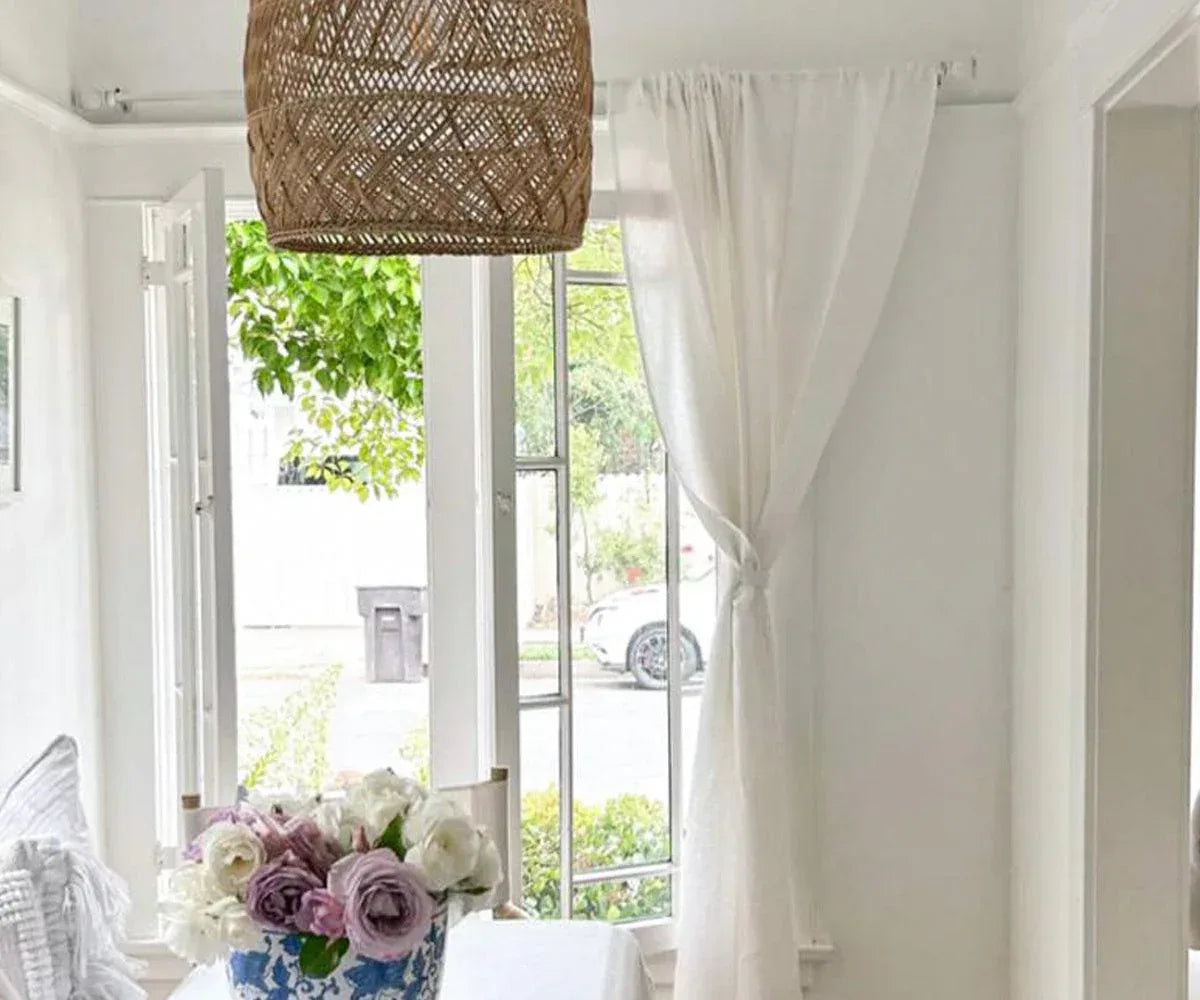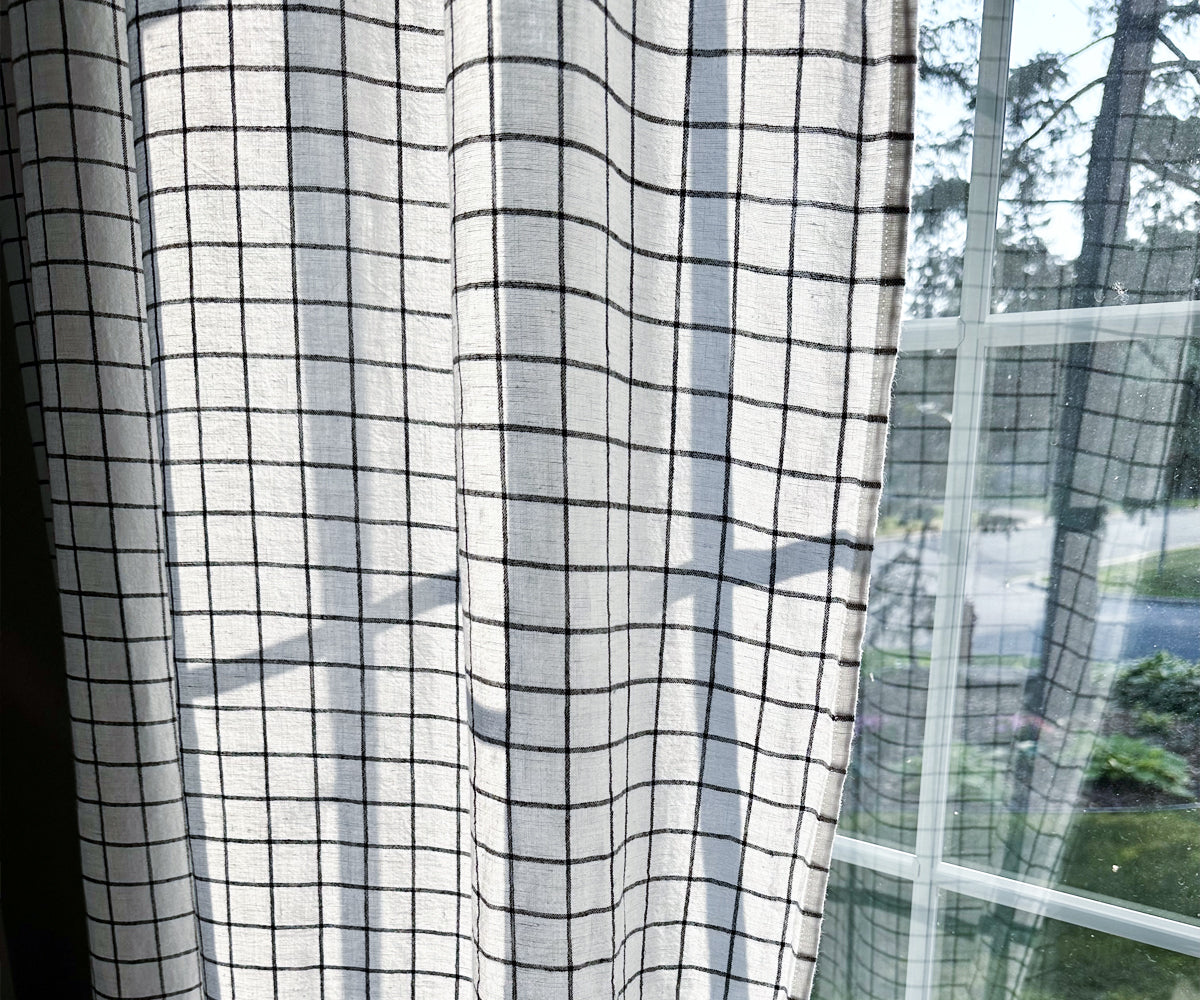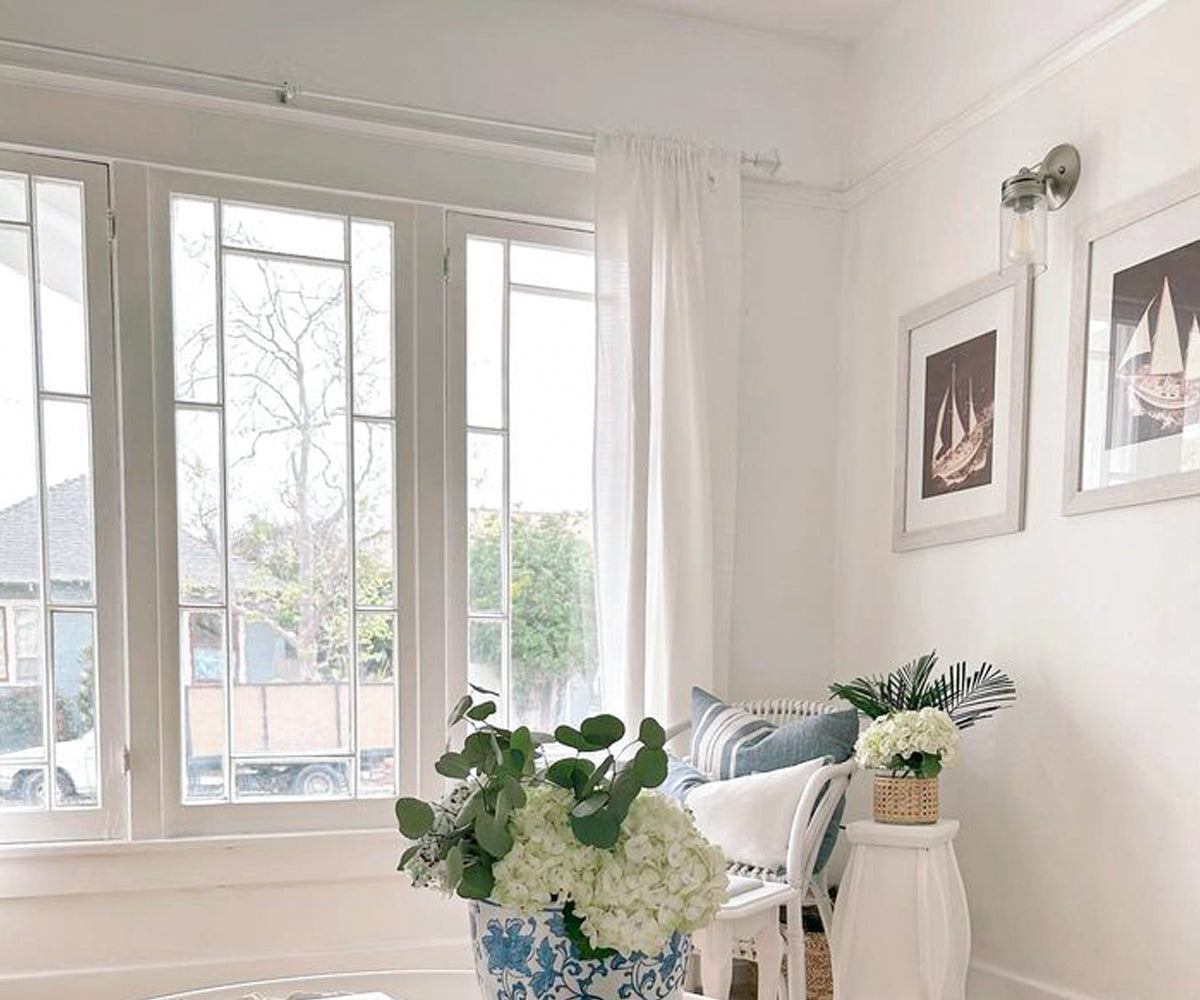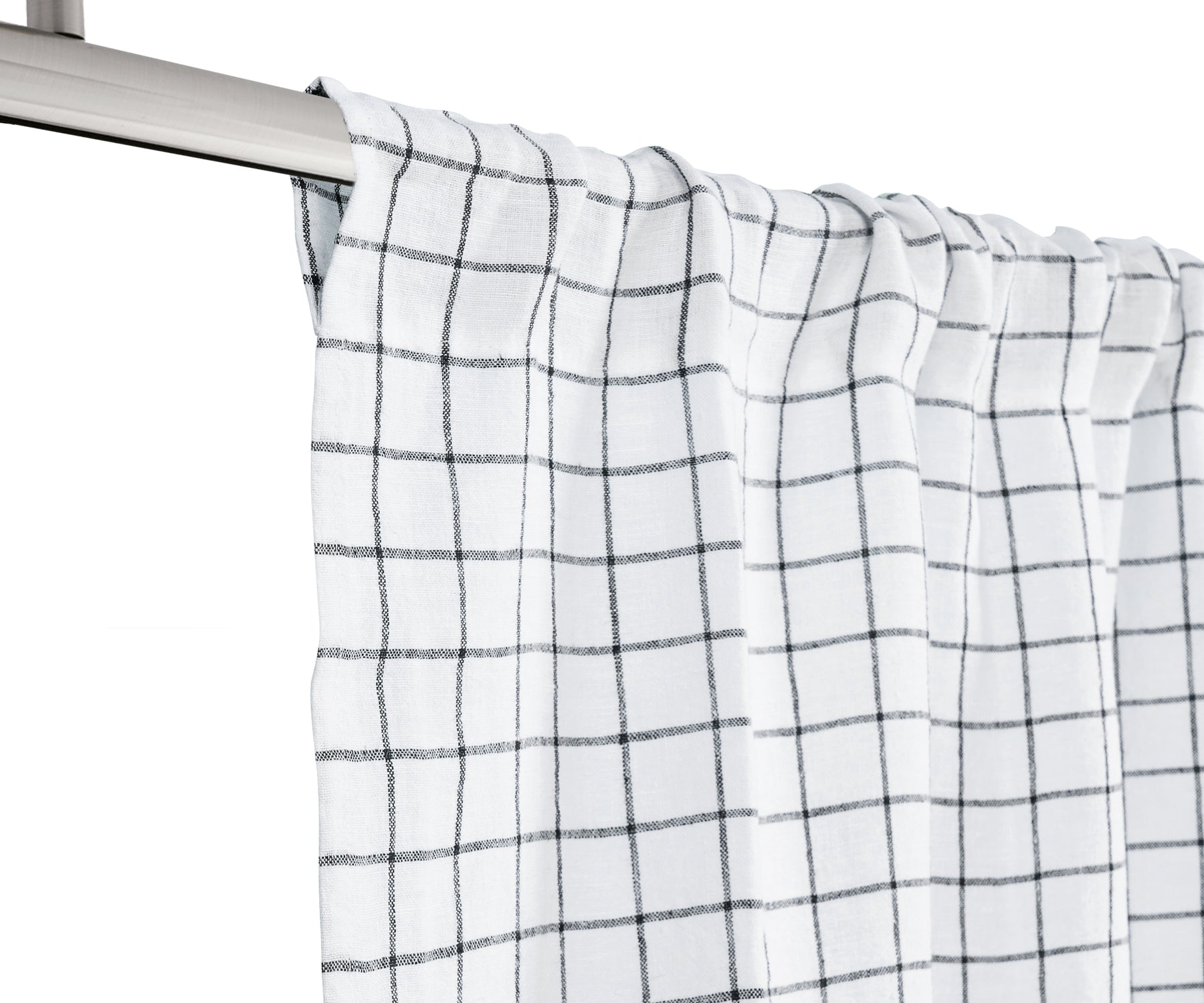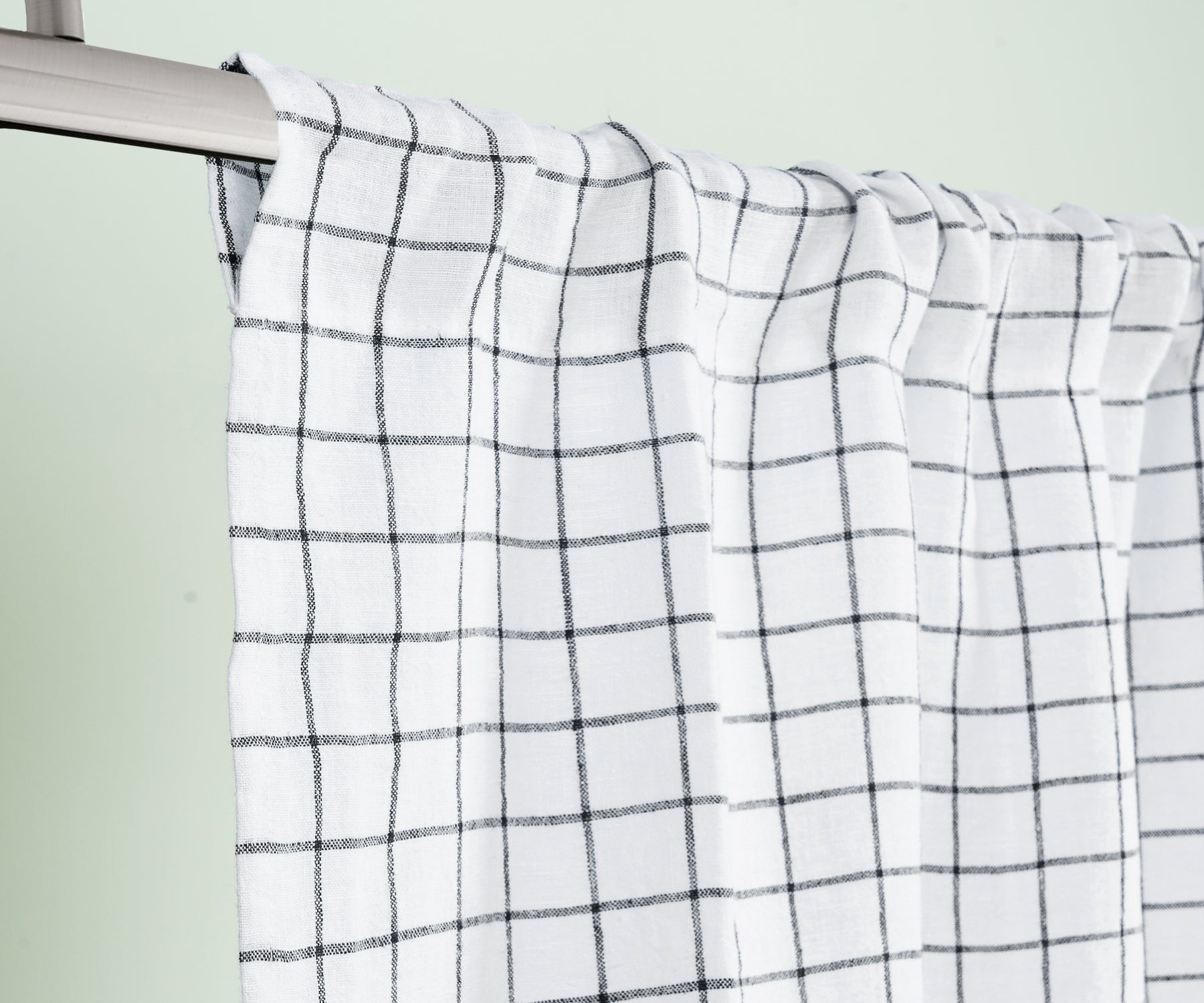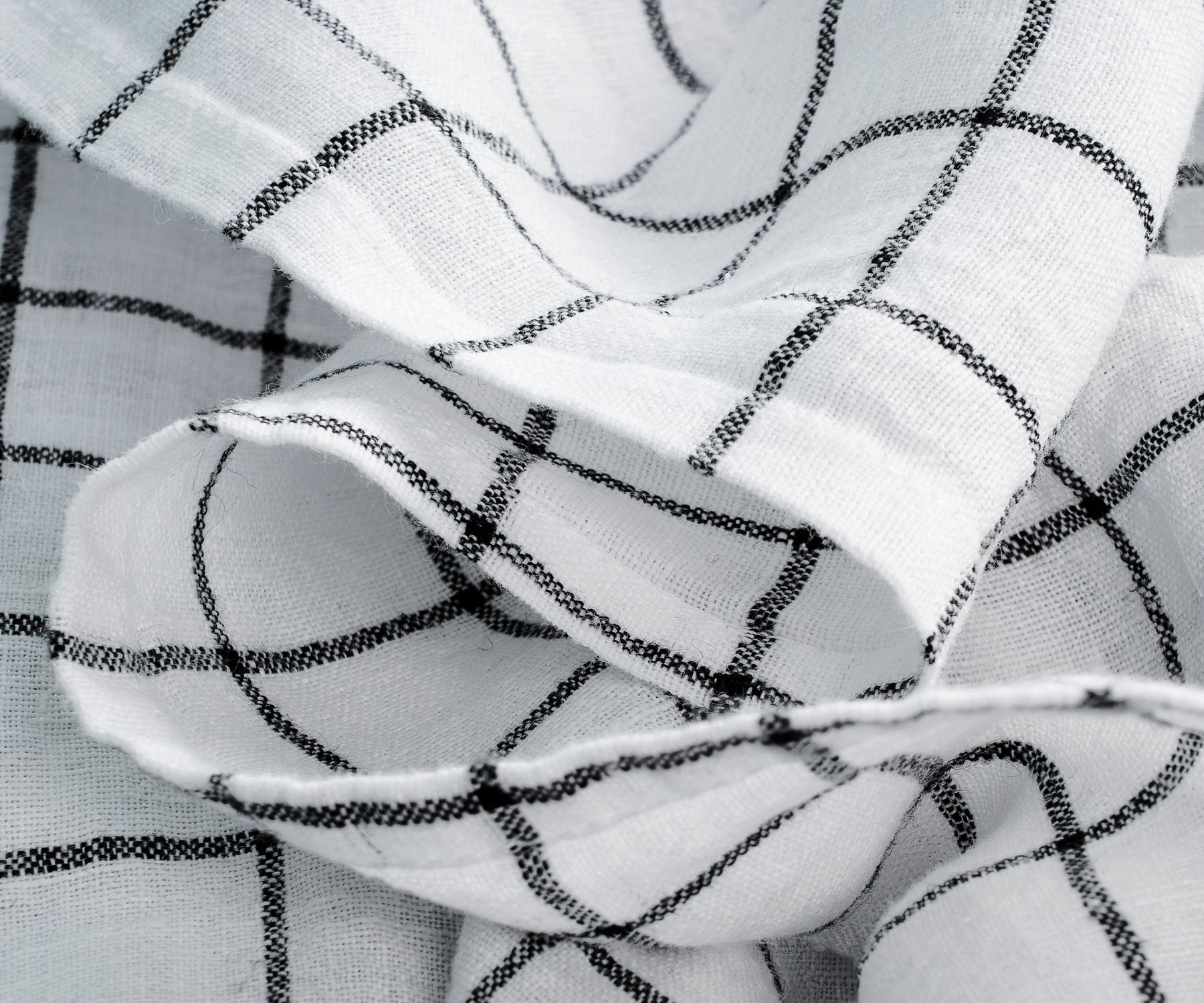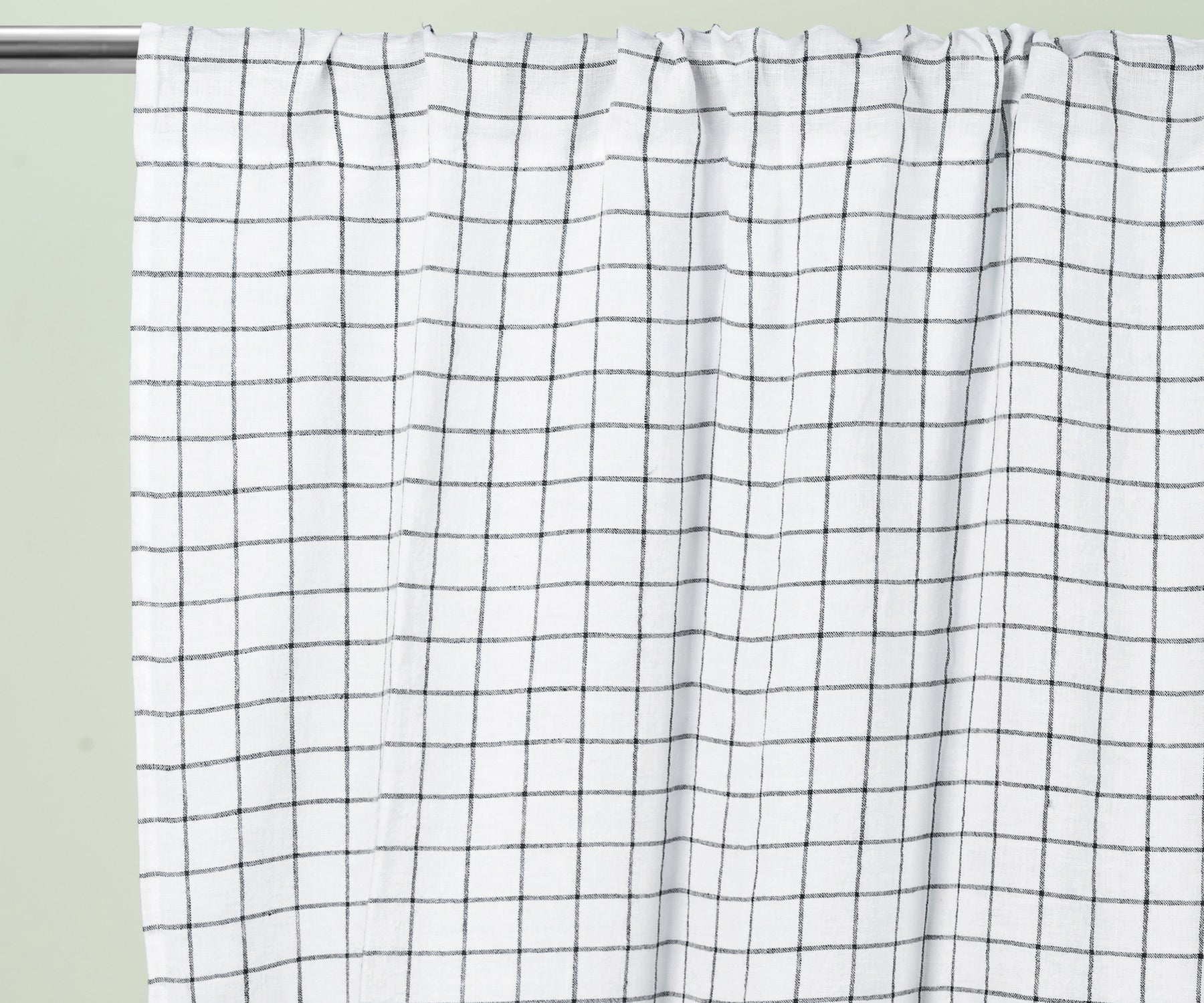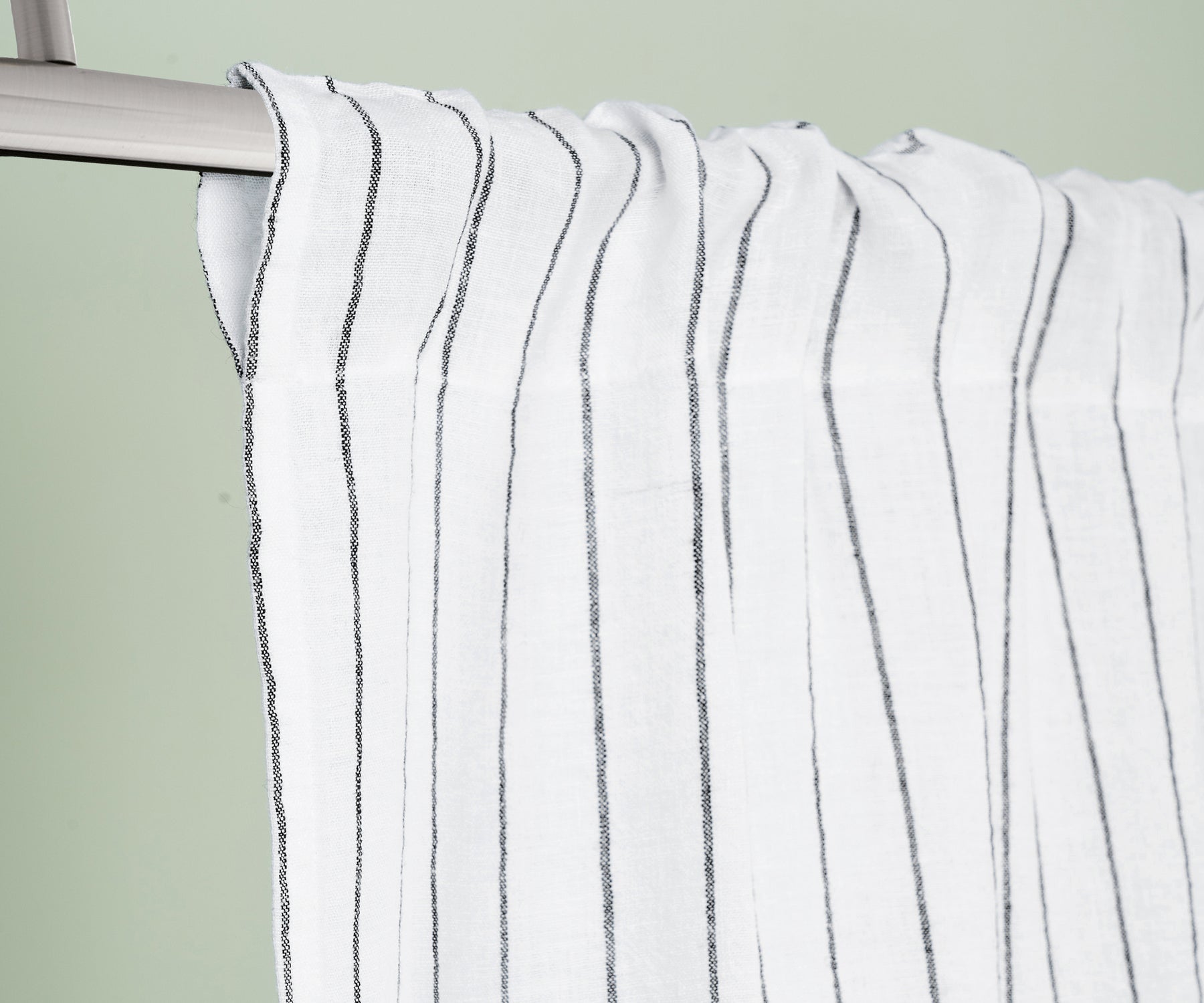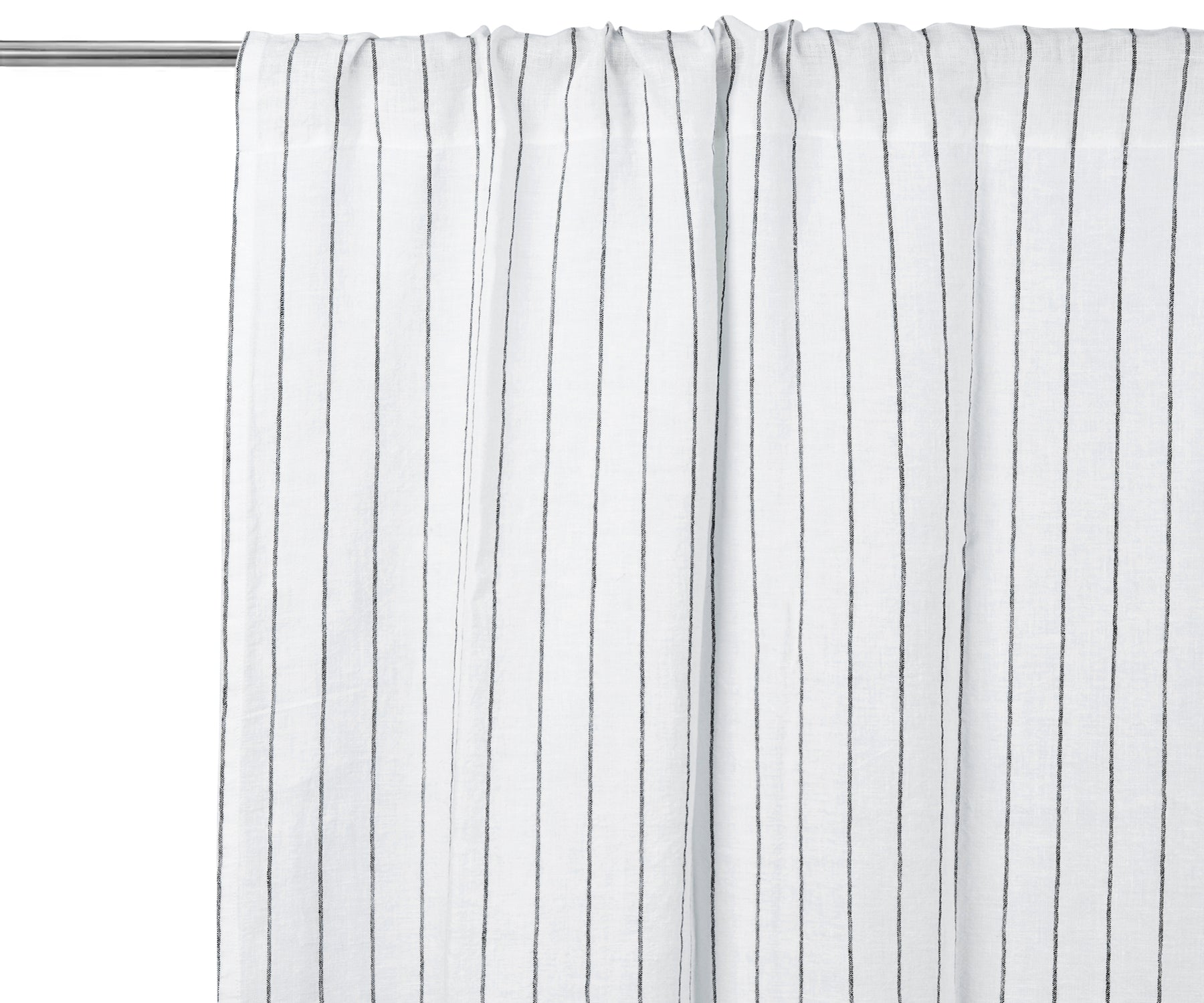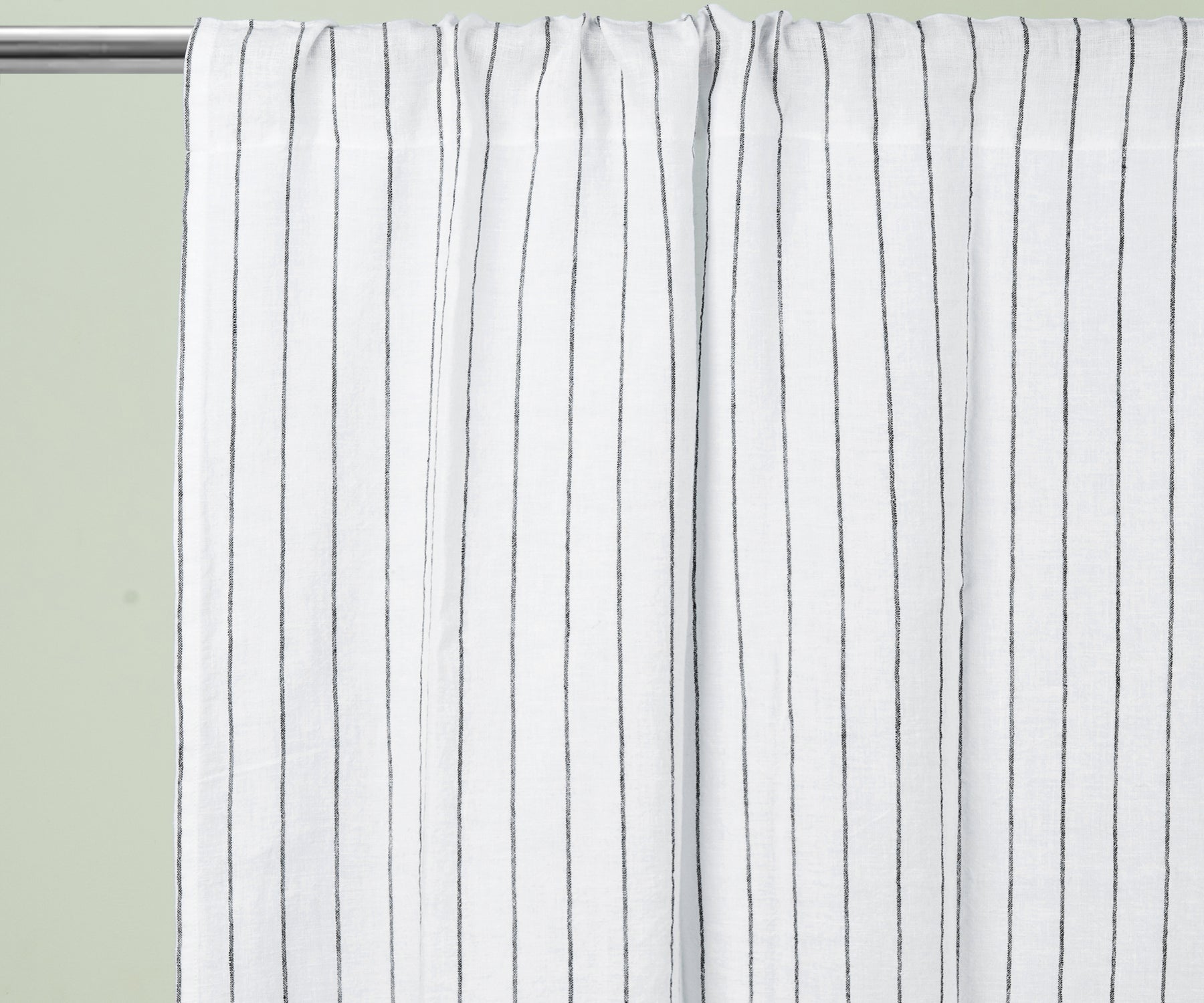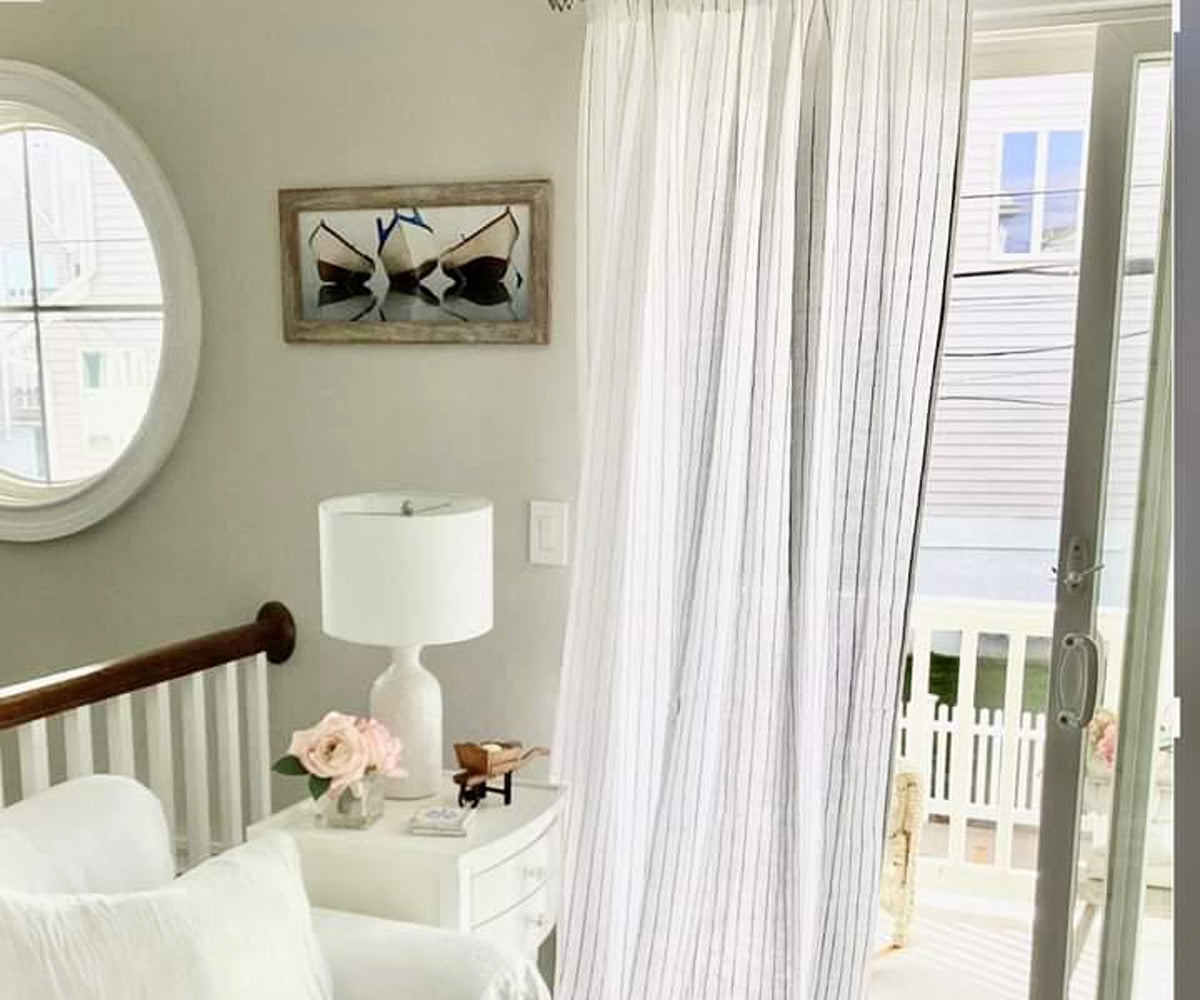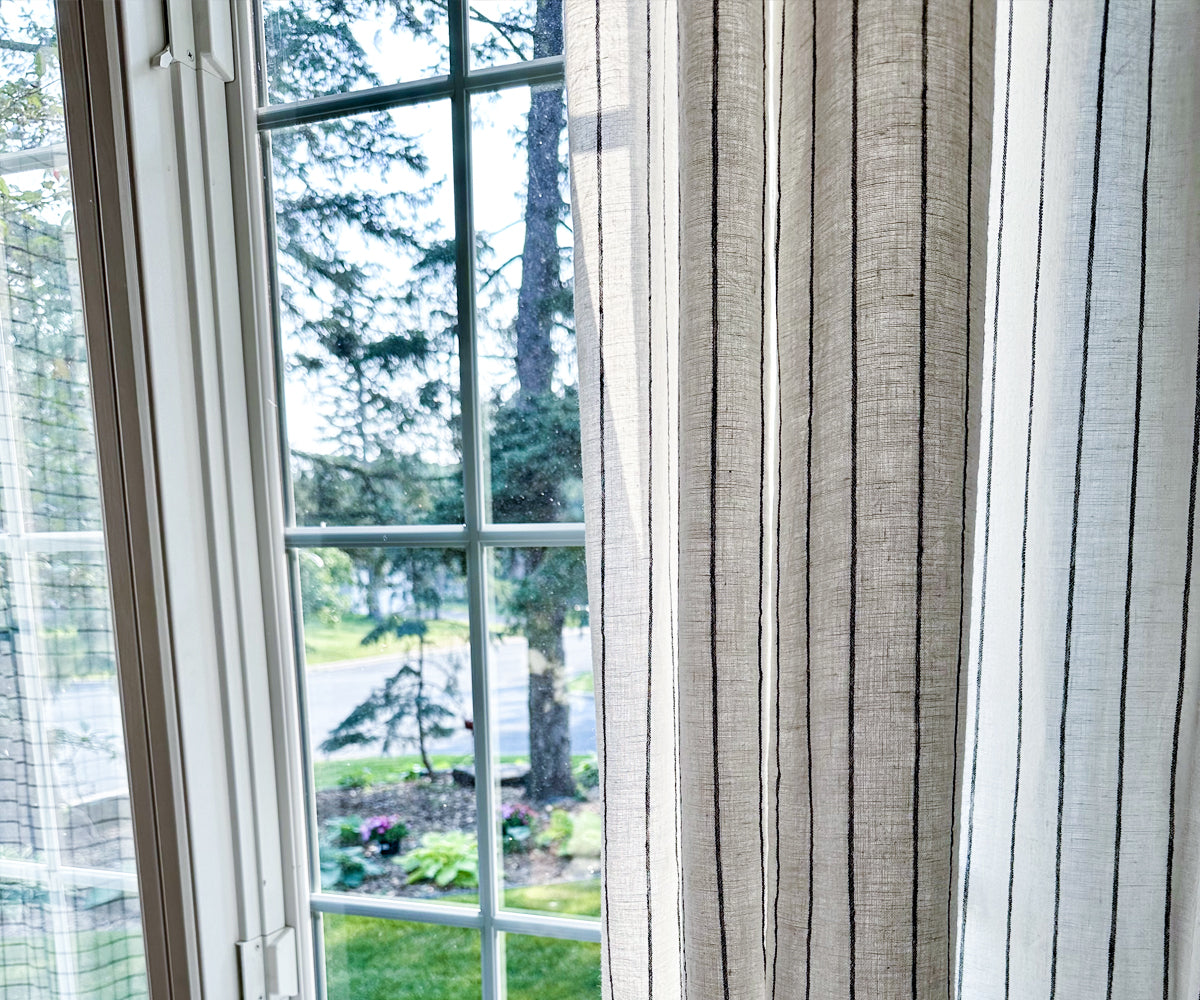


The good news is that hanging curtains is easier than many people think. With the right measurements, proper rod placement, and a few simple tools, you can achieve a clean and professional look without hiring an installer. Small adjustments in height and width can make windows appear larger, ceilings seem higher, and rooms feel more open.
This guide will walk you through each step of the process, from measuring your windows and installing curtain rods to hanging and caring for cotton and linen curtains. By following these practical tips, you can create a polished window treatment that enhances both the function and appearance of your space.
Step 1: Gather Your Tools and Hardware
Before installing curtain rods, make sure all your tools and hardware are ready. Having everything within reach helps the installation process go smoothly and reduces the chances of measurement mistakes.
You will need:
- A steel measuring tape for accurate measurements
- A pencil for marking placement points
- A spirit level to ensure the rod is perfectly straight
- A drill with suitable wall anchors or a stud finder
- Curtain rod, brackets, and finials
- A ladder or sturdy step stool
Helpful Tip: Choose a strong, durable curtain rod that can support the weight of your curtains. Heavier fabrics such as linen, velvet, or blackout curtains can cause lightweight rods to bend over time, affecting both appearance and functionality.
Step 2: Measure Your Windows Correctly
Accurate measurements are the foundation of a professional-looking curtain installation. One of the most common mistakes is measuring only the window frame instead of the entire curtain placement area.

When measuring, focus on the space where the curtain rod will be mounted rather than the window itself. Extending the rod beyond the window frame allows the curtains to stack neatly at the sides when open and creates the appearance of a larger window. Proper measurements also help ensure the curtains hang evenly and provide the desired amount of coverage and fullness.
Learn About: How to Plan a Birthday Party: Fun & Simple Ideas
Step 3: Decide How High to Hang Your Curtain Rod
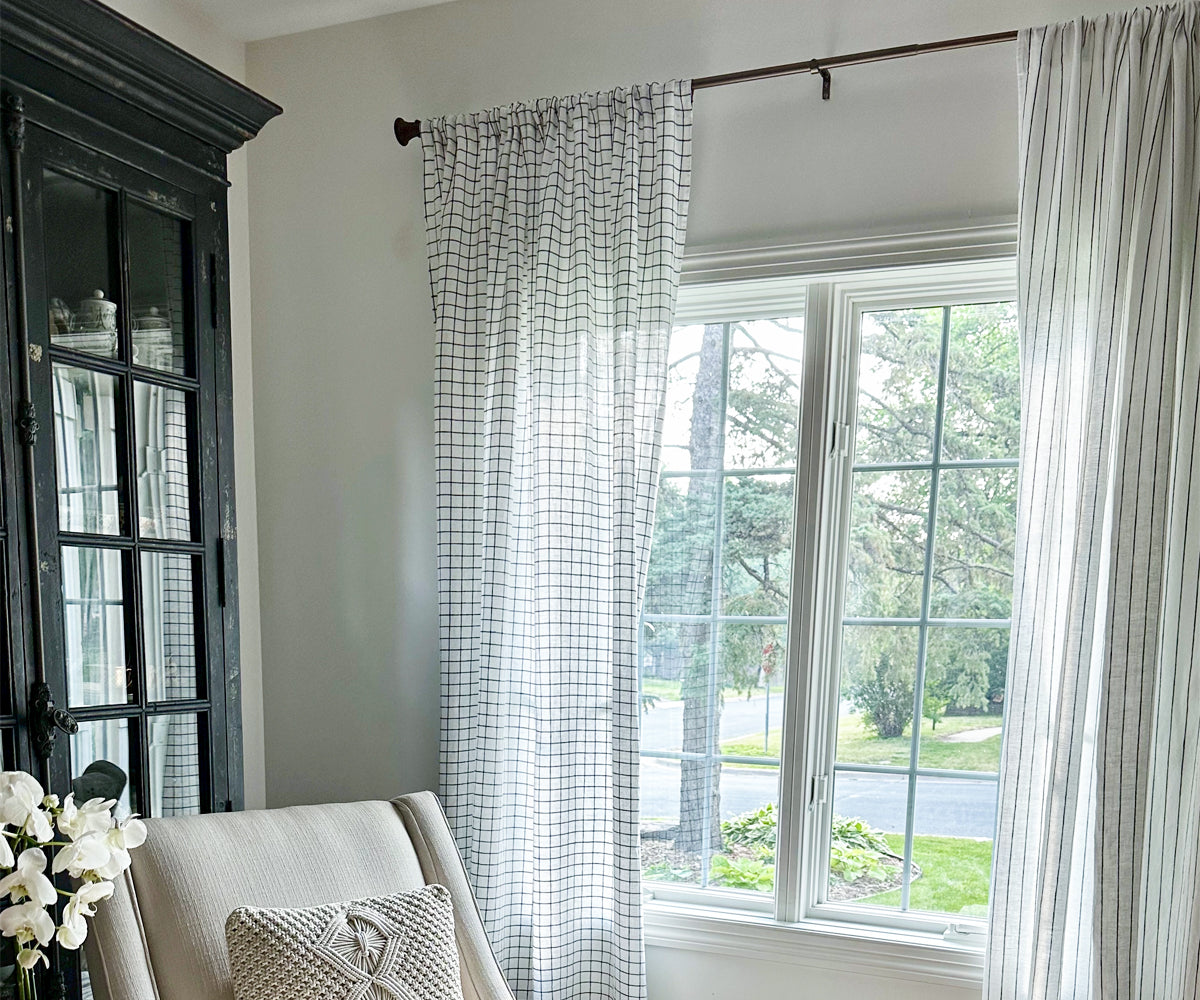
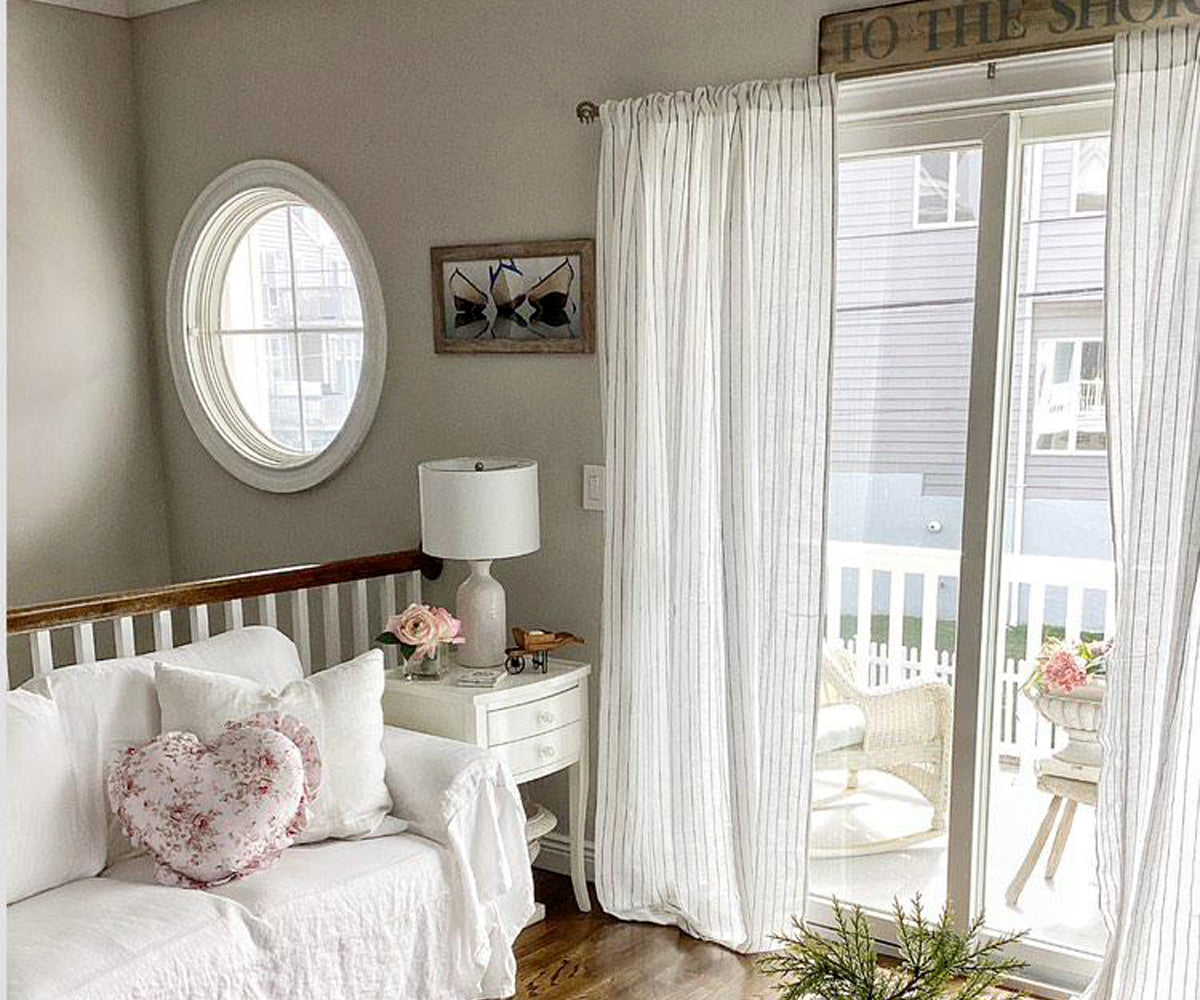
The height of your curtain rod can dramatically affect the overall look of a room. A well-placed rod creates the illusion of taller ceilings and larger windows, giving the space a more polished and spacious appearance. A simple rule many designers follow is: hang curtains high and wide.
For most windows, install the curtain rod about 4 to 8 inches above the window frame. If your room has enough wall space, placing the rod closer to the ceiling can make the room feel taller and more open.

Recommended Curtain Rod Heights
Standard Ceiling Height (8–9 Feet)
Mount the rod approximately 6 to 8 inches above the window frame or a few inches below the ceiling. This placement helps draw the eye upward and creates a balanced look.
Rooms with Crown Molding
Install the rod just below the molding. This keeps the design clean and prevents an awkward gap between the curtain rod and decorative trim.
High or Vaulted Ceilings
For rooms with very tall ceilings, position the rod about 6 to 8 inches above the window frame rather than placing it near the ceiling. This helps maintain proper proportions and keeps the curtains visually connected to the window.
Helpful Design Tip
Avoid mounting the curtain rod directly above the window frame. Rods placed too low can make windows appear smaller, and ceilings seem lower. Raising the rod slightly higher creates a more balanced, spacious, and professionally styled look.
Step 4: Extend the Rod Beyond the Window
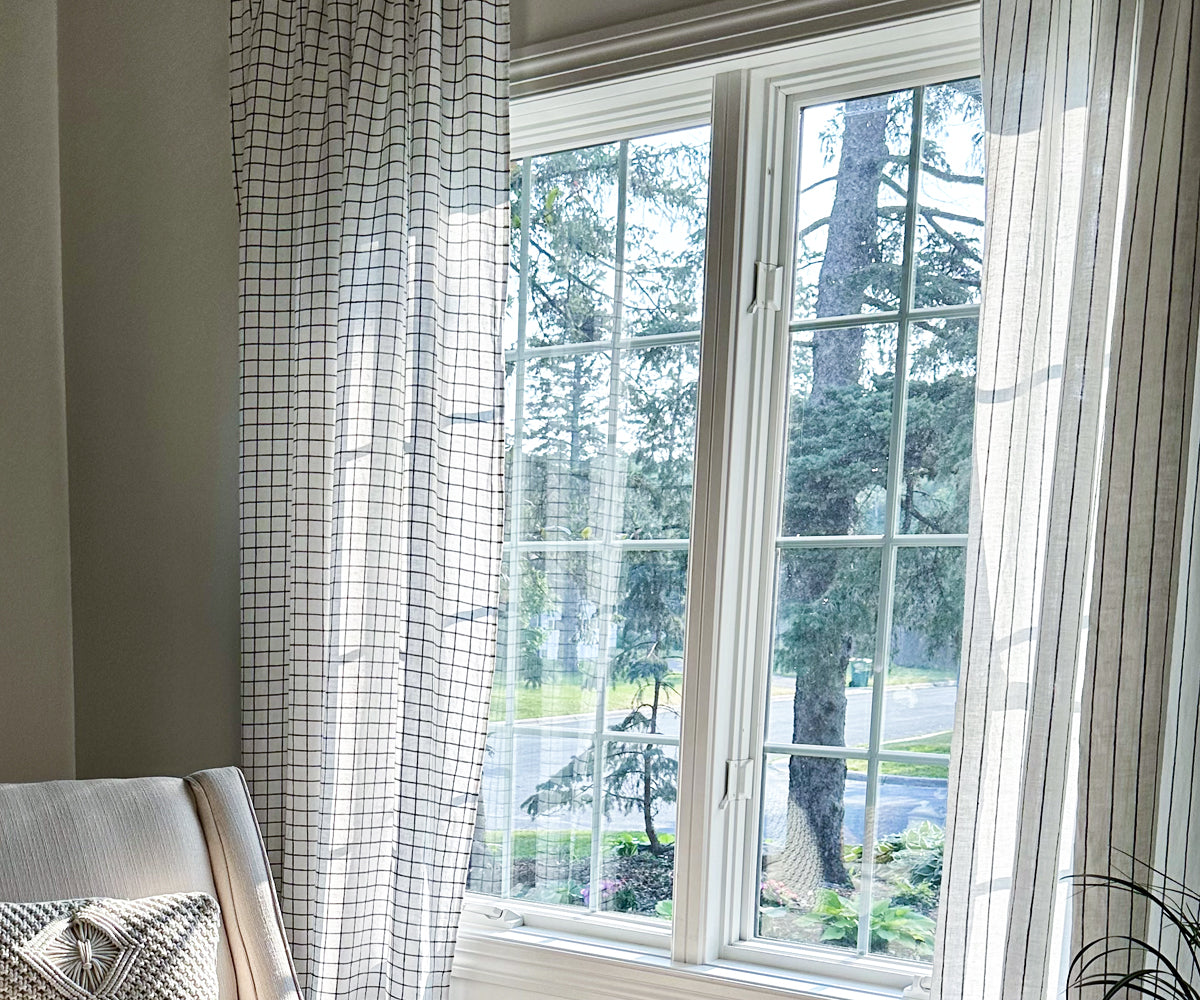
The width of your curtain rod is just as important as its height. For the best visual effect, the rod should extend 4 to 6 inches beyond each side of the window frame rather than stopping at the window edges.
This simple adjustment offers several benefits. First, it makes the window appear wider and more substantial. Second, it allows the curtains to rest neatly on either side when opened, letting in more natural light and providing a clearer view outside.
For example, if your window measures 120 cm wide, choose a curtain rod that extends to approximately 140–150 cm. Most curtain rods come with adjustable lengths, making it easier to achieve the correct fit. Before purchasing, check the rod's size range to ensure it provides enough coverage for your window and desired curtain placement.
Helpful Design Tip
Curtains should frame the window, not cover it when open. Extending the rod beyond the frame helps create a more spacious look while maximizing daylight in the room.
Step 5: Mark, Drill, and Install Brackets
Once you have determined the correct placement for your curtain rod, it is time to install the brackets securely. Taking a few extra minutes during this step helps ensure that your curtains hang evenly and remain stable over time.
1. Mark the Bracket Locations
Use a pencil to mark where each bracket will be installed. Before making any holes, use a spirit level to confirm that both marks are perfectly aligned. Even a slight height difference can cause the curtain rod to appear crooked.
2. Locate Wall Studs
Check the wall for studs using a stud finder. If a stud is available, secure the bracket directly into it for maximum support. If there is no stud in the desired location, use wall anchors that can safely support the weight of your curtain rod and fabric.
3. Drill Pilot Holes
Carefully drill pilot holes at the marked points. Working slowly helps create cleaner holes and reduces the risk of damaging plaster or drywall. Make sure the drill bit matches the size recommended for your screws or wall anchors.
4. Secure the Brackets
Attach the brackets using the appropriate screws and tighten them firmly. Once installed, gently pull on each bracket to confirm that it is secure and capable of supporting the curtain rod.
5. Install the Curtain Rod
Place the curtain rod into the brackets and check the alignment with a spirit level. If needed, make small adjustments before tightening any remaining hardware. A level rod creates a balanced appearance and ensures that the curtains hang properly across the window.
Helpful Tip
For wider windows or heavier curtains, consider adding a center support bracket. This helps prevent the rod from bending and provides extra stability for long-term use.
To Know: How to Choose the Best Striped Napkins for Your Table (2026)
Step 6: Hang Your Curtains
How you hang curtains depends on the header style. Here's a quick guide:

Rod Pocket
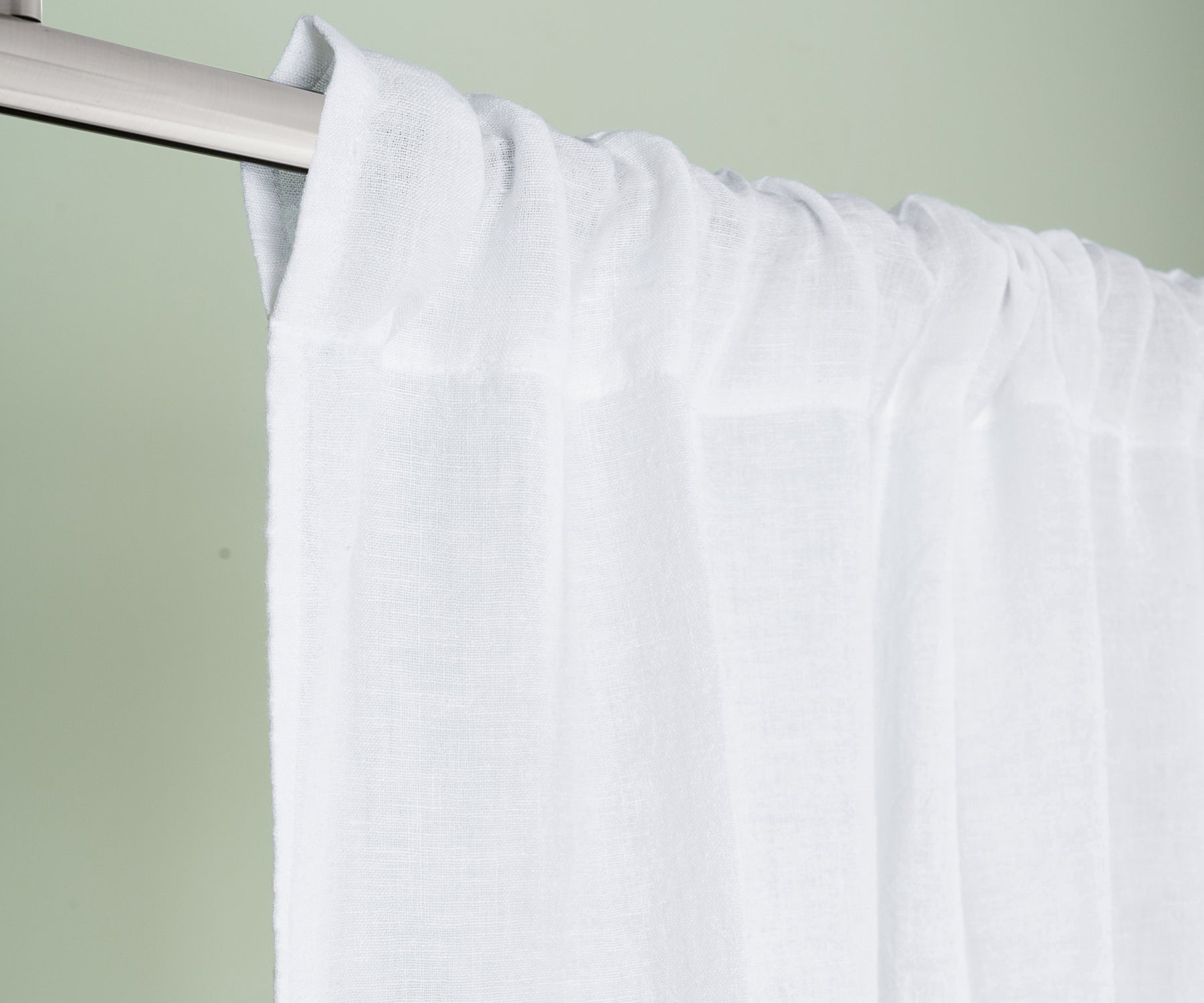
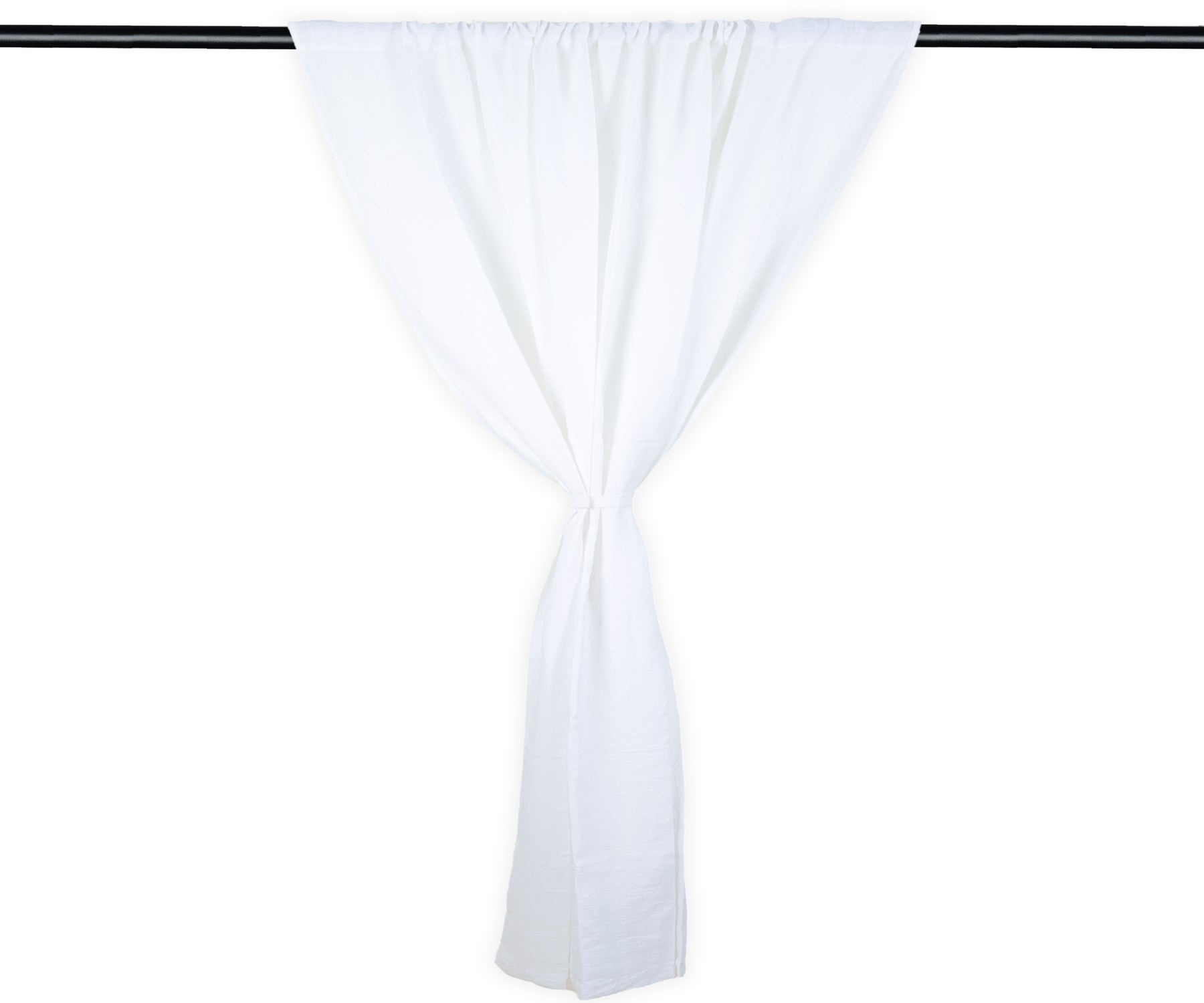
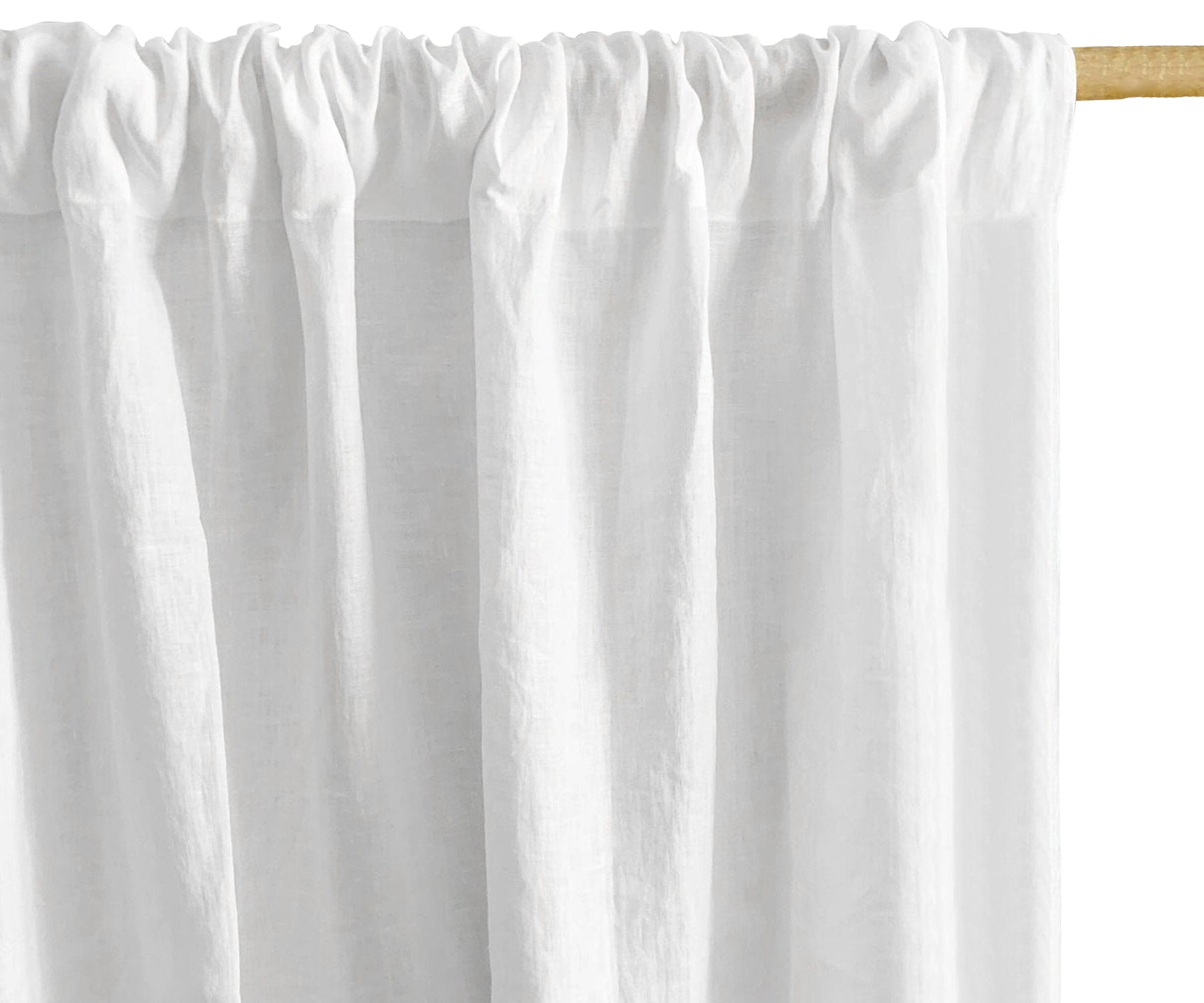
Slide the rod directly through the pocket sewn at the top of the panel. Simple, but curtains don't slide easily, best for panels you won't open often.
Eyelet / Grommet
Thread the rod through the metal rings at the top of the panel. Easy to slide open and closed, and creates a clean, contemporary look, a popular choice for linen curtains.
Pinch Pleat / Pencil Pleat with Hooks
Insert hooks into the back of the pleat tape, then hang onto the things or a track. The most traditional method creates elegant, structured folds.
Tab Top
Fabric loops at the top slide directly over the rod. Casual, bohemian look works well with lightweight cotton curtains in informal rooms.
Clip Rings
Clips attach to the top edge of the fabric and hang from rings on the rod. The most flexible option works with almost any fabric and allows easy length adjustment.
Read Related: 10 Creative Uses for Cloth Napkins in Your Kid's Lunchbox
Common Beginner Mistakes to Avoid
|
Common Mistake |
What to Do Instead |
|
Hanging the rod too low (on the window frame) |
Mount 10–20 cm above the frame, or near the ceiling |
|
Using curtains that are too narrow |
Total fabric should be 2–2.5x the window width |
|
Curtains that are too short |
Aim for floor-length; 84" panels are usually too short |
|
Rod too narrow for the window |
Extend 10–15 cm beyond the frame on each side |
|
Skipping the level |
Always check with a spirit level before drilling |
|
Not ironing/steaming before hanging |
Remove creases first, especially important for linen |
Caring for Cotton and Linen Curtains
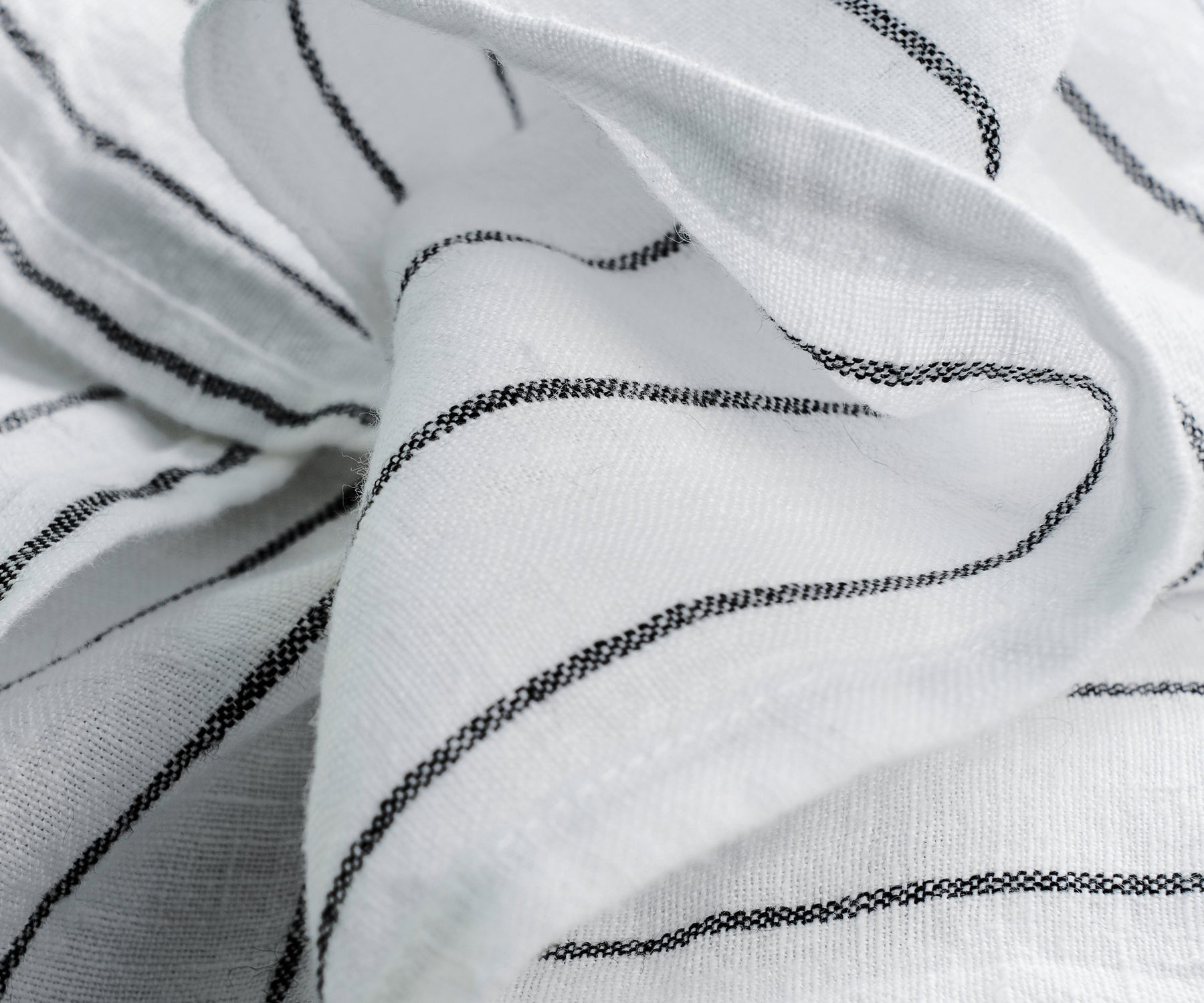
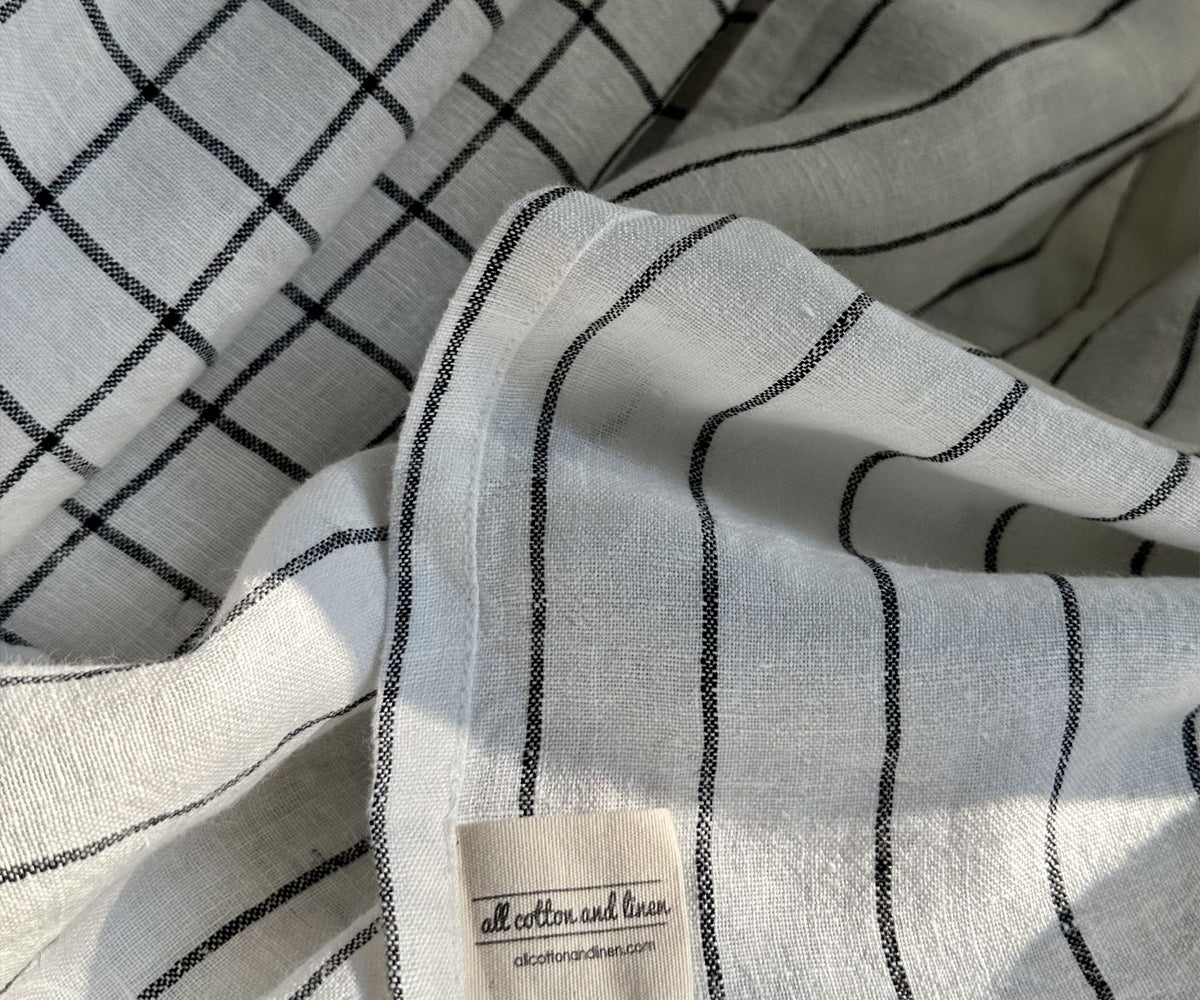
Cotton and linen curtains bring softness, texture, and a natural look to any room. With proper care, these fabrics can maintain their appearance and durability for many years.
Steam Before Hanging
Natural fabrics, particularly linen, can develop creases during packaging, storage, or washing. Using a garment steamer before hanging helps smooth out wrinkles and creates a cleaner appearance. For best results, hang curtains while they are slightly damp and allow gravity to naturally release any remaining creases.
Vacuum Regularly
Dust and airborne particles can settle into curtain fabrics over time. Use a vacuum cleaner with a soft brush attachment to gently remove dust without damaging the fibers or disturbing the fabric weave. Regular cleaning helps keep curtains looking fresh and reduces allergen buildup.
Wash with Care
Many cotton and linen curtains can be machine-washed using a cool water setting and a gentle cycle. Mild detergents are usually the safest option for preserving the fabric's texture and color. Always check the care label before washing to follow the manufacturer's recommendations.
Protect Against Sun Damage
Prolonged exposure to direct sunlight can gradually fade natural fabrics. Installing sheer curtains or a UV-filtering layer behind your main curtains can help reduce sun exposure while still allowing natural light into the room.
Re-Hang While Damp
After washing, hang curtains back on the rod while they are still slightly damp. This simple step helps minimize wrinkles, encourages the fabric to fall naturally, and often reduces the need for ironing or steaming later.
Helpful Tip
Regular maintenance is easier than deep cleaning. A little attention throughout the year can help cotton and linen curtains retain their shape, texture, and fresh appearance for much longer.
Overview
Installing curtains successfully is all about careful measurements, proper rod placement, and selecting fabrics that hang beautifully. Once you understand the basics, the process becomes straightforward and can make a noticeable difference in the look and feel of any room.
Cotton and linen curtains are excellent choices for creating a warm and inviting space. Their natural texture and gentle drape add softness to windows while complementing a wide range of interior styles. With the right installation and regular care, these curtains can enhance your home for years while providing privacy, light control, and lasting comfort.